Work samples
-
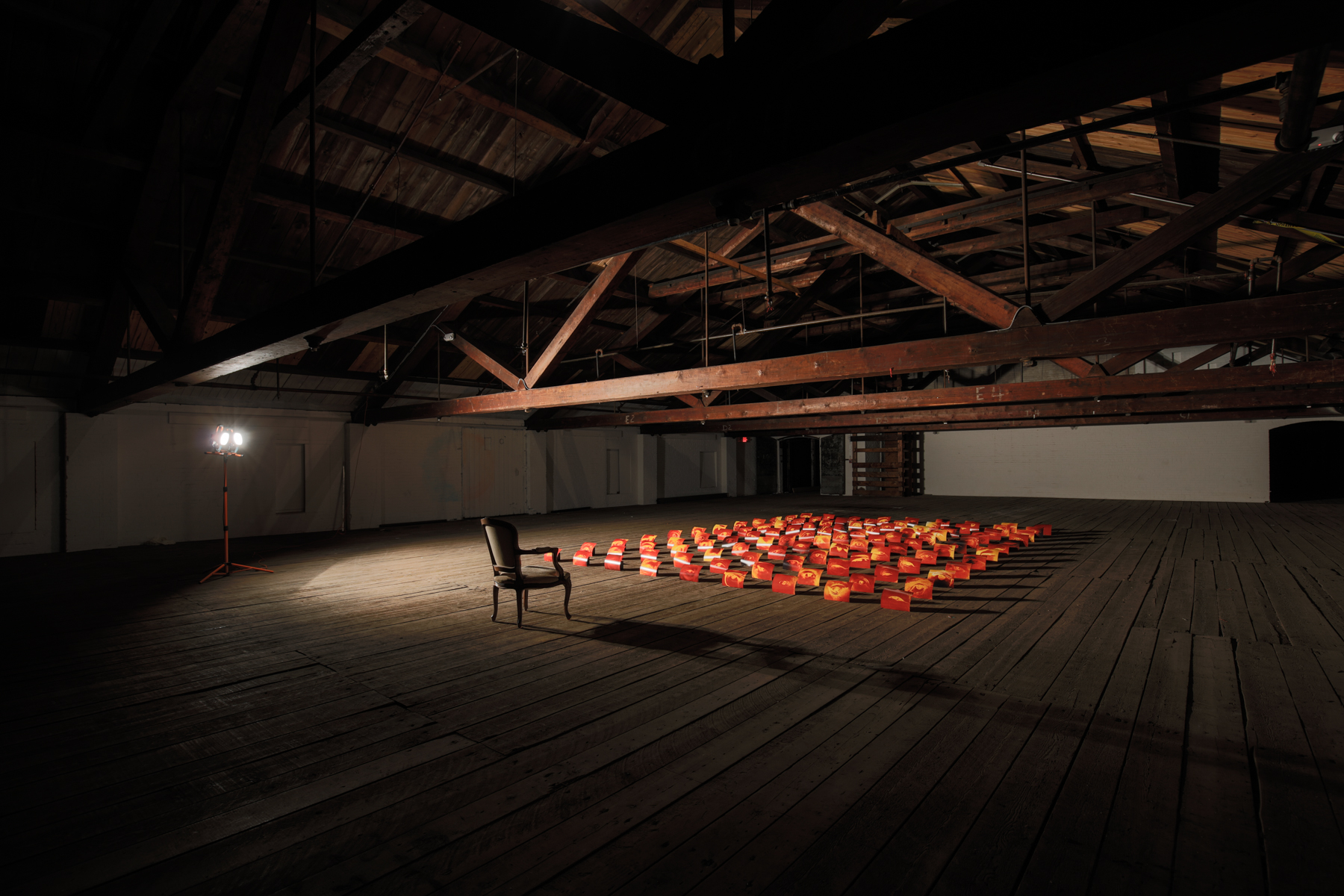
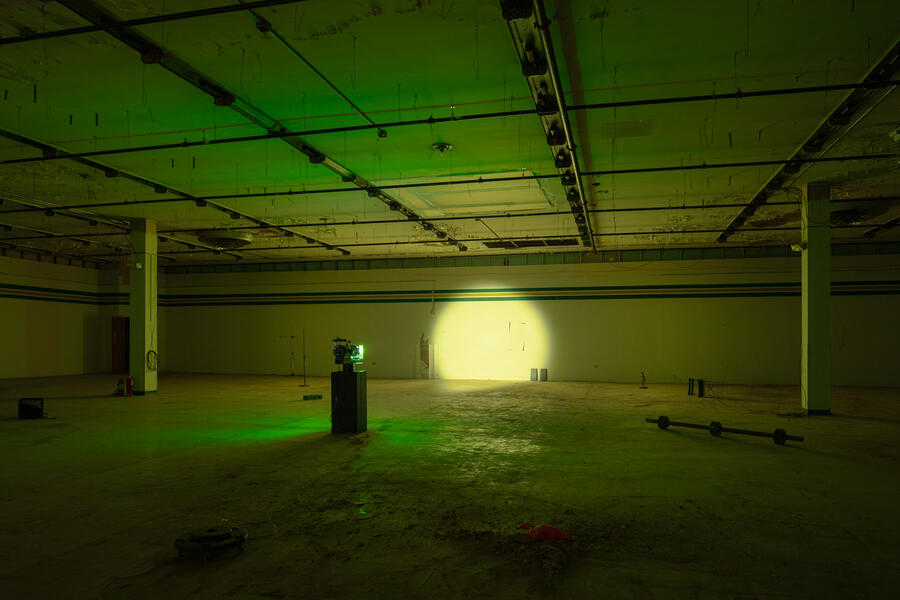
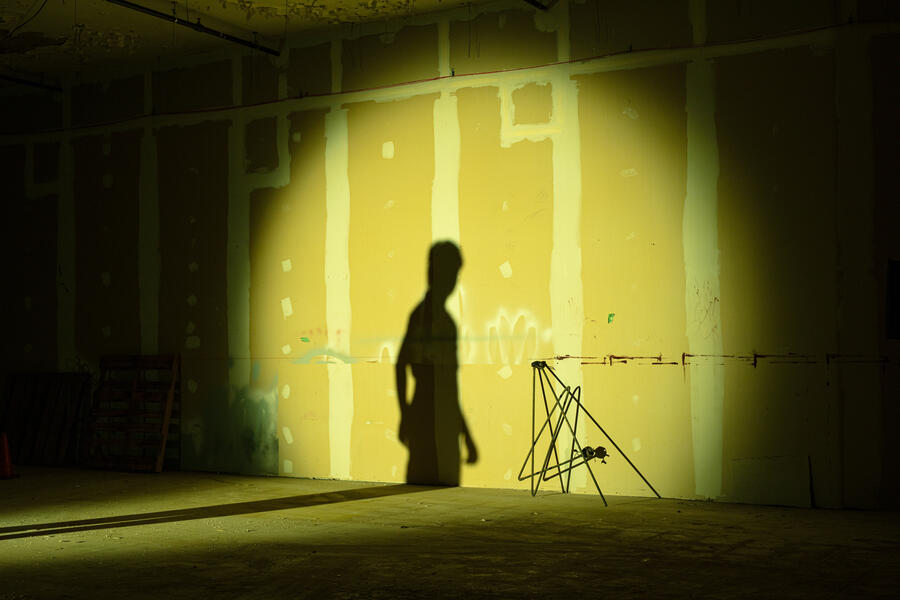
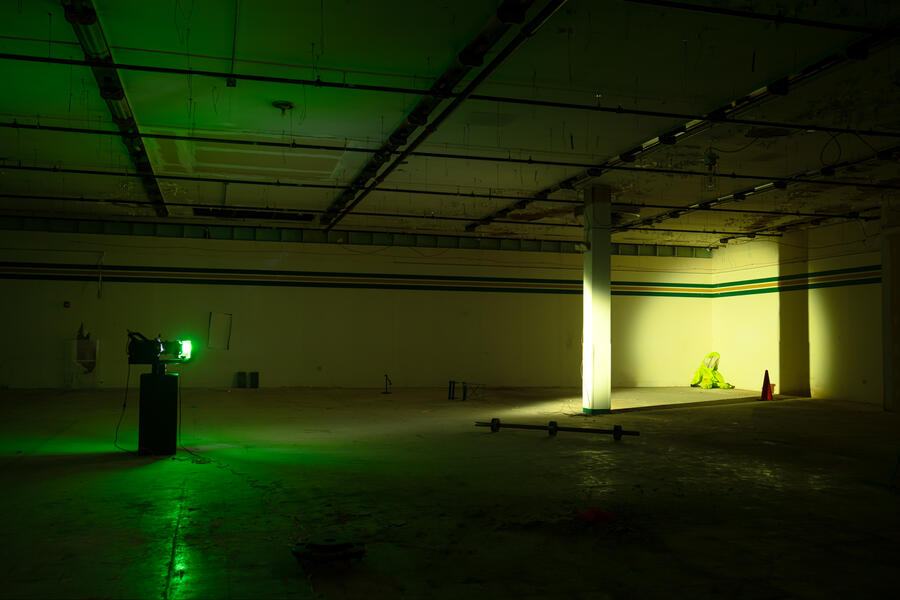
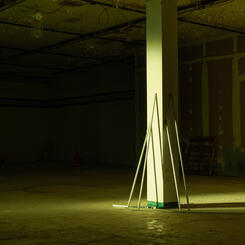
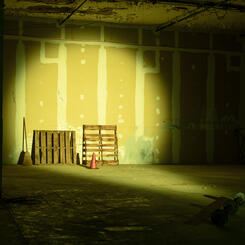
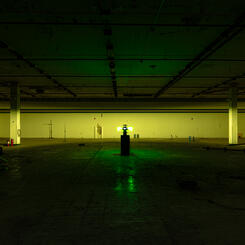
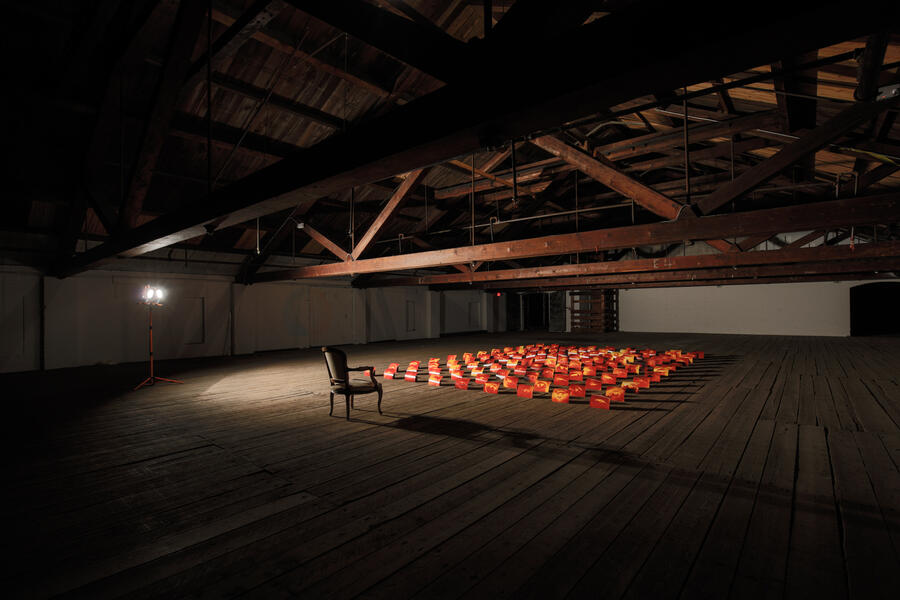 Eye who witnessed: MASS MoCA's unused building 2021
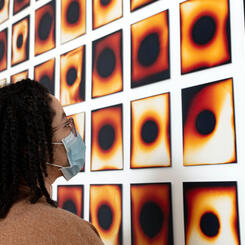
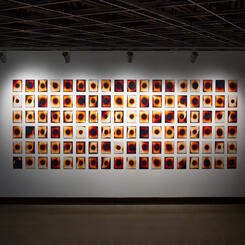
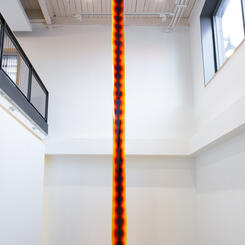
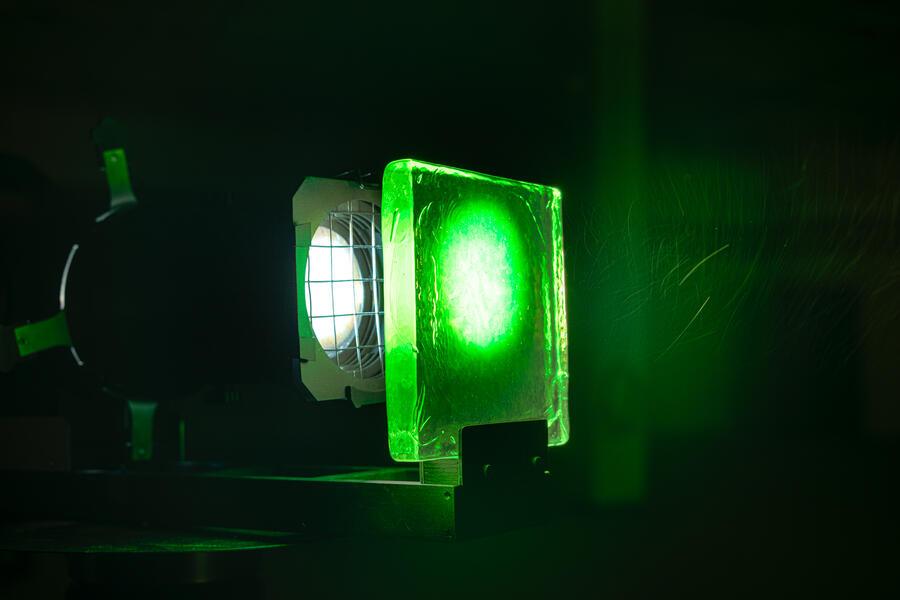
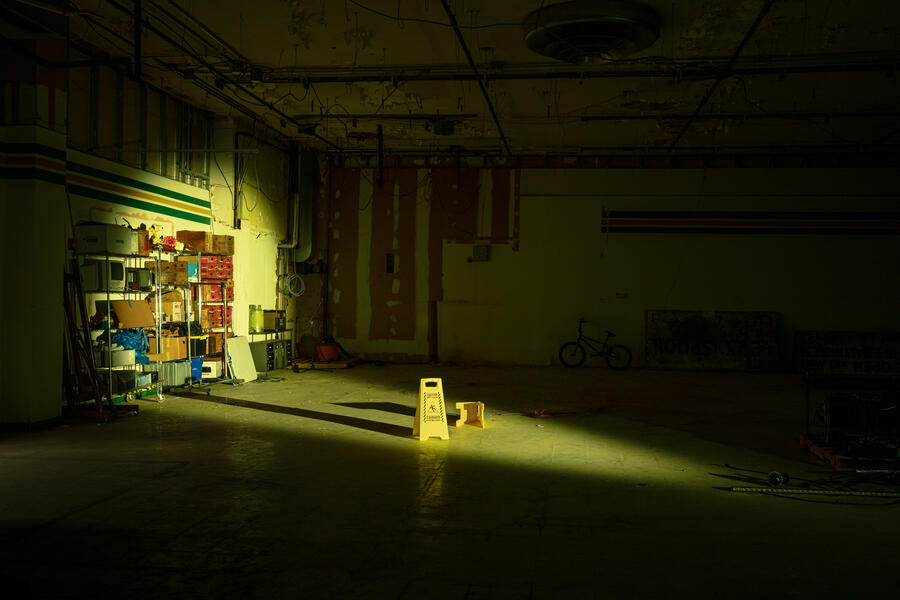
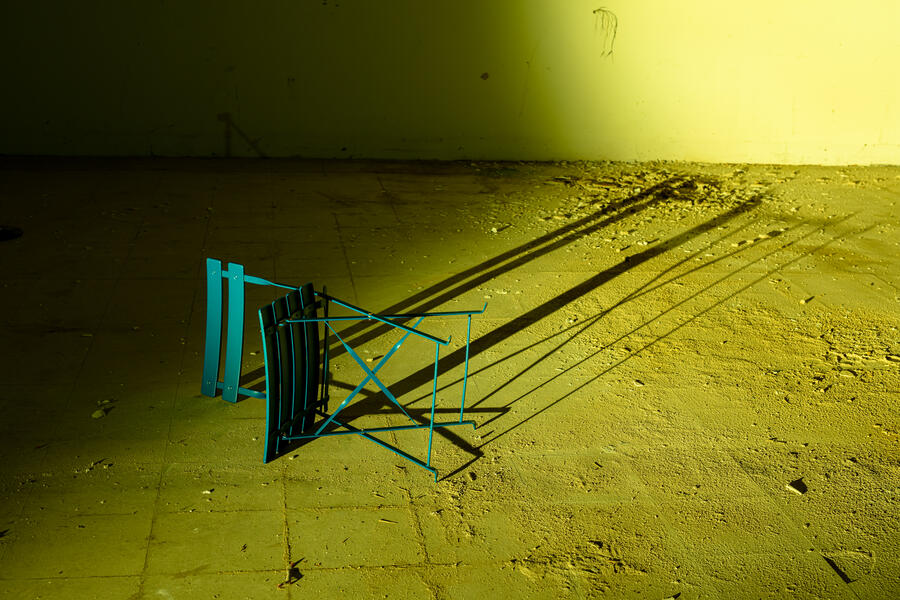
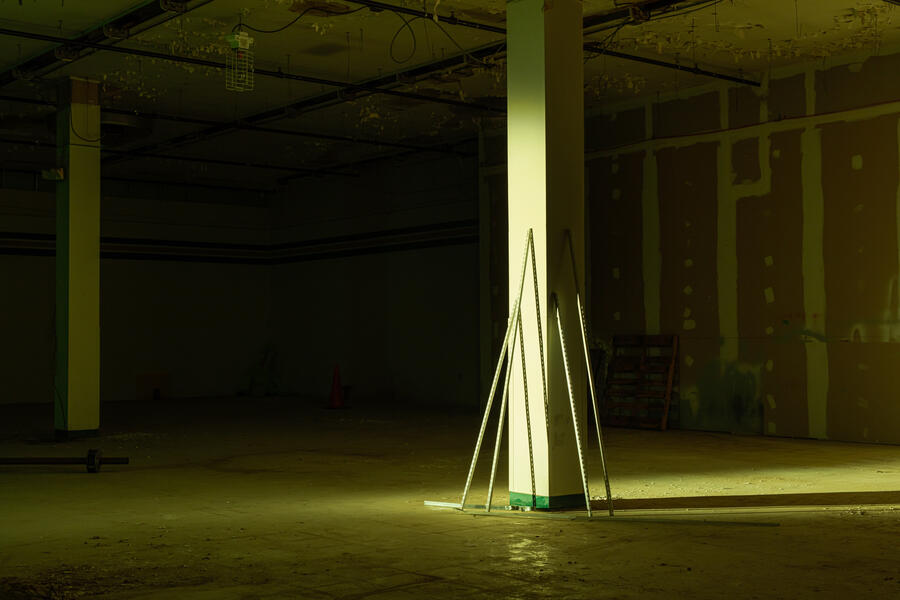
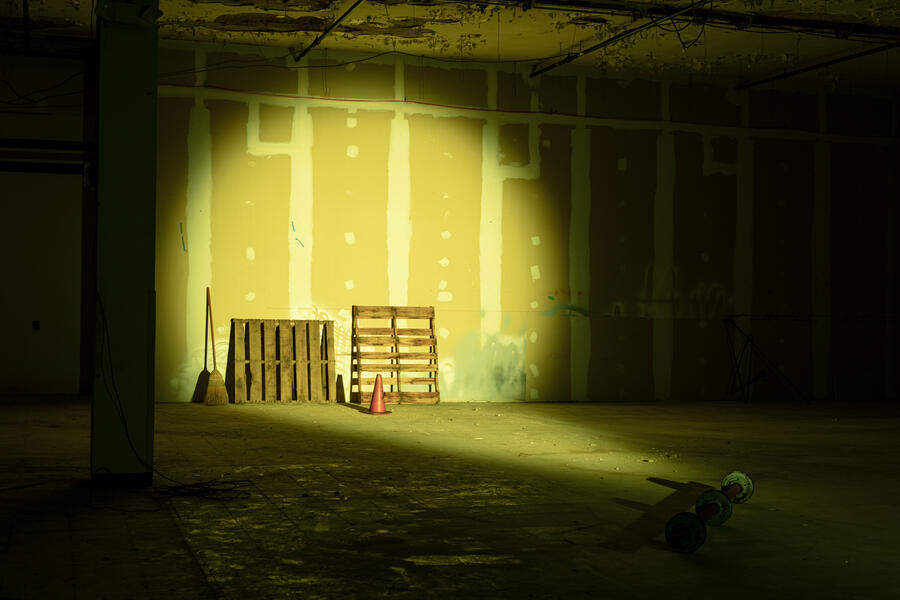
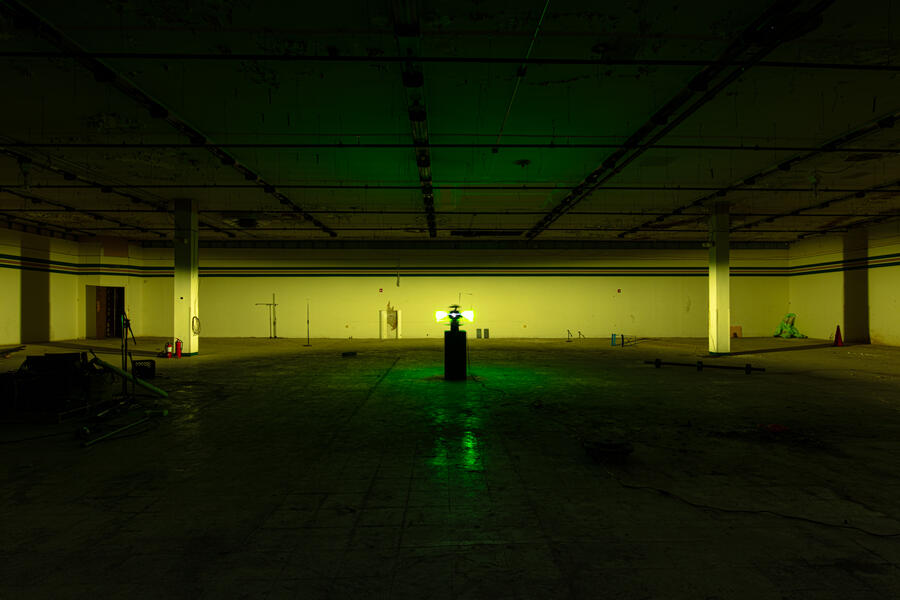
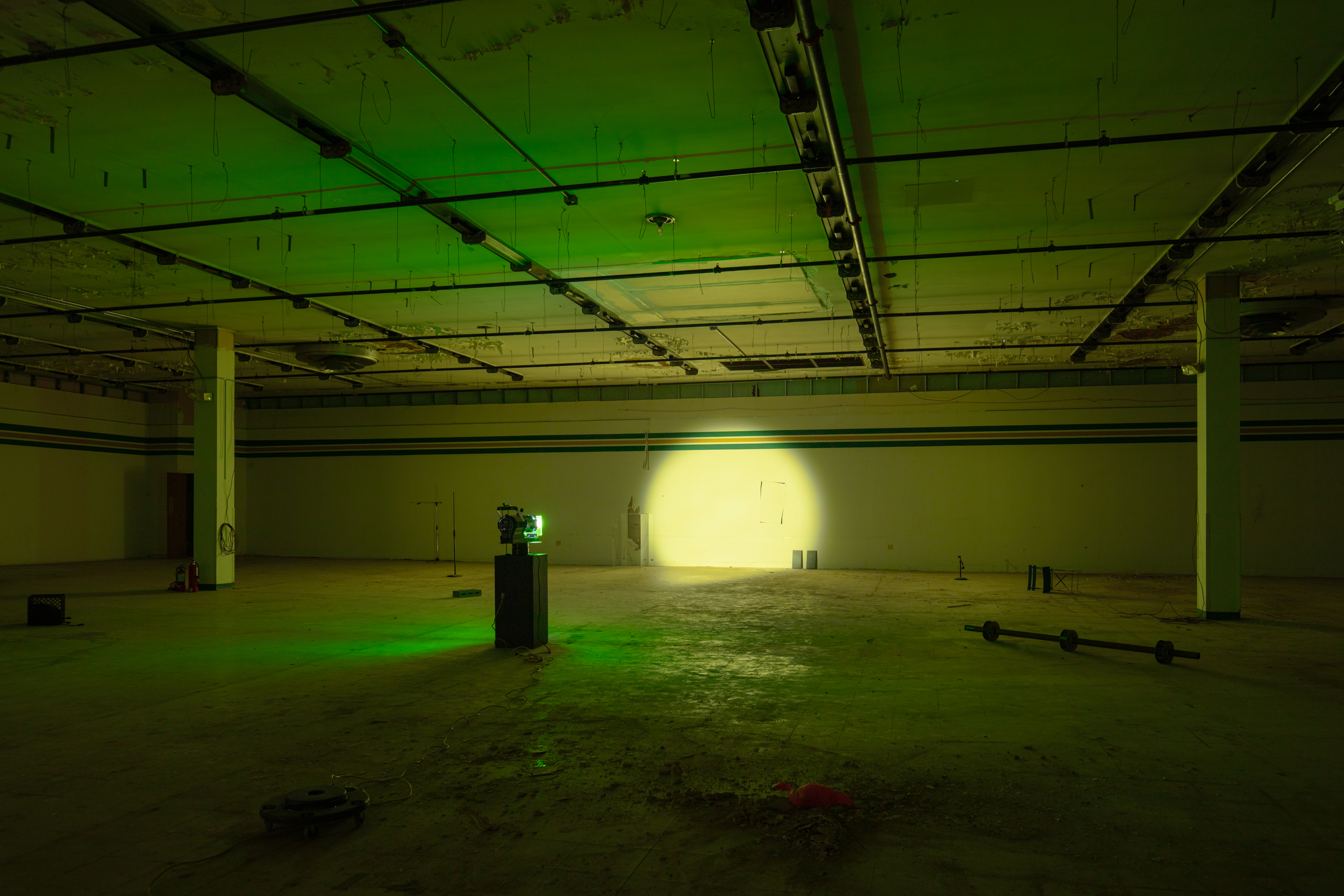
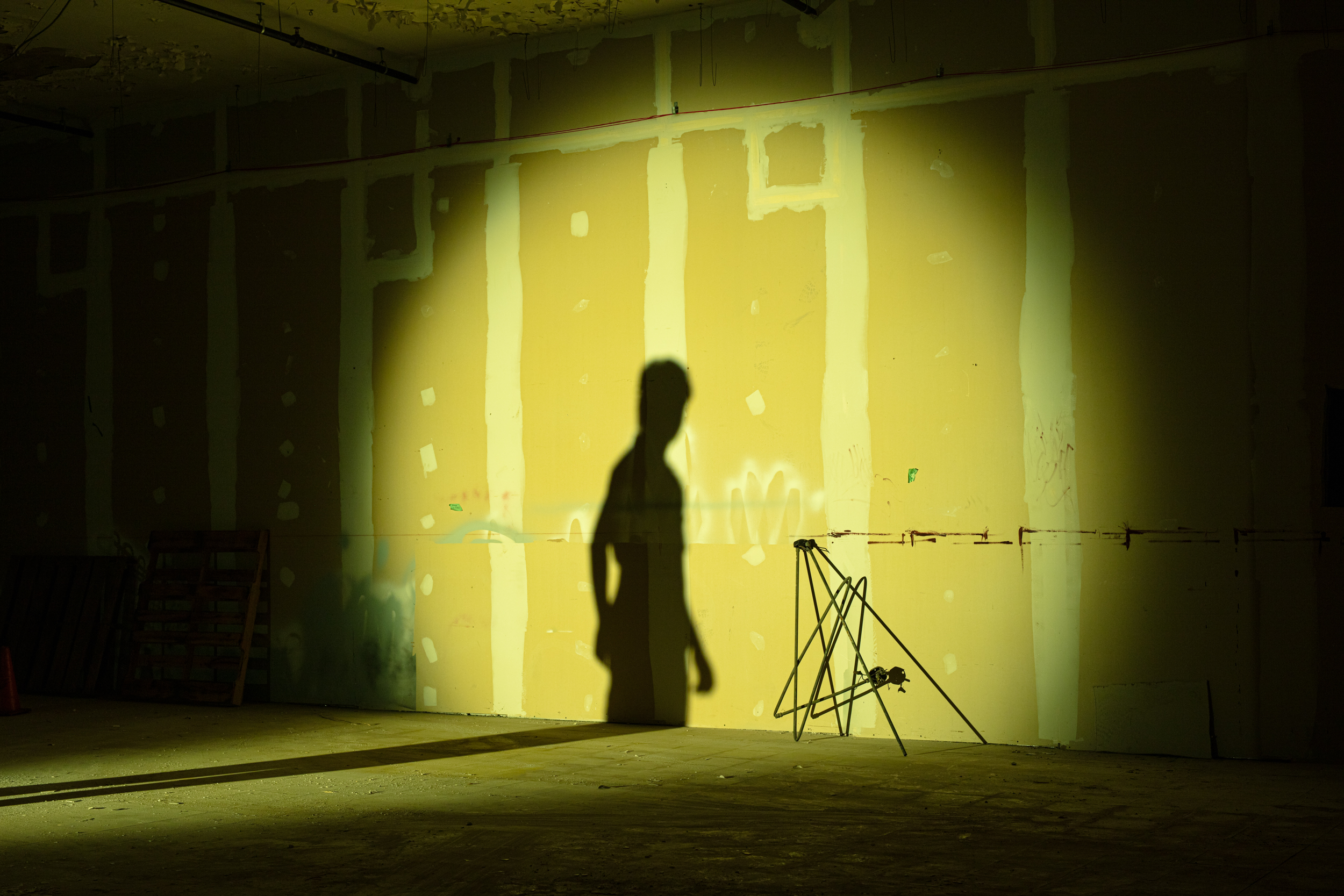
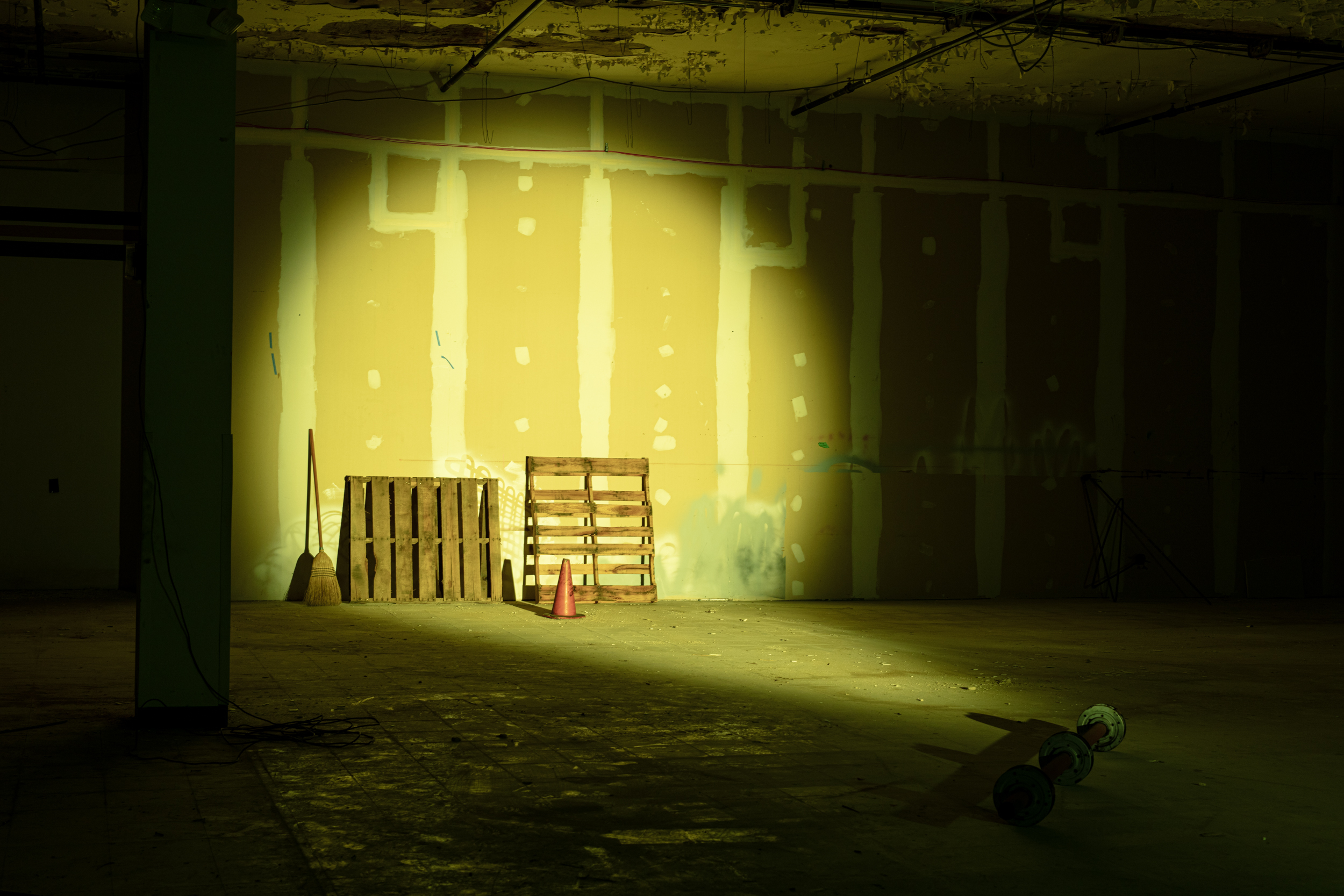
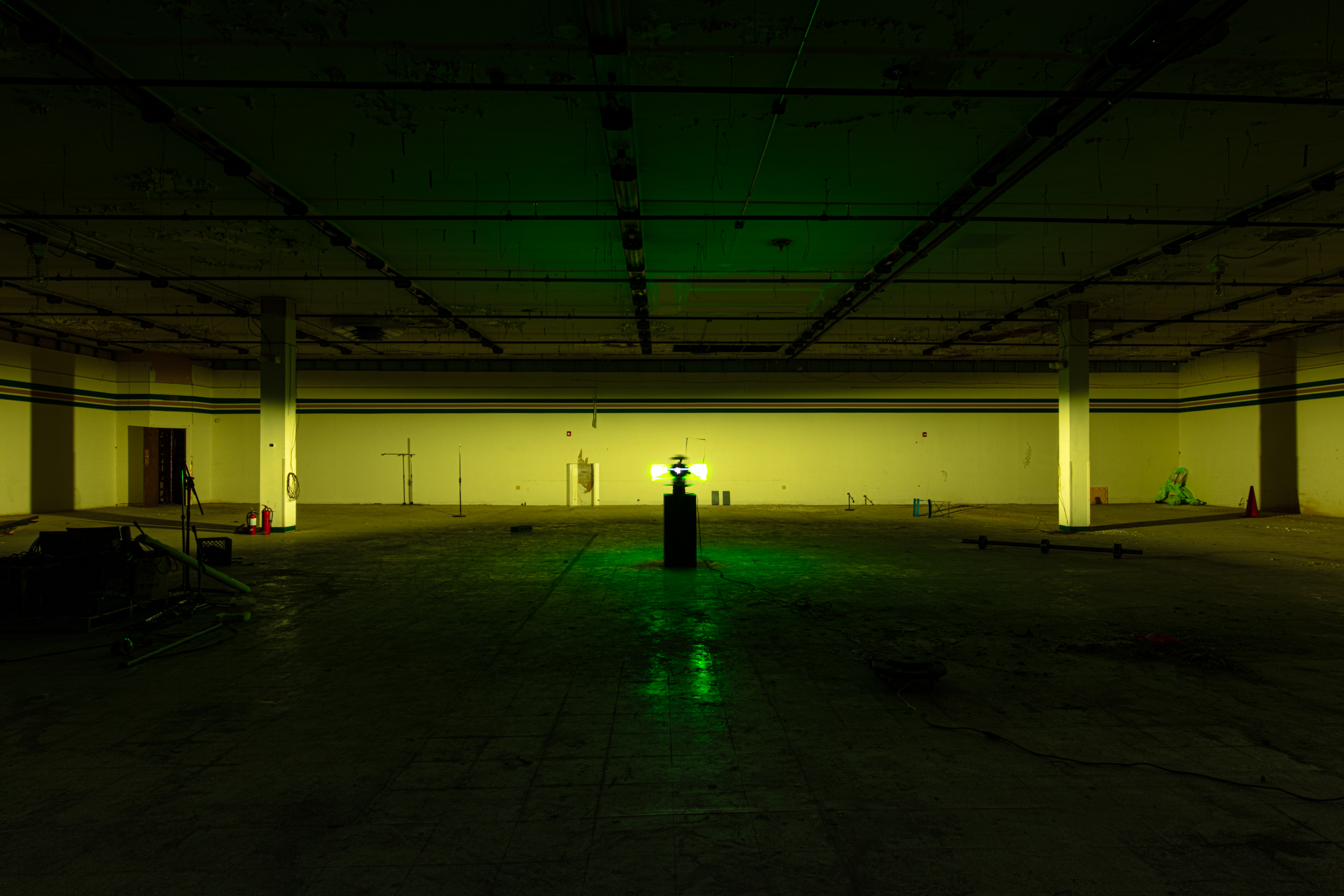
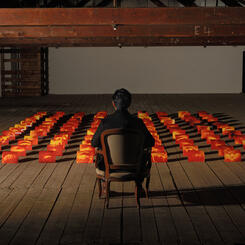
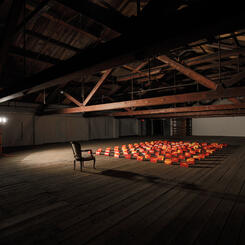
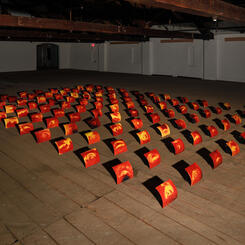
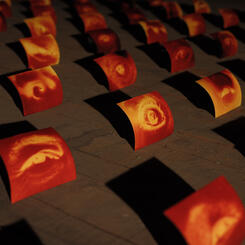
Installation view at an unused building at MASS MoCA, MA (2021), which the building once hosted the factory of Sprague Electronic during WWll. The company was commissioned by the US government to develop a special capacitor for making the first Atomic Bombs which was then tested at Los Alamos, NM and later dropped on Japan and thus, my grandfather.
-
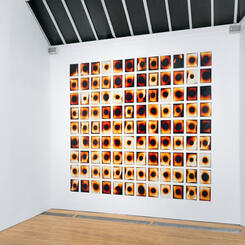
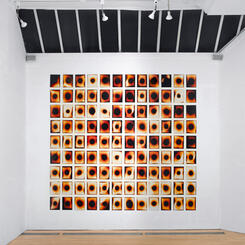
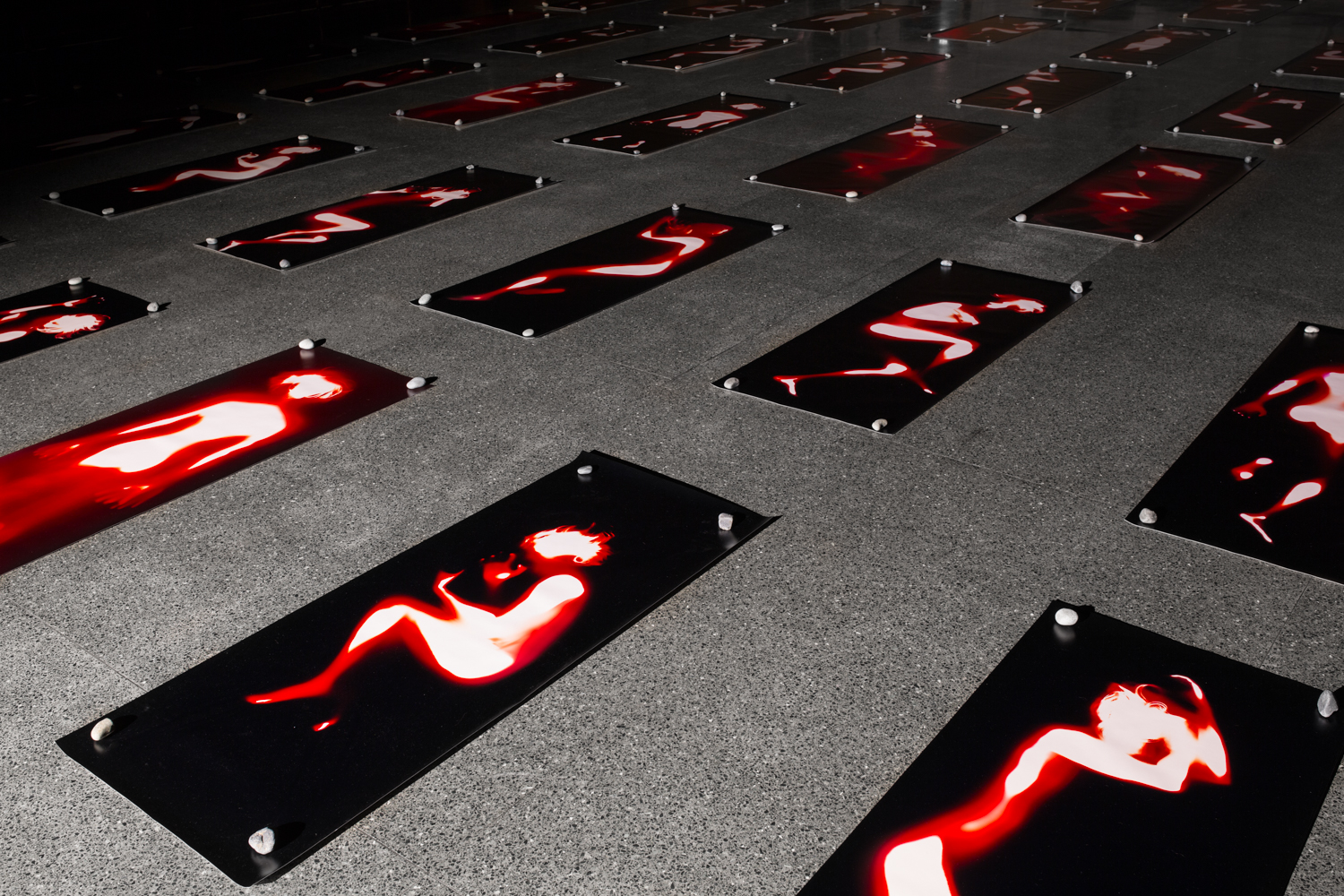
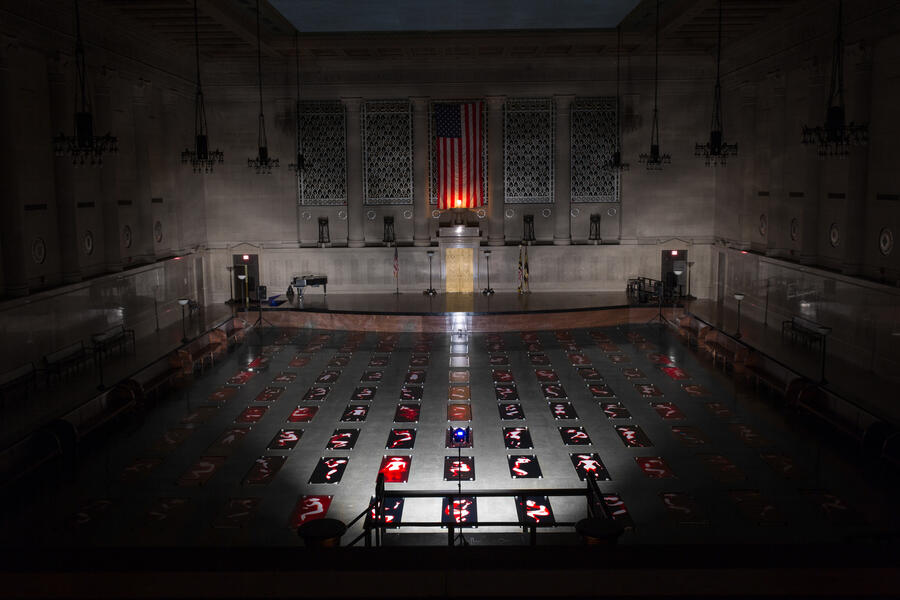
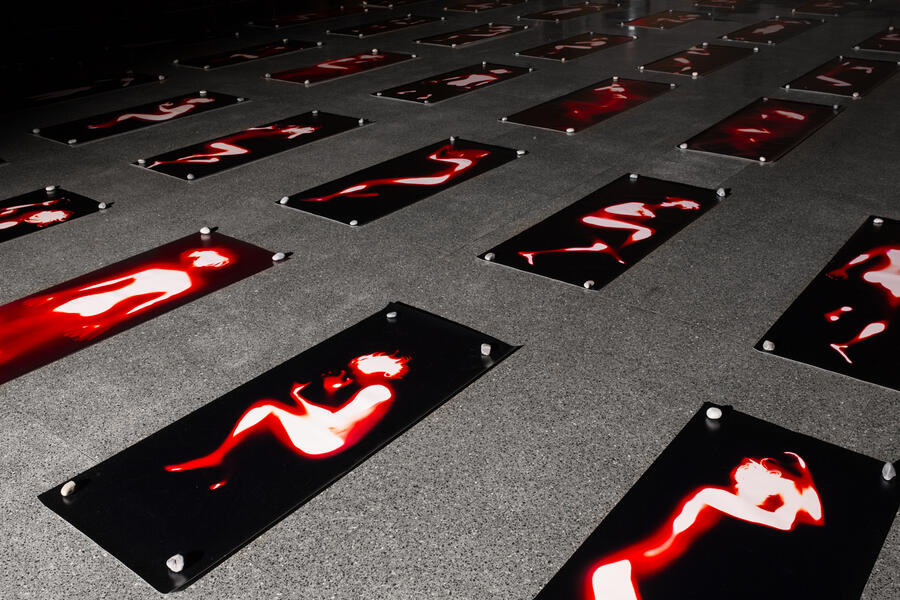 Afterimage Requiem: Baltimore War Memorial 2018
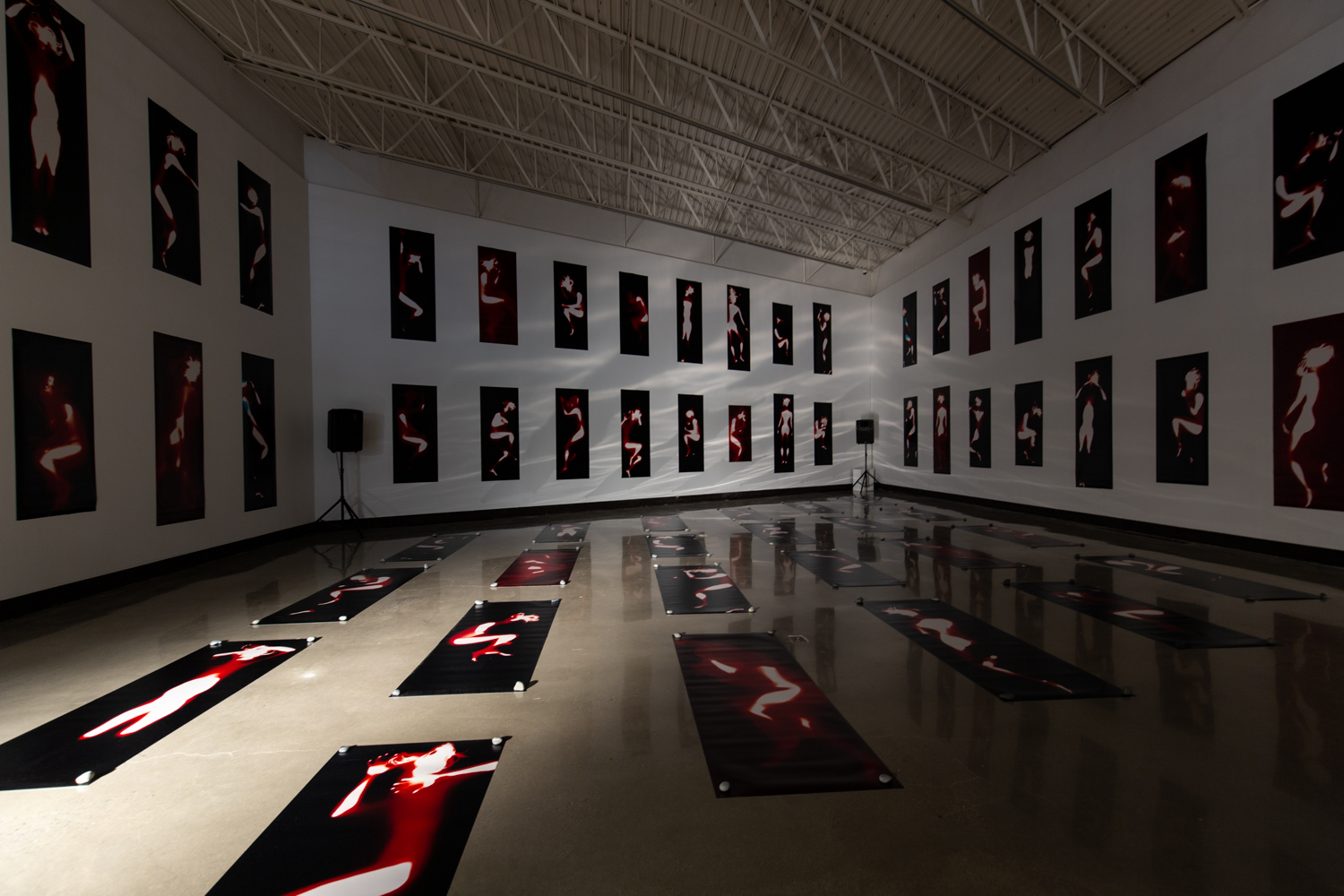
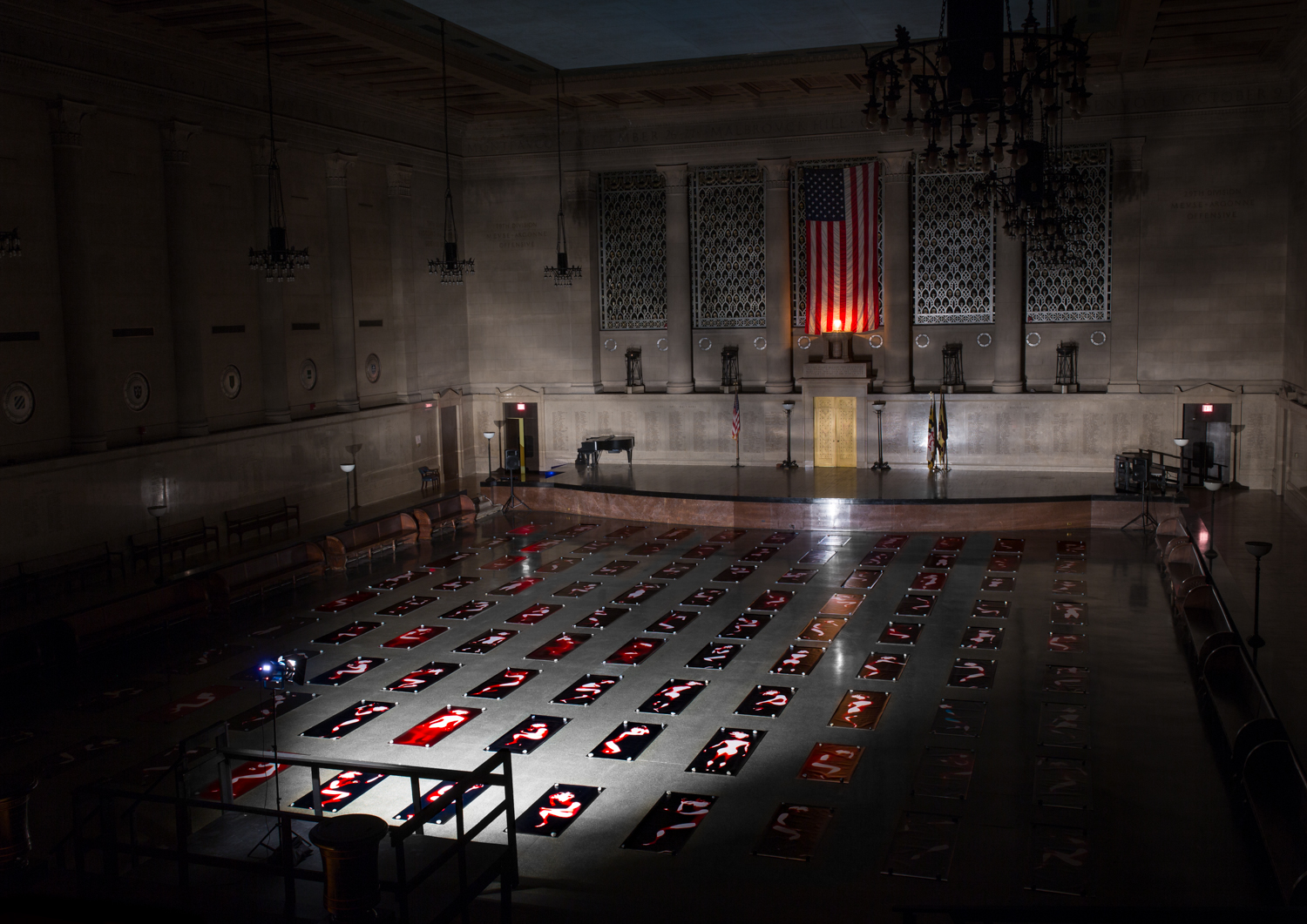
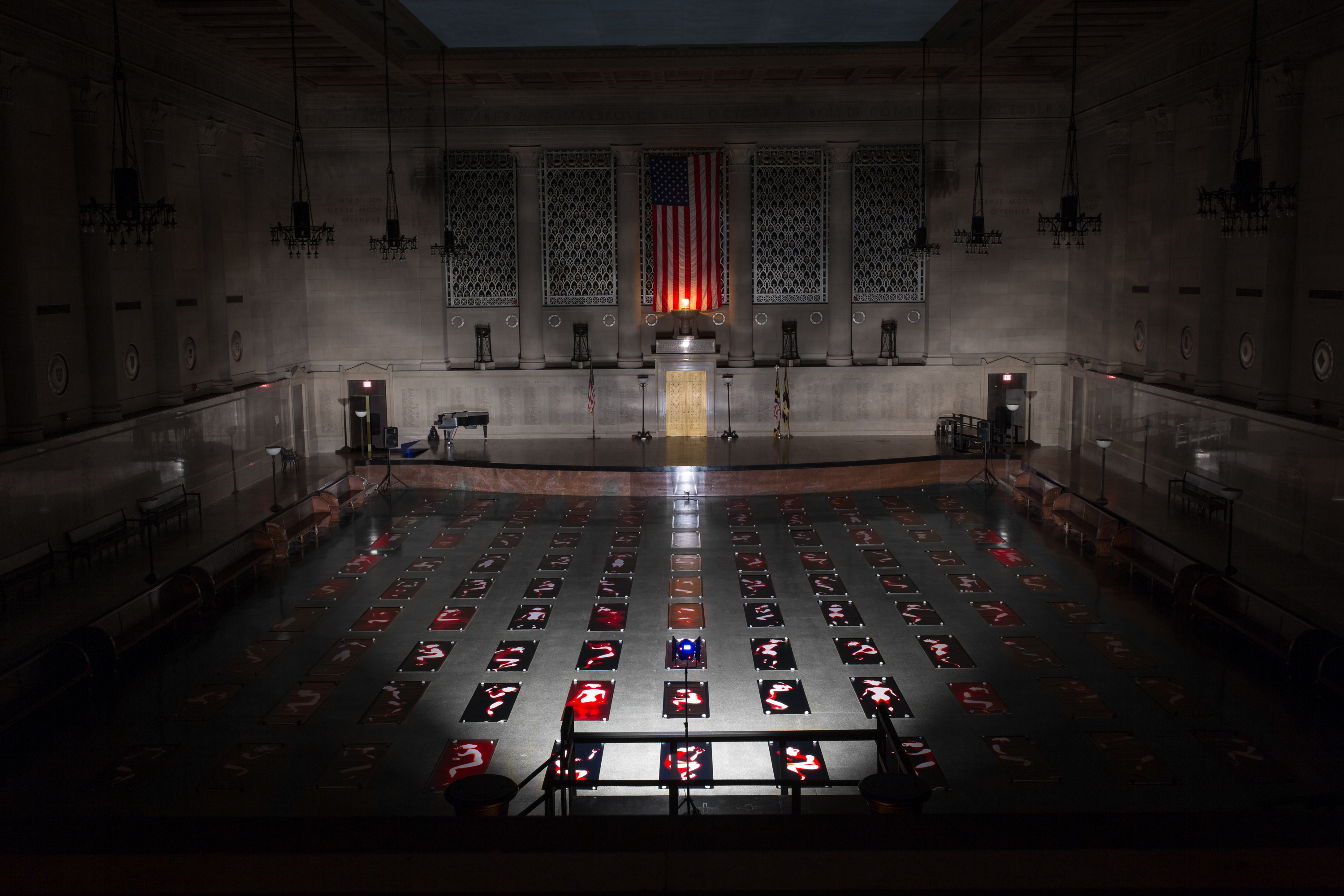
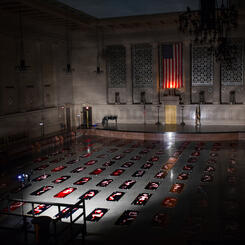
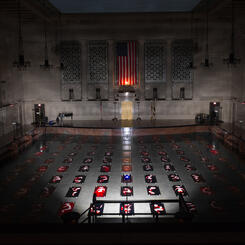
Installation view at Baltimore War Memorial, MD (2018)
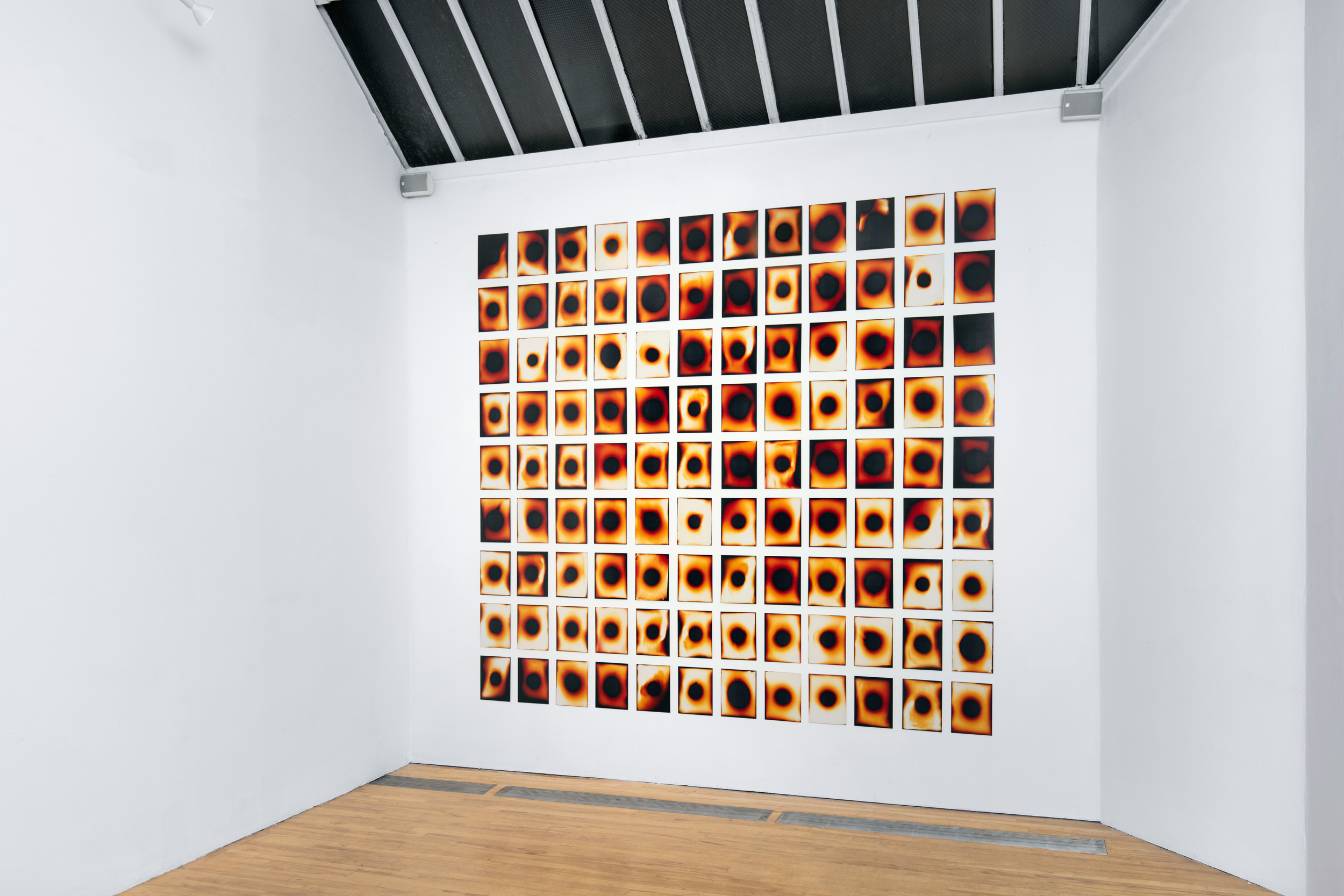
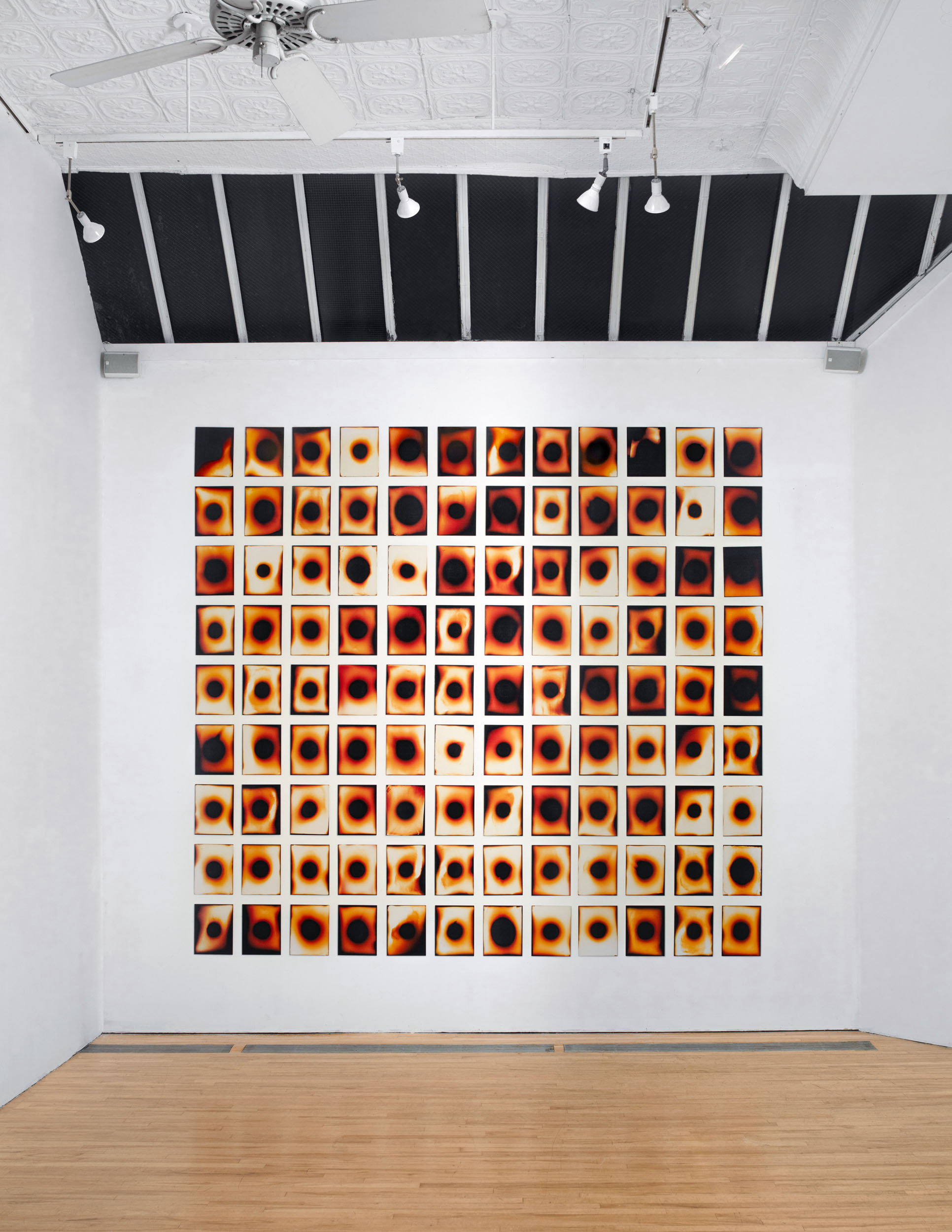
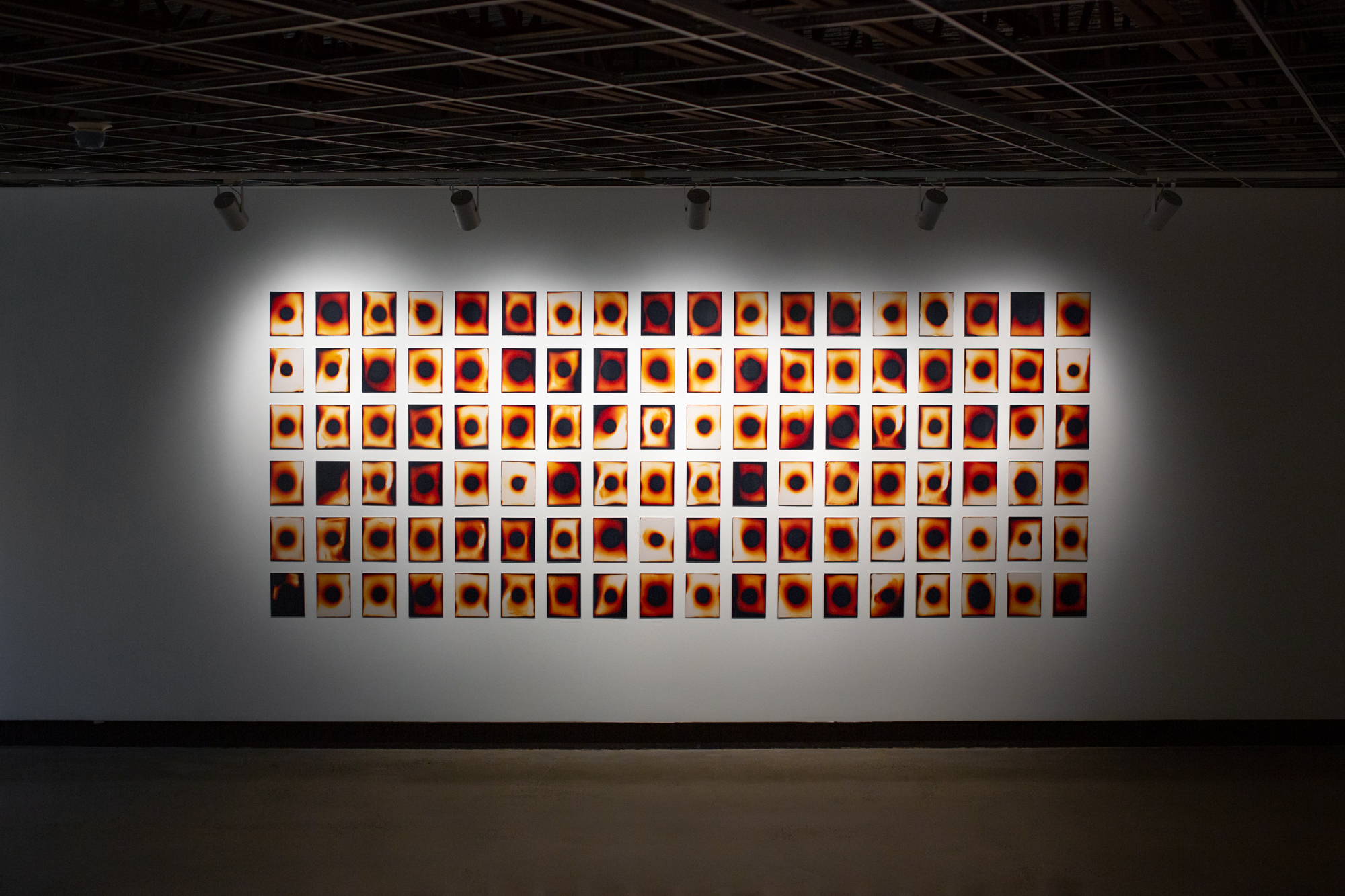
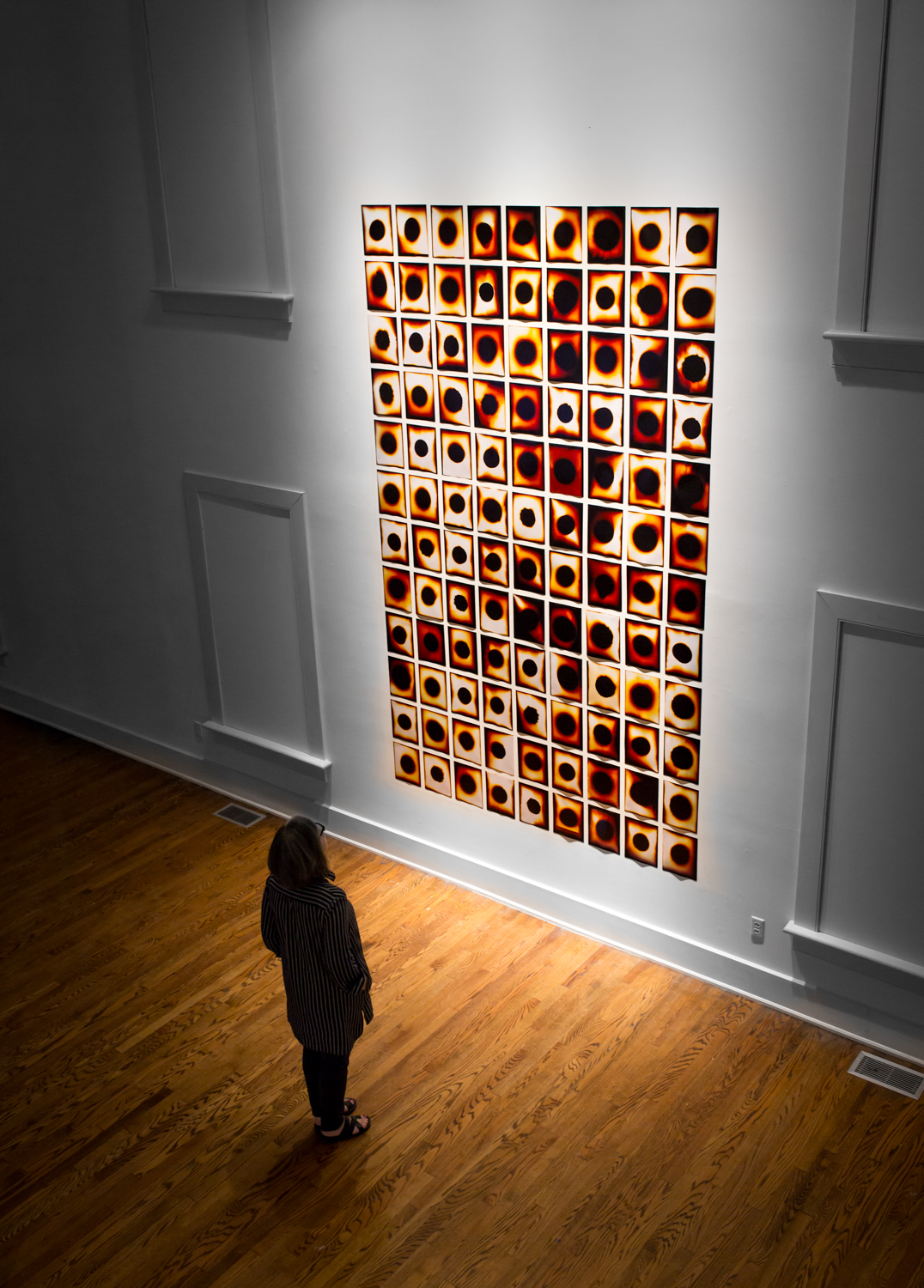
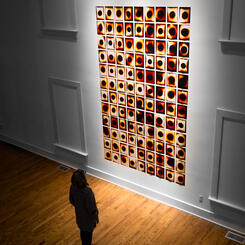
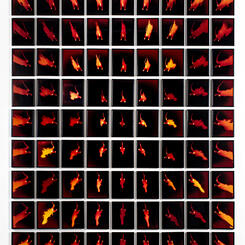
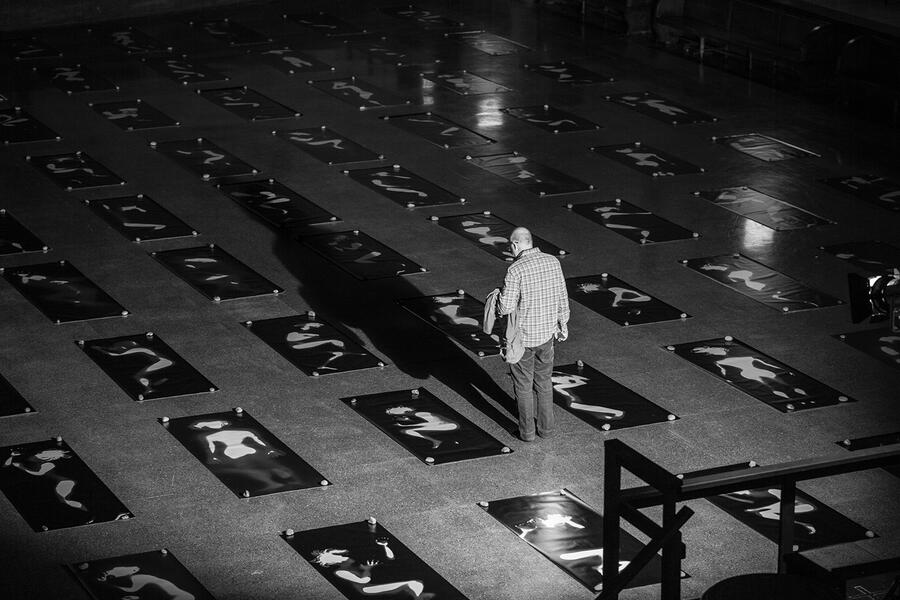
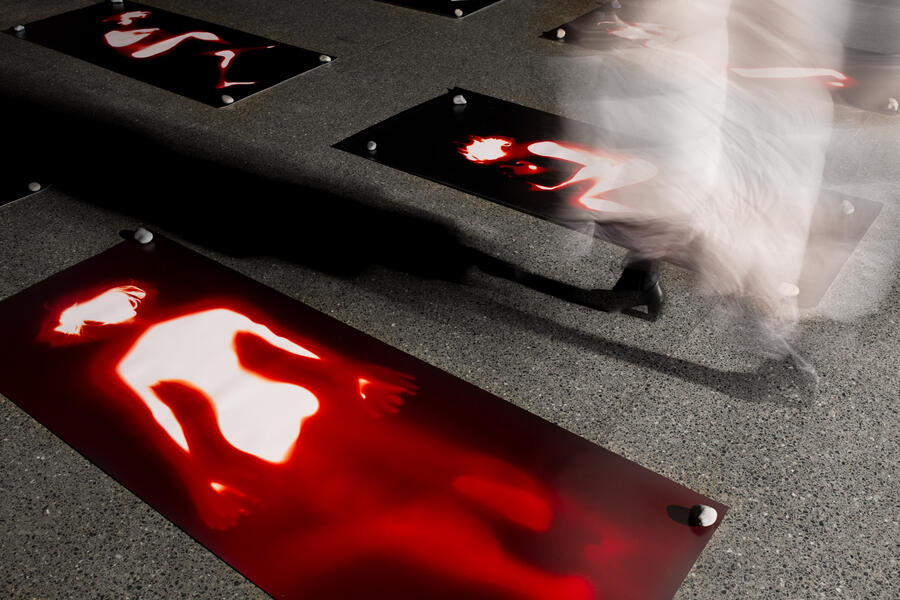
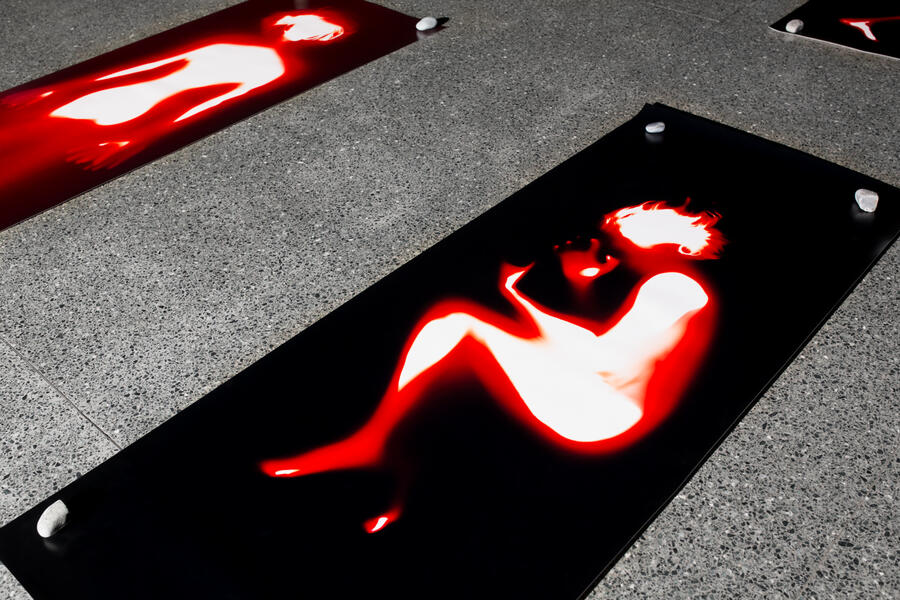
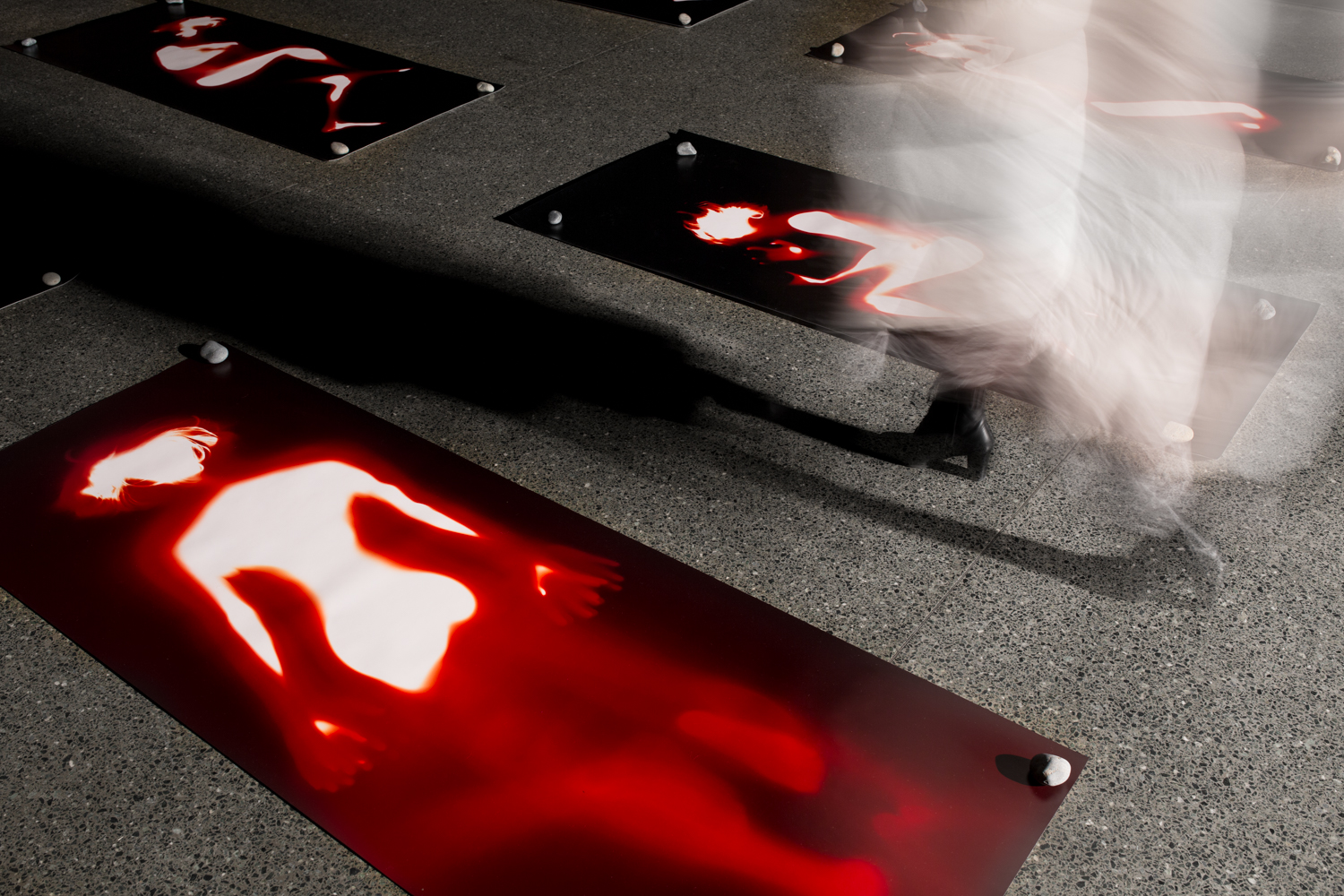
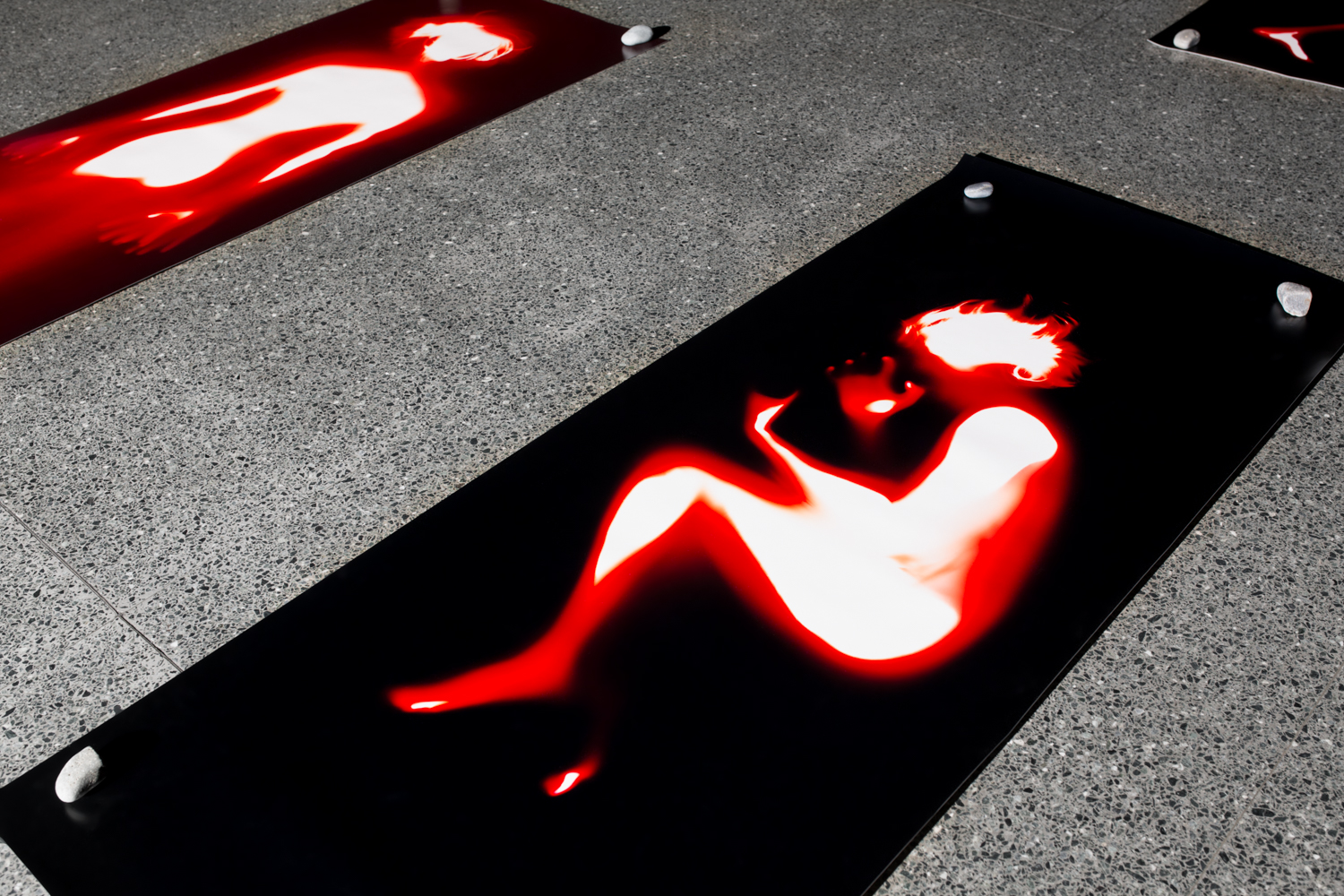
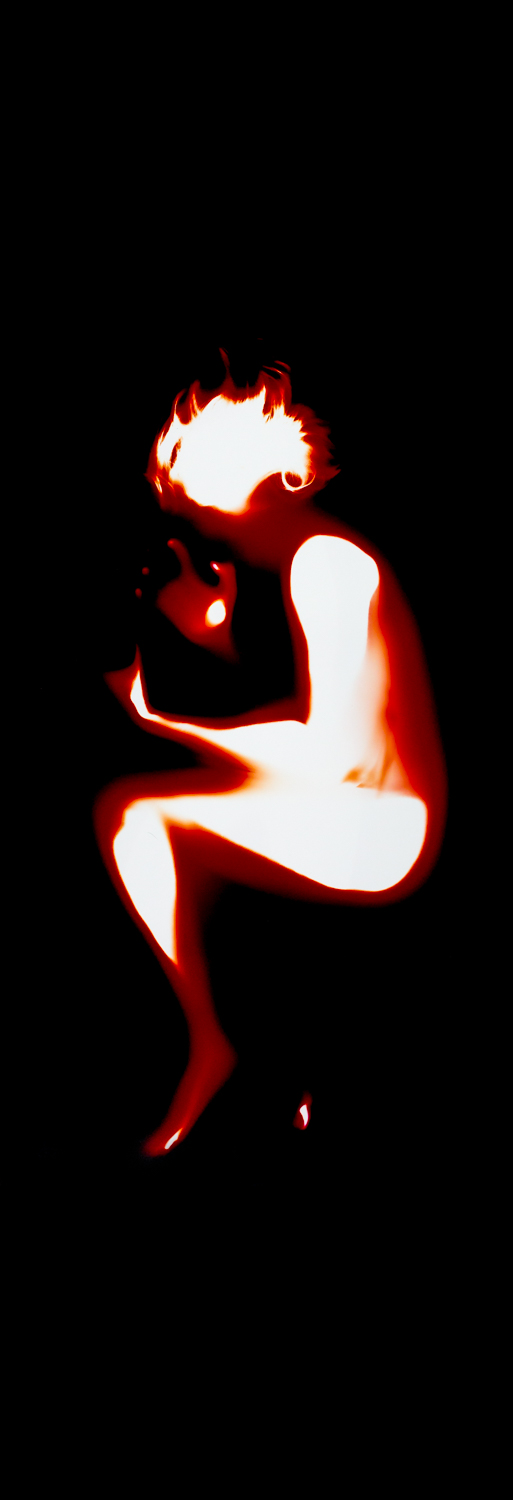
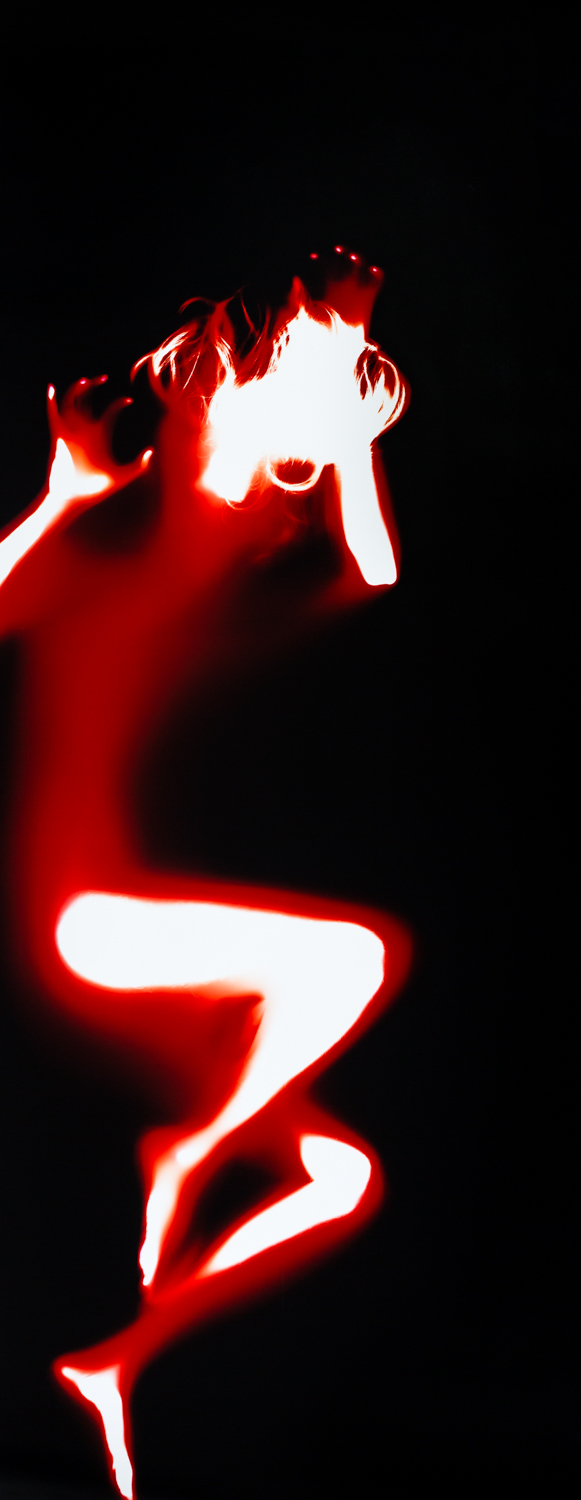
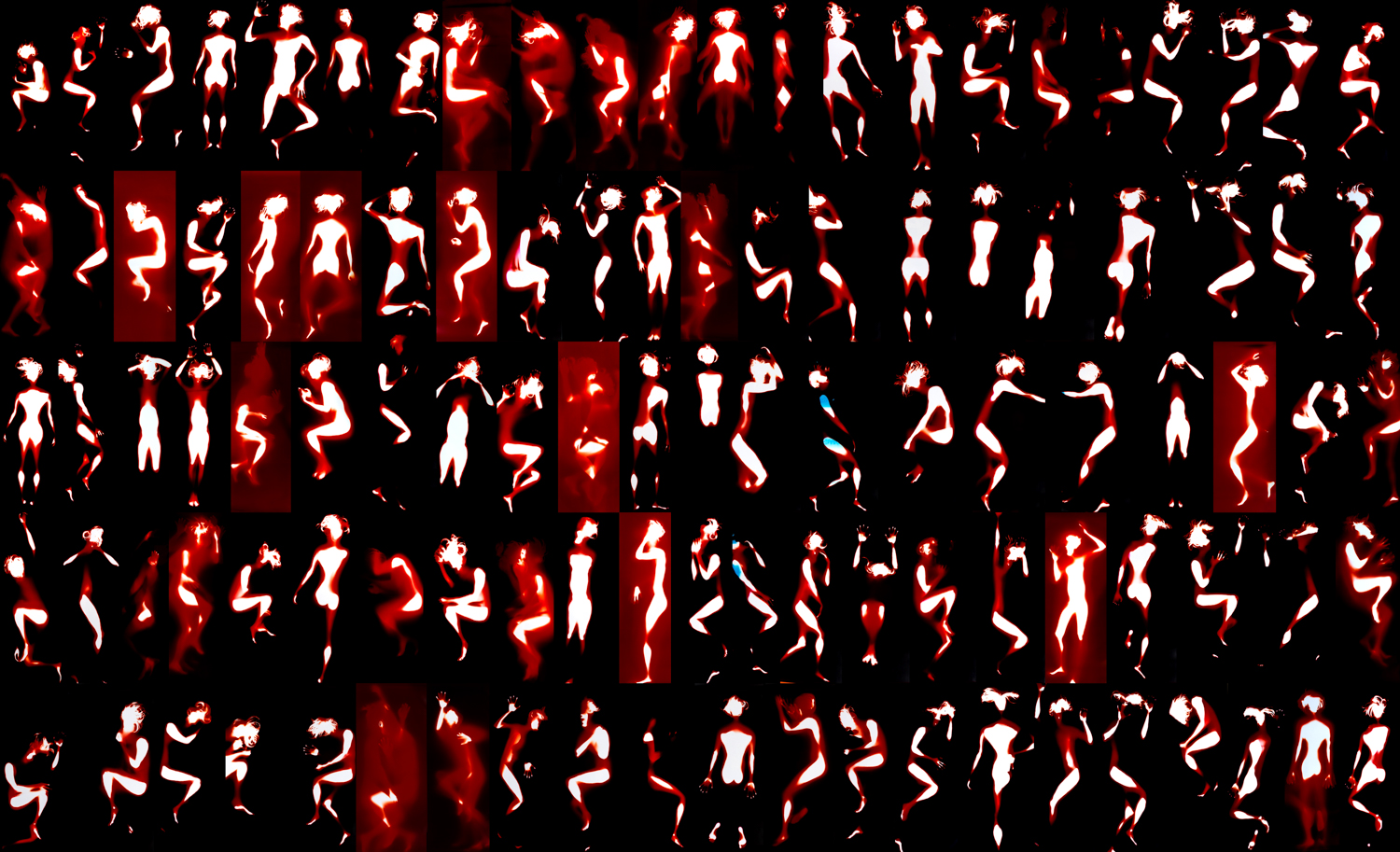
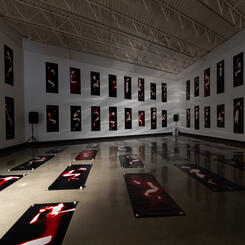
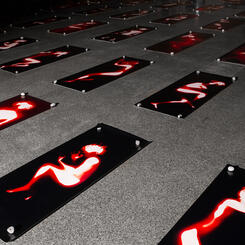
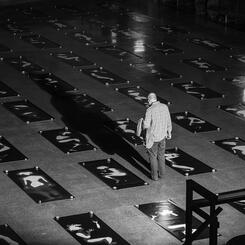
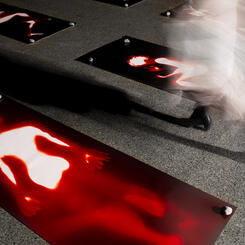
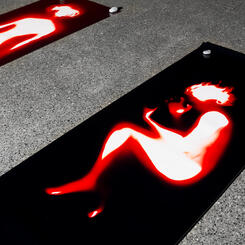
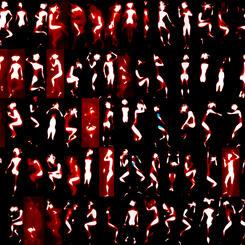
Afterimage Requiem is a large-scale visual and sound installation containing 108 human-scale photograms and a 4-channel sound work made by my collaborator, Andrew Keiper.
The installation probes the atomic bombing of Hiroshima and the intertwined family histories between Keiper and I. On August 6th 1945, at 8:15 AM, my grandfather witnessed a great tragedy that destroyed nearly everything in Hiroshima. Meanwhile, Keiper’s grandfather was an engineer who participated in the development of the Atomic bomb during the Manhattan Project. Two generations later, Keiper and I are great friends and collaborators which may have been thought to be impossible for the people a few generations ago.
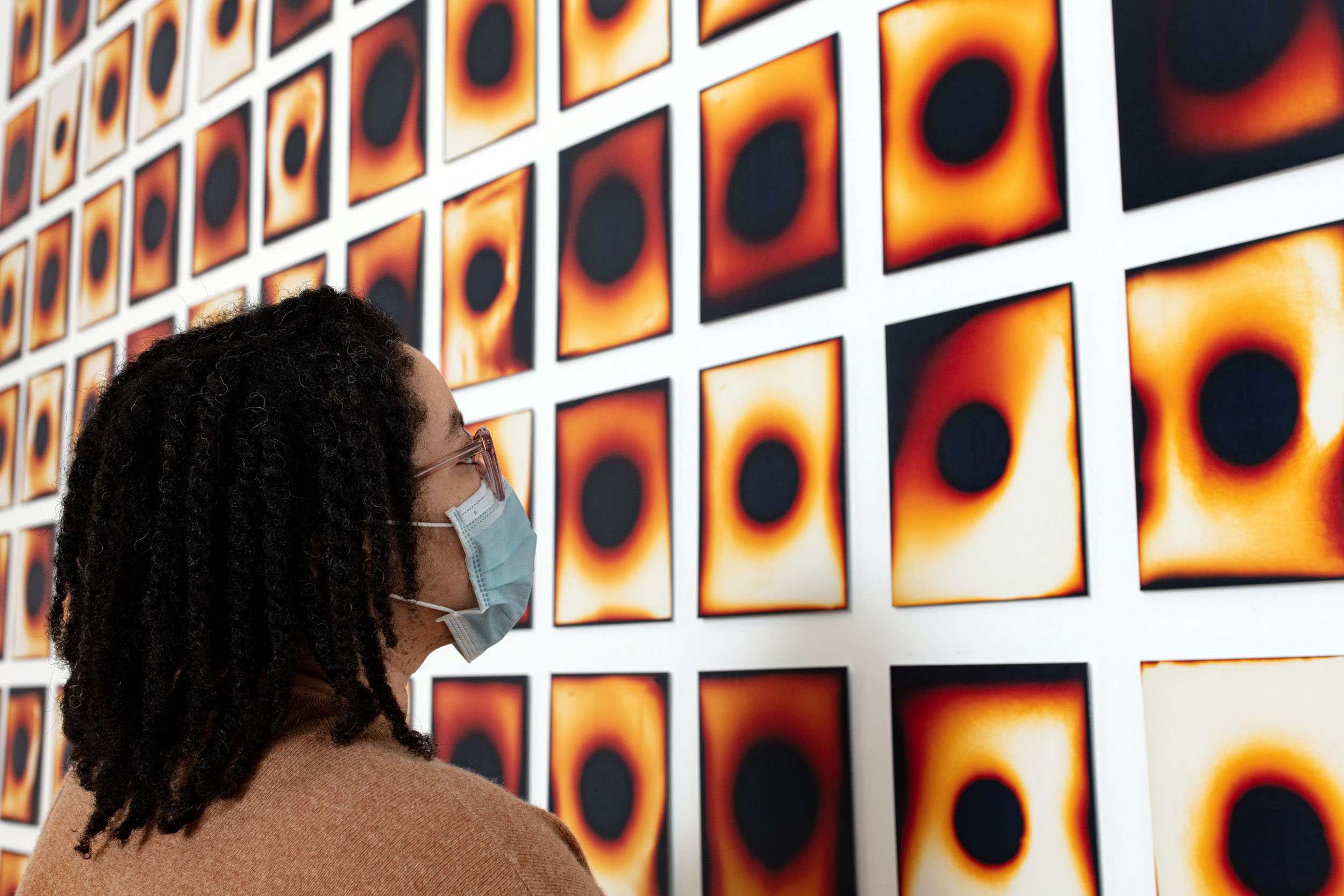
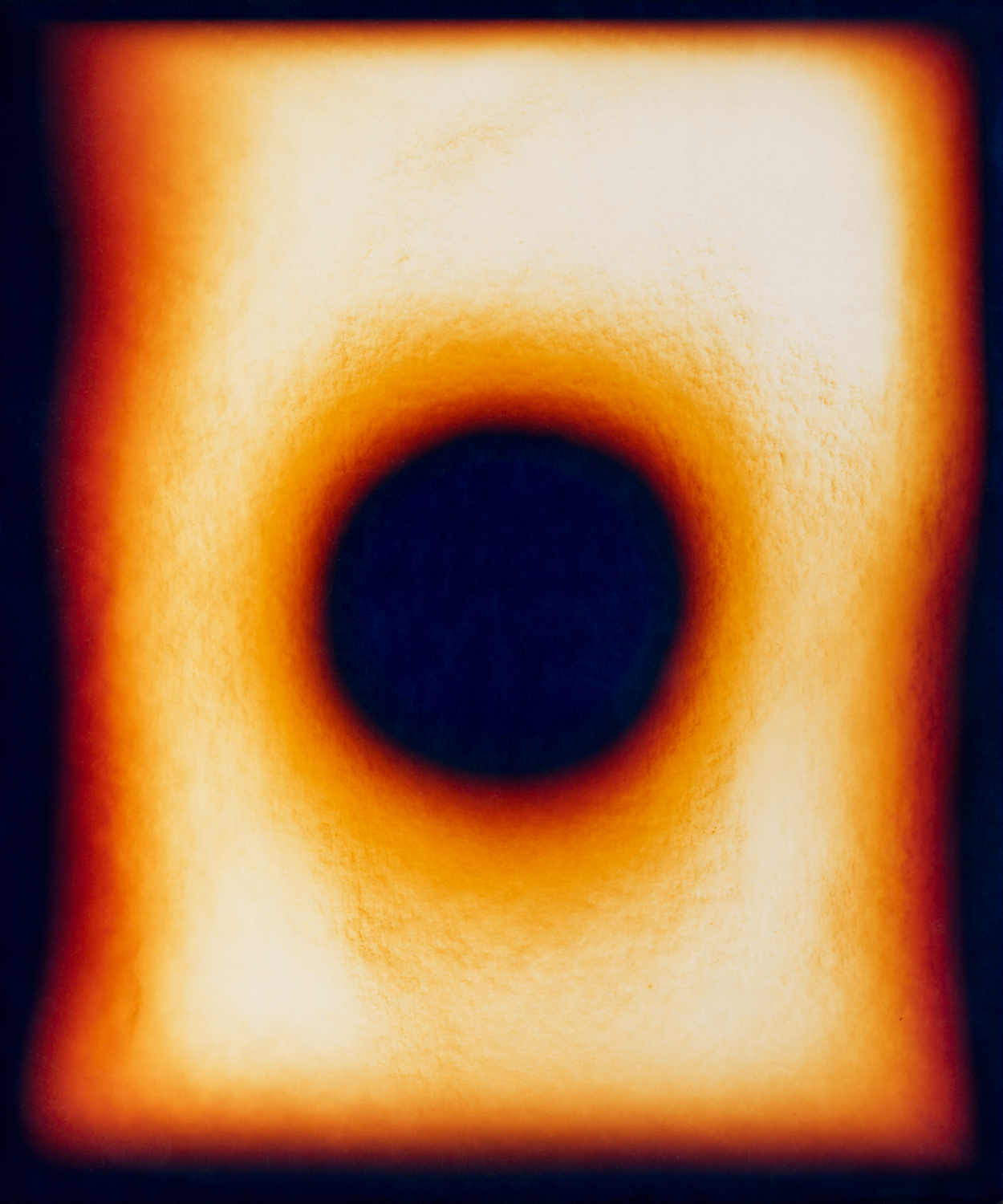
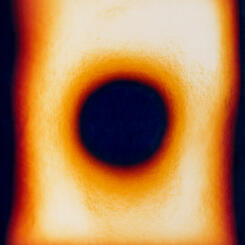
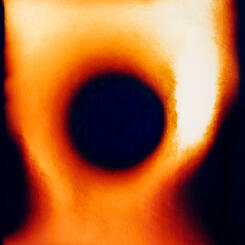
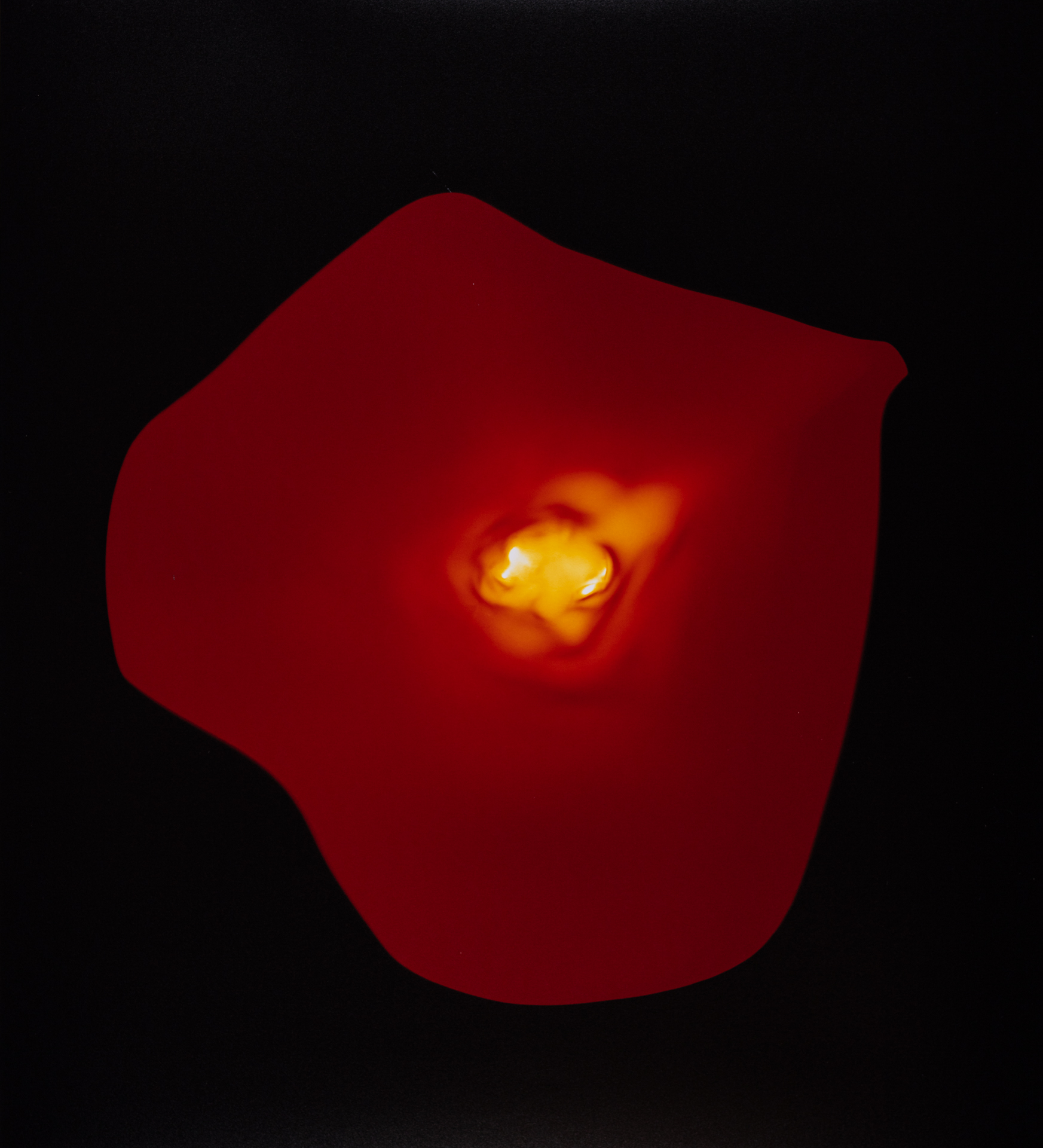
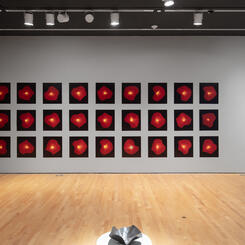
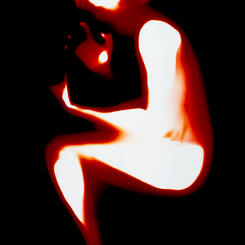
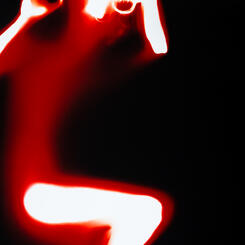
The 108 photograms show shadow negative exposures of my body on the ground, with the viewer looking down upon it. These c-prints were exposed to sunlight due to my grandfather’s description, “that day in Hiroshima was like hundreds of suns lighting up the sky,” haunting me through my artistic practice. The radiation that my grandfather was exposed to pierced through his skin and inscribed itself onto his genes and onto my own; our bodies are now being “captured” through time and history, film and DNA. The number 108 holds significance in Japanese Buddhism, a number that embodies redemption from the evil passions we possess. As Keiper’s sound plays above in the air, my body lies on the ground, our grandfather’s positions are echoed in the space but our stances have changed. Each print is a prayer for the future.
This installation grapples with this history while asserting its pertinence to a contemporary audience living in an increasingly unstable political landscape. My photograms and Keiper’s 4-channel sound work portrays the bomb’s production created using the recordings made at atomic heritage sites in New Mexico and Chicago; the installation seeks mutual understanding while contemplating the roots, sorrow, and scope of the bombing. In an era of overt nuclear crisis unlike any seen in decades, Afterimage Requiem asks the audience to reflect on the ramifications of our current course, and to learn from the past.
-
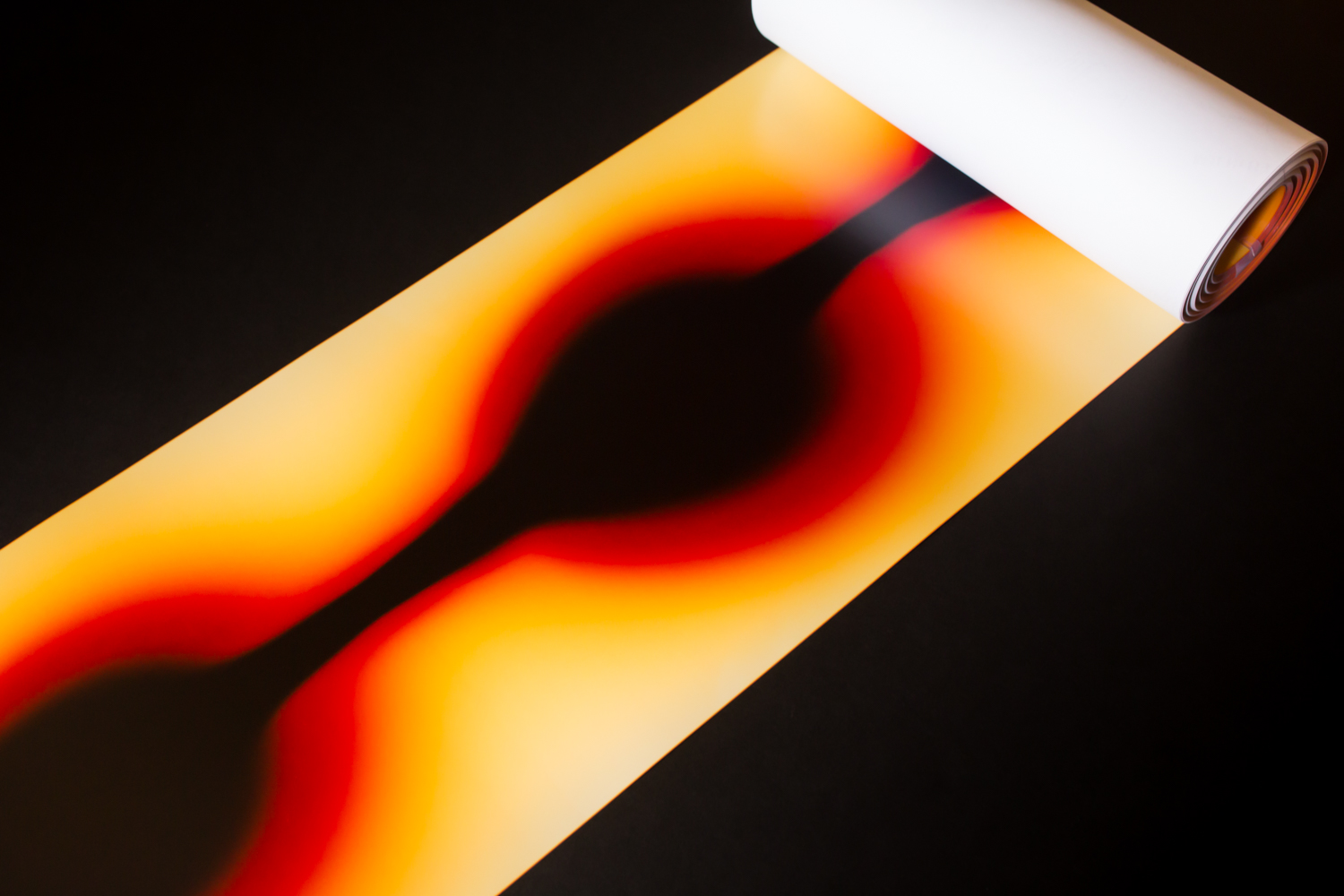
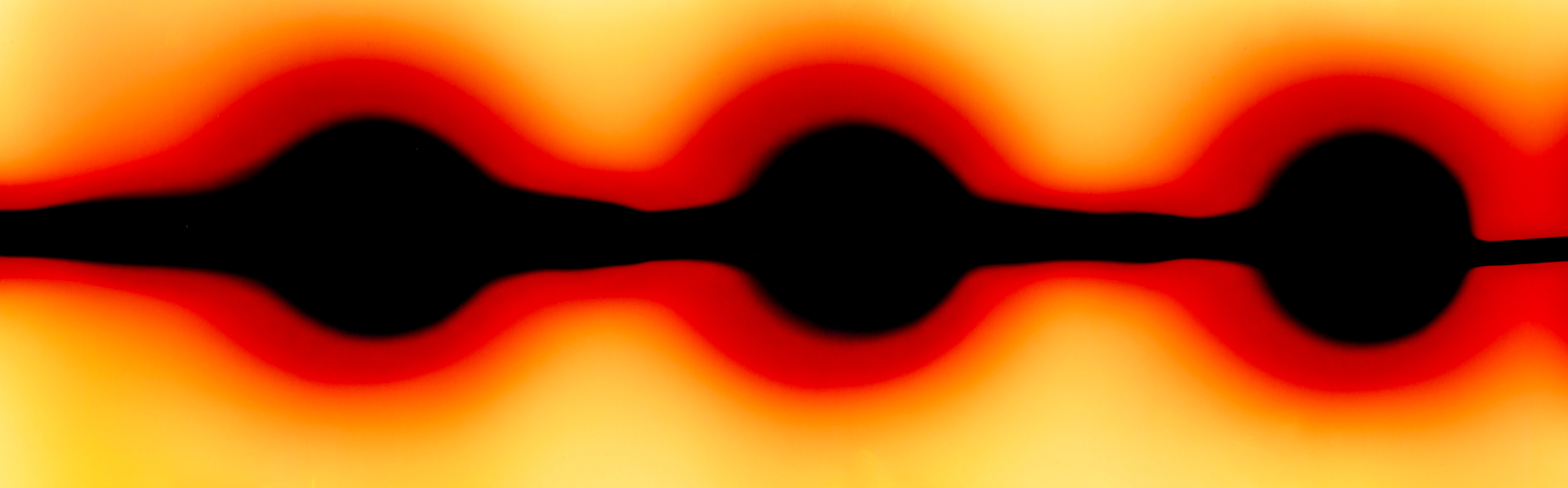
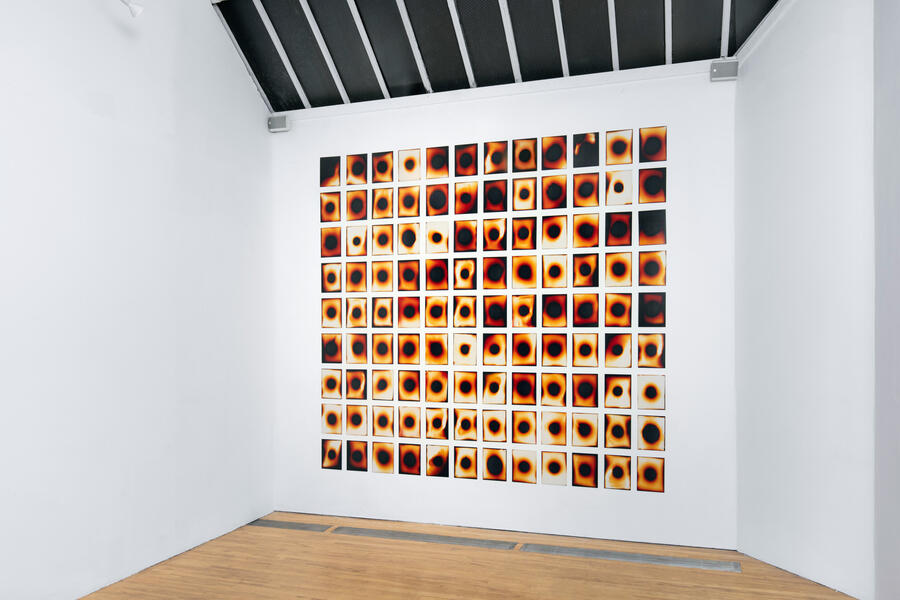 Sungazing: Installation at Apexart, NY, 2020
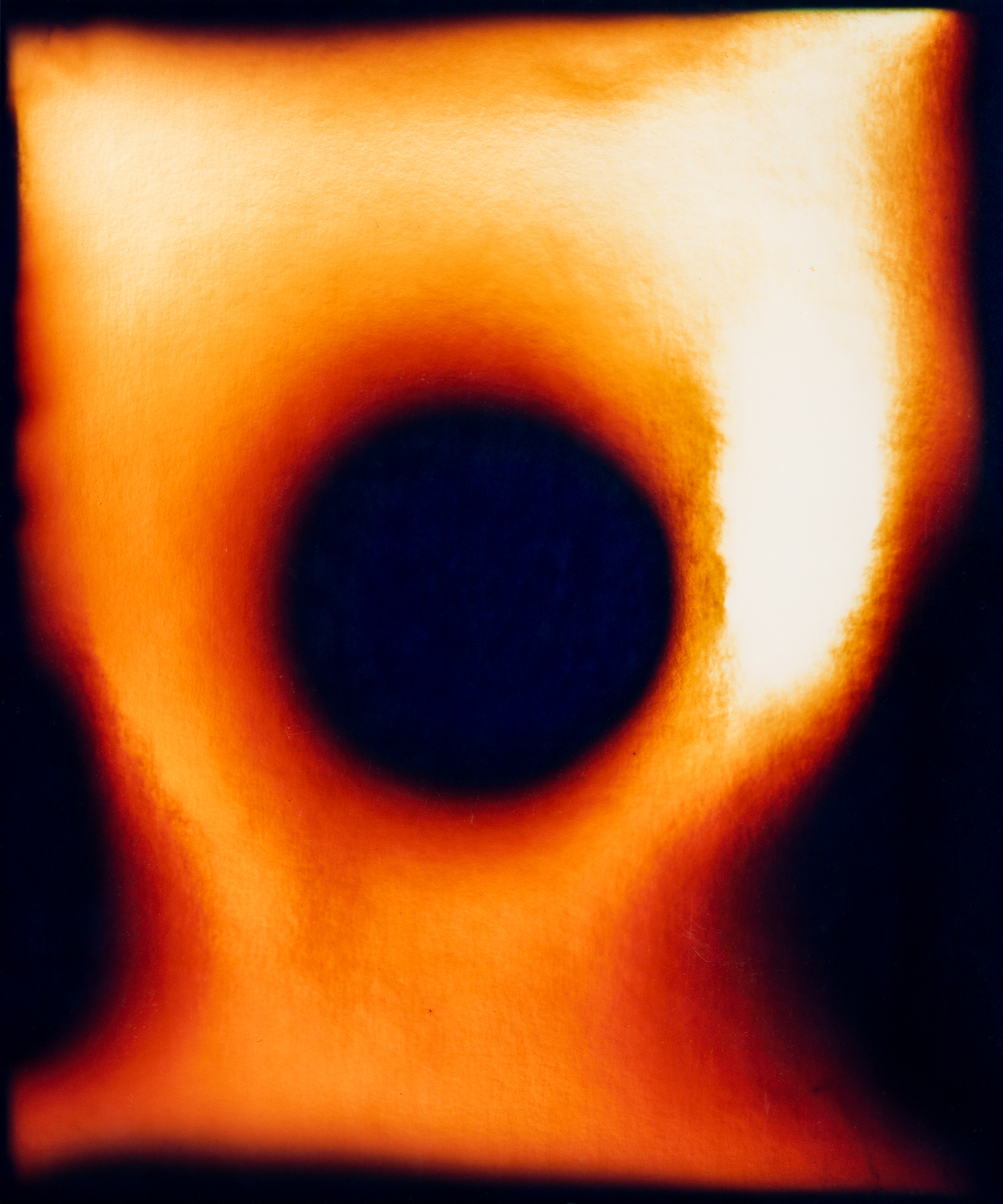
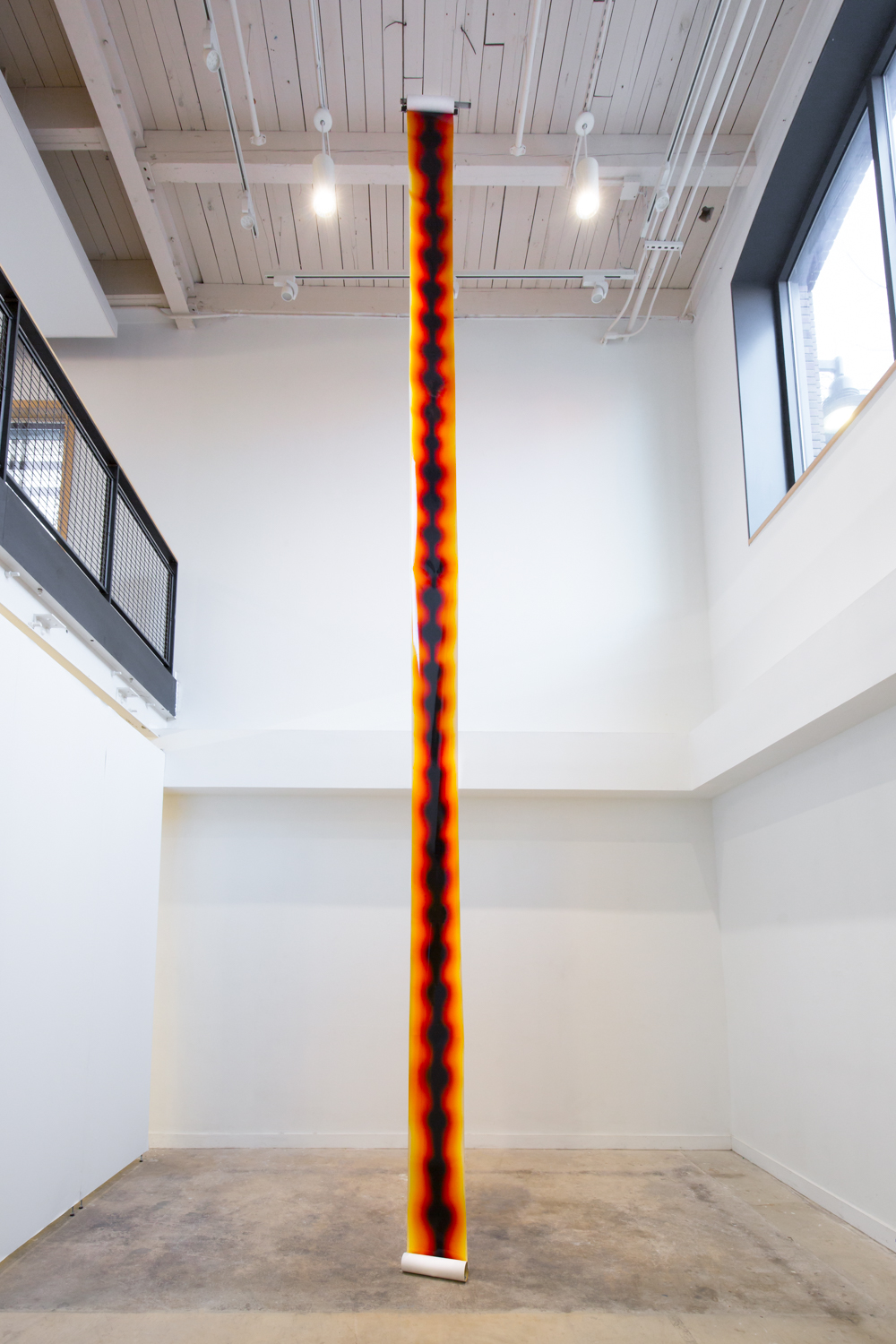
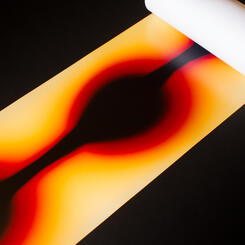
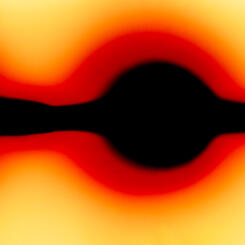
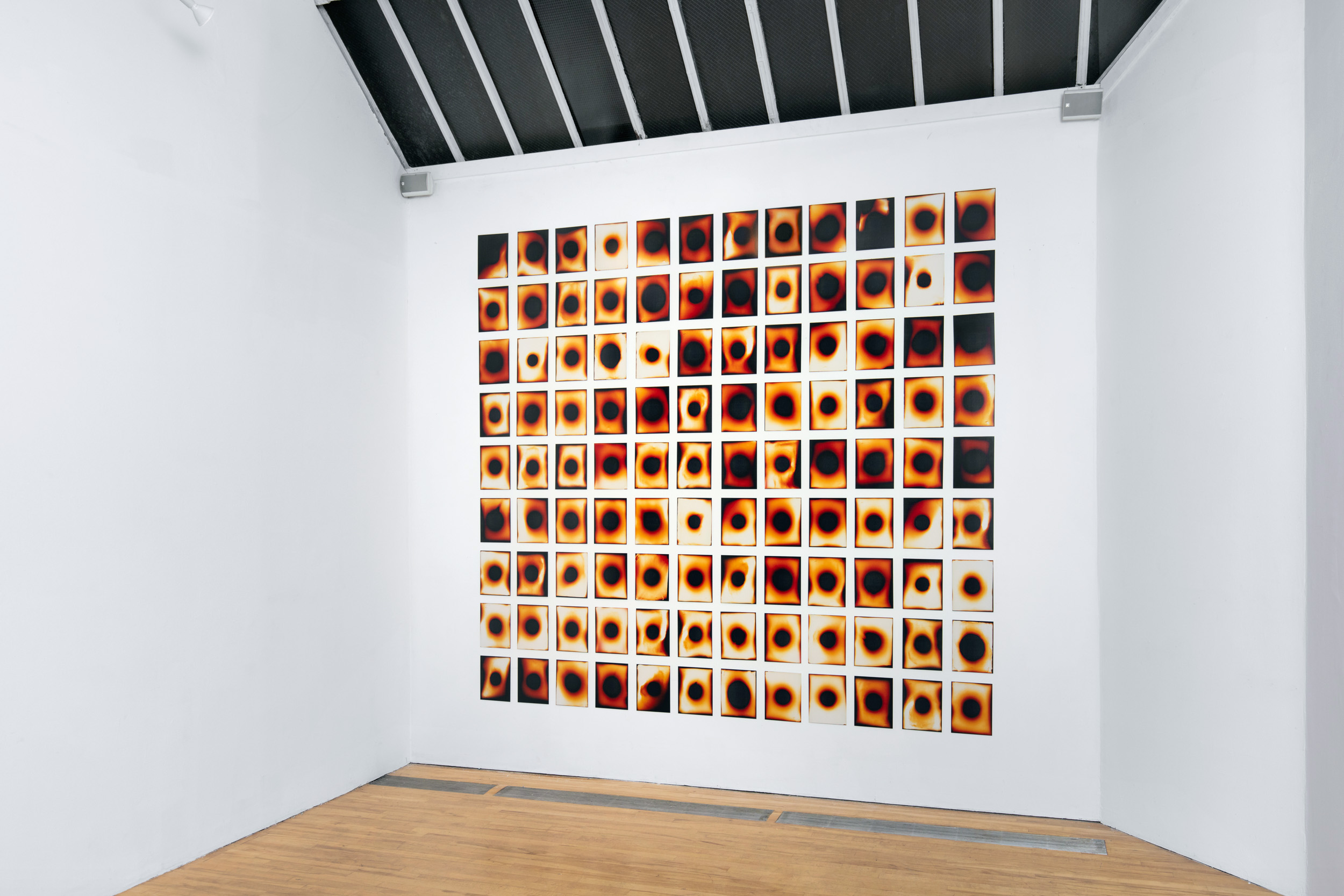
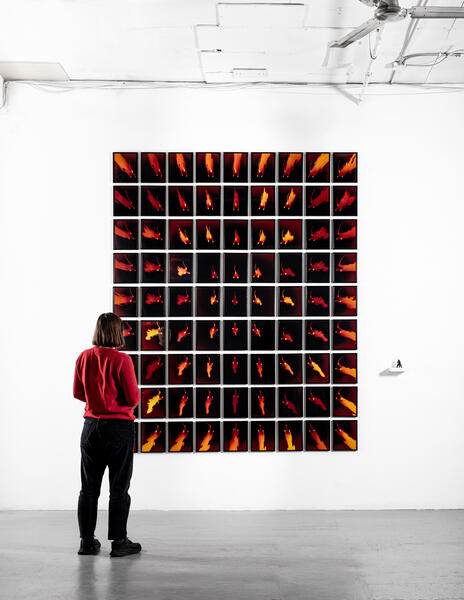
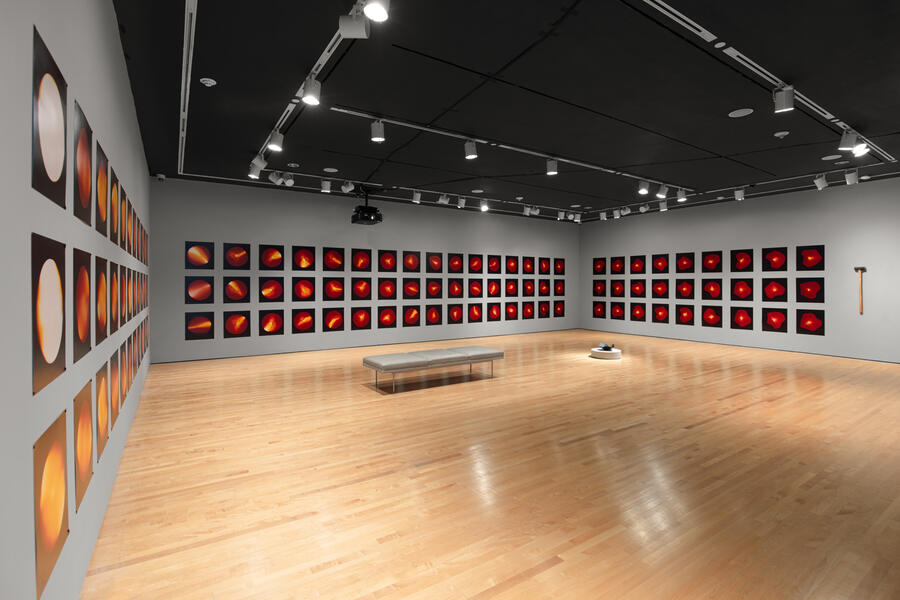
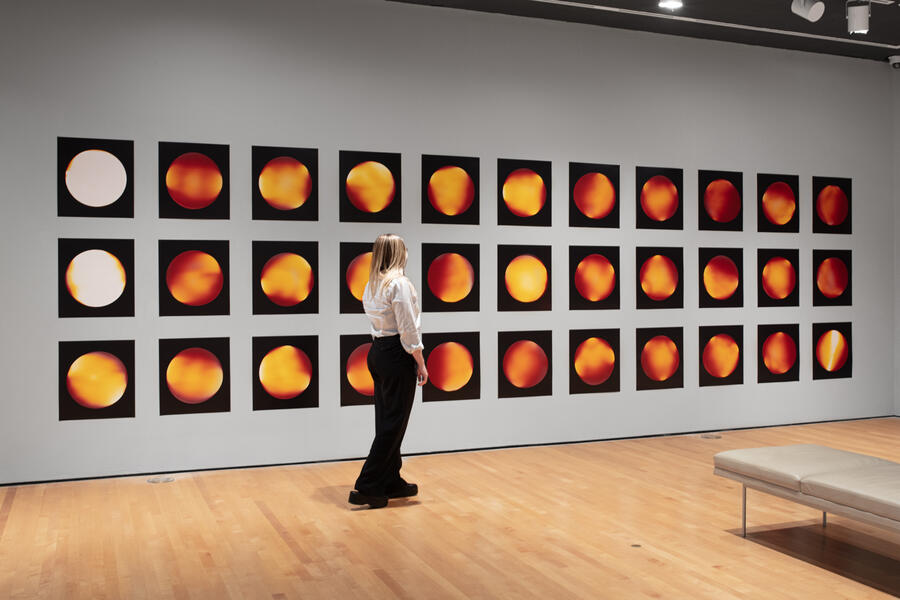
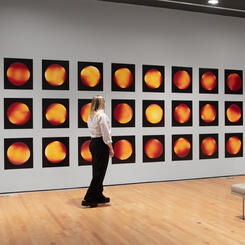
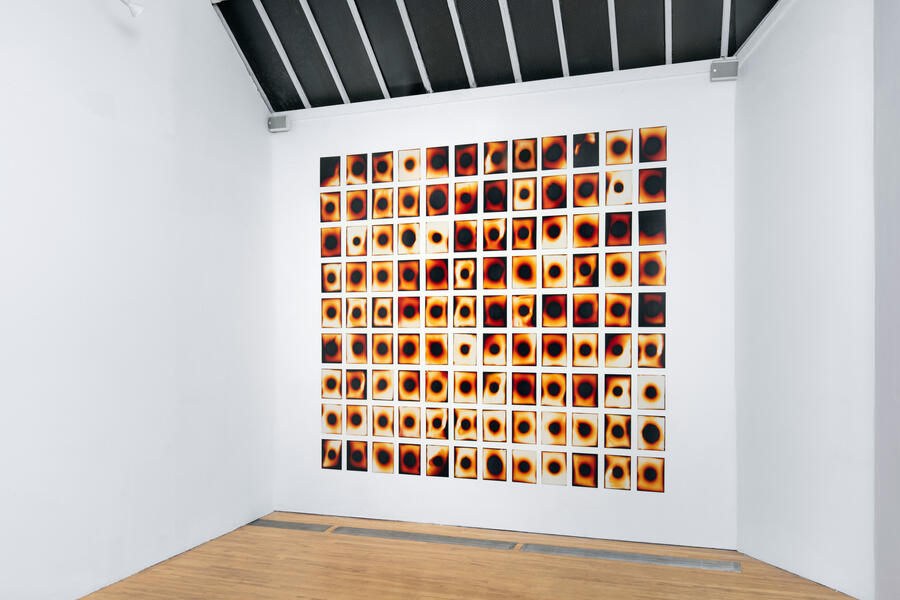
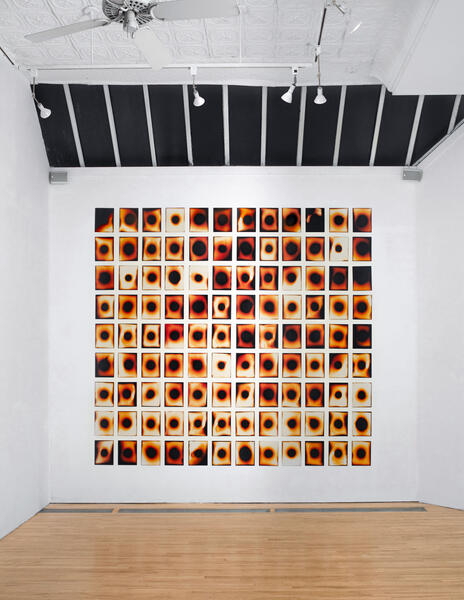
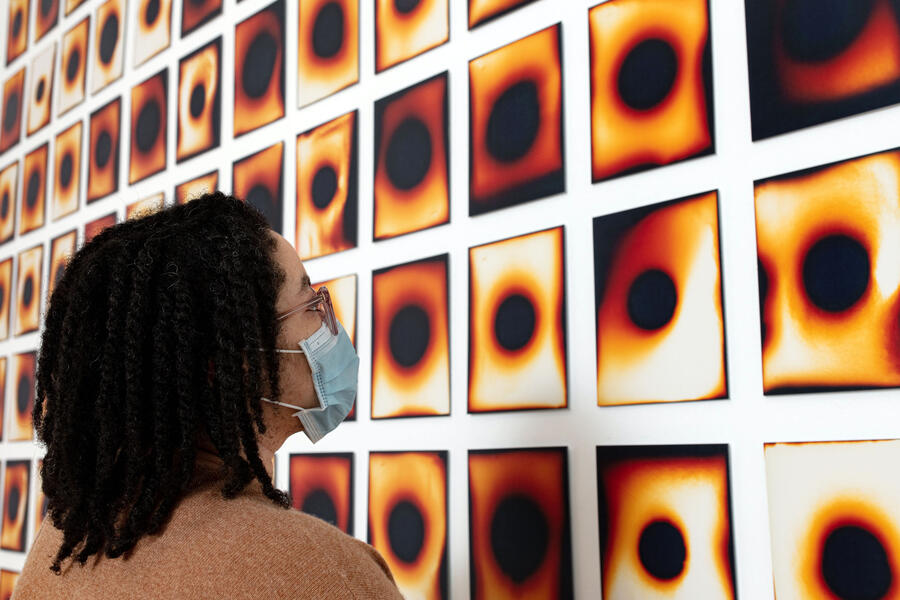
On August 6, 1945, at 8:15 AM, my grandfather witnessed the atomic bomb erase nearly everything in Hiroshima. I remember him describing that day as if hundreds of suns had ignited the sky. In response to his memory, I created a series of photographs by exposing Type-C photographic paper to sunlight. The pattern on the print corresponds to my breath—I pulled the paper in front of a small aperture while inhaling, allowing the sunlight to imprint its mark, and paused while exhaling. I repeated this action 108 times, embedding my breath into the paper, a meditative act of remembrance and resilience.
-
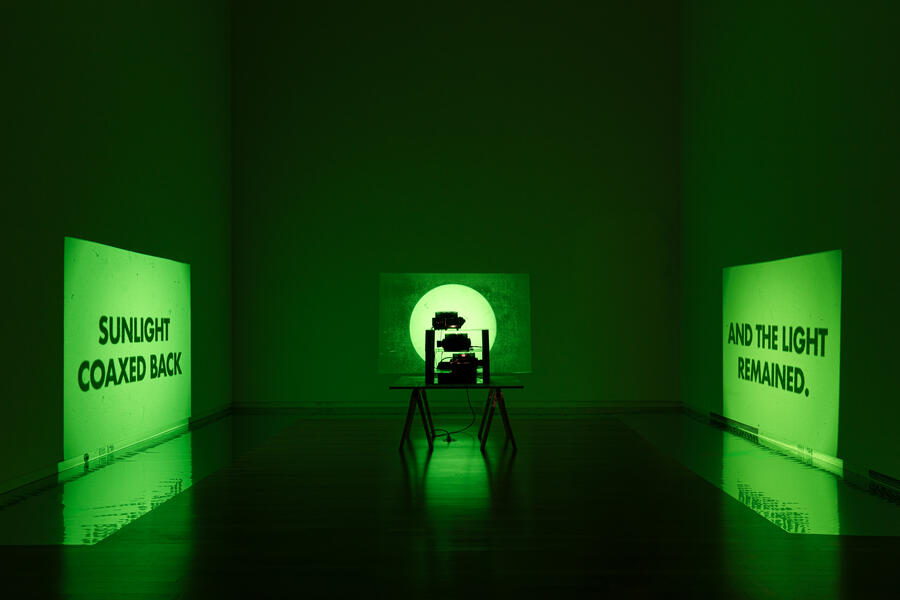 Embodied Spectrum
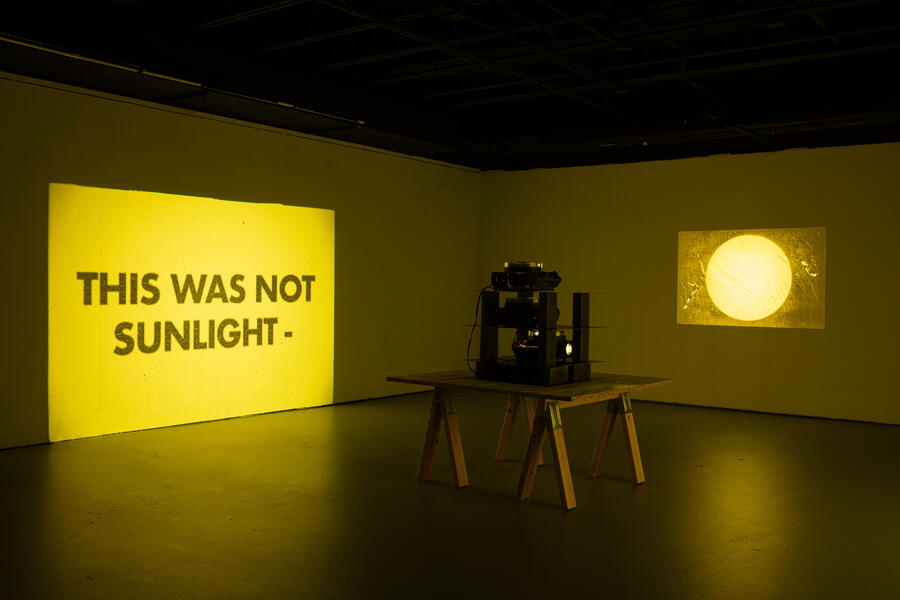
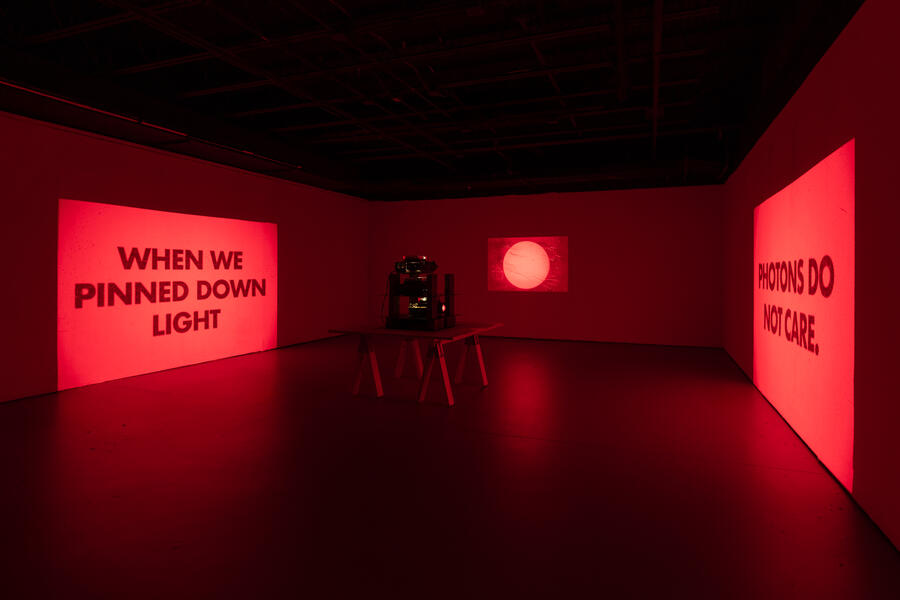
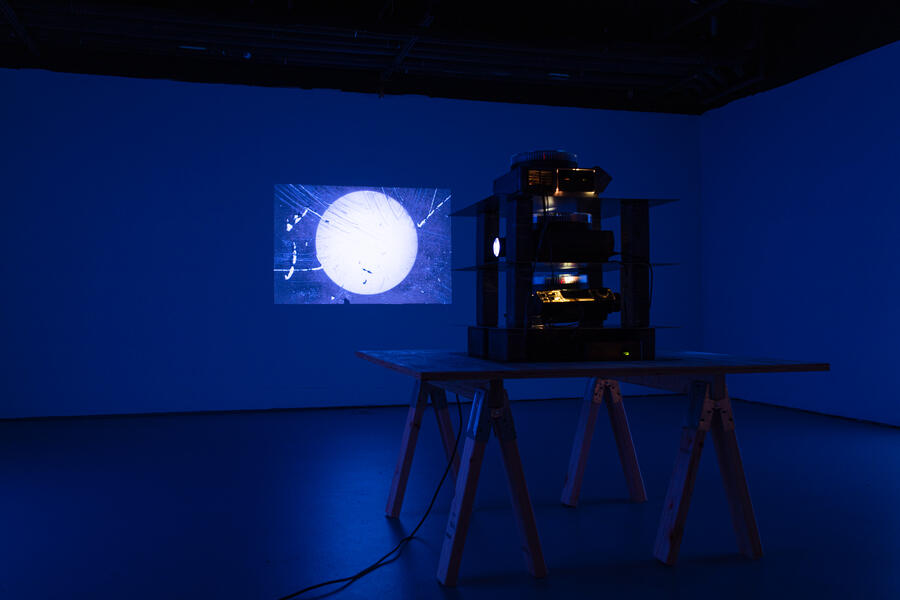
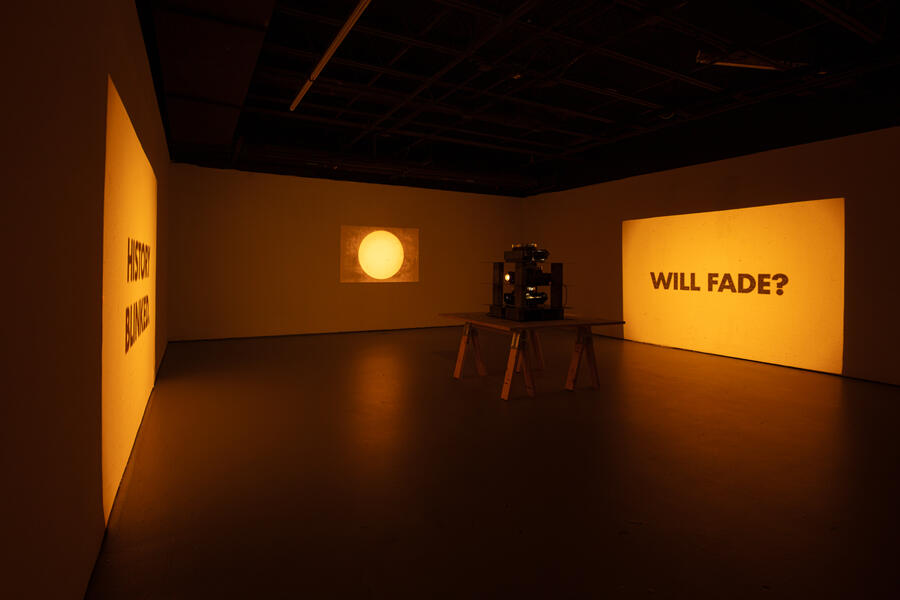
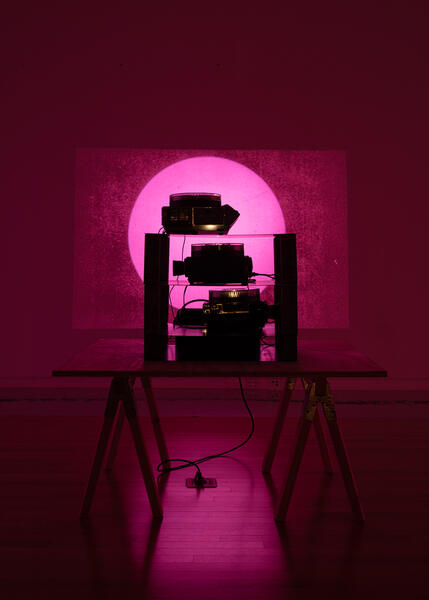
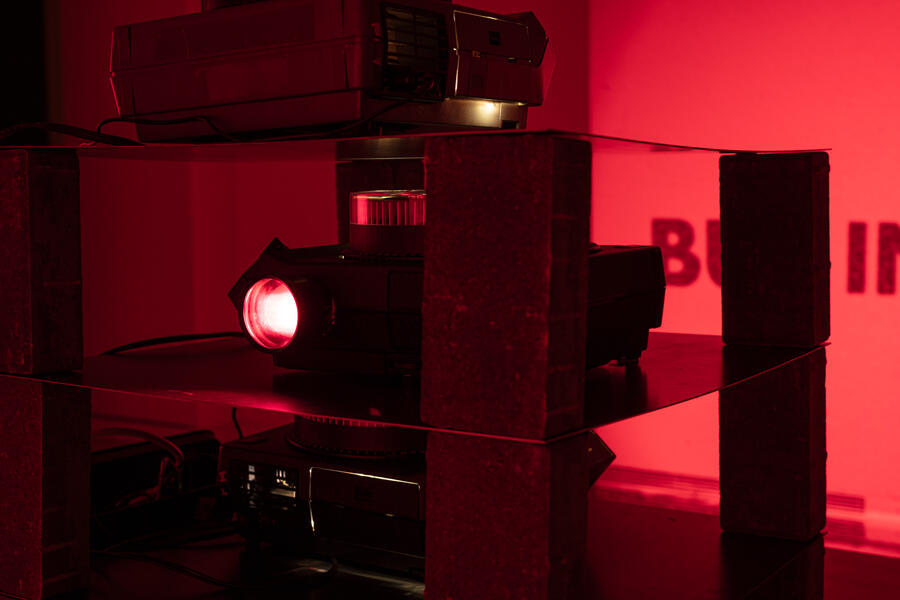
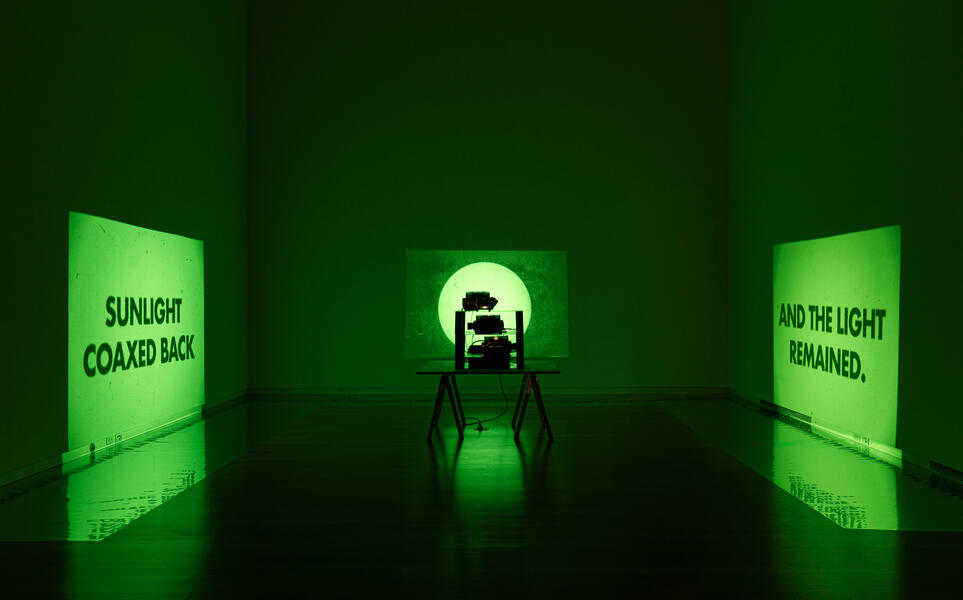
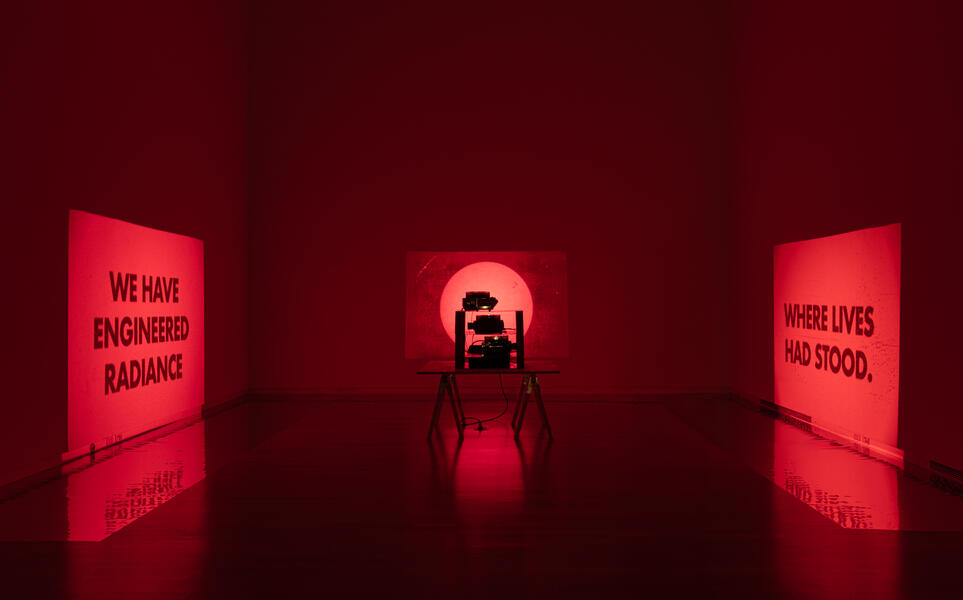
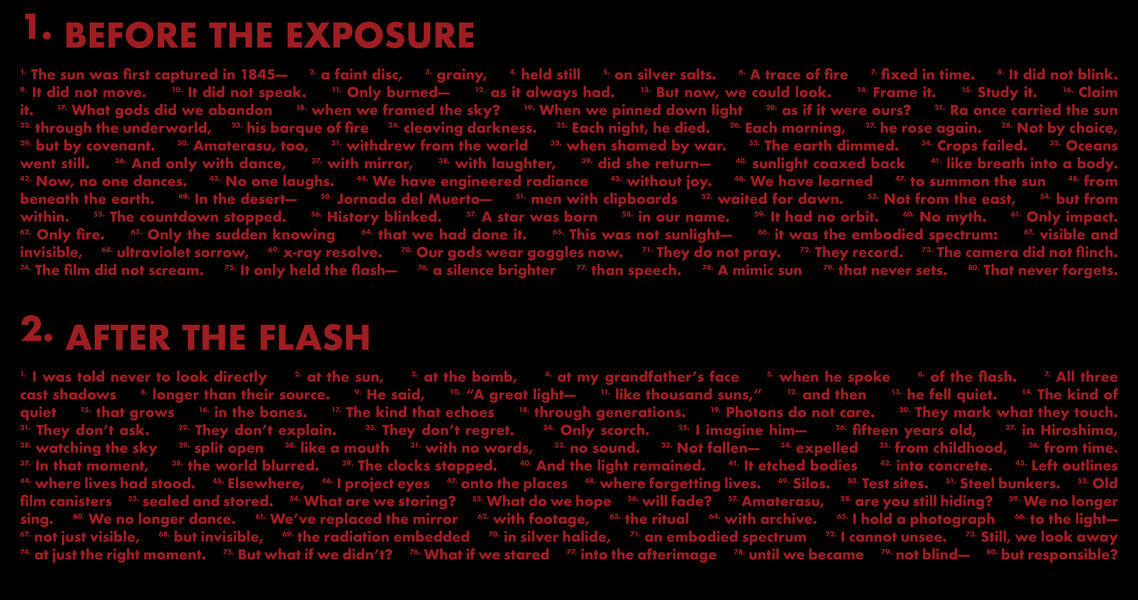
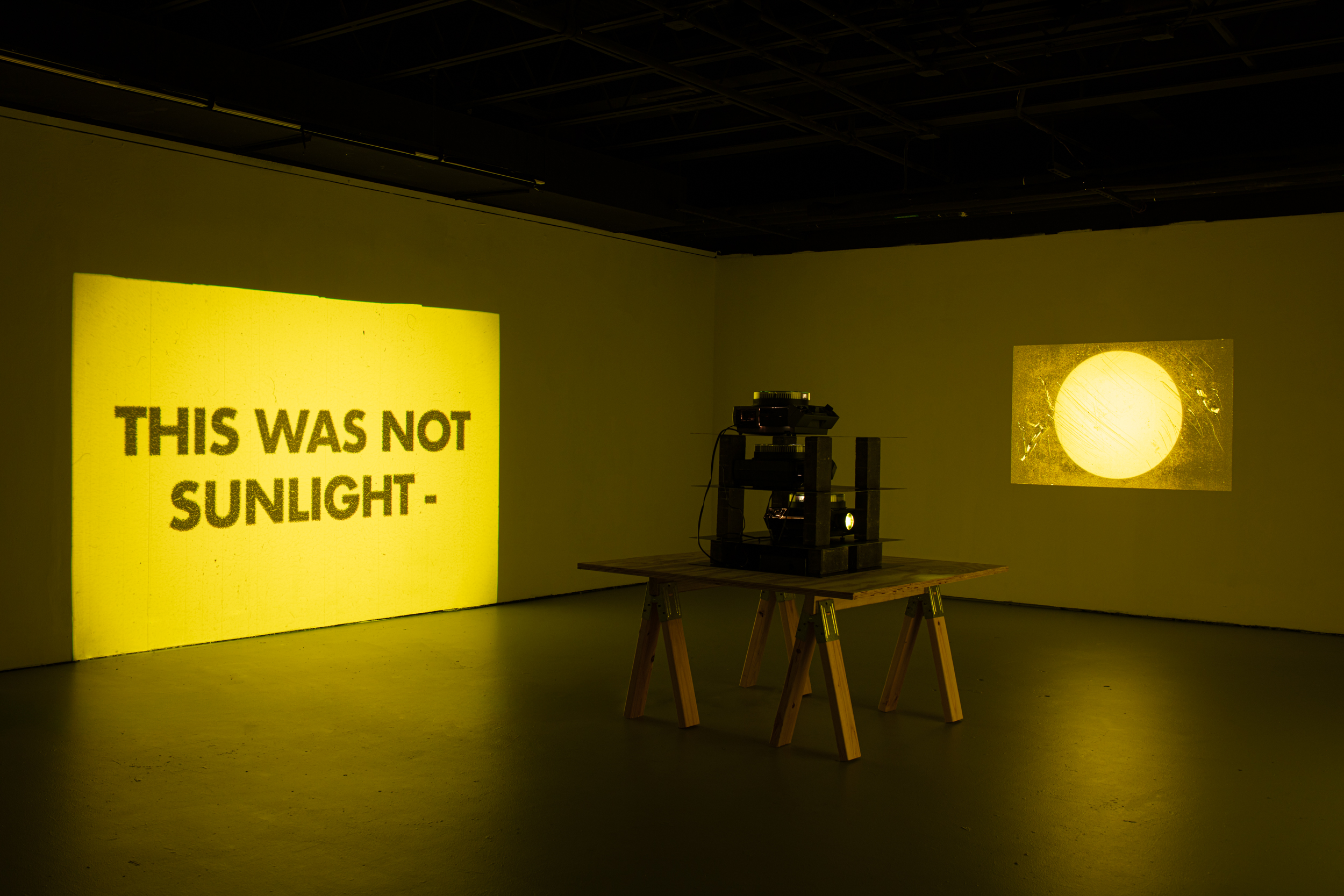
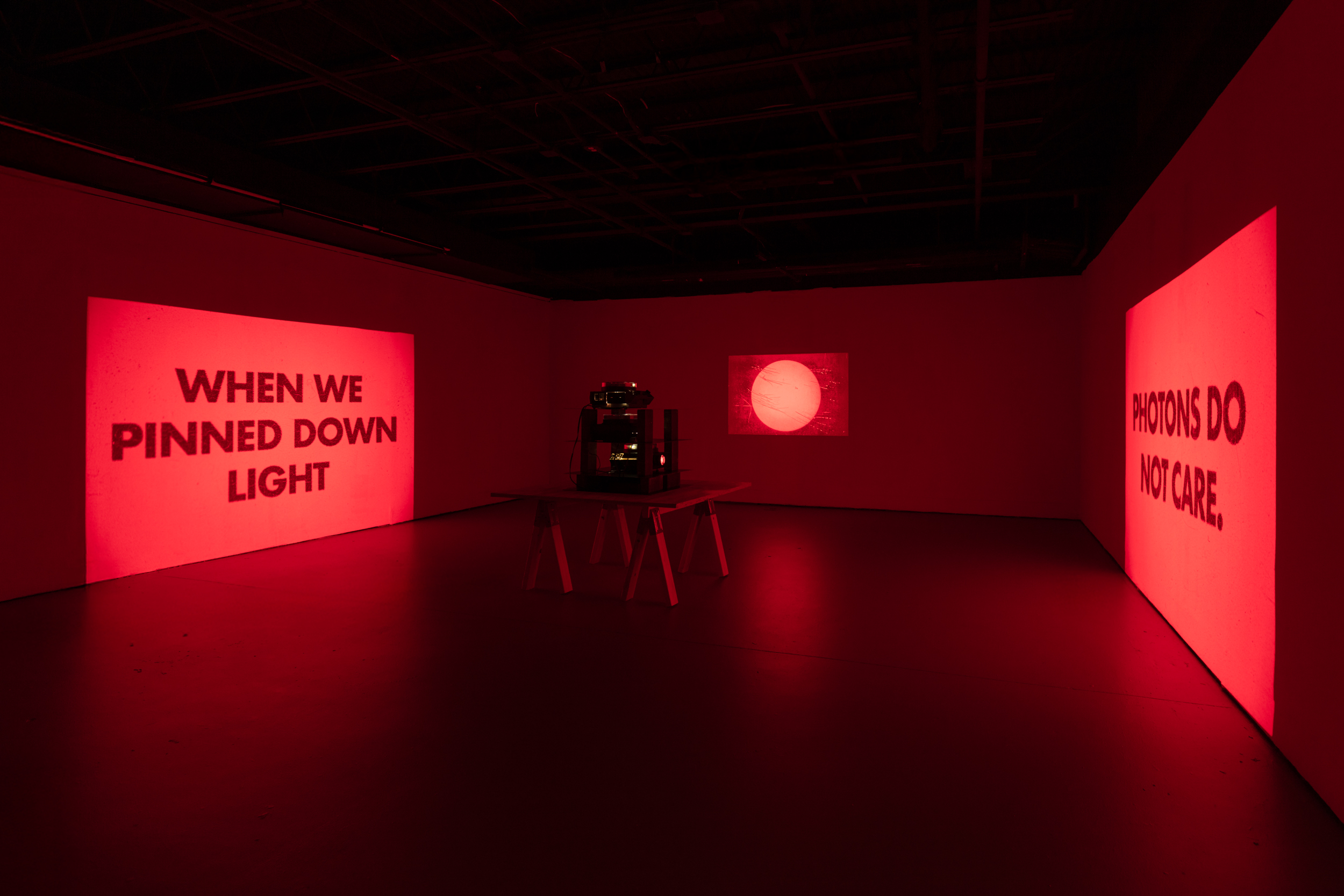
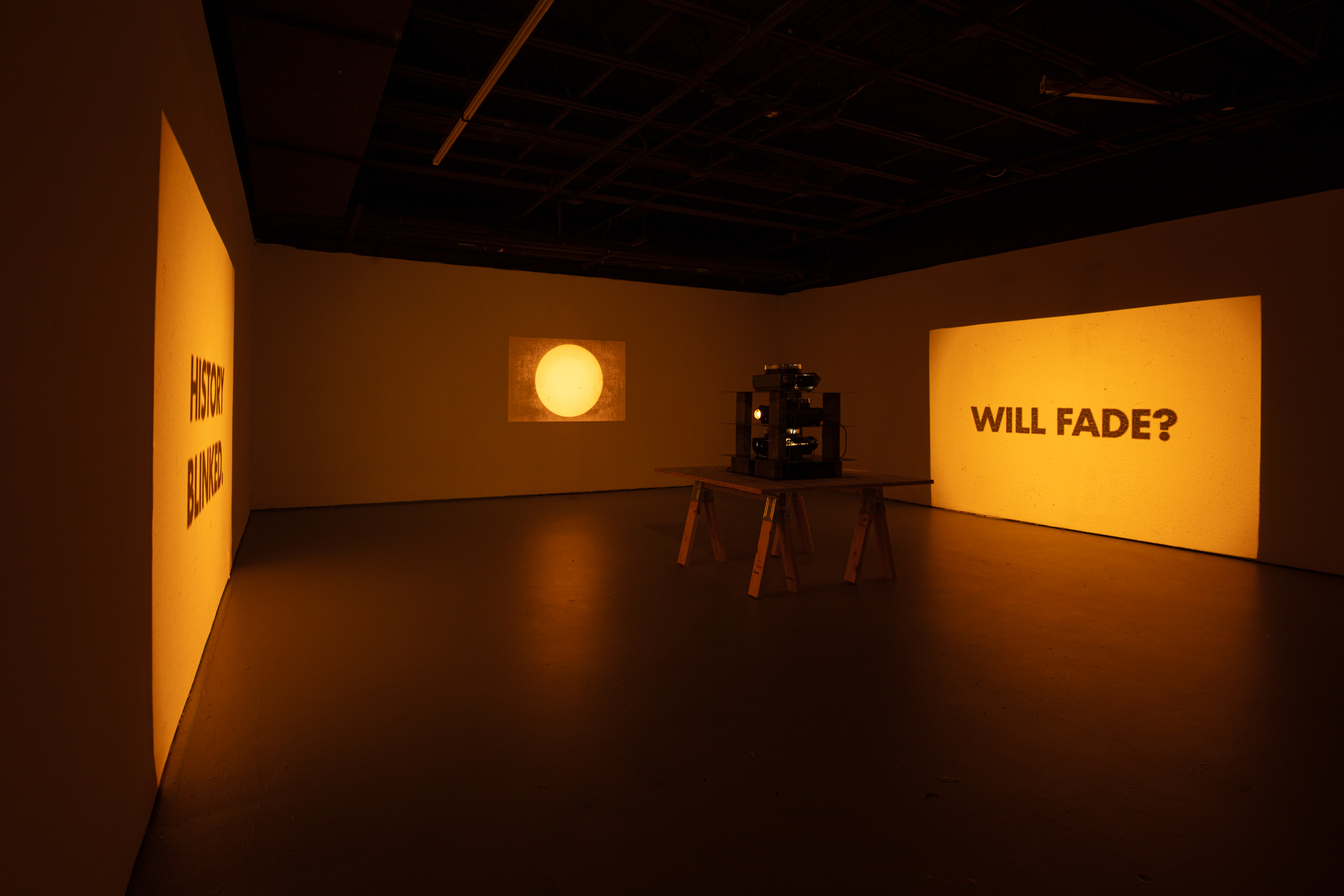
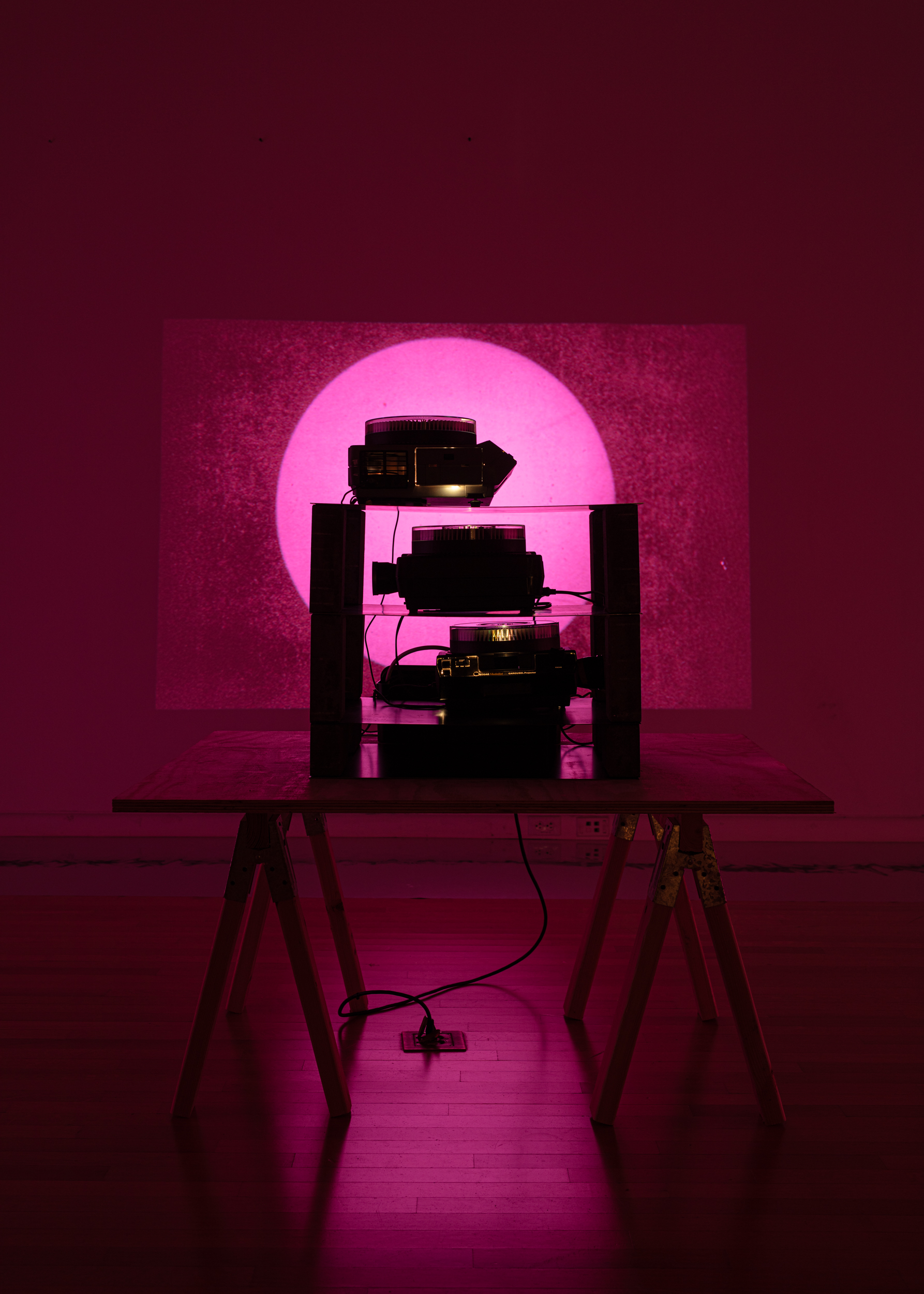
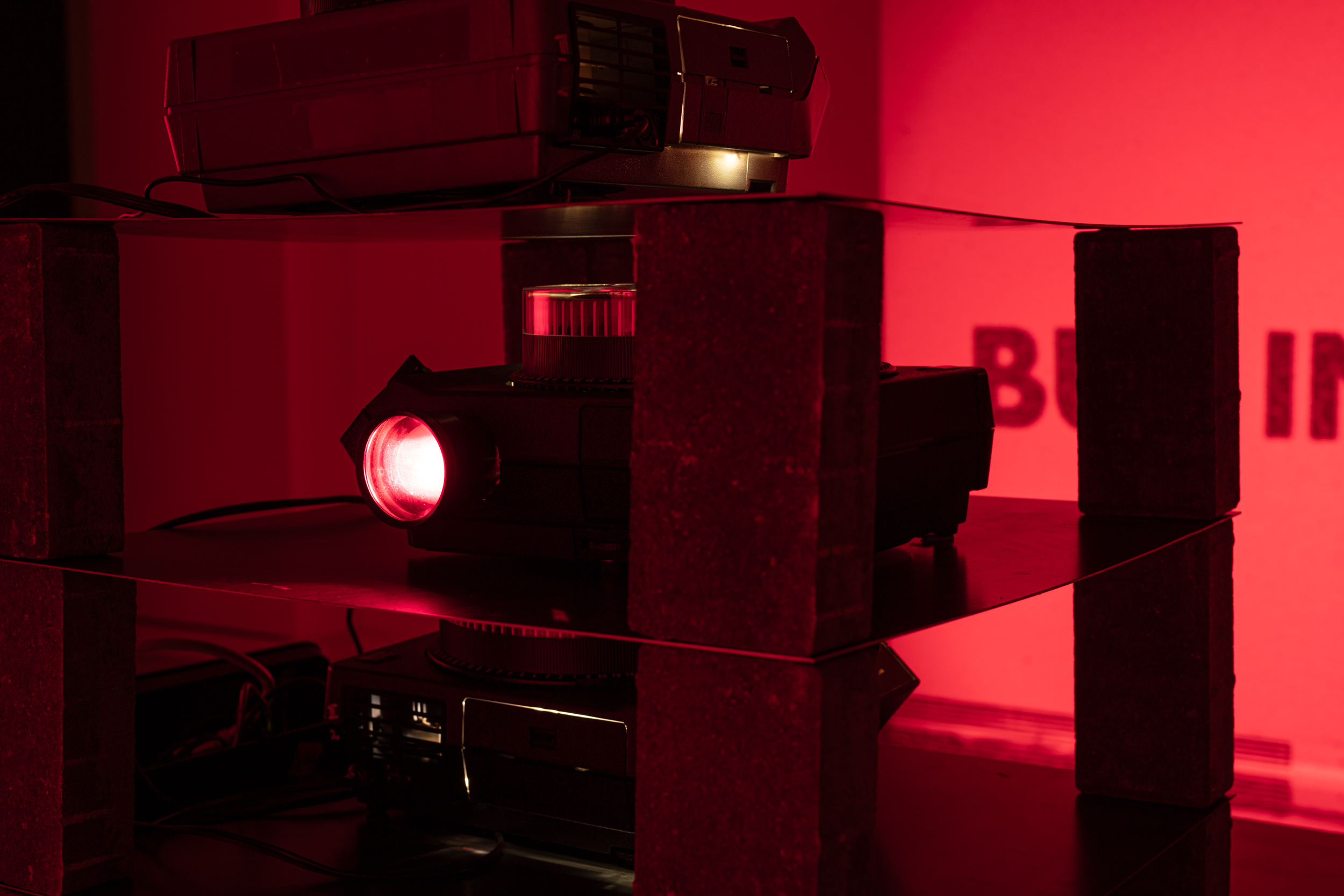
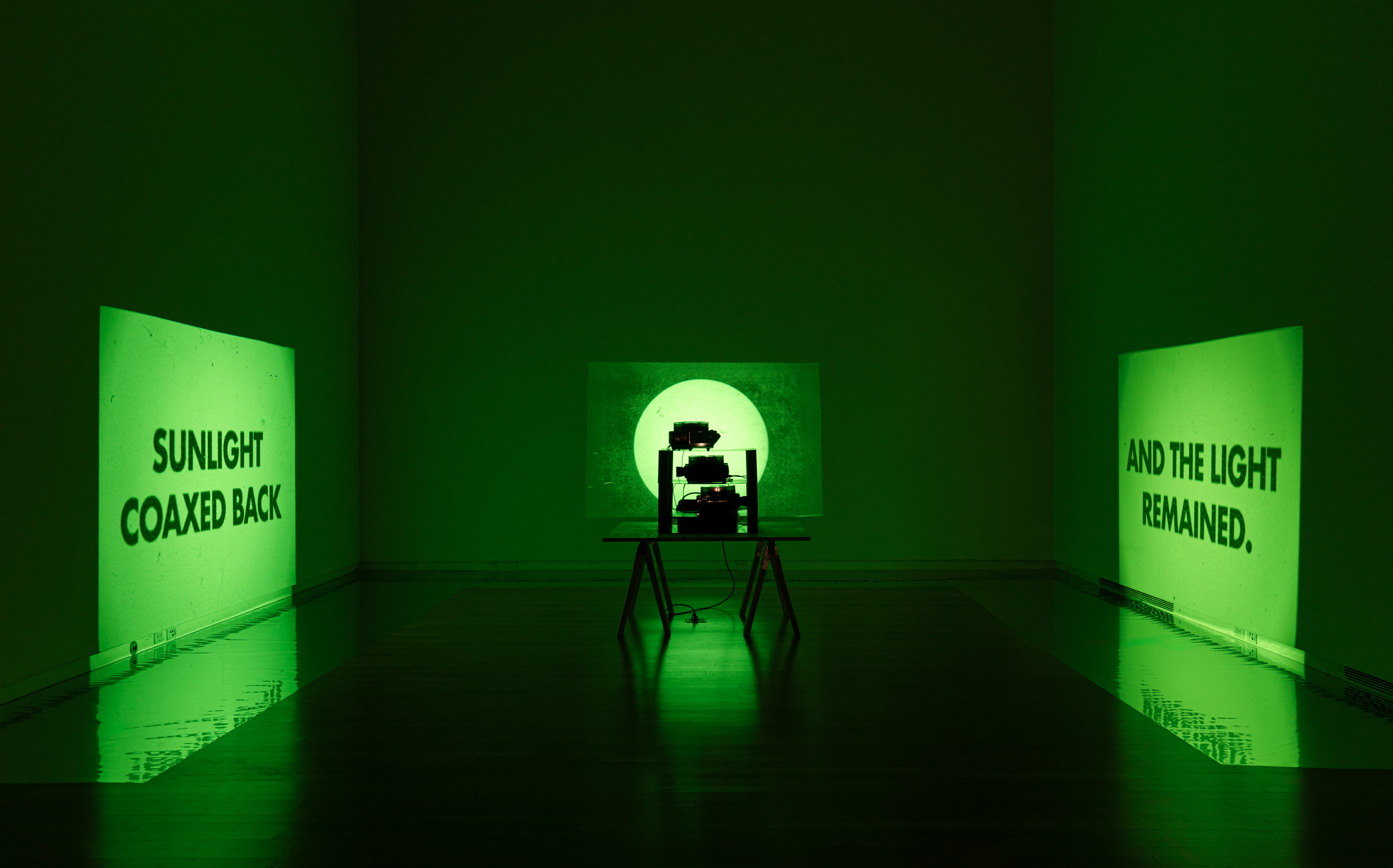
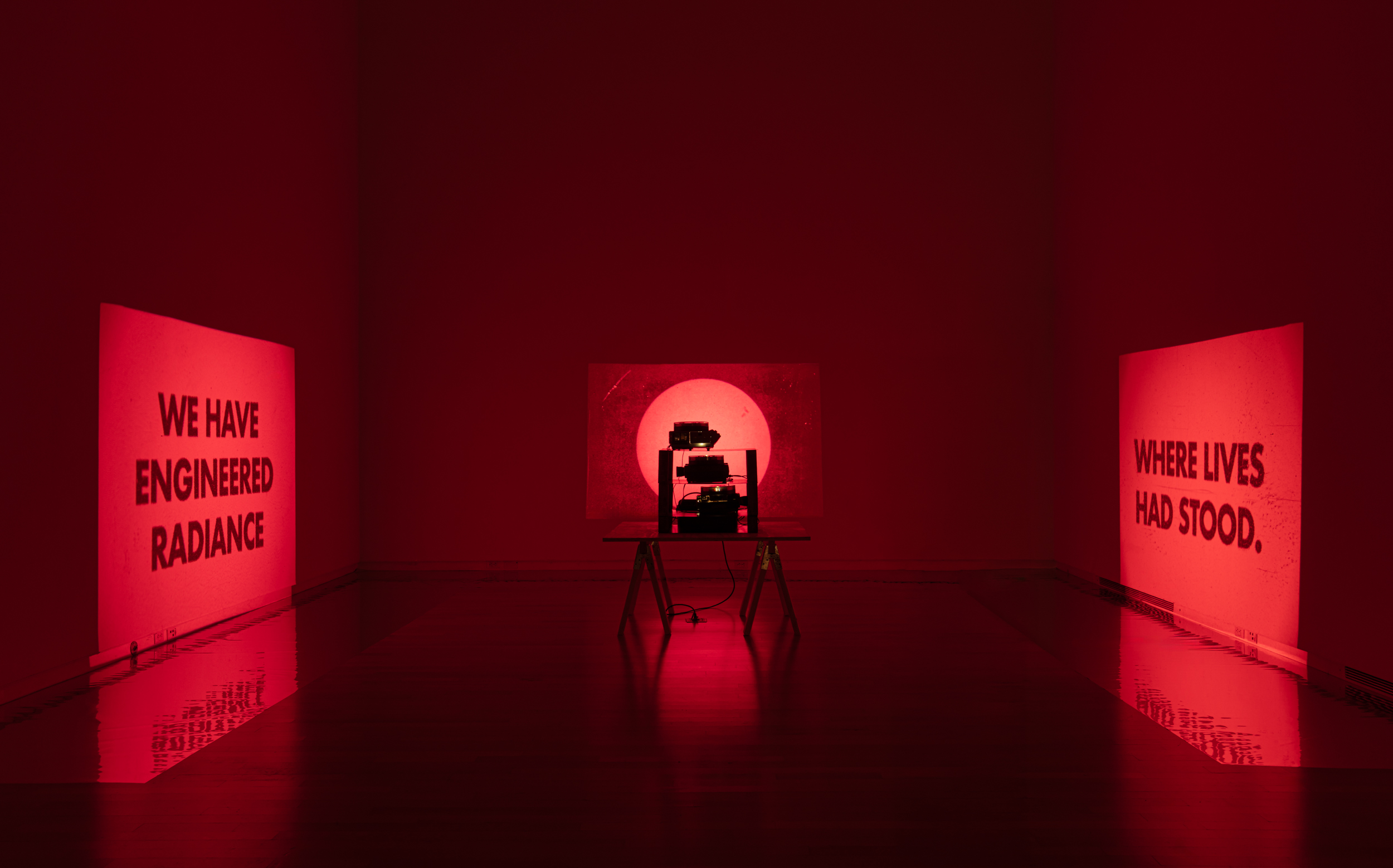
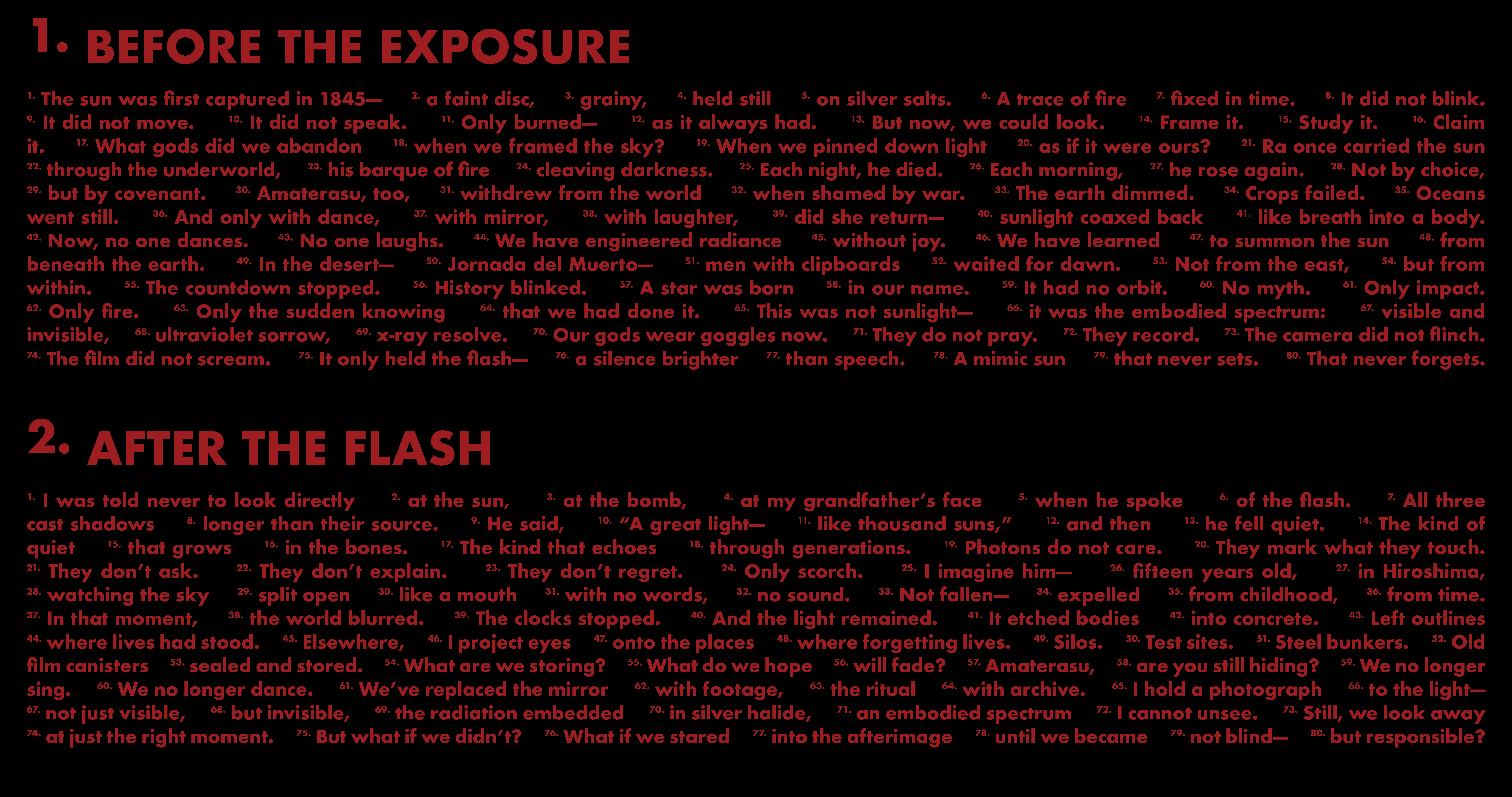
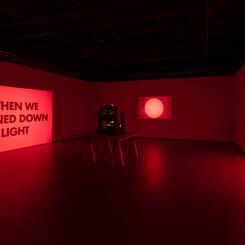
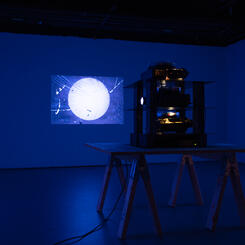
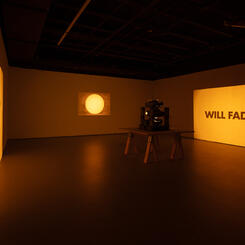
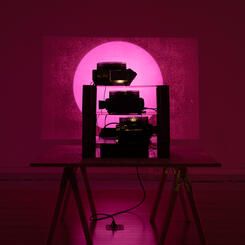
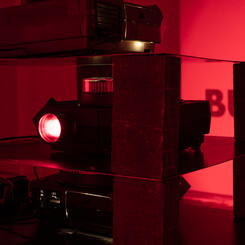
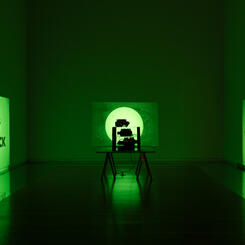
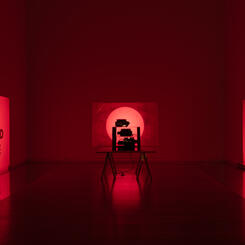
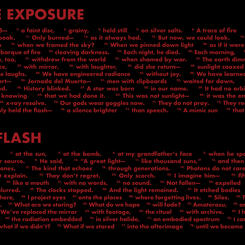
Embodied Spectrum brings together language and image in an immersive installation. Here, I combine multiple modalities to evoke experiences, relationships, and physical phenomena that are difficult to represent in visual form.
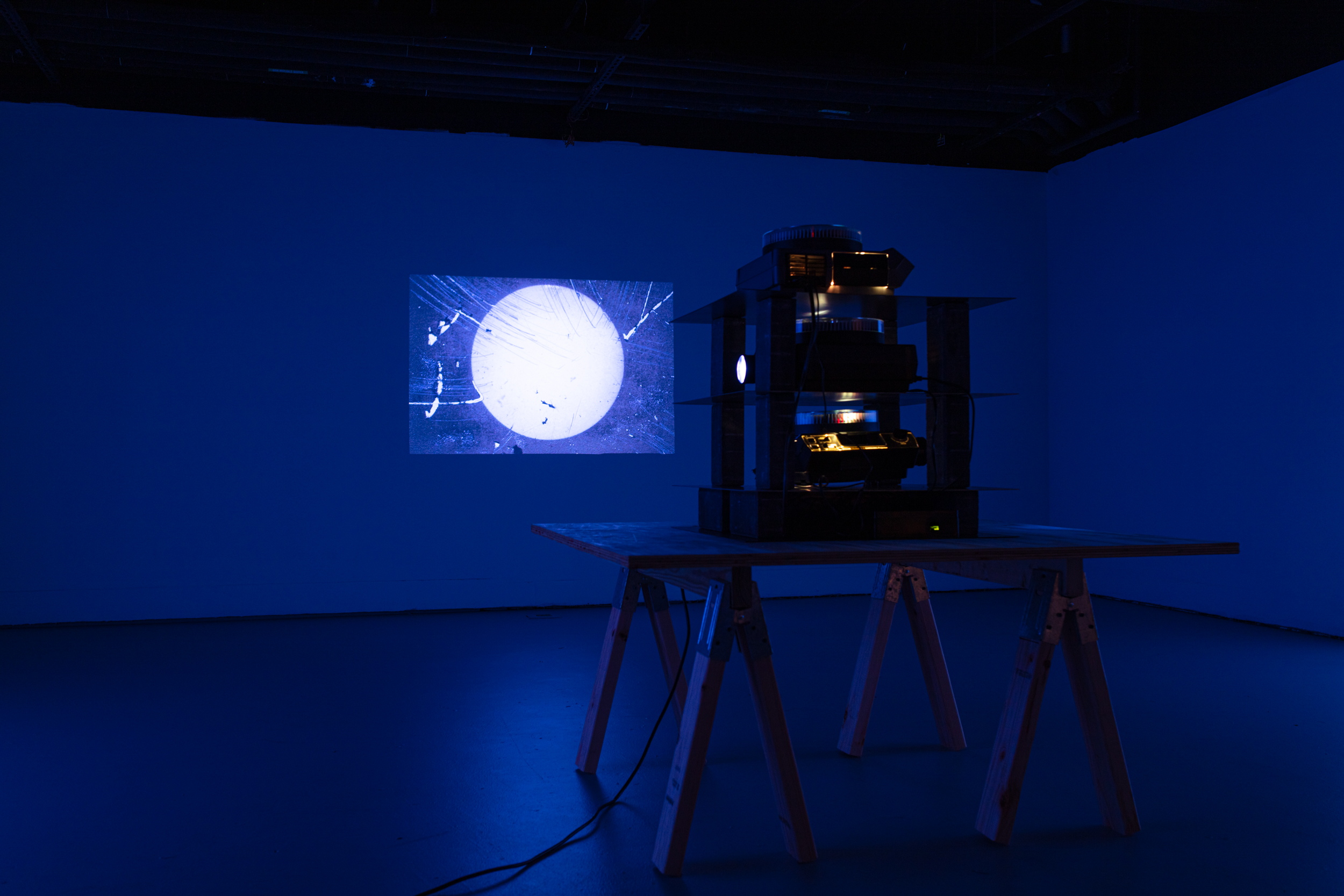
The installation is centered on slide reproductions of the first photographic image ever taken of the sun, flanked on either side by two poems written by me. This work evokes the unique connection between the sun and human-generated nuclear energy. In their reliance on nuclear processes, the sun and nuclear weapons are linked, although their fundamental impacts on humankind are diametrically opposed; the sun’s energy is the foundation of life on Earth, while nuclear weapons embody the possibility of its total destruction.
Taken in 1845, the image at the center of Embodied Spectrum pre-dates the bombing of Hiroshima and Nagasaki by 100 years. By the standards of a human lifespan, these are distant events. In the span of the Earth’s history, they occur in a single epoch, a short period of drastic acceleration in both the productive and destructive capacities of humankind.

About Kei
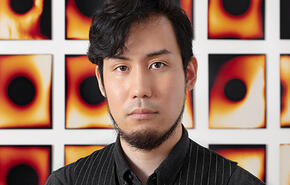
Kei Ito is an interdisciplinary conceptual artist whose practice bridges experimental photography, performance, sculpture, and large-scale installation. Working primarily with cameraless photographic processes, Ito uses light, breadth, and material experimentation to visualize invisible forces such as memory, trauma, and environmental impact. His work excavates hidden histories–particularly those connected to nuclear violence–through ritualistic image making and immersive… more
Reconstruction of Forgetting
-
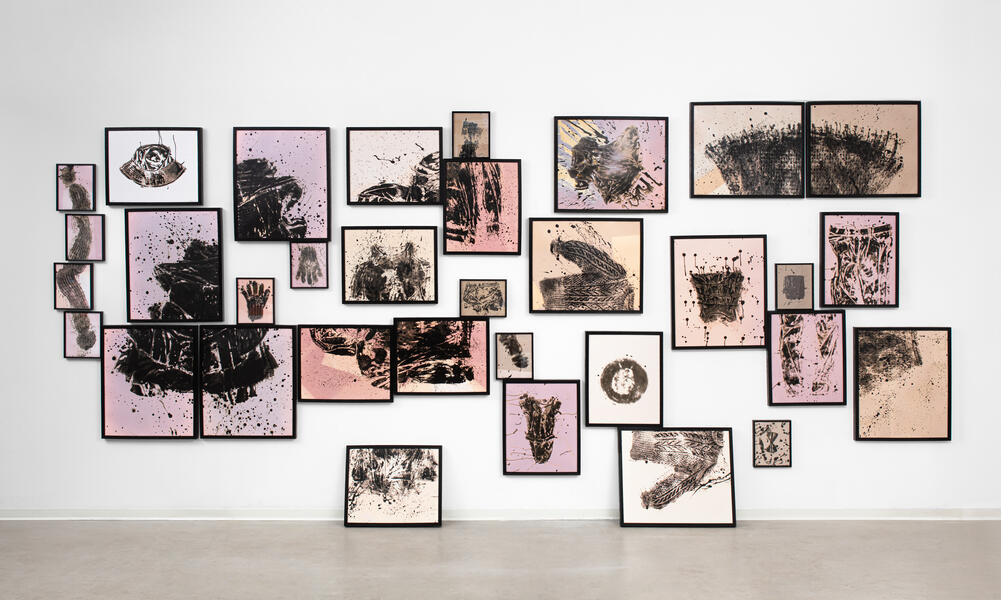 Reconstruction of Forgetting
 -
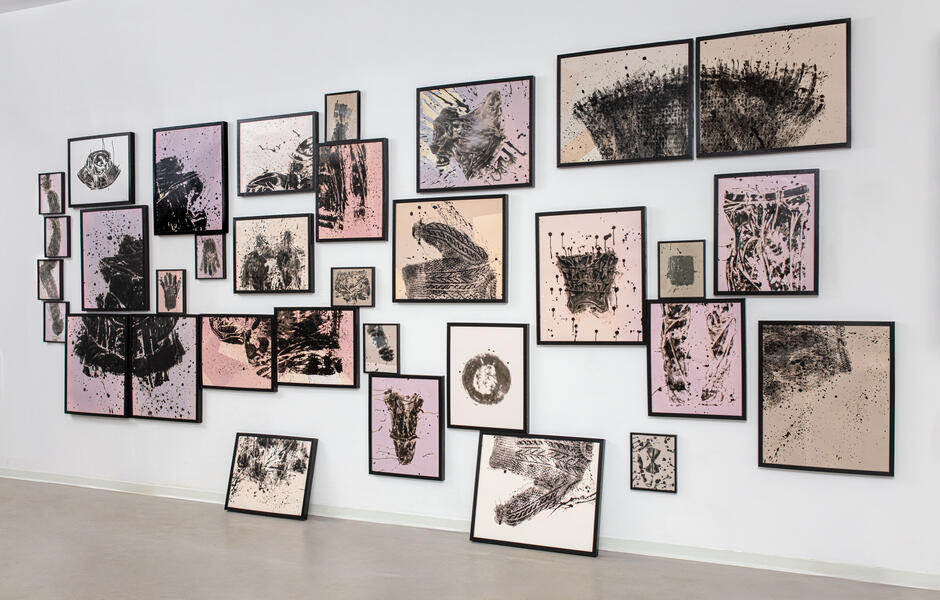 Reconstruction of Forgetting
 -
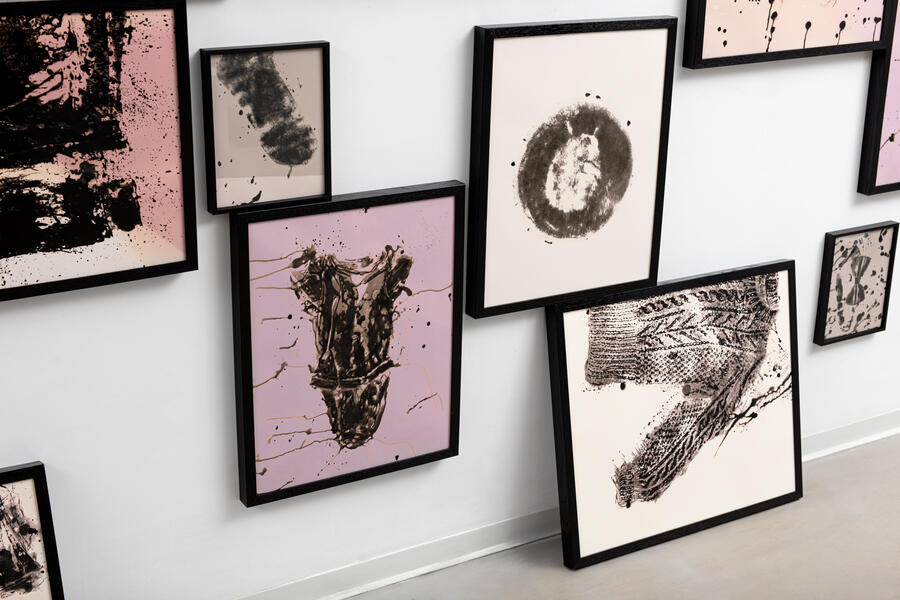 Reconstruction of Forgetting
 -
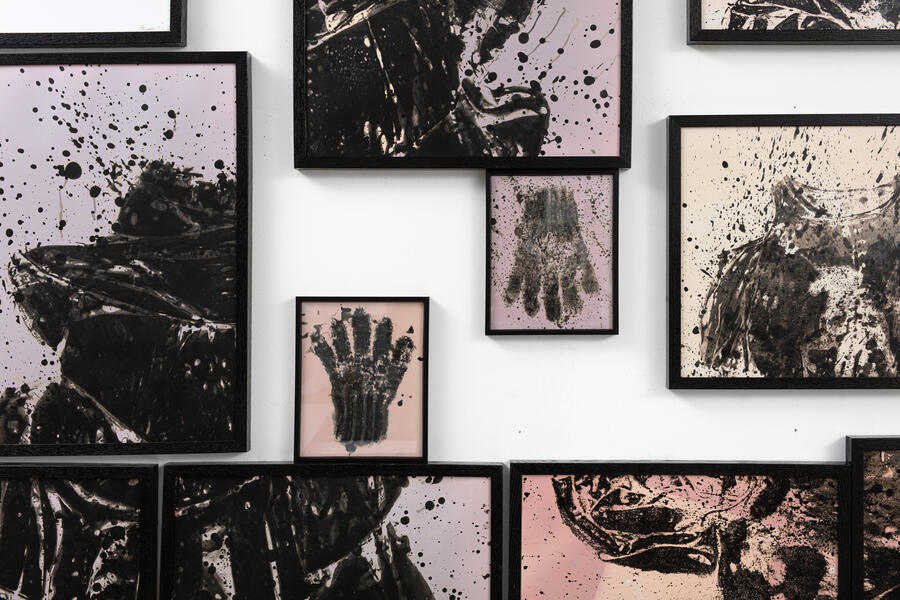 Reconstruction of Forgetting
 -
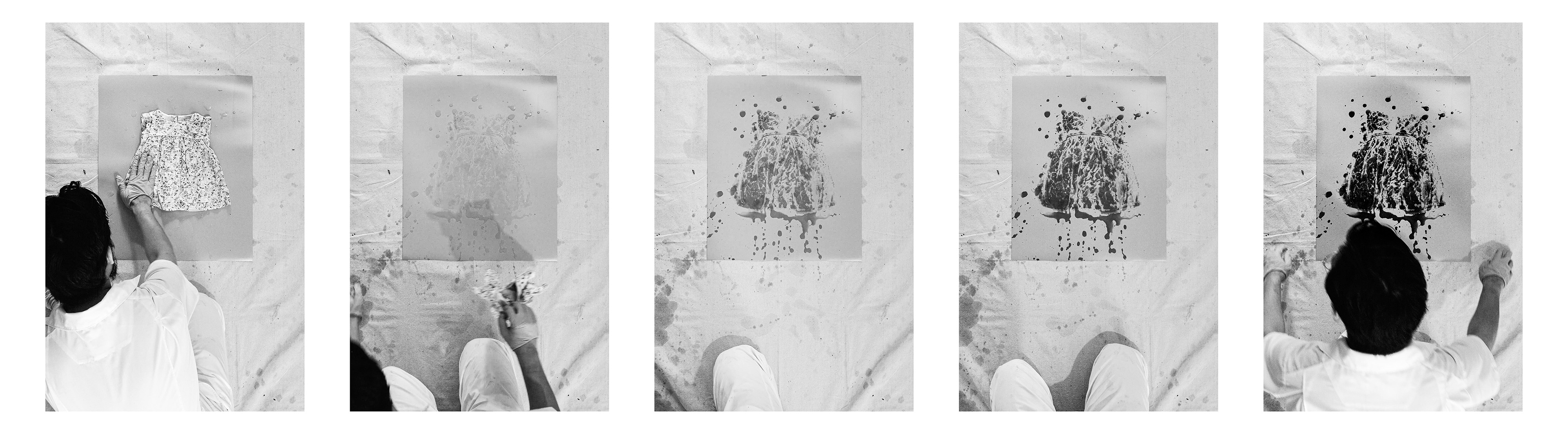
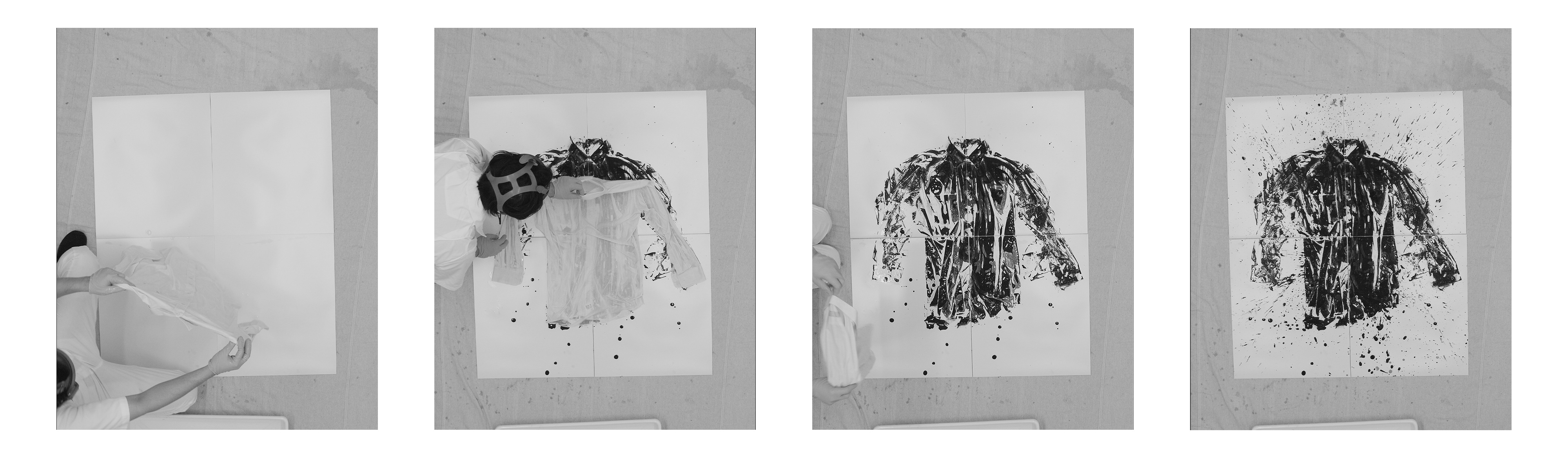
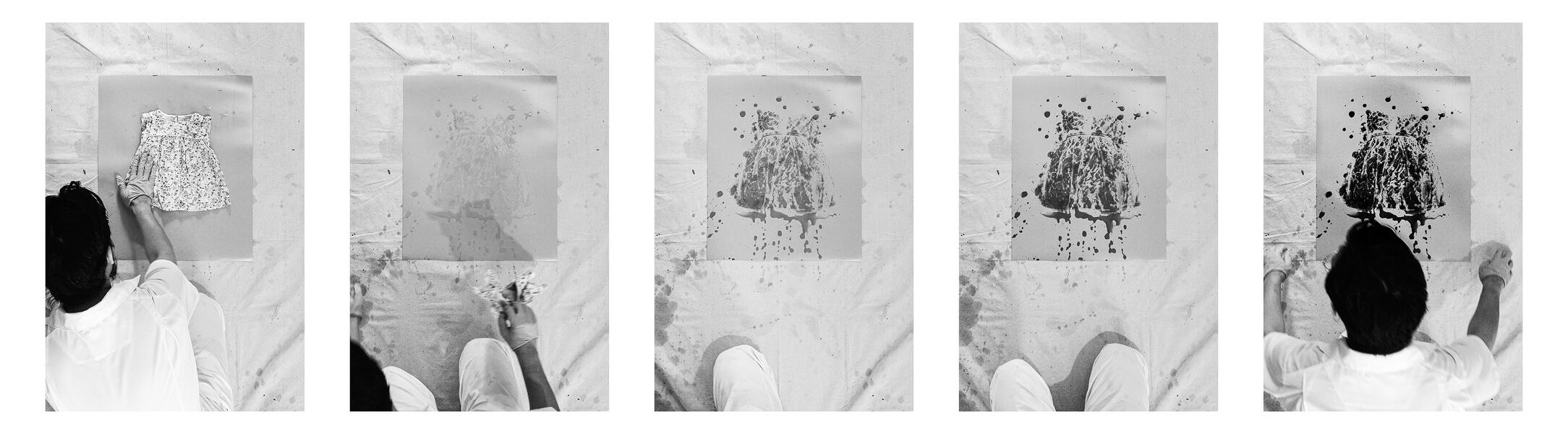 Reconstruction of Forgetting (Process documentation stills)
 -
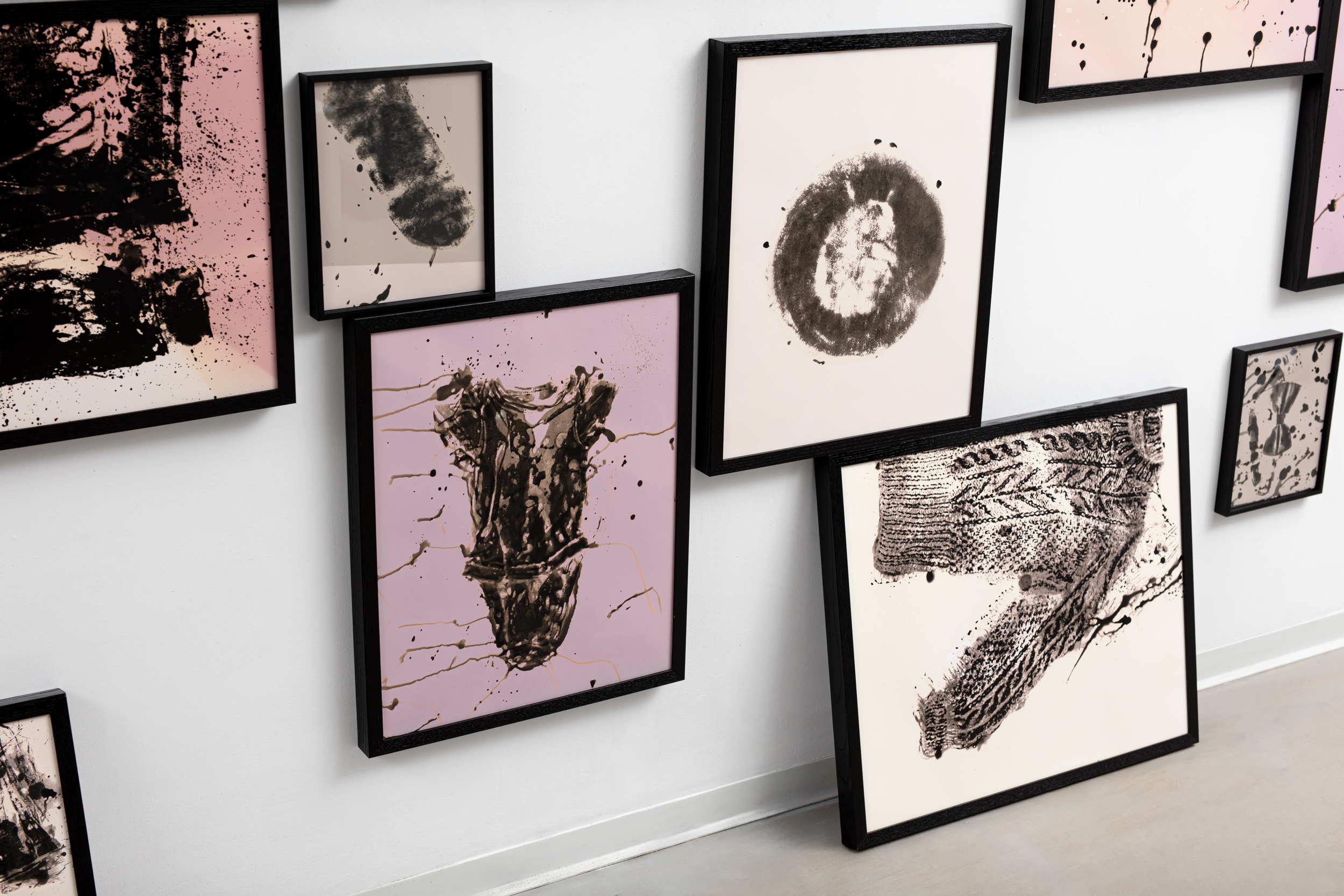
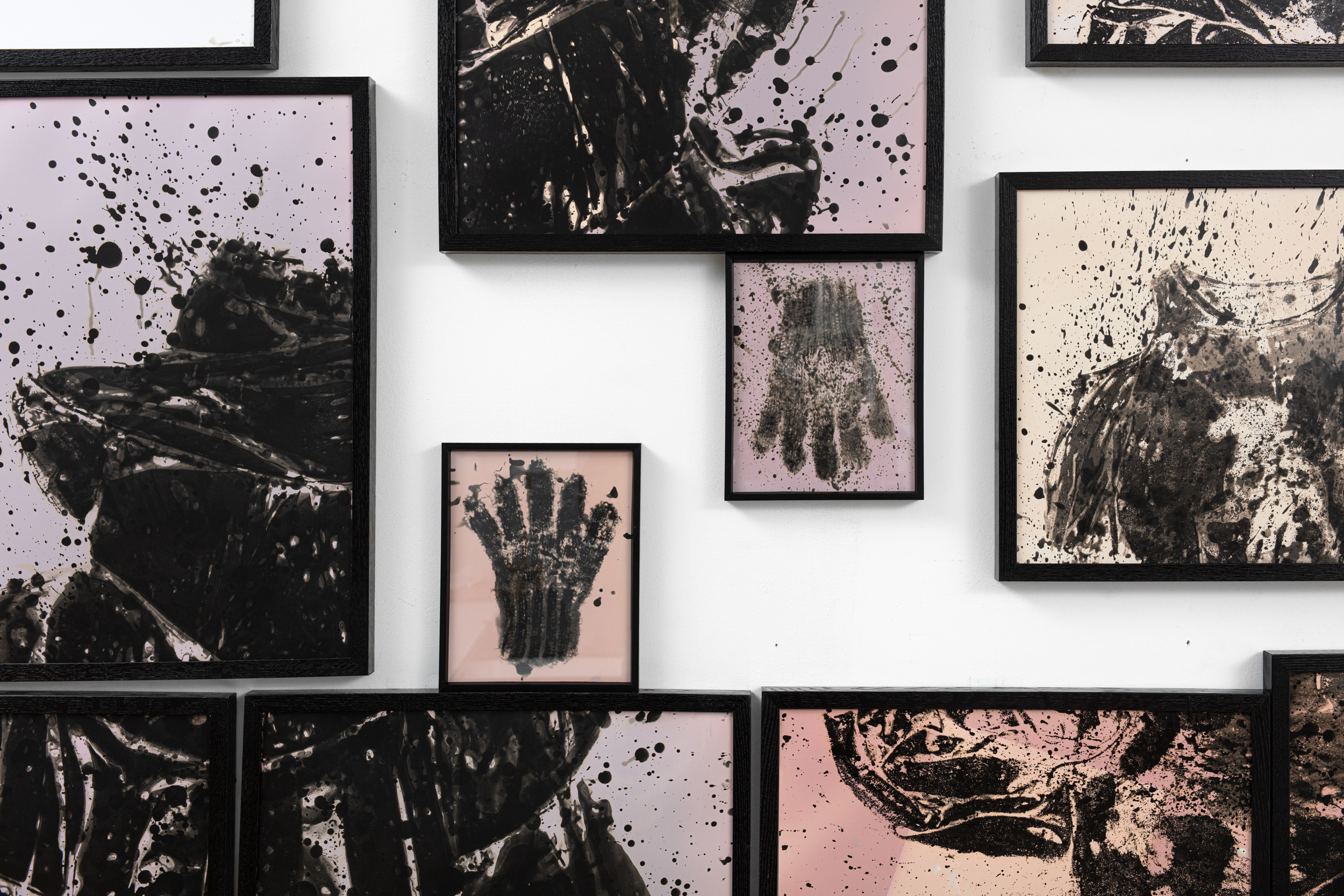
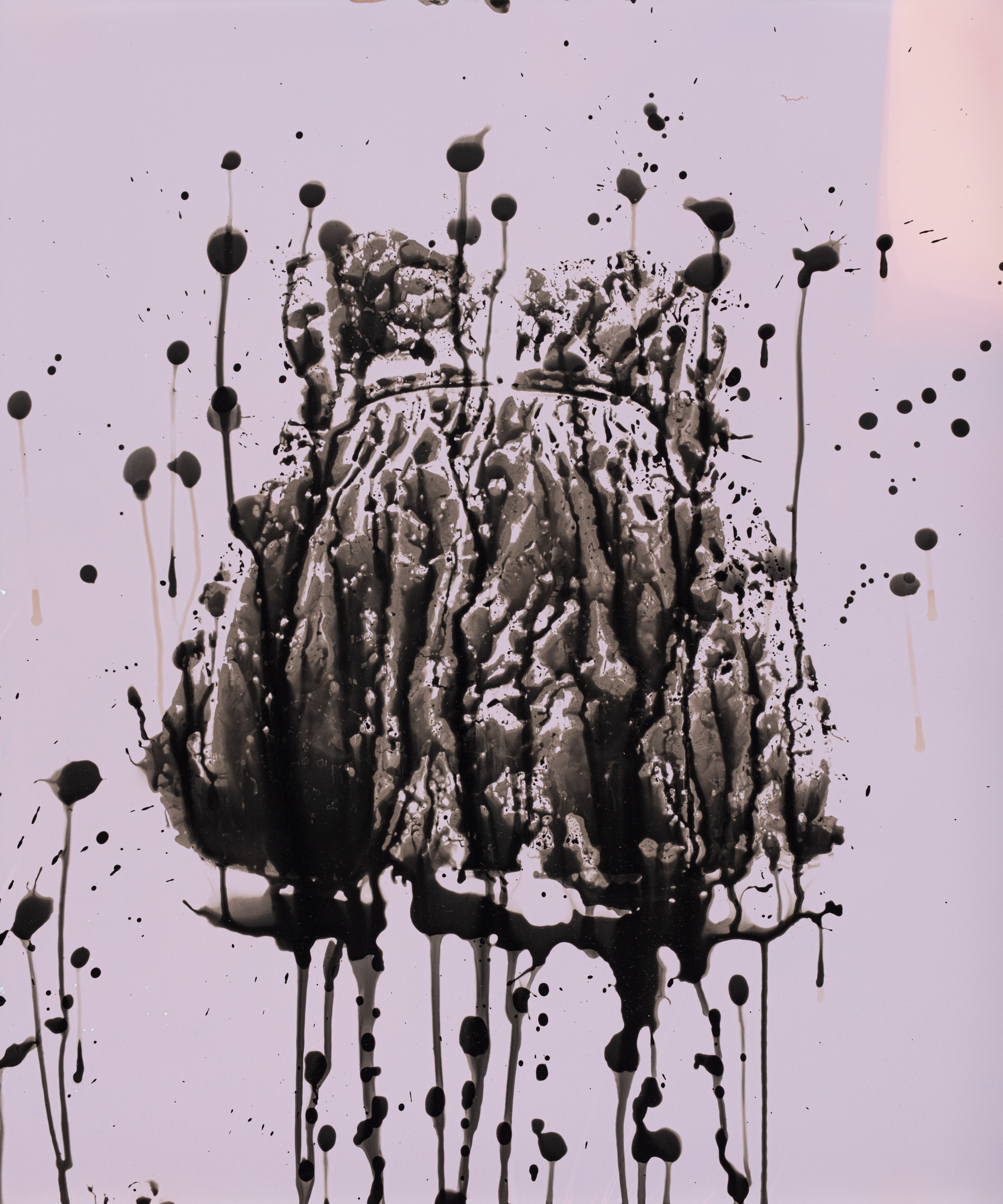
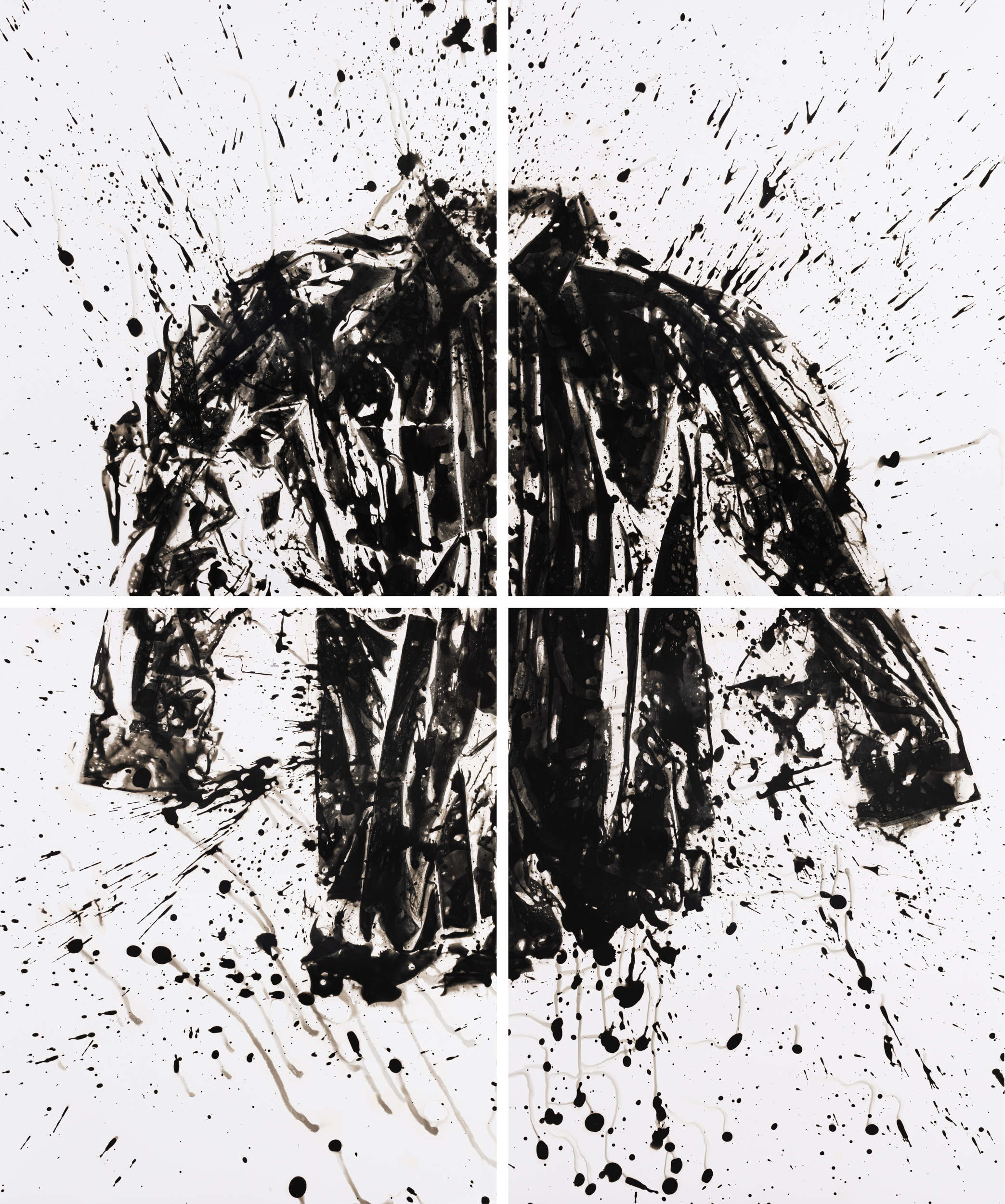
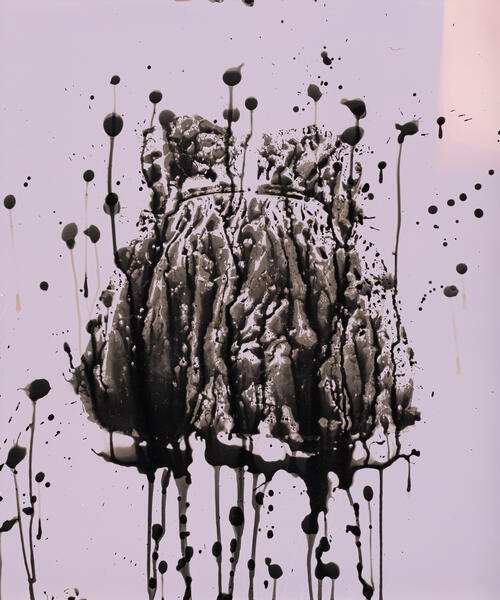 Reconstruction of Forgetting Print #76
 -
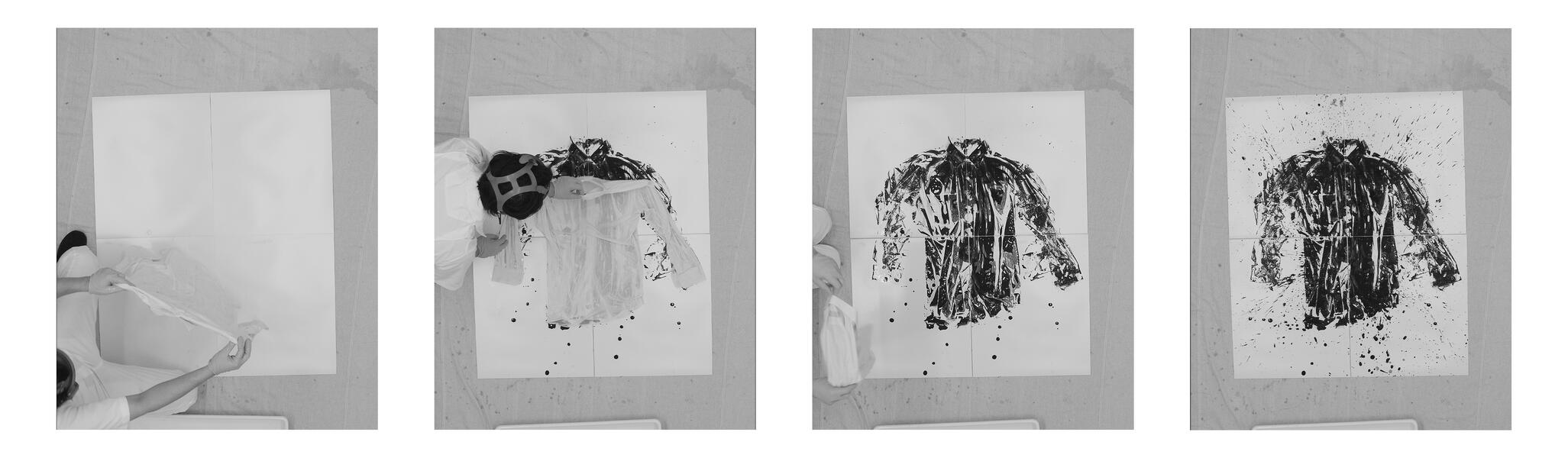 Reconstruction of Forgetting (Process documentation stills)
 -
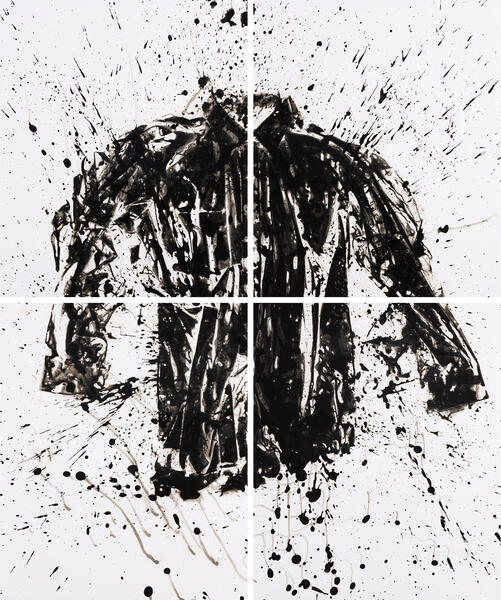 Reconstruction of Forgetting Print #1
 -
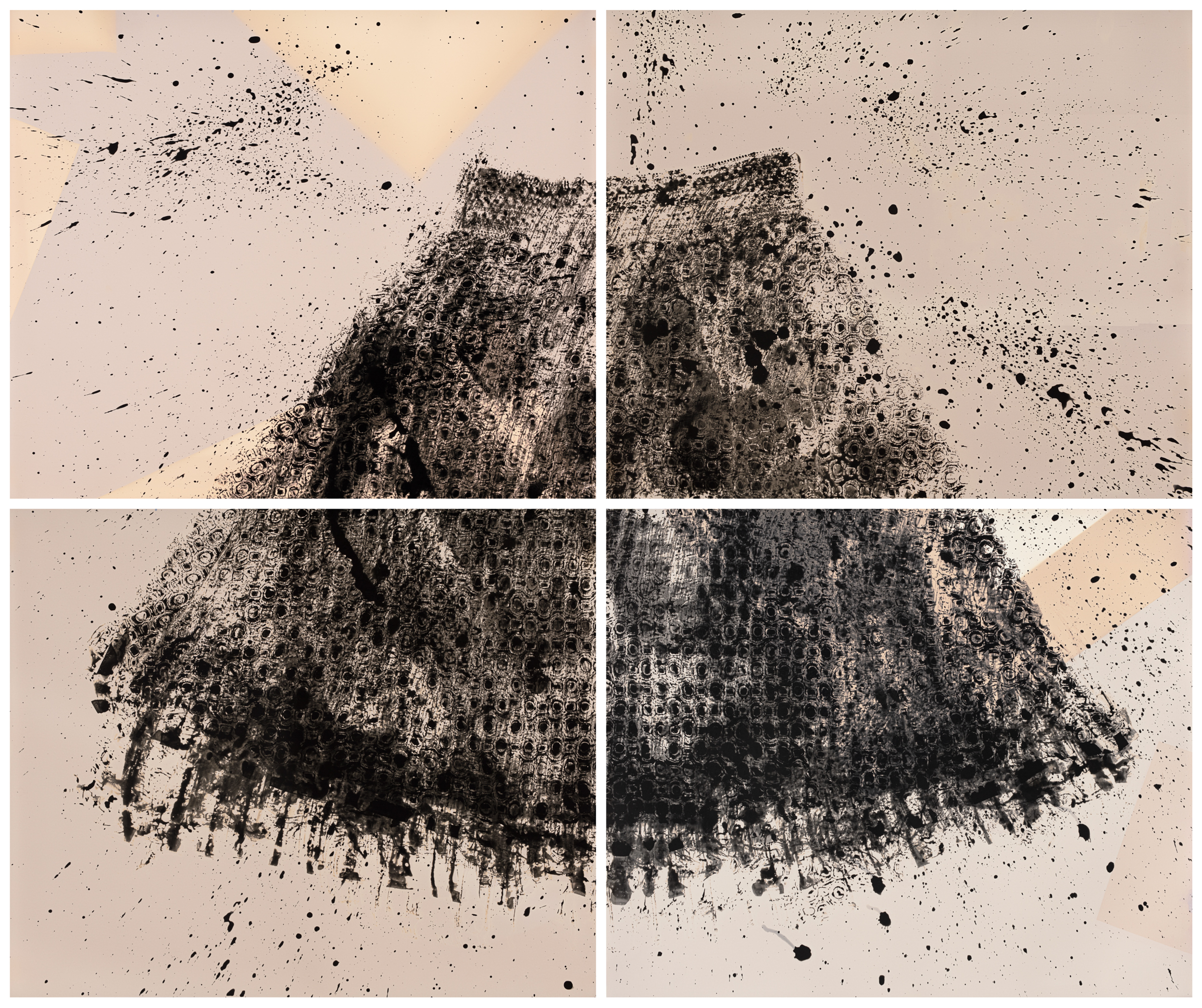
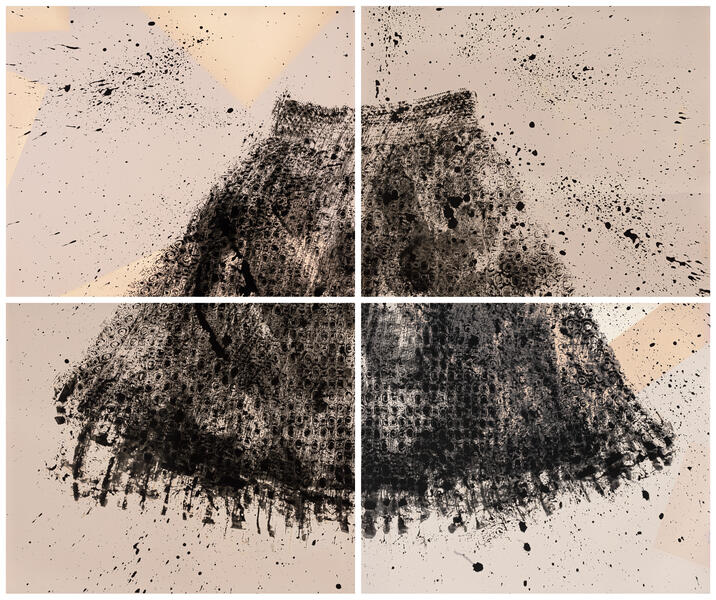 Reconstruction of Forgetting Print #35
 -
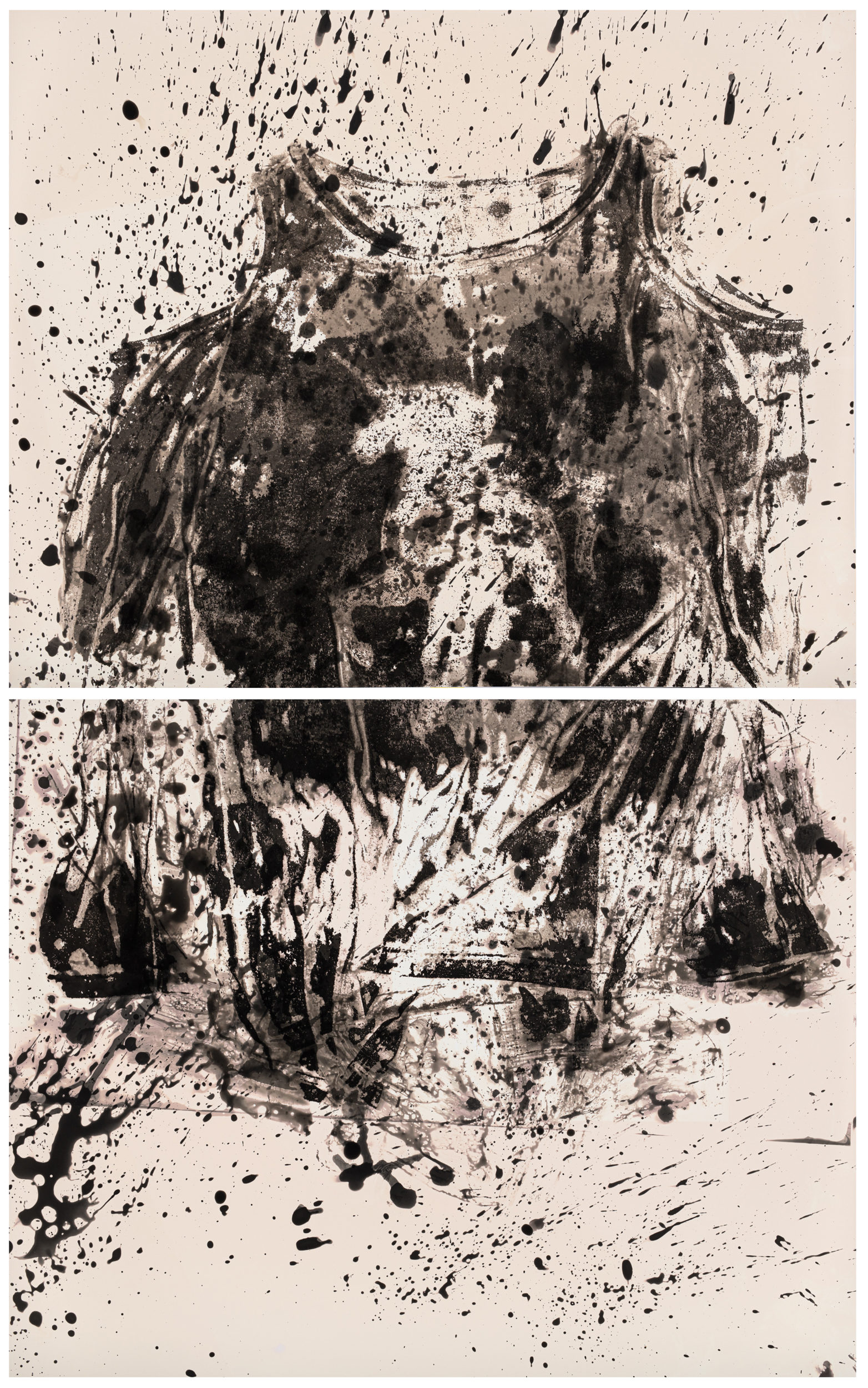
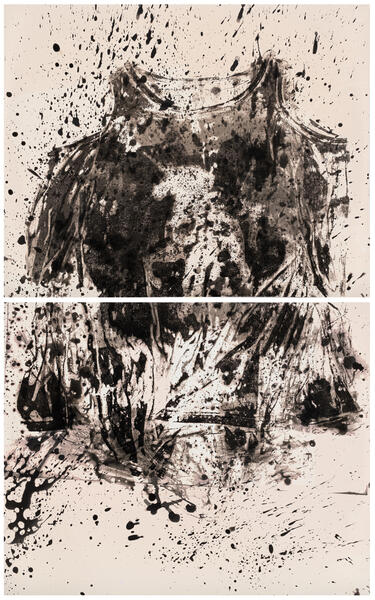 Reconstruction of Forgetting Print #46
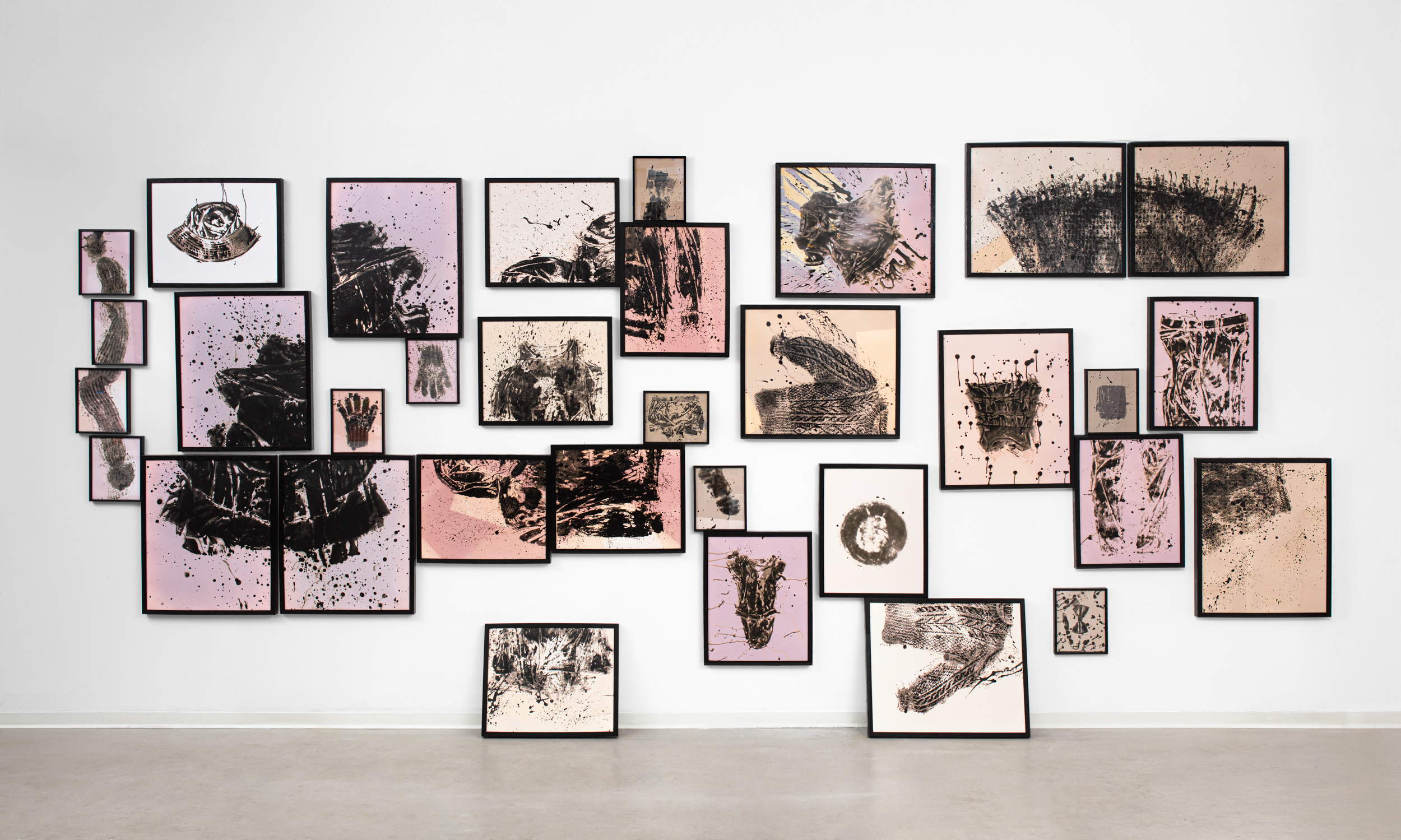
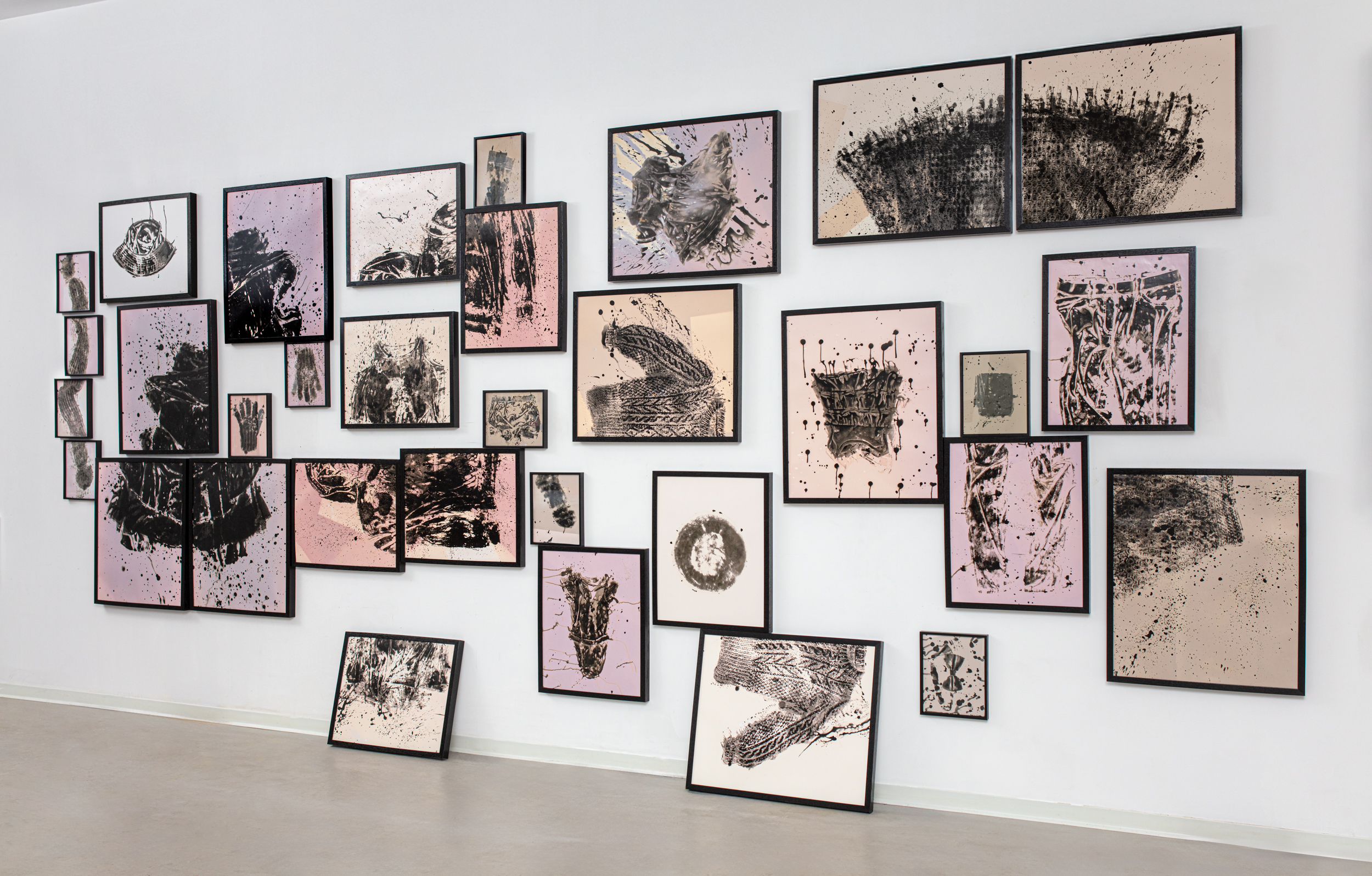
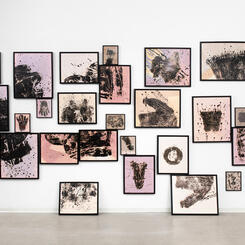
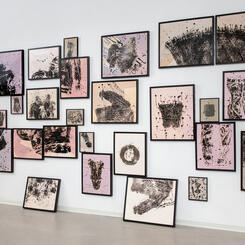
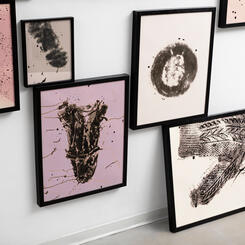
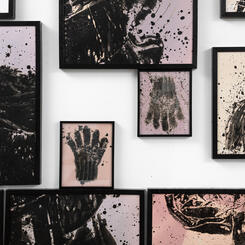
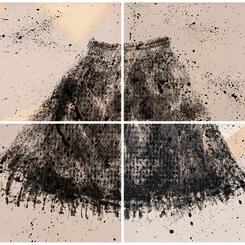
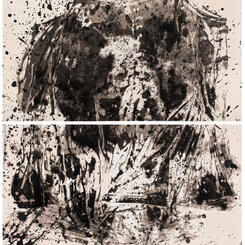
All That the Shadows Hold
-
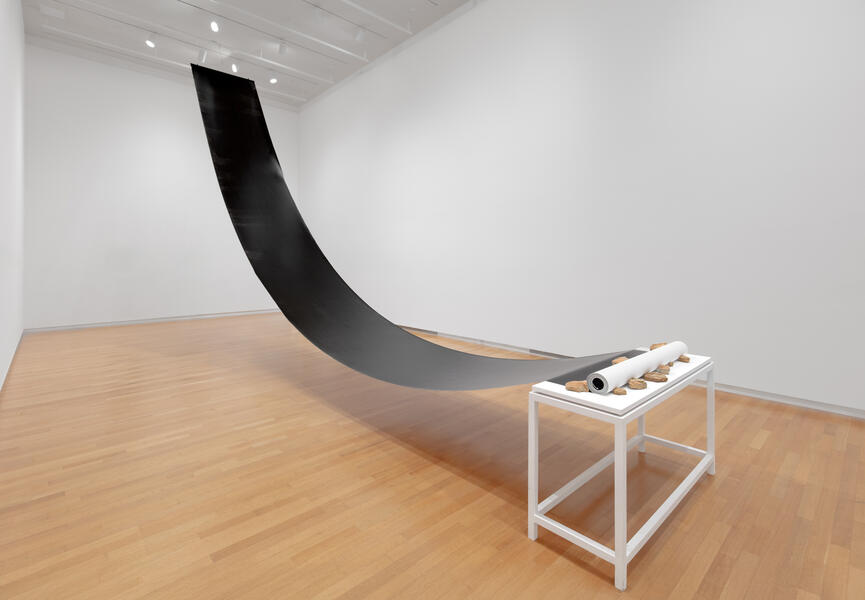 All That the Shadows Hold
 -
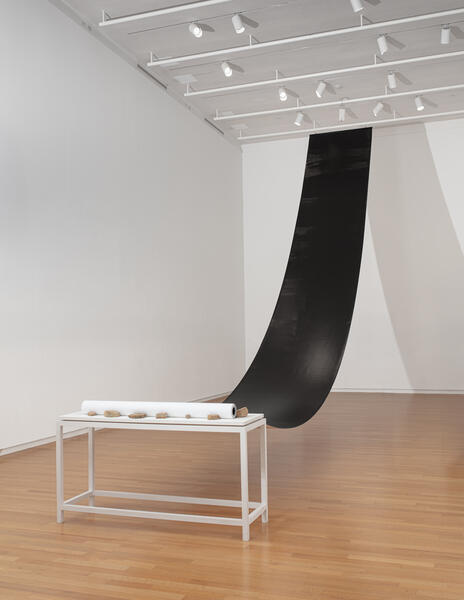 All That the Shadows Hold
 -
 All That the Shadows Hold
 -
 All That the Shadows Hold
 -
 All That the Shadows Hold
 -
 All That the Shadows Hold (Video Documentation)
 -
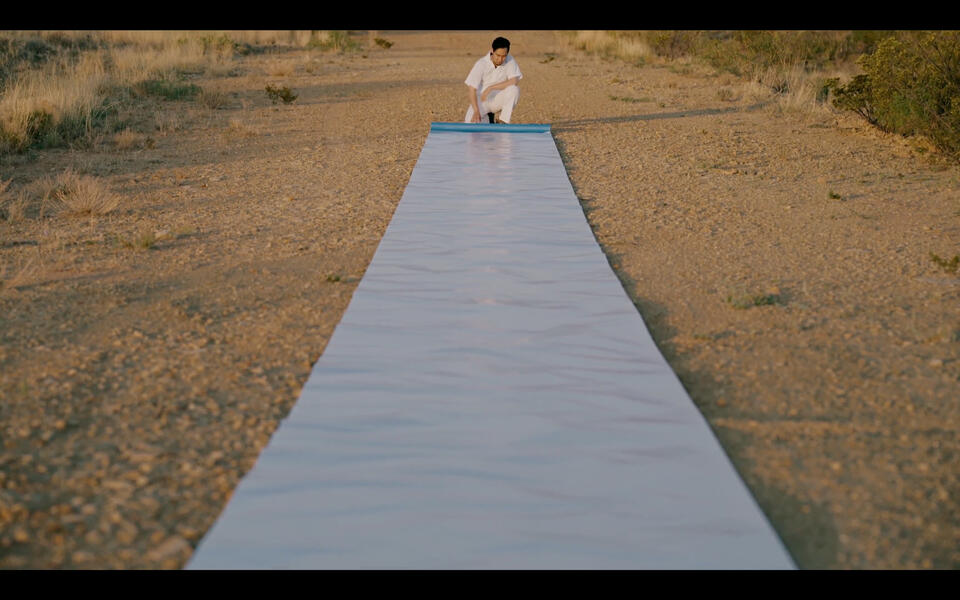 All That the Shadows Hold (Video Documentation)
 -
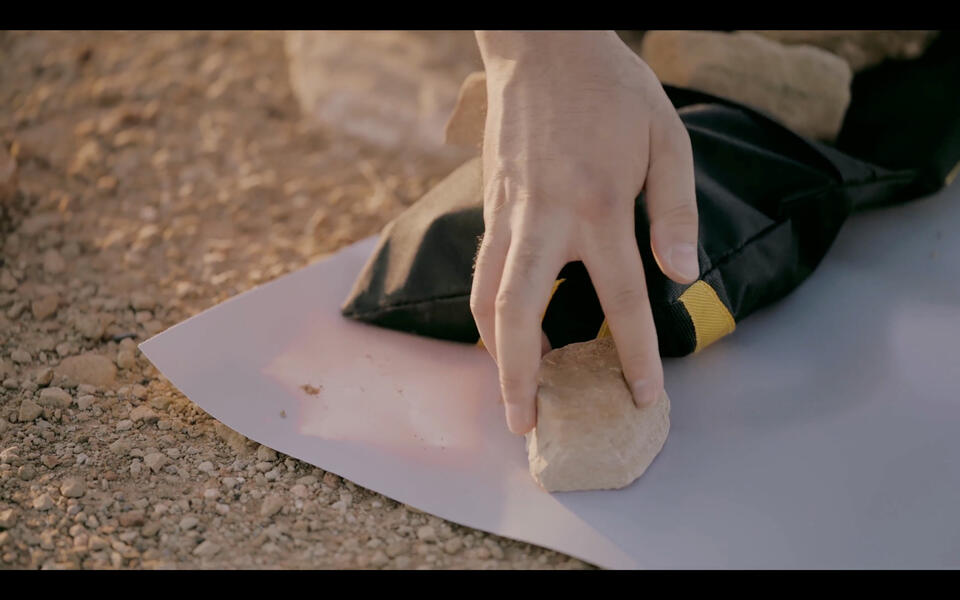 All That the Shadows Hold (Video Documentation)
 -
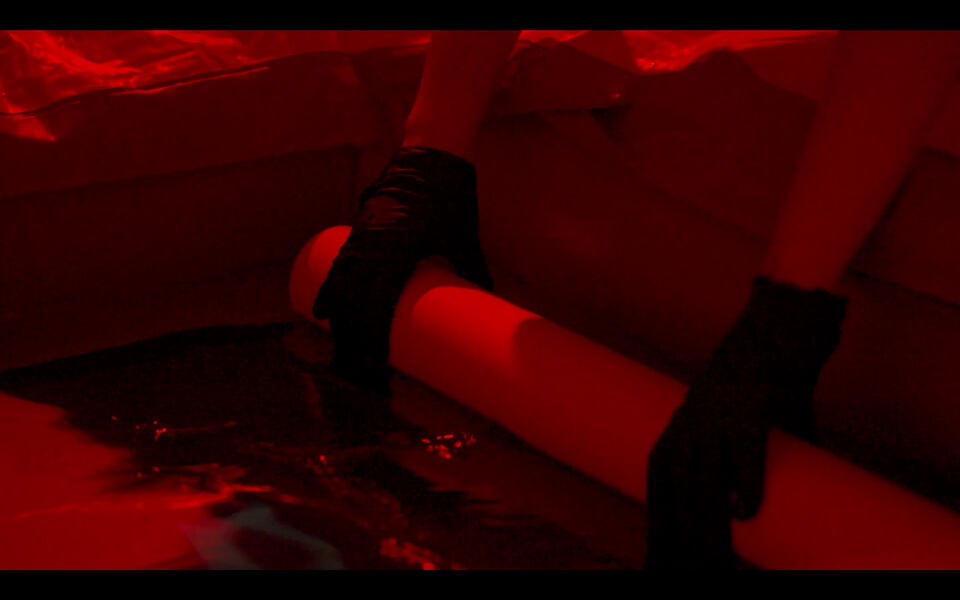 All That the Shadows Hold (Video Documentation)
 -
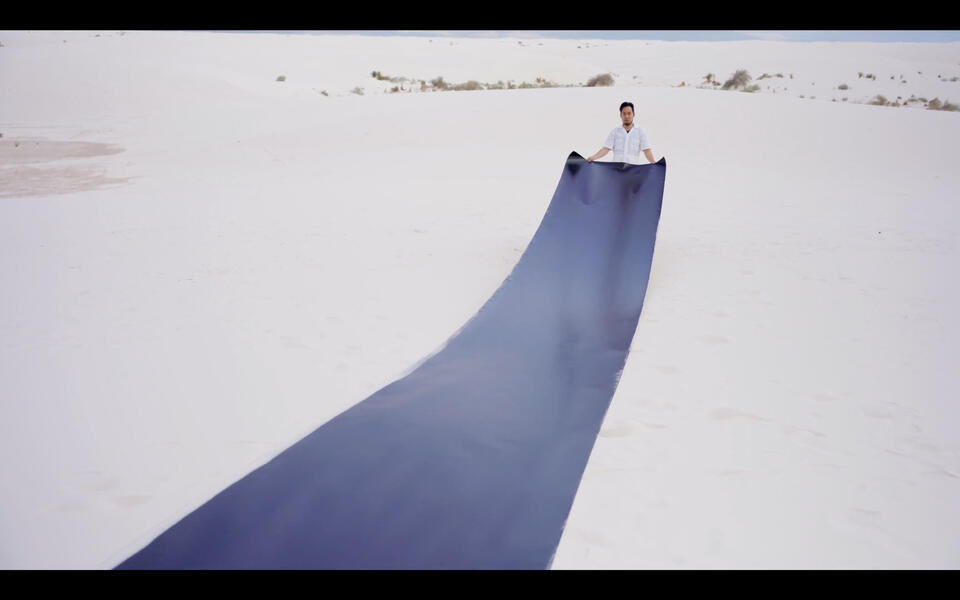 All That the Shadows Hold (Video Documentation)
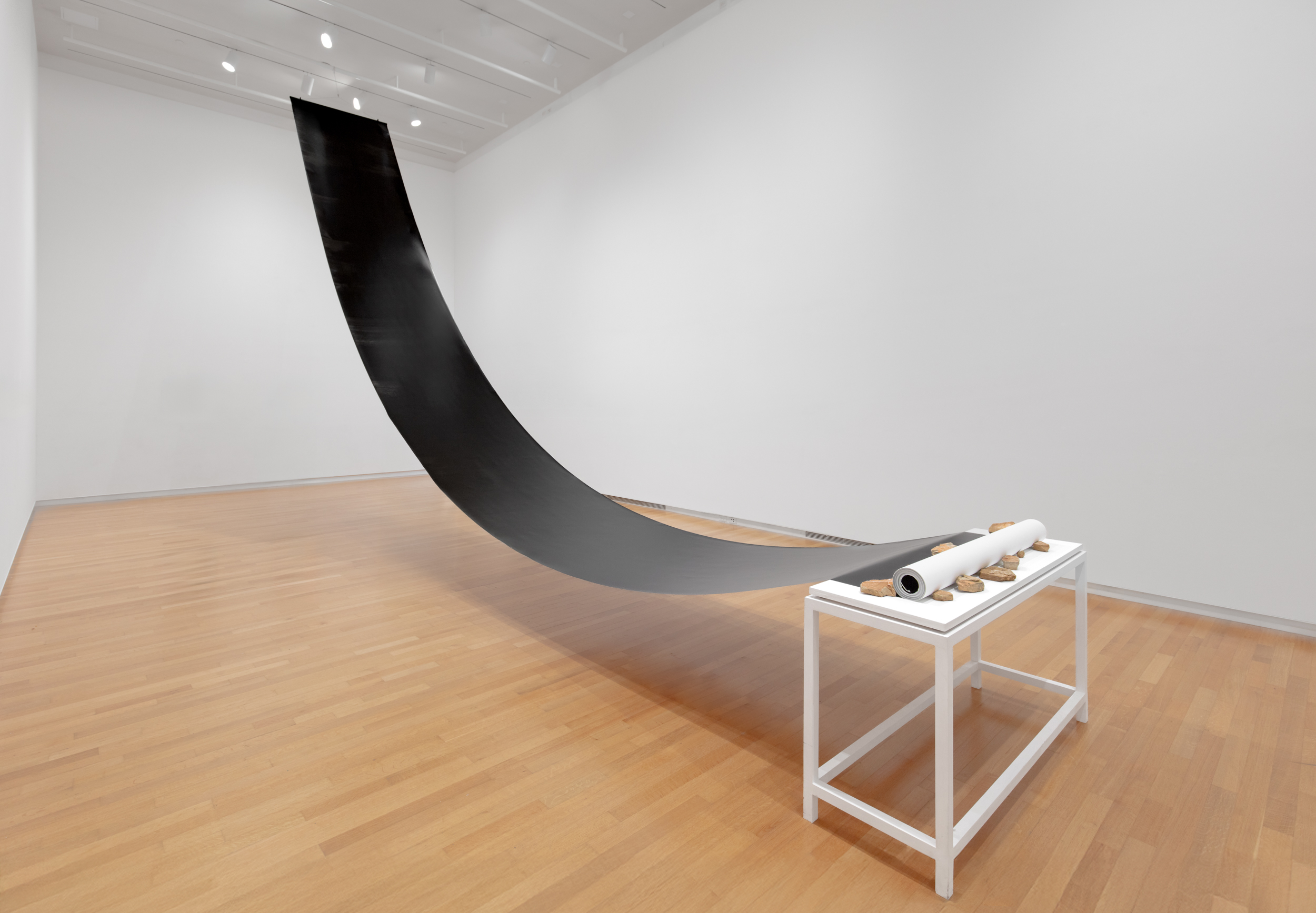
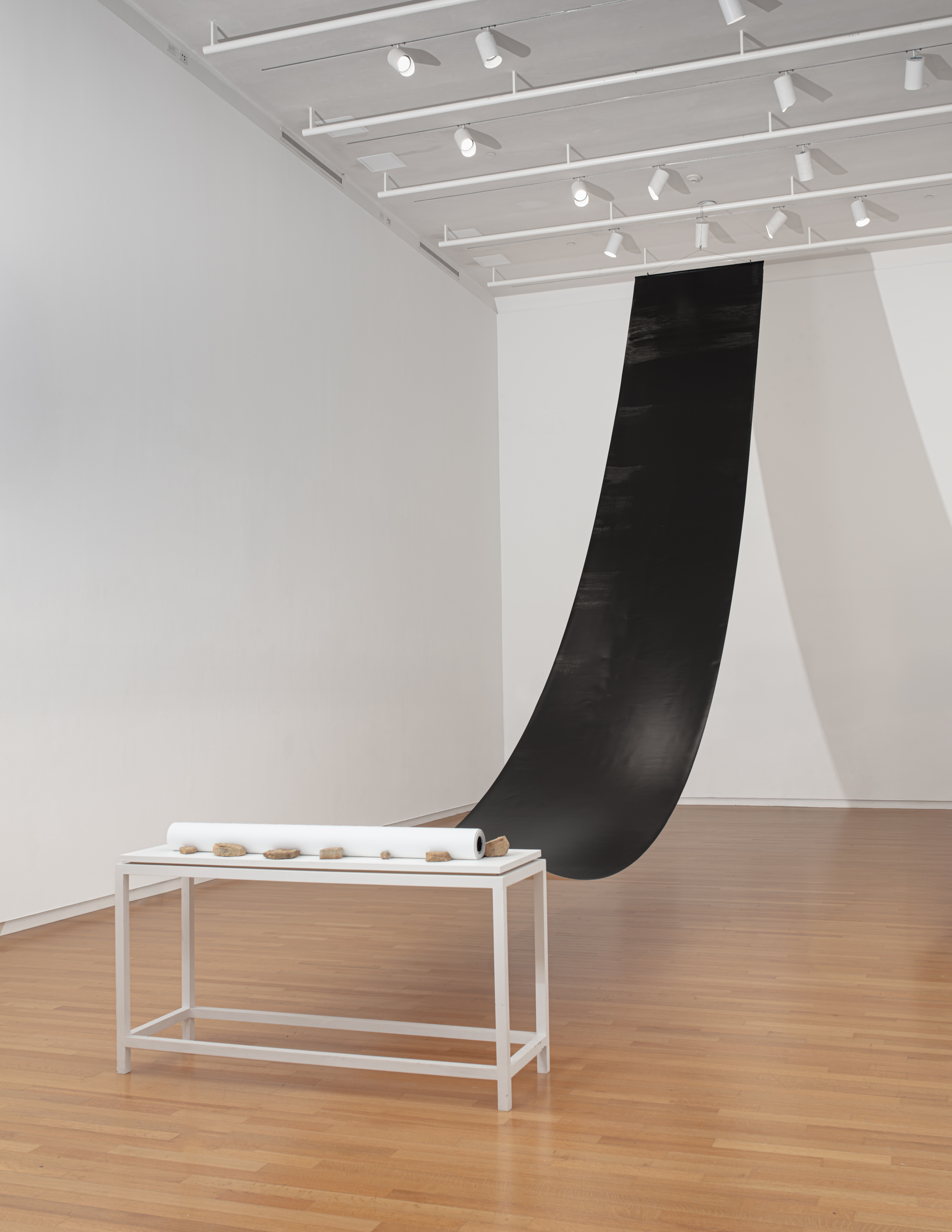
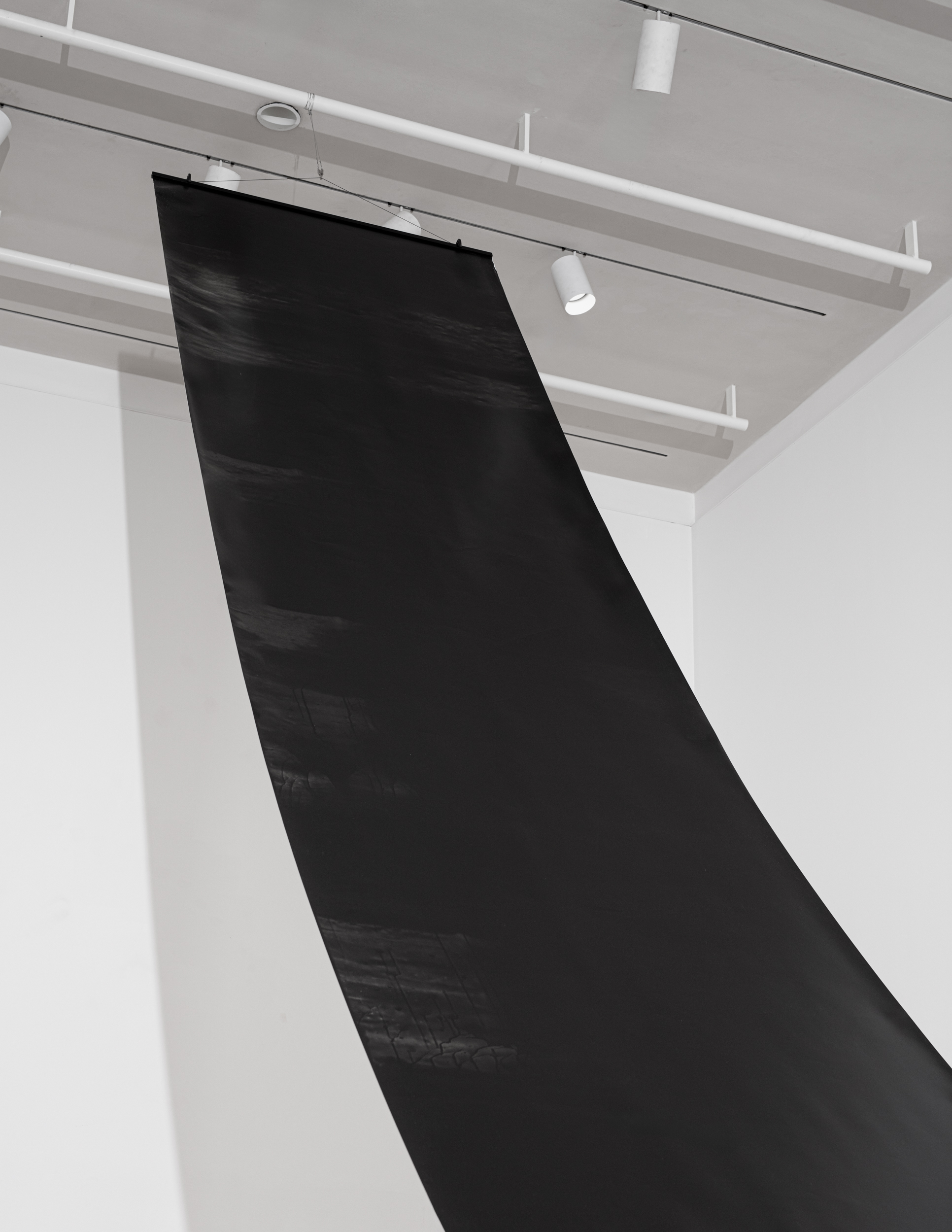
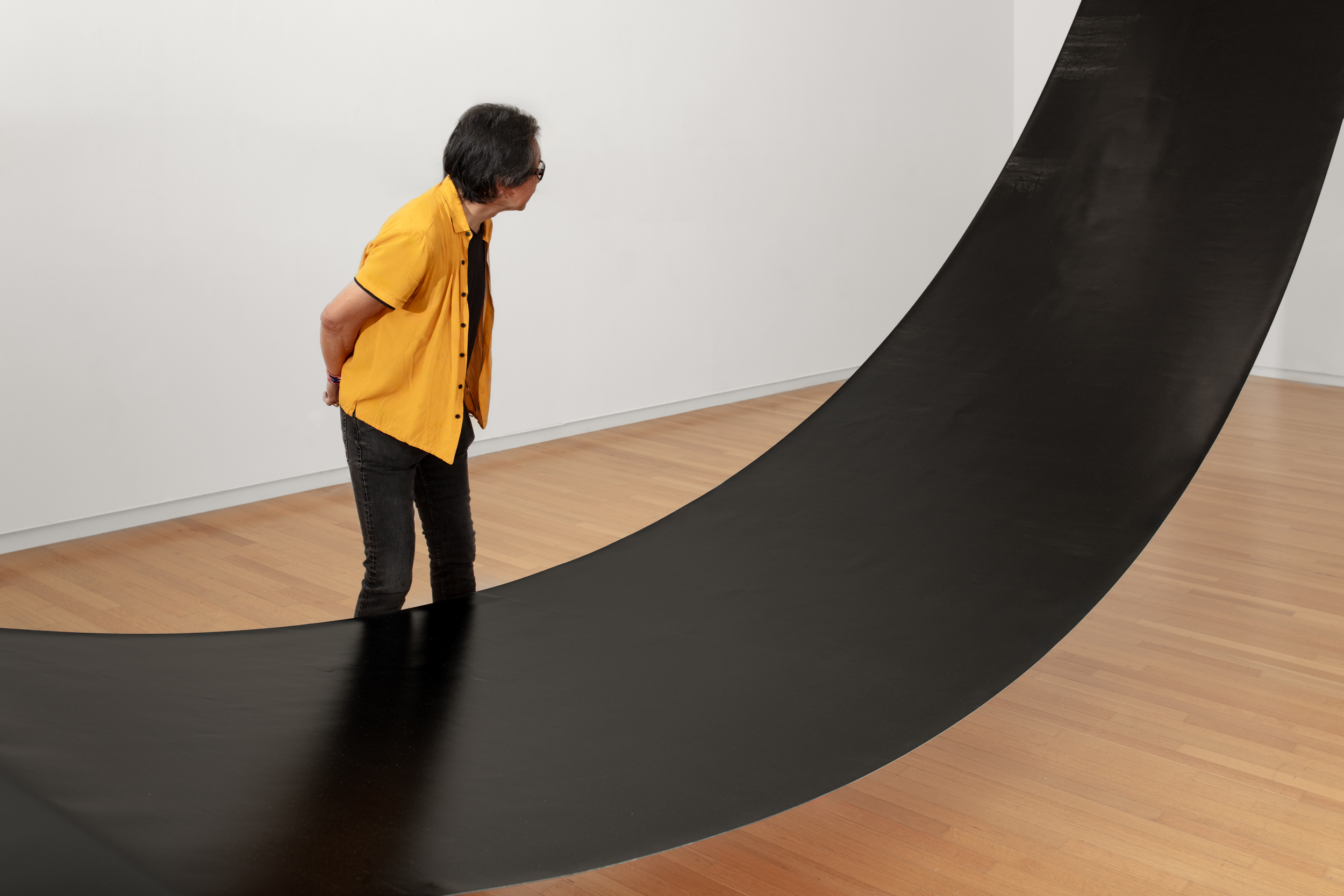
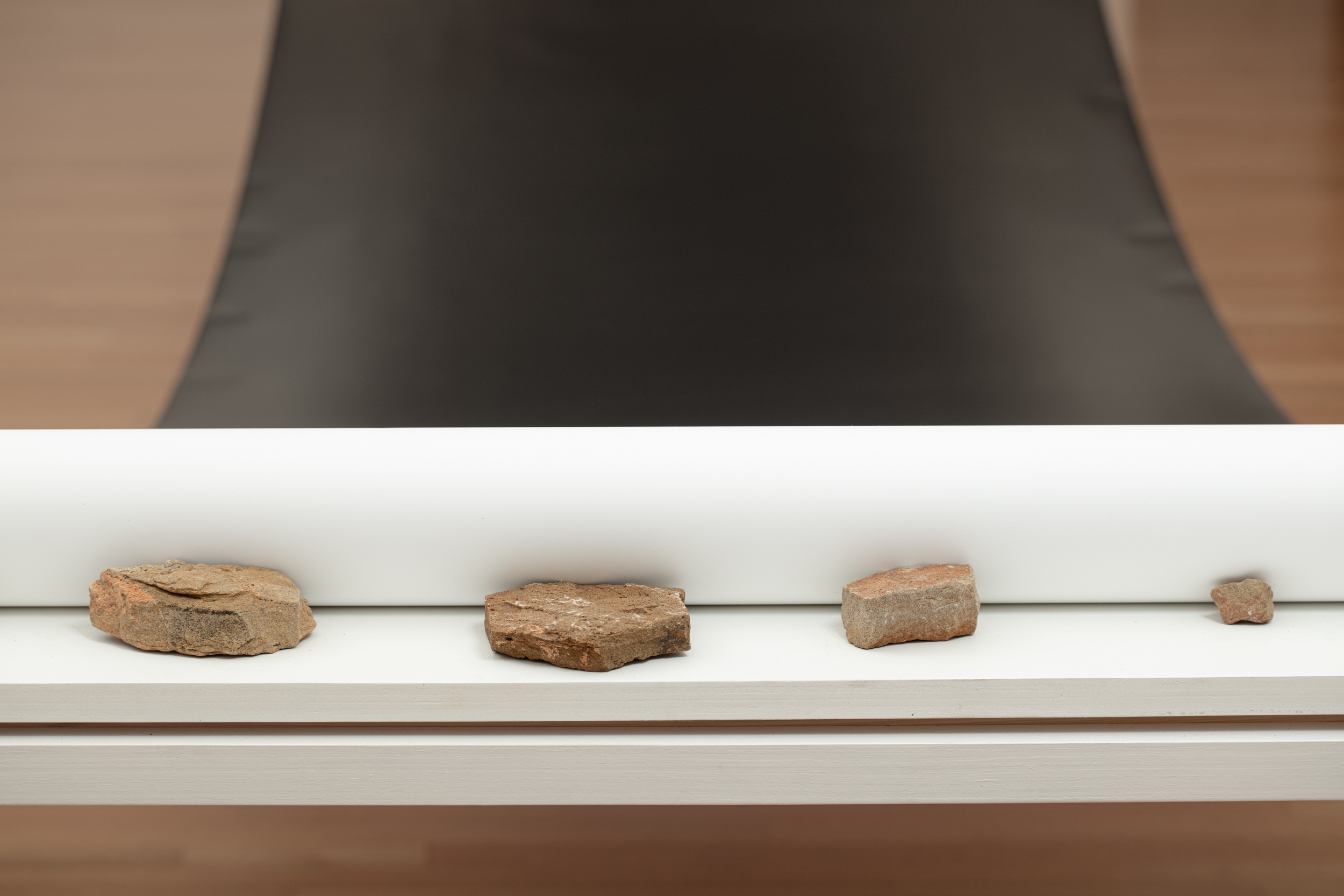
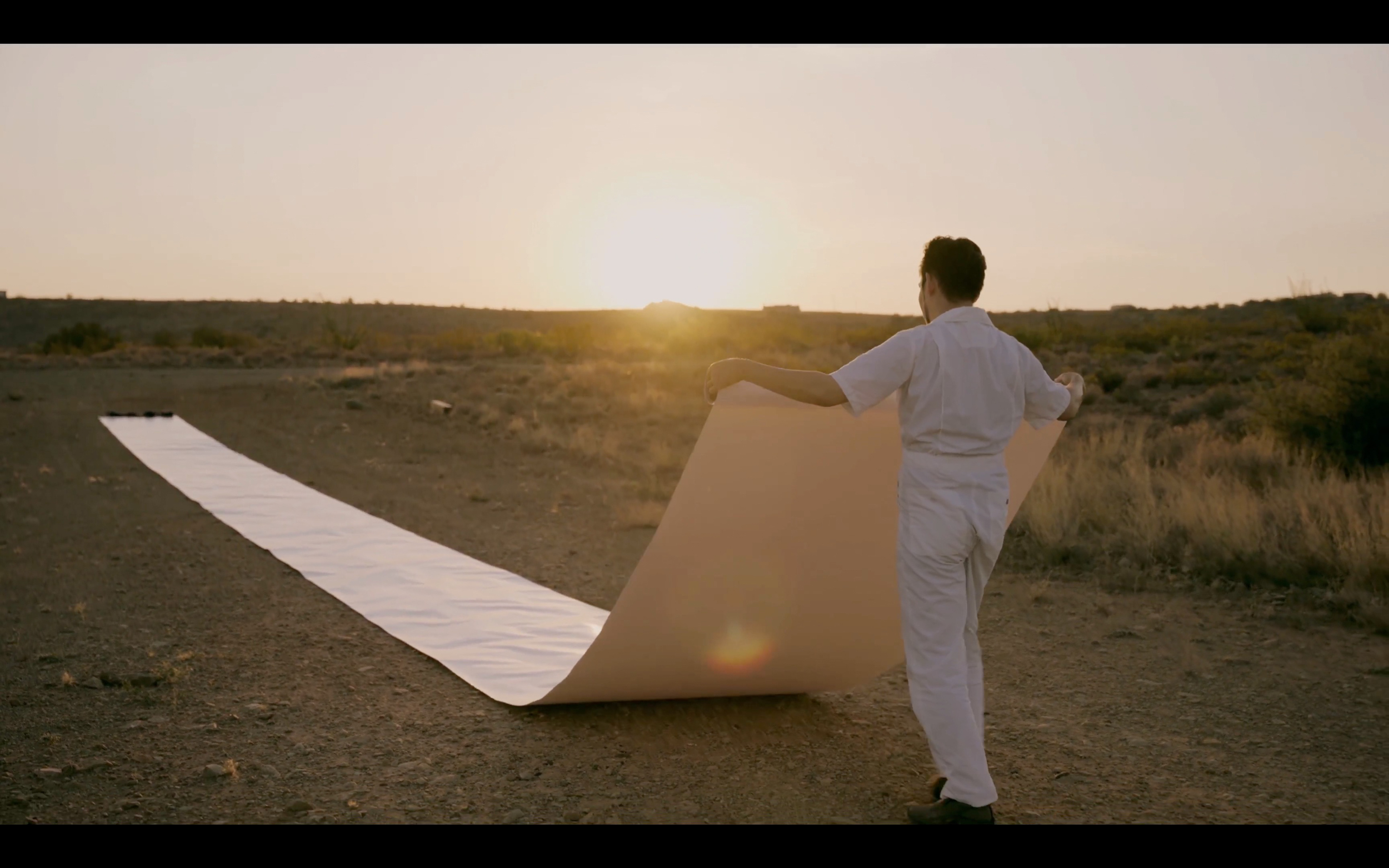
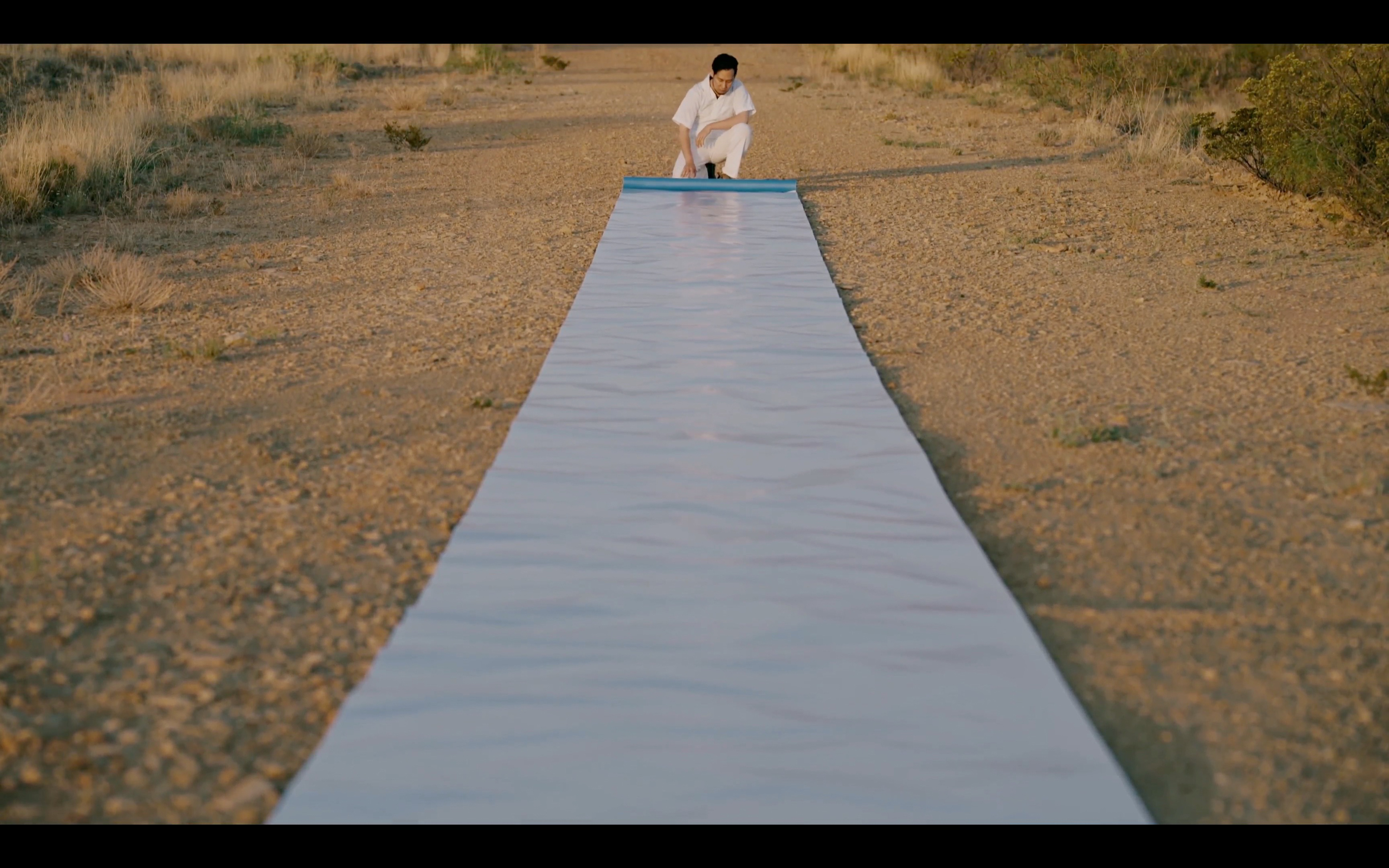
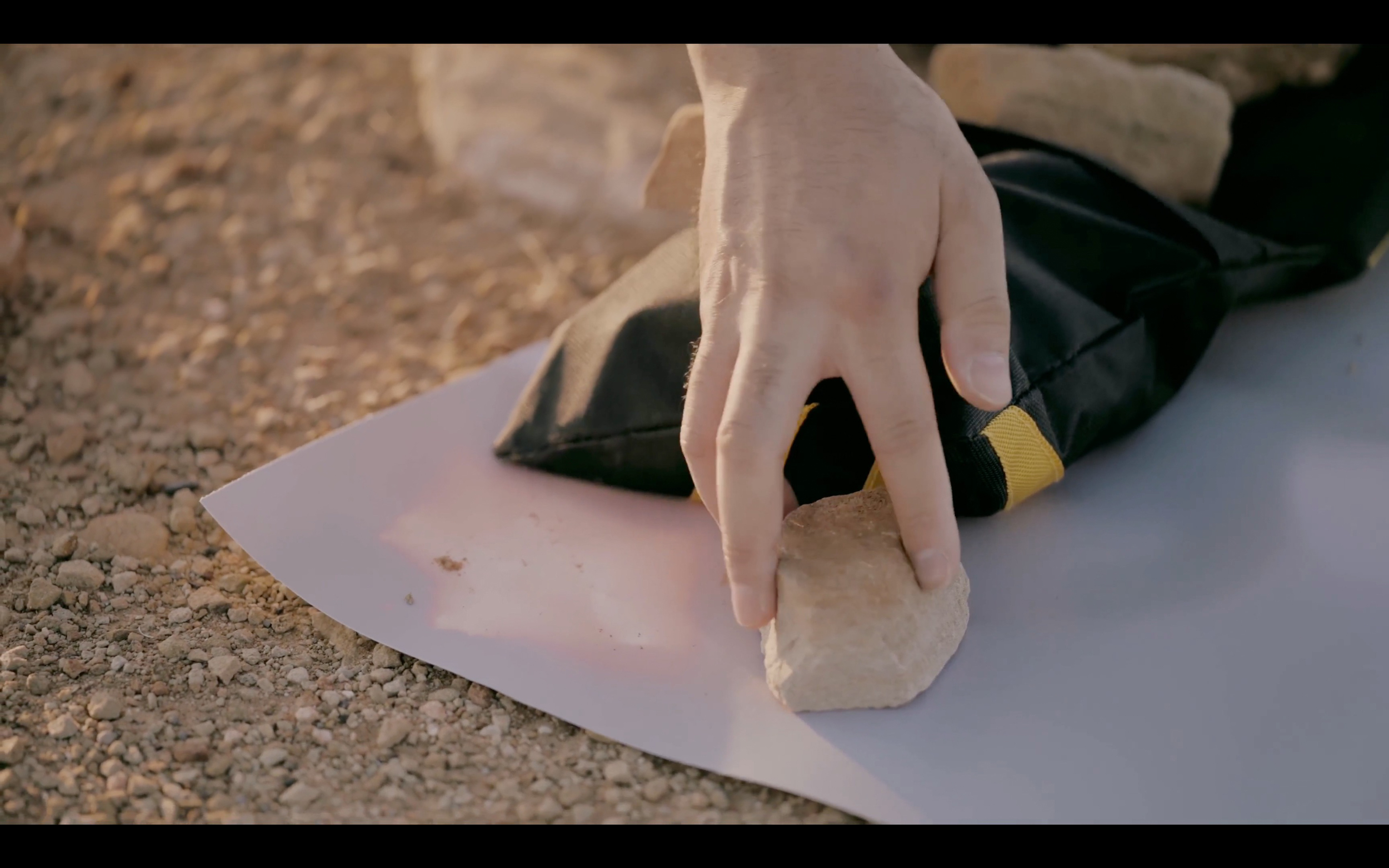
Embodied Spectrum
-
Embodied Spectrom: MoCA Arlington (2025)
Documentation of the installation.
-
 Embodied Spectrum
 -
 Embodied Spectrum
 -
 Embodied Spectrum
 -
 Embodied Spectrum
 -
 Embodied Spectrum
 -
 Embodied Spectrum
 -
 Embodied Spectrum
 -
 Embodied Spectrum
 -
 Embodied Spectrum (Poem Text)
Penumbra’s Skin
-
Penumbra’s Skin
-
 Penumbra’s Skin
 -
 Penumbra’s Skin
 -
 Penumbra’s Skin
 -
 Penumbra’s Skin
 -
 Penumbra’s Skin
 -
 Penumbra’s Skin
 -
 Penumbra’s Skin
 -
 Penumbra’s Skin
 -
 Penumbra’s Skin
Born from the Light
-
 Born from the Light
 -
 Born from the Light
 -
 Born from the Light
 -
 Born from the Light
 -
 Born from the Light
 -
 Born from the Light
 -
 Born from the Light
 -
 Born from the Light
 -
 Born from the Light
 -
 Born from the Light


Total Sense of Absorption
-
Total Sense of Absorption Video: 2023, 19:17 mins.
-
 Total Sense of Absorption Performance: 2023
 -
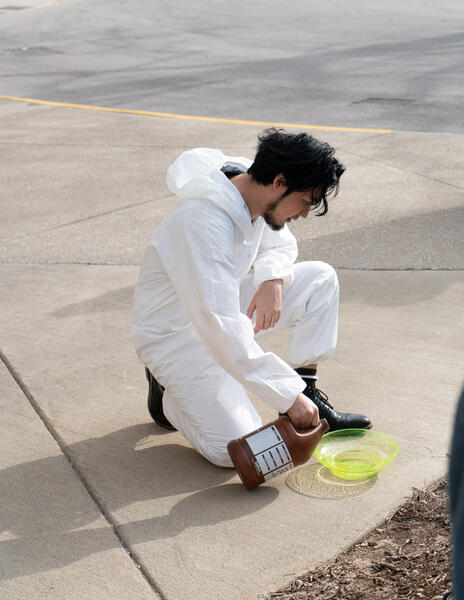 Total Sense of Absorption Performance
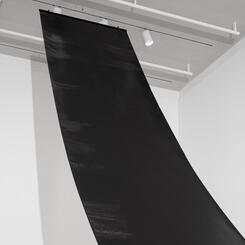
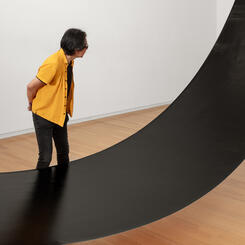
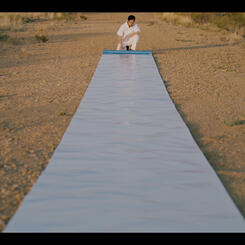
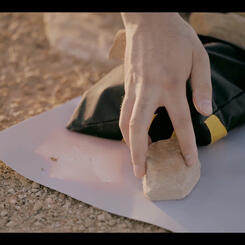
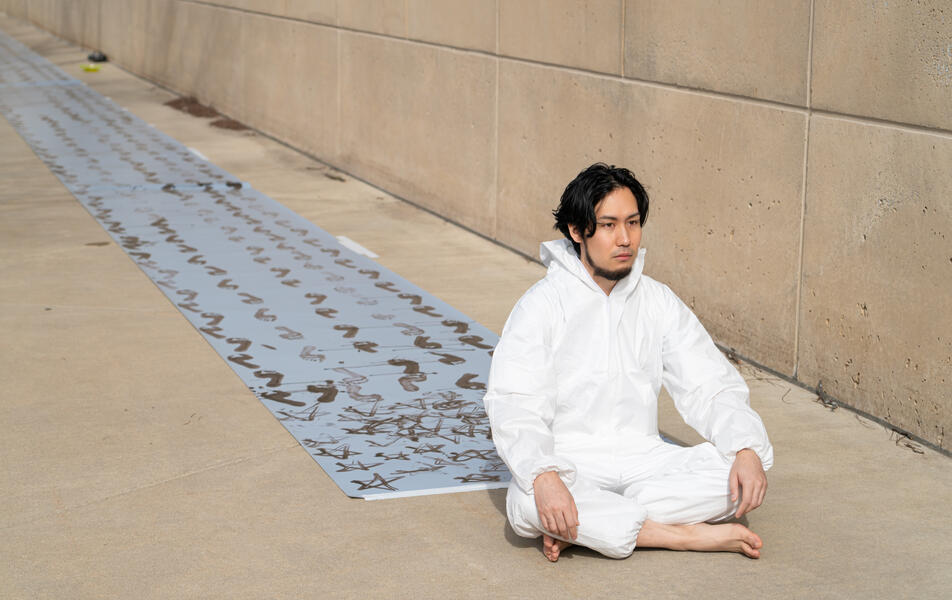
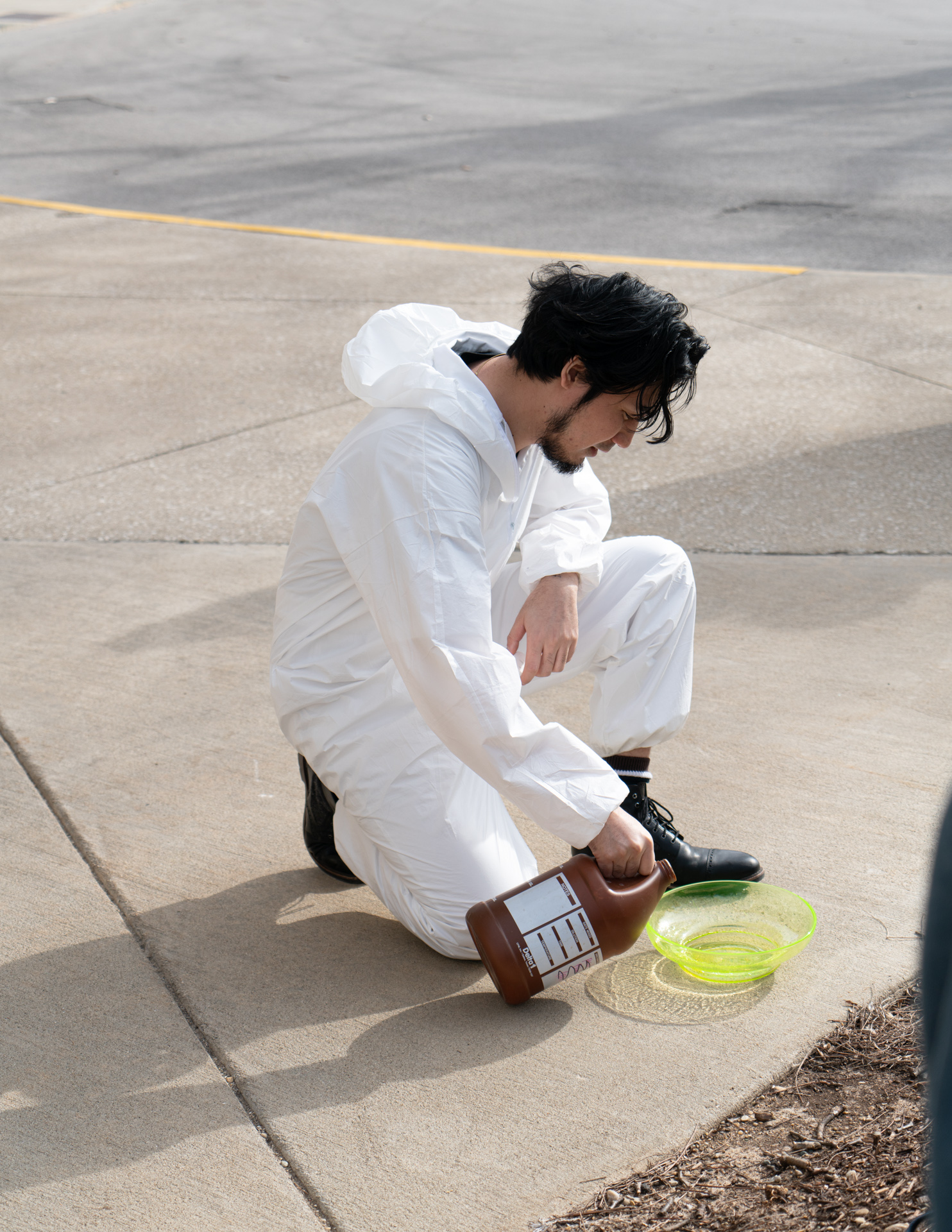
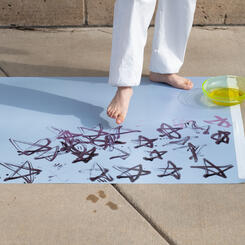
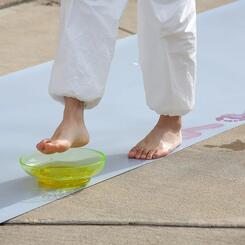
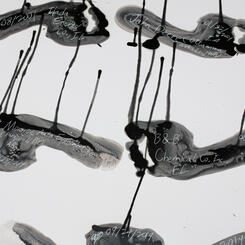
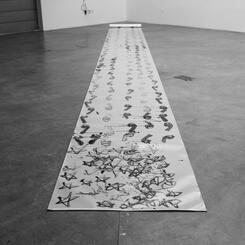
Here, I filled a uranium glass bowl with photo developer to draw on the Black and White darkroom paper.
-
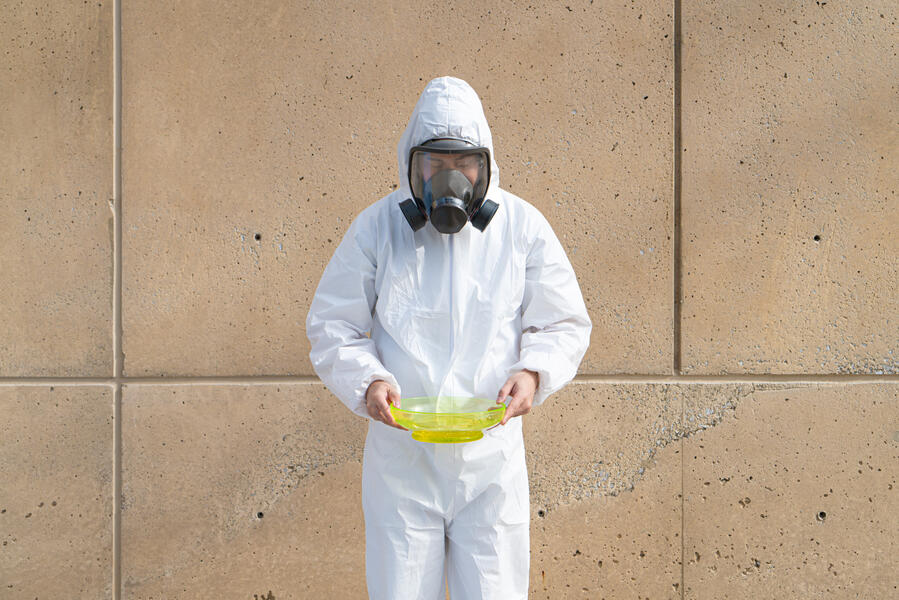 Total Sense of Absorption Performance
I suited up in safety gear except for my hands and feet.
-
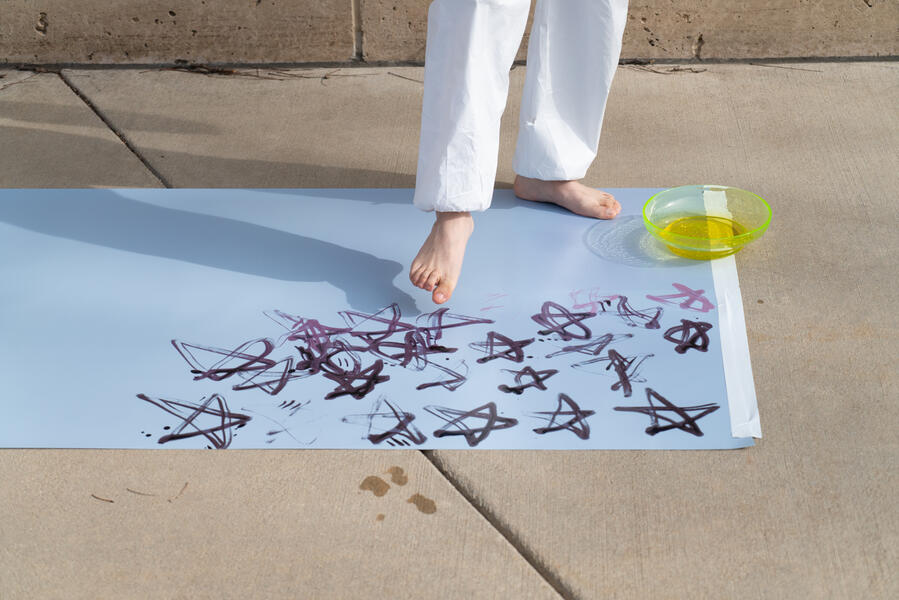 Total Sense of Absorption Performance
I drew an American flag with my feet.
-
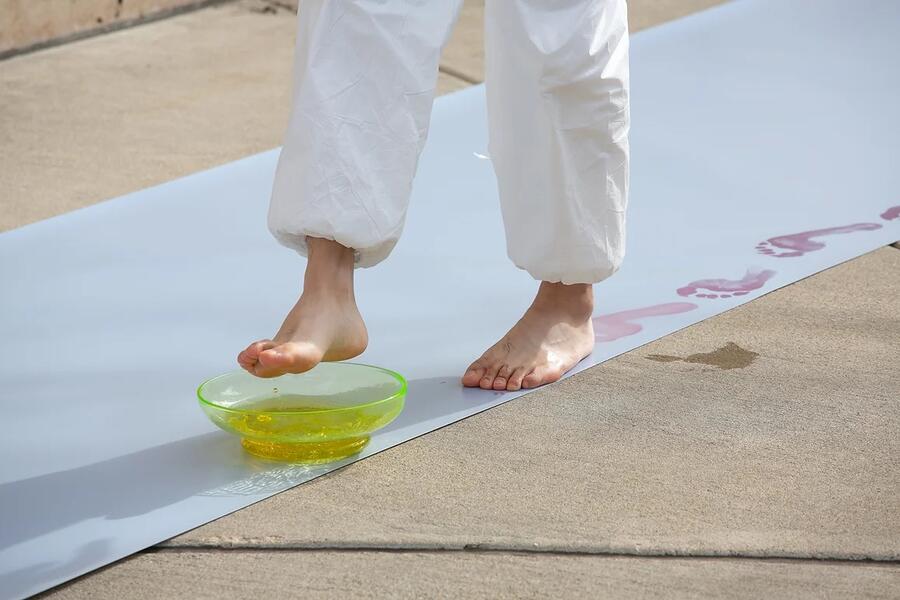 Total Sense of Absorption Performance
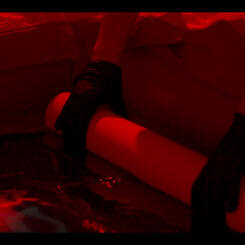
I continuously had to dip my feet into the photo developer.
-
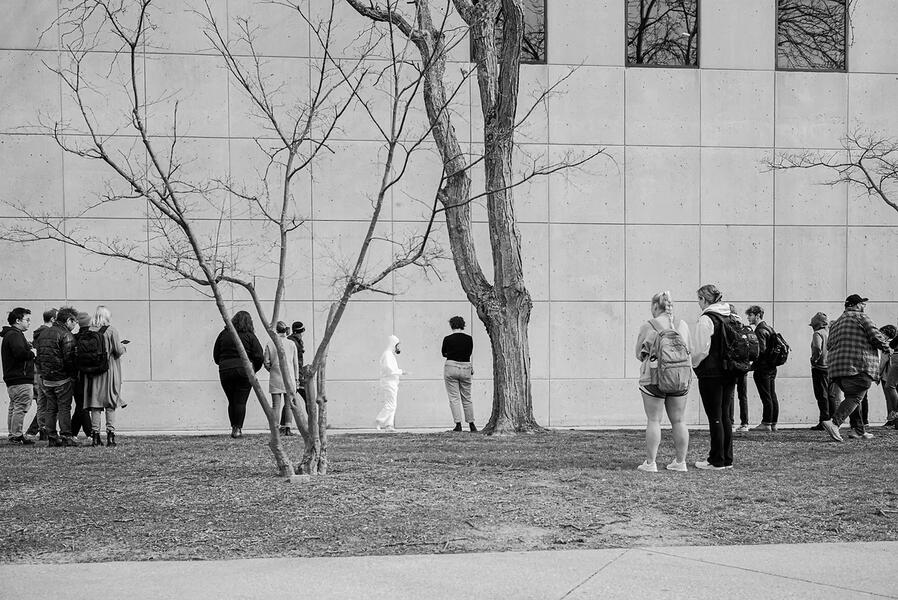 Total Sense of Absorption Performance
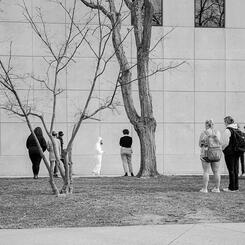
Documentation of the performance and crowd.
-
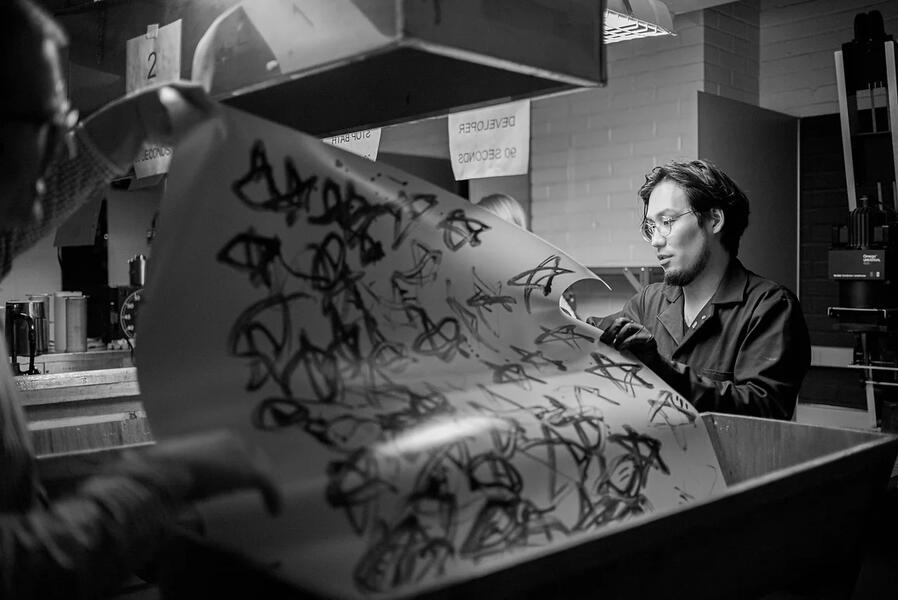 Total Sense of Absorption Performance
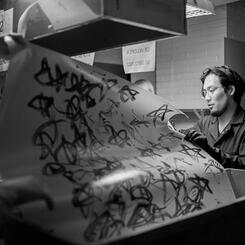
ocumentation of processing the 100 ft piece in the darkroom.
-
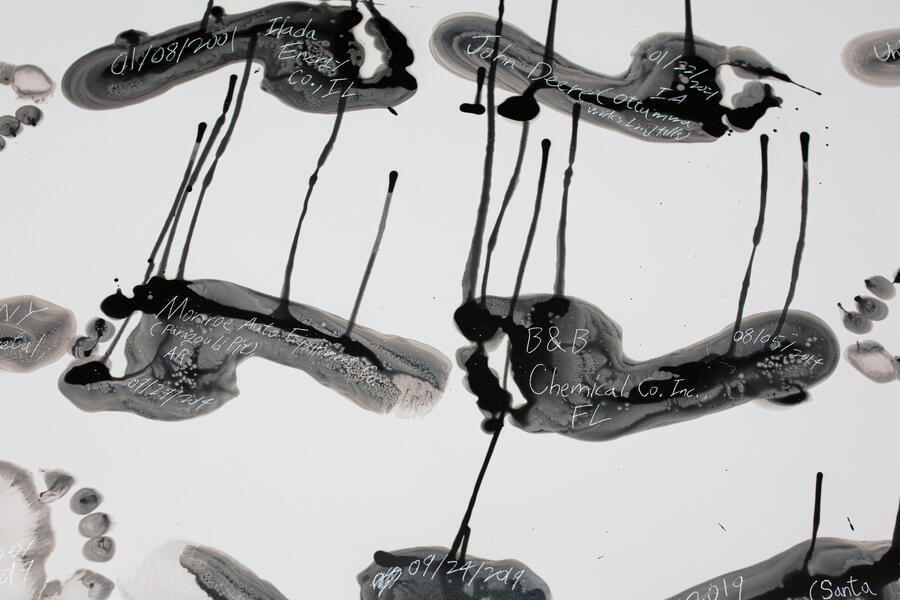 Detail of Total Sense of Absorption
Later on, I etched the site name, location, and date of every Superfund Sites that had been cleaned up by the time of the performance.
-
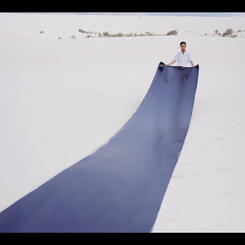
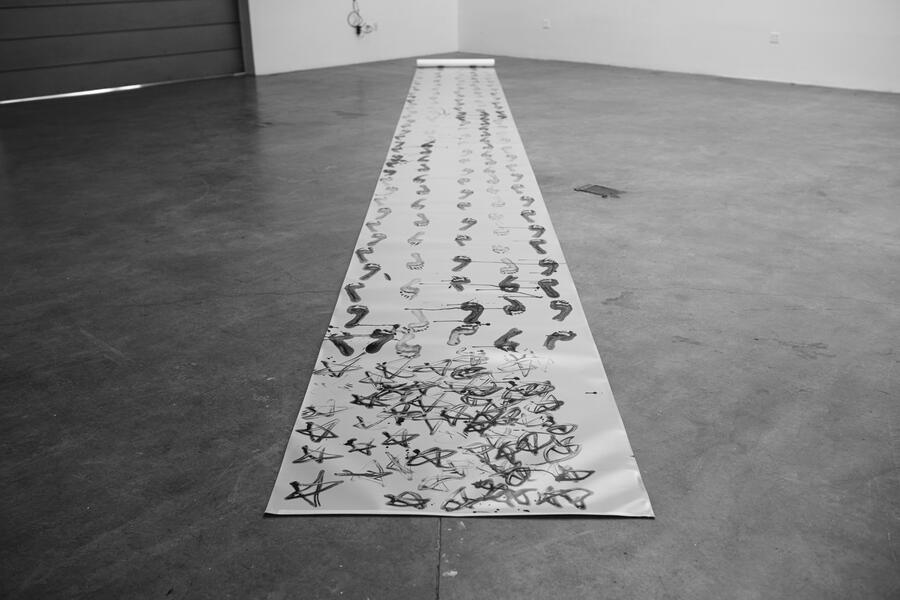 Total Sense of Absorption: Documentation of the final piece



Each Tolling Sun
-
Each Tolling Sun Video Documentation
Edited Video Work starts at 3:35 min
-
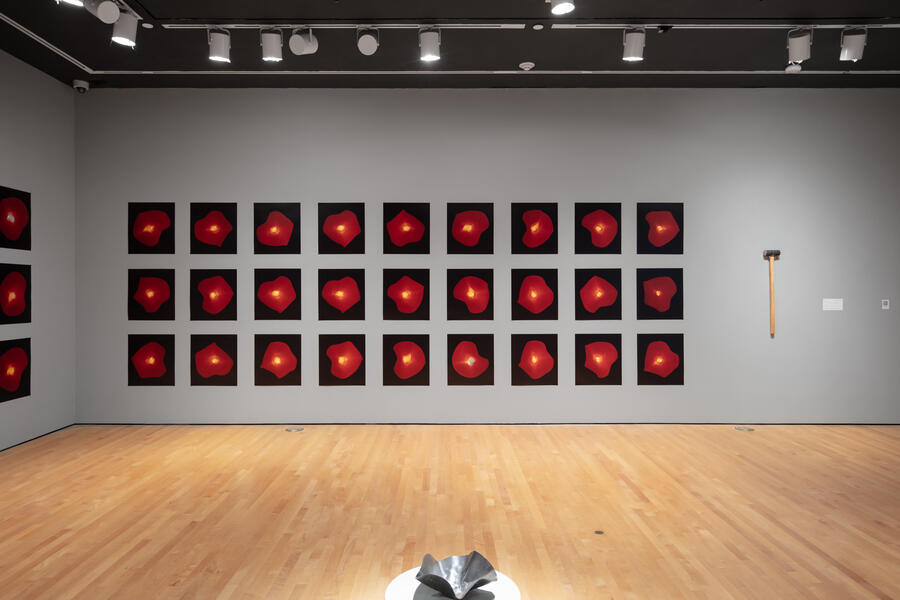
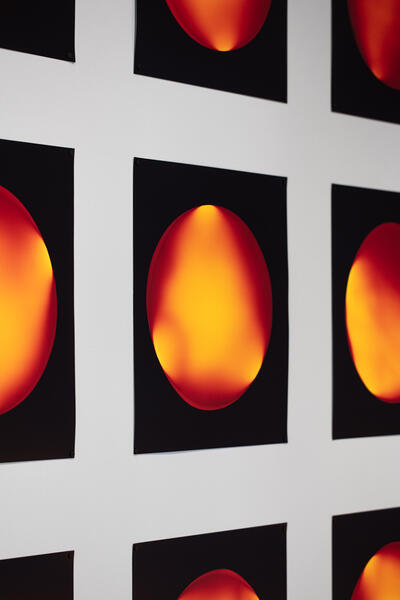
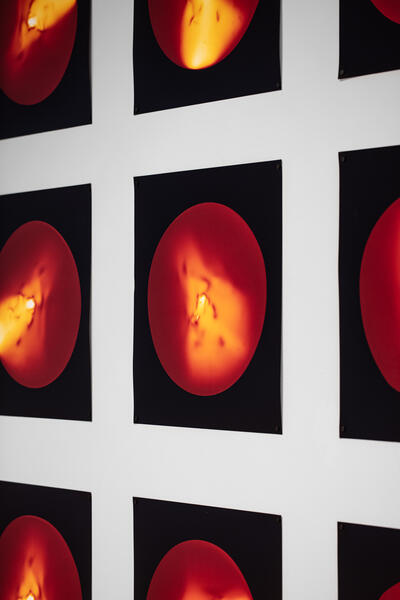
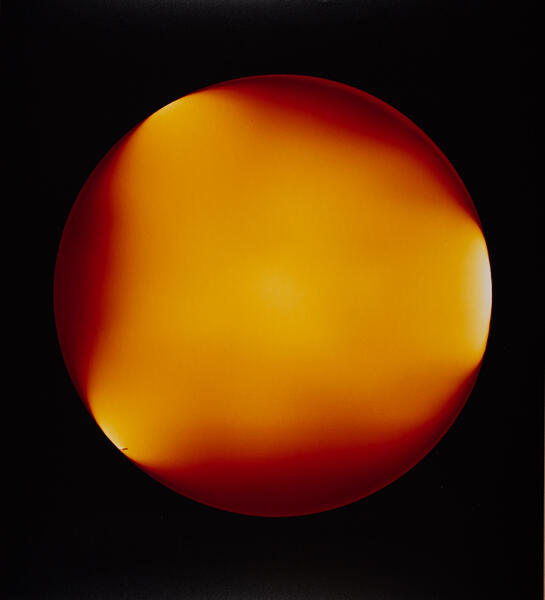
 Each Tolling Sun: Installation at Hilliard Art Museum 2023
 -
 Each Tolling Sun: Installation at Hilliard Art Museum 2023
 -
 Each Tolling Sun: Installation at Hilliard Art Museum 2023
 -
 Each Tolling Sun: Installation at Hilliard Art Museum 2023
 -
 Each Tolling Sun: Installation at Hilliard Art Museum 2023
 -
 Each Tolling Sun
 -
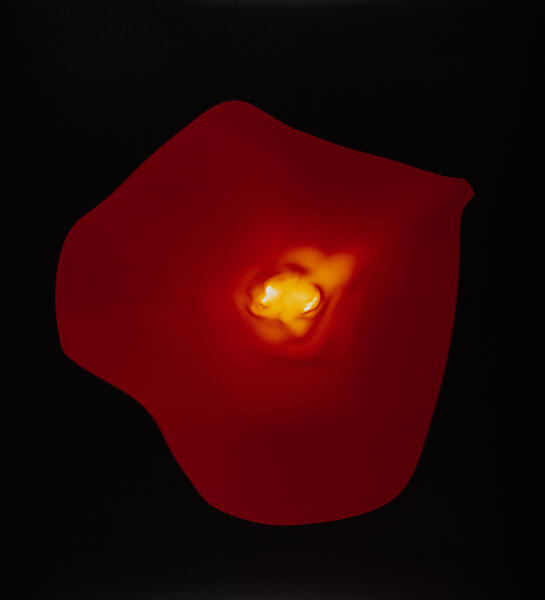 Each Tolling Sun
 -
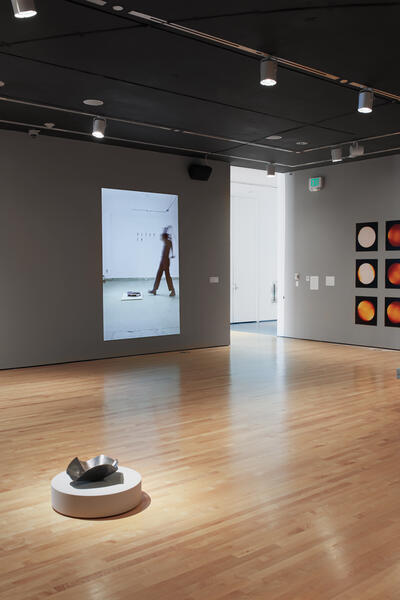 Each Tolling Sun: Installation at Hilliard Art Museum 2023
 -
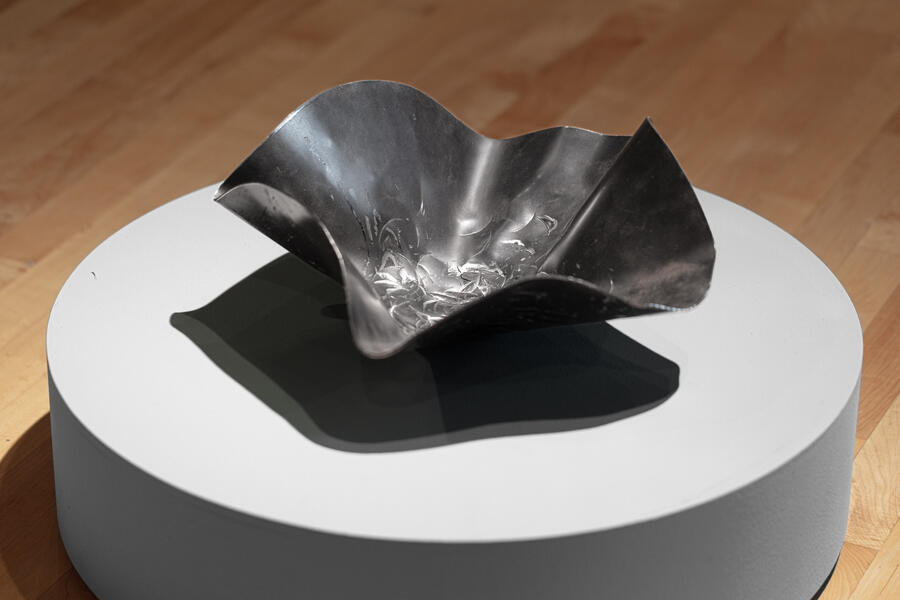 Each Tolling Sun: Installation at Hilliard Art Museum 2023


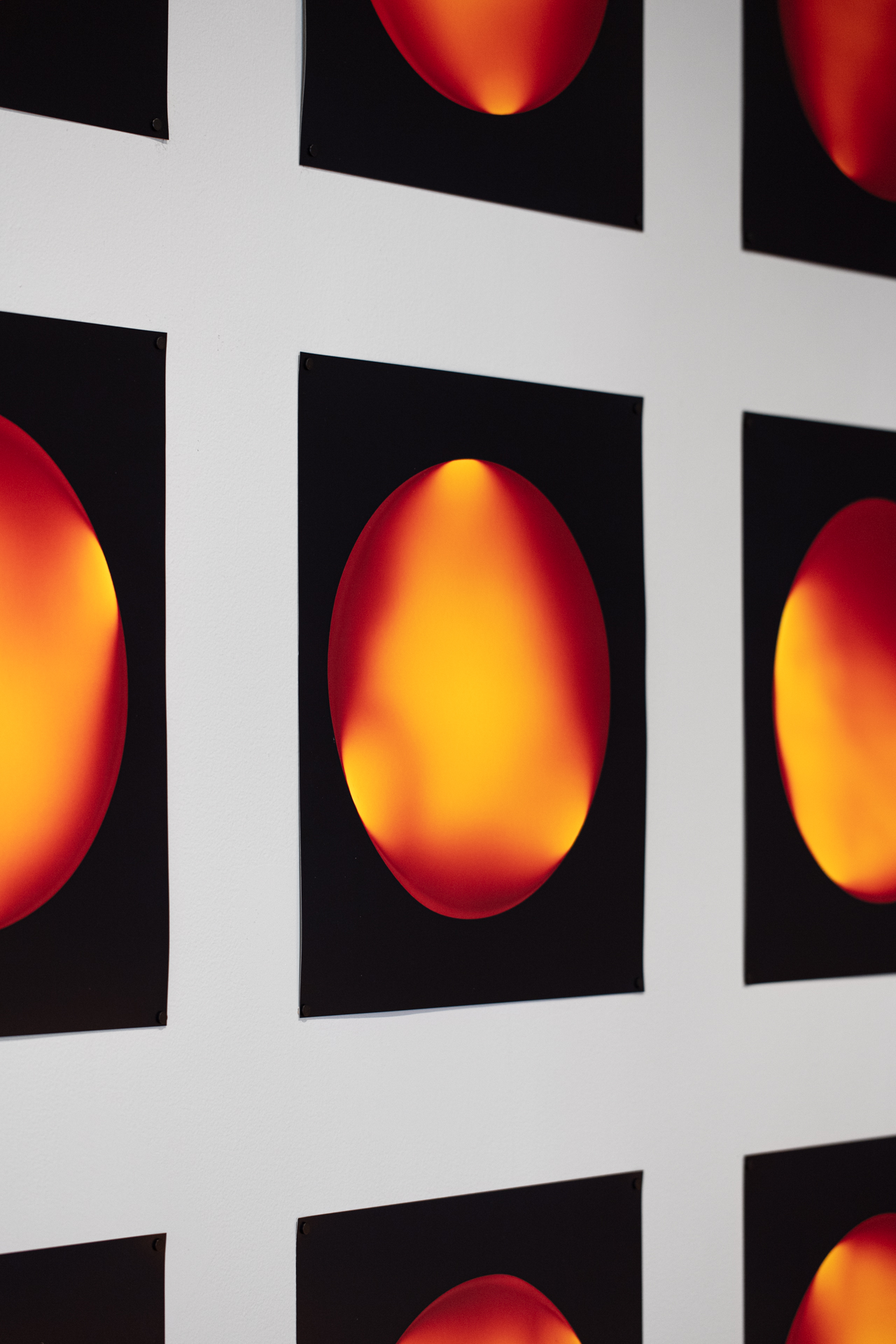




Eye who witnessed
-
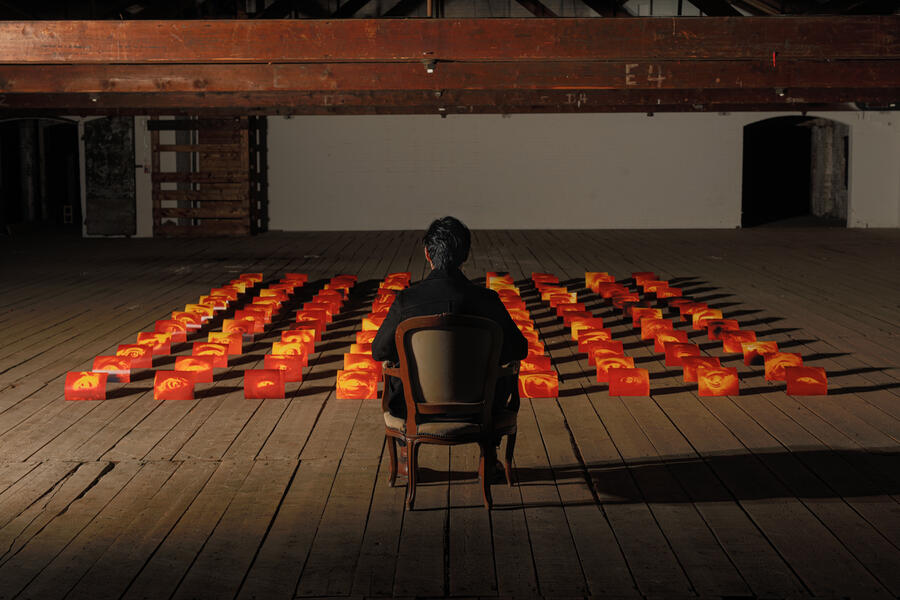 Eye who witnessed: MASS MoCA's unused building 2021
 -
Eye who witnessed: MASS MoCA's unused building 2021
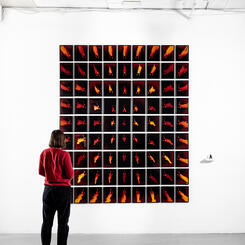
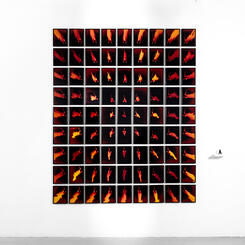
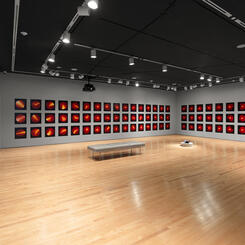
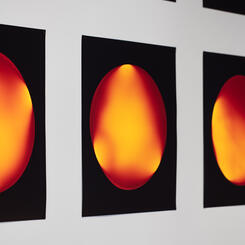
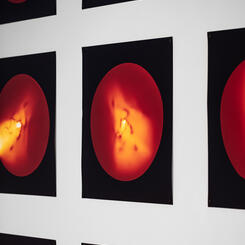
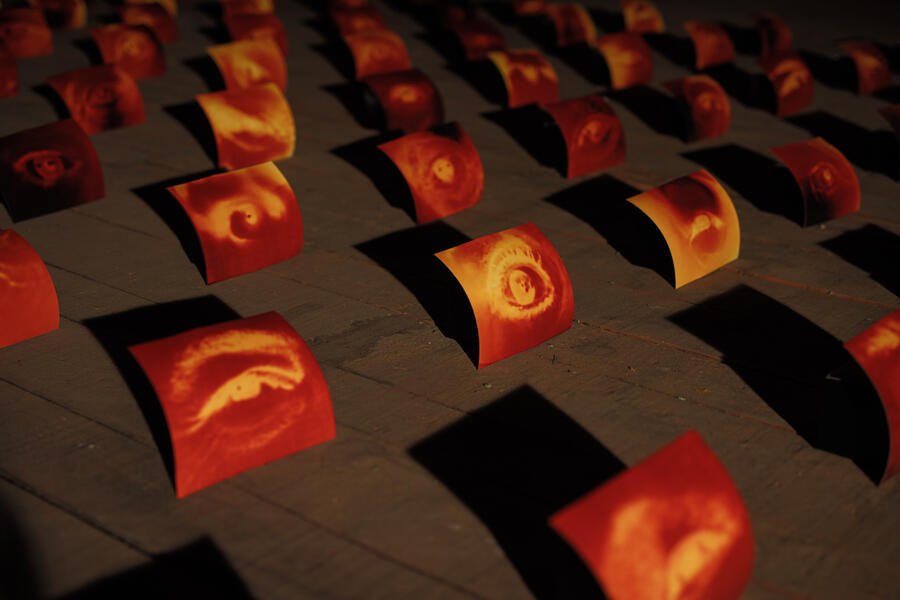
Installation view at an unused building at MASS MoCA, MA (2021), which the building once hosted the factory of Sprague Electronic during WWll. The company was commissioned by the US government to develop a special capacitor for making the first Atomic Bombs which was then tested at Los Alamos, NM and later dropped on Japan and thus, my grandfather.
-
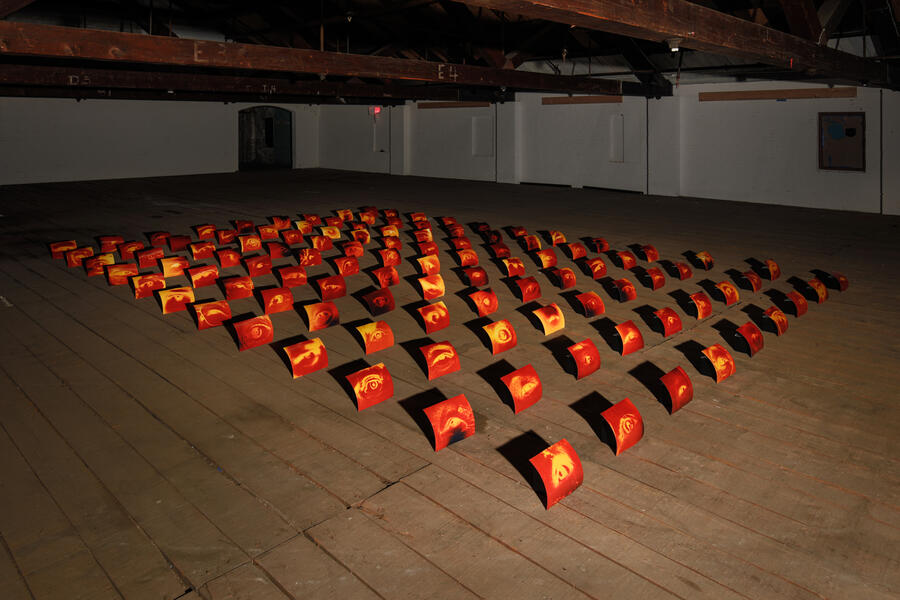 Eye who witnessed: MASS MoCA's unused building 2021
Installation view at an unused building at MASS MoCA, MA (2021), which the building once hosted the factory of Sprague Electronic during WWll. The company was commissioned by the US government to develop a special capacitor for making the first Atomic Bombs which was then tested at Los Alamos, NM and later dropped in Japan to end the WWll.
-
 Eye who witnessed: MASS MoCA's unused building 2021
Installation view at an unused building at MASS MoCA, MA (2021), which the building once hosted the factory of Sprague Electronic during WWll. The company was commissioned by the US government to develop a special capacitor for making the first Atomic Bombs which was then tested at Los Alamos, NM and later dropped in Japan to end the WWll.
-
 Eye who witnessed
 -
 Eye who witnessed
 -
 Eye who witnessed
 -
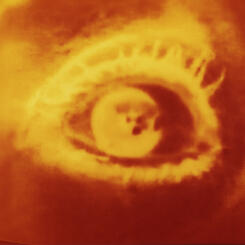
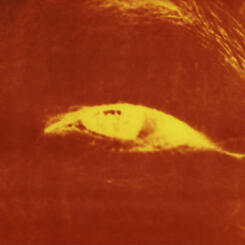
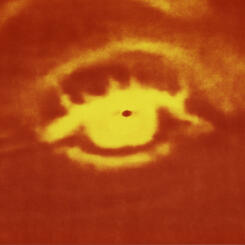
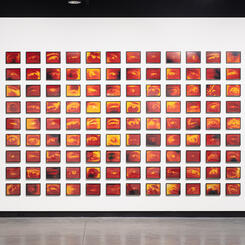
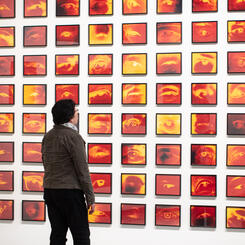
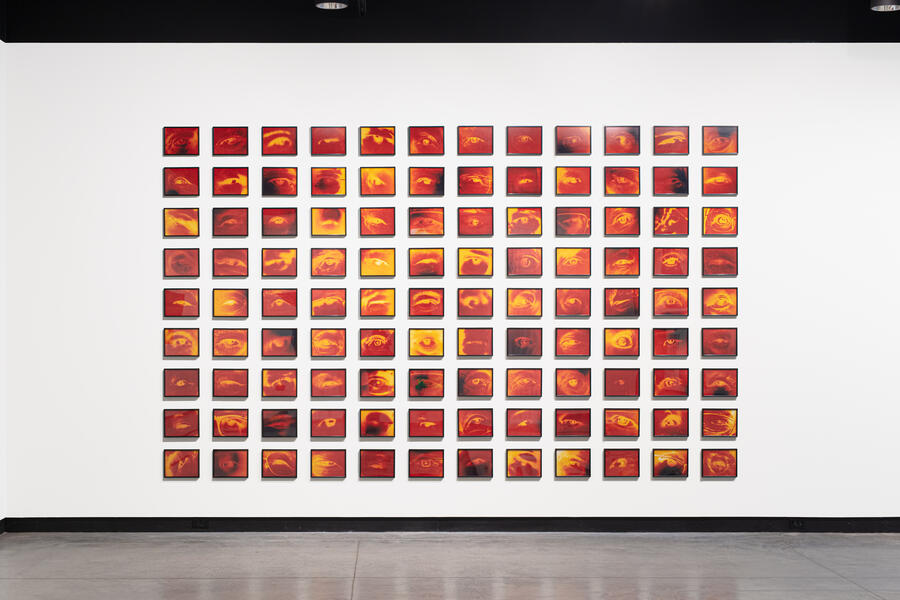 Eye who witnessed: Installation at the Gregory Allicar Museum 2023
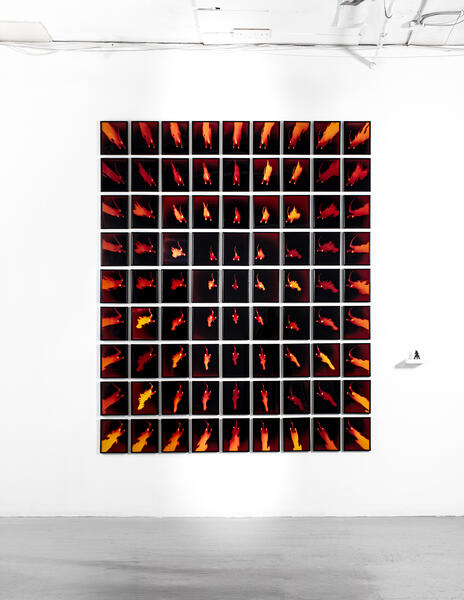
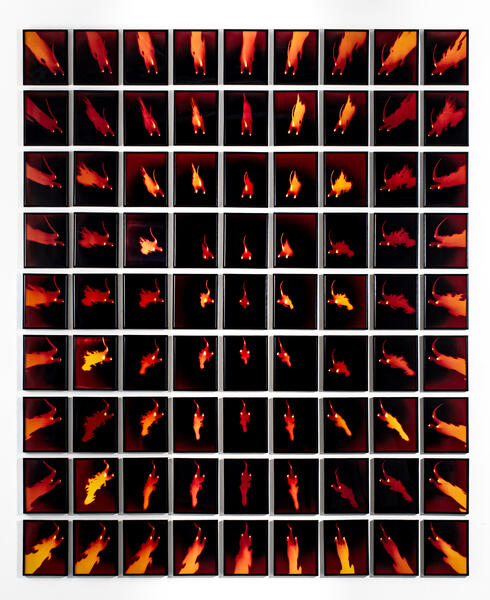
2020-2021
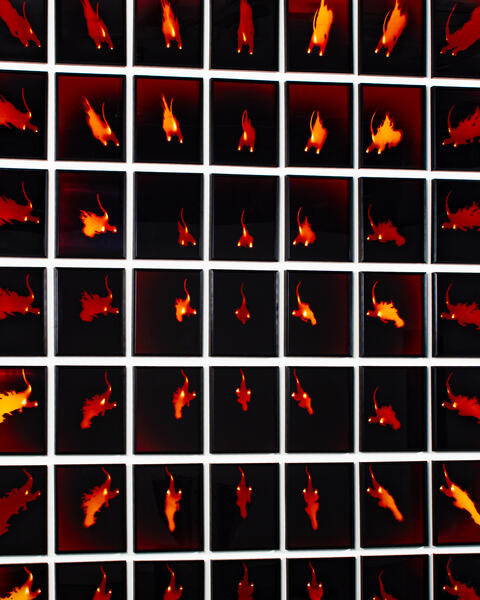
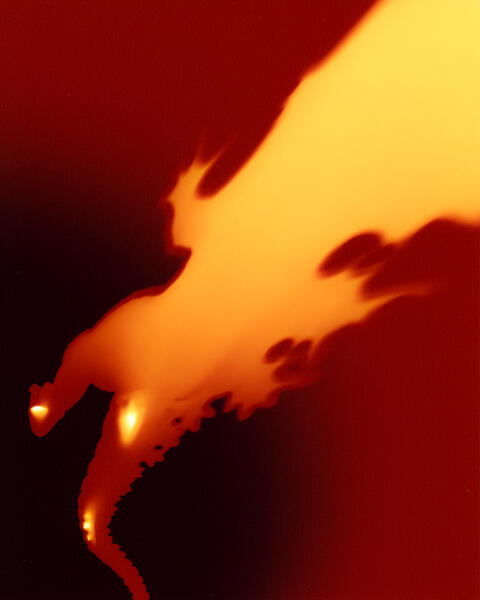
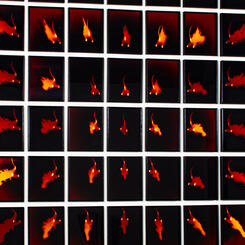
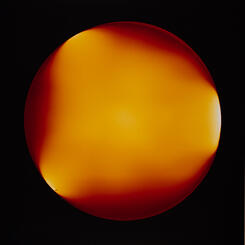
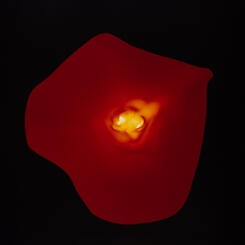
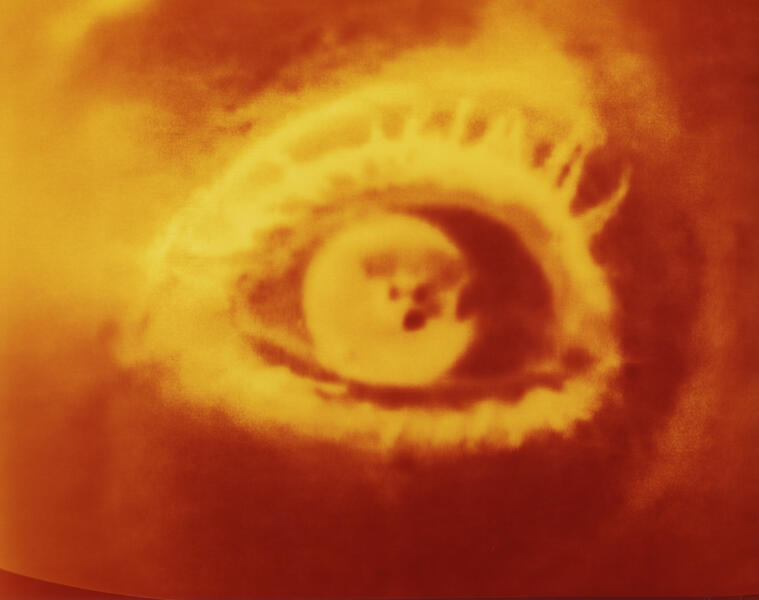
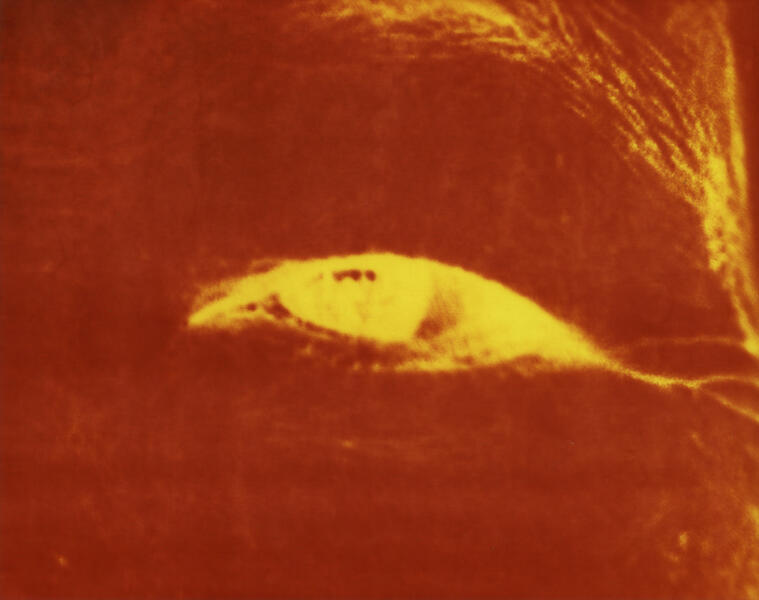
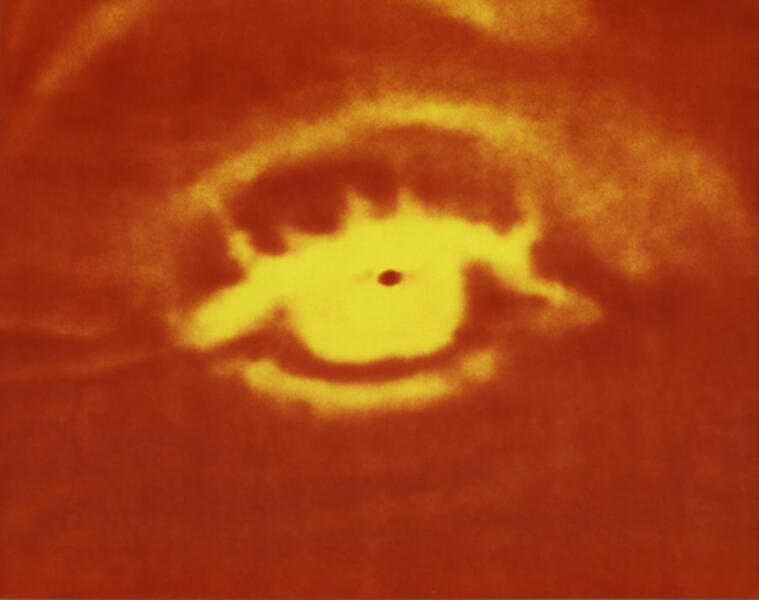
Unique c-print photograms (historical archive, sunlight, artist's breath), wooden frame
Installation: 13 ft. x 9 ft. x 1.5 in. (108 of 8 x 10 in. prints)
-
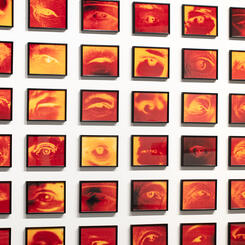
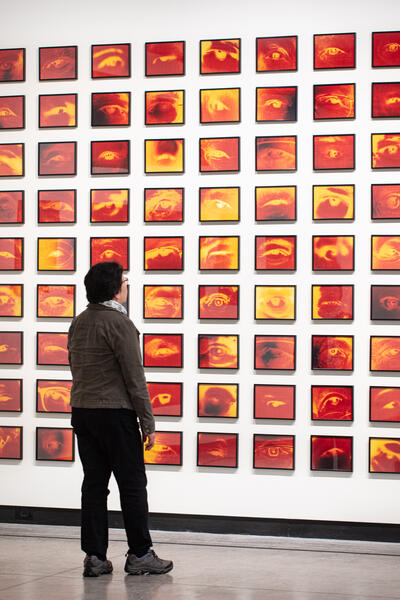 Detail of Eye who witnessed: Installation at the Gregory Allicar Museum 2023
2020-2021
Unique c-print photograms (historical archive, sunlight, artist's breath), wooden frame
Installation: 13 ft. x 9 ft. x 1.5 in. (108 of 8 x 10 in. prints)
-
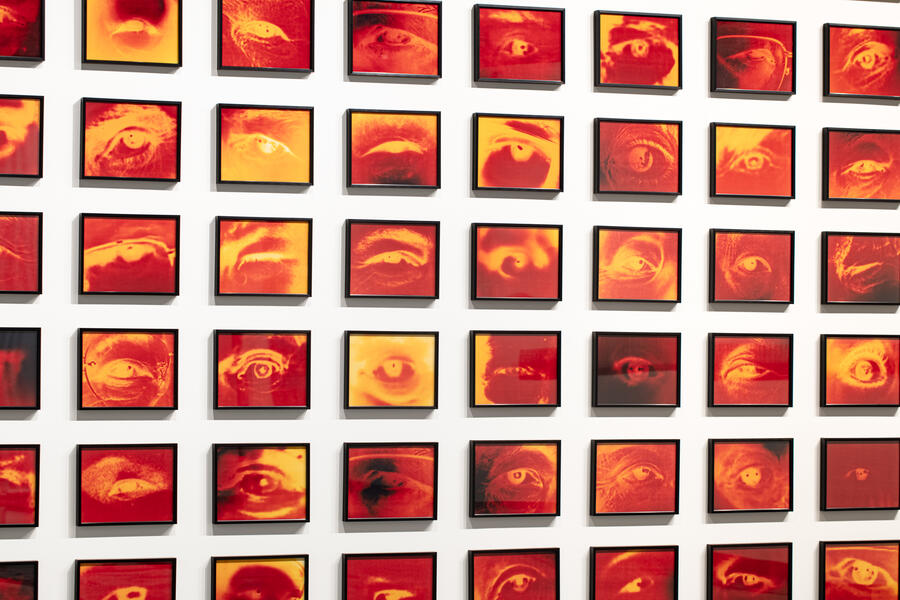 Detail of Eye who witnessed: Installation at the Gregory Allicar Museum 2023
2020-2021
Unique c-print photograms (historical archive, sunlight, artist's breath), wooden frame
Installation: 13 ft. x 9 ft. x 1.5 in. (108 of 8 x 10 in. prints)


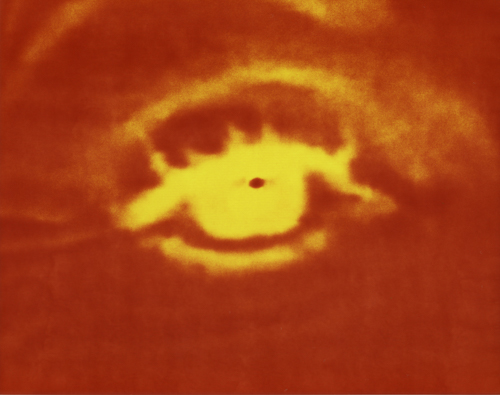


Afterimage Requiem
-
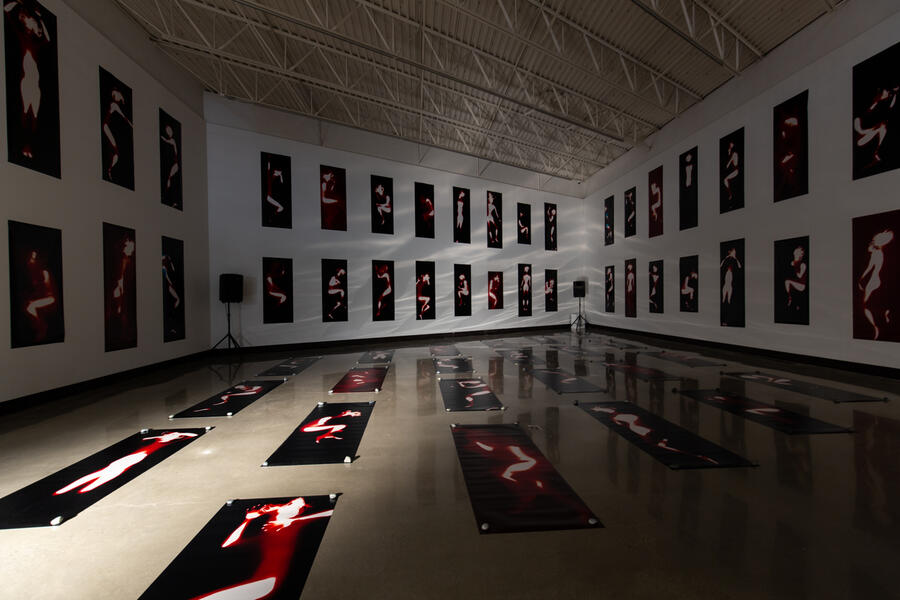 Afterimage Requiem: SECCA 2019Installation view at Southeastern Center for Contemporary Art: SECCA, NC (2019)
 -
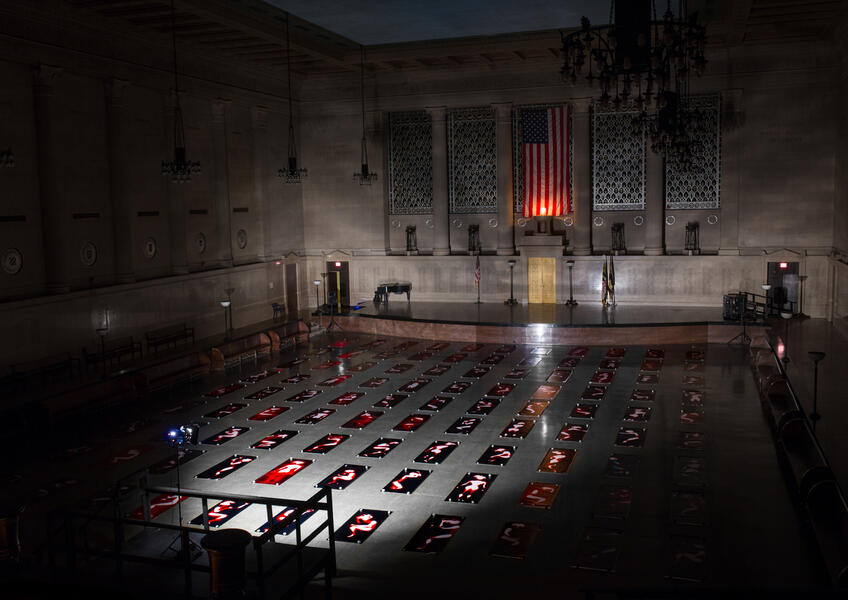 Afterimage Requiem: Baltimore War Memorial 2018Installation view at Baltimore War Memorial, MD (2018)
 -
 Afterimage Requiem: Baltimore War Memorial 2018Installation view at Baltimore War Memorial, MD (2018)
 -
Afterimage Requiem: Baltimore War Memorial 2018
Installation view at Baltimore War Memorial, MD (2018)
Afterimage Requiem is a large-scale visual and sound installation containing 108 human-scale photograms and a 4-channel sound work made by my collaborator, Andrew Keiper.
The installation probes the atomic bombing of Hiroshima and the intertwined family histories between Keiper and I. On August 6th 1945, at 8:15 AM, my grandfather witnessed a great tragedy that destroyed nearly everything in Hiroshima. Meanwhile, Keiper’s grandfather was an engineer who participated in the development of the Atomic bomb during the Manhattan Project. Two generations later, Keiper and I are great friends and collaborators which may have been thought to be impossible for the people a few generations ago.
The 108 photograms show shadow negative exposures of my body on the ground, with the viewer looking down upon it. These c-prints were exposed to sunlight due to my grandfather’s description, “that day in Hiroshima was like hundreds of suns lighting up the sky,” haunting me through my artistic practice. The radiation that my grandfather was exposed to pierced through his skin and inscribed itself onto his genes and onto my own; our bodies are now being “captured” through time and history, film and DNA. The number 108 holds significance in Japanese Buddhism, a number that embodies redemption from the evil passions we possess. As Keiper’s sound plays above in the air, my body lies on the ground, our grandfather’s positions are echoed in the space but our stances have changed. Each print is a prayer for the future.
This installation grapples with this history while asserting its pertinence to a contemporary audience living in an increasingly unstable political landscape. My photograms and Keiper’s 4-channel sound work portrays the bomb’s production created using the recordings made at atomic heritage sites in New Mexico and Chicago; the installation seeks mutual understanding while contemplating the roots, sorrow, and scope of the bombing. In an era of overt nuclear crisis unlike any seen in decades, Afterimage Requiem asks the audience to reflect on the ramifications of our current course, and to learn from the past.
-
 Afterimage Requiem: Baltimore War Memorial 2018Installation view at Baltimore War Memorial, MD (2018)
 -
 Afterimage Requiem: Baltimore War Memorial 2018Installation view at Baltimore War Memorial, MD (2018)
 -
 Afterimage Requiem: Baltimore War Memorial 2018
 -
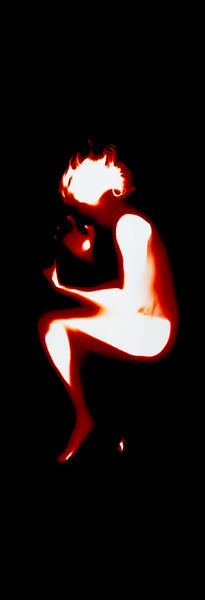 Afterimage Requiem 1/108
 -
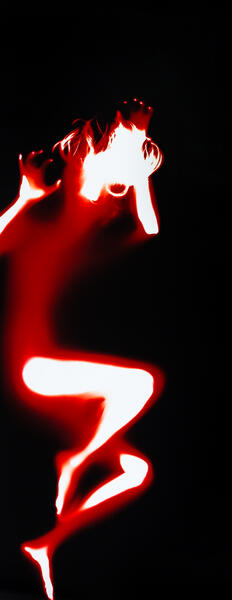 Afterimage Requiem 35/108
 -
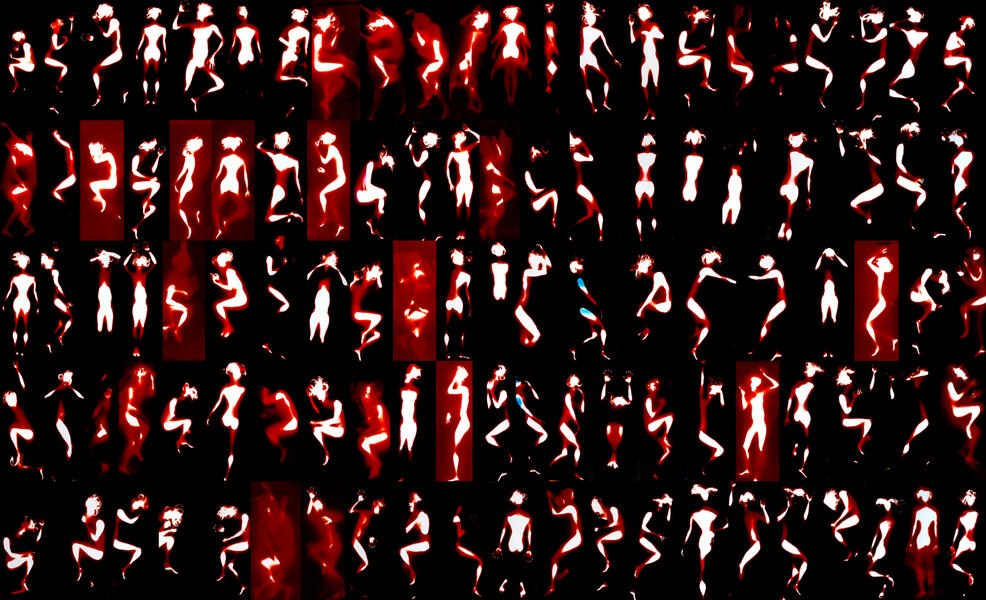 Afterimage Requiem (108 Prints)

Sungazing
-
 Sungazing Print: Apexart 2020Installation view at Apexart, NYC, NY, (2020)
 -
 Sungazing Print: Apexart 2020
Installation view at Apexart, NYC, NY, (2020)
-
 Sungazing Print: Apexart 2020Installation view at Apexart, NYC, NY, (2020)
 -
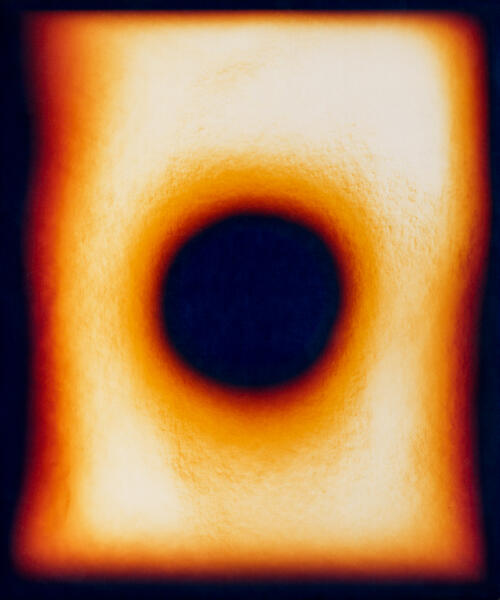 Sungazing 1/108
 -
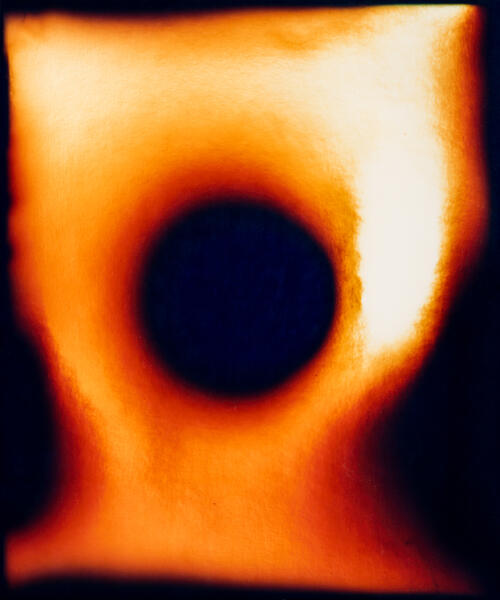 Sungazing 24/108
 -
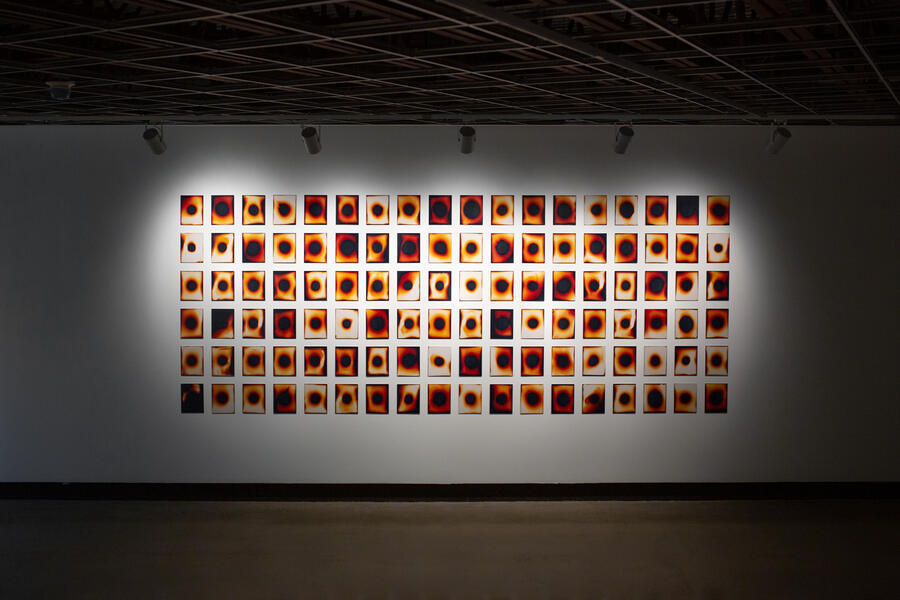 Sungazing Print: SECCA 2019Installation View at Southeastern Center for Contemporary Art(SECCA), NC (2019)
 -
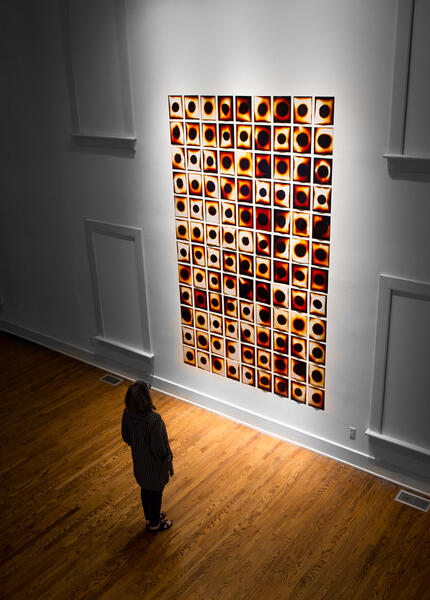 Sungazing Print: Herndon Gallery/ Antioch College 2018Installation view at Herndon Gallery/ Antioch College, Part of the FotoFocus Biennial, OH (2018)
 -
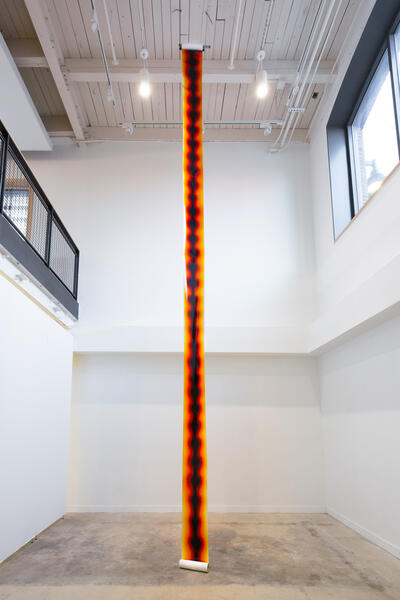 Sungazing Scroll: MICA 2017Installation view at MICA, MD (2017)
 -
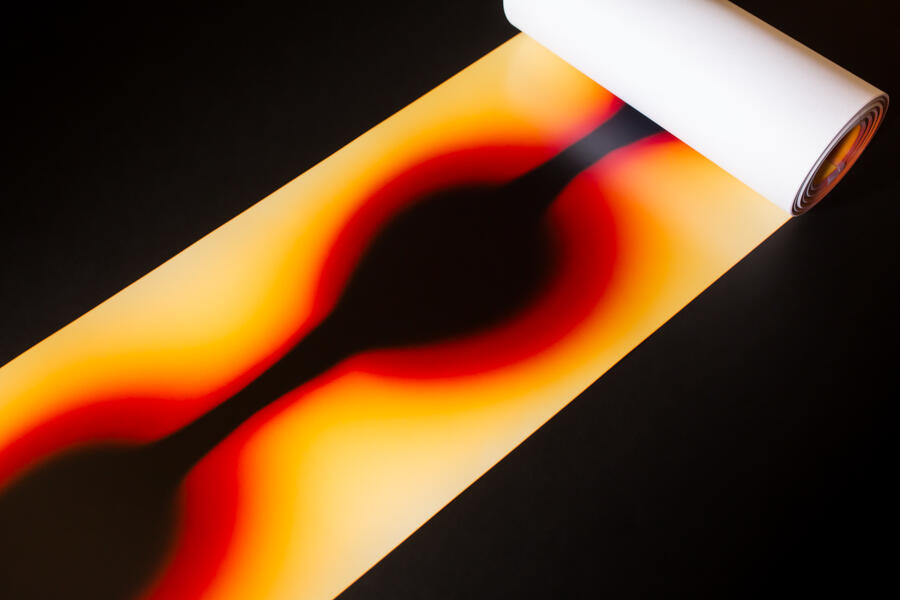 Sungazing Scroll: Norton Museum of Art 2019Installation view at the Norton Museum of Art, West Palm Beach, FL (2019)
 -
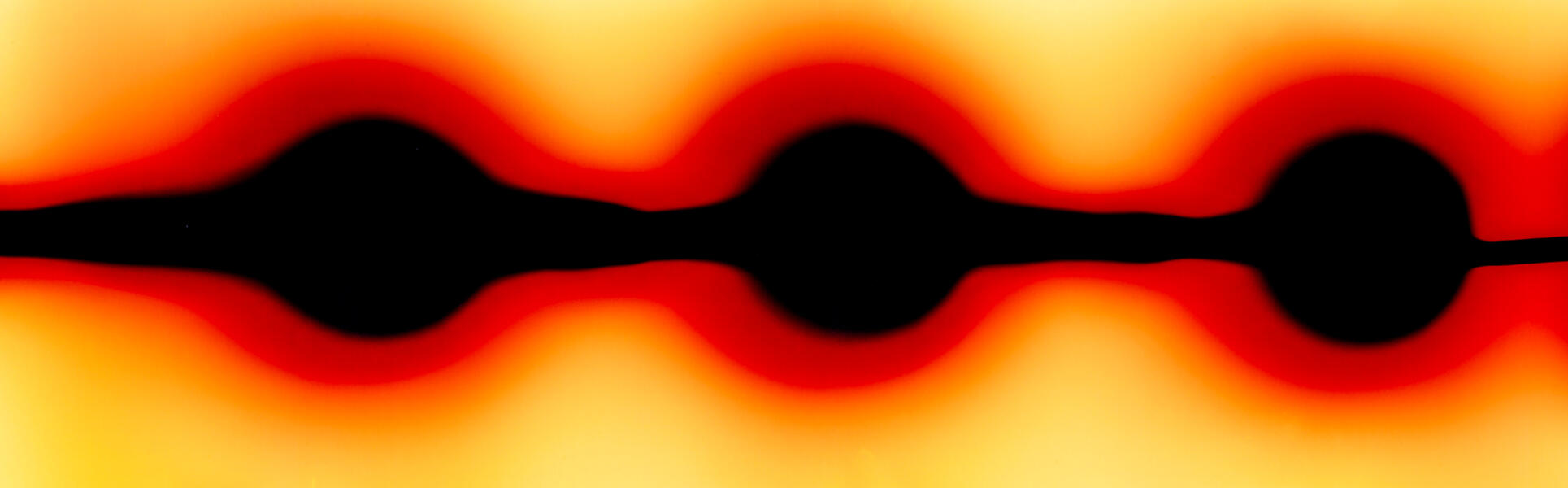 Sungazing Scroll (Section)A scanned section of Sungazing Scroll 2017