Work samples

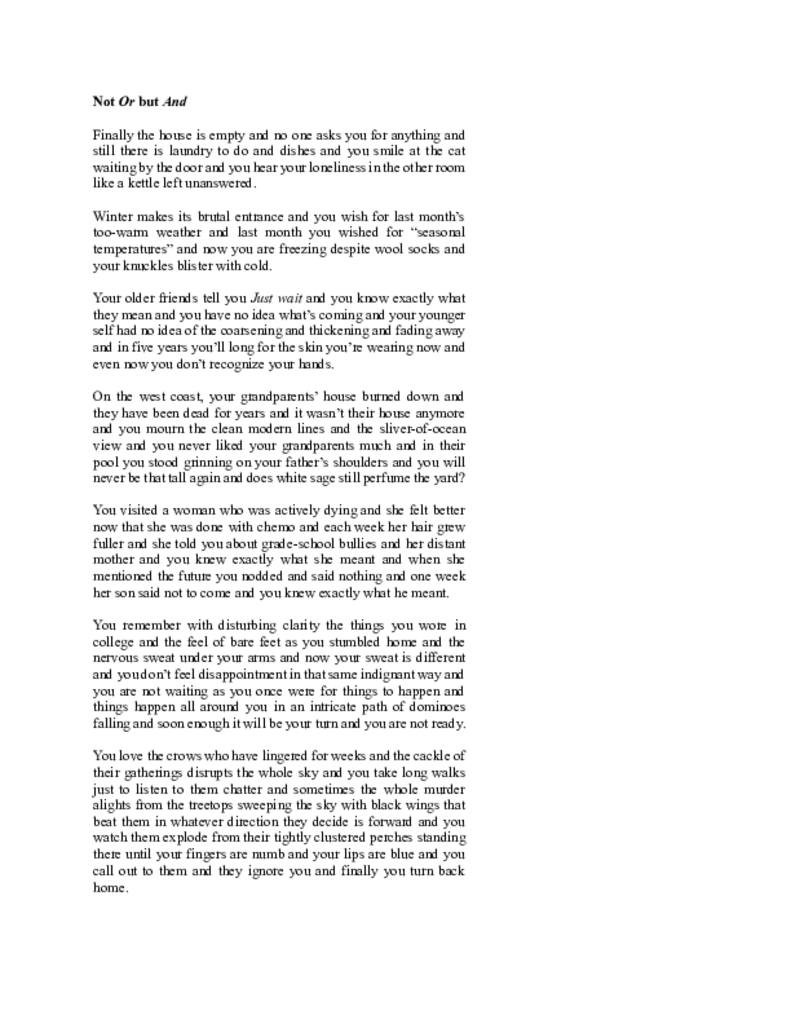
  • Flash Essays.pdf

    These two very short essays demonstrate a form I love as an alternative to poetry. It is still economical and compact but allows a bit more expansion and a more narrative flow.

  • After Seshadri's Cliffhanging.pdf

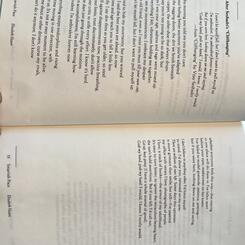
    This is a sample Glose, with lines taken from Vijay Seshadri's "Cliffhanging".

  • Poems from The Sky Will Hold.pdf

    This is a selection of poems from my forthcoming collection.

  • New poems

    In my more recent poems, all of which will be part of my next collection, I feel myself loosening the form, playing more with line breaks and the music of the language rather than adhering to a strict metrical pattern. I am also turning my gaze more outward; so much of my earlier work was very interior, examining my own reactions to experiences. My interests are turning more outward in the newer poems, and I am continuing to work on using my writing to find hope and points of connection with other people and with the natural world. 

About Elizabeth

Elizabeth Hazen is a poet and essayist whose work has appeared in EPOCH, Shenandoah, Best American Poetry, Southwest Review, The Threepenny Review, The Normal School, and other journals.  She also writes for BmoreArt Magazine and Baltimore Fishbowl, and she teaches in the Goucher Prison Education Program at Jessup Correctional Institution.

Her books are Chaos Theories (2016) and Girls… more

The Sky Will Hold

Mary Jo Salter generously says my third collection is "is full of wise musings on being in the middle of things.  Not least middle age: in the clever “Real Estate for the Blended Family (Or What I Learned from Zillow)” she considers a real-estate ad for a light-filled house with “square/footage enough to hold all our misgivings.” Hazen’s sensibility has the square footage to hold moments of anxiety and hope, often within the same poem. As she says, “I’ve tried to learn to want things/ as they are.” She has a keen eye—lipsticks in a drawer are “little tubes like shotgun shells”—and a fresh sense of humor: “Yesterday a groundhog waddled across/the yard while I tried to understand/ What to wear now that I’m not young.” And in writing several poems in a form rarely used these days, the “glose,” which expands upon well-known lines by other poets, she only confirms her original voice. This is a poet who helps us live with ambiguity, and with the “thickening green/ of passing time.” 

The Sky Will Hold will be published in spring 2026 by Riot In Your Throat, a small press that focuses on publishing women and women-identifying poets. 

Gloses

In the past couple of years, I have written a number of poems in an old Spanish form called a glose or glosa. This form takes four lines from an existing poem, and each of those four lines becomes the final line of a ten-line stanza. The sixth, ninth, and tenth lines of each stanza rhyme. One of the reasons I love this form is because it allows for a kind of dialogue with the original poem. I have used lines from very well-known poems like Robert Hayden's "Those Winter Sundays" and Elizabeth Bishop's "In the Waiting Room," as well as lesser-known poems like the one I have included in my portfolio which takes lines from contemporary poet Vijay Seshadri's poem, "Cliffhanging". I love the way working in form is like solving a puzzle; it allows me to explore emotions while adhering to technical strictures and this creates tension I find satisfying. I hope readers do, too!

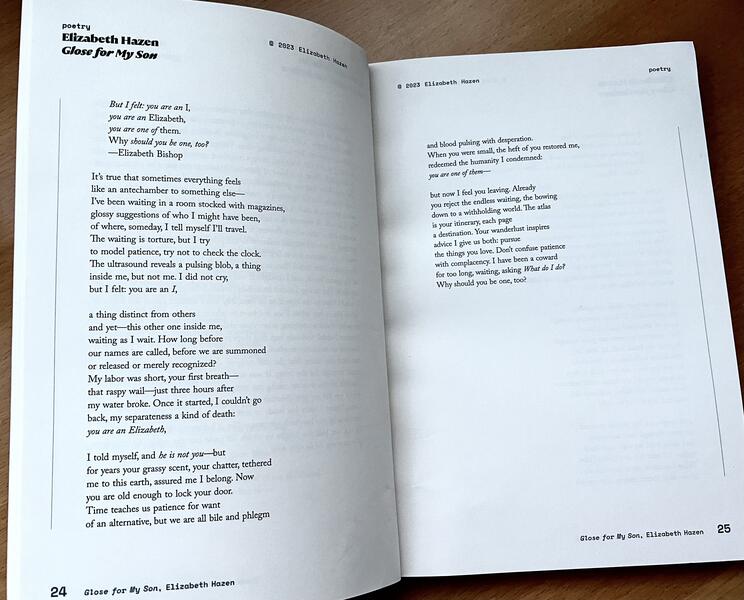
  • Glose for My Son
    Glose for My Son

    This glose, which takes lines from Elizabeth Bishop's "In the Waiting Room", appeared in issue 16.4 of The Hopkins Review.

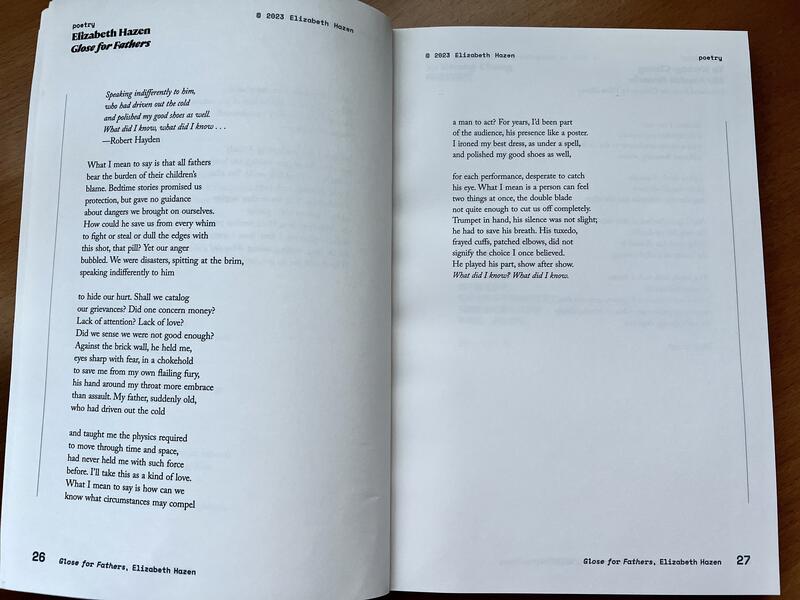
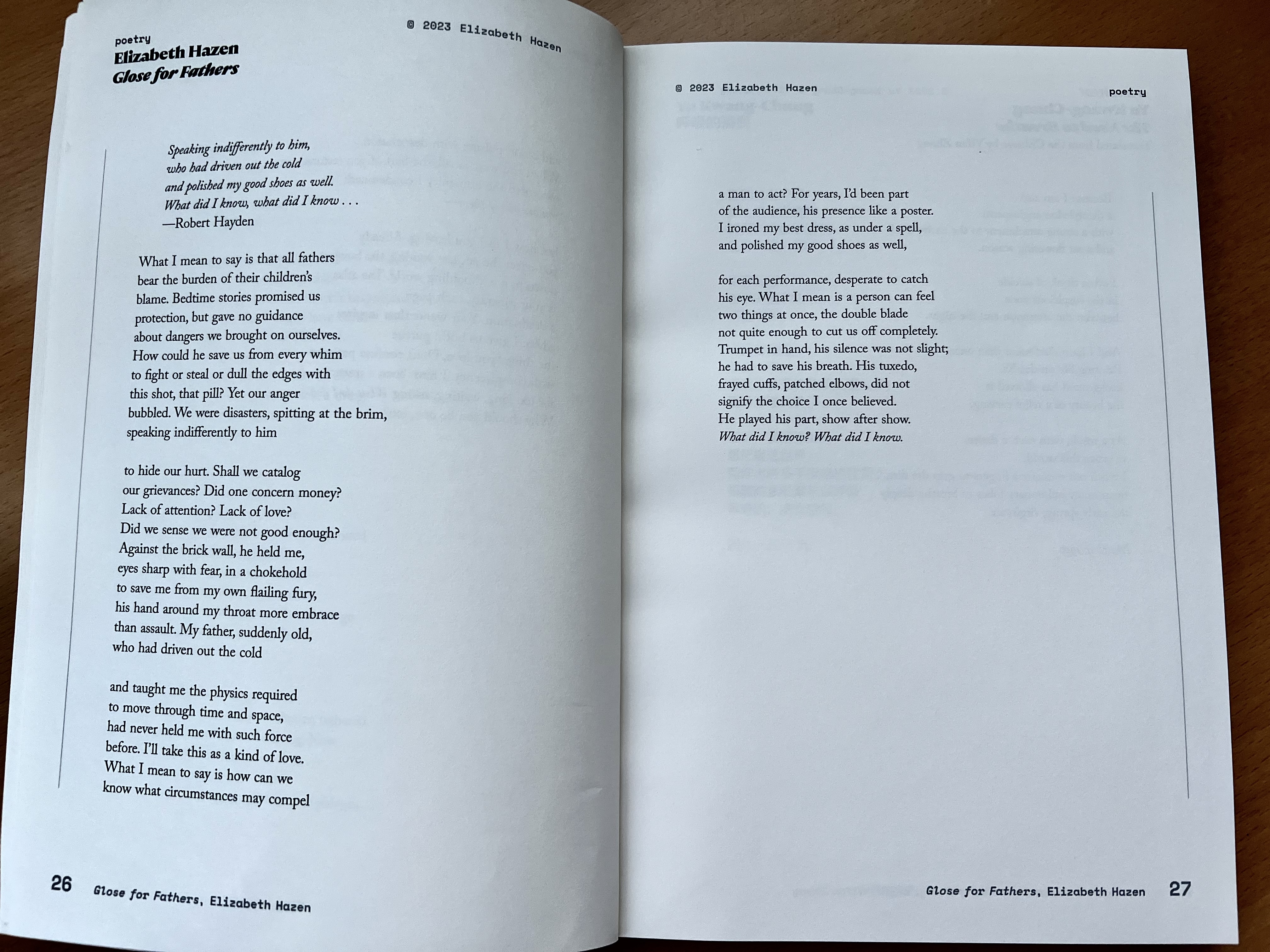
  • Glose for Fathers
    Glose for Fathers

    This glose, which takes lines from Robert Hayden's "Those Winter Sundays", appeared in issue 16.4 of The Hopkins Review.

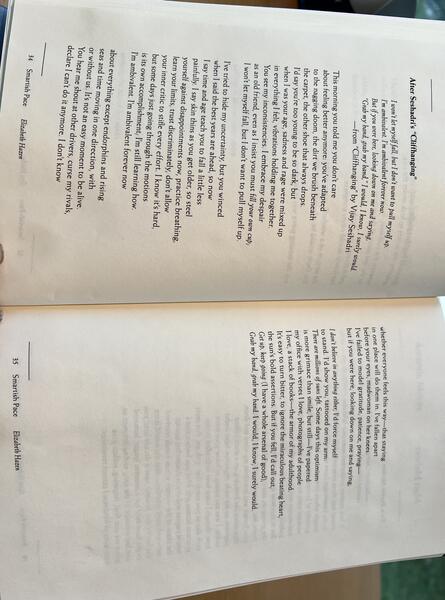
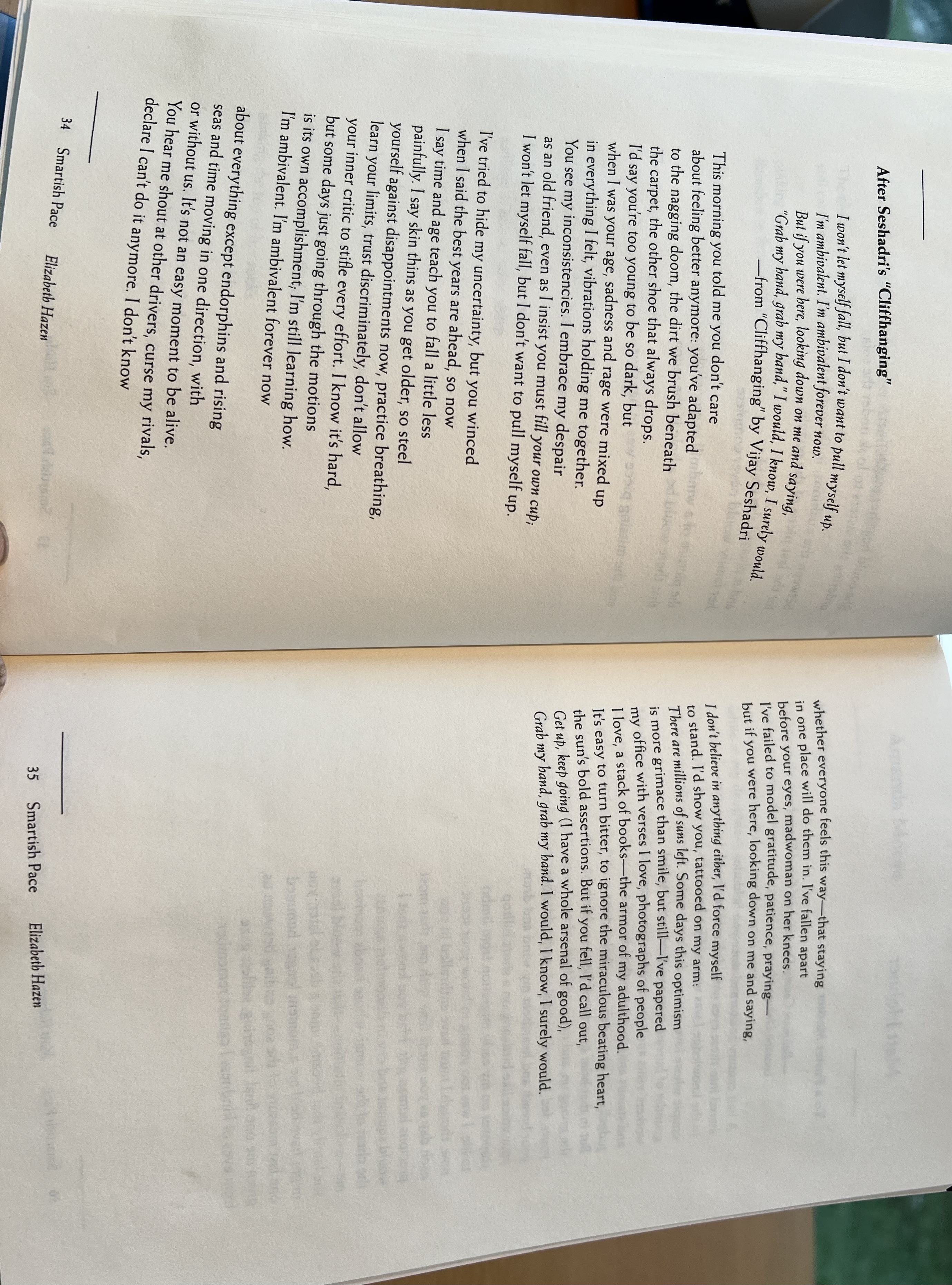
  • After Seshadri's Cliffhanging
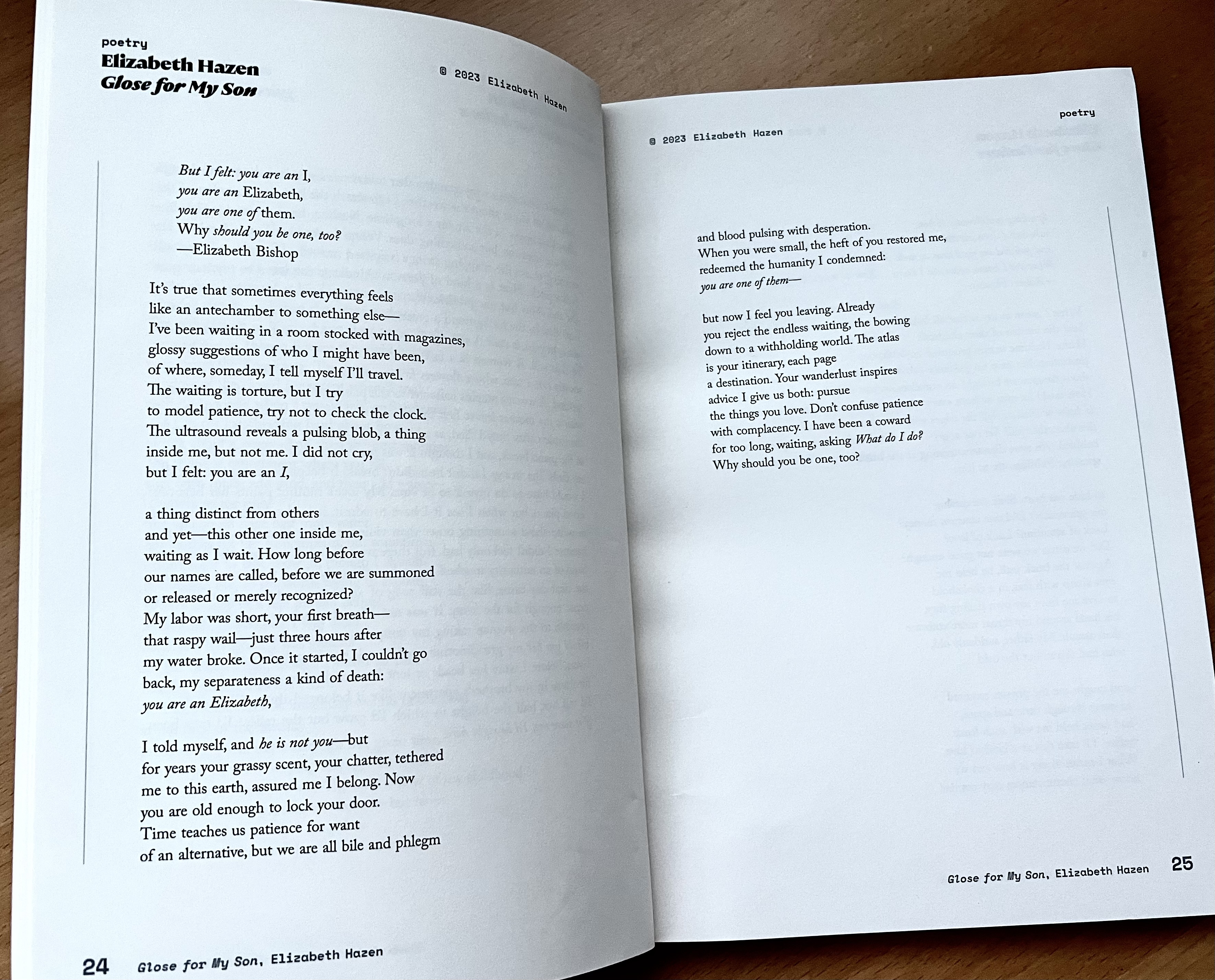
    After Seshadri's "Cliffhanging"

    This is an image of the poem in the literary journal, Smartish Pace. The poem won second place for the Beullah Rose Poetry Prize. 
Flash Nonfiction

Sometimes I have ideas that don't seem quite right for a poem, so I use the essay form. Most recently, I have enjoyed the hybrid form of the flash essay -- usually around 1000 words or fewer. 

Girls Like Us

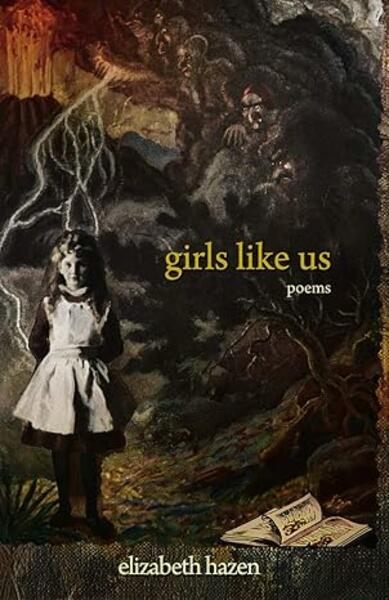
Girls Like Us was a difficult book to write, as it delves into my most intimate and darkest places. But it was also liberating to put the poems out in the world, allowing me to move on from the trauma they describe. Beth Spires says of the poems, “Hazen fearlessly explores self and psyche, her own and those of other women, focusing on ‘this inward-turning darkness’ as she grapples with addiction and recovery, psychological and sexual assault, and a culture of misogyny.’ It is my hope that readers will connect to the poems and the idea that we all deserve to be seen and heard. 

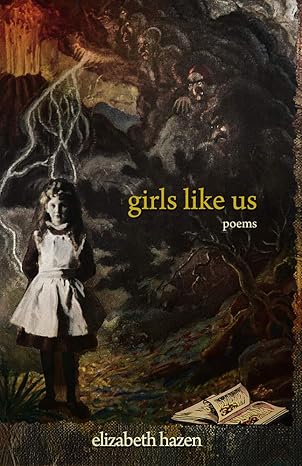
  • Girls Like Us cover
    Girls Like Us cover
Chaos Theories

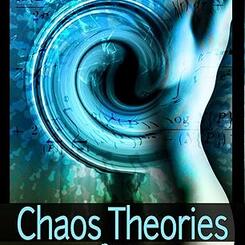
As the title suggests, Chaos Theories draws on science in many of its poems, using the language and systems of the natural world as metaphor for the emotional world. Richard Peabody calls me, “a spy in the house of science,” and Alan Shapiro says, “Chaos Theories refashions insights and principles from the hard sciences into metaphors for what it means and feels like to be alive and conscious, needy and loving, in a universe ruled by time and change.” The poems here chronicle my early years of motherhood, the challenges of divorce, and my reckoning with my own childhood experiences. 

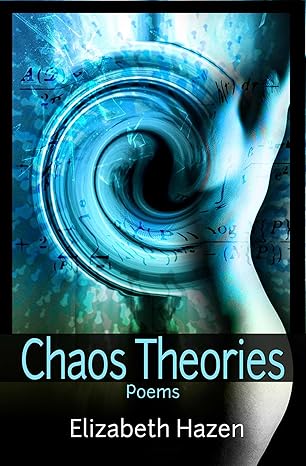
  • Chaos Theories cover
    Chaos Theories cover
Essays and Articles

In addition to my poems and short essays which largely examine my own experiences, I do a lot of writing about other artists in essays and articles. I have had the pleasure of writing pieces for BMoreArt which allow me to explore the many great creative institutions in our city. I have written about the Baltimore School for the Arts, Maryland Center for History and Culture, Alex Cooper Auctioneers, TRIBE, CPM Gallery, and others.