Work samples

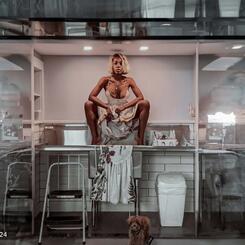
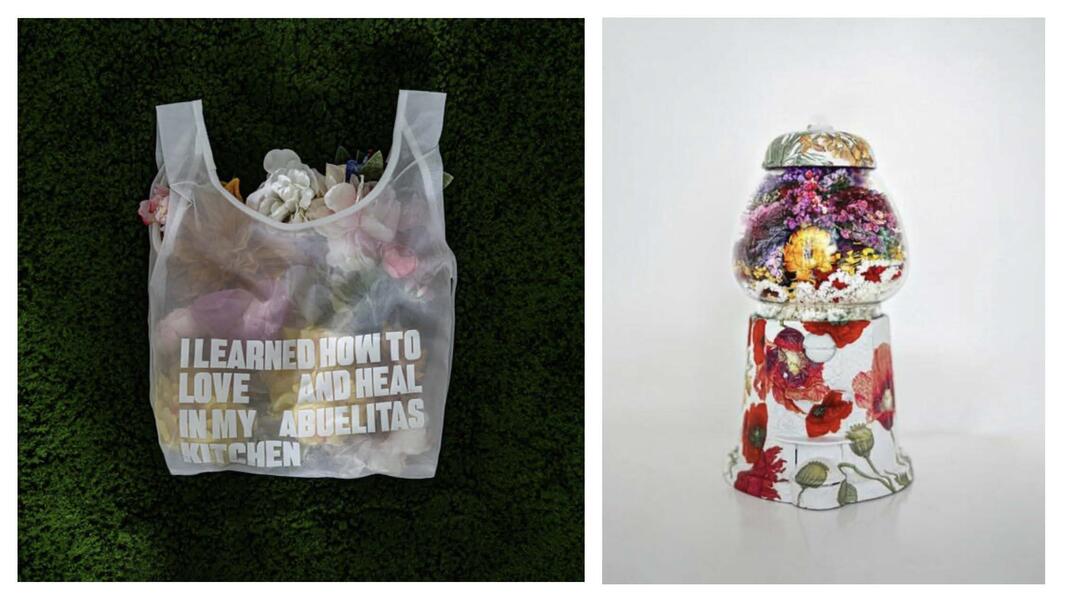
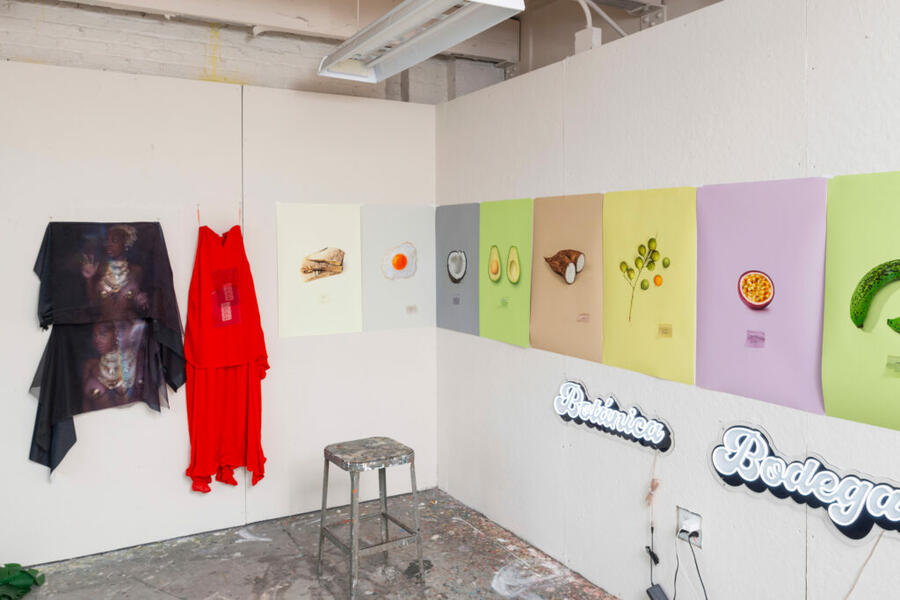
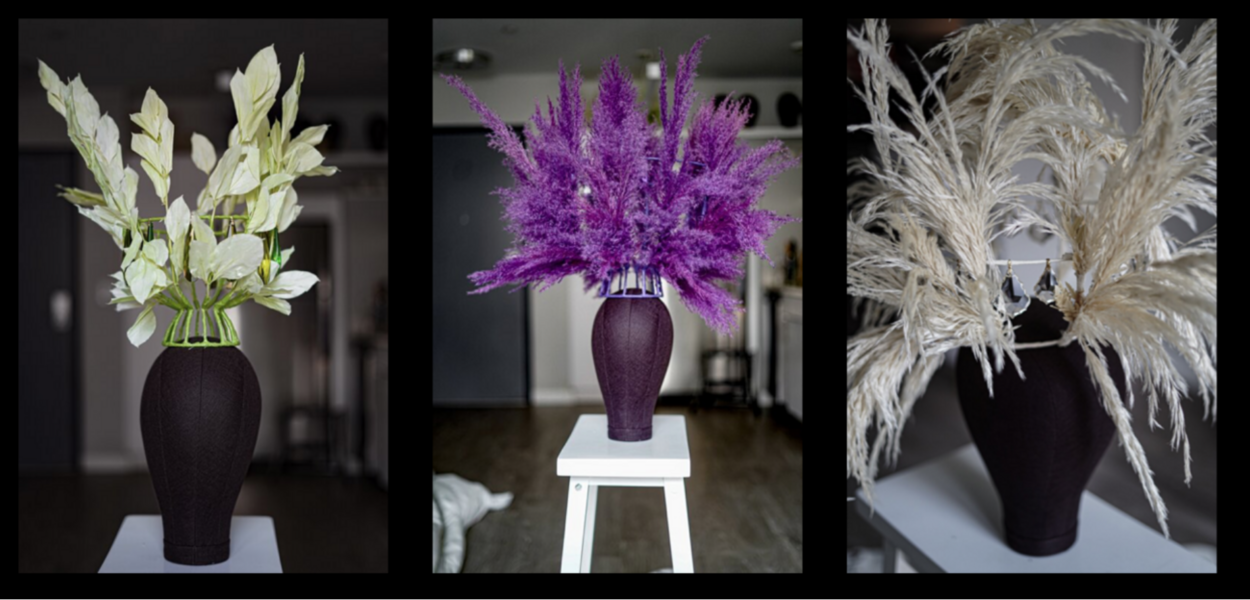
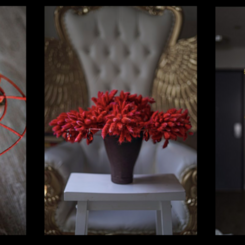
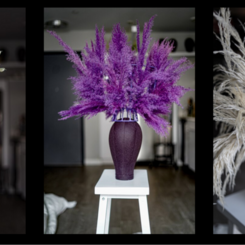
  • Untitled (botan•i•ca), 2024
    Untitled (botan•i•ca), 2024
  • JHU Public Humanities Fellowship: Interdisciplinary Ritual & Performance
    JHU Public Humanities Fellowship: Interdisciplinary Ritual & Performance
  • Embodied Rituals: Performance Work, 2018–2025
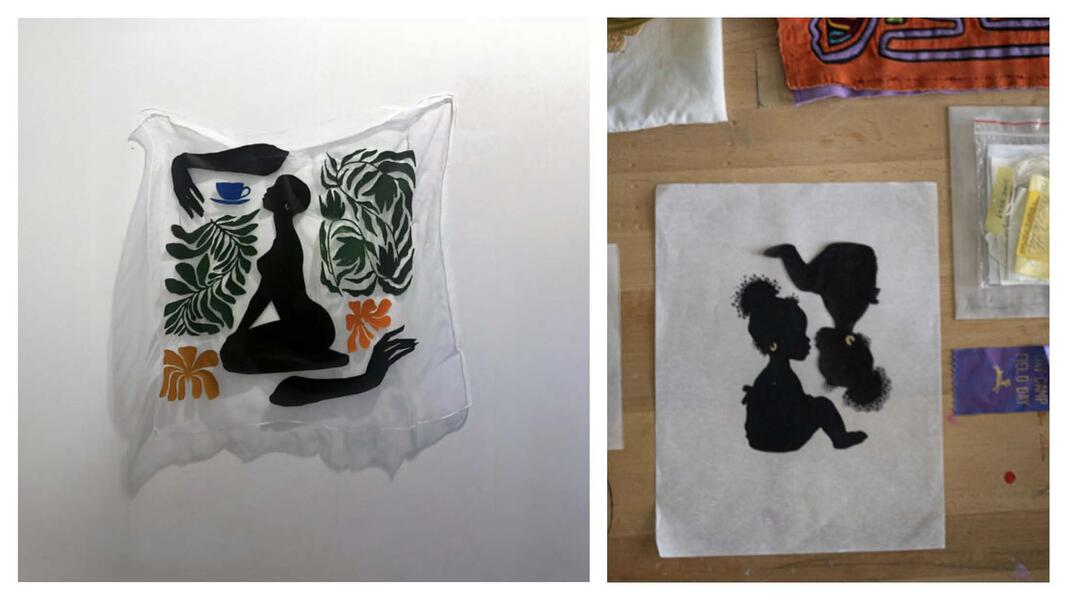
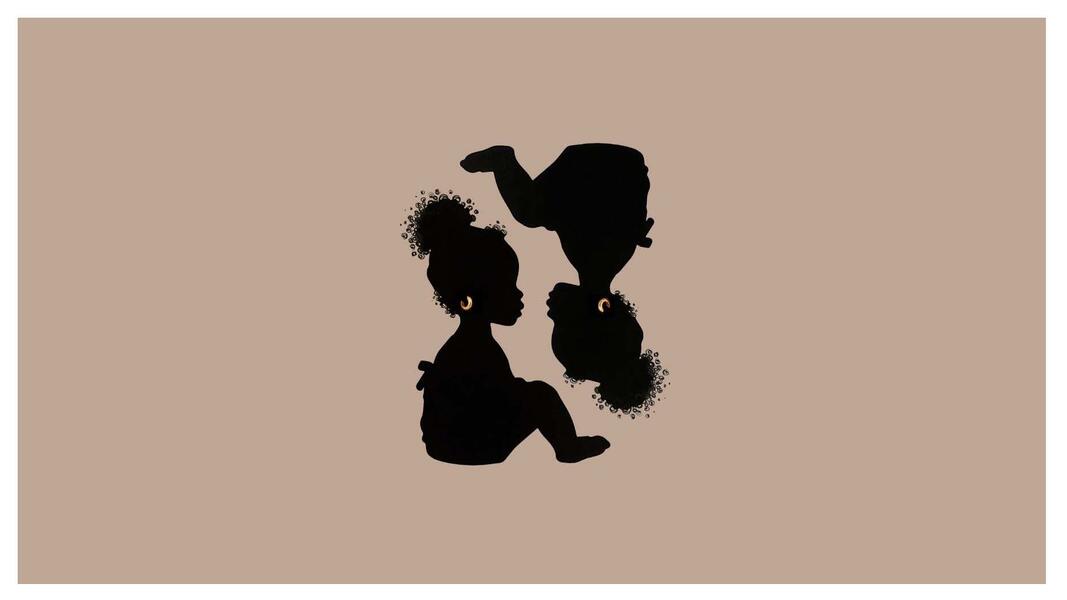
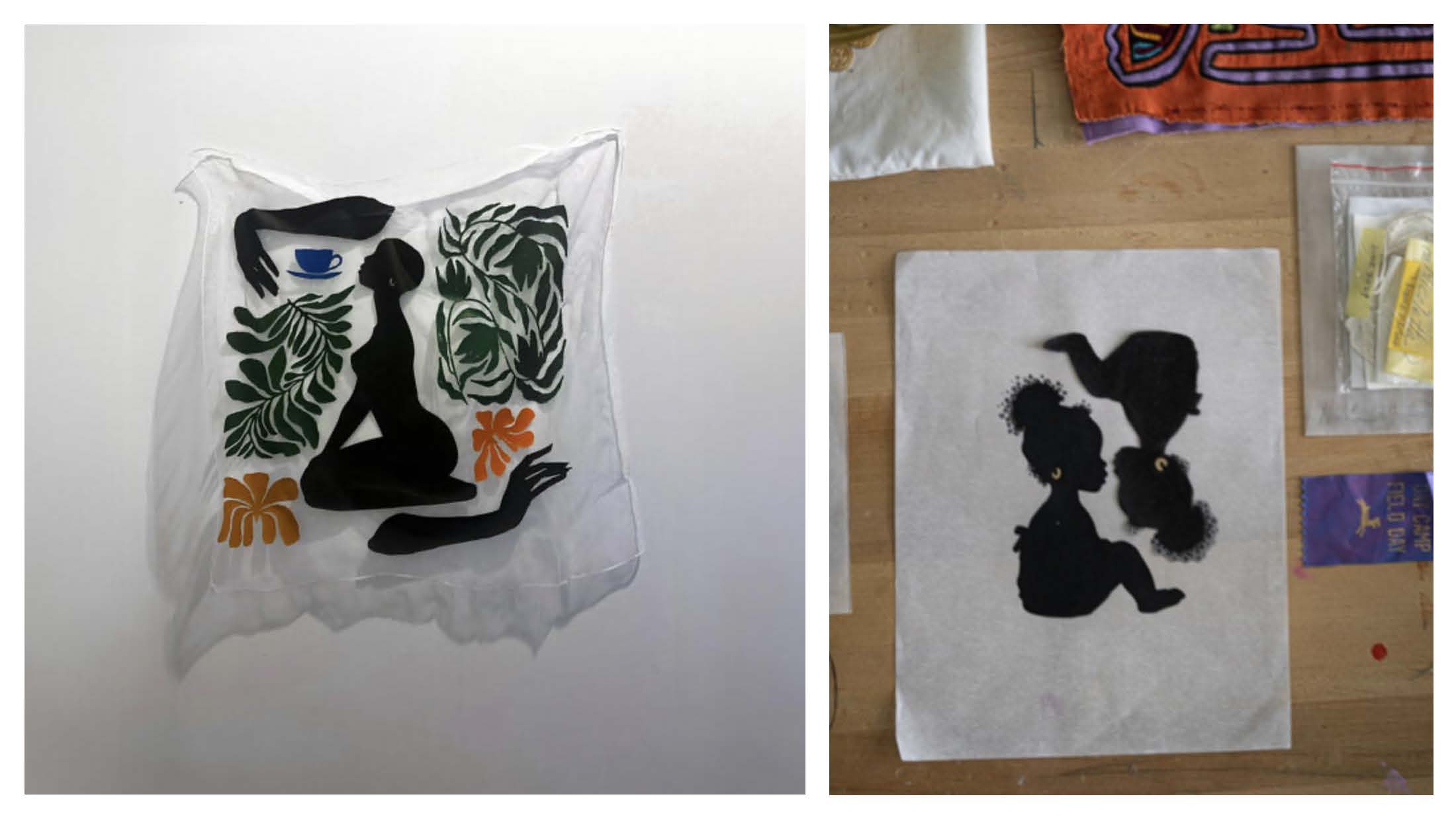
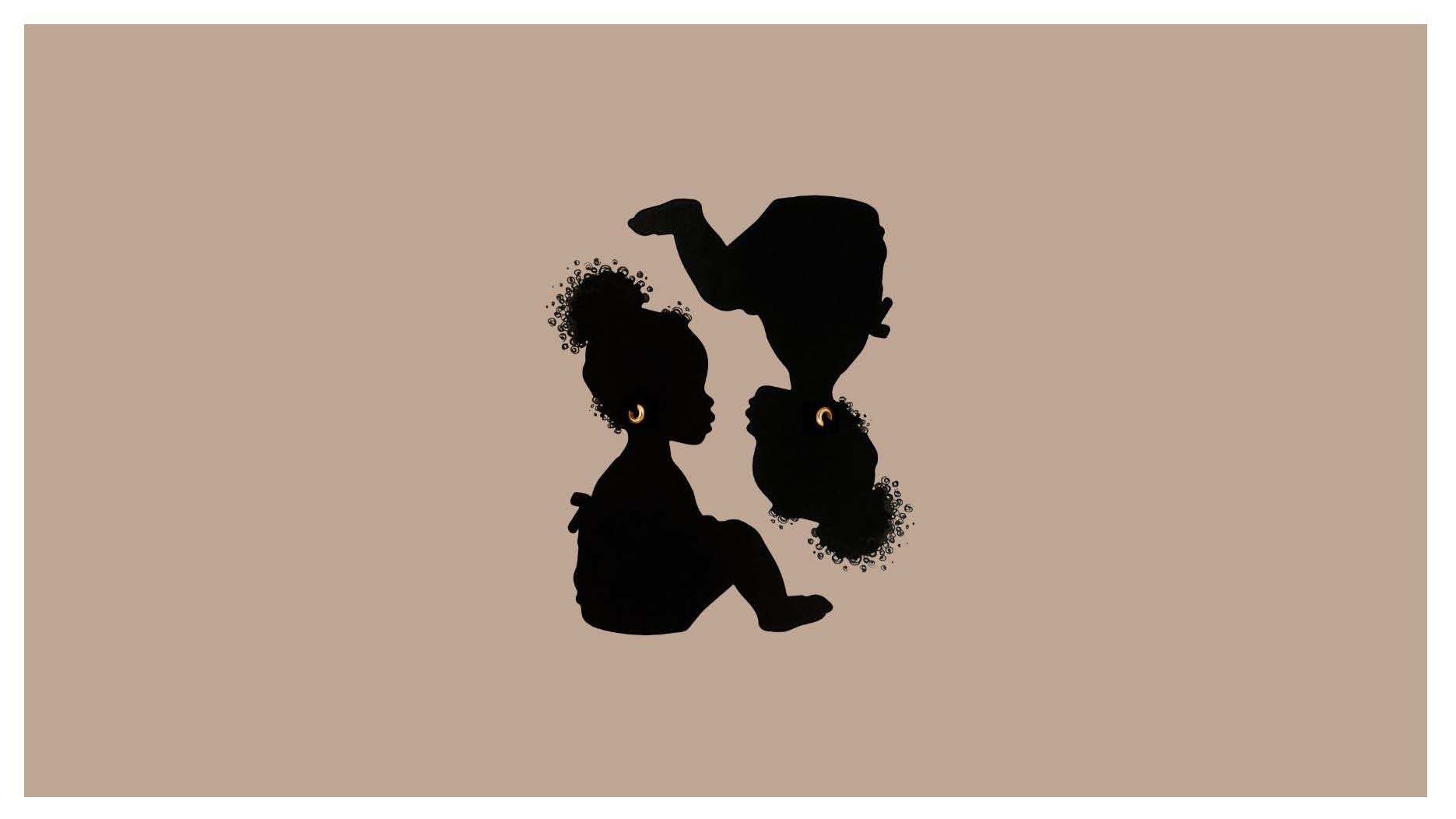
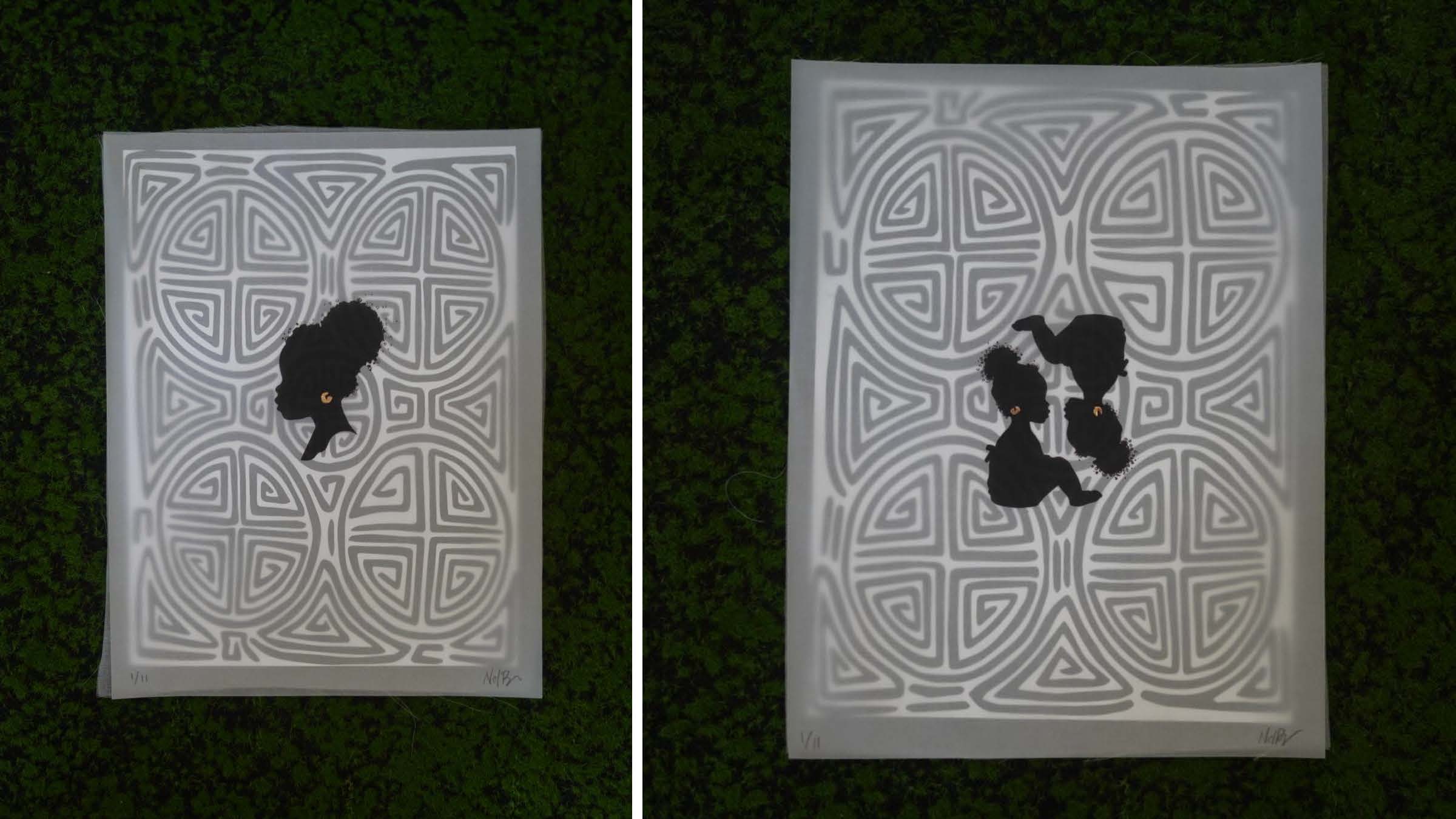
  • Untitled (silk prints), 2024–2025
    Untitled (silk prints), 2024–2025
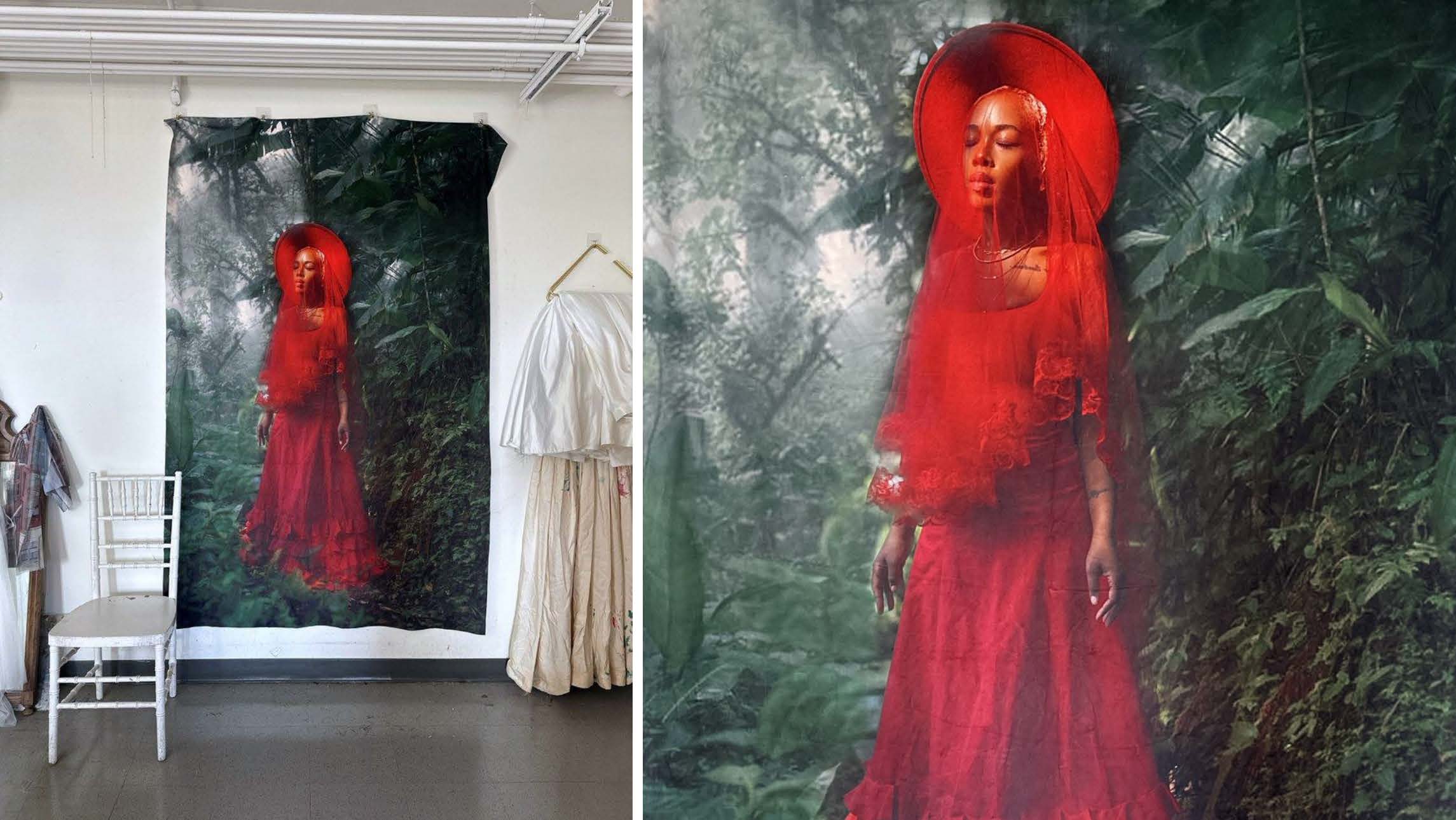
About Nicoletta

Nicoletta Daríta de la Brown (she/they)
Panamanian-American, b. 1981, Baltimore-born, NYC-raised

Nicoletta Daríta de la Brown is an award-winning interdisciplinary artist, curandera chamána (shamanic practitioner), and wellness educator whose studio practice bridges contemporary art, sensory experiences, ancestral rituals, and embodied storytelling. Drawing upon her Panamanian heritage and lineage of healers, de la Brown creates immersive… more

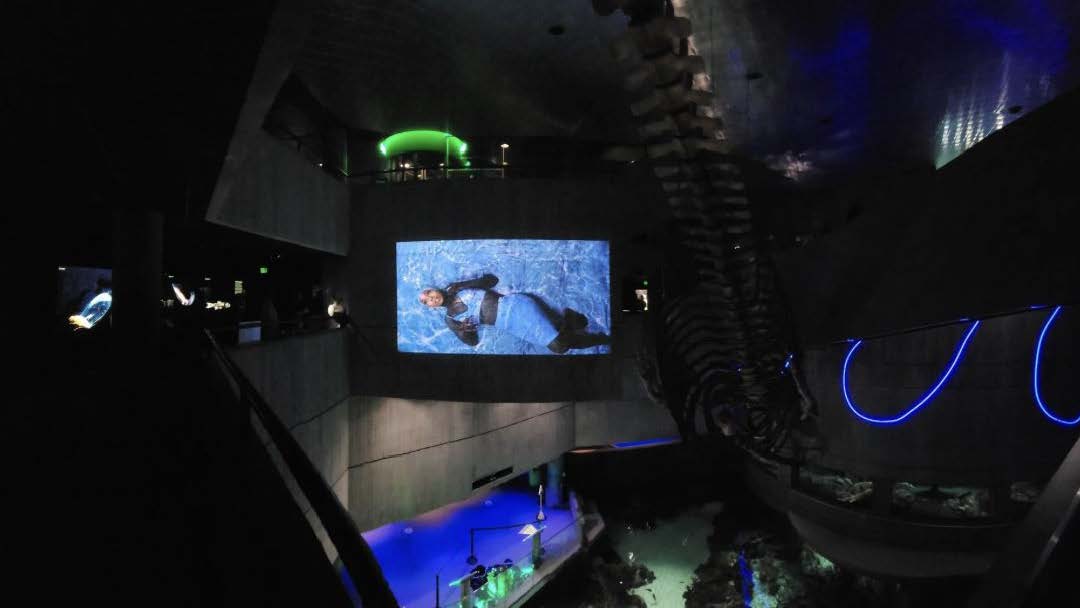
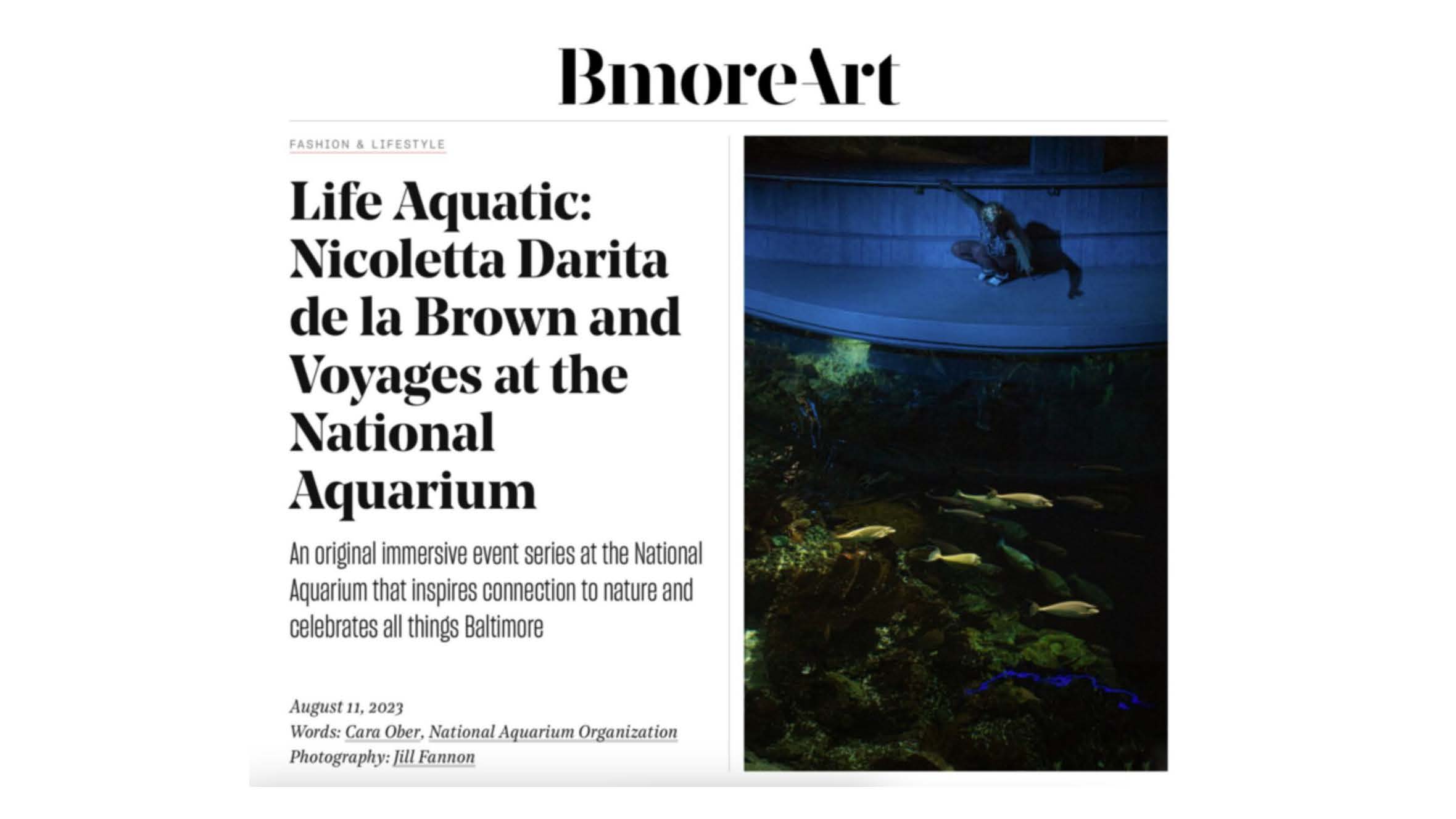
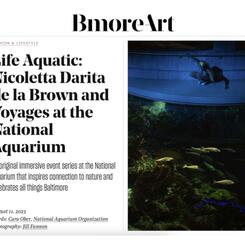
National Aquarium Artist–in–Residence : Neutral Buoyancy, 2023

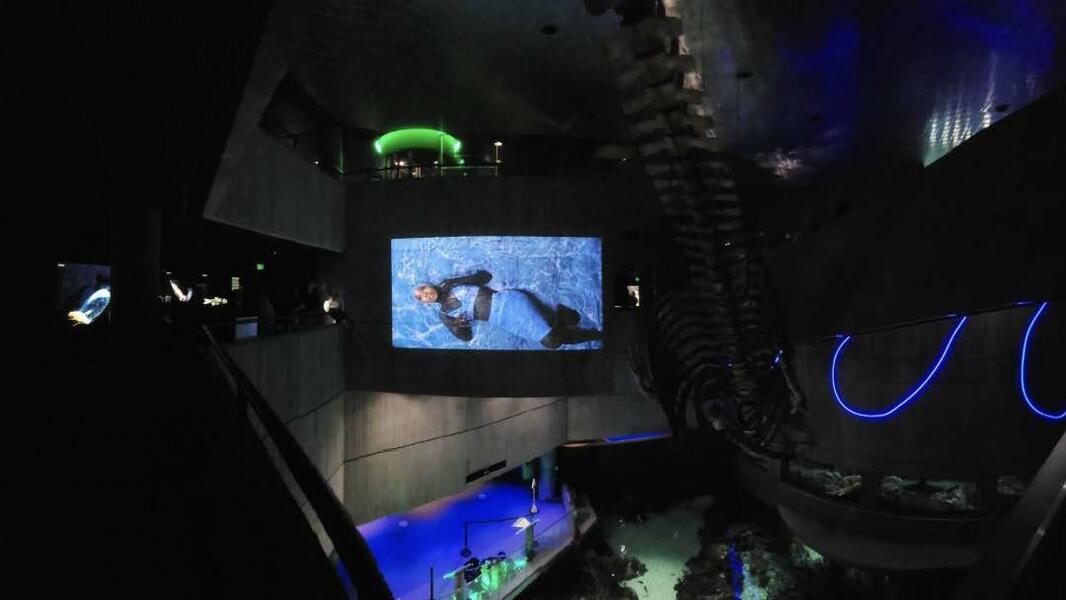
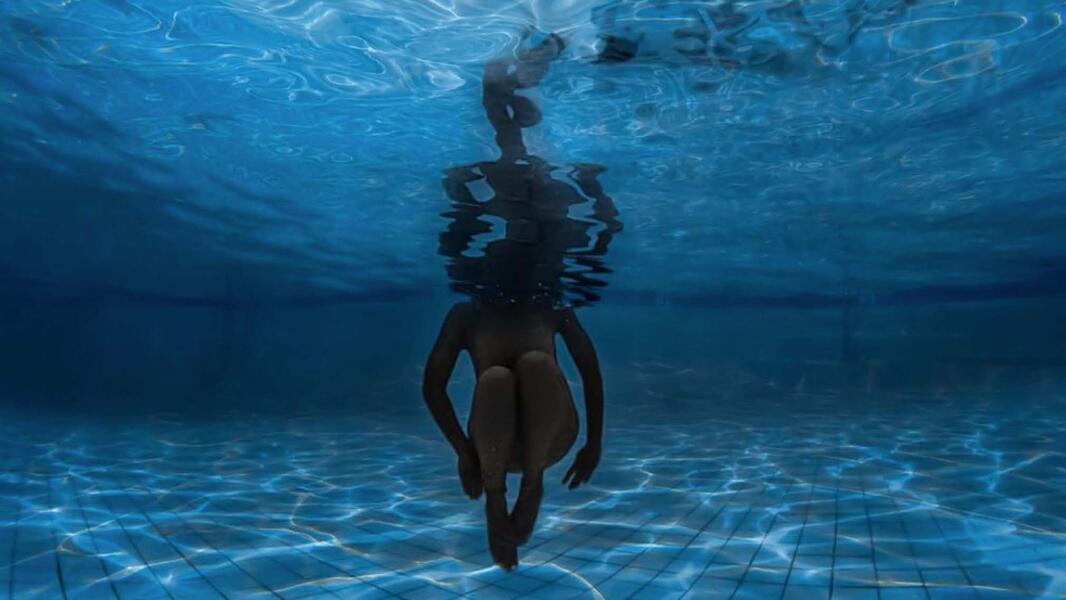
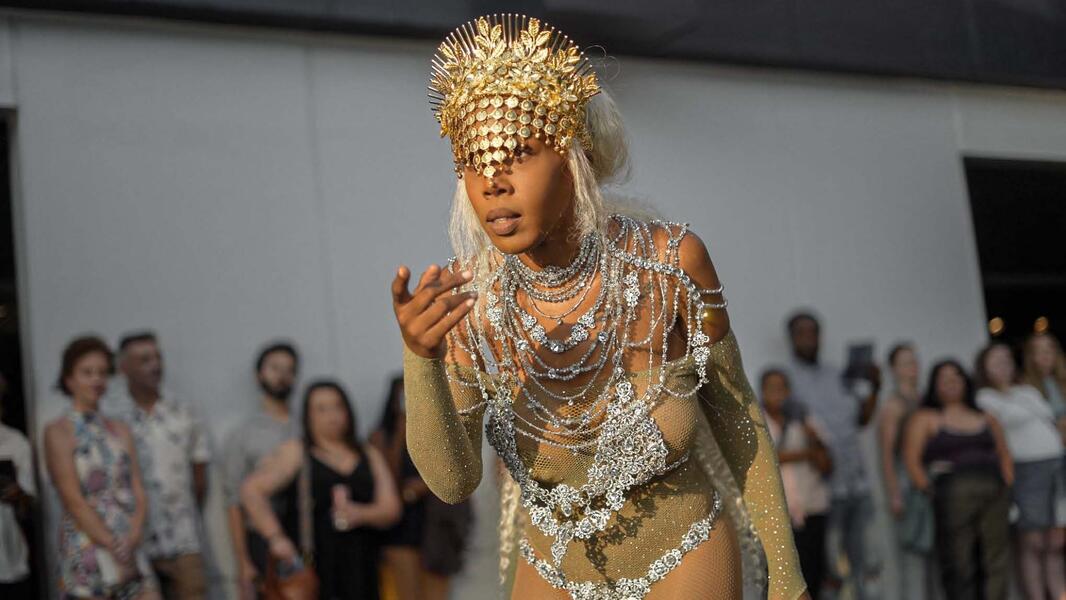
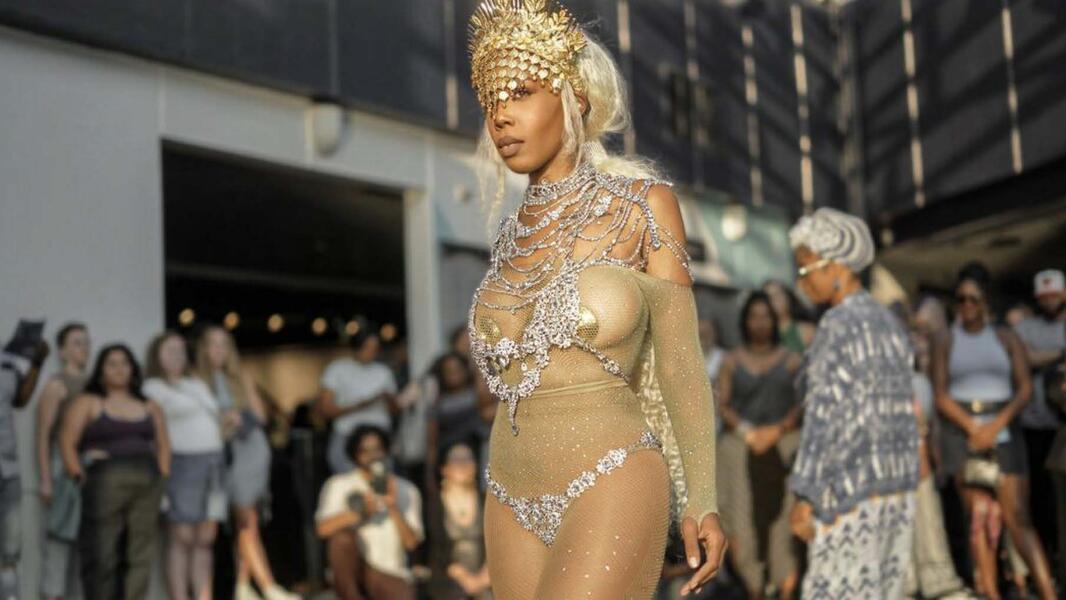
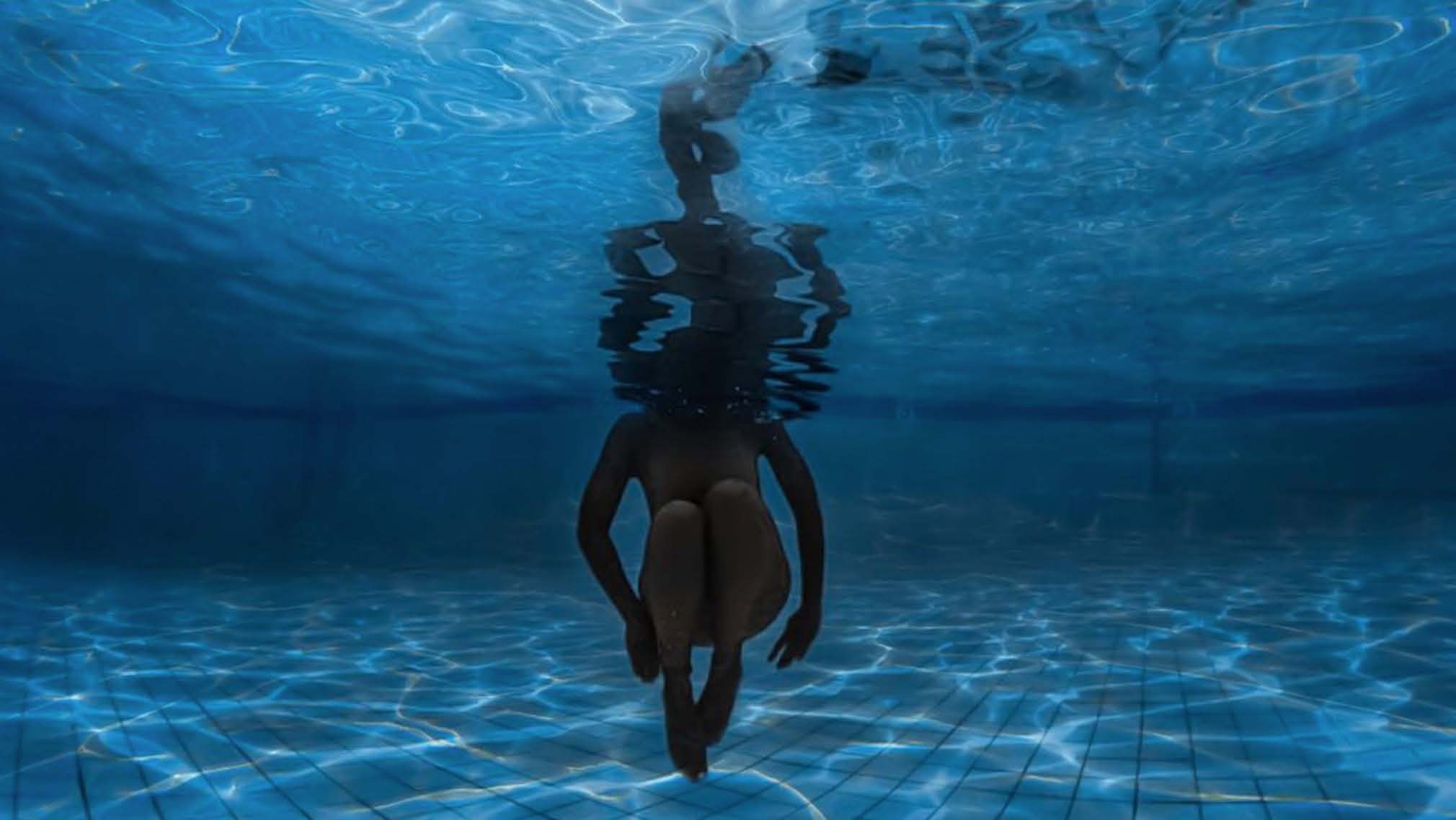
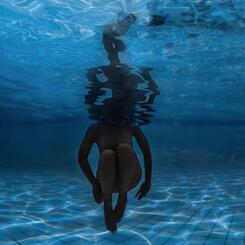
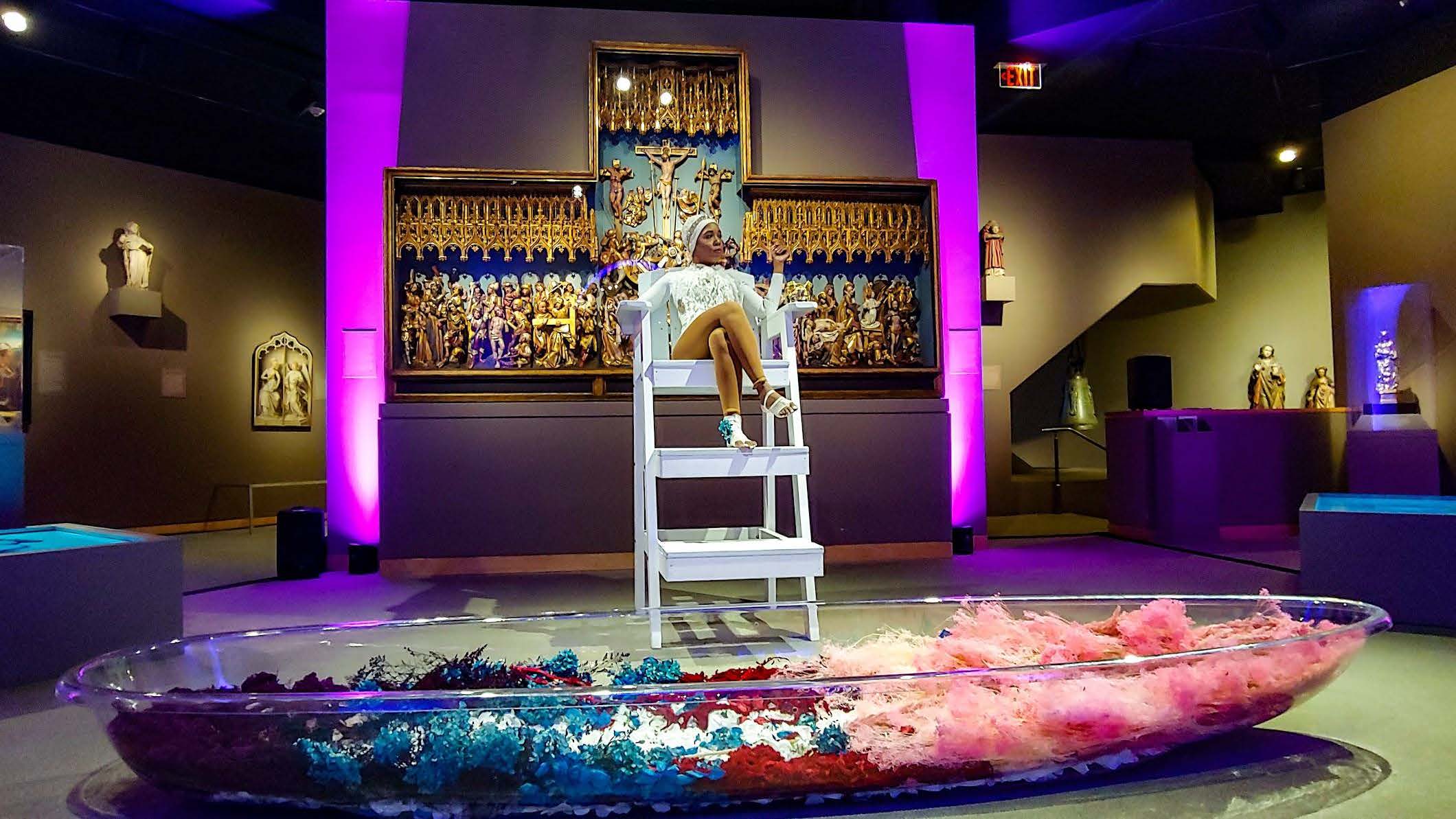
For me, water has always carried memory, transformation, and a deep longing — it is not simply a backdrop, but a living, breathing collaborator. During my 2023–2024 residency at the National Aquarium, I immersed myself, both physically and spiritually, into water’s transformative power. The resulting work, Neutral Buoyancy, is an interdisciplinary ritual: a convergence of experimental film, performance, sound, and sculptural presence, inviting audiences to experience submersion — emotionally and physically.

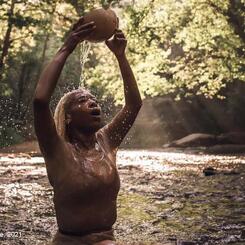
In the quiet of the tanks and corridors of the Aquarium, I swam, moved, observed: I spent time in forest streams, in the care-tanks of the Aquarium’s Animal Care and Rescue Center, absorbing water’s weightless embrace. This process rooted my practice: guided by research with experts, and inspired by both the science of water and its ancestral resonance.

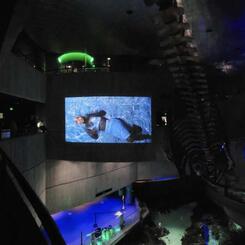
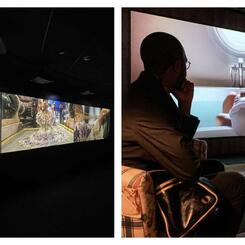
I created several non-narrative films — cinematic and ethereal — that reflect water’s rhythms: its flow, its hush, its capacity to hold and heal. These films were projected throughout the Aquarium, becoming portals that echo sea-sound, breath, movement — gently coaxing a meditative surrender. 

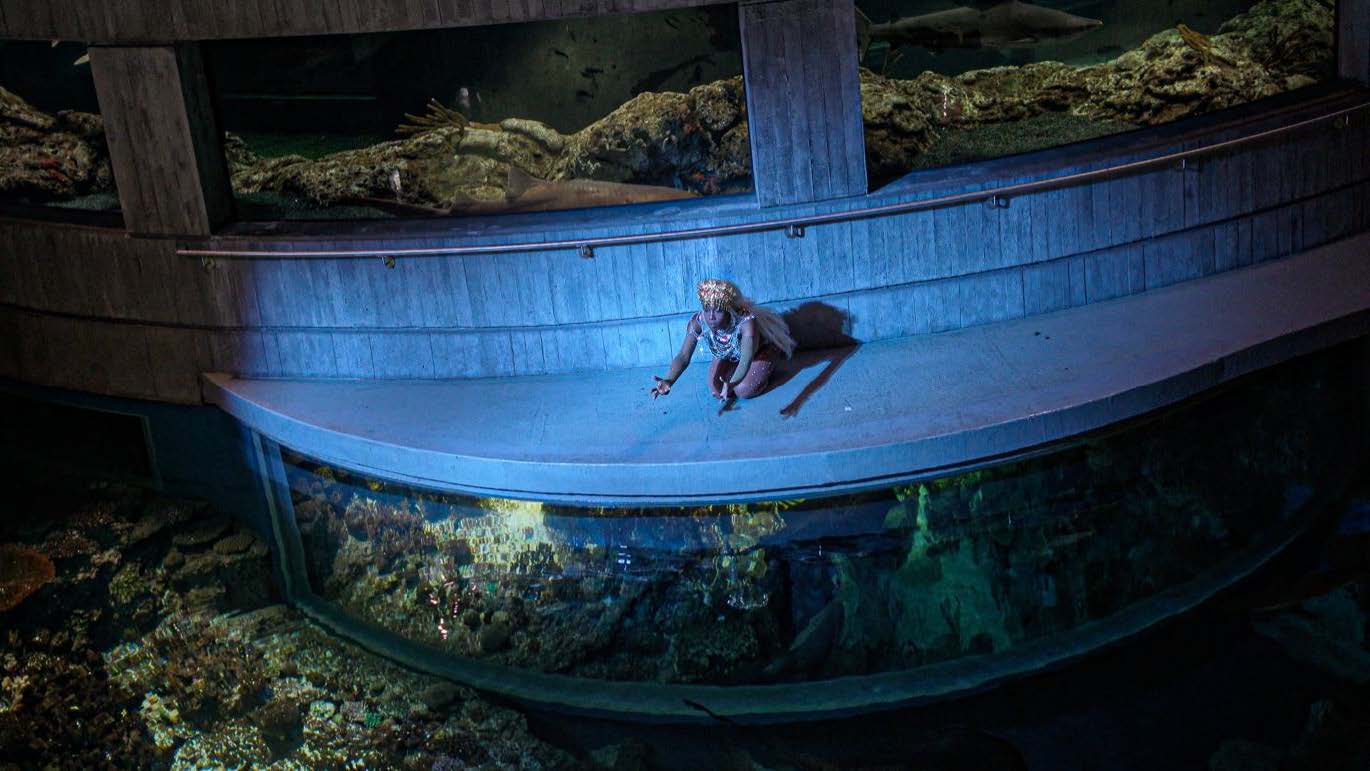
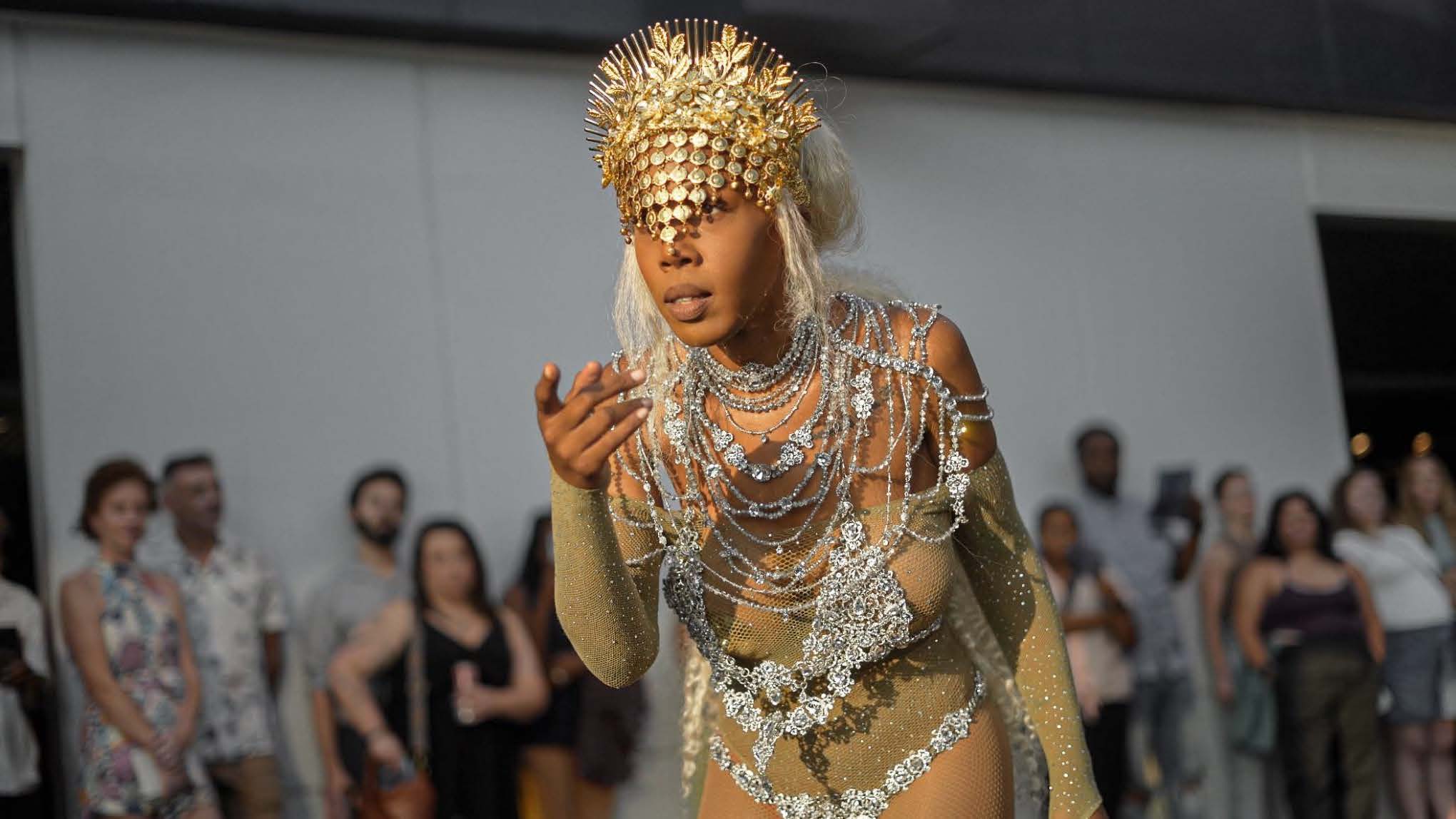
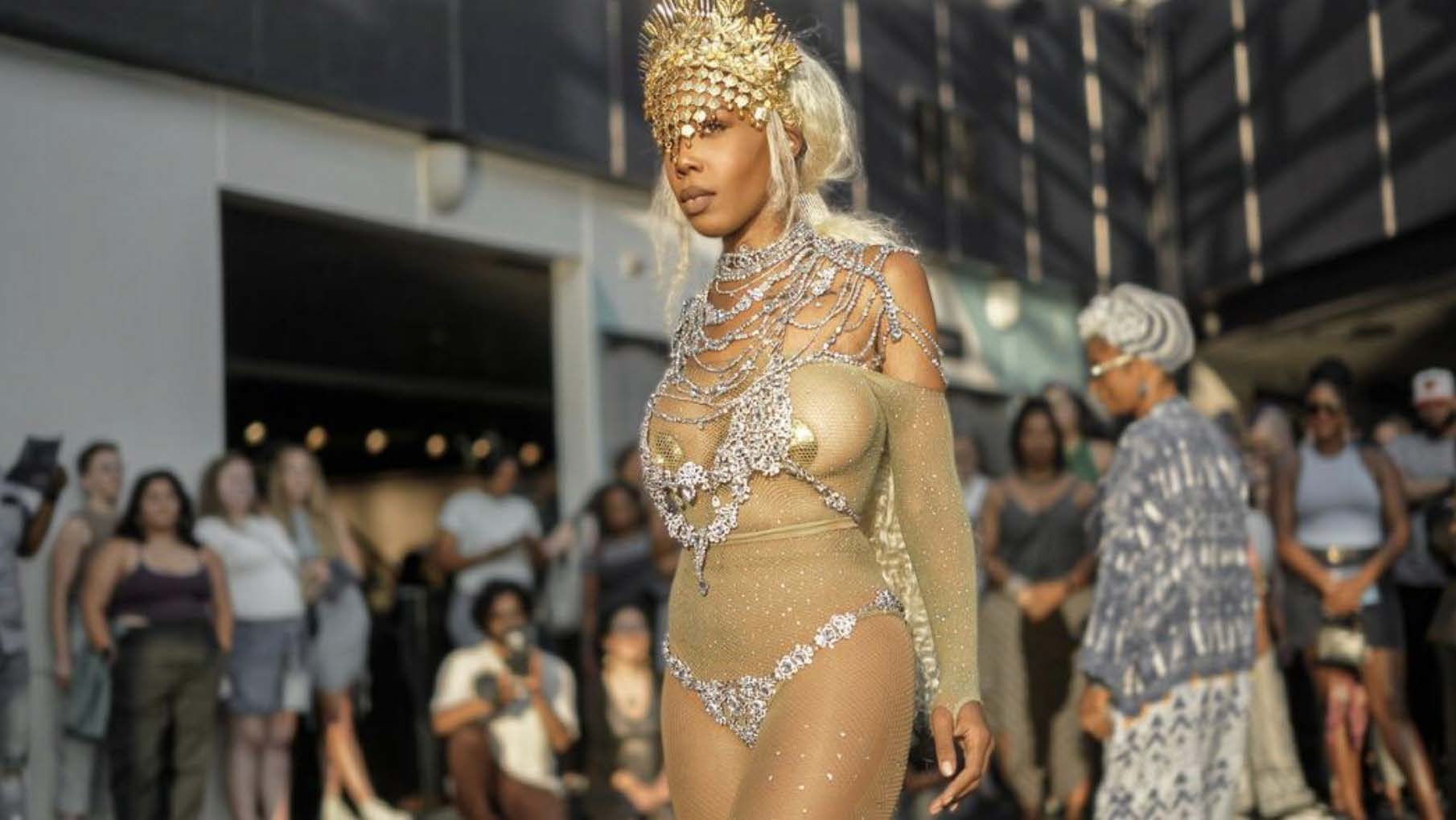
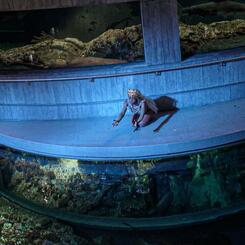
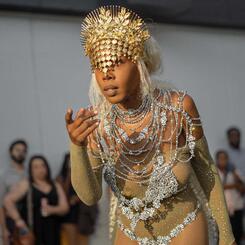
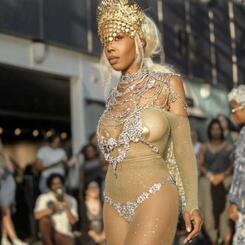
But the work did not stop at the screen. In a live performance for over 650 guests, I traversed the space of the Aquarium — beginning at the crest of its dramatic reef exhibit Blacktip Reef — transforming the tourist aquascape into a living, breathing canvas. I moved through crowds, galleries, and watery light, wearing garments and adornments I designed myself: sculptural pieces born of water and lineage. With each gesture, I became part of the architecture: ritual embodied, water personified. 

Water taught me balance. In the Aquarium I encountered another being: a sea-turtle rehabilitee whose buoyancy issues inspired the title, Neutral Buoyancy. Watching her struggle to find equilibrium in her tank, I saw a metaphor: as human beings, we are often too burdened or too light; we must learn the subtle art of equilibrium. 

Through this residency and performance I aimed to dissolve boundaries: between art and science, nature and ritual, viewer and environment, self and water. Neutral Buoyancy does not ask audiences to observe — it asks them to feel, to float, to remember that water is not just life support, but memory, ancestry, and ceremony.

In this project I tapped into the healing potential of water — as medium, as ancestor, as collaborator — and I offered it back to the world, embodied and alive.
 

  • Neutral Buoyancy, 2023
    Neutral Buoyancy, 2023
  •  Neutral Buoyancy, 2023
    Neutral Buoyancy, 2023
  • Neutral Buoyancy, 2023
    Neutral Buoyancy, 2023
  • Neutral Buoyancy, 2023
    Neutral Buoyancy, 2023
  • Neutral Buoyancy, 2023
    Neutral Buoyancy, 2023
  • Neutral Buoyancy, 2023
    Neutral Buoyancy, 2023
  • Neutral Buoyancy, 2023
    Neutral Buoyancy, 2023
  • Neutral Buoyancy, 2023
    Neutral Buoyancy, 2023
  • Neutral Buoyancy, 2023
    Neutral Buoyancy, 2023
  • Neutral Buoyancy, 2023
    Neutral Buoyancy, 2023

JHU Public Humanities Fellowship: Interdisciplinary Ritual & Performance

Fellowship & Context

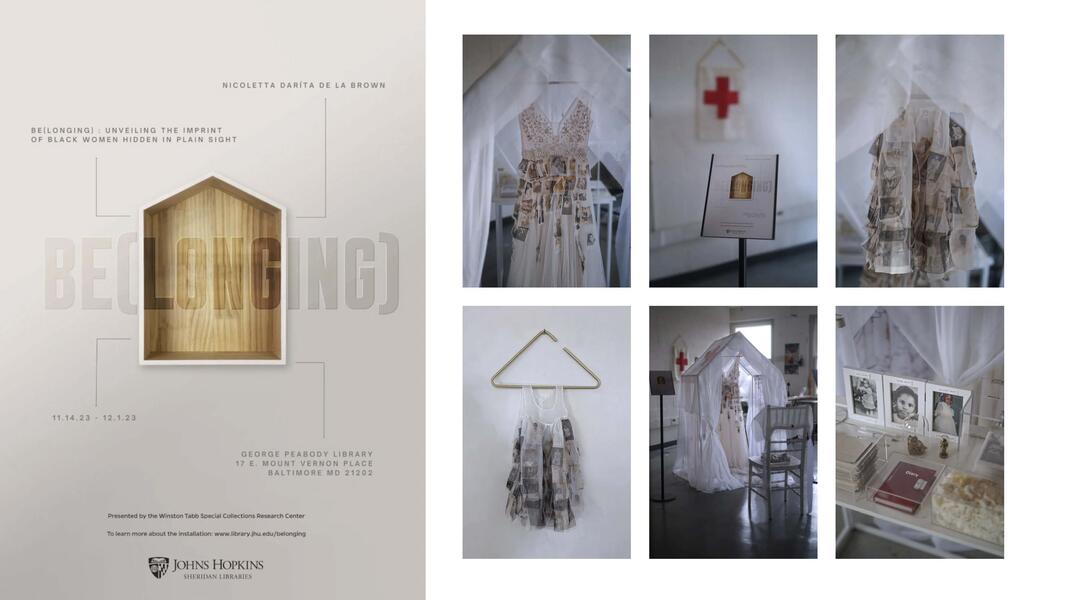
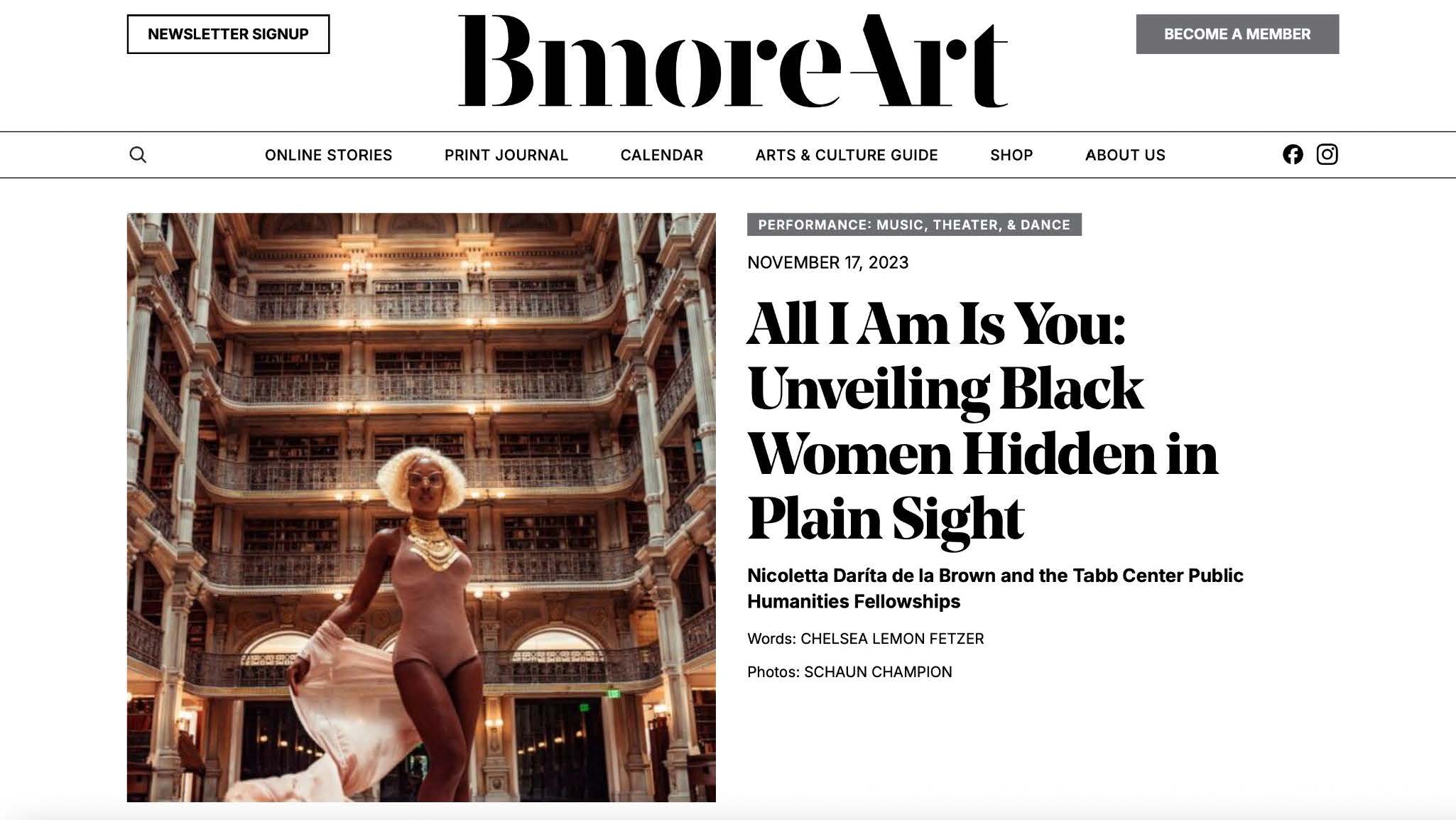
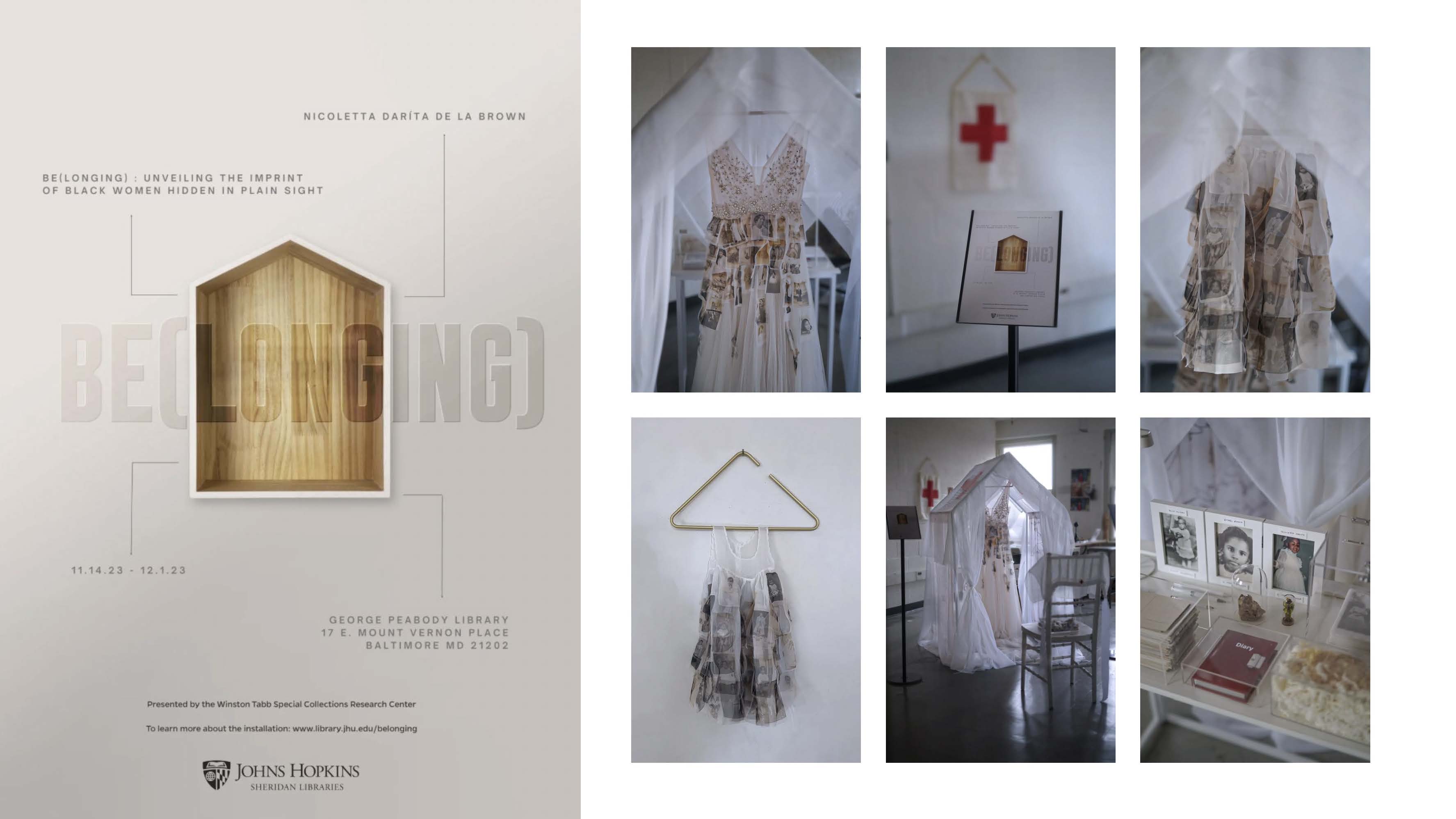
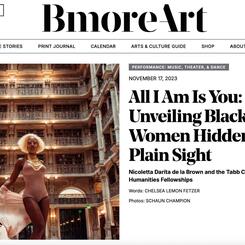
As a Public Humanities Fellow at Johns Hopkins Sheridan Libraries & University Museums, I was invited into the archives of the Sheridan Libraries — a space where history, memory, personal and collective narratives converge. Through the Tabb Center Fellowship, I was given access to collections rarely made visible, and tasked with reinterpreting and expanding those archives as an artist whose work centers memory, identity, ritual, and reclamation. My time there was a process of deep listening: to the materials, to the silenced stories, to the textures of absence and remembrance. (In previous work with the archives I confronted the mystery of anonymous Black women whose portraits, preserved as postcards, held presence without names — and I witnessed how art can re-activate existence, visibility, and belonging.) 

But my practice has always lived in between worlds: between ritual and the everyday, between heritage and personal memory, between the sacred and the domestic. The Peabody Library — with its soaring balconies, cast-iron architecture, cathedral-like stacks of books — offered a space where those dichotomies could dissolve. In late 2023 the archive fellowship and library performance series aligned to allow me to bring my work into that cathedral of knowledge and memory.

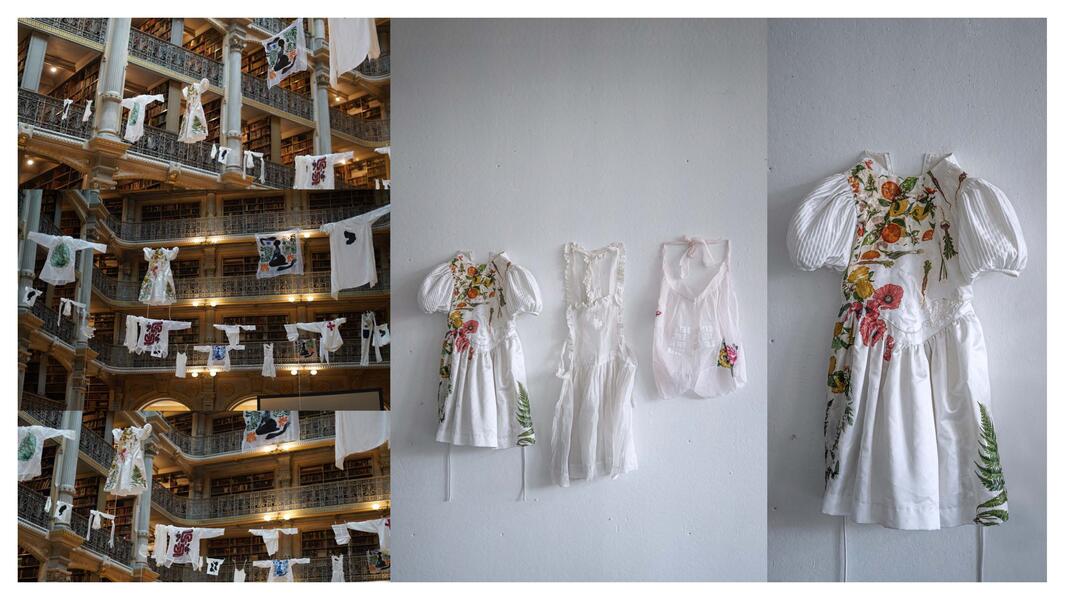
“after my first communion we went to the bodega”, 2024 — Installation & Concept

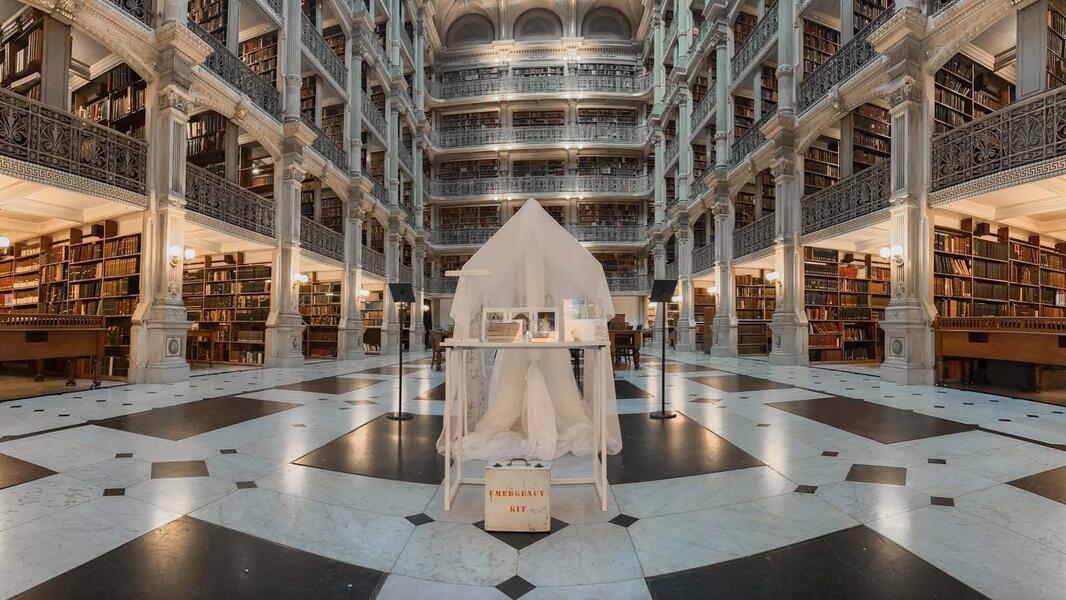
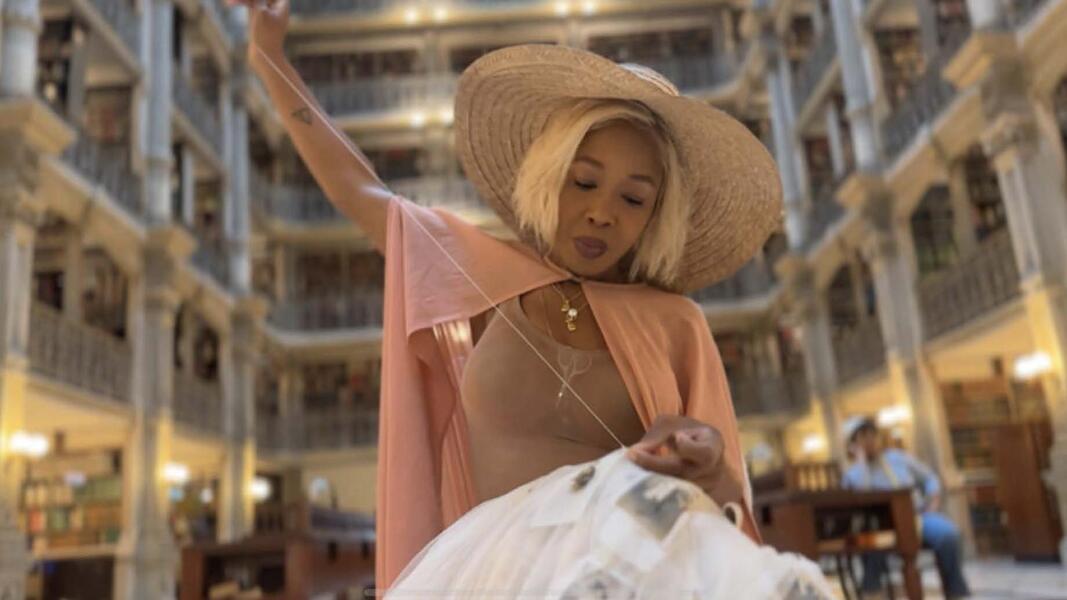
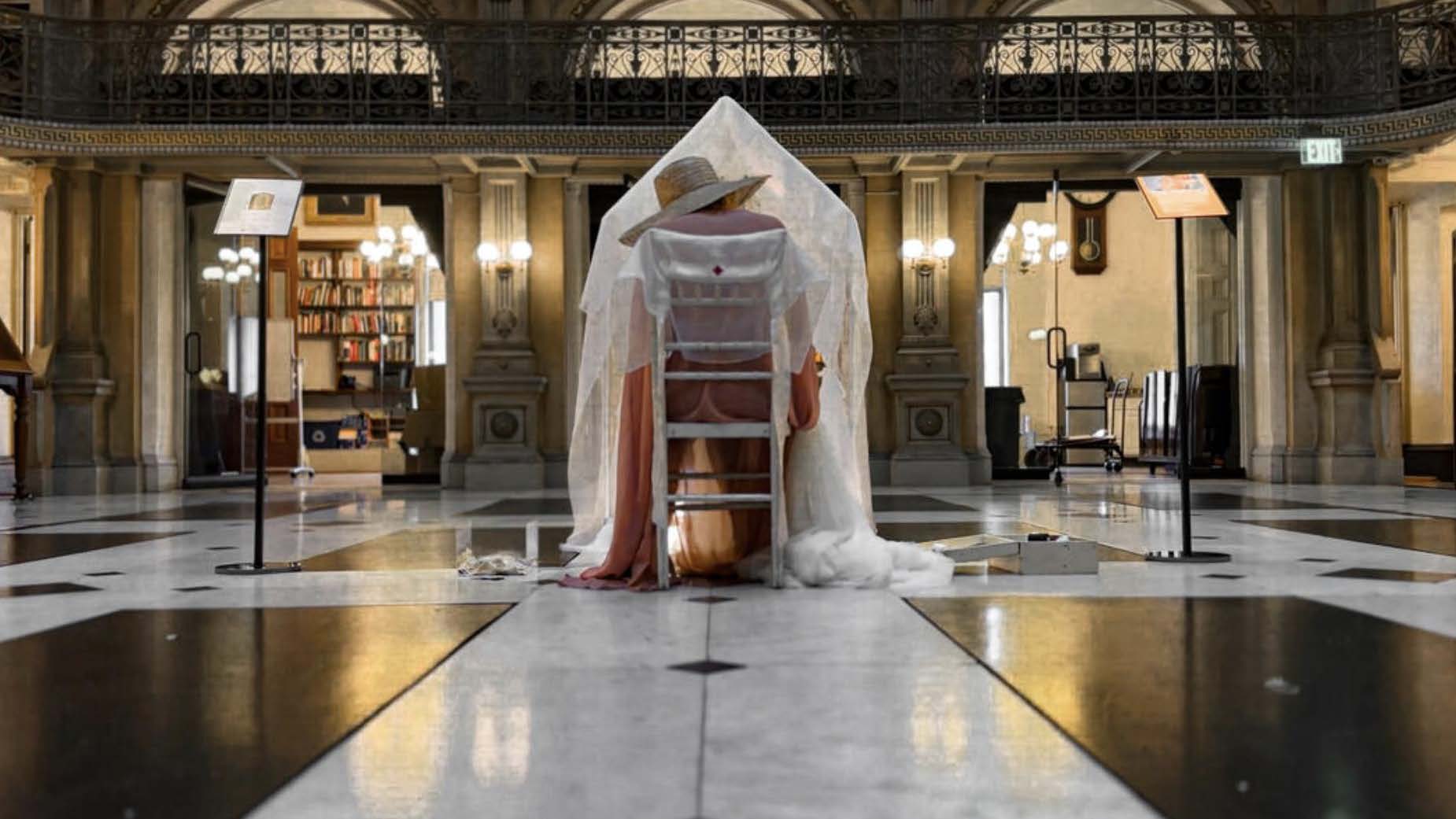
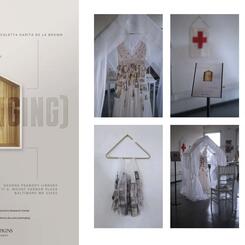
“after my first communion we went to the bodega” (2024) is an installation born from the tensions, yearnings, and contradictions of my childhood: attending Catholic school in Manhattan, longing for the freedom to play in “fancy dresses,” yet always held at a safe distance from sacred spaces. As a child I danced in pews and admired altars from afar; I was taught reverence, restraint, decorum. I was never allowed to touch what was holy.

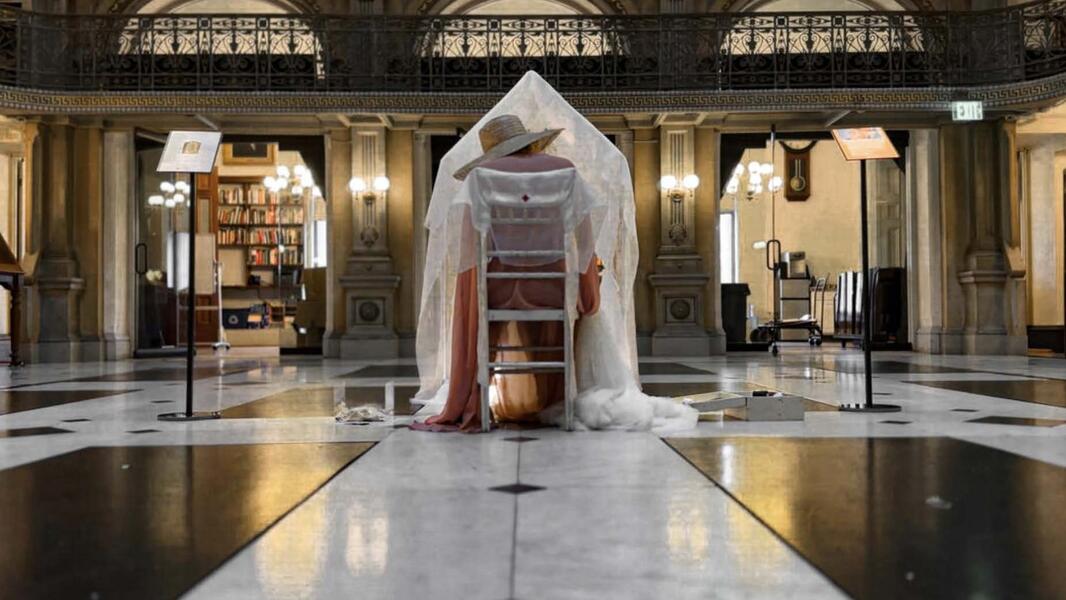
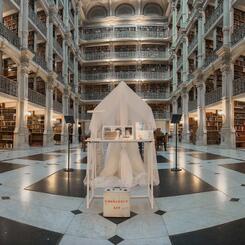
Decades later, I retrieve that memory — wrapped in white lace, veil, communion cups, ritual wafers — and rework it through the logic of memory, play, and reclamation. The piece assembles foam trays, plastic wrap, leather glove, gold enamel Catholic medallions, glass bottles with metal lids (containing eucalyptus oil, sorrel tea serum), communion wafers and cups, rosary beads, hair pick, comb, brush, plastic clips, gold hoop earrings, Polaroids, astroturf. Dimensions: 24″ × 24″ (installation).

These objects draw from my personal archive of childhood longing and cultural memory — from communion’s sanctity to the entangled everydayness of a city, a neighborhood, a family. In re-presenting them as an altar of my own, I ask: what becomes sacred when the boundaries between ritual and daily life blur? What does it mean to bring the church into the bodega, the altar into the corner store, the divine into the domestic?

This installation is not a lament. It is a reclamation. It is a bridge between the girl who wanted to run in lace through woods and the woman who now reclaims her lineage, her rituals, her body. It asserts that spirituality, memory, and identity are not tied solely to stained glass or pews — they live in plastic wrappers, market bottles, hair picks, Polaroids. They survive in the quiet, in the improvised.


“In the Stacks” Activation & Performance — Embodied Memory, Collective Witness

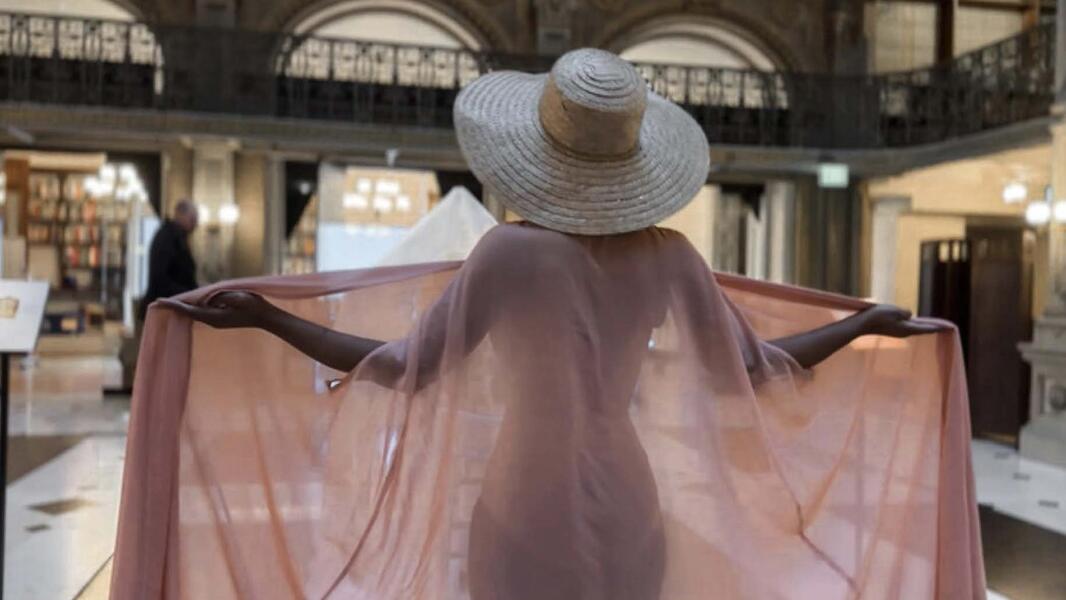
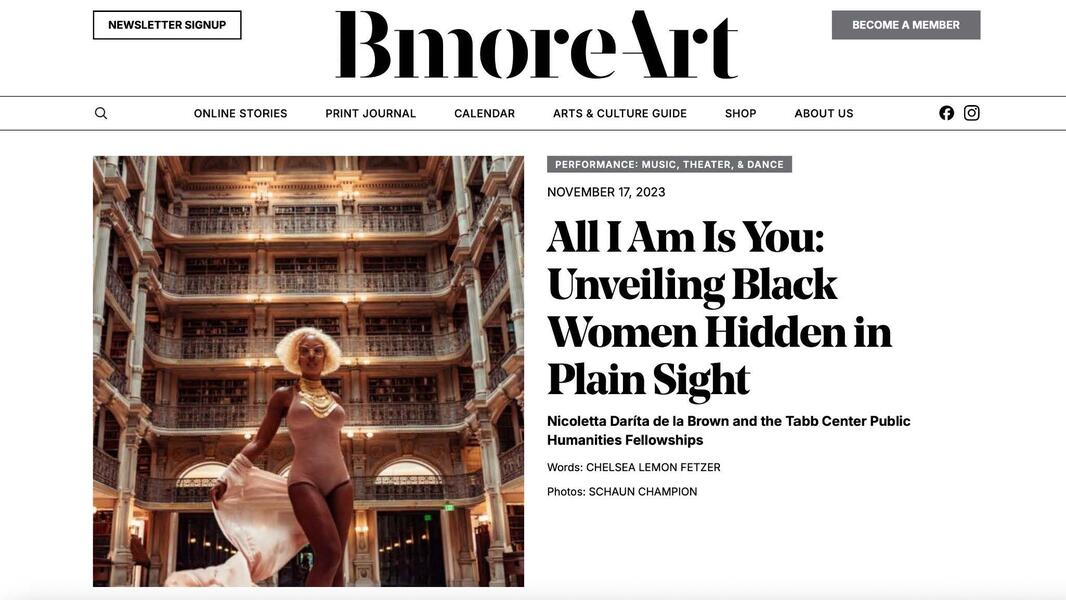
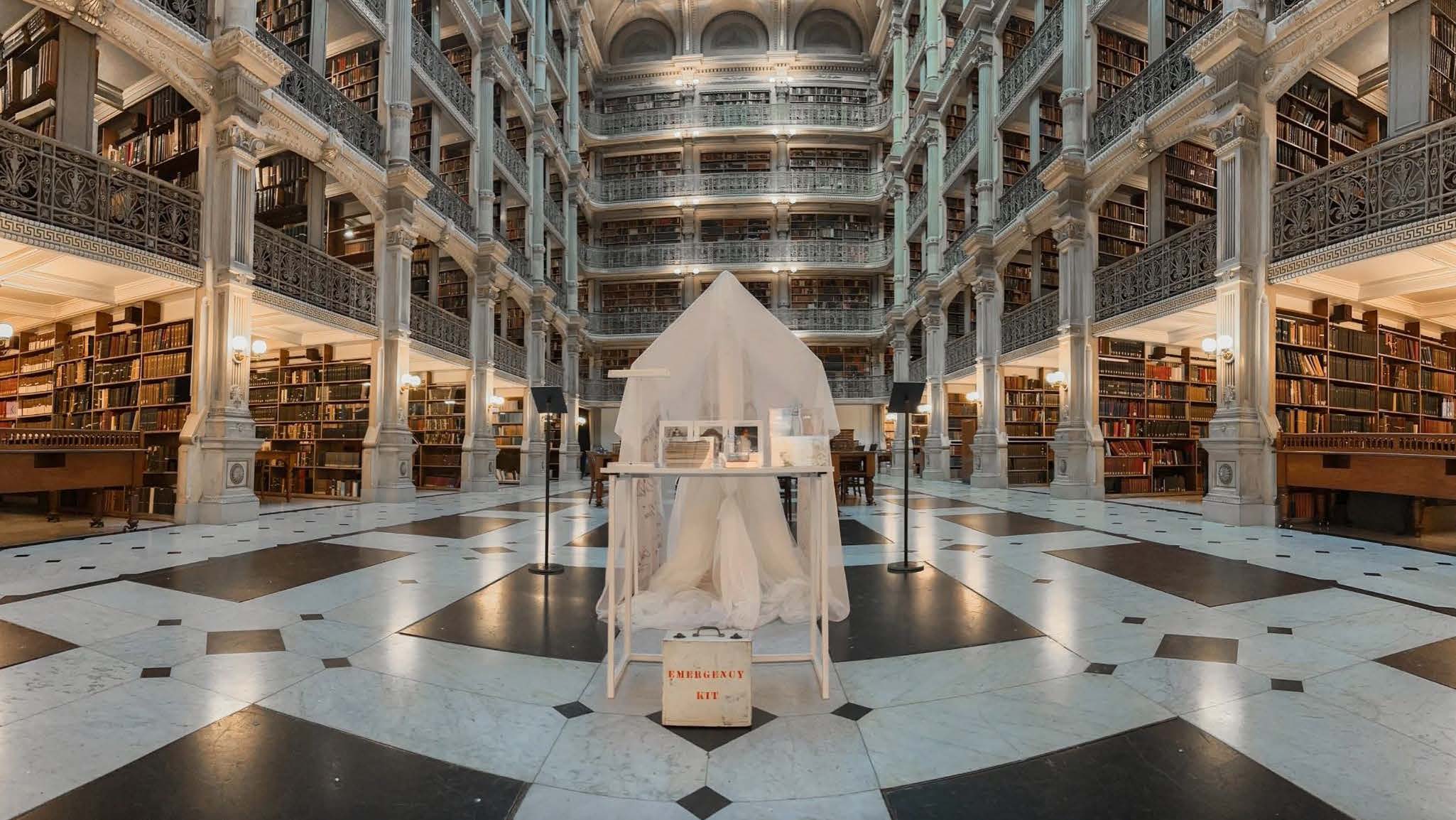
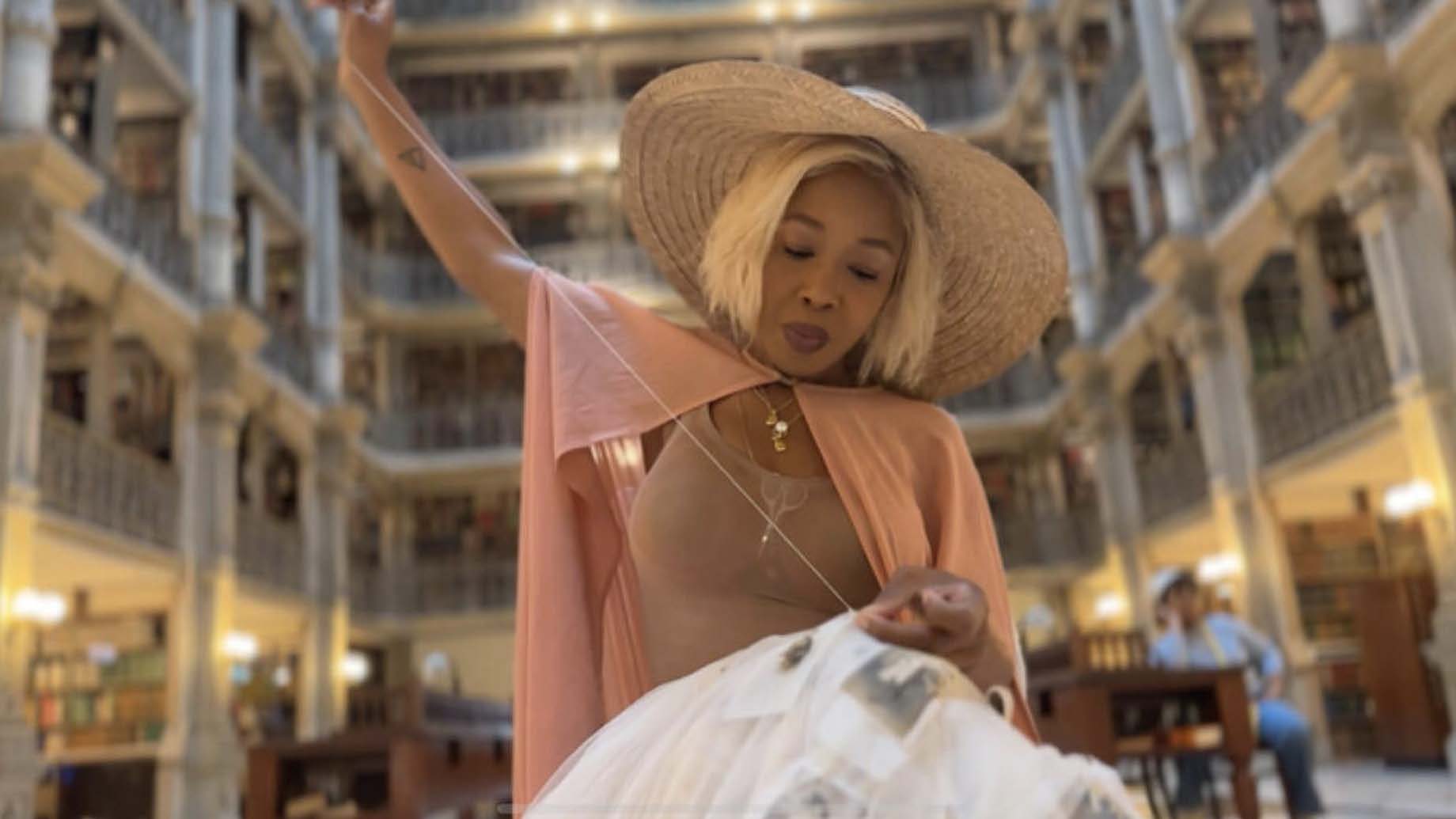
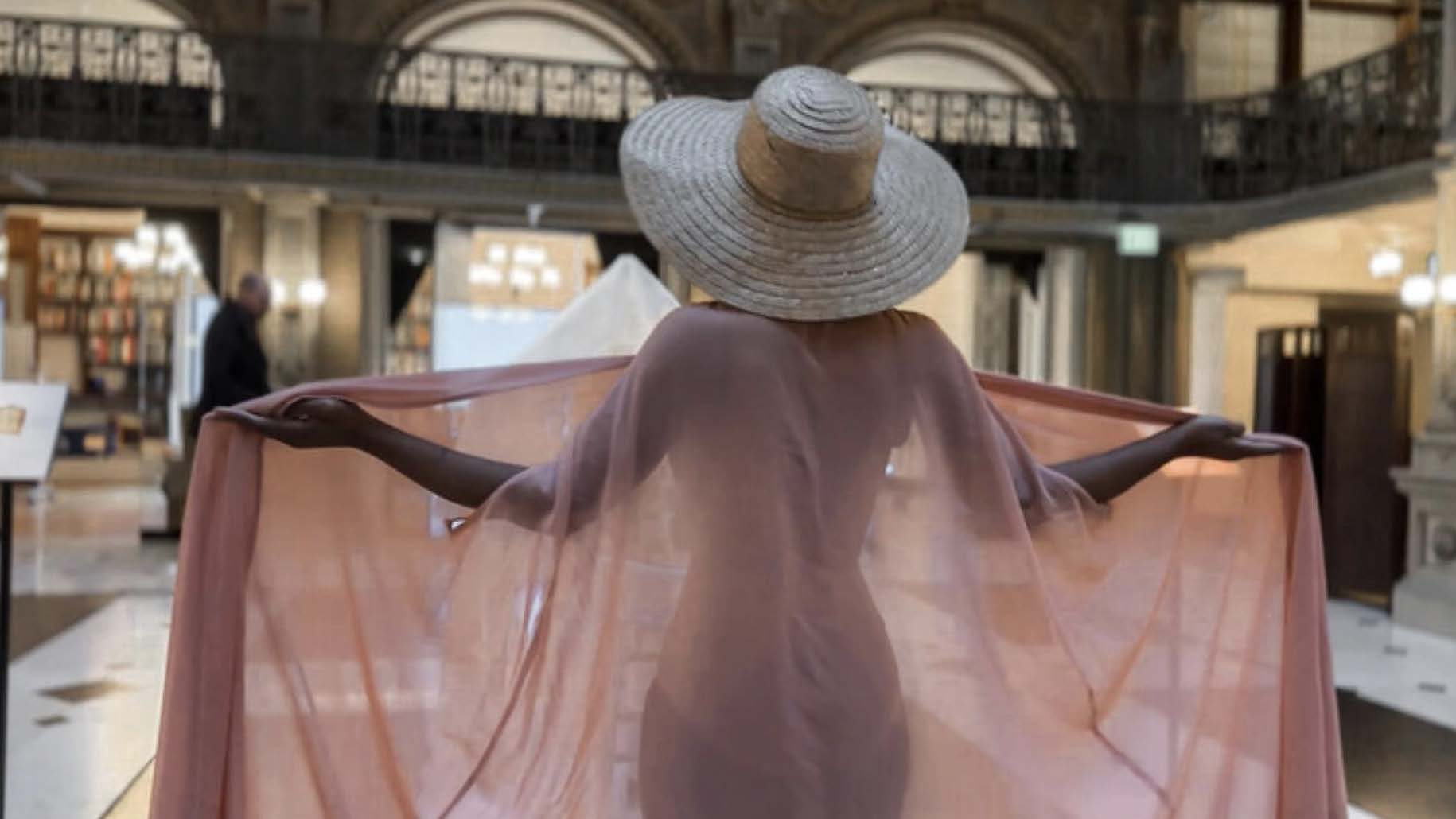
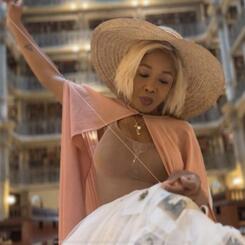
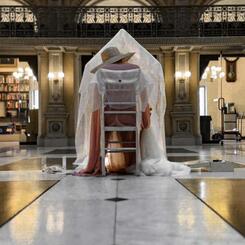
In late 2023–2024, I brought “after my first communion we went to the bodega” into the physical, communal, and symbolic realm through a performance inside the George Peabody Library, as part of the In the Stacks Concert Series. The George Peabody Library, with its towering shelves and historic architecture, became a “cathedral of books” — a sacred, almost ecclesiastical space repurposed for ritual-performance, memory-work, and ancestral reclamation.

For one night, the ordinary objects of my installation — the plastic wrap, the medallions, the bottles, the rosary beads, the hair-care tools — floated in light and space. The library became both temple and marketplace, altar and archive, memorial and celebration. With ceremony, movement, and presence, I asked the audience to witness the collision of faith, identity, culture, memory, and survival. I invoked ancestral memory; I honored lineage; I invited participants to imagine what it means to belong when the markers of belonging are as fragile, as improvised, and as intimate as a rosary bead or an old store-bought lotion bottle.

The performance was a communal invocation: of past selves, erased women, hidden histories, intergenerational memory. It asked — what happens when we allow our sacredness to mingle with the mundane? When we let our gods ride public transit to the corner store? When we allow ritual to be as messy, as uneven, as alive as life itself?

Why This Matters — Interdisciplinary, Archival, Ancestral

This body of work and performance draws together archival research, personal memory, cultural identity, ritual performance, and material reclamation.

  • It challenges institutional boundaries: the library, a bastion of knowledge, becomes a site of spiritual and ancestral activation.
  • It elevates the mundane: bodega items, everyday tools, become relics, altars, objects of sacred potential.
  • It preserves invisible histories: through performance and re-assemblage, I give visibility to memories, places, and identities that are often erased or minimized.
  • It creates lineage: by honoring my grandmother, my childhood, my community — by merging faith traditions with Panamanian and Afro-Latinx heritage — I craft a ritual that is mine, and yet communal.
  • It activates participatory witnessing: the audience becomes part of the altar. They witness, feel, remember. They are asked to redefine sacredness.

For the Baker Artist Awards — and beyond — this project demonstrates the power of interdisciplinary work: how archives, performance, sculpture, ritual, and memory can merge to generate something that feels ancient and urgent, personal and political, intimate and communal.

  • JHU Public Humanities Fellowship: Interdisciplinary Ritual & Performance
    JHU Public Humanities Fellowship: Interdisciplinary Ritual & Performance
  • JHU Public Humanities Fellowship: Interdisciplinary Ritual & Performance
    JHU Public Humanities Fellowship: Interdisciplinary Ritual & Performance
  • JHU Public Humanities Fellowship: Interdisciplinary Ritual & Performance
    JHU Public Humanities Fellowship: Interdisciplinary Ritual & Performance
  • JHU Public Humanities Fellowship: Interdisciplinary Ritual & Performance
    JHU Public Humanities Fellowship: Interdisciplinary Ritual & Performance
  • JHU Public Humanities Fellowship: Interdisciplinary Ritual & Performance
    JHU Public Humanities Fellowship: Interdisciplinary Ritual & Performance
  • JHU Public Humanities Fellowship: Interdisciplinary Ritual & Performance
    JHU Public Humanities Fellowship: Interdisciplinary Ritual & Performance
  • JHU Public Humanities Fellowship: Interdisciplinary Ritual & Performance
    JHU Public Humanities Fellowship: Interdisciplinary Ritual & Performance

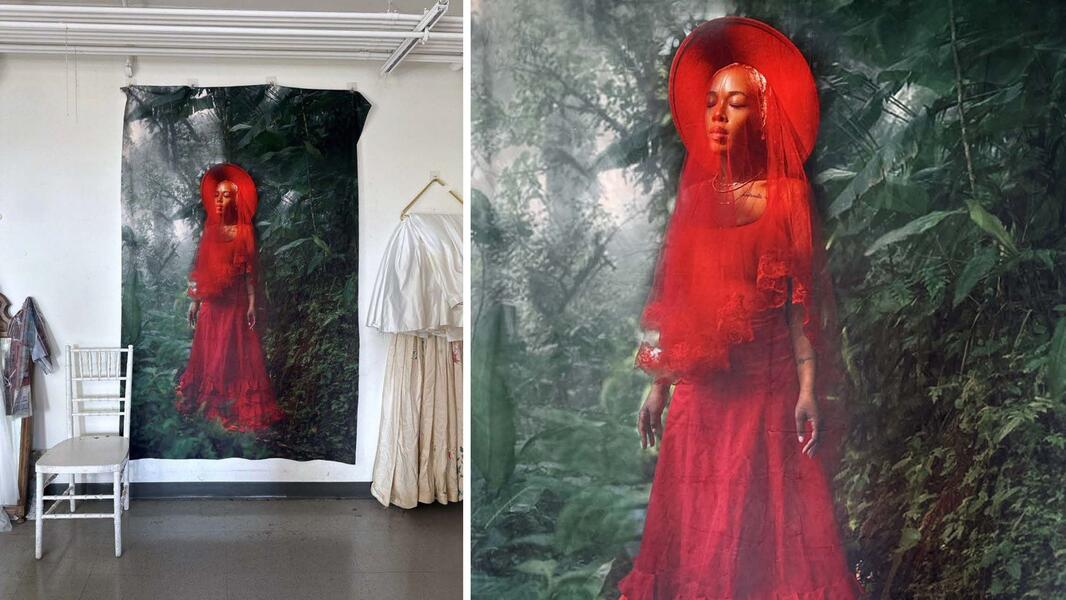
Untitled (silk prints), 2024–2025

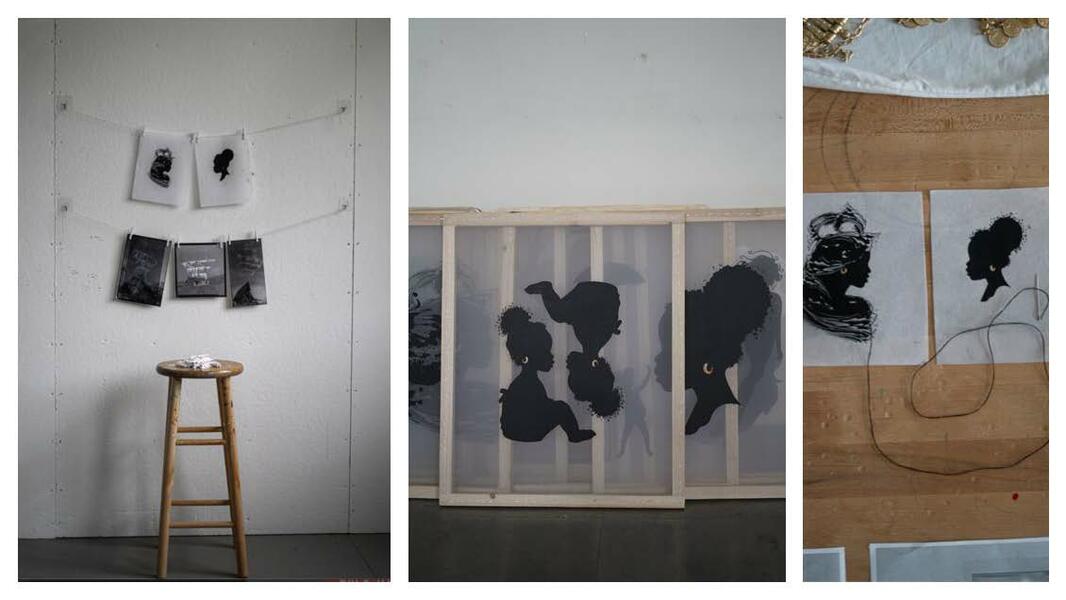
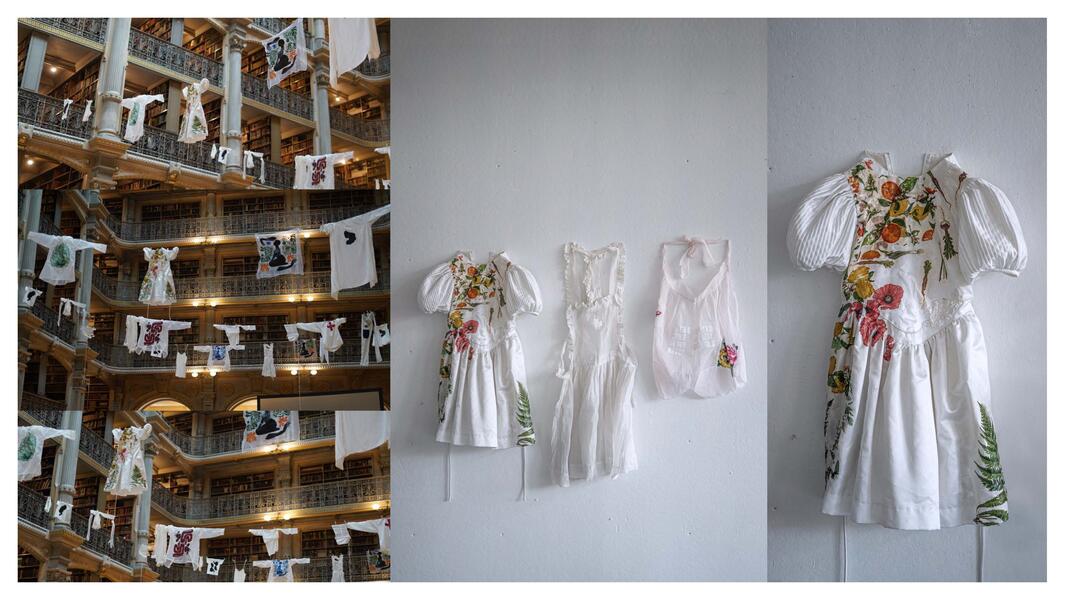
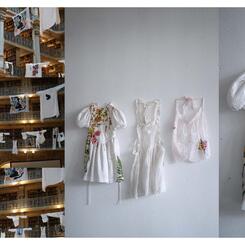
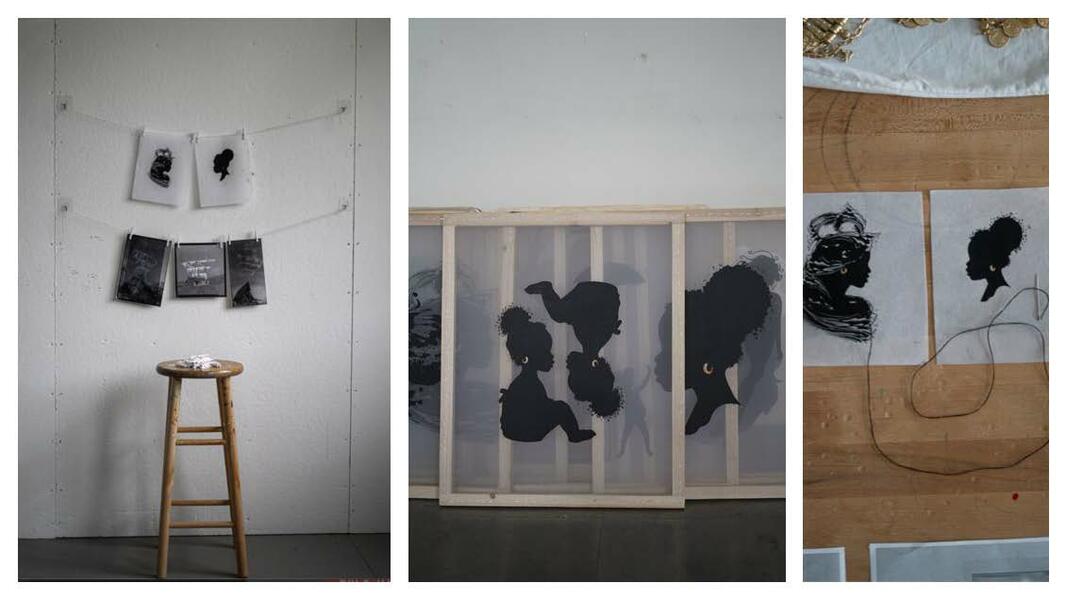
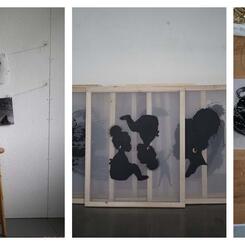
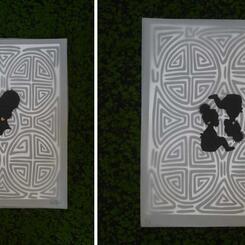
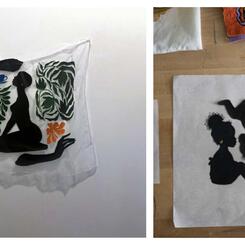
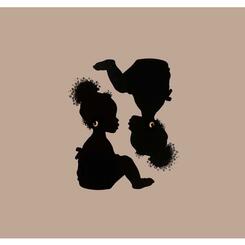
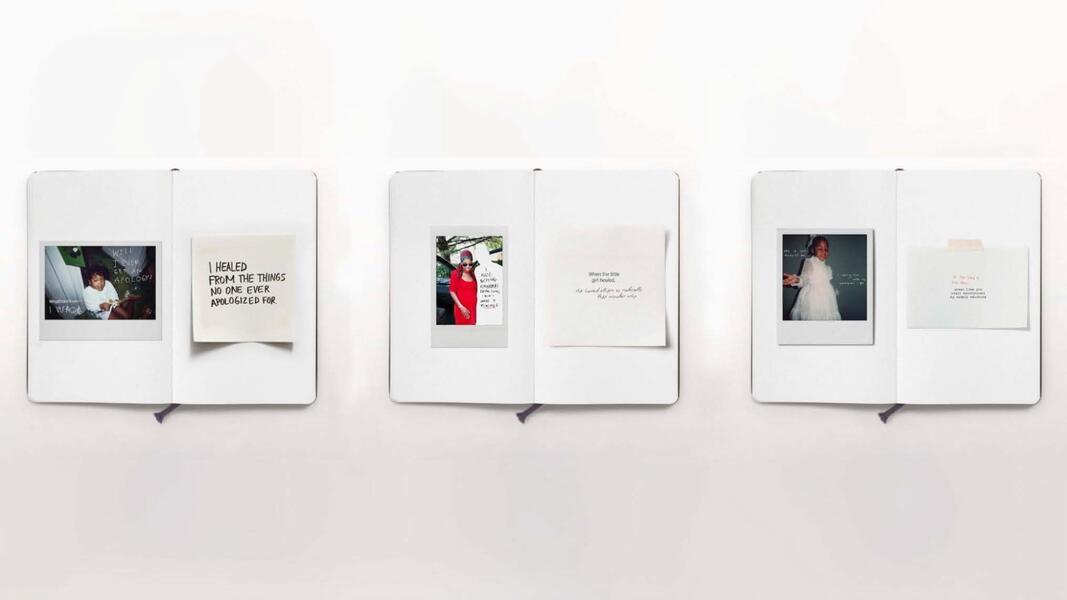
As a forever art school kid, my sketchbook has always been my diary. In this series, I return to those formative years, spending time in my studio with high school sketches, paintings, and prints while experimenting with media I haven’t engaged with since my early college days. These works are a dialogue with my younger self—how she drew, painted, and imagined—and how those impulses inform my current practice.

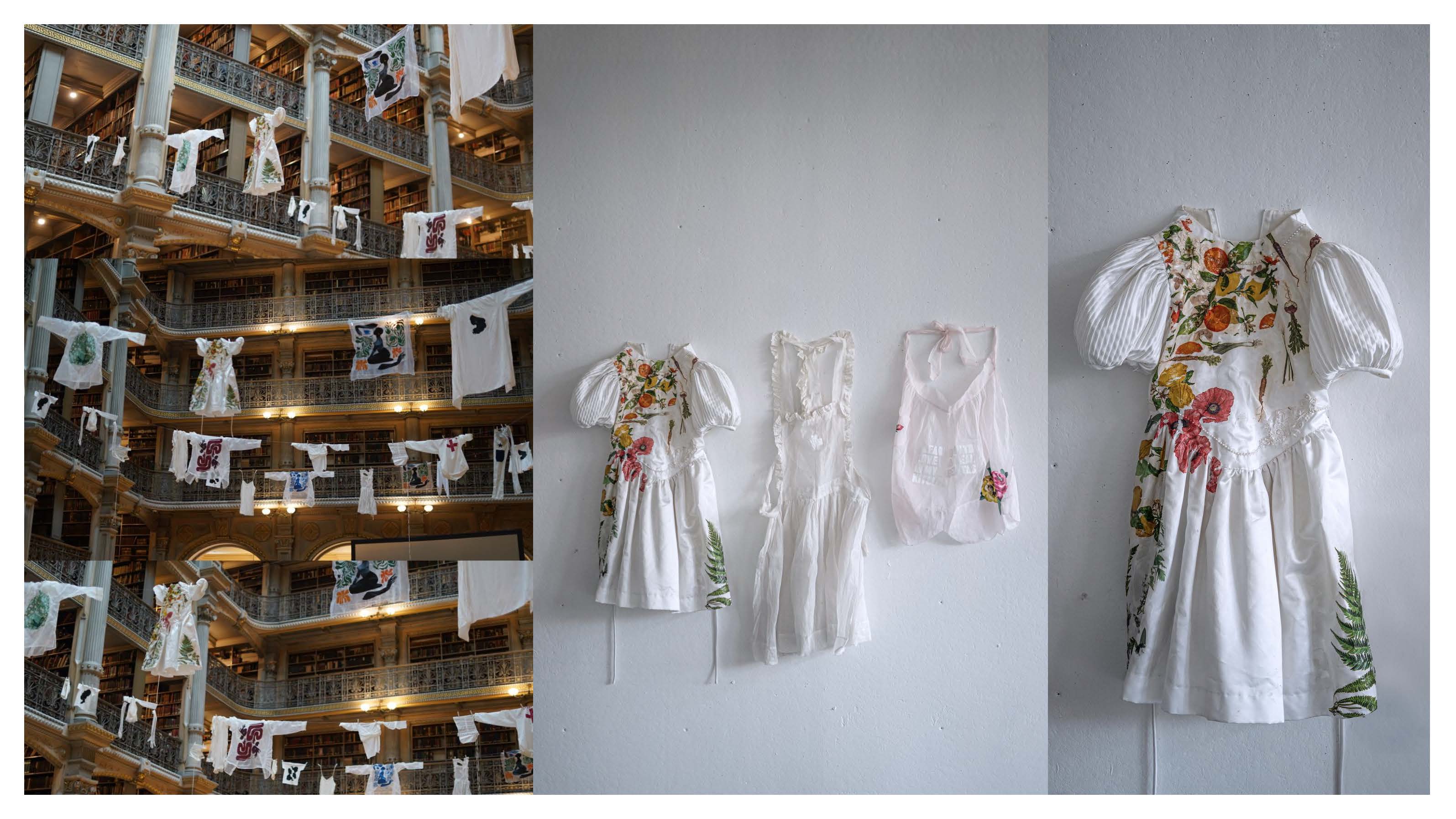
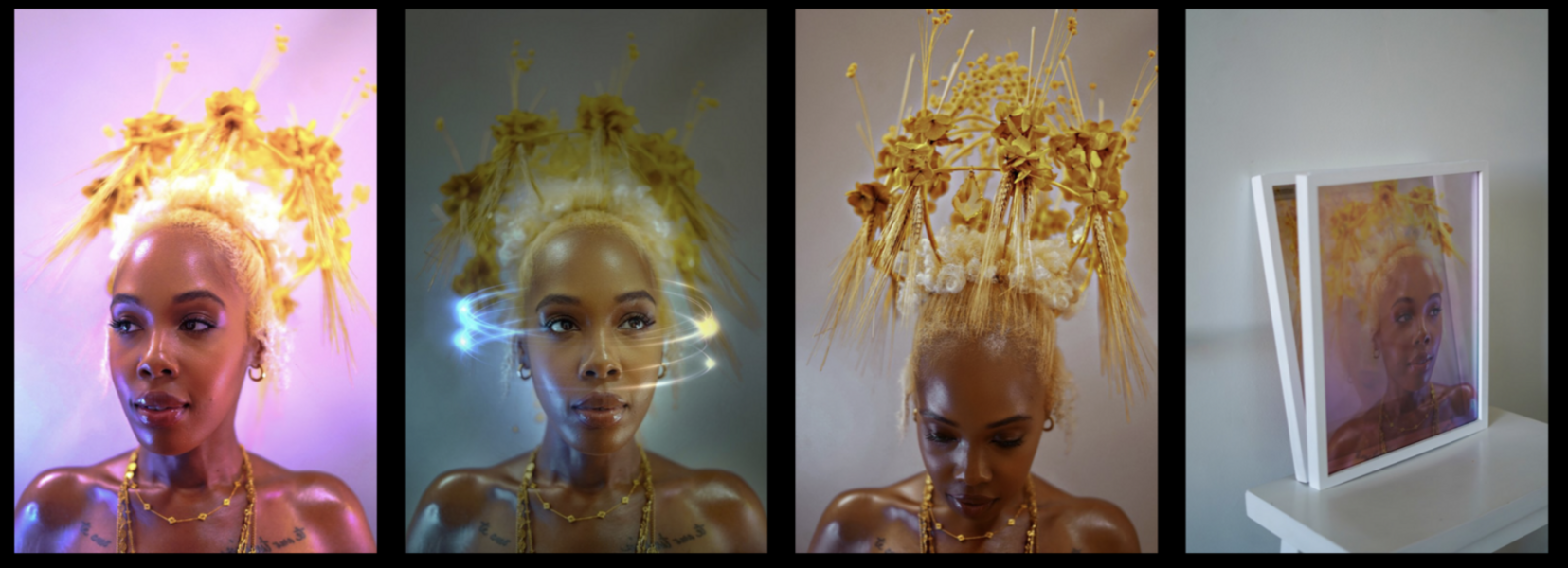
I create prints on silk, chiffon, and velvet that honor the headscarves and adornments in my family archive that belonged to mi abuelita (my grandmother). I have worn her scarves since she passed away in my teens, and over the years, my children have worn them too. Through these fibers, I explore storytelling with illustrations, imagery, and self-portraiture, weaving personal memory, lineage, and lived experience into each form.

These prints are inspired by my middle school paintings and drawings, but I am also revisiting techniques from my junior and senior years at Baltimore School for the Arts. Working with gouache, mixed media, and fiber, I allow play, experimentation, and discovery to guide me. Artmaking in my studio is both healing and joyful—a practice of remembrance, embodiment, and transformation.

In this series, I am exploring how the past informs the present, how objects carry stories across generations, and how the act of adornment becomes a ritual of care, memory, and connection. By reanimating the materials and techniques of my own history, I create a bridge between what was, what is, and what is yet to be discovered in the practice of living and making.

  • Untitled (silk prints), 2024–2025
    Untitled (silk prints), 2024–2025
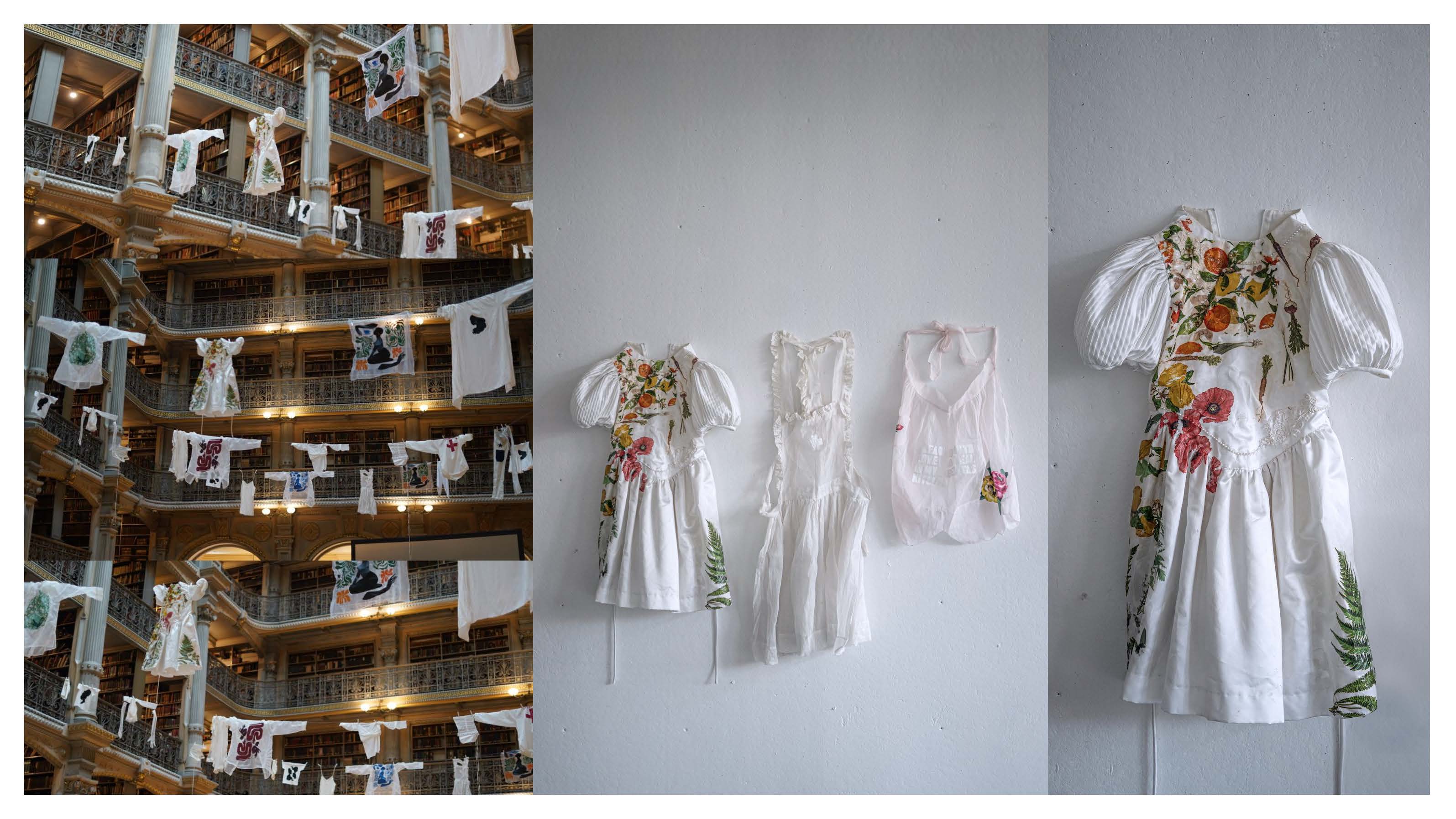
  • Untitled (silk prints), 2024–2025
    Untitled (silk prints), 2024–2025
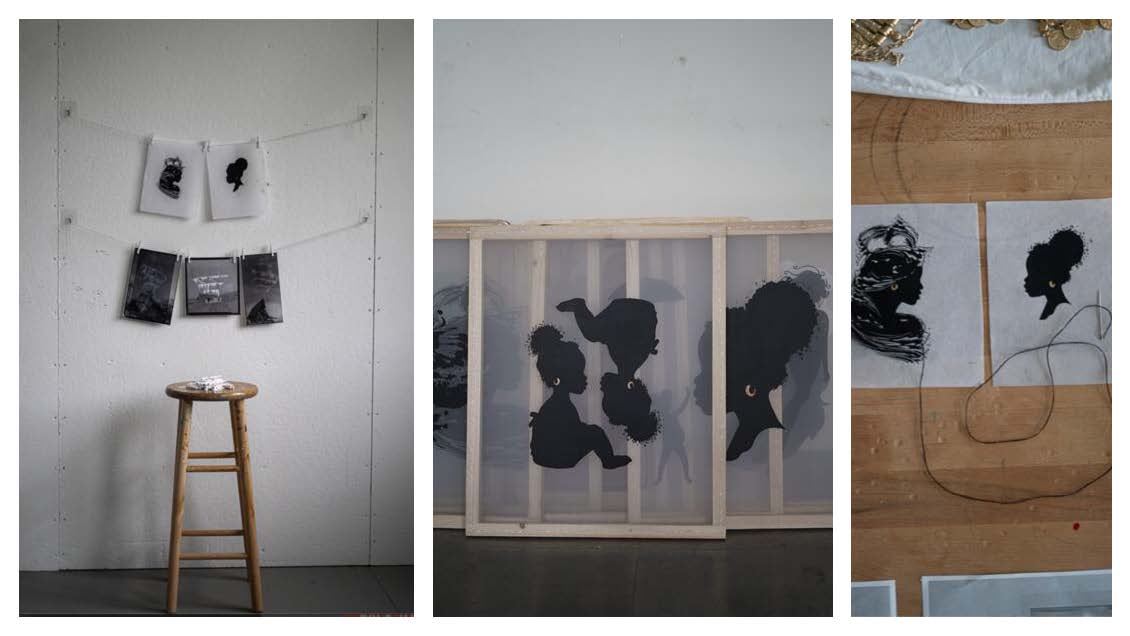
  • Untitled (silk prints), 2024–2025
    Untitled (silk prints), 2024–2025
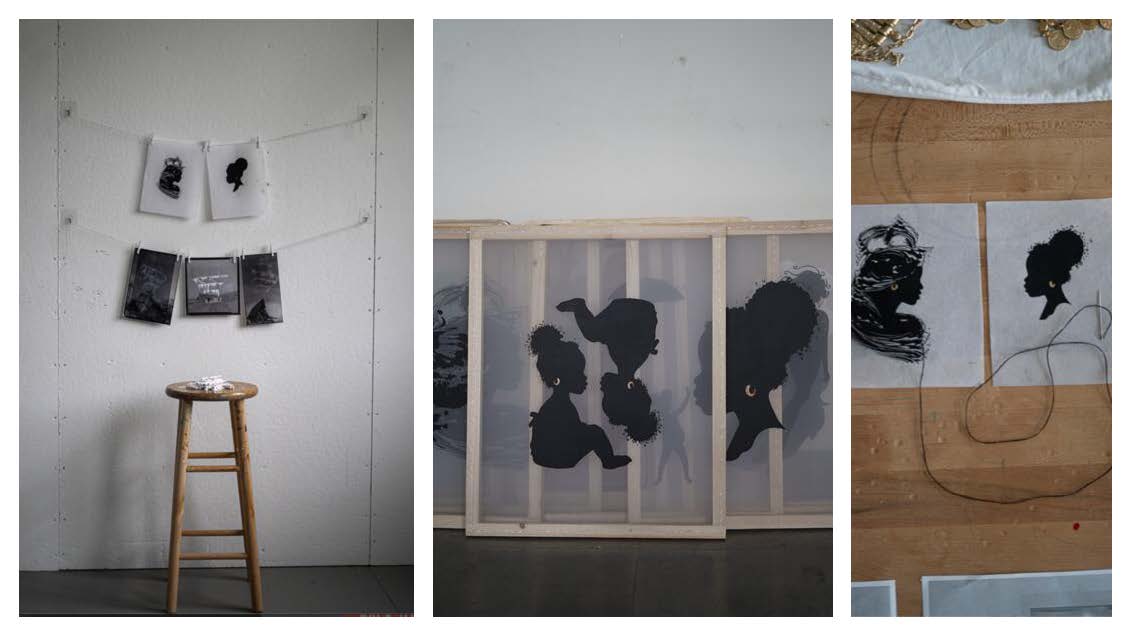
  • Untitled (silk prints), 2024–2025
    Untitled (silk prints), 2024–2025
Embodied Rituals: Performance Work, 2018–2025

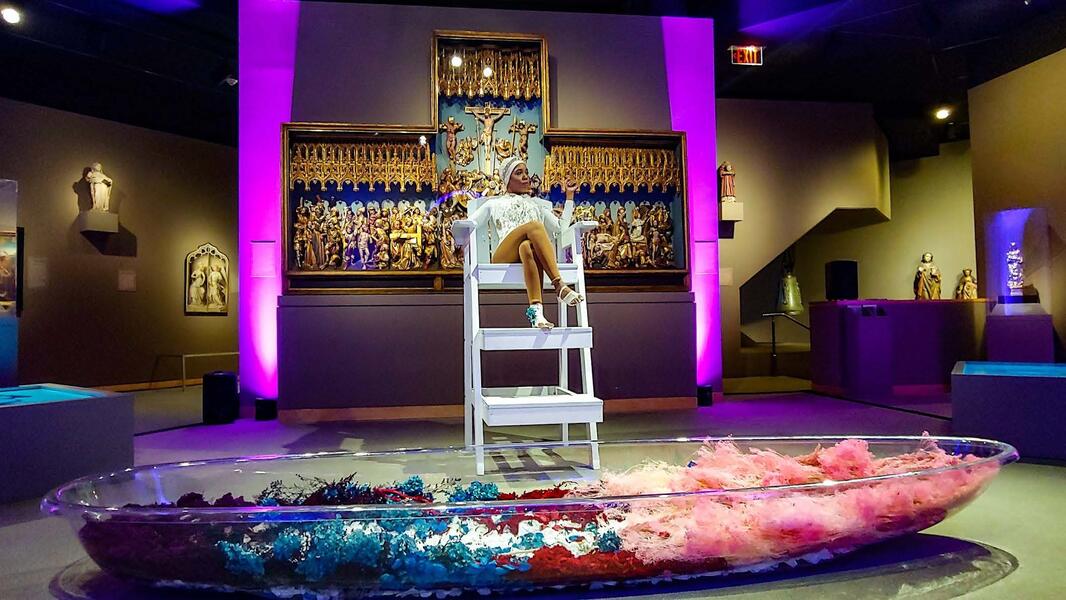
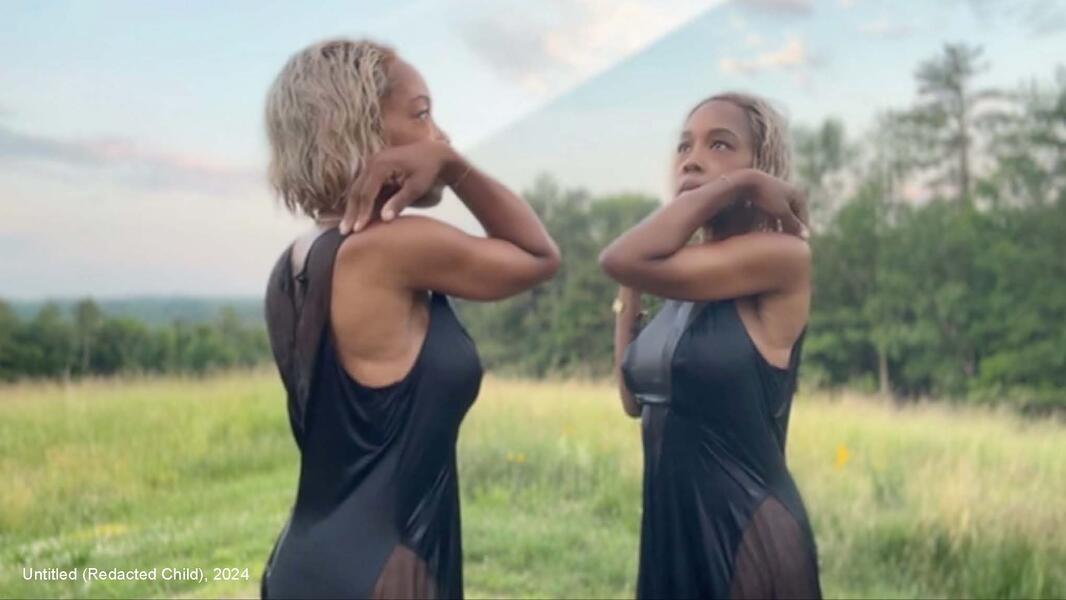
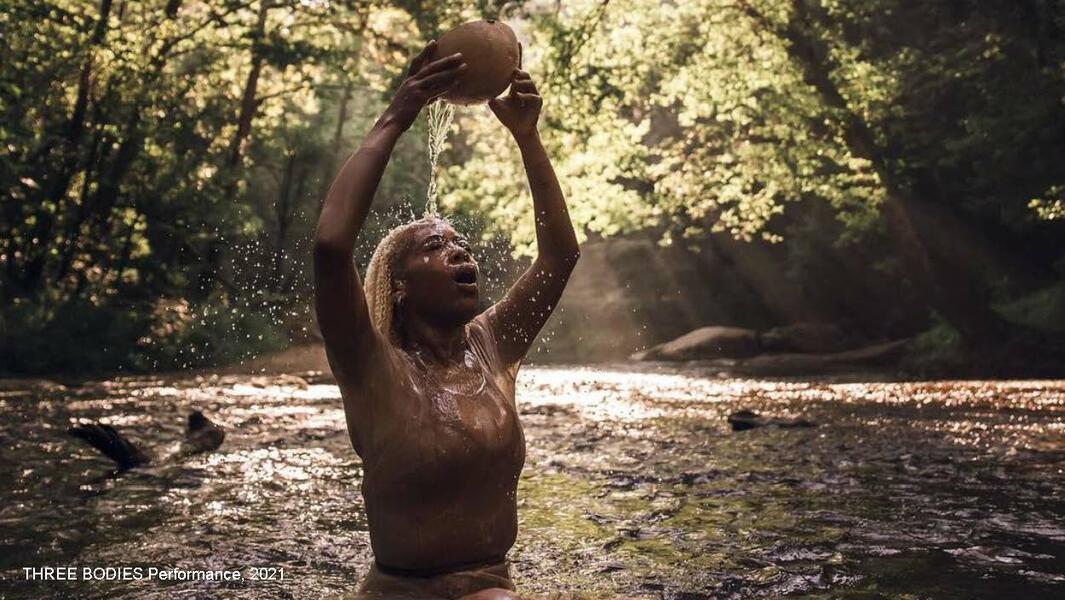
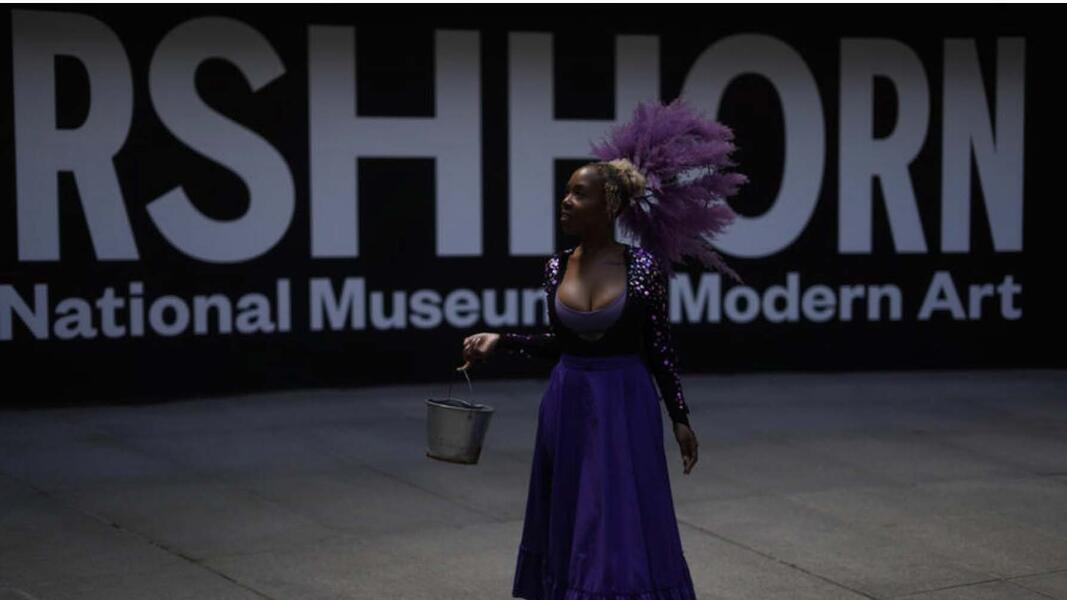
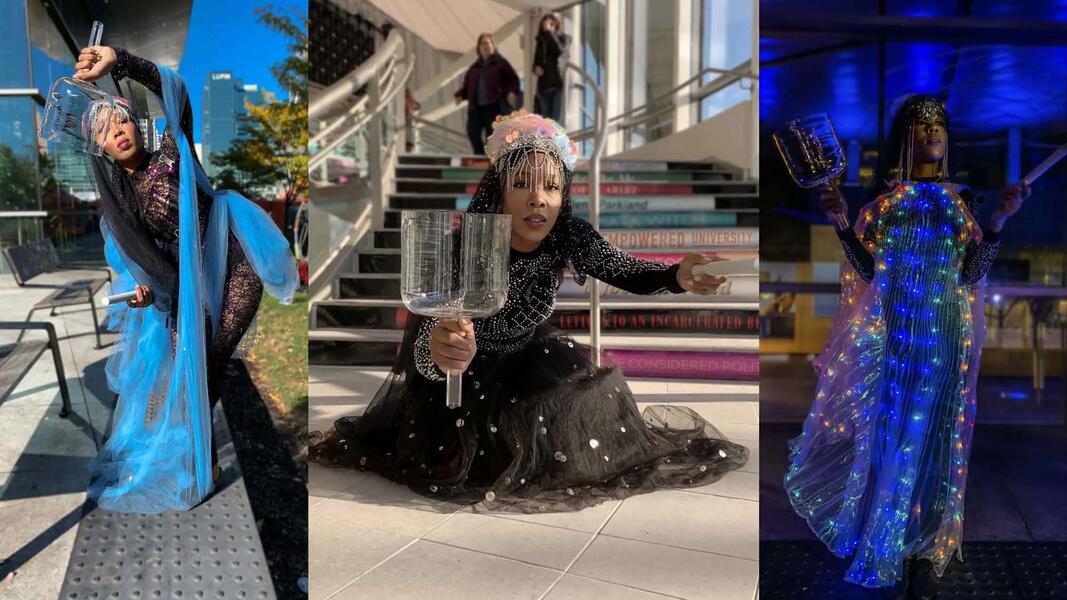
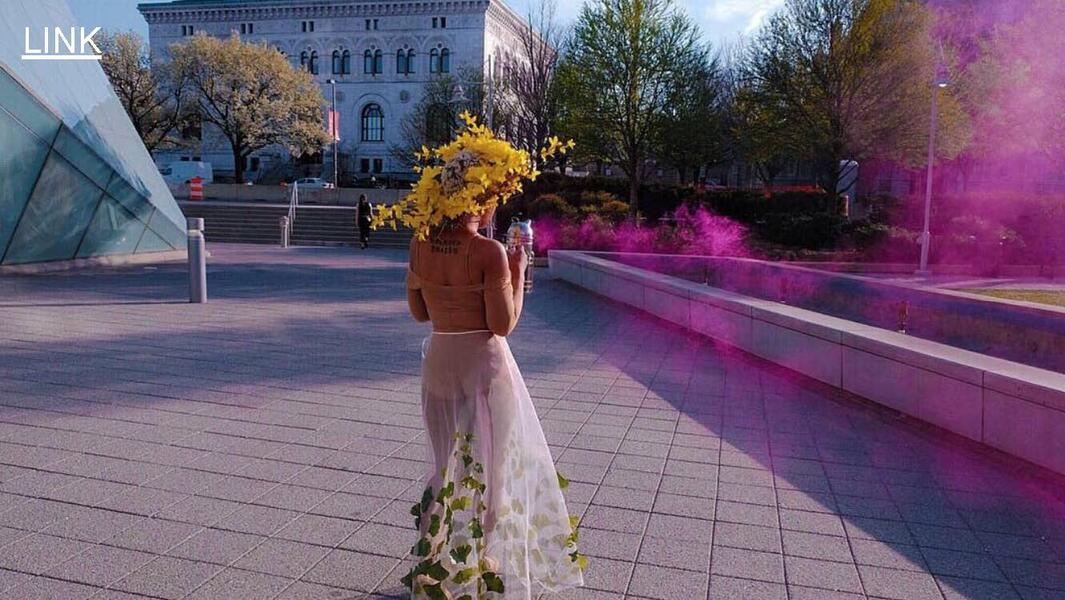
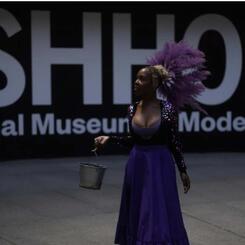
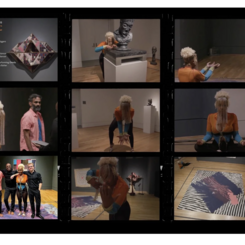
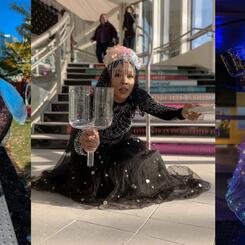
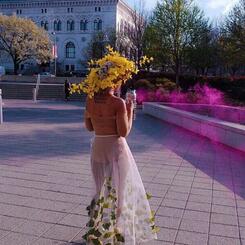
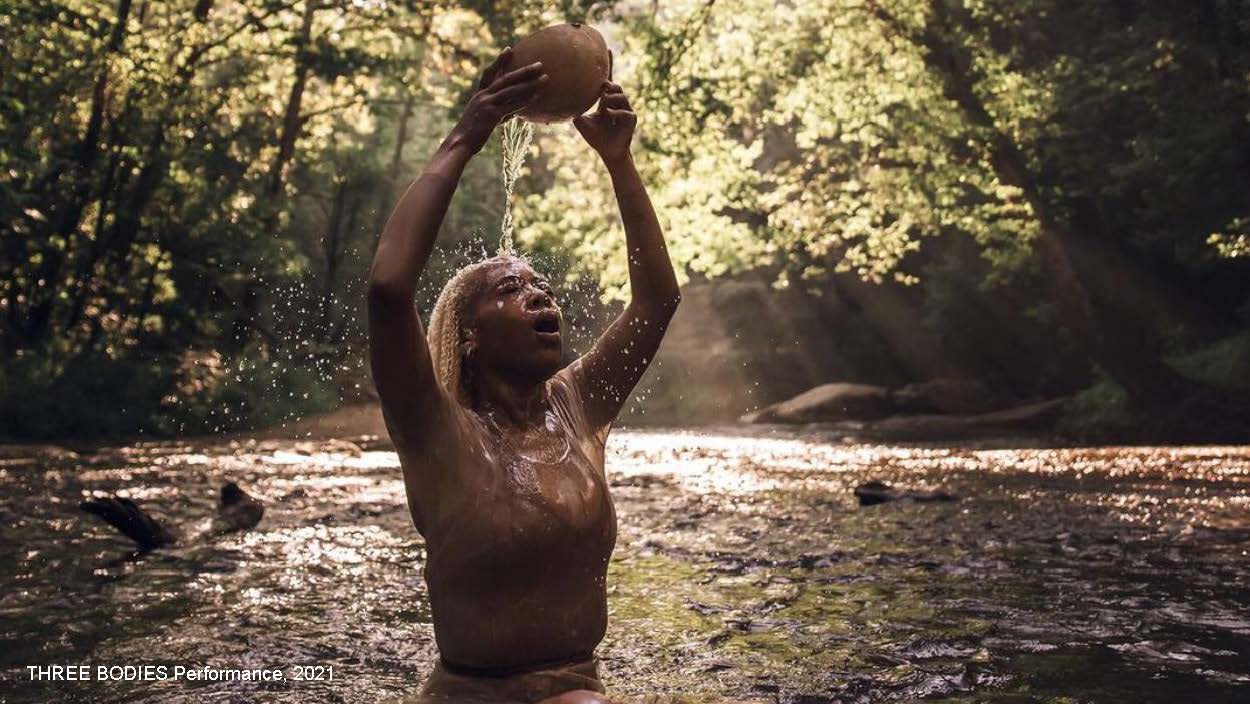
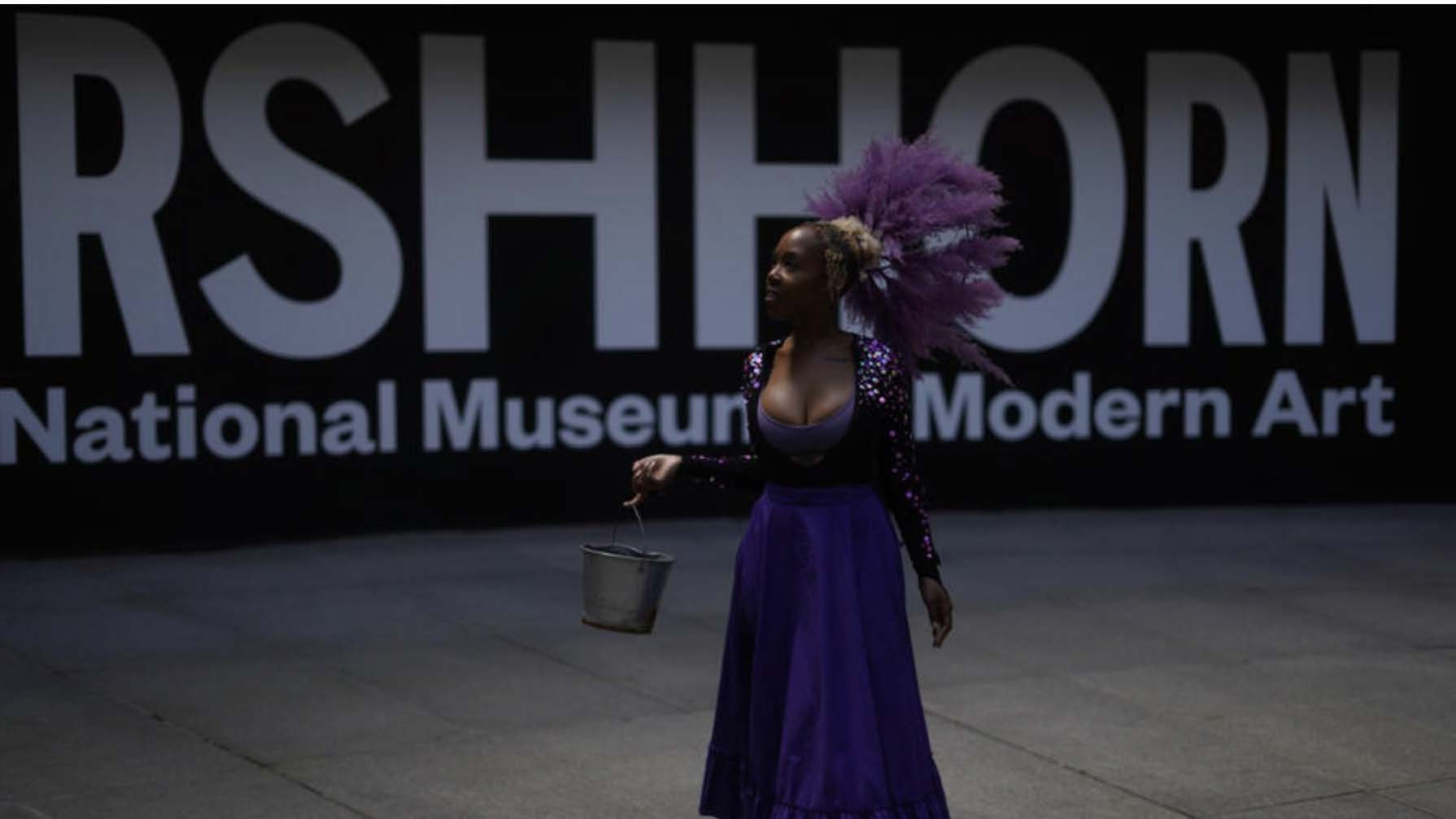
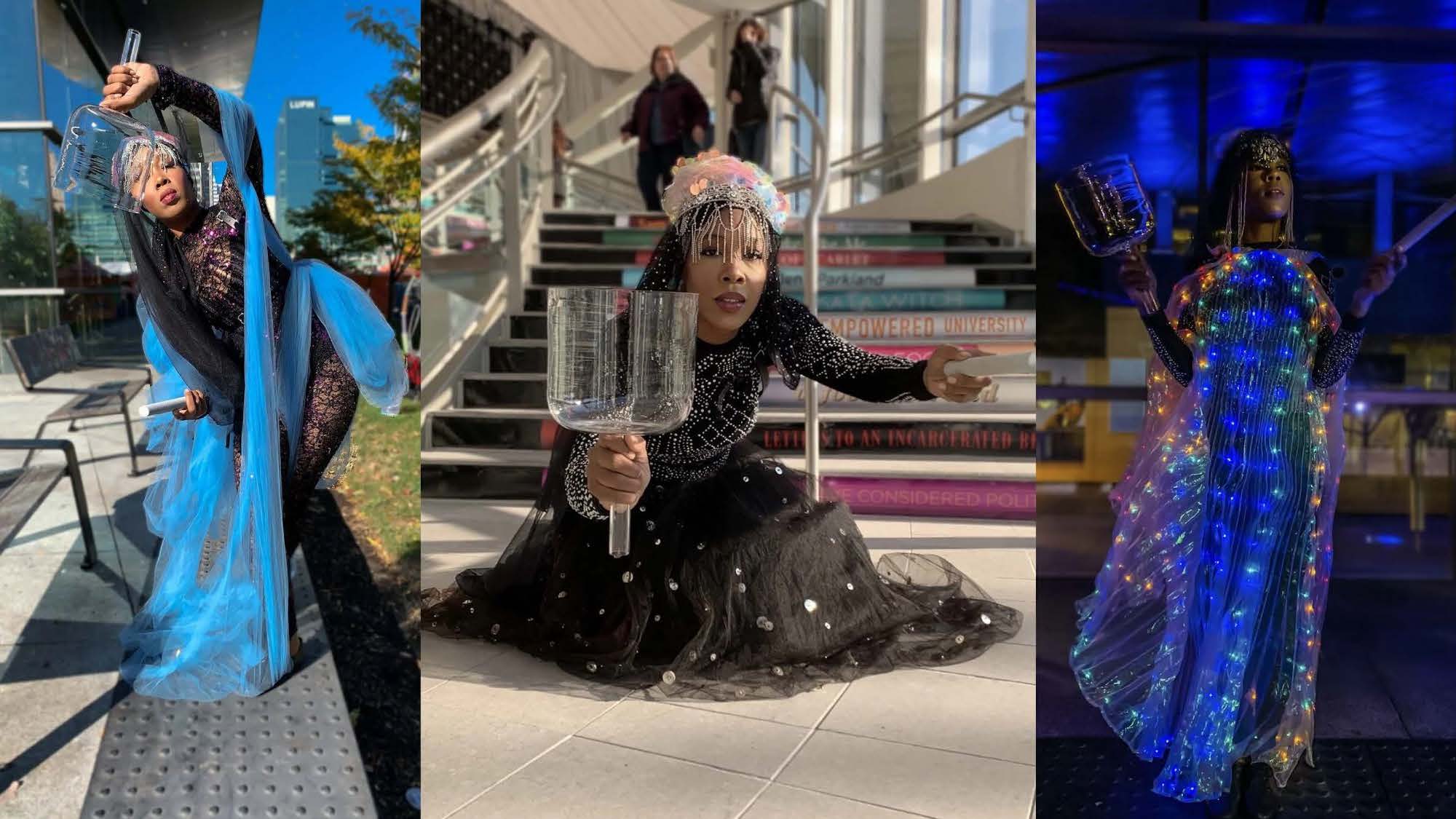
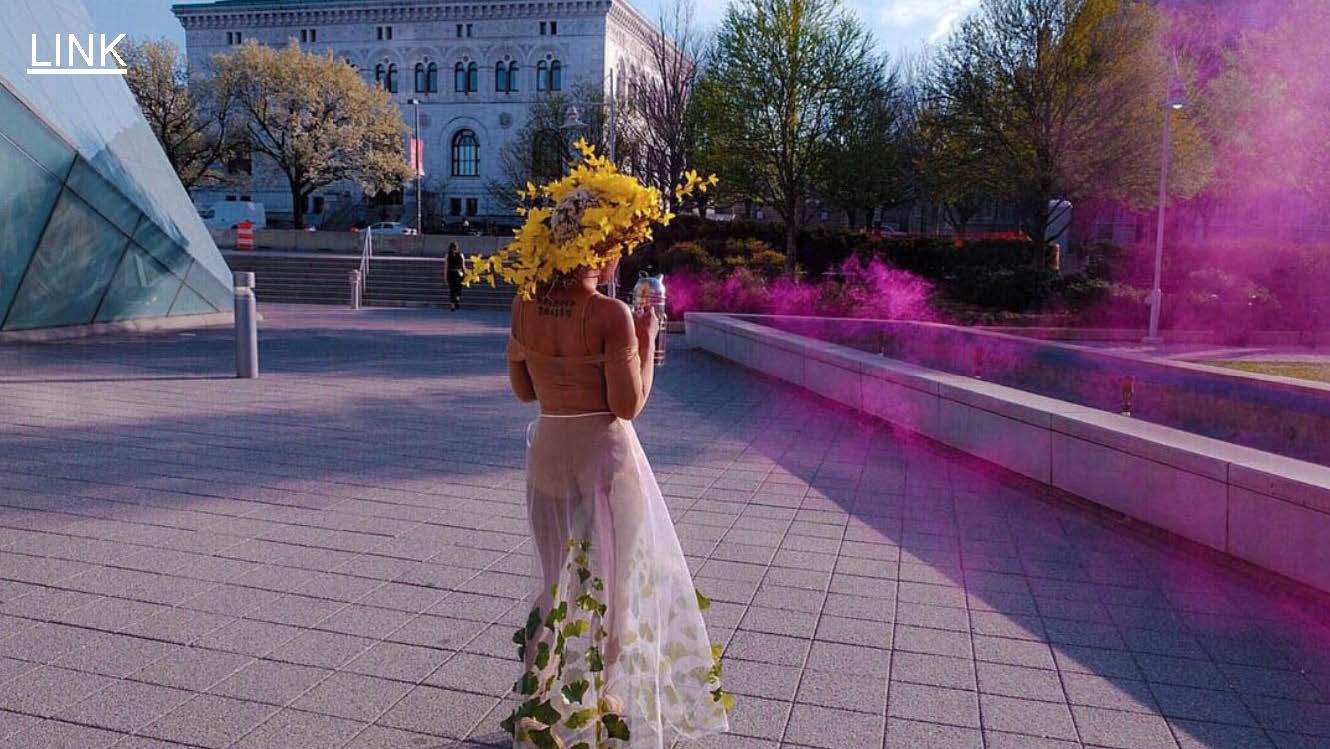
My performance practice is an exploration of memory, lineage, and the sacred body, unfolding across public spaces, museums, and galleries. From durational performances in natural bodies of water to site-specific installations in institutions, my work blurs the boundaries between ritual, ceremony, and art, transforming each space into a living altar.

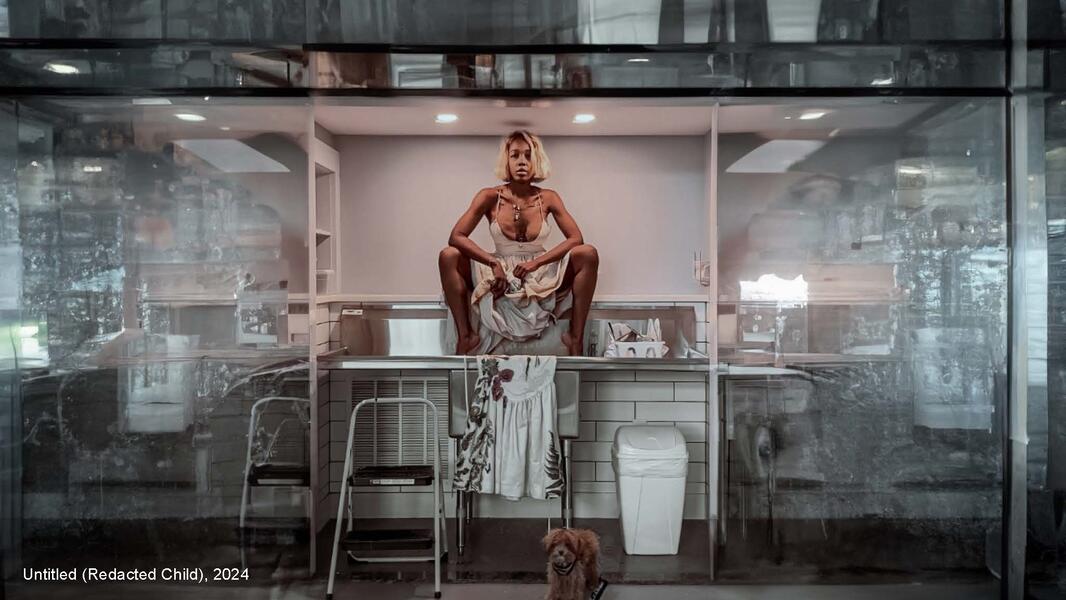
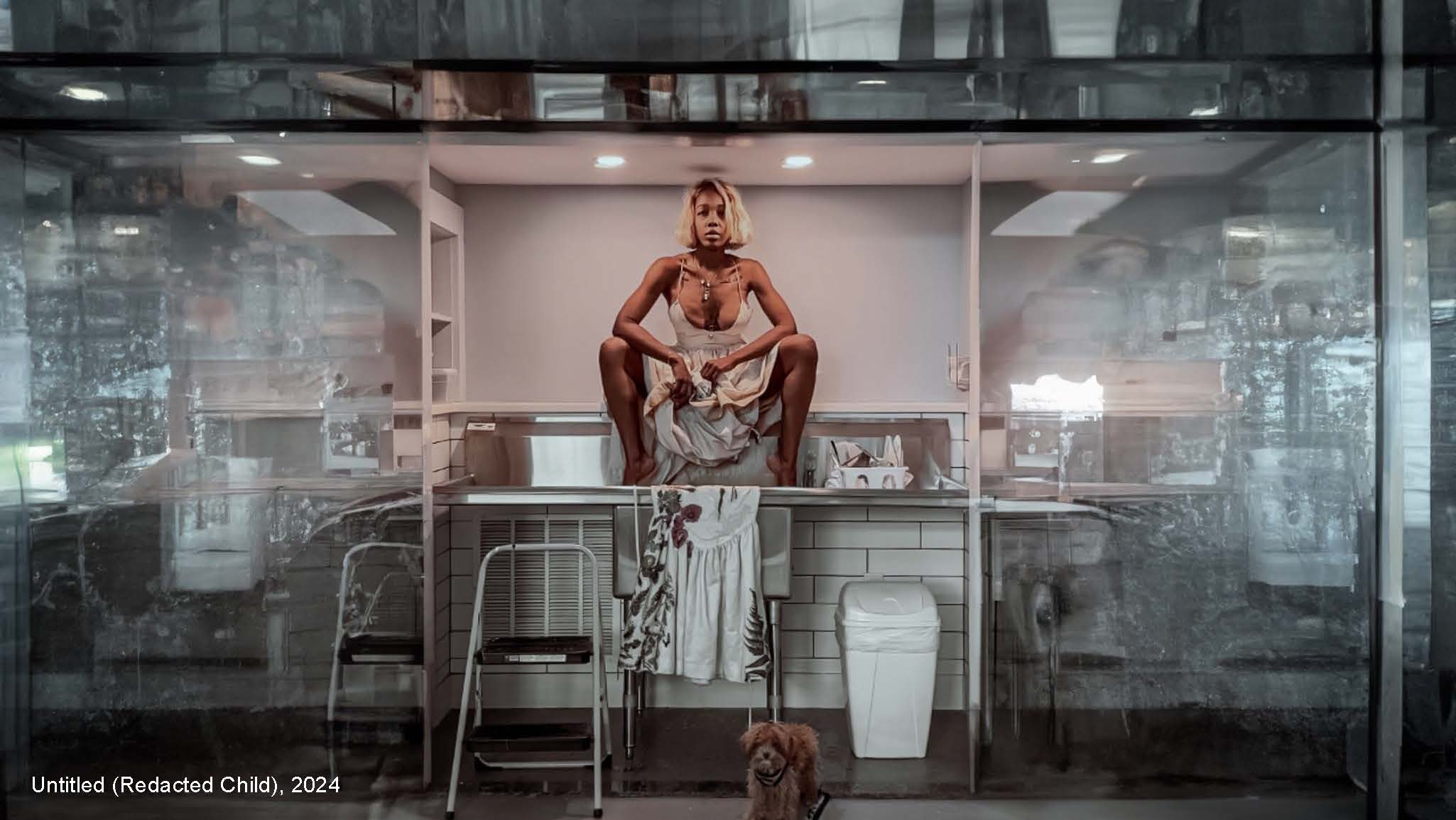
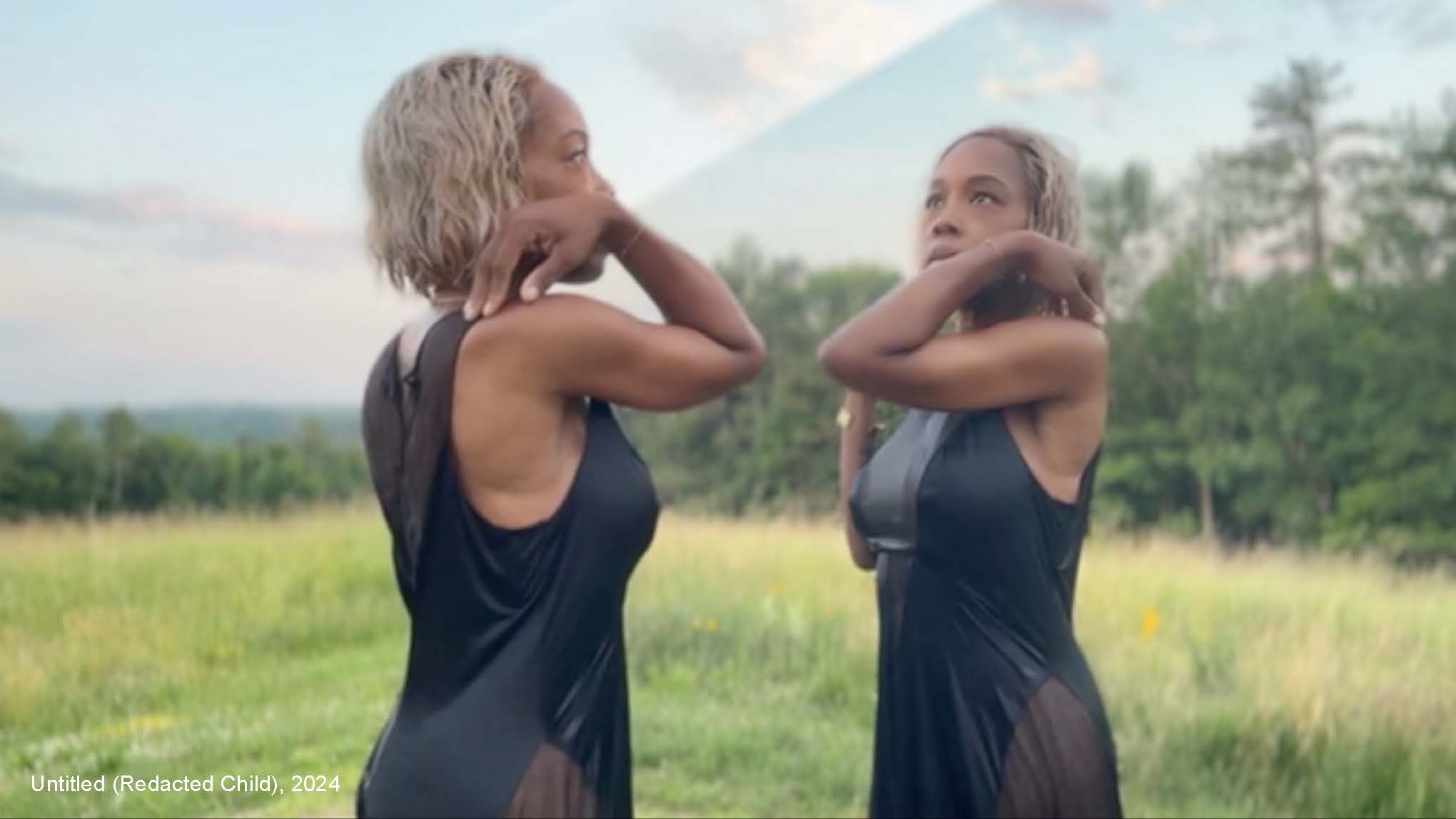
In Washer Woman Was Here (2024–ongoing), developed during my MacDowell residency, I investigate hurricanes as goddesses—forces of transformation, cleansing, and renewal. Video studies, self-portrait photography, and studio documentation inform a future sculptural installation and performance, evoking a ship washed ashore by the Washer Woman, where visitors step into a sacred domestic space reminiscent of my grandmother’s kitchen.

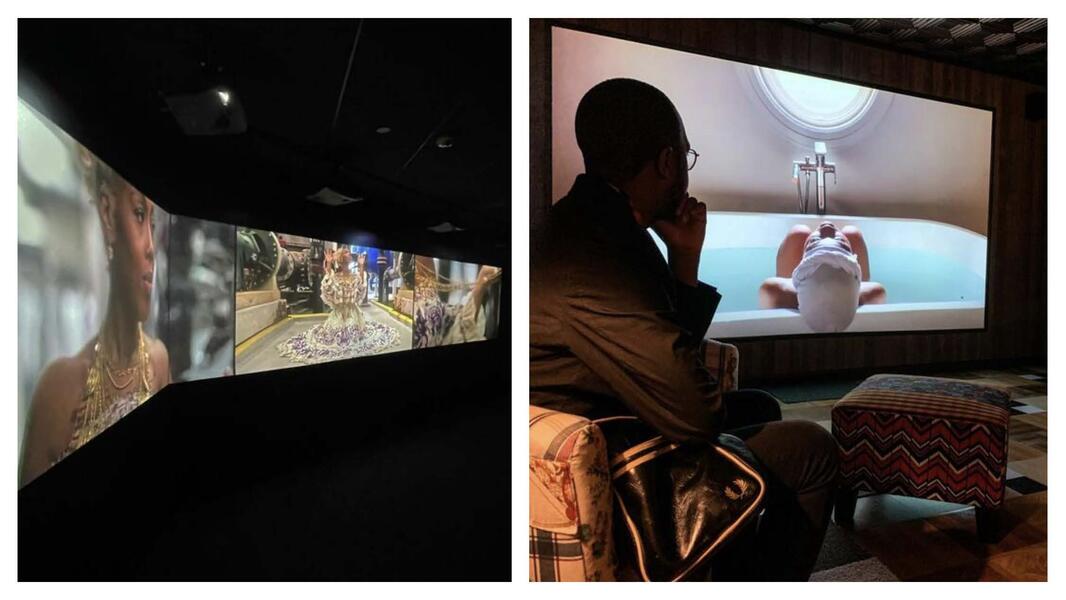
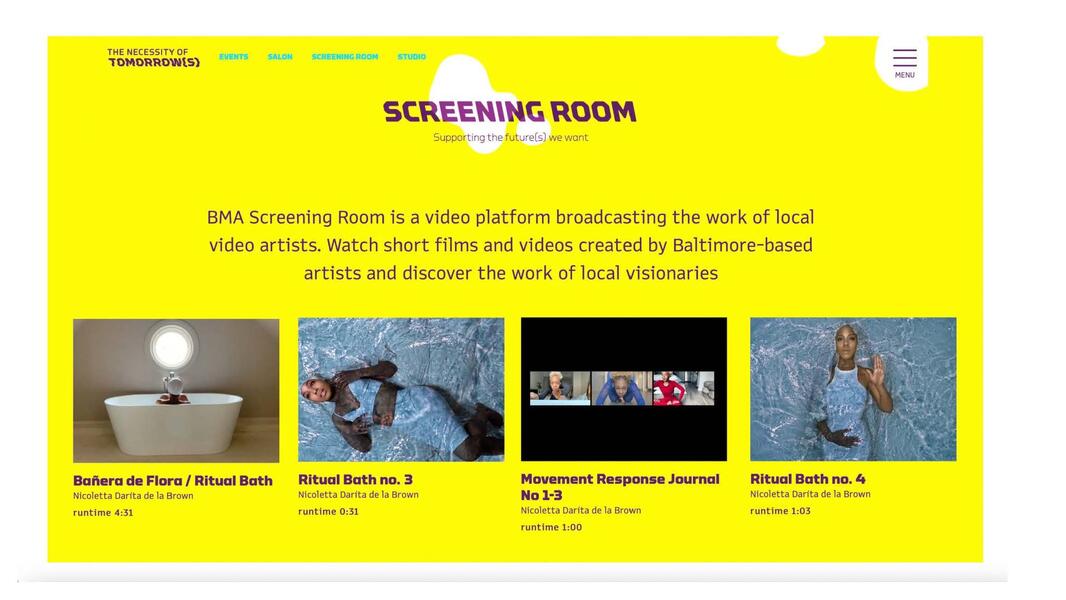
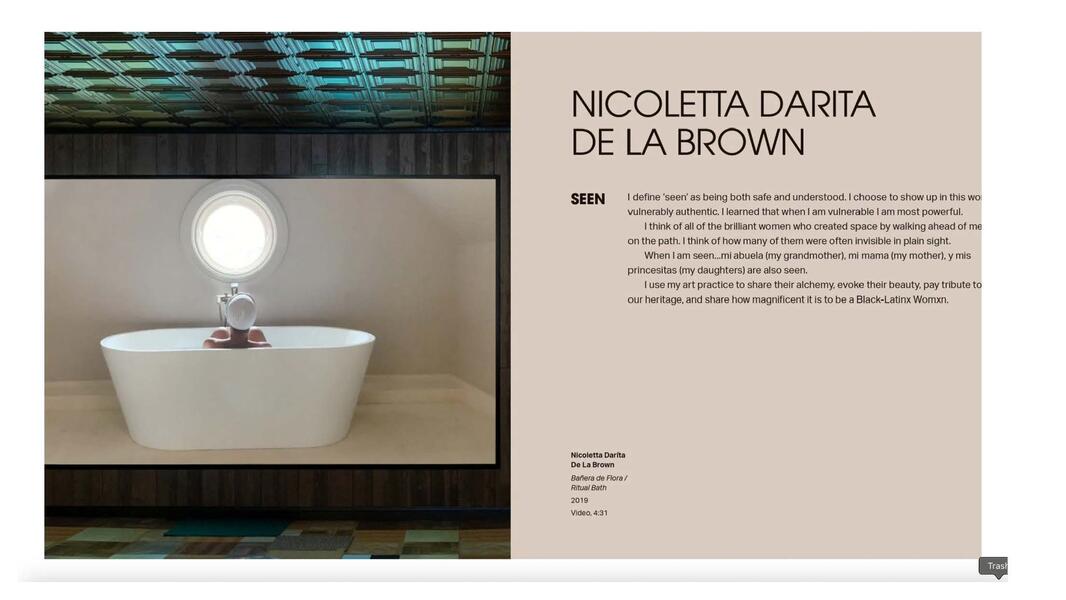
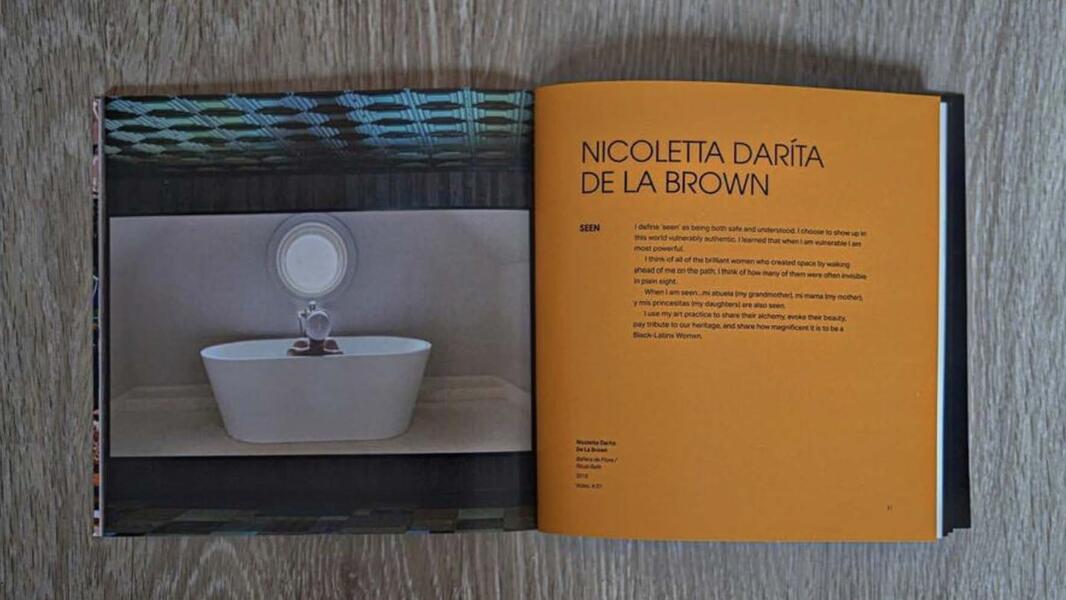
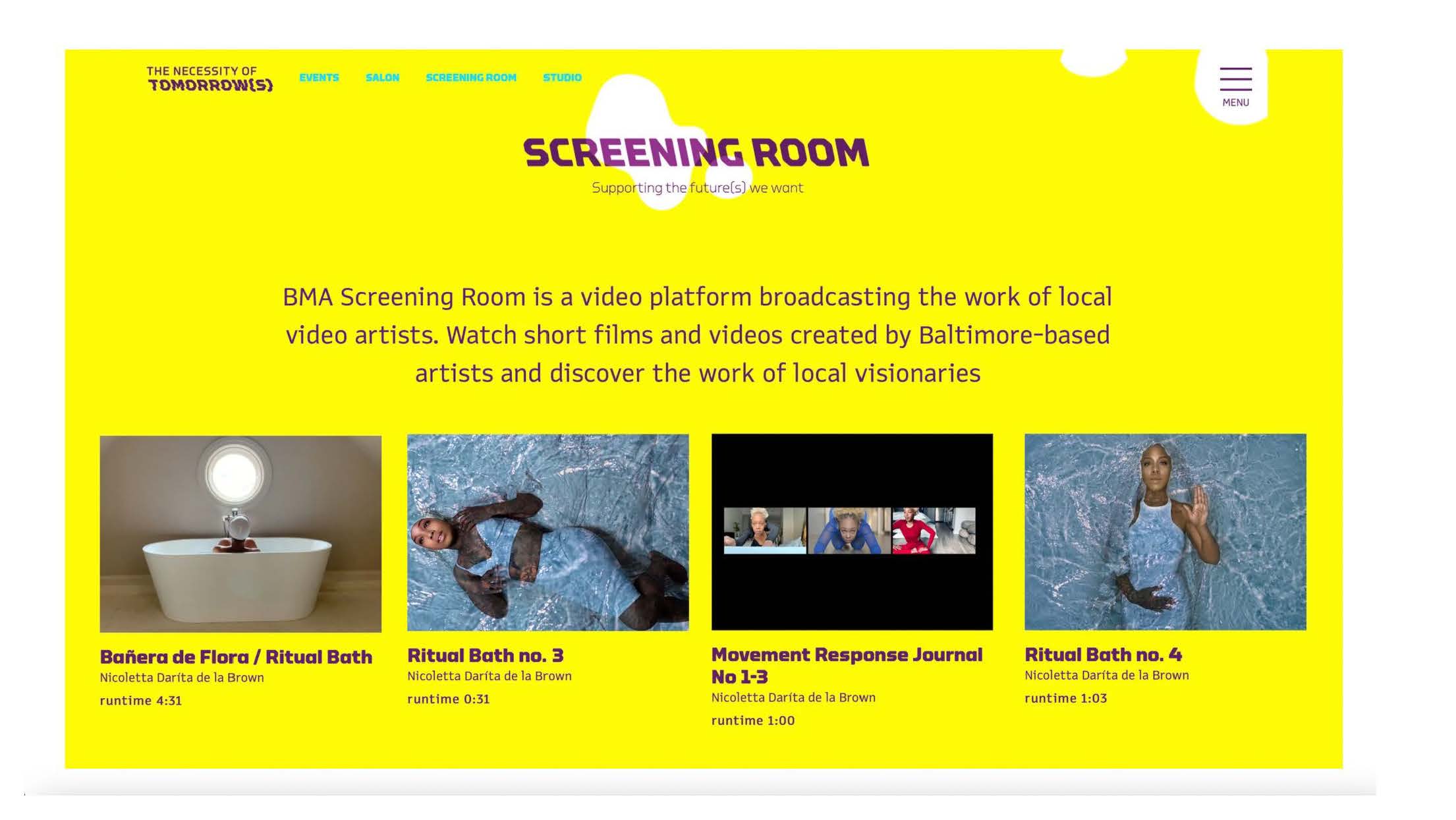
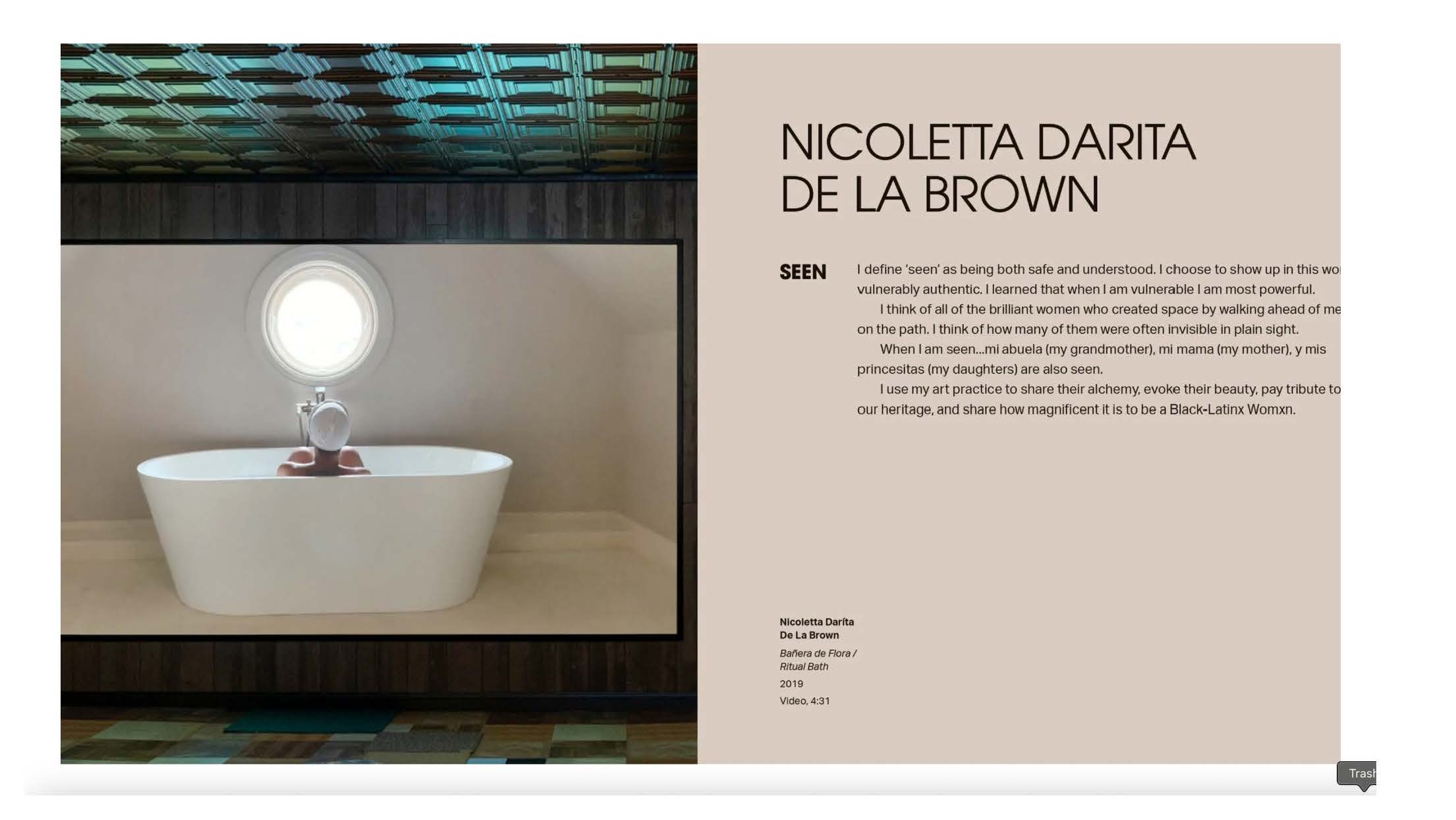
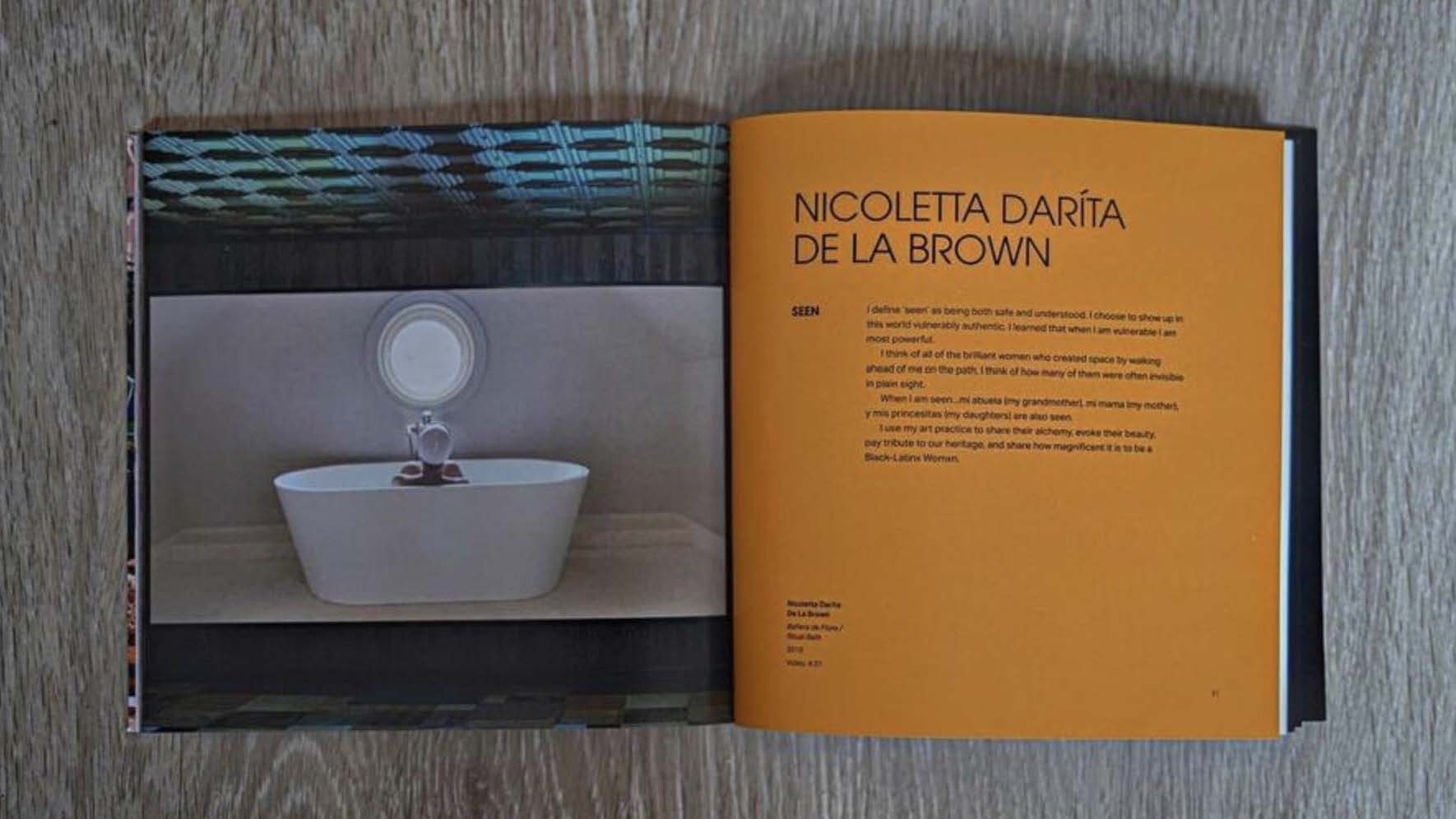
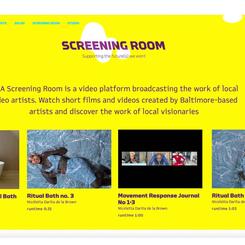
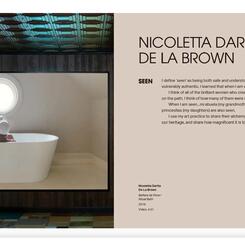
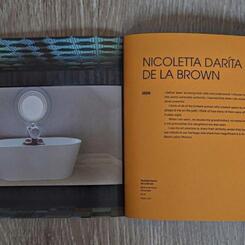
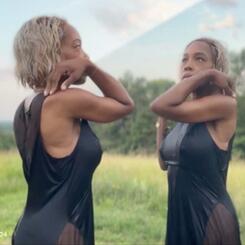
Earlier works like Three Bodies (2021) and Bañera de Flora (2019–2021) center on the body as altar. In public and museum contexts, I enact ritual baths, meditative movement, and ceremonies of self-tending, offering audiences moments of shared witnessing, release, and healing. Through these works, I honor ancestral memory, feminine power, and communal care, transforming both myself and the spaces I inhabit.

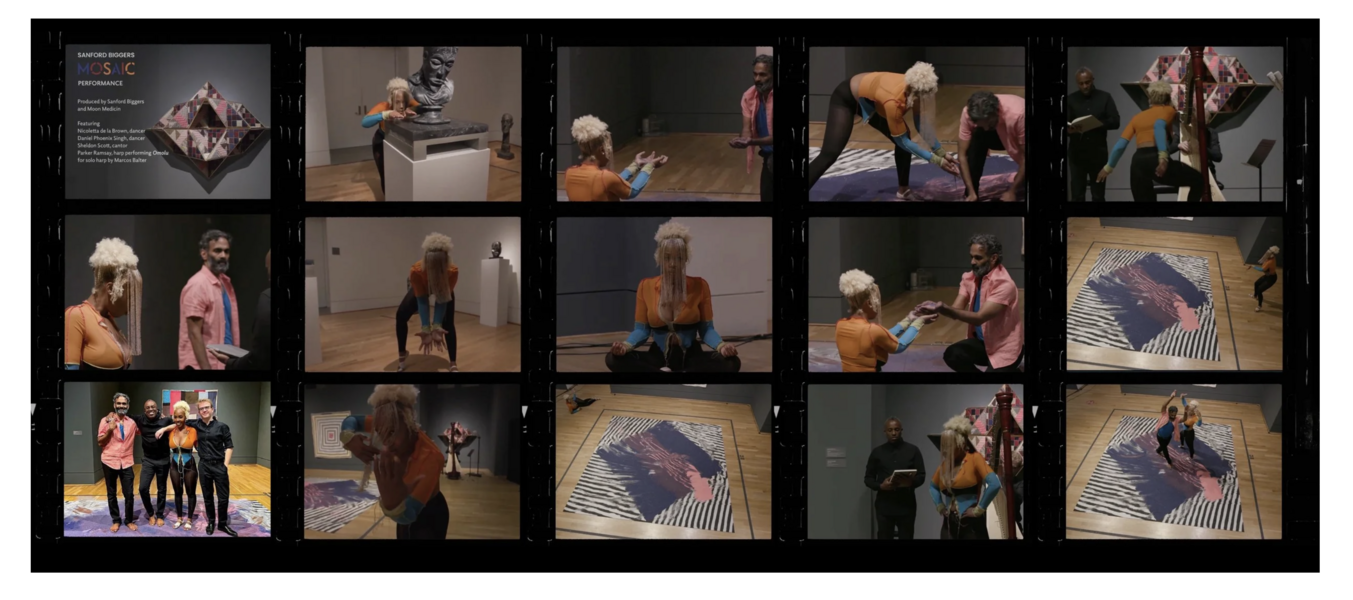
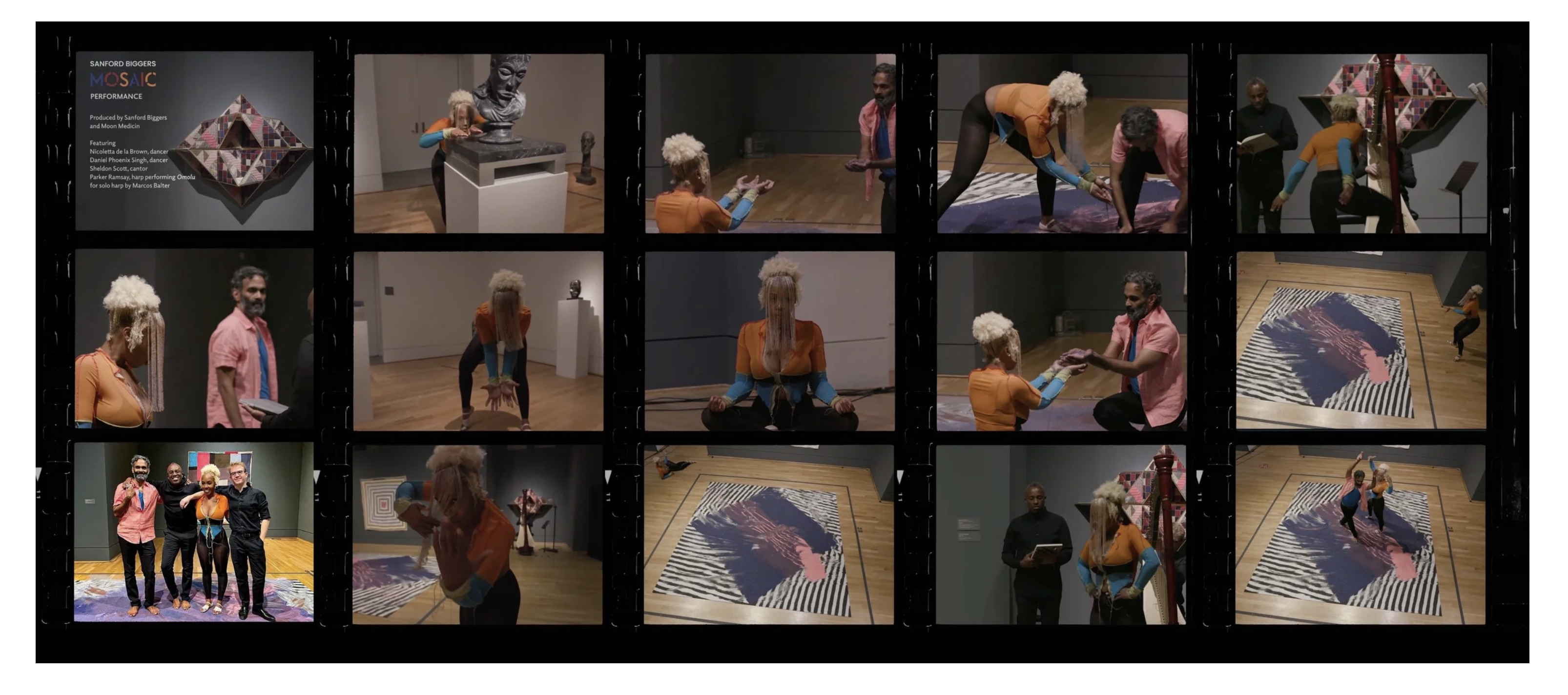
Collaborative performances such as RevelArte (2022) and Moon Medicine: Mosaic Performance (2022) expand this practice into collective ritual, activating museum collections and artworks as generative sites for embodiment, prayer, and ancestral dialogue. Across all these works, the body becomes vessel, space becomes altar, and movement becomes language—an interdisciplinary practice of remembrance, transformation, and reverence.

  • Embodied Rituals: Performance Work, 2018–2024
  • Embodied Rituals: Performance Work, 2018–2024
    Embodied Rituals: Performance Work, 2018–2024
  • Embodied Rituals: Performance Work, 2018–2024
    Embodied Rituals: Performance Work, 2018–2024
  • Embodied Rituals: Performance Work, 2018–2024
    Embodied Rituals: Performance Work, 2018–2024
  • Embodied Rituals: Performance Work, 2018–2024
    Embodied Rituals: Performance Work, 2018–2024
  • Embodied Rituals: Performance Work, 2018–2024
    Embodied Rituals: Performance Work, 2018–2024
  • Screenshot 2025-12-04 at 4.49.51 PM_0.png
    Screenshot 2025-12-04 at 4.49.51 PM_0.png
  • Embodied Rituals: Performance Work, 2018–2024
    Embodied Rituals: Performance Work, 2018–2024

  • BAKER 2025 Nicoletta Darita de la Brown Portfolio_Page_37_2.jpg
    BAKER 2025 Nicoletta Darita de la Brown Portfolio_Page_37_2.jpg
  • Embodied Rituals: Performance Work, 2018–2024
    Embodied Rituals: Performance Work, 2018–2024
Studio Archive & Material Practice

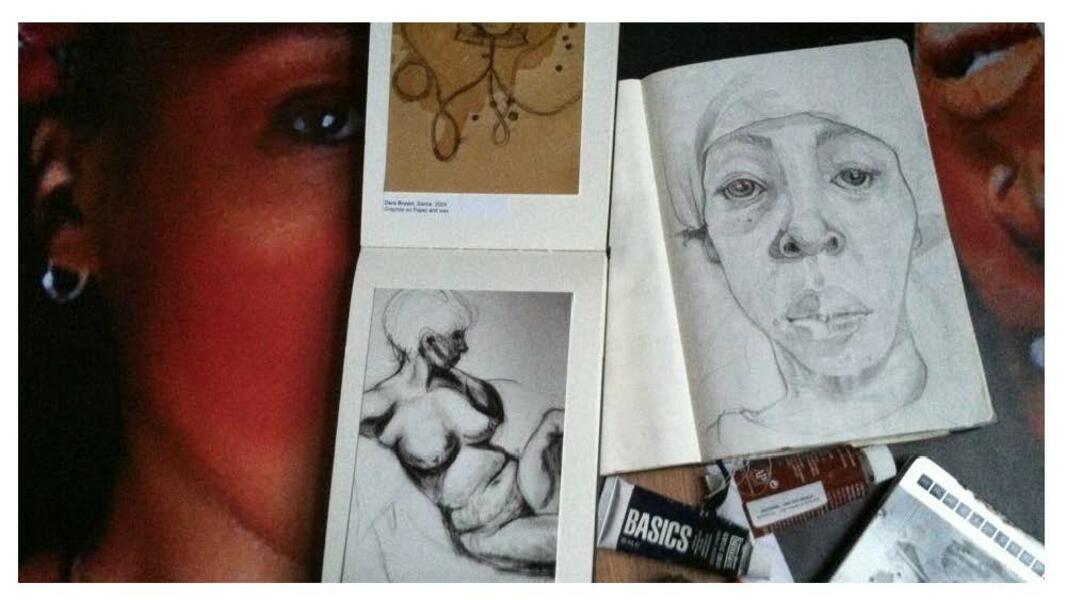
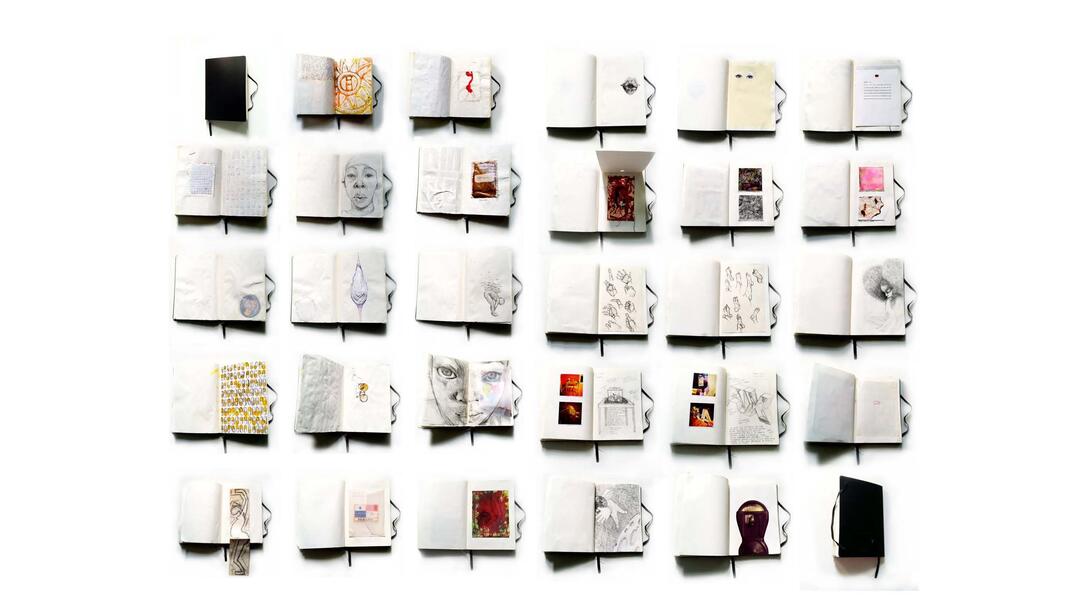
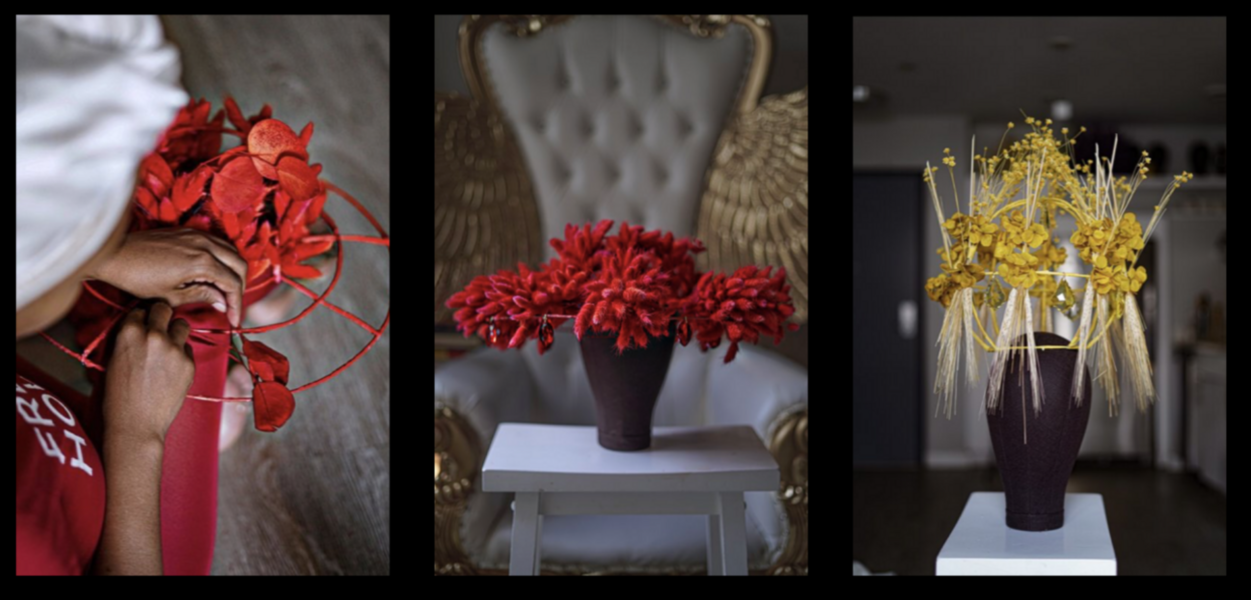
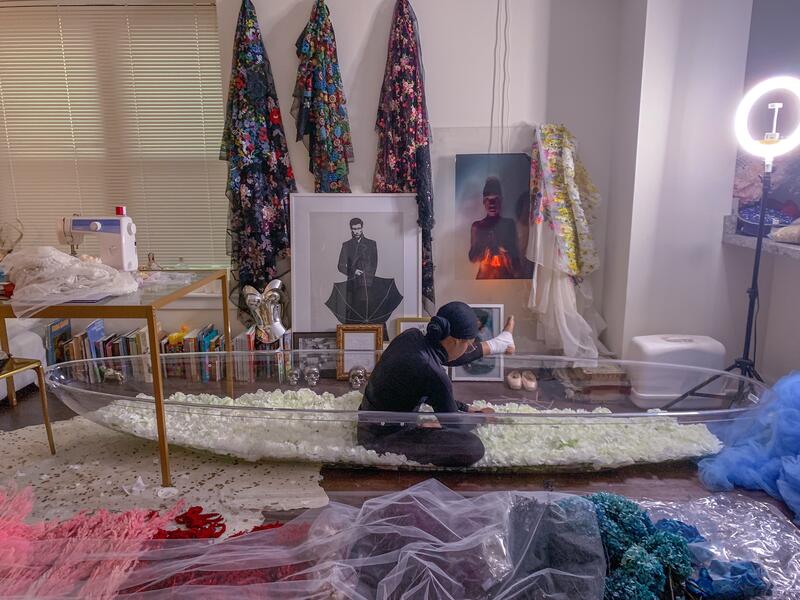
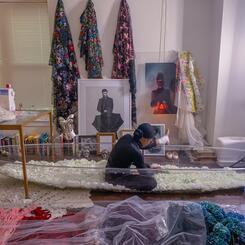
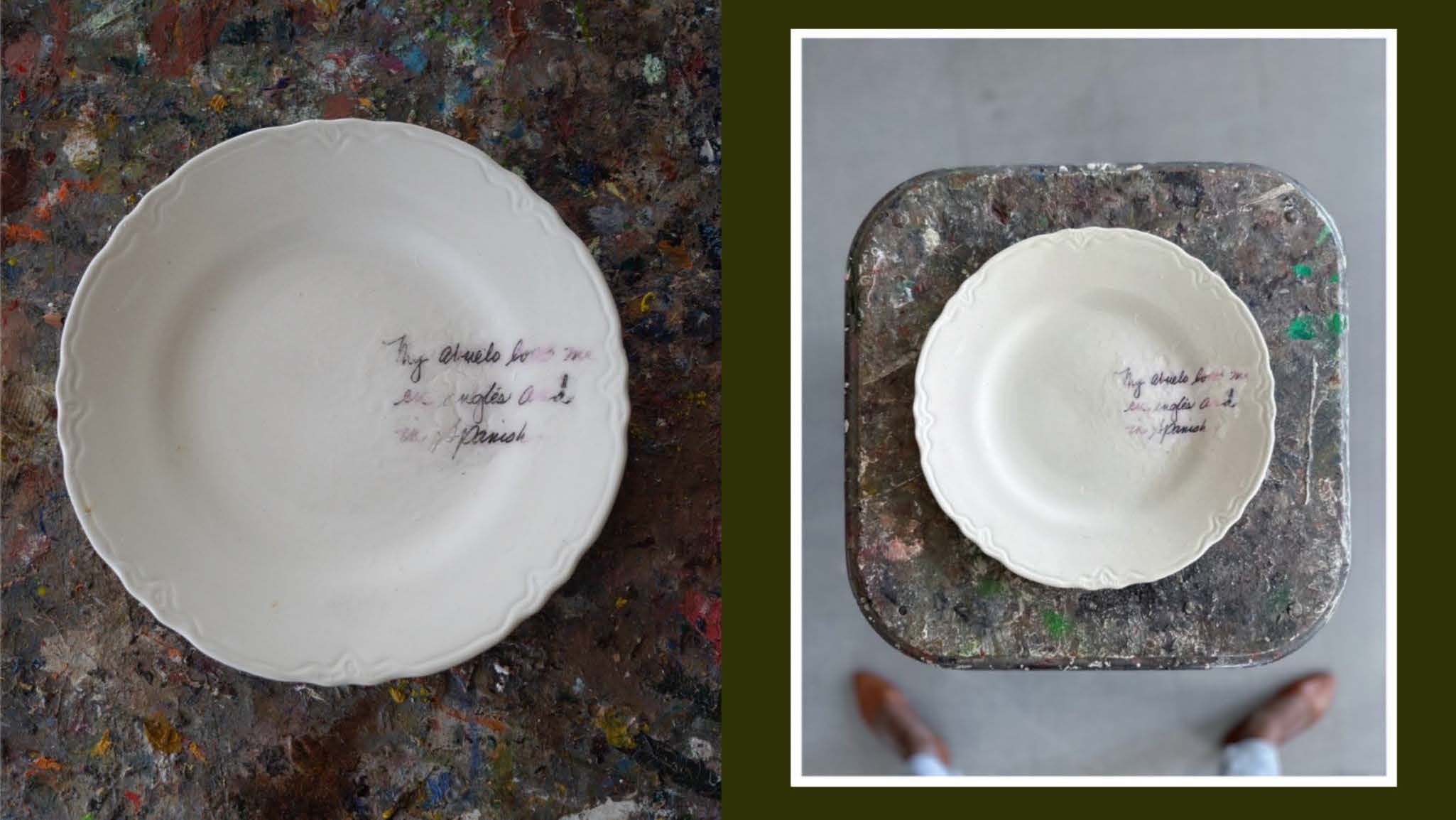
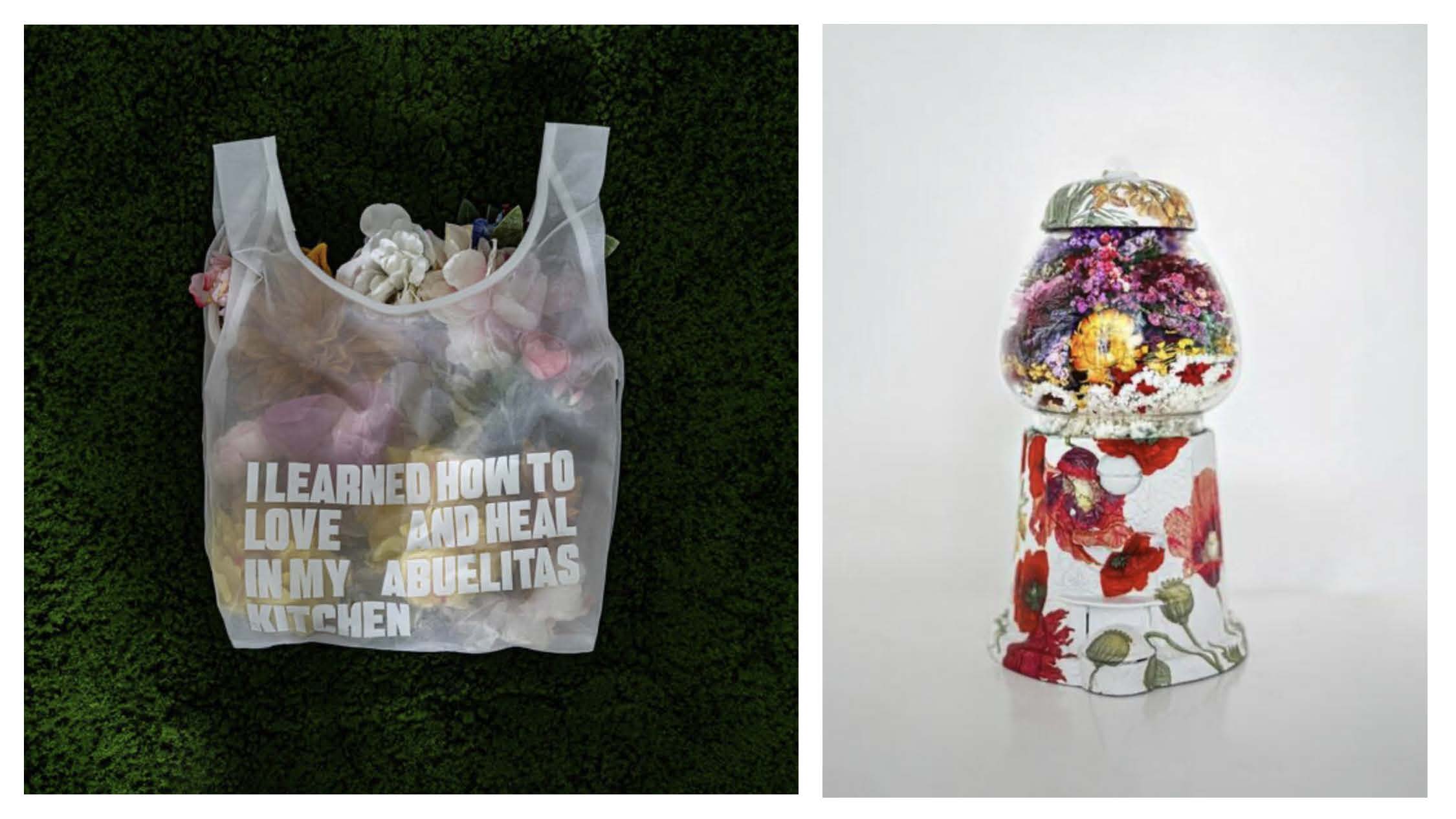
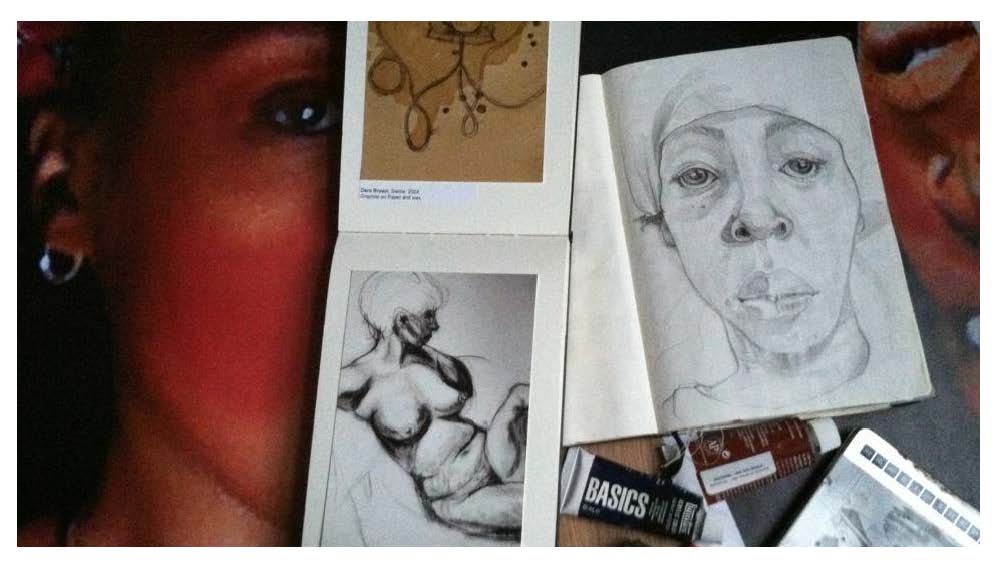
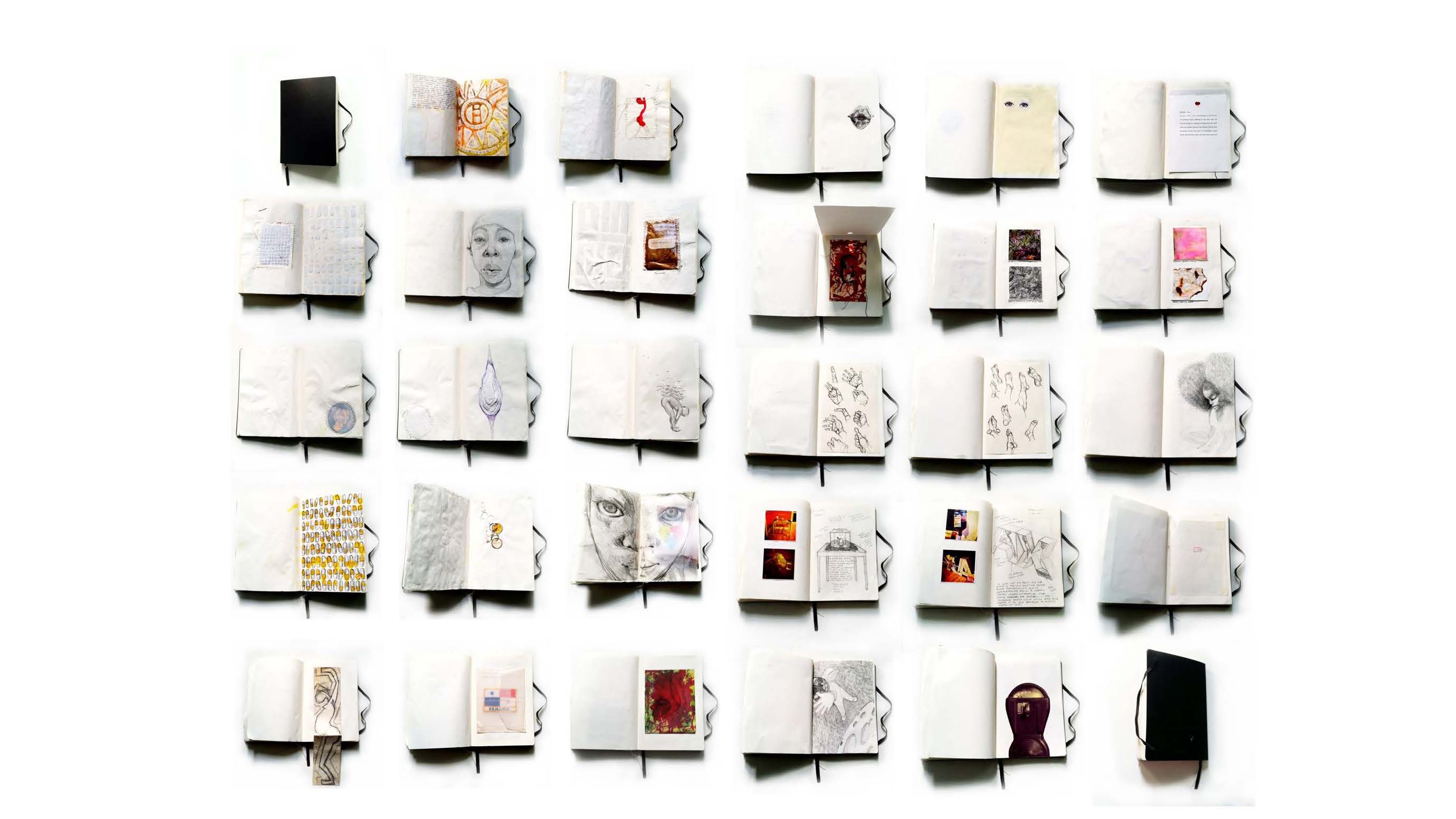
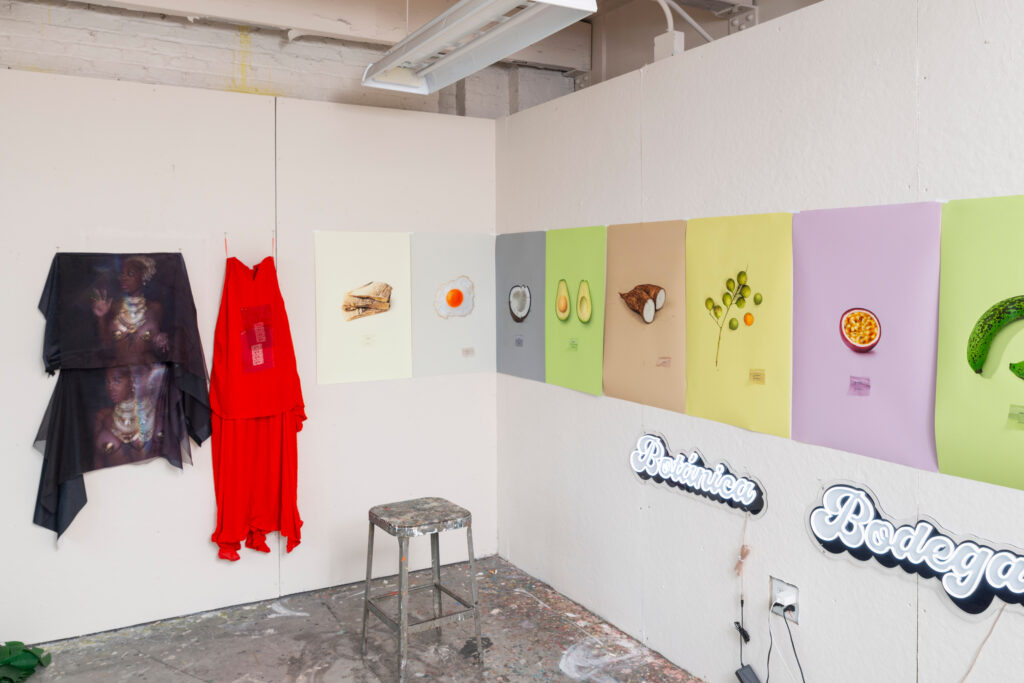
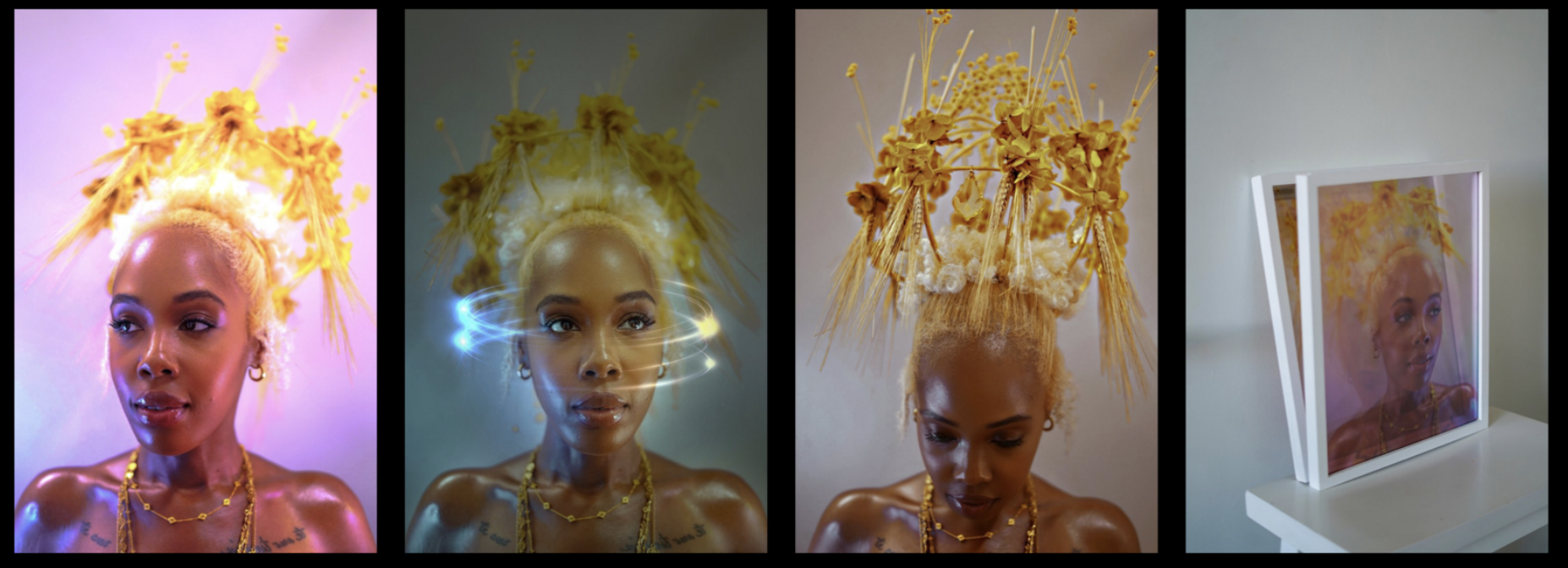
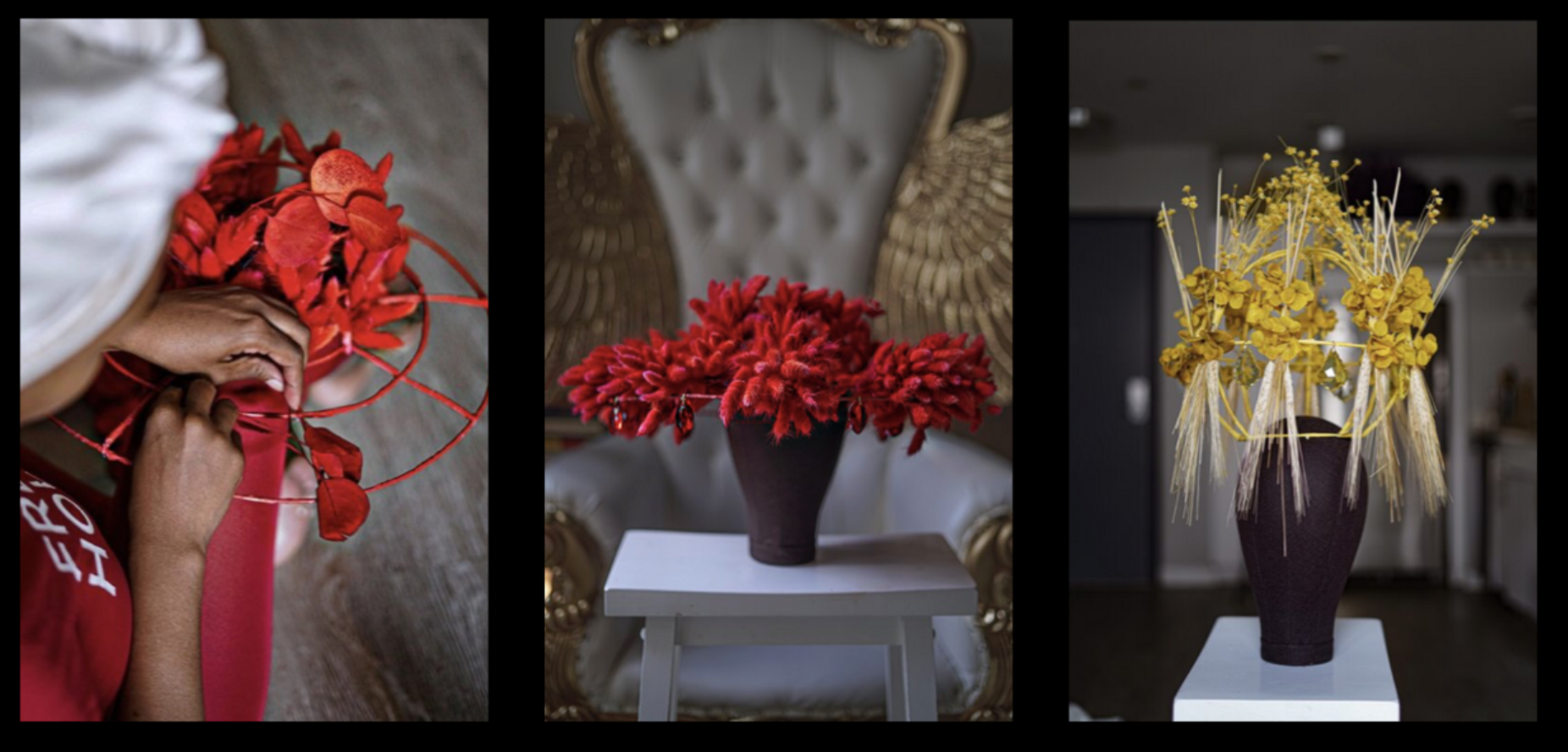
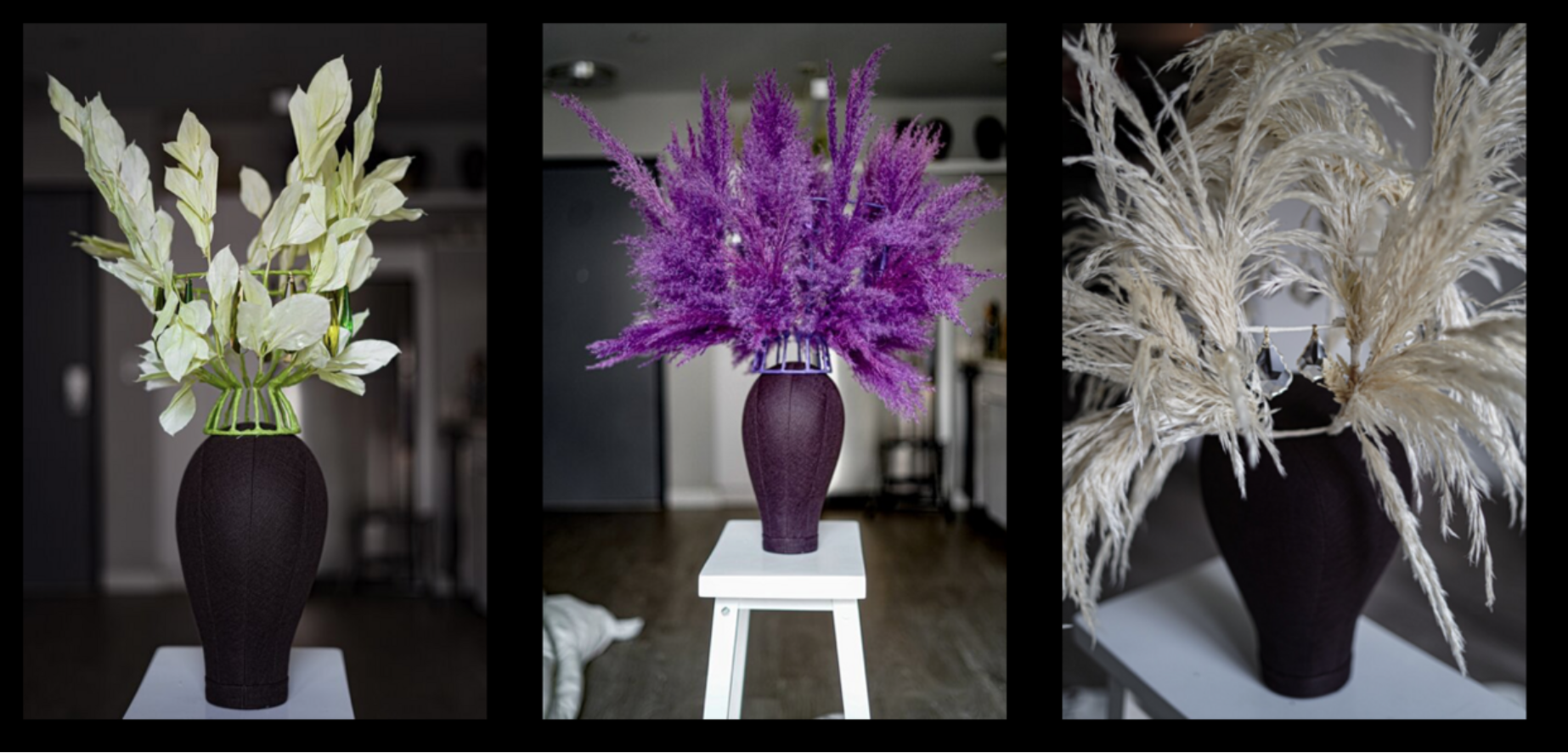
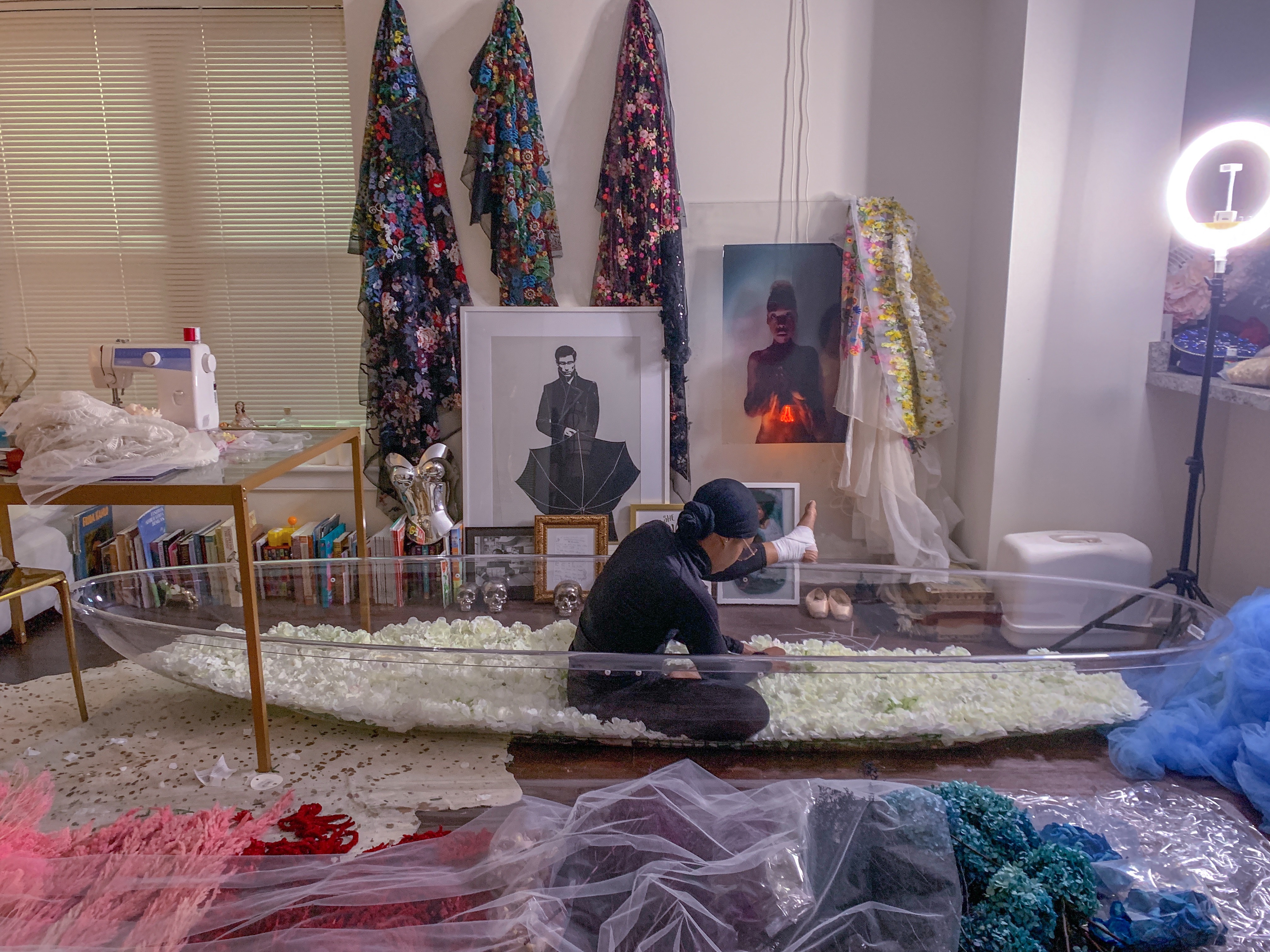
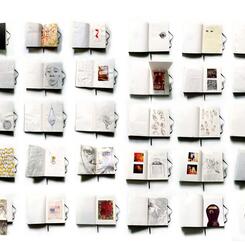
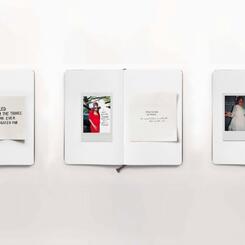
I trained in sculpture, printmaking, photography, drawing, and painting at Baltimore School for the Arts — a foundation that taught me art is a language, and every medium is a voice. The images collected here give a rare glimpse into that studio-based side of my practice: sculptural works in fiber and mixed media, hand-printed textiles, experimental prints on silk and chiffon, and pages from my sketchbook.

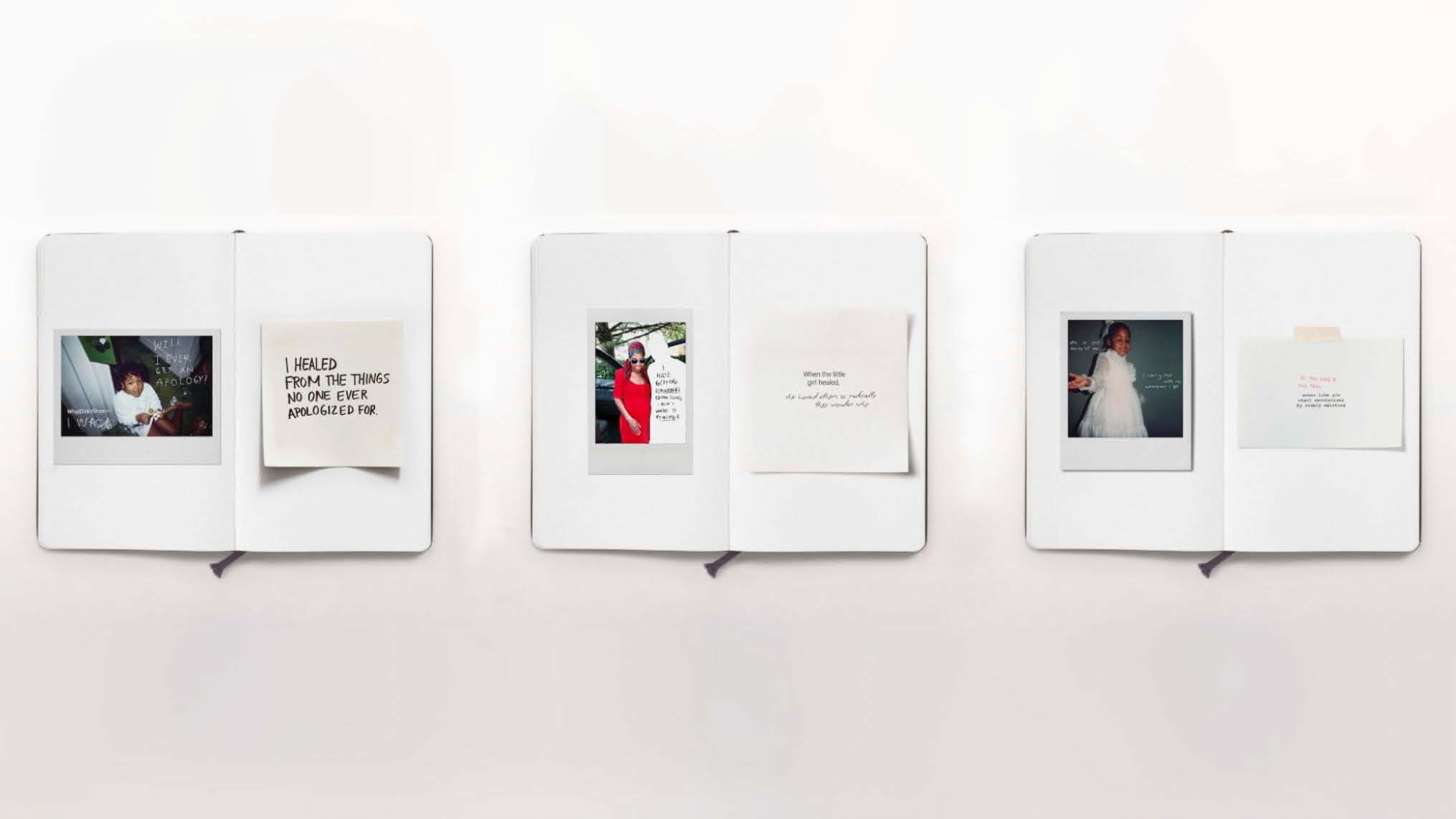
Though many of these objects are made with performance in mind — to become adornment, props, or components of larger installations — I often return to their creation itself as a form of ritual and exploration. The sketchbook, for example, is not incidental: it remains my diary, my thinking space, where ideas are born, evolve, falter, and re‑emerge. As many artists and designers do, I use sketchbooks to record fleeting impulses, observations, textures, and dreams — seeds for future work. 

In this body of work you see memory and lineage woven into form: prints on silk echo the headscarves and textiles of my family archive; sculptural experiments explore vulnerability, adornment, body, and ritual. I return to materials I first loved in high school and art college — gouache, mixed-media mark making, the textures of fiber and fabric — and allow them to speak now with a deeper voice.

This section of my portfolio reveals the studio as site of becoming, of play, of patience, of time spent listening to materials and remembering. Here lies the foundation of my interdisciplinary work: the quiet know-how and craft behind each performance, each ritual, each activation. It shows that what you see onstage or in an installation is rooted in many hours of making and unmaking — a material meditation, a conversation between past and present, memory and embodiment.

  • Studio Archive & Material Practice
    Studio Archive & Material Practice
  • Studio Archive & Material Practice
    Studio Archive & Material Practice
  • Studio Archive & Material Practice
    Studio Archive & Material Practice
  • Studio Archive & Material Practice
    Studio Archive & Material Practice
  • Studio Archive & Material Practice
    Studio Archive & Material Practice
  • Studio Archive & Material Practice
    Studio Archive & Material Practice
  • Studio Archive & Material Practice
    Studio Archive & Material Practice
  • Studio Archive & Material Practice
    Studio Archive & Material Practice
  • Studio Archive & Material Practice
    Studio Archive & Material Practice
  • Studio Archive & Material Practice
    Studio Archive & Material Practice