Work samples
-
To See the Forest for the Trees
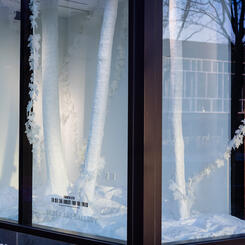
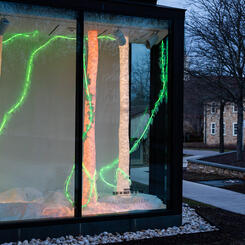
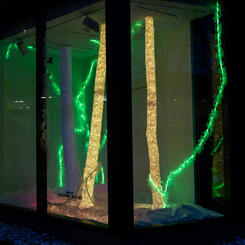
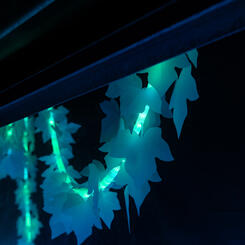
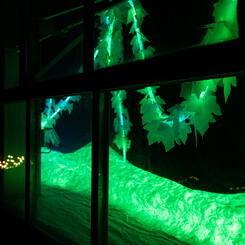
This site-specific installation responds to the architecture of the Goucher College’s Bond Gallery and the surrounding landscape. The gallery space jutting out from the building is defined by three walls of windows, resembling a greenhouse. Using light to visualize the agency and communication of plants, trees grow through the ceiling surrounded by English Ivy vines threatening to take over.
Plants have the ability to relay information throughout their appendages using their vascular system in response to certain stimuli or threats much like our own nervous system. They are also able to communicate with other plants, even other species, through root and mycorrhizal networks underground. Illuminated Maple trees and English Ivy vines model these systems through pulsating light patterns as they occupy the gallery/greenhouse.
Media: Tyvek, Mylar, WLED lights, Microcontrollers
Year: 2025
Electrical systems assistance provided by Andy Holtin
-
Uncontainable Garden
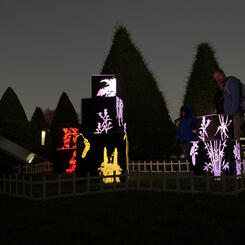
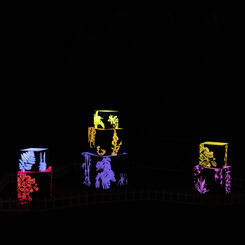
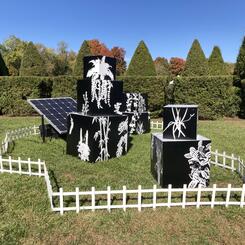
Uncontainable Garden is an installation of illuminated plastic boxes containing – or being overwhelmed by – various forms of plant life. These glowing silhouettes, illuminated by captured solar power, highlight plants with which we have complicated relationships, from houseplants growing in containers and endangered species to weeds and invasive plants. This project reimagines our relationship to plant life and considers our attempts to contain and control it. These plants refuse to be contained.
Uncontainable Garden
Solar panels, corrugated plastic, vinyl, LED lights
dimensions variable
2024
-
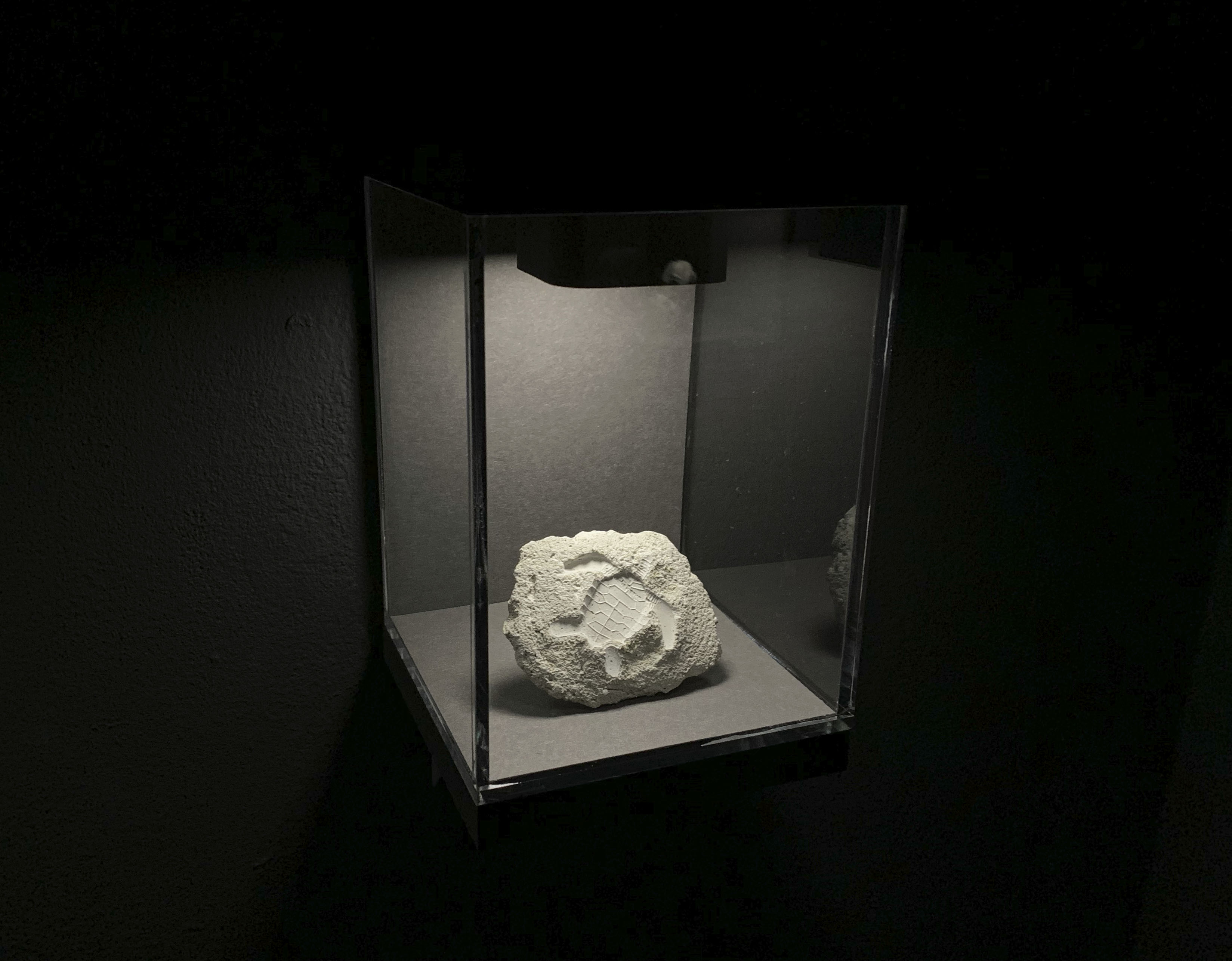
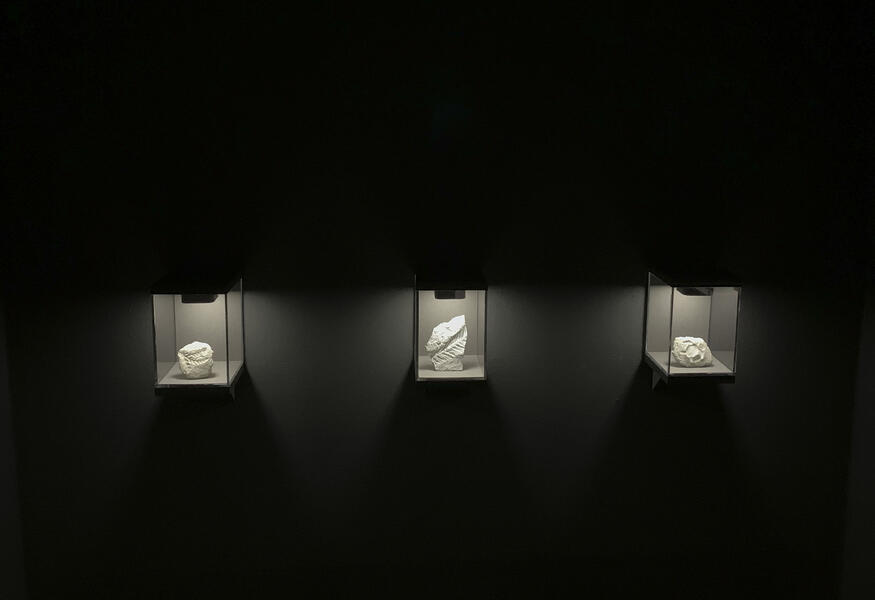
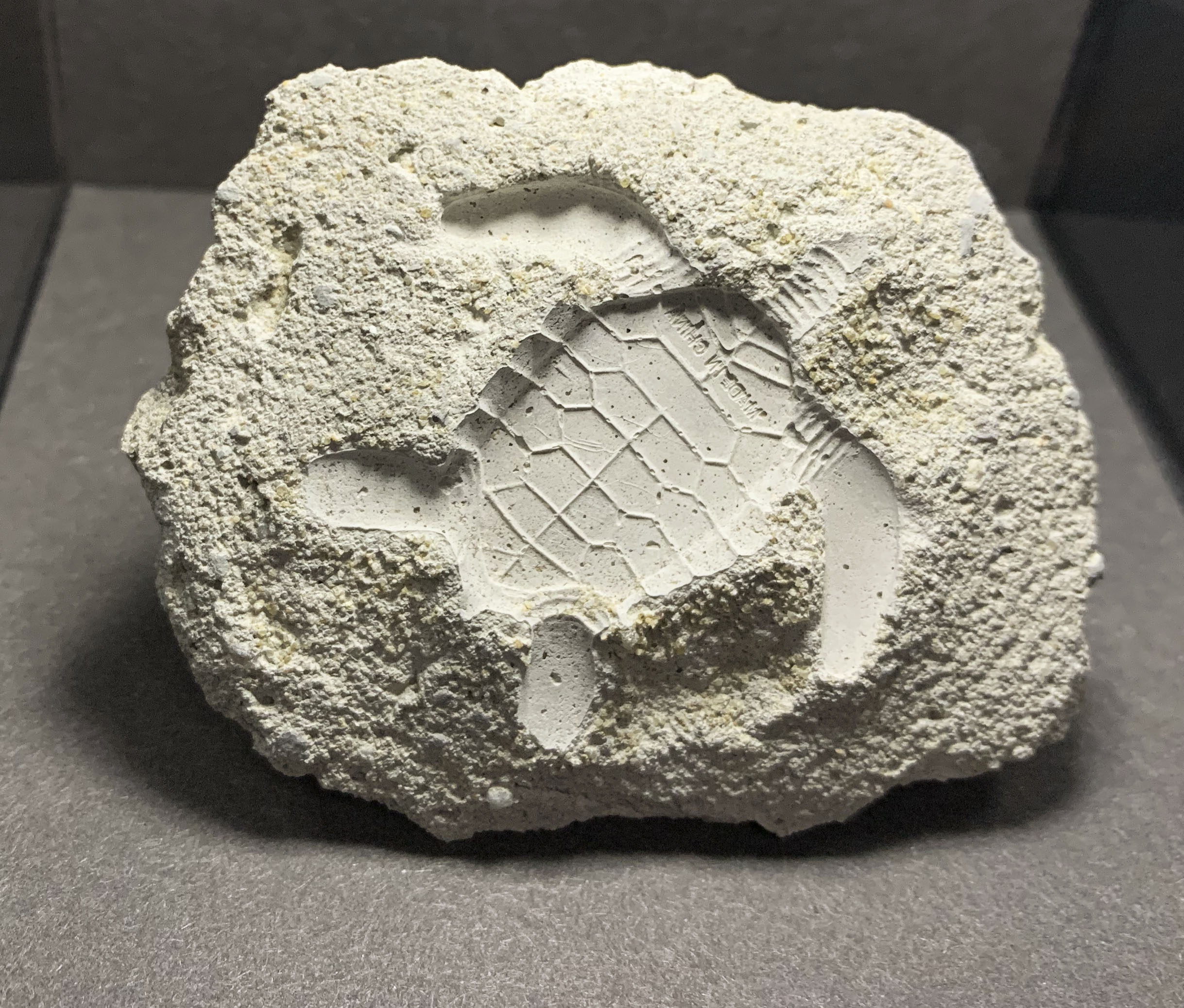
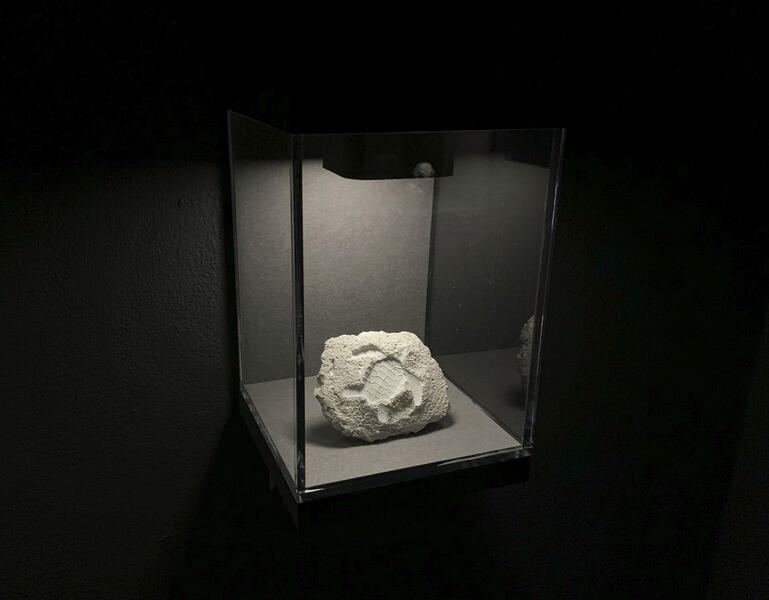 Fossil Futures: 12.2.22 005; Toy, turtlecast concrete, led, acrylic, paper, MDF
 -
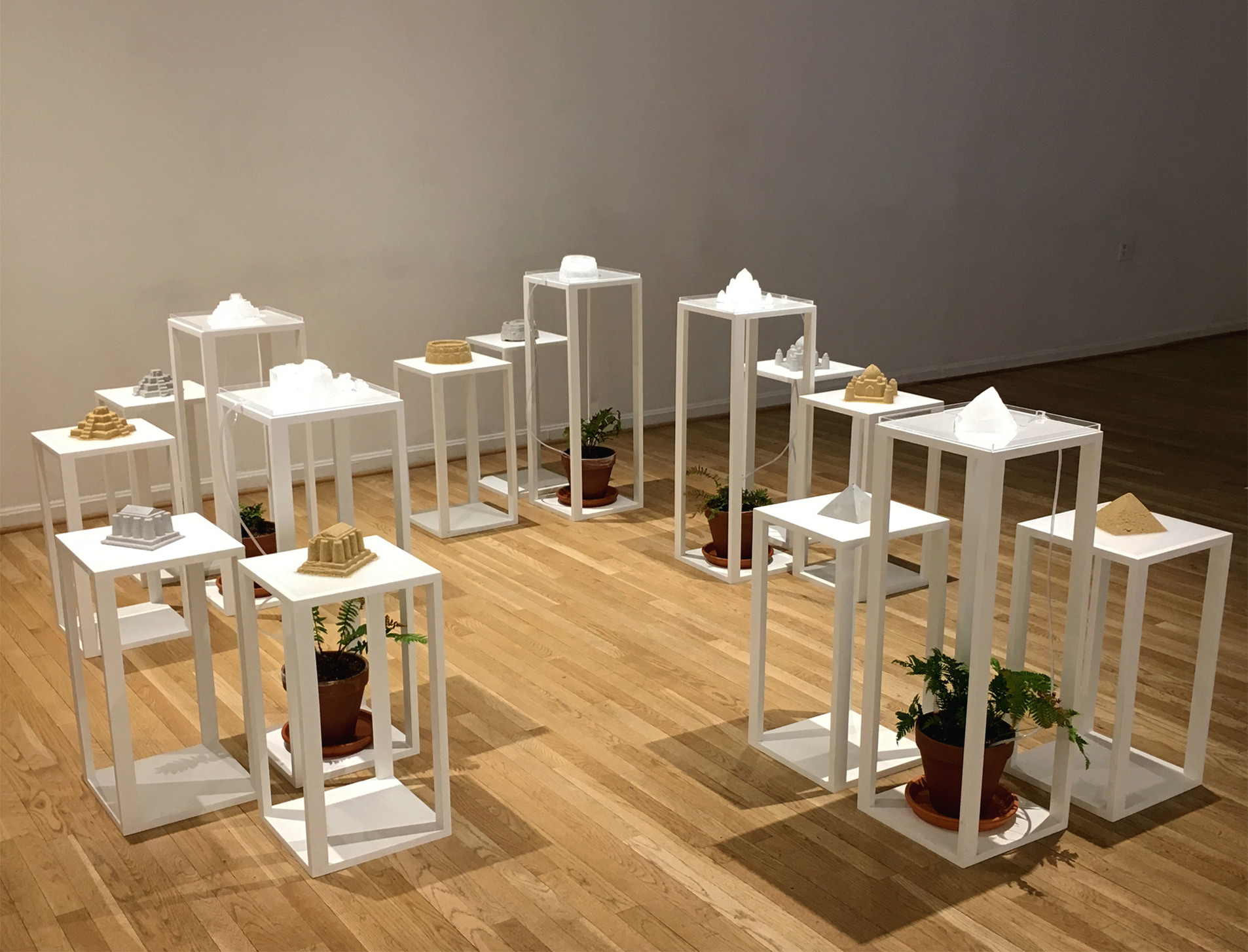
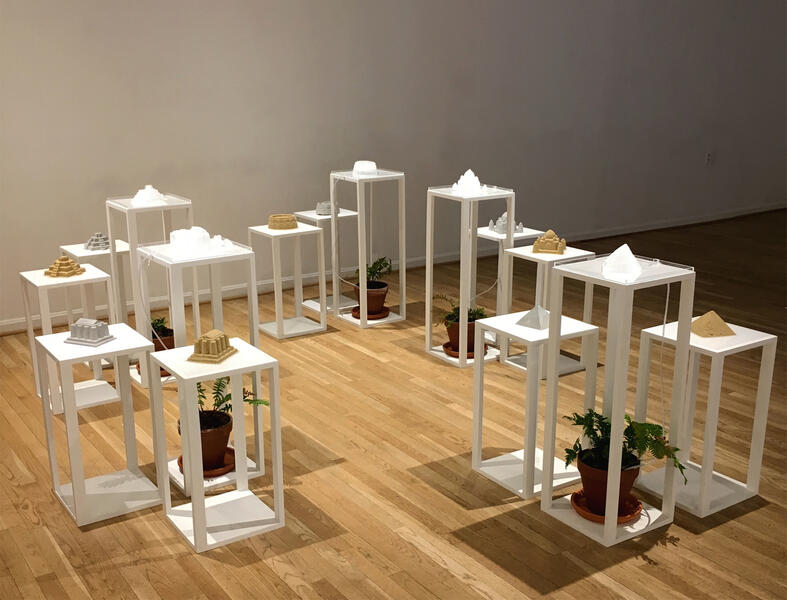 Entropic Irrigation System IIIEntropic Irrigation System III was developed to support and manage the melting ice frozen in the form of five monuments including the Taj Mahal, the Colosseum, a Mayan Temple, the Parthenon, and a Pyramid. As these ice monuments melt, the water drains through plastic tubing to water the fern growing beneath. Each monument displayed has three material versions; version one - frozen water, version 2 - sand mixed with water, version 3 - concrete (a combination of cement, sand and water). Each material is allowed to deteriorate undisturbed throughout the exhibition. The ferns selected for this system are native to the area and are able to manage flooding and prevent erosion.
About Samantha

Samantha Sethi is an interdisciplinary artist whose practice explores concepts of ephemerality, entropy, human impact on the environment, and our experience of time. Sethi earned her MFA from American University and her BFA from the School of Visual Arts in NYC. Her work has been exhibited widely, including at the Torrance Art Museum in Los Angeles, CA; the Creative Alliance in Baltimore; the Washington Project for the Arts in Washington, D.C.; Field Projects, NYC; Krupic… more
To See the Forest for the Trees
-
To See the Forest for the Trees (video documentation)
Media: Tyvek, Mylar, WLED lights, Microcontrollers
Year: 2025
-
 To See the Forest for the Trees
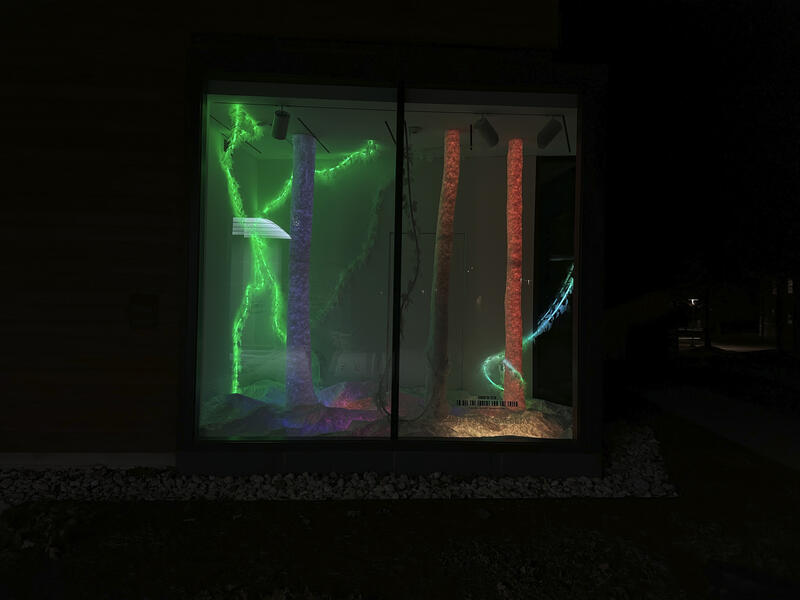
This site-specific installation responds to the architecture of the Goucher College’s Bond Gallery and the surrounding landscape. The gallery space jutting out from the building is defined by three walls of windows, resembling a greenhouse. Using light to visualize the agency and communication of plants, trees grow through the ceiling surrounded by English Ivy vines threatening to take over.
Plants have the ability to relay information throughout their appendages using their vascular system in response to certain stimuli or threats much like our own nervous system. They are also able to communicate with other plants, even other species, through root and mycorrhizal networks underground. Illuminated Maple trees and English Ivy vines model these systems through pulsating light patterns as they occupy the gallery/greenhouse.
Media: Tyvek, Mylar, WLED lights, Microcontrollers
Year: 2025
Electrical systems assistance provided by Andy Holtin
-
 To See the Forest for the Trees
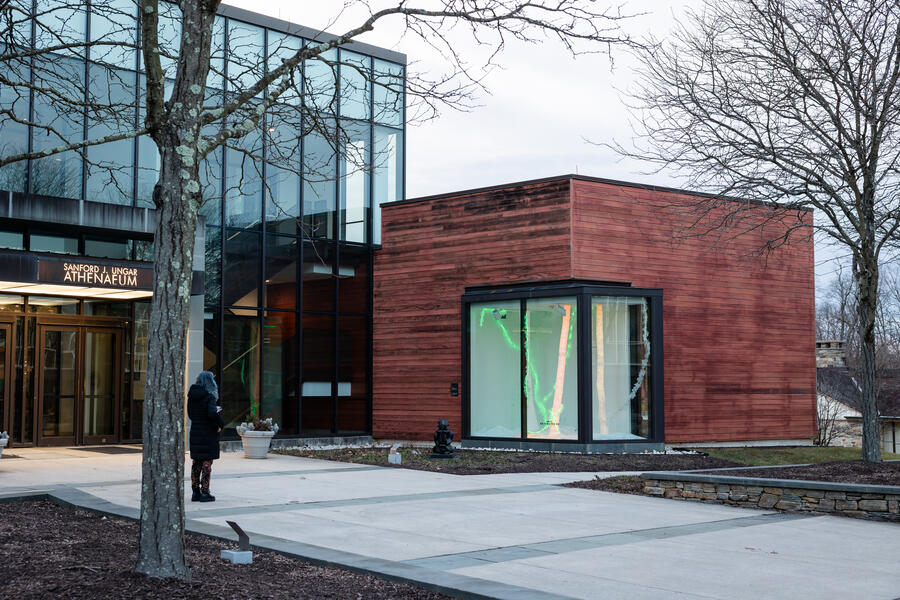
This site-specific installation responds to the architecture of the Goucher College’s Bond Gallery and the surrounding landscape. The gallery space jutting out from the building is defined by three walls of windows, resembling a greenhouse. Using light to visualize the agency and communication of plants, trees grow through the ceiling surrounded by English Ivy vines threatening to take over.
Plants have the ability to relay information throughout their appendages using their vascular system in response to certain stimuli or threats much like our own nervous system. They are also able to communicate with other plants, even other species, through root and mycorrhizal networks underground. Illuminated Maple trees and English Ivy vines model these systems through pulsating light patterns as they occupy the gallery/greenhouse.
Media: Tyvek, Mylar, WLED lights, Microcontrollers
Year: 2025
Electrical systems assistance provided by Andy Holtin
Photo credit Side A Photography
-
 To See the Forest for the Trees
This site-specific installation responds to the architecture of the Goucher College’s Bond Gallery and the surrounding landscape. The gallery space jutting out from the building is defined by three walls of windows, resembling a greenhouse. Using light to visualize the agency and communication of plants, trees grow through the ceiling surrounded by English Ivy vines threatening to take over.
Plants have the ability to relay information throughout their appendages using their vascular system in response to certain stimuli or threats much like our own nervous system. They are also able to communicate with other plants, even other species, through root and mycorrhizal networks underground. Illuminated Maple trees and English Ivy vines model these systems through pulsating light patterns as they occupy the gallery/greenhouse.
Media: Tyvek, Mylar, WLED lights, Microcontrollers
Year: 2025
Electrical systems assistance provided by Andy Holtin
Photo credit Side A Photography
-
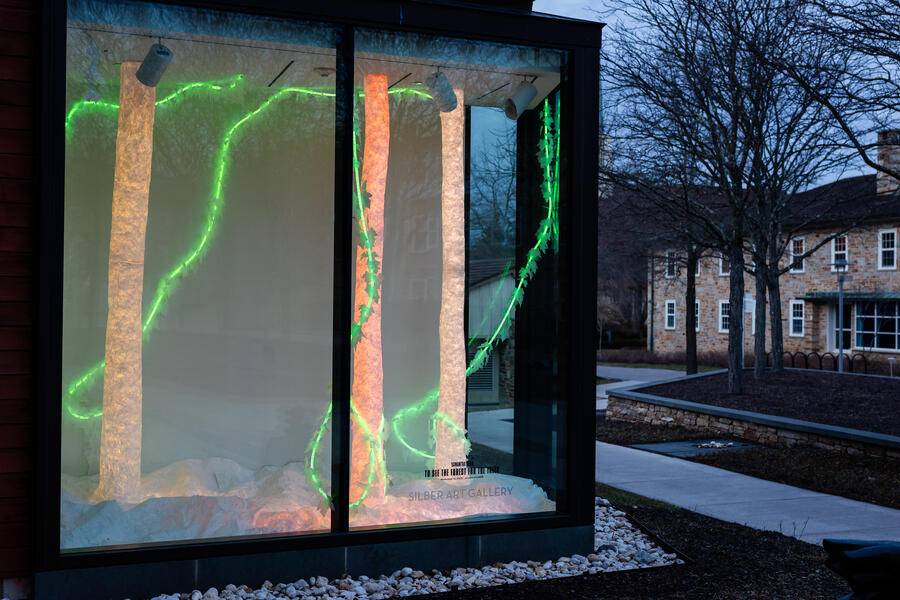 To See the Forest for the Trees
This site-specific installation responds to the architecture of the Goucher College’s Bond Gallery and the surrounding landscape. The gallery space jutting out from the building is defined by three walls of windows, resembling a greenhouse. Using light to visualize the agency and communication of plants, trees grow through the ceiling surrounded by English Ivy vines threatening to take over.
Plants have the ability to relay information throughout their appendages using their vascular system in response to certain stimuli or threats much like our own nervous system. They are also able to communicate with other plants, even other species, through root and mycorrhizal networks underground. Illuminated Maple trees and English Ivy vines model these systems through pulsating light patterns as they occupy the gallery/greenhouse.
Media: Tyvek, Mylar, WLED lights, Microcontrollers
Year: 2025
Electrical systems assistance provided by Andy Holtin
Photo credit Side A Photography
-
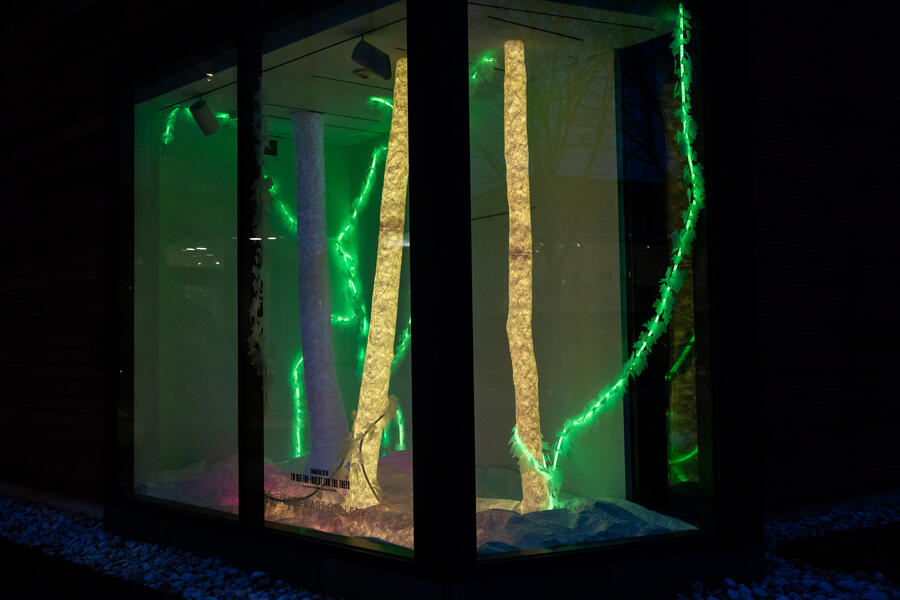 To See the Forest for the Trees
This site-specific installation responds to the architecture of the Goucher College’s Bond Gallery and the surrounding landscape. The gallery space jutting out from the building is defined by three walls of windows, resembling a greenhouse. Using light to visualize the agency and communication of plants, trees grow through the ceiling surrounded by English Ivy vines threatening to take over.
Plants have the ability to relay information throughout their appendages using their vascular system in response to certain stimuli or threats much like our own nervous system. They are also able to communicate with other plants, even other species, through root and mycorrhizal networks underground. Illuminated Maple trees and English Ivy vines model these systems through pulsating light patterns as they occupy the gallery/greenhouse.
Media: Tyvek, Mylar, WLED lights, Microcontrollers
Year: 2025
Electrical systems assistance provided by Andy Holtin
Photo credit Side A Photography



Lucid Nature
-
 Lucid Nature
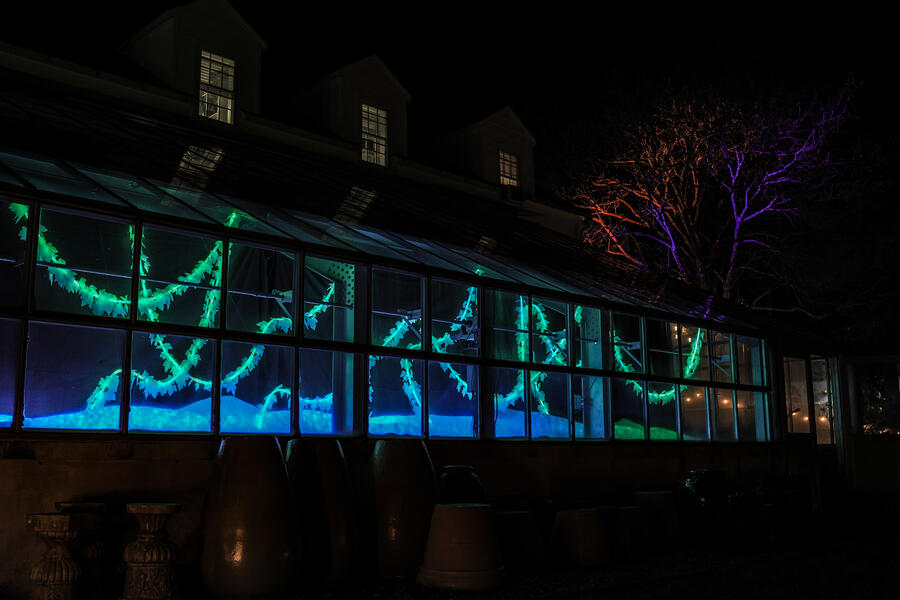
This project uses light to visualize the agency and communication of plants.
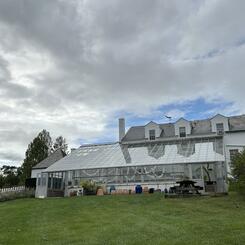
Plants have an ability, only recently studied and not fully understood, to relay messages through their appendages using their vascular system in response to certain stimuli or threats much like our own nervous system. They are also able to communicate information to other plants, even other species, through root and mycorrhizal networks underground. Illuminated English Ivy vines model these systems through pulsating light patterns as they occupy the greenhouse.
English Ivy is an ornamental plant that is recognized as invasive in the US. The greenhouse sets the stage for this deceptively demure plant gone wild.
Media: Tyvek, Mylar, WLED lights, Microcontrollers
2025
Electrical systems assistance provided by Andy Holtin
-
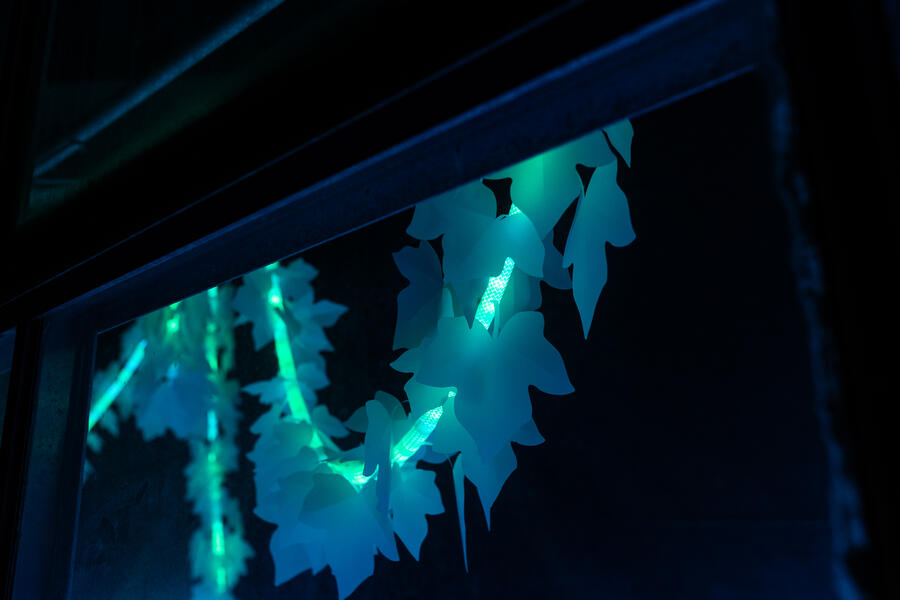 Lucid Nature
This project uses light to visualize the agency and communication of plants.
Plants have an ability, only recently studied and not fully understood, to relay messages through their appendages using their vascular system in response to certain stimuli or threats much like our own nervous system. They are also able to communicate information to other plants, even other species, through root and mycorrhizal networks underground. Illuminated English Ivy vines model these systems through pulsating light patterns as they occupy the greenhouse.
English Ivy is an ornamental plant that is recognized as invasive in the US. The greenhouse sets the stage for this deceptively demure plant gone wild.
Media: Tyvek, Mylar, WLED lights, Microcontrollers
2025
Electrical systems assistance provided by Andy Holtin
Photo credit Side A Photography
-
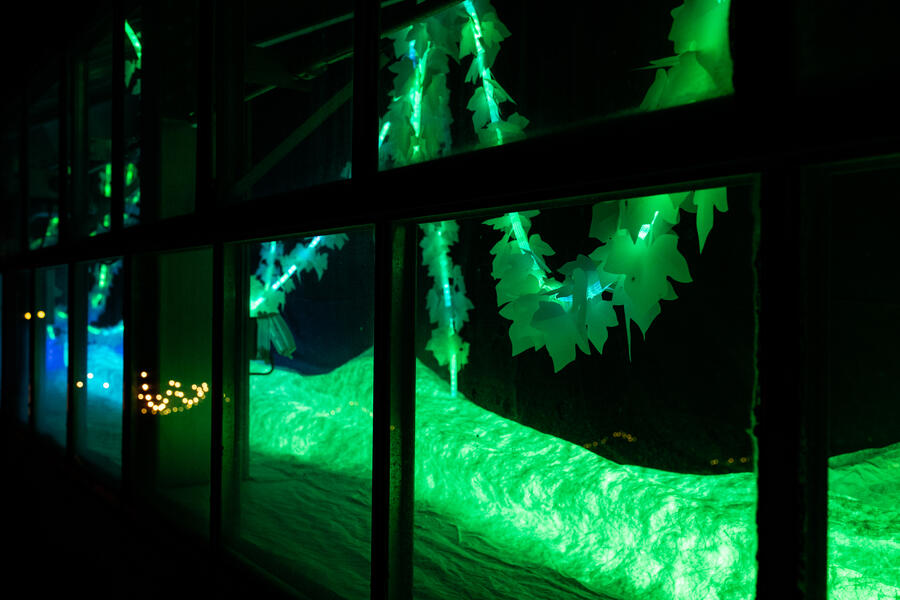 Lucid Nature
This project uses light to visualize the agency and communication of plants.
Plants have an ability, only recently studied and not fully understood, to relay messages through their appendages using their vascular system in response to certain stimuli or threats much like our own nervous system. They are also able to communicate information to other plants, even other species, through root and mycorrhizal networks underground. Illuminated English Ivy vines model these systems through pulsating light patterns as they occupy the greenhouse.
English Ivy is an ornamental plant that is recognized as invasive in the US. The greenhouse sets the stage for this deceptively demure plant gone wild.
Media: Tyvek, Mylar, WLED lights, Microcontrollers
2025
Electrical systems assistance provided by Andy Holtin
Photo credit Side A Photography
-
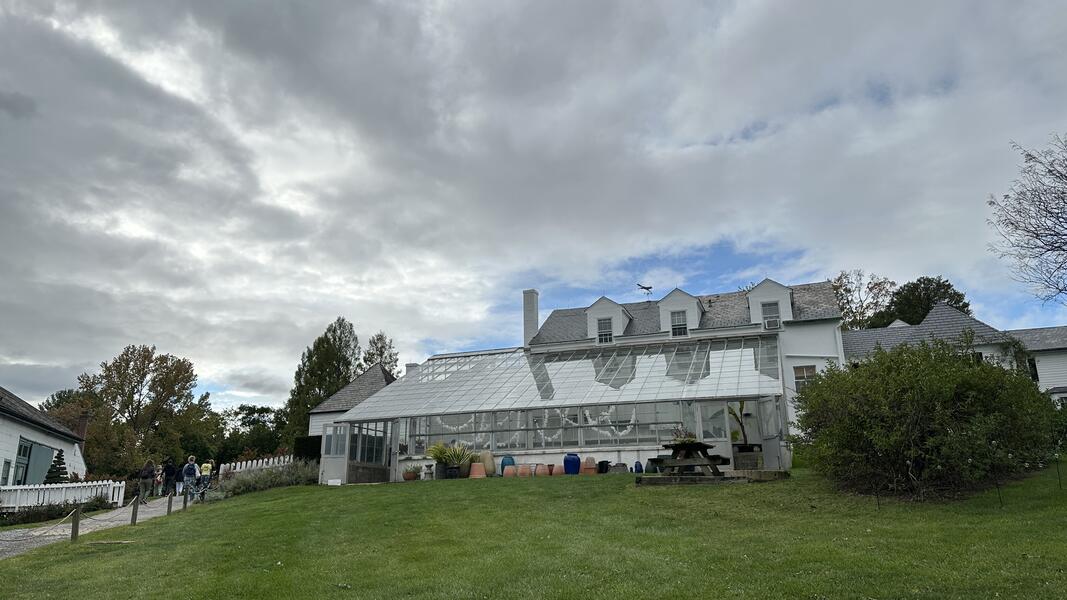 Lucid Nature
This project uses light to visualize the agency and communication of plants.
Plants have an ability, only recently studied and not fully understood, to relay messages through their appendages using their vascular system in response to certain stimuli or threats much like our own nervous system. They are also able to communicate information to other plants, even other species, through root and mycorrhizal networks underground. Illuminated English Ivy vines model these systems through pulsating light patterns as they occupy the greenhouse.
English Ivy is an ornamental plant that is recognized as invasive in the US. The greenhouse sets the stage for this deceptively demure plant gone wild.
Media: Tyvek, Mylar, WLED lights, Microcontrollers
2025
Electrical systems assistance provided by Andy Holtin
Photo credit Side A Photography


Uncontainable Garden
-
 Uncontainable Garden
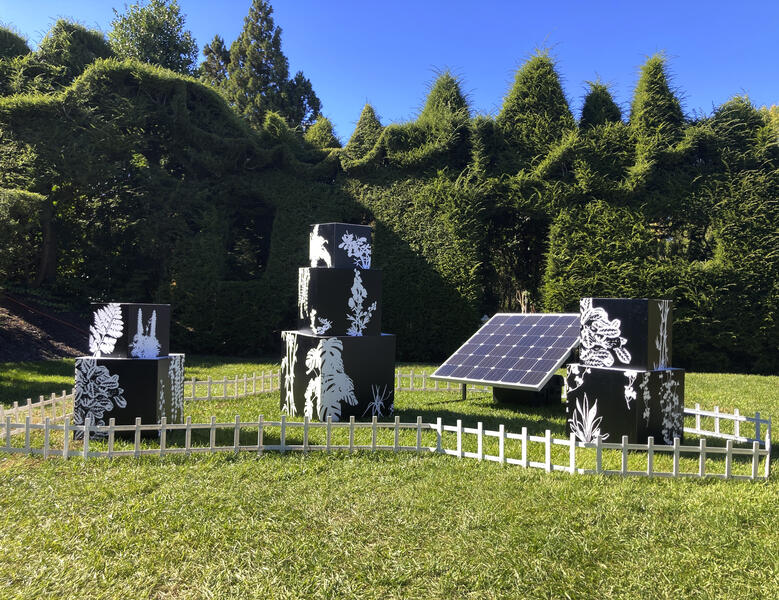
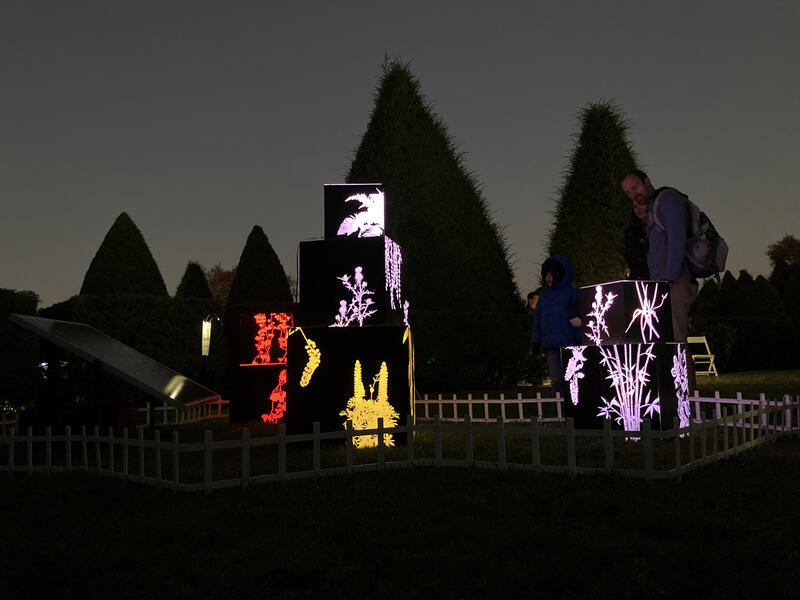
Uncontainable Garden is an installation of illuminated plastic boxes containing – or being overwhelmed by – various forms of plant life. These glowing silhouettes, illuminated by captured solar power, highlight plants with which we have complicated relationships, from houseplants growing in containers and endangered species to weeds and invasive plants. This project reimagines our relationship to plant life and considers our attempts to contain and control it. These plants refuse to be contained.
Solar panels, corrugated plastic, vinyl, LED lights
dimensions variable
2024
-
 Uncontainable Garden
Uncontainable Garden is an installation of illuminated plastic boxes containing – or being overwhelmed by – various forms of plant life. These glowing silhouettes, illuminated by captured solar power, highlight plants with which we have complicated relationships, from houseplants growing in containers and endangered species to weeds and invasive plants. This project reimagines our relationship to plant life and considers our attempts to contain and control it. These plants refuse to be contained.
Solar panels, corrugated plastic, vinyl, LED lights
dimensions variable
2024
-
 Uncontainable Garden
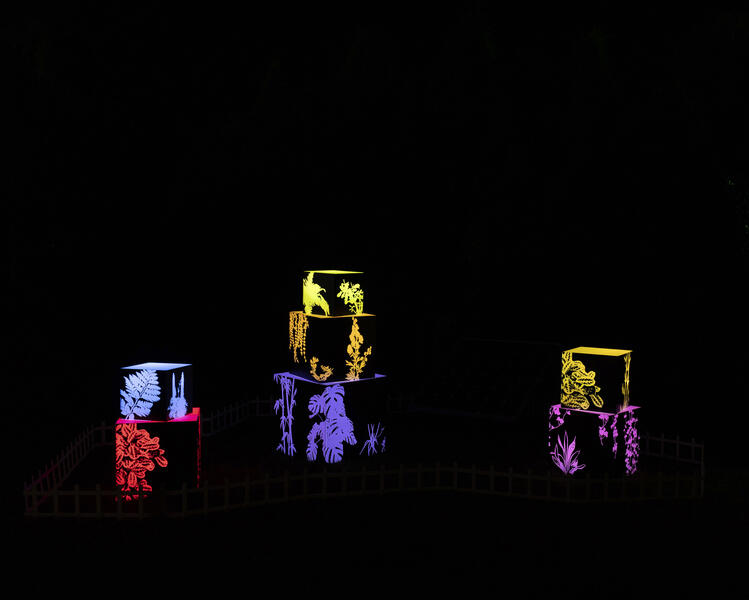
Uncontainable Garden is an installation of illuminated plastic boxes containing – or being overwhelmed by – various forms of plant life. These glowing silhouettes, illuminated by captured solar power, highlight plants with which we have complicated relationships, from houseplants growing in containers and endangered species to weeds and invasive plants. This project reimagines our relationship to plant life and considers our attempts to contain and control it. These plants refuse to be contained.
Solar panels, corrugated plastic, vinyl, LED lights
dimensions variable
2024
Photo credit Side A Photography
-
 Uncontainable Garden
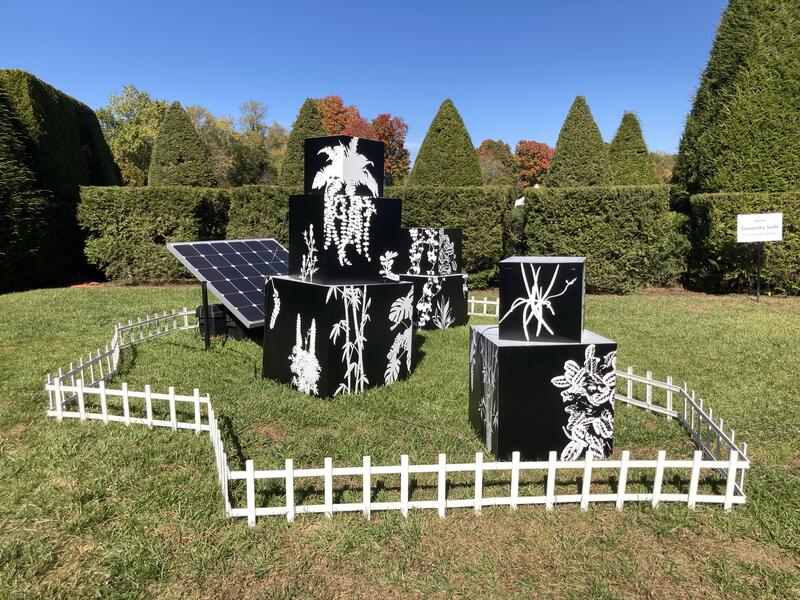
Uncontainable Garden is an installation of illuminated plastic boxes containing – or being overwhelmed by – various forms of plant life. These glowing silhouettes, illuminated by captured solar power, highlight plants with which we have complicated relationships, from houseplants growing in containers and endangered species to weeds and invasive plants. This project reimagines our relationship to plant life and considers our attempts to contain and control it. These plants refuse to be contained.
Solar panels, corrugated plastic, vinyl, LED lights
dimensions variable
2024
-
Uncontainable Garden
Uncontainable Garden is an installation of illuminated plastic boxes containing – or being overwhelmed by – various forms of plant life. These glowing silhouettes, illuminated by captured solar power, highlight plants with which we have complicated relationships, from houseplants growing in containers and endangered species to weeds and invasive plants. This project reimagines our relationship to plant life and considers our attempts to contain and control it. These plants refuse to be contained.
Uncontainable Garden
Solar panels, corrugated plastic, vinyl, LED lights
dimensions variable
2024


Fossil Futures
-
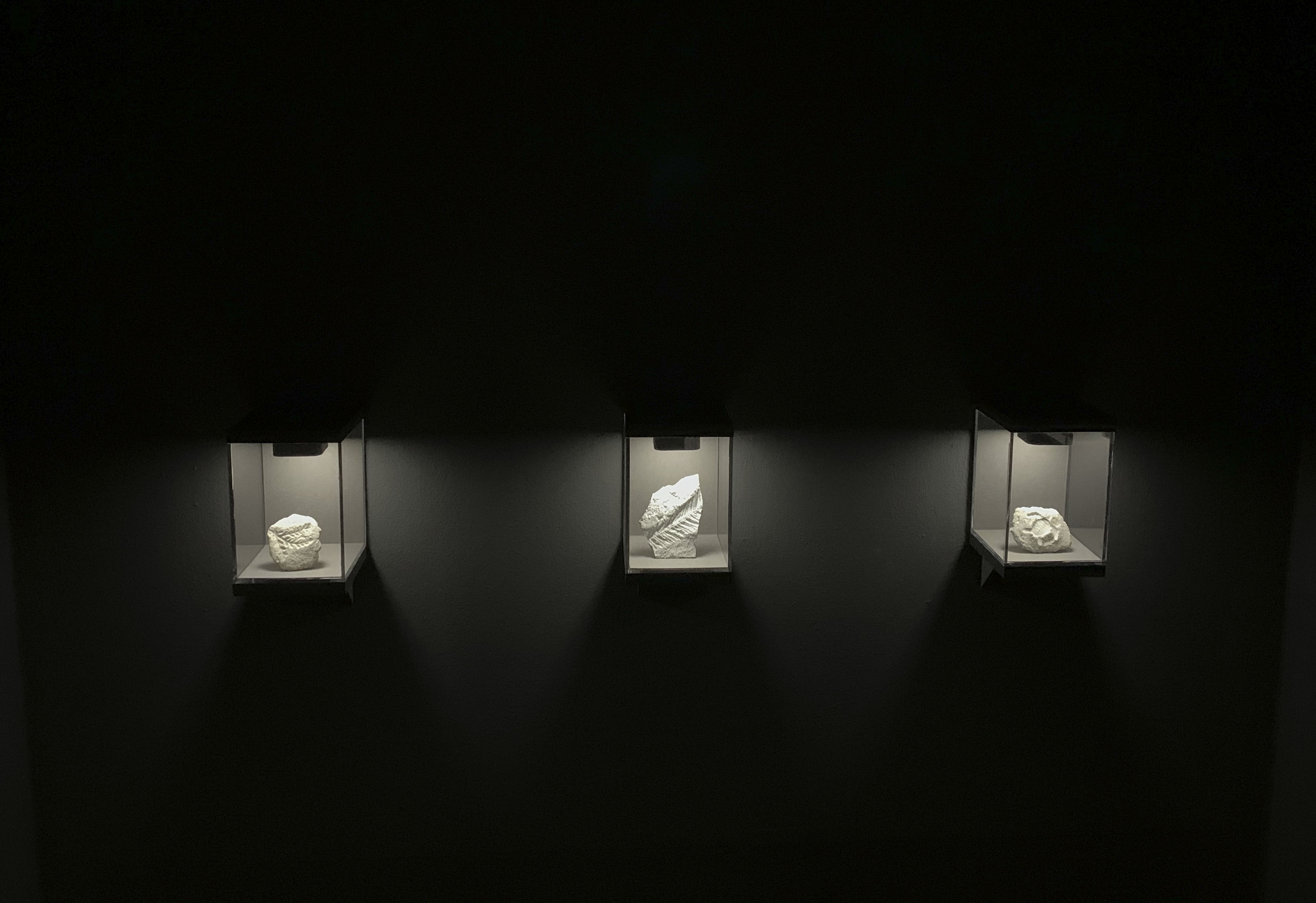
 Fossil Futures Installation Shot
 -
Fossil Futures: 12.2.22 005; Toy, turtlecast concrete, led, acrylic, paper, MDF
-
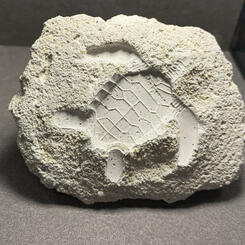
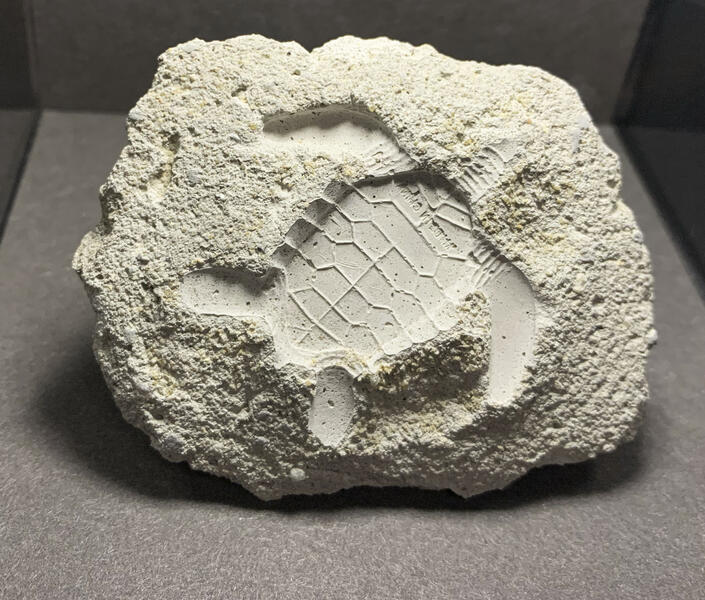 Fossil Futures: 12.2.22 005; Toy, turtle (detail)cast concrete, led, acrylic, paper, MDF
 -
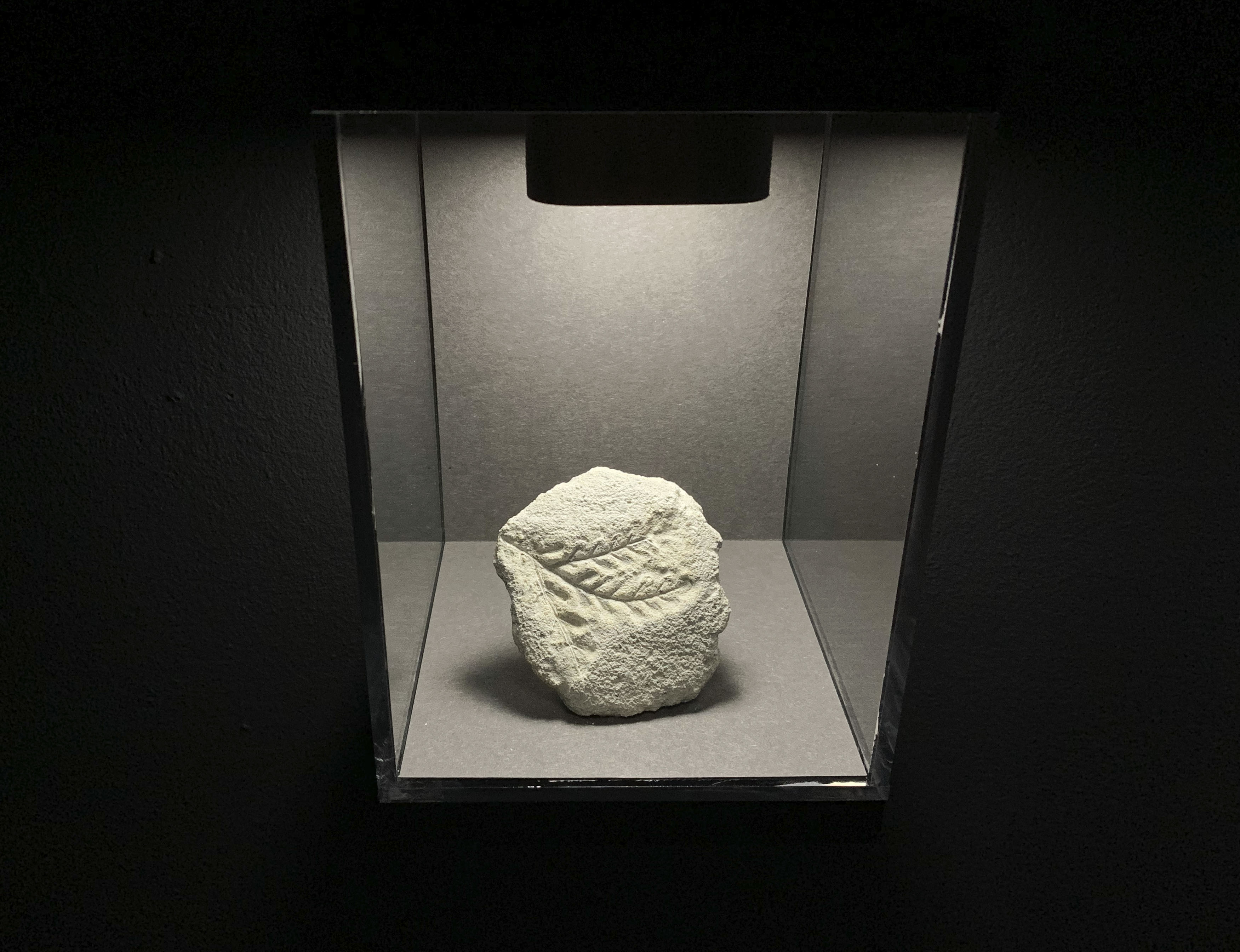
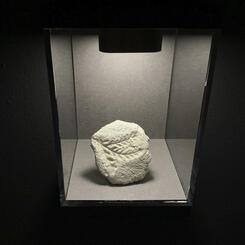
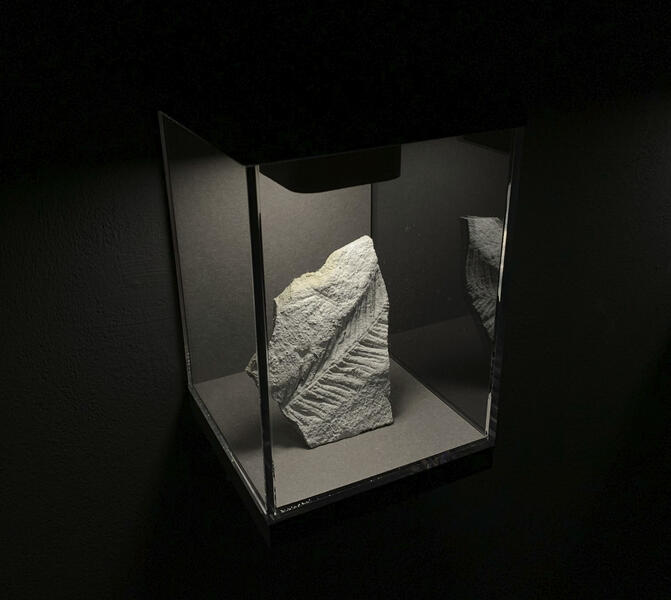 Fossil Futures: 12.2.22 Plant, plastic, ferncast concrete, led, acrylic, paper, MDF
 -
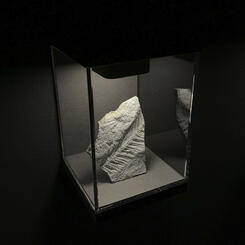
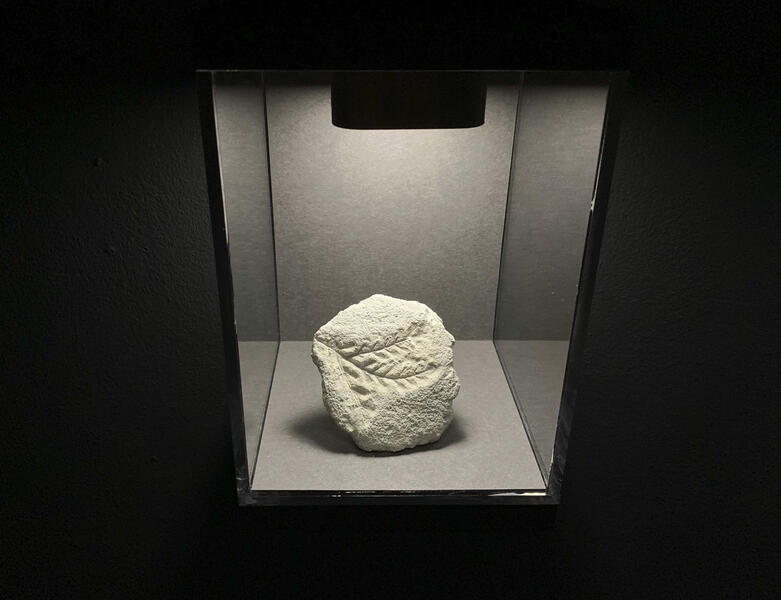 Fossil Futures: Plant, branch, gold plasticcast concrete, led, acrylic, paper, MDF

Object Impermanence
-
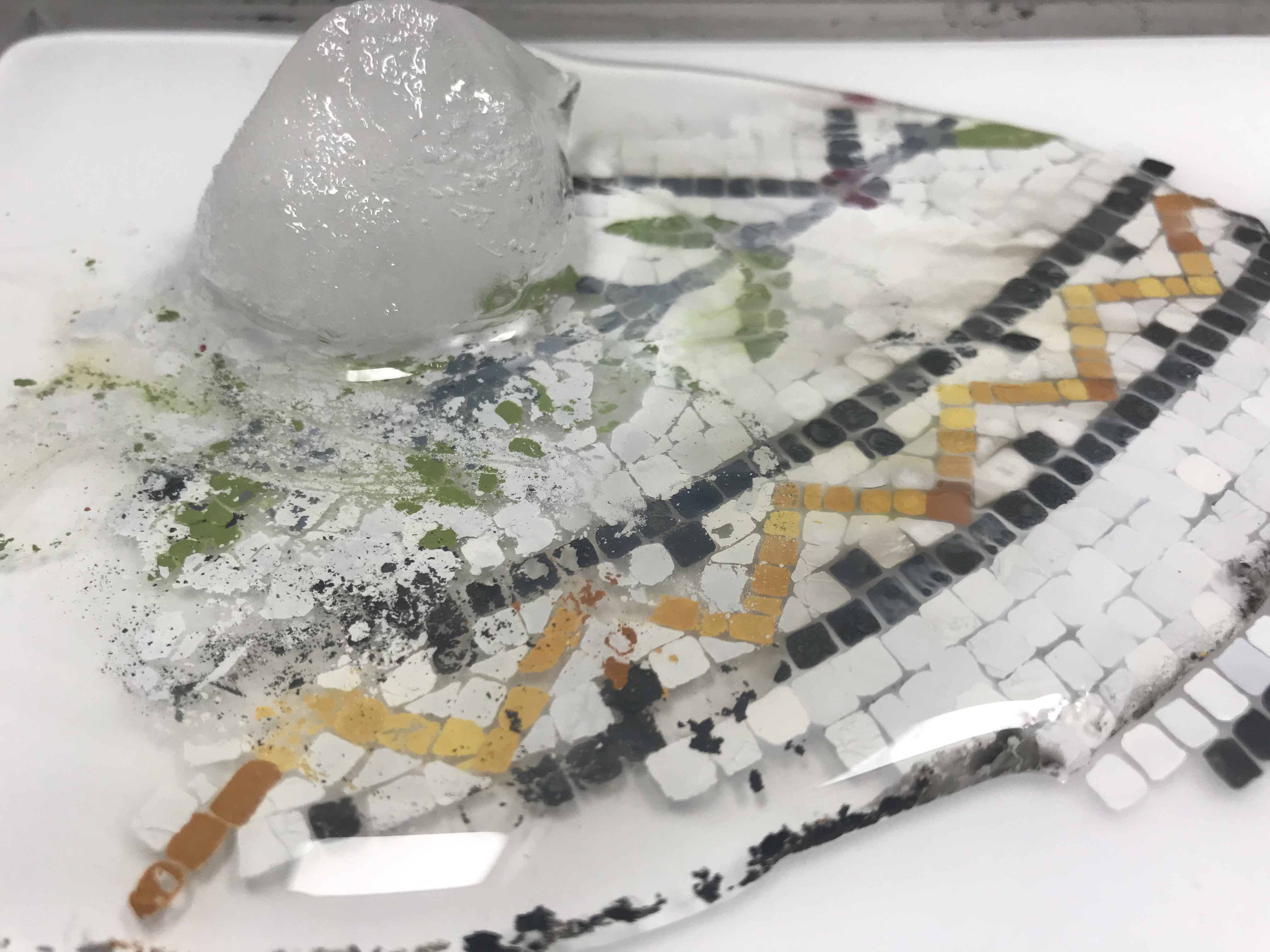
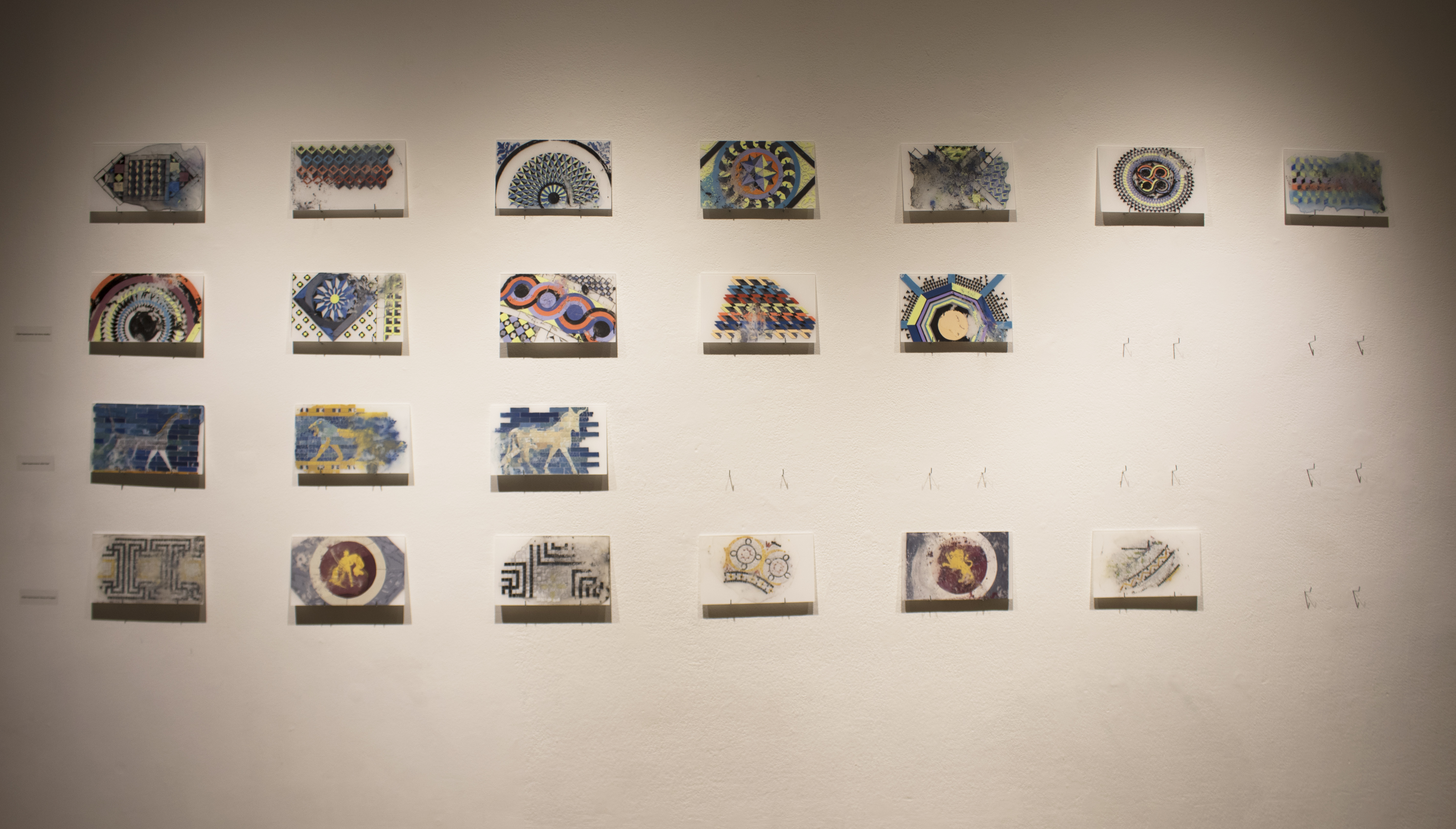
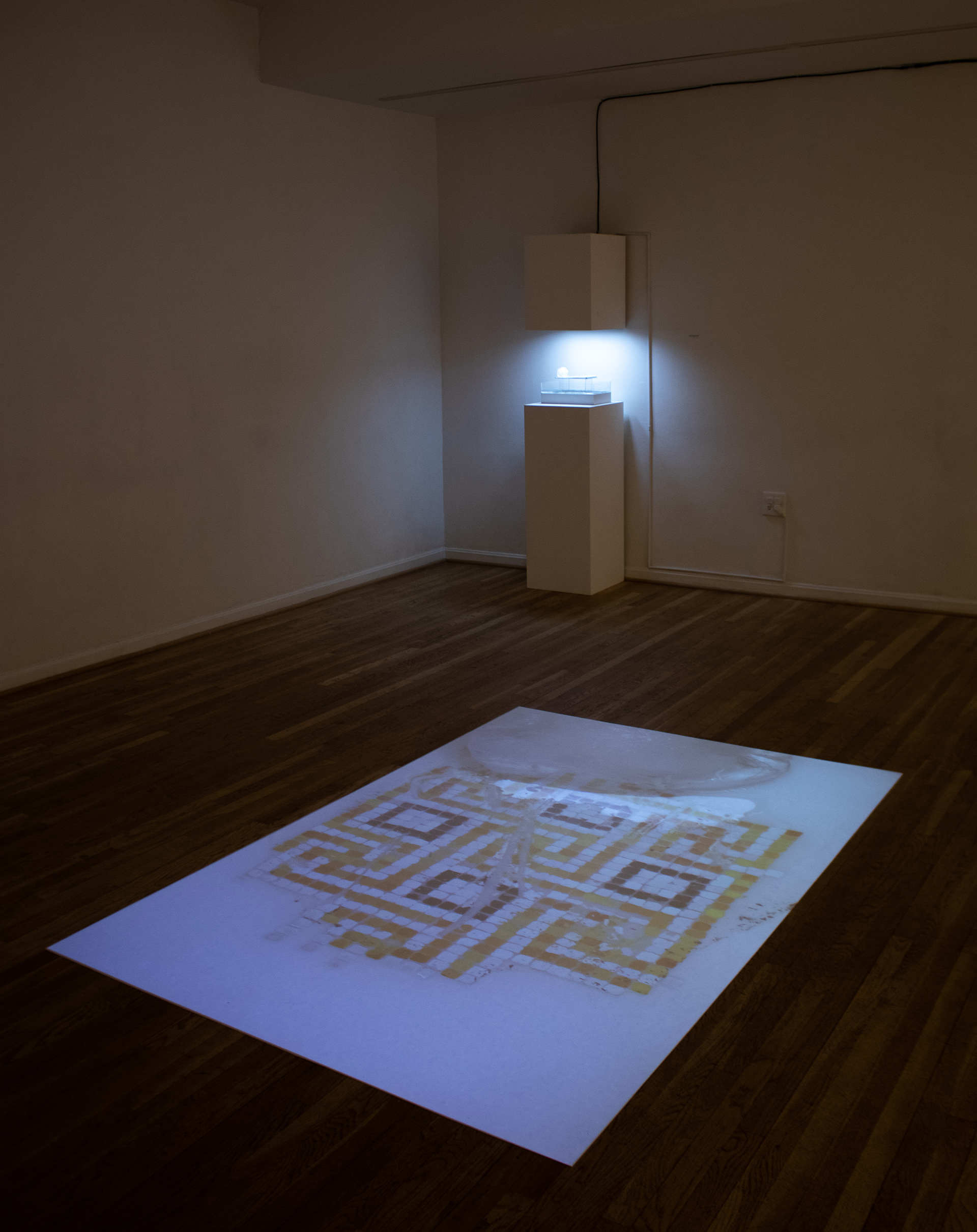
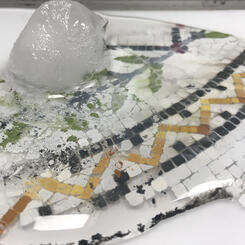
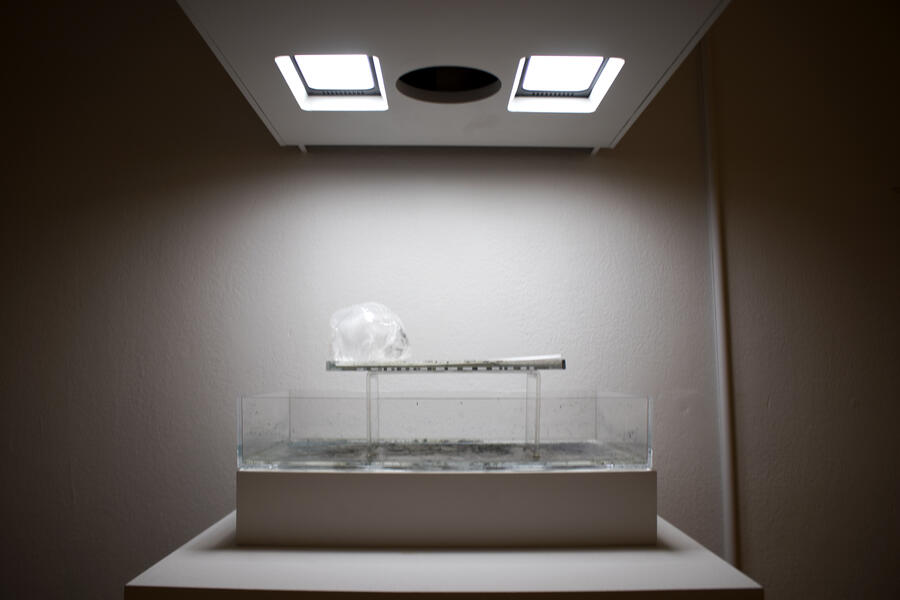 Object Impermanence (detail)drawings on acrylic, gouache, ice, videocamera, MDF, live stream video projection on styrene, dimensions variable, 2019
 -
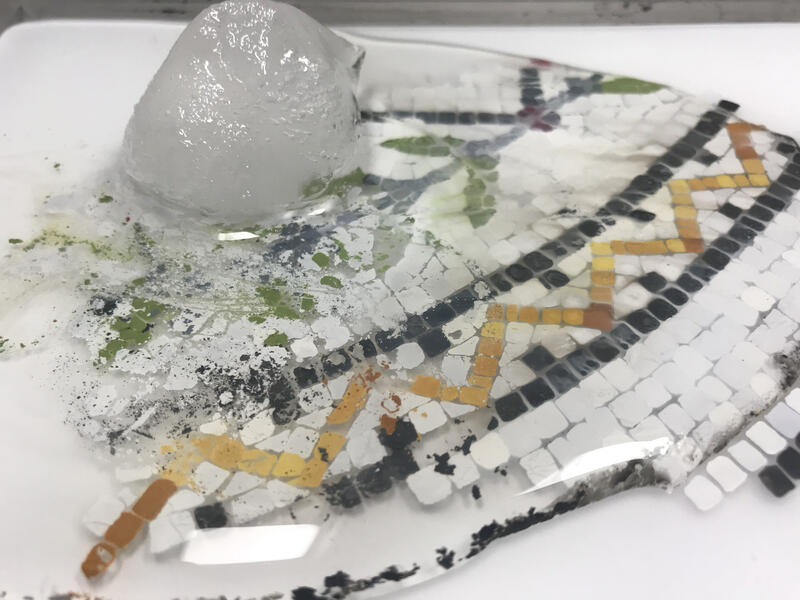 Object Impermanence (detail)drawings on acrylic, gouache, ice, videocamera, MDF, live stream video projection on styrene, dimensions variable, 2019
 -
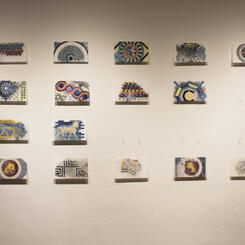
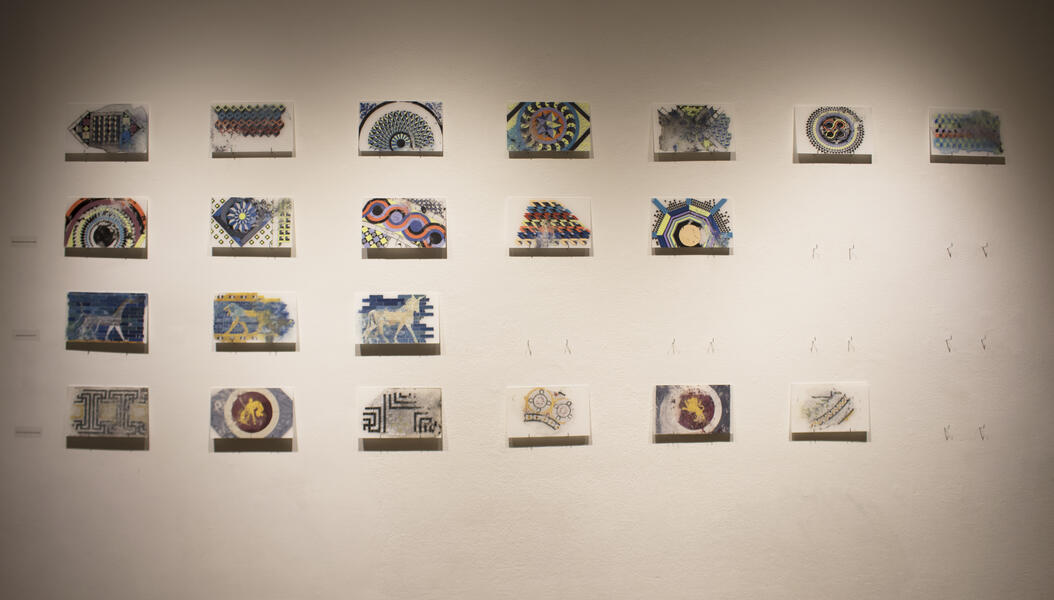 Object Impermanence (tiles)drawings on acrylic, gouache, ice, videocamera, MDF, live stream video projection on styrene, dimensions variable, 2019
 -
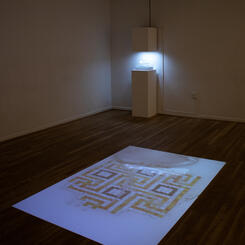
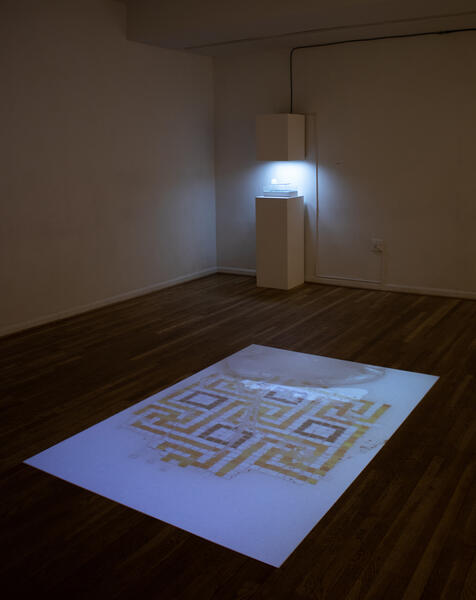 Object Impermanence (installation shot)
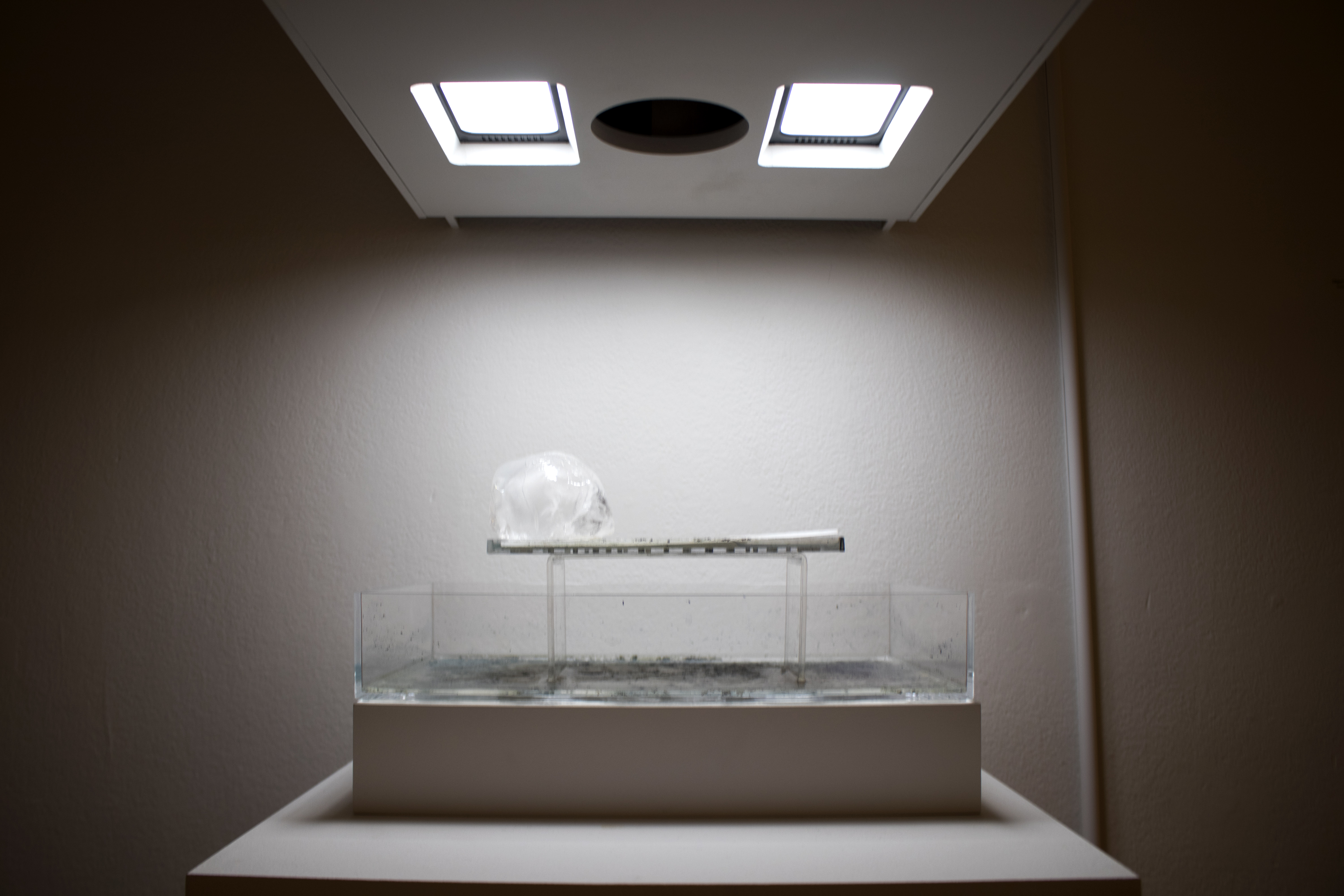
Entropic Irrigation System III
-
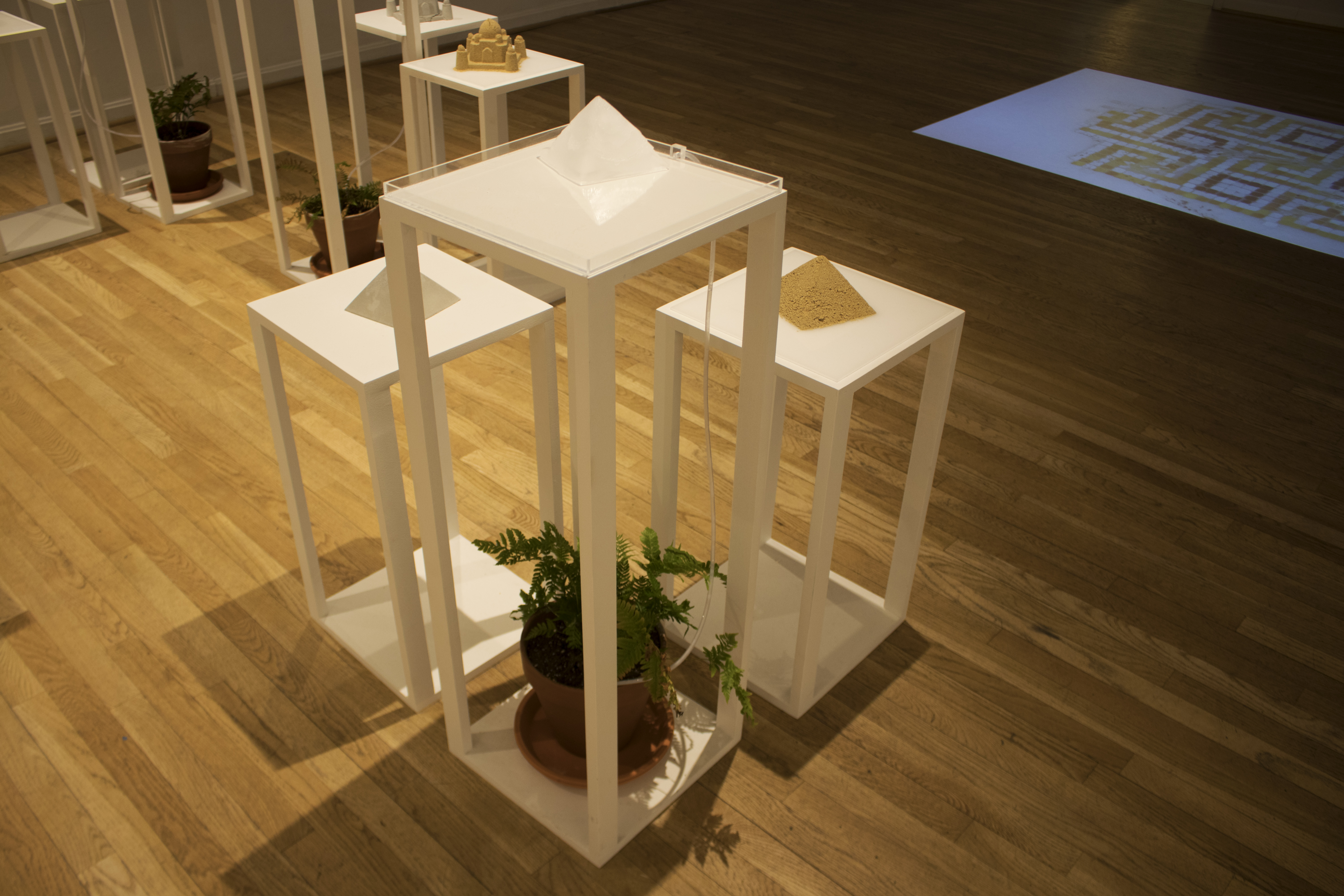
Entropic Irrigation System IIIEntropic Irrigation System III was developed to support and manage the melting ice frozen in the form of five monuments including the Taj Mahal, the Colosseum, a Mayan Temple, the Parthenon, and a Pyramid. As these ice monuments melt, the water drains through plastic tubing to water the fern growing beneath. Each monument displayed has three material versions; version one - frozen water, version 2 - sand mixed with water, version 3 - concrete (a combination of cement, sand and water). Each material is allowed to deteriorate undisturbed throughout the exhibition. The ferns selected for this system are native to the area and are able to manage flooding and prevent erosion.
-
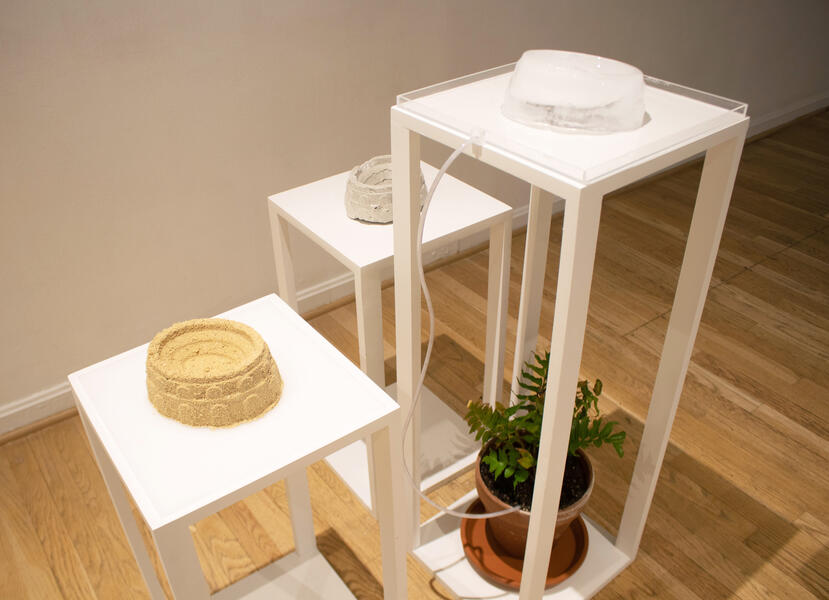 Entropic Irrigation System (Colosseum)
 -
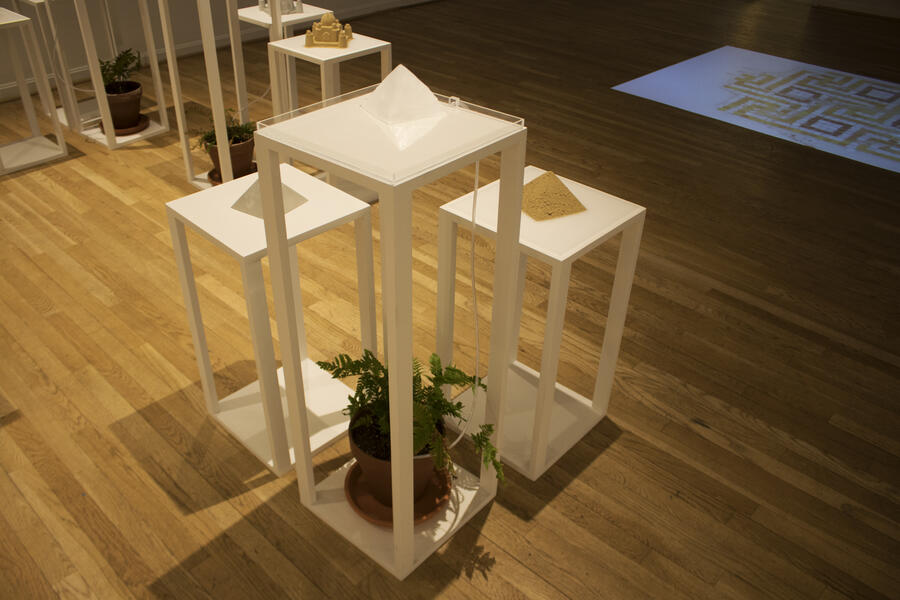 Entropic Irrigation System III (pyramid)

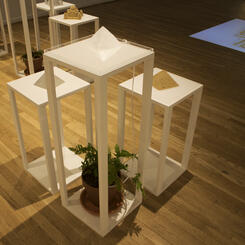
Counterweight
-
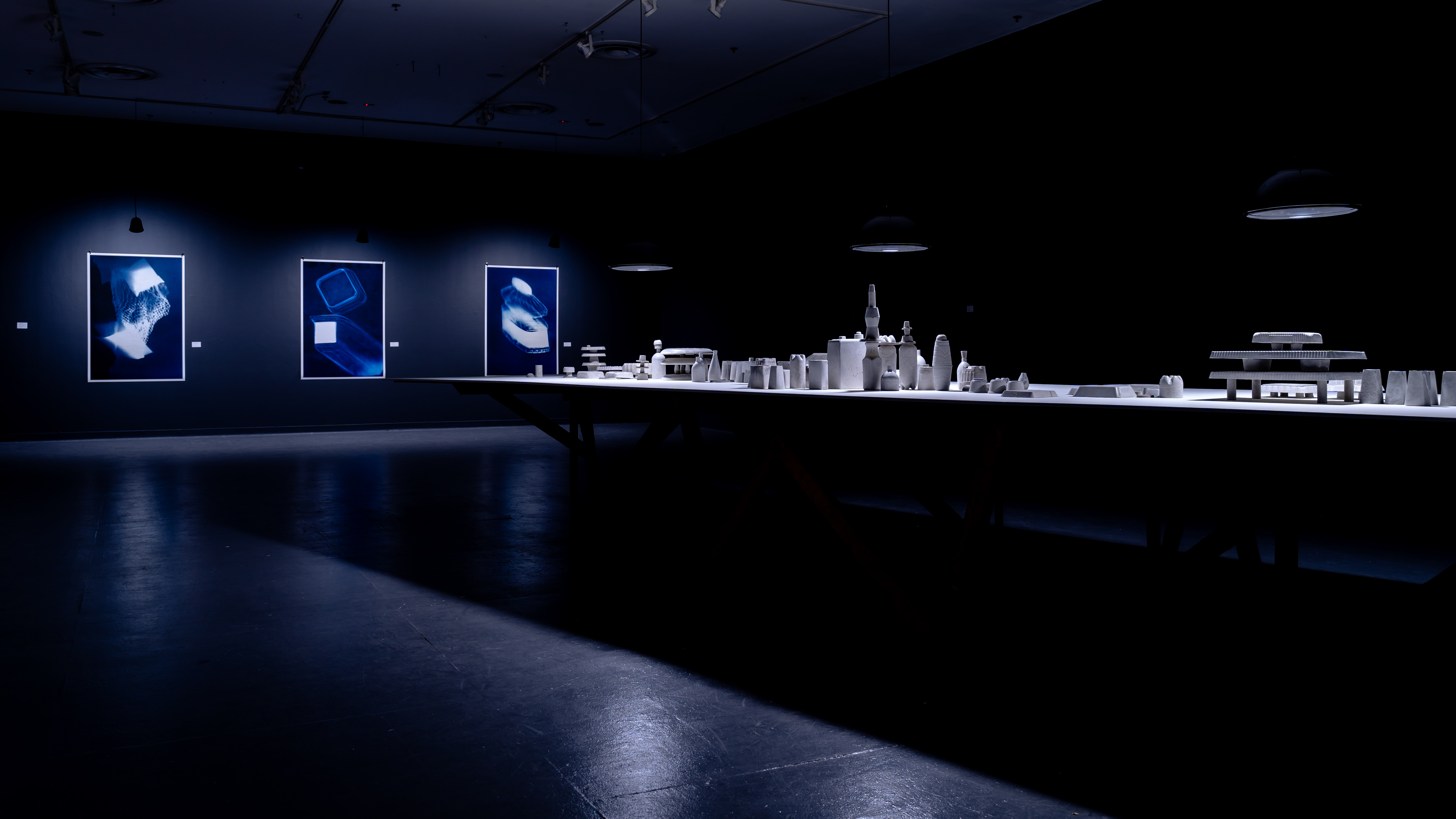
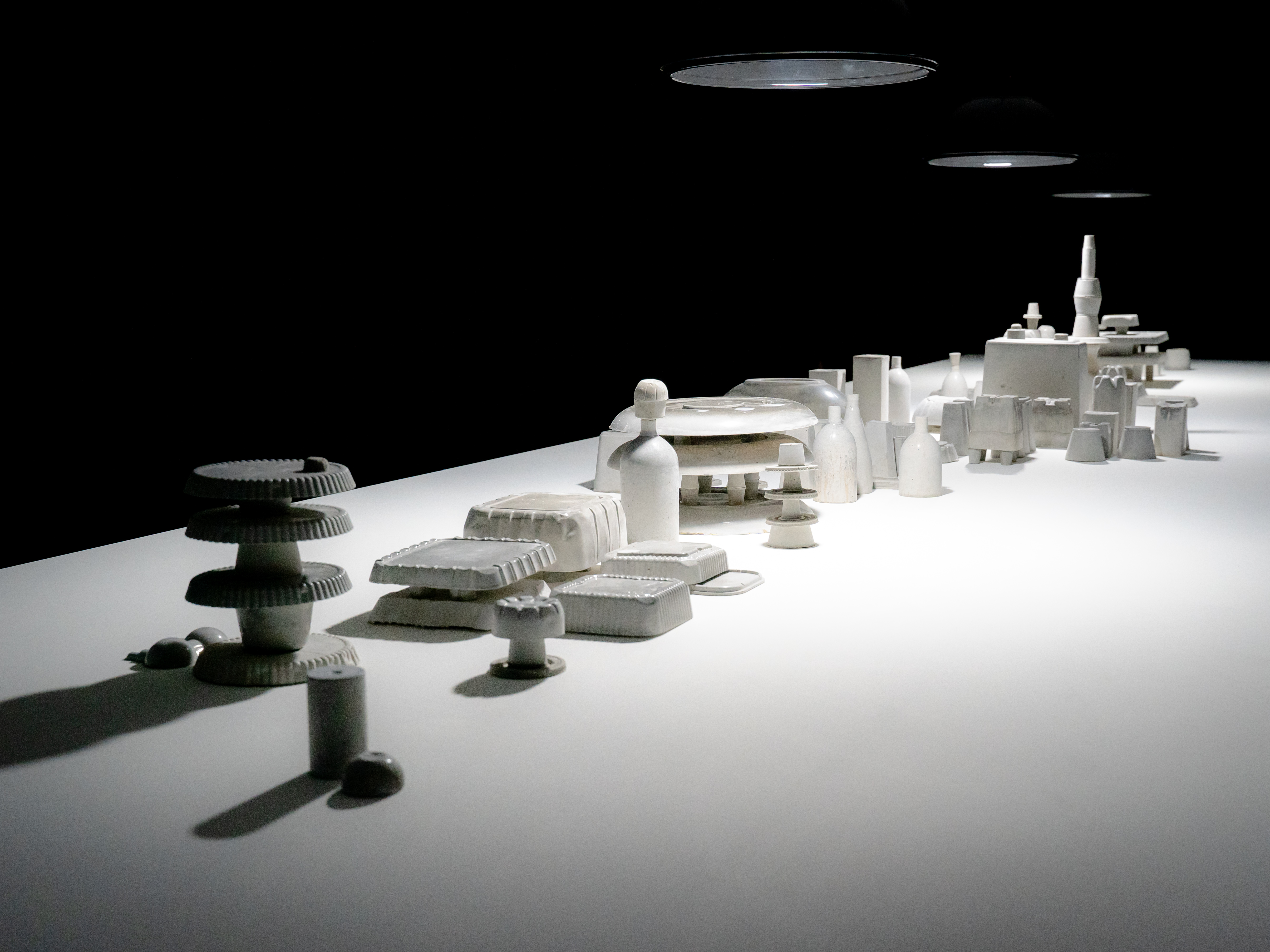
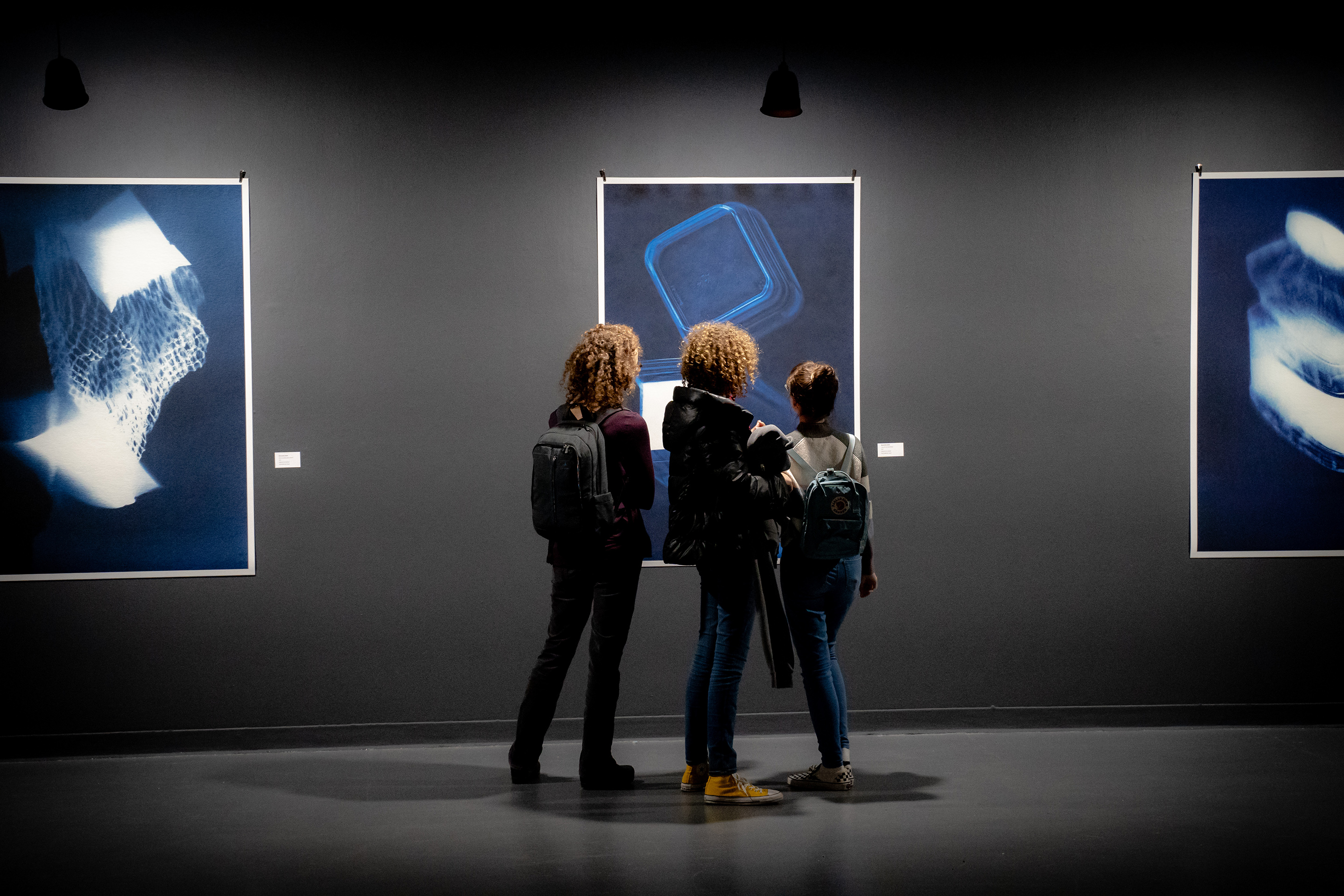
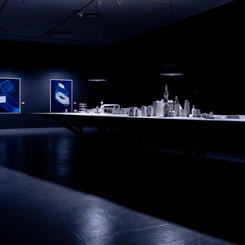
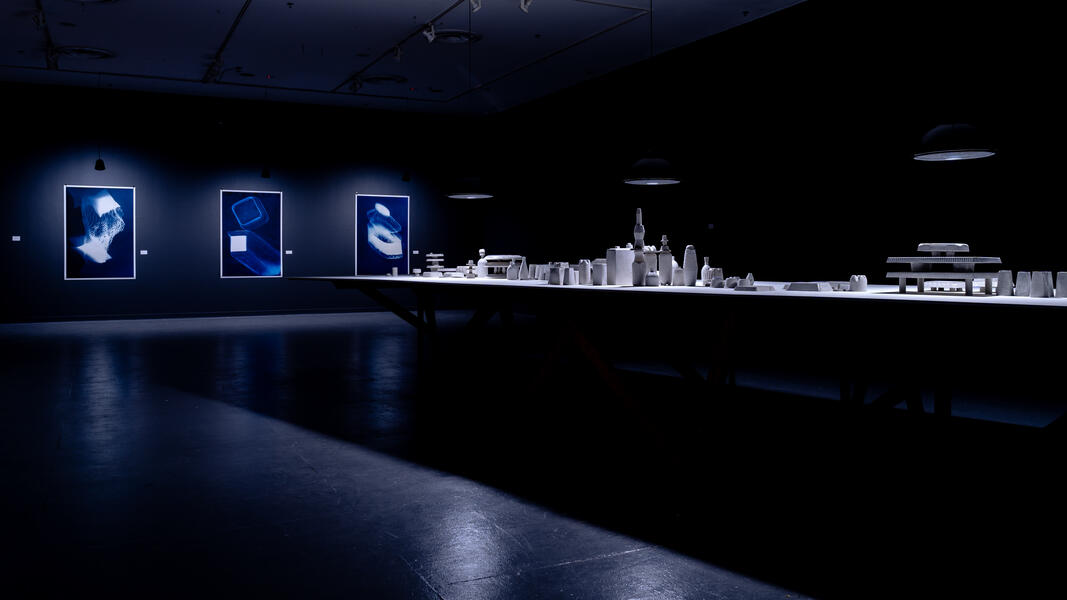 CounterweightThis exhibition,Counterweight, invites viewers to consider what is permanent. What are the artifacts we will leave behind? What happens to the lightweight, inconsequential objects we call disposable but are in fact as enduring as the things we intend to last? It is difficult to grasp the permanent nature of the temporary objects of convenience, many of which sustain our existence, but cost so little to produce that they are often given away. Once disposed of, these objects cease to exist in our minds, but they continue to exist somewhere else, somewhere out of sight. How do we reconcile their transience in our lives with their longevity in the world? This work seeks to understand these objects by transforming them, by seeing them in new terms -- perhaps in the way the rest of the natural world sees them, rather than how we do.
 -
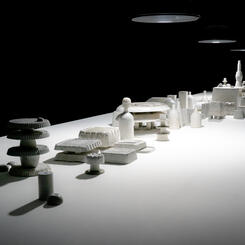
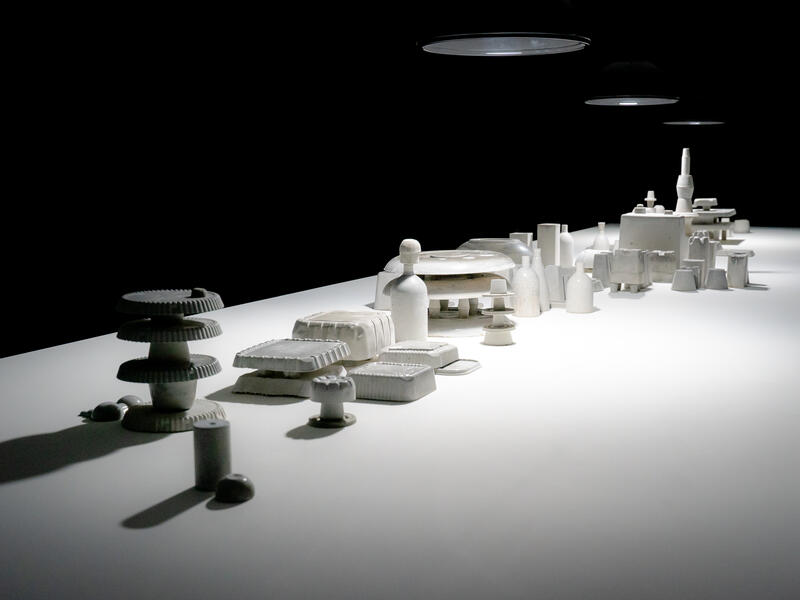 Concrete NecropolisConcrete, MDF, reclaimed lumber, dimensions variable, 2019
 -
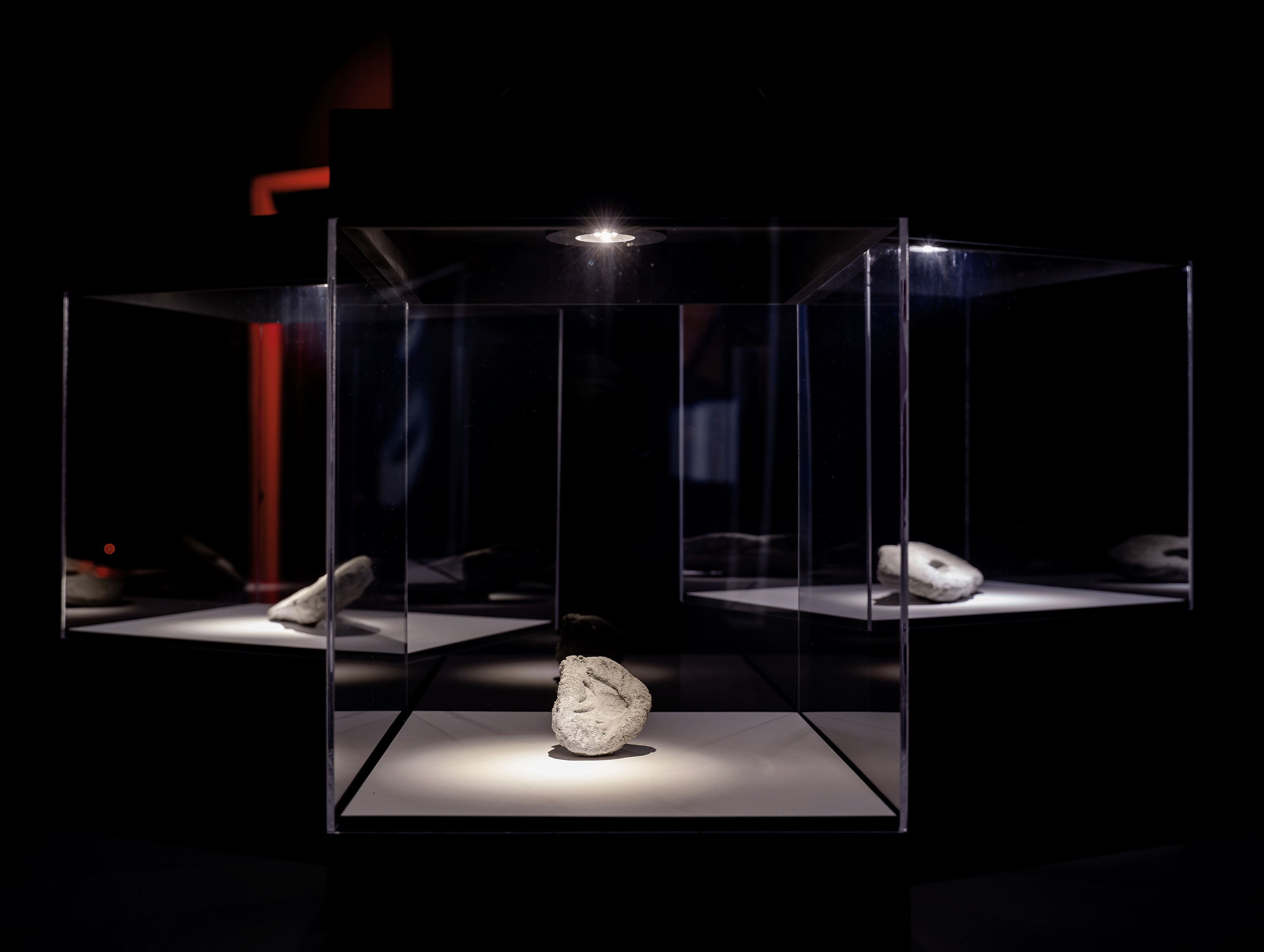
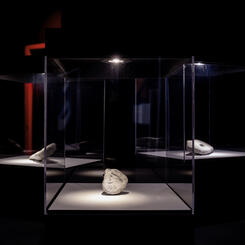
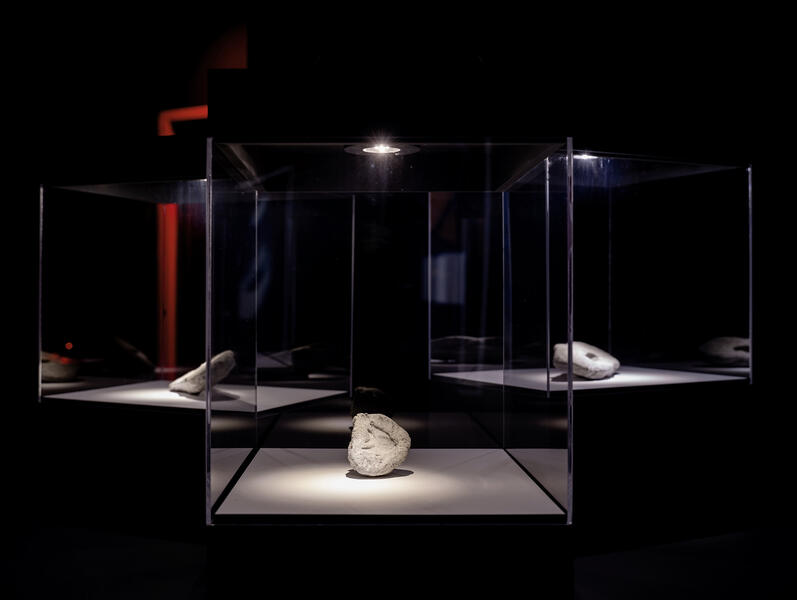 Fossil Futures: 3.12.18. 005; Pendant, fishConcrete,MDF, Acrylic, LEDs, dimensions variable, 2019
 -
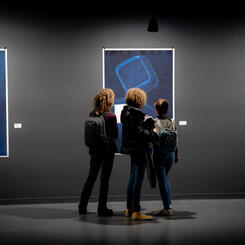
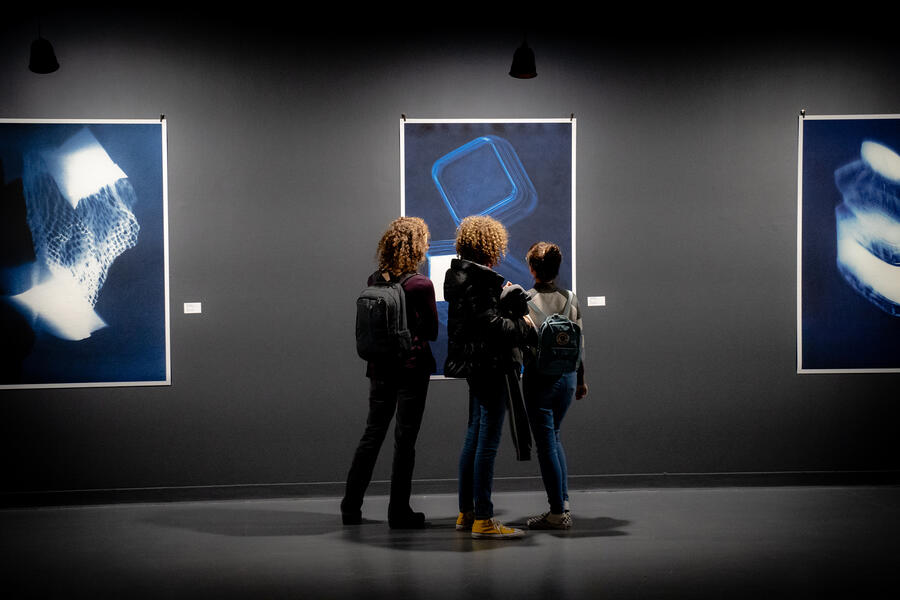 Counterweight exhibitionDisposable plastic containers documented as photogram cyanotypes.
Solar Power/ Solar System
-
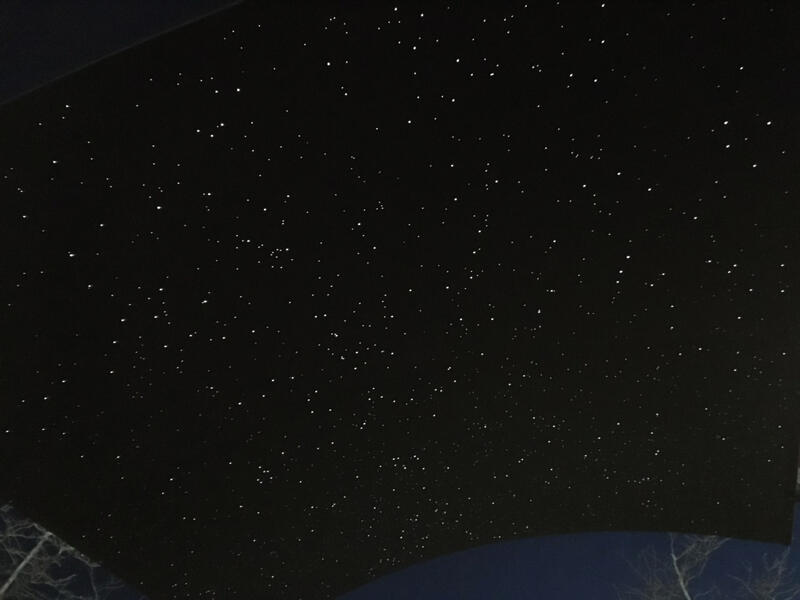
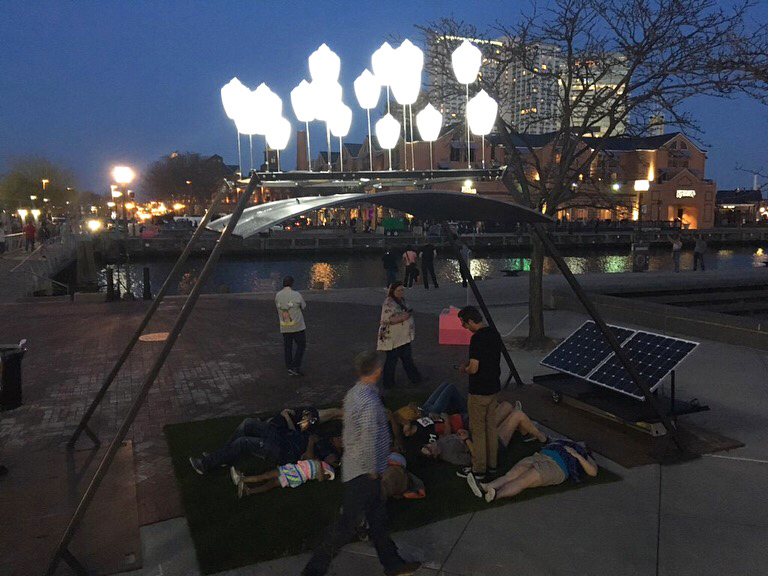
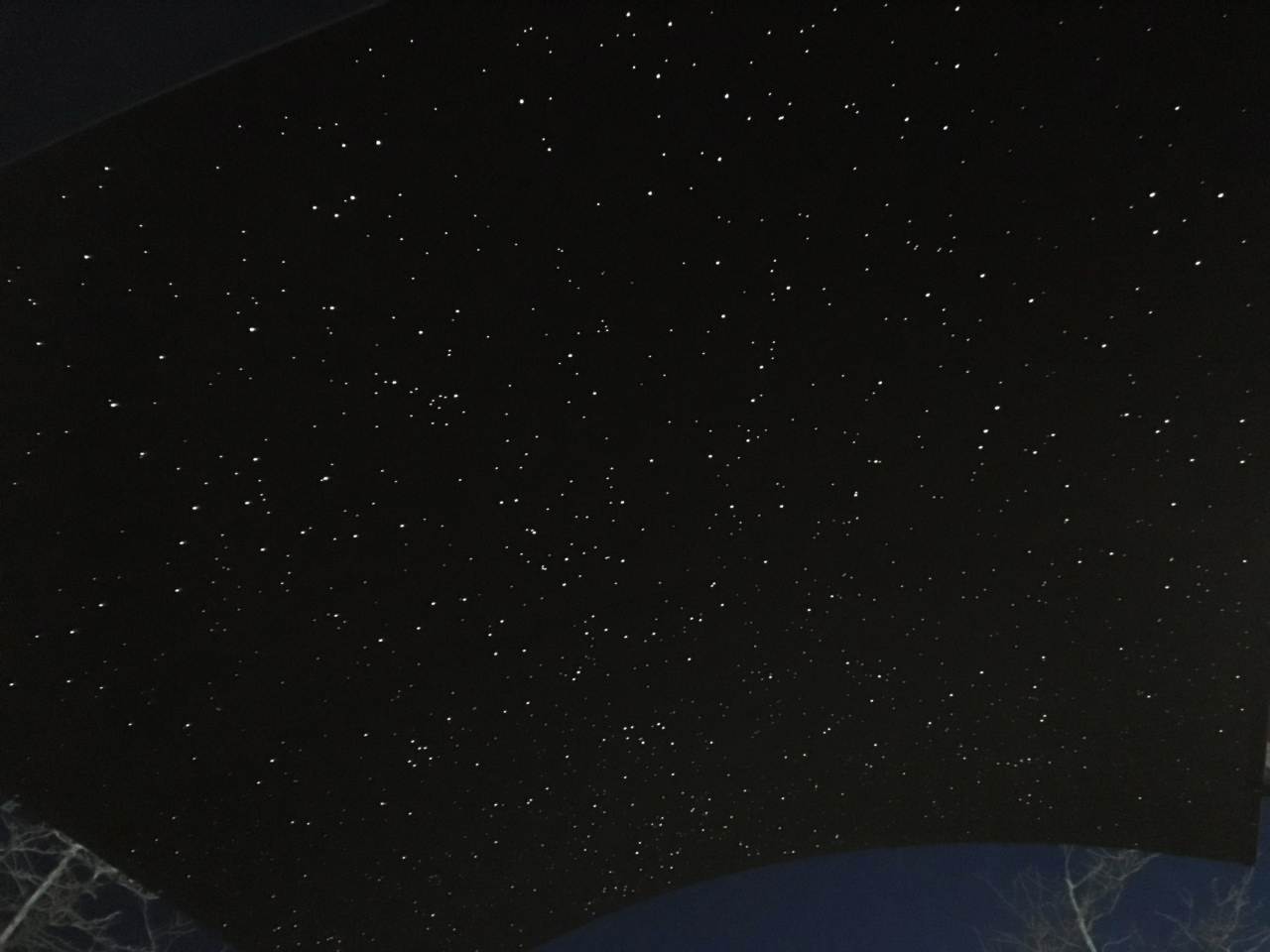
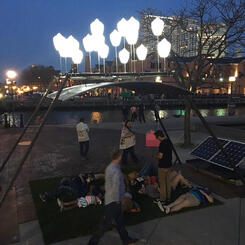
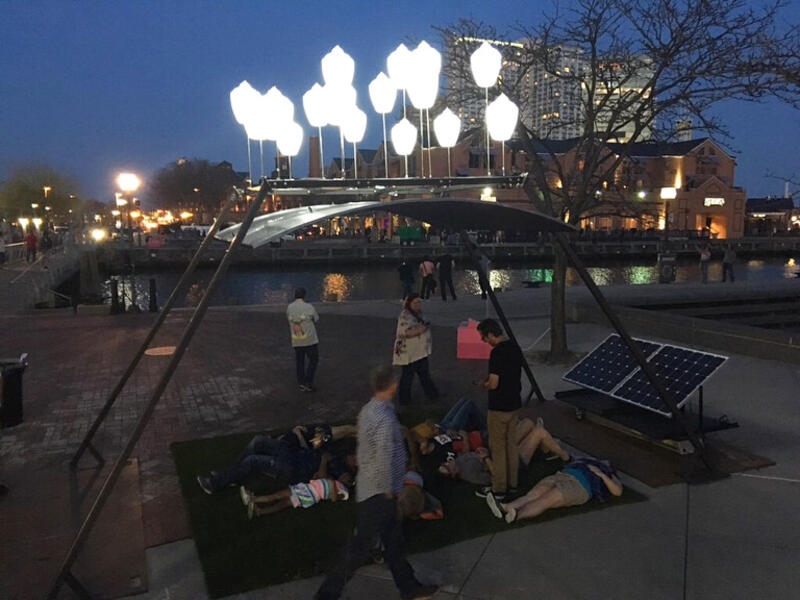 Solar Power / Solar SystemProduced as a collaborative installation with Andy Holtin, Solar Power/Solar System is a project designed to explore our view of the natural world from within our built and technology-mediated environment. Far from being a simplistic or exclusively critical view of this relationship, this project seeks to bring a piece of the natural world back into our experience through some of the same tools and technology that contribute to our distance from it. The sunlight collected by the solar panels during the day is recycled to power the LEDs which illuminate the orbs and cast light strongly onto the back of the PVC panel, which has been drilled with a pattern of small holes to replicate the actual night sky of April 14, 2018, at 9:00pm, as would be seen from Baltimore, Maryland. Each hole or star is also fitted with a small segment of fiber optic cable to transmit the light from the back to the front of the panel more completely and increase visibility and luminosity of the star field. In a city of lights and power, the Solar Power/Solar System imports the lost and subtle light of the stars, while, as a light emitting installation in a festival of light installations, it also contributes to that loss. Viewers are invited to stand, sit, or lay in the astroturf and gaze at the actual stars that would be visible if they were not hidden by our own network of lights that make city navigation possible.
 -
 Solar Power / Solar System (view from underneath)
 -
Solar Power / Solar System video documentationProduced as a collaborative installation with Andy Holtin, Solar Power/Solar System is a project designed to explore our view of the natural world from within our built and technology-mediated environment. Far from being a simplistic or exclusively critical view of this relationship, this project seeks to bring a piece of the natural world back into our experience through some of the same tools and technology that contribute to our distance from it. The sunlight collected by the solar panels during the day is recycled to power the LEDs which illuminate the orbs and cast light strongly onto the back of the PVC panel, which has been drilled with a pattern of small holes to replicate the actual night sky of April 14, 2018, at 9:00pm, as would be seen from Baltimore, Maryland. Each hole or star is also fitted with a small segment of fiber optic cable to transmit the light from the back to the front of the panel more completely and increase visibility and luminosity of the star field
Cast Offs
-
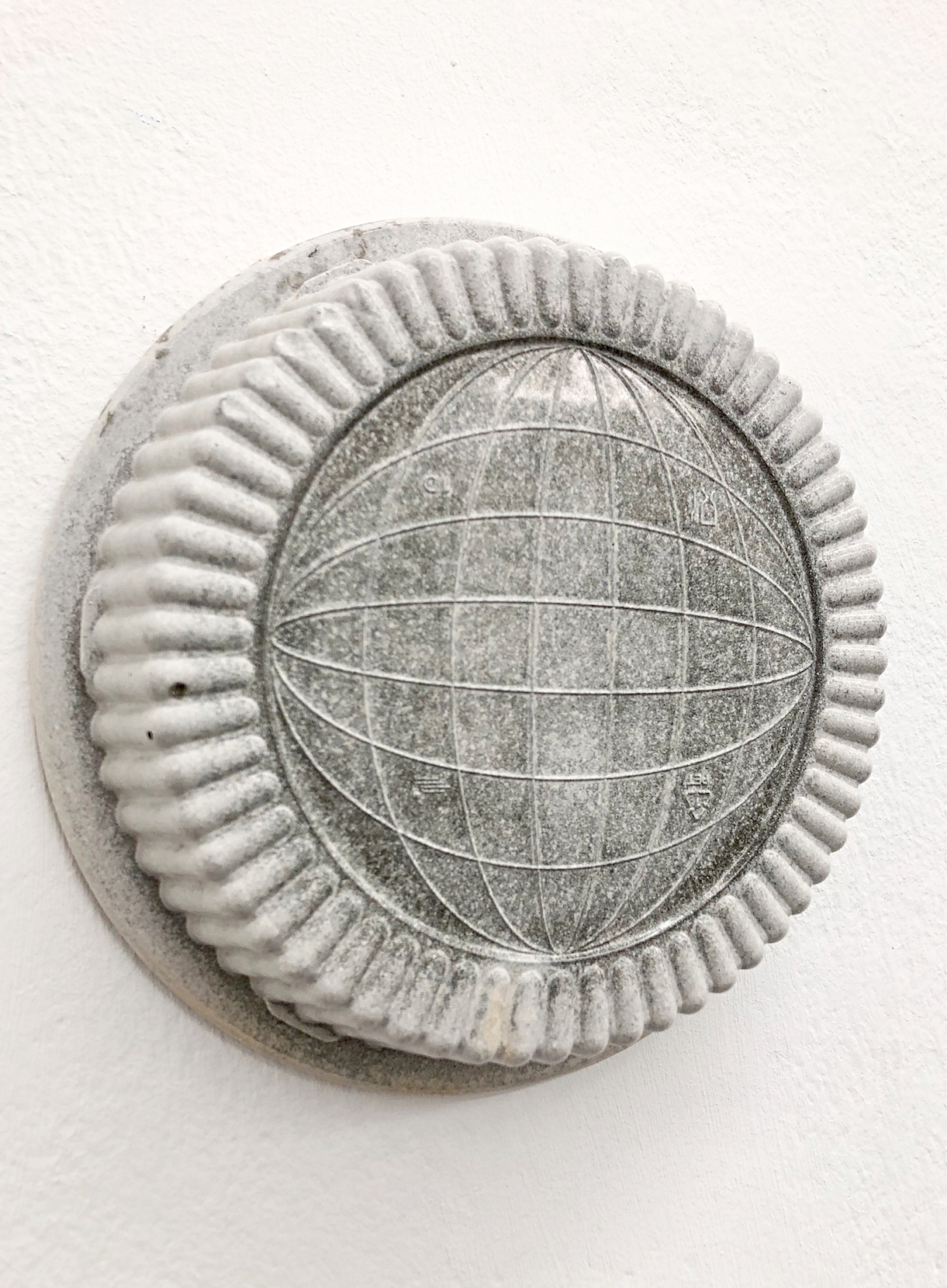
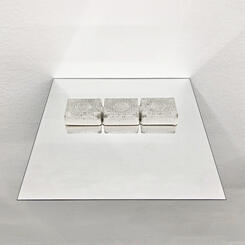
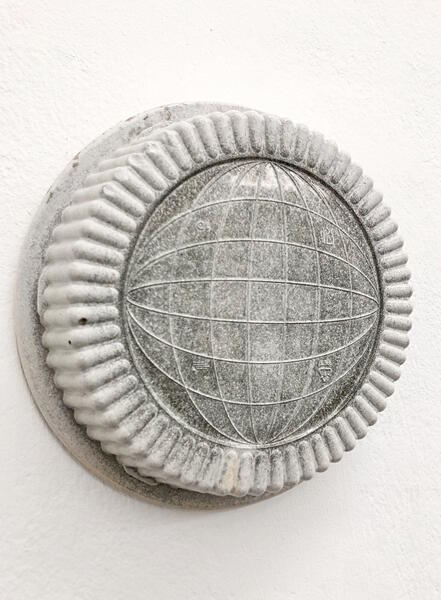 Cast Off #4Cast concrete, 2019
 -
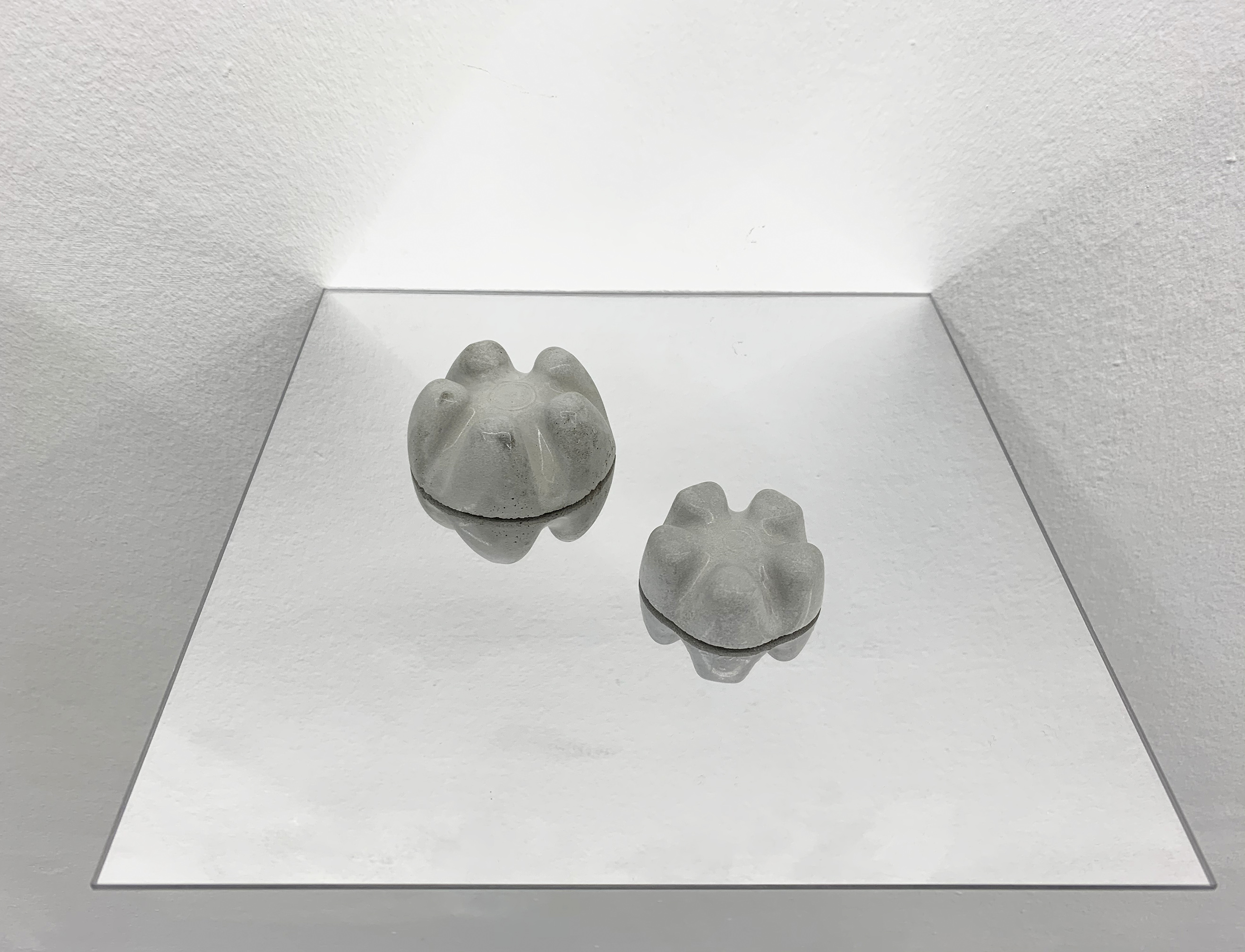
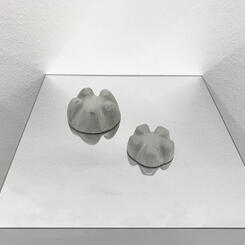
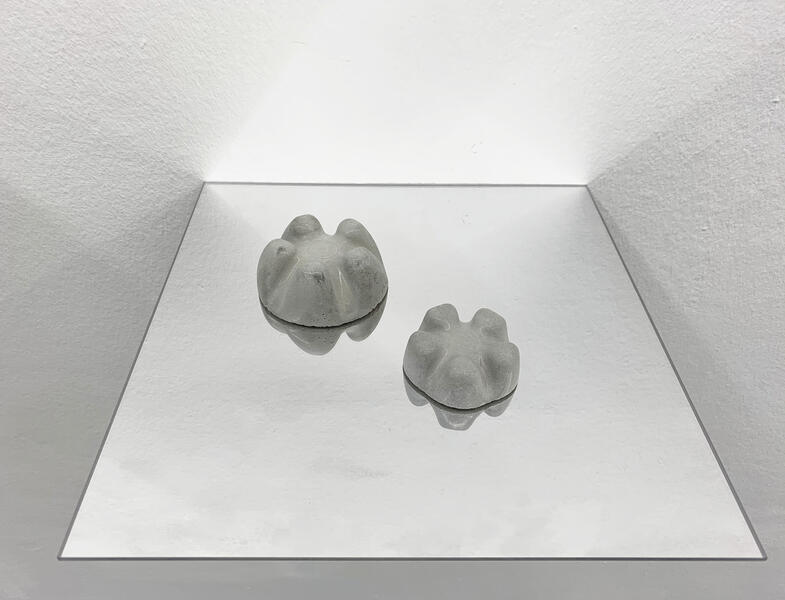 CastOff #10cast concrete, mirrored acrylic, 2020
 -
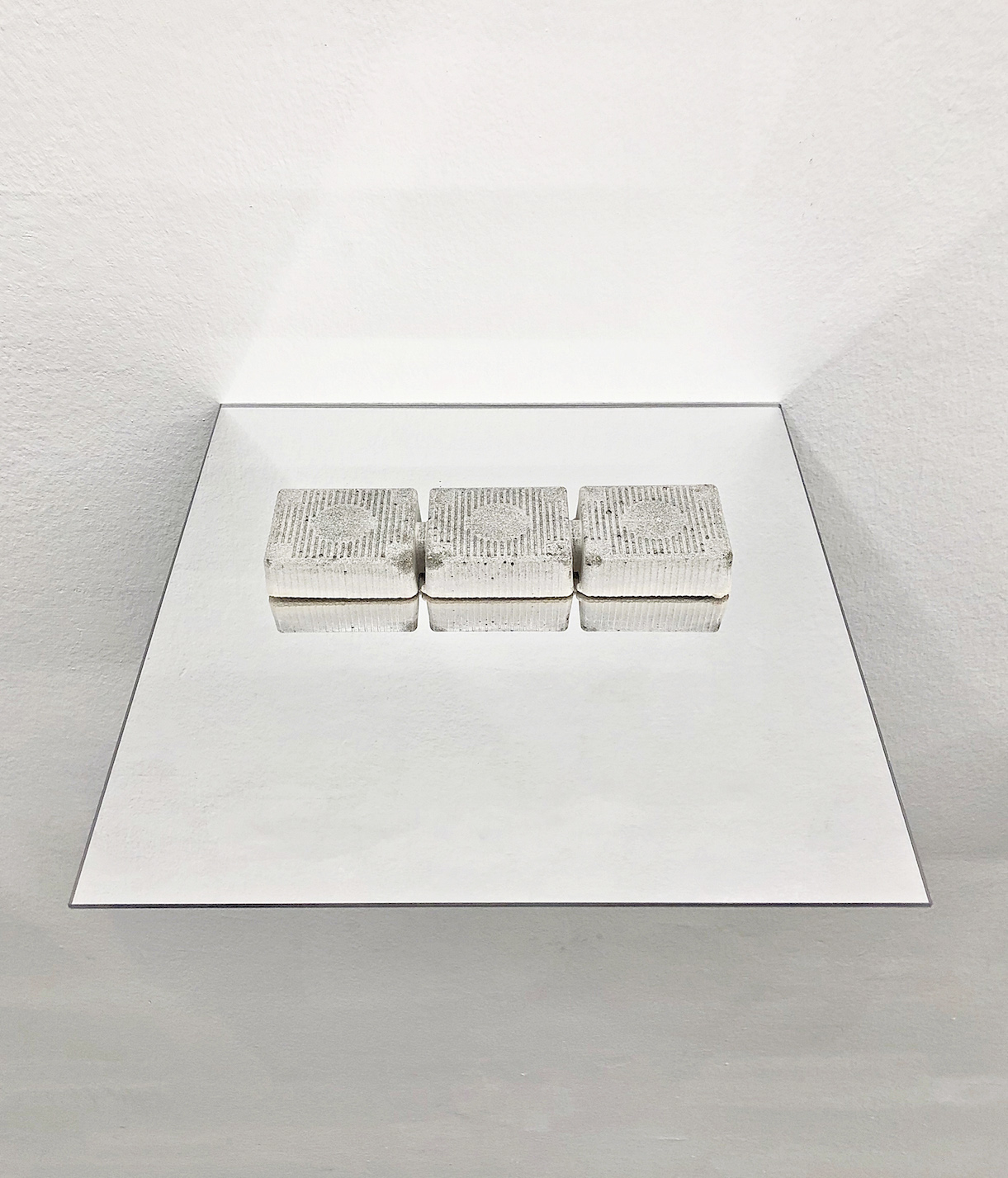
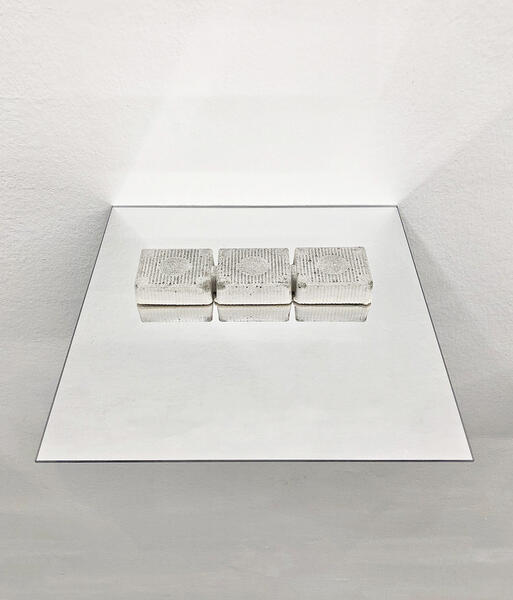 Cast Off #7cast concrete, mirrored acrylic, 2020