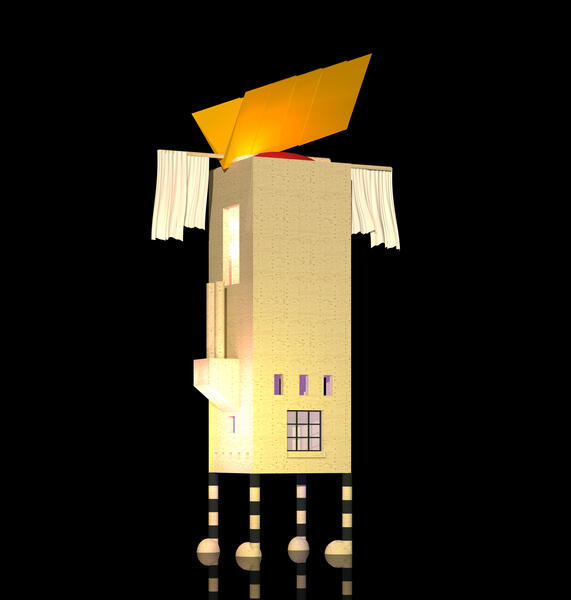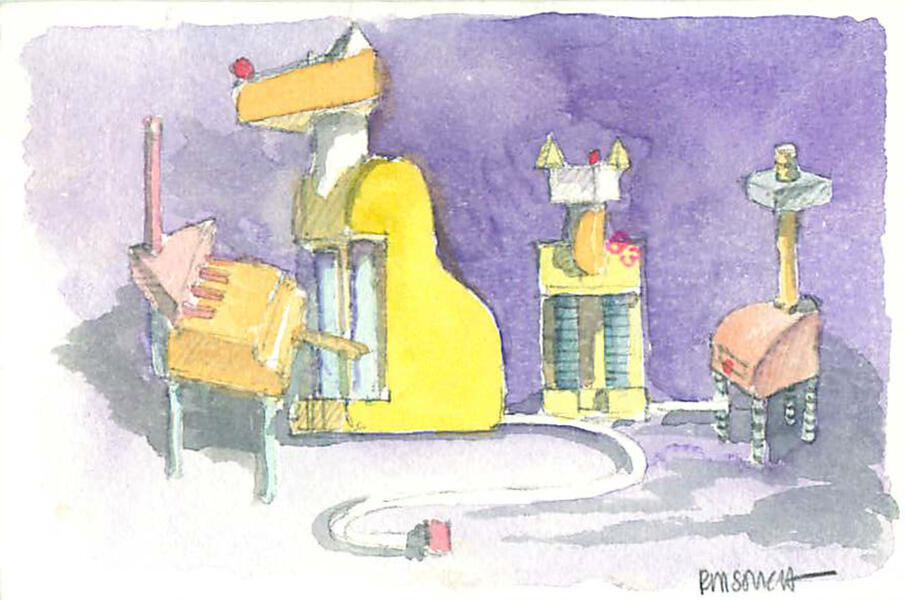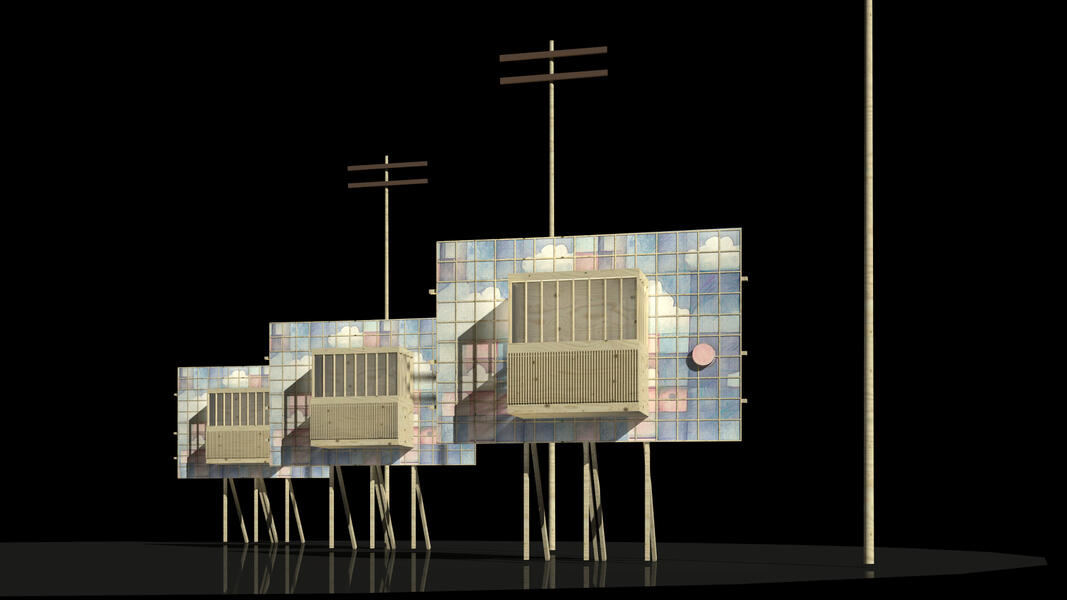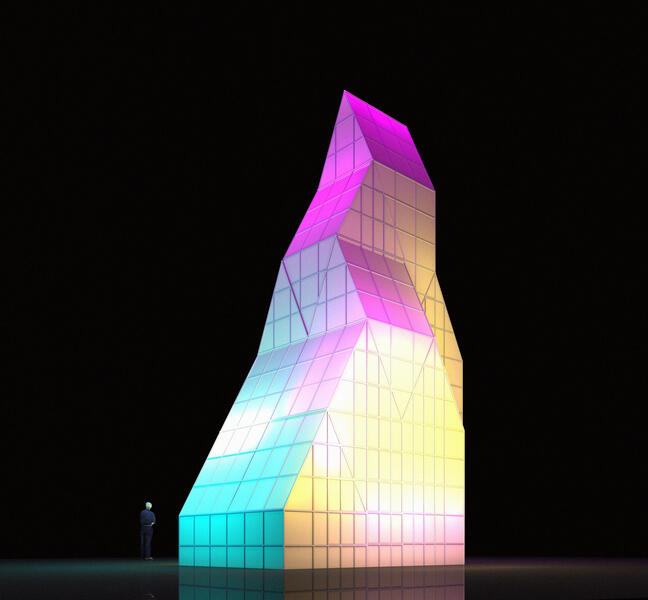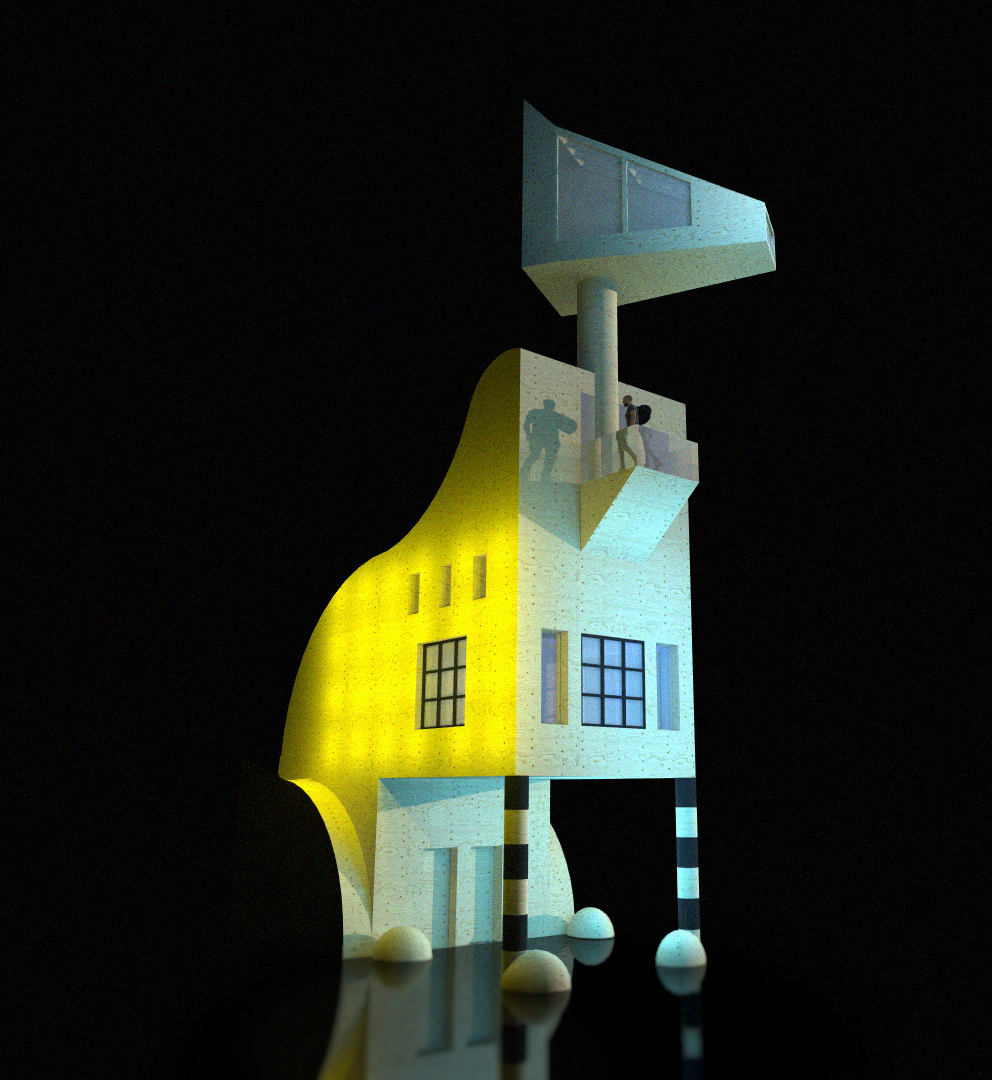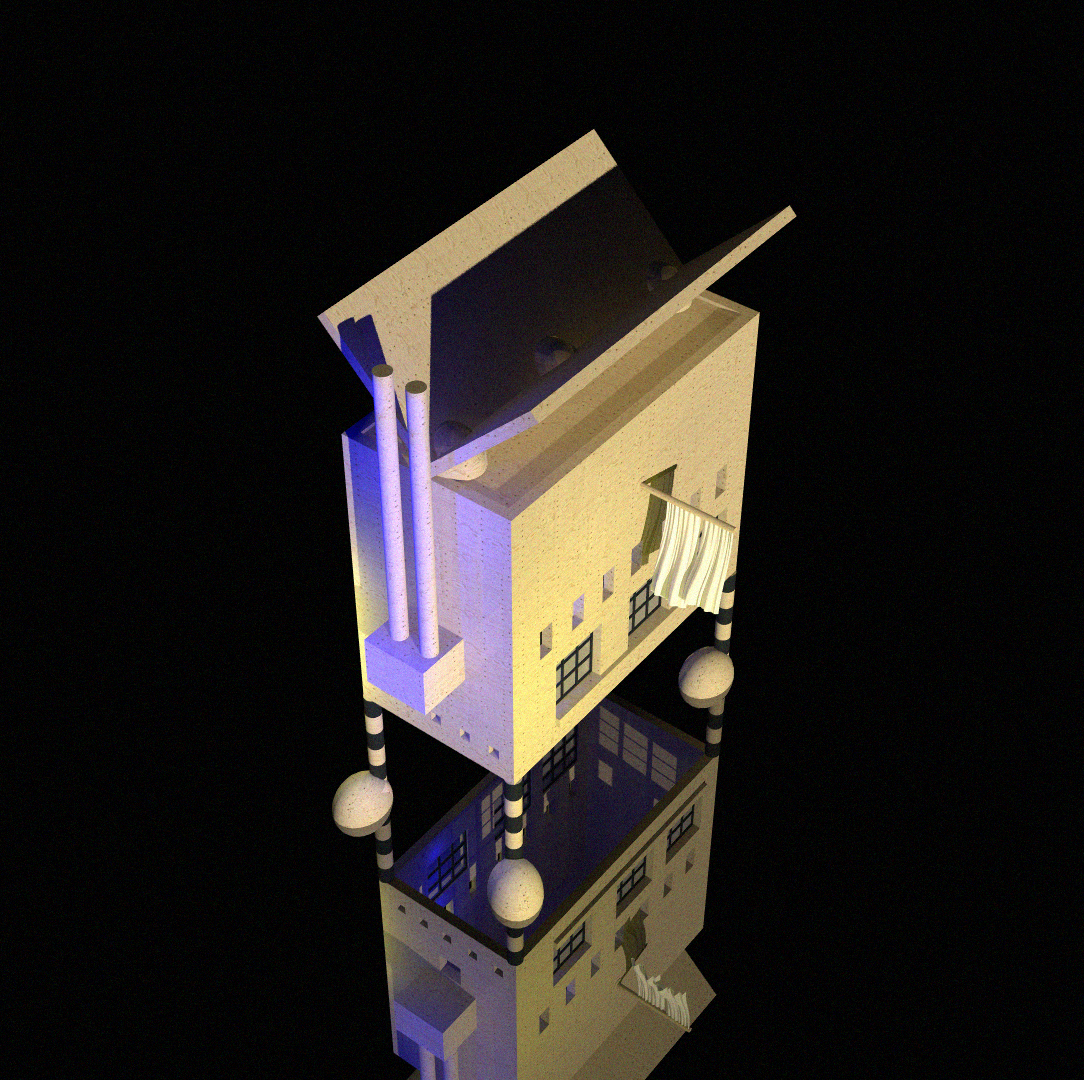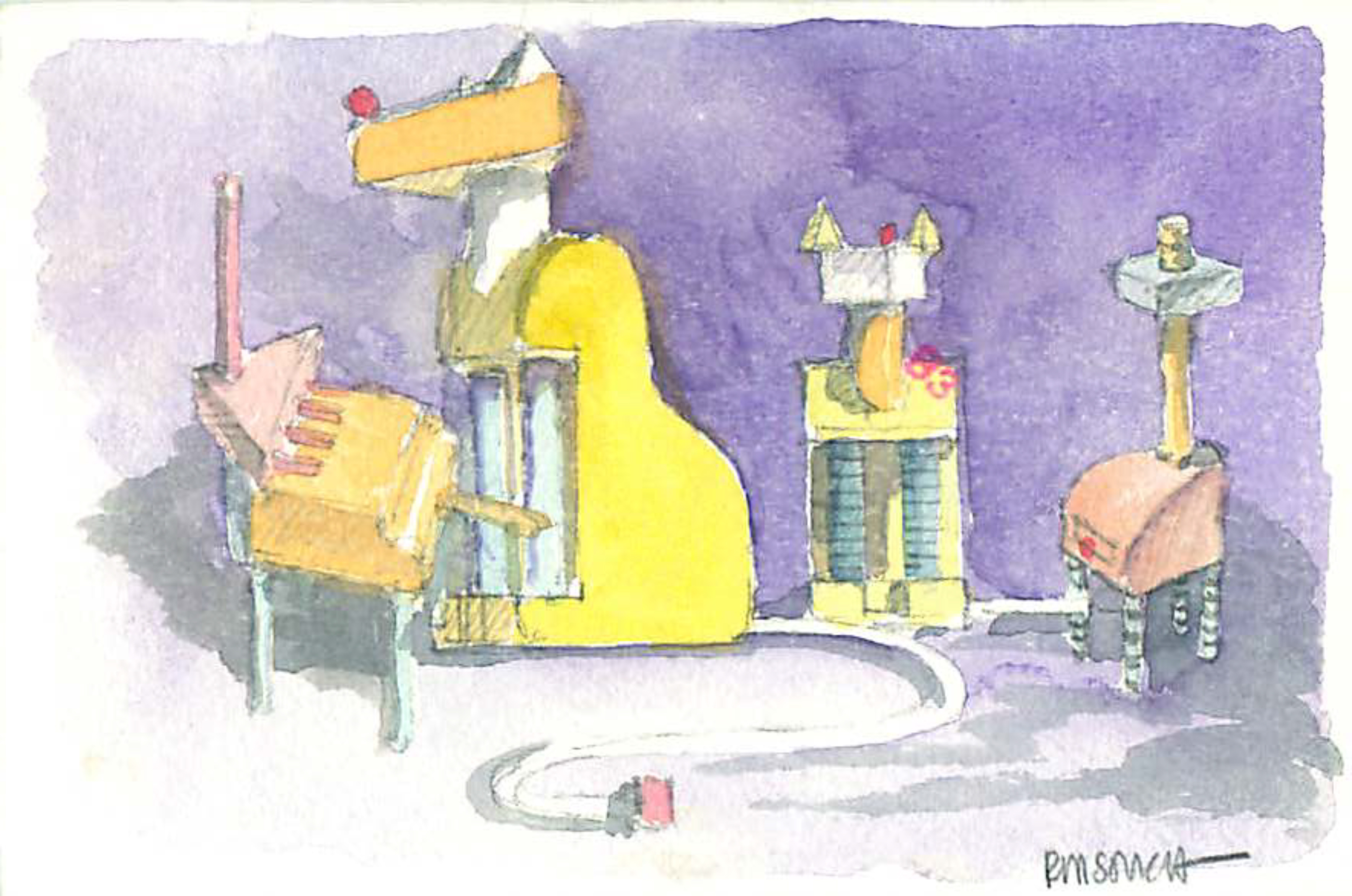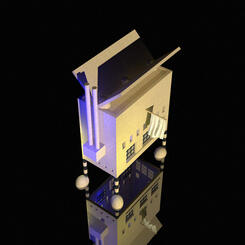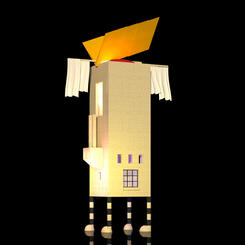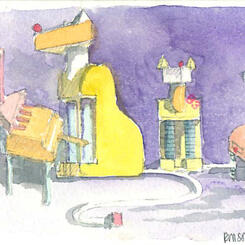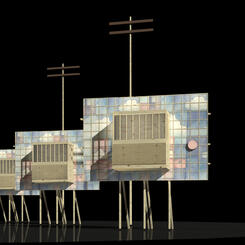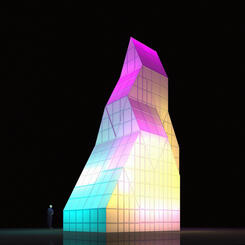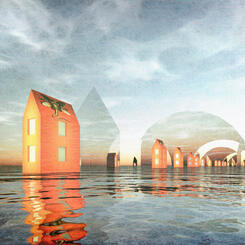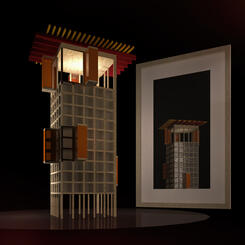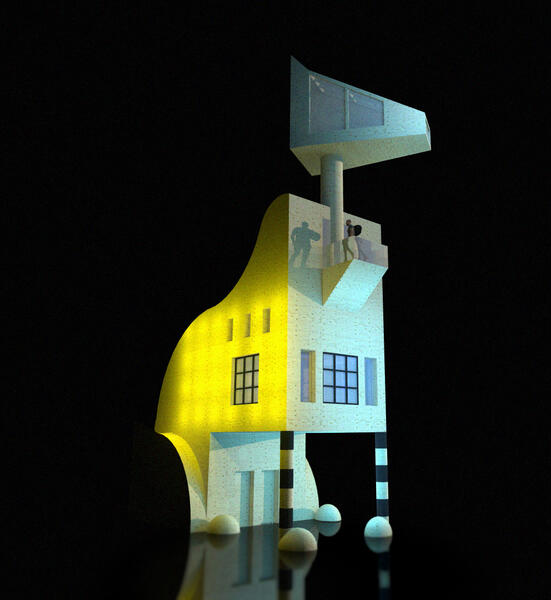
These drawings explore architecture as a bodily presence rather than a neutral container. The forms stand, lean, brace, and balance; they appear alert, vulnerable, and responsive to gravity. Rather than borrowing animal imagery, the work treats zoomorphism as a behavioral condition—architecture that behaves as if it has posture, weight, and intention.
Legs, supports, and projections function as organs rather than structural features. Openings read as apertures of attention rather than windows, and mass is organized to suggest stance rather than symmetry. The figures resist completion or stability, occupying a threshold between stillness and movement.
In this work, architecture is not animated through narrative or metaphor, but through bodily logic. These dwellings do not symbolize animals; they register the conditions of being embodied—exposure, imbalance, and the effort required to remain upright. By foregrounding posture and vulnerability, Zoomorphic Dwellings asks how architecture might feel rather than what it might represent.
-
PosturingA house daydreaming about becoming a cat.
-
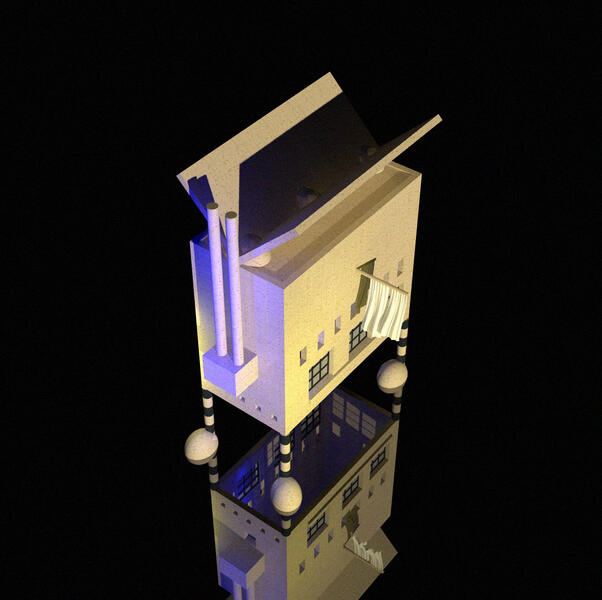
ModelHouse with a saddle.
-
Parade Master -
zoomorph sketch -
Chincoteague Billboard Dwelling -
Chamonix in lightHomage to Ruskin's infatuation with Chamonix, a house of light.
-
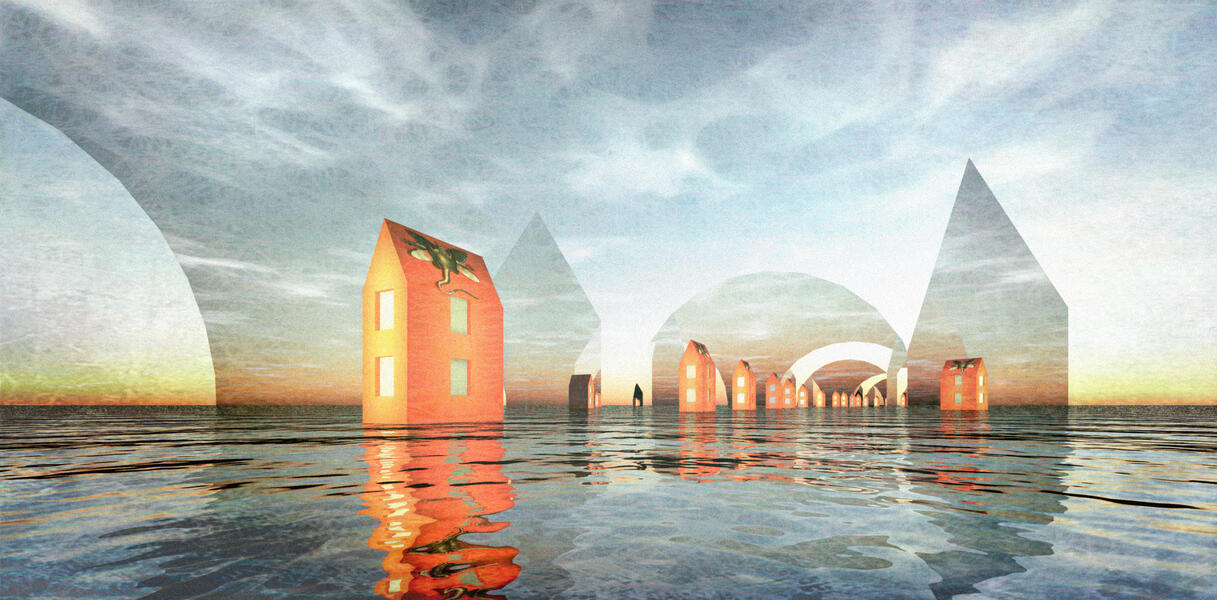
Reflections on the infinite houseDigitally created image exploring the reflective potential of digital image creation software.
-
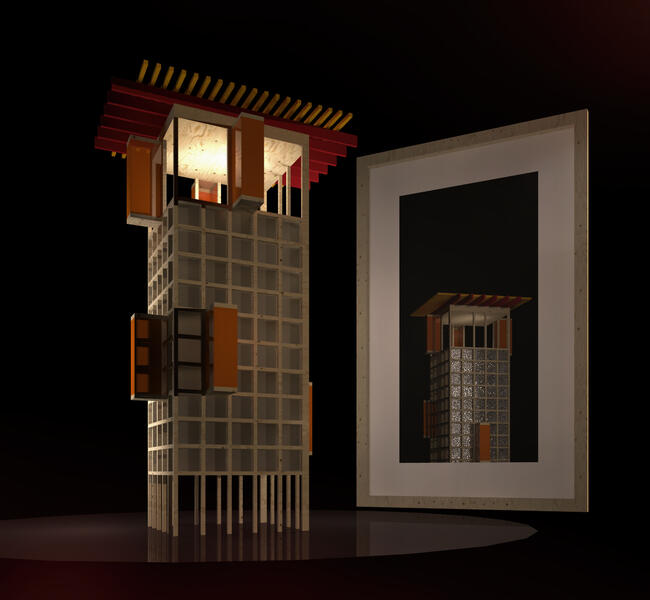
Narcissist HouseHouse-tower infatuated with itself