-
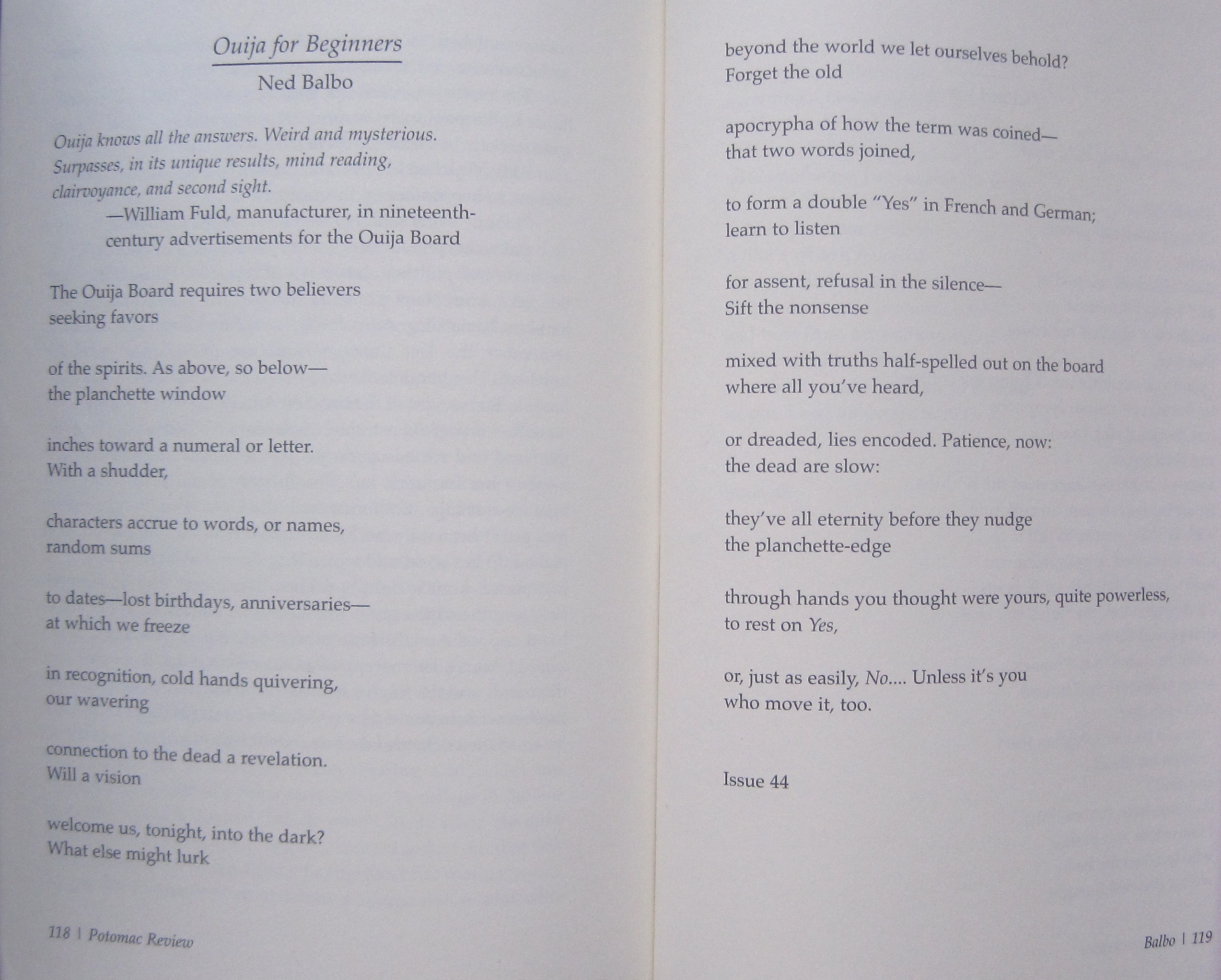
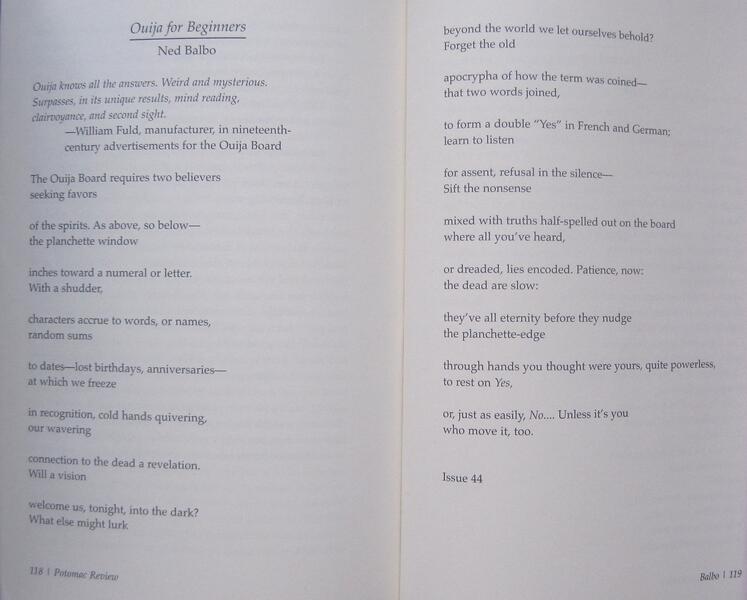 Ouija for Beginners, from Best of Potomac Review, Fall 2011The poem (written in split couplets) tells us how and why to use Ouija Board, as well as why we can't always trust what we discover. Poems, I like to think, reach the living and the dead, though we can't always trust them either,
 -
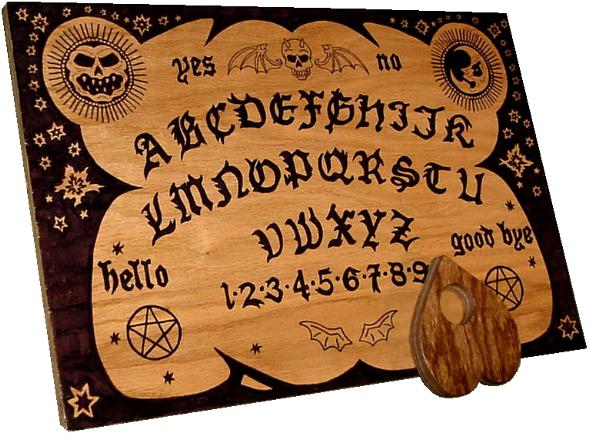
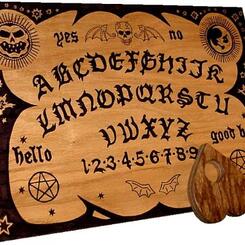
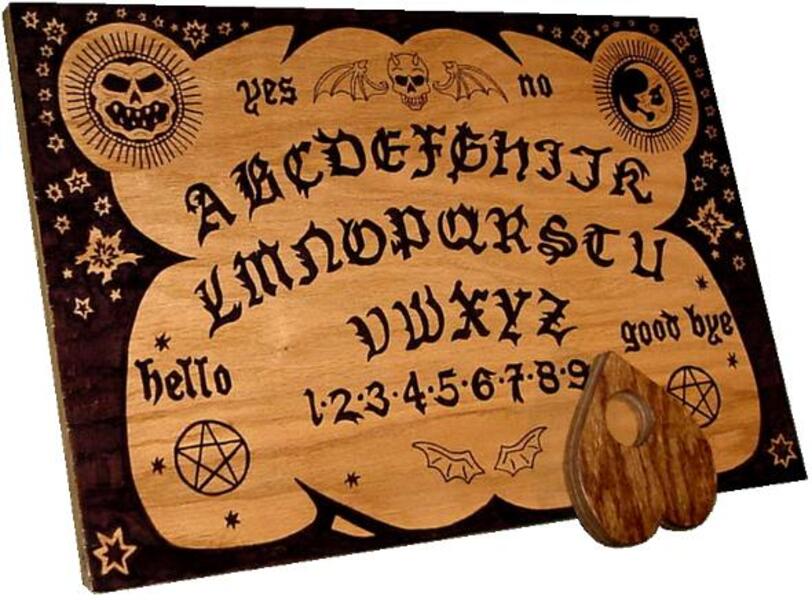 ouija-board.jpgA Ouija Board. The planchette is at the bottom right. (Public domain image.)
 -
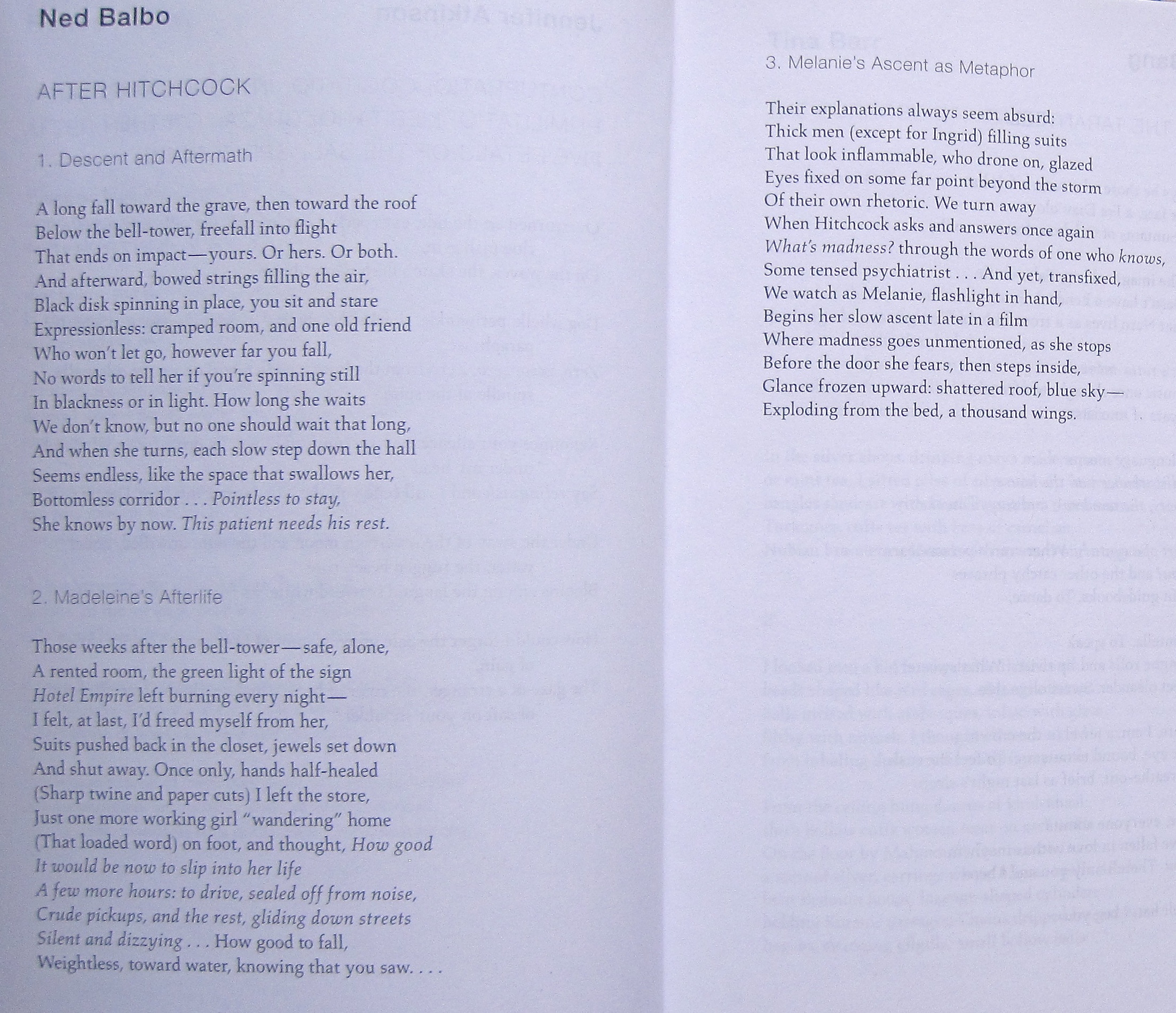
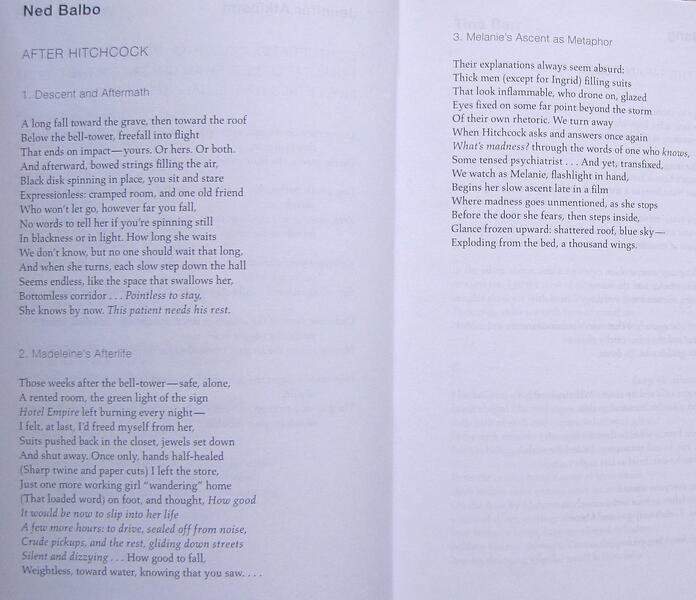 Poems inspired by Alfred Hitchcock's Vertigo and The BirdsThese appear in my second book, Lives of the Sleepers (U of Notre Dame, 2005) and were later reprinted in Notre Dame Review: The First Ten Years, John Matthias and William O'Rourke, editors.
 -
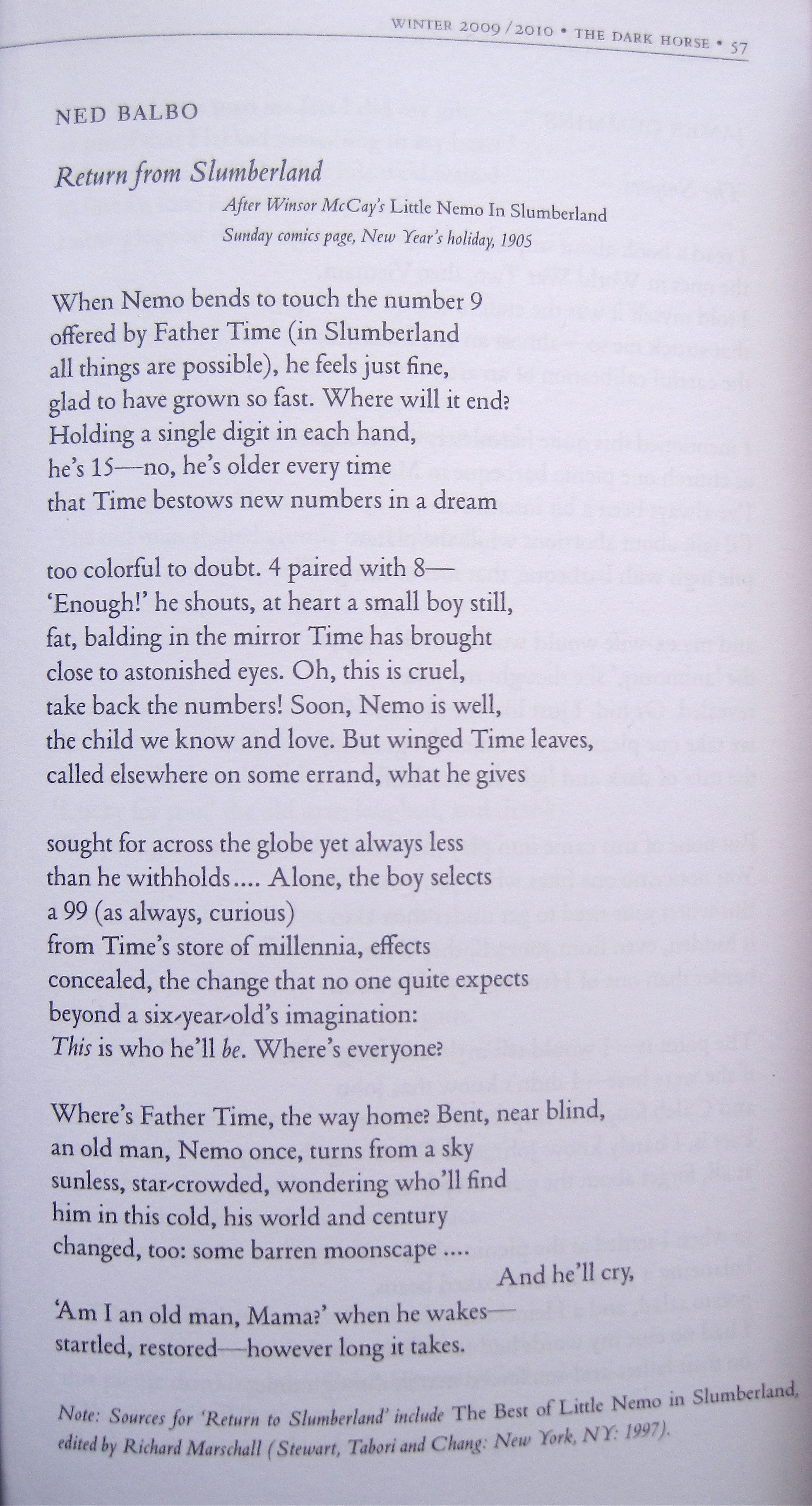
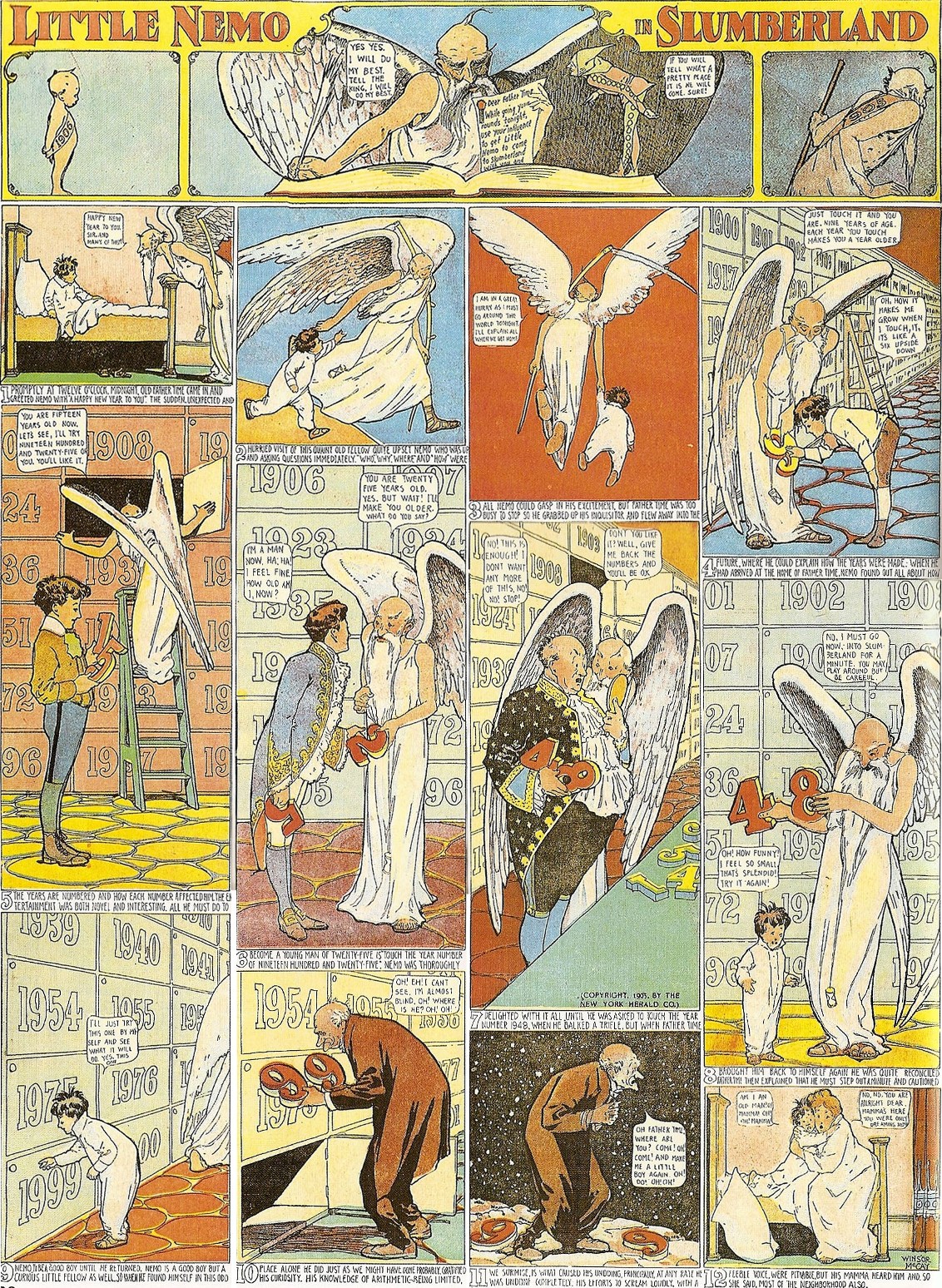
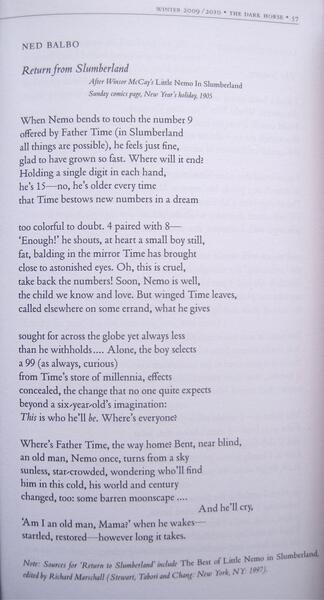 Return to Slumberland, from The Dark Horse, Winter 2009/2010Nemo isn't the only one who knows how swiftly time flies, how abrupt its transformations... The stanza form is rime royal, used by Chaucer and Scotland's James I. The rhyme scheme (mostly slant in this case) is ababbcc, as the form requires.
 -
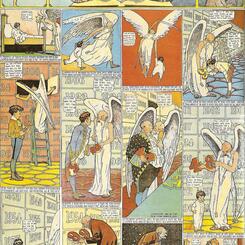
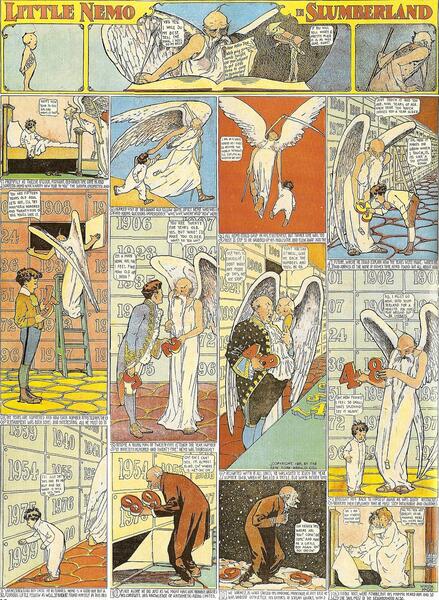 little-nemo-1906.jpgA Sunday page from Winsor McCay’s beautiful and innovative early twentieth-century comic strip “Little Nemo in Slumberland.” McCay’s imagination, composition, and use of color are awe-inspiring. (Image in public domain.)
 -
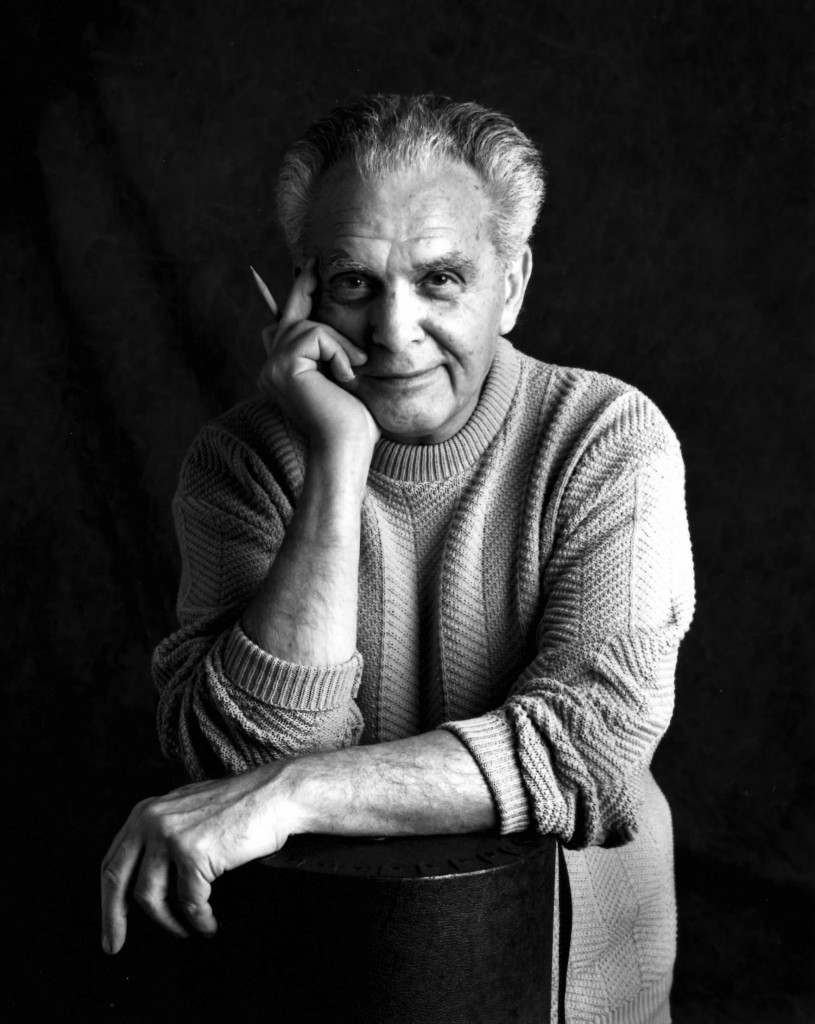
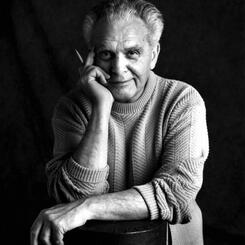
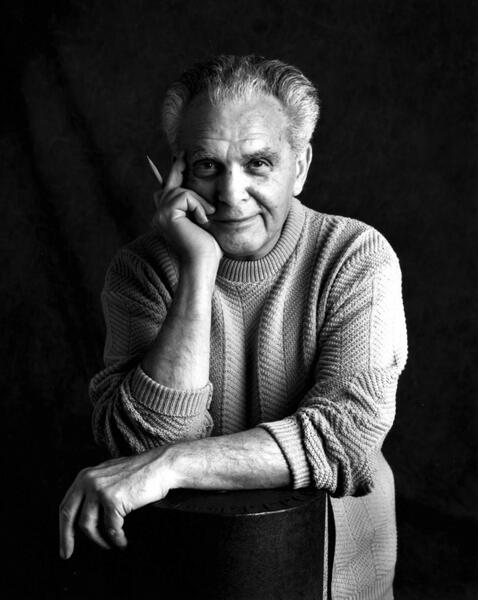 The late Jacob Kurtzberg (better known as Jack Kirby) photographed by Suzy Skaar, 1992. (Image shared via Wikipedia Commons)."For Jacob Kurtzberg" will be reprinted, along with two more of Ned's comics-related poems, "Flash of Two Worlds" and "The Crimefighter's Apprentice," in the anthology Drawn to Marvel: Poems from the Comic Books, edited by Bryan D. Dietrich and Marta Ferguson (Minor Arcana, 2014).
 -
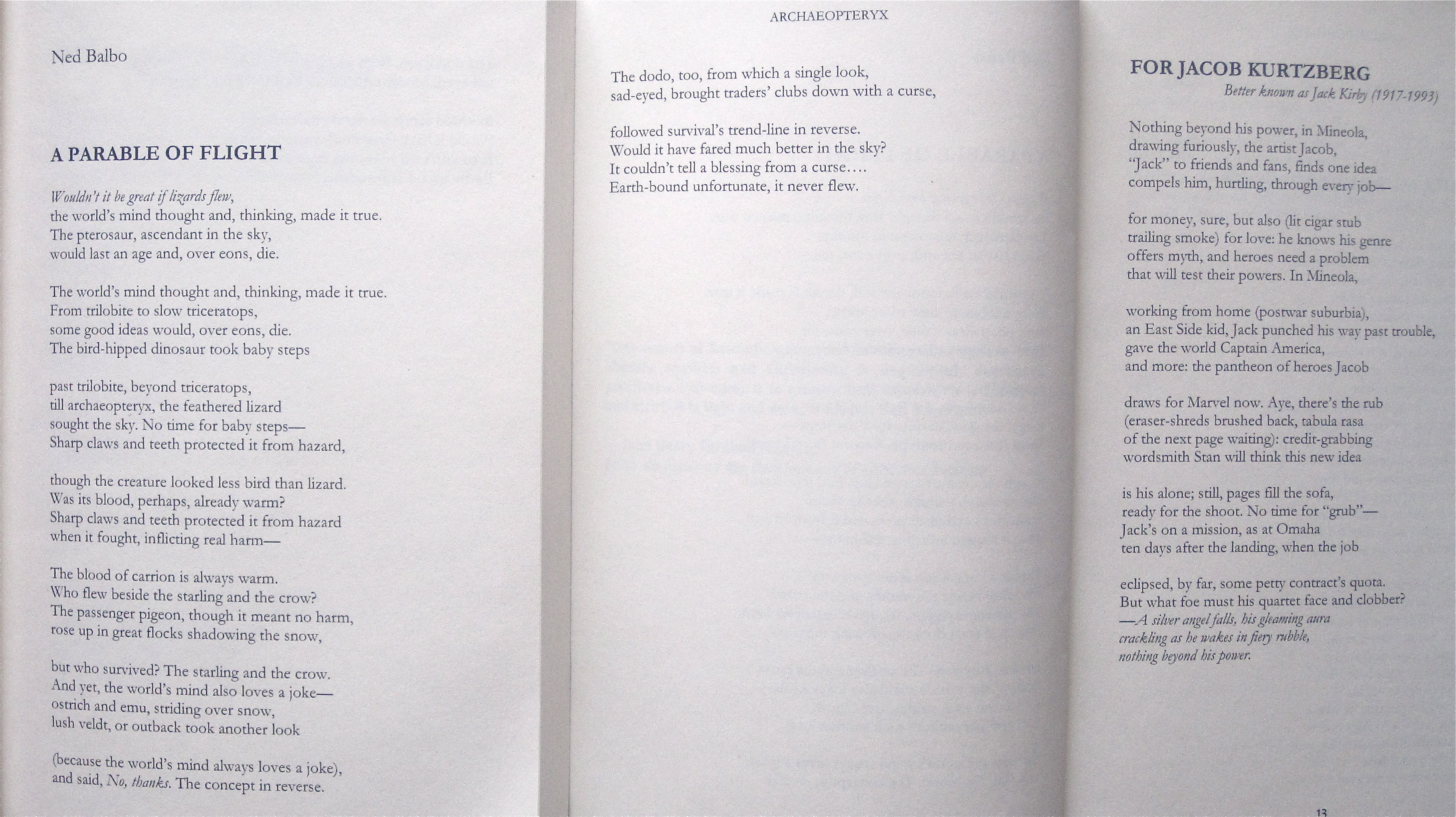
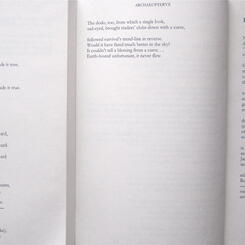
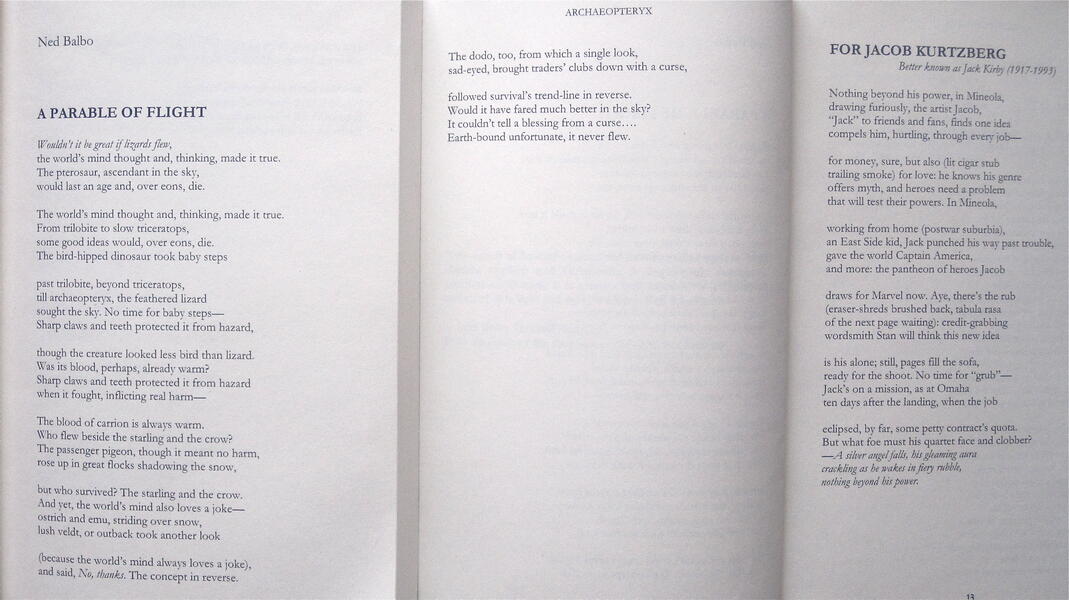 Two poems from Archaeopteryx: the Newman Journal of Ideas, 2012."For Jacob Kurtzberg": Background on the life and career of comics giant Jack Kirby is drawn from The Comics Journal Library, Volume One: Jack Kirby (Fantagraphics, 2002). Kirby co-created Captain America with Joe Simon prior to the U.S. entry into WWII. Kirby’s collaborator and editor during the 1960’s (and co-creator of the Marvel Universe) was Stan Lee. The “fallen angel” is the Silver Surfer, herald of world-devouring Galactus. This is a rondeau redoubled: a piece of the first line becomes the poem's last line, and each line in stanza one gets its turn to become the last line of the stanzas that follow. I vary the refrain lines.
 -
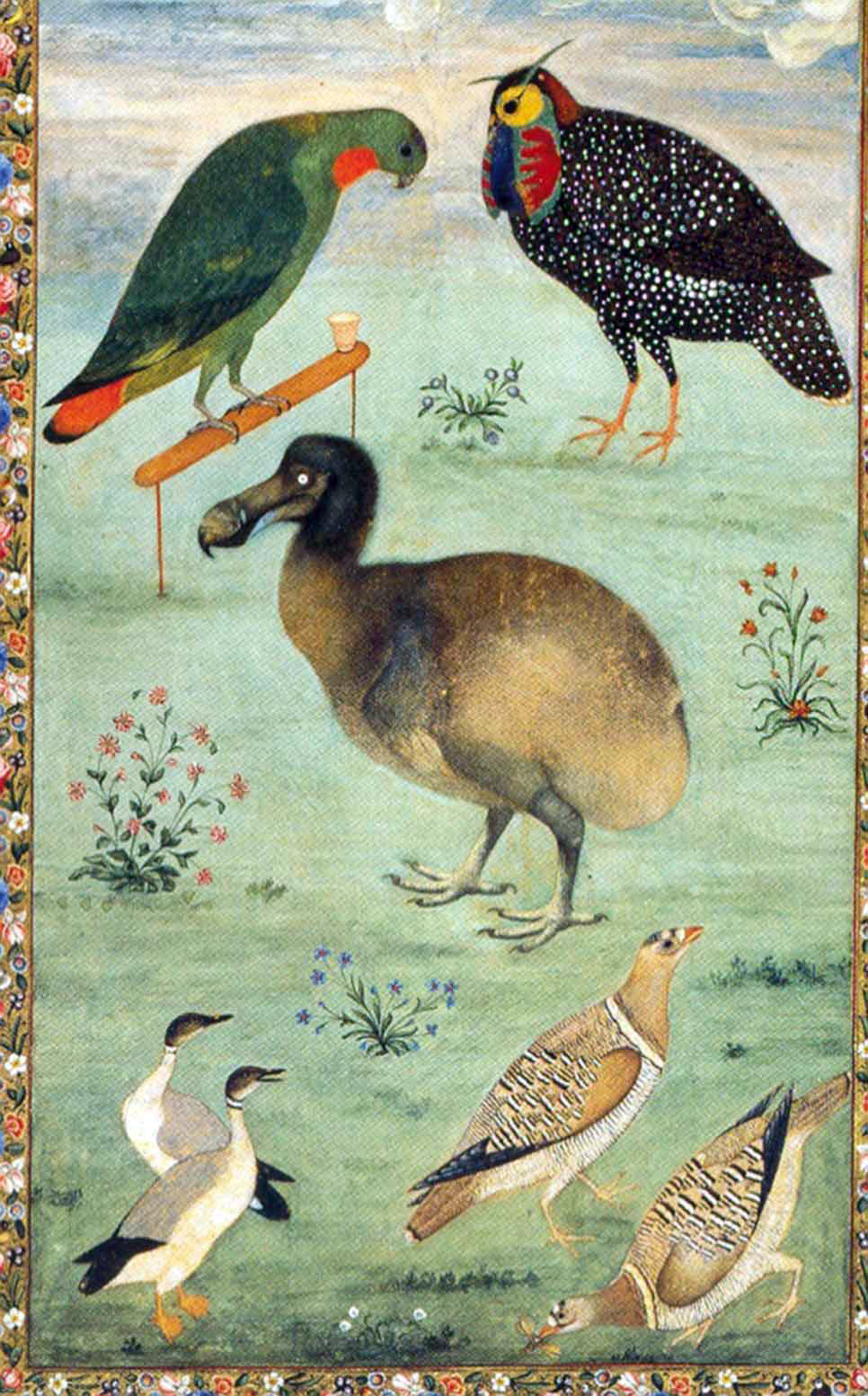
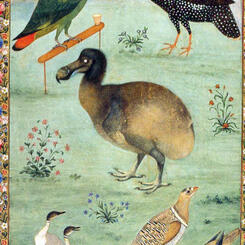
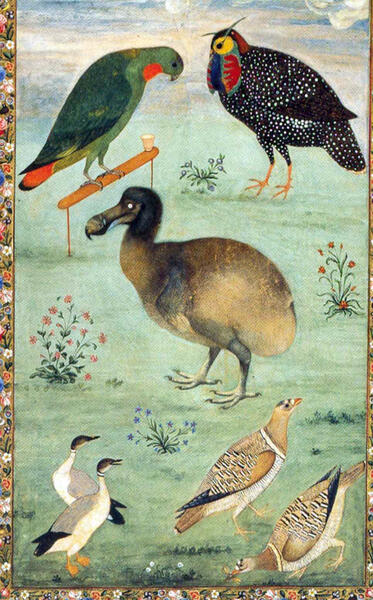 dodomansur.jpgPainting by the Mughal artist Ustad Mansur, ca. 1625. A live specimen may have inspired the depiction of the dodo. (Image in public domain.) The first of two poems that follow in the same window, "A Parable of Flight" is a pantoum. The form relies on 4-line stanzas: lines 1 and 3 of a given stanza become lines 2 and 4 of the next; a new 1 and 3 are introduced and the pattern repeats--until the poet finally uses lines 1 and 3 of the very first stanza, saved for the last stanza's 2nd and 4th lines. I think of "Parable" as a pop culture poem because of the dinosaur lore I discovered as a kid.
 -
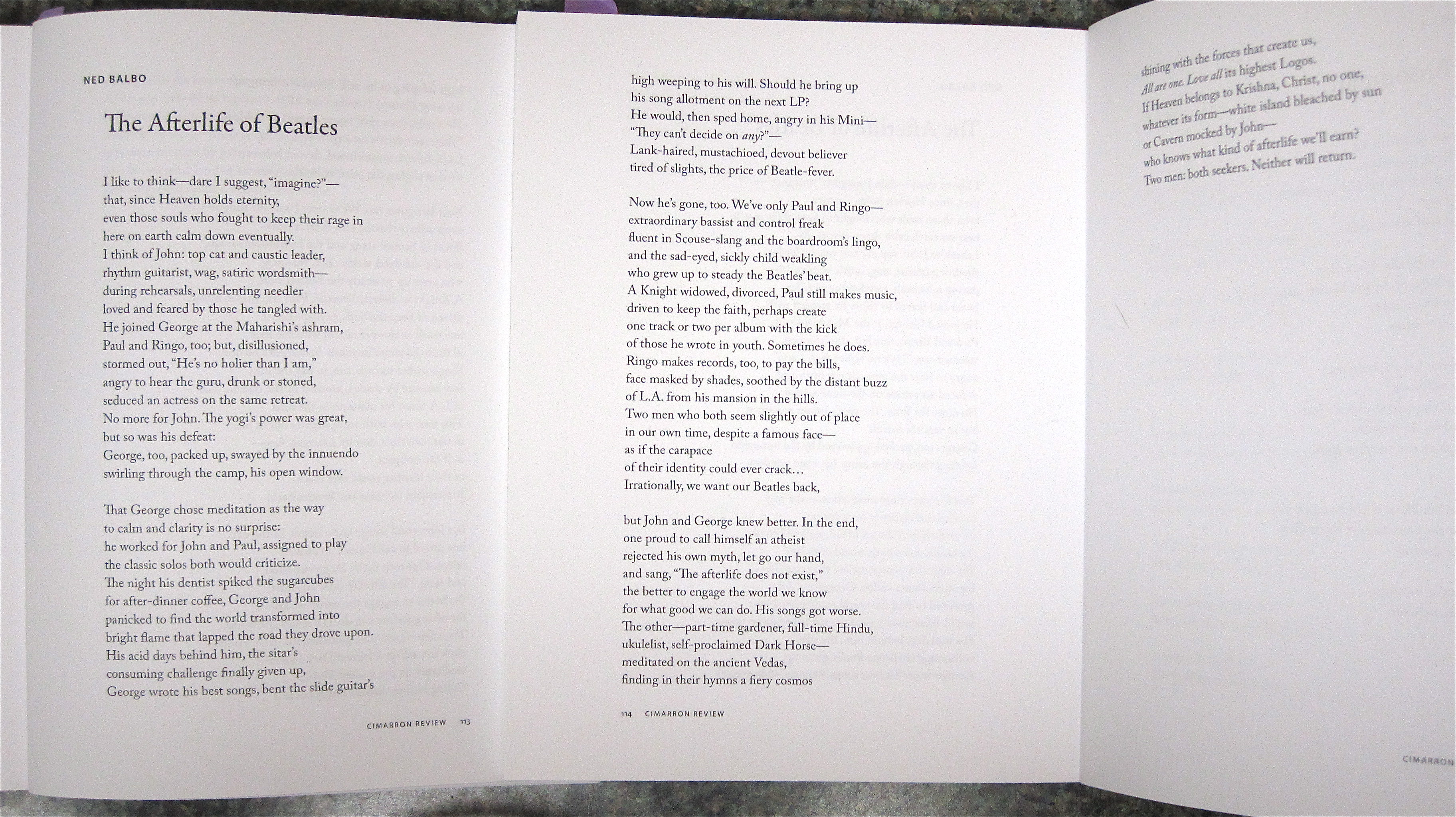
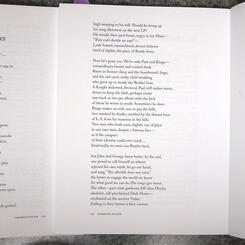
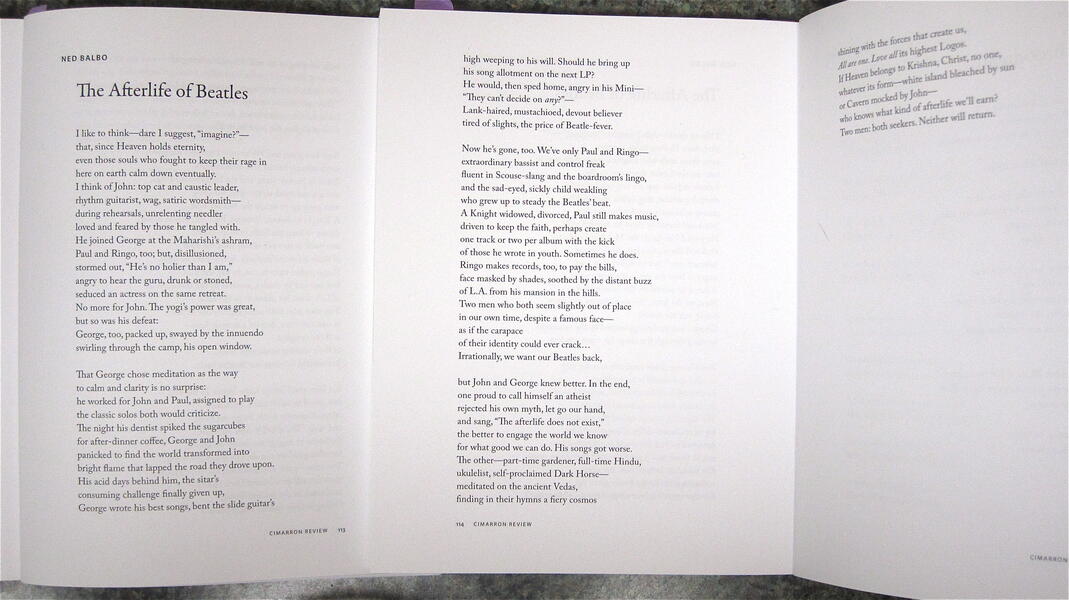 The Afterlife of Beatles, Cimarron Review, Summer 2012Here I tried to capture each Beatle's personality in a single stanza while tracing the arc of their separate lives, including those that ended too soon. These are sonnet stanzas with extra lines (one short) added.
 -
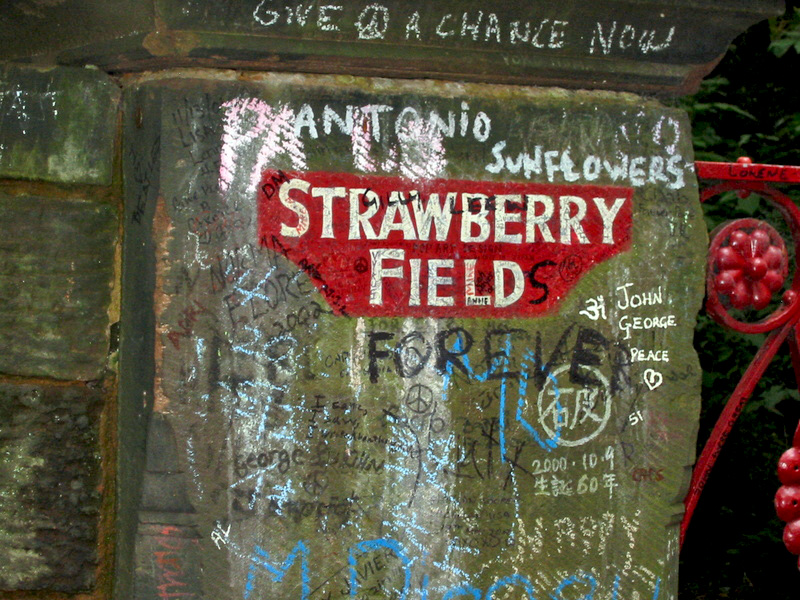
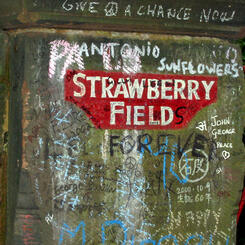
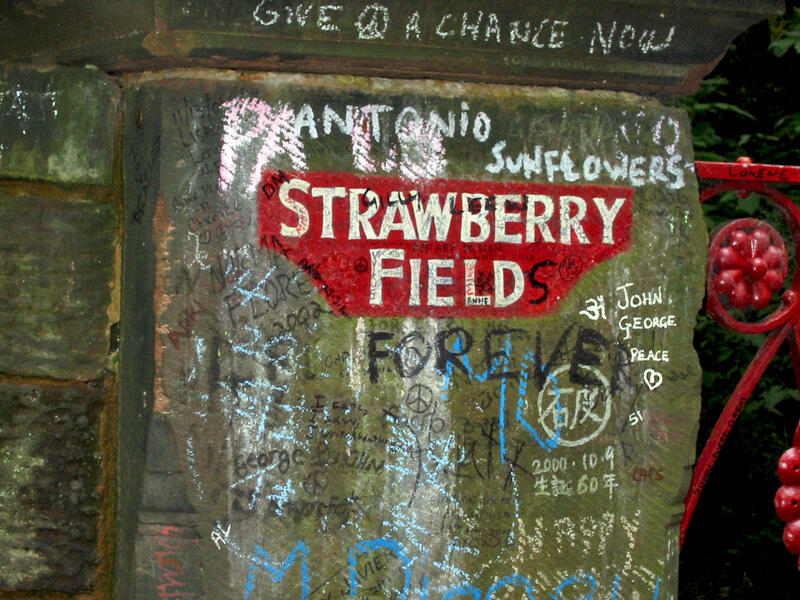 strawberry-fields-sign.jpgSalvation army orphanage that lent its name to John Lennon's song "Strawberry Fields Forever." John Lennon was raised not by his parents but by his Aunt Mimi and Uncle George who brought him as a child to attend fêtes at nearby Strawberry Field--a home for the orphans he might have joined had Mimi and George not cared for him. (This cover image photo by Eirik Newth, via Wikipedia Commons.)