-
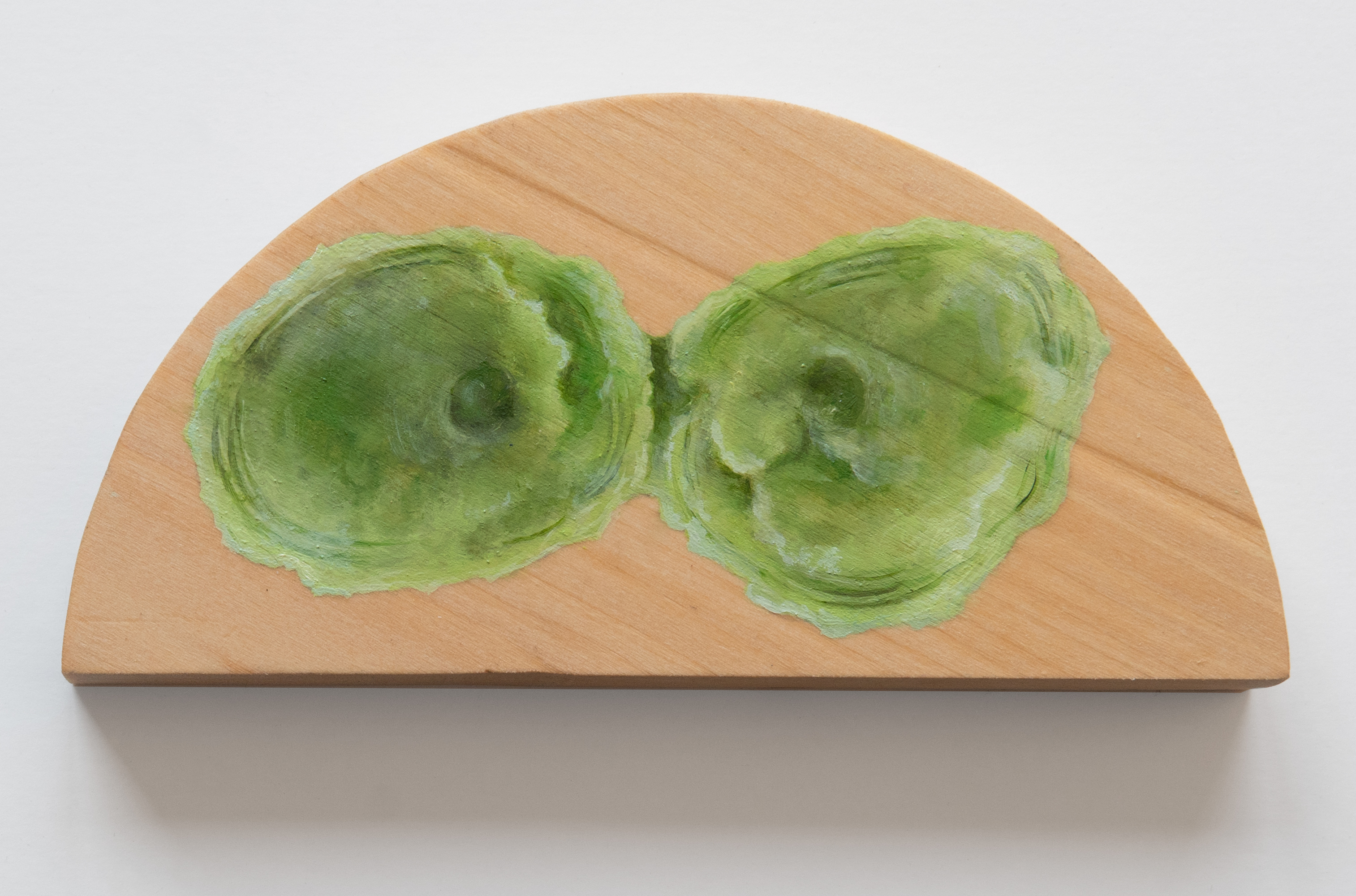
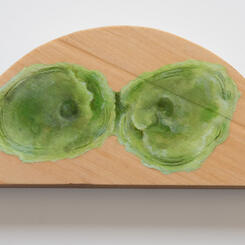
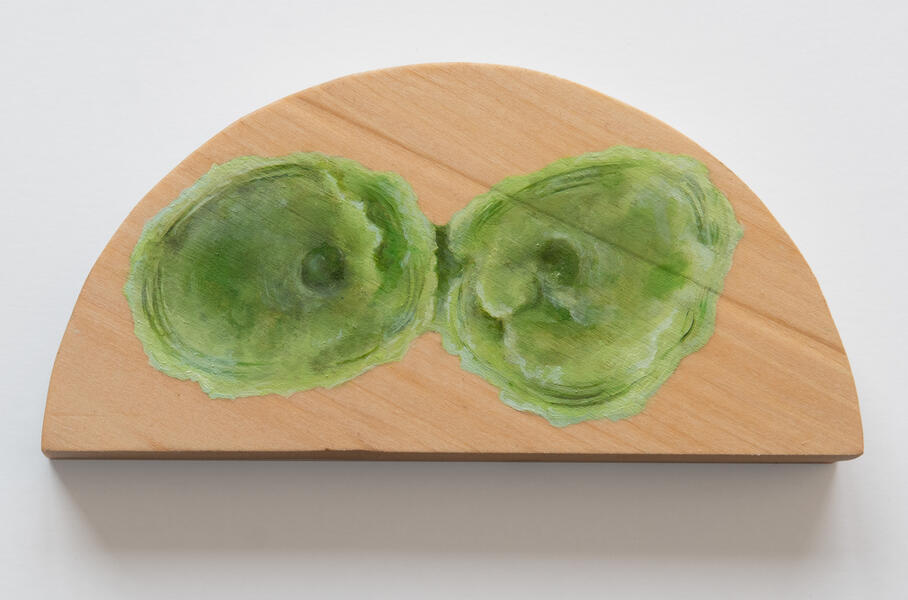 ProchlorococcusProchlorococcus is a type of single-celled marine algae that is thought to be responsible for 5% of the photosynthesis that takes place on our planet. They survive on sunlight, seawater, and CO2. With a population of approximately 10^27, they are some of the most prolific primary producers on Earth, and play a huge role in the carbon cycle and in the food web. This painting shows a Prochlorococcus in the process of cell division.
 -
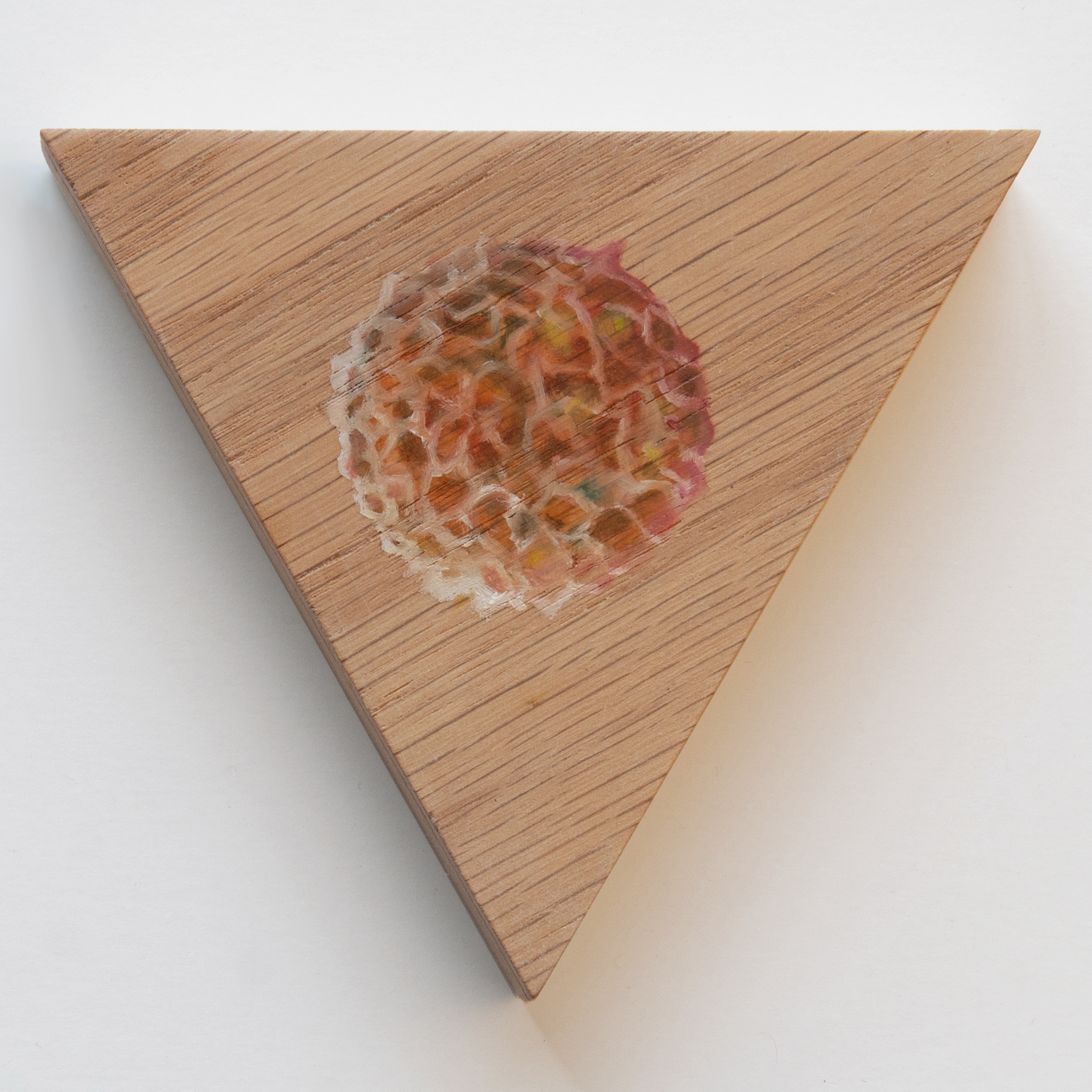
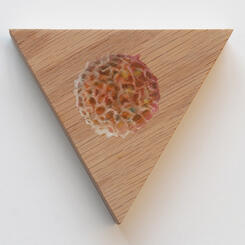
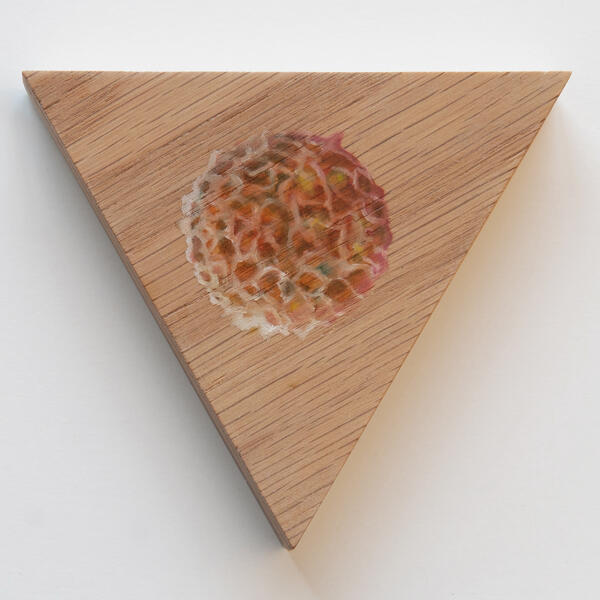 Symbiodinium (Zooxanthellae)Symbiodinium are a type of single-celled dinoflagellate algae which have symbiotic relationships to many marine invertebrates including jellyfish and nudibranchs. They are best known, however, for their symbiotic relationship to reef-building corals. They use photosynthesis to transform sunlight and CO2 into sugar, which they produce enough of to share with the corals. The corals in return provide them a safe habitat, nutrients, and CO2. Coral bleaching occurs when corals lose their colorful symbiodinium communities due to altered conditions such as warming and acidification. Without symbiodinium to sustain them, corals starve and die off.
 -
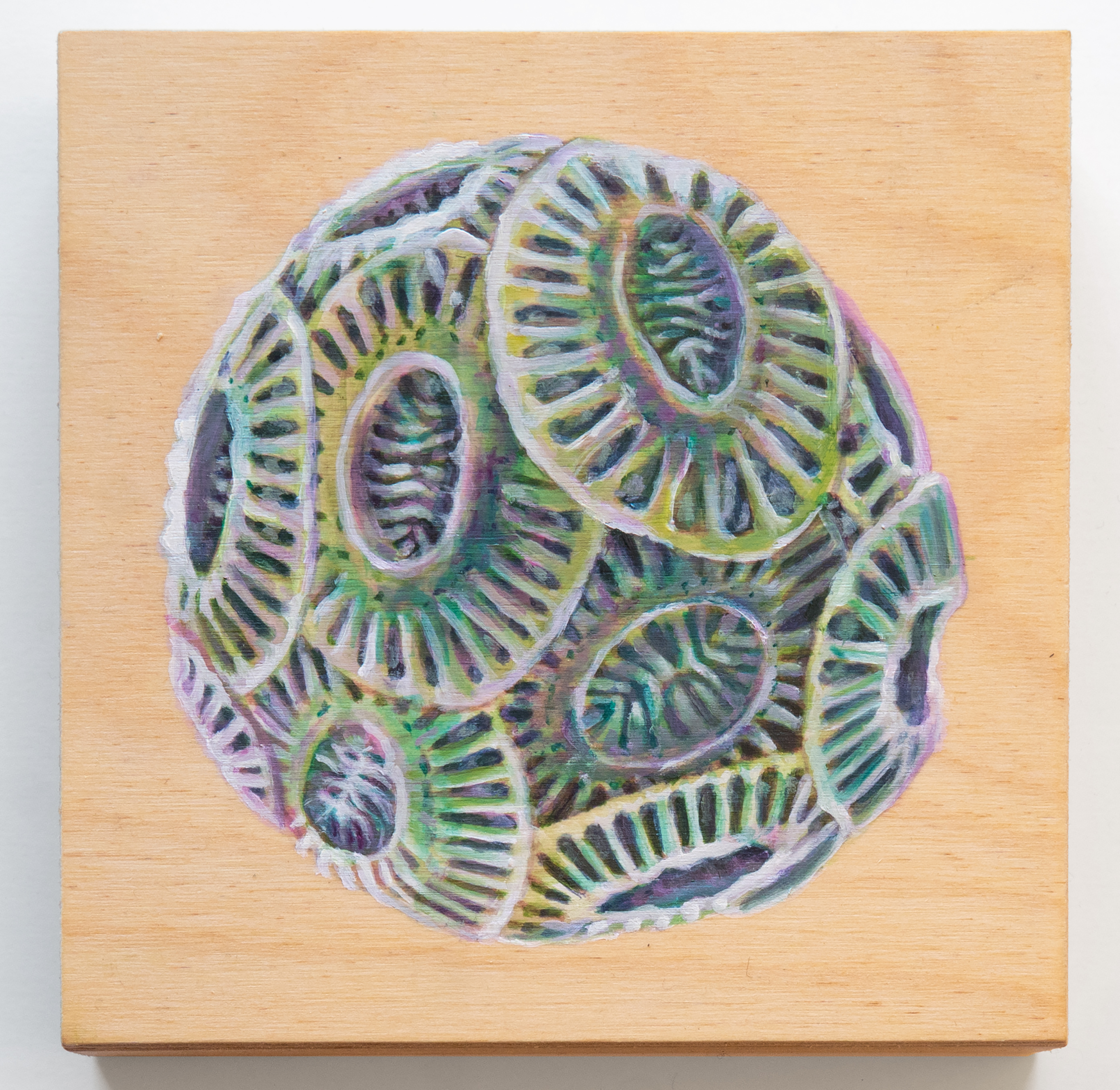
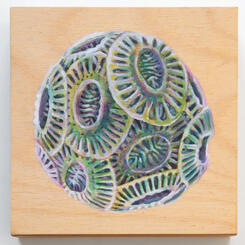
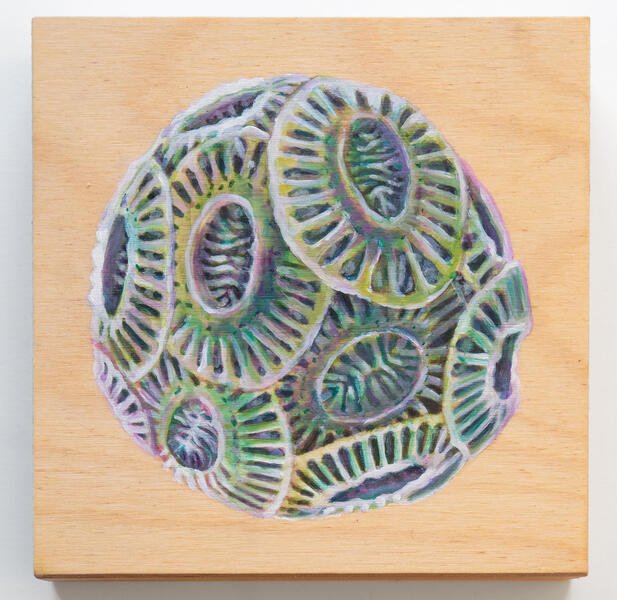 CoccolithophoreCoccolithophores are a type of unicellular phytoplankton (cyanobacteria), maybe best known for being the main ingredient of chalk. These tiny organisms use photosynthesis to take in carbon, which they use to make their make their calcium carbonate exoskeletons. When they die, their exoskeletons sink to the ocean floor, trapping carbon far away from the atmosphere. Ancient chalk deposits like the White Cliffs of Dover were once at the bottom of the ocean. They are made of long deceased, compressed coccolithophore exoskeletons. Coccolithophores live in the oceans in vast numbers. Not only are they a major producer of oxygen (and carbon sink), they are also some of the most abundant primary producers at the bottom of the food web, providing sustenance to larger and more complex marine organisms. They also produce DMS (dimethyl sulphide), a compound which encourages cloud formation and by extension helps cool our planet.
 -
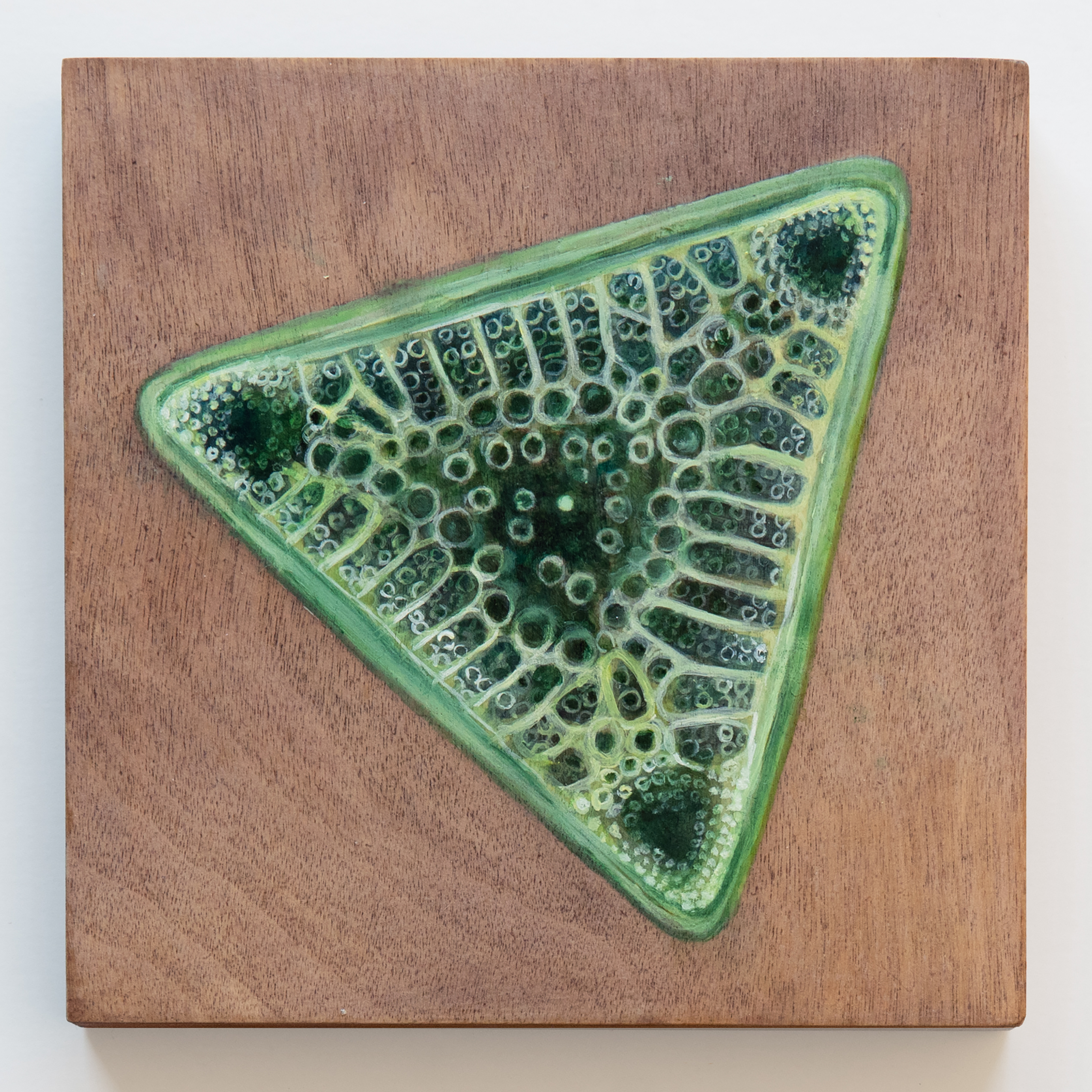
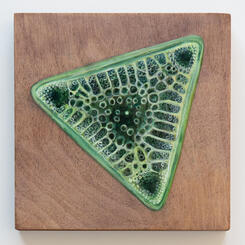
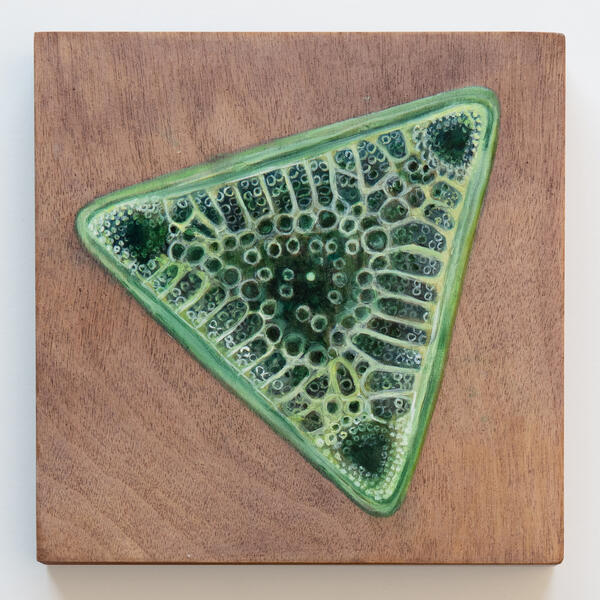 DiatomDiatoms are unicellular algae best known for the beautiful colors and geometric shapes of their cell walls, which are composed of silica. These tiny organisms use photosynthesis to take in CO2, trapping carbon and releasing oxygen. At the end of their lives, their heavy shells sink to the ocean floor, trapping CO2 away from the atmosphere. Though they are tiny as individual organisms, the biomass of diatoms is enormous, as is their effect on our world. Over millions of years, diatoms and other ocean microbes, such as foraminifera, are responsible for building up the oxygen levels in the Earth’s atmosphere to what they are today. There may be as many as 2 million diatom species, inhabiting virtually every kind of wet environment on Earth.
 -
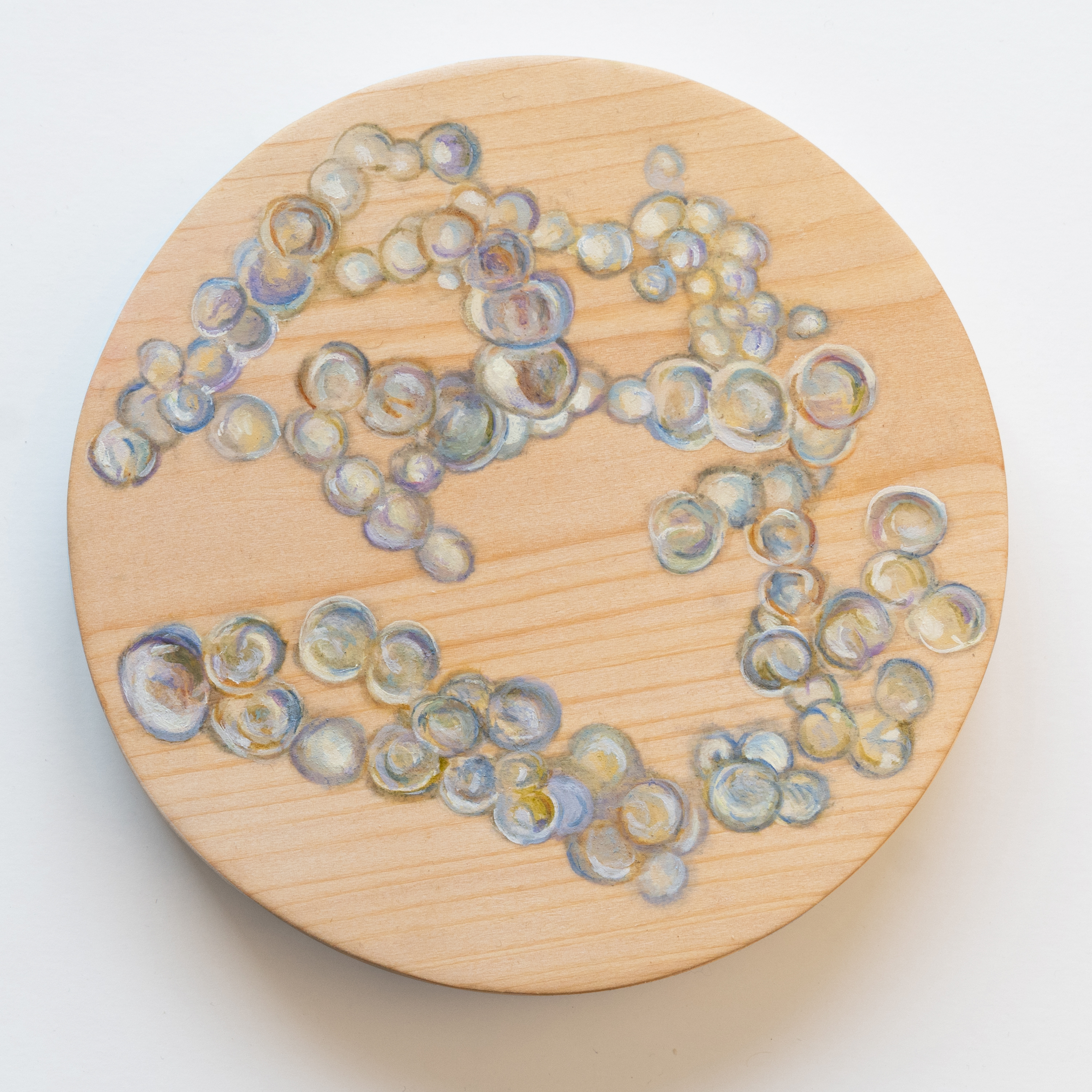
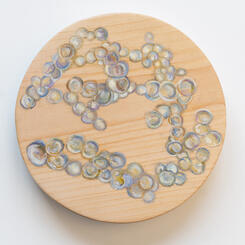
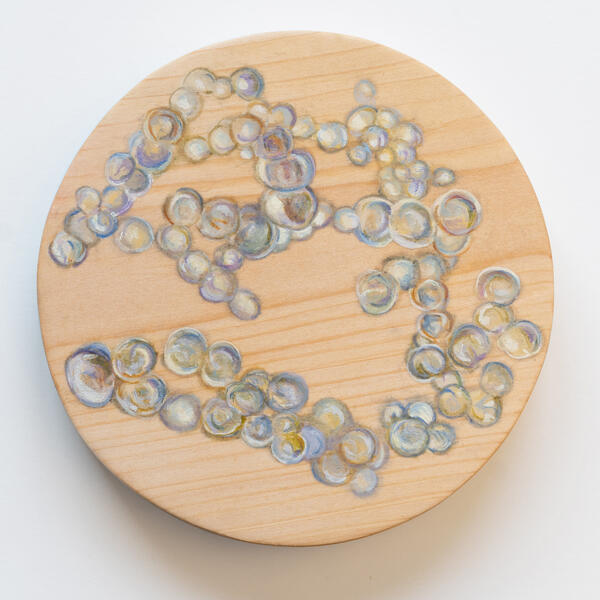 Phaeocystis pouchetiiA colony of Phaeocystis pouchetii, which is a microorganism that produces an important compound called dimethylsulfide (DMS). DMS in the ocean causes sea foam to form and the smell of sea foam. That smell draws sea birds like albatrosses to feed (organisms like krill, which the birds eat, feed on the Phaeocystis). DMS also encourages cloud formation by giving water droplets something to stick to, which in turn helps cool the planet.
 -
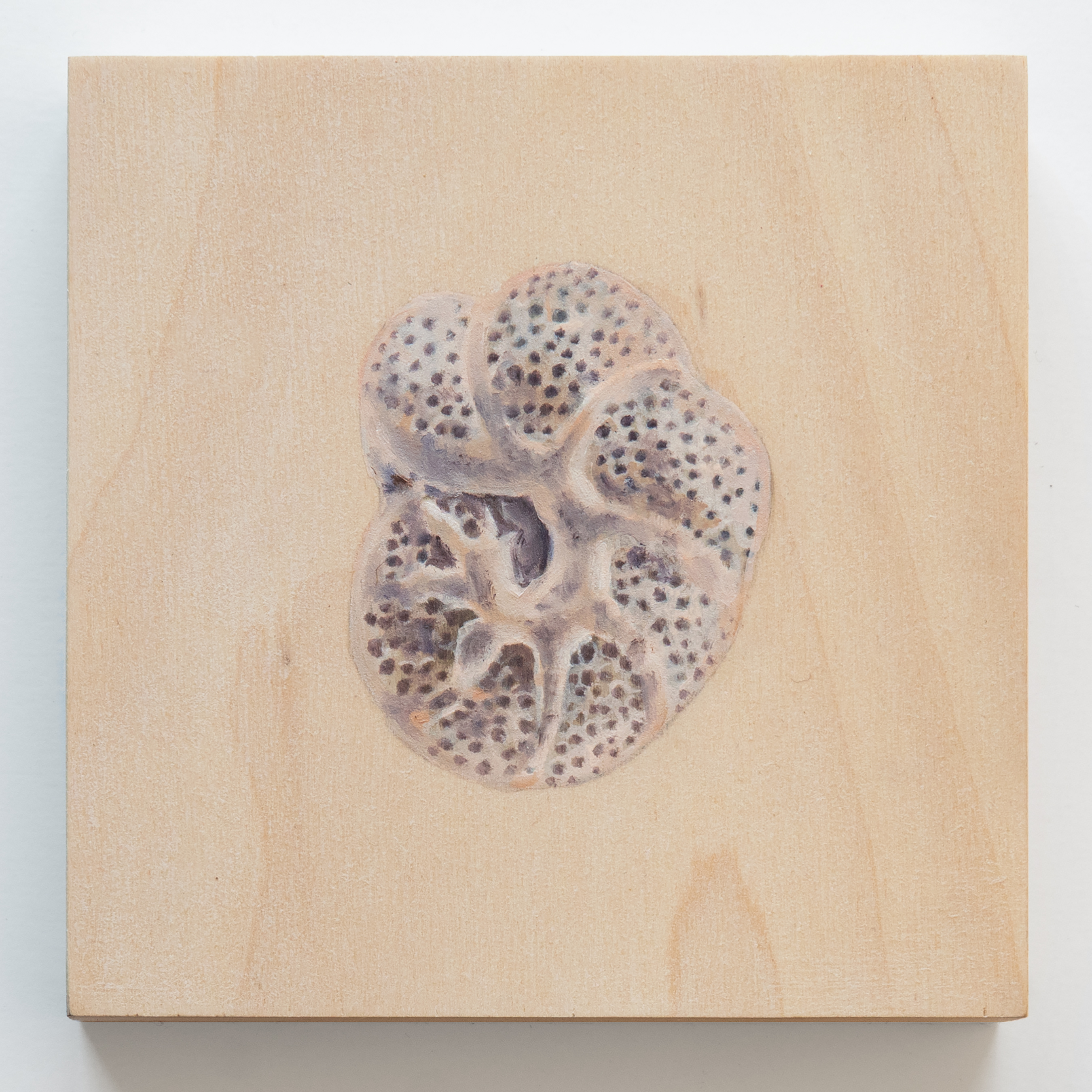
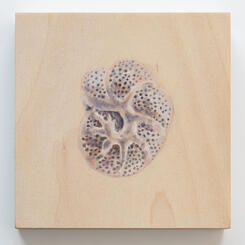
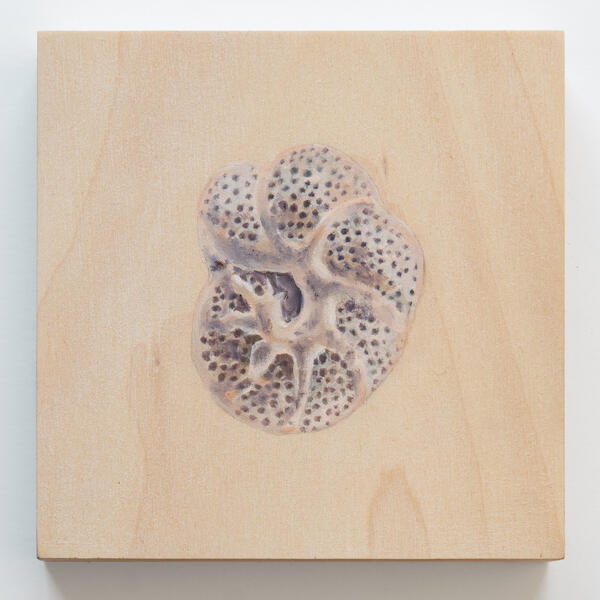 ForaminiferaForaminifera are single-celled marine organisms. Their shells are covered in tiny holes called foramen (Latin for “window”), which they push their ectoplasm through to create pseudopodia (false legs) which they use to move about and collect food. They eat other microorganisms such as diatoms as well as detritus from the sea floor. Foraminifera shells are made of calcium carbonate. When forams die, their shells settle on the sea floor as sediment, which eventually turns to limestone under pressure. The stone and sediment they leave behind sequesters vast amounts of carbon away from our atmosphere. Over millions of years, forams were instrumental in transforming the Earth’s atmosphere into the oxygen-rich air we breathe today.
 -
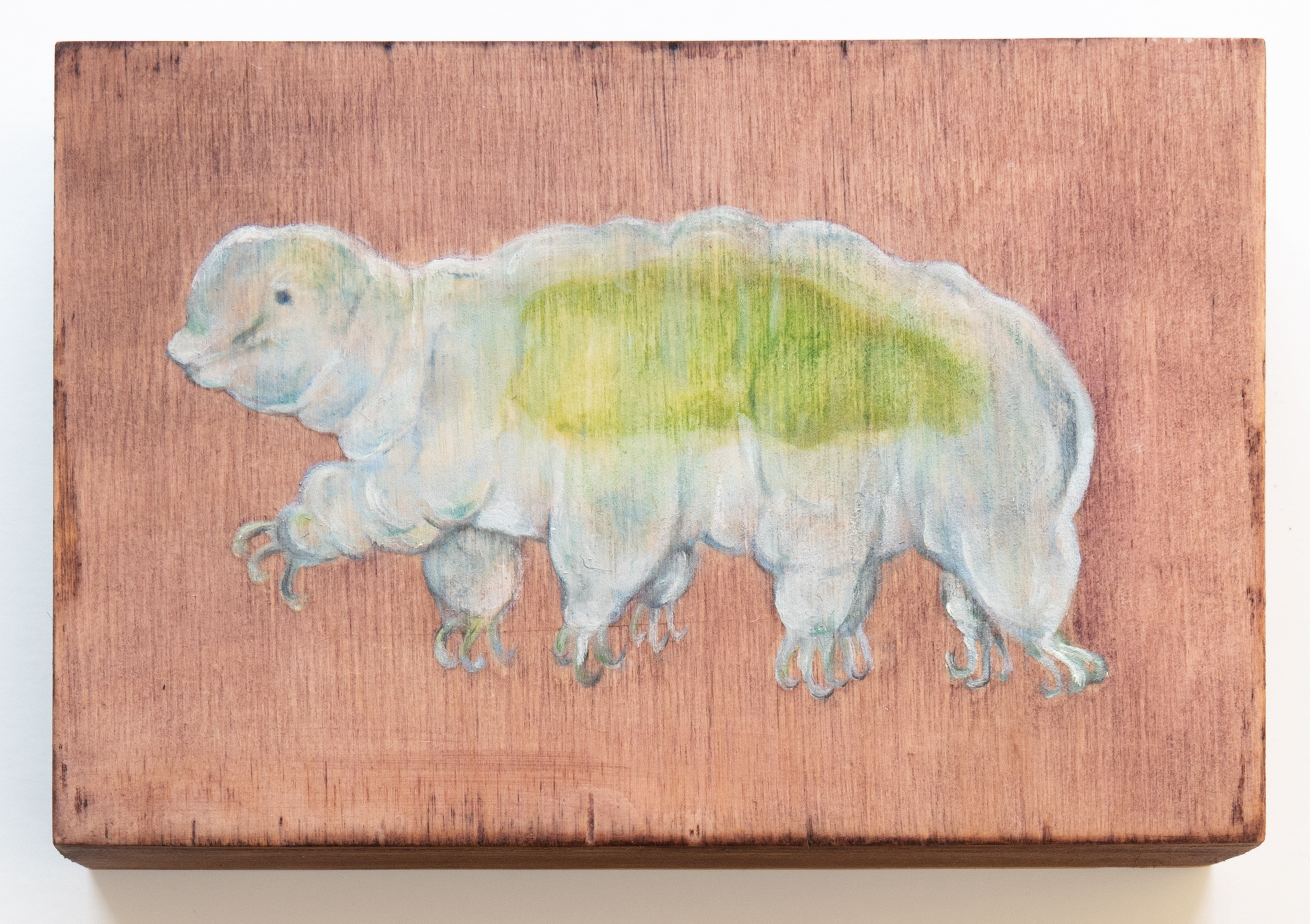
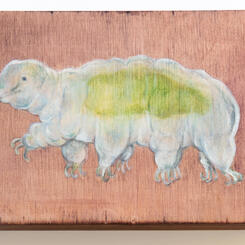
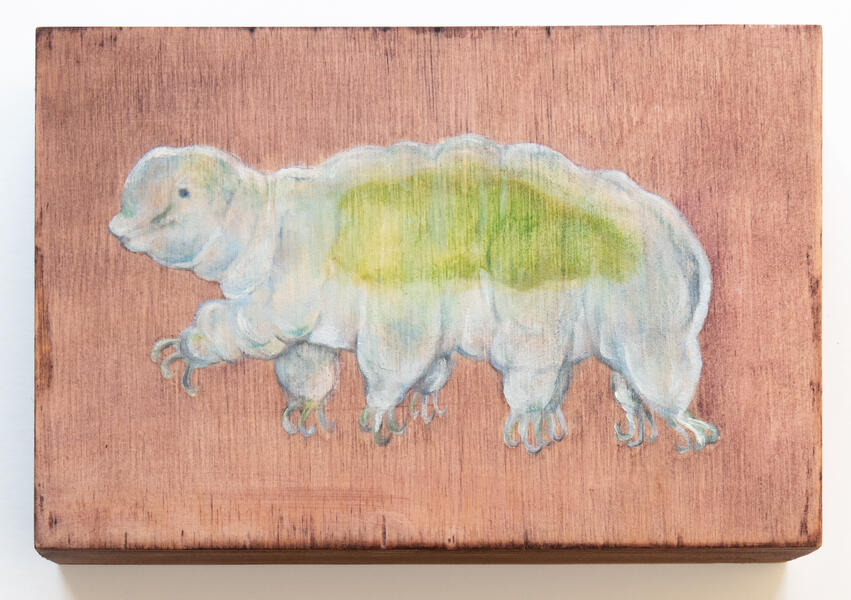 TardigradeAlso known as “water bears” or “moss piglets,” tardigrades are widely known for their ability to survive even after being exposed to outer space, as well as for being some of the cutest microorganisms. Some tardigrades are able to survive exposure to extreme heat, cold, pressure, radiation, and lengths of time without water. One of their mechanisms for survival is called a “tun state,” in which they release all of the water from their bodies and lower their metabolisms to .01%. They can remain in this state for decades, only reanimating themselves when they come into contact with water again.
 -
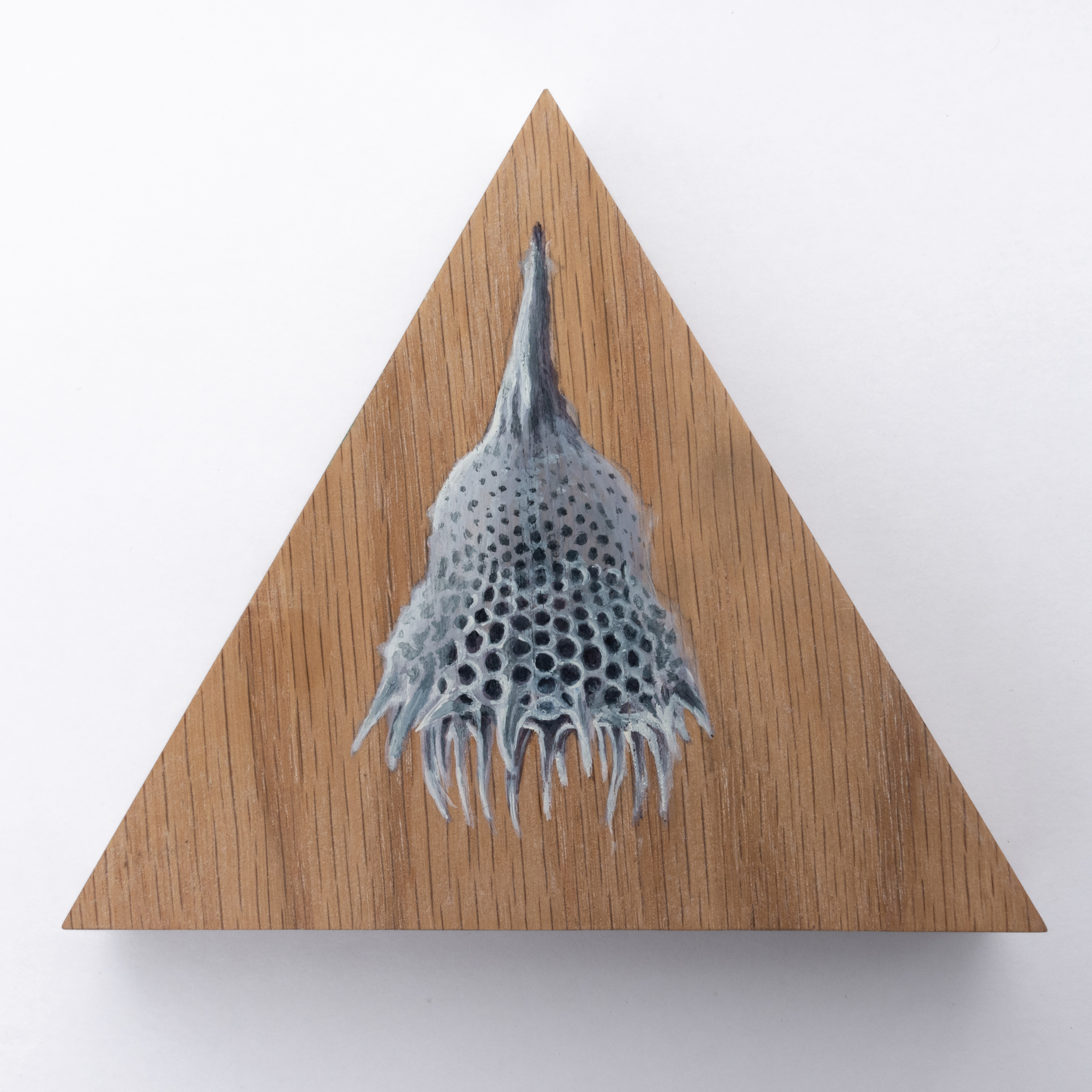
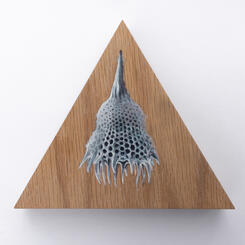
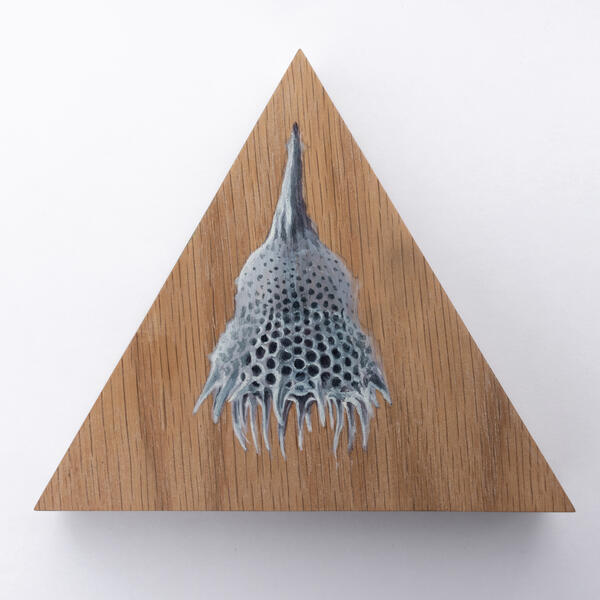 RadiolarianRadiolarians are a type of single-celled zooplankton which construct intricate, symmetrical shells out of silica. These shells serve not only as protection, but also as a ballast to balance the organisms as they float through the water. Some of the earliest eukaryotes to evolve, they are found in oceans throughout the planet today and dating back 500 million years to the Cambrian era. As zooplankton, they are an important part of the base of the food web. They are valuable in the fossil record because their silica shells do not dissolve in acids, and can remain intact at the bottom of the sea bed for millions of years. Radiolarians were the original inspiration for Ernst Haeckel to knit together his love of science and art. He was one of the earliest scientists to study them, discovered and named over 100 new species, and created thousands of drawings and paintings of them.