Work samples
-
 .
. -
 .
. -
 .
. -
 .
.


About marian april

Marian April Glebes is an artist, researcher, and preservation planner based in the historic Jones Falls River Valley of Baltimore, MD. She received her BFA from the Maryland Institute College of Art (MICA) in 2004, her MFA from University of Maryland Baltimore County (UMBC) in 2009, and her MCP in City and Regional Planning and MSHP in Historic Preservation from the University of Pennsylvania’s Weitzman School of Design in 2024. For her research at UPenn, Glebes was the innaugural… more
matter battle
-
 .
. -
 .
. -
.


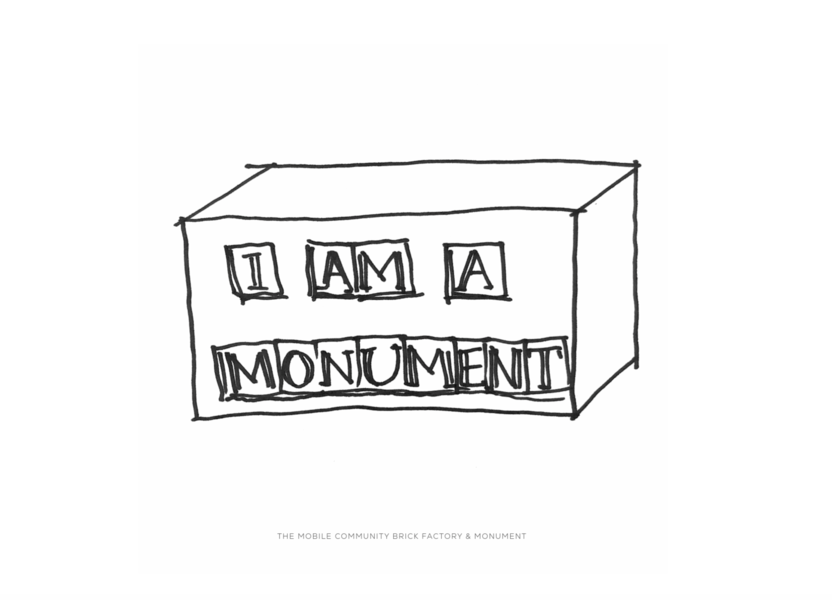
The Mobile Community Brick Factory & Monument
-
 .
. -
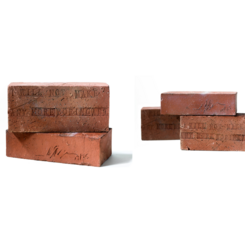
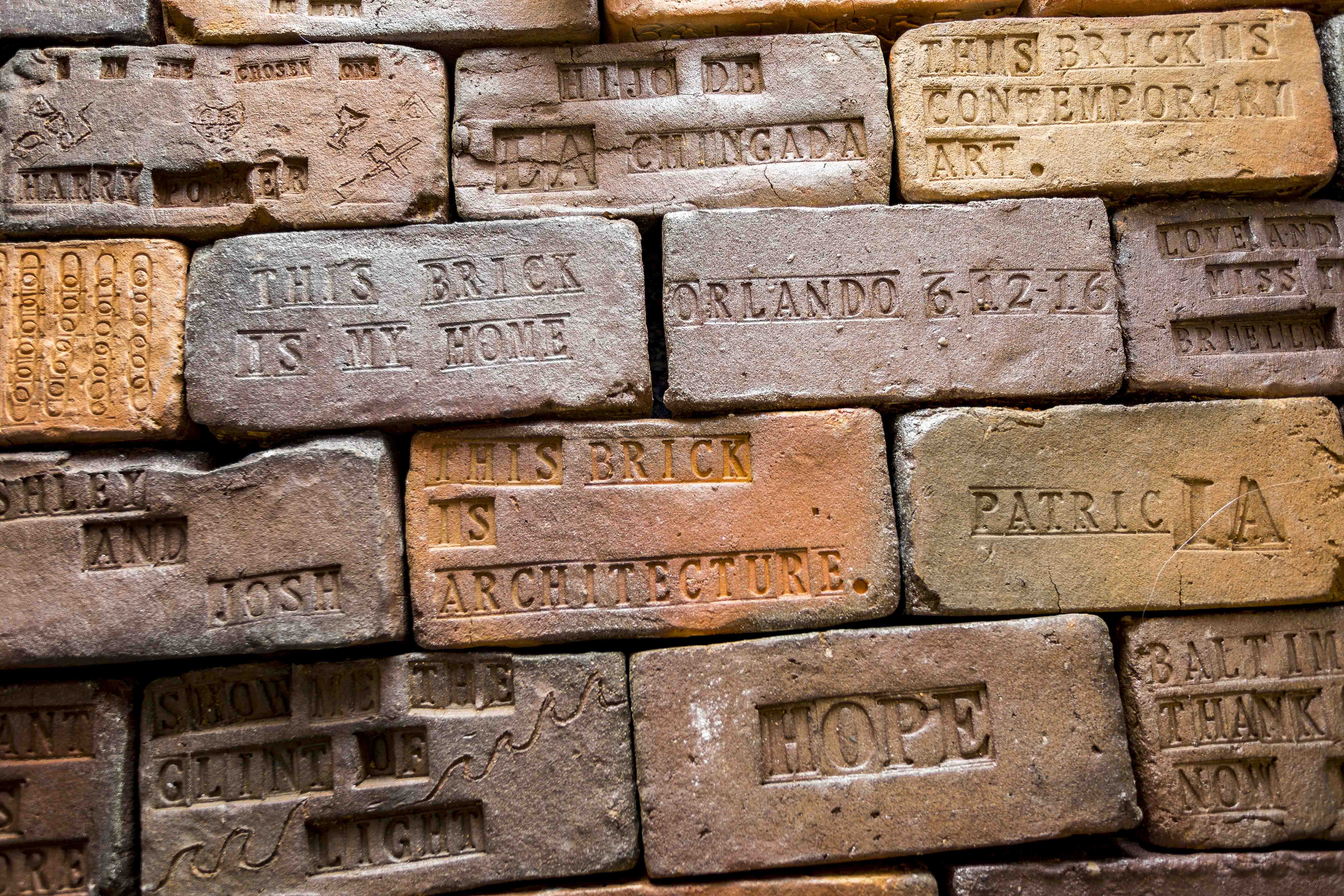
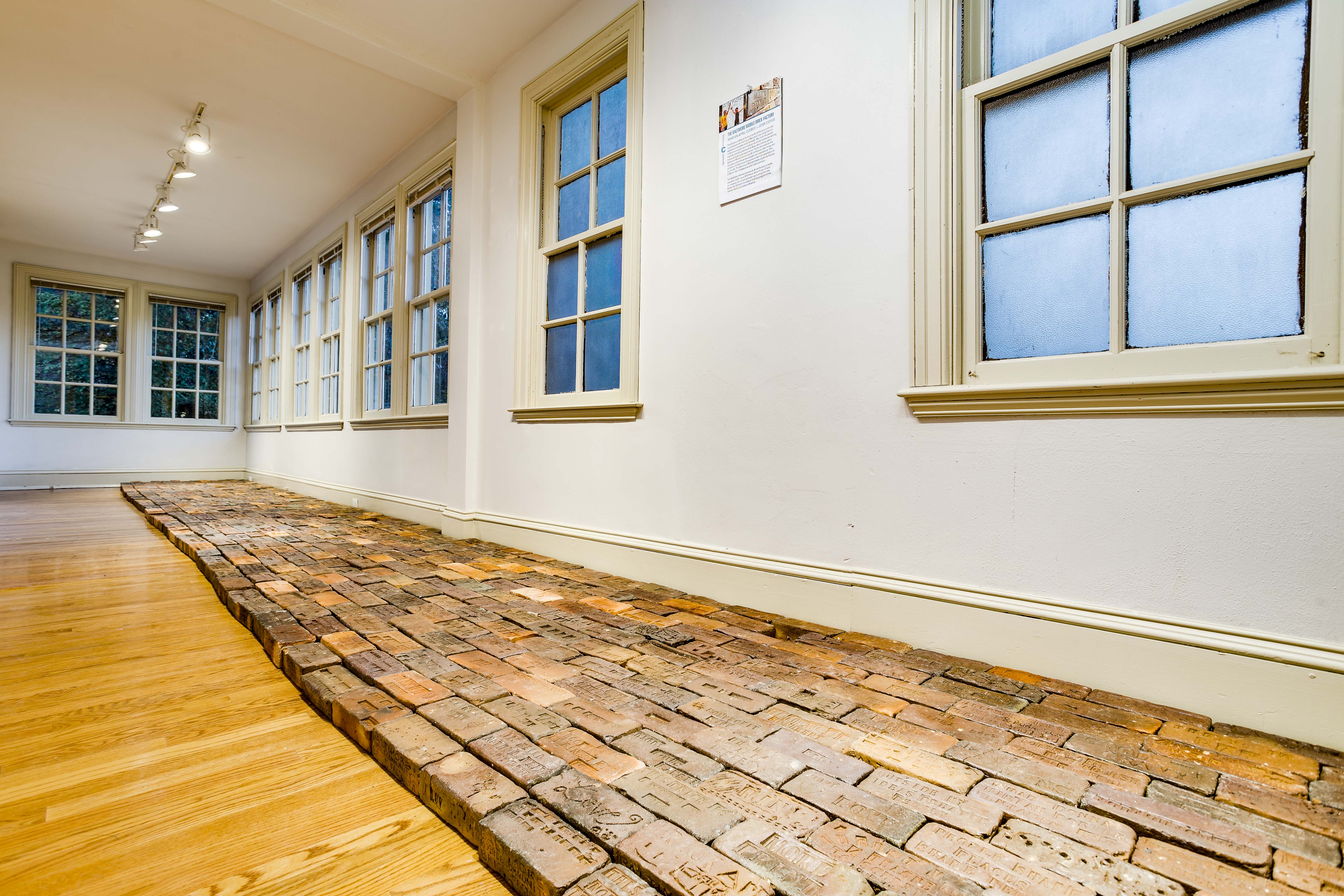
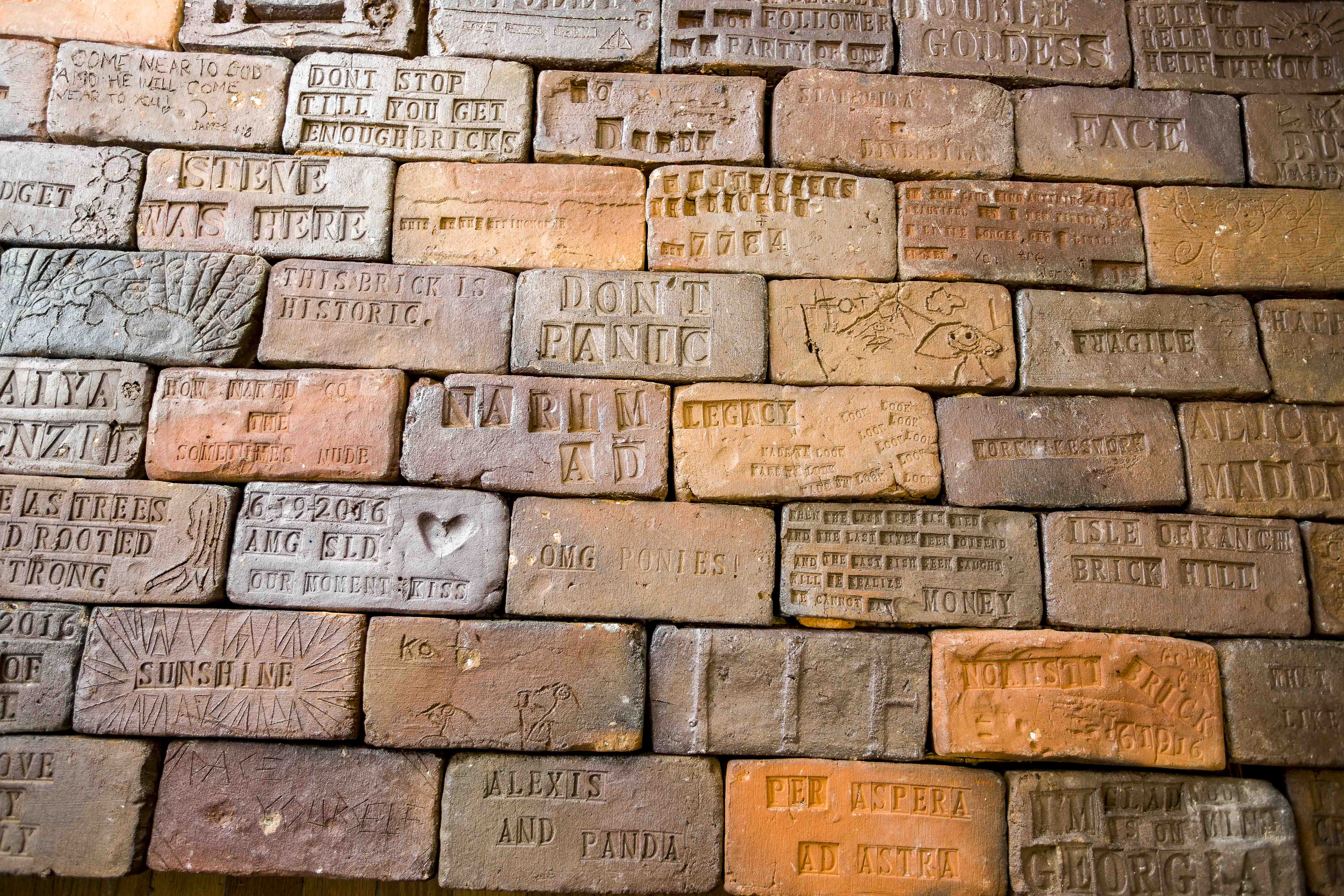
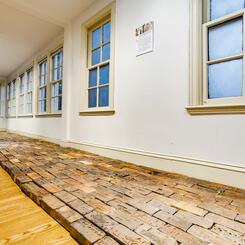
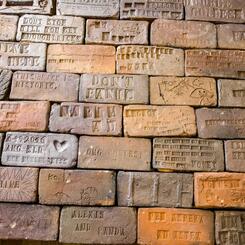
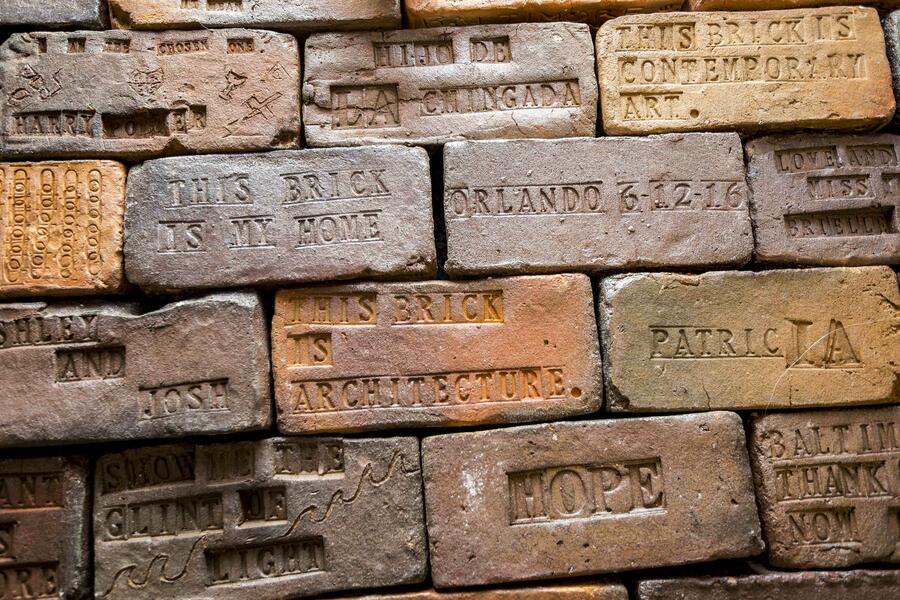 Bricks made by Baltimore Mobile Community Brick FactoryThe Baltimore Mobile Community Brick Factory Bricks Baltimore Clayworks, Project Space October 14, 2016 - November 13, 2016 This installation at Baltimore Clayworks included over 650 bricks from the first woodfiring of the bricks we made as the Baltimore Mobile Community Brick Factory. The floor configuration was installed in the project space and occupied 160 square feet. Visitors we invited to walk on the bricks to read the inscriptions.
 -
 .
. -
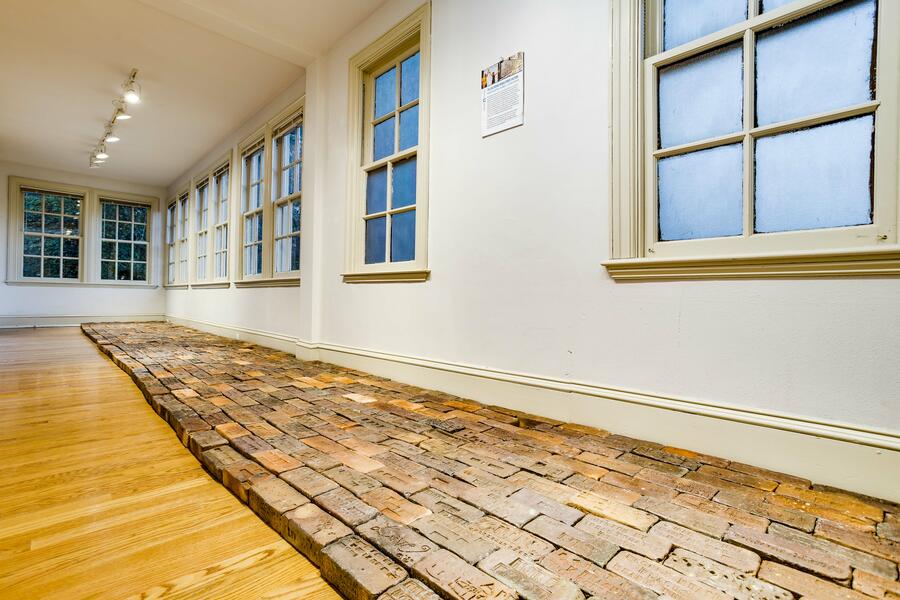 Baltimore Mobile Community Brick Factory Brick Installation ViewThe Baltimore Mobile Community Brick Factory Bricks Baltimore Clayworks, Project Space October 14, 2016 - November 13, 2016 This installation at Baltimore Clayworks included over 650 bricks from the first woodfiring of the bricks we made as the Baltimore Mobile Community Brick Factory. The floor configuration was installed in the project space and occupied 160 square feet. Visitors we invited to walk on the bricks to read the inscriptions.
 -
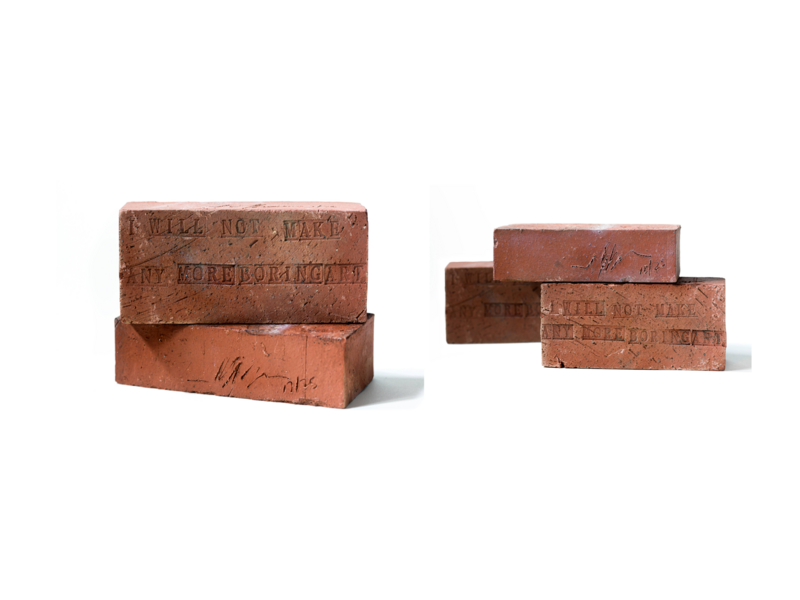
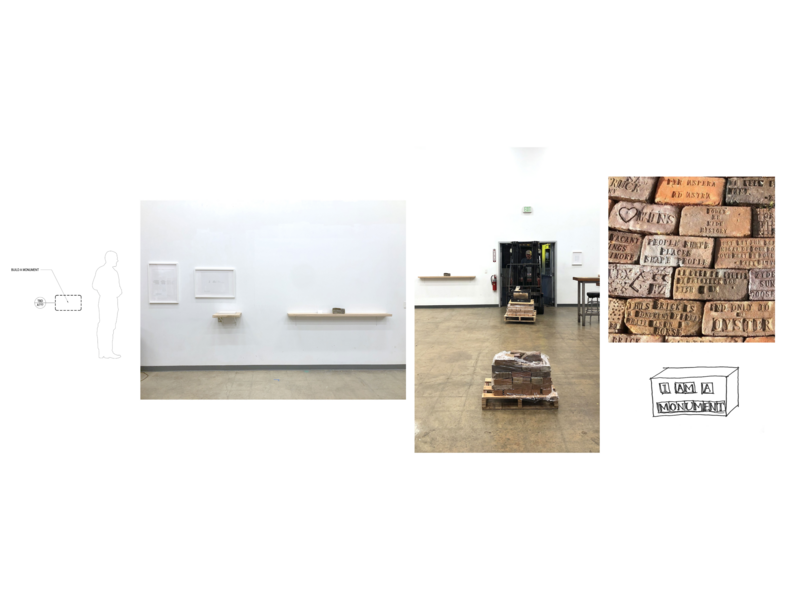
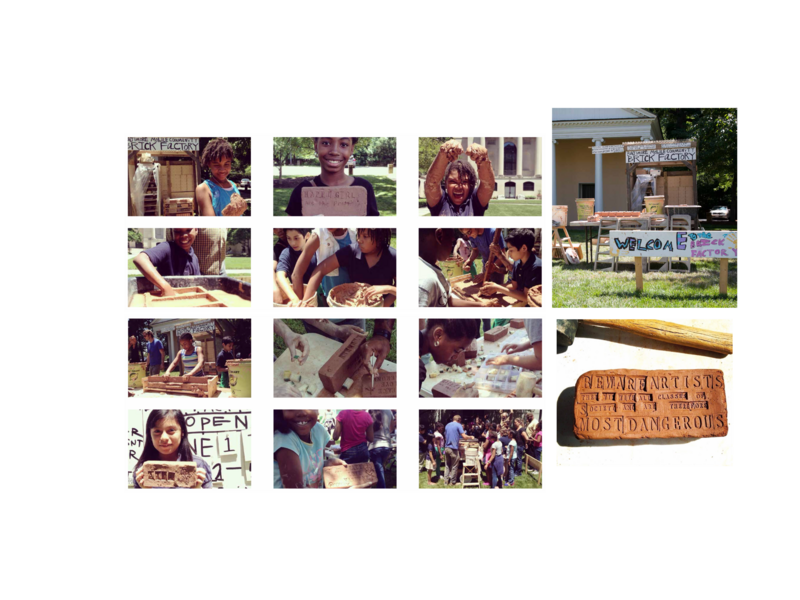
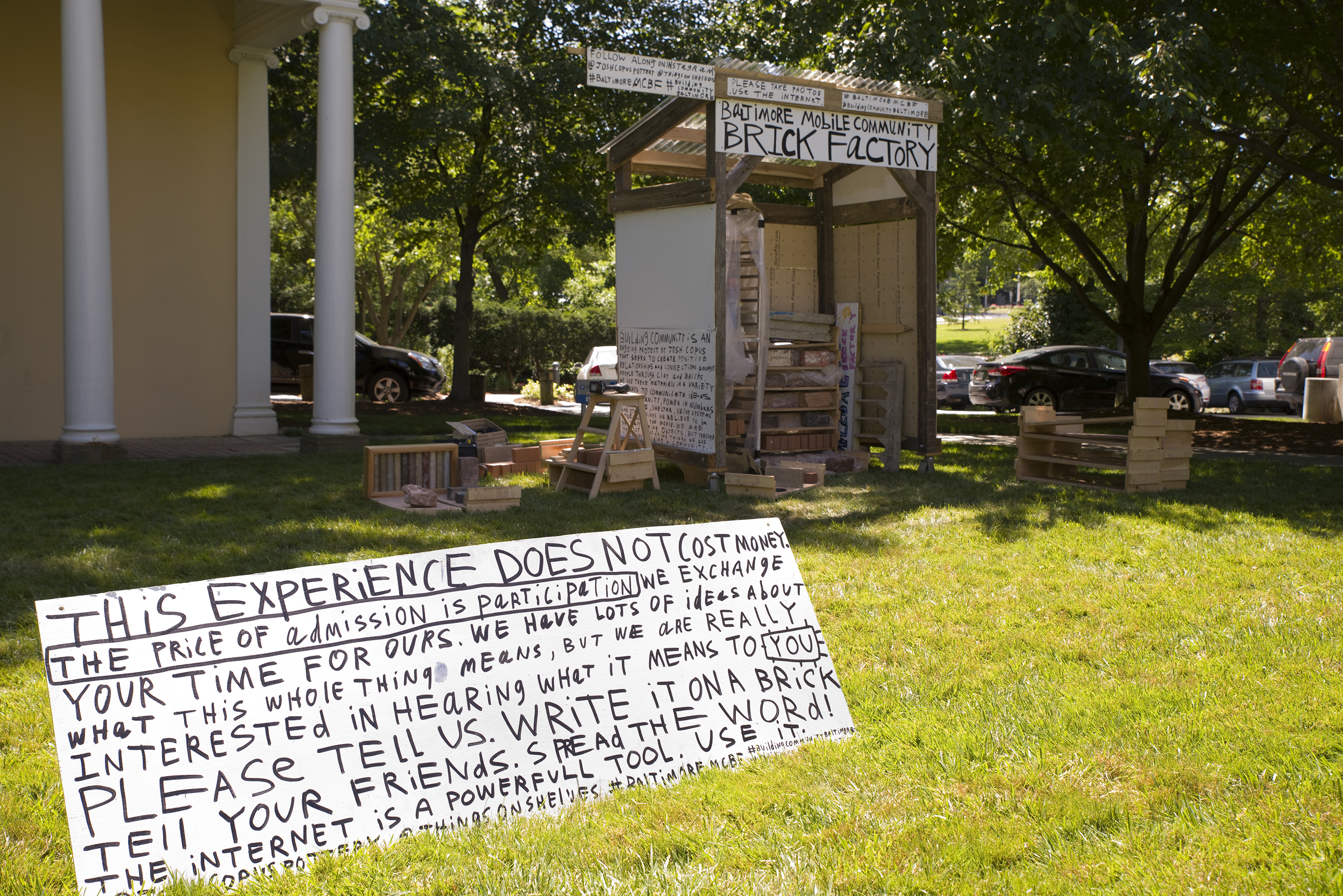
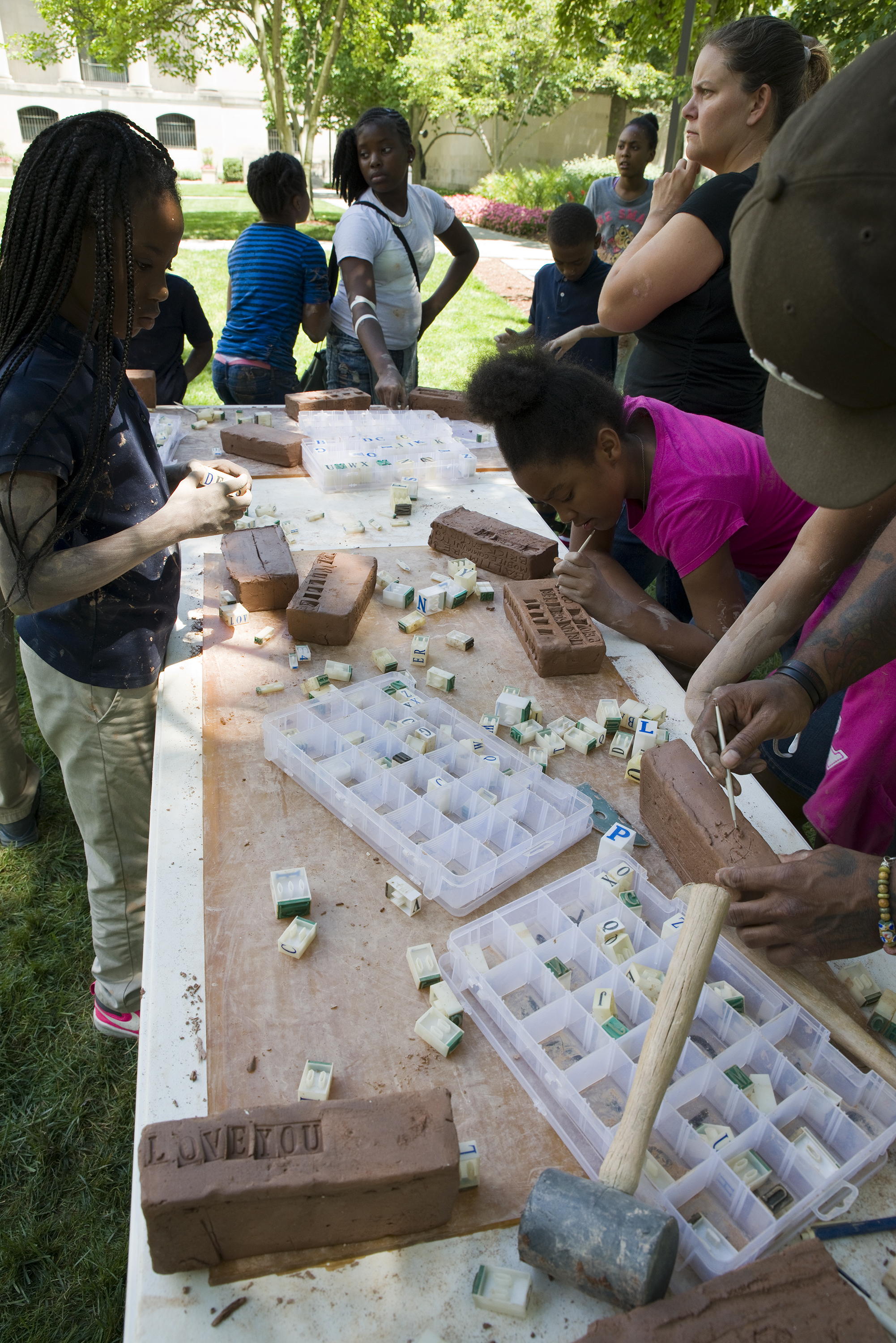
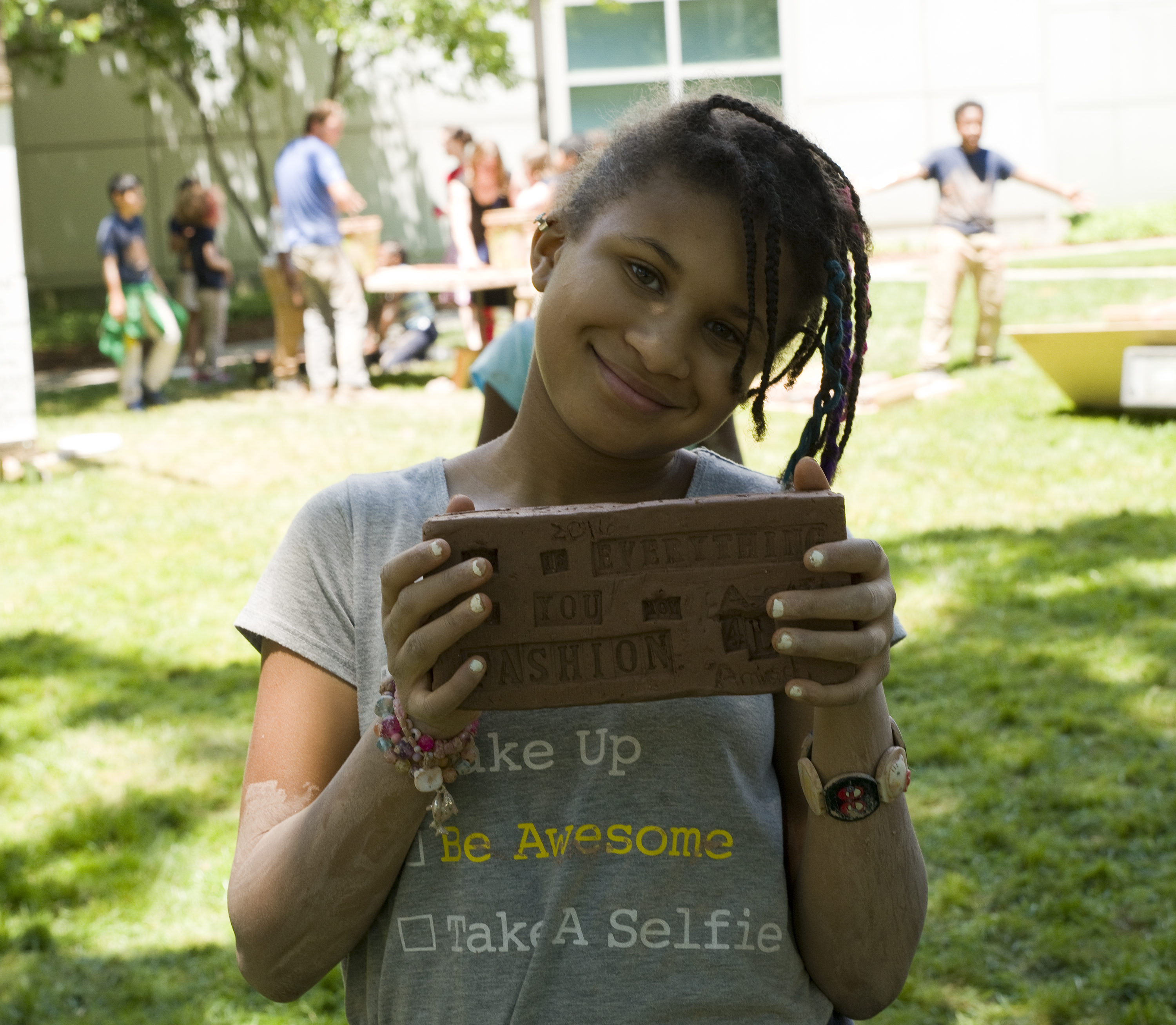
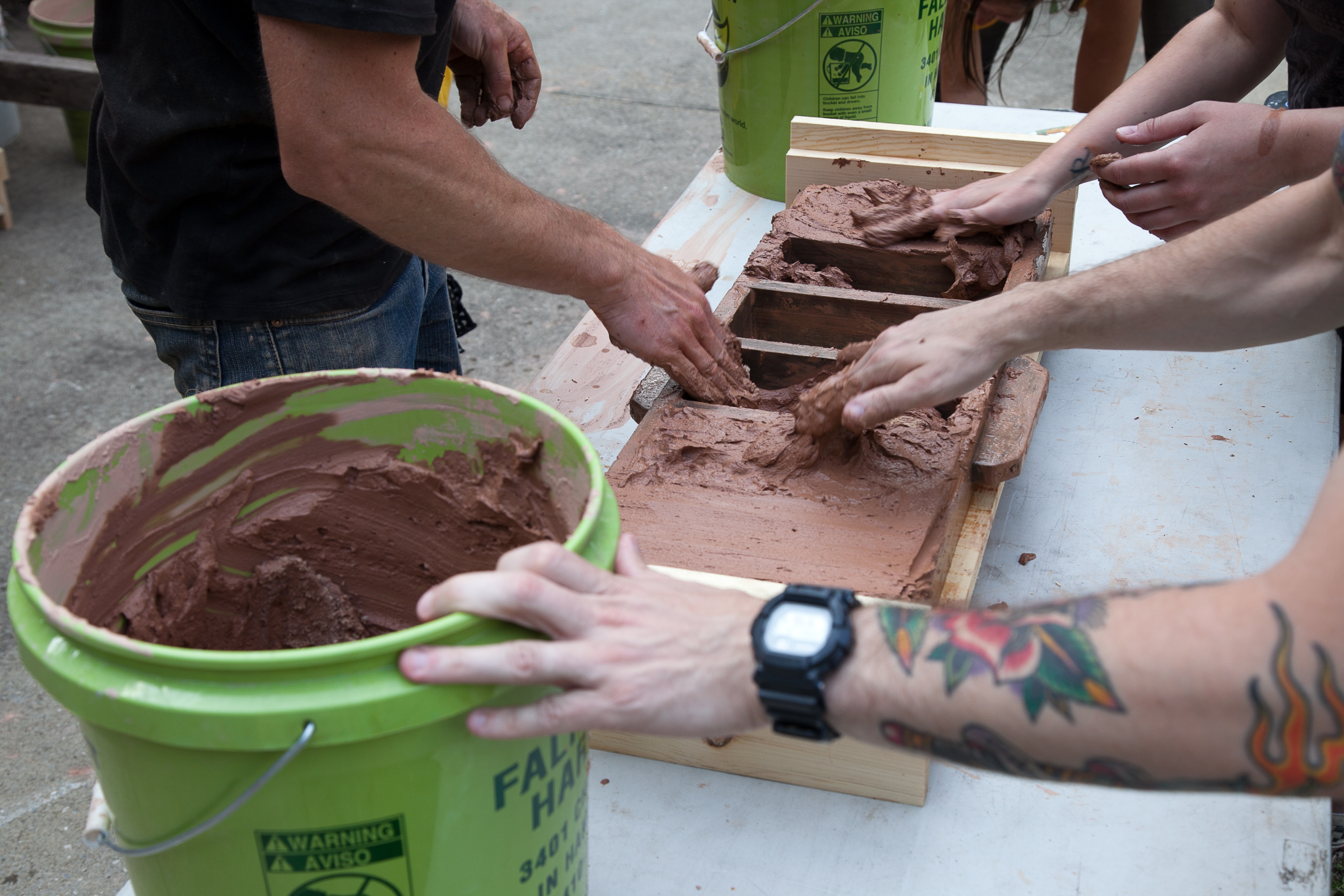
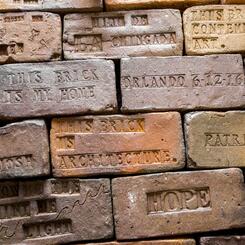
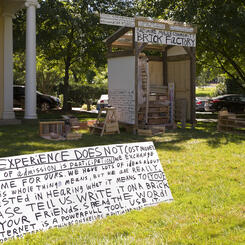
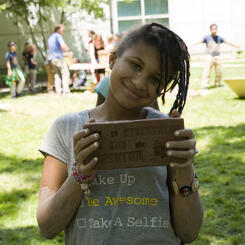
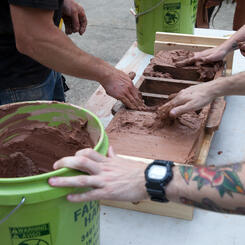
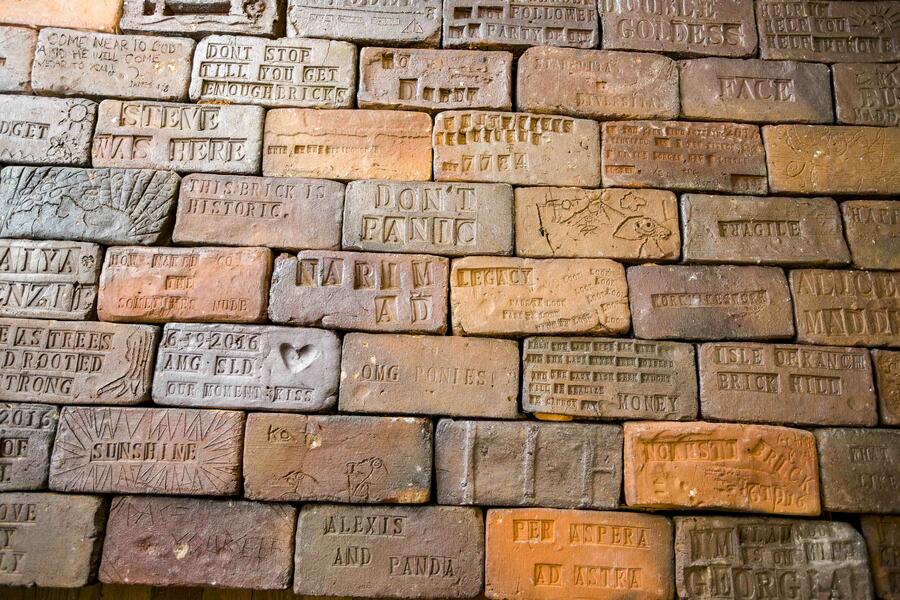 Bricks made by the Baltimore mobile Community Brick FactoryThe Baltimore Mobile Community Brick Factory Bricks Baltimore Clayworks, Project Space October 14, 2016 - November 13, 2016 This installation at Baltimore Clayworks included over 650 bricks from the first woodfiring of the bricks we made as the Baltimore Mobile Community Brick Factory. The floor configuration was installed in the project space and occupied 160 square feet. Visitors we invited to walk on the bricks to read the inscriptions. The Baltimore Mobile Community Brick Factory produces handmade bricks from local Maryland clay using historic waterstruck wooden mold methods. We invite the people of Baltimore to join us in making the bricks and personalizing them by inscribing stories and ideas about home, place, history and personal experience. The bricks made by the Baltimore Mobile Community Brick Factory, after firing, become a part of a series of public art installations. This exhibition at Baltimore Clayworks is the first installation of the bricks. The Baltimore Mobile Community Brick Factory is Marian April Glebes with Josh Copus and you. The Baltimore Mobile Community Brick Factory is made possible, in part, by a 2015 Rubys Artist Project Grant, an initiative conceived with start-up funding from the Robert W. Deutsch Foundation and is a program of the Greater Baltimore Cultural Alliance
 -
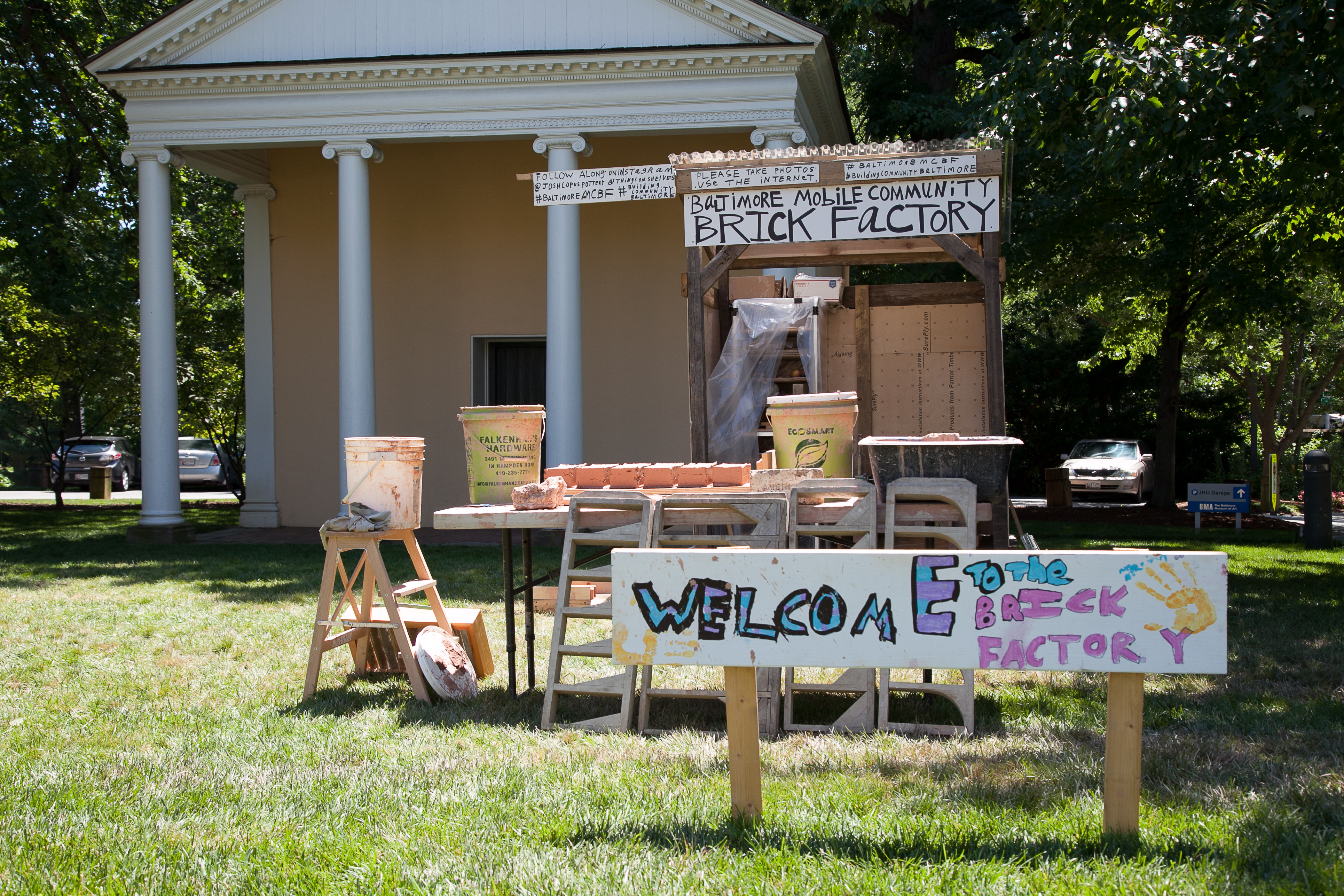
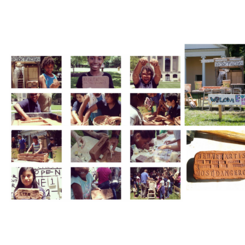
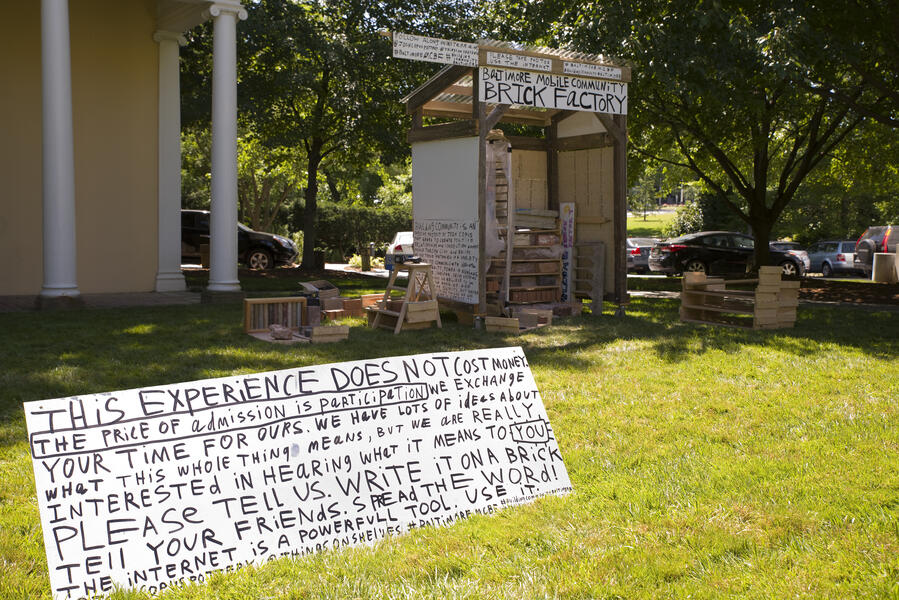 Baltimore Mobile Community Brick Factory on the Spring House Lawn at the BMA
 -
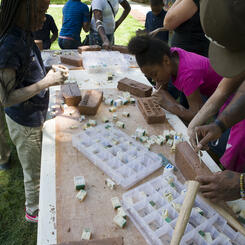
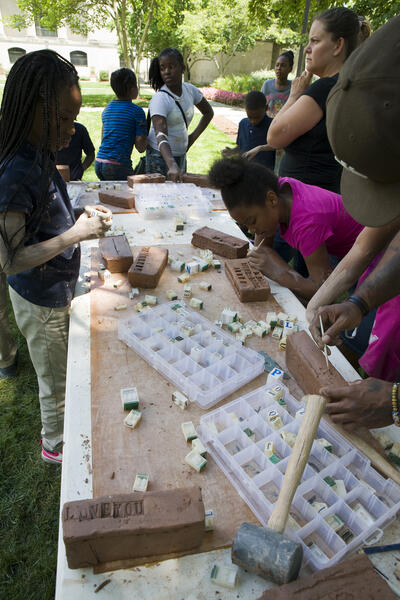 Telling stories in bricks at the Brick Factory
 -
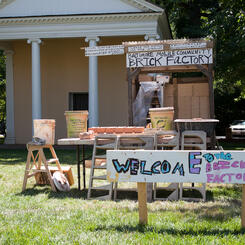
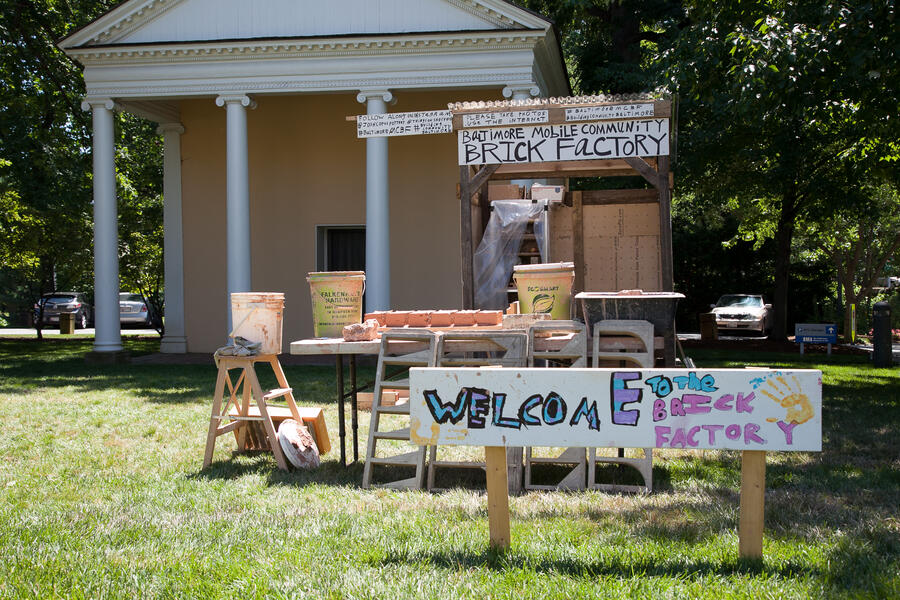 Welcome to the Baltimore Mobile Community Brick Factory's Brickmaking Station
 -
 Margaret Brent Middle School 4th Graders visit the Brick Factory
 -
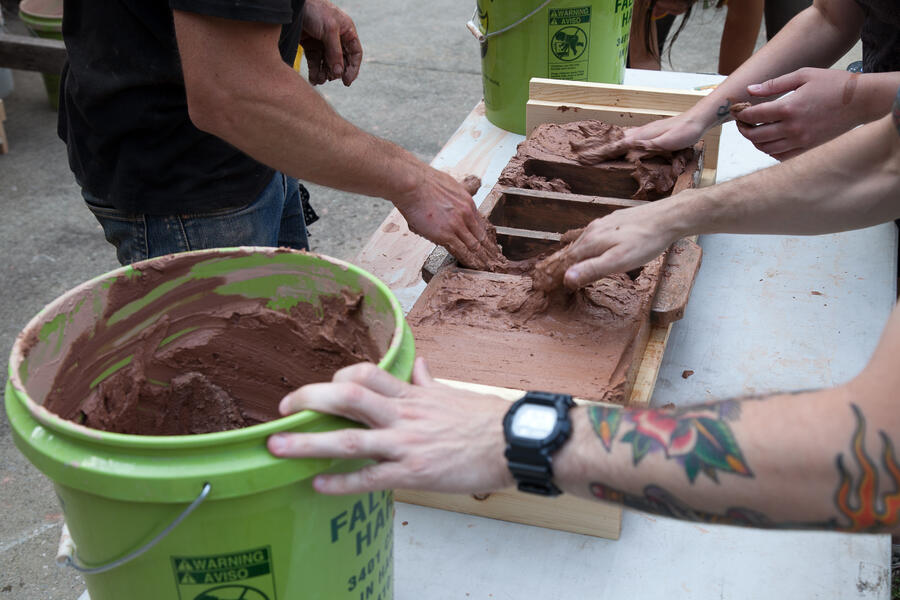 Making bricks at the Baltimore Mobile Community Brick Factory


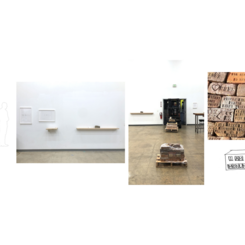
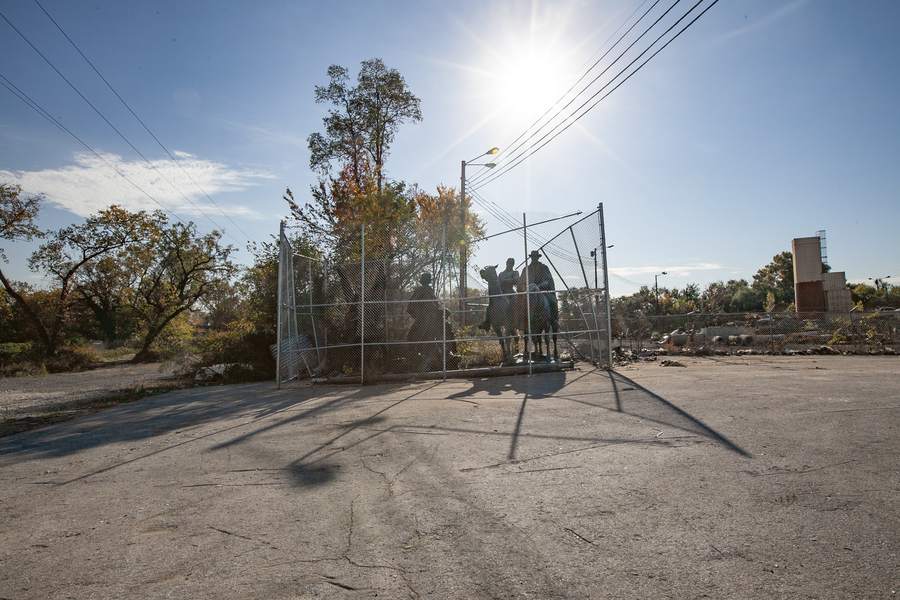
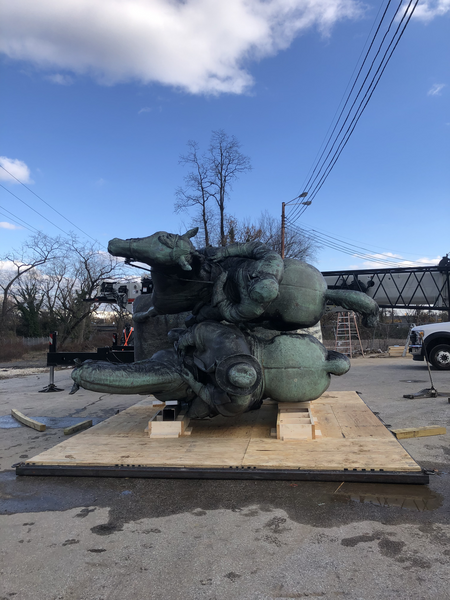
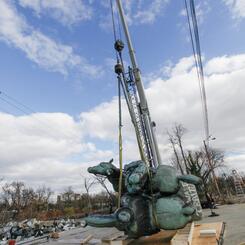
THIS BRICK IS HISTORIC PRESERVATION; THIS BRICK IS NOT A DEAD WHITE GUY ON A HORSE: BALTIMORE CITY ARTIST-RUN SPATIAL PRACTICES AND RESPONSES TO CONFEDERATE MONUMENTS AS EXPERIMENTAL PRESERVATION
-
.
-
 .
. -
 THIS BRICK IS HISTORIC PRESERVATION; THIS BRICK IS NOT A DEAD WHITE GUY ON A HORSE: BALTIMORE CITY ARTIST-RUN SPATIAL PRACTICES AND RESPONSES TO CONFEDERATE MONUMENTS AS EXPERIMENTAL PRESERVATION
 -
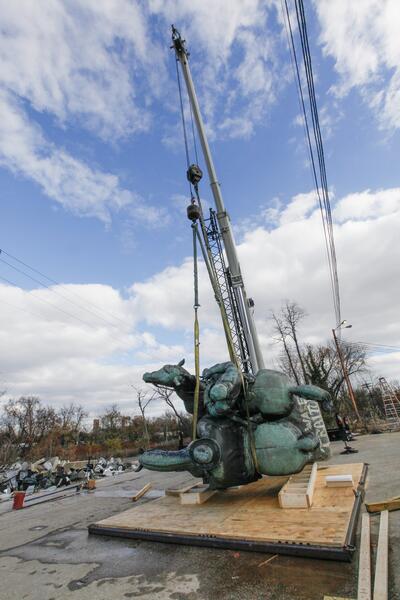 .
.


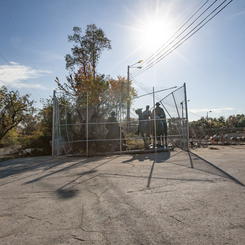
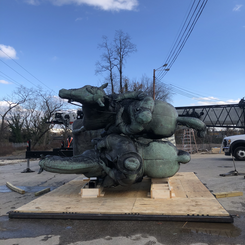
Preservation | Restoration | Rehabilitation | Reconstruction | Reinvention
-
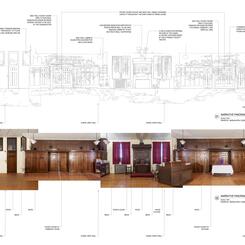
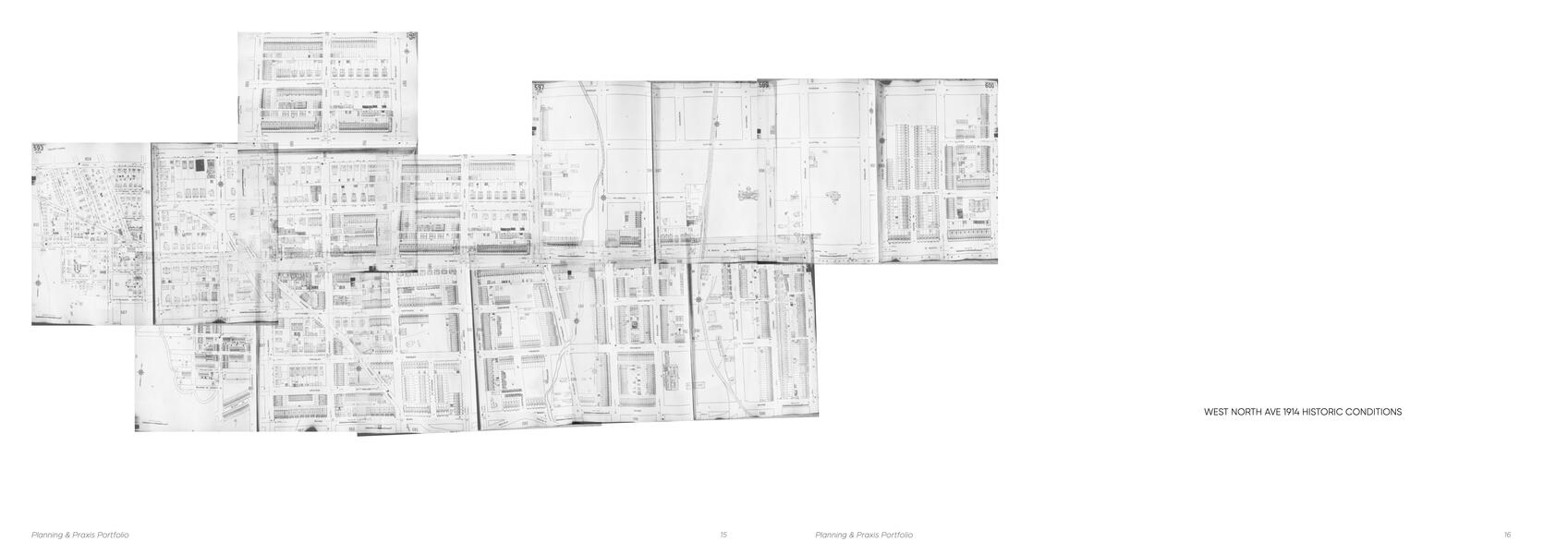 West North Avenue Historic Conditions
 -
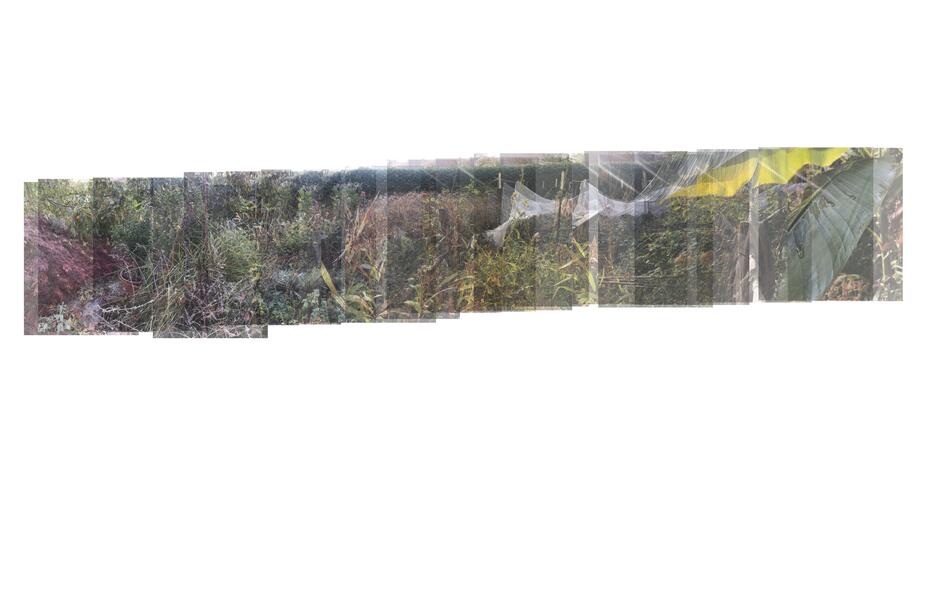 Derive
 -
 Derive
 -
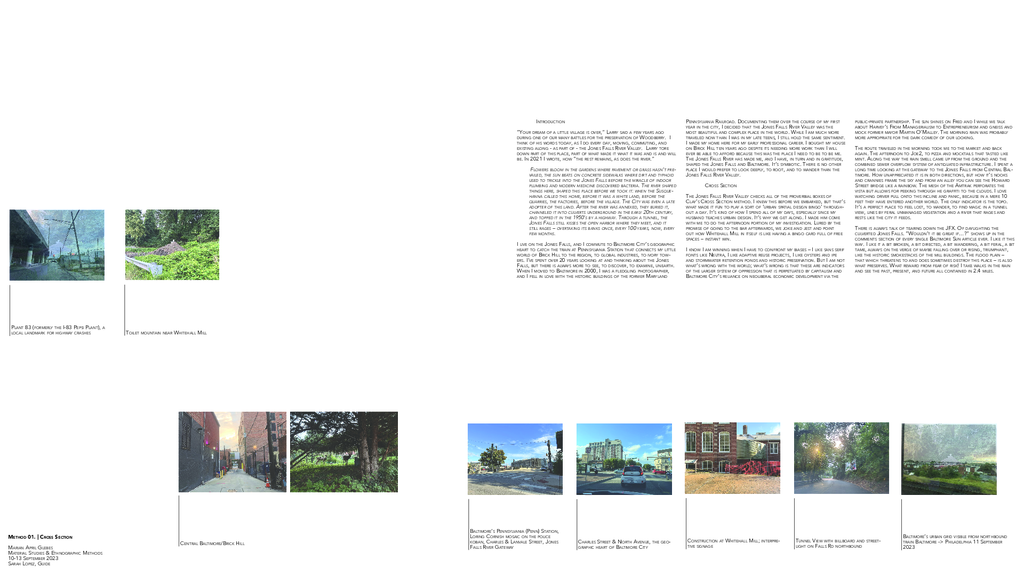 Crosssection
 -
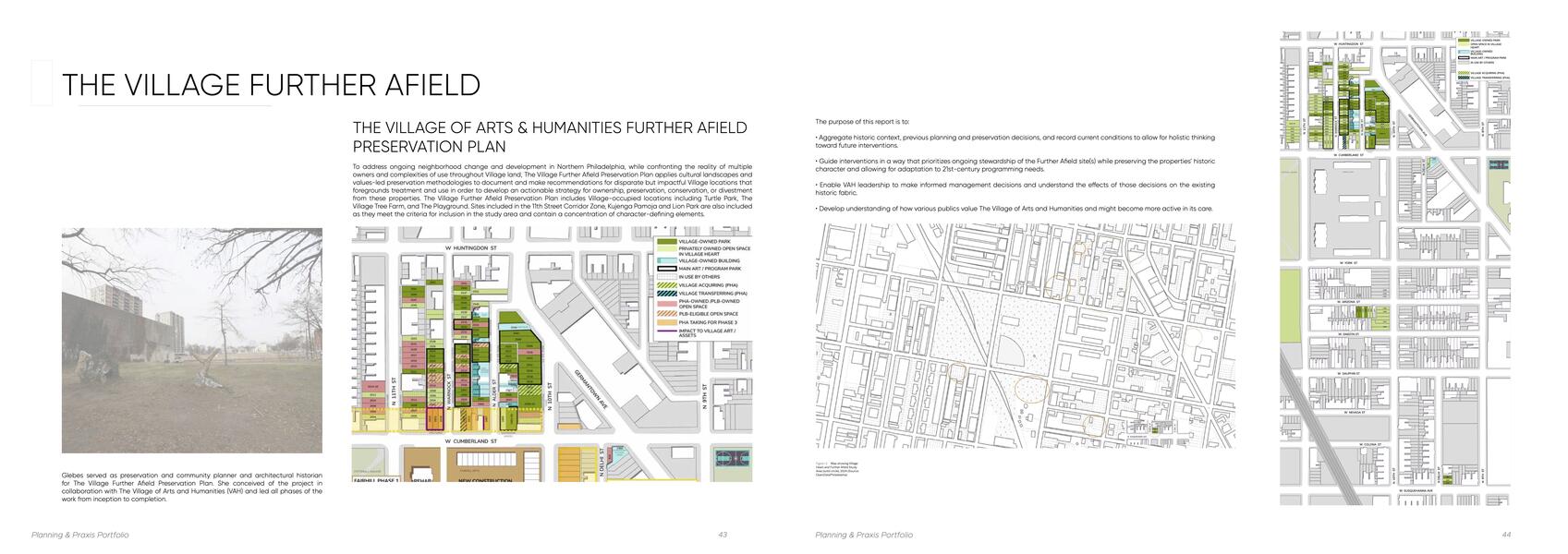 The Village Further Afield
 -
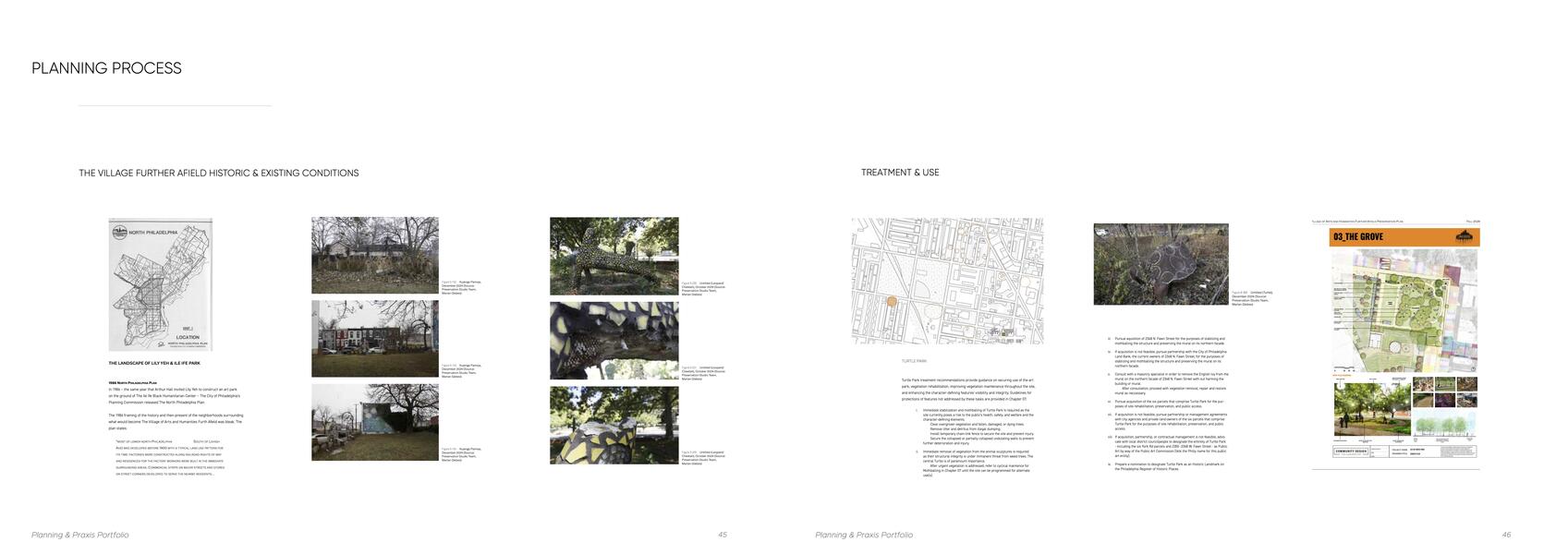 The Village Further Afield
 -
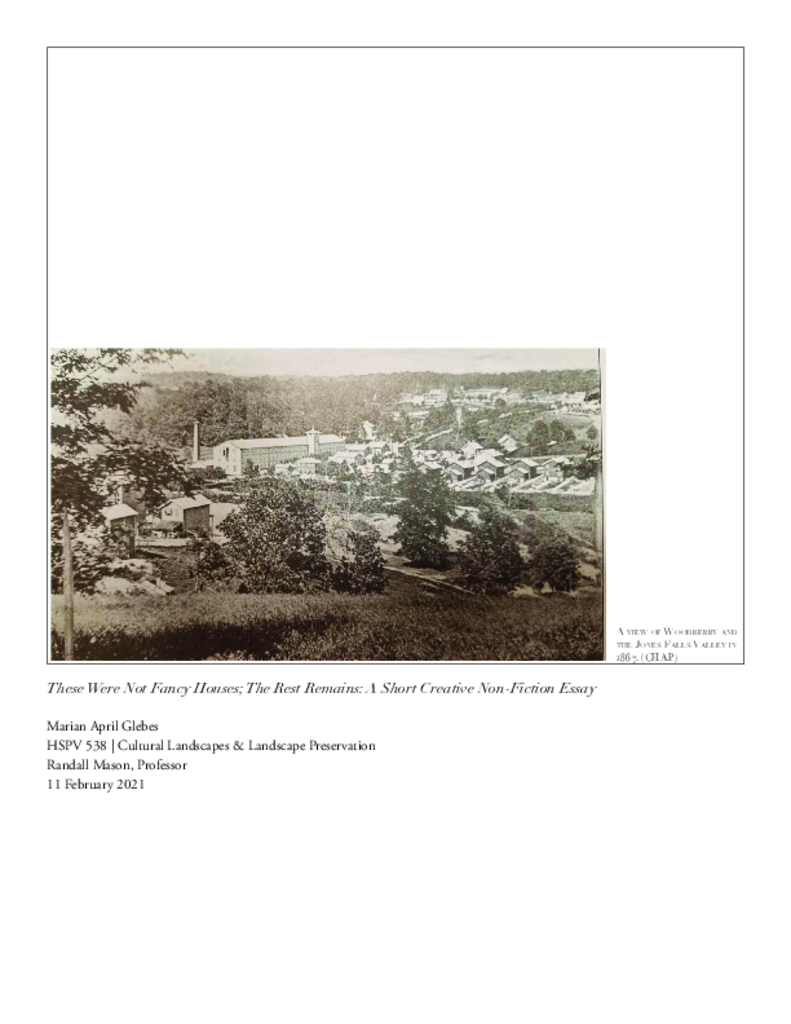
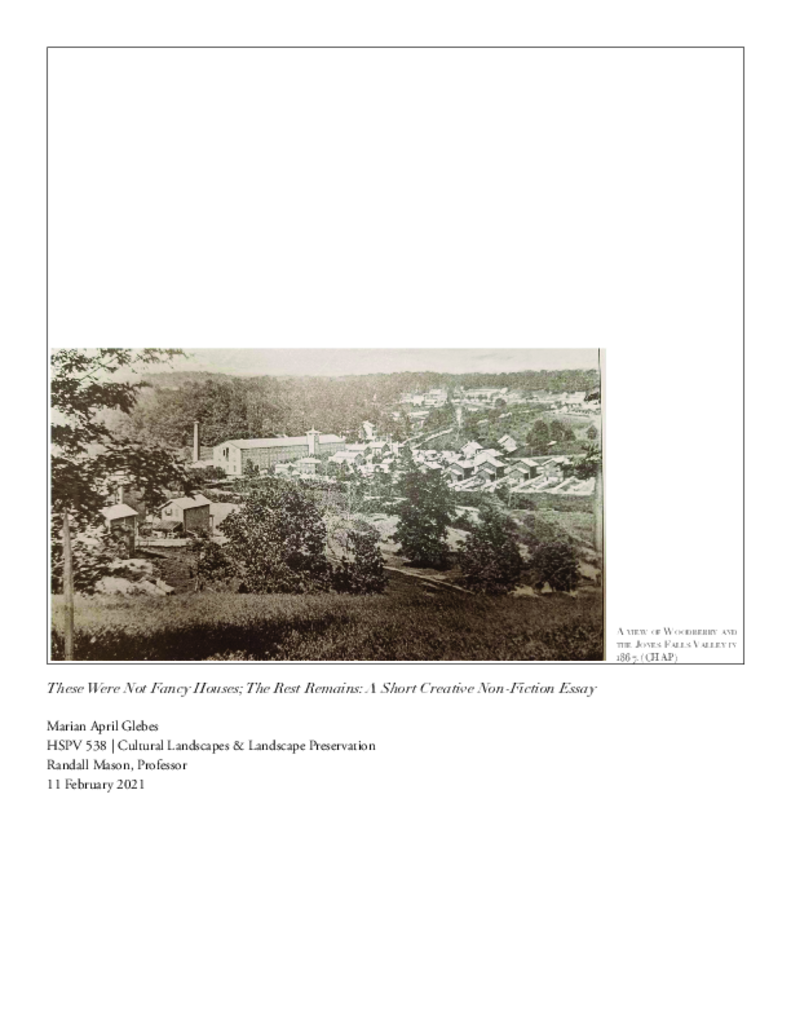 These Were Not Fancy Houses; The Rest Remains
 -
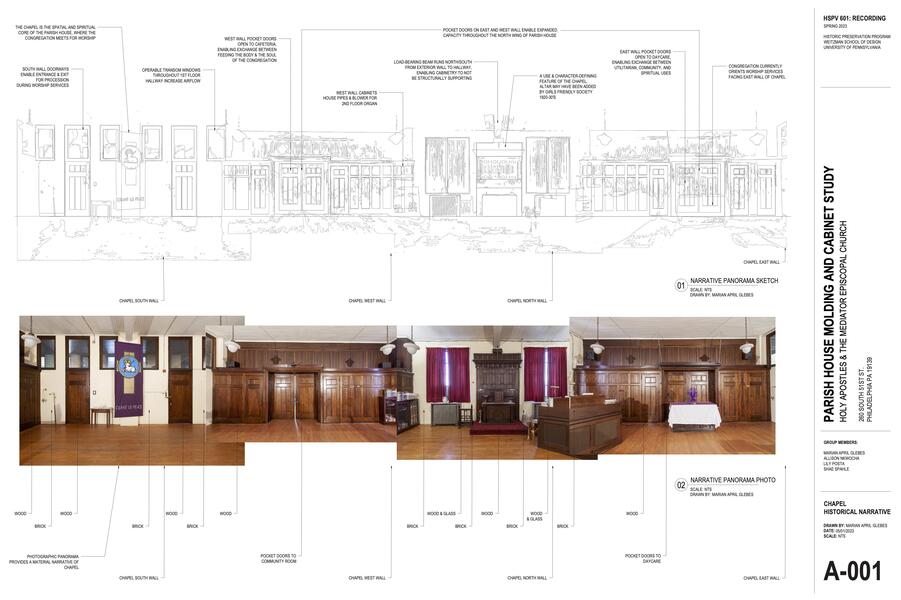 .
.


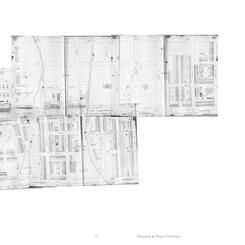

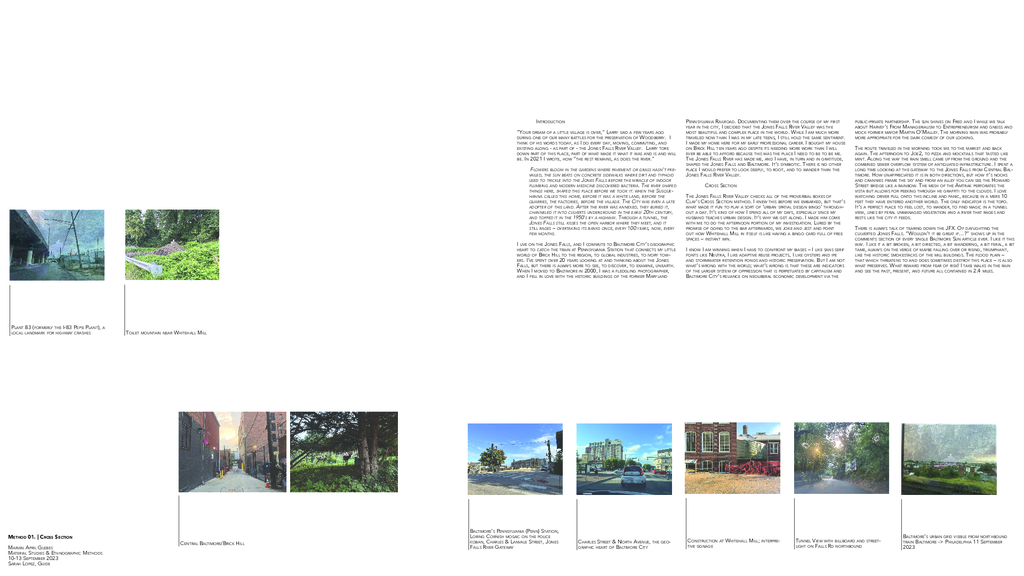
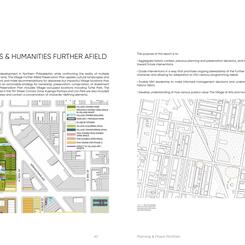
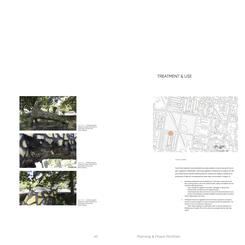
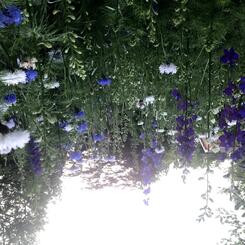
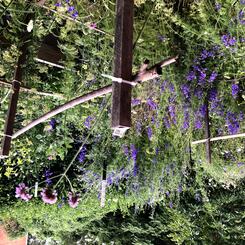
The Brick Hill Plant Lab
-
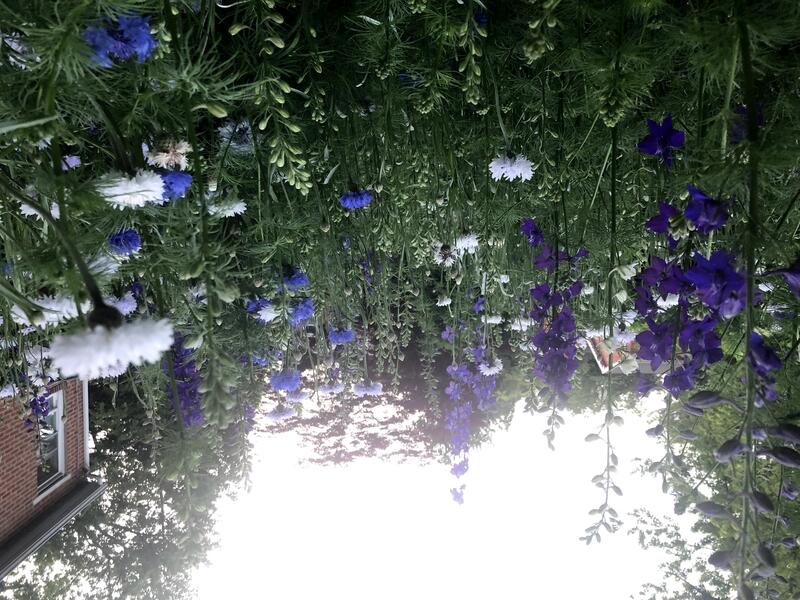 The Brick Hill Plant Lab
 -
 The Brick Hill Plant Lab
 -
 The Brick Hill Plant Lab
Guesthouse by The Brick Hill Plant Lab
-
 The Brick Hill Plant Lab
 -
 The Brick Hill Plant Lab
 -
 Guesthouse by The Brick Hill Plant Lab
 -
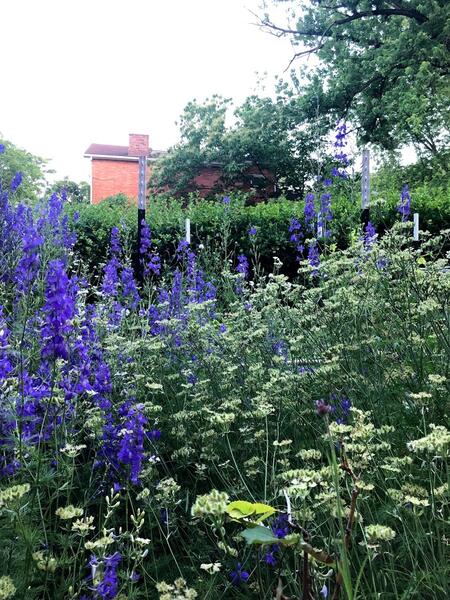 The Brick Hill Plant Lab
 -
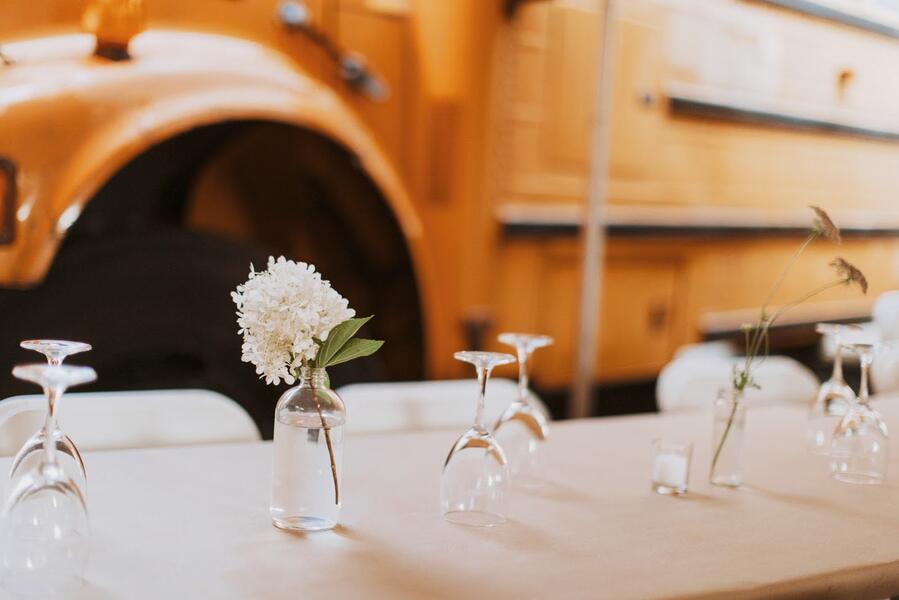 The Brick Hill Plant Lab
 -
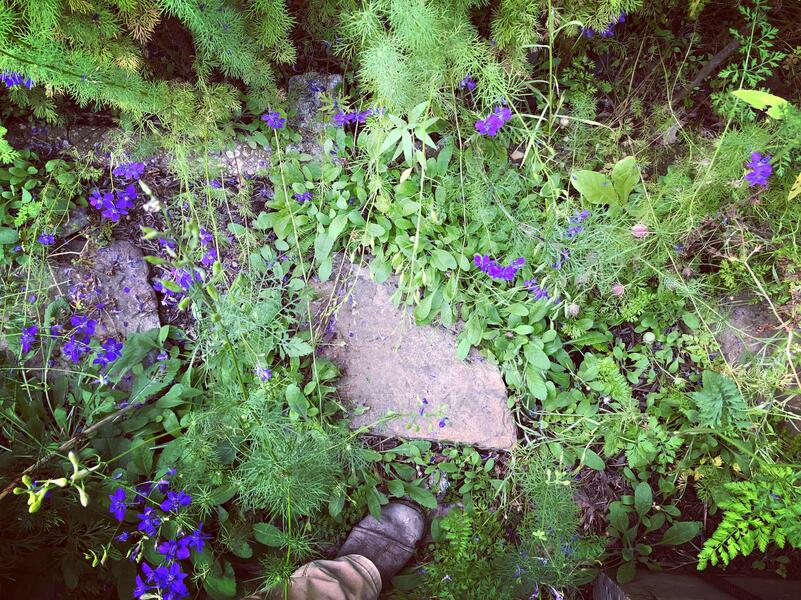 The Brick Hill Plant Lab
 -
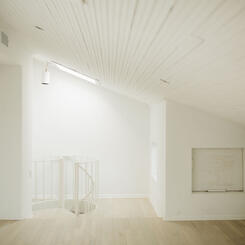
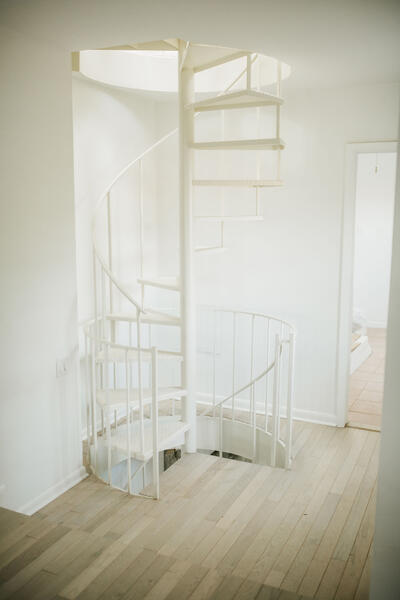 Guesthouse by The Brick Hill Plant Lab




"Three Sheds for Three Sites, Shed I: Home Shed (...)
-
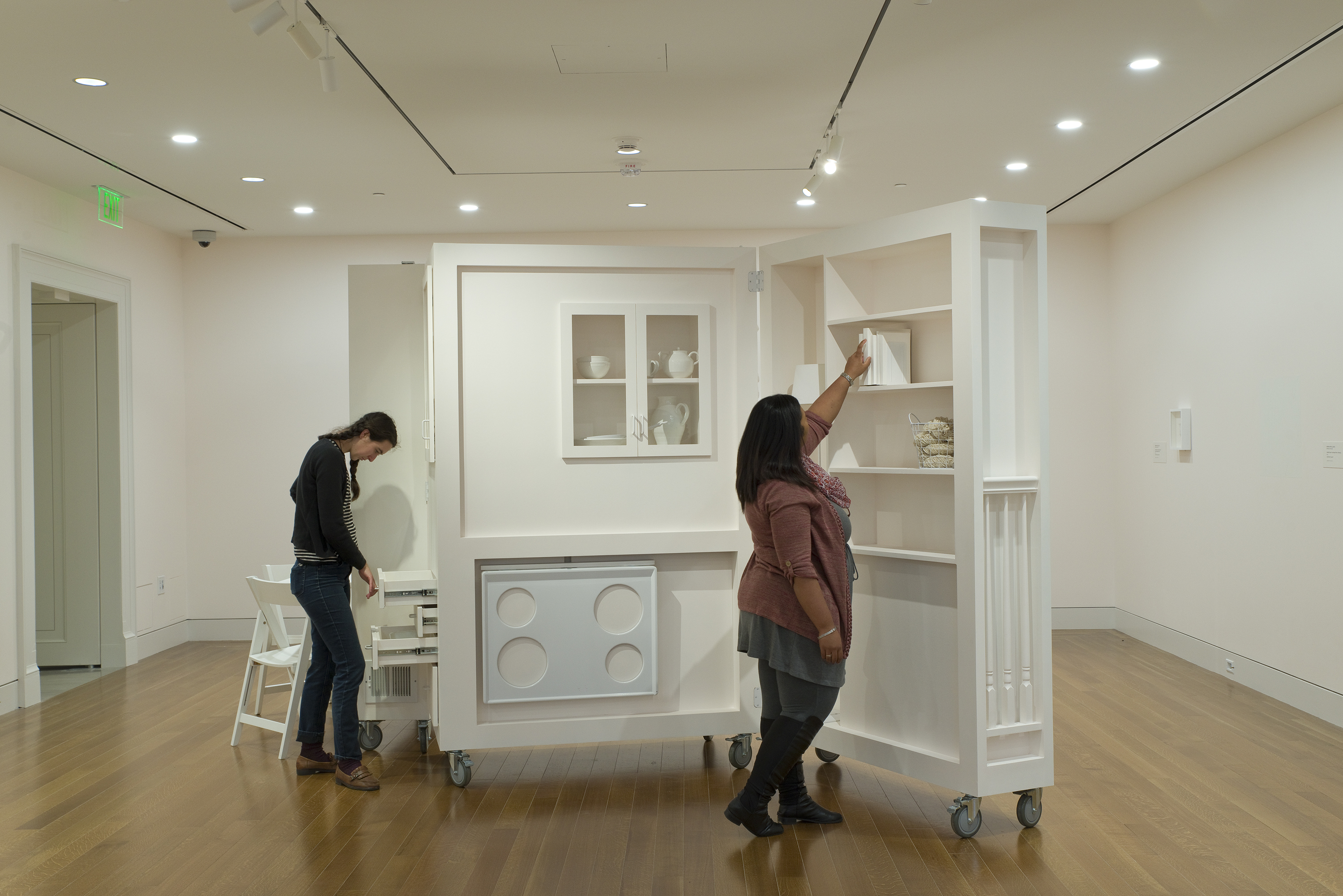
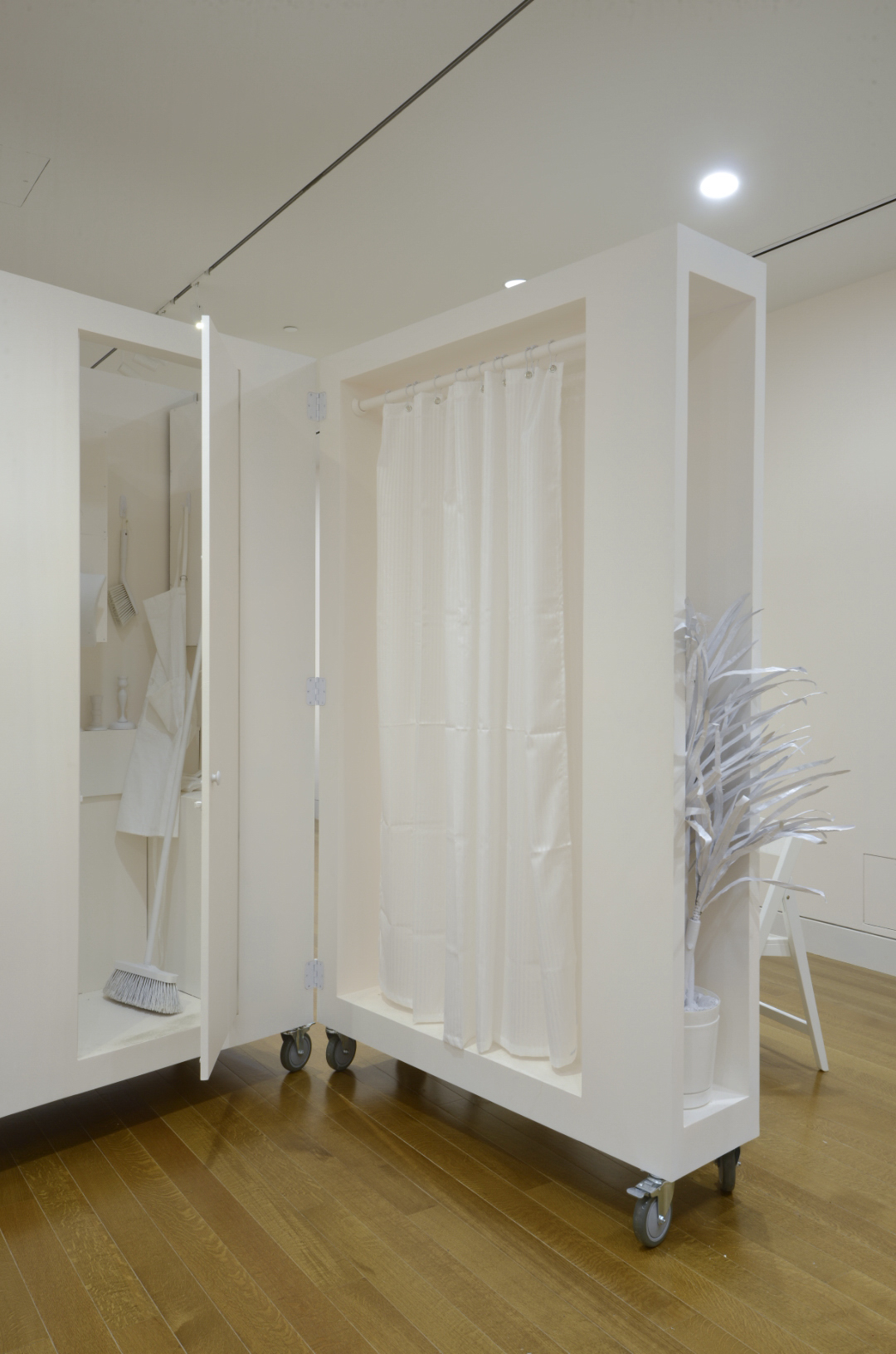
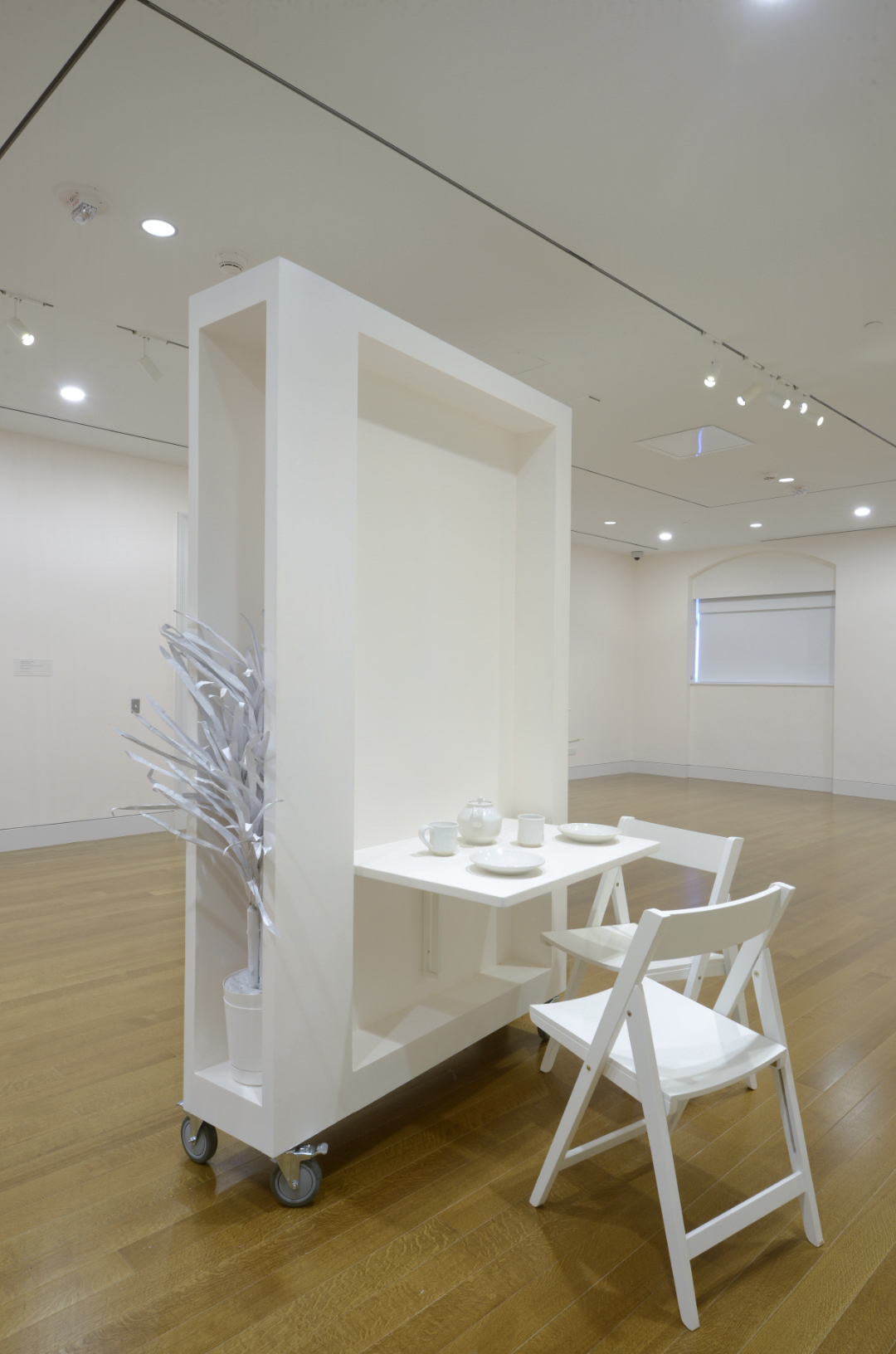
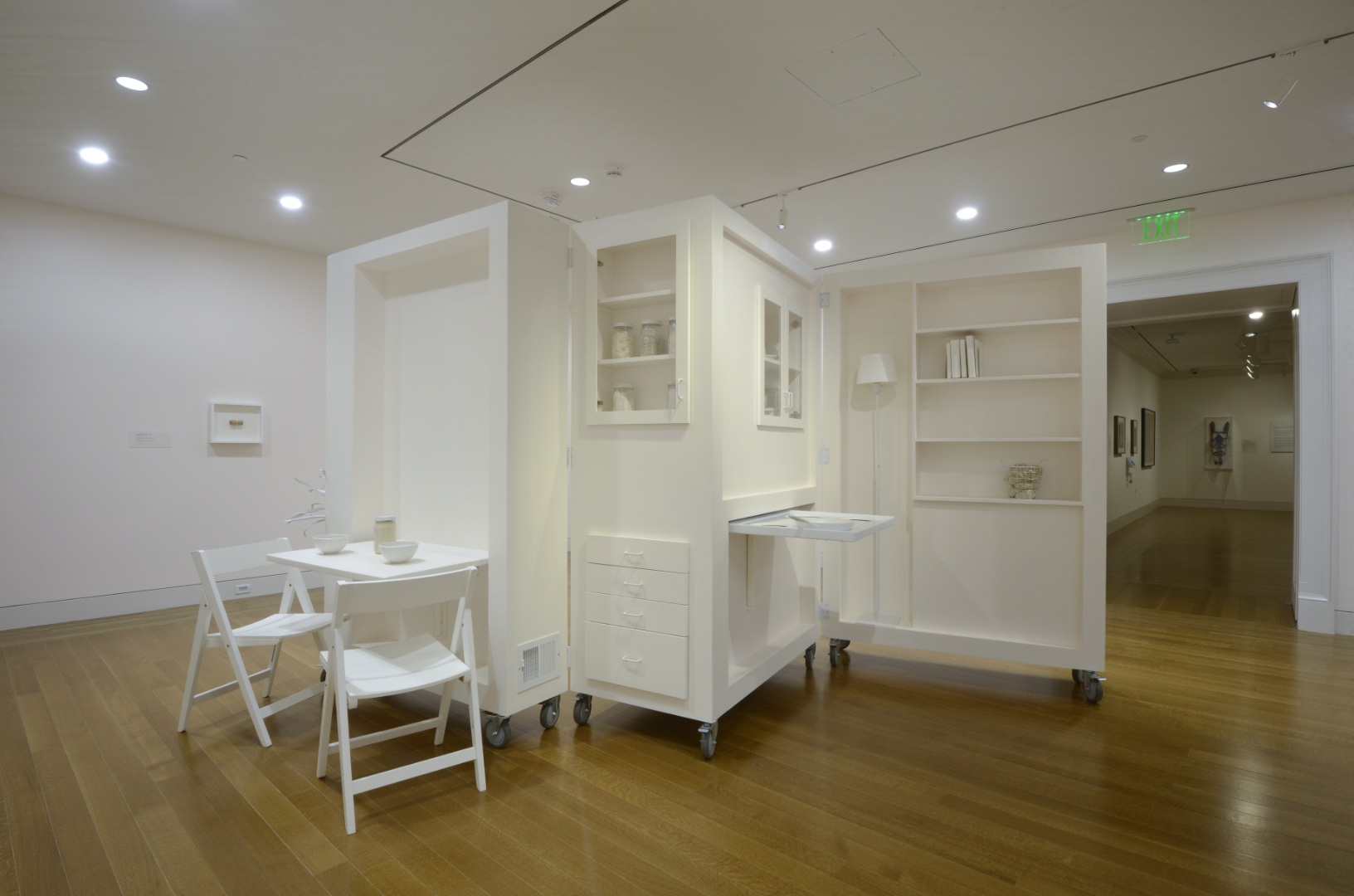
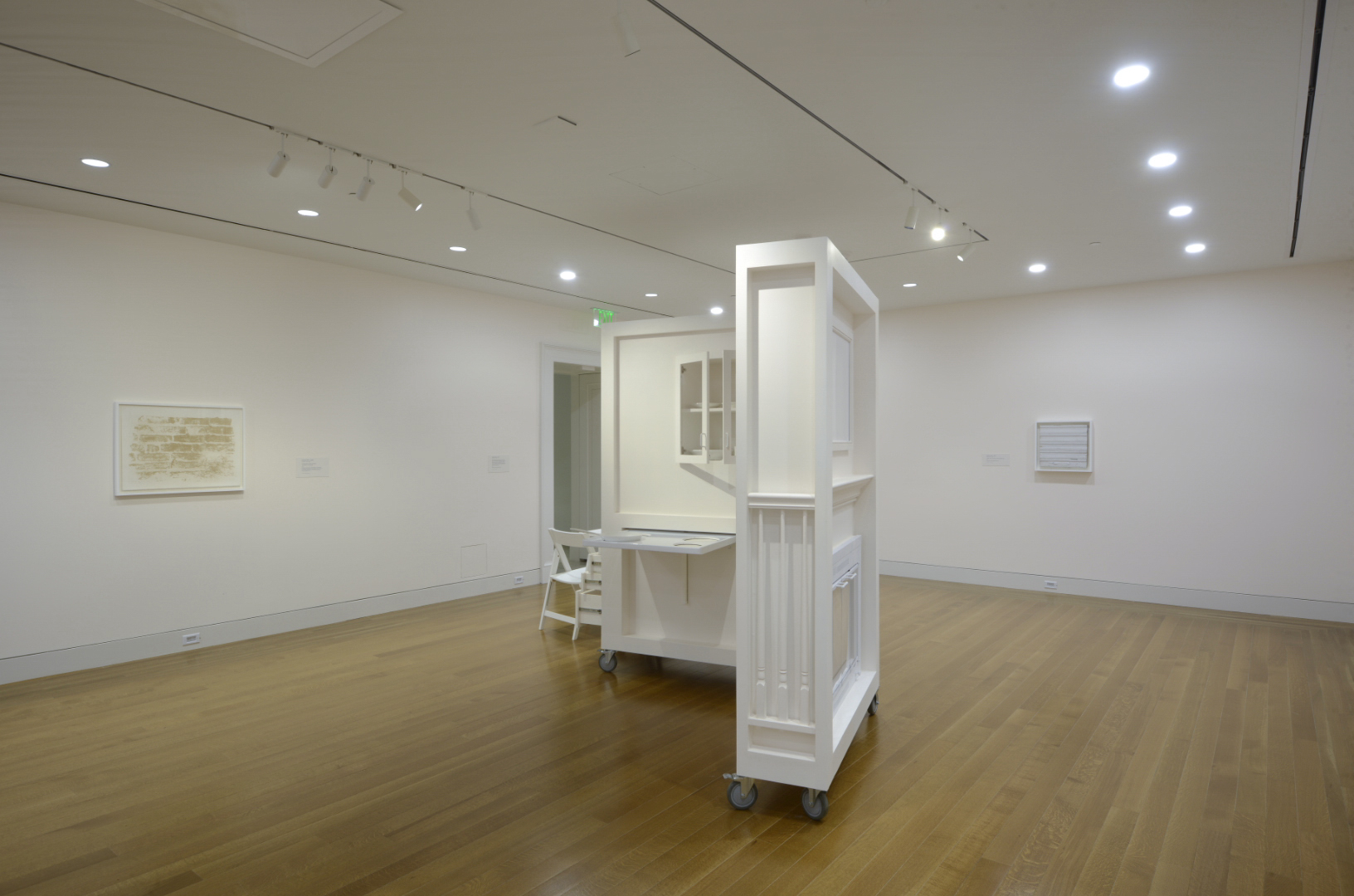
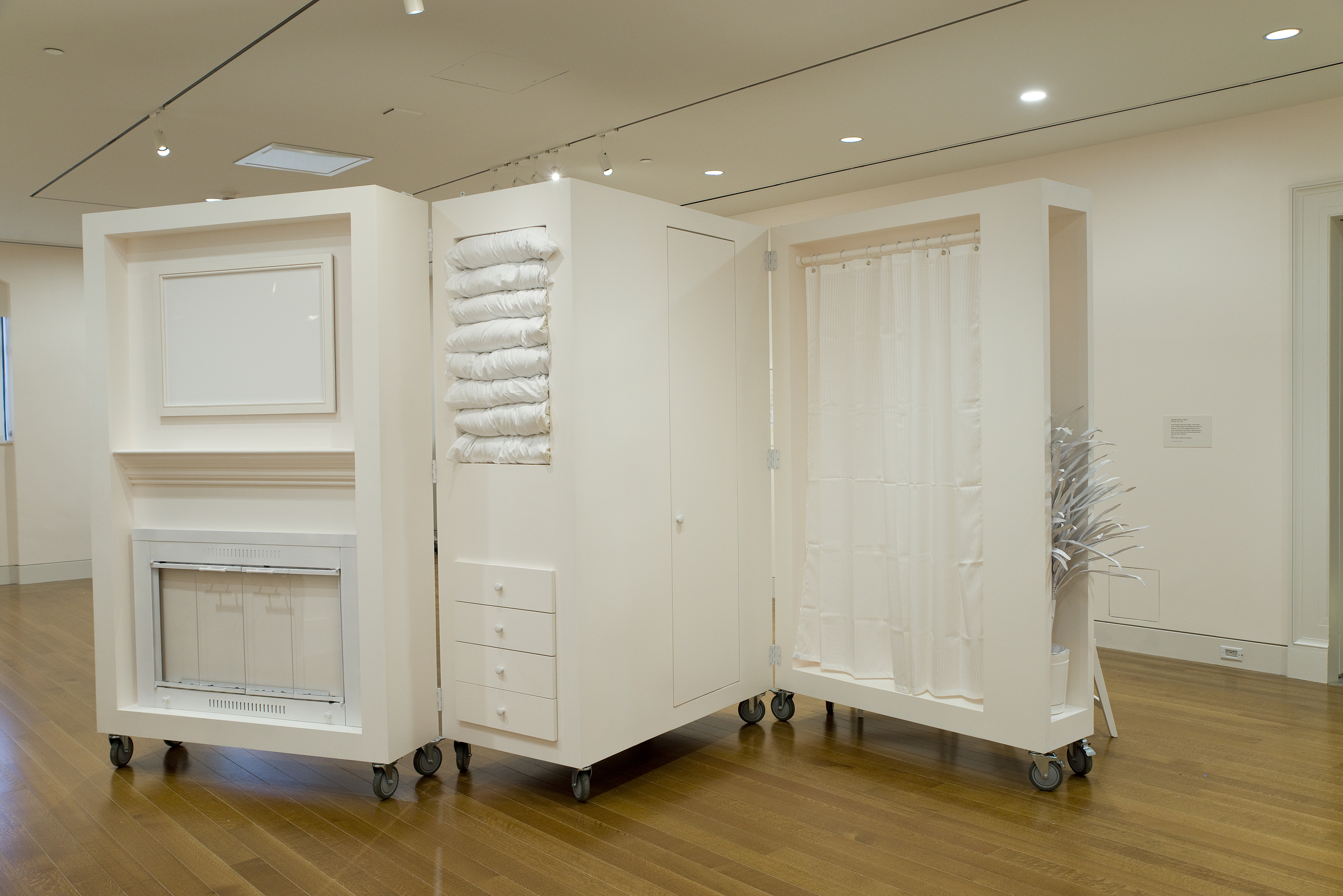
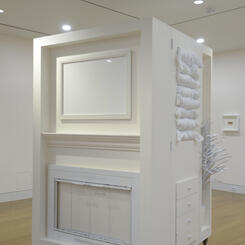
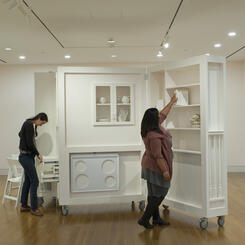
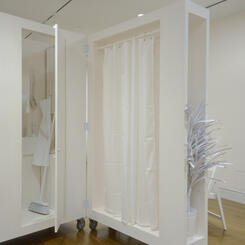
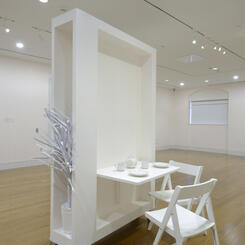
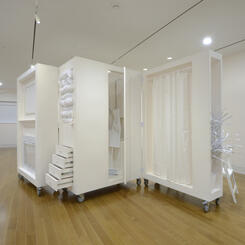
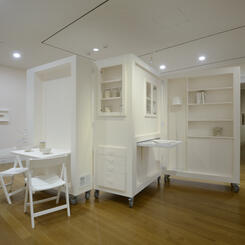
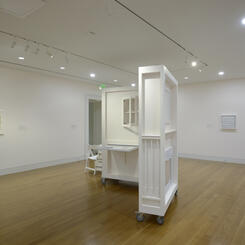
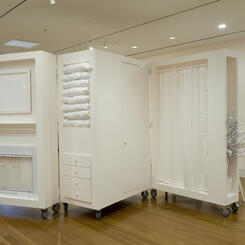
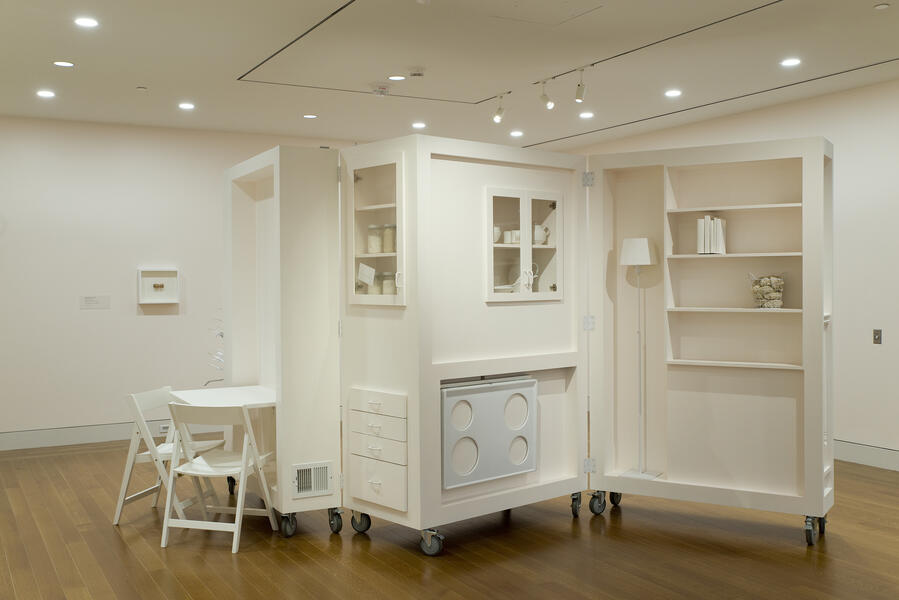 Three Sheds for Three Sites, Shed I: Home Shed (...)TITLE: Three Sheds for Three Sites, Shed I: Home Shed (One is at the Museum and Performs the Functions of Home, One is at the Salvage Material Re-Use Center and Performs the Functions of the Museum, One is at the Home of the Artist and performs the Functions of A Collection) DATE: 2015 MATERIALS: Mixed Media & Audience Participation DIMENSIONS: Dimensions Variable
 -
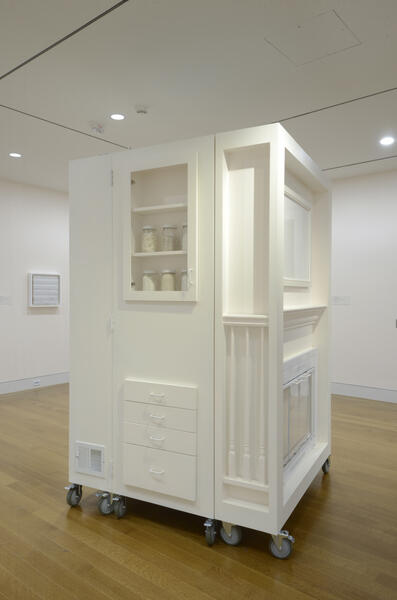 Three Sheds for Three Sites, Shed I: Home Shed (...)TITLE: Three Sheds for Three Sites, Shed I: Home Shed (One is at the Museum and Performs the Functions of Home, One is at the Salvage Material Re-Use Center and Performs the Functions of the Museum, One is at the Home of the Artist and performs the Functions of A Collection) DATE: 2015 MATERIALS: Mixed Media & Audience Participation DIMENSIONS: Dimensions Variable
 -
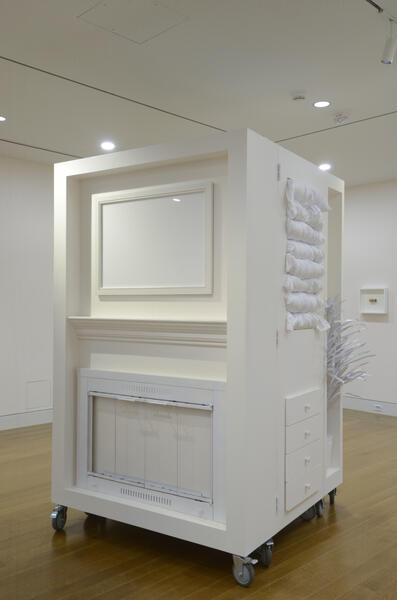 Three Sheds for Three Sites, Shed I: Home Shed (...)TITLE: Three Sheds for Three Sites, Shed I: Home Shed (One is at the Museum and Performs the Functions of Home, One is at the Salvage Material Re-Use Center and Performs the Functions of the Museum, One is at the Home of the Artist and performs the Functions of A Collection) DATE: 2015 MATERIALS: Mixed Media & Audience Participation DIMENSIONS: Dimensions Variable
 -
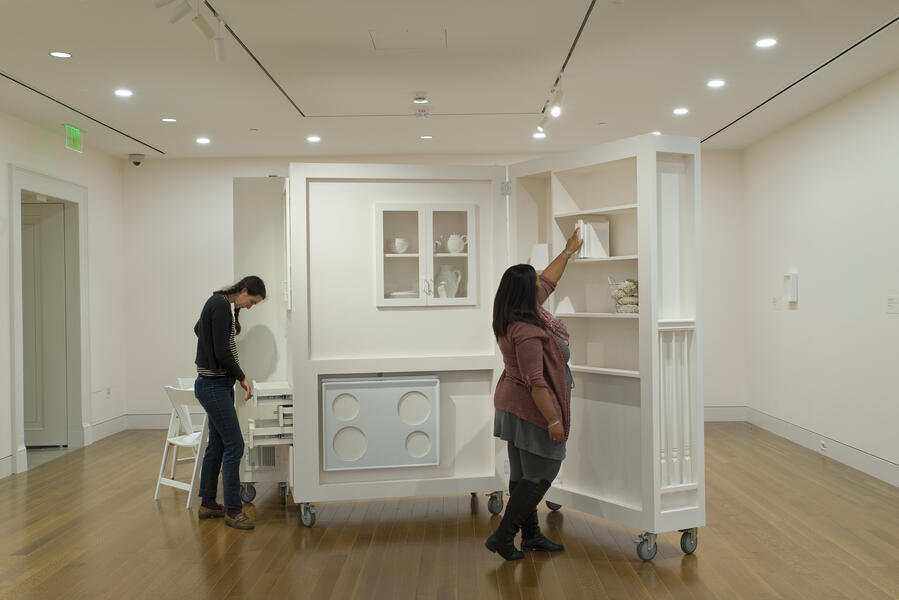 Three Sheds for Three Sites, Shed I: Home Shed (...)TITLE: Three Sheds for Three Sites, Shed I: Home Shed (One is at the Museum and Performs the Functions of Home, One is at the Salvage Material Re-Use Center and Performs the Functions of the Museum, One is at the Home of the Artist and performs the Functions of A Collection) DATE: 2015 MATERIALS: Mixed Media & Audience Participation DIMENSIONS: Dimensions Variable
 -
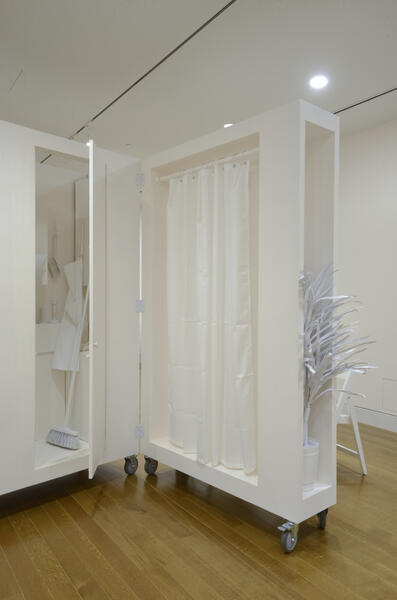 Three Sheds for Three Sites, Shed I: Home Shed (...)TITLE: Three Sheds for Three Sites, Shed I: Home Shed (One is at the Museum and Performs the Functions of Home, One is at the Salvage Material Re-Use Center and Performs the Functions of the Museum, One is at the Home of the Artist and performs the Functions of A Collection) DATE: 2015 MATERIALS: Mixed Media & Audience Participation DIMENSIONS: Dimensions Variable
 -
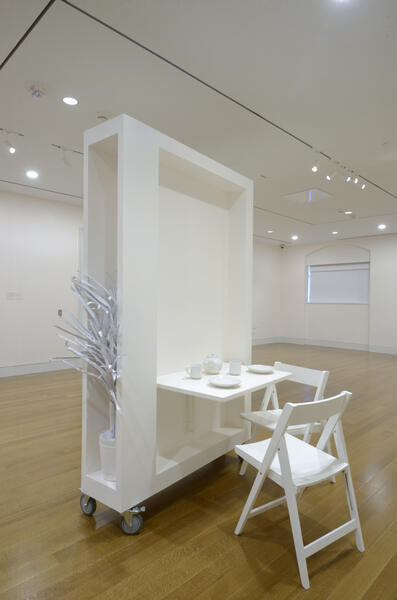 Three Sheds for Three Sites, Shed I: Home Shed (...)TITLE: Three Sheds for Three Sites, Shed I: Home Shed (One is at the Museum and Performs the Functions of Home, One is at the Salvage Material Re-Use Center and Performs the Functions of the Museum, One is at the Home of the Artist and performs the Functions of A Collection) DATE: 2015 MATERIALS: Mixed Media & Audience Participation DIMENSIONS: Dimensions Variable
 -
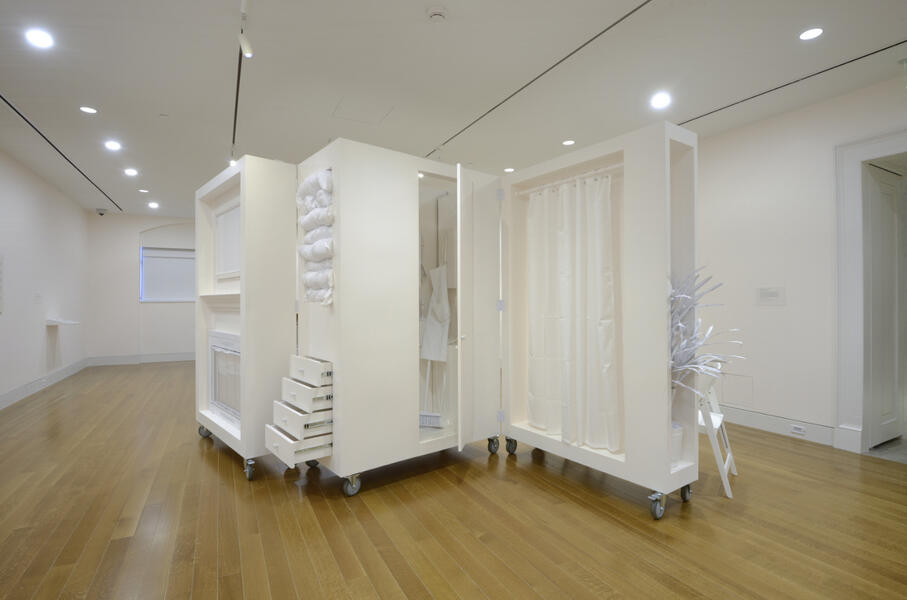 Three Sheds for Three Sites, Shed I: Home Shed (...)TITLE: Three Sheds for Three Sites, Shed I: Home Shed (One is at the Museum and Performs the Functions of Home, One is at the Salvage Material Re-Use Center and Performs the Functions of the Museum, One is at the Home of the Artist and performs the Functions of A Collection) DATE: 2015 MATERIALS: Mixed Media & Audience Participation DIMENSIONS: Dimensions Variable
 -
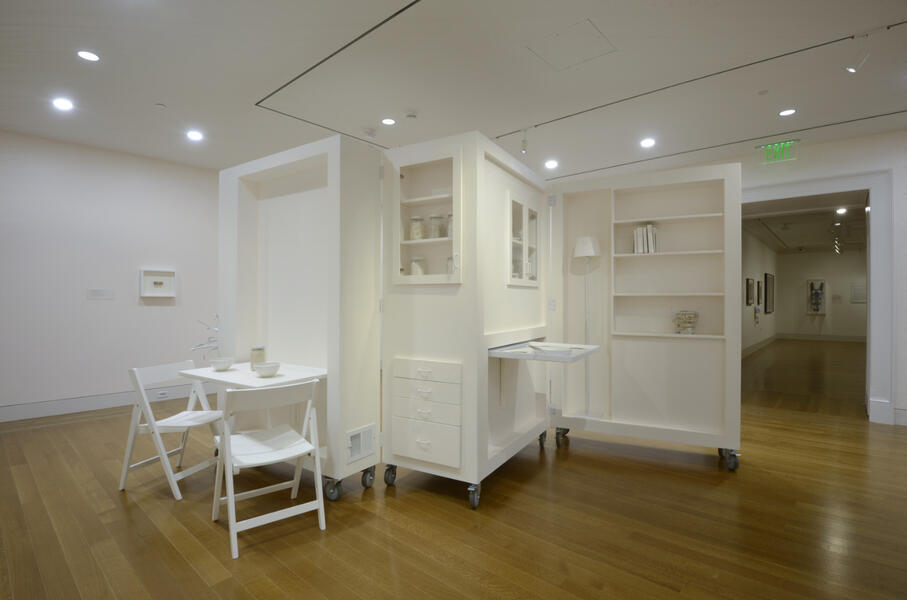 Three Sheds for Three Sites, Shed I: Home Shed (...)TITLE: Three Sheds for Three Sites, Shed I: Home Shed (One is at the Museum and Performs the Functions of Home, One is at the Salvage Material Re-Use Center and Performs the Functions of the Museum, One is at the Home of the Artist and performs the Functions of A Collection) DATE: 2015 MATERIALS: Mixed Media & Audience Participation DIMENSIONS: Dimensions Variable
 -
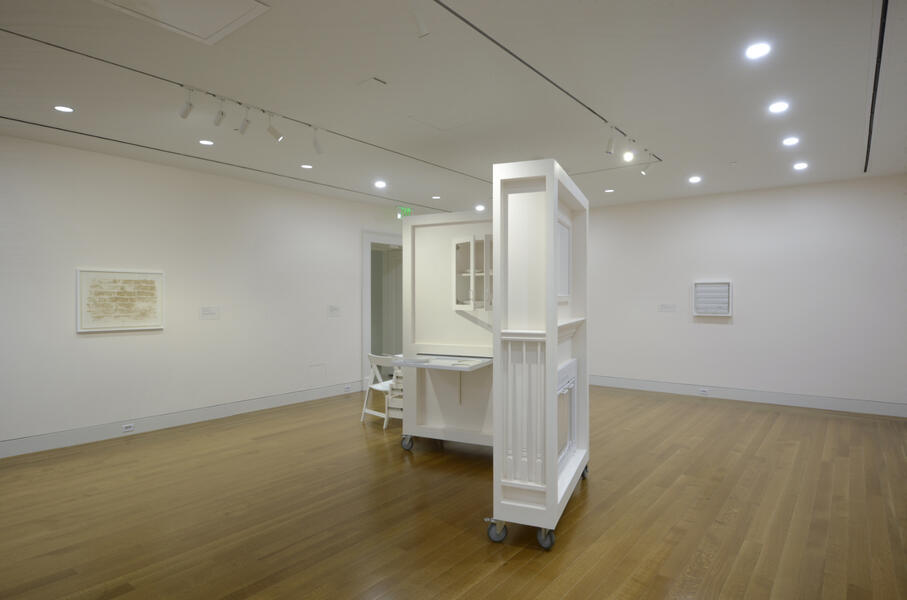 Three Sheds for Three Sites, Shed I: Home Shed (...)TITLE: Three Sheds for Three Sites, Shed I: Home Shed (One is at the Museum and Performs the Functions of Home, One is at the Salvage Material Re-Use Center and Performs the Functions of the Museum, One is at the Home of the Artist and performs the Functions of A Collection) DATE: 2015 MATERIALS: Mixed Media & Audience Participation DIMENSIONS: Dimensions Variable
 -
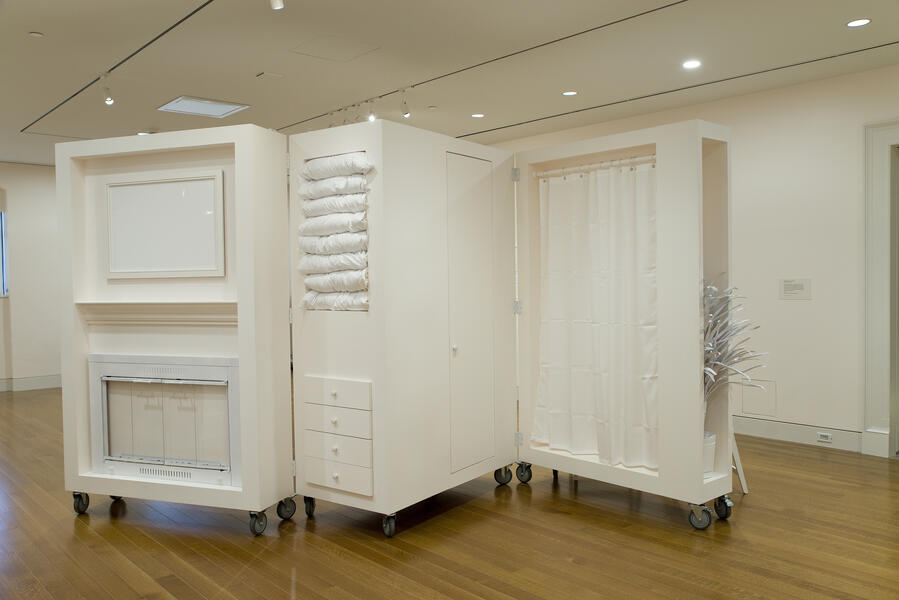 Three Sheds for Three Sites, Shed I: Home Shed (...)TITLE: Three Sheds for Three Sites, Shed I: Home Shed (One is at the Museum and Performs the Functions of Home, One is at the Salvage Material Re-Use Center and Performs the Functions of the Museum, One is at the Home of the Artist and performs the Functions of A Collection) DATE: 2015 MATERIALS: Mixed Media & Audience Participation DIMENSIONS: Dimensions Variable
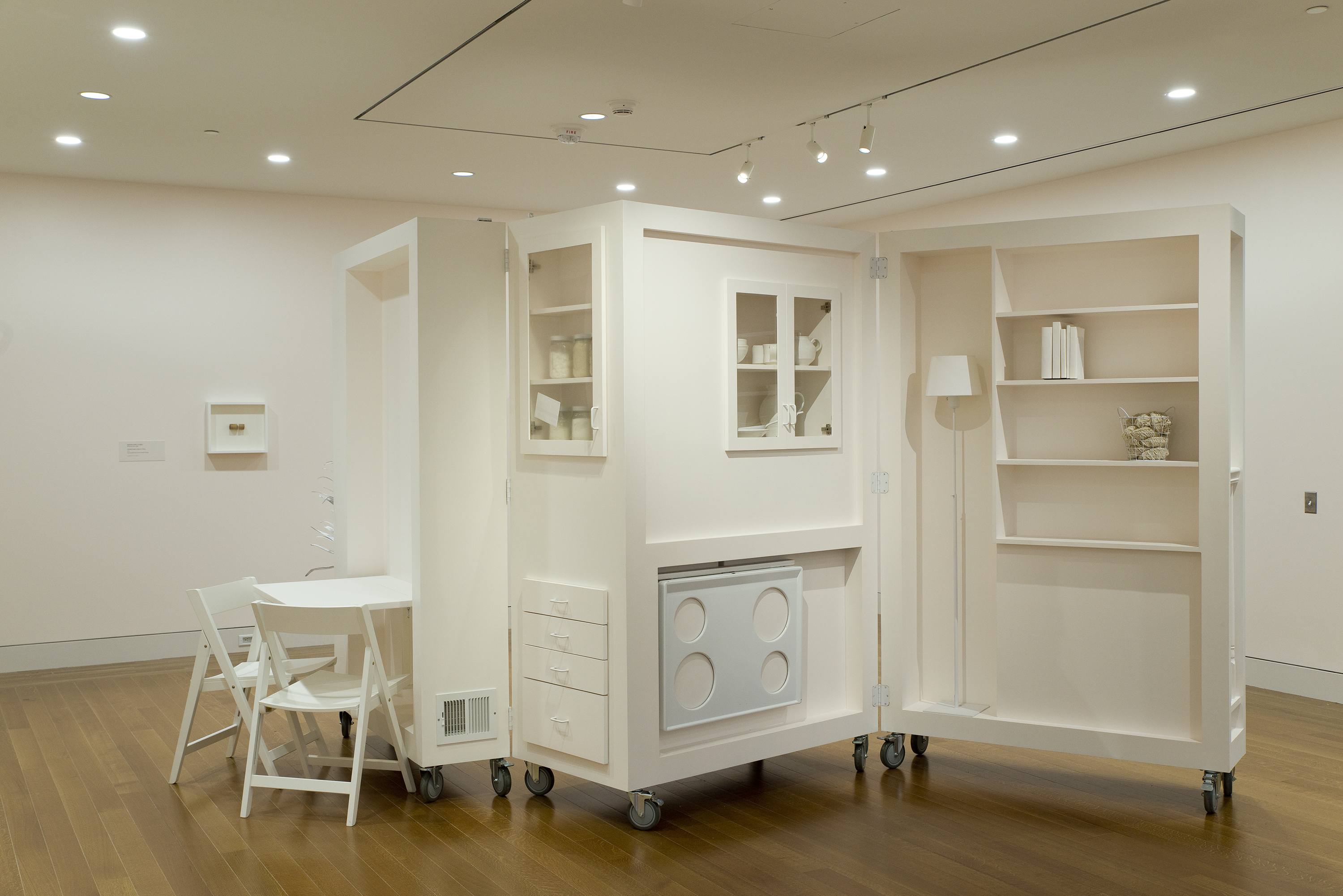



from the series "Material Studies"
-
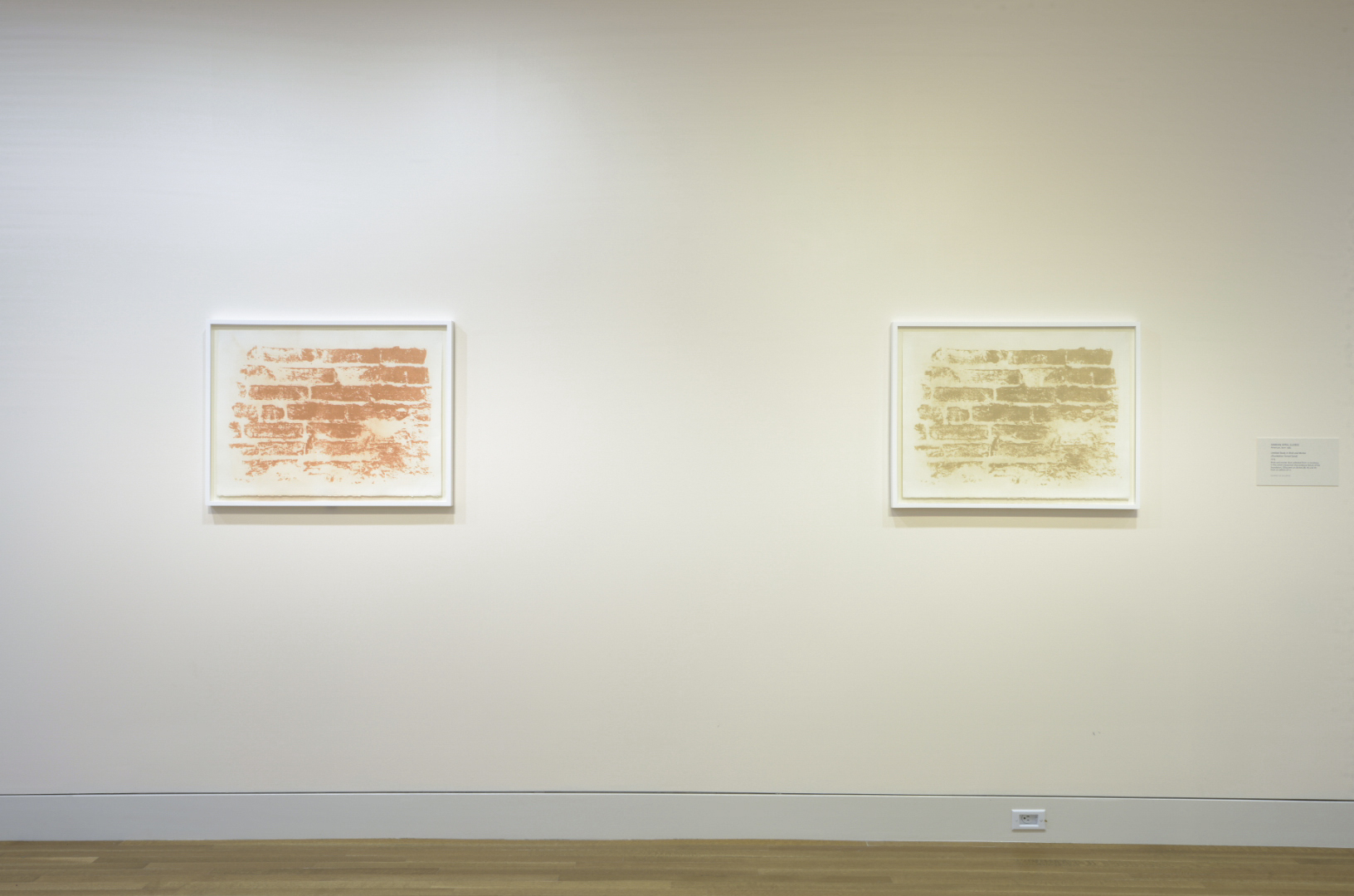
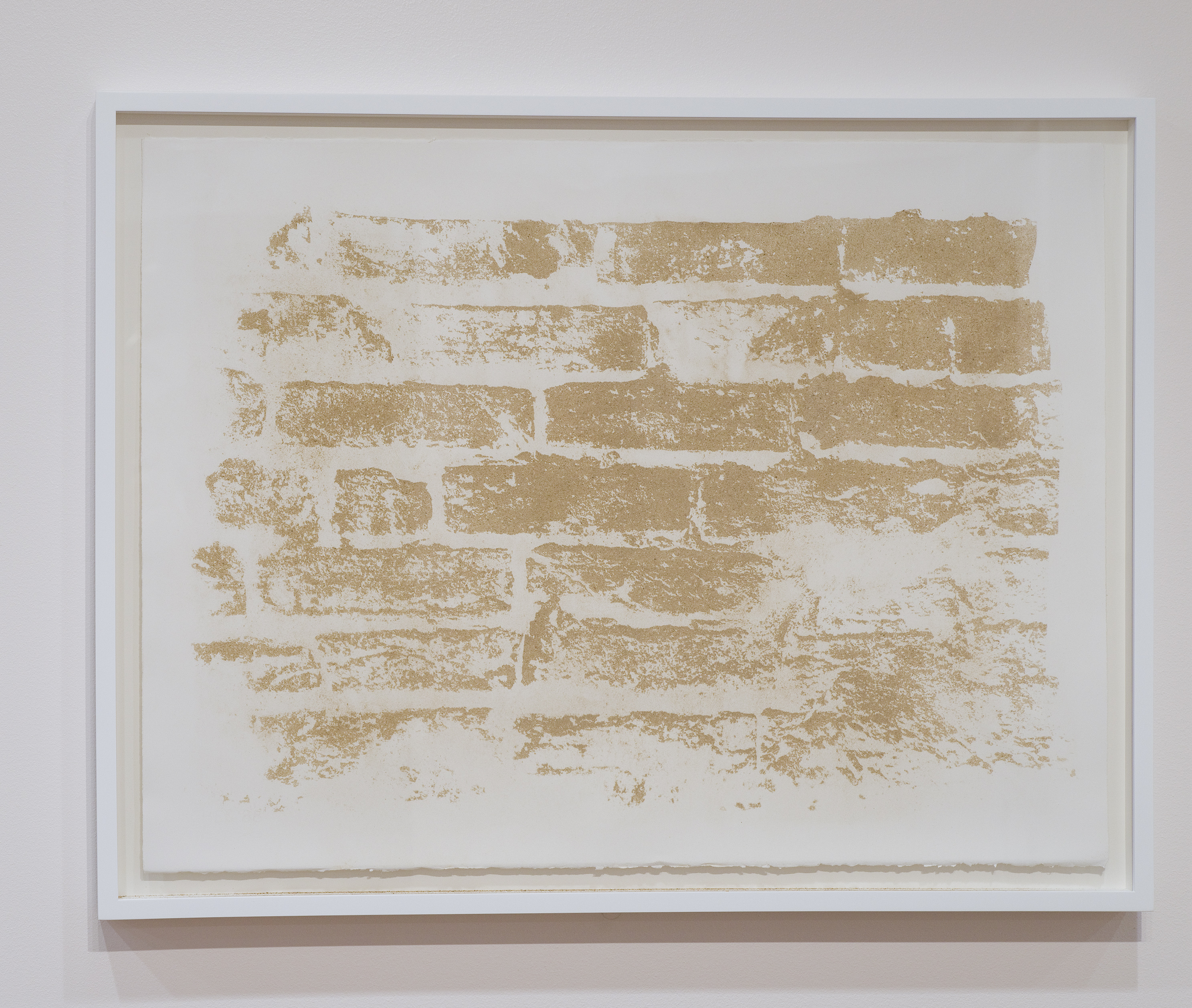
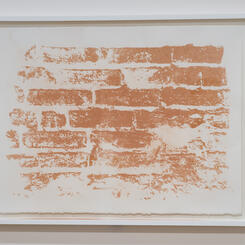
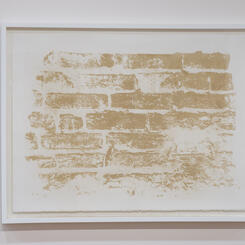
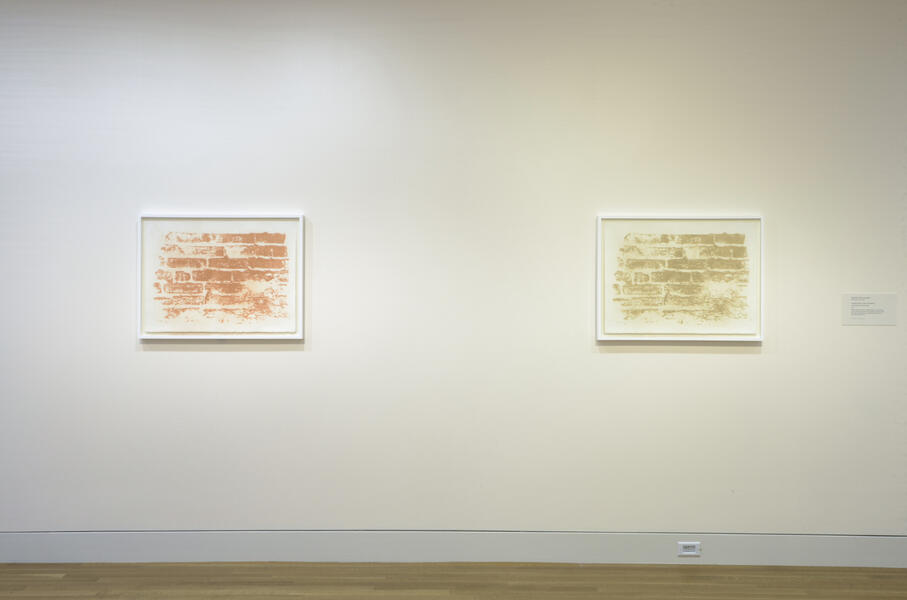 Untitled Study in Brick and Mortar (Foundation Turned Sand)DATE: 2015 MATERIALS: Brick and mortar dust collected from 10 locations in the artist's basement that evidence failure of the foundation, Silkscreen on Arches 88, Edition of 10 DIMENSIONS: 22"x30" unframed, 25 1/4"x 35 1/2" framed
 -
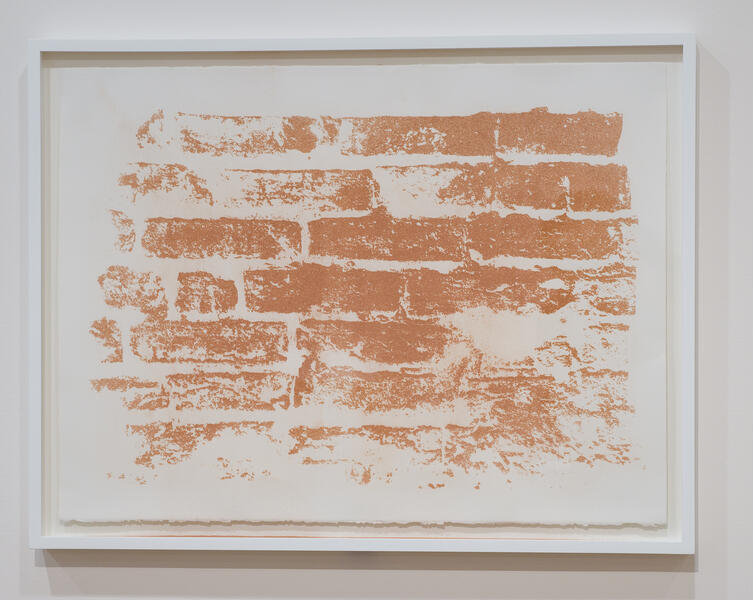 Untitled Study in Brick and Mortar (Foundation Turned Sand)DATE: 2015 MATERIALS: Brick and mortar dust collected from 10 locations in the artist's basement that evidence failure of the foundation, Silkscreen on Arches 88, Edition of 10 DIMENSIONS: 22"x30" unframed, 25 1/4"x 35 1/2" framed
 -
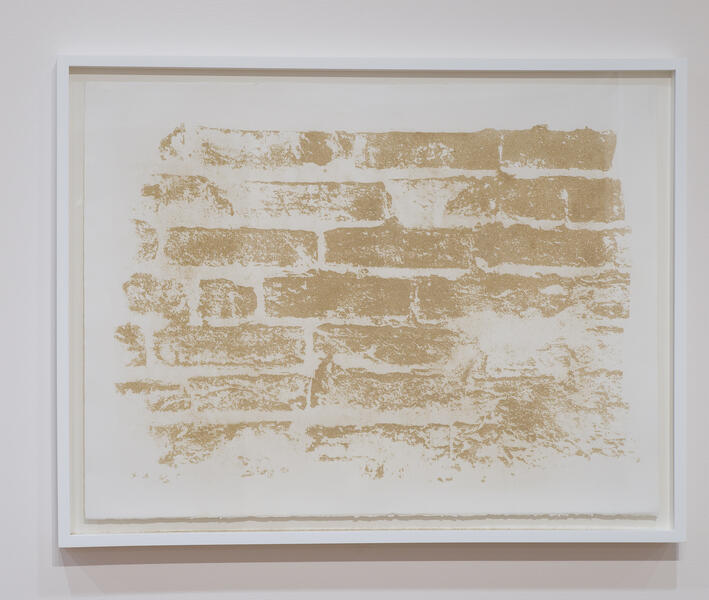 Untitled Study in Brick and Mortar (Foundation Turned Sand)DATE: 2015 MATERIALS: Brick and mortar dust collected from 10 locations in the artist's basement that evidence failure of the foundation, Silkscreen on Arches 88, Edition of 10 DIMENSIONS: 22"x30" unframed, 25 1/4"x 35 1/2" framed
 -
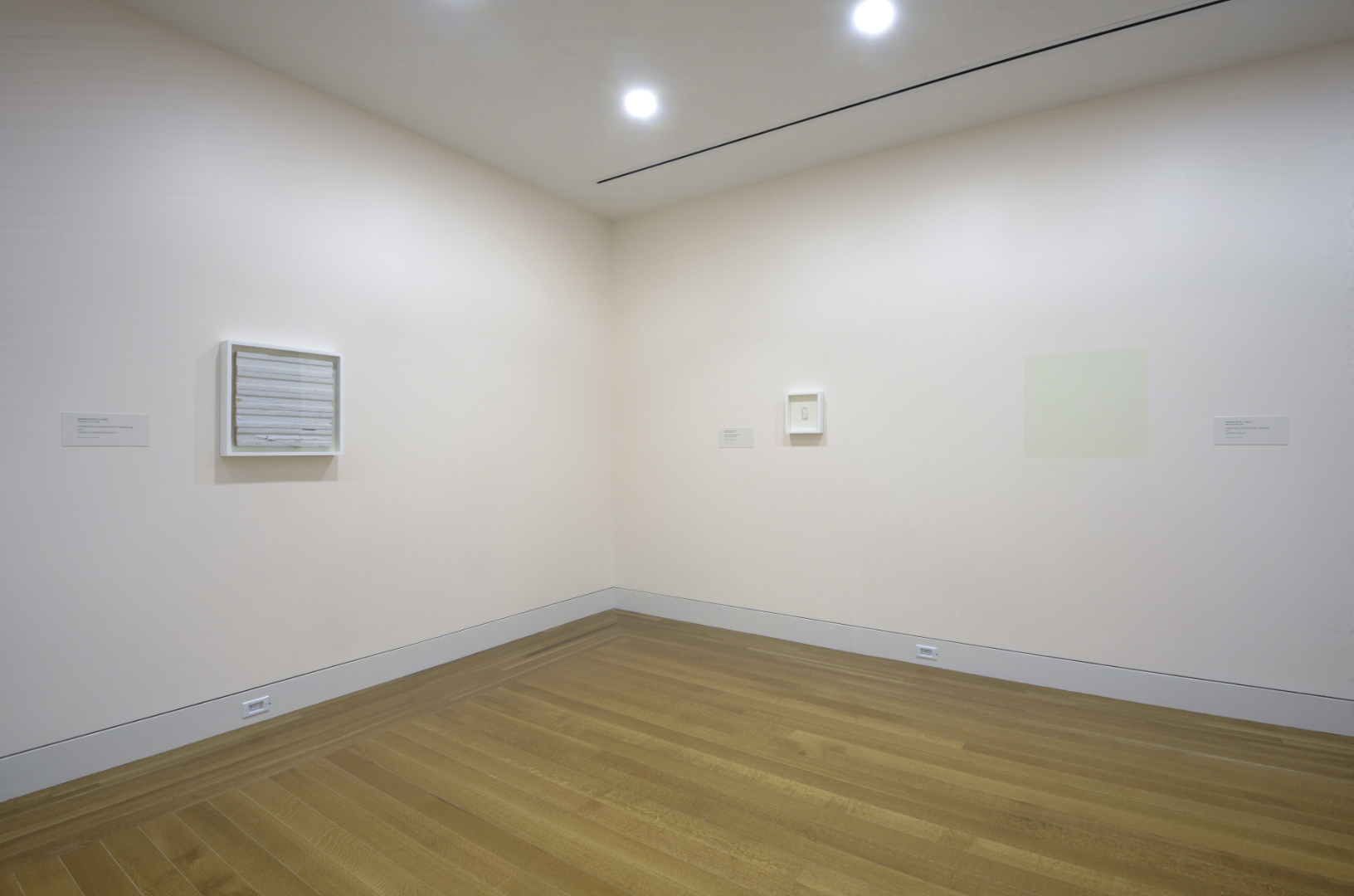
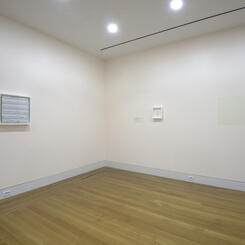
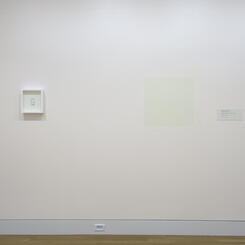
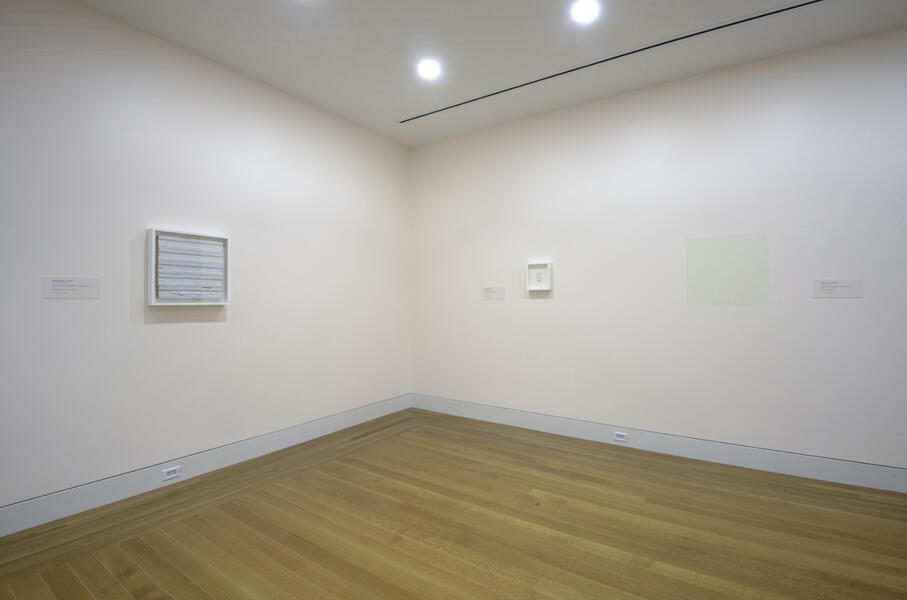 Untitled Studies in Lead-Based Paint, Installation View"Untitled Studies in Lead-Based Paint" Installation View, from the series "Material Studies"exhibited at the Baltimore Museum of Art, 2015-2016
 -
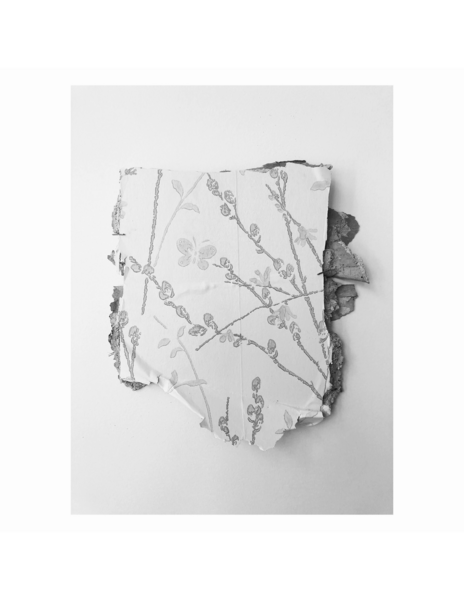
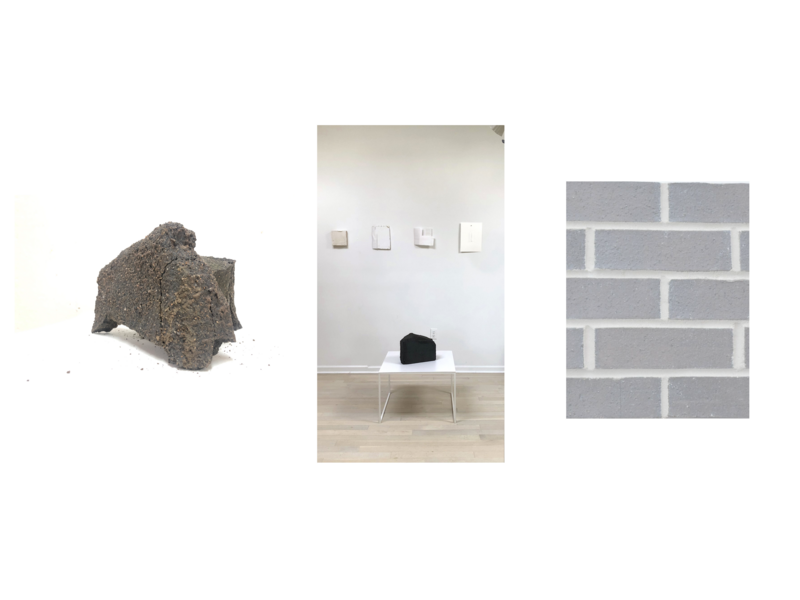
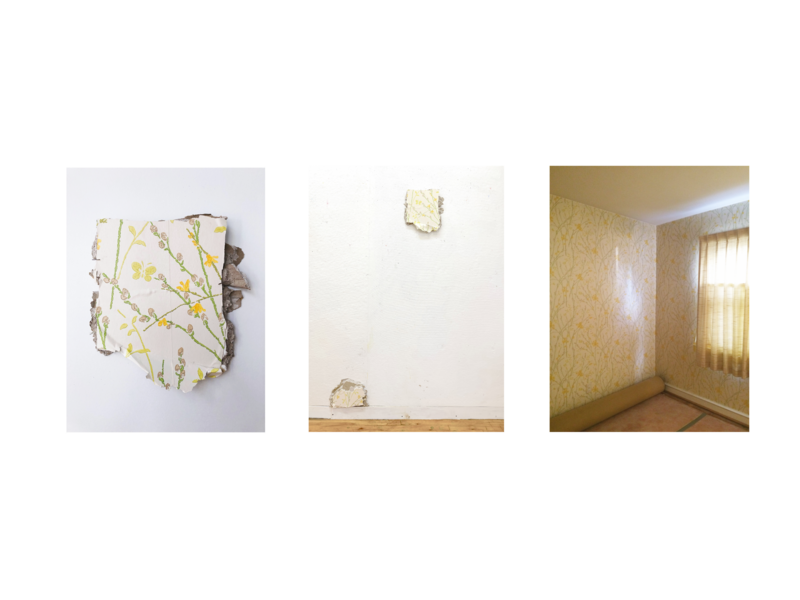
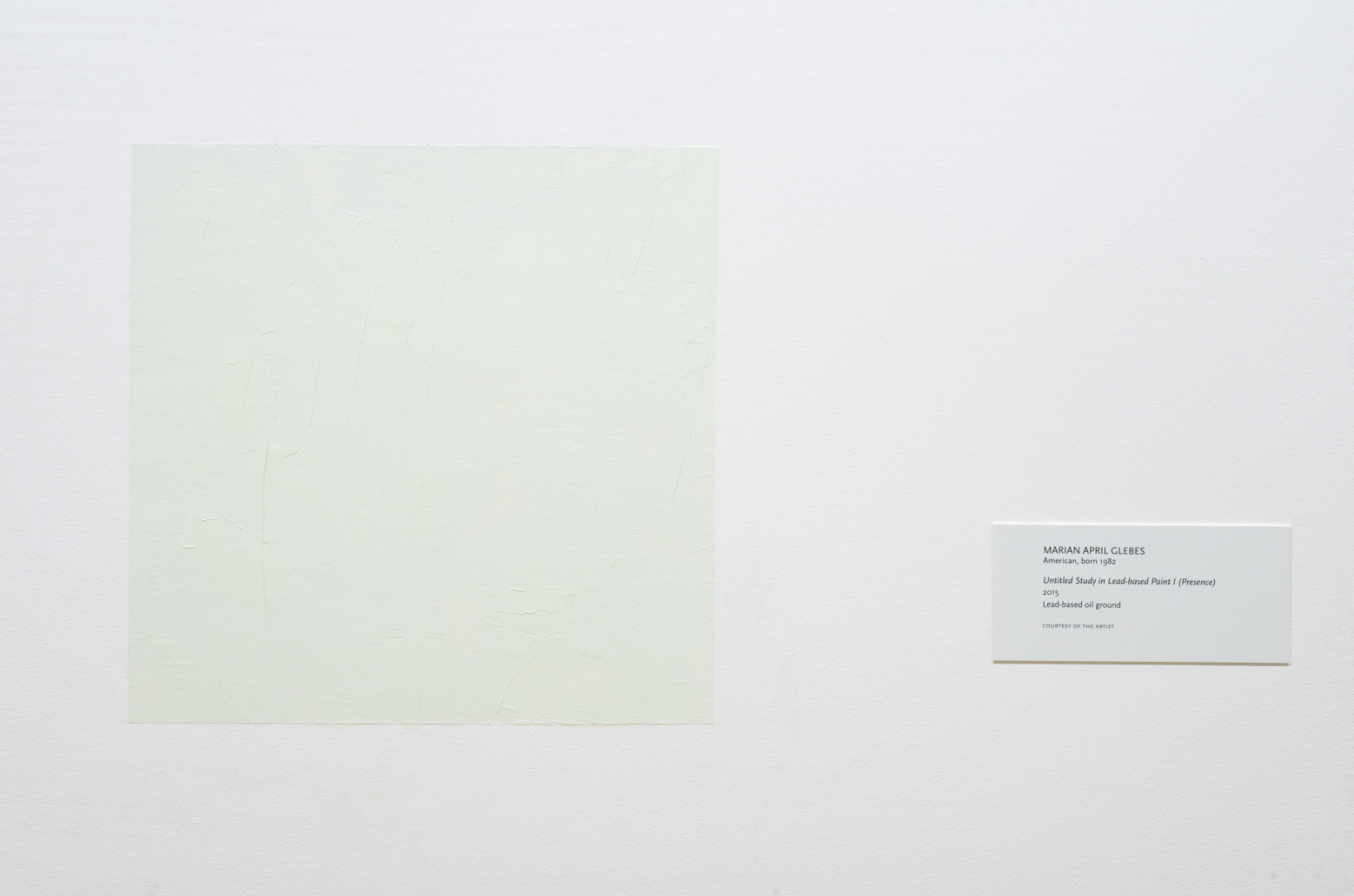
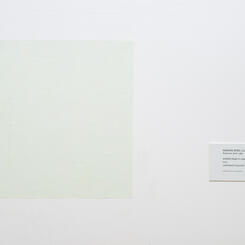
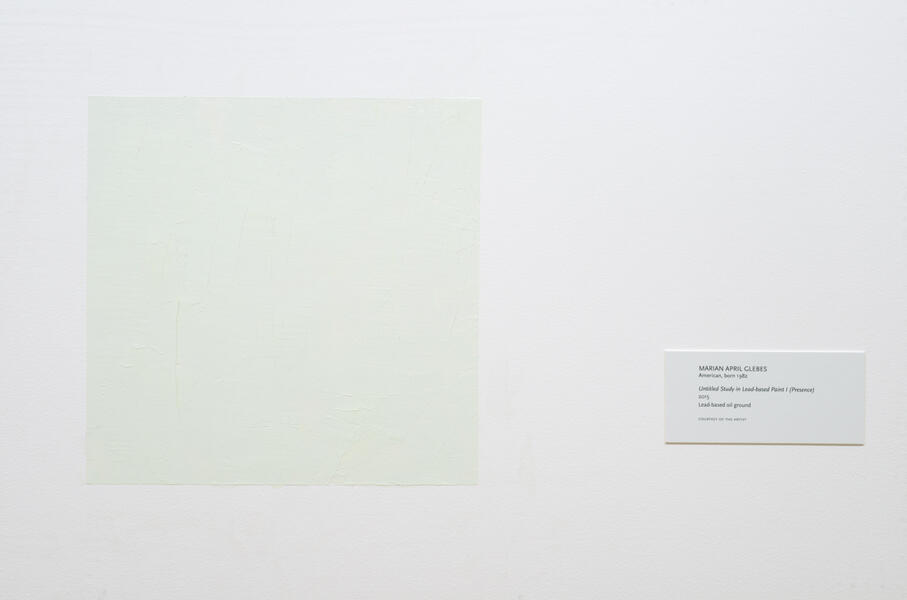 Untitled Study in Lead-based Paint I (Presence)DATE: 2015 MATERIALS: Lead-based Oil Ground, applied directly to gallery wall DIMENSIONS: 1' 9" x 1' 9" - Dimensions variable to 1% of painted wall surface
 -
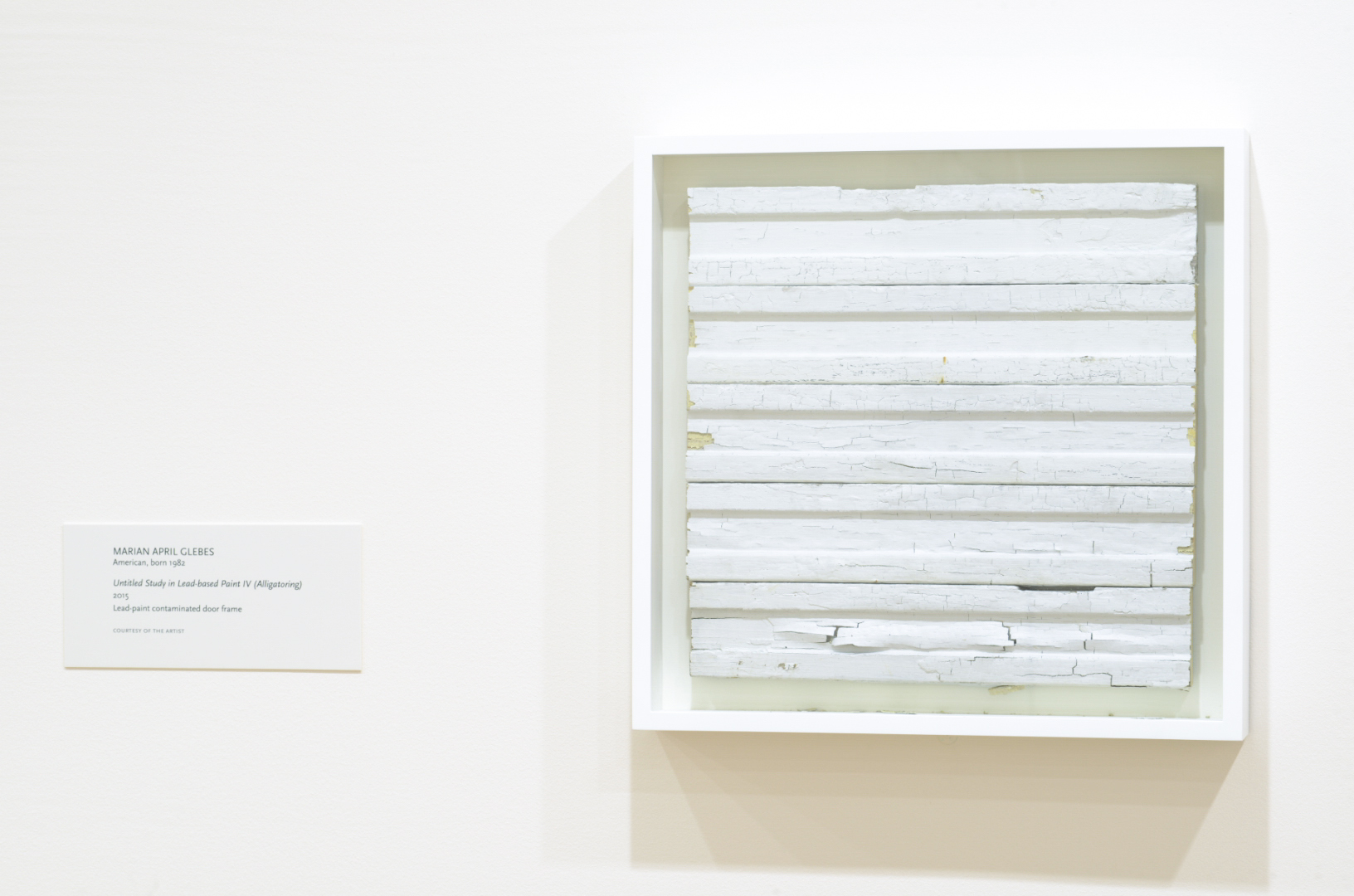
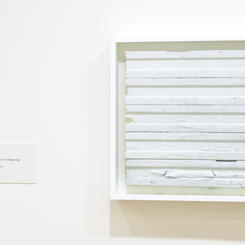
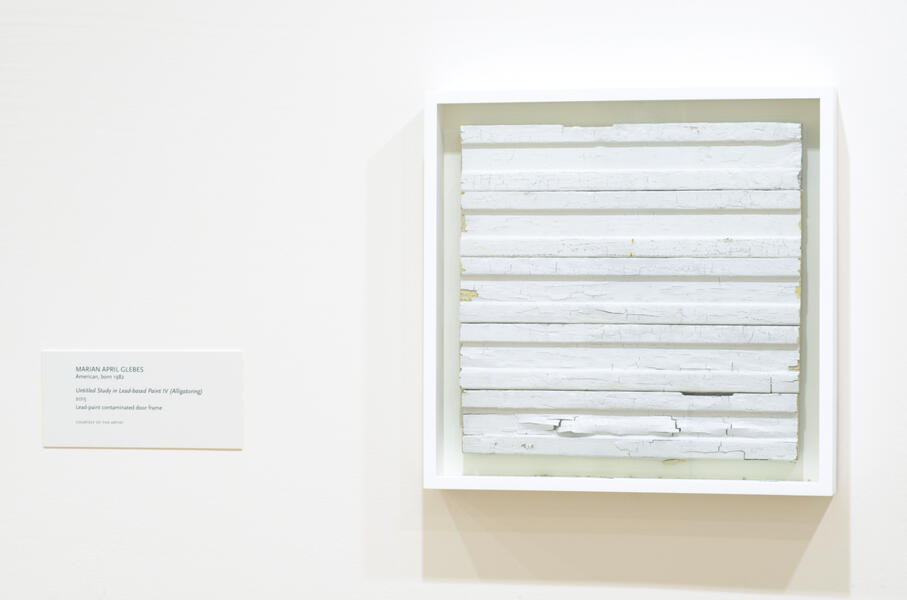 Untitled Study in Lead-based Paint IV (Alligatoring)DATE: 2015 MATERIALS: Lead-paint Contaminated Door Frame DIMENSIONS: 16 3/4"x16 1/4" unframed, 22" x 22" framed
 -
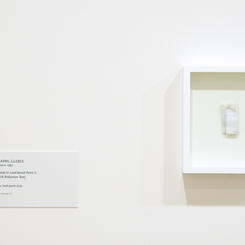
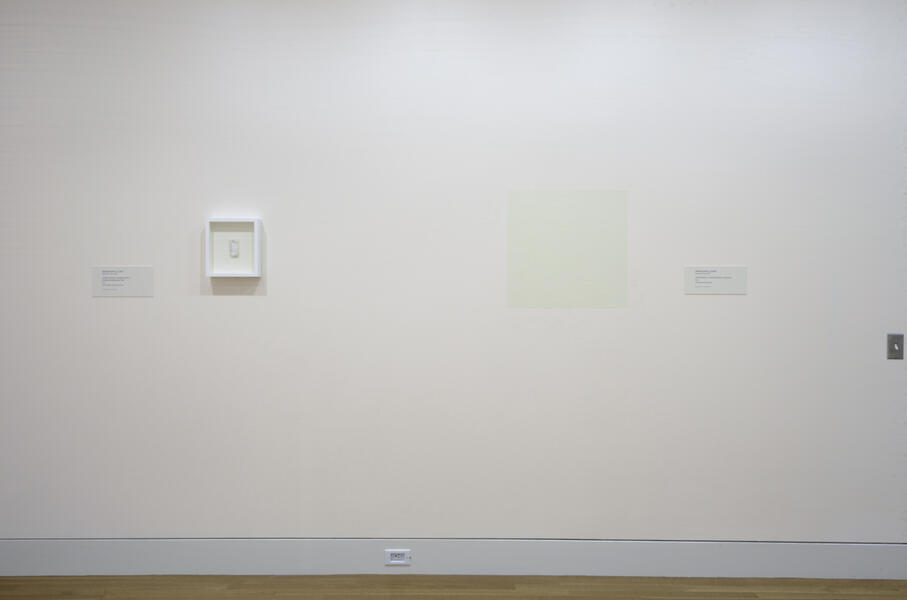 Untitled Study in Lead-based Paint II (Positive Risk Reduction Test) & Untitled Study in Lead-based Paint I (Presence)INSTALLATION VIEW: Untitled Study in Lead-based Paint II (Positive Risk Reduction Test) & Untitled Study in Lead-based Paint I (Presence)
 -
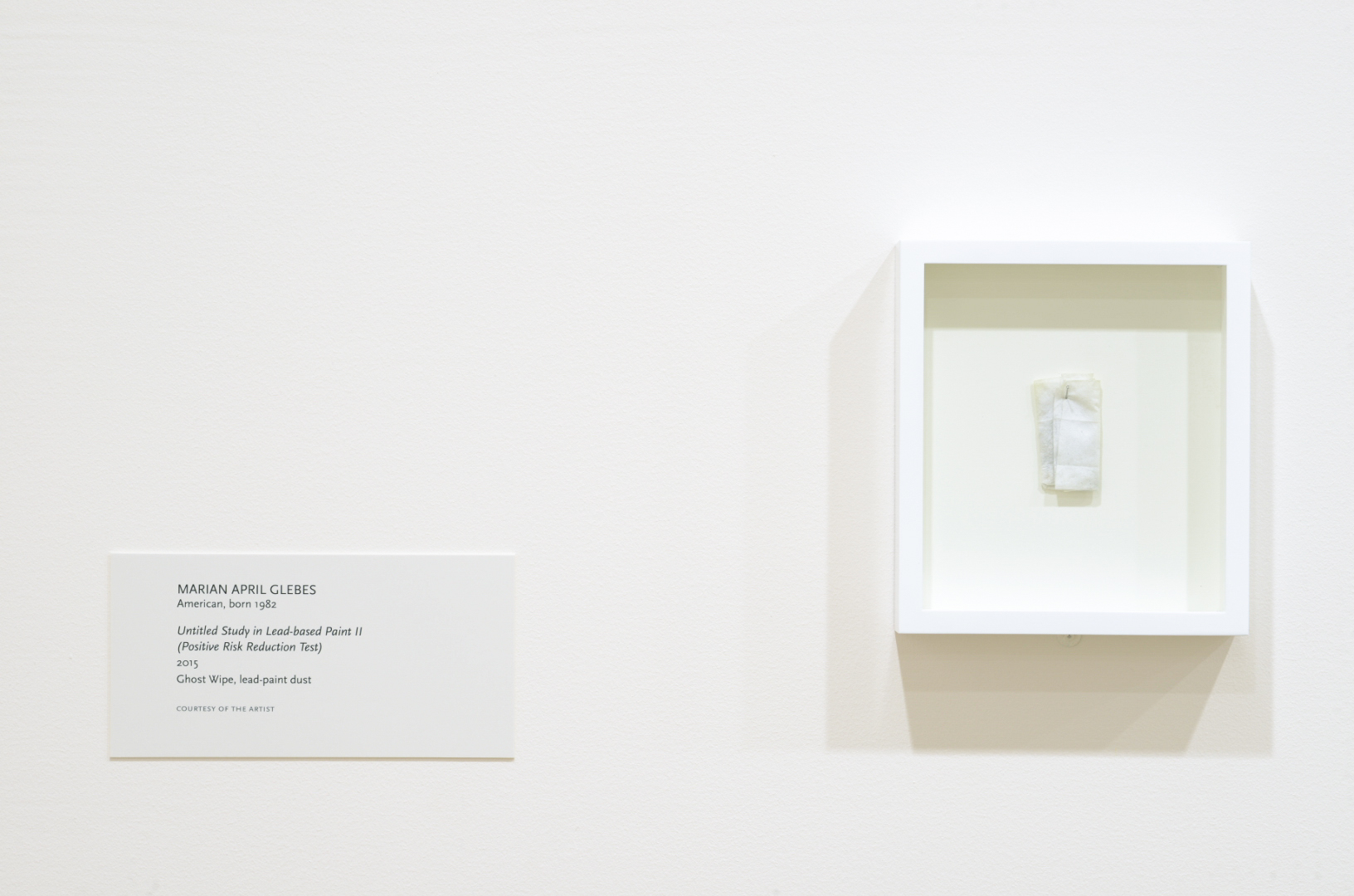
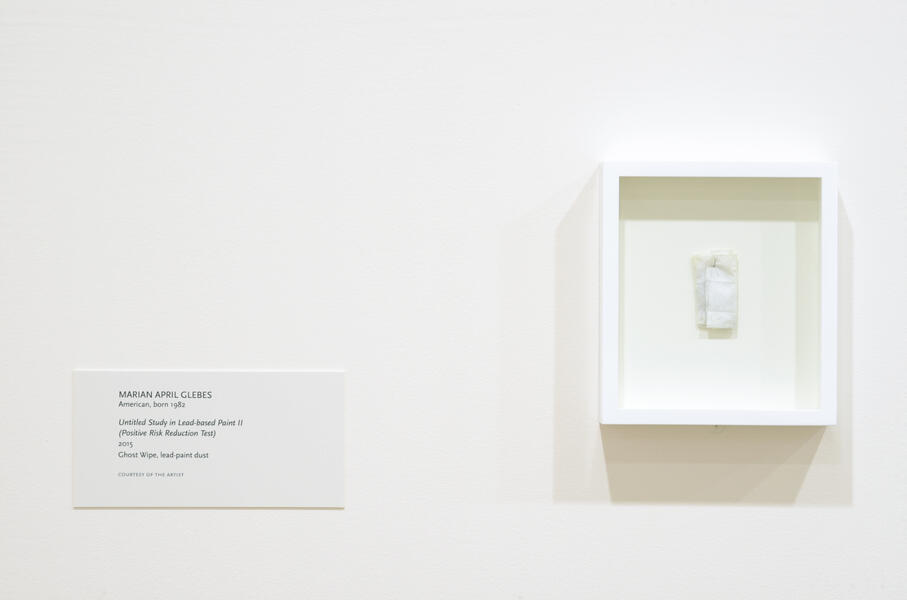 Untitled Study in Lead-based Paint II (Positive Risk Reduction Test)DATE: 2015 MATERIALS: Ghost Wipe, Lead-paint dust DIMENSIONS: 3"x3" unframed, 12"x12" framed
 -
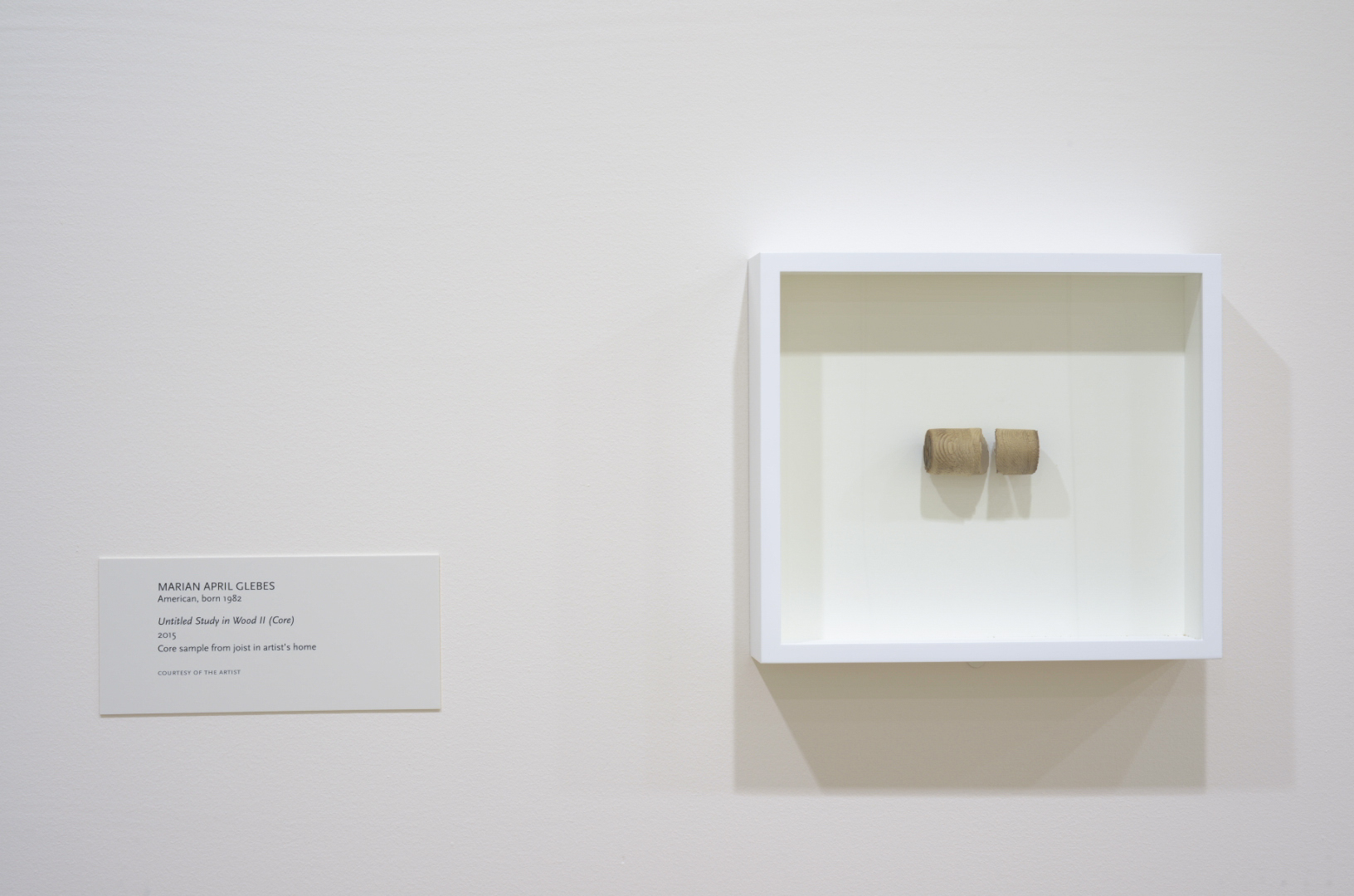
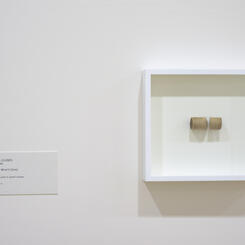
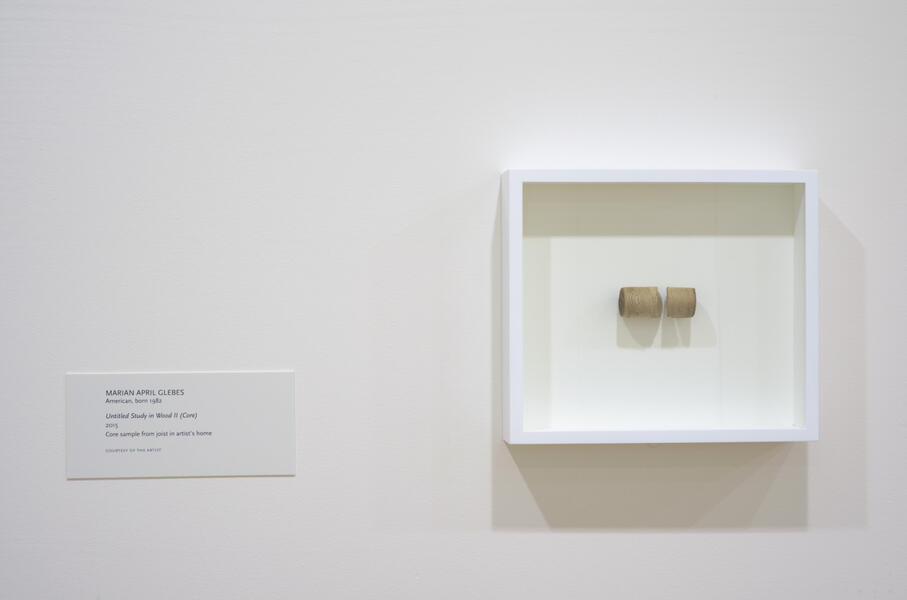 Untitled Study in Wood II (Core)DATE: 2015 MATERIALS: Core Sample from Joists in Artist's Home DIMENSIONS: 1 1/2" "x3" unframed, 15"x15" framed
 -
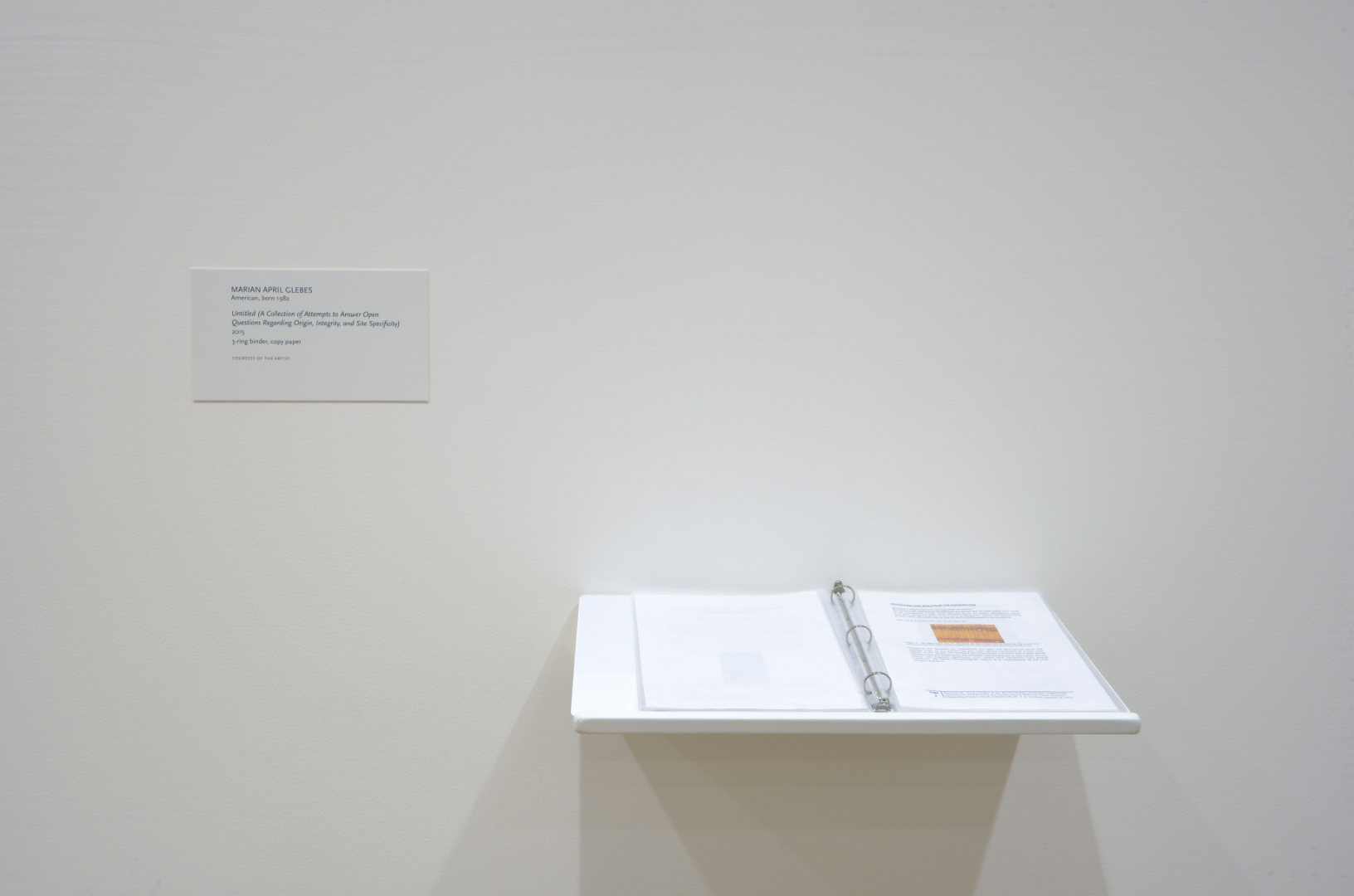
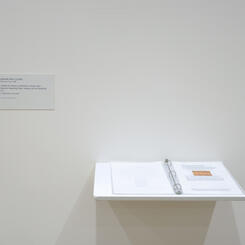
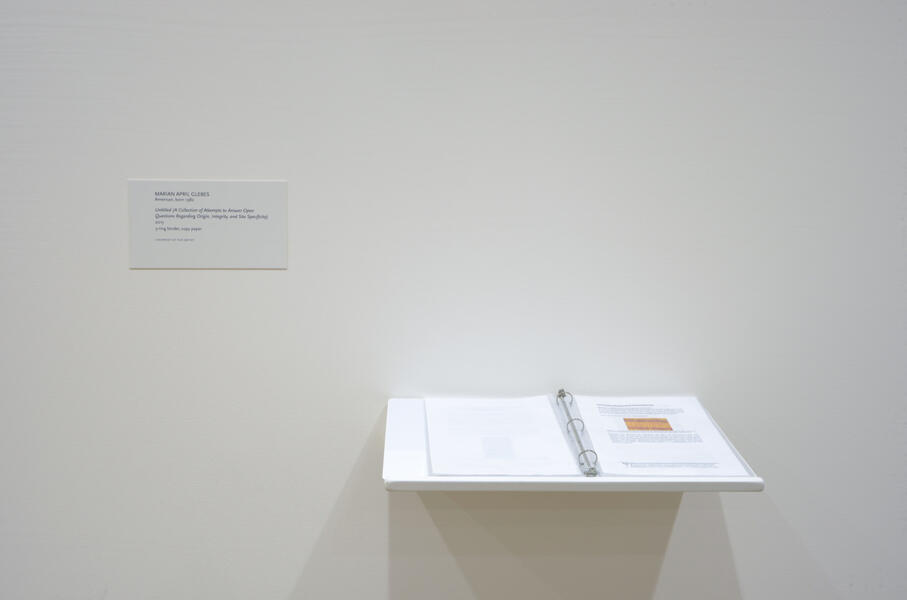 Untitled (A Collection of Attempts to Answer Open Questions Regarding Origin, Integrity, and Site Specificity)MATERIALS: 3 Ring Binder, Copy Paper DIMENSIONS: 12"x9"x2"


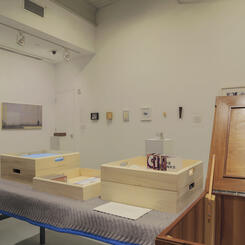
"Three Sheds for Three Sites, Shed III: Collection Shed (...)"
-
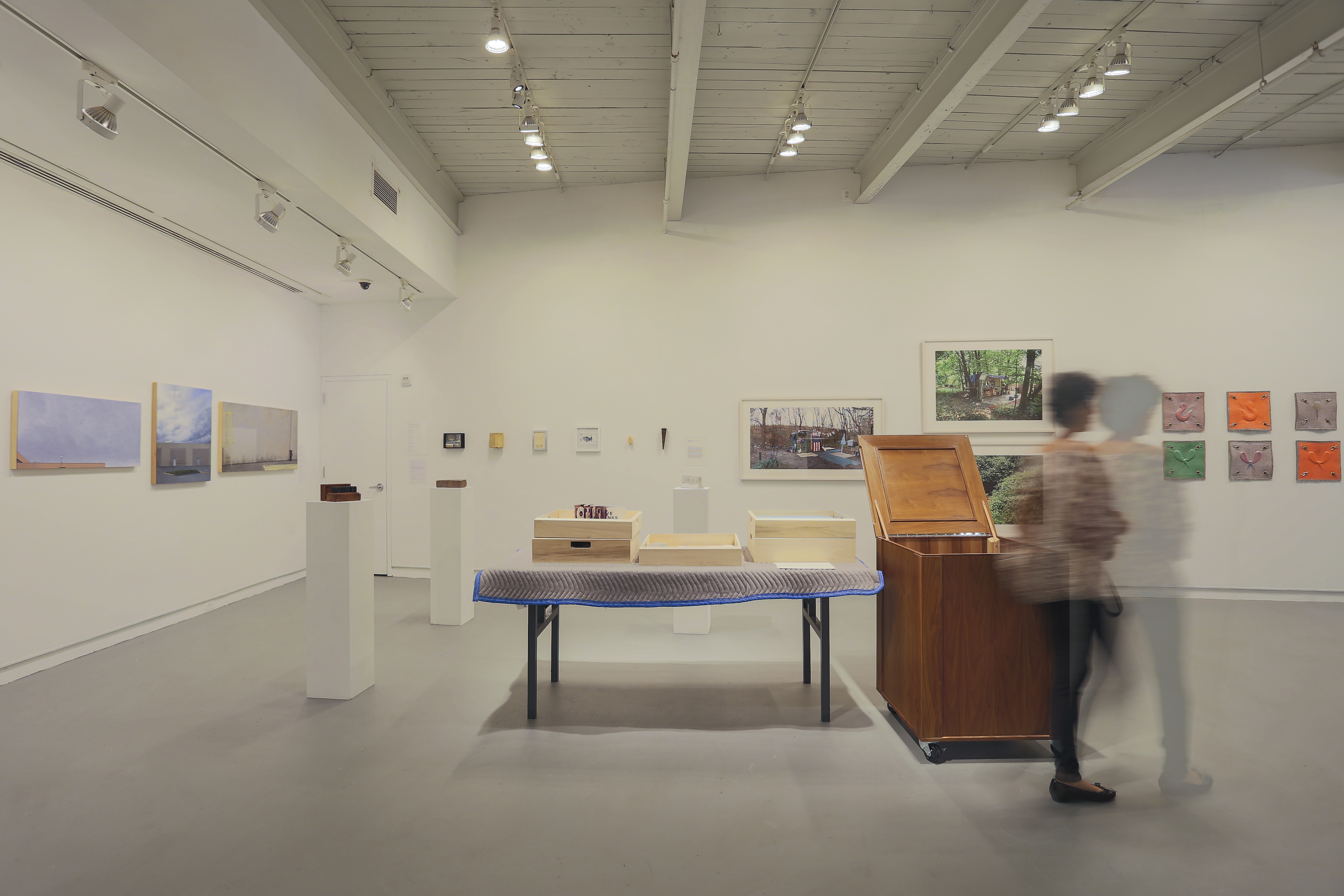
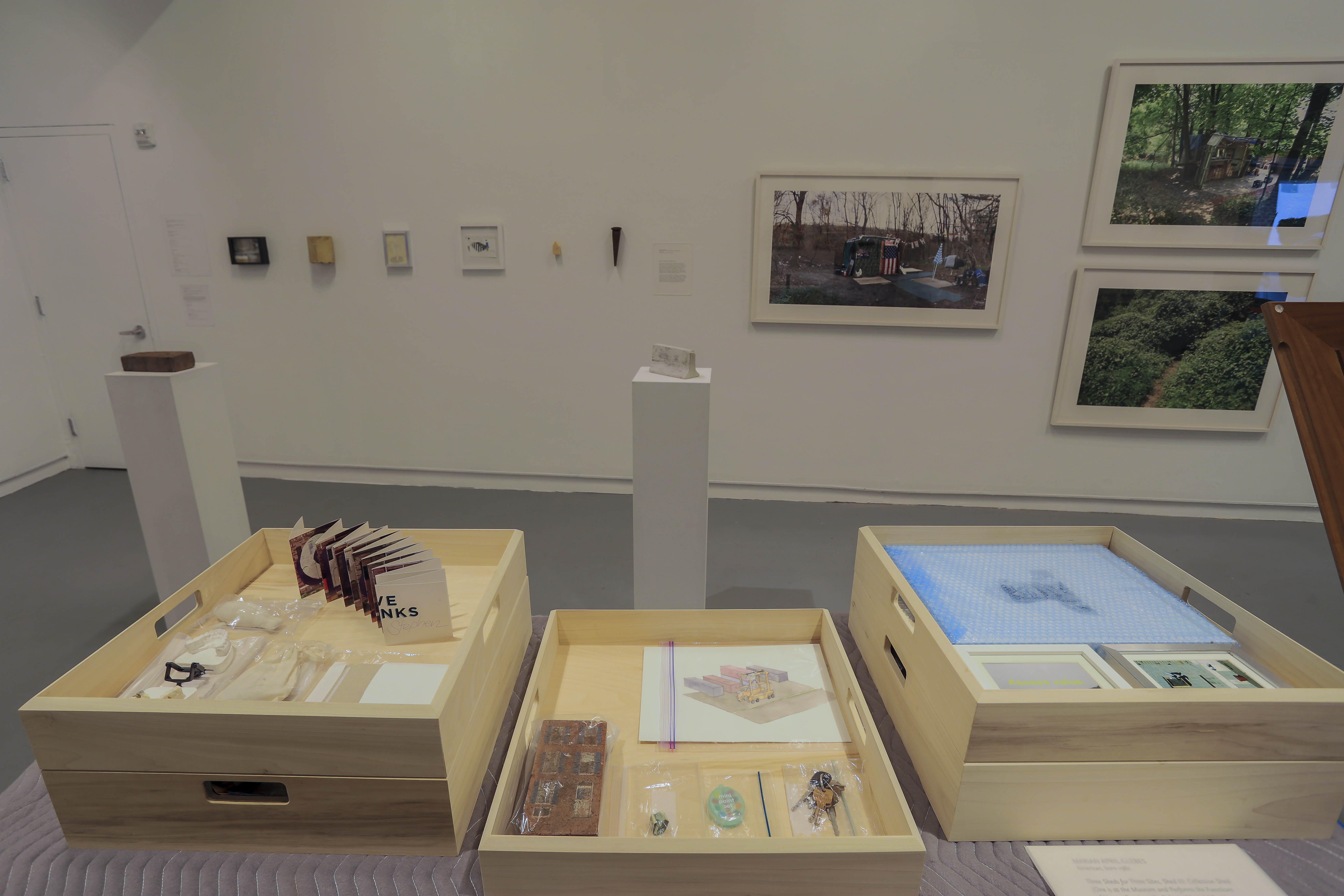
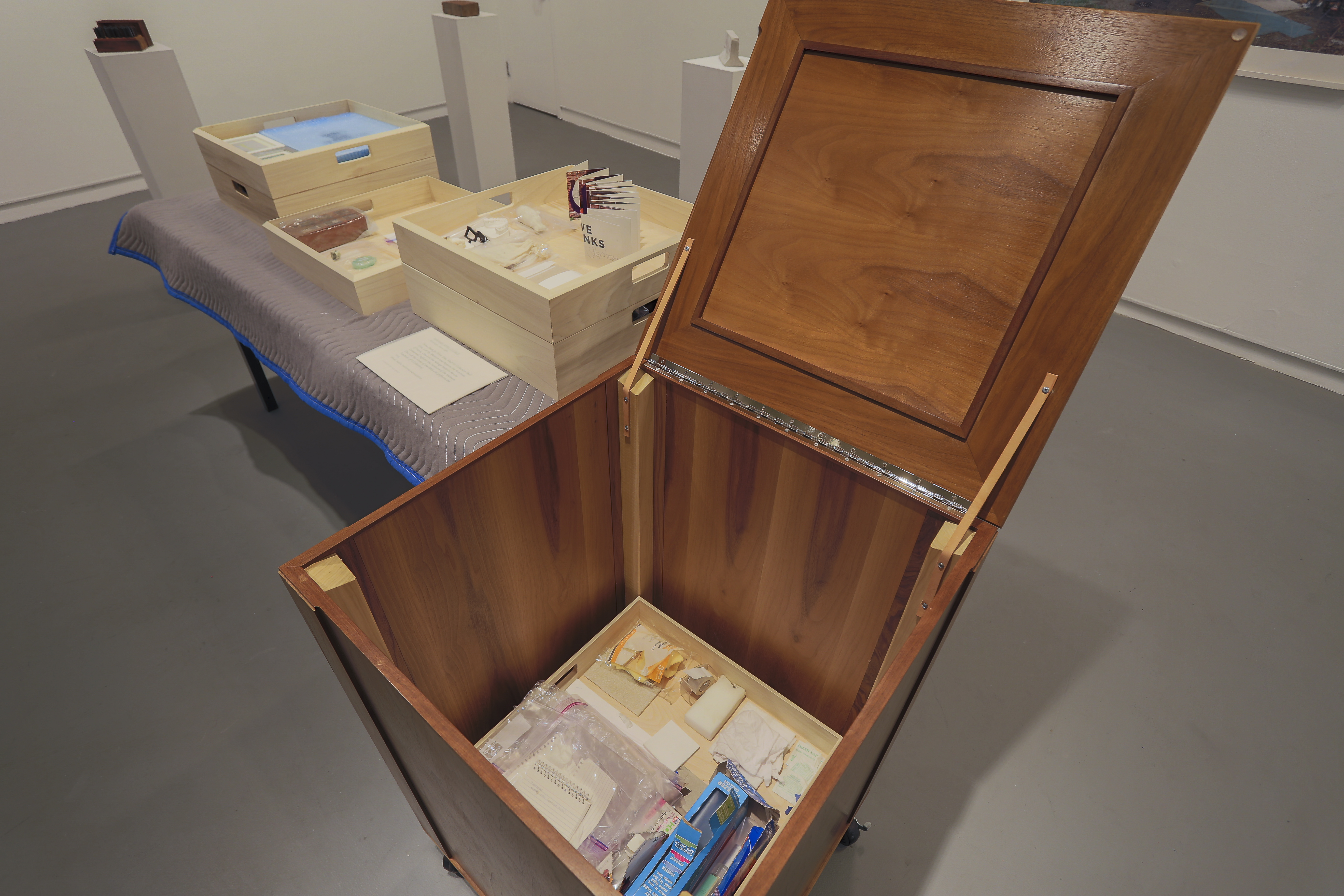
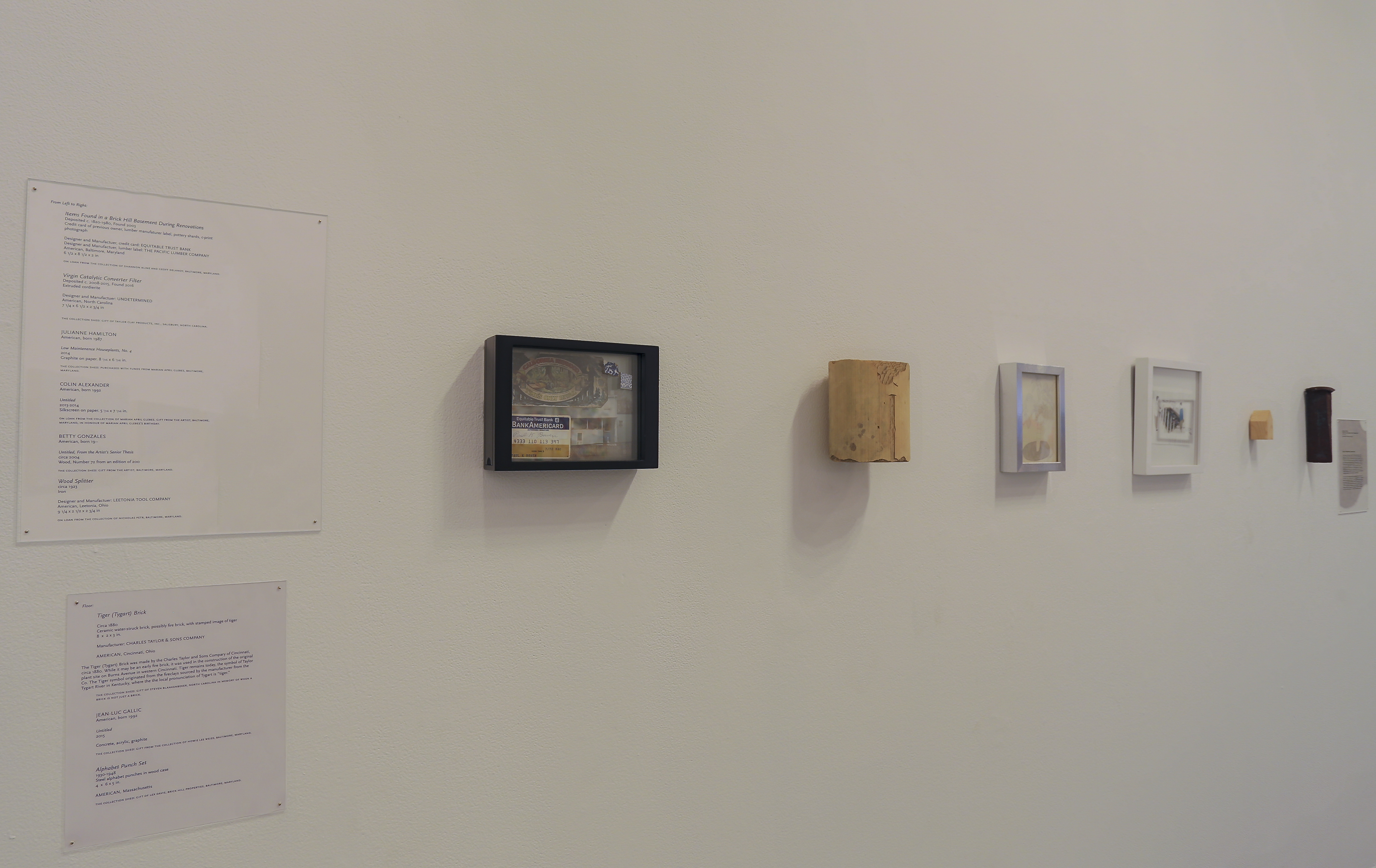
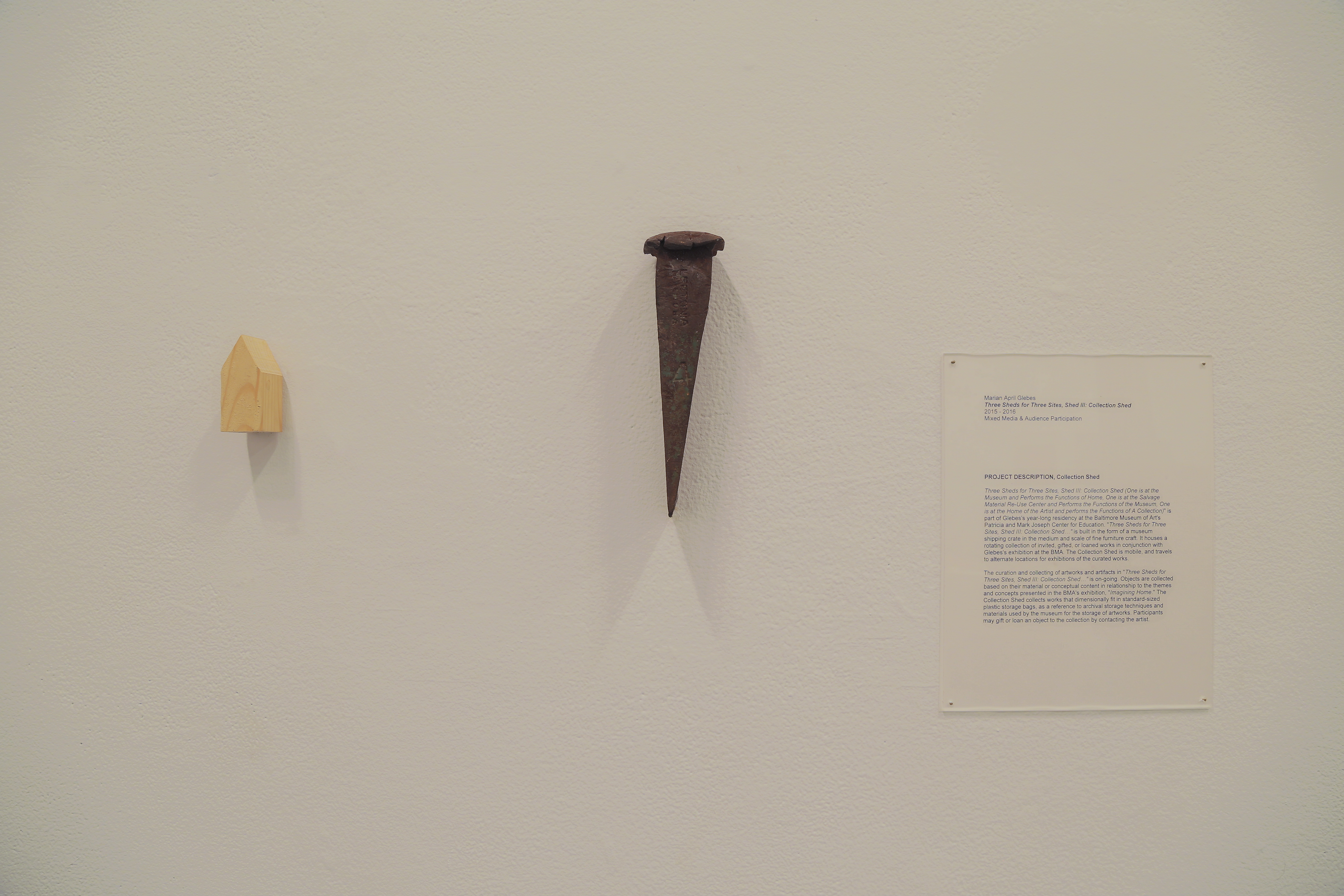
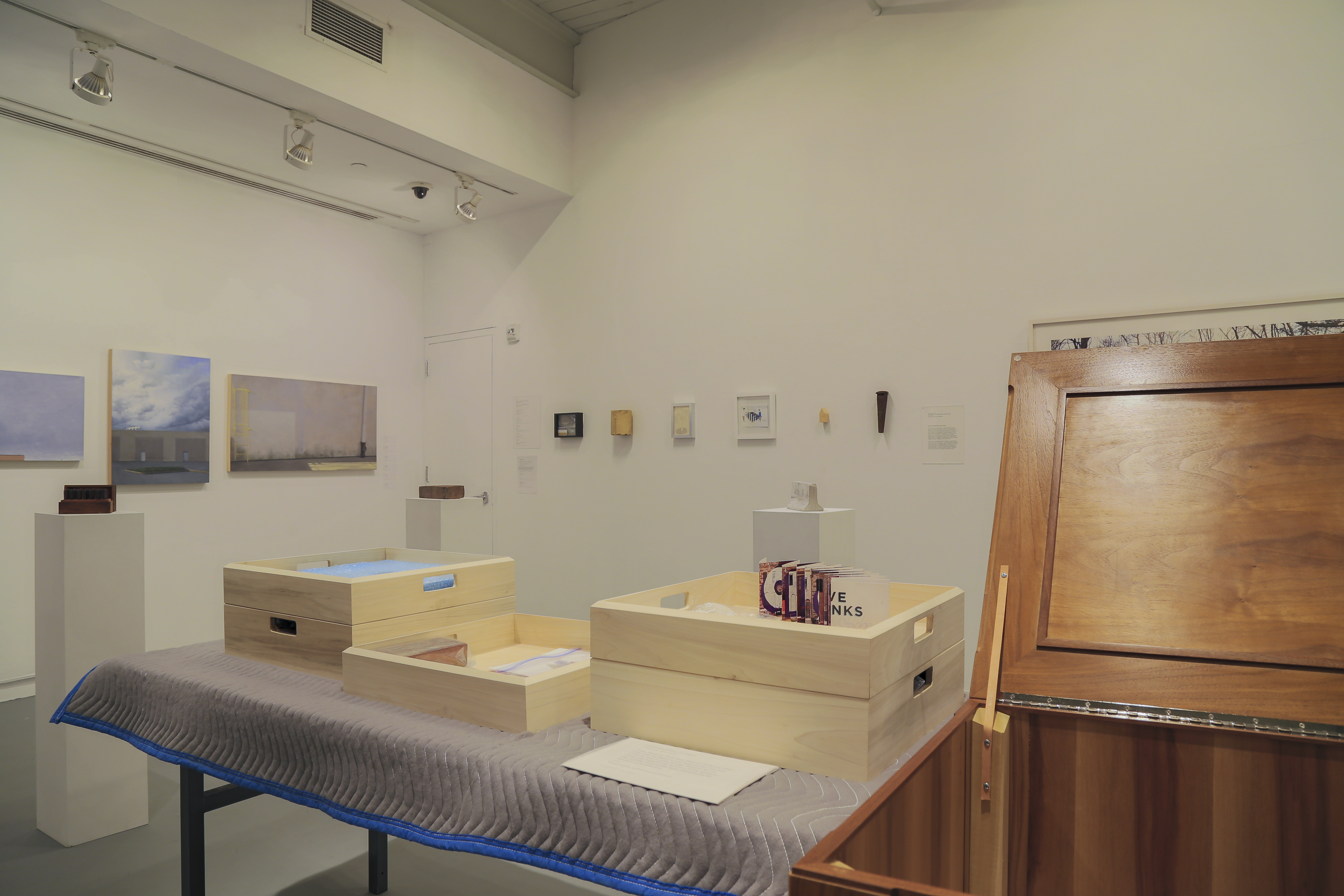
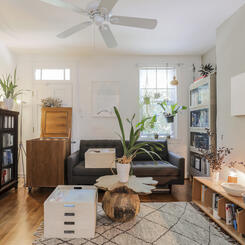
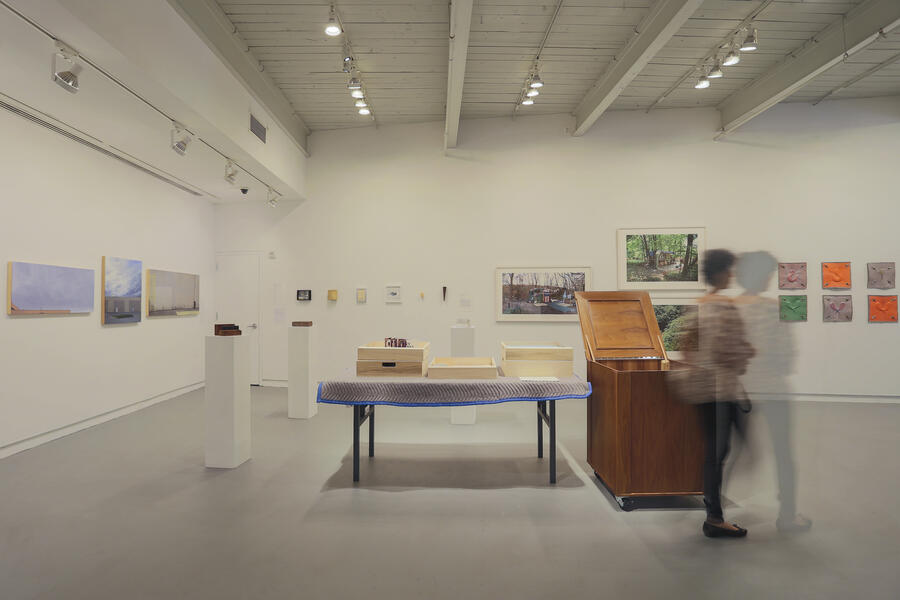 Three Sheds for Three Sites, Shed III: Collection ShedTITLE: Three Sheds for Three Sites, Shed III: Collection Shed (One is at the Museum and Performs the Functions of Home, One is at the Salvage Material Re-Use Center and Performs the Functions of the Museum, One is at the Home of the Artist and performs the Functions of A Collection) ARTIST:Marian April Glebes DATE: 2015 MATERIALS: Mixed Media & Audience Participation DIMENSIONS: Dimensions Variable
 -
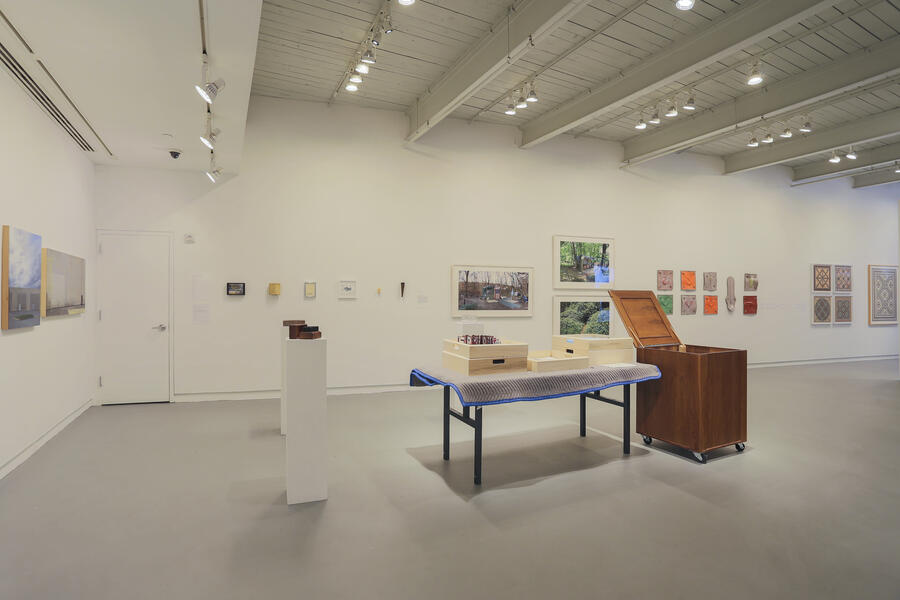 Three Sheds for Three Sites, Shed III: Collection Shed
 -
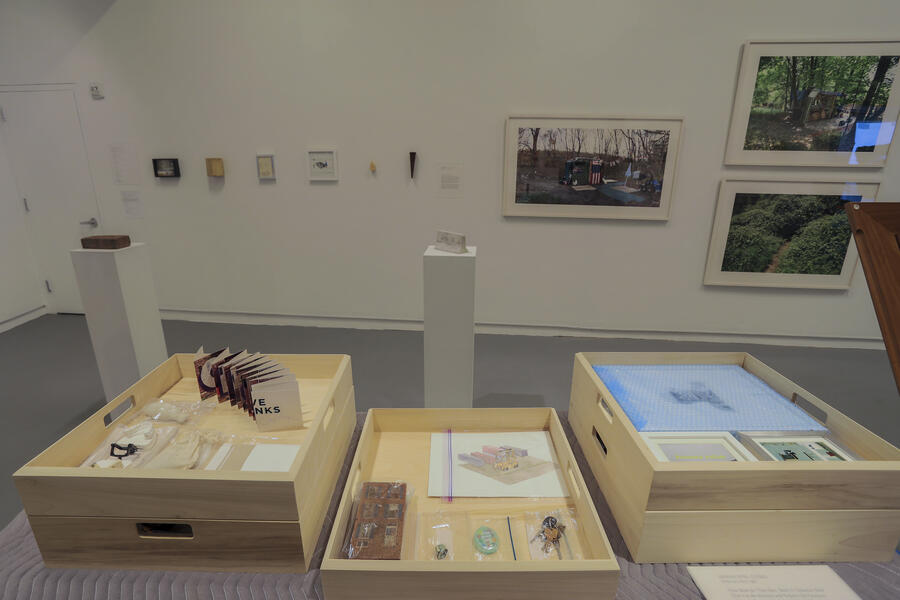 Three Sheds for Three Sites, Shed III: Collection Shed
 -
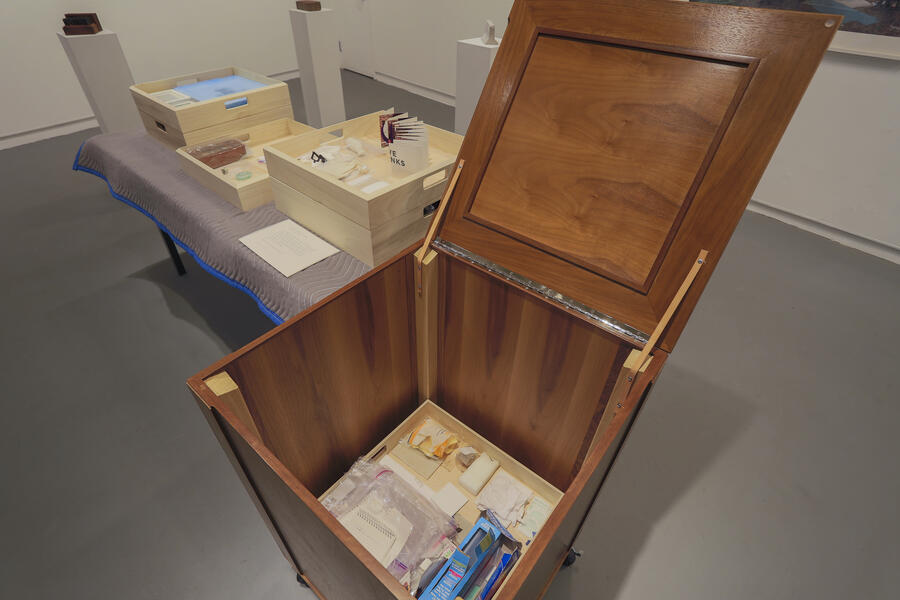 Three Sheds for Three Sites, Shed III: Collection Shed
 -
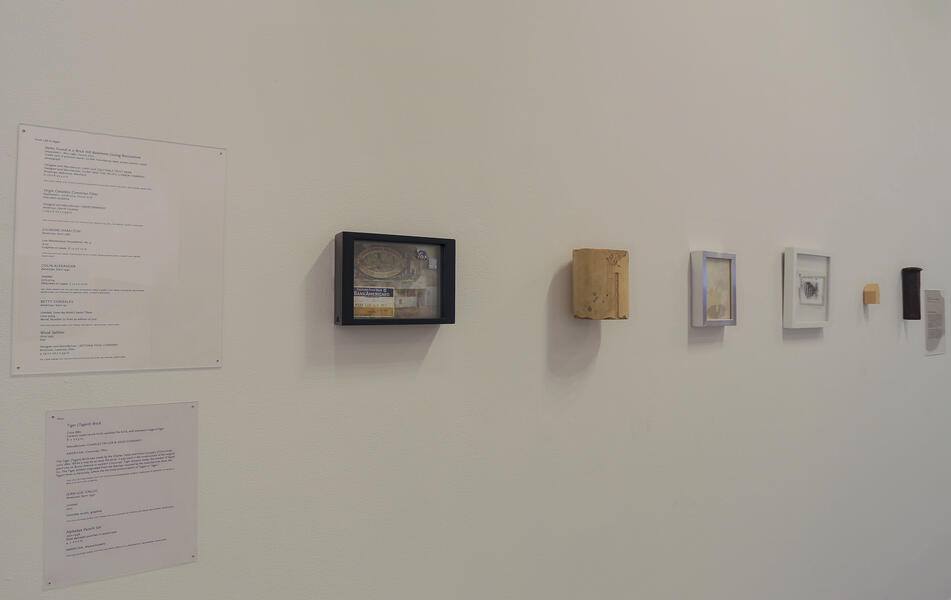 Three Sheds for Three Sites, Shed III: Collection Shed
 -
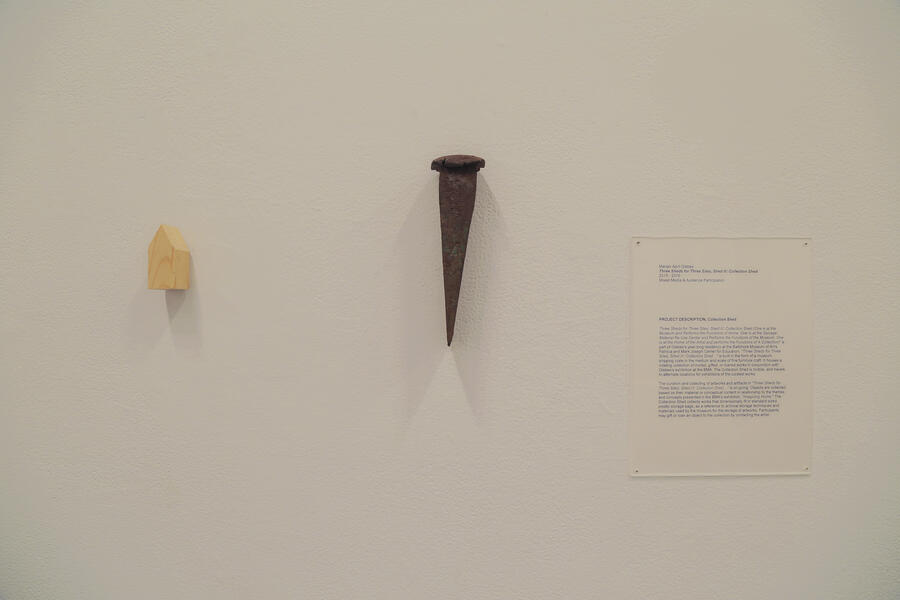 Three Sheds for Three Sites, Shed III: Collection Shed
 -
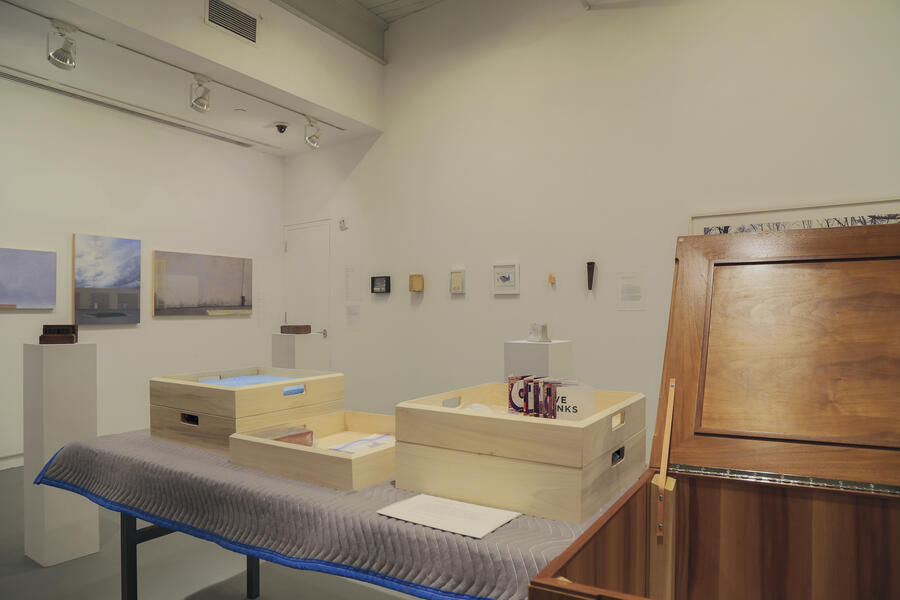 Three Sheds for Three Sites, Shed III: Collection Shed
 -
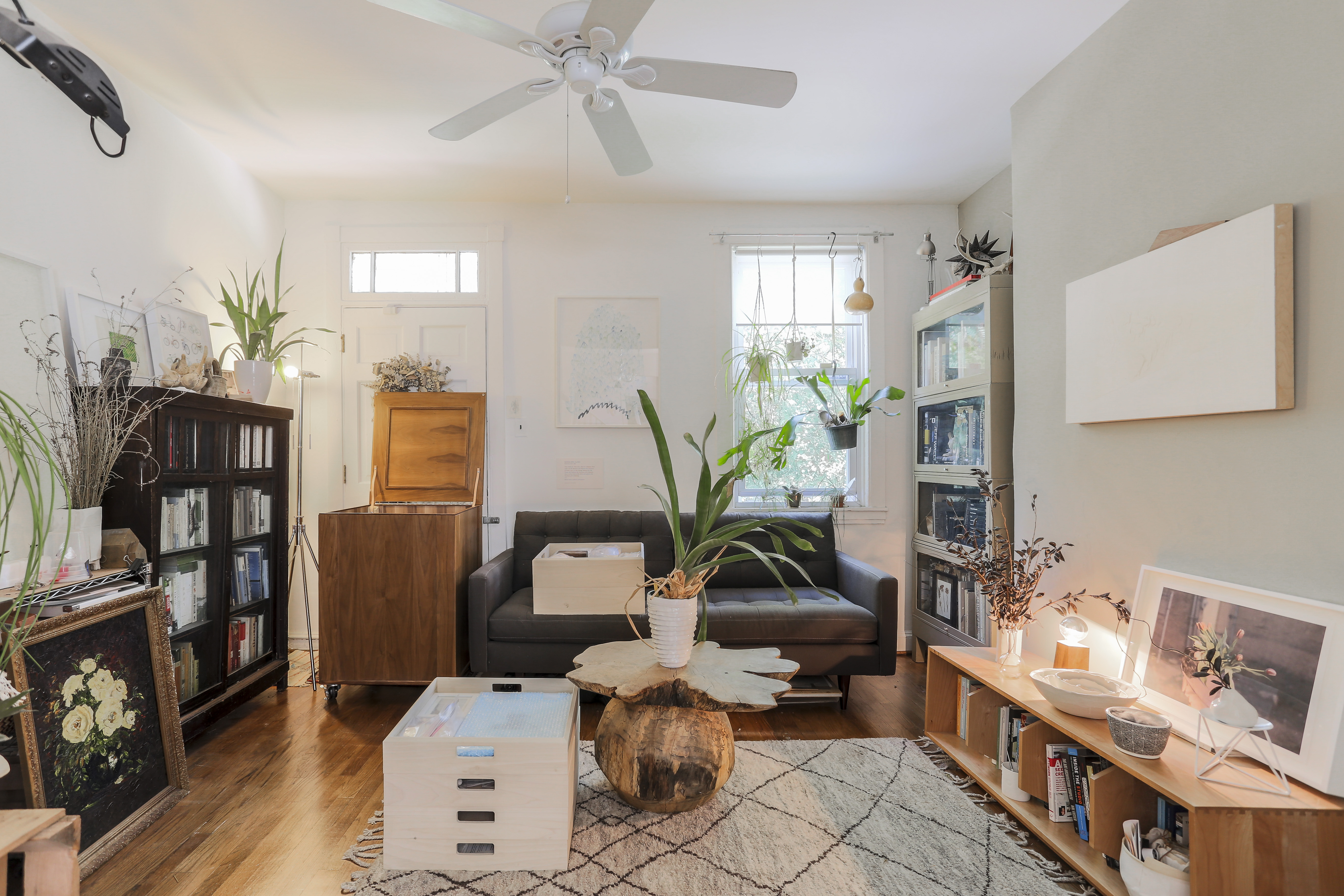
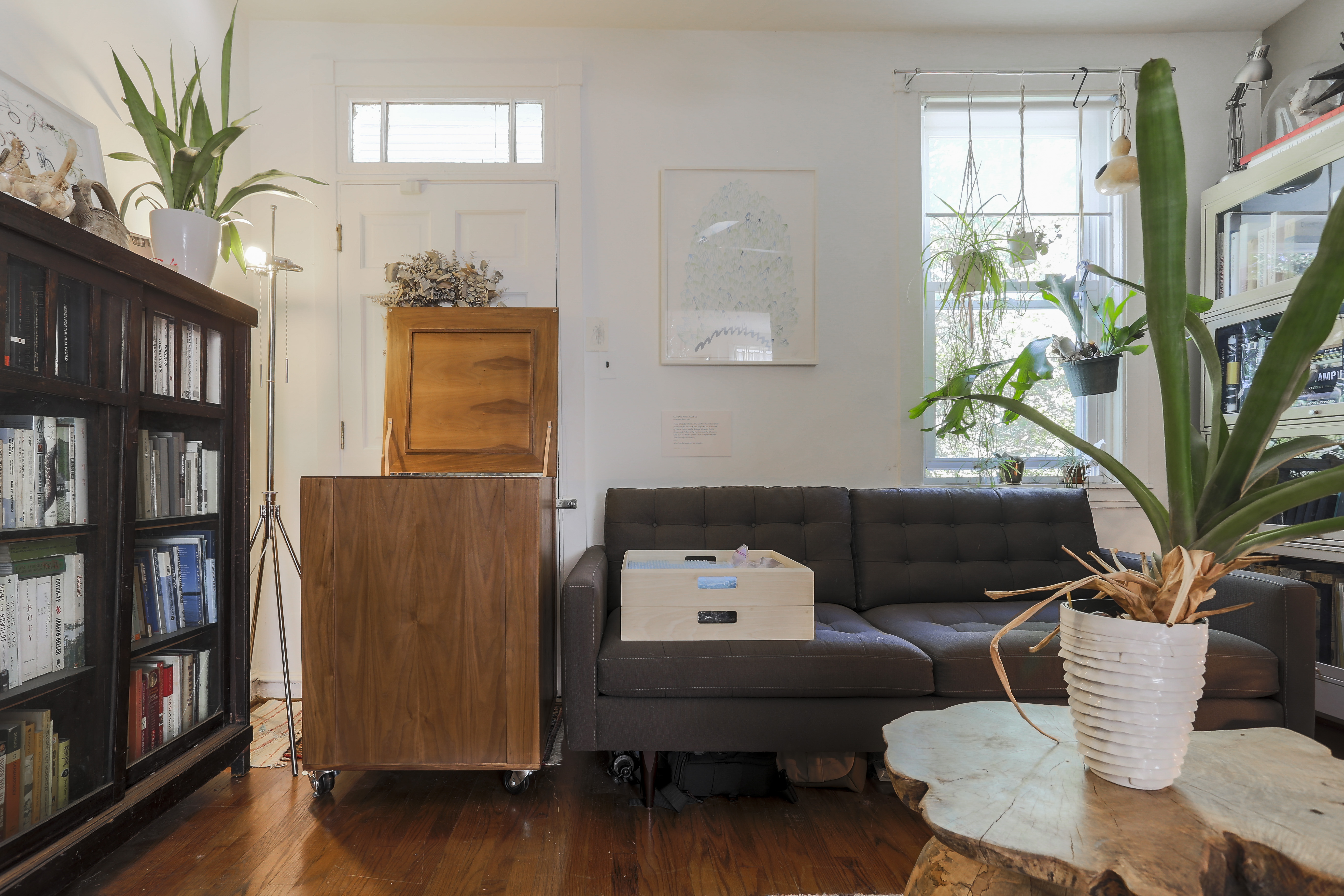
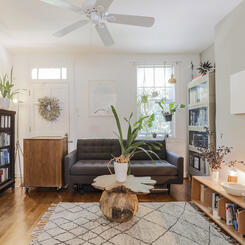
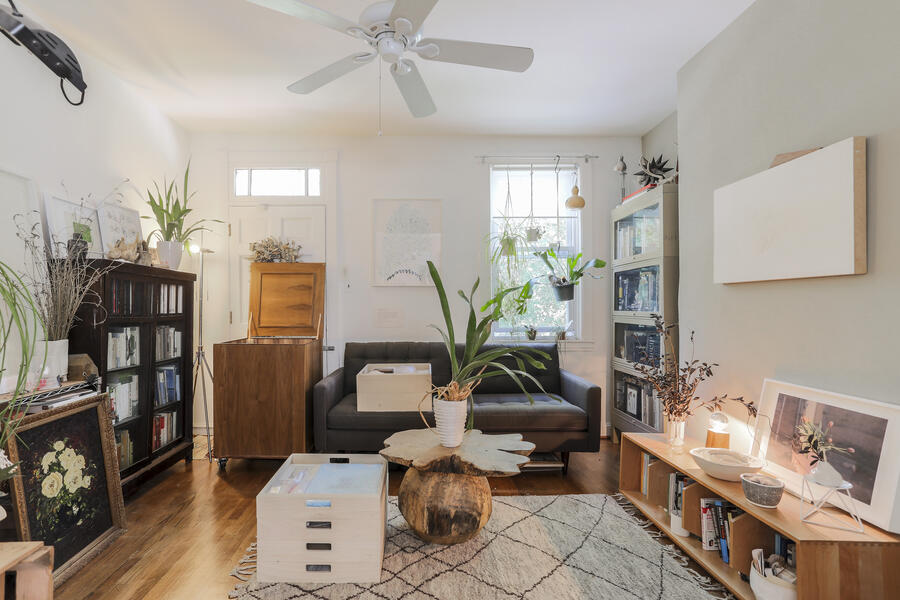 Three Sheds for Three Sites, Shed III: Collection Shed at Home
 -
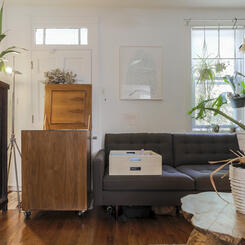
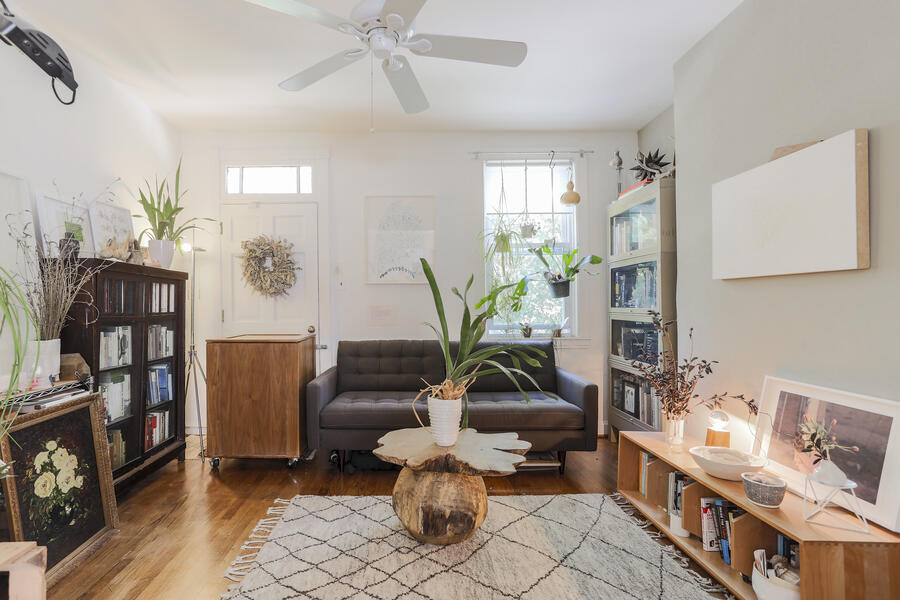 Three Sheds for Three Sites, Shed III: Collection Shed at Home
 -
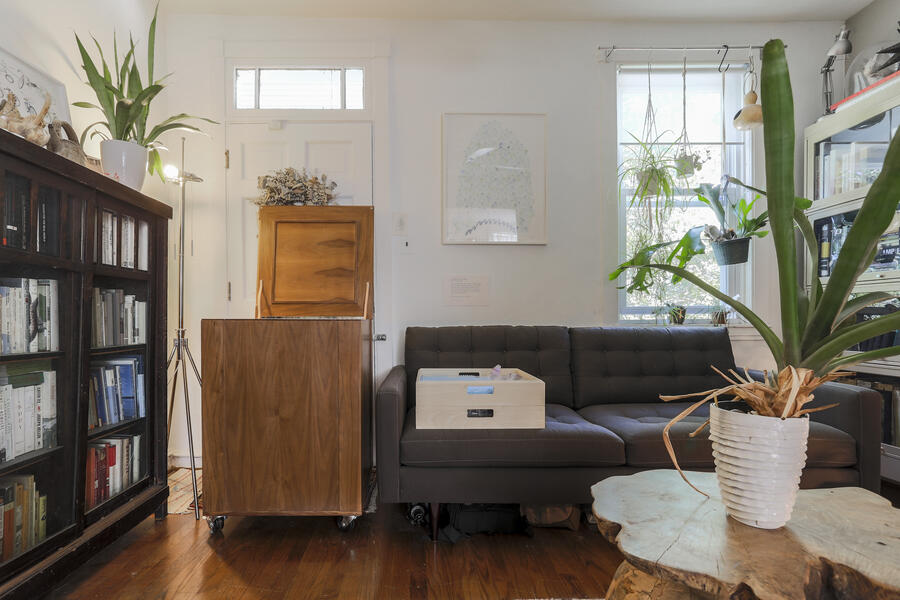 Three Sheds for Three Sites, Shed III: Collection Shed at Home


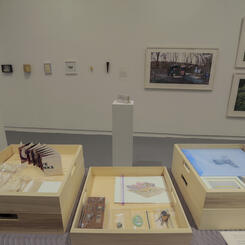
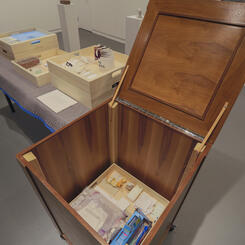
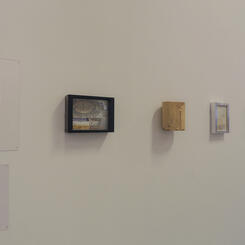
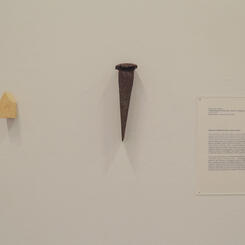
from the series "Model Homes"
-
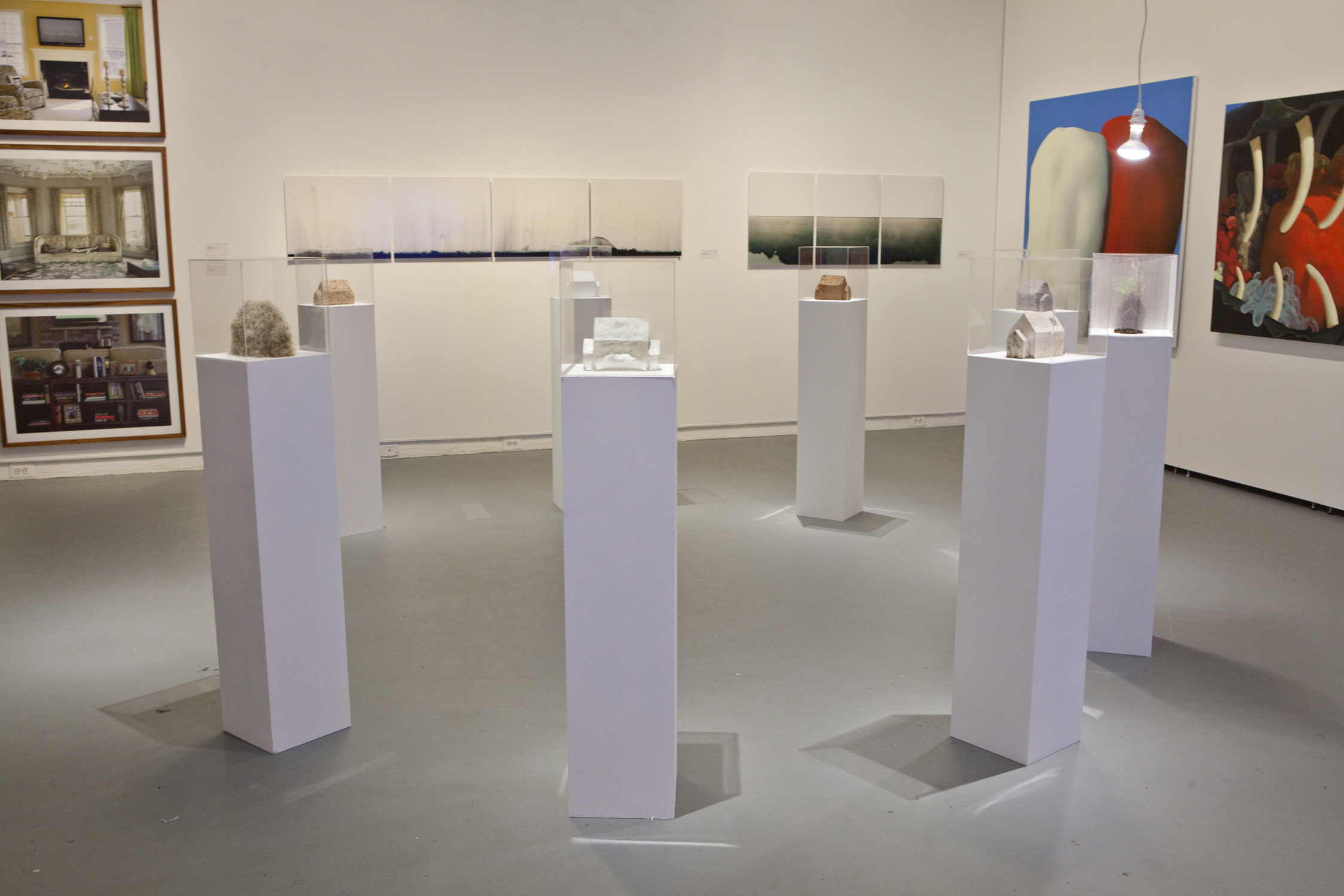
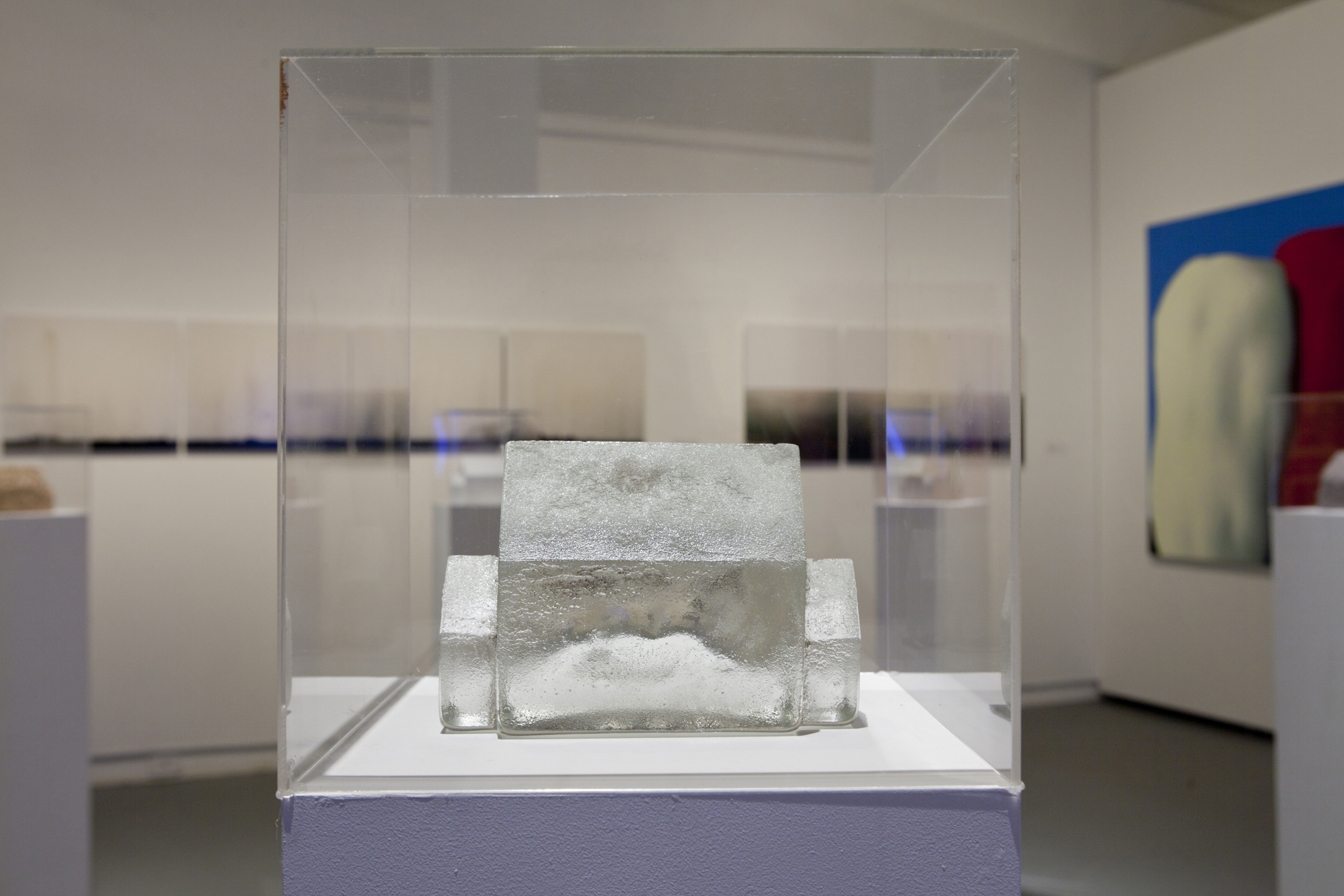
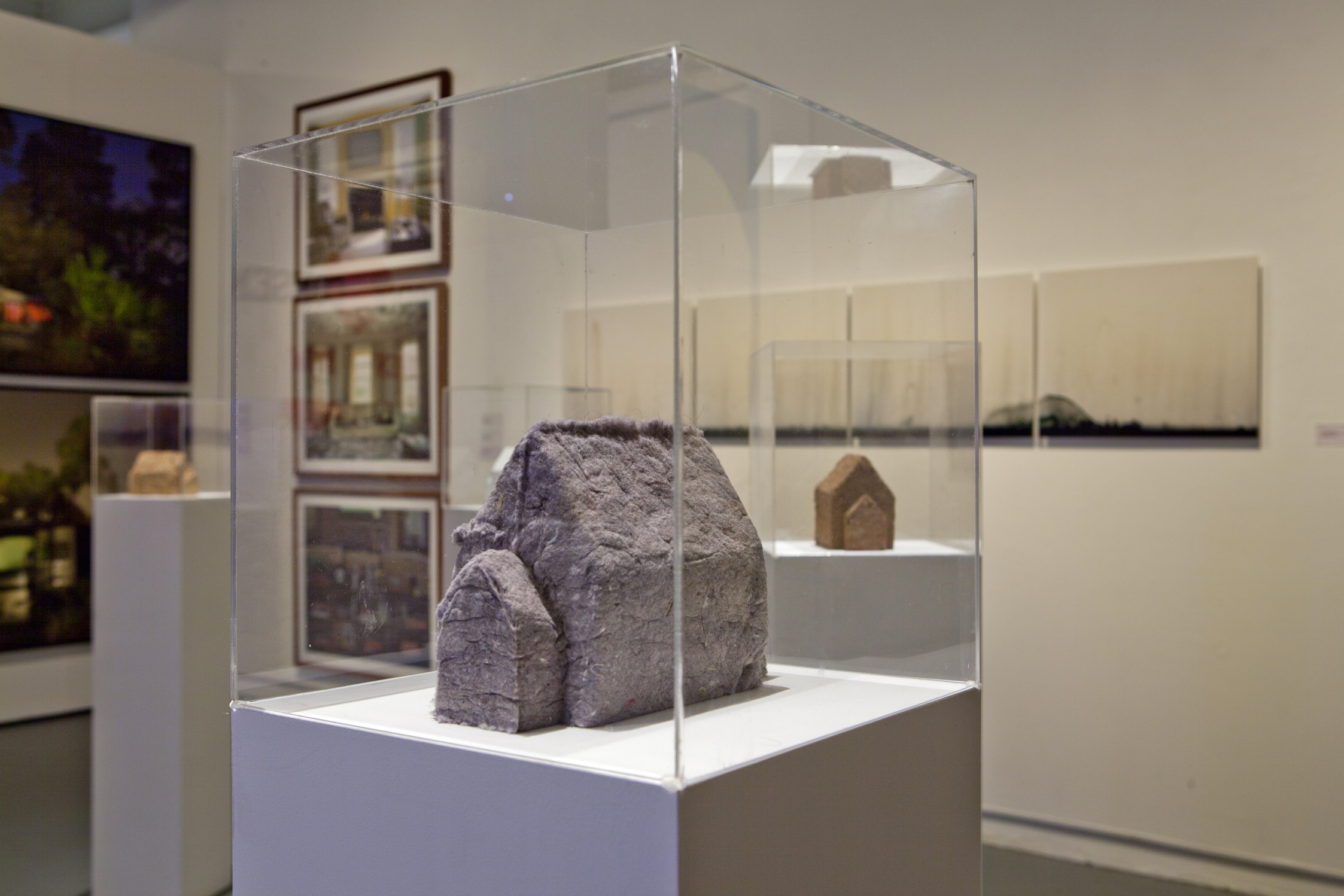
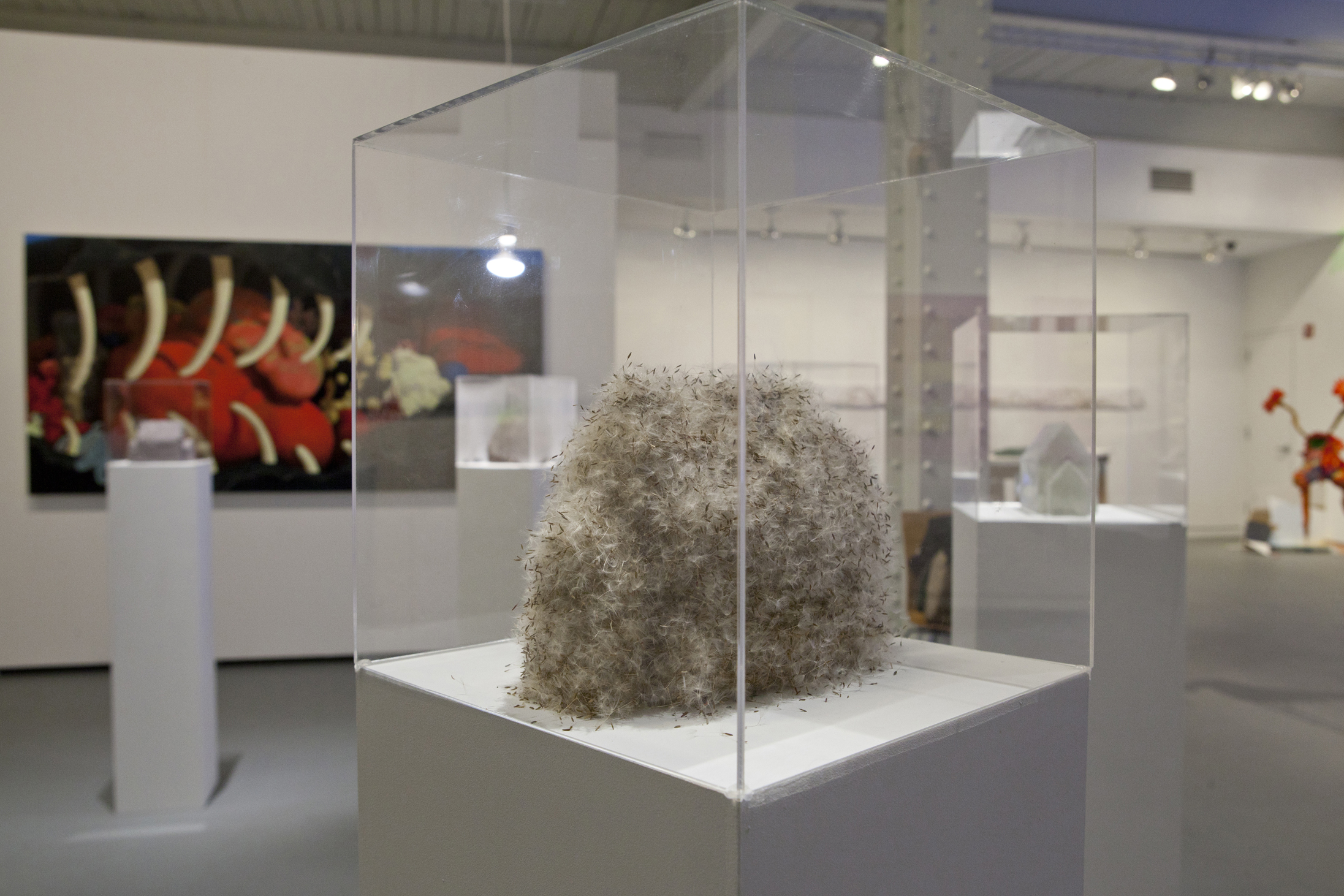
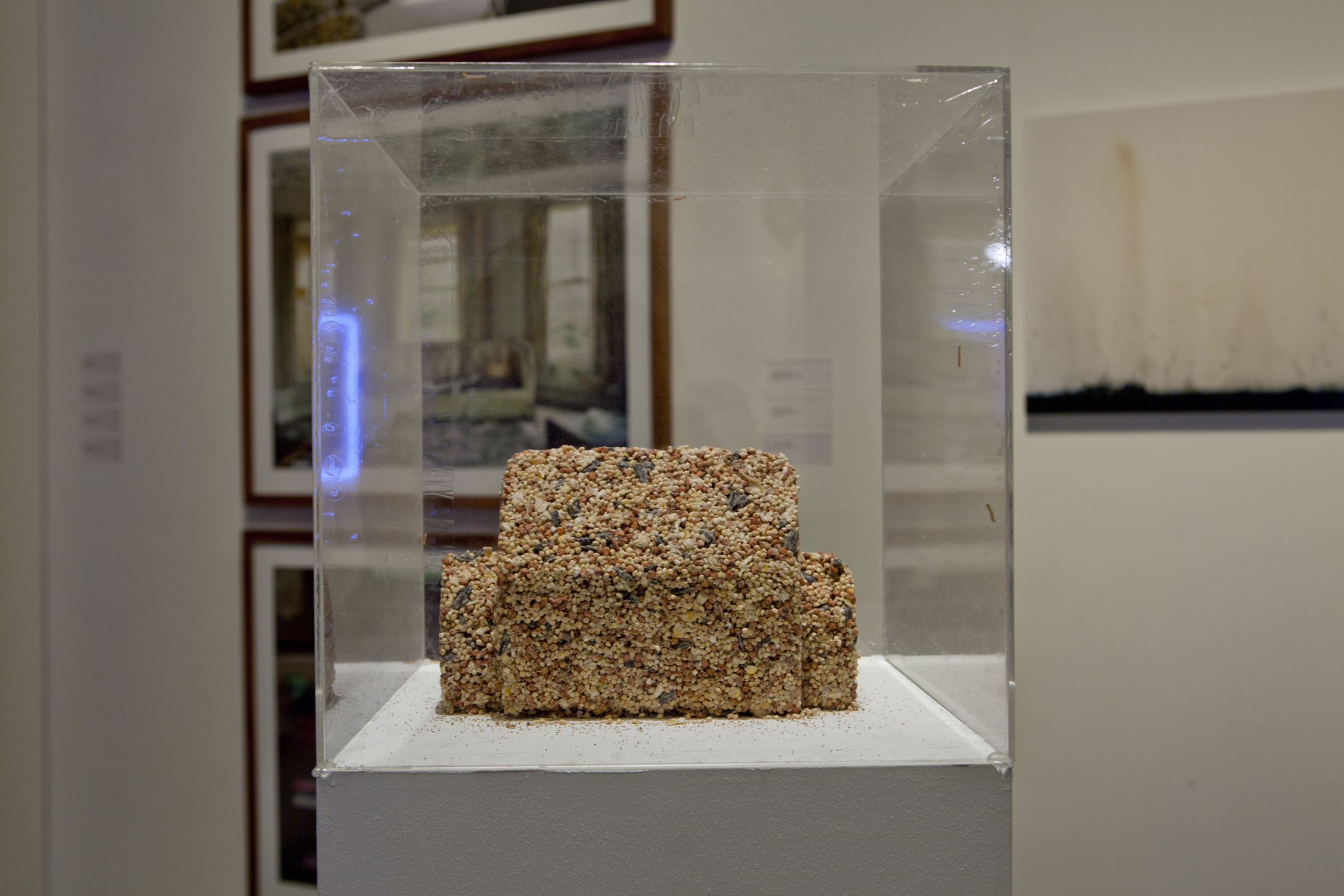
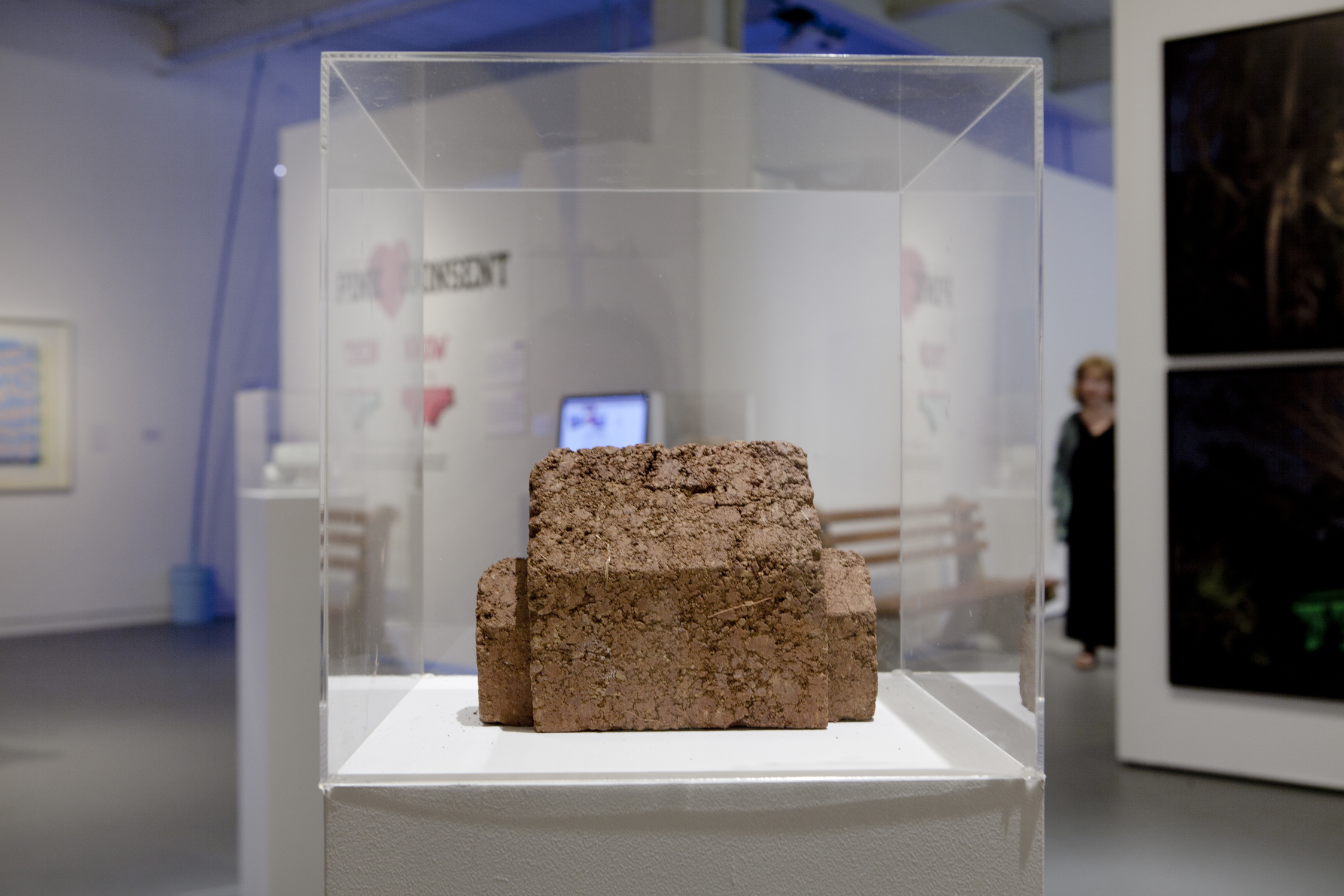
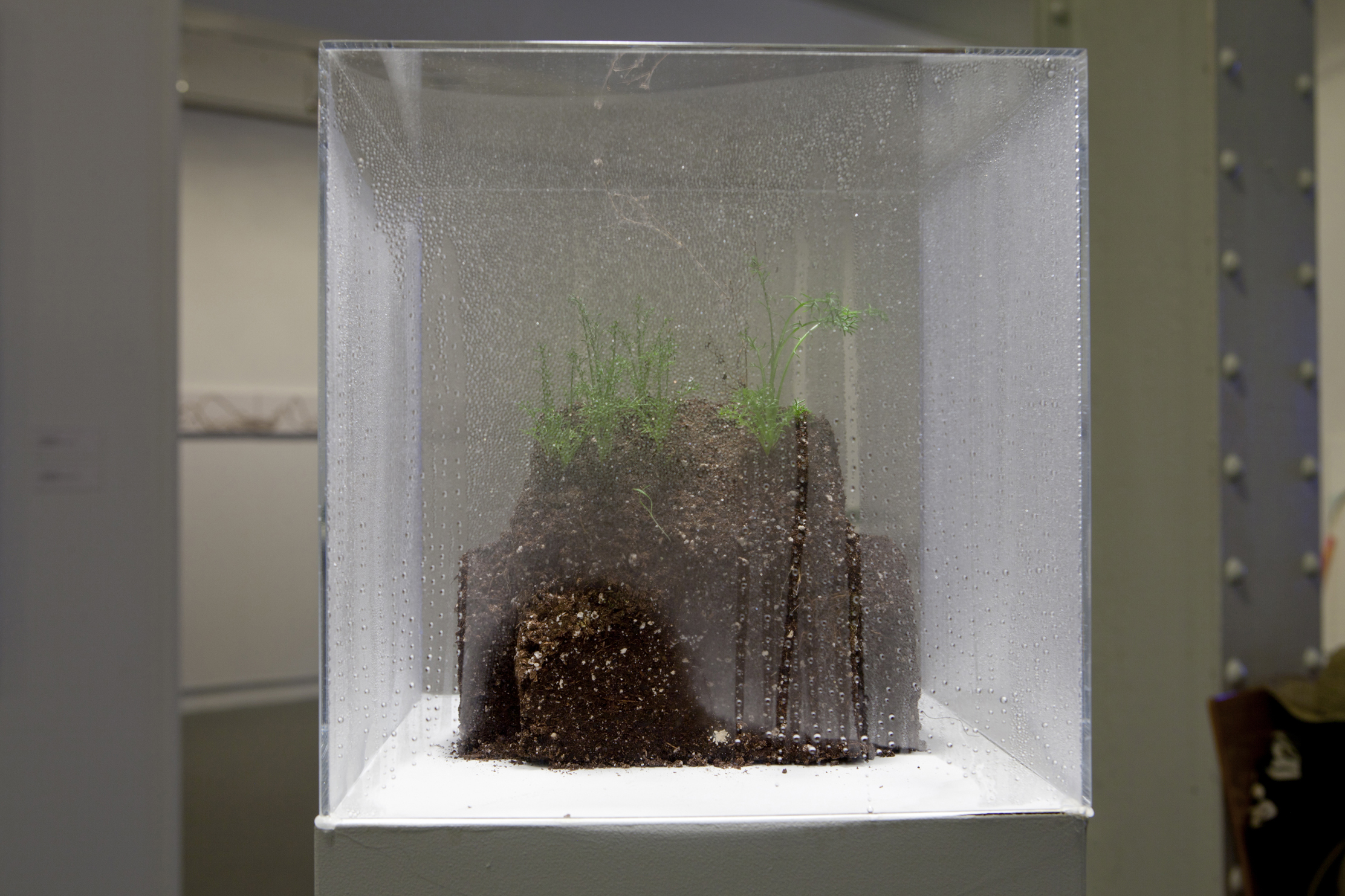
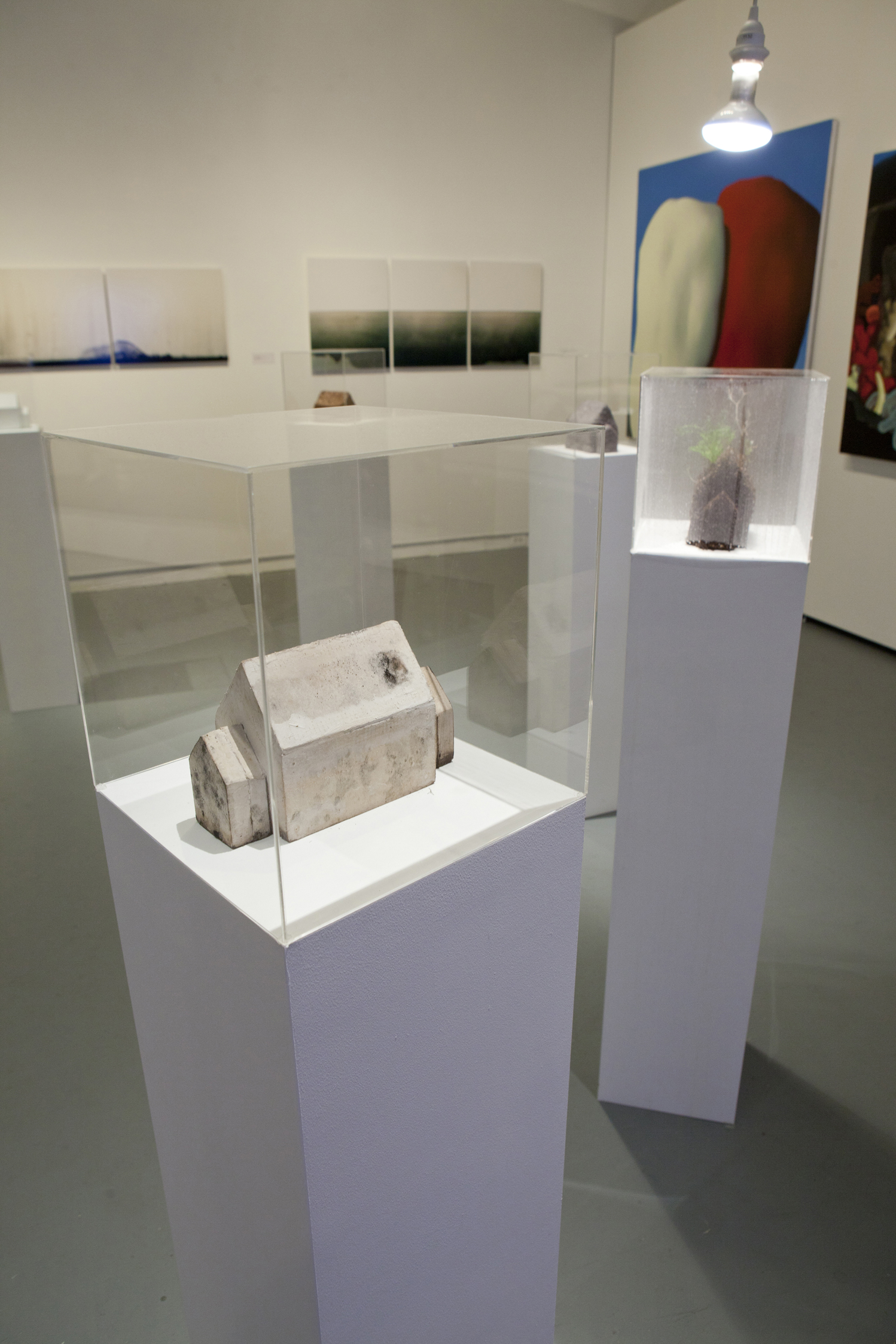
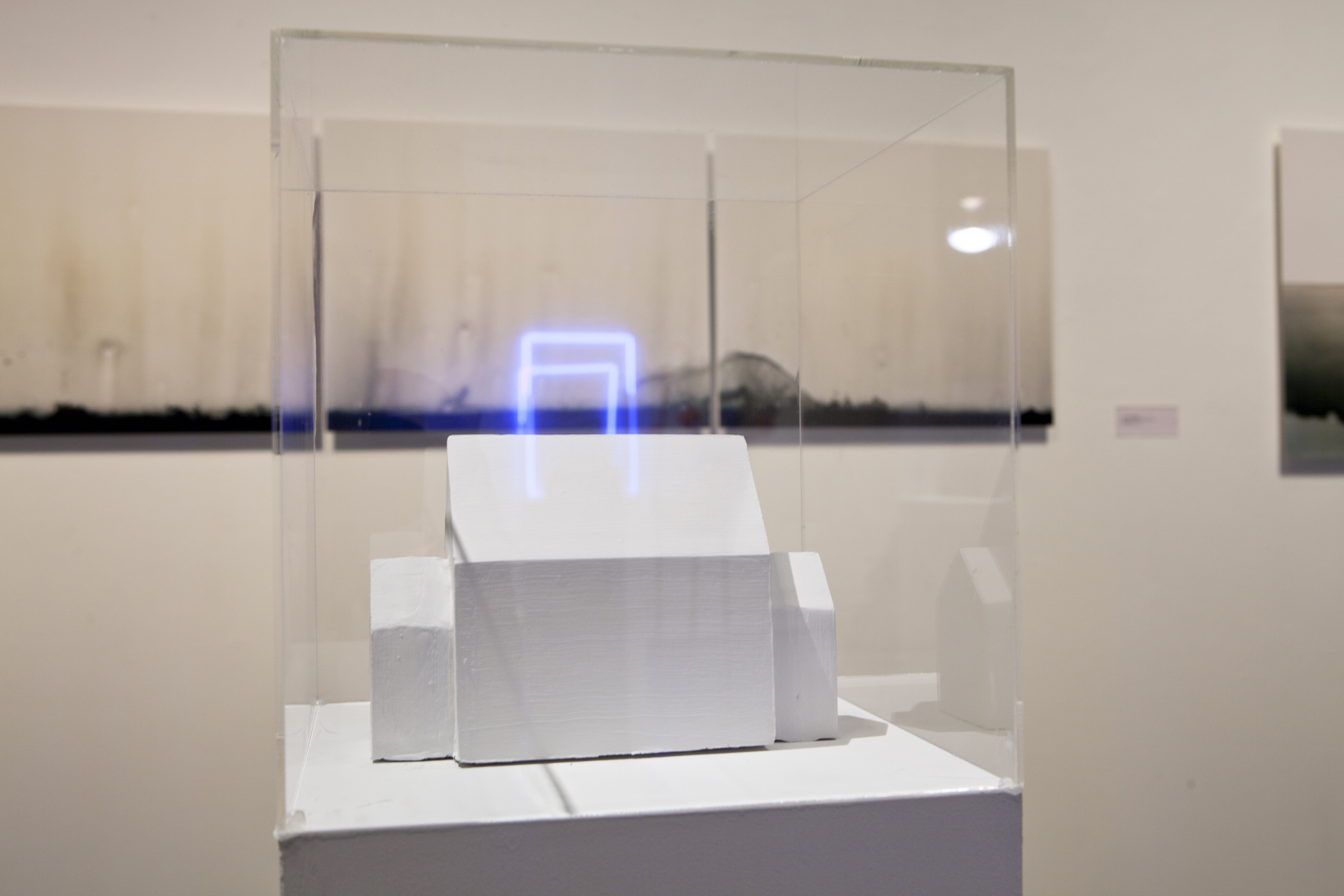
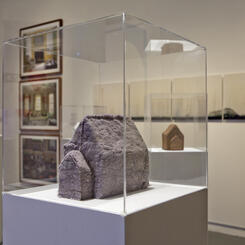
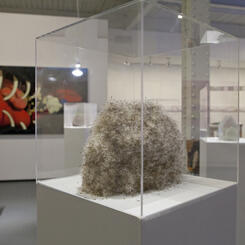
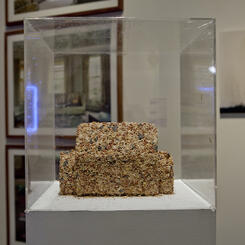
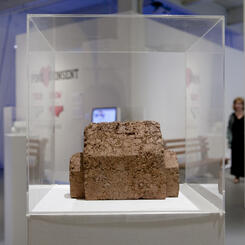
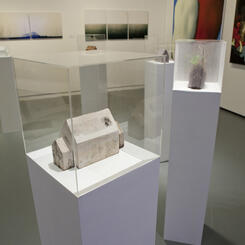
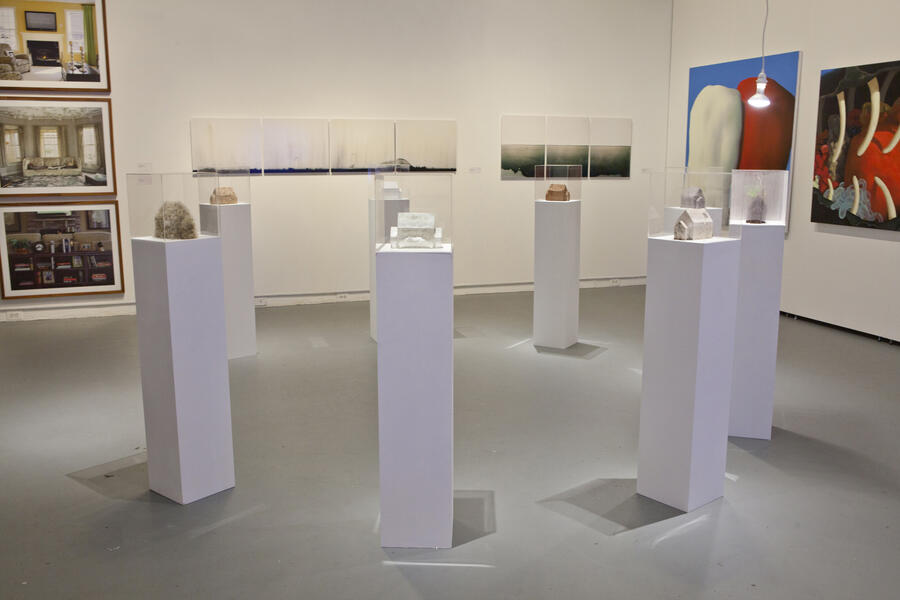 Model Homes, Installation ViewThe majority of the series "Model Homes" was created by compression casting. The casts are not held together by a binding agent, they are monolithic and rely on the properties of each material to maintain their form. The 2 drywall forms were constructed, not cast. The materials for "Model Homes" were collected over an extended period of time by the artist from suburban lawns. (Dandelions were collected over a 3 year period. Lint collected over 6 month period. Grass, 2 months, for example.) Once enough material was collected, it was inserted into the mold. The force to cast the material was applied using a mechanical pressure system designed by the artist. The glass house is sand-cast glass, annealed over 4 days from a liquid glass temperature of 1100 degrees. The pedestals were built by the artist using MDF. The vitrines are plexiglass.
 -
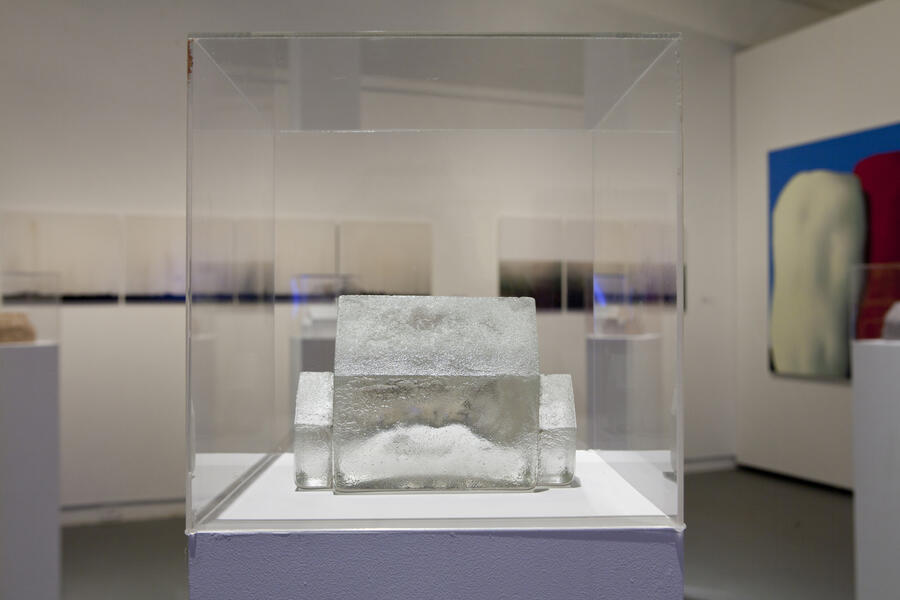 Model Home (Glass)material: Sand-cast Glass "Model Home (Glass)" is sand-cast glass, annealed over 4 days from a liquid glass temperature of 1100 degrees. *made with the assistance of Jeremy Lepisto and Scott Schroeder
 -
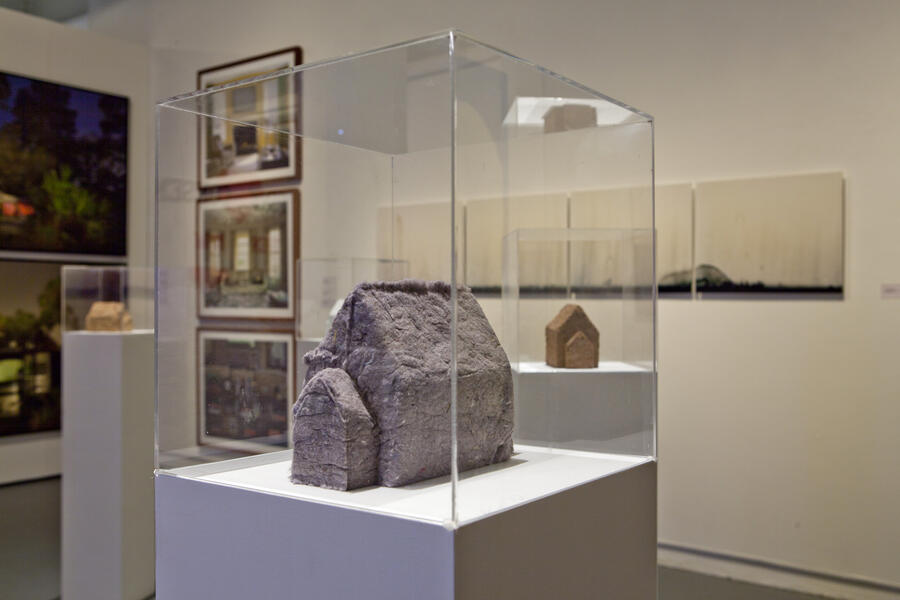 Model Home (Dust)material: Dryer Lint Dryer lint was collected over a period of 6 months from the home of the artist and others, blended, then compression cast to form "Model Home (Dust)"
 -
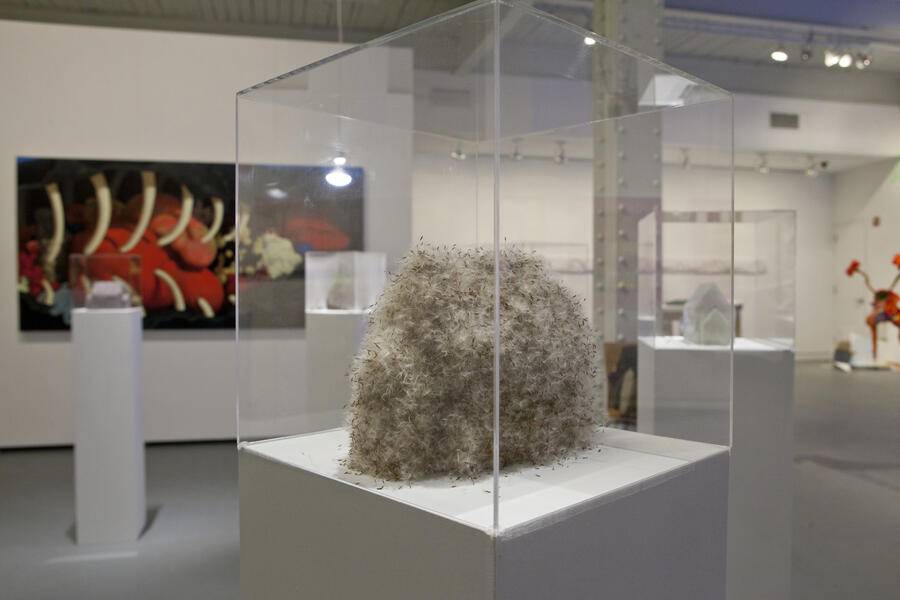 Model Home (Dandelion III)material: Dandelion seeds The artist collected Dandelion seeds from neighborhood lawns over a 3 year period. The Dandelion house is monolithic, relying only on the properties of the material to maintain its form.
 -
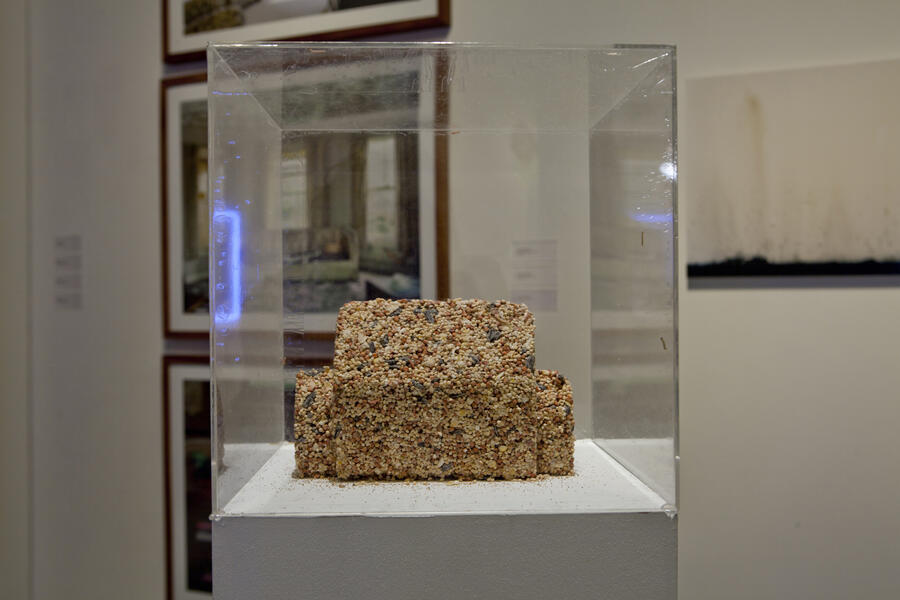 Model Home (Birdseed, Model I)materials: birdseed The birdseed house is in a constant state of entropy. As the material maintains its edibility in cast form, it is consumed by moths as it is exhibited. This ecology is sealed in the vitrine.
 -
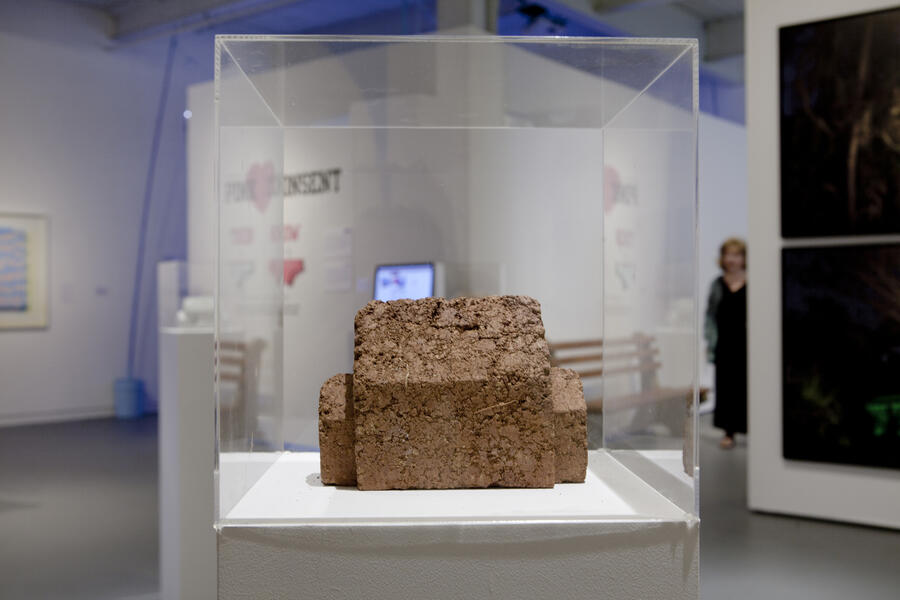 Model Home (Earth, Model VII)material: Rammed Earth
 -
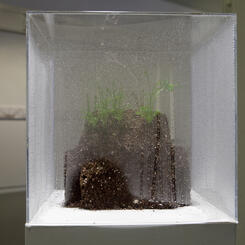
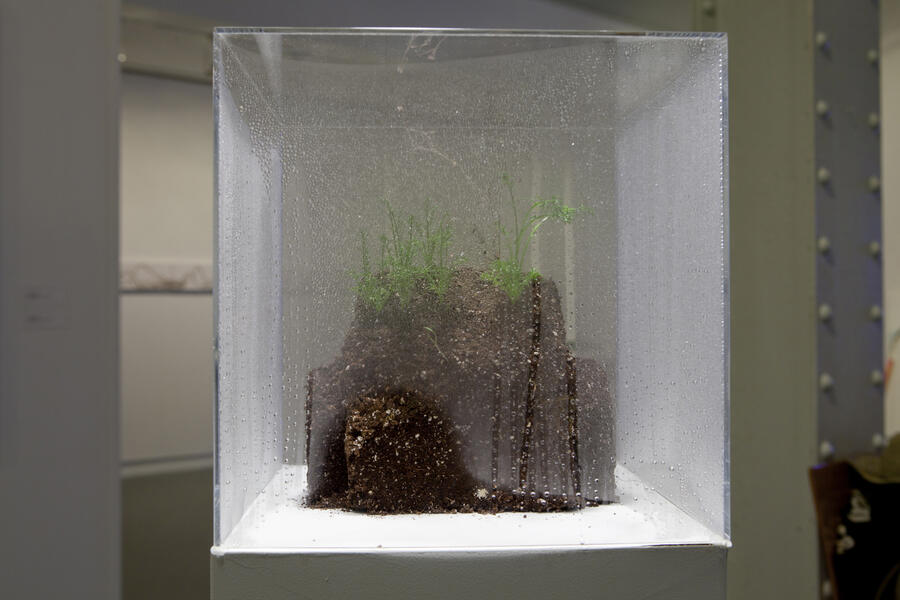 Model Home (Soil IIX)materials: Potting Soil, Baby's Breath and Chamomile Plants, UV Light Cast potting soil was embedded with plant seeds and kept moist, enabling the plants to sprout and grow. As the plants developed, their root structure eroded the legibility of the house form. The ecology was sealed under the vitrine.
 -
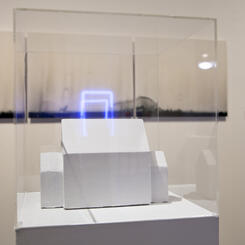
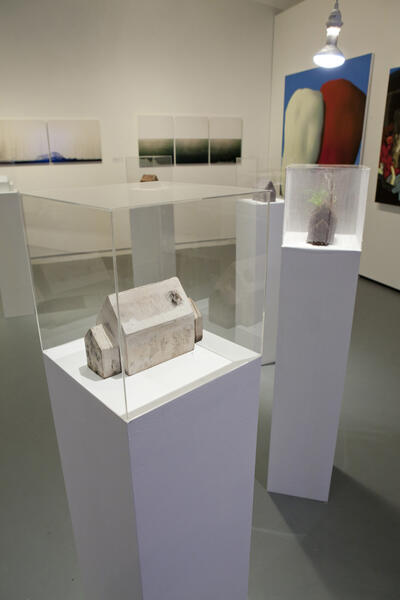 Model Home (Drywall) - installation viewmaterials: Drywall, Joint Compound, Mold A model home was built out of drywall, mudded, and sanded to a perfect finish. The final model was enclosed in an airtight plastic container in a bath of water and left to grow mold for three months.
 -
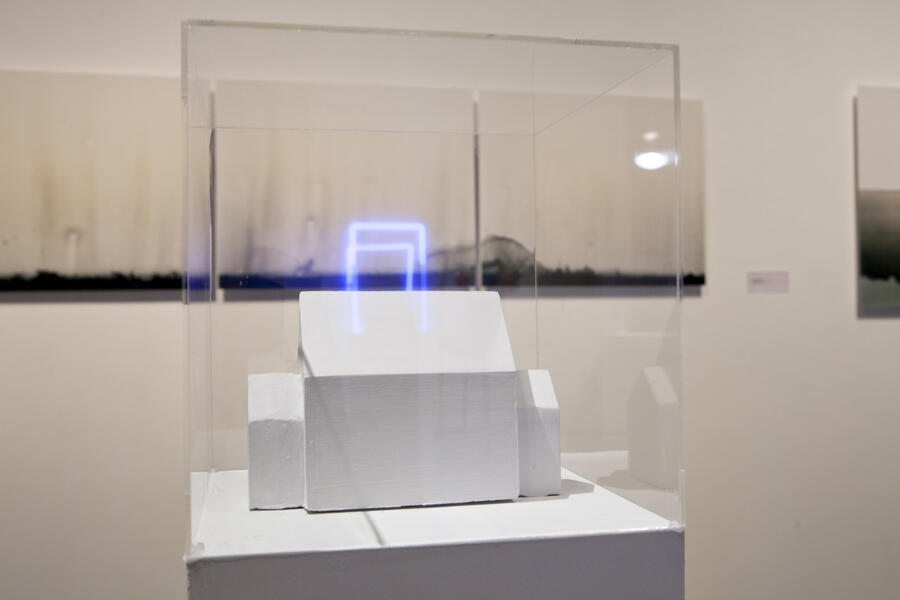 Model Home (Drywall IV)material: Drywall, Joint Compound, Latex Housepaint
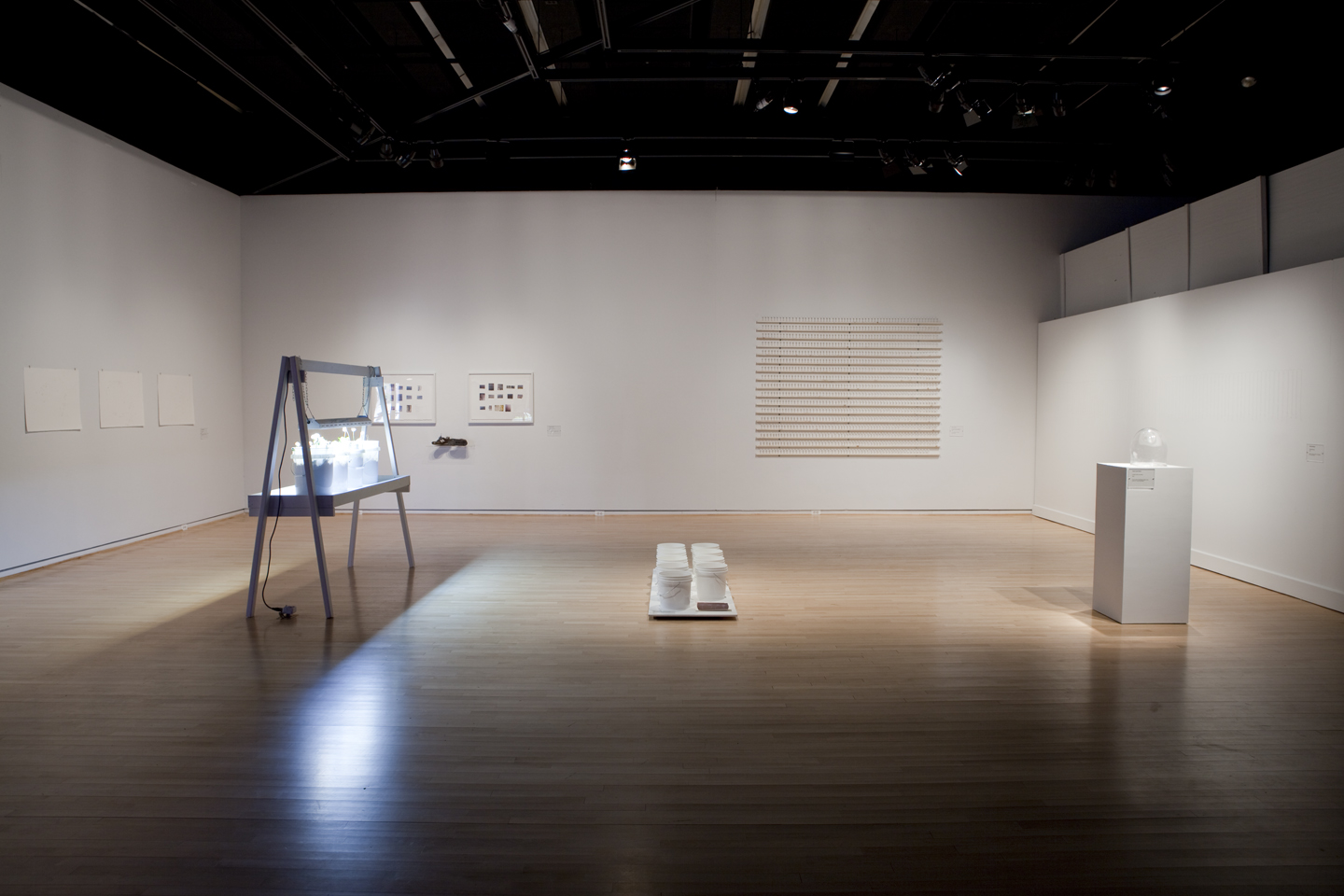
"In Defense of Native Soil"
-
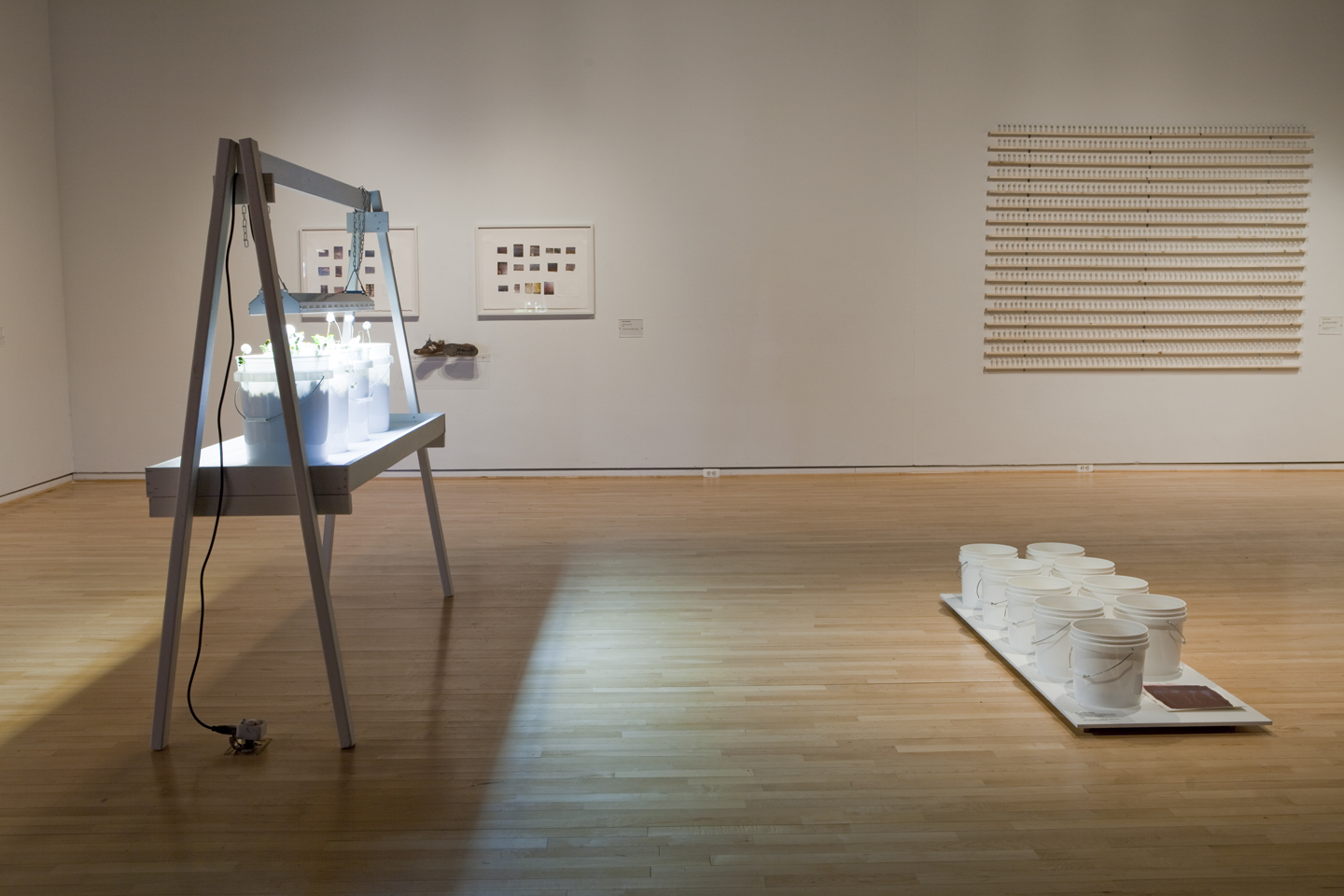
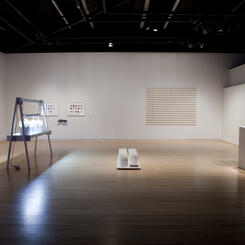
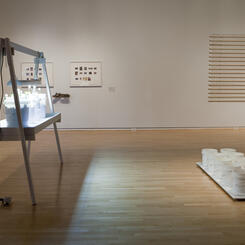
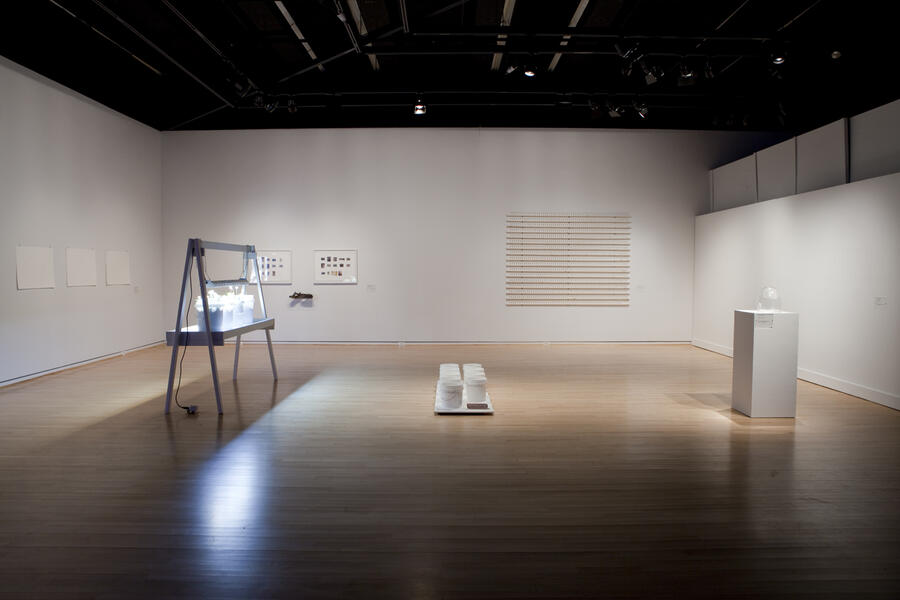 Installation View: In Defense of Native Soil
 -
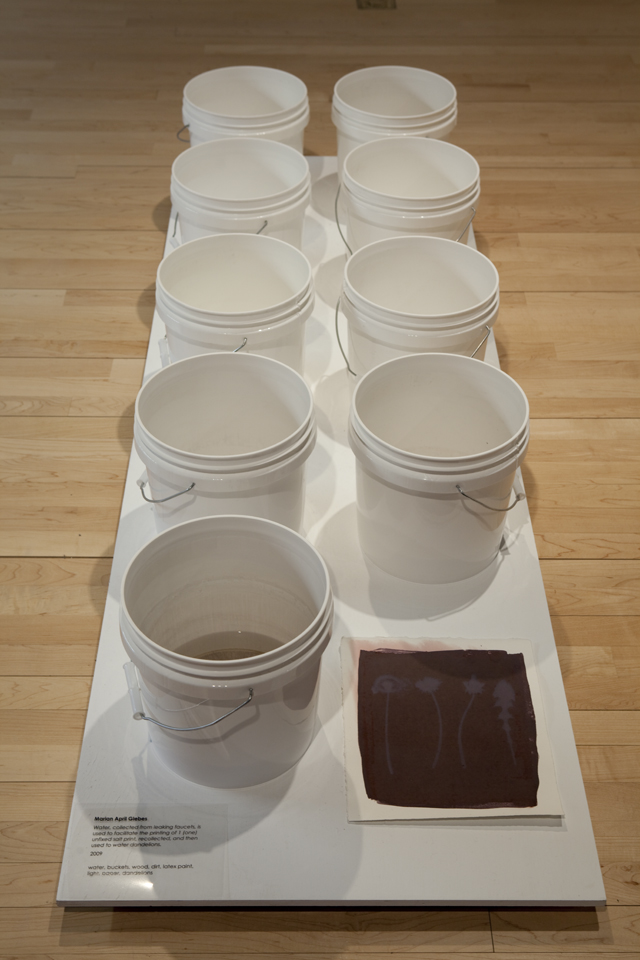
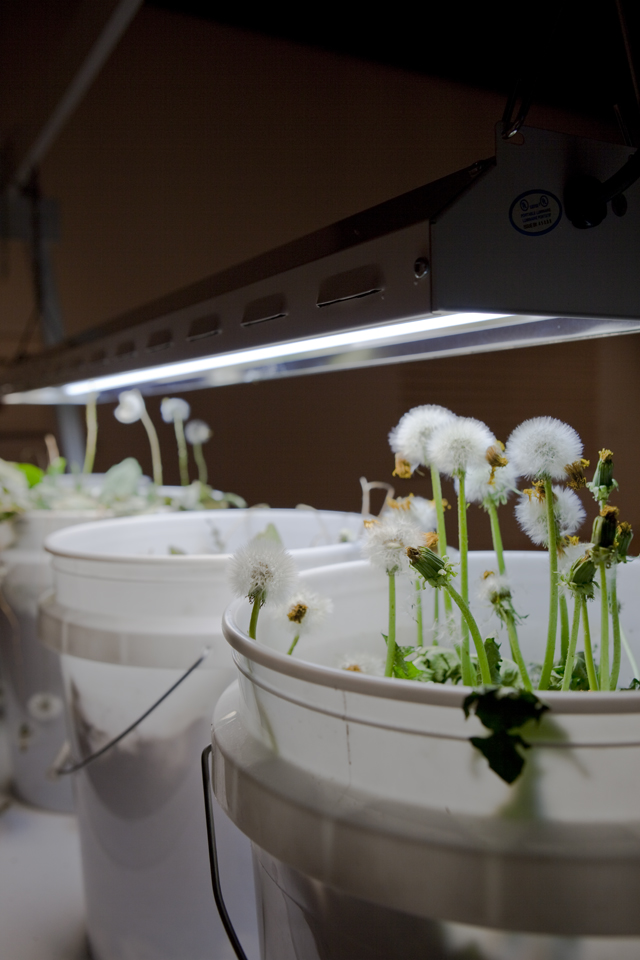
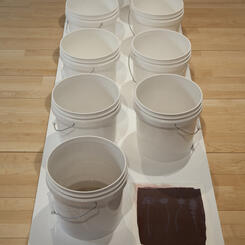
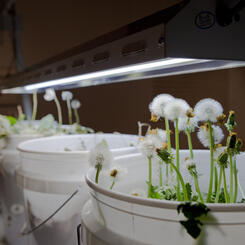
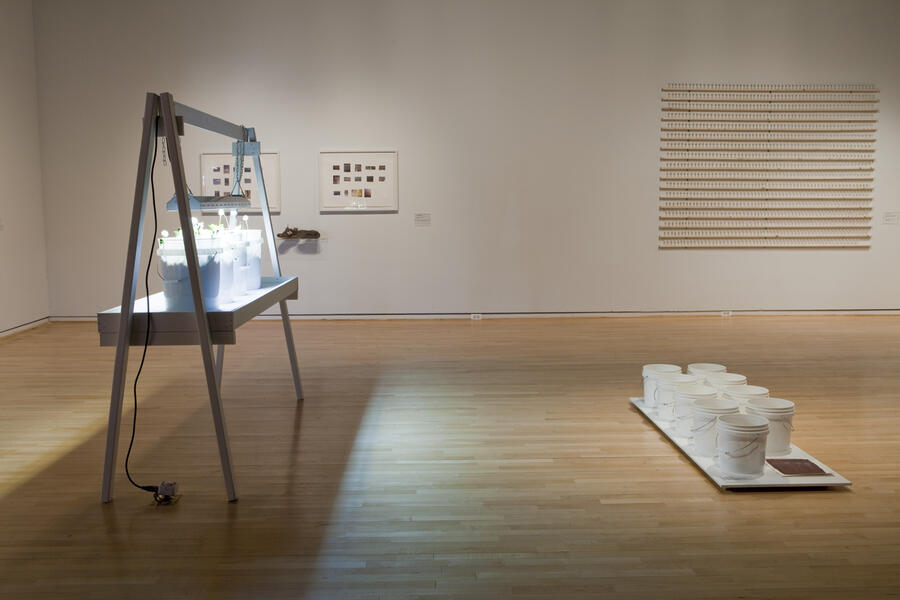 Installation: â??Water, collected from leaking faucets, is used to facilitate the printing of 1 (one) unfixed salt print, recollected, and then used to water dandelions.â?materials: water, buckets, wood, dirt, latex paint, light, paper, dandelions
In this work, Glebes collected leaking water from faucets in Baltimore City. THe water was then distilled and used to print one unfixed salt print. The water was then recollected and displayed in the gallery and used to water a crop of dandelions for the duration of the exhibition. The salt print was displayed with the water and faded to invisibility over the month.
-
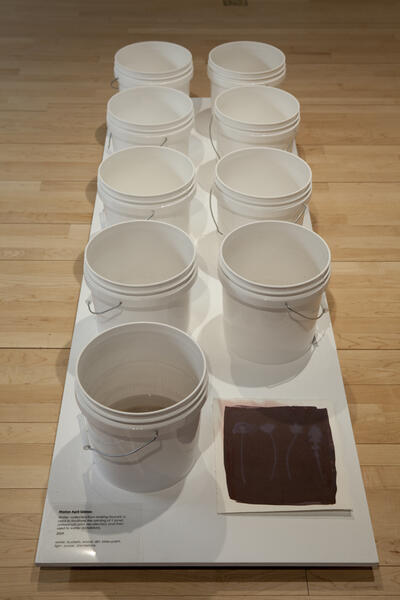 Installation, Detail: â??Water, collected from leaking faucets, is used to facilitate the printing of 1 (one) unfixed salt print, recollected, and then used to water dandelions.â?
In this work, Glebes collected leaking water from faucets in Baltimore City. THe water was then distilled and used to print one unfixed salt print. The water was then recollected and displayed in the gallery and used to water a crop of dandelions for the duration of the exhibition. The salt print was displayed with the water and faded to invisibility over the month.
-
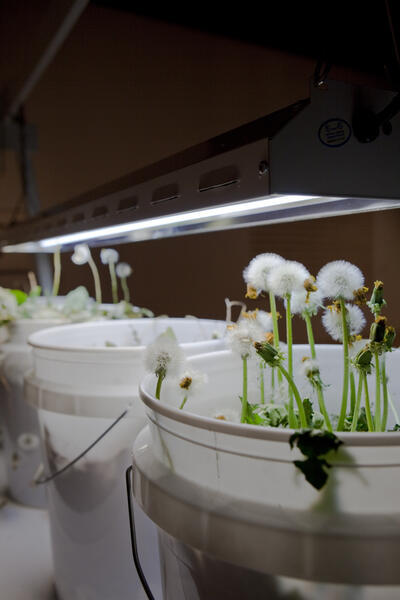 Installation, Detail: â??Water, collected from leaking faucets, is used to facilitate the printing of 1 (one) unfixed salt print, recollected, and then used to water dandelions.â?
In this work, Glebes collected leaking water from faucets in Baltimore City. THe water was then distilled and used to print one unfixed salt print. The water was then recollected and displayed in the gallery and used to water a crop of dandelions for the duration of the exhibition. The salt print was displayed with the water and faded to invisibility over the month.
-
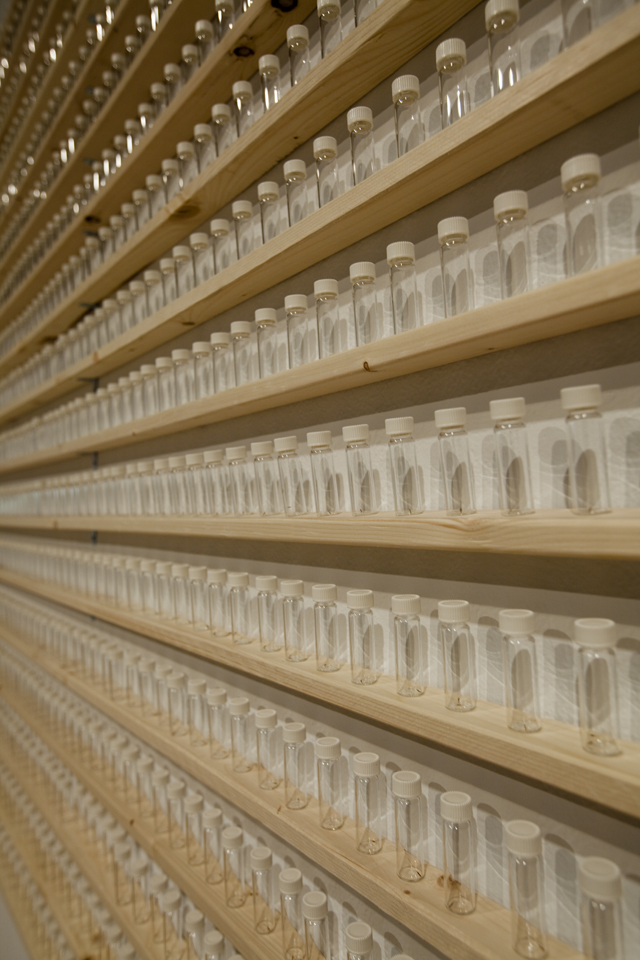
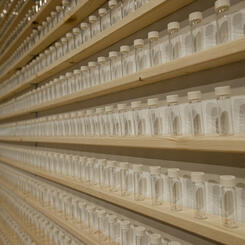
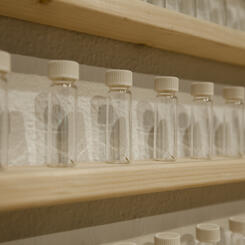
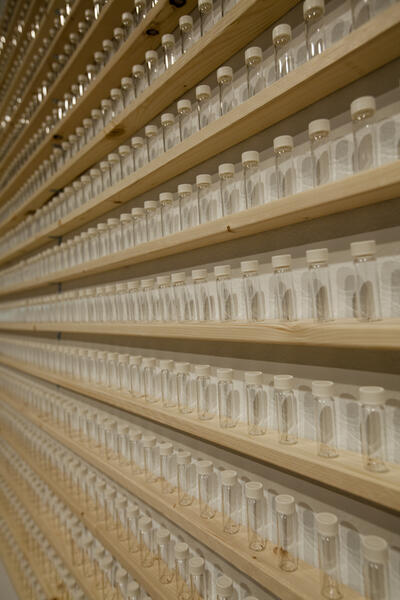 Installation, Detail: 1000 Dandelion Seeds, Harvested on an Early Day in Fall from the Front Yardâ?
materials: 1000 scintillation vials, 1000 dandelion seeds, wood, brackets
-
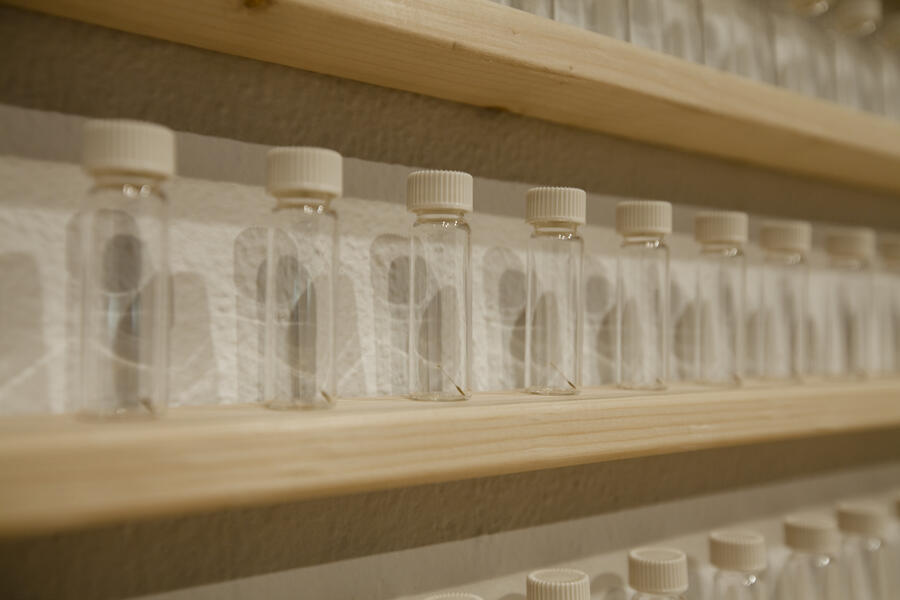 Installation, Detail: "1000 Dandelion Seeds, Harvested on an Early Day in Fall from the Front Yard"
materials: 1000 scintillation vials, 1000 dandelion seeds, wood, brackets
-
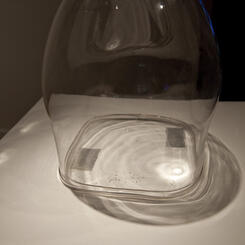
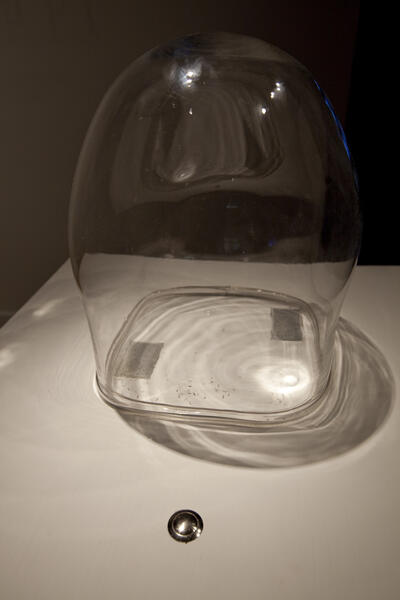 Sculpture, Detail: "Wish Machine"materials: seeds of one dandelion, glass dome, fans, button
In "Wish Machine," the seeds of one dandelion are sealed atop a pedestal under a glass dome. Viewers may push a button on the pedestal, activating fans which blow the seeds around the dome. This enables them to wish on the dandelion repeatedly without fear of the seeds populating manicured lawns.
-
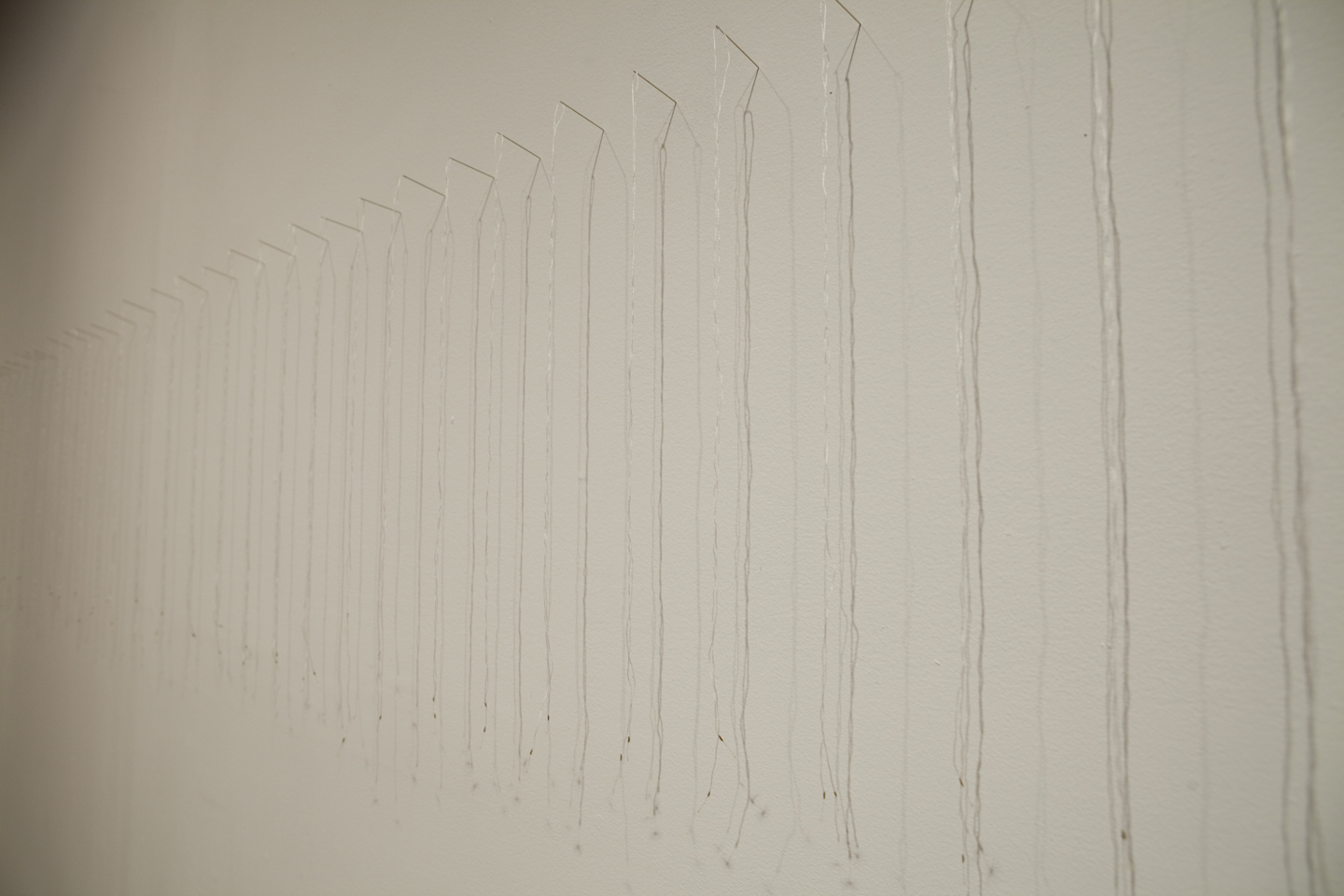
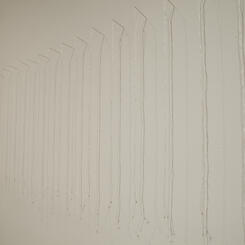
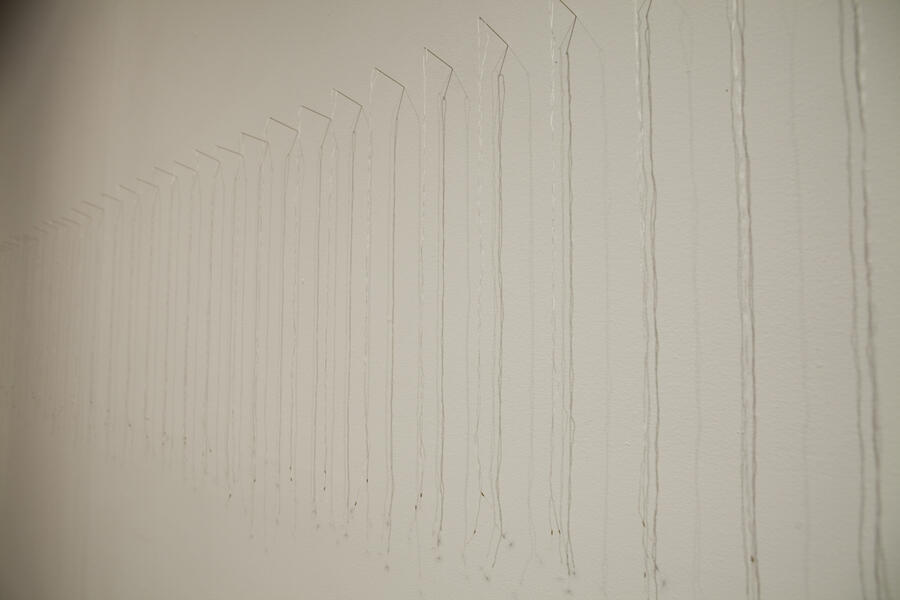 Tethered
materials: seeds of one (1) Dandelion, embroidery thread, needles
Dimensions Variable, approx. 8"x16'
In "Tethered" dandelion seeds are glued to the ends of embroidery thread, which is suspended from needles pinned to the wall. The piece allows the viewer to "wish" on the dandelion seeds as a child would, without the danger of the seeds escaping to contaminate lawns and gardens. The work addresses the futility of repair and the desire to control the uncontrollable. This piece is a solution to the American fear of the unmanicured lawn, and our attempts to perfect nature and it's unpredictable elements.
-
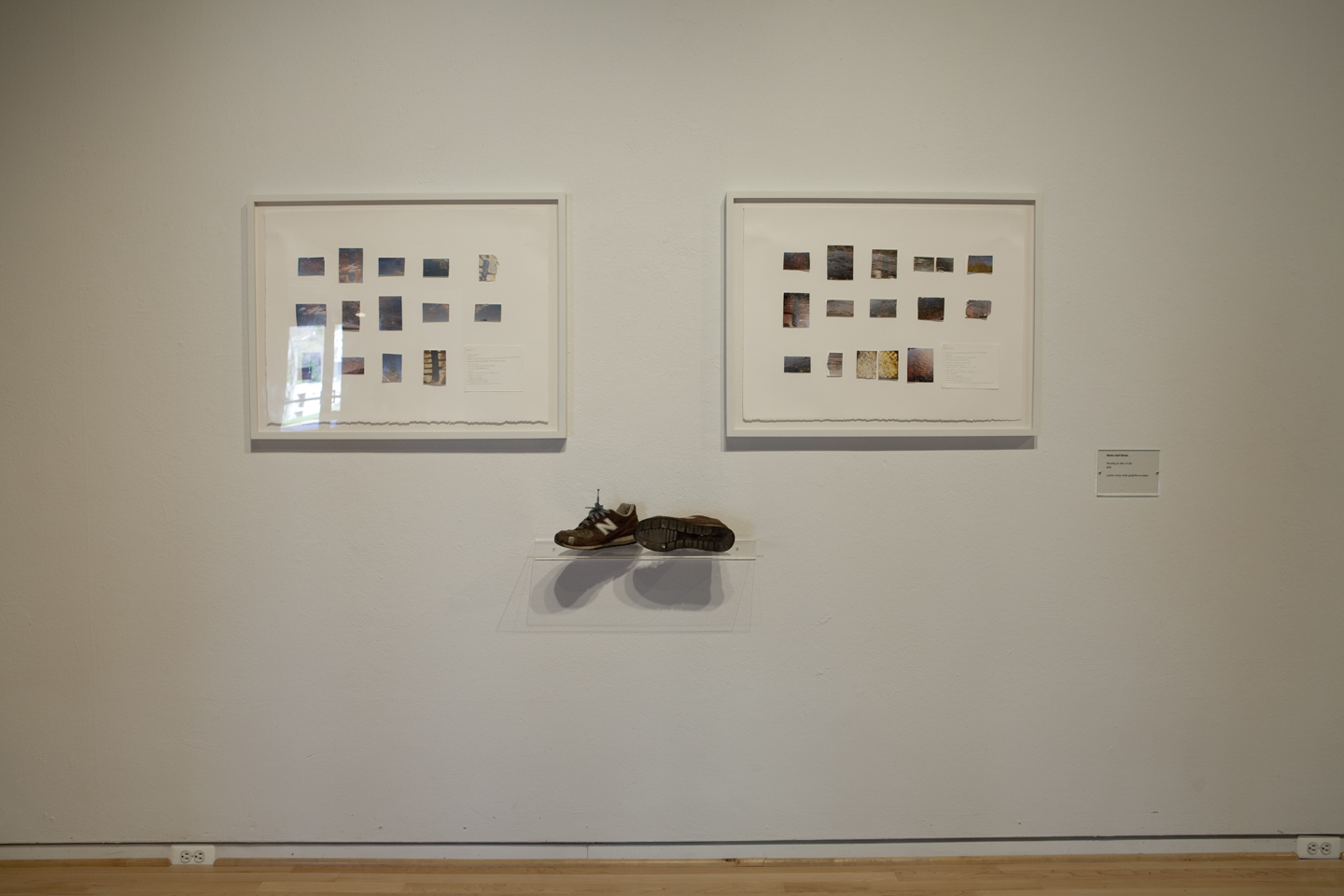
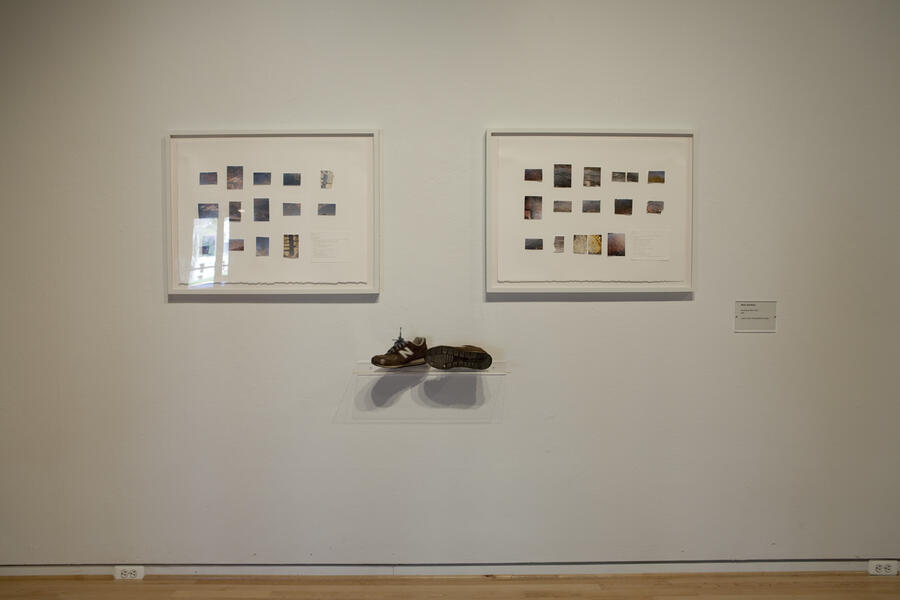 "Treading on Sea, on Sky"
dimensions variable, approx. 4'x7'
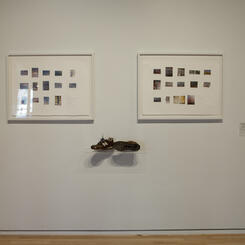
project description: In "Treading on Sea, on Sky," Glebes photographed the sky above and the water contained in the reservoirs around Baltimore City. Over the course of several months, Glebes wore the prints of the photographs on the soles of her shoes as she attended to her day to day. The resulting artifacts are accompanied by ambiguous descriptions of her activities and her most frequently worn pair of shoes.
-
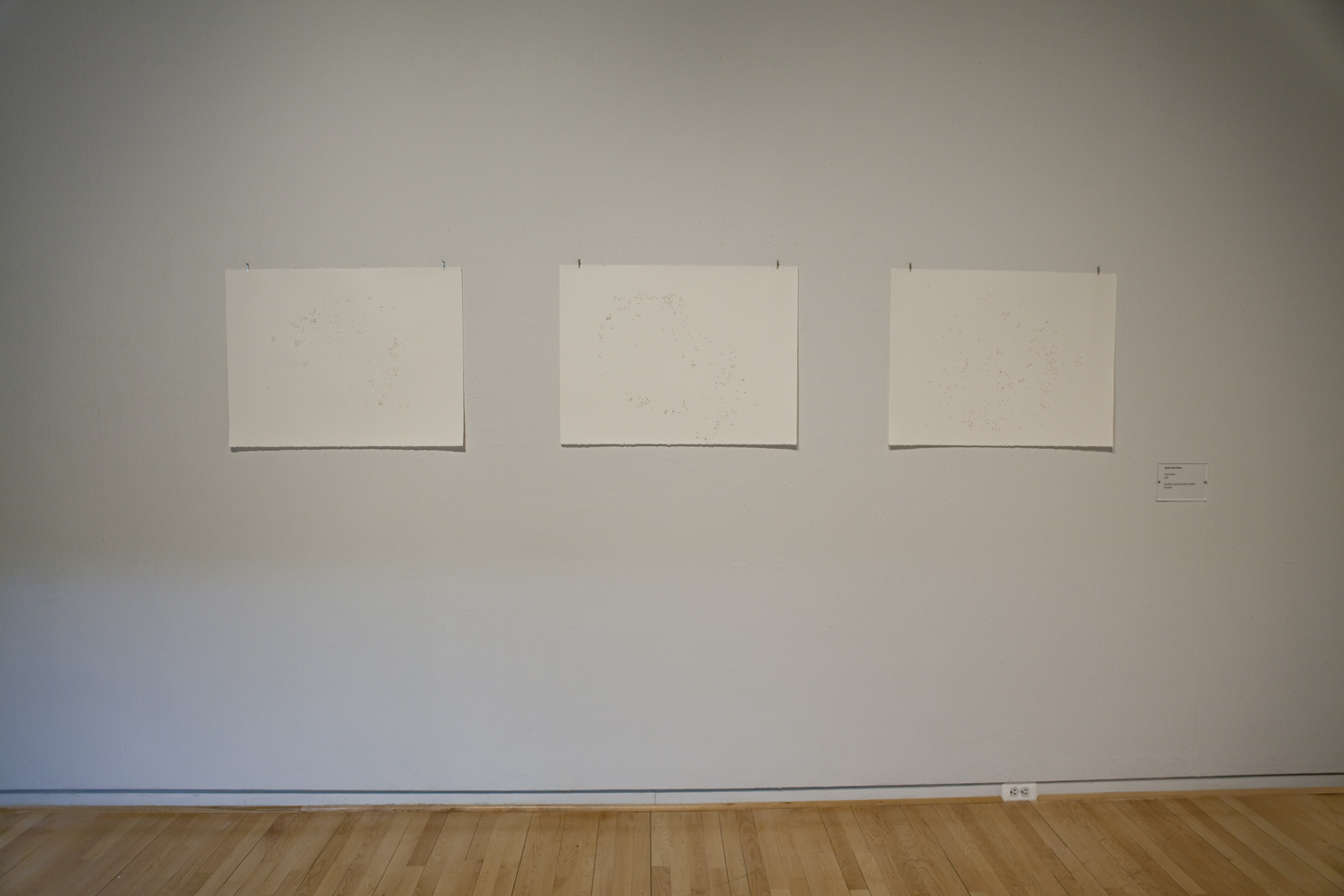
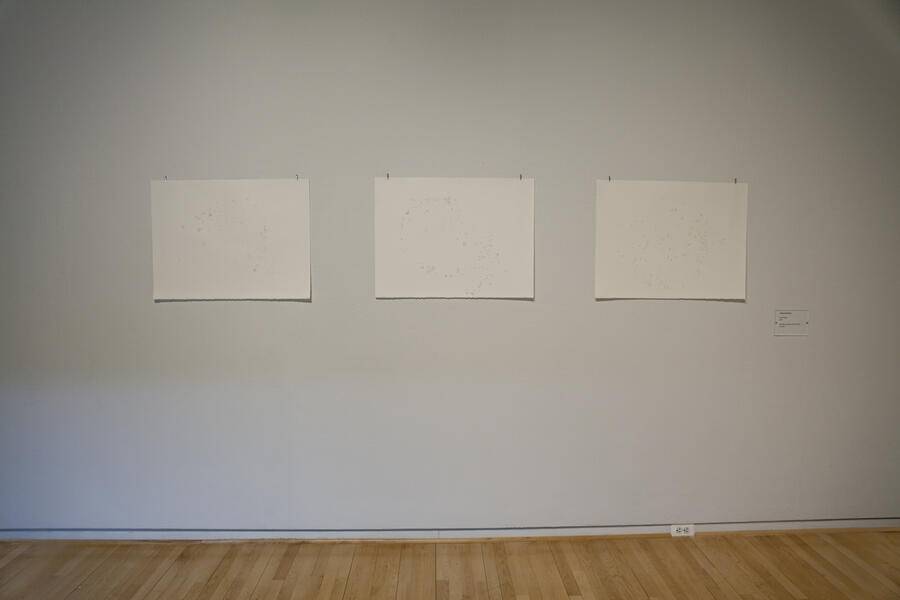 Three Wishes
materials: seeds of three dandelions, arches 88
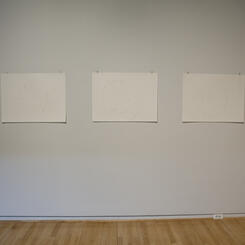
In "Three Wishes," Glebes made a wish on a dandelion. The seeds from the wish were allowed to land only on one sheet of paper. She then affixed them to the paper exactly as they landed. The process was repeated three times.