-
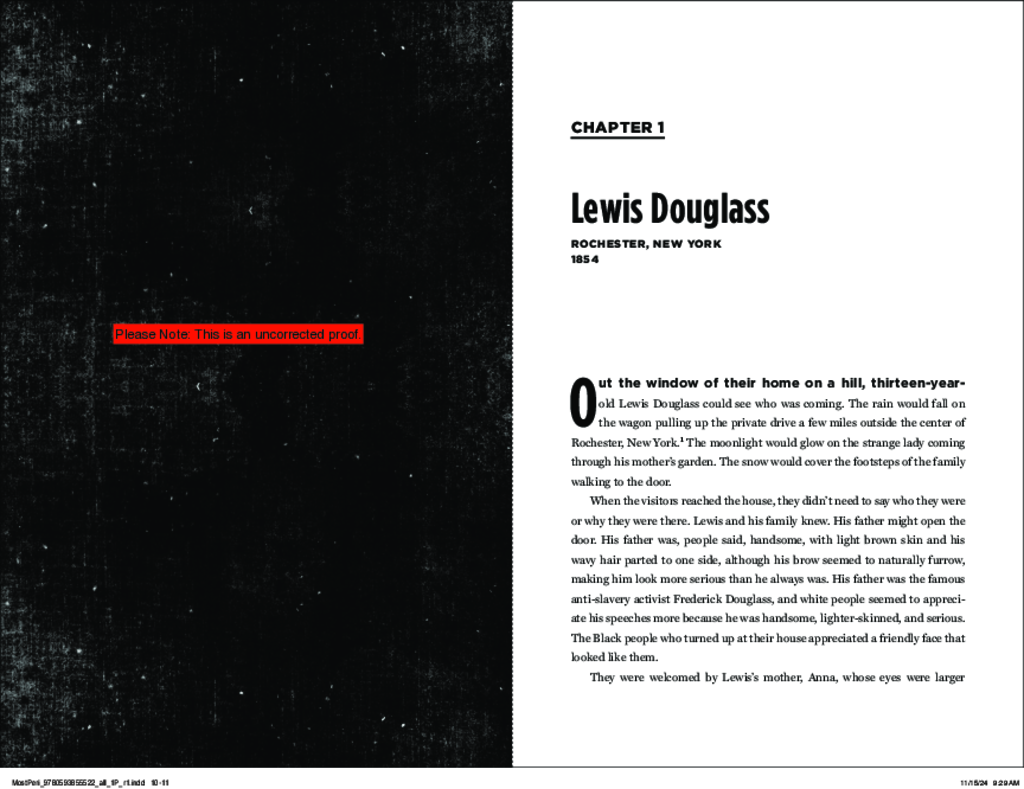 Excerpt from A Most Perilous World
This excerpt from A Most Perilous World comes from the first section, where I introduce Lewis Douglass and his family living in Rochester, New York; and George Garrison and Charlotte Forten has they see first-hand the impact of the Fugitive Slave Law of 1850, and even then begin to realize that what their abolitionist friends and family are doing may not be enough. (Please note: this is from the uncorrected proofs of the book.)
Available for Purchase -
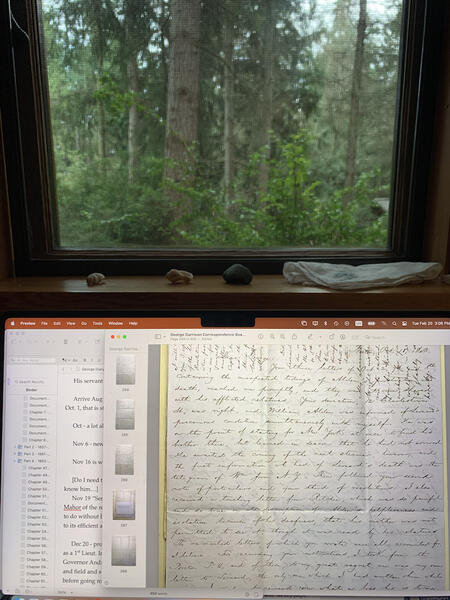 At Hedgebrook
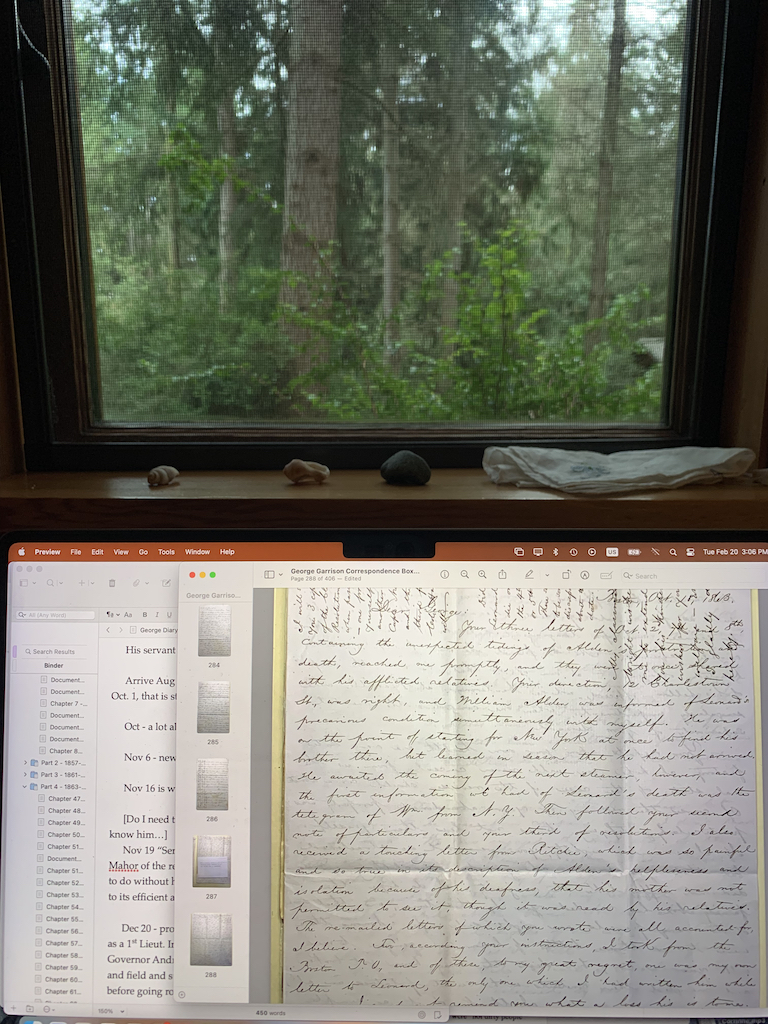
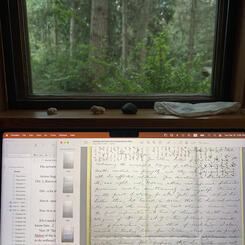
In February 2024, I was incredibly lucky to receive a residency at Hedgebrook on Whidbey Island in Washington State to work on A Most Perilous World. Hedgebrook's self-stated mission is to "support visionary women-identified writers whose stories and ideas shape our culture now and for generations to come." Here, I focused on finishing my first draft of the book, which involved reading lots and lots of handwritten letters and diaries that I had only had enough time to take scans of while at the various archives I visited. I couldn't have completed this book without that support, and in my acknowledgements, I write, "This book wouldn’t be possible without support from arts organizations. The Maryland State Arts Council gave me a project grant to develop the book proposal in the fall of 2022; I had an incredible residency at The Mastheads, where this book started taking shape in the summer of 2023; and I (mostly) finished the book at a residency at Hedgebrook in February 2024. We need the arts, we need arts organizations, and we need funding for the arts both through the government on the state and local level and funding for amazing private arts organizations."
-
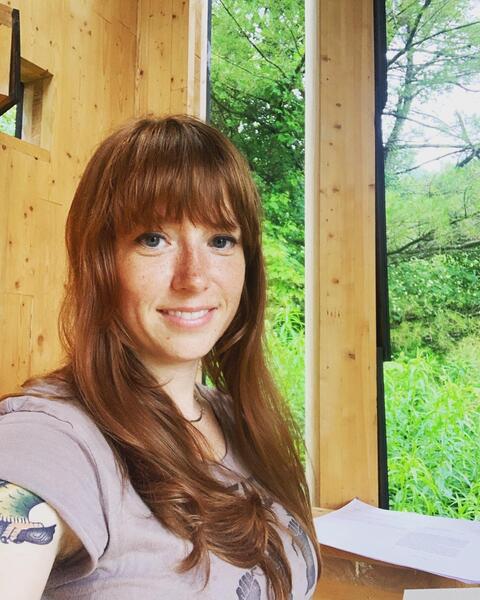 At the Mastheads
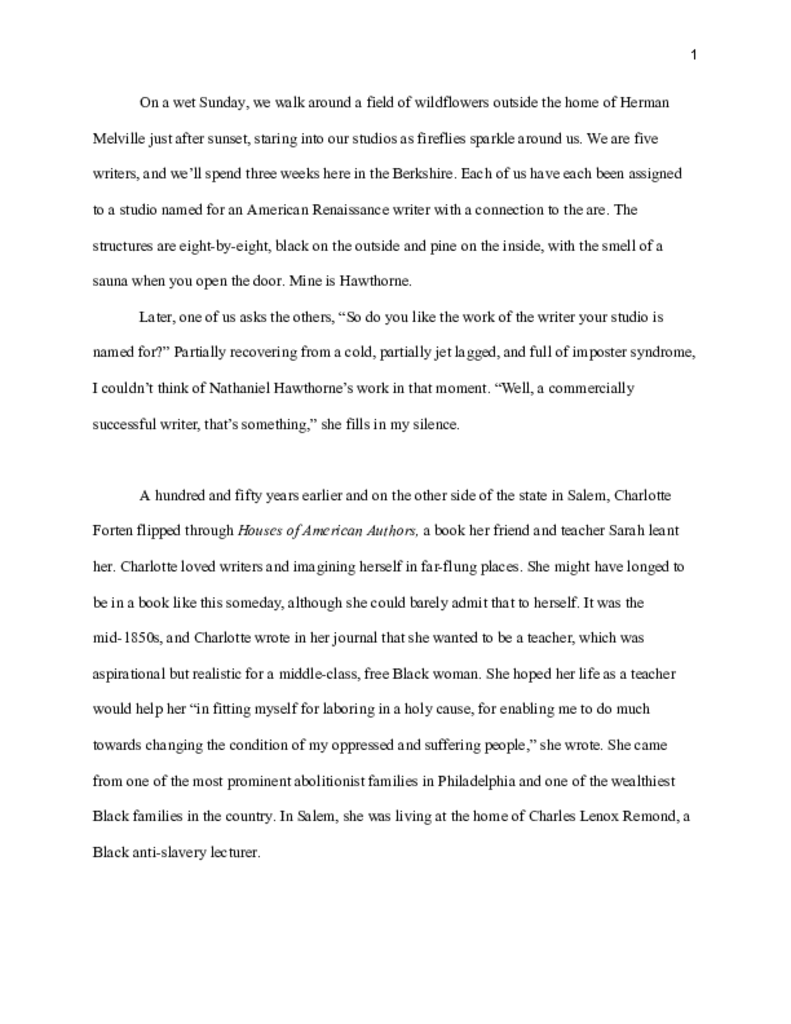
In the summer of 2023, I was awarded a residency at The Mastheads in western Massachusetts to work on A Most Perilous World. The studios were at the home of Herman Melville outside Pittsfield. Melville wasn't famous yet, but his friend Nathaniel Hawthorne was loved by one of my characters, Charlotte Forten, despite Hawthorne's unpleasant views on race. While there, I wrote an essay exploring what Forten might have thought about this place and residency.
-
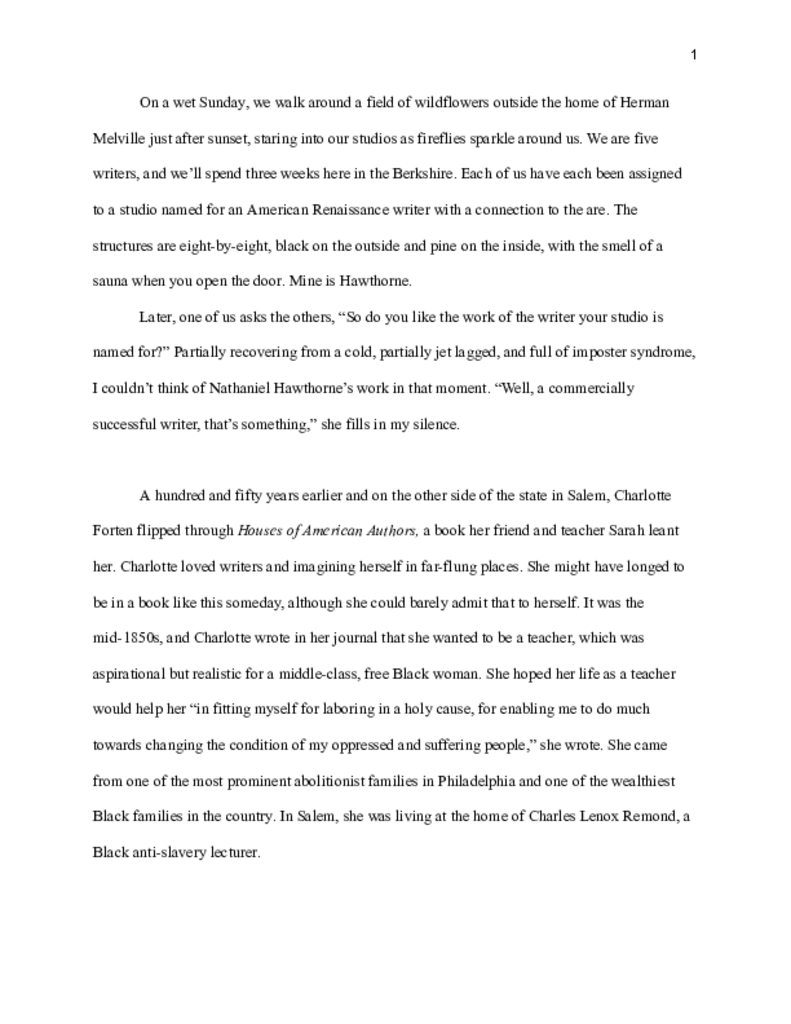 Homes of American Authors
This is the essay that I wrote for The Mastheads while in residence at Herman Melville's Pittsfield, Massachusetts home. I was fascinated by Charlotte Forten's convictions to being anti-racist, while at the same time dealing with the white supremacist culture that invaded her everyday life.
-
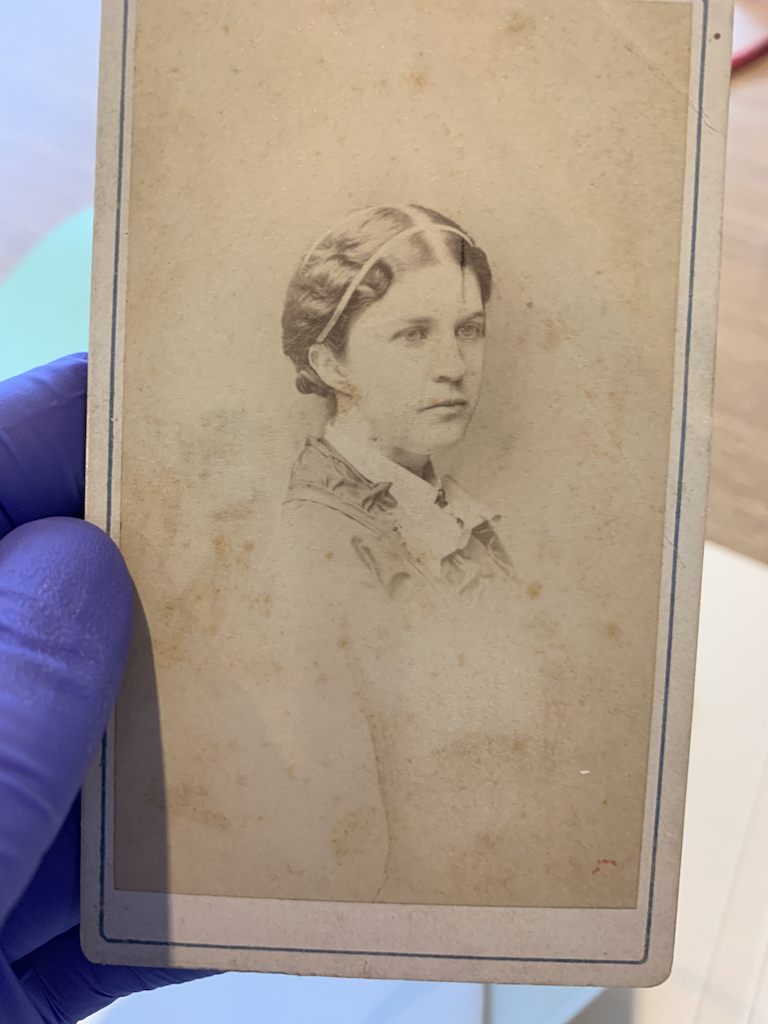
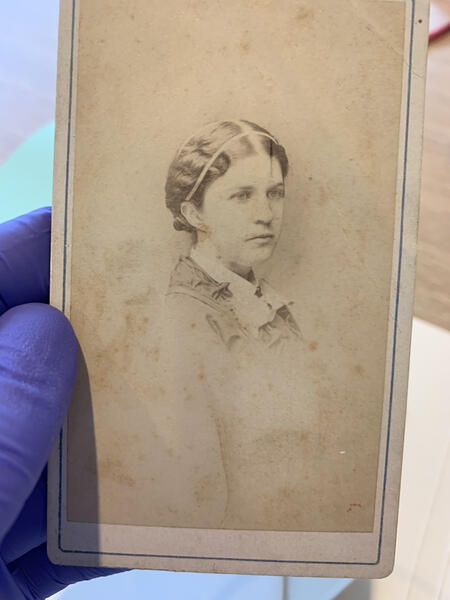 Lucy McKim Portrait at the Archive
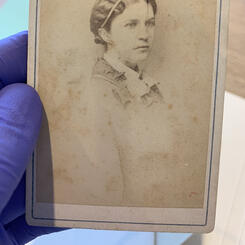
While in western Massachusetts, I had the opportunity to do research at the Smith College Archives, which hold many of the Garrison Family Papers, including Lucy McKim's correspondence. This is a photo of Lucy McKim around the time that she went to the Eagleswood School in New Jersey--a radical place for the time where boys and girls, white students and Black students were educated together under the direction of the well-known abolitionists Theodore Weld, Angelina Weld Grimke, and Sarah Grimke.
-
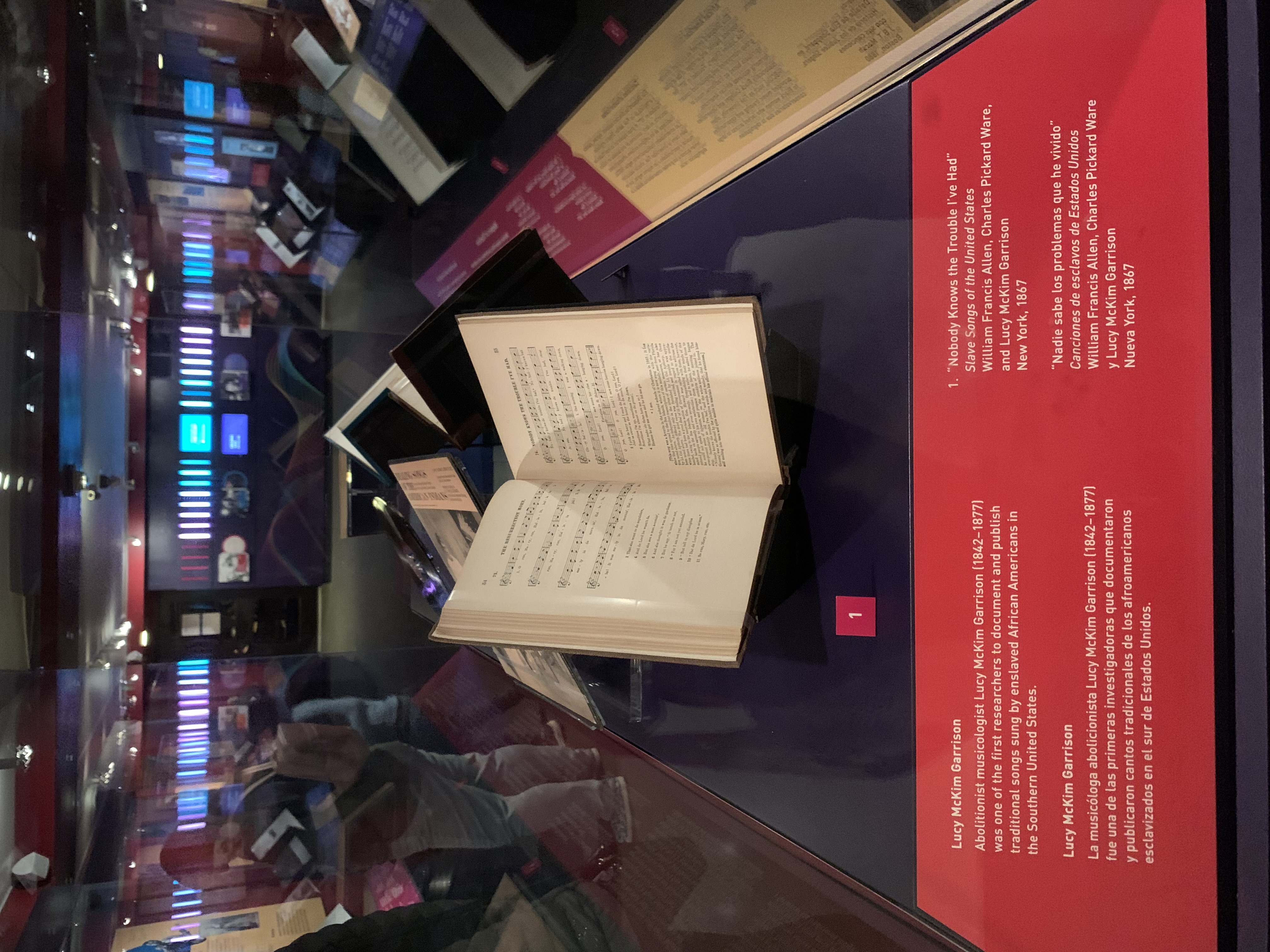
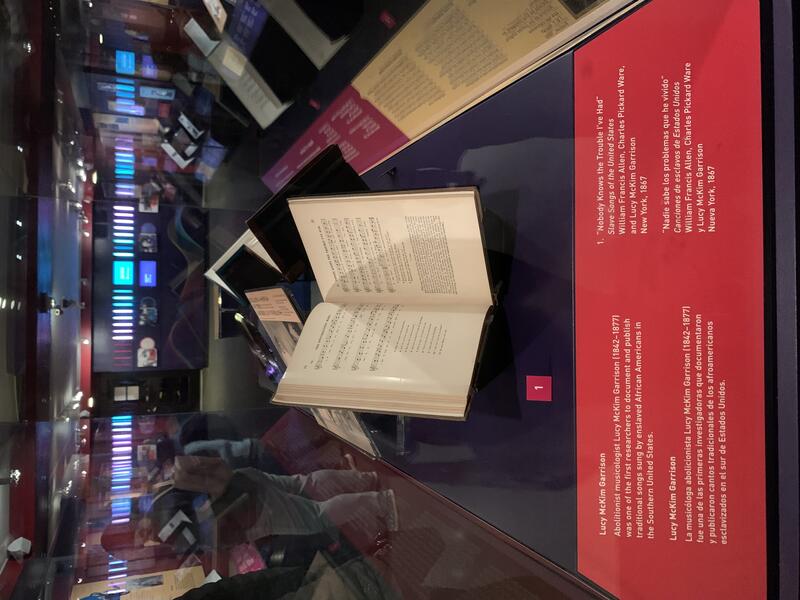 Lucy McKim's Book
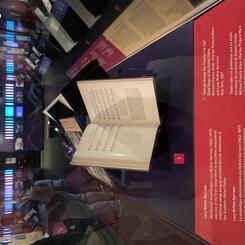
I was thrilled and delighted to see a copy of the book that Lucy McKim spearheaded on display at the Smithsonian Museum of American History in an exhibit on Women in Music. It was a fascination with Lucy's unusual upbringing that brought me to the idea of writing about the Young Abolitionists. Being from Maryland and living in Baltimore, I had long wanted to write something about Frederick Douglass, and writing about his son Lewis and the abolitionist movement through that generation's eyes really opened mine.
-
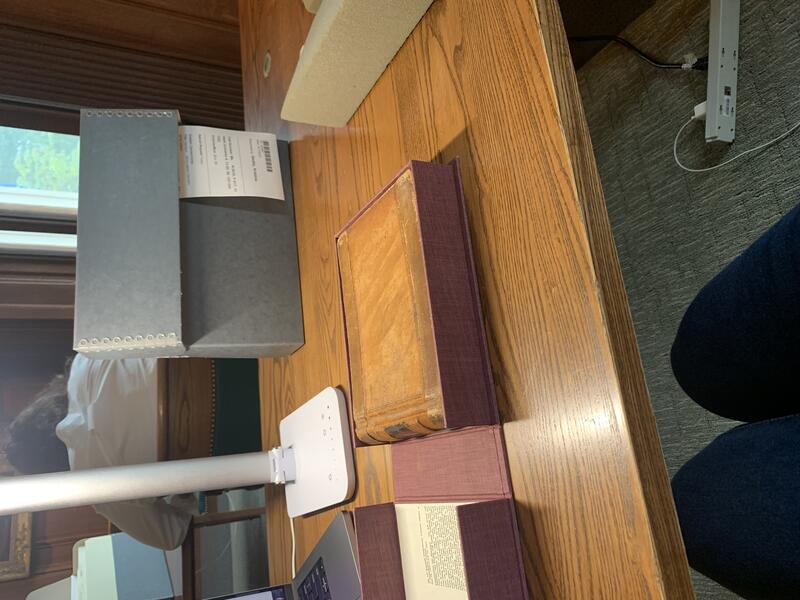 Primary Source Documents
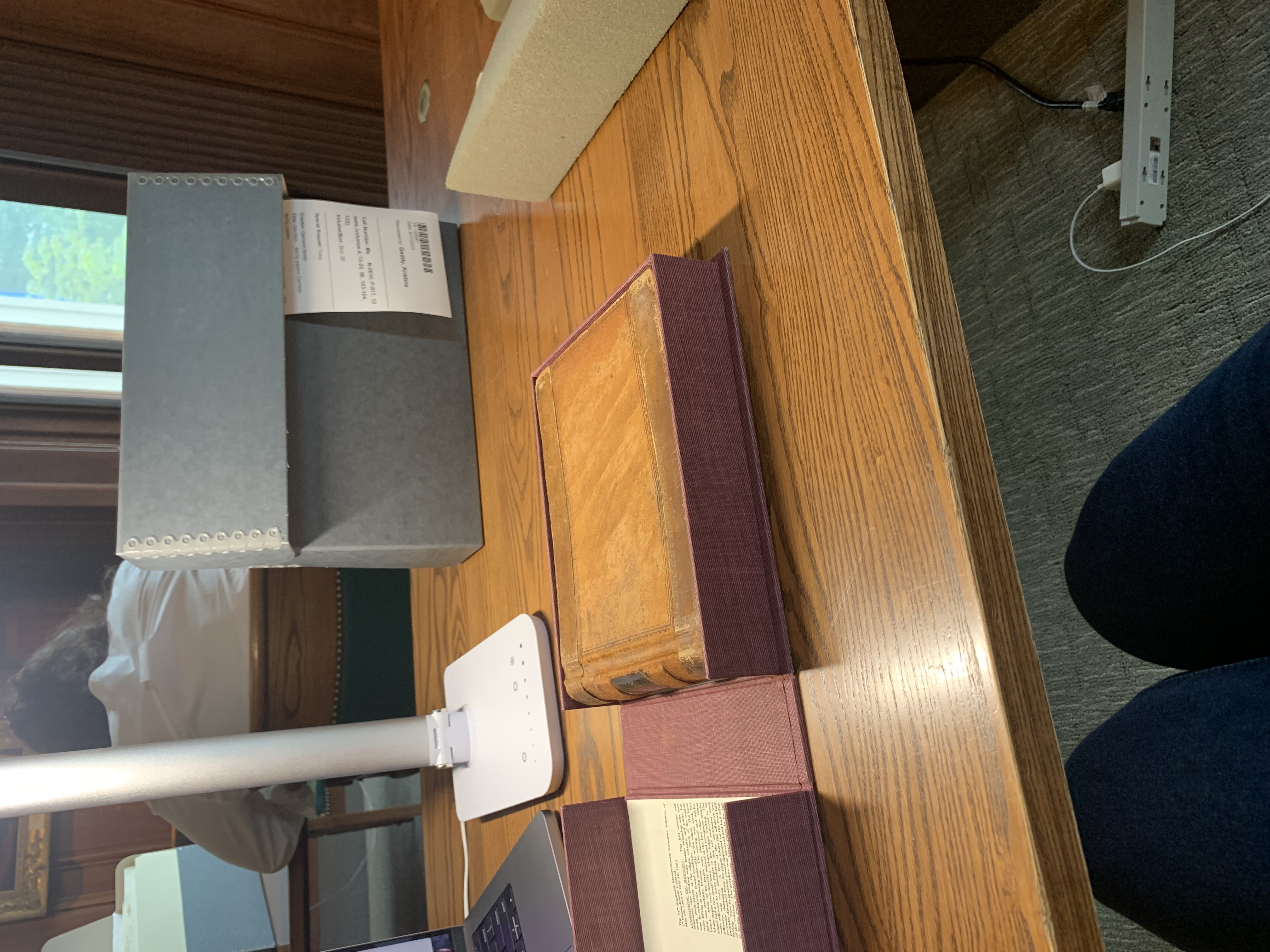
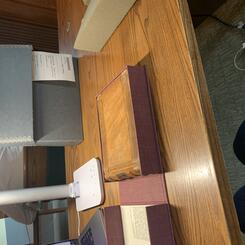
In late summer 2023, I traveled to Boston to visit the Massachusetts Historical Society, which holds letters and diaries of George Garrison, and the Harvard library, which also has Garrison Family Papers. I took time to walk around Boston, which has changed a lot since the 1850s and 60s, but I still wanted to get a feel for the landscape of the city that was so important to the abolition movement. My belief in narrative nonfiction also stems from my belief in facts and truth, and so I spend a great deal of time researching primary sources in libraries and archives, and supplementing that with secondary sources (often found at the Pratt Library in Baltimore).