Work samples
-
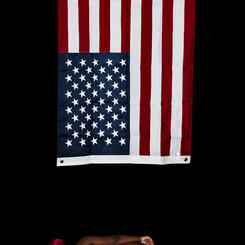
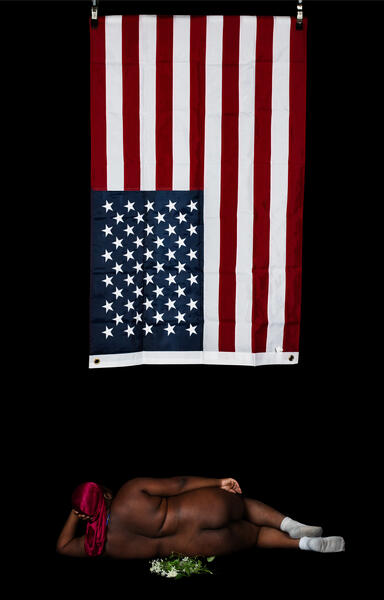 Under The FlagAvailable for Purchase
 -
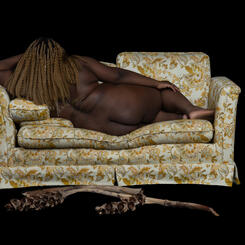
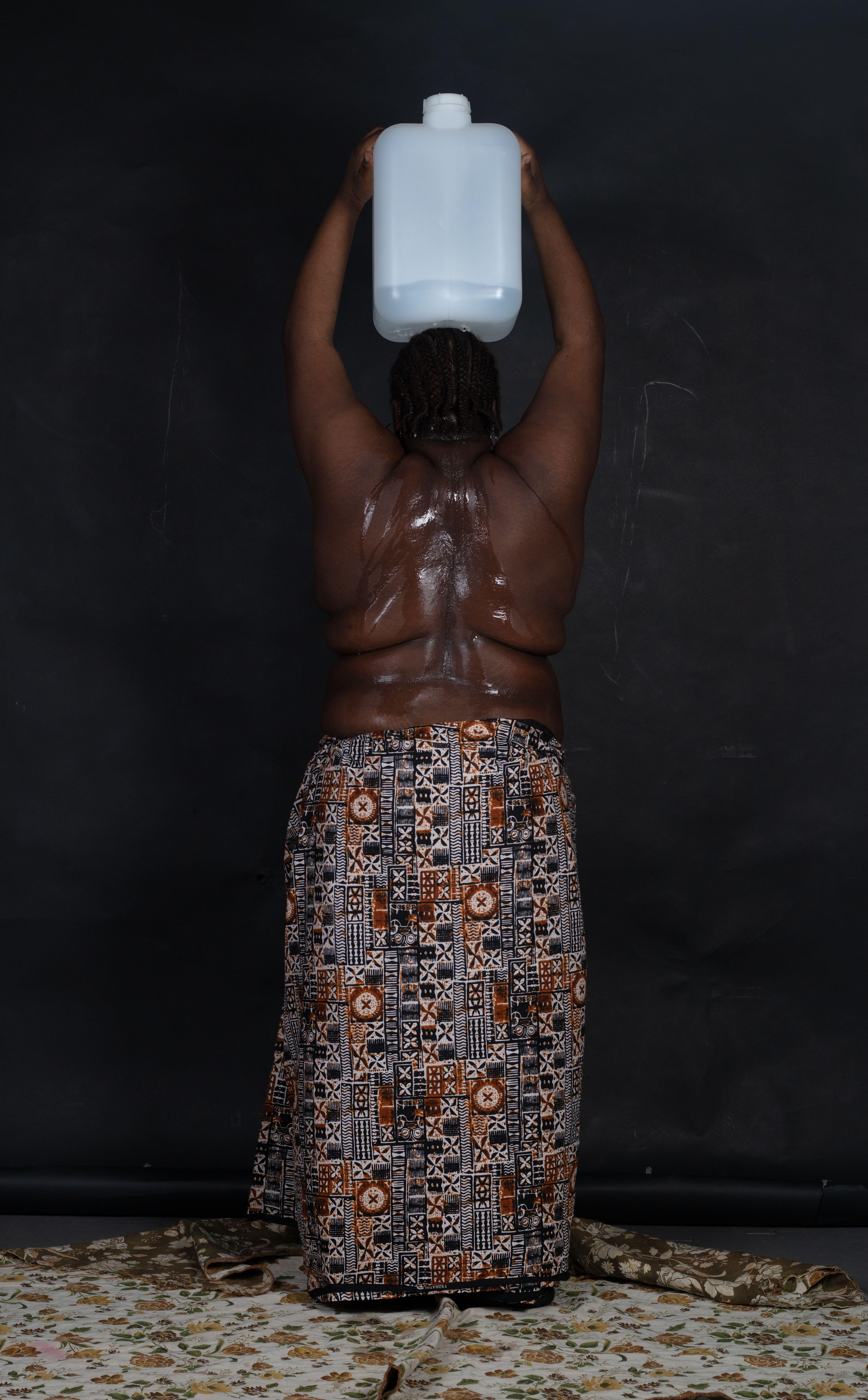 Dripping
 -
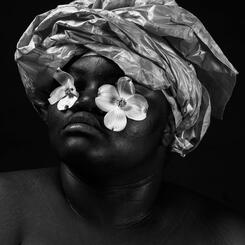
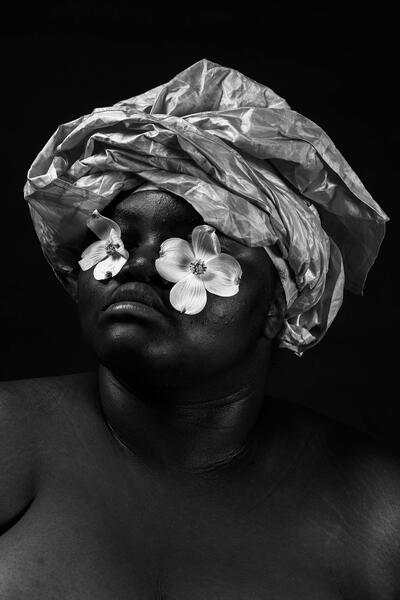 To My Mother Who Looks At Me With Flowers In Her Eyes
 -
Excerpt from "As Close As I Can Get To You"


About Mathilde
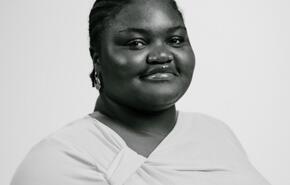
Mathilde Kabuka Mujanayi is a Congolese born, photo-based, interdisciplinary artist currently practicing in Baltimore, Maryland. Her work investigates and documents the Black immigrant identity under American-isms(imperial, colonial).
With a BA in photography from Maryland Institute College of Art(MICA), she exercises various mediums through the lens of photography including fiber, installation, sculpture and performance in order to address personally led narratives. Rather than having… more
As Close As I Can Get To You
-
Under The FlagAvailable for Purchase
-
Dripping
-
To My Mother Who Looks At Me With Flowers In Her Eyes
-
Excerpt from "As Close As I Can Get To You"
-
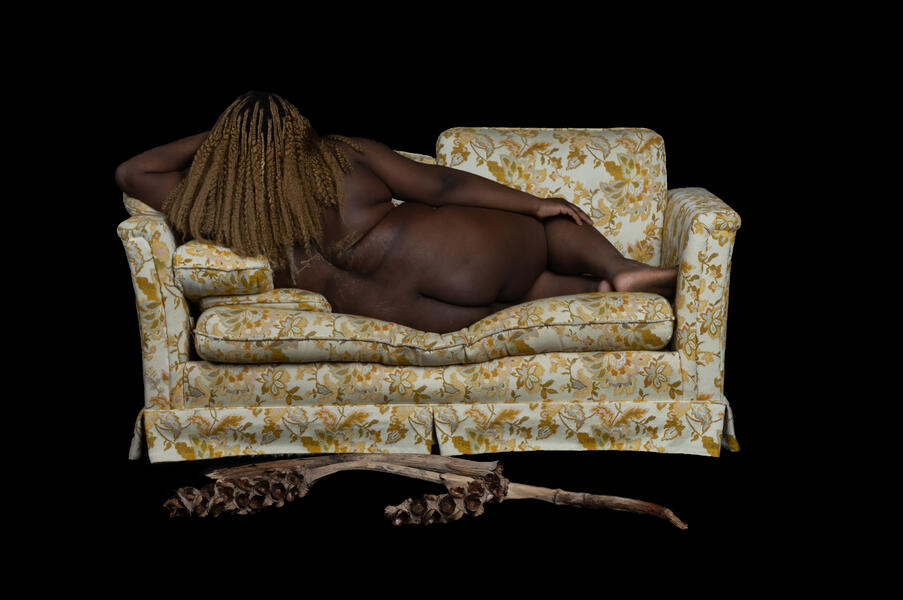 Under The...