-
 THE PERIODIC TABLE OF ART ELEMENTS
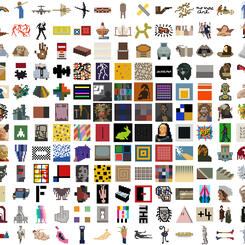
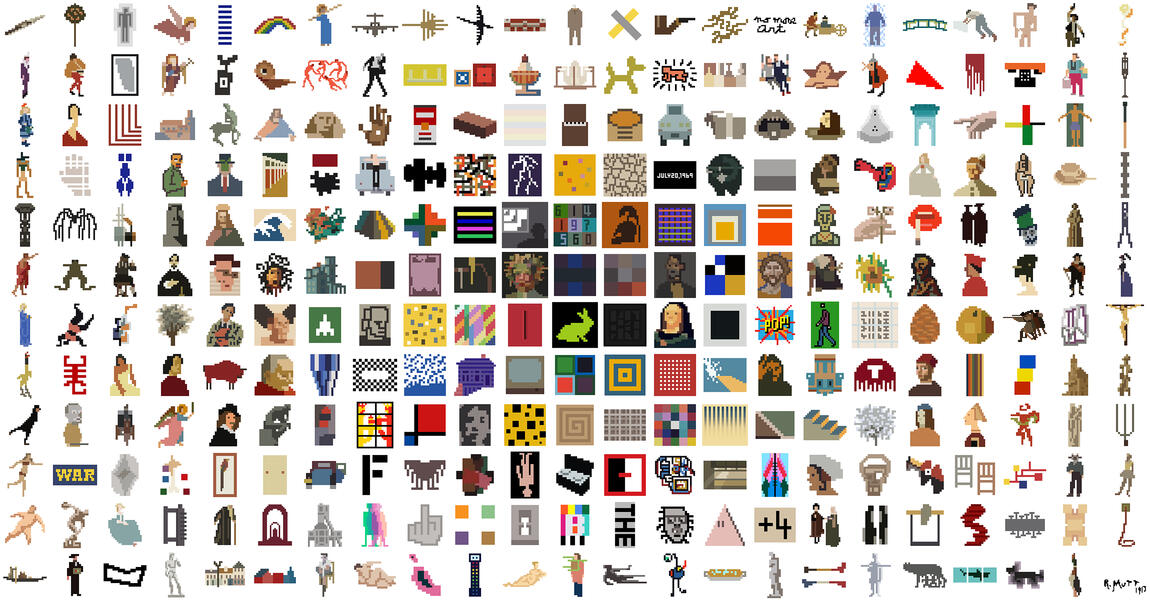
The Periodic Table of Art Elements is a visual and conceptual mapping of art history — a system that translates centuries of artistic expression into a unified visual language. Drawing inspiration from Mendeleev’s scientific model, the project reimagines art history as an interdependent structure where every artwork, movement, and idea functions as an “element” within a larger creative organism.
Comprising 276 individual visual “cells,” the work treats each artist or artifact as a molecule of meaning — unique yet inseparable from its neighbors. Through clusters and cross-connections, the table exposes how influence circulates through time: between ancient myths and contemporary pixels, sacred symbols and industrial materials, gesture and algorithm.
The project merges text and image, theory and materiality. Each element is accompanied by a concise textual reflection, while the composite grid — rendered in a pixelated visual vocabulary — becomes both archive and abstraction. The act of pixelation operates as a metaphor for compression, translation, and the search for universal structure within the chaos of art history.
In this sense, The Periodic Table of Art Elements is not only a taxonomy, but also a living network — a visual “neural map” of culture. It aims to transform the vast, uneven landscape of art into a single field of interconnected energy, where the Renaissance converses with Minimalism, the sacred with the conceptual, and the painterly with the digital.
-
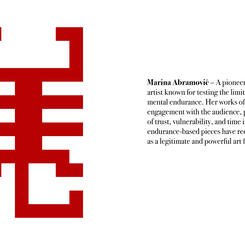
 Marina Abramović.jpg
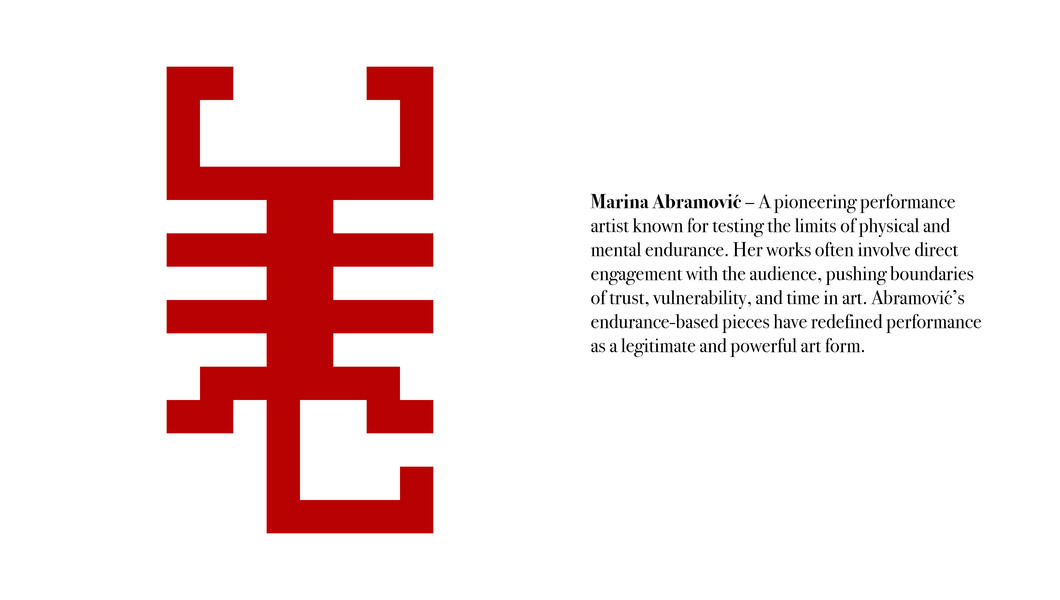
Marina Abramović – A pioneering performance artist known for testing the limits of physical and mental endurance. Her works often involve direct engagement with the audience, pushing boundaries of trust, vulnerability, and time in art. Abramović’s endurance-based pieces have redefined performance as a legitimate and powerful art form.
Available for Purchase -
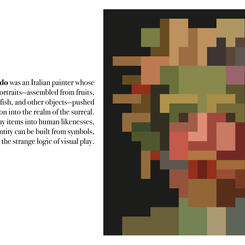
 Giuseppe Arcimboldo.jpg
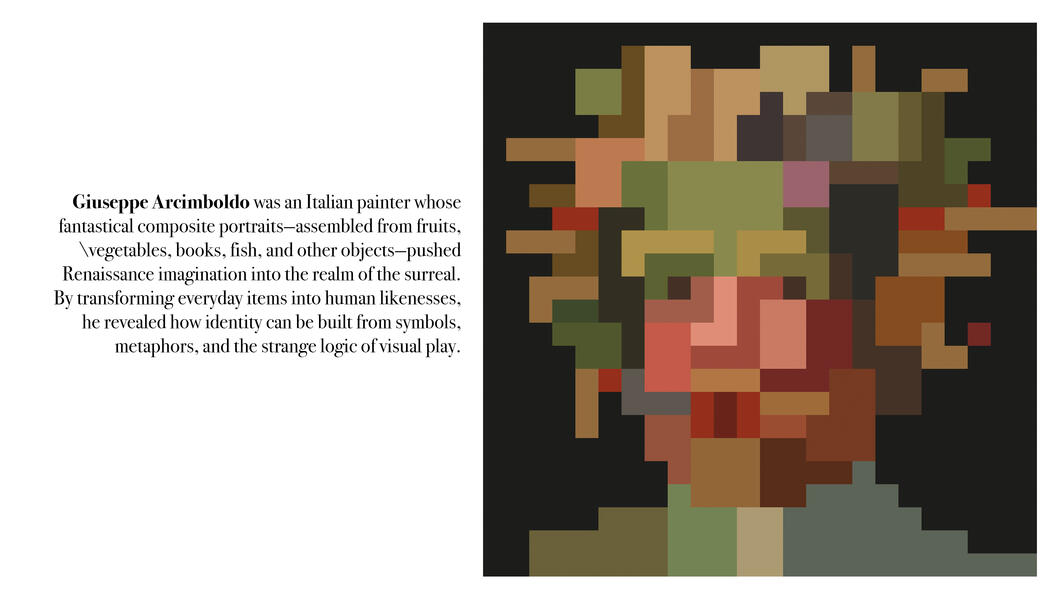
Giuseppe Arcimboldo was an Italian painter whose fantastical composite portraits—assembled from fruits, vegetables, books, fish, and other objects—pushed Renaissance imagination into the realm of the surreal. By transforming everyday items into human likenesses, he revealed how identity can be built from symbols, metaphors, and the strange logic of visual play.
Available for Purchase -
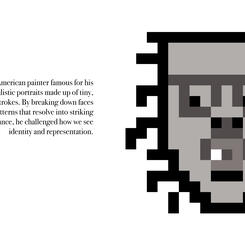
 Chuck Close.jpg
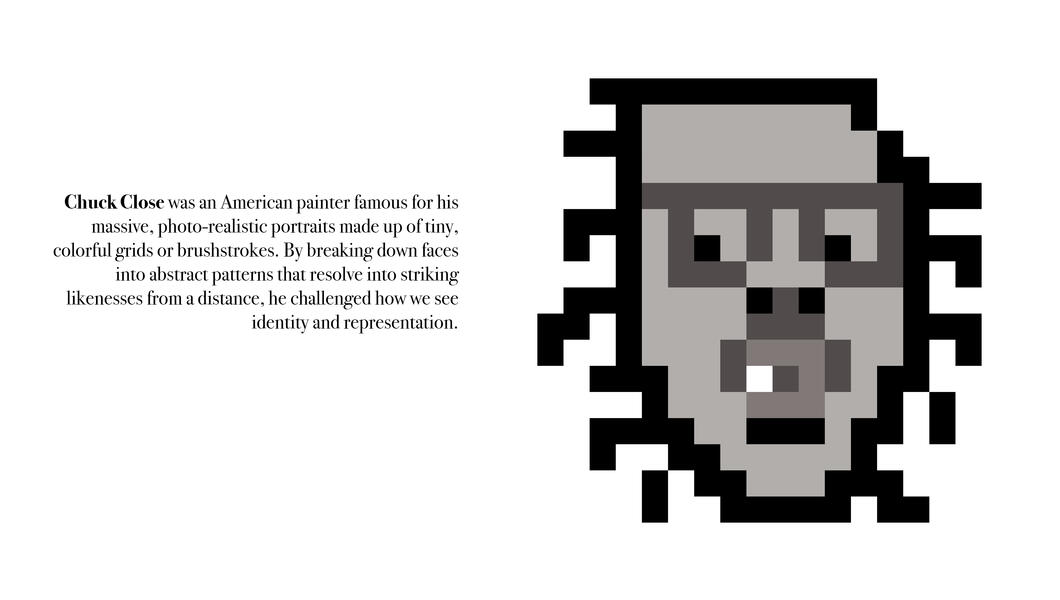
Chuck Close was an American painter famous for his massive, photo-realistic portraits made up of tiny, colorful grids or brushstrokes. By breaking down faces into abstract patterns that resolve into striking likenesses from a distance, he challenged how we see identity and representation.
Available for Purchase -
 Bernd and Hilla Becher.jpg
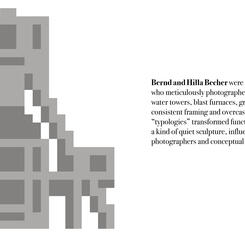
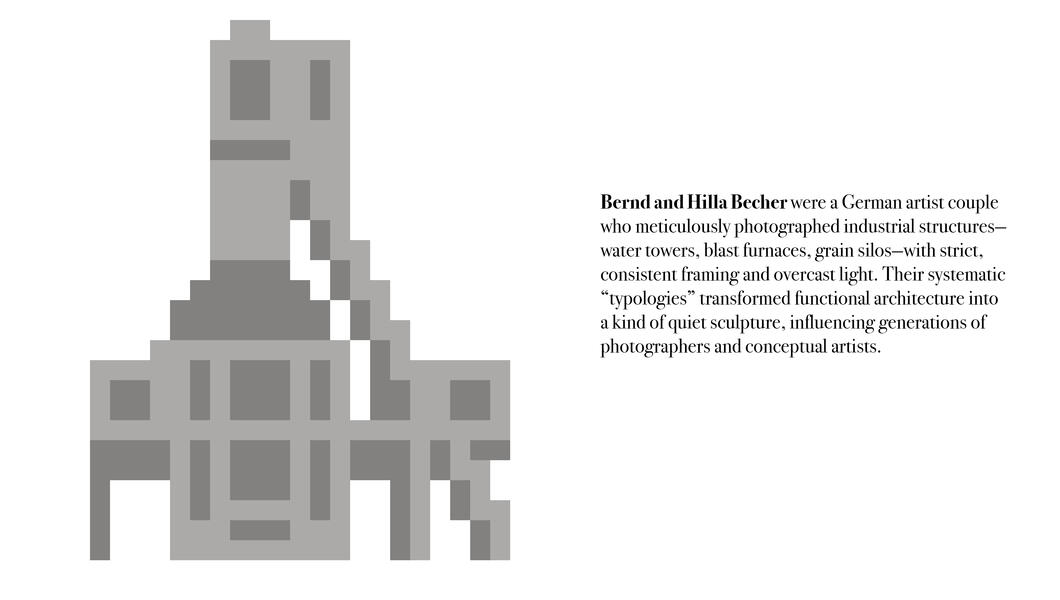
Bernd and Hilla Becher were a German artist couple who meticulously photographed industrial structures—water towers, blast furnaces, grain silos—with strict, consistent framing and overcast light. Their systematic “typologies” transformed functional architecture into a kind of quiet sculpture, influencing generations of photographers and conceptual artists.
Available for Purchase -
 Francisco Goya.jpg
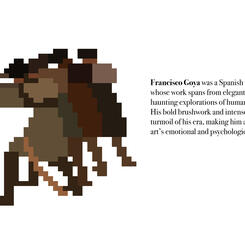
Francisco Goya was a Spanish painter and printmaker whose work spans from elegant court portraits to dark, haunting explorations of human cruelty and madness. His bold brushwork and intense imagery captured the turmoil of his era, making him a pioneer of modern art’s emotional and psychological depth.
Available for Purchase -
 Do Ho Suh.jpg
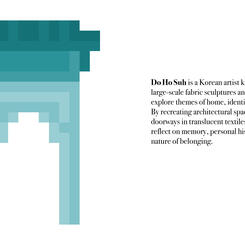
Do Ho Suh is a Korean artist known for his intricate, large-scale fabric sculptures and installations that explore themes of home, identity, and displacement. By recreating architectural spaces—like apartments and doorways—in translucent textiles, he invites viewers to reflect on memory, personal history, and the fluid nature of belonging.
Available for Purchase -
 Katsushika Hokusai.jpg
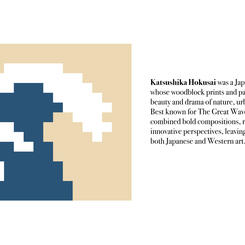
Katsushika Hokusai was a Japanese ukiyo-e master whose woodblock prints and paintings captured the beauty and drama of nature, urban life, and folklore. Best known for The Great Wave off Kanagawa, he combined bold compositions, rhythmic line work, and innovative perspectives, leaving a lasting influence on both Japanese and Western art.
Available for Purchase -
 Jackson Pollock.jpg
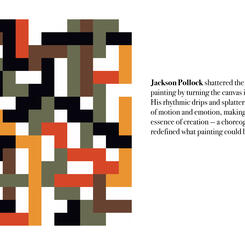
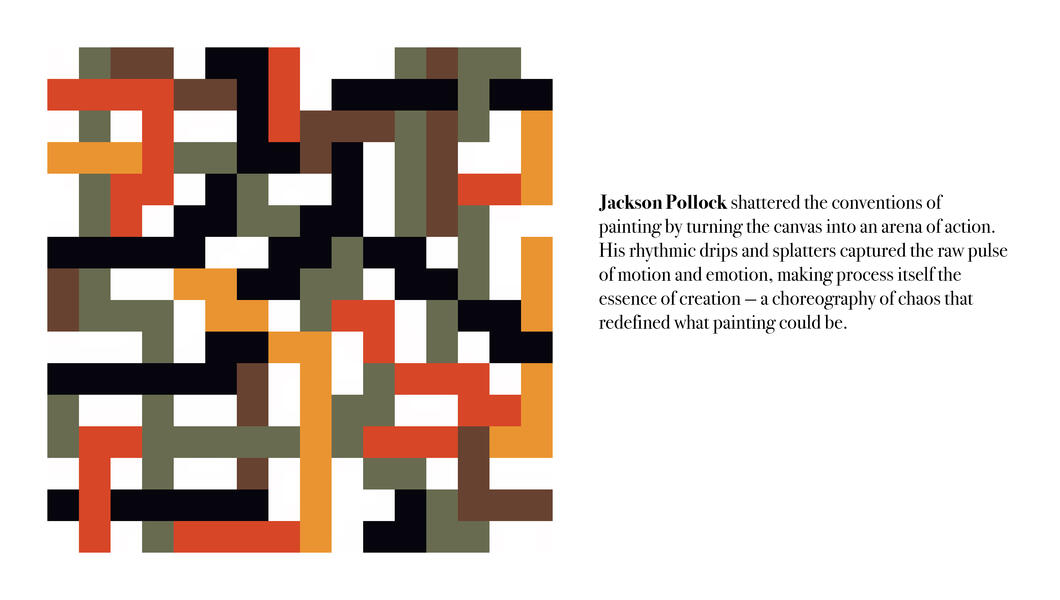
Jackson Pollock shattered the conventions of painting by turning the canvas into an arena of action. His rhythmic drips and splatters captured the raw pulse of motion and emotion, making process itself the essence of creation — a choreography of chaos that redefined what painting could be.
Available for Purchase -
 Johannes Vermeer.jpg
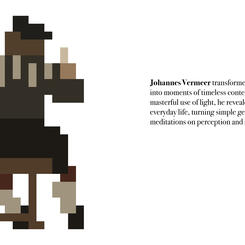
Johannes Vermeer transformed quiet domestic scenes into moments of timeless contemplation. Through his masterful use of light, he revealed the sacred stillness of everyday life, turning simple gestures and interiors into meditations on perception and serenity.
Available for Purchase