-
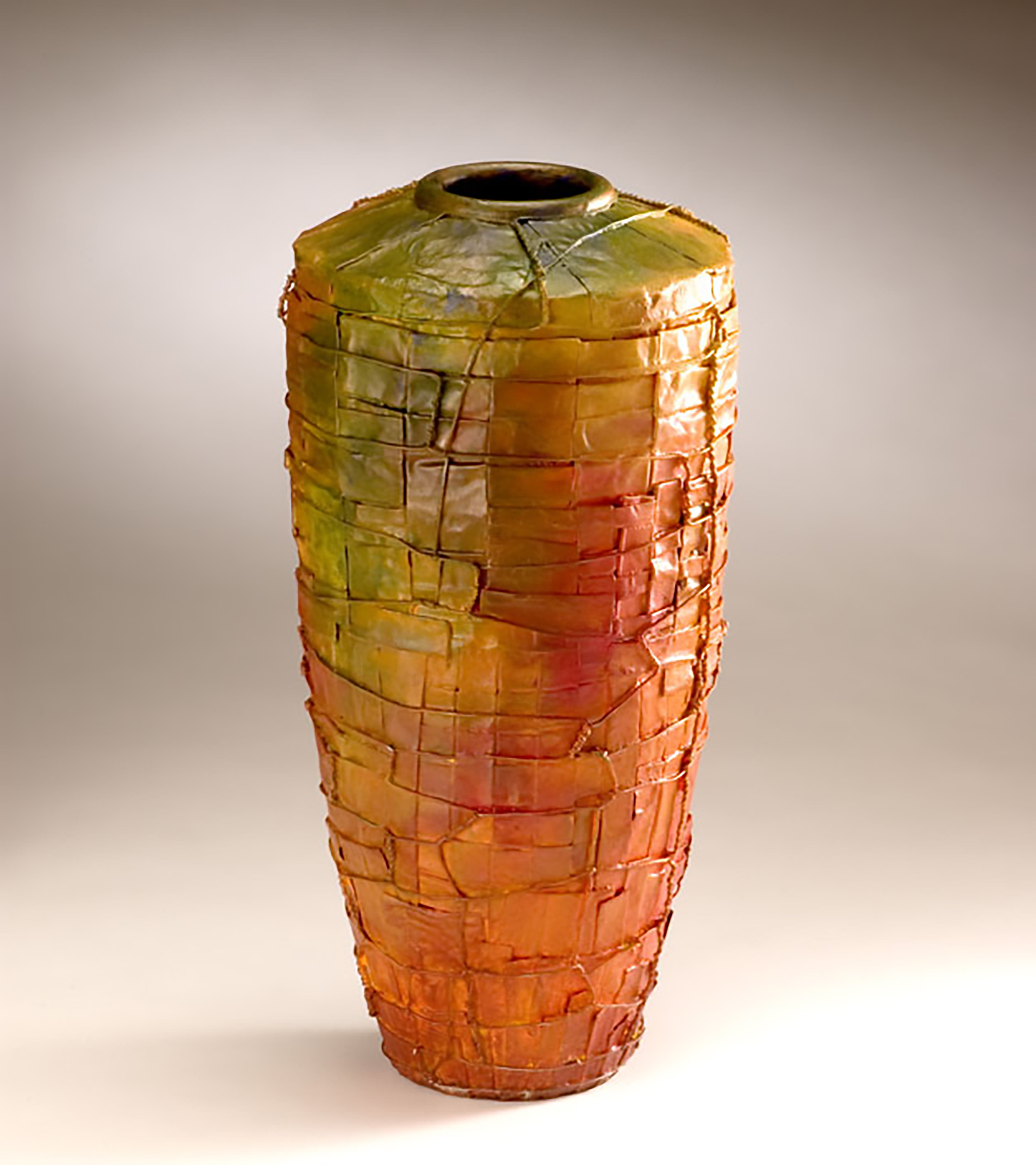
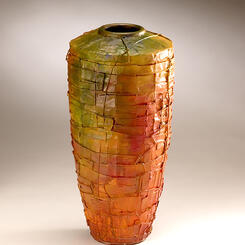
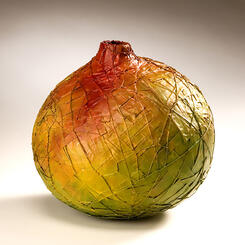
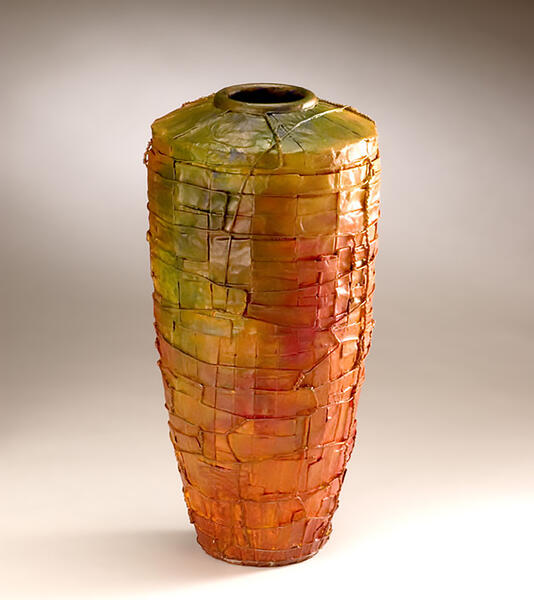 Sedimentary Limestone- Blue RidgeFrom various entry points in Virginia to Asheville, NC, by way of Fancy Gap, I’ve made the drive 100 times on my way to and from southern destinations. It’s slow traveling, but the views and overlooks are worth the time. I travel the Blue Ridge in the fall. That’s when my exhibitions are scheduled in this part of the country; the waning deciduous leaf color combined with adelgid devastated hemlocks gives the ride an at times somber feel. But, I enjoy the quiet, the slow pace, the misty fall colors, and the absence of trucks. Plaited copper over a turned wood substructure, knotted steel wire, chemical patina, polychrome 17" x 7" x7"
 -
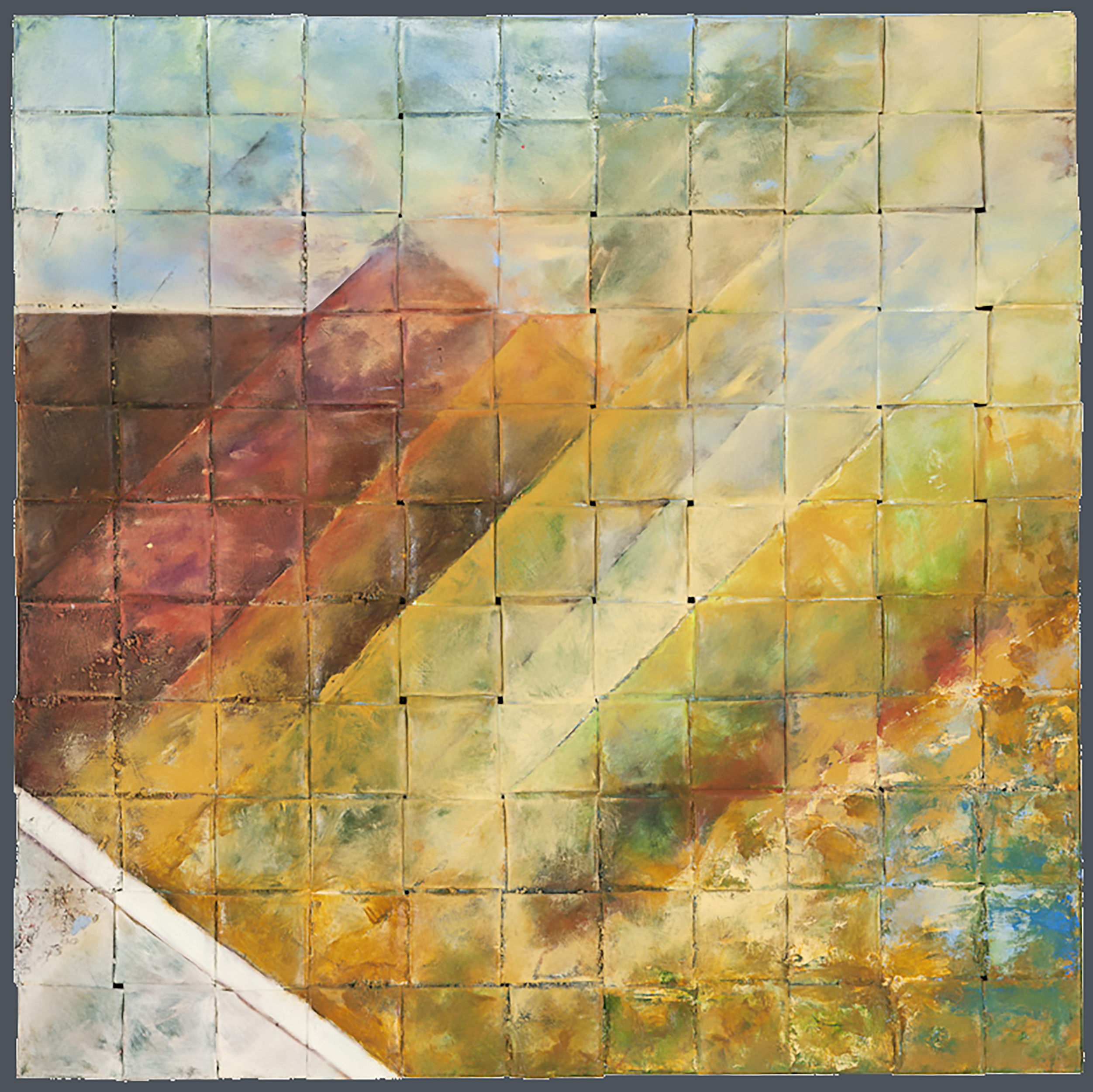
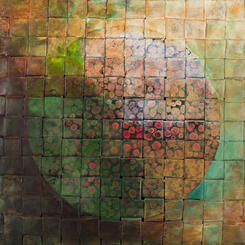
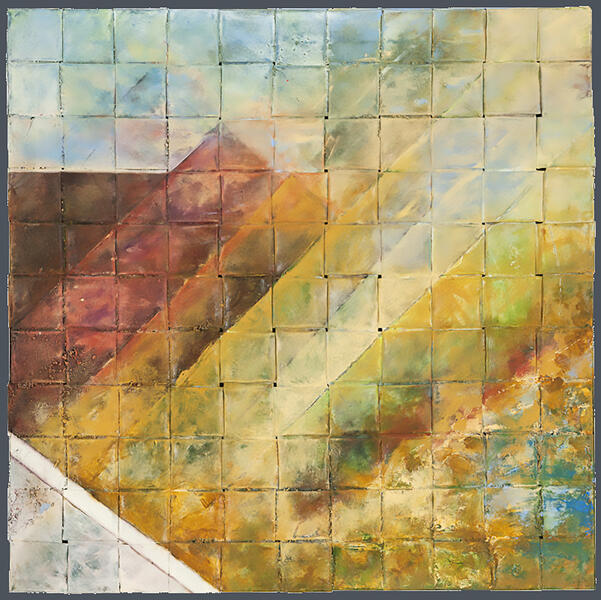 Great Smoky MountainsLate summer in the Smokys north of Gatlinburg, Tennessee. Recycled materials gathered in gatlinburg, woven copper, chemical patina, polychrome 24" x24" x2"
 -
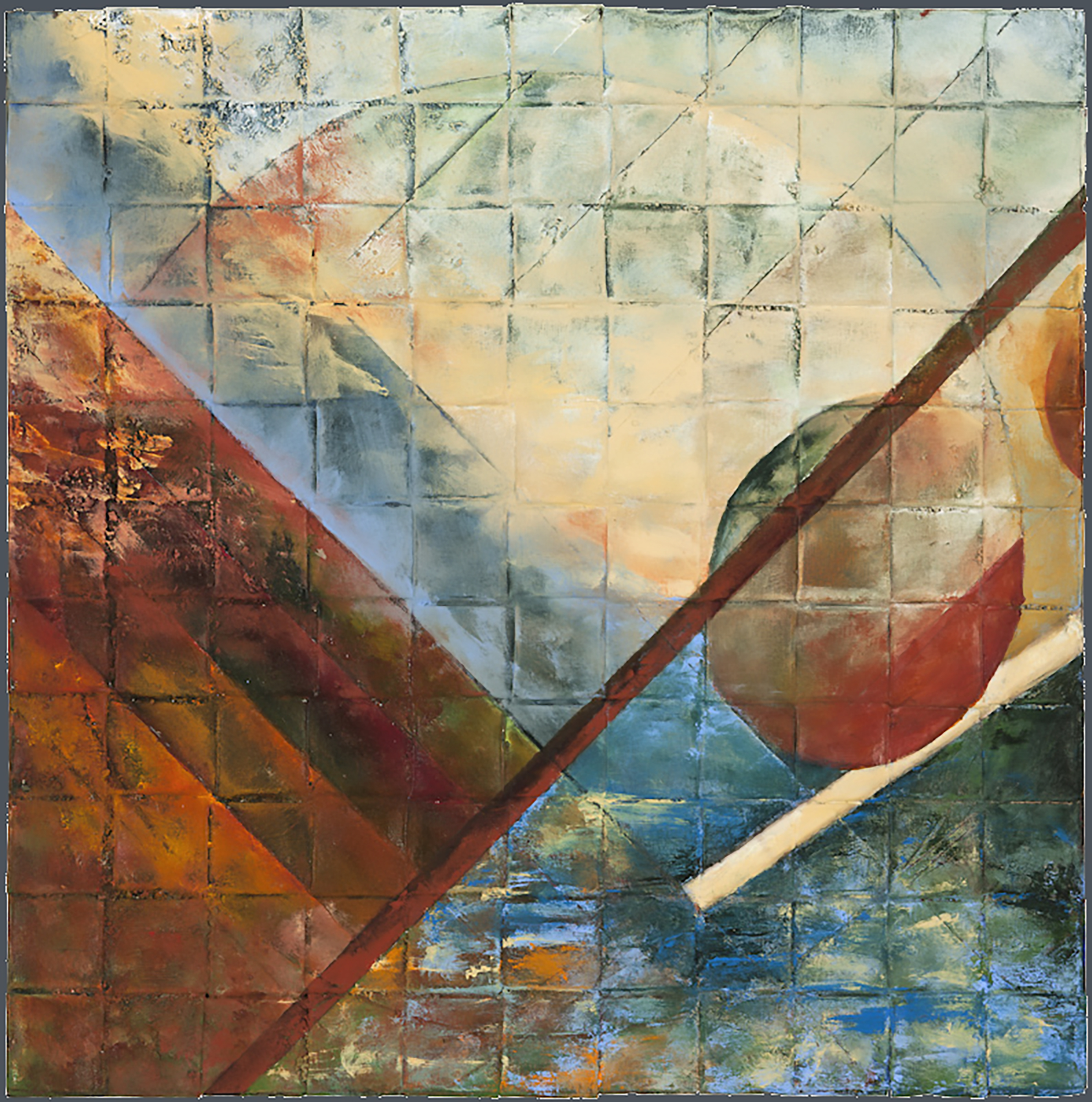
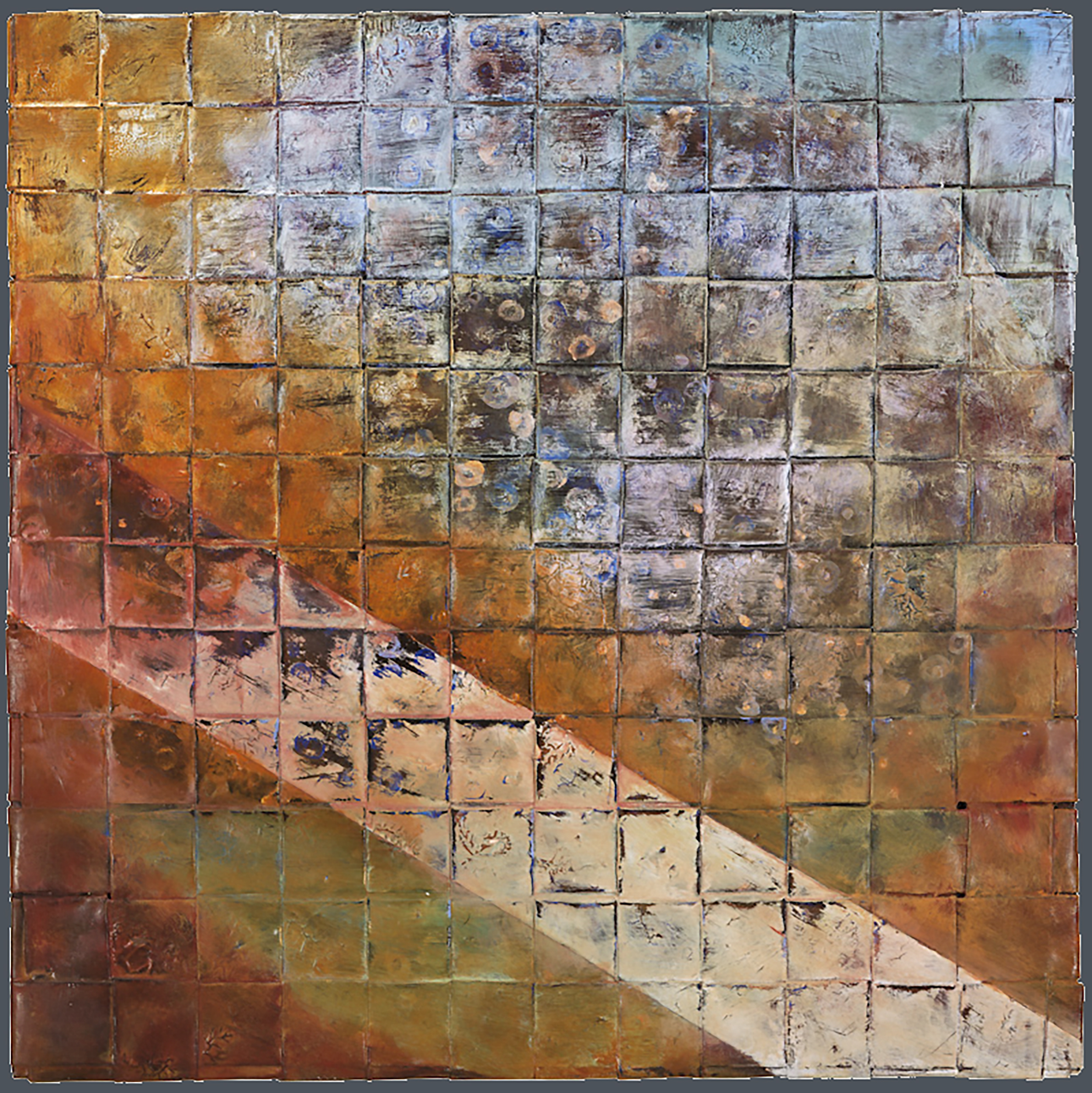
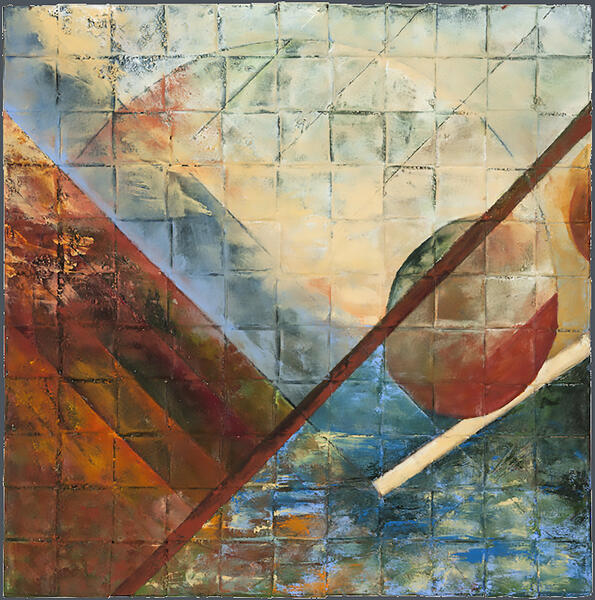 Acadia National Park-SeawallWaves continually crash on this easterly point of land. Rocks are tossed from the tiny sand beach strip inland; as tides roll in, heavier stones are piled on and around smaller ones. Tidal pools form, filled with life; they perish and persist in the continually changing landscape. Plaited copper, multiple chemical patinas, recycled materials polychrome 24" x 24" x 2".
 -
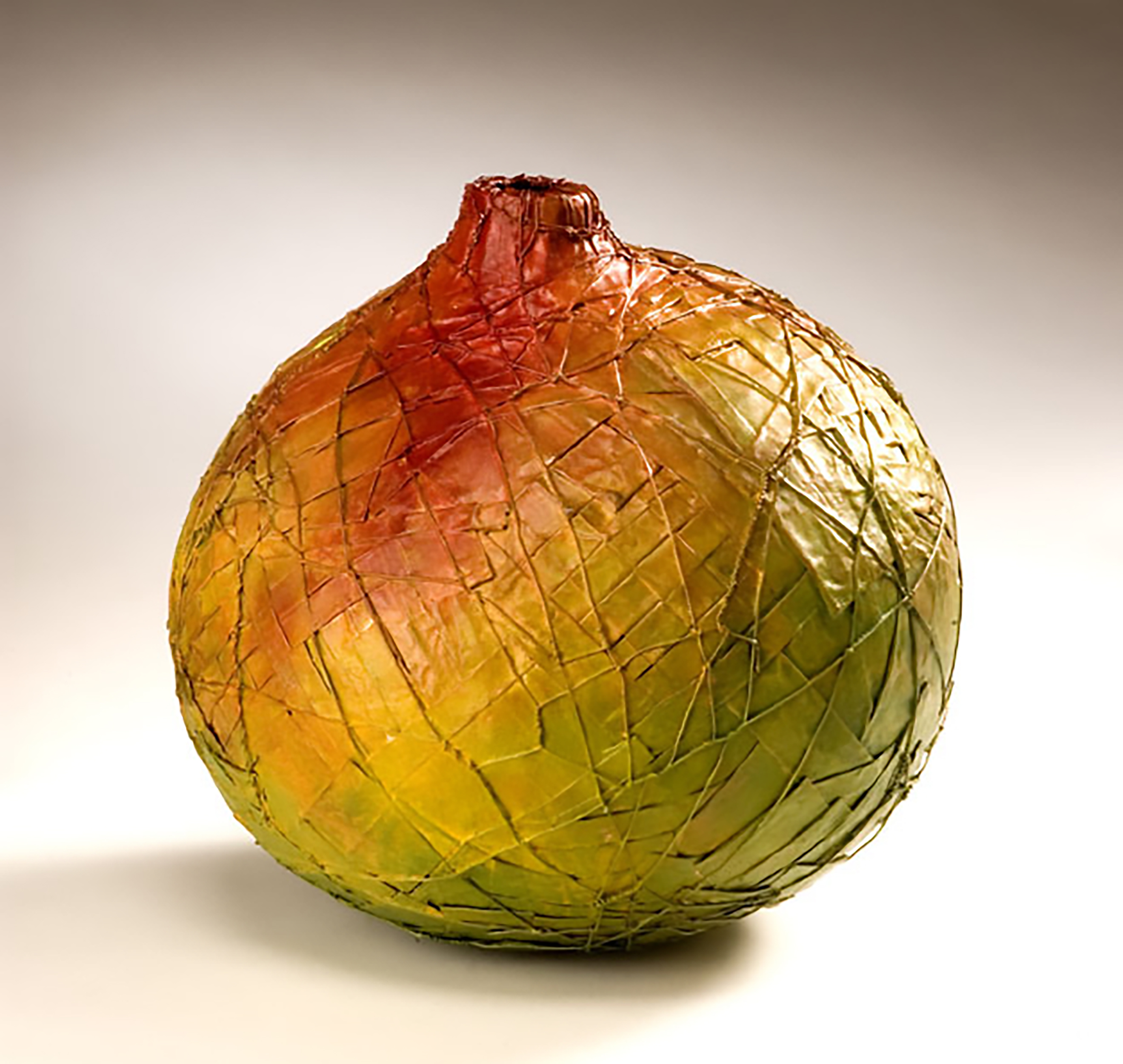
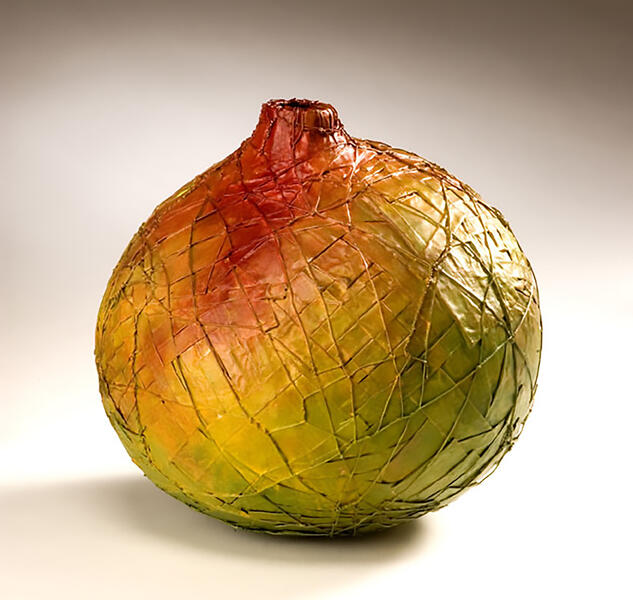 Appalachain PlateauPassing through the Cumberland Mountains on my way to Chicago, September 2017. I have a 13-hour drive in front of me, but from my vantage point on 68 west, as I exit Sideling Hill road cut, I have to pull over, the spectacular fall foliage spills over the valleys in front of me. Just glorious. 20 minutes later, I am on my way, a few photos taken; I ponder sleeping in my van in the Elkhart truck stop that night. Copper over a turned wood substructure, knotted steel wire, chemical patina, polychrome 9' x 9.5" x 9."
 -
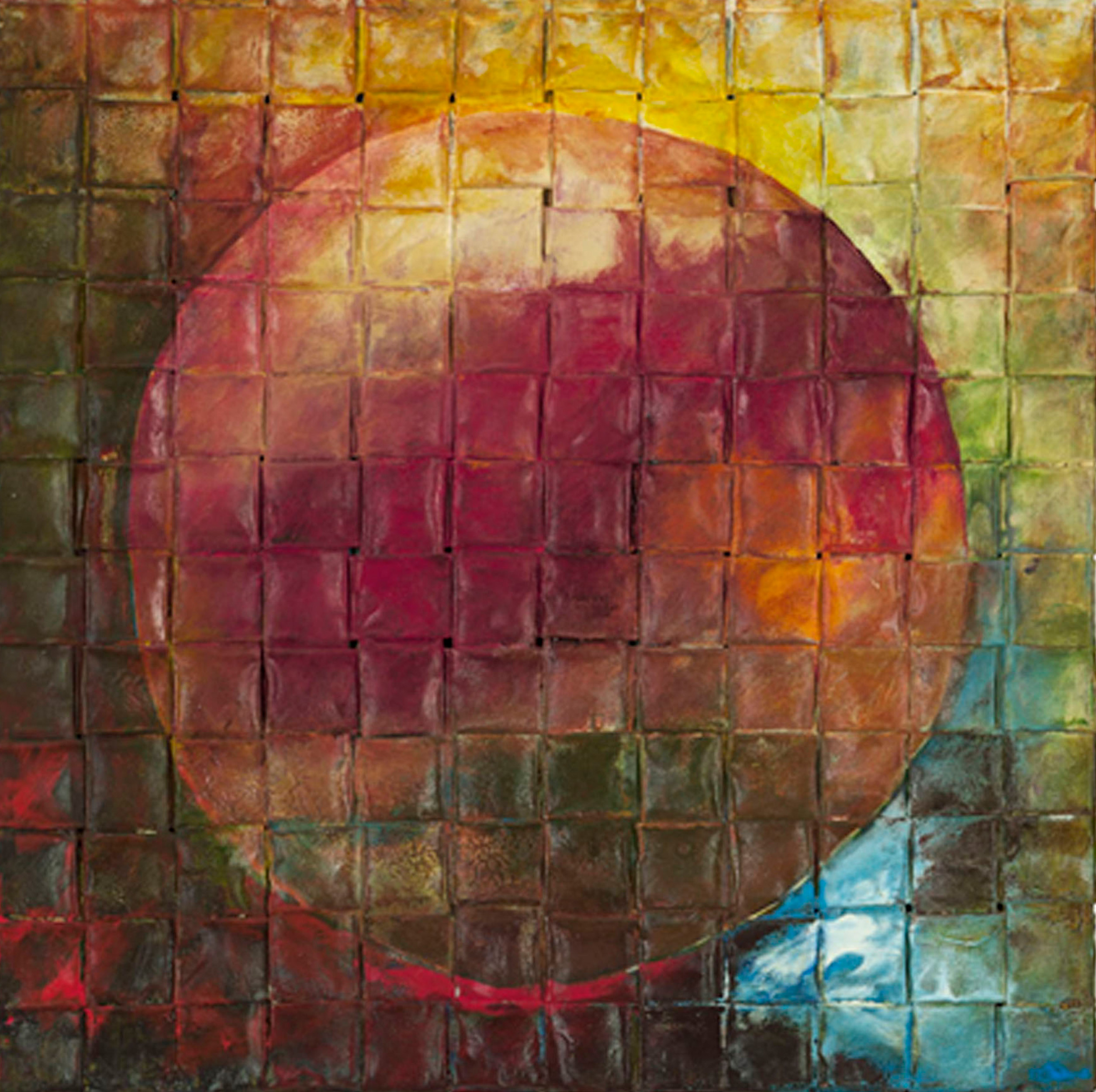
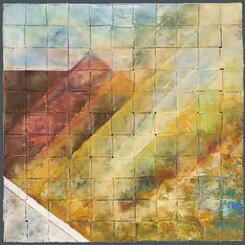
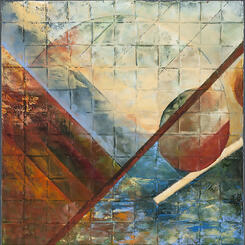
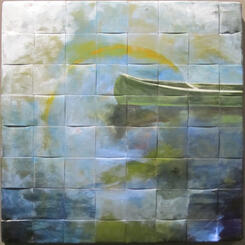
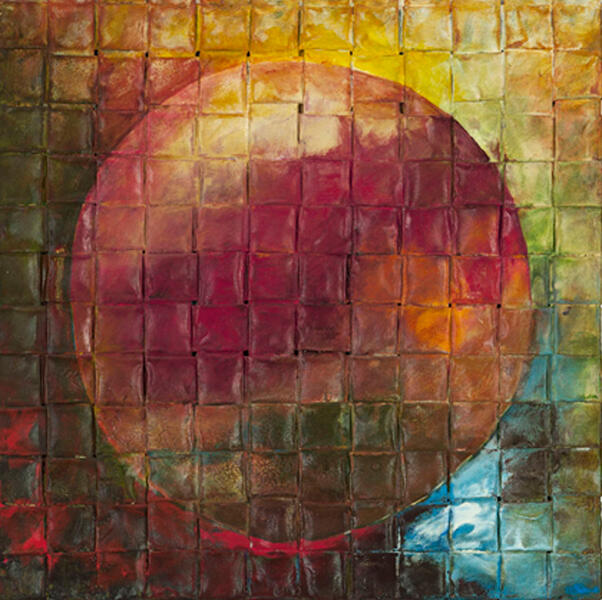 Eclipse from BeaverbrookNovember 2020. Pandemic, social unrest, economic strain, and the brief glimpse of a penumbral lunar eclipse. Hope springs eternal. Plaited copper, multiple chemical patinas, recycled materials polychrome 24" x 24" x 2".
 -
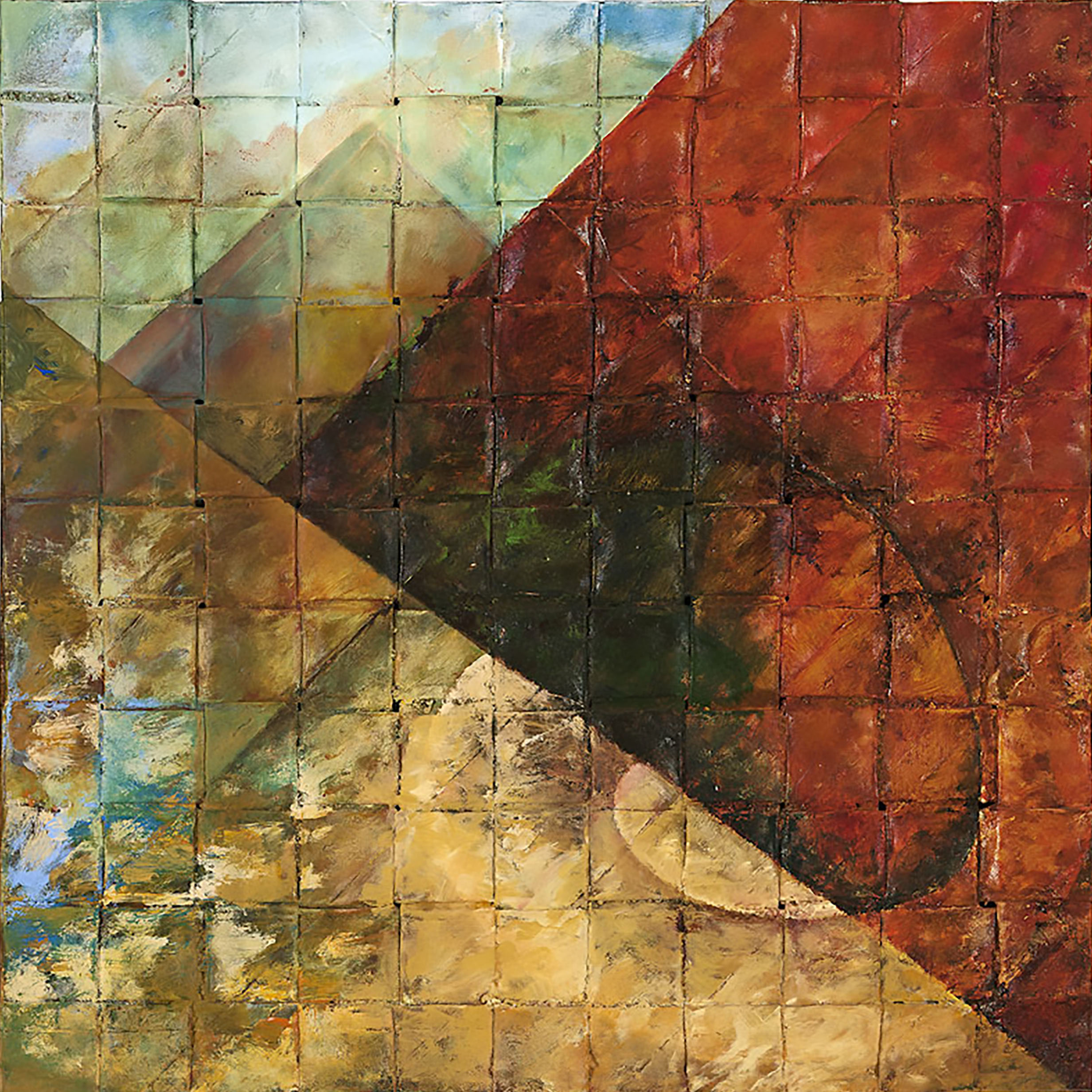
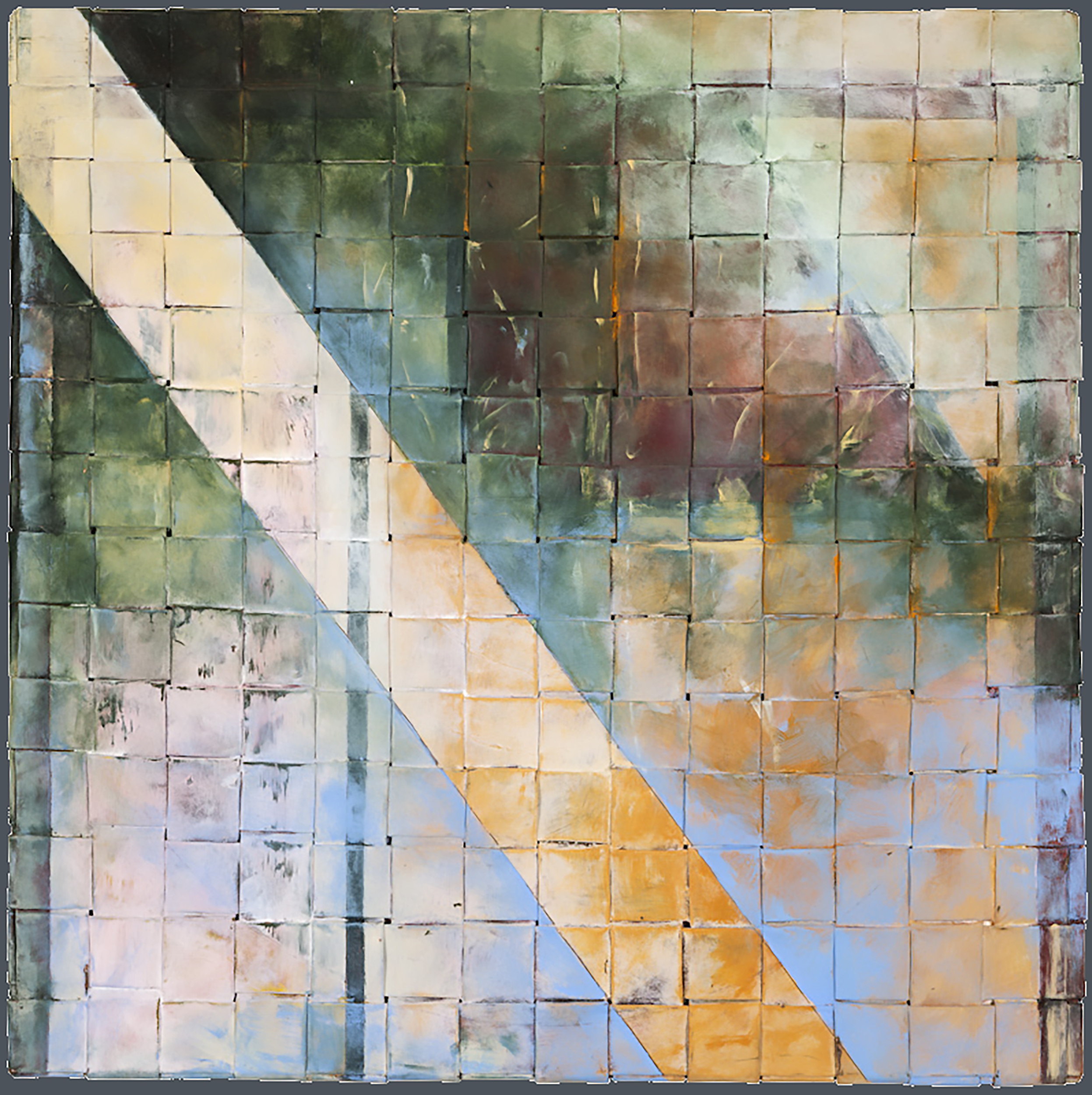
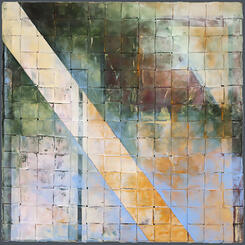
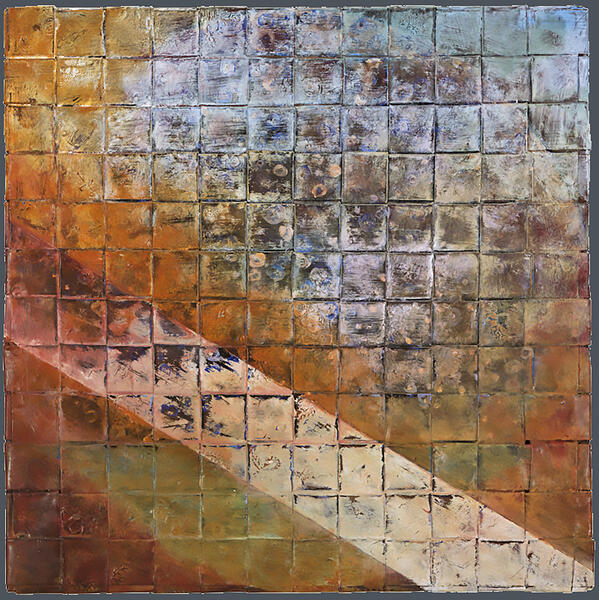 ShenandoahDriving south on 81, to my left lies the park. The Skyline Drive runs its length. The decision of a moment, I take the road less traveled and arrive in Atlanta a day late but happier. Woven Copper. Chemical patina and polychrome. 24" x 24" x 2"
 -
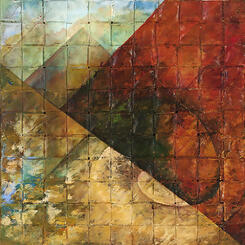
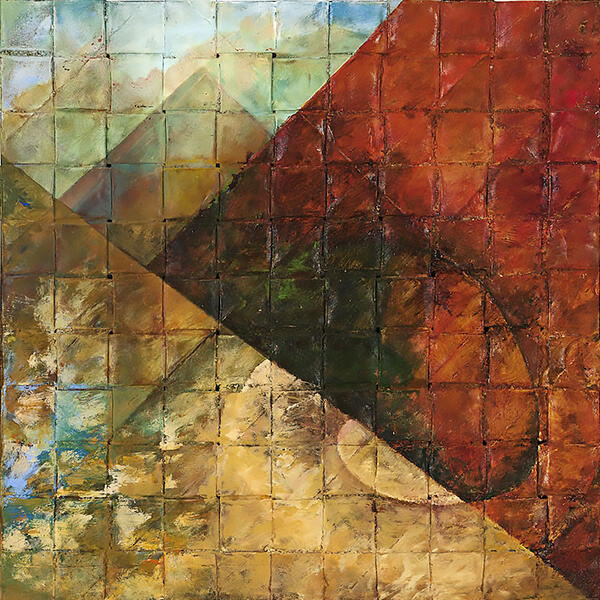 BandelierI parked and immediately noticed 2 signs."Extremely Narrow Canyon" and "Those with heart conditions do not proceed". I had been told only the most physically fit should consider scaling the steep-walled canyon paths of Bandolier; disheartened I began to turn back. Then I noticed 2, 300lb. tourists in flip-flops exiting the canyon. What the hell! Ignoring the warnings I scramble with little difficulty to the top. My Dad always said don't take no for an answer. 24" x 24" x 2"
 -
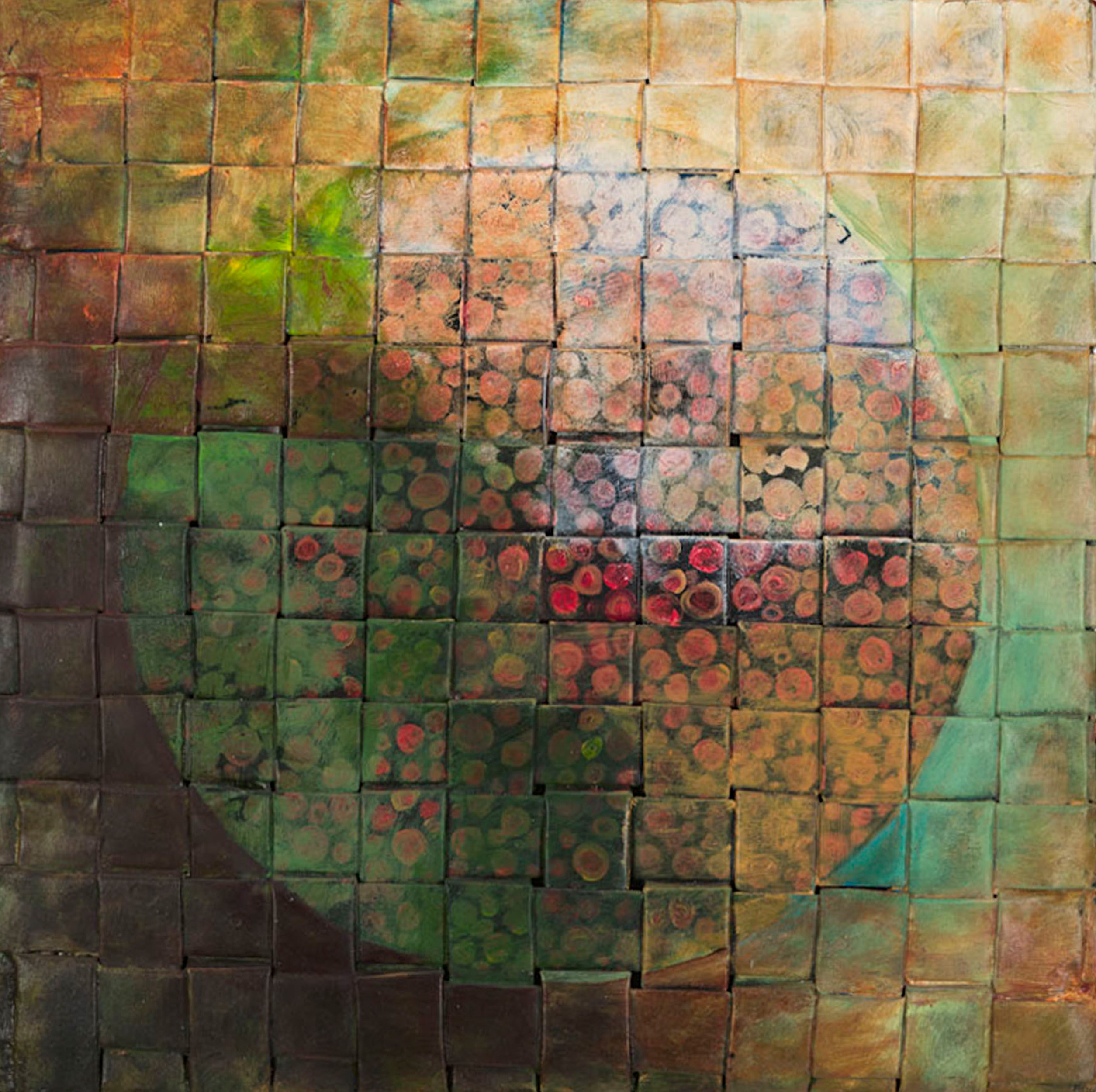
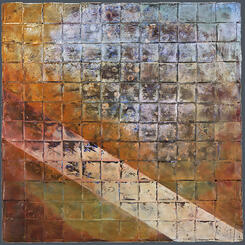
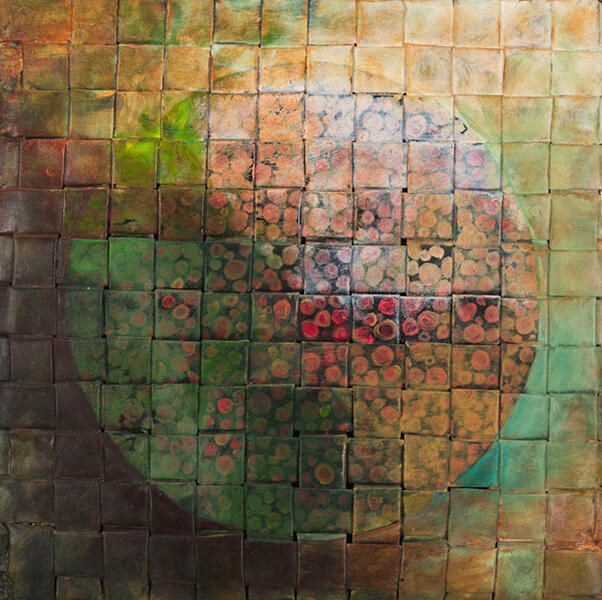 Sunspots on BeaverbrookPicnicking at my friend's home in rural West Virginia, we somehow got around to discussing astronomy when Jean Pierre said he knew a method to view sunspots. I said I had never seen a sunspot except in a book. So he got out his telescope, focused on the sun, and then projected the image onto my salad stained, no longer, white lunch plate. Viola! Sunspots Copper, chemical patina, polychrome 24" x 24" x 2"
 -
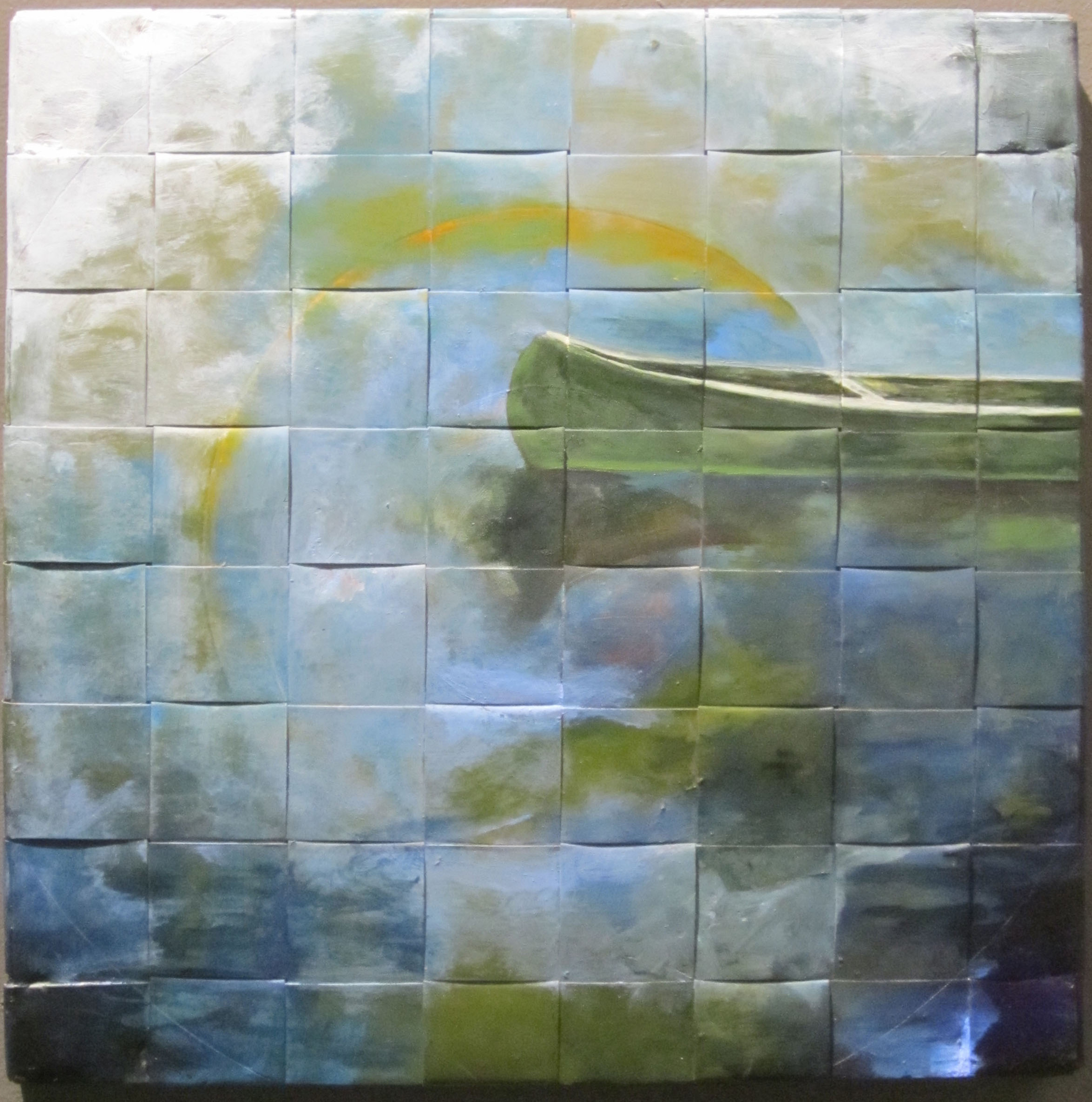
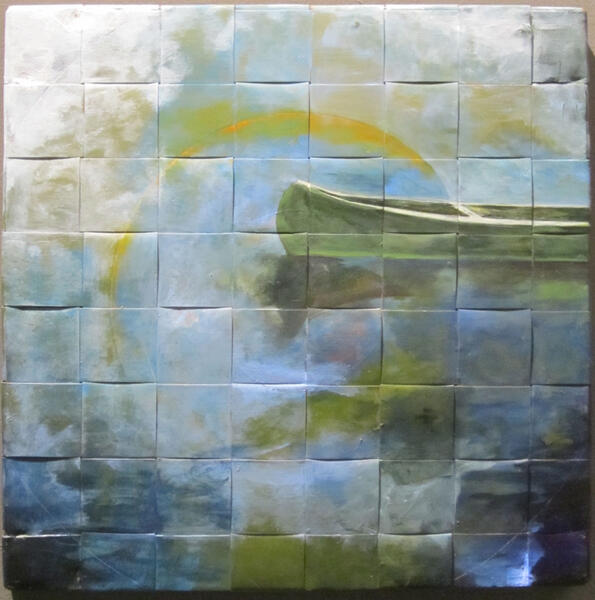 Echo Lake Beach-Acadia National ParkThere must be 100’s of Echo lakes in the world but, to anyone who has ever visited Maine, Echo lake means only one thing, Echo Lake Beach in Acadia National Park. A crystal clear freshwater lake at the foot of Beech mountain. In the early morning, before the crowds arrive, it’s a serenely quiet and contemplative space often glazed in grey morning mists 24" x24" x2"
 -
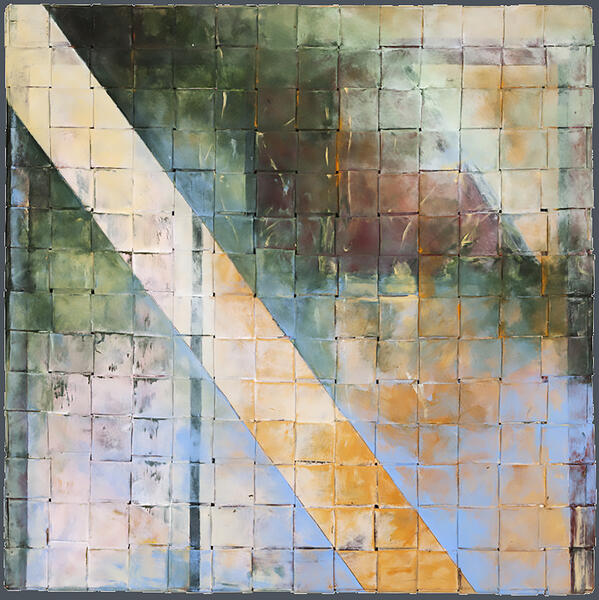 Water coursing through Rocky Gap gorgeRocky Gap gorge in western Maryland with the rhododendron and mountain laurel in bloom. Copper, chemical patina, polychrome. 24" x24" x2".