-
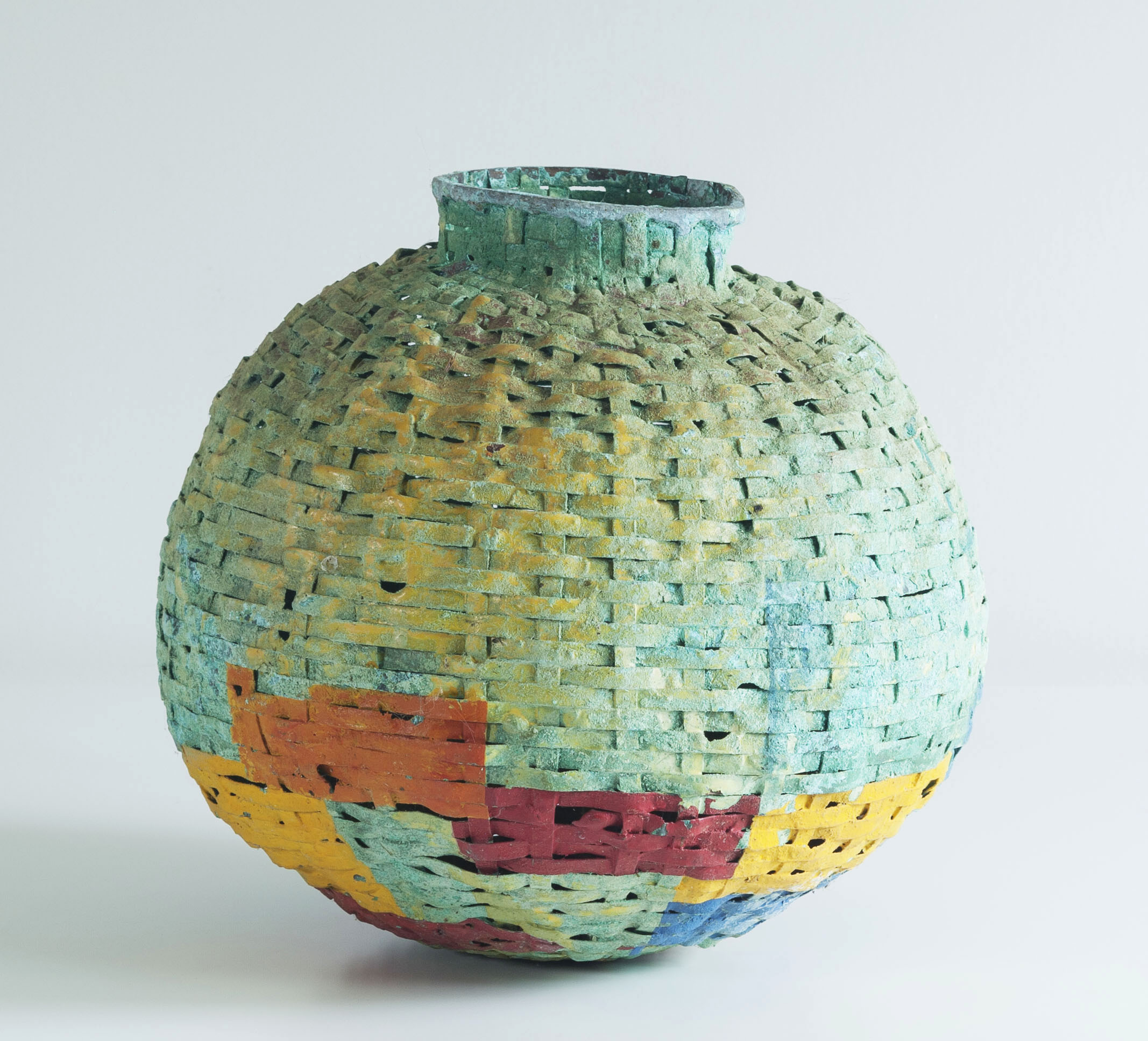
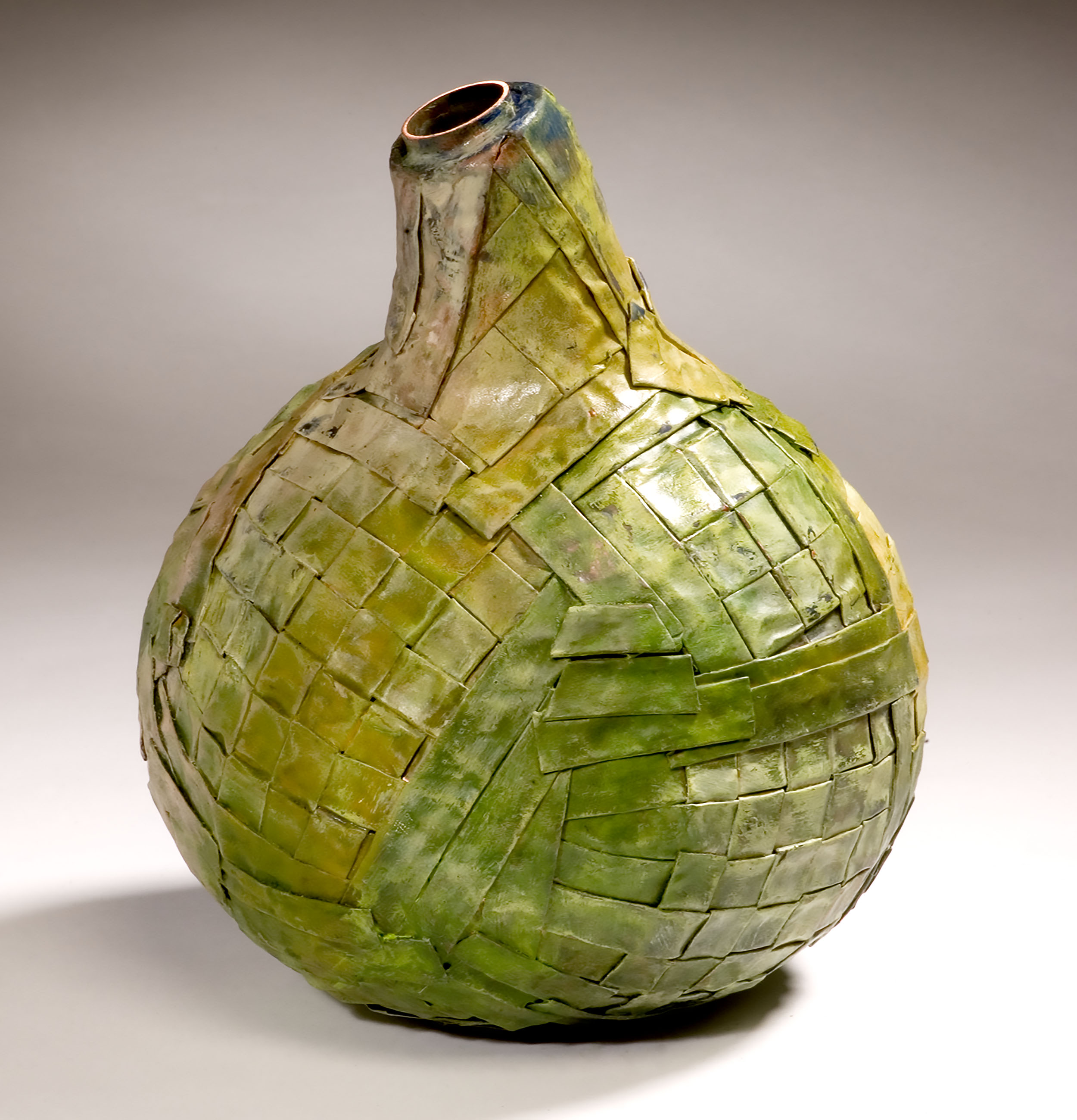
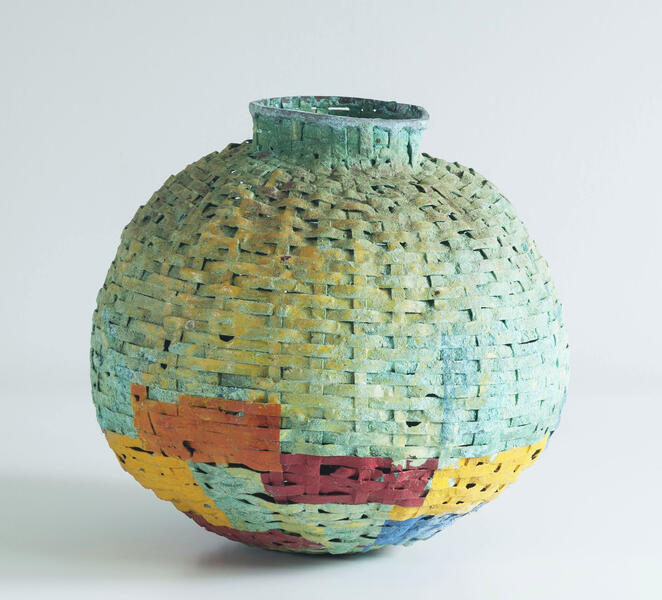 Blackwater Bulb No8Blackwater Wild Life refuge on Marylands Eastern shore is most famously known as the temporary home to migrating waterfowl who travel the Atlantic Flyway. The sanctuary, a mix of tidal wetlands, open fields, and mixed forest provides abundant opportunities to experience the unusual landscape and birds. The name blackwater comes is a tribute to the water's deep red-brown color, the result of the tannin that is deposited from nearby peat bogs. Over the years I have taken 100's of photographs and drawn an equal number of sketches recording the ever-changing landscape employing those as the basis of muchof my work. Recycled materials, woven copper, chemical patina, polychrome 10.75” x 8.5" x 8.5"
 -
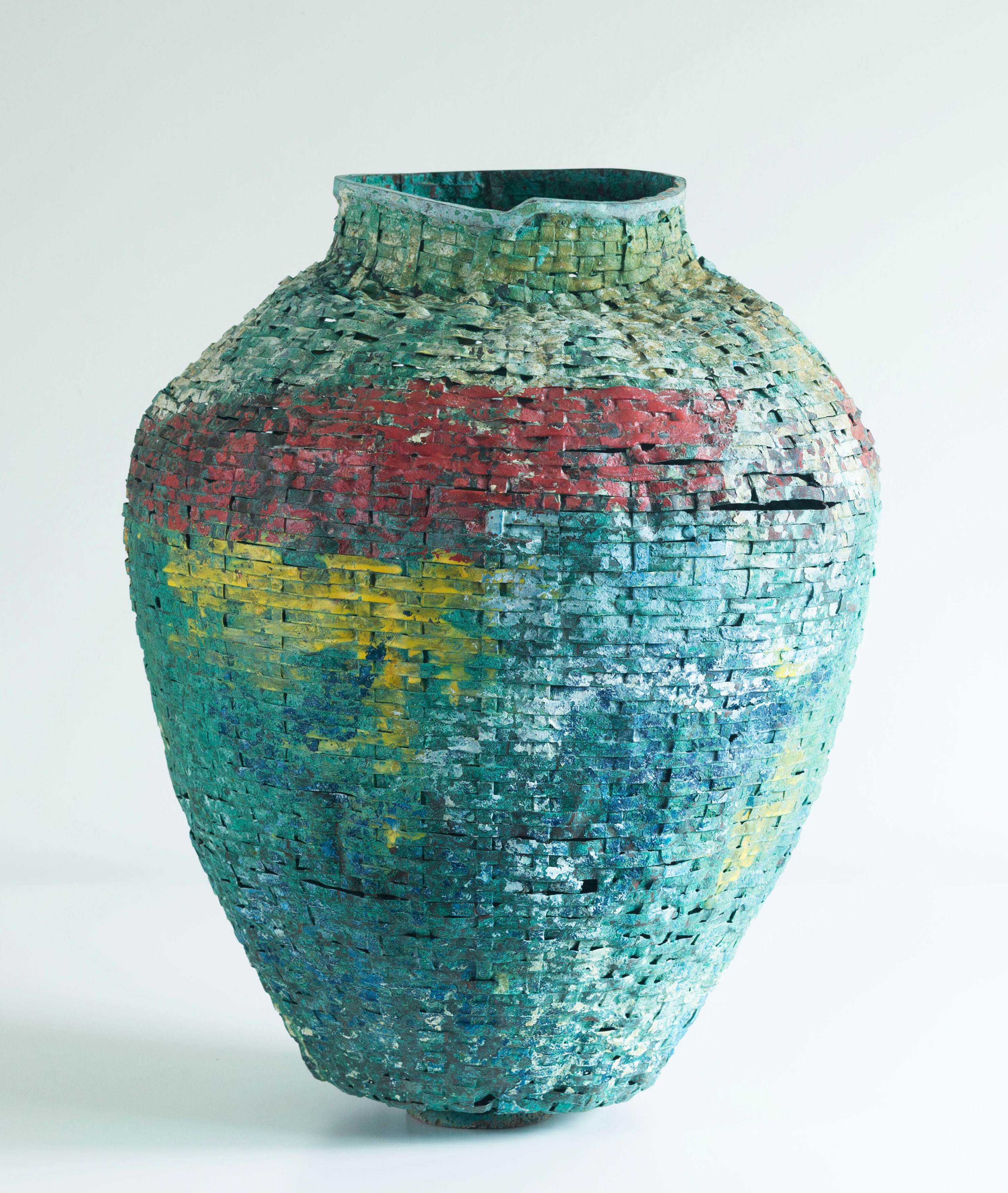
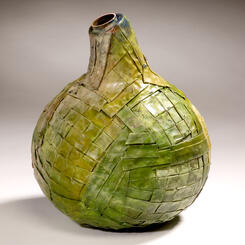
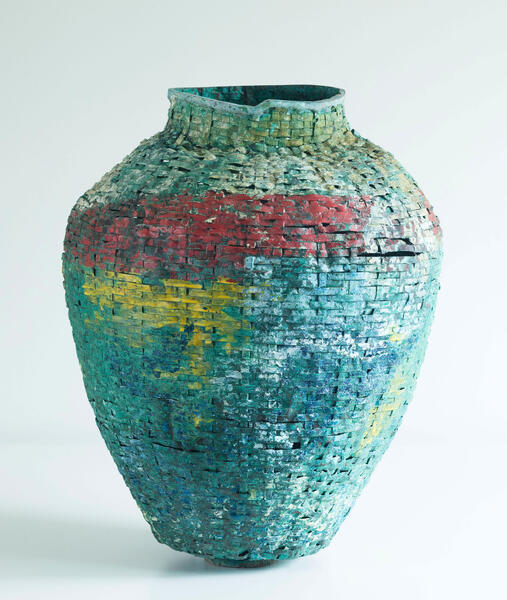 Blackwater Hydria No.5My wife and I visit the Blackwater Wild Life refuge hoping to glimpse the visiting waterfowl and resident eagles. The sanctuary a mix of marsh, woodland, open water, and ever-changing landmasses provides many opportunities to record the expansive landscape of ever-changing shrub islands, inlets, and open water. I originally believed that Blck water was a native American name but later discovered that the source of the name blackwater comes from the water's deep red-brown color, the result of the tannin in the nearby peat bogs. 17" x 14.5” x 14”
 -
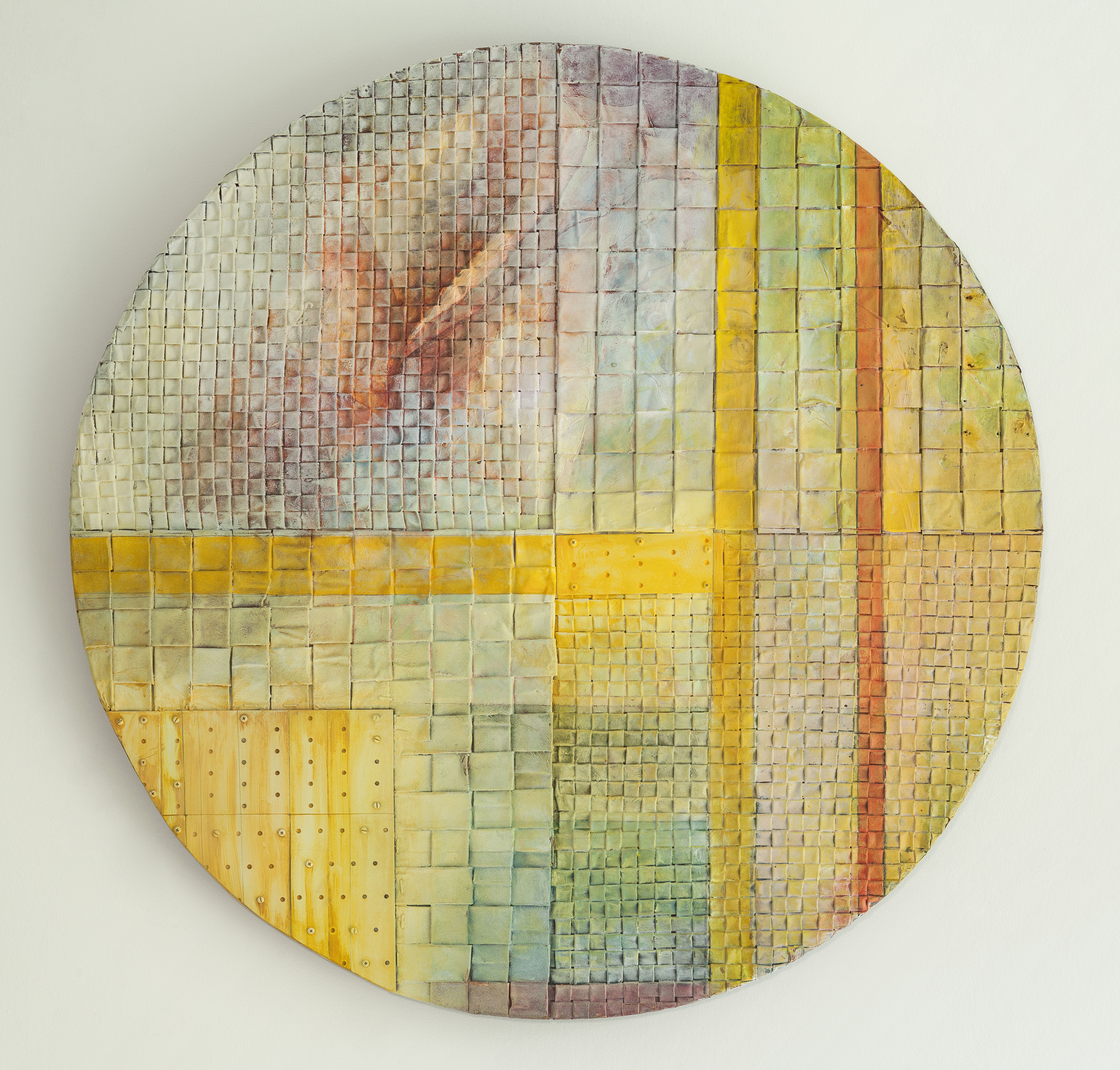
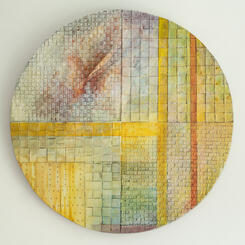
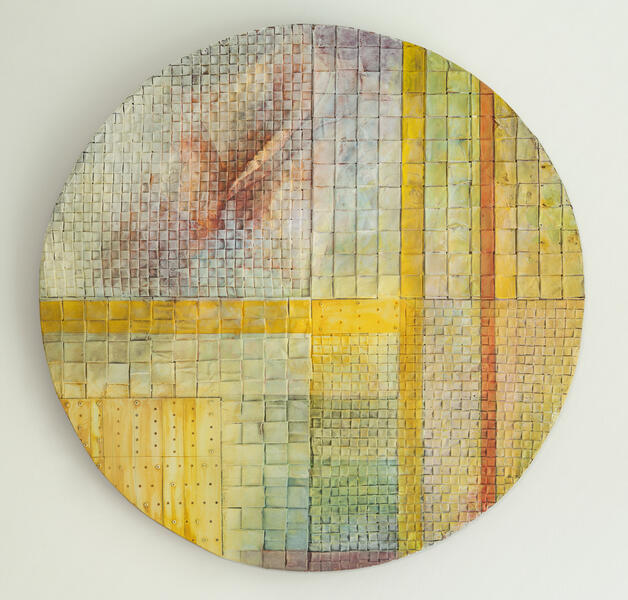 Walled Garden-Stagnant Spring on BeaverbrookRecycled materials, woven copper, chemical patina, polychrome 36" x 36" x 1.5"
 -
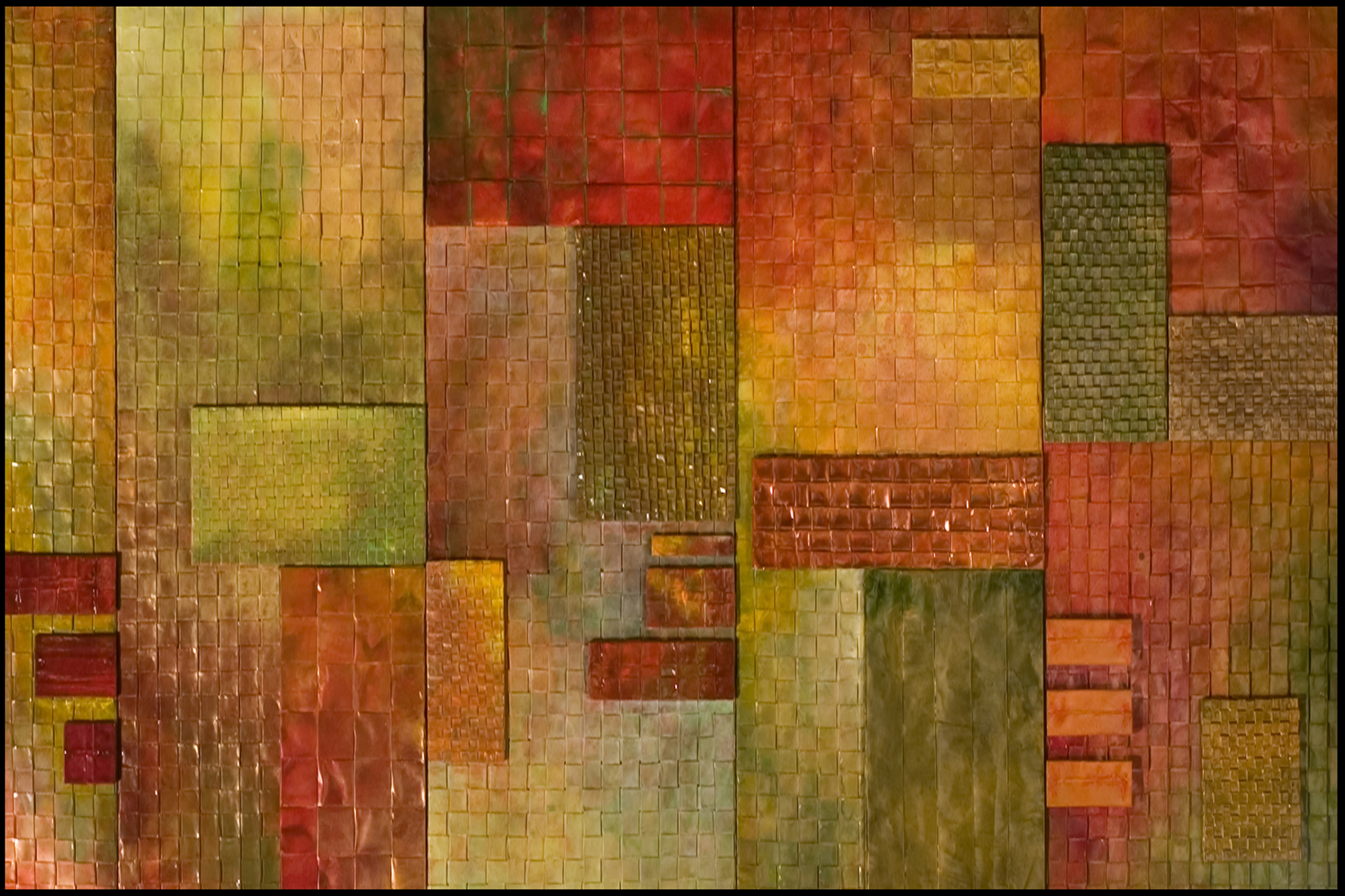
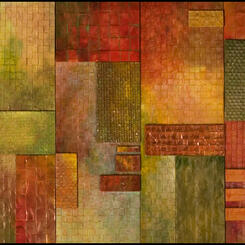
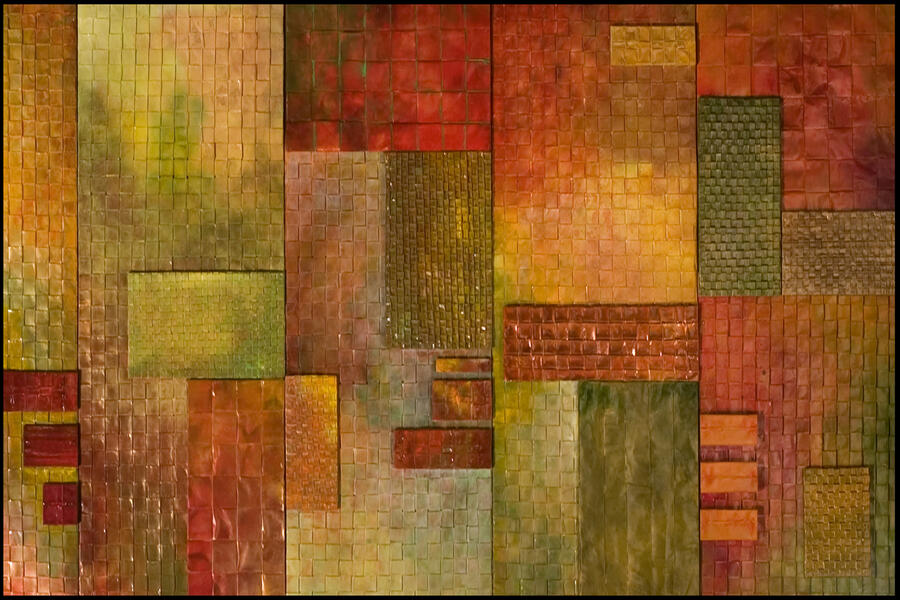 Sycamore.jpgRecycled materials, woven copper, chemical patina, polychrome 110” x 51” x 2”
 -
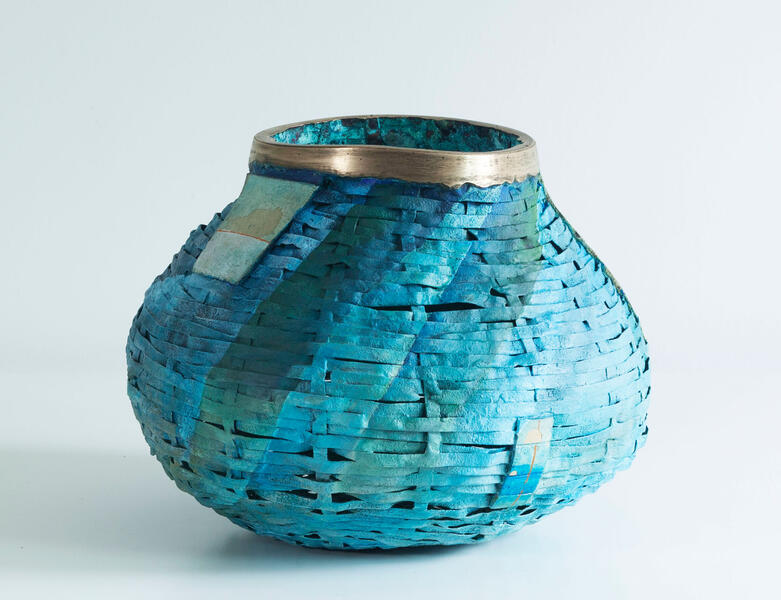 River Birch No.1Recycled materials, woven copper, chemical patina, polychrome 10” x 10.5” x 8”
 -
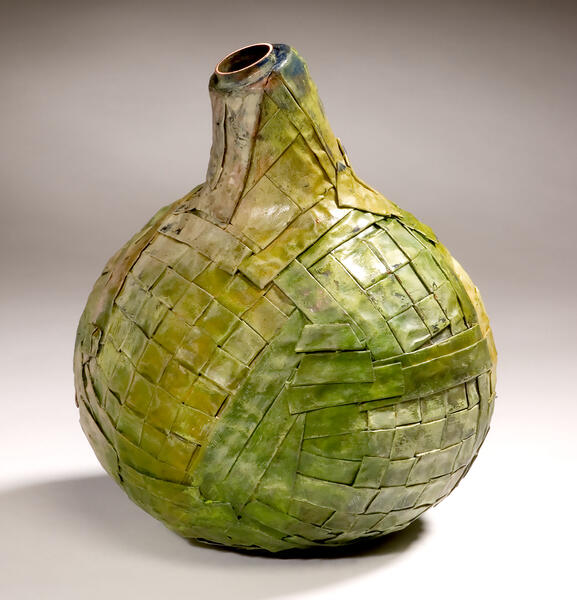 Seckel PearWhen I was in high school, I walked by a seckel pear tree every day as I walked to and from the bus stop. It was on the right side of the road, up a slight incline, huge, its bark striated with fungus, grey, scared, arthritically gnarled, pitted. The pears were never even close to perfect, but each year I looked forward to that time in spring when I could harvest one of the slightly under-ripe pears as my afternoon snack. Recycled materials, woven copper, turned wood substructure, chemical patina, polychrome 7” x 9" x 7”
 -
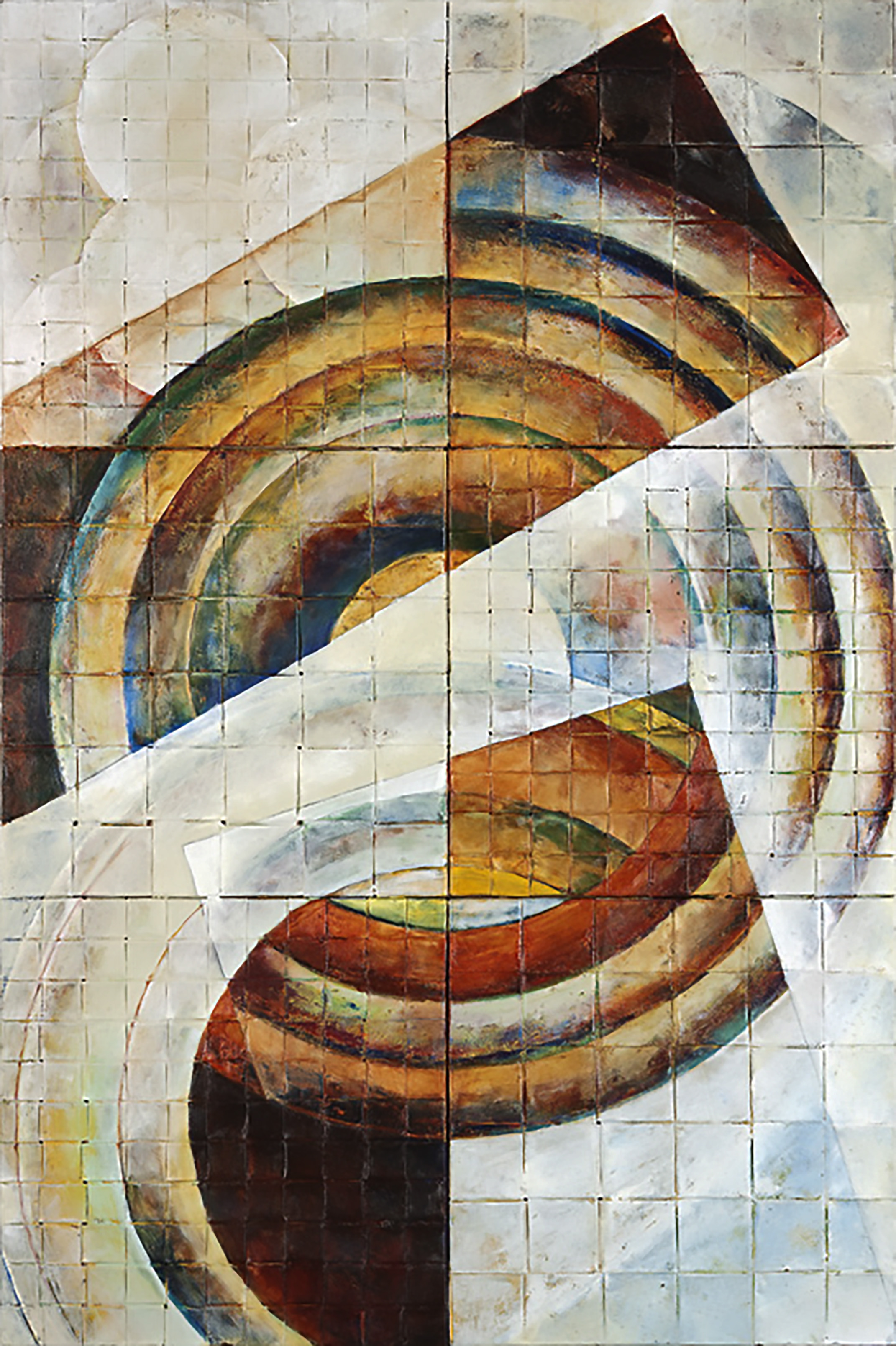
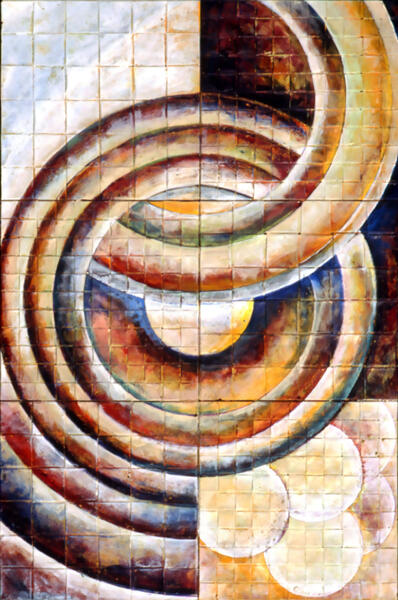 False Growth Rings-Timepoint Spring.Occasionally a plant will exhibit a false growth ring. This is an annual ring that does not reflect an entire season’s growth or that does not extend entirely around the plant's circumference. False annual rings are the result of unusual climatic conditions such as especially harsh, dry or cold winters. Recycled materials, woven copper, chemical patina, polychrome 24” x 36” x 2”
 -
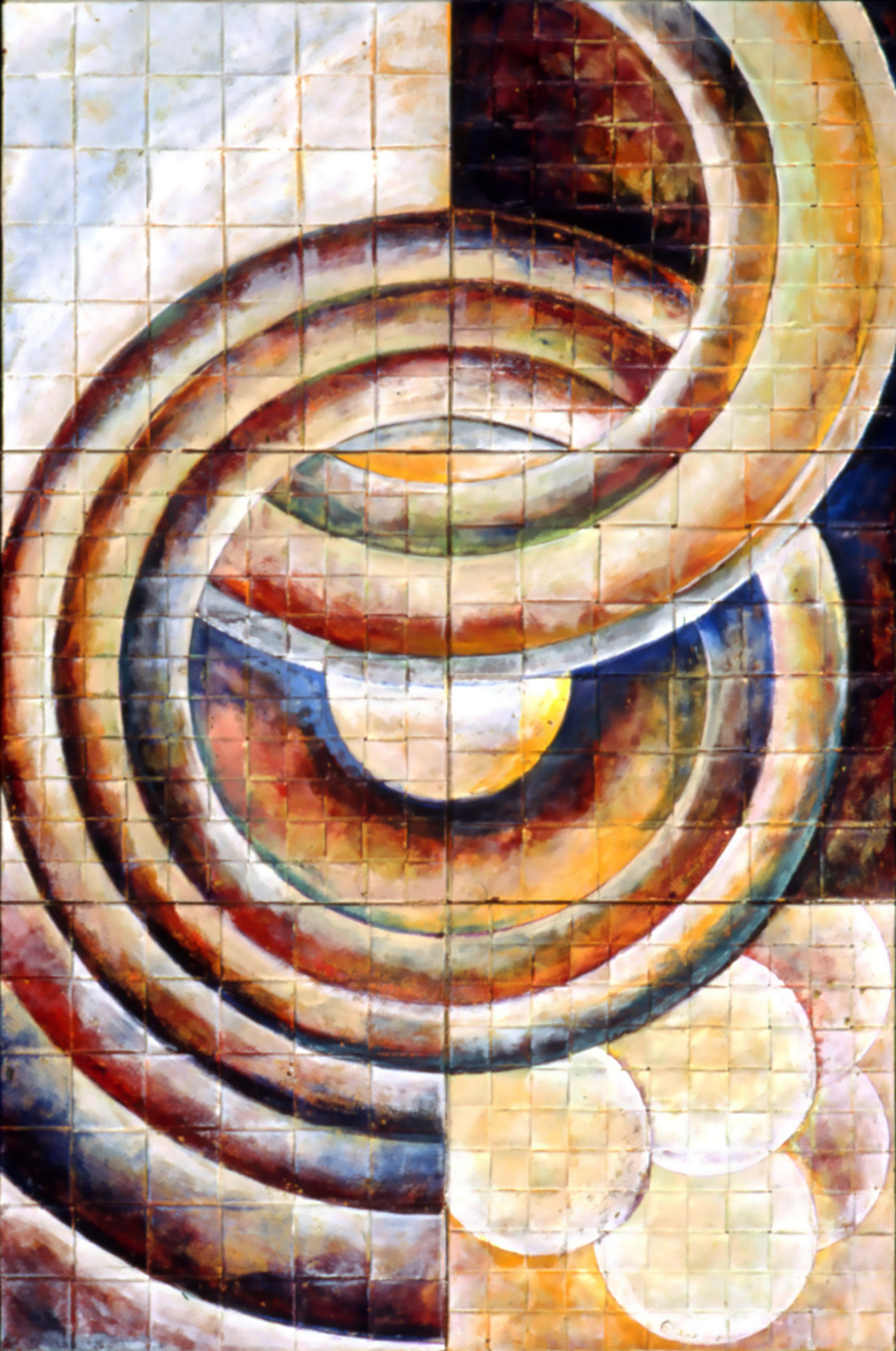
 Annual Rings-Timepoints SummerGrowth rings mark the degree of growth added in a single season to a woody plant. Growth rings tell the story of the plant's lifetime. When it was well fed; when it had sufficient water; when lightning struck the plant or a brush fire scorch its bark; how old the plant is and what history it witnessed can all be read in the annual growth Recycled materials, copper, chemical patina, polychrome 24” x 36” x 2”
 -
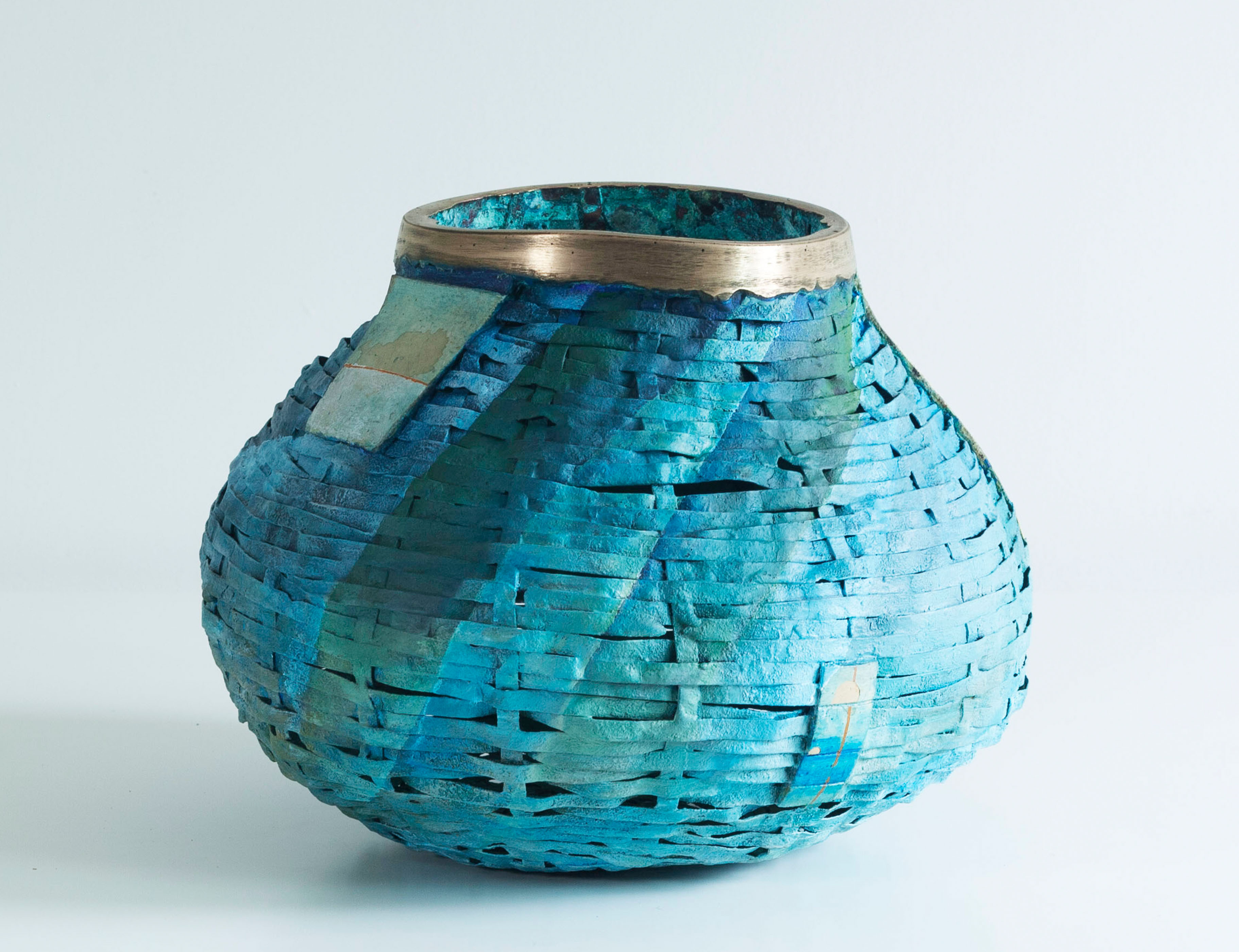
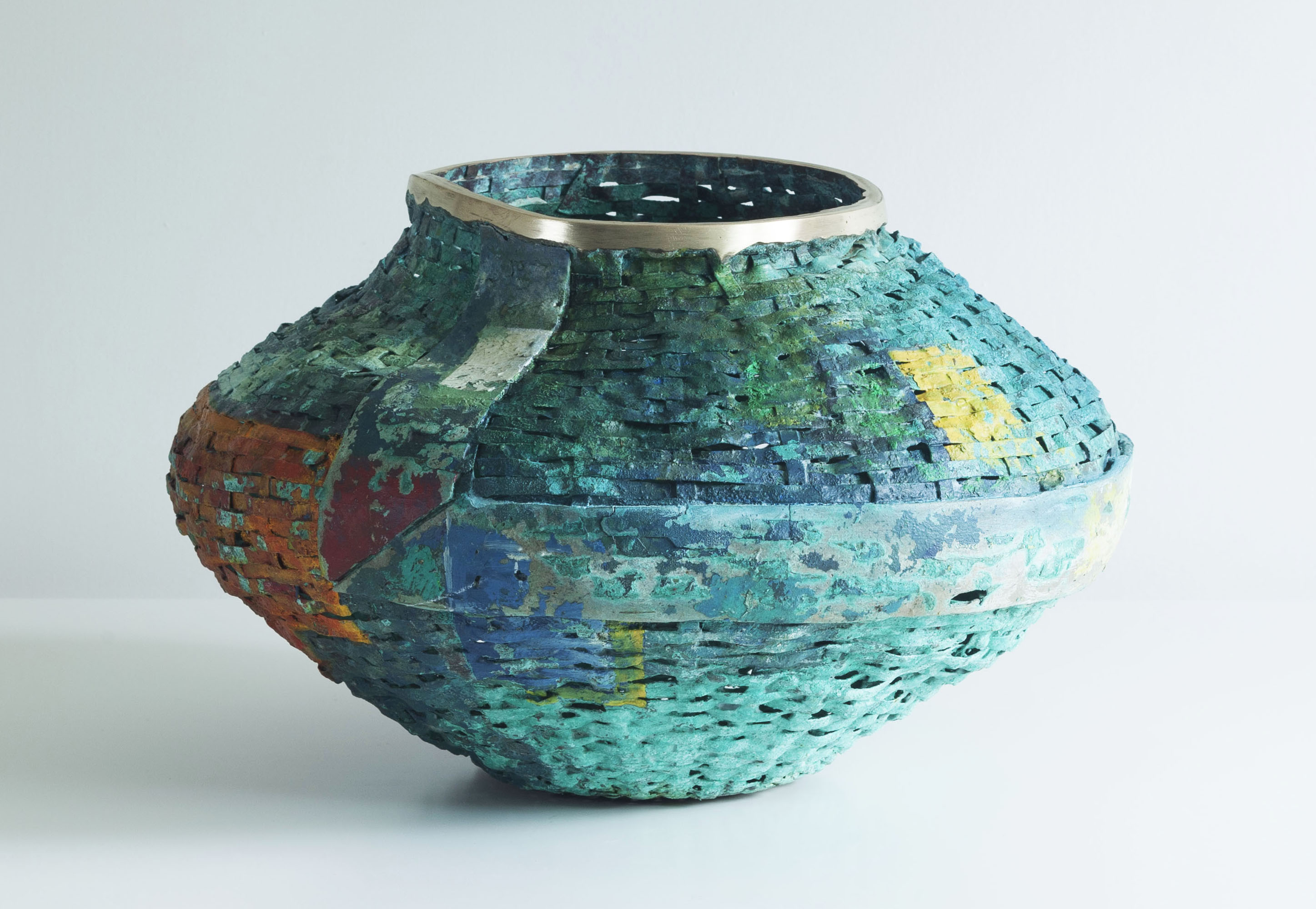
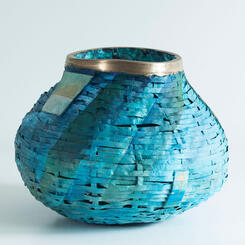
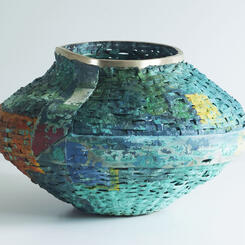
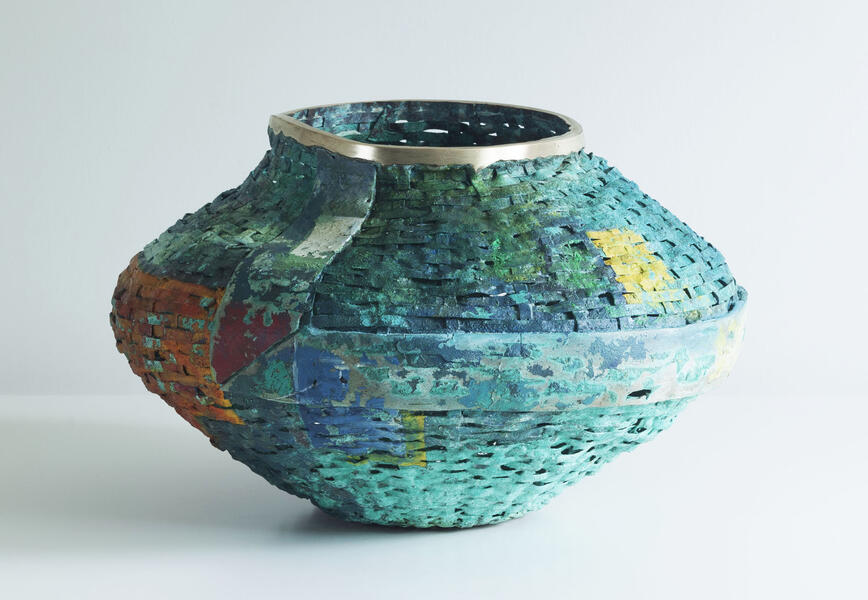 Blackwater No.3My wife and I periodically visit the Blackwater Wild Life refuge to catch a glimpse of the visiting waterfowl and the resident eagles that call the sanctuary home. The sanctuary is a mix of marsh, woodland, open water, and ever-changing landmasses that provide interest and opportunity to record with photographs and sketches the landscape, birds, and mammals that call the refuge home The name blackwater comes from the water's deep red-brown color, the result of the tannin in the nearby peat boggy soil staining the water as it drains into the marshland. Plaited copper, bronze rim. Multiple applications of chemical patinas. Polychrome. 9.75" x 13.5" x 14"
 -
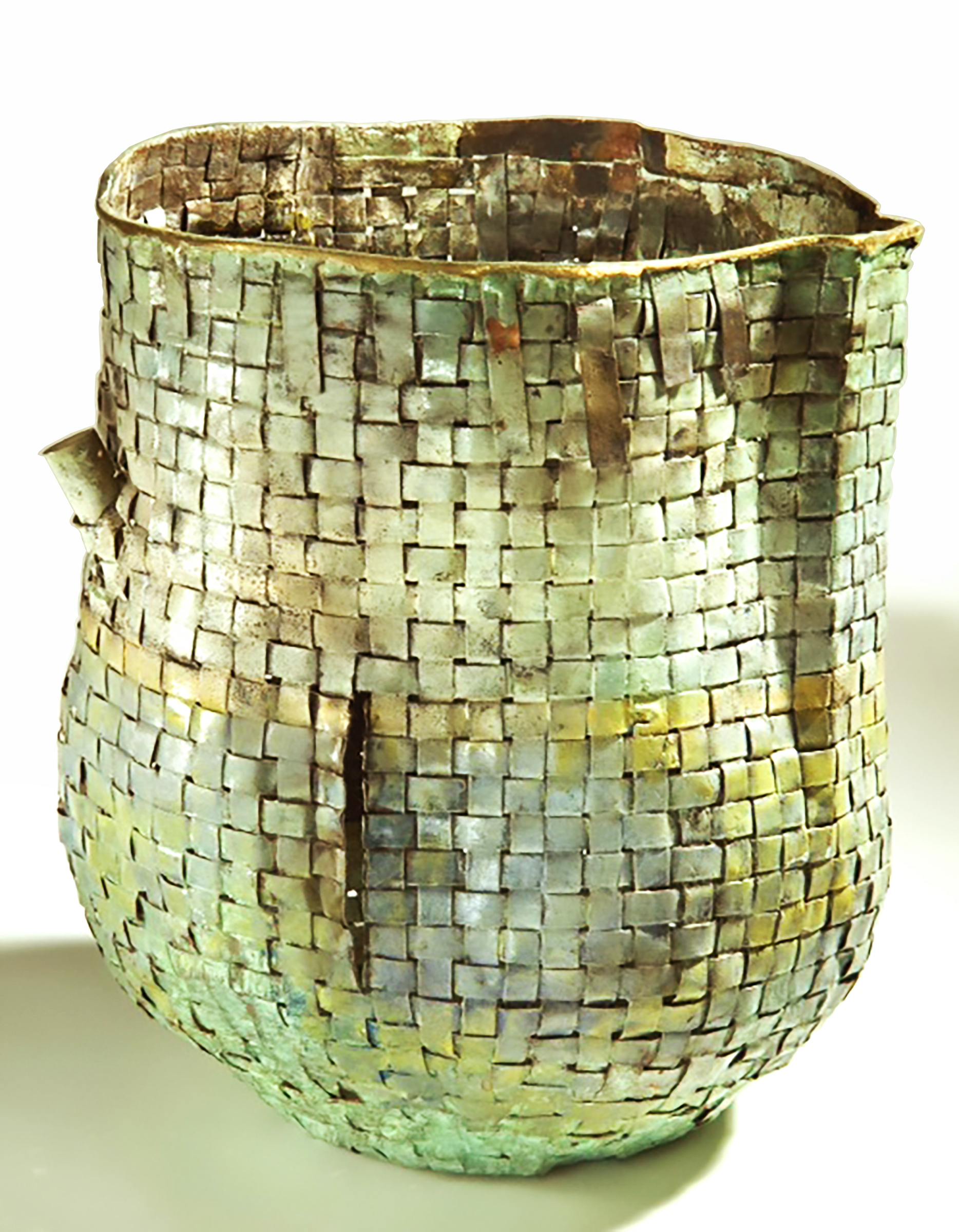
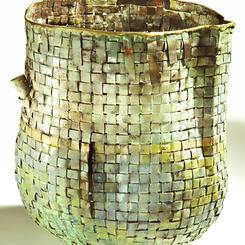
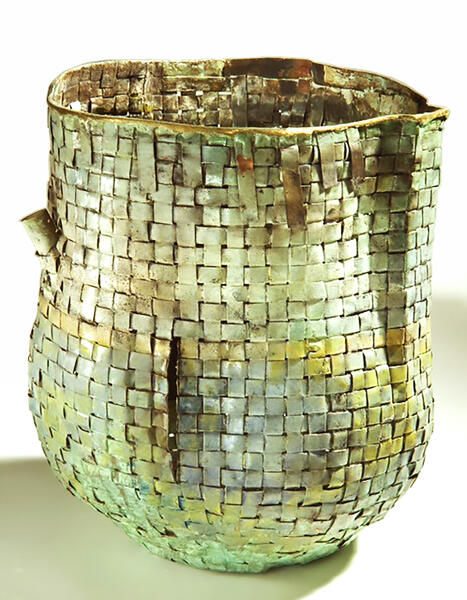 Bole No.3I never cut trees stump down to the ground, choosing instead to leave a bole of 5' or more to remain. Boles mature more slowly than wood of similar girth left to decay on the ground, and a bole provides a handy home for insects, birds, mammals, and a convenient seat when I want to rest in the woodland. This plaited copper bole began life as dusty, red-orange copper. The patina continually changing the color evolves guided by the metal's interactions with the environment. Recycled material, copper, chemical patina, polychrome 20" x 14" x15"