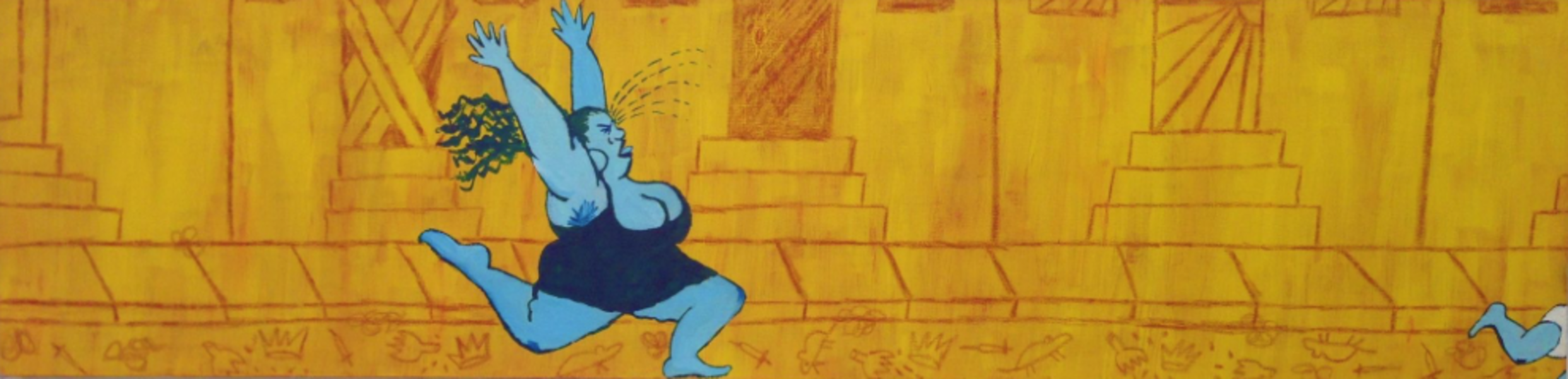
Work samples

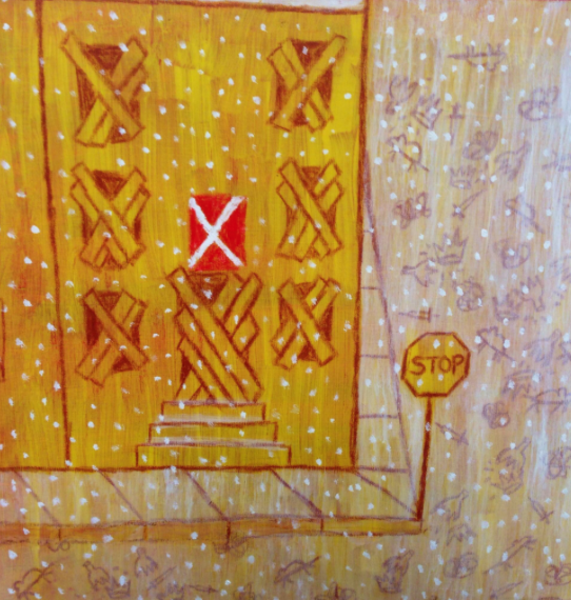
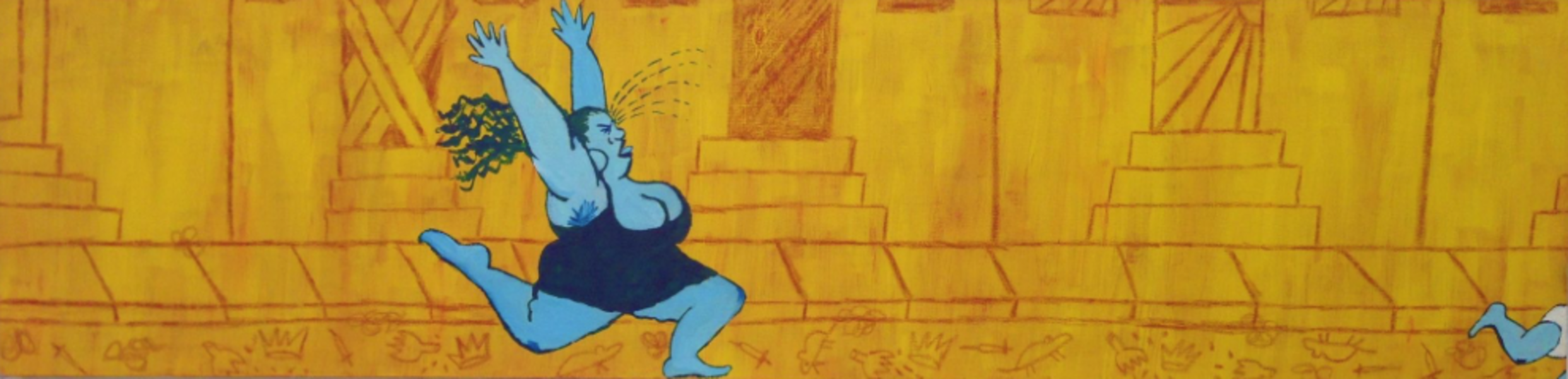
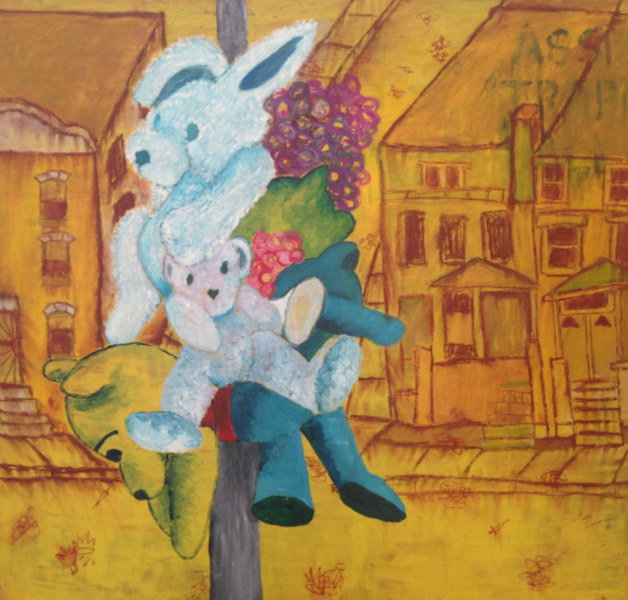
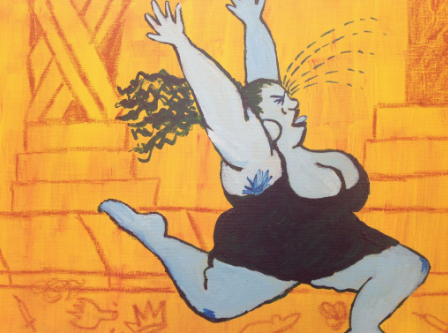
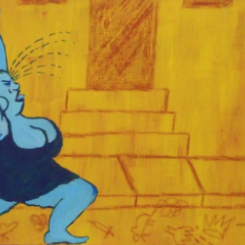
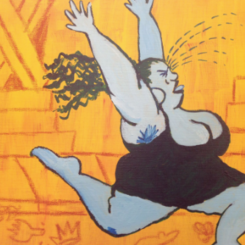
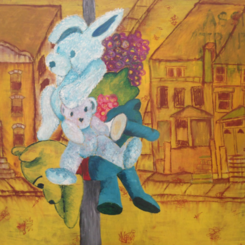
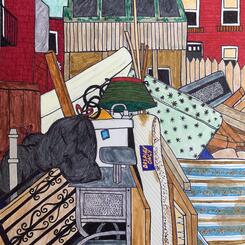
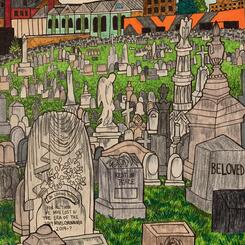
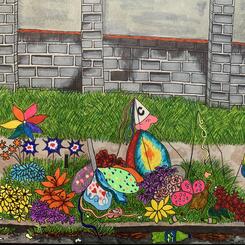
  • Baby............. Mama
    Baby............. Mama
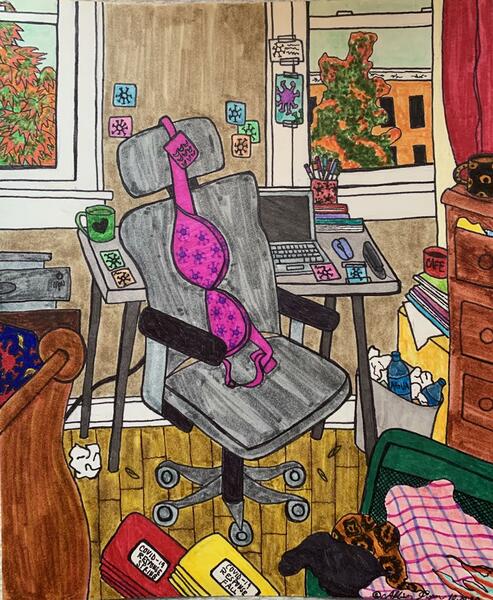
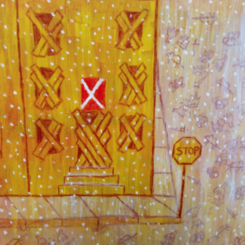
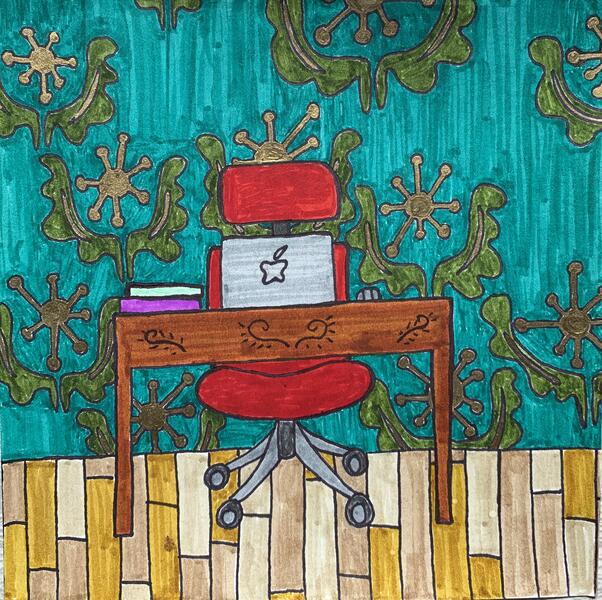
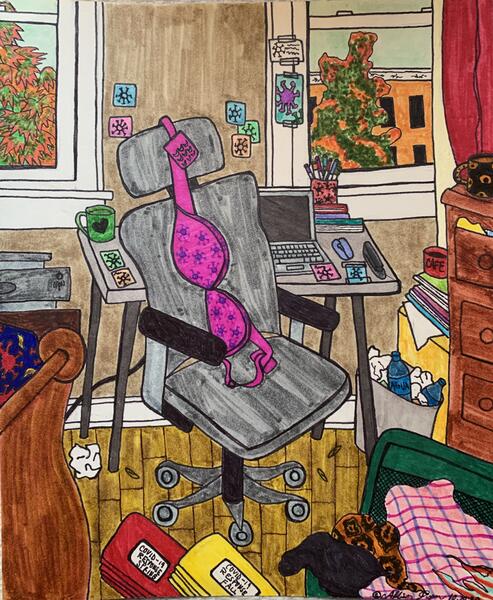
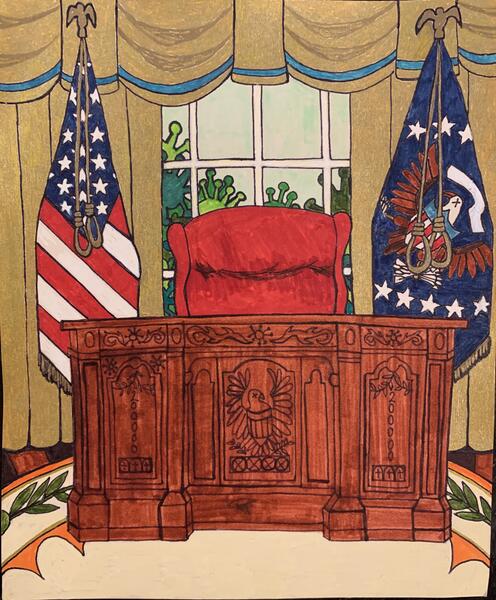
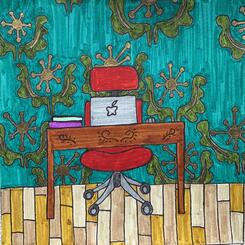
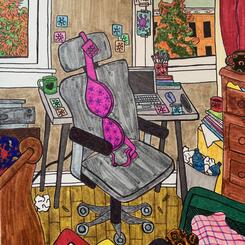
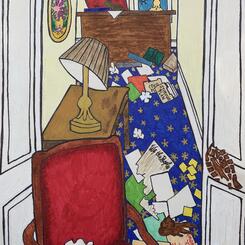
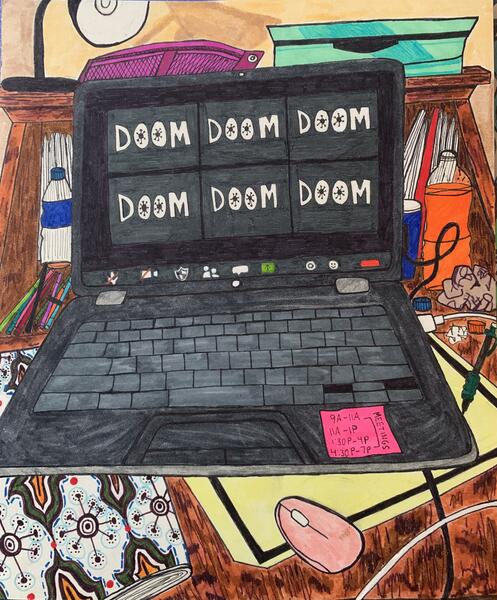
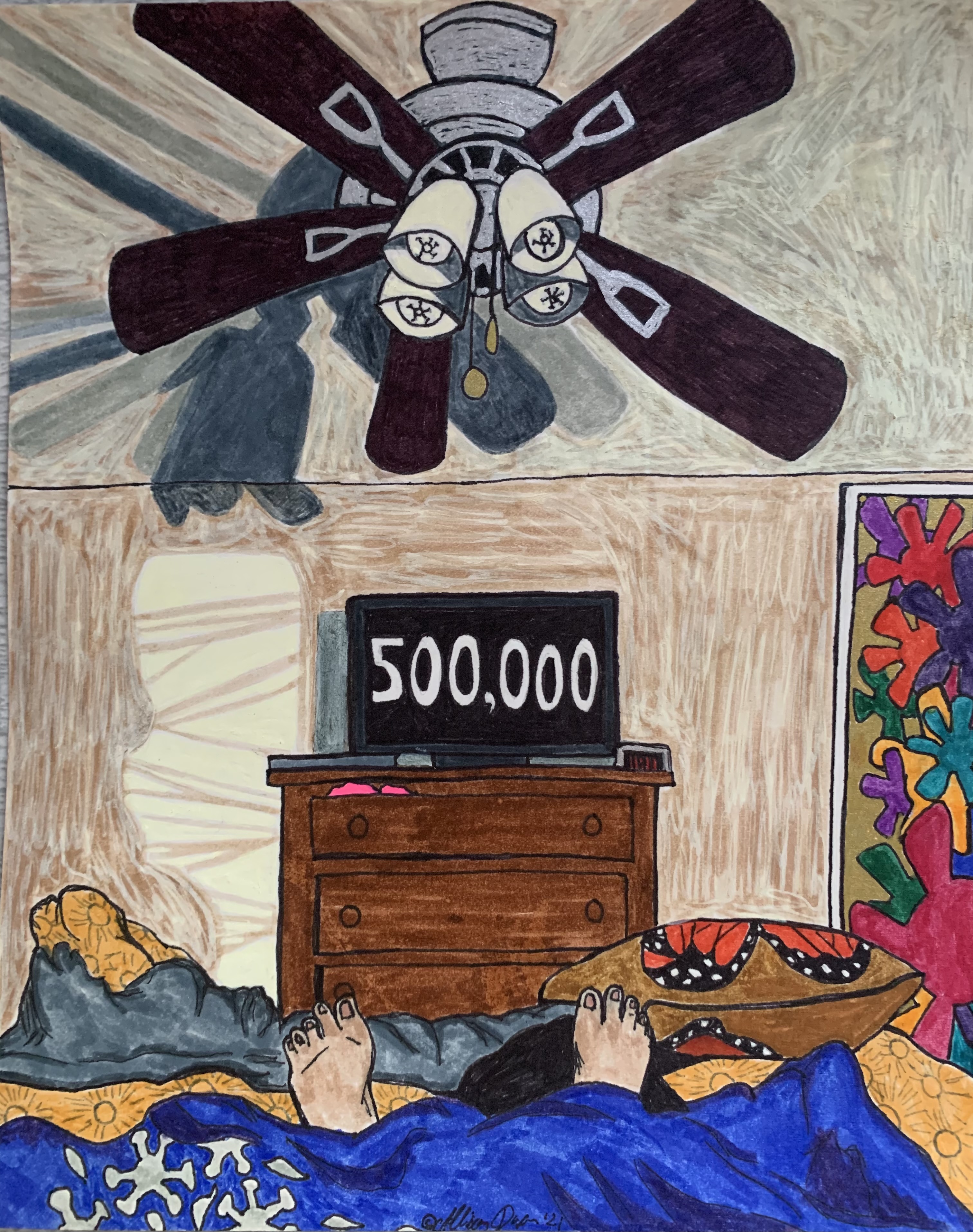
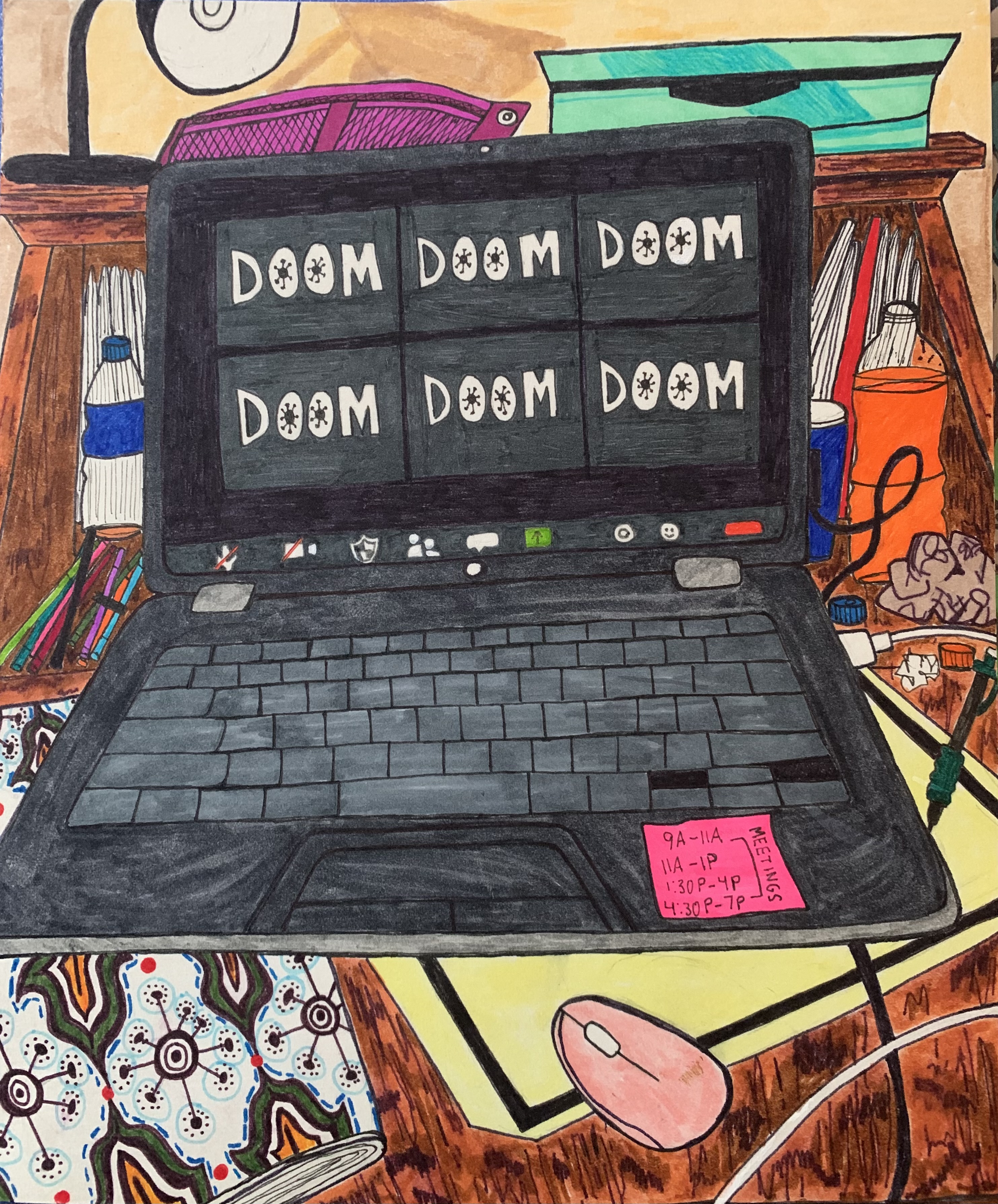
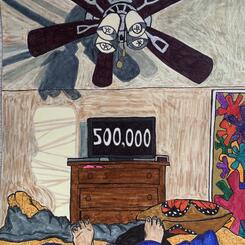
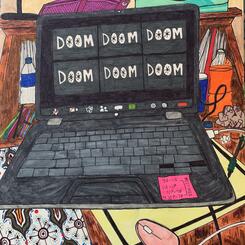
  • COVID Series: Work From Home- My Office
    COVID Series: Work From Home- My Office
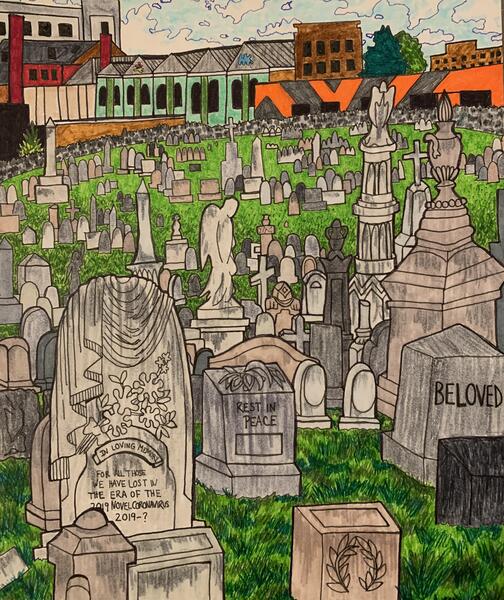
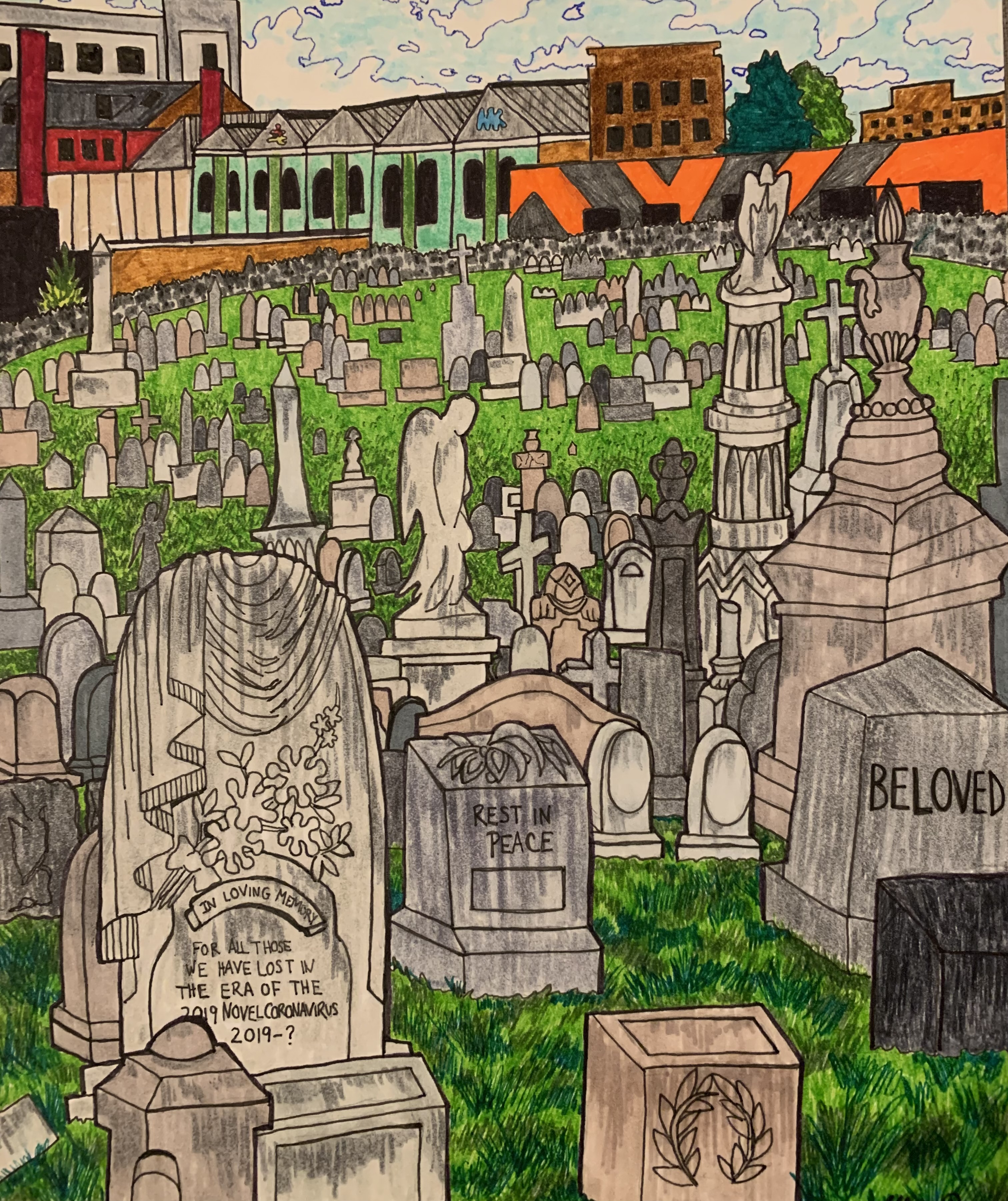
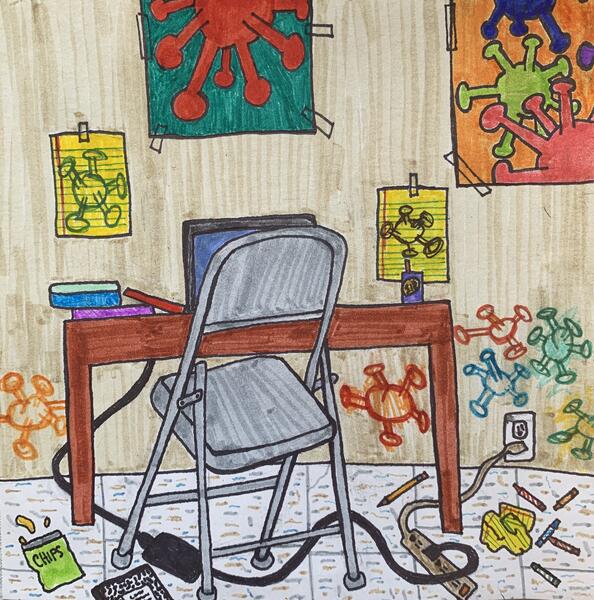
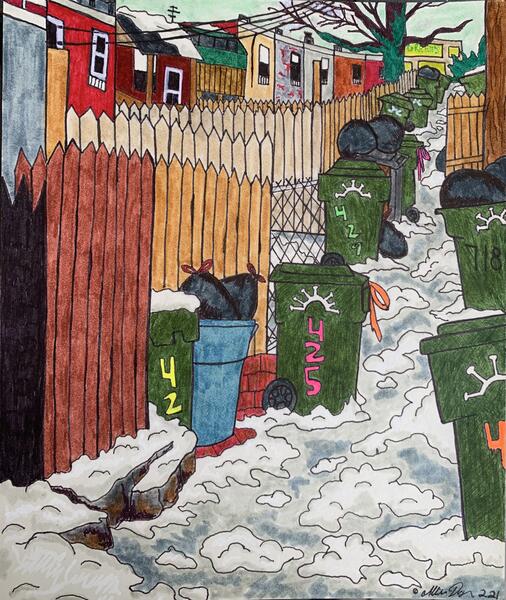
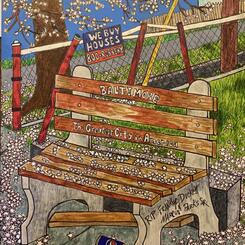
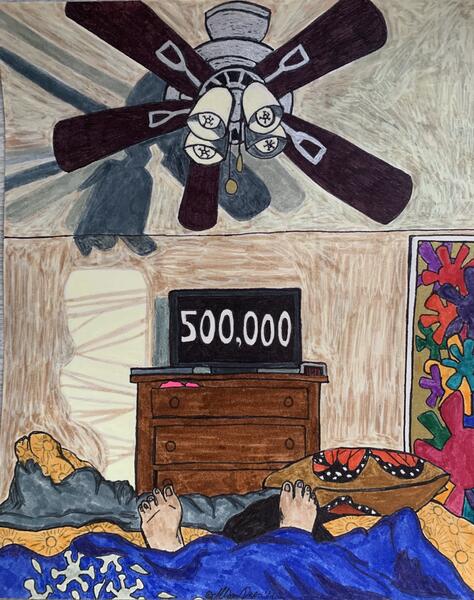
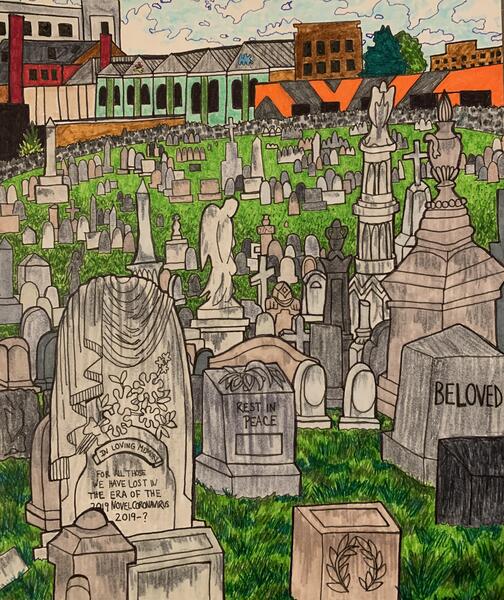
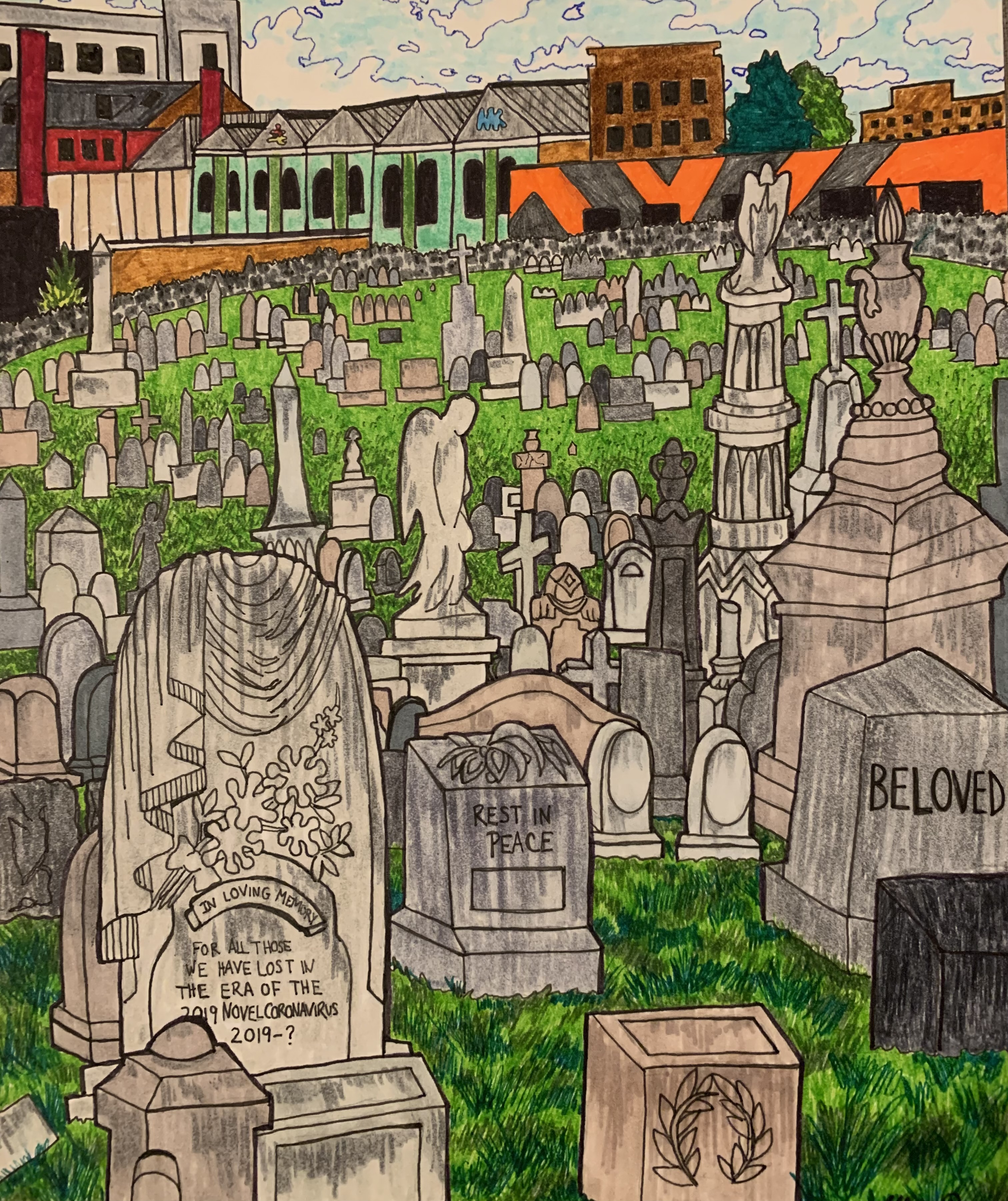
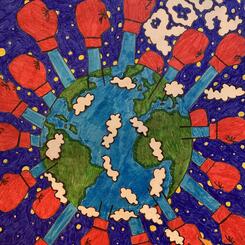
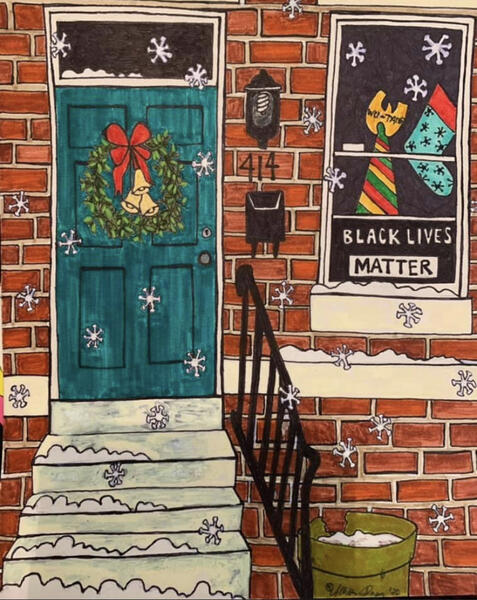
  • COVID Series: Too Many to Count
    COVID Series: Too Many to Count
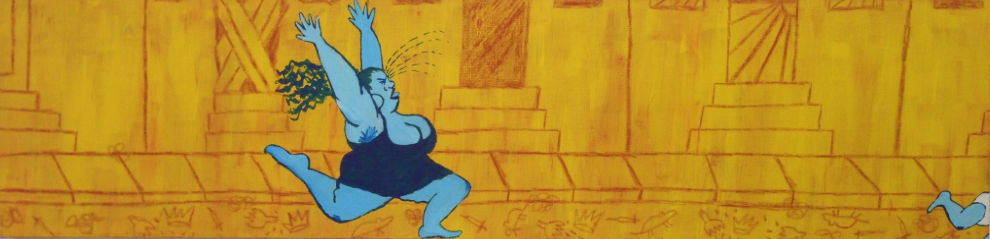
About Allison

Allison Duggan is a community-based artist, organizer, and cultural leader with a strong background in community arts and collaborative practice. She has partnered with organizations such as the Walters Art Museum, the Bea Gaddy Family Center, A Step Forward, and Baltimore United Viewfinders, and various East Baltimore artists centering creativity as a tool for community engagement and empowerment.

Allison earned her graduate degree through the MFA in Community Arts Program at the… more

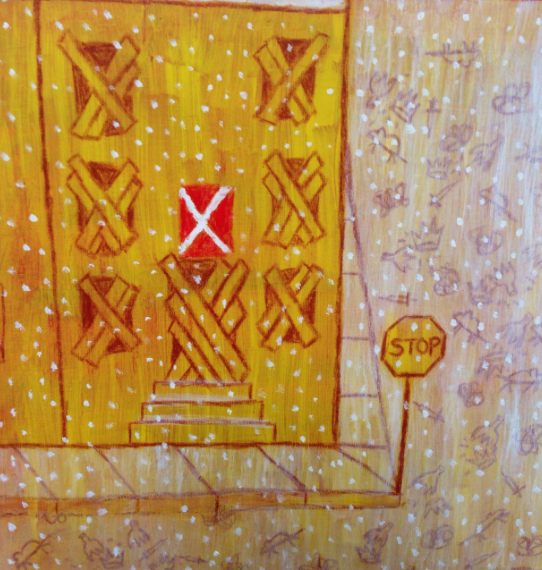
"ORANCHE" Series

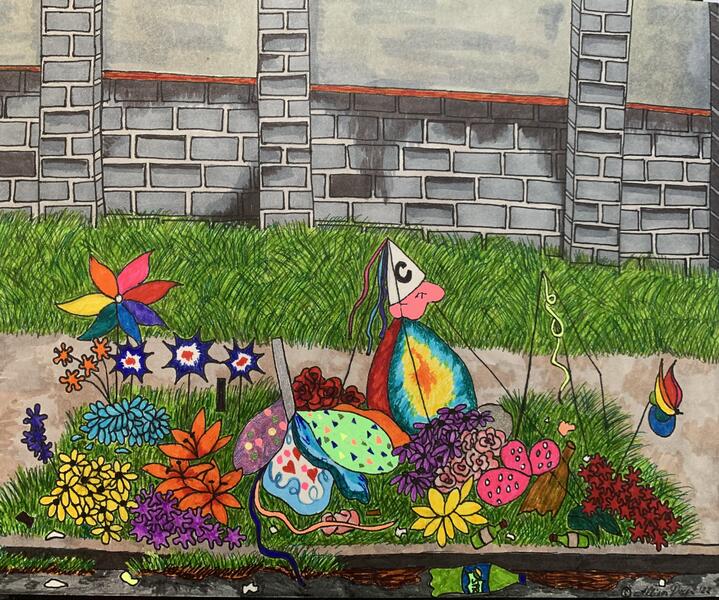
  • A Break
    A Break
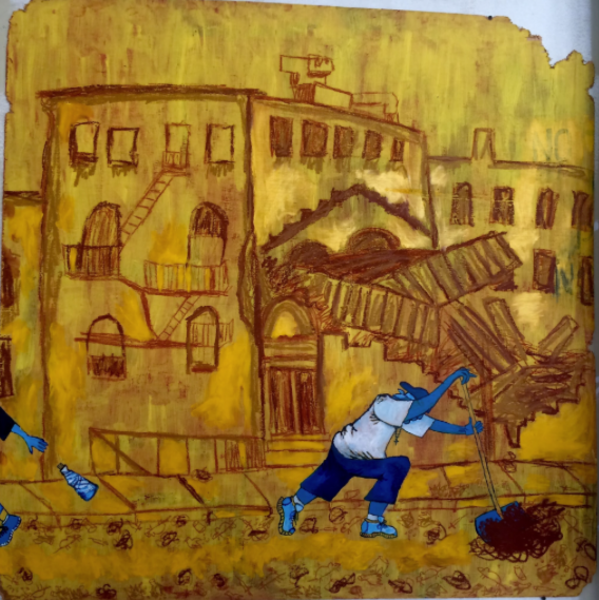
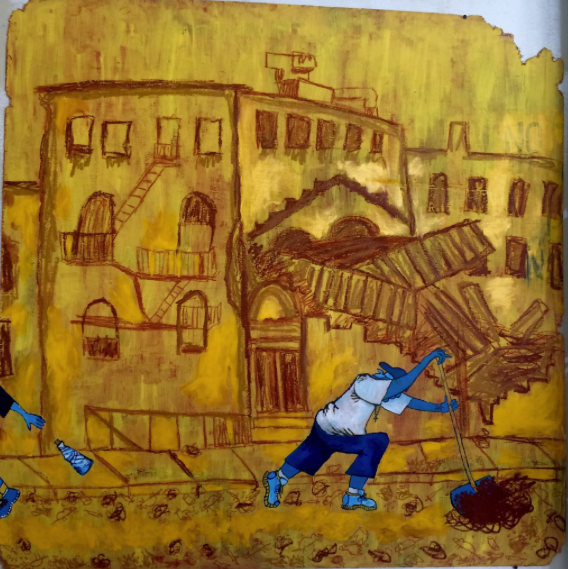
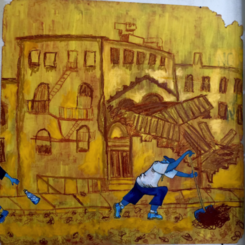
  • The Street Cleaner
    The Street Cleaner
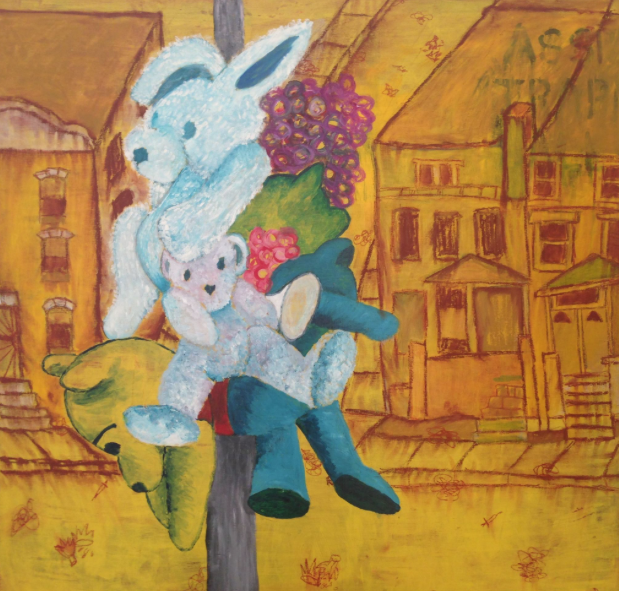
  • Baby.........Mama
    Baby.........Mama
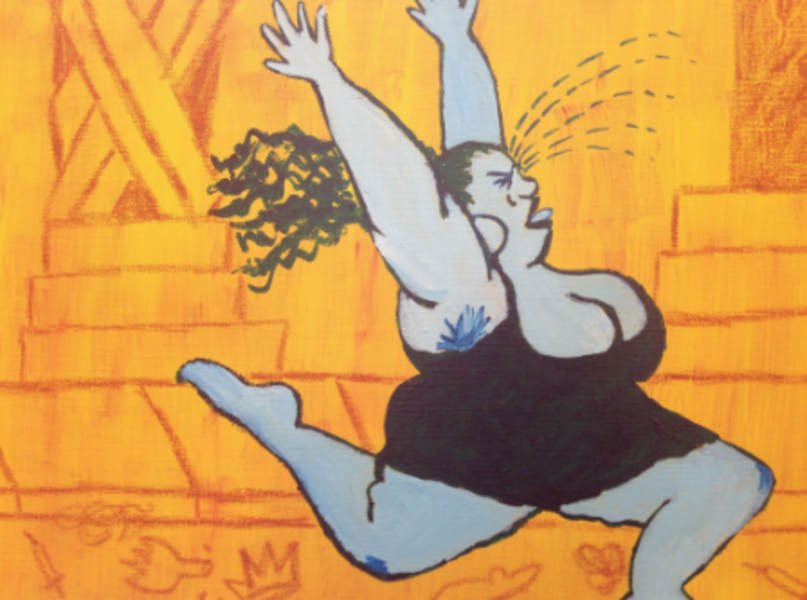
  • Baby........Mama Detail
    Baby........Mama Detail
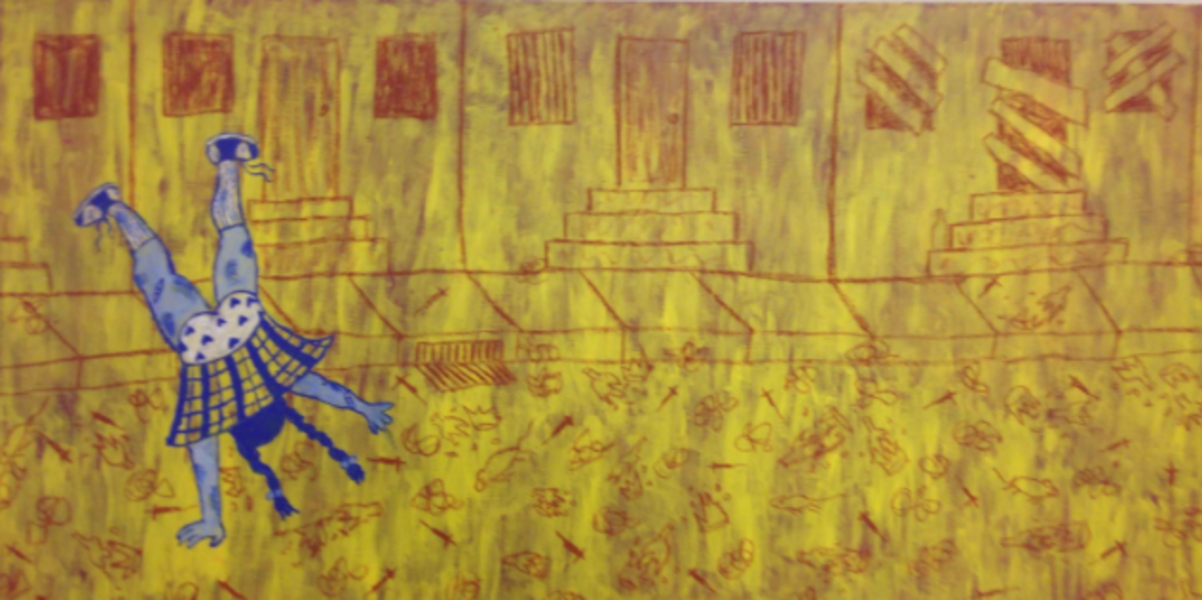
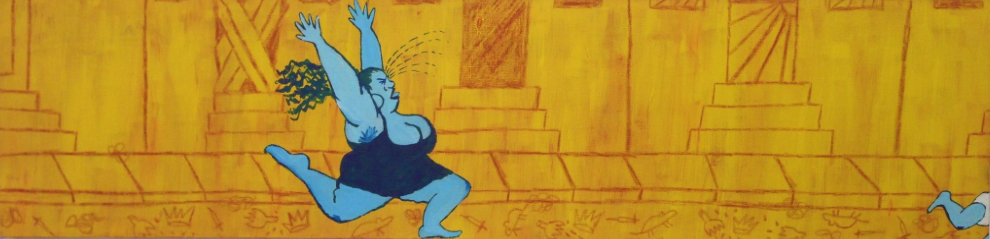
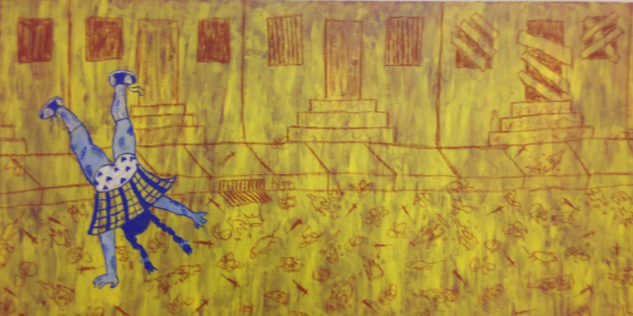
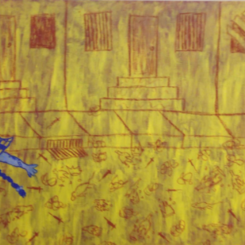
  • Asphalt Cartwheel
    Asphalt Cartwheel
  • In Remembrance Of....
    In Remembrance Of....

COVID SERIES: Work No Life Balance

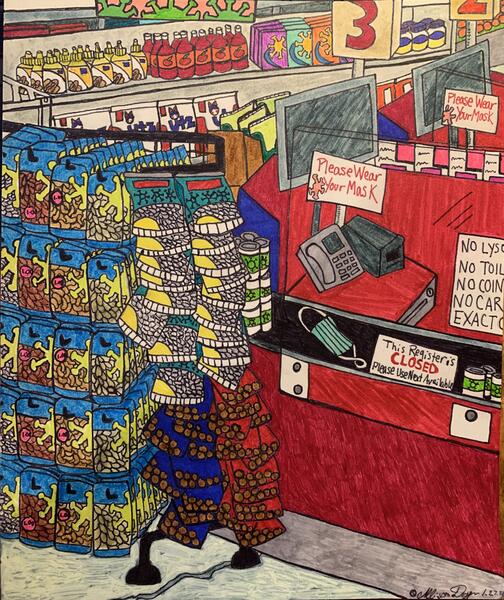
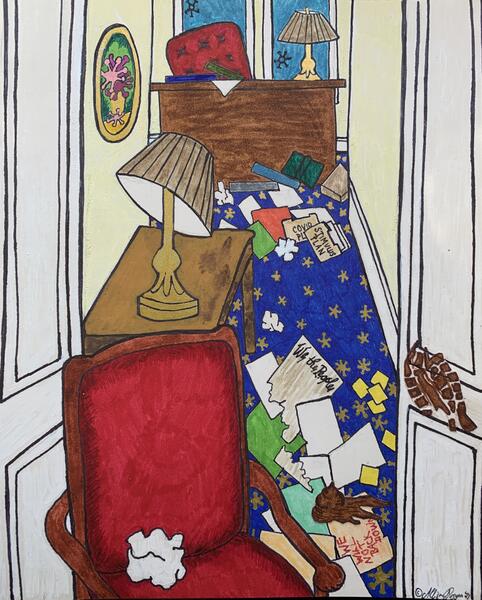
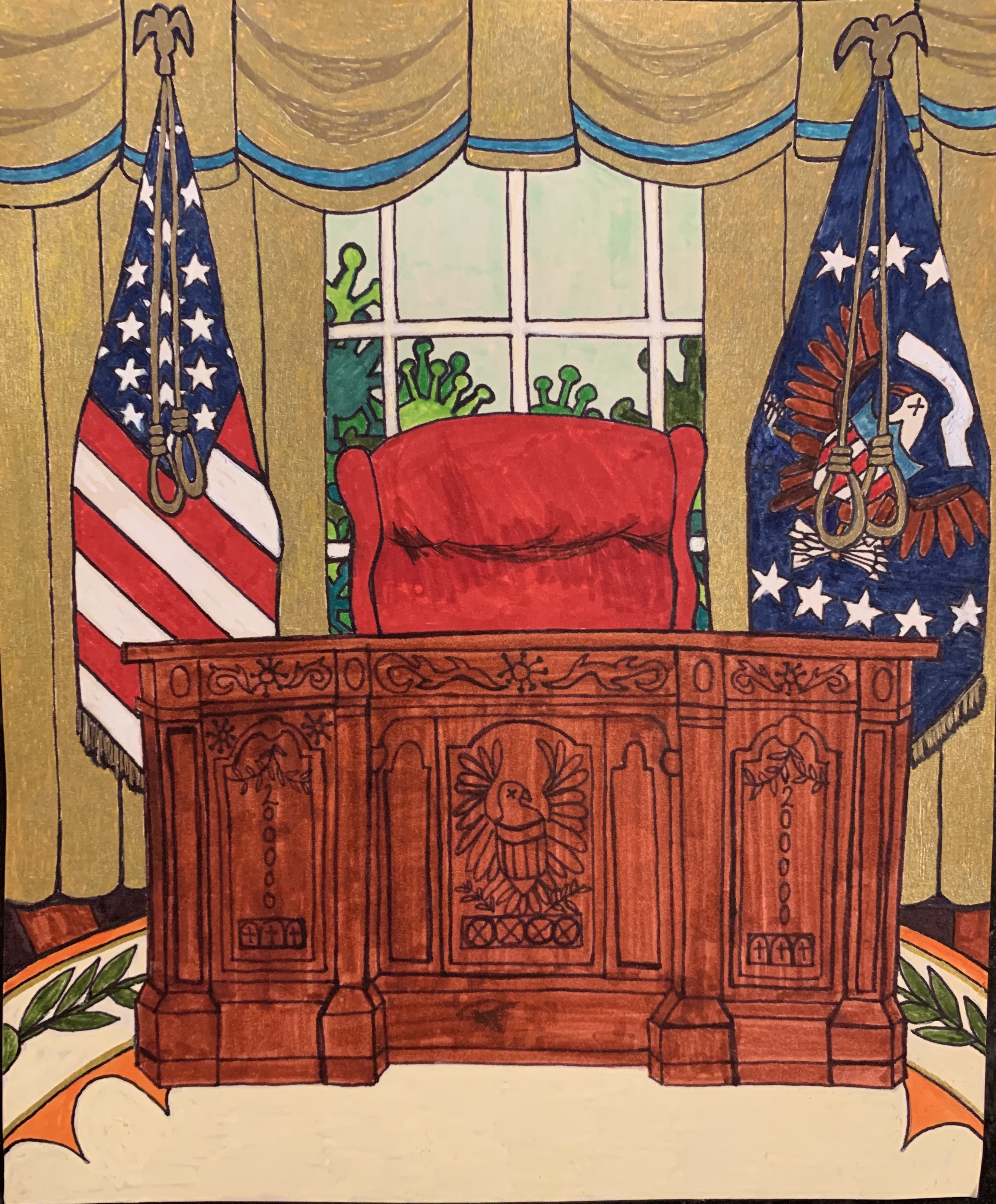
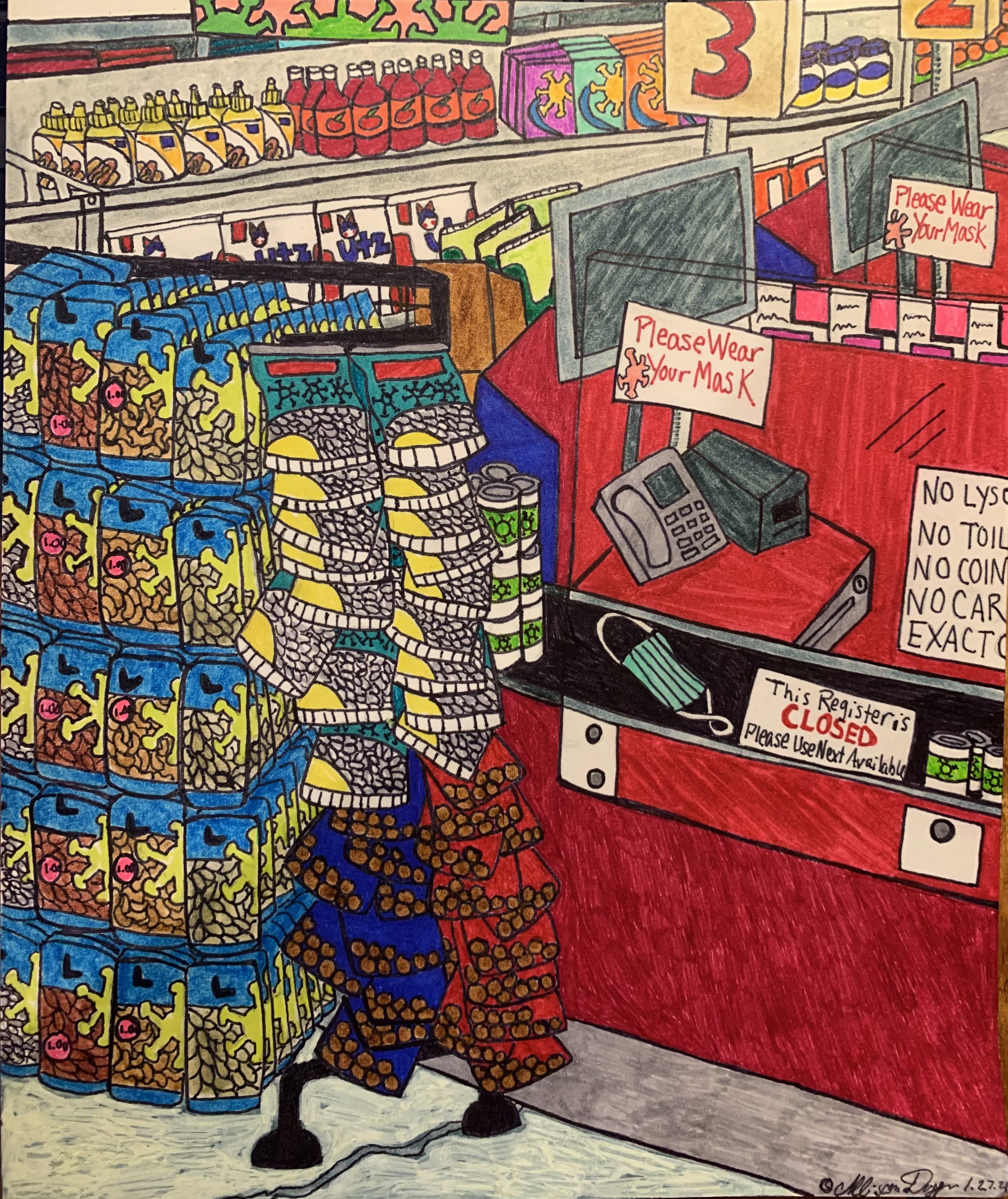
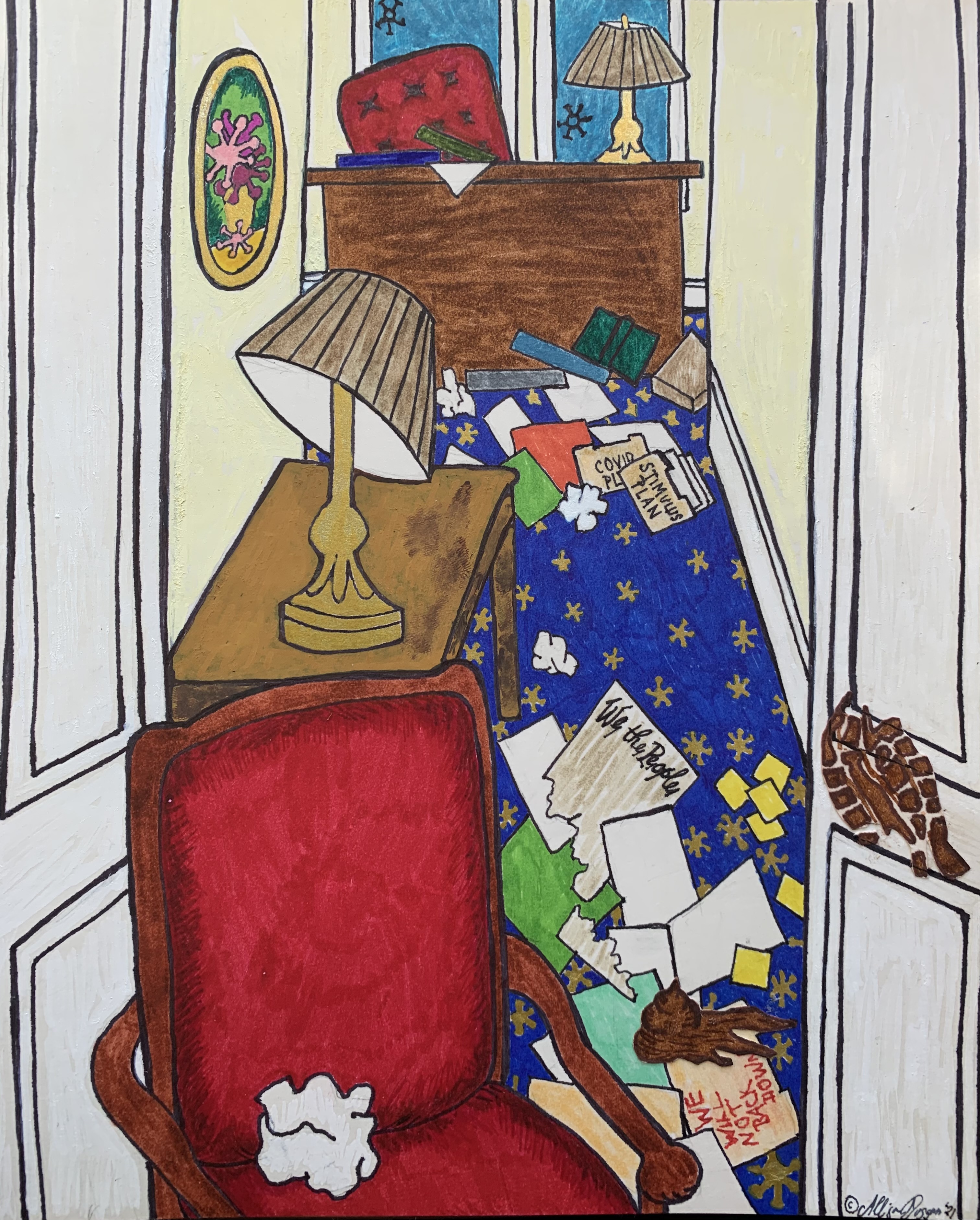
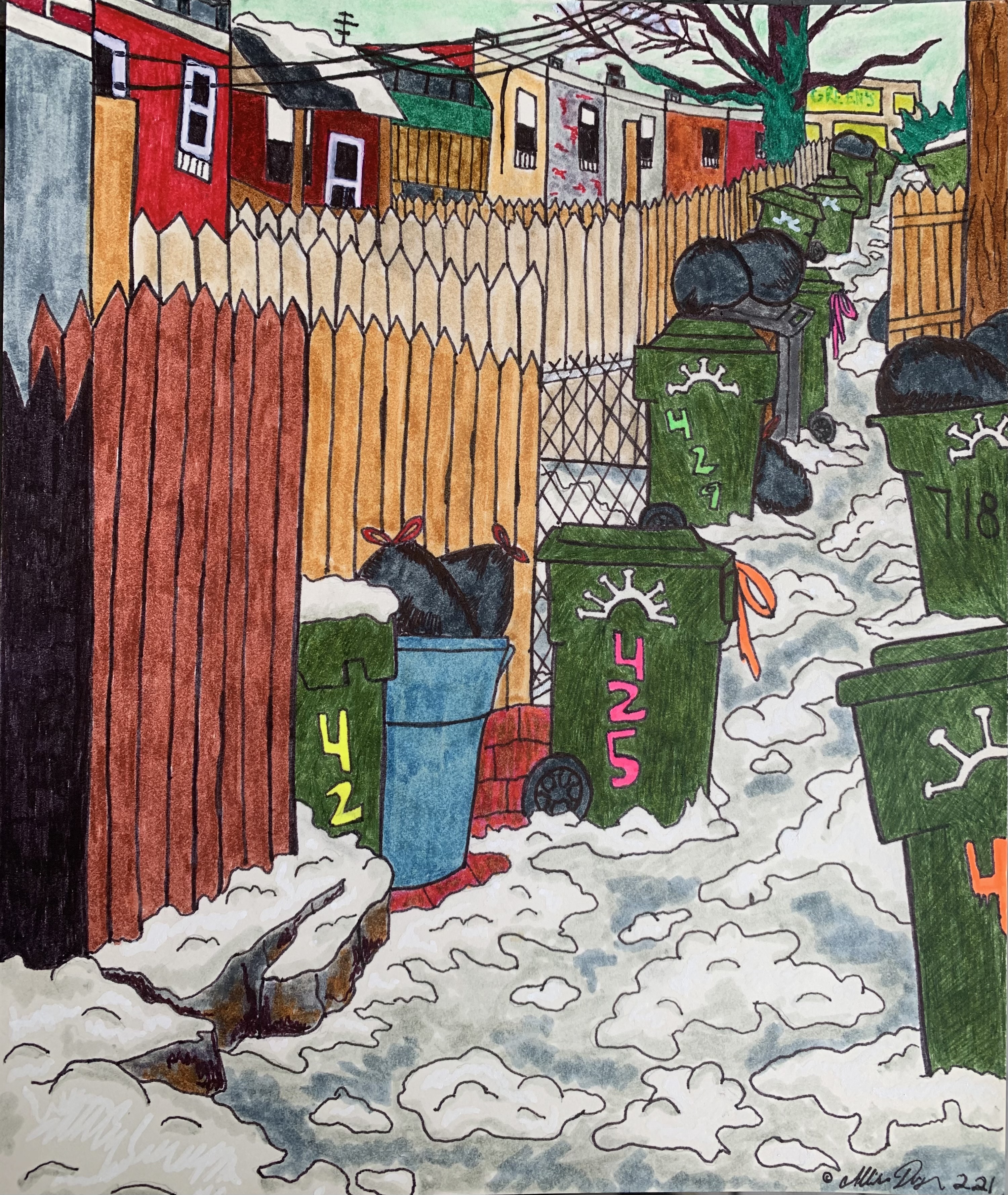
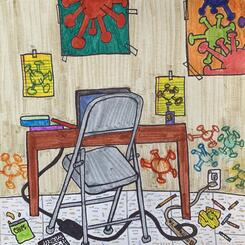
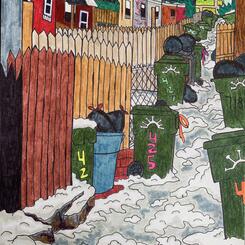
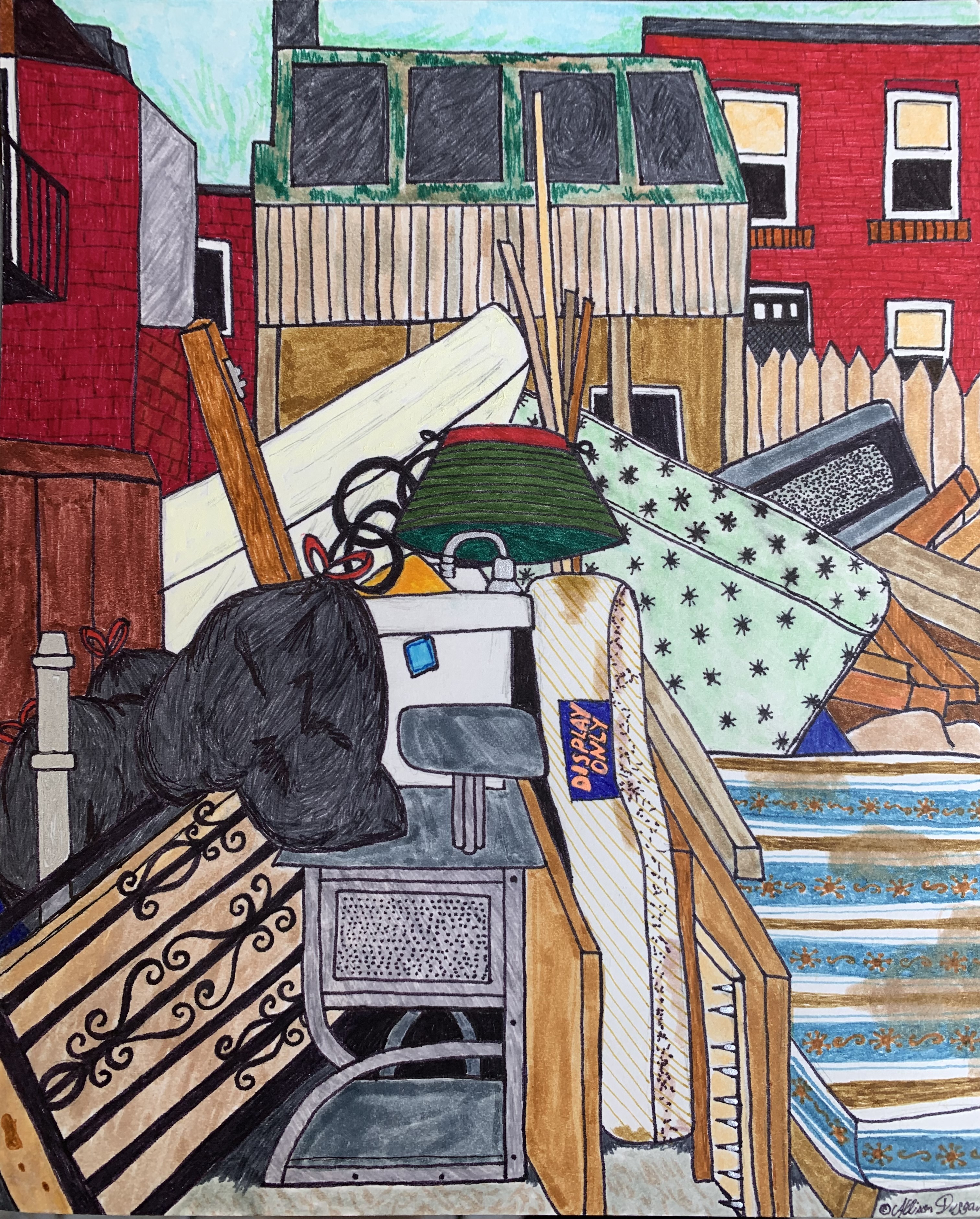
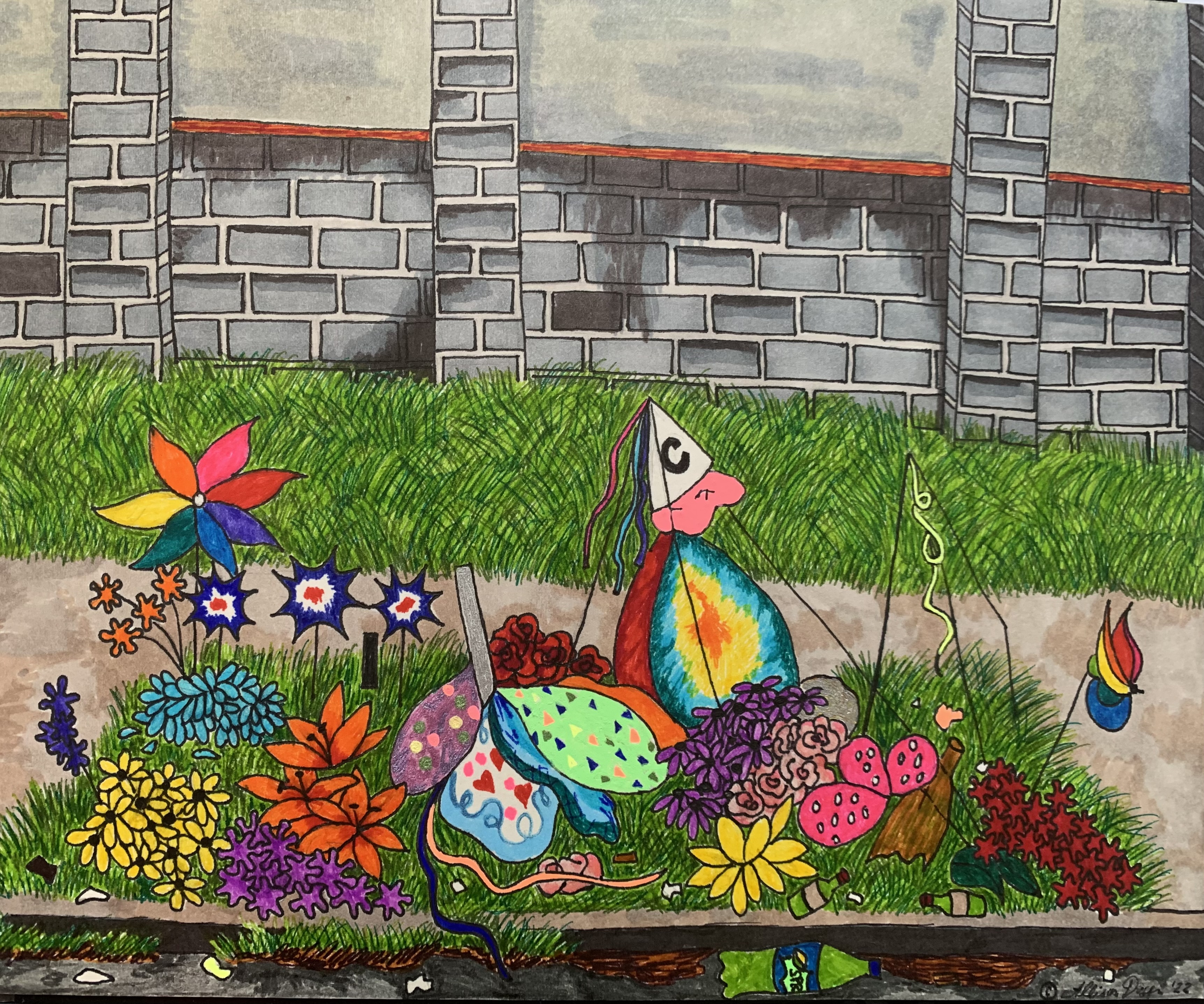
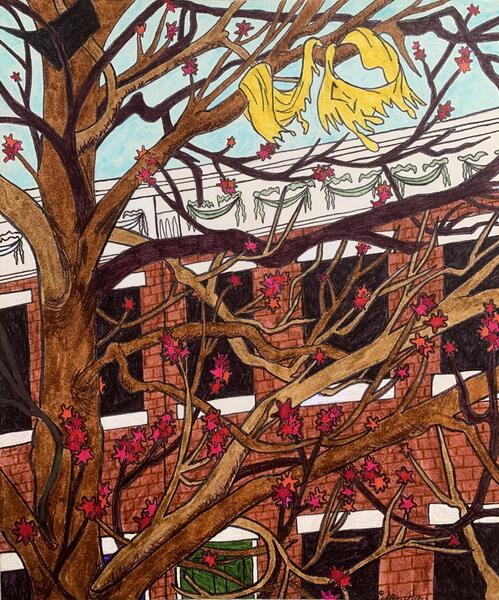
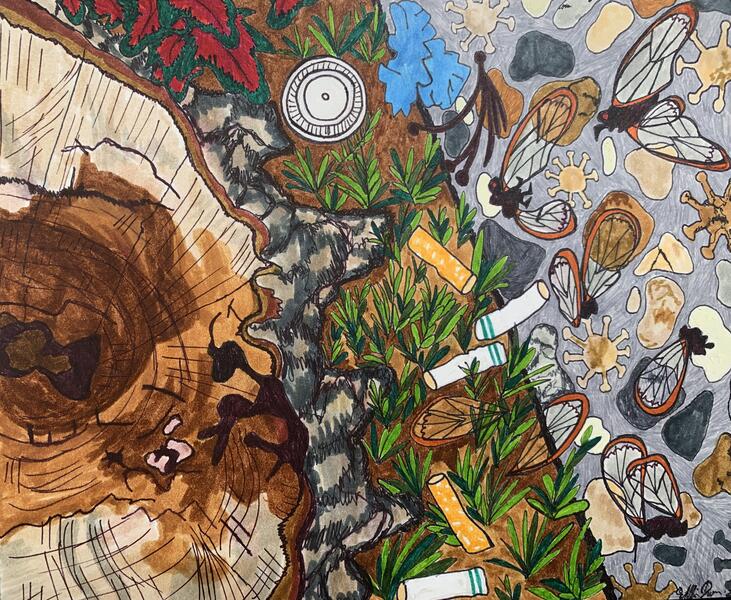
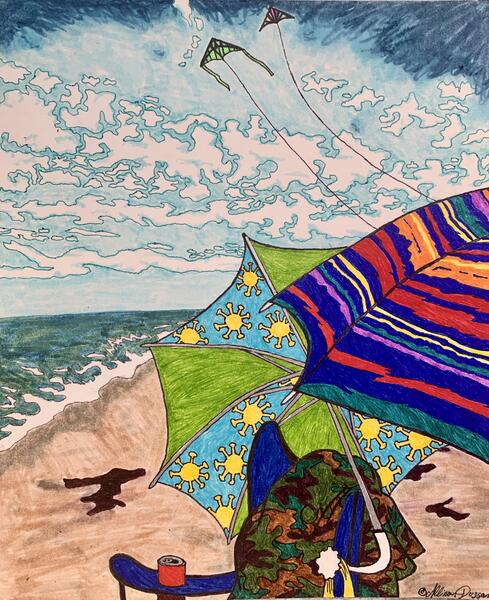
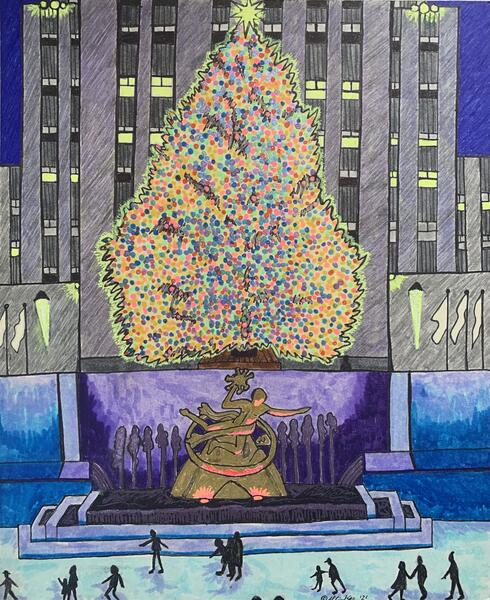
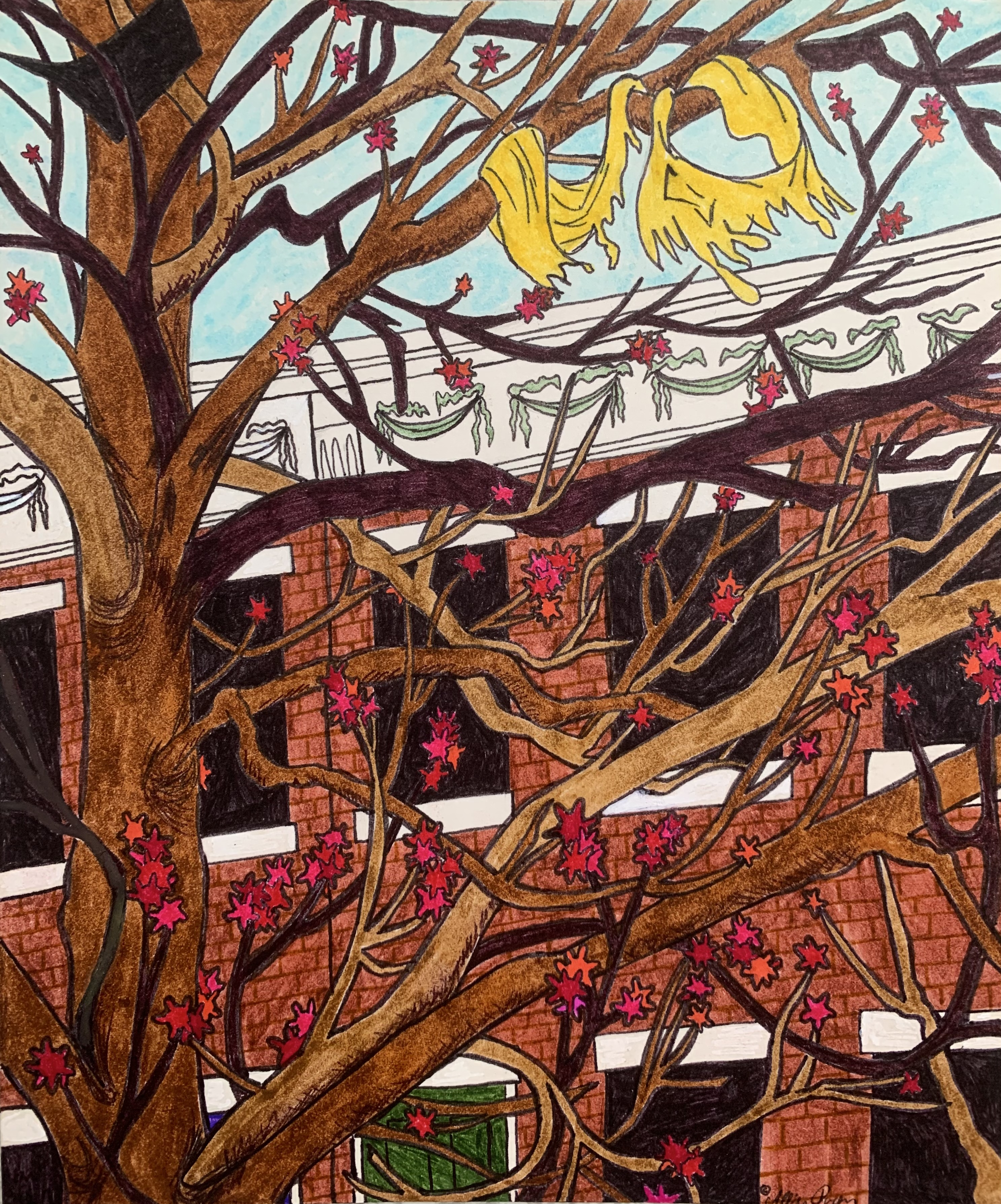
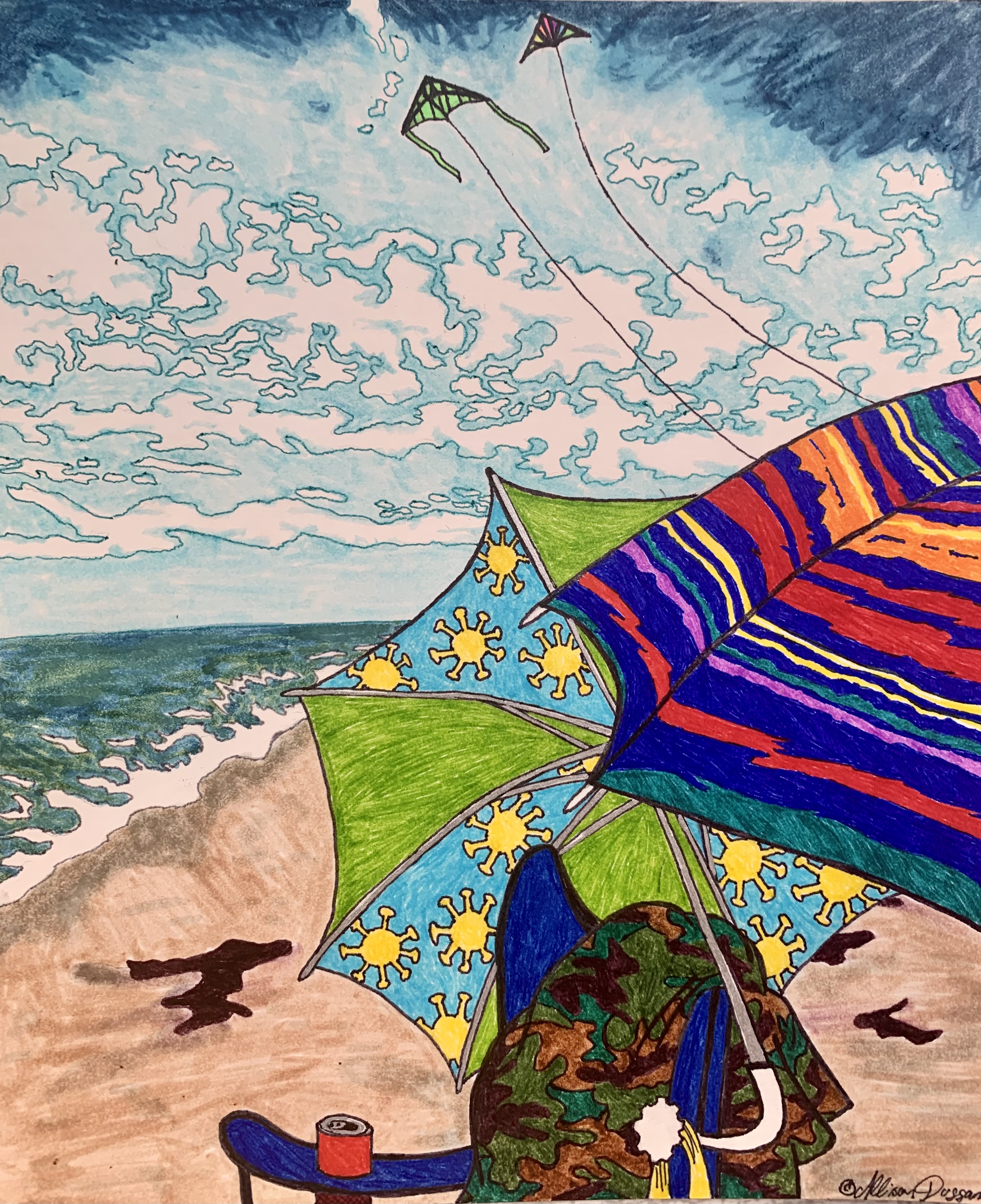
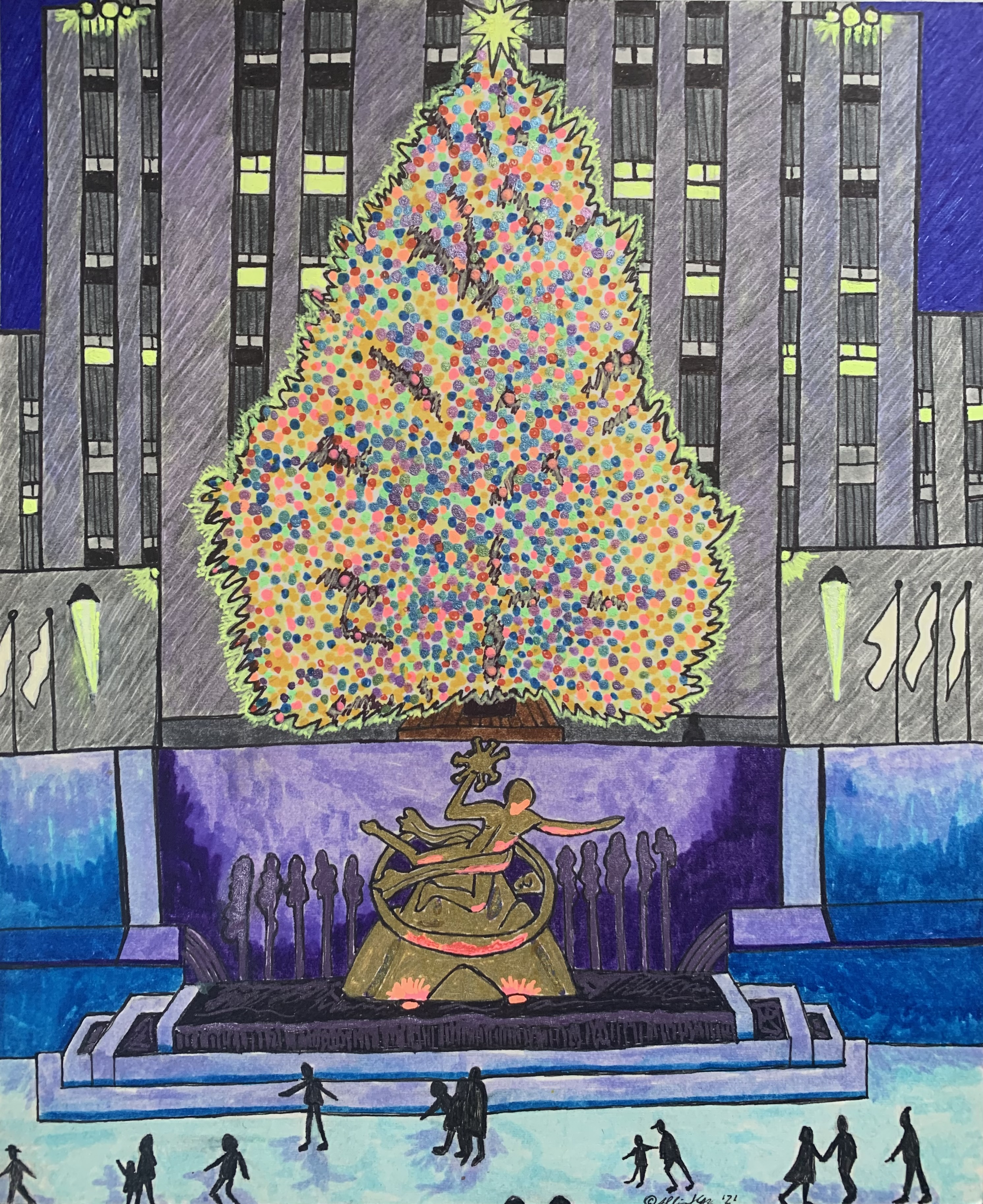
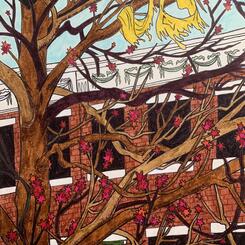
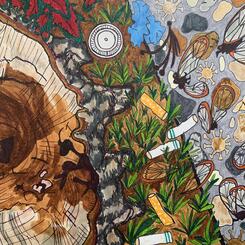
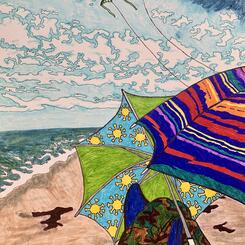
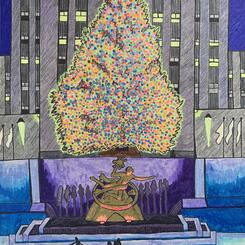
During COVID lockdown, my work became physically smaller as my world shrank. I stayed indoors and worked at a reduced scale, creating small, contained drawings that formed tiny worlds and mirrored how confined daily life felt. Many of these works depict familiar scenes in and around my neighborhood, including grocery stores, bedrooms, home offices, and local public spaces shaped by isolation.

I often incorporated literal images and shapes of the virus into the drawings. These forms repeat throughout the work to reflect COVID’s constant presence, never fully visible but always there, shaping thought, behavior, and fear.

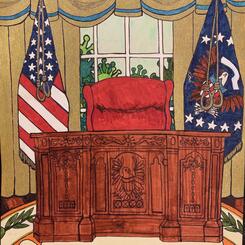
While much of the work focuses on quiet, everyday moments, there are also dramatic breaks in that stillness. Pieces responding to events like January 6th interrupt the domestic scenes and pull large collective trauma into intimate spaces. The small scale intensifies these moments, making them feel close and unavoidable.

I found comfort in working with markers, the same accessible medium I used as a child, doodling in school. Returning to this familiar material became a way to self soothe and stay present while documenting uncertainty.

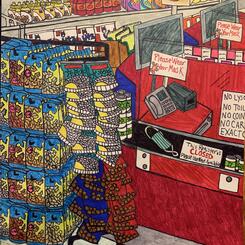
The work also acknowledges unequal experiences of the pandemic. Some drawings reflect working from home, while others center people who did not have that option, those who continued to work in grocery stores and service jobs, risking their lives to support others. Other pieces simply track time passing, with seasons changing and rises and falls of COVID unfolding alongside nature, routines, and everyday life.

Together, these drawings form small, contained worlds that document how crisis, labor, care, and resistance coexisted in everyday life.


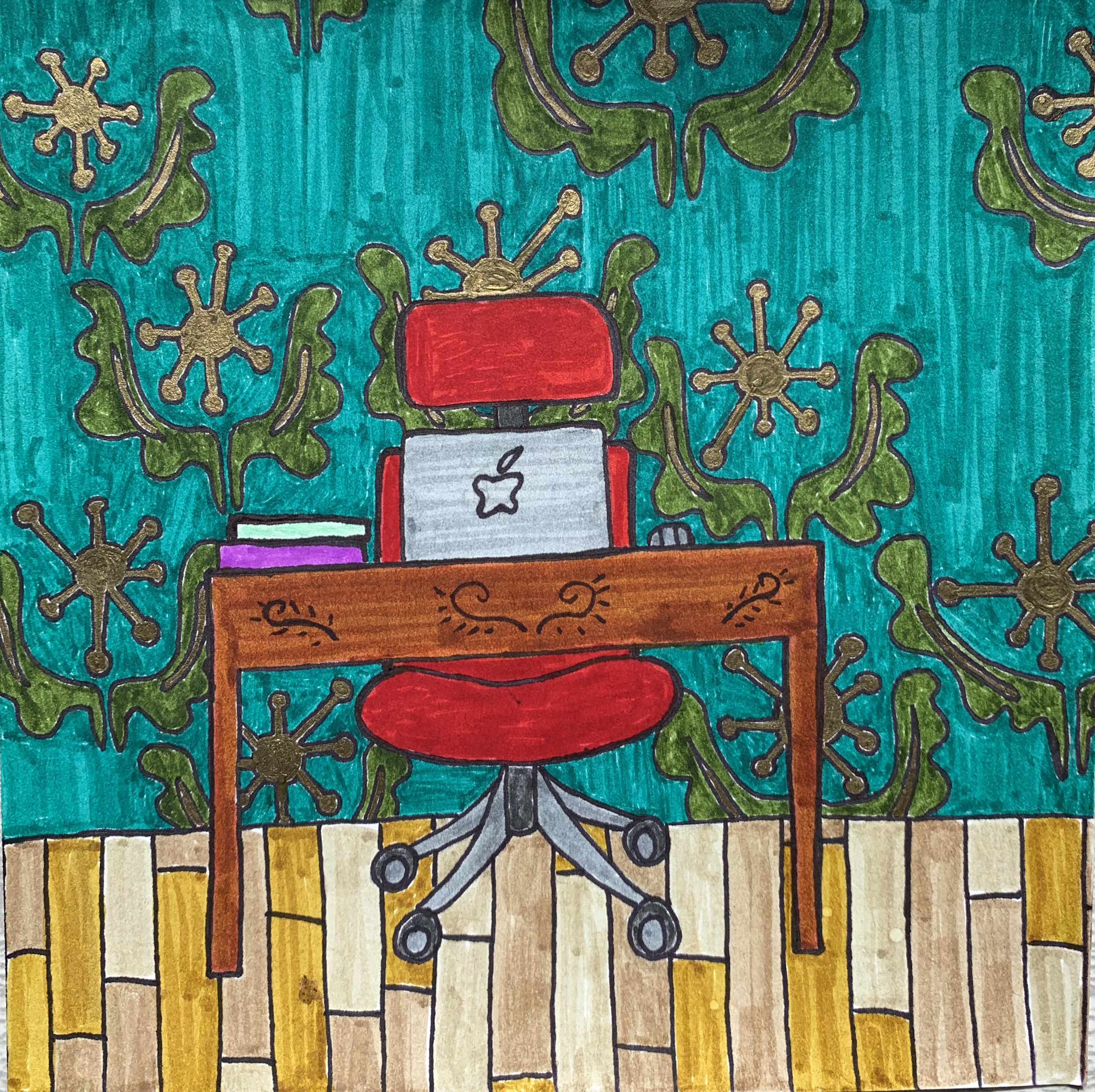
  • COVID Series: Work From Home- My Dream Office
    COVID Series: Work From Home- My Dream Office
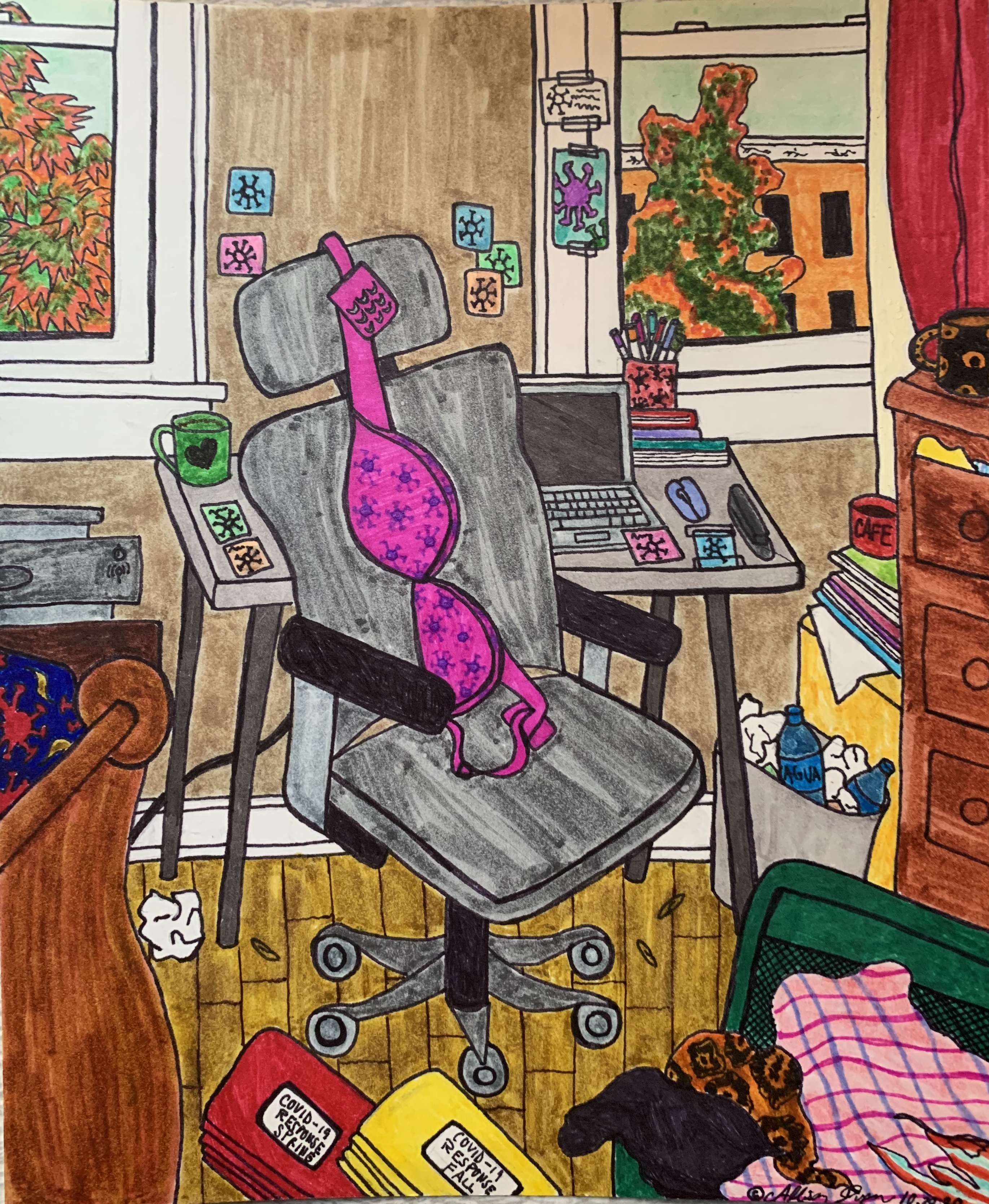
  • COVID Series: Work From Home- My Real Office
    COVID Series: Work From Home- My Real Office
  • COVID Series: Work From Home- The Students (Poor Babies)
    COVID Series: Work From Home- The Students (Poor Babies)
  • COVID Series: Please Stay Your A$$ at Home- Trump Gets COVID
    COVID Series: Please Stay Your A$$ at Home- Trump Gets COVID
  • COVID Series: Those who CANNOT Work From Home- The Grocery Store
    COVID Series: Those who CANNOT Work From Home- The Grocery Store
  • COVID Series: Those who CANNOT Work From Home- The Capitol January 6th
    COVID Series: Those who CANNOT Work From Home- The Capitol January 6th
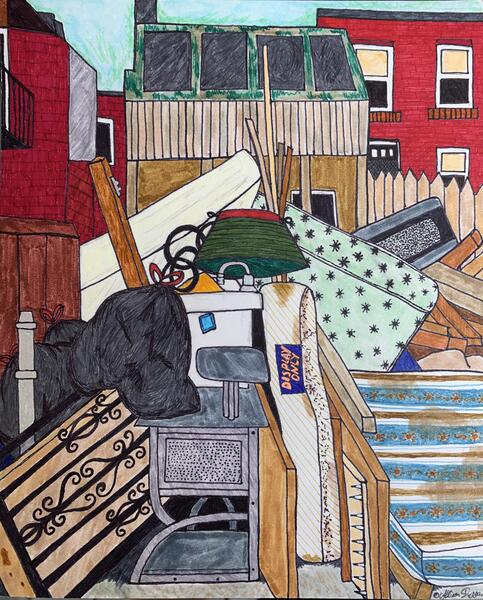
  • COVID Series: Those who CANNOT Work From Home- DPW
    COVID Series: Those who CANNOT Work From Home- DPW
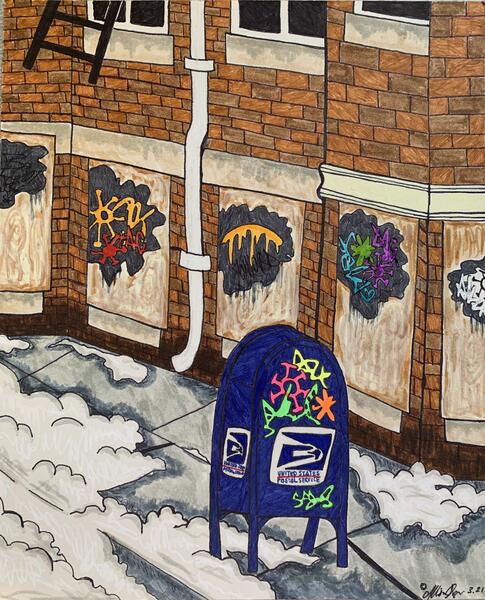
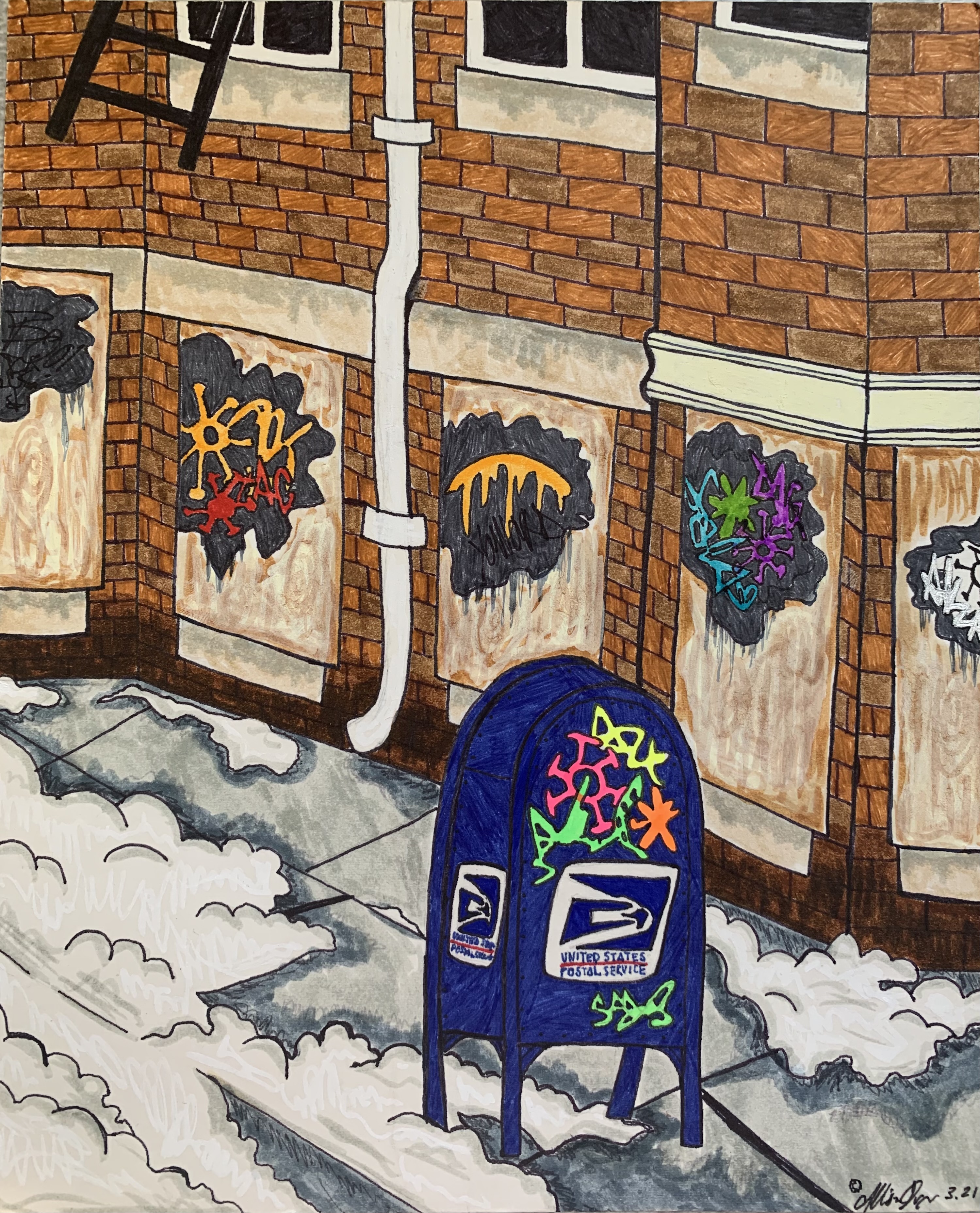
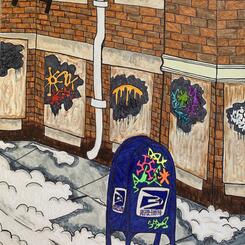
  • COVID Series: Those who CANNOT Work From Home- USPS
    COVID Series: Those who CANNOT Work From Home- USPS
  • COVID Series: Those who CANNOT Work From Home- MTA
    COVID Series: Those who CANNOT Work From Home- MTA
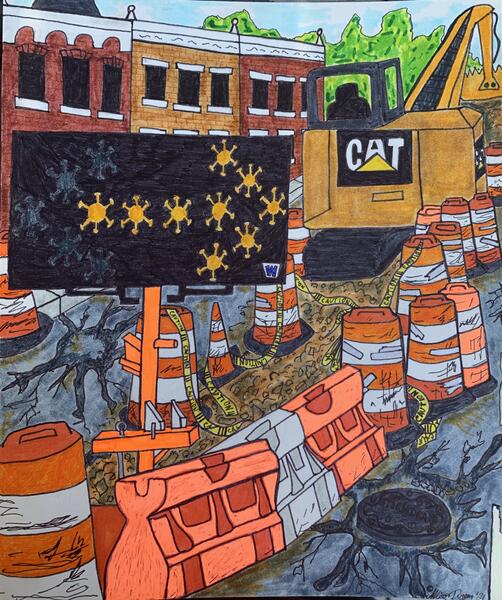
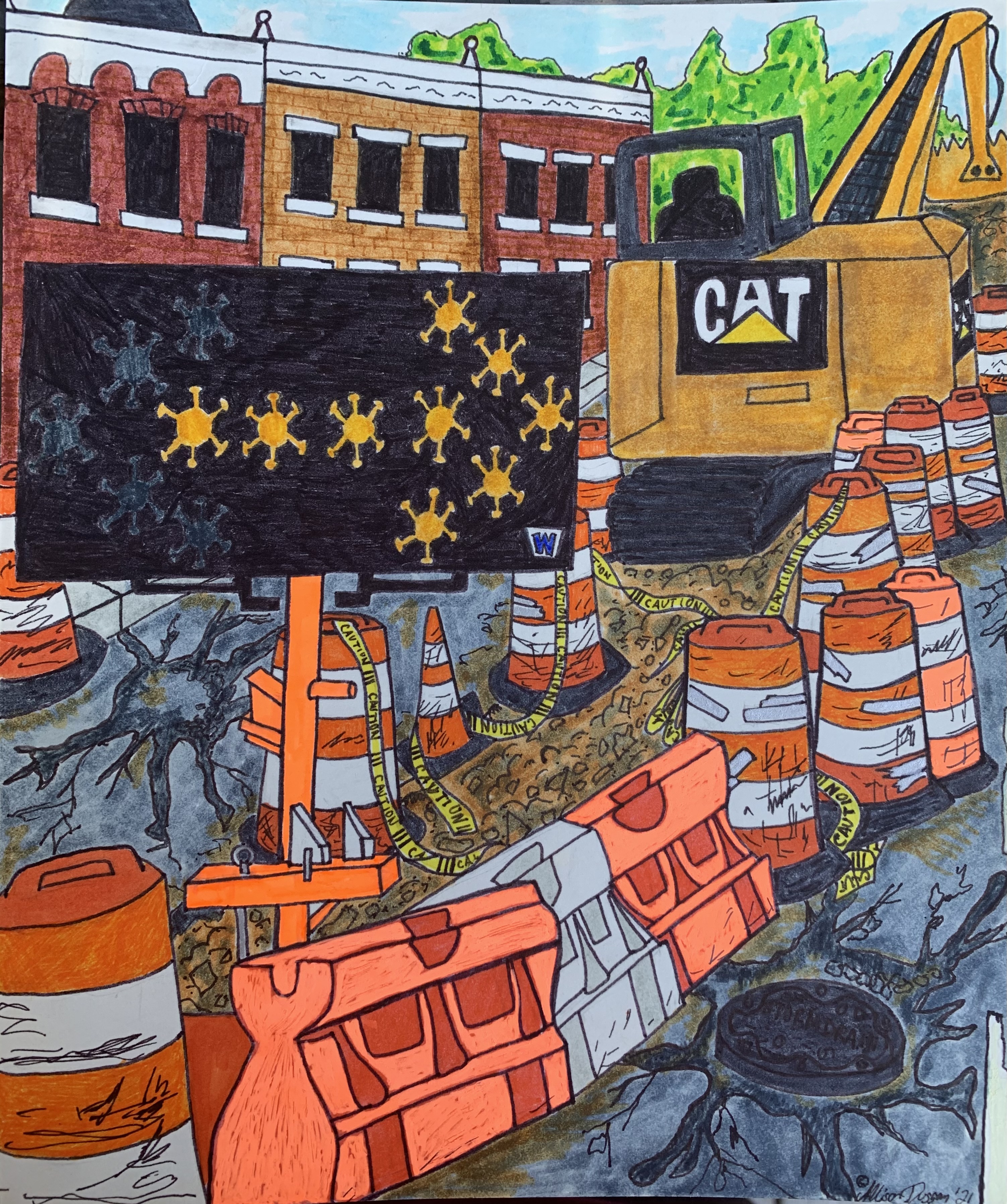
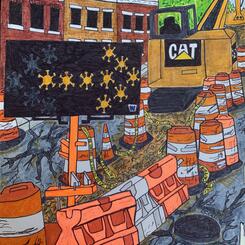
  • COVID Series: Those who CANNOT Work From Home- Construction
    COVID Series: Those who CANNOT Work From Home- Construction

COVID Series: Feelins'

During COVID lockdown, my work became physically smaller as my world shrank. I stayed indoors and worked at a reduced scale, creating small, contained drawings that formed tiny worlds and mirrored how confined daily life felt. Many of these works depict familiar scenes in and around my neighborhood, including grocery stores, bedrooms, home offices, and local public spaces shaped by isolation.

I often incorporated literal images and shapes of the virus into the drawings. These forms repeat throughout the work to reflect COVID’s constant presence, never fully visible but always there, shaping thought, behavior, and fear.

While much of the work focuses on quiet, everyday moments, there are also dramatic breaks in that stillness. Pieces responding to events like January 6th interrupt the domestic scenes and pull large collective trauma into intimate spaces. The small scale intensifies these moments, making them feel close and unavoidable.

I found comfort in working with markers, the same accessible medium I used as a child, doodling in school. Returning to this familiar material became a way to self soothe and stay present while documenting uncertainty.

The work also acknowledges unequal experiences of the pandemic. Some drawings reflect working from home, while others center people who did not have that option, those who continued to work in grocery stores and service jobs, risking their lives to support others. Other pieces simply track time passing, with seasons changing and rises and falls of COVID unfolding alongside nature, routines, and everyday life.

Together, these drawings form small, contained worlds that document how crisis, labor, care, and resistance coexisted in everyday life.


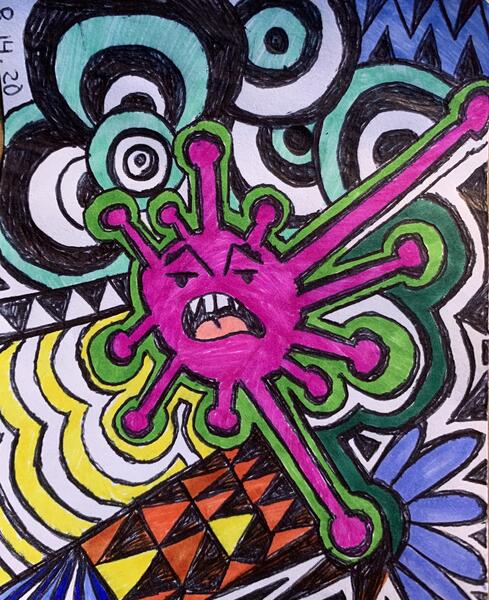
  • COVID Series: The Introduction
    COVID Series: The Introduction
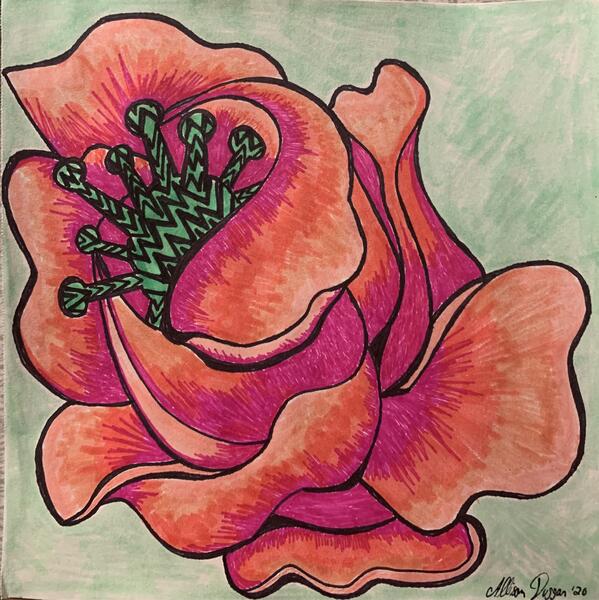
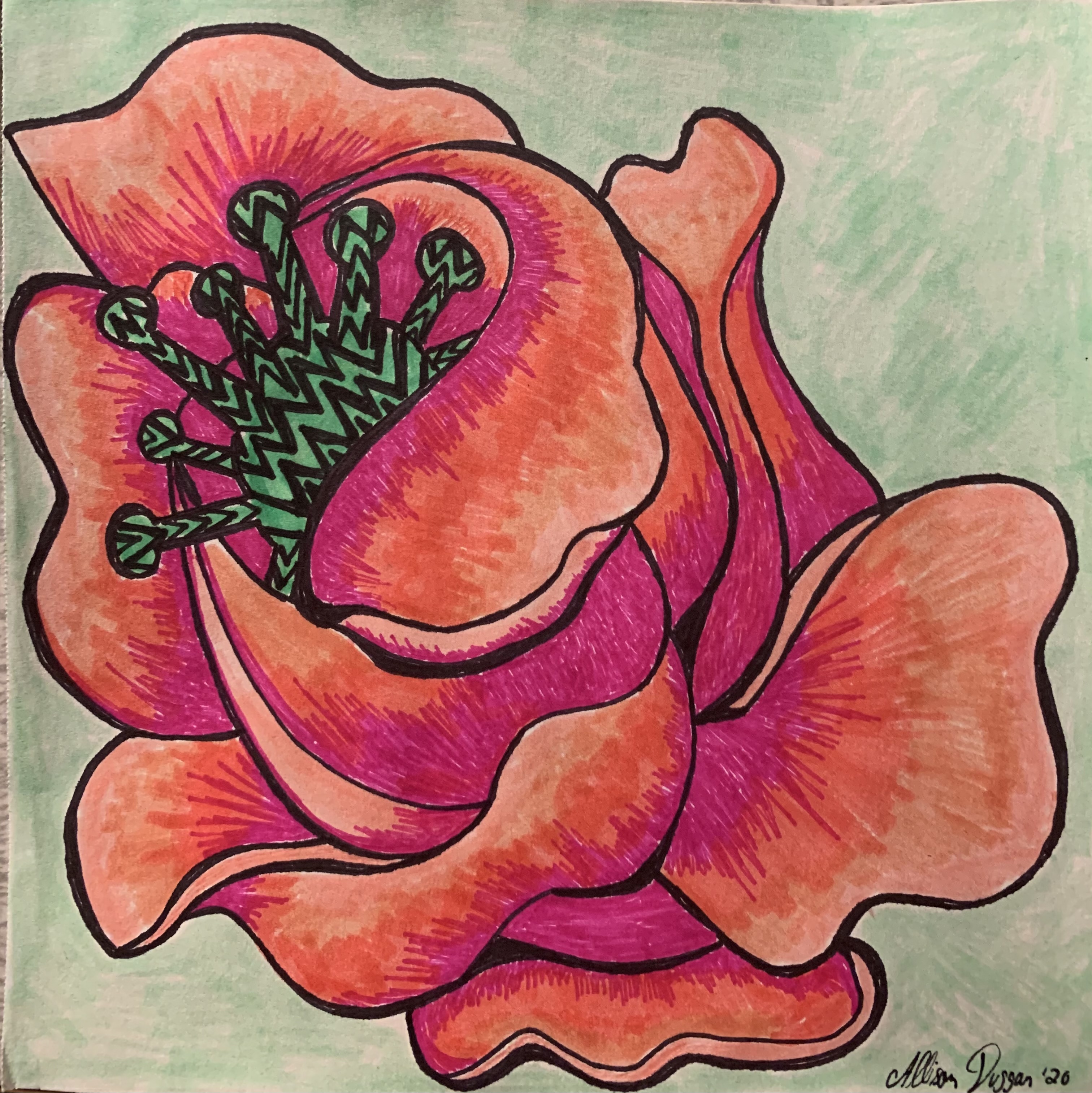
  • COVID SERIES: Budding Like a Rose
    COVID SERIES: Budding Like a Rose
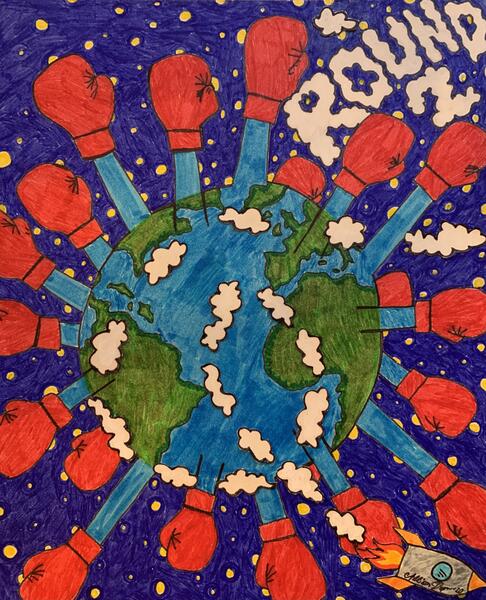
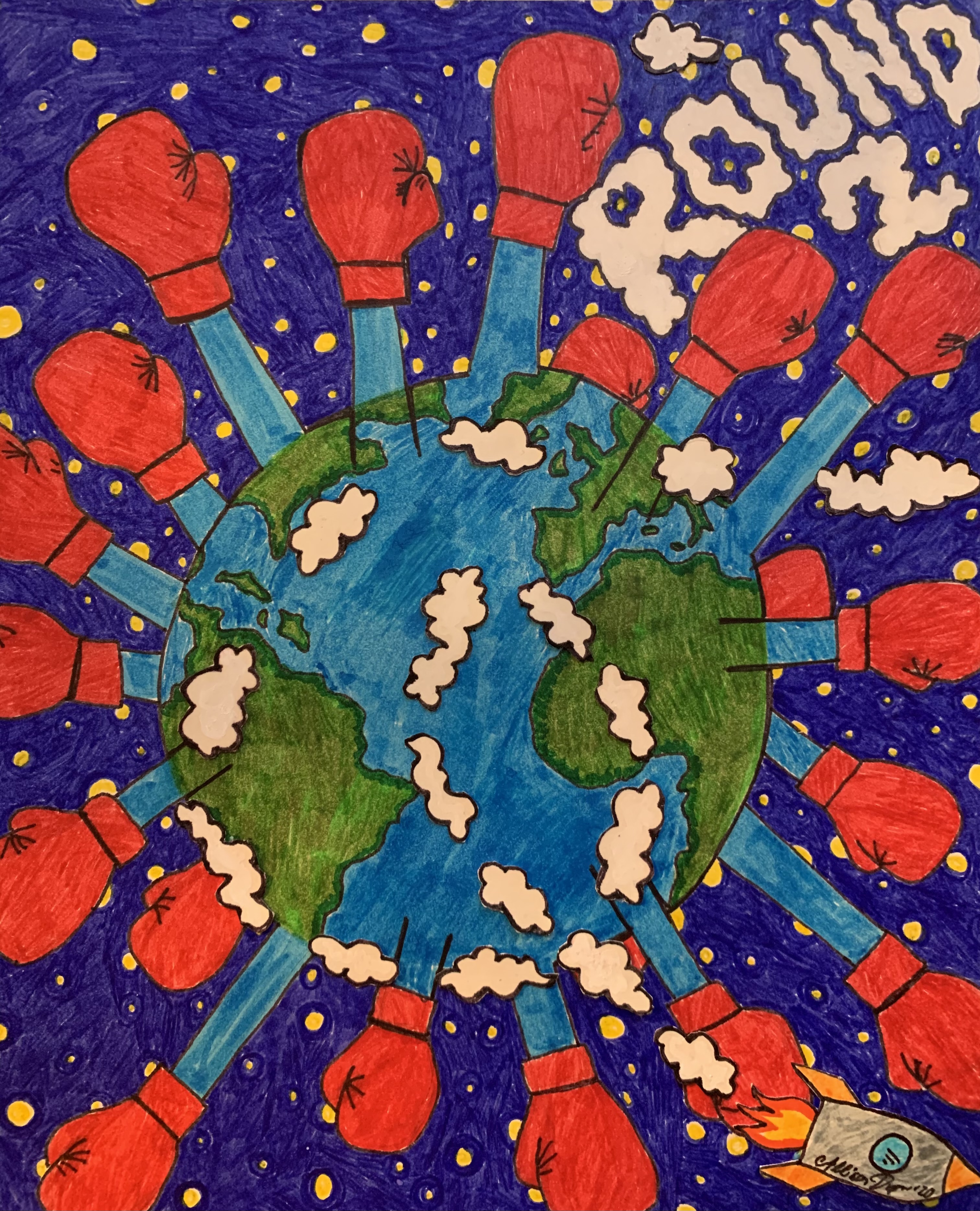
  • COVID Series: Round 2 -The Empire Strikes Back
    COVID Series: Round 2 -The Empire Strikes Back
  • COVID Series: Night Terrors
    COVID Series: Night Terrors
  • COVID Series: Gutted- That Time I Got COVID
    COVID Series: Gutted- That Time I Got COVID
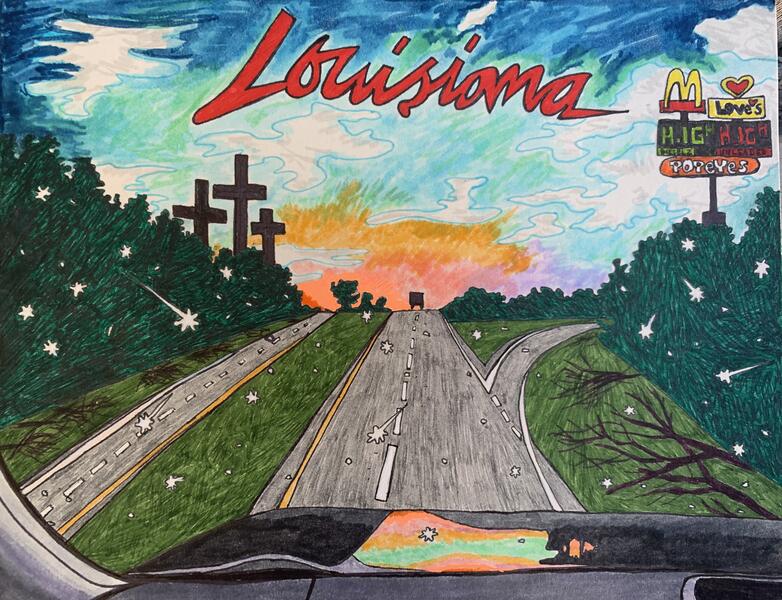
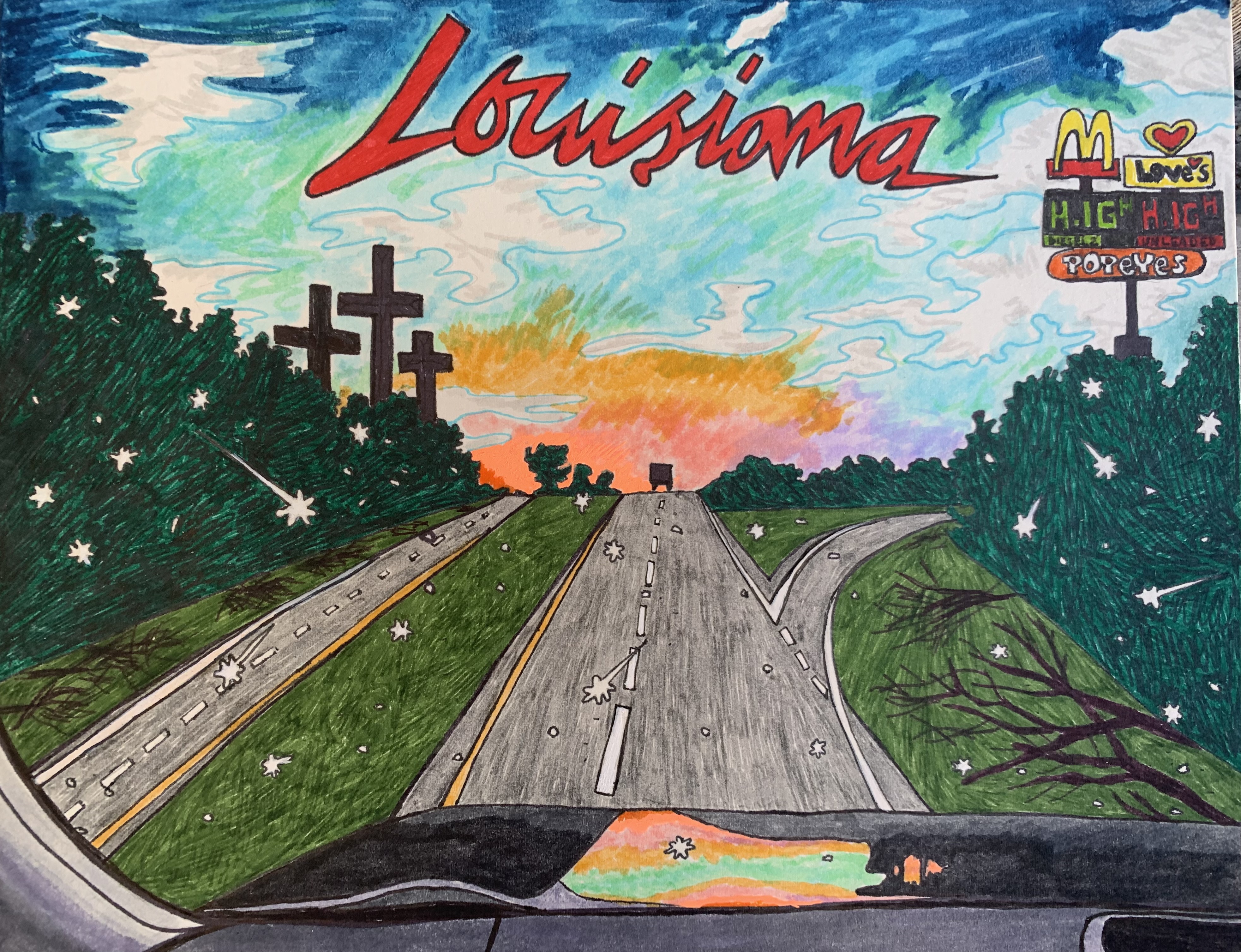
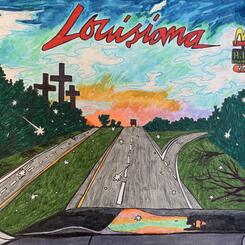
  • COVID Series: Welcome to Louisiana
    COVID Series: Welcome to Louisiana
  • COVID Series: Too Many to Count
    COVID Series: Too Many to Count
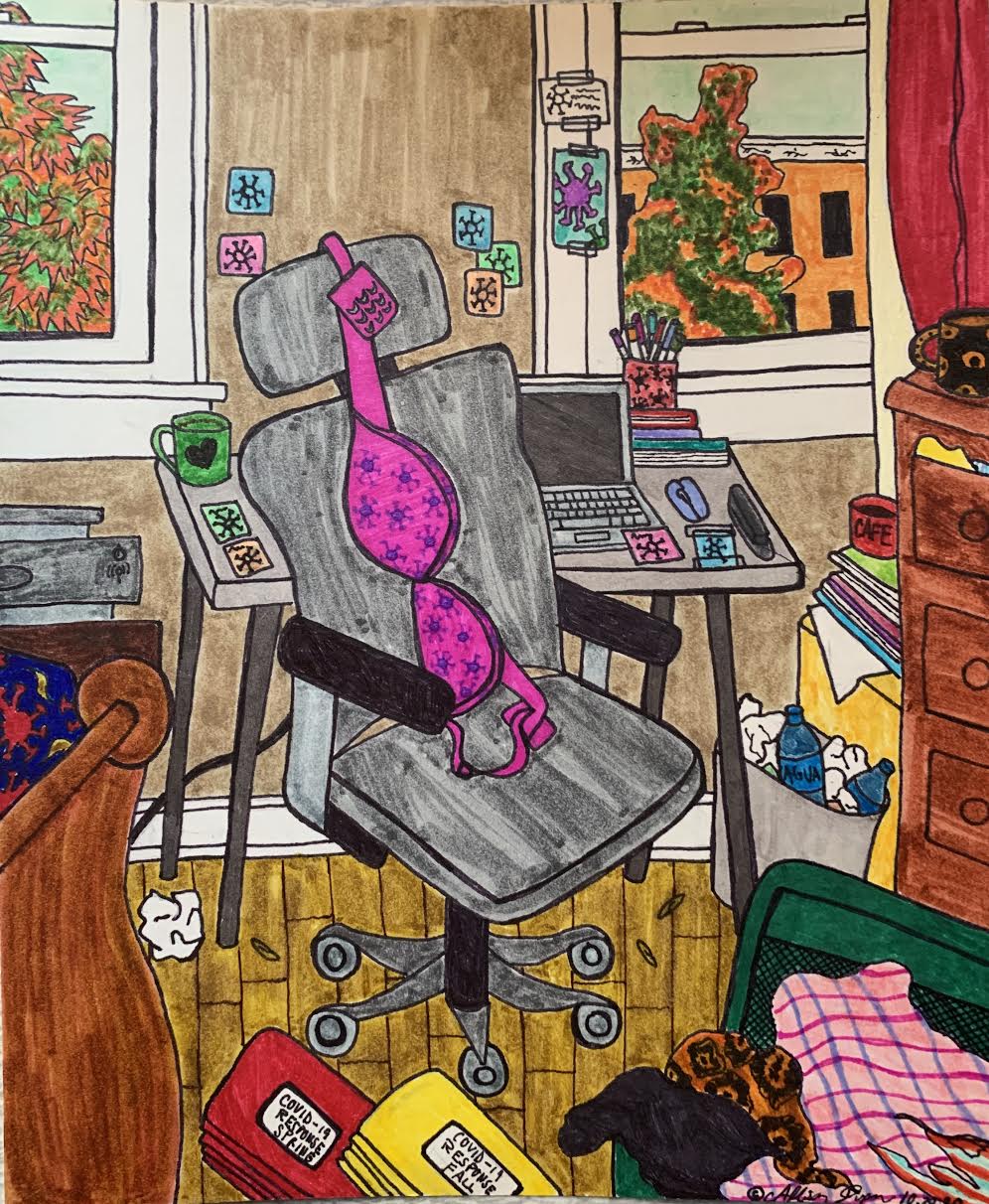
  • COVID Series: The Other Pandemic
    COVID Series: The Other Pandemic
  • COVID Series: ZOOM DOOM
    COVID Series: ZOOM DOOM
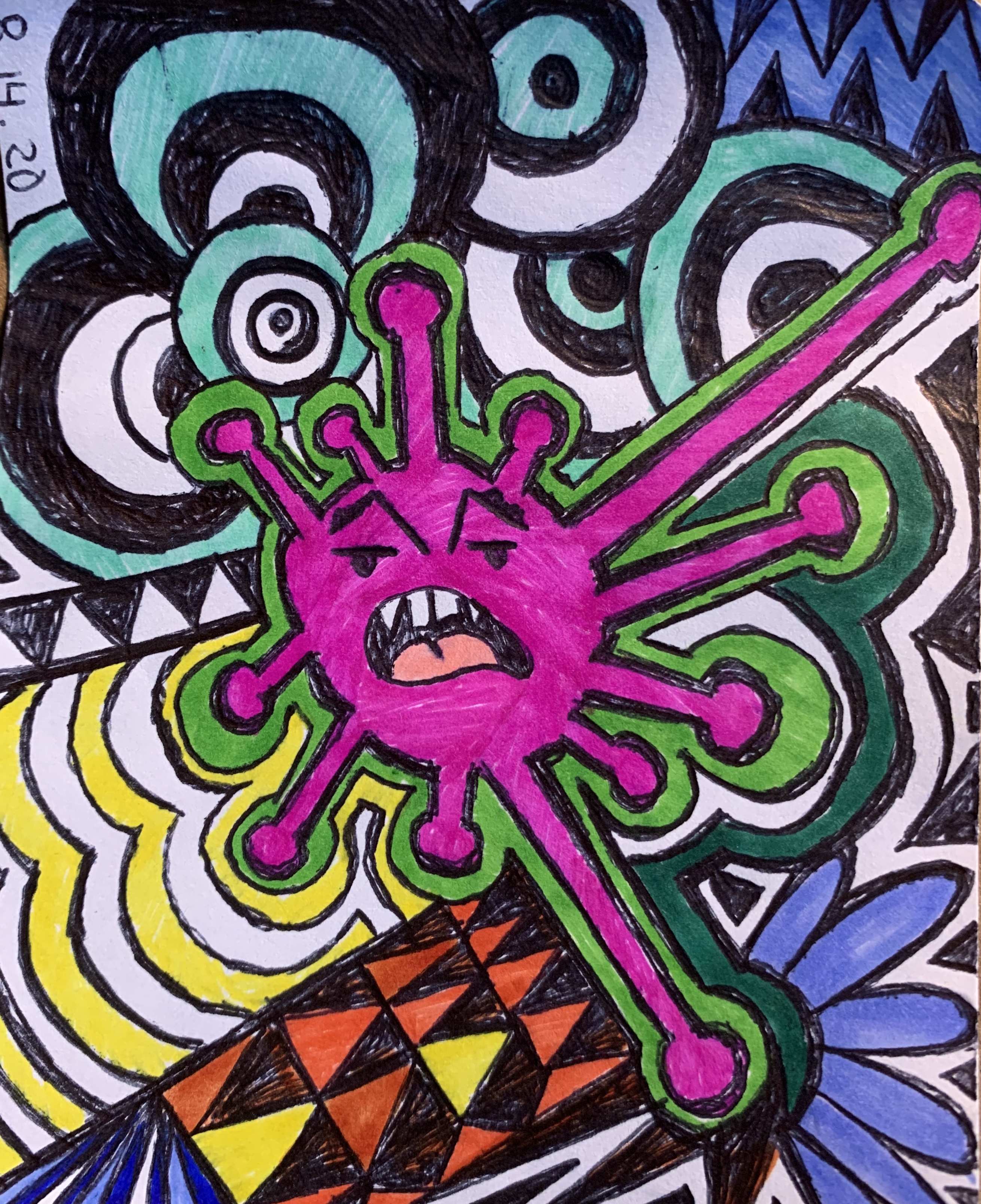
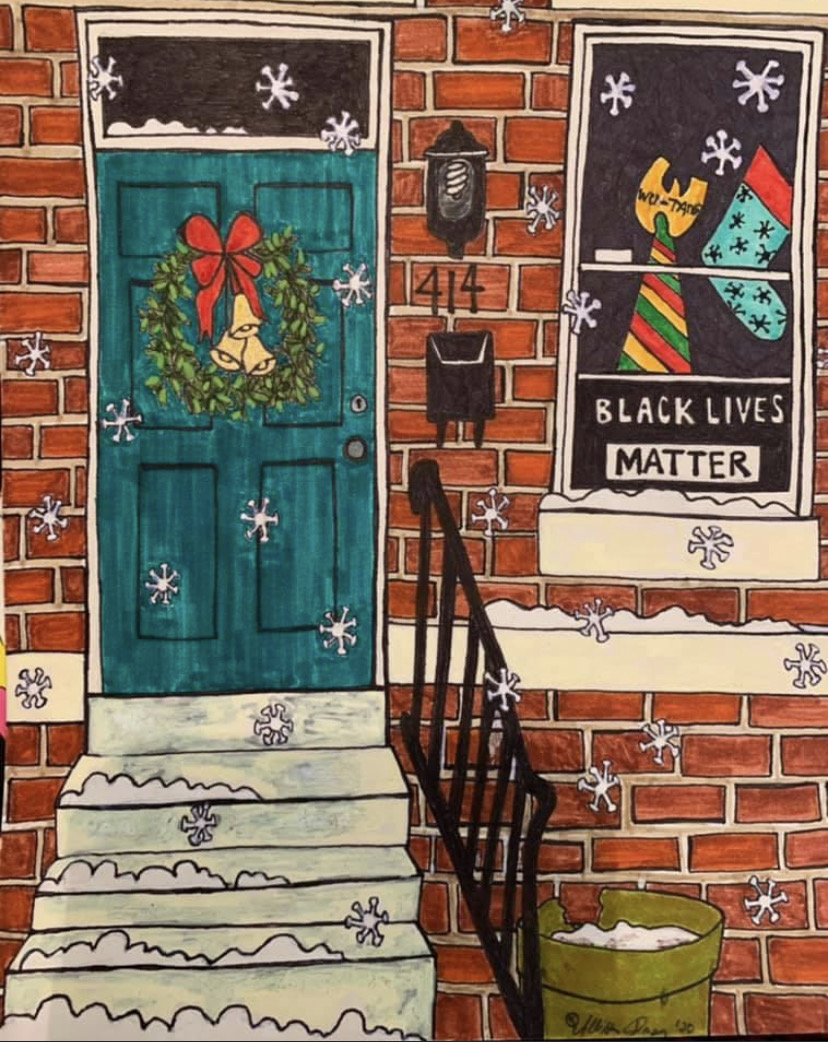
COVID Series: The Seasons

During COVID lockdown, my work became physically smaller as my world shrank. I stayed indoors and worked at a reduced scale, creating small, contained drawings that formed tiny worlds and mirrored how confined daily life felt. Many of these works depict familiar scenes in and around my neighborhood, including grocery stores, bedrooms, home offices, and local public spaces shaped by isolation.

I often incorporated literal images and shapes of the virus into the drawings. These forms repeat throughout the work to reflect COVID’s constant presence, never fully visible but always there, shaping thought, behavior, and fear.

While much of the work focuses on quiet, everyday moments, there are also dramatic breaks in that stillness. Pieces responding to events like January 6th interrupt the domestic scenes and pull large collective trauma into intimate spaces. The small scale intensifies these moments, making them feel close and unavoidable.

I found comfort in working with markers, the same accessible medium I used as a child, doodling in school. Returning to this familiar material became a way to self soothe and stay present while documenting uncertainty.

The work also acknowledges unequal experiences of the pandemic. Some drawings reflect working from home, while others center people who did not have that option, those who continued to work in grocery stores and service jobs, risking their lives to support others. Other pieces simply track time passing, with seasons changing and rises and falls of COVID unfolding alongside nature, routines, and everyday life.

Together, these drawings form small, contained worlds that document how crisis, labor, care, and resistance coexisted in everyday life.


  • COVID Series: Merry Christmas From Our Household to Yours
    COVID Series: Merry Christmas From Our Household to Yours
  • COVID Series: Spring Fling
    COVID Series: Spring Fling
  • COVID Series: That Time We Had Cicadas
    COVID Series: That Time We Had Cicadas
  • COVID Series: Summer Vacation
    COVID Series: Summer Vacation
  • COVID Series: A Christmas Engagement
    COVID Series: A Christmas Engagement
Musical Chairs

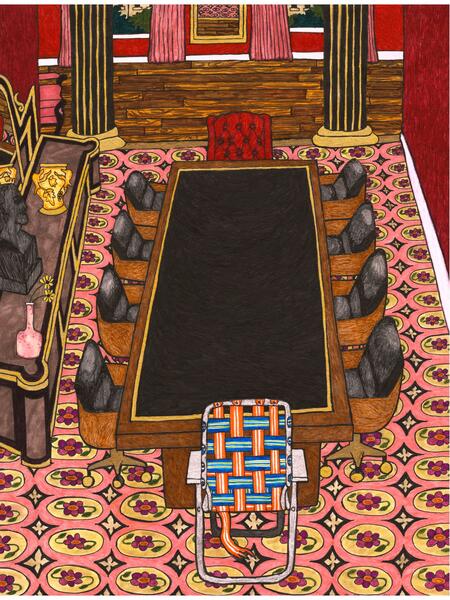
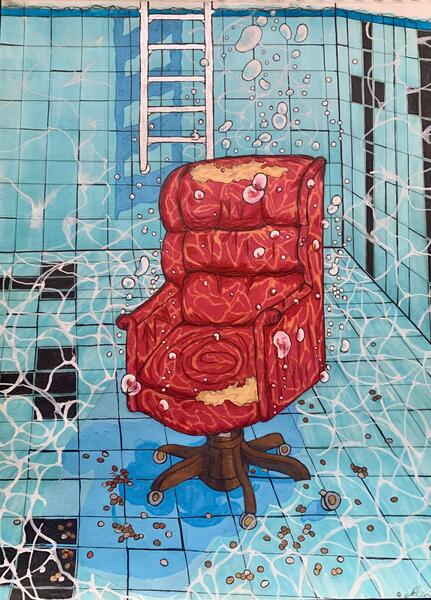
"Musical Chairs" examines access, power, and the cost of visibility within systems that promise inclusion without providing support. Across the project, the red chair functions as a stand in for leadership, invitation, and expectation, marked by wear, instability, and pressure.

In "A Seat at the Table", a long formal table dominates the space, surrounded by empty chairs. At the edge sits a broken red chair. Its damaged condition matters. The seat is offered, but it is not equal, stable, or secure. The work questions what it means to be invited into spaces of power only to be given something already compromised, and who is expected to accept that condition without complaint.

"Black Leadership Drowning" places the red chair submerged in a pool. The water represents sustained pressure and exhaustion rather than a single moment of collapse. The chair remains visible but unsupported, reflecting how Black leadership is often expected to carry institutional weight while staying composed and present. Within this reality, mistakes are not treated as learning or growth. Failure can mean sudden removal, reputational harm, and the quiet end of a career.

Together, these works reflect lived experiences of conditional inclusion. "Musical Chairs" asks who is allowed to sit, under what conditions, and at what cost, as the rules shift and the burden remains uneven. The project focuses on quiet, ongoing strain rather than spectacle, revealing the labor required to remain present within systems that were never designed to support everyone equally.

  • A Seat At The Table
    A Seat At The Table

    I want to leave this work open for interpretation, but there are questions that sit at its center.

    What does “a seat at the table” really mean?
    Was the chair provided, or did someone have to bring their own?

    Dr. Vonnya Pettigrew once asked, “Which chair does the viewer have to sit in, or relate to?” That question made me realize that I may occupy any one of these seats depending on the situation.

    It also raised questions of responsibility. What is my role. What is my accountability to myself and to others based on the seat I am in at any given time.

    One thing is certain. This work comes from memories of deep hurt. There was a moment when I believed I had finally made it to the table, only to find that an old, broken lawn chair was what privilege decided was good enough to offer.

    However, in the current climate, and especially in this moment, my response is simple. Bring your own chair in whatever shape and condition it is in. Make your place. Mark your existence.

  • Black Leadership Drowning
    Black Leadership Drowning

    Black Leadership Drowning places the red chair submerged in a pool. The water represents sustained pressure and exhaustion rather than a single moment of collapse. The chair remains visible but unsupported, reflecting how Black leadership is often expected to carry institutional weight while staying composed and present. Within this reality, mistakes are not treated as learning or growth. Failure can mean sudden removal, reputational harm, and the quiet end of a career.