Work samples
-
Transition System (2025)
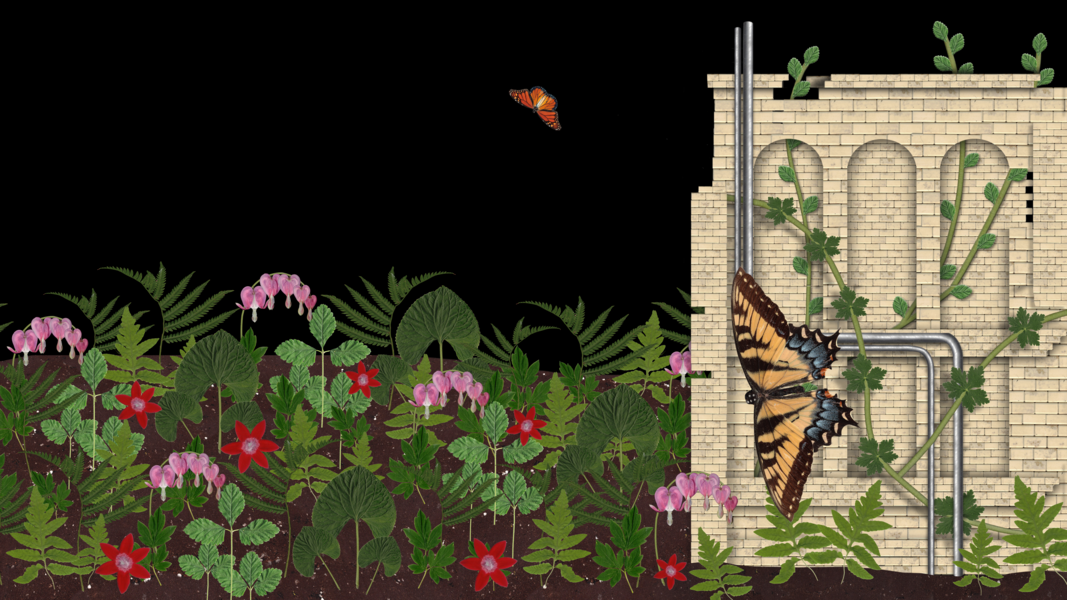
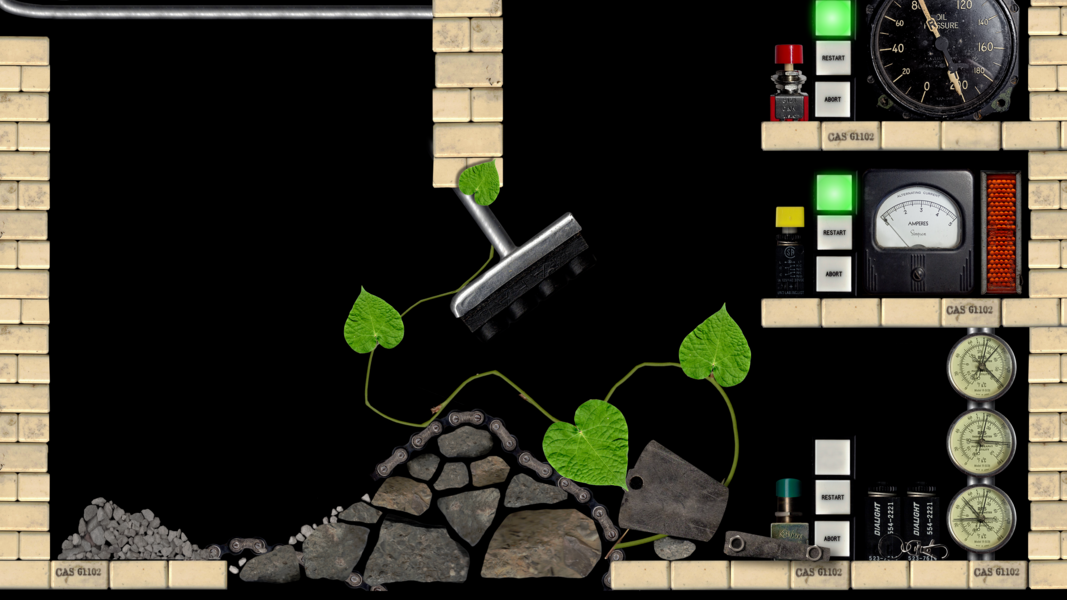
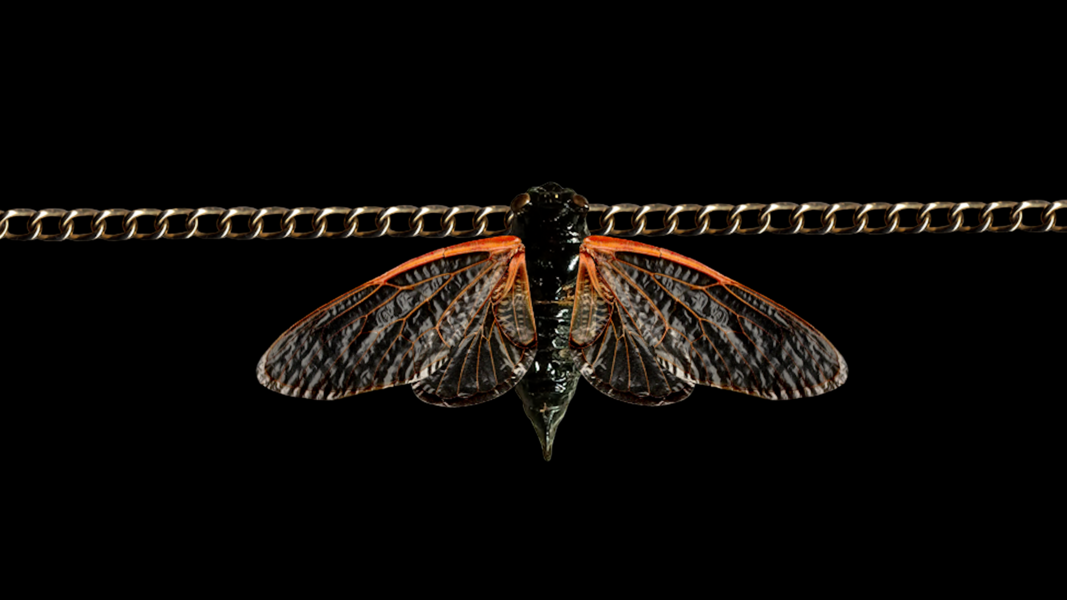
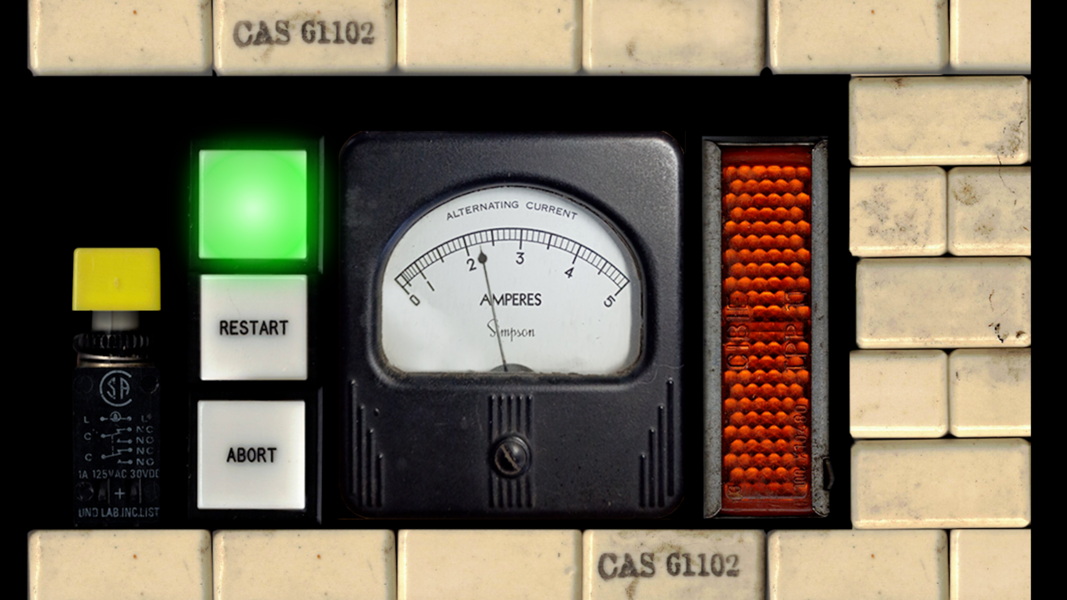
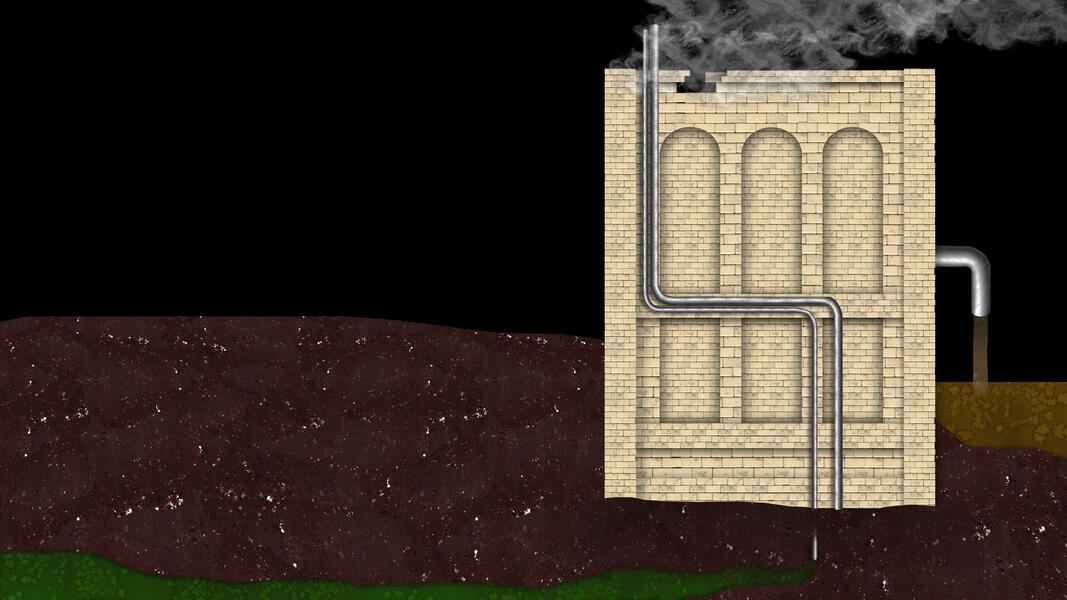
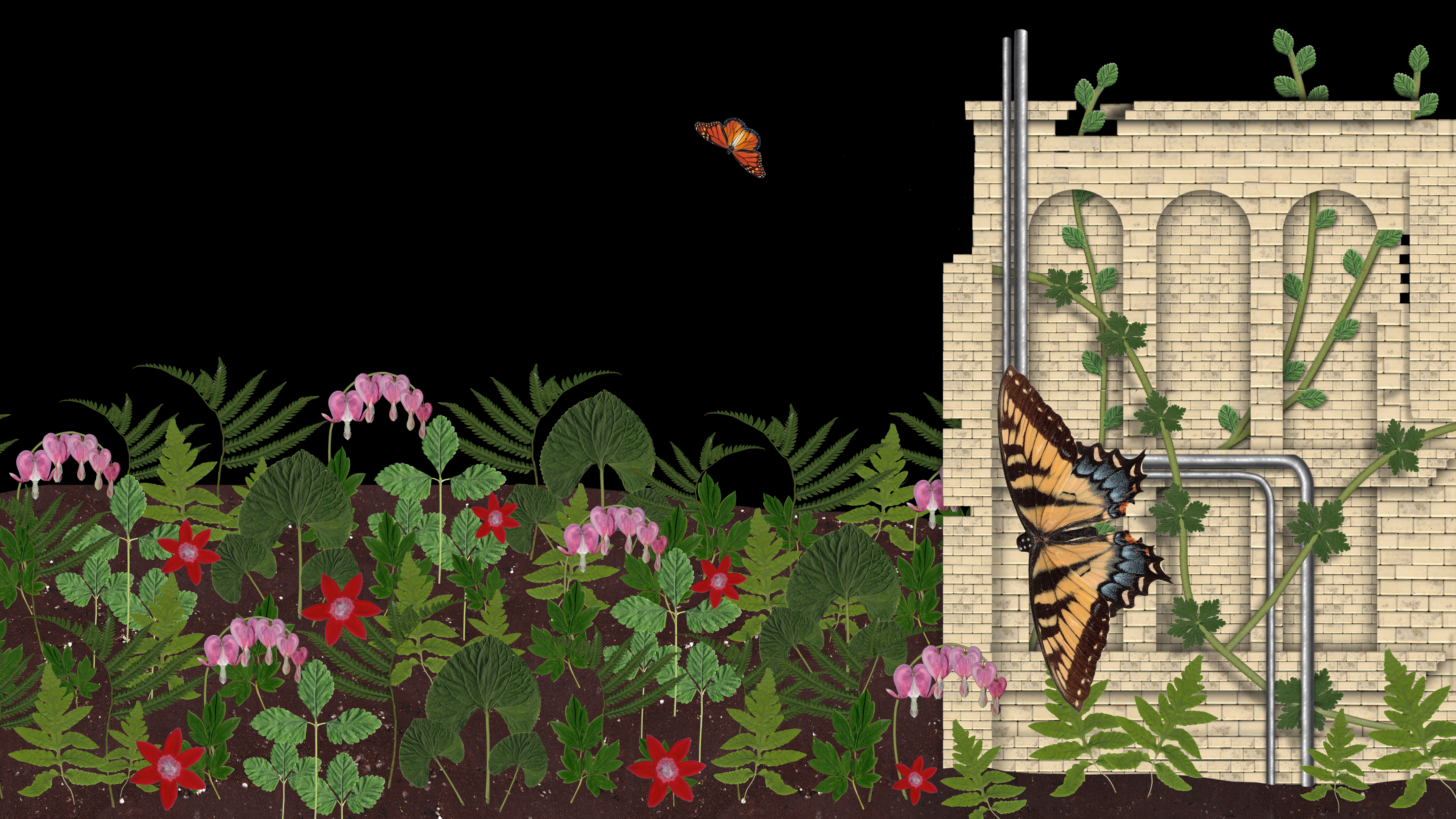
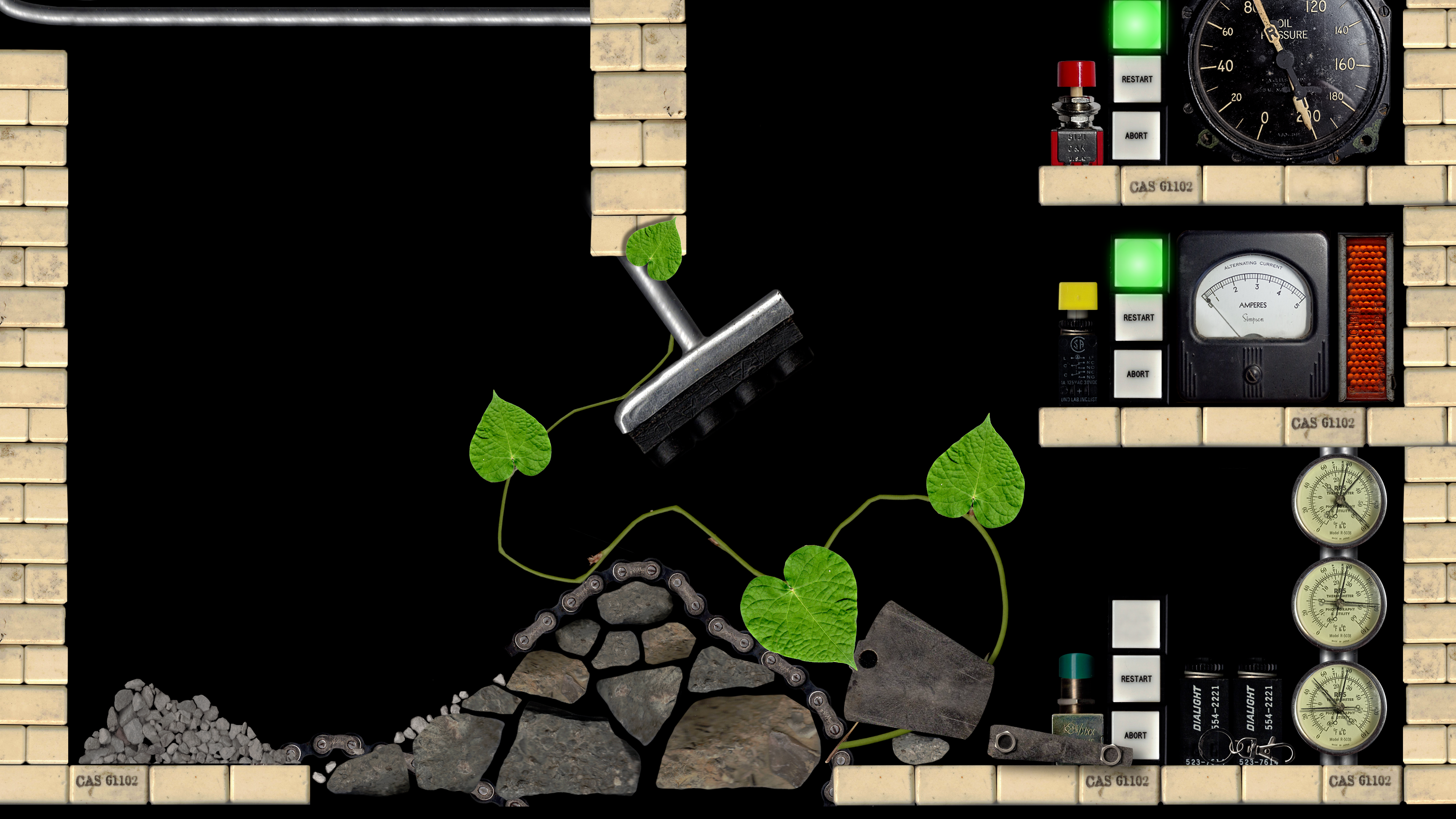
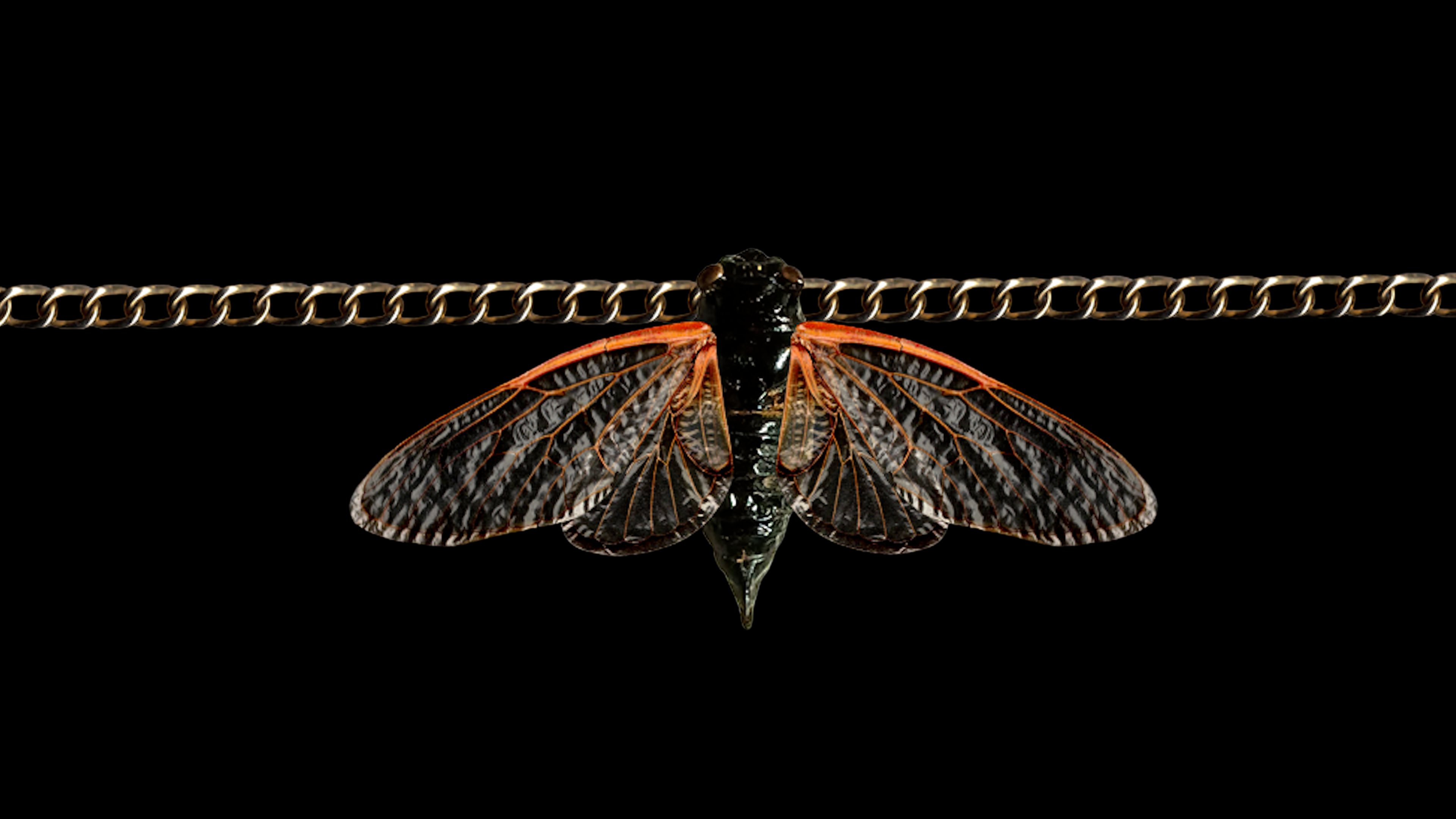
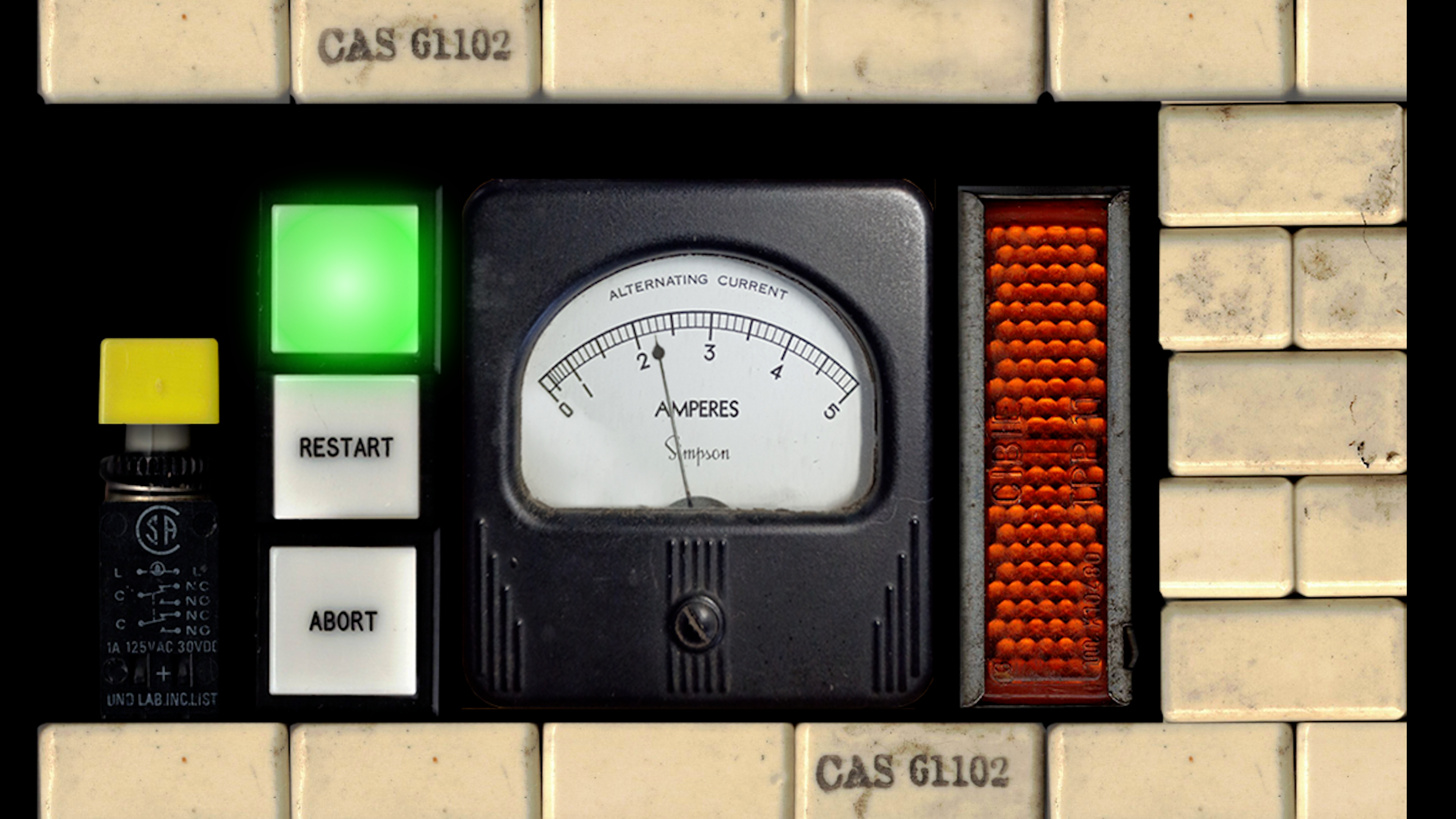
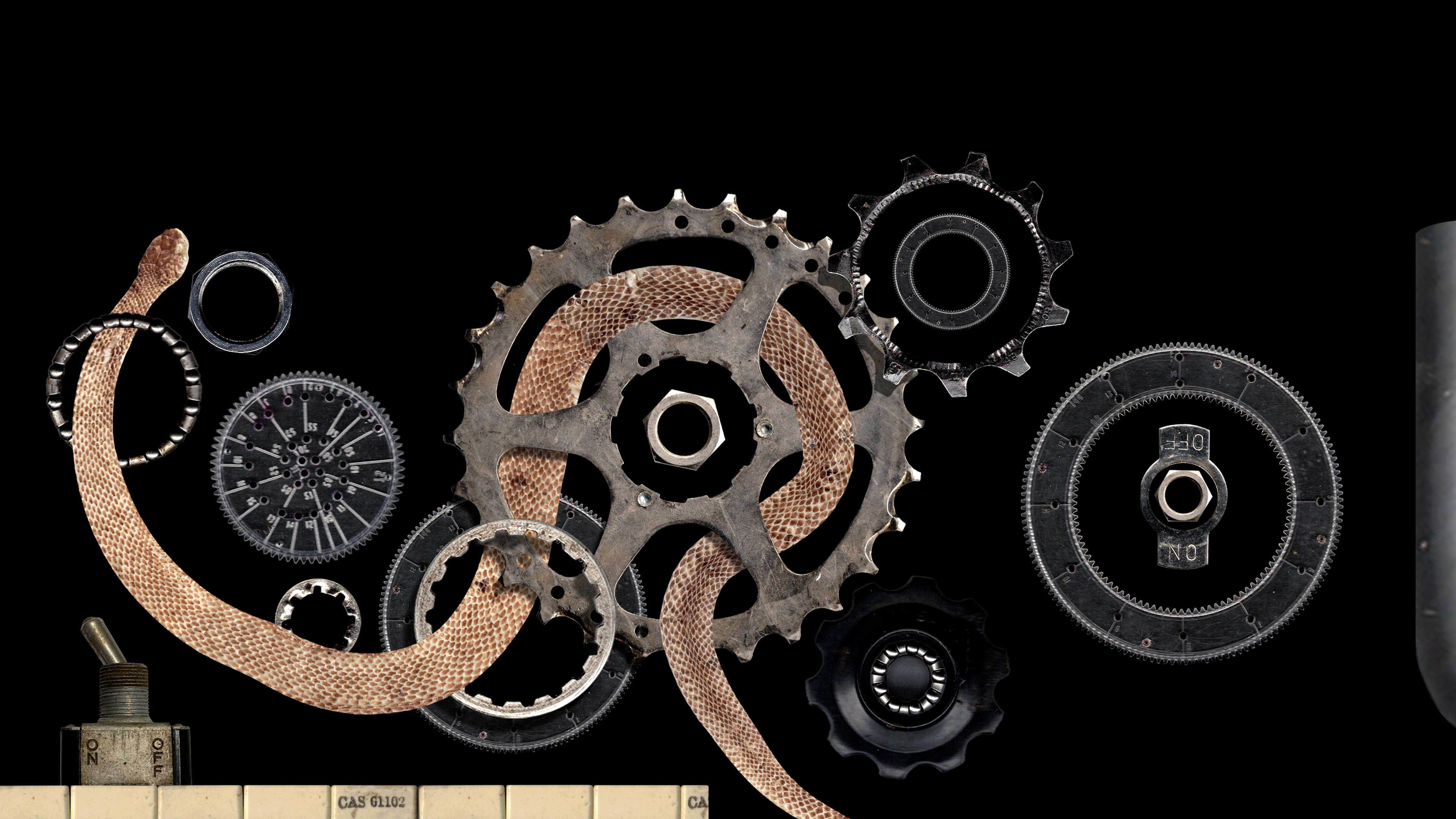
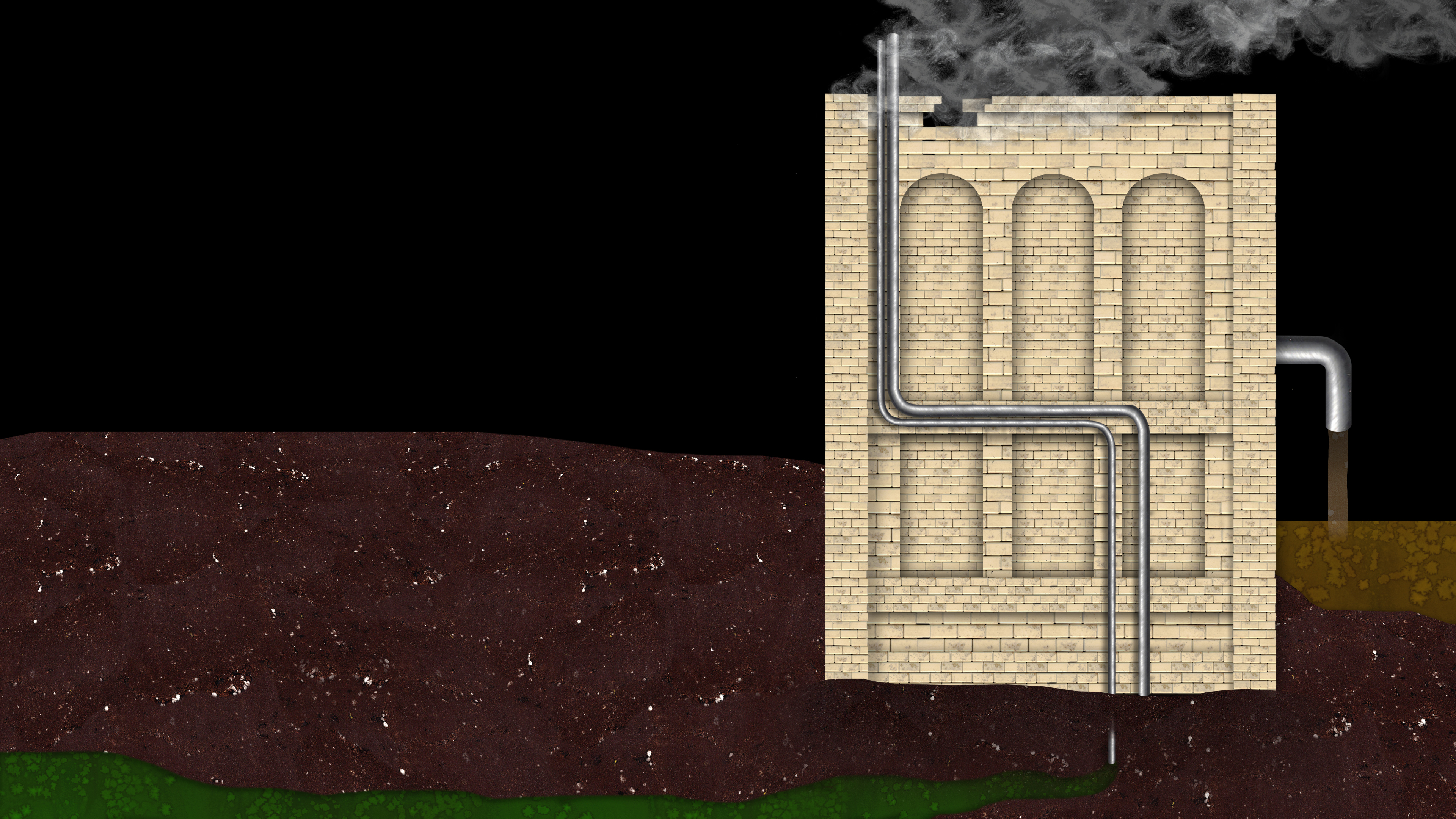
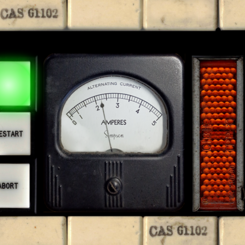
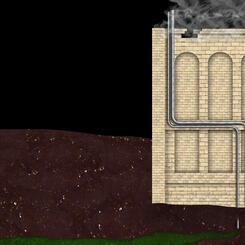
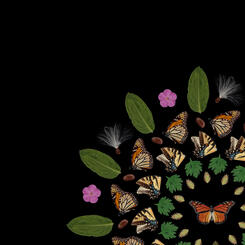
Transition System is an eight-minute long animated short that explores the environmental reclamation of an industrial factory. The factory – fully automated and devoid of humanity – creates only waste, polluting the surrounding air, land, and water. This changes when a single seed enters the works and triggers a series of surreal events that transform the factory, considering the possibility of a posthuman future in which memory of our existence fades.
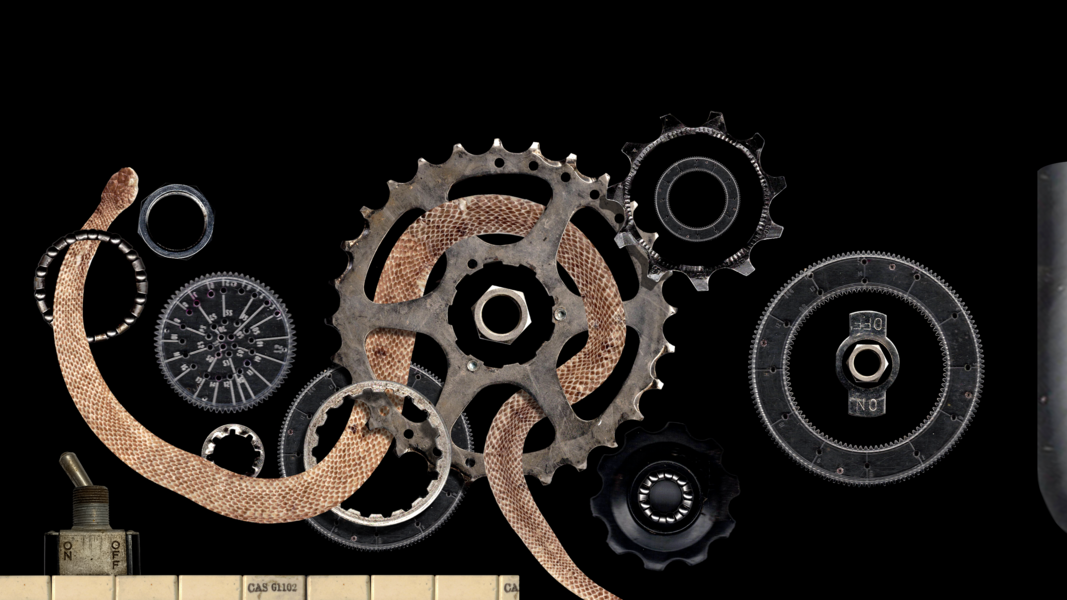
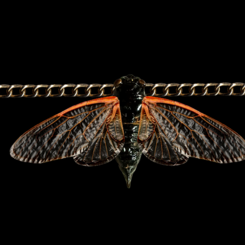
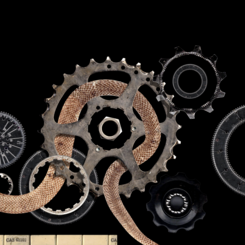
To create the dreamlike visuals, I used scanography to capture most of the animated assets. Scanography, a portmanteau of scanner and photography, is a process that uses a flatbed scanner to create digital images. Each item scanned was considered for its aesthetic and symbolic value. As the animation progresses, the scratched, dirty, and desaturated industrial objects transition to brightly colored insects, flowers, and lush green leaves.
-
 Illuminated Curiosities (2022 - ongoing)
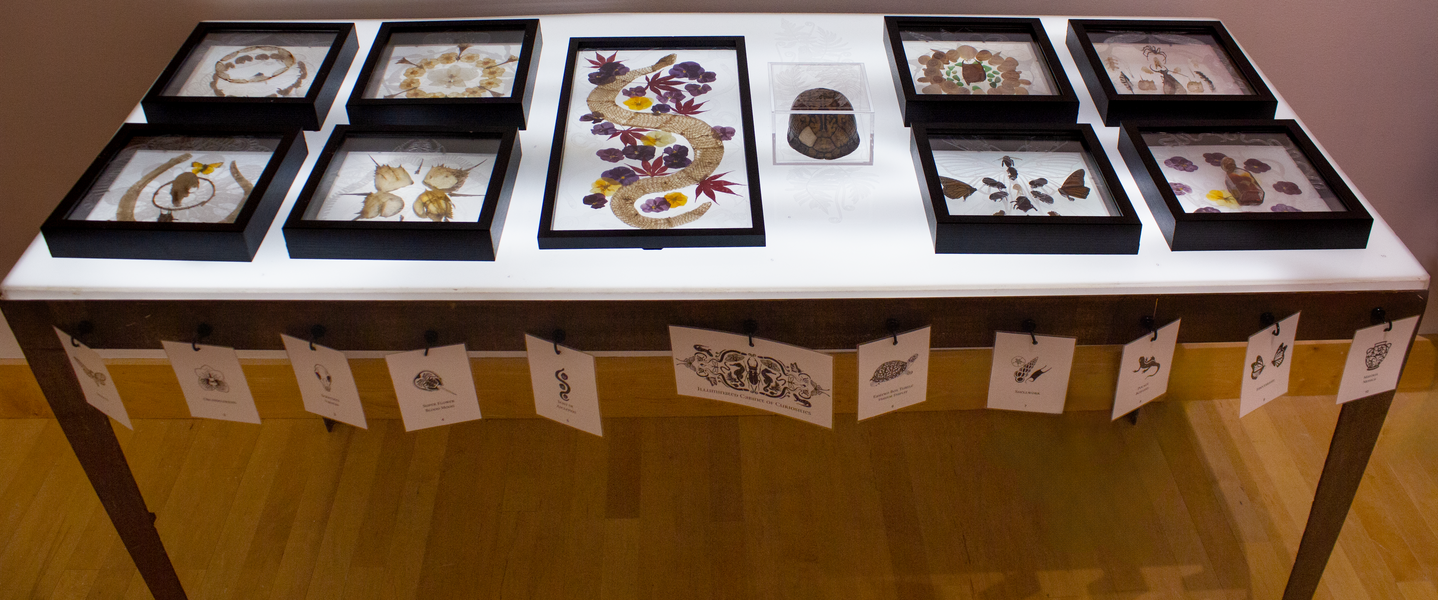
lluminated Curiosities is an ongoing arts-based research project that explores the interaction between natural objects, man-made materials, animation, and light. The installation features a series of translucent shadowboxes displayed on a vintage, repurposed light table. Inspired by Curiosity Cabinets from the early modern period through the Victorian era, this growing assemblage seeks to illuminate various facets of the history of collecting.
Traditional curiosity cabinets displayed artificialia (human-made items) and naturalia (items from nature), which were arranged to stimulate curiosity, wonder, and dialogue. Naturalia displayed in Illuminated Curiosities shadowboxes include horseshoe crab molts, cicada wings, pressed flowers, snakeskin, and box turtle scutes. Artificialia in the shadowboxes includes transparency and vellum cuts, which were designed in a vector graphics program and machine-cut. Each shadowbox is accompanied by a laminated information card hung on the side of the light table with a magnetic hook.
Through my arts-based research process, I considered the following questions: How has the collection, categorization, preservation, and display of natural history collections changed over time? How do the practices of collecting, organizing, and display reflect the values of a society? How have power structures (such as wealth, colonialism, and gender) impacted collecting practices?
Illuminated Curiosities was originally created as part of a collaborative installation , but has since been displayed in various iterations. The installation has explored interactivity in different formats including the addition of interactive cards and magnifying glasses. During one exhibition, the shadowboxes in the collection were paired with short corresponding animations that viewers accessed using QR codes. The animations were created using stop motion animation, bringing the items in the shadowboxes to life. The infusion of natural materials with technology contemporized the traditional curiosity cabinet format and extended its reach beyond a physical space and into the virtual realm. The animations are viewable in the 'Projects' section of the portfolio.
No animals were harmed during the making of this project.
-
Rattlesnake Master, Highlight Reel (2025)
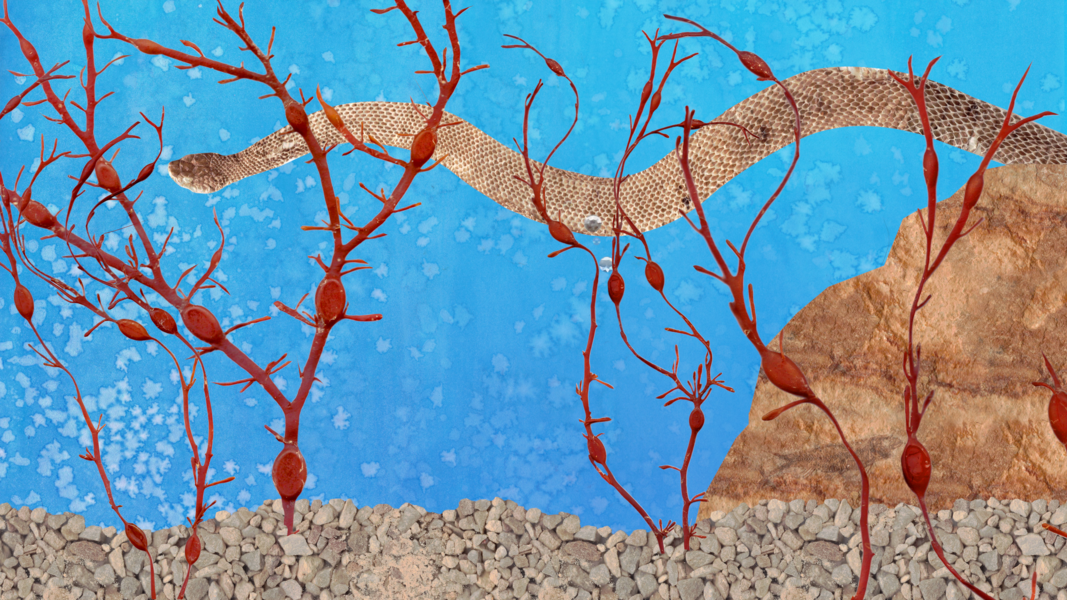
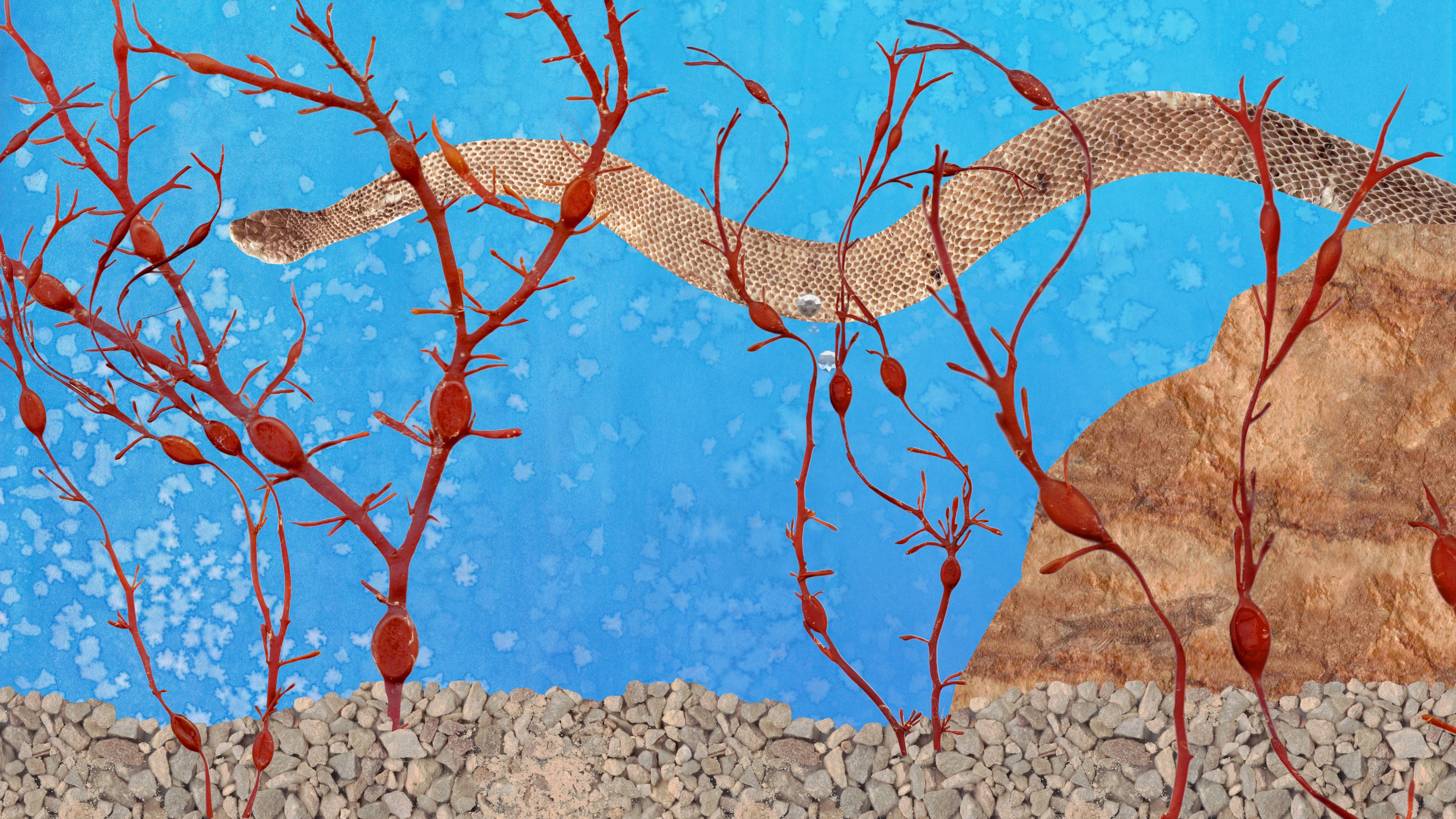
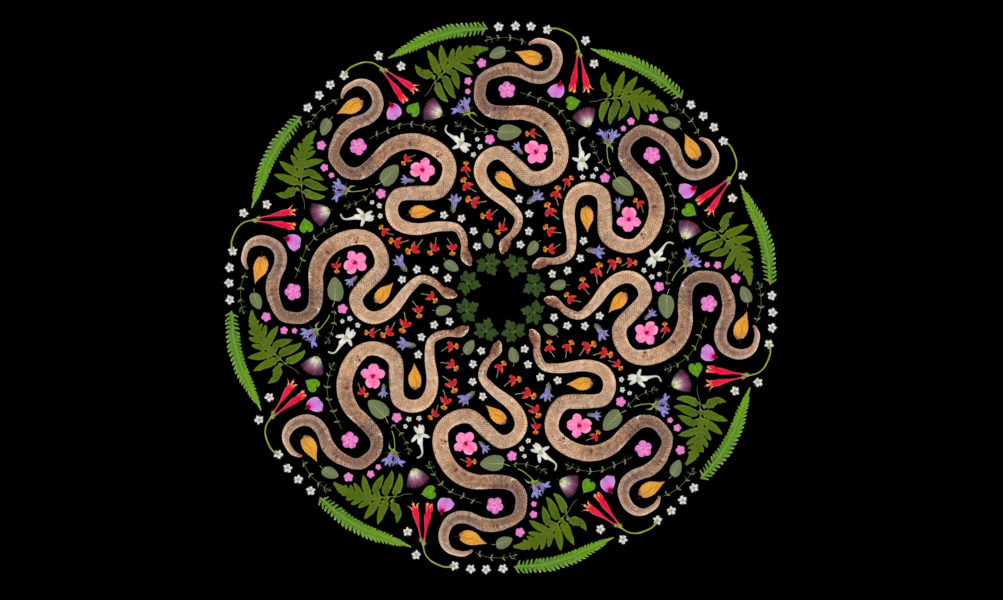
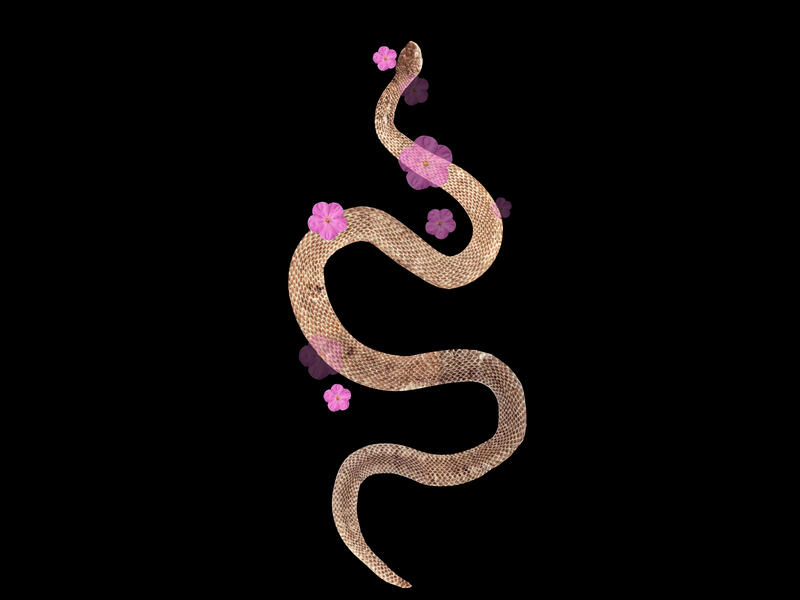
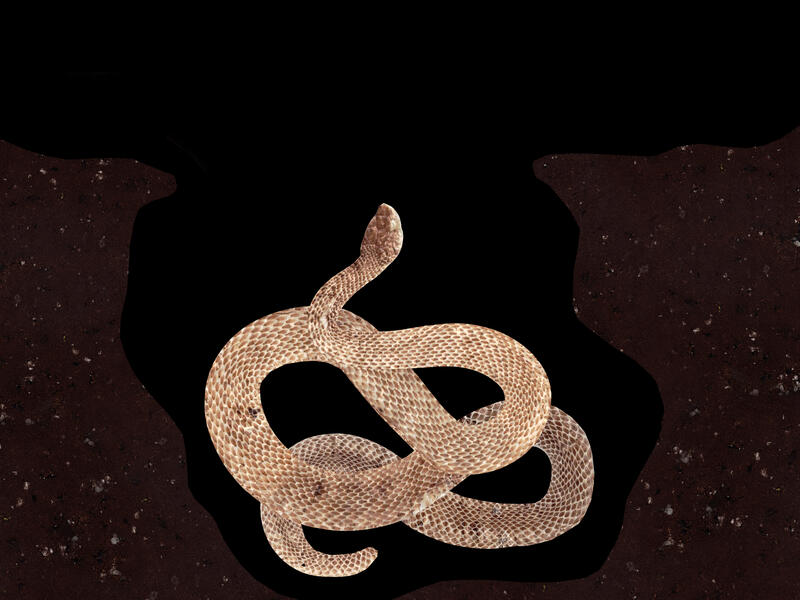
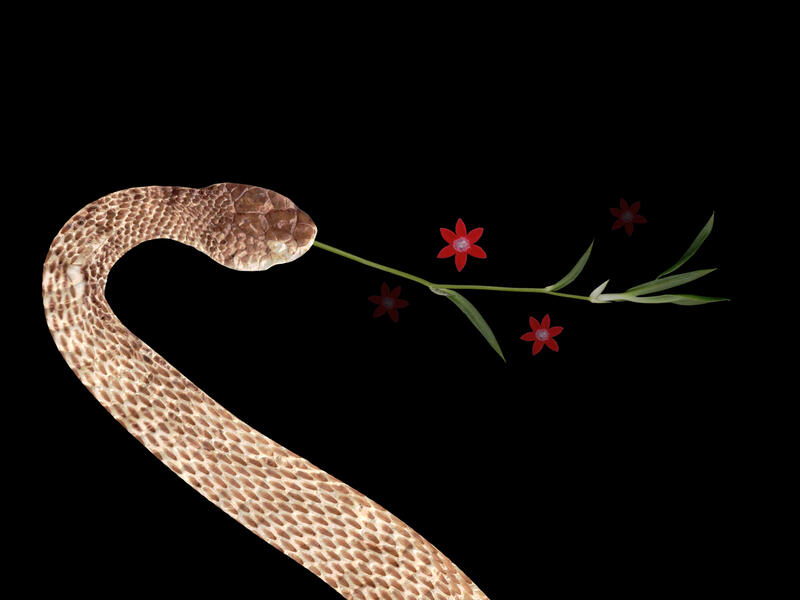
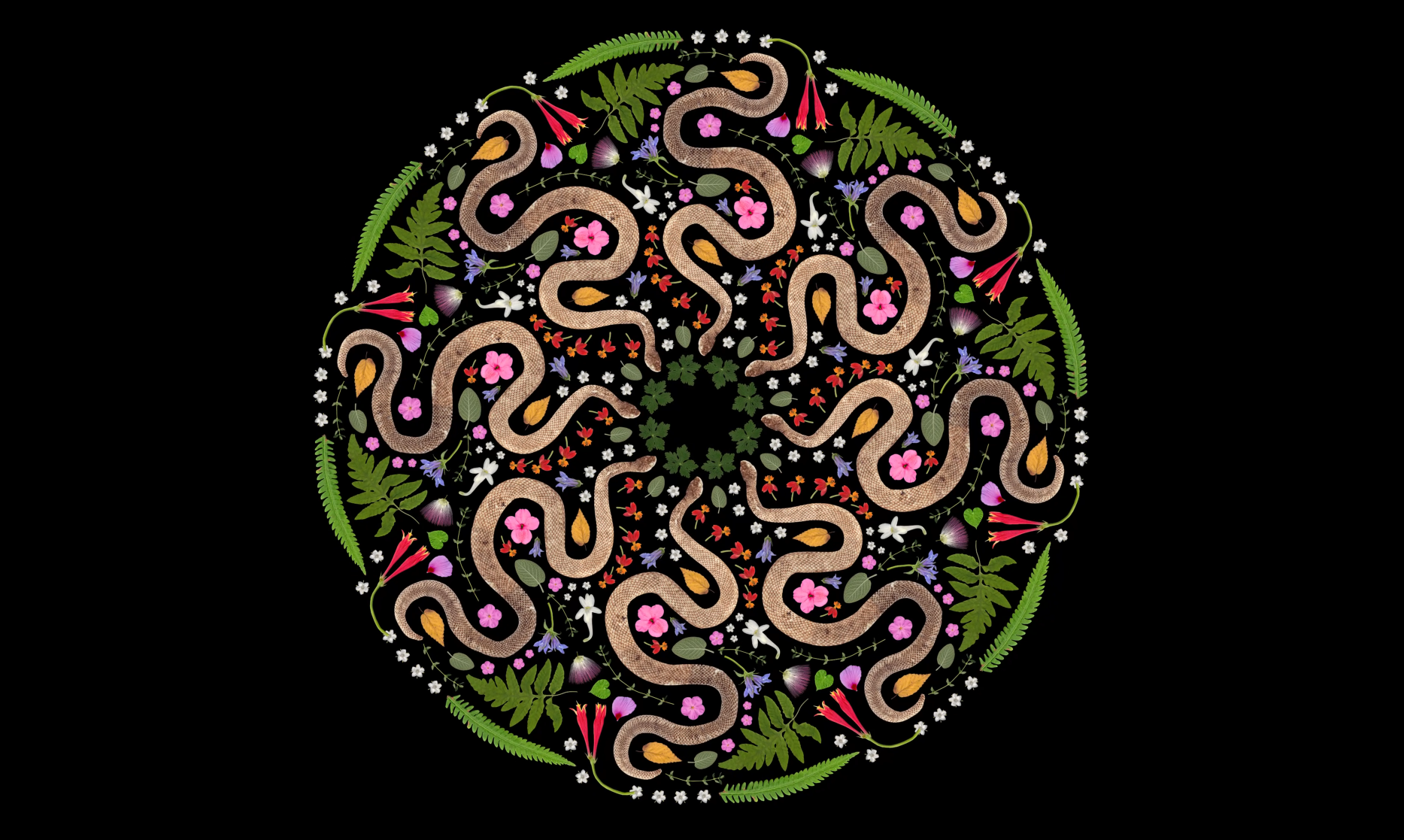
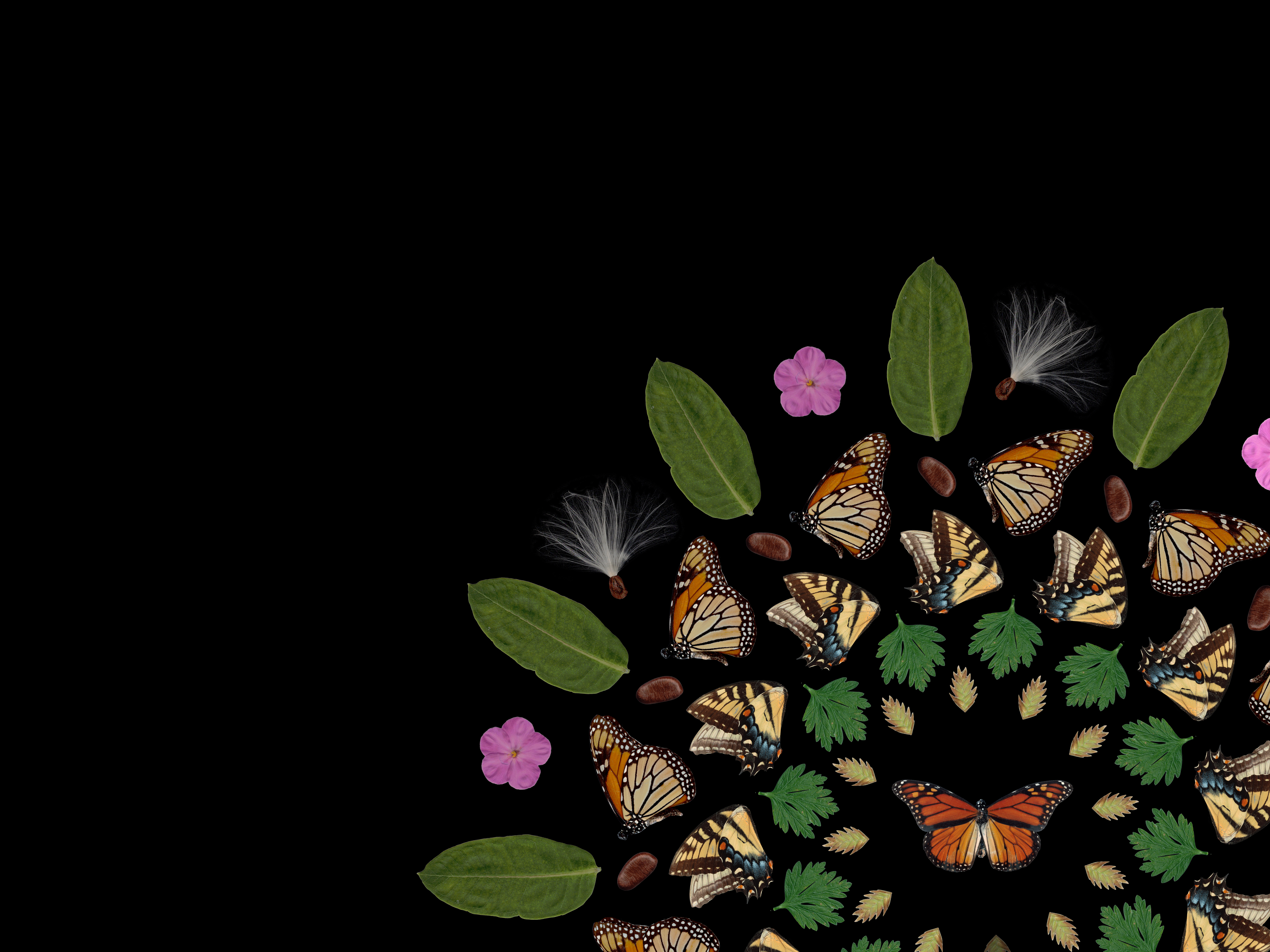
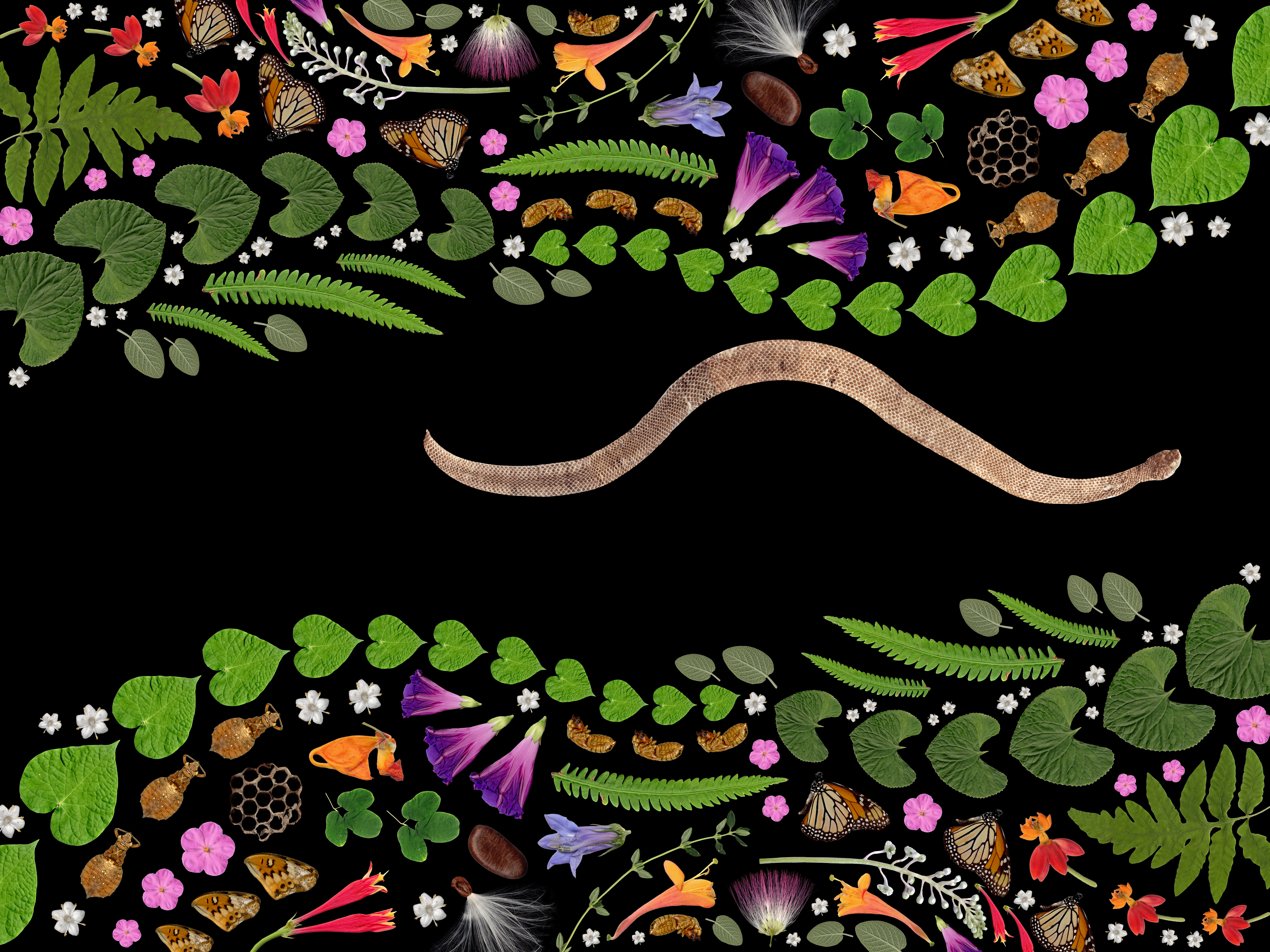
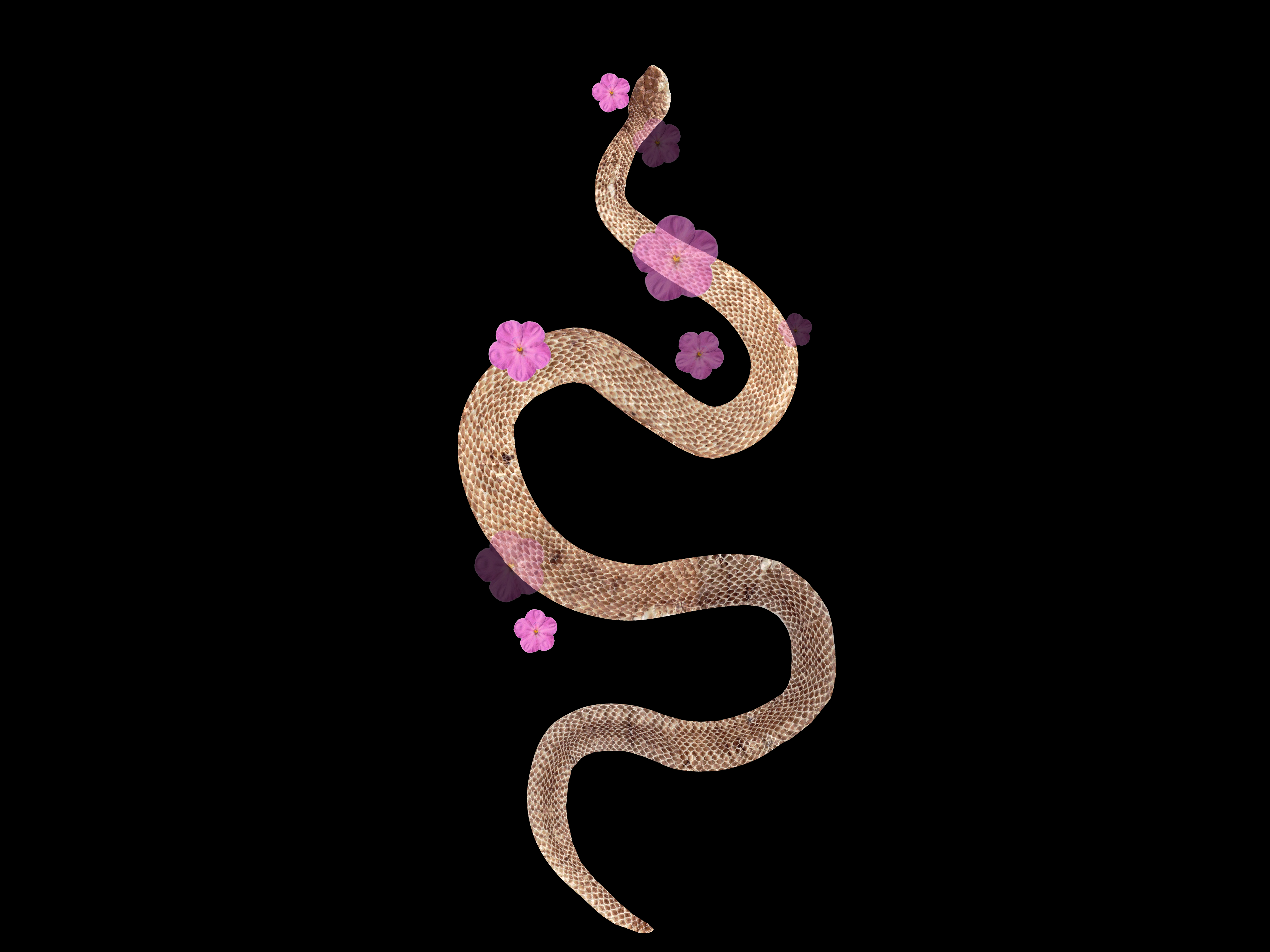
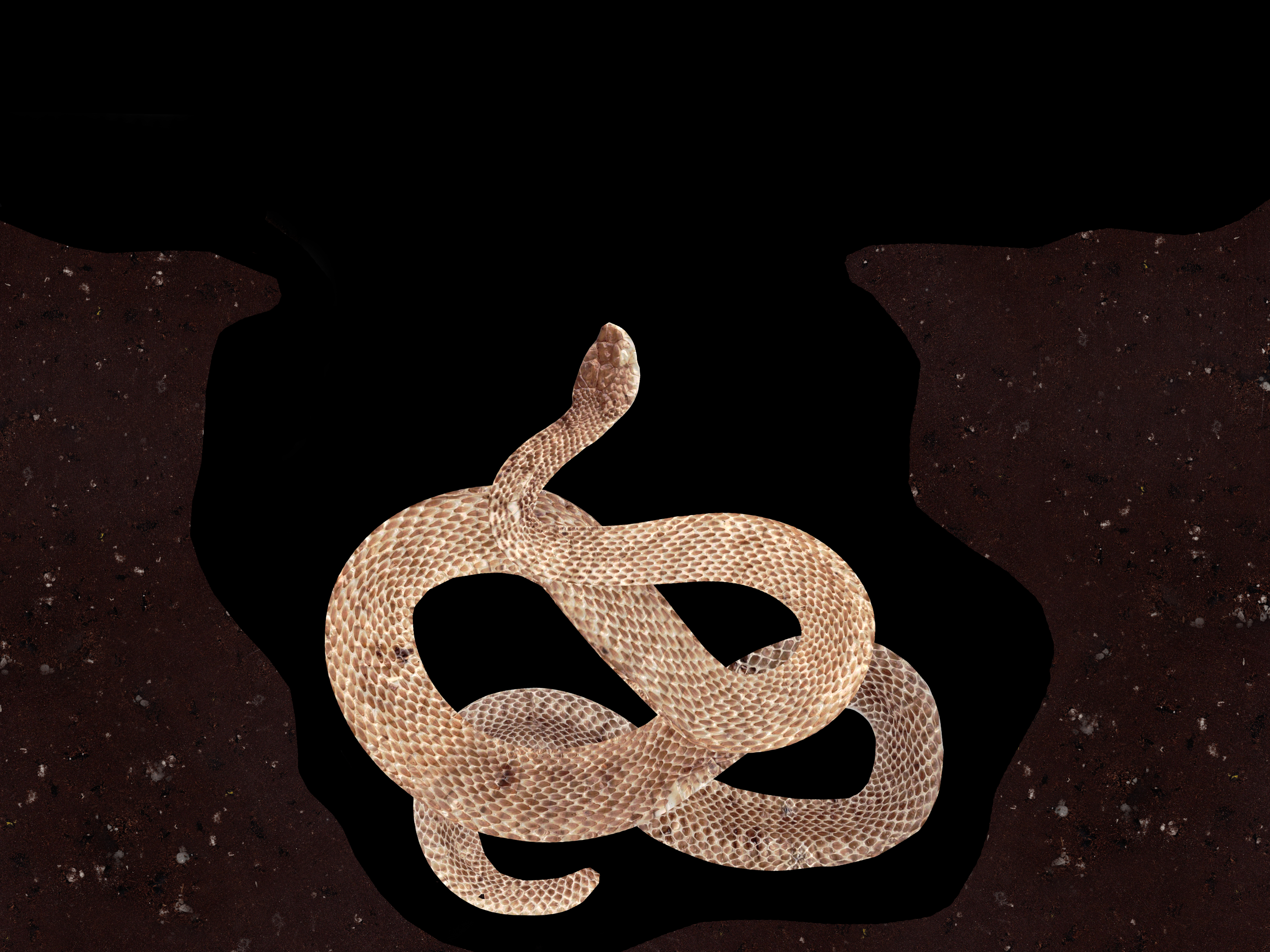
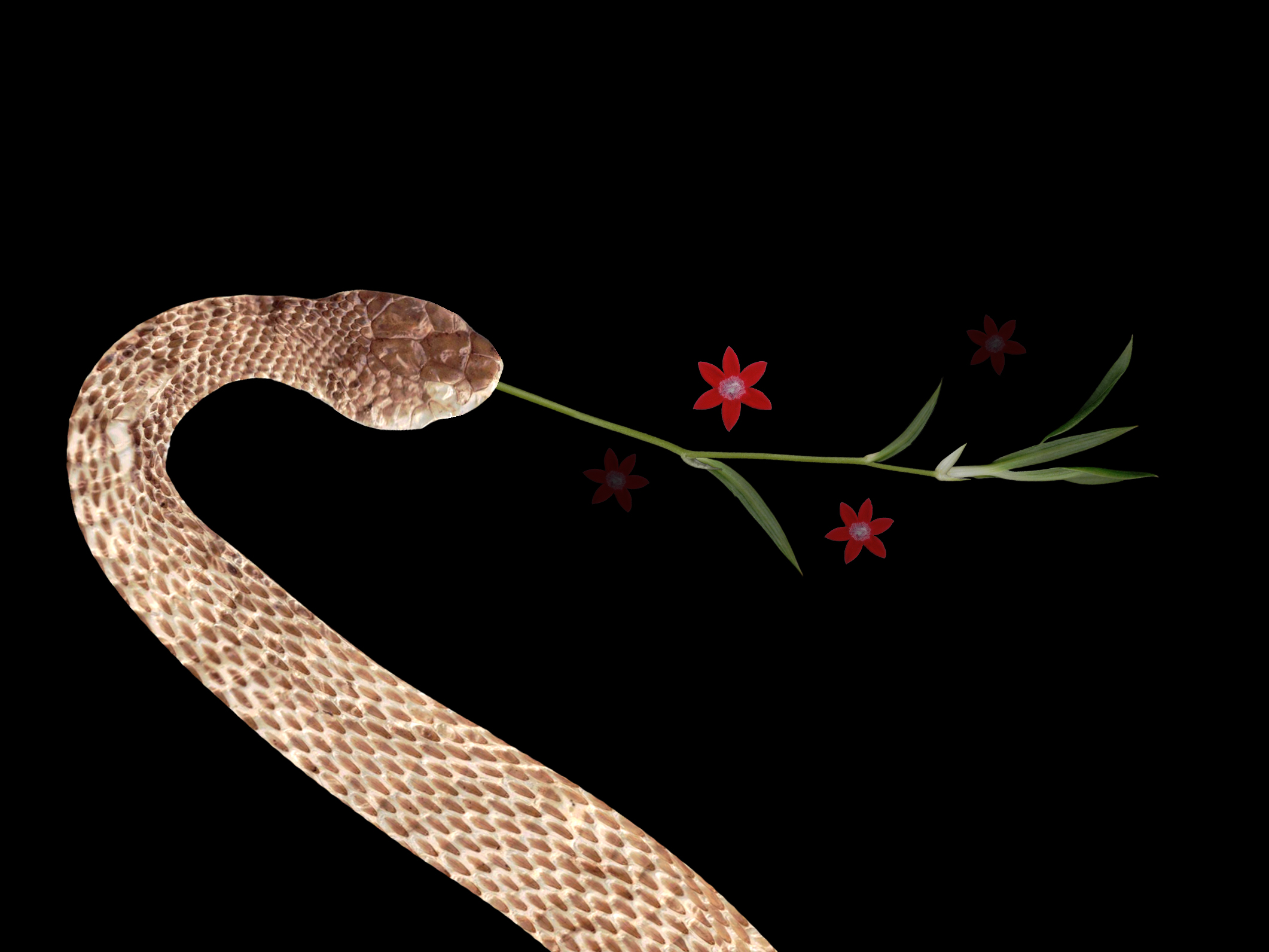
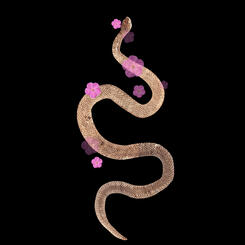
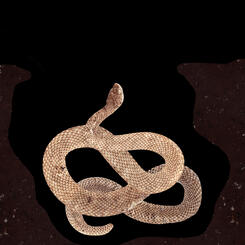
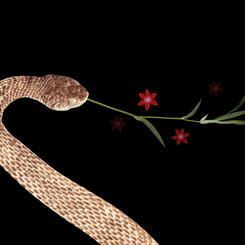
The animated short, Rattlesnake Master is inspired by sensationalized tales of New Worlds and their inhabitants common during the era of early colonization. After long voyages, explorers would return to Europe with exoticized stories detailing the customs of non-Europeans, reinforcing ethnocentric hierarchies of the time.
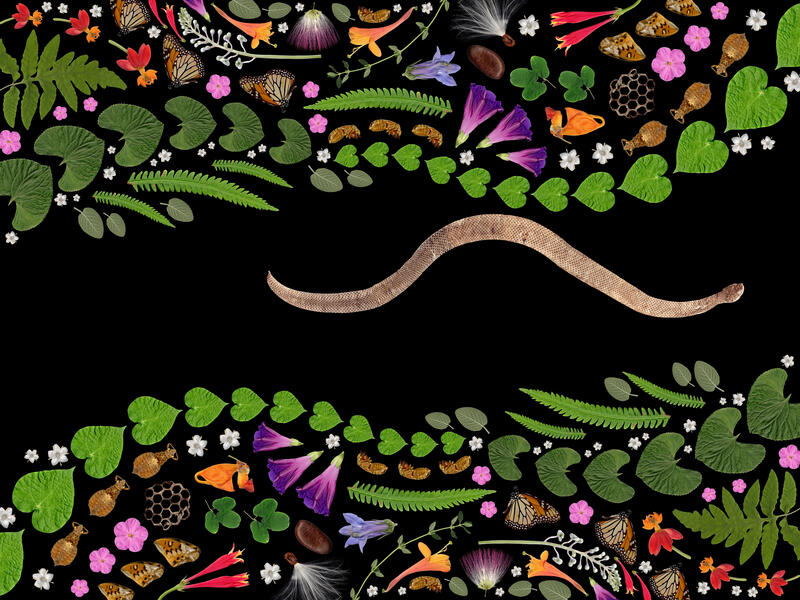
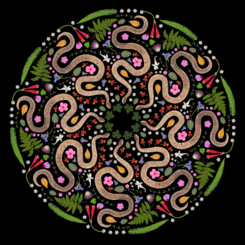
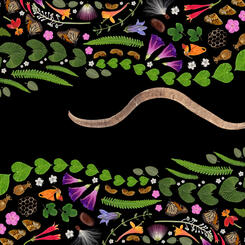
This animation is named after the native Maryland plant Rattlesnake Master, purportedly used in indigenous snake handling ceremonies. Though many online sources claim this as fact, there is no concrete evidence of this practice existing. While snakes traditionally represent deceit in Western culture, the snake depicted in Rattlesnake Master represents transformation and growth.
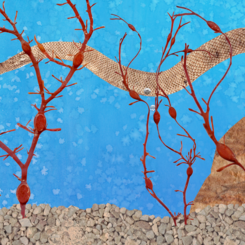
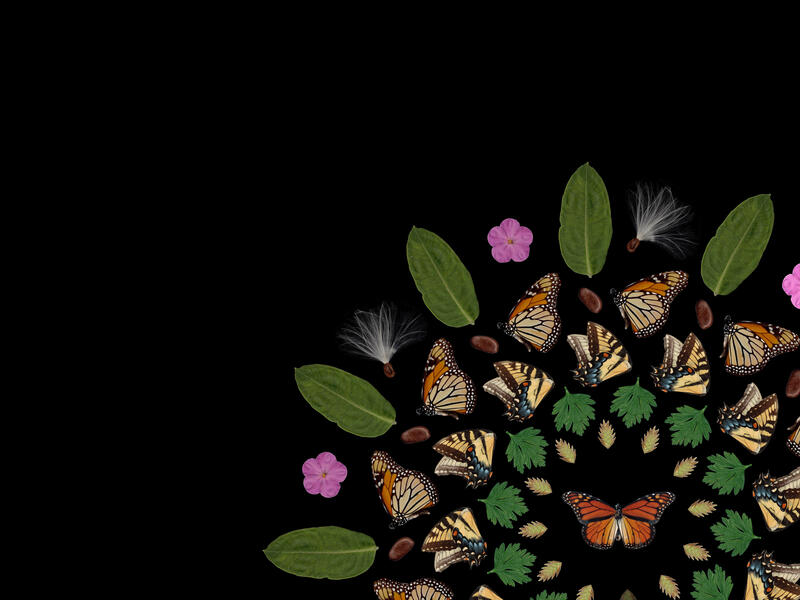
The digital assets in Rattlesnake Master were captured using scanography. -
Wildflower Map, 1 minute clip (2020 - ongoing)
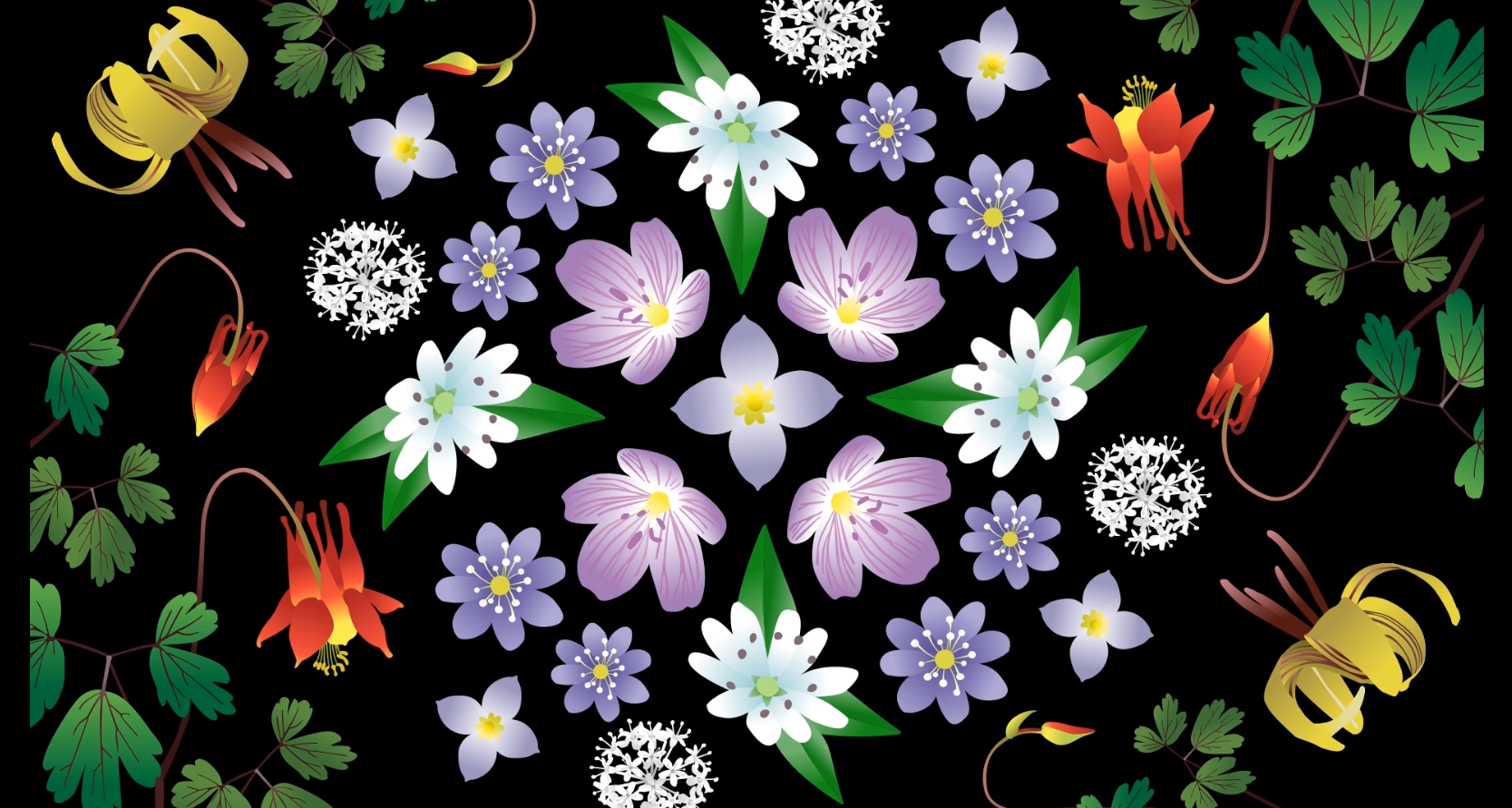
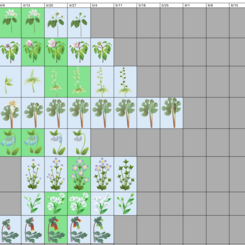
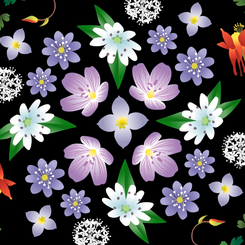
The Animated Wildflower Map was created in response to the COVID 19 pandemic during the spring and summer of 2020. Like many others, I spent more time outdoors, walking on my favorite local trail several times a week. To give my hikes purpose, I transformed my lifelong hobby of identifying wildflowers into an immersive, interdisciplinary art project. Using Adobe Illustrator, mapping apps, and reference photos taken during hikes, I created an animated map of 19 native wildflower species illustrating their phenology – or seasonal development – over the course of the spring.
After three months of intensive data collection, graphics creation, and construction of the map, I added playful animations bookending the map and a collaged soundtrack of recorded instruments, bird calls, and amphibian trills. Illustration and data collection are ongoing for this project.

About Alexandra
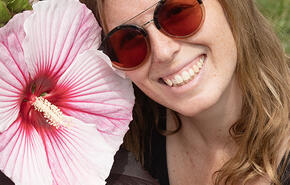
Alex Garove is an artist-educator based in Baltimore, Maryland. Her work is informed by the natural world and relies heavily on arts-based research. Through her artistic process, Alex has explored interdisciplinary connections between the history of scientific understanding, museology, colonialism, botany, and entomology. The resulting artwork fuses a variety of media and techniques including installation, fabrication, digital processes, time-based media, and natural materials. On a normal… more
Illuminated Curiosities (2022 - present)
-
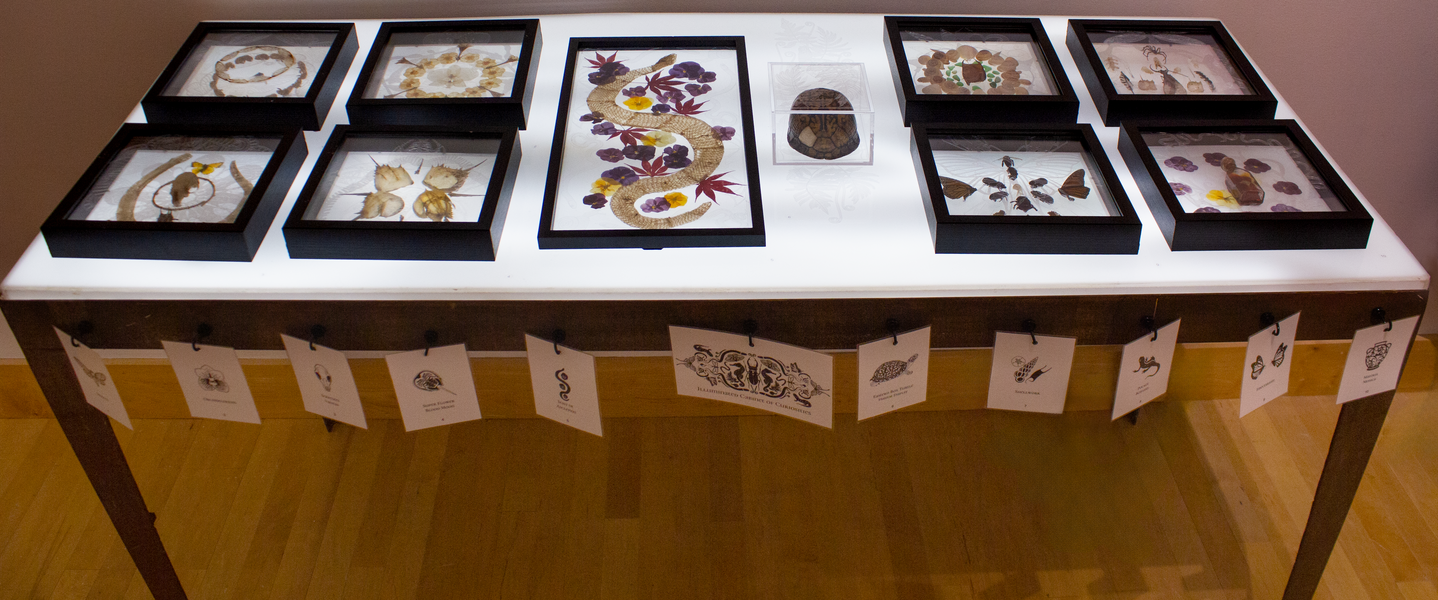 Illuminated Curiosities_2.png
An image of the installation on view in the exhibition Reverie and Alchemy in Towson University's Center for the Arts Gallery.
-
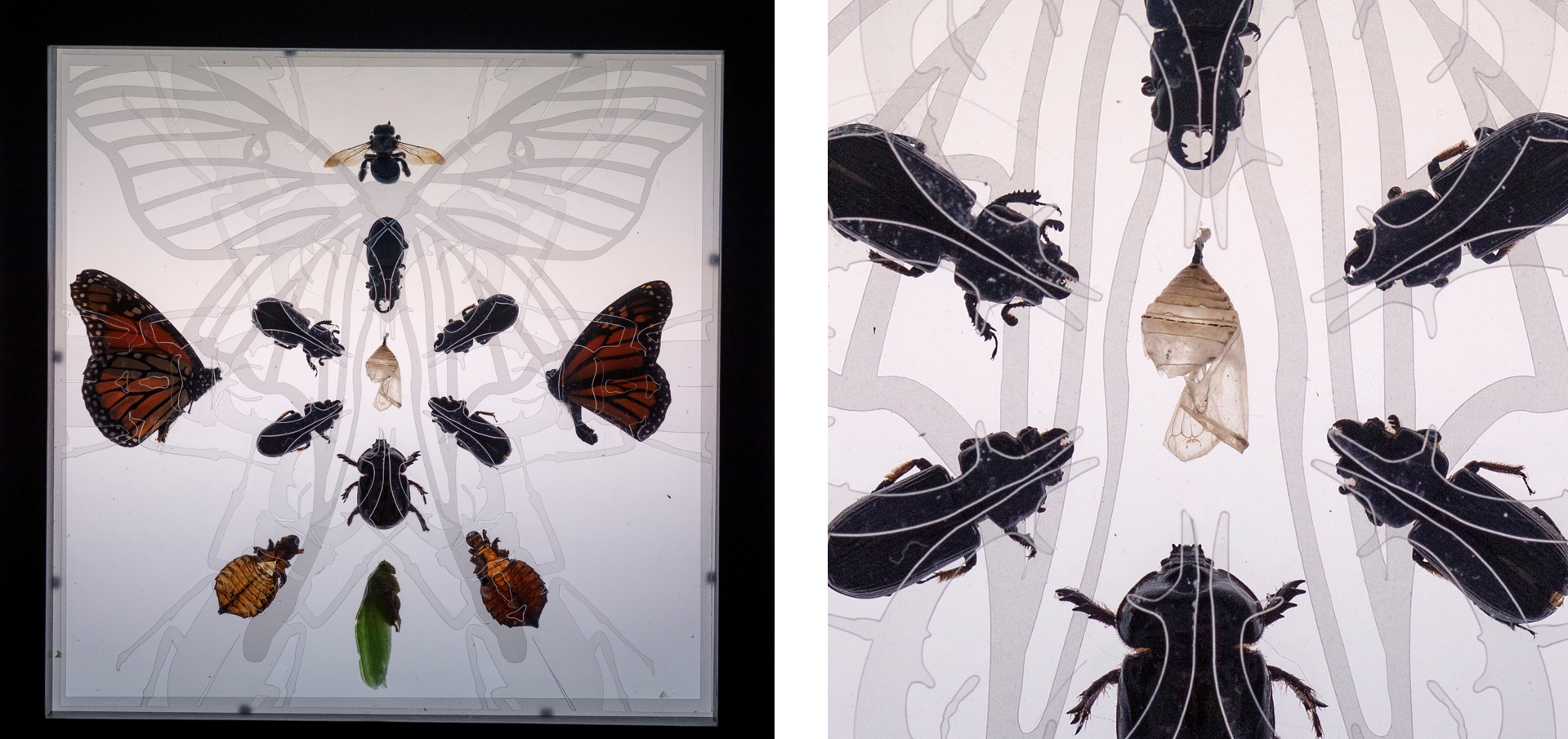
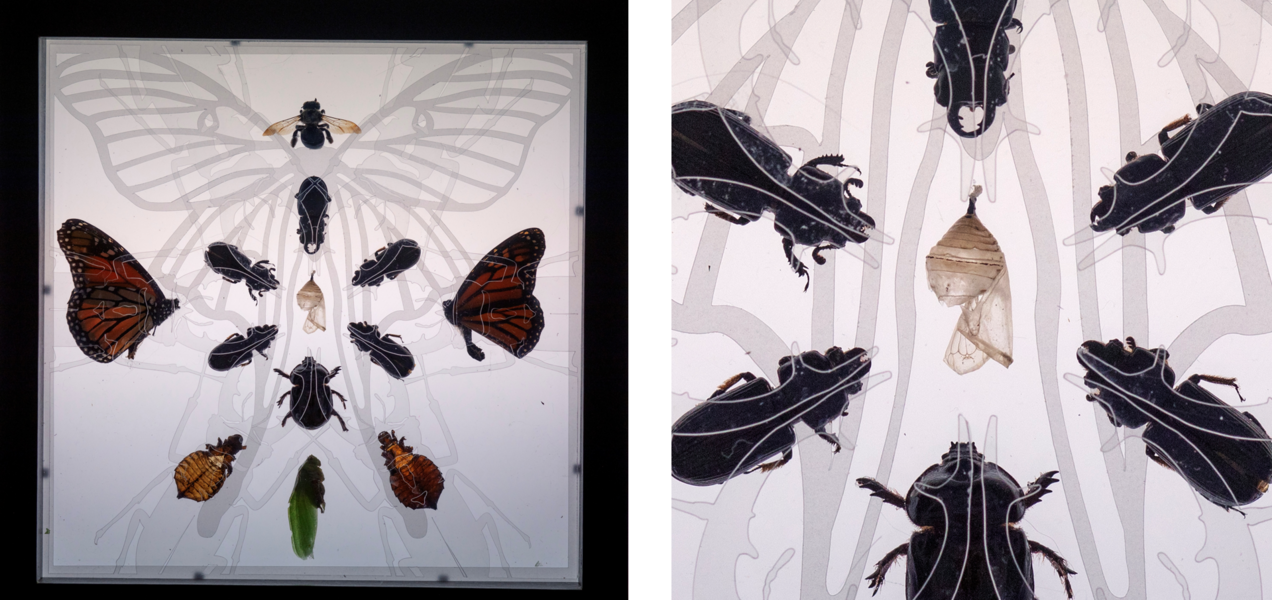 Insectarium
The Insectarium shadowbox is inspired by insect collections from the 16th - 18th centuries. The accompanying informational card contains the following text:
"Insects were ideal subjects for study: they were abundant, easy to collect, and could be raised in captivity. Enthusiasts traded and purchased foreign insects, many from the Americas. Instructions on how to trap, preserve, and transport insects – including living pupae and larvae – accompanied the voyages.
Women contributed to the study of insects through art. Maria Merian, a pioneering artist and naturalist, observed, studied, and painted insects. Her illustrated publications contributed to scientific understanding."
-
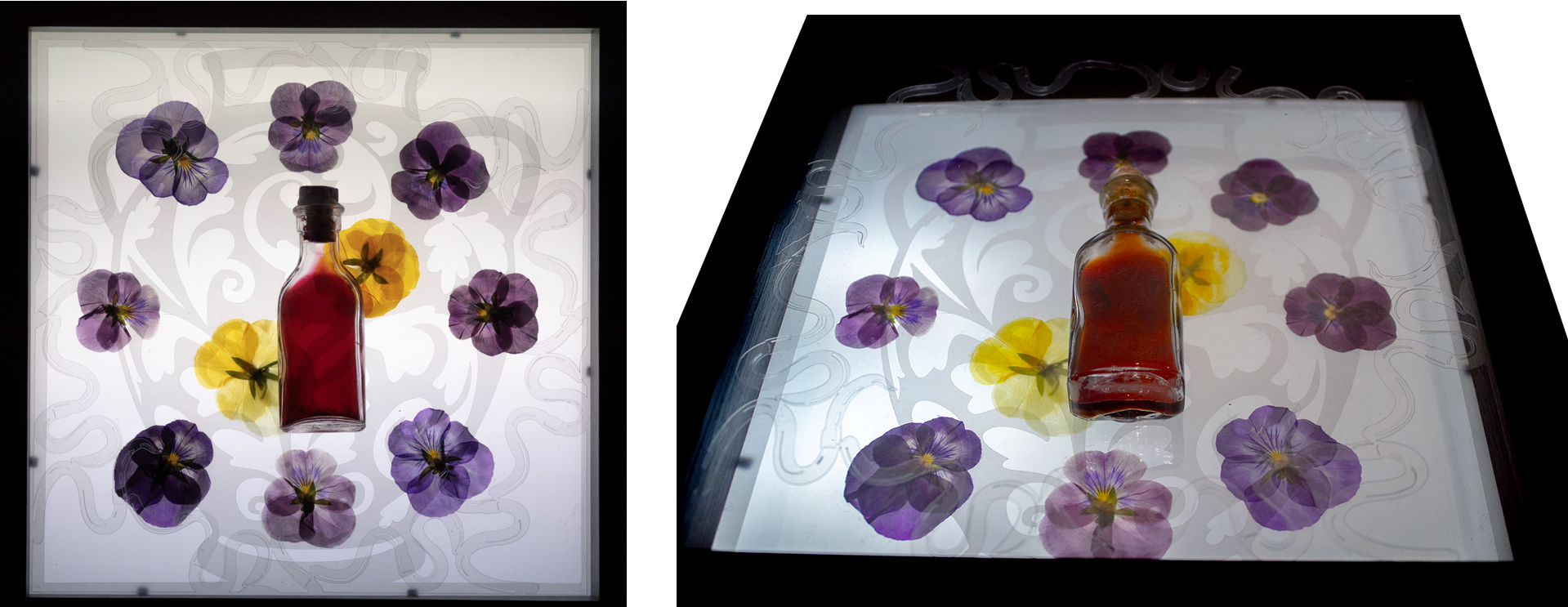
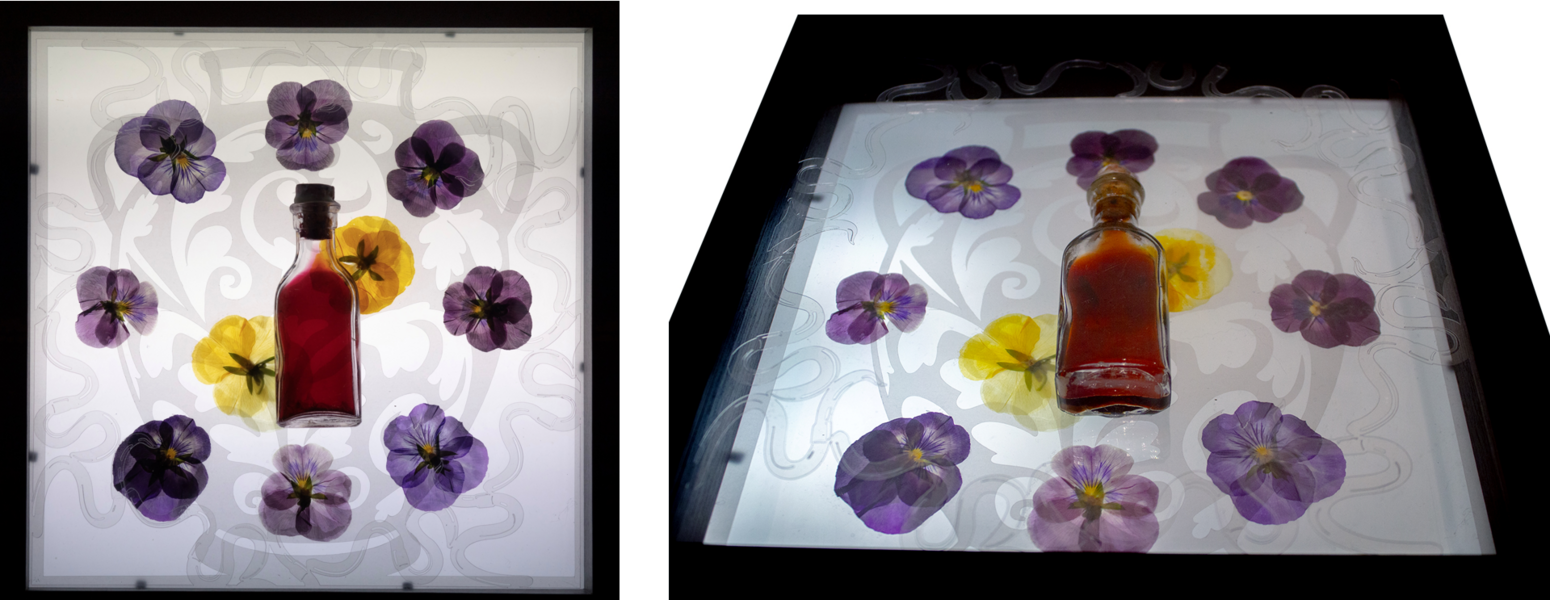 Materia Medica
The Materia shadowbox is inspired by the link between medicine and natural history collections. The accompanying informational card contains the following text:
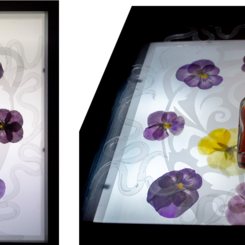
"Early apothecary shops were hubs of scholarly pursuit, often housing curiosity cabinets in adjoining rooms. In addition to attracting customers with curious displays, cabinets demonstrated the apothecary’s access to exotic medicinal ingredients. In the main shop, brightly colored drug jars lined the shelves. Jars contained herbs and elixirs like oil of violets, as well as less appealing concoctions, like oil of earthworms and earwax.
Materia Medica – the term for medicinal items – includes a vial of elderberry, dried viola, earthworm cutouts, and a decorative drug jar."
-
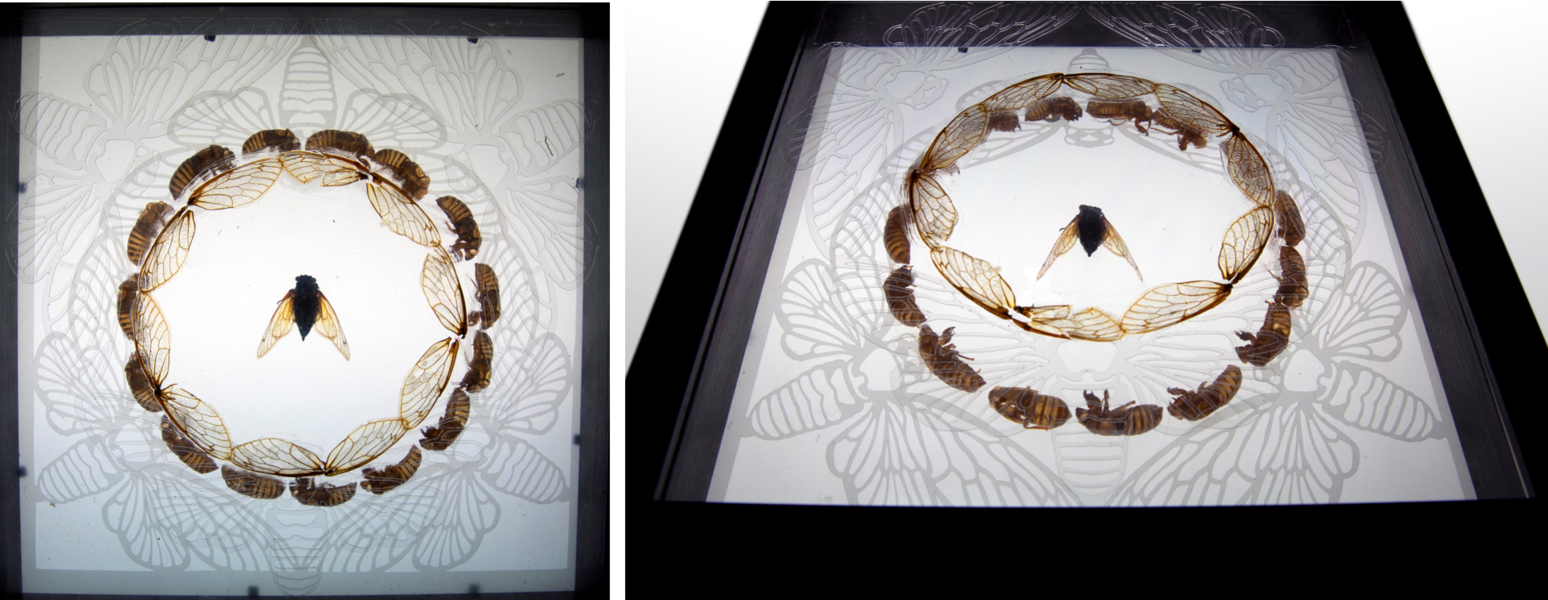 Brood X
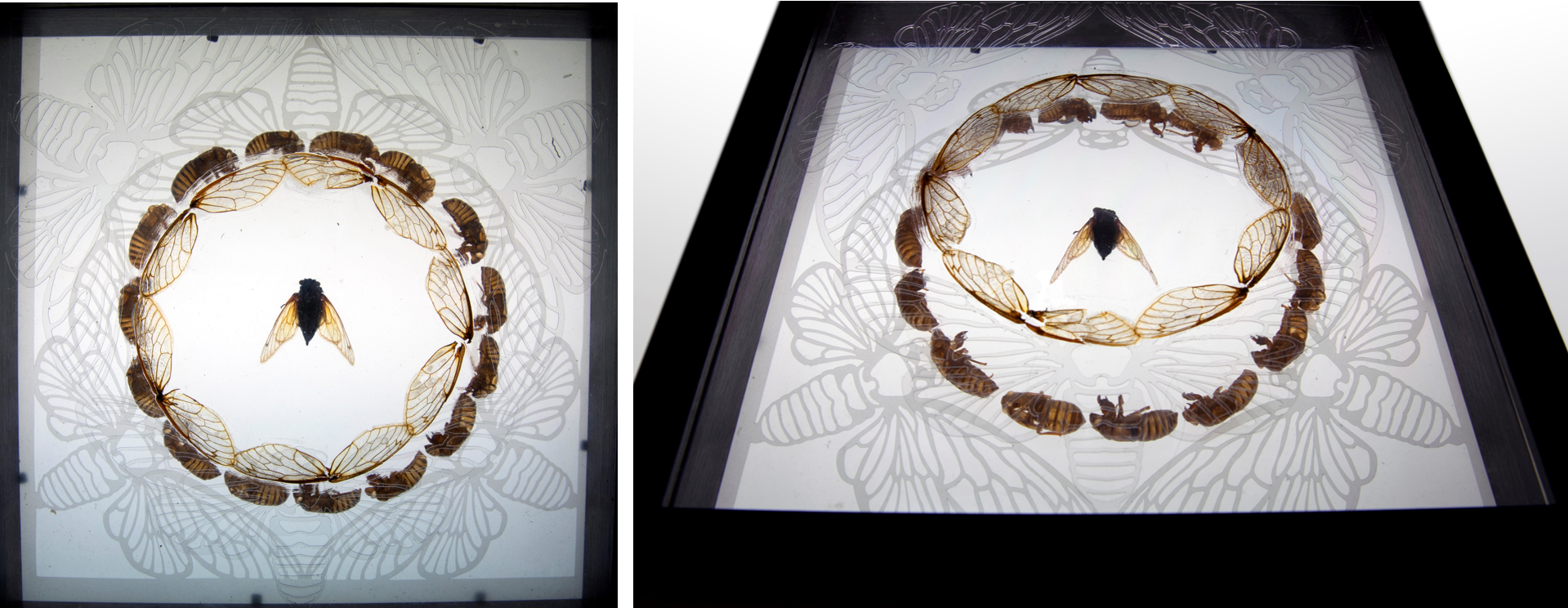
The Brood X shadowbox is inspired by cicadas in natural history collections. The accompanying informational card contains the following text:
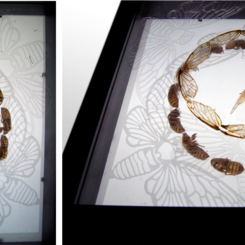
"Brood X immortalizes the brood x cicadas, which emerged in droves in 2021. After spending 17 years underground, these curious insects surfaced for a brief period to metamorphose, mate, lay their eggs, and die. A few weeks later, their young fell from the branches to burrow underground and begin the process again.
This shadowbox seeks to provoke curiosity and wonder by recalling the curious phenomenon of the cicada’s emergence, illuminating cicada wings and molted shells, which frame a cicada."
-
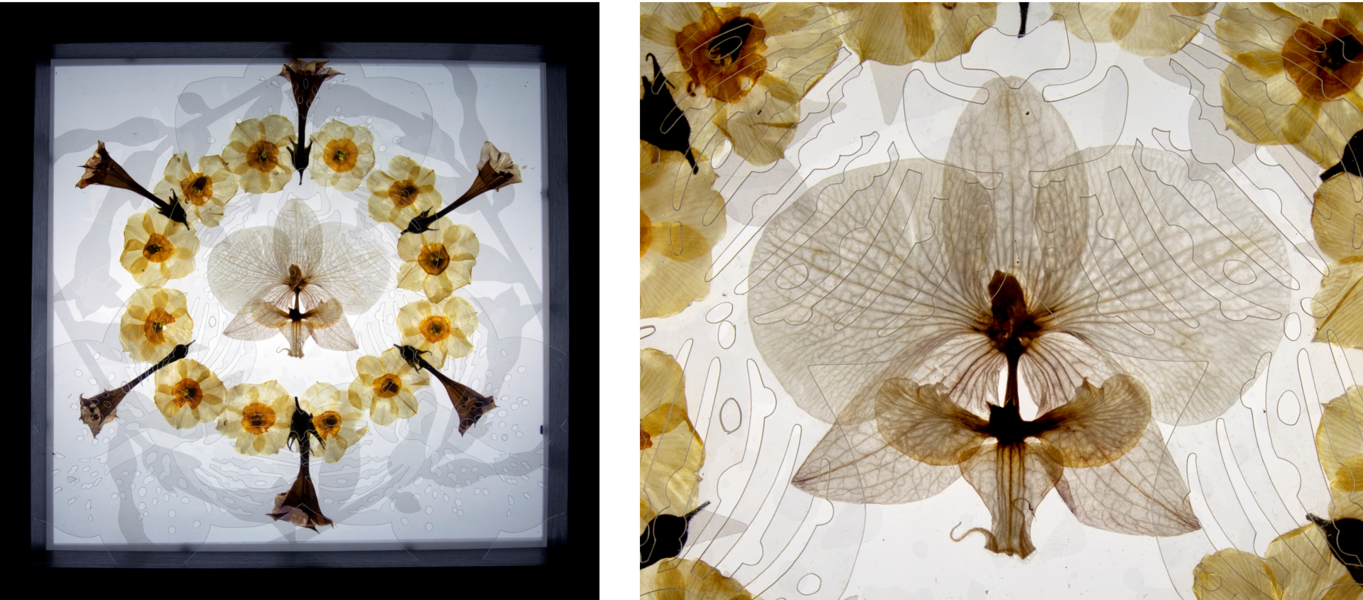 Orchidelerium
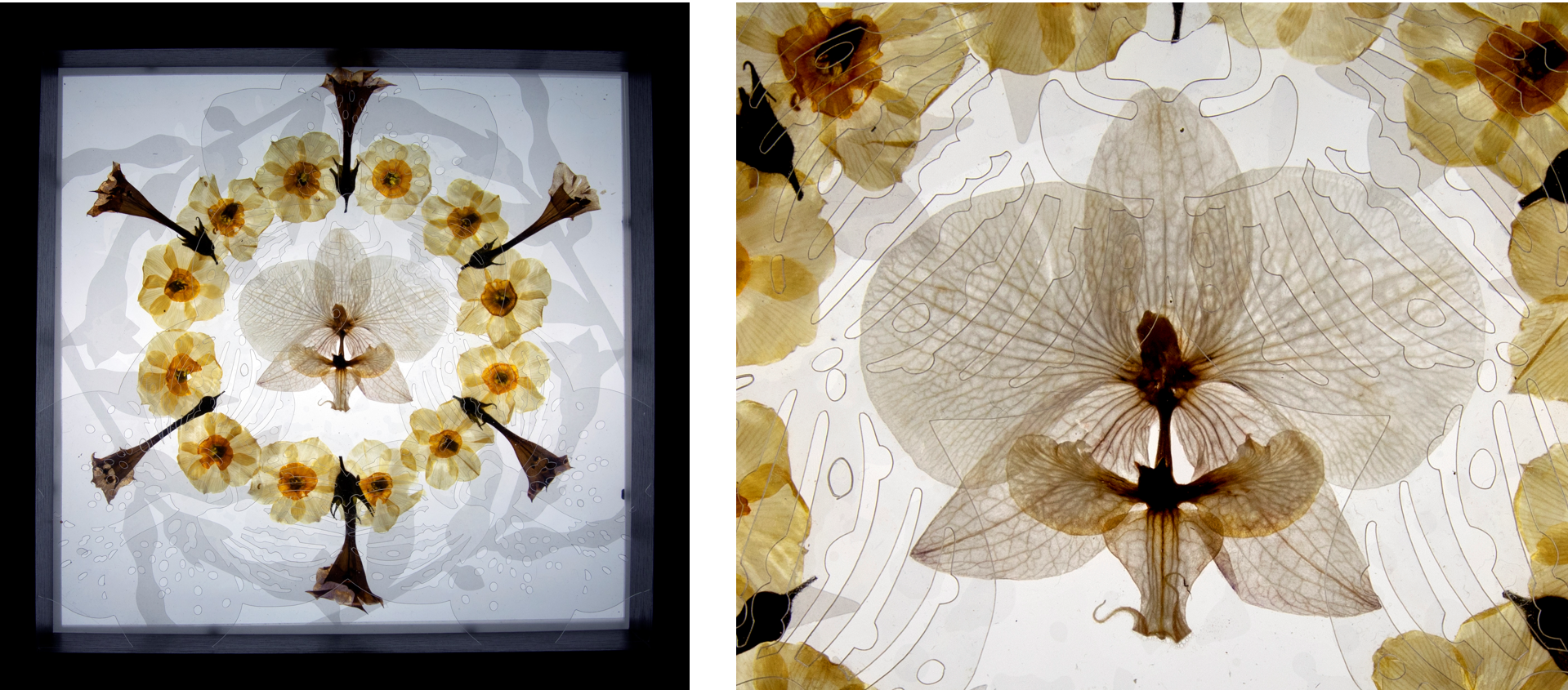
The Orchidelerium shadowbox is inspired by pressed flower collections. The accompanying informational card contains the following text:
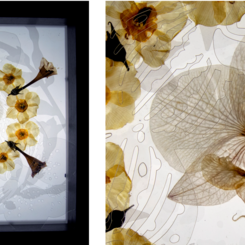
"Though Victorian women were barred from participating in the field of botany, they contributed to botanical understanding through gardening, drawing and collecting plants. Herbariums, books of pressed flowers, were a popular format to display their collections.
Orchidelerium displays flowers popular in Victorian collections: daffodils, tobacco, and orchids. Victorians were so obsessed with orchids, that the craze was nicknamed ‘orchidelerium.’ Many of these plants were imported from British colonies, making them intrinsically linked to colonialism."
-
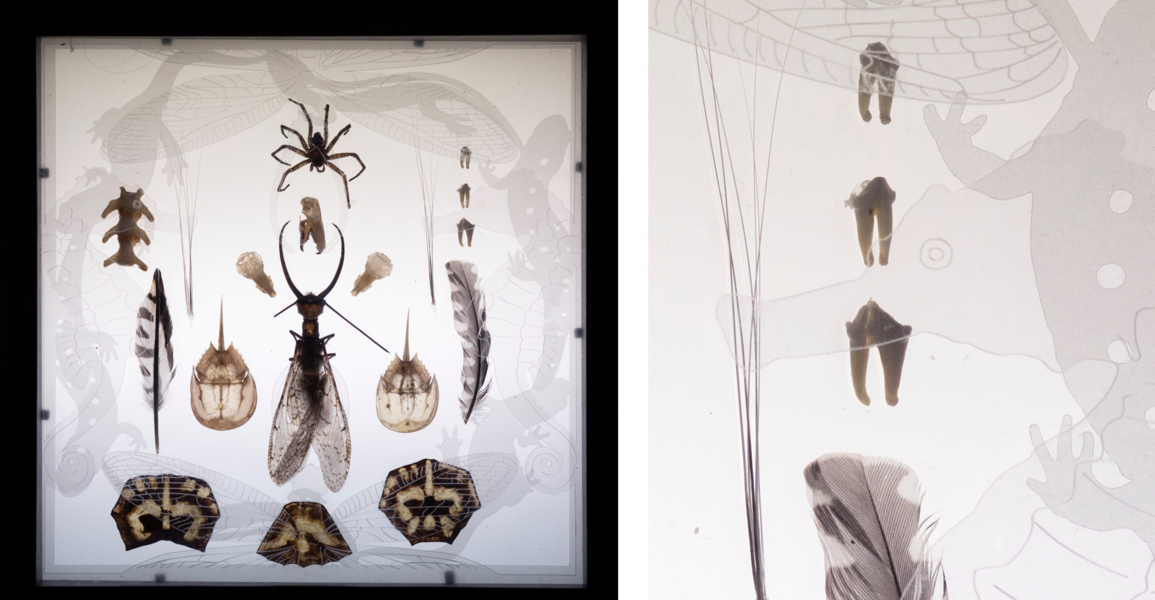 Bestiary
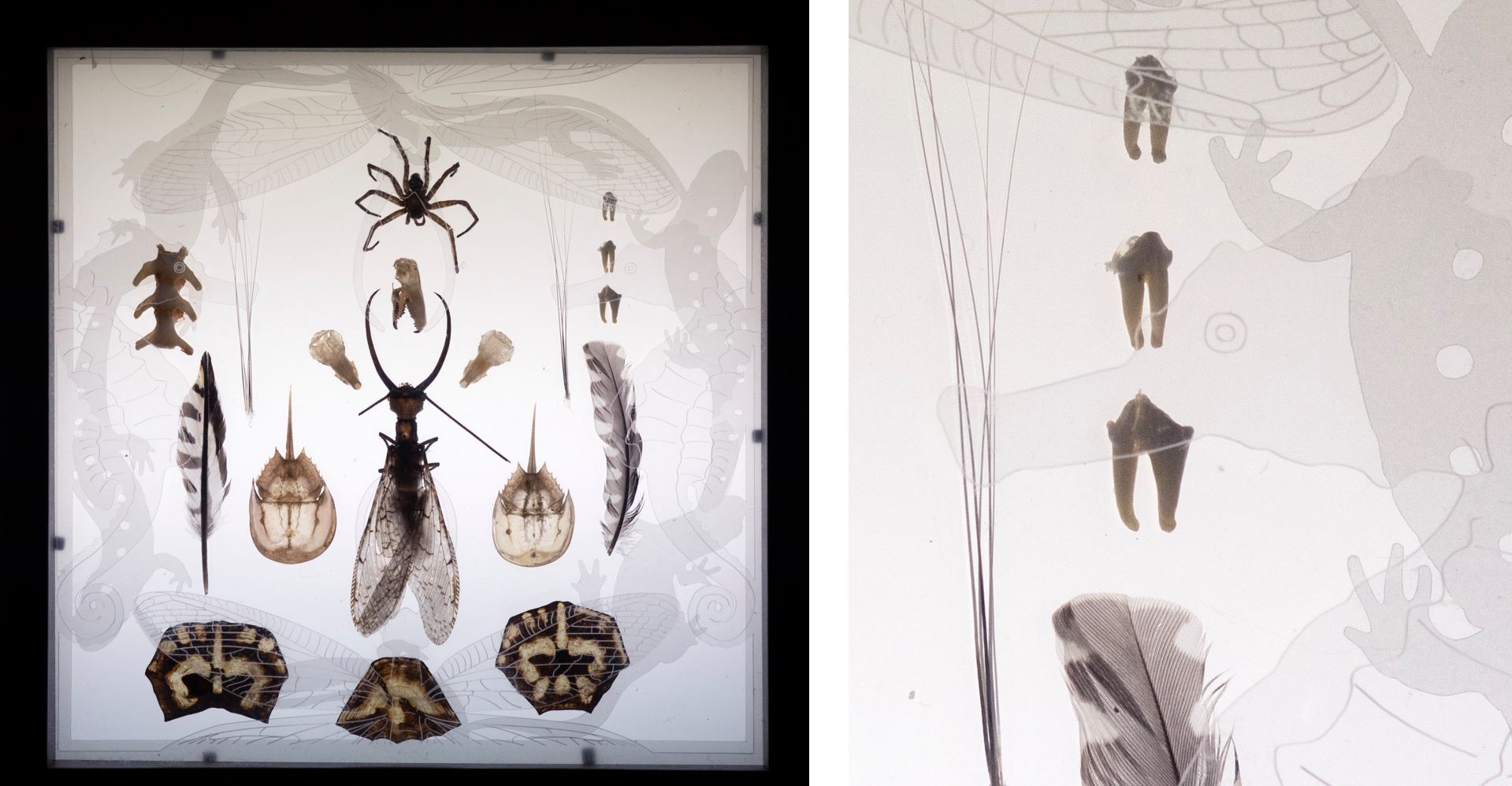
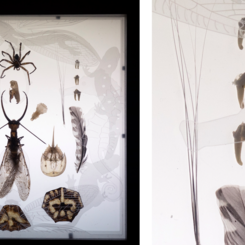
The Pocket Bestiary shadowbox is inspired by items from animals and insects that provoke curiosity and wonder. The accompanying informational card contains the following text:
"Medieval bestiaries were written compendiums of real and fantastic beasts, including creatures like centaurs and sea bishops. Curiosity cabinets perpetuated myths by assembling wonders: mermaids were made from monkeys and fish, and dragons were made from fish skins. Famed apothecary and collector Albertus Seba even claimed to have a 7-headed hydra.
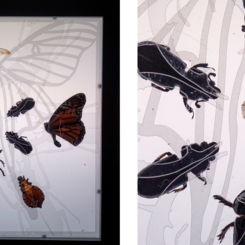
Pocket Bestiary contains relics from real creatures that appear fantastic: a fisher spider’s molt, a male dobsonfly with oversized pincers, a shrew skull with iron-red teeth, and highly decorative box turtle scutes."
-
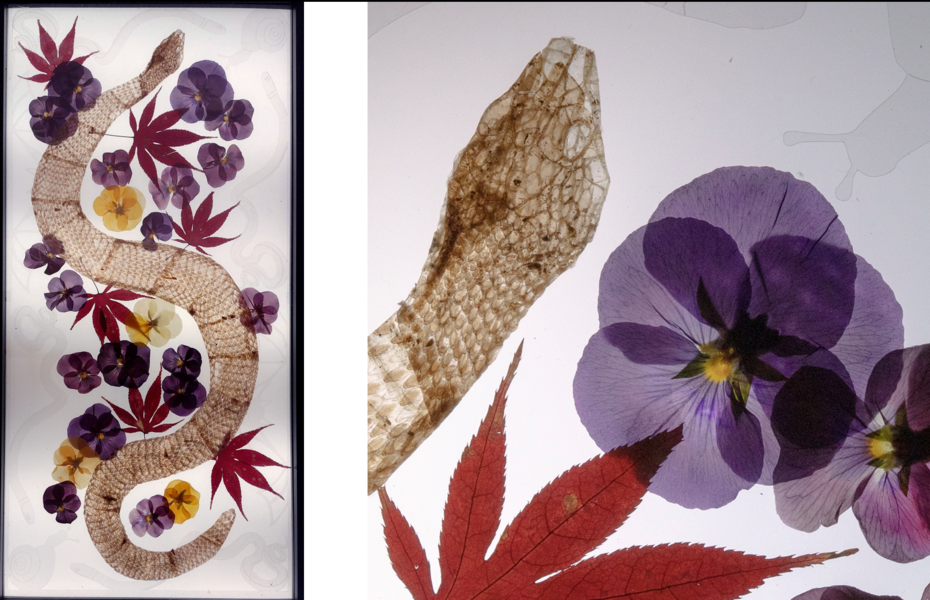
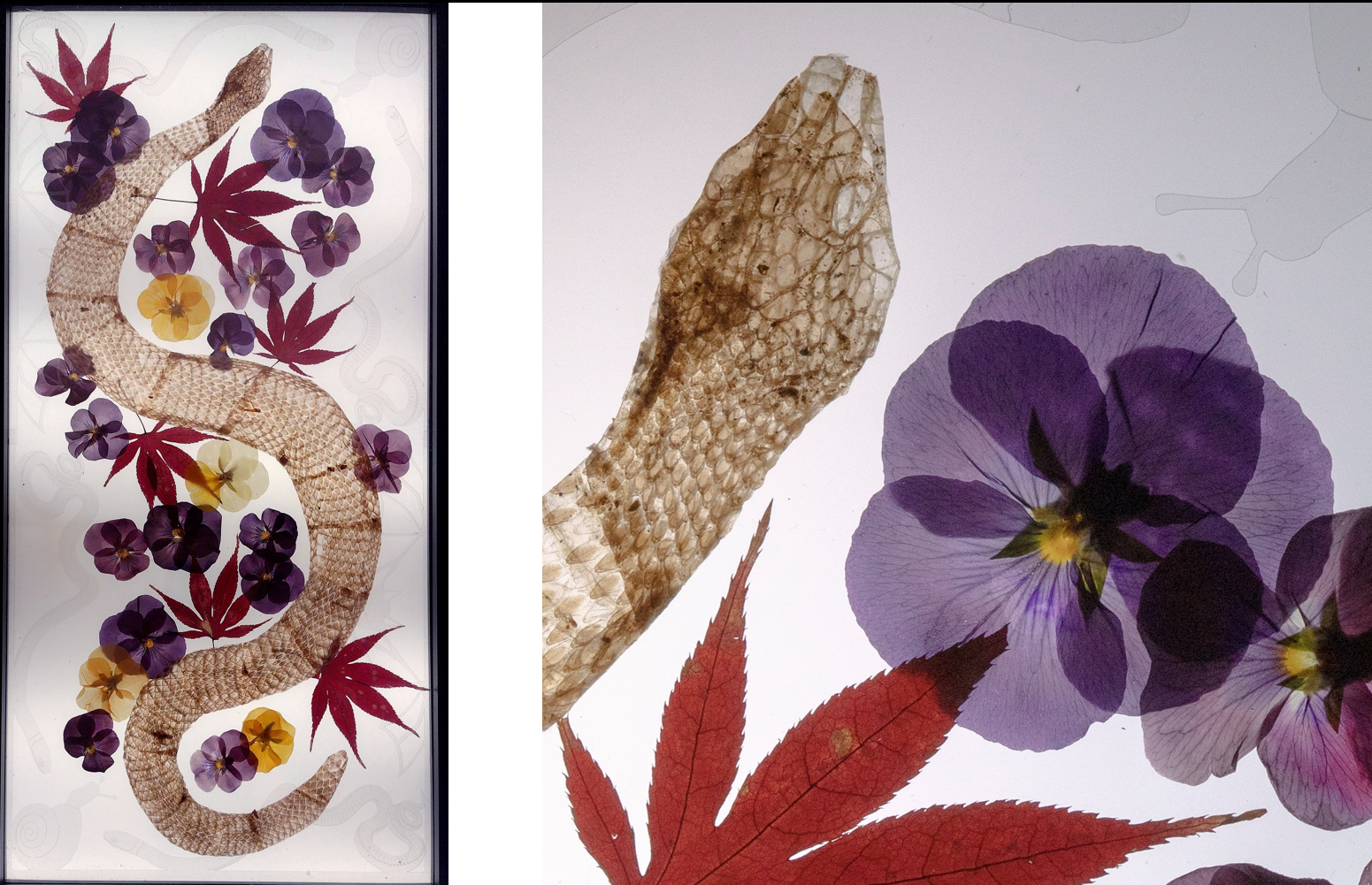
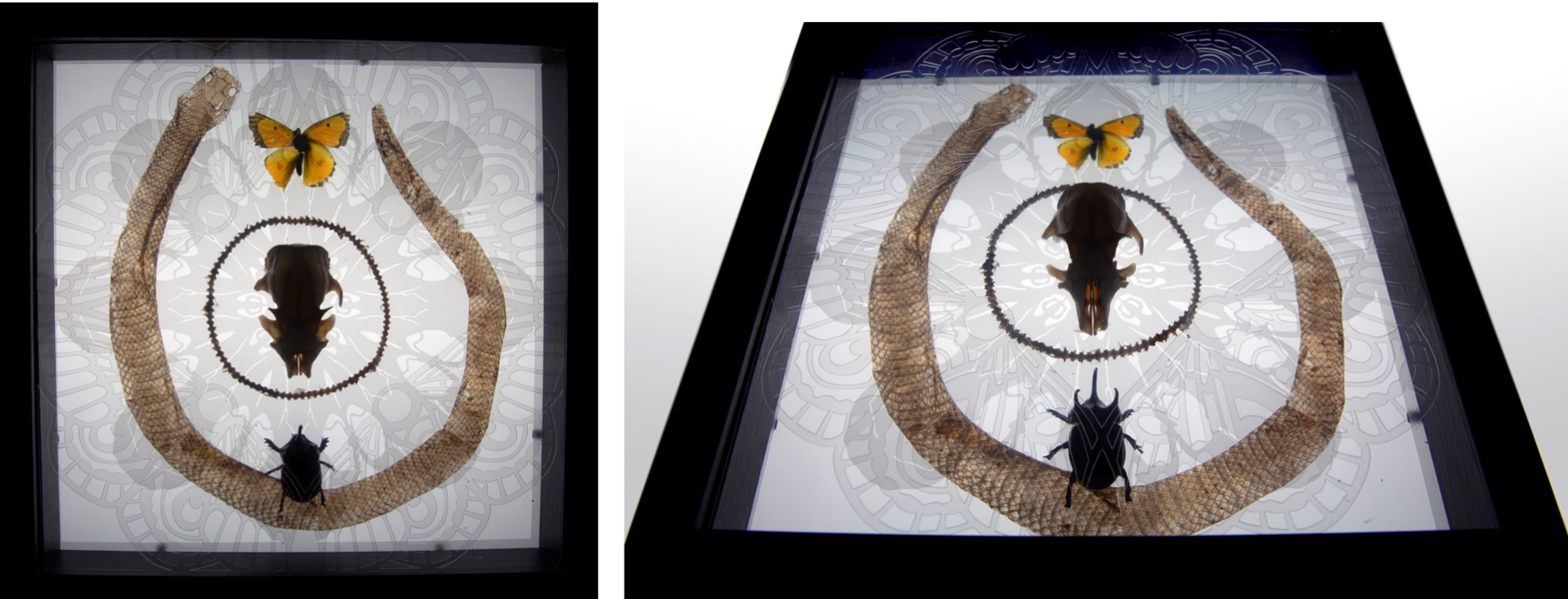 Serpentes Vanitas
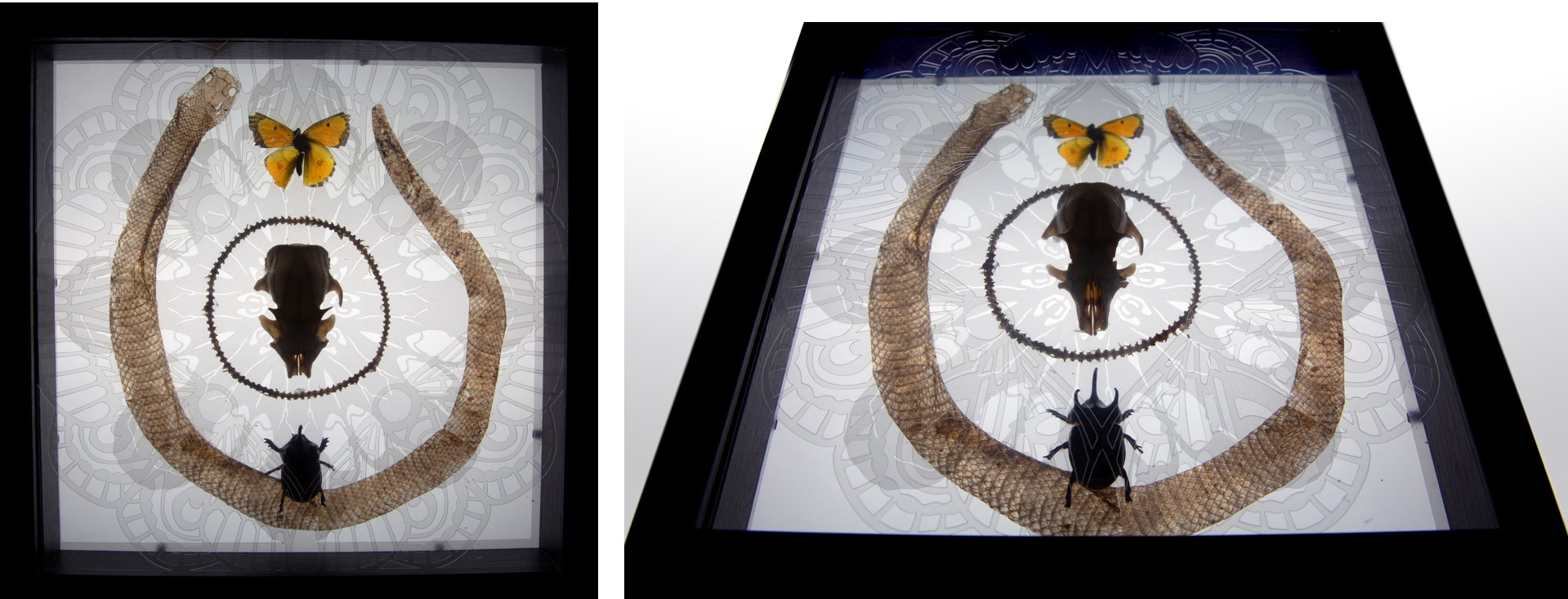
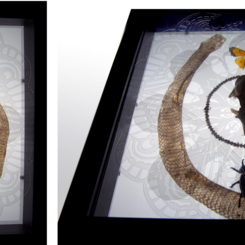
The Serpentes Vanitas shadowbox is inspired by mortality and the cycle of life. The accompanying informational card contains the following text:
"Vanitas artworks illustrate the shortness of life using symbols such as dying flowers and burning candles. This theme was also present in early curiosity cabinets.
The Serpentes Vanitas shadowbox explores vanitas symbolism through nature. The snake skin and snake spine represent the cycle of life. Within the spine is the skull of a rabbit, the snake's prey. The butterfly, a symbol of rebirth, represents new life, and the beetle, a decomposer, represents death."
-
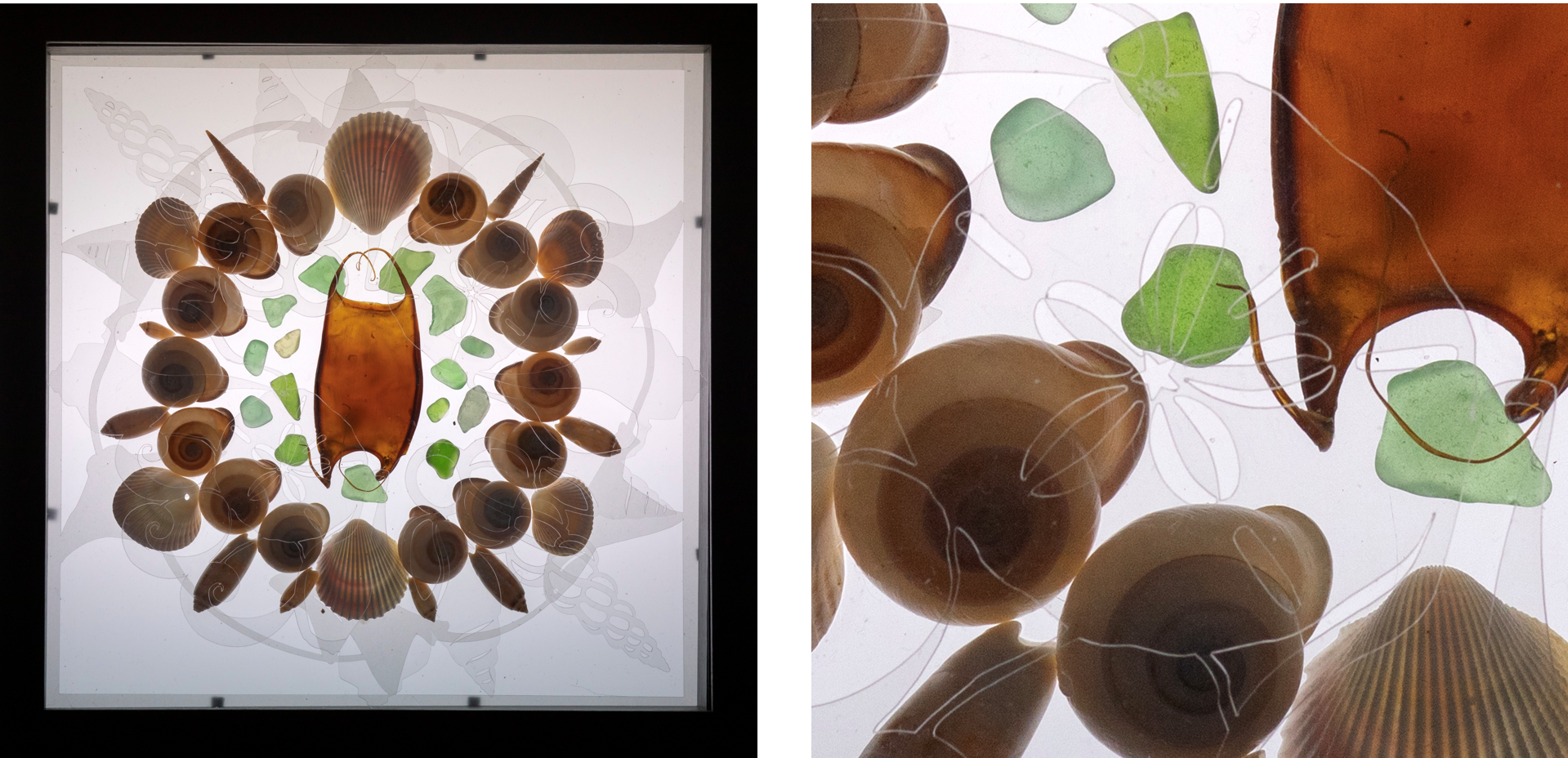
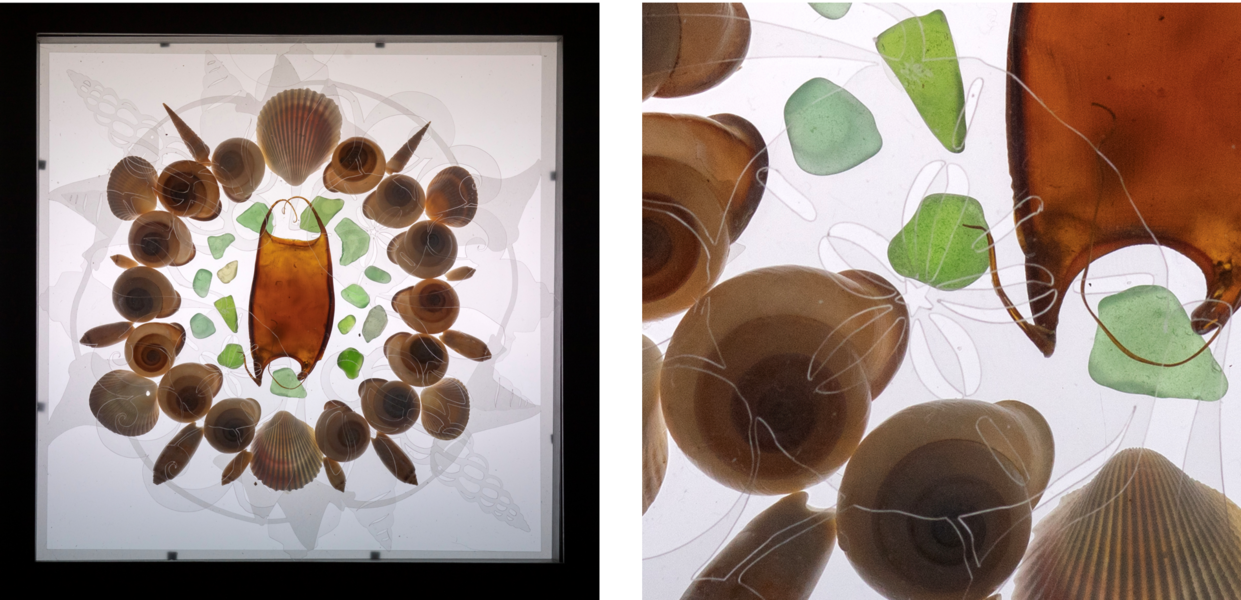 Shellwork
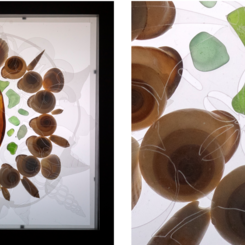
The Shellwork shadowbox is inspired by shell cabinets of the 18th century. The accompanying informational card contains the following text:
"In the 18th century, shells were considered luxury goods, imported via channels like the Dutch East India Company. Shells were housed in cabinets with satin-lined drawers, grouped to form elaborate pictures and arrangements.
Shell collecting and shellwork – arranging shells to create decorative objects – were considered appropriate activities for 18th century women. Artist Mary Delany was an avid shell collector and designed shellwork grottos. Her colleague, the Duchess of Portland, amassed one of the greatest shell collections of the time."
-
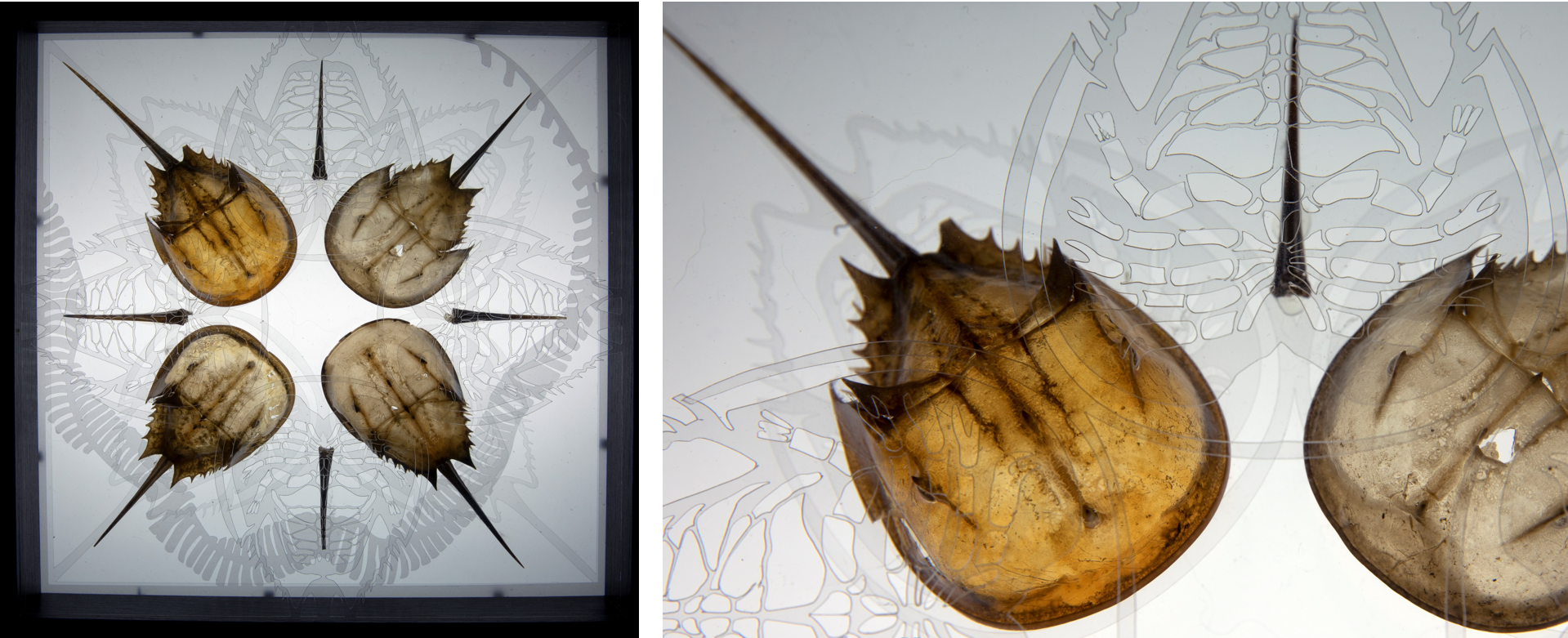
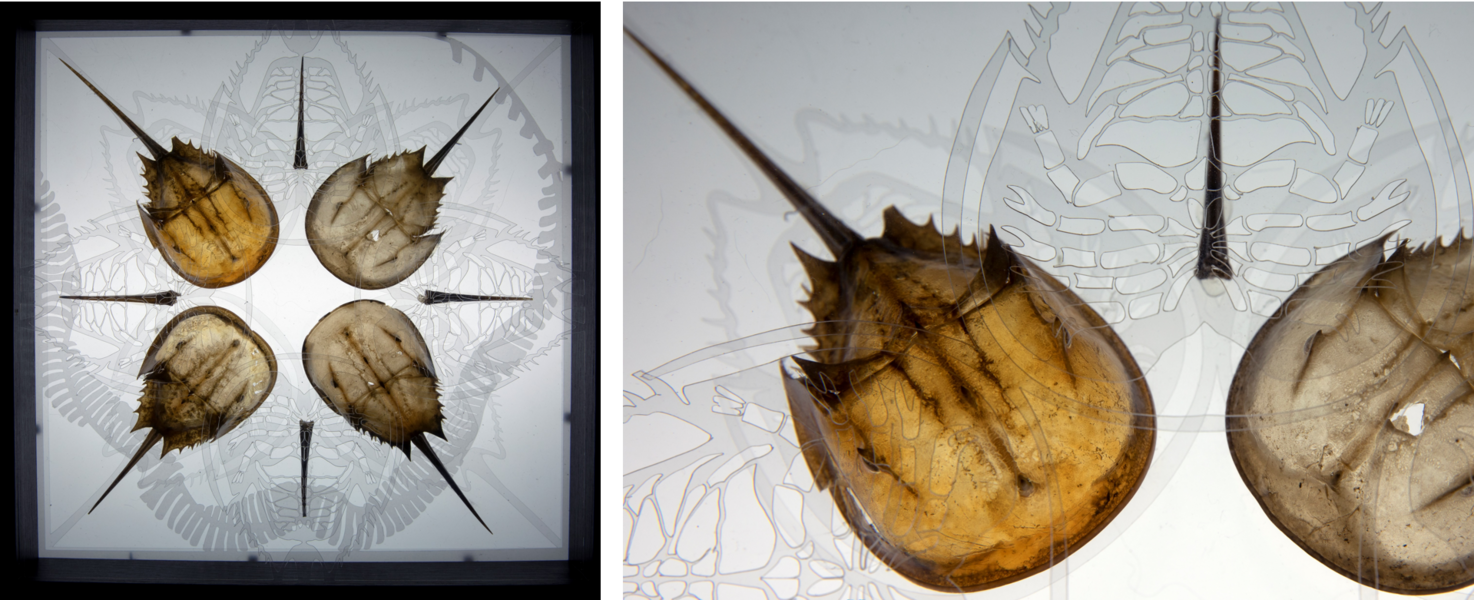 Super Flower Blood Moon
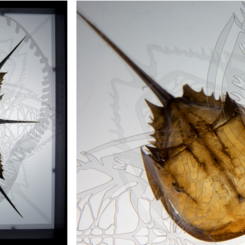
The Super Flower Blood Moon shadowbox is inspired by the mass emergence of horseshoe crabs from the Delaware Bay in May and June. The accompanying informational card contains the following text:
"Horseshoe crabs are living fossils, animals that have remained almost unchanged for millions of years. During full and new moons in early summer, thousands of these curious animals assemble on Delaware Bay seashore to breed. They are threatened by overharvesting – both for bait, and for a compound in their blood used in vaccine production.
Super Flower Blood Moon, named after the coincidence of multiple lunar phenomena, illuminates molted shells of horseshoe crabs, cutouts of whelk egg cases, and cutouts of the horseshoe crabs themselves."
-
 Staff of Asclepius
The Staff of Asclepius shadowbox is inspired by the connection between early medicine and natural materials. The accompanying informational card contains the following text:
"Staff of Asclepius references the link between curious materials and early medicine. Stuffed alligators, dried fish, and plants hung from the ceilings of early apothecary shops. Mummies, oil of vipers, and exotic herbs were used to make drugs.
Unicorns were a popular motif in medical branding, as “unicorn horns” (narwhal horns in actuality) were thought to have healing properties. Snakes were another common theme in medical branding. Asclepius, the Greek good of medicine, carried a staff wrapped with a single snake; a motif that is still used today."

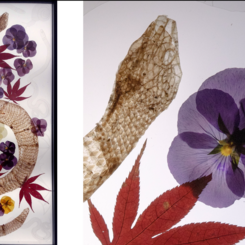
Animated Curiosities (2022)
-
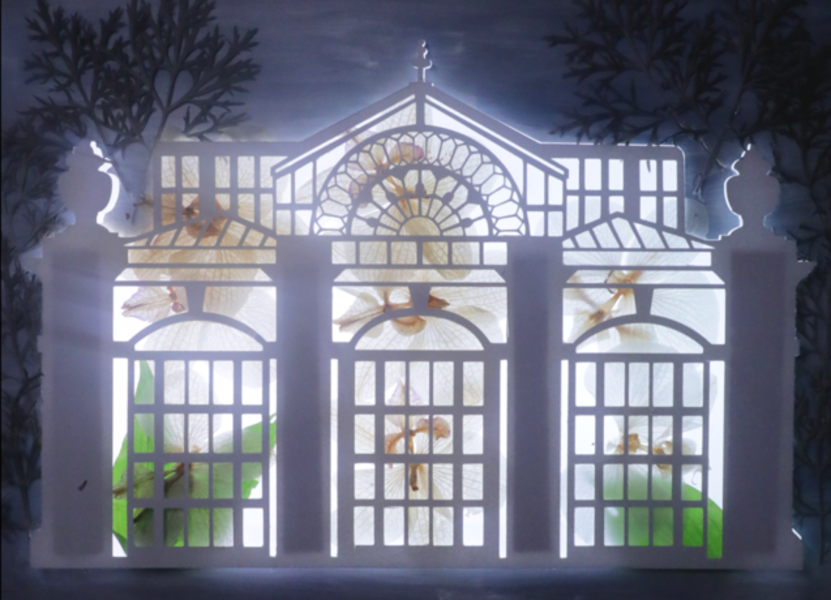 Animated Curiosities - Still from Orchidelerium
 -
Animated Curiosity - Orchidelerium
Orchidelerium shows the collection and transplanting of orchids from the wild into a Victorian-era glasshouse. Collecting orchids was dangerous and unsustainable, with collectors depleting entire landscapes of the highly sought-after flowers. Materials: cut paper, acrylic paint, pressed plants and flowers, bark, vellum. Partially animated on a lightbox.
-
Animated Curiosity - Brood X
Brood X Illustrates the lifecycle of the brood x cicadas. Materials: dirt, pressed and dried flowers, stones, beach glass, cicada molts, cicada wings, cicadas, vellum, bark, leaves. Partially animated on a lightbox.
-
Animated Curiosity - Super Flower Blood Moon
The animation shows a mermaid's purse, whelk egg case, and a whelk shell washing up on the Delaware Bay shore before the sun sets. The moon, represented by a moon snail shell, rises from a black hollyhock and triggers the emergence of horseshoe crabs from the water. Materials: pressed and dried flowers, feathers, pebbles, seashells, vellum, acrylic paint, molted horseshow crab shells, rhinestones, and sequins.
-
Animated Curiosity - Vanitas
Vanitas utilized the beetle from the Serpentes Vanitas shadowbox and themes and symbols representative of mortality – a ticking clock, a beetle being devoured by a carnivorous plant, and a candle melting. Materials: bark, butterflies, beetles, pressed and dried plants, cut paper, leaves, candle. Partially animated on a lightbox.
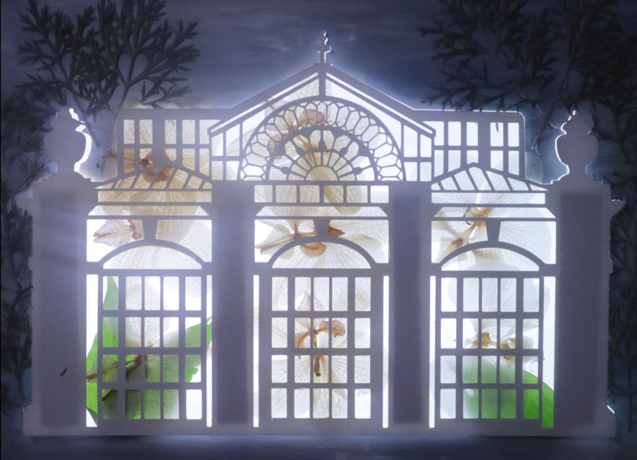

Transition System (2025)
-
Transition System
-
 Still
Still -
 Still
Still -
 Still
Still -
 Still
Still -
 Still
Still -
 Still
Still -
 Still
Still
Rattlesnake Master (2025)
-
Rattlesnake Master
-
 Still
Still -
 Still
Still -
 Still
Still -
 Still
Still -
 Still
Still -
 Still
Still
Animated Wildflower Map (2020 - present)
-
Animated Wildflower Map
-
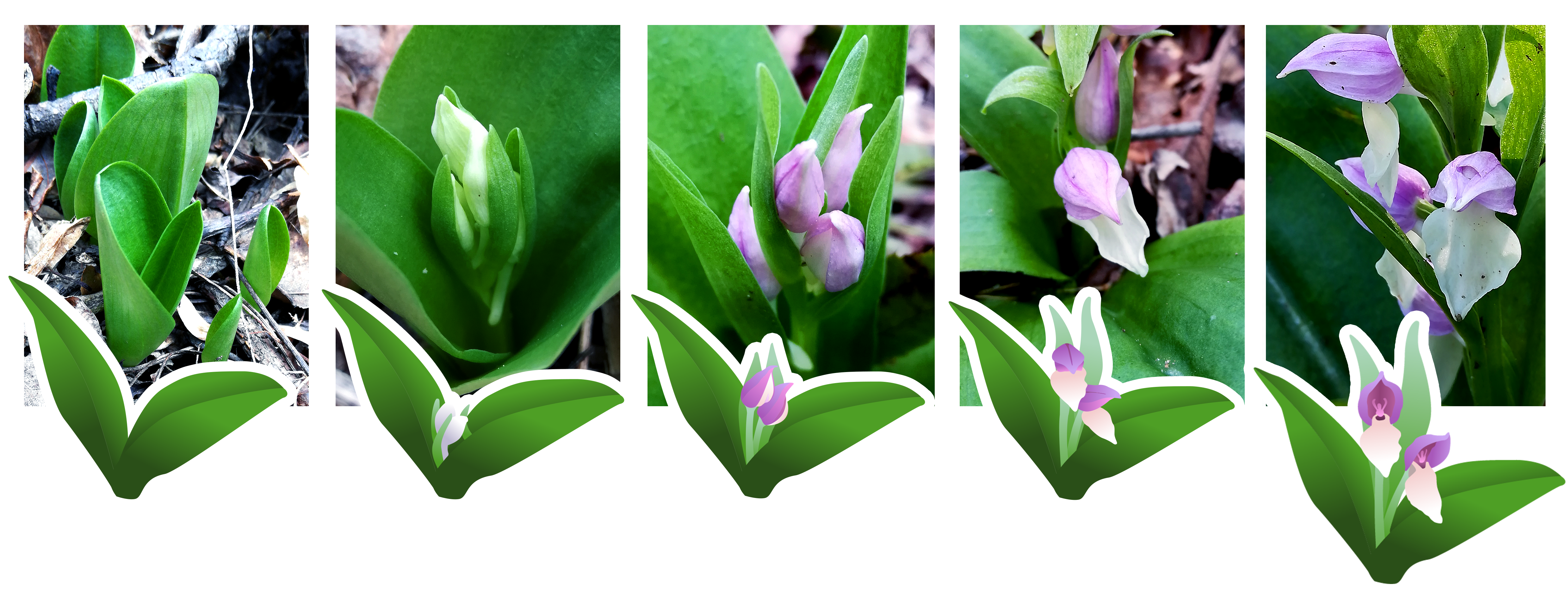
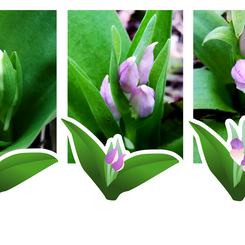
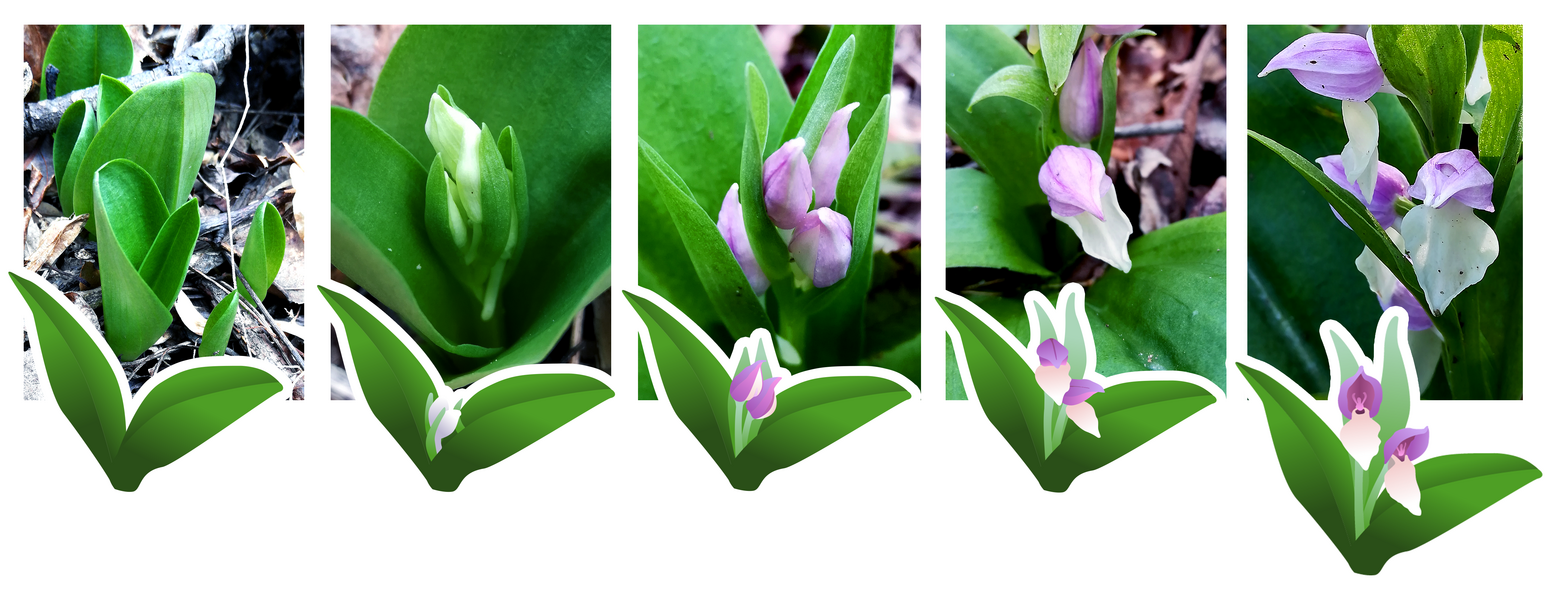 Showy Orchis - assets and photos
This image shows a series of graphics created for the Showy Orchis' bloom phases. Behind the graphics are photographs I took while collecting data.
-
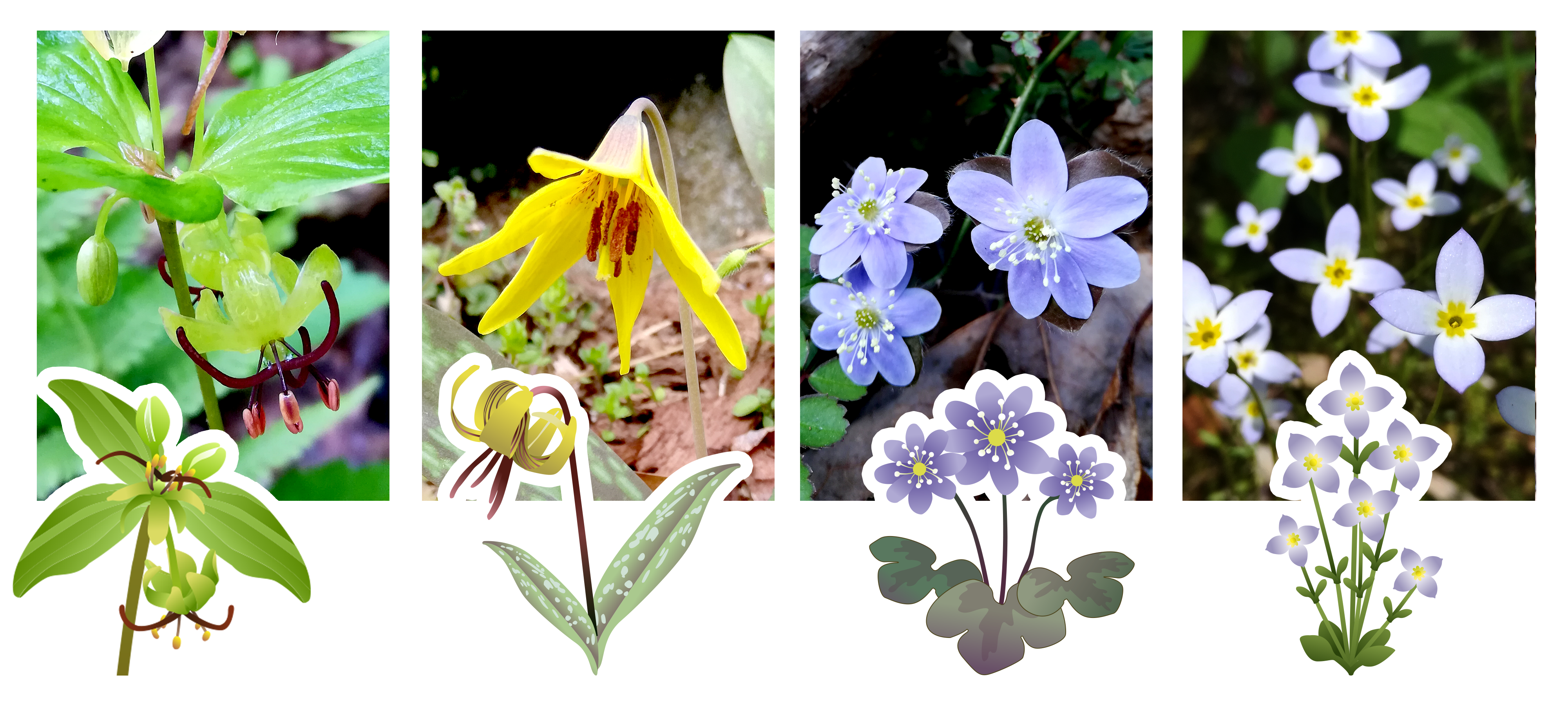
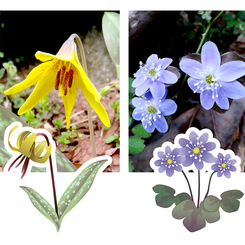
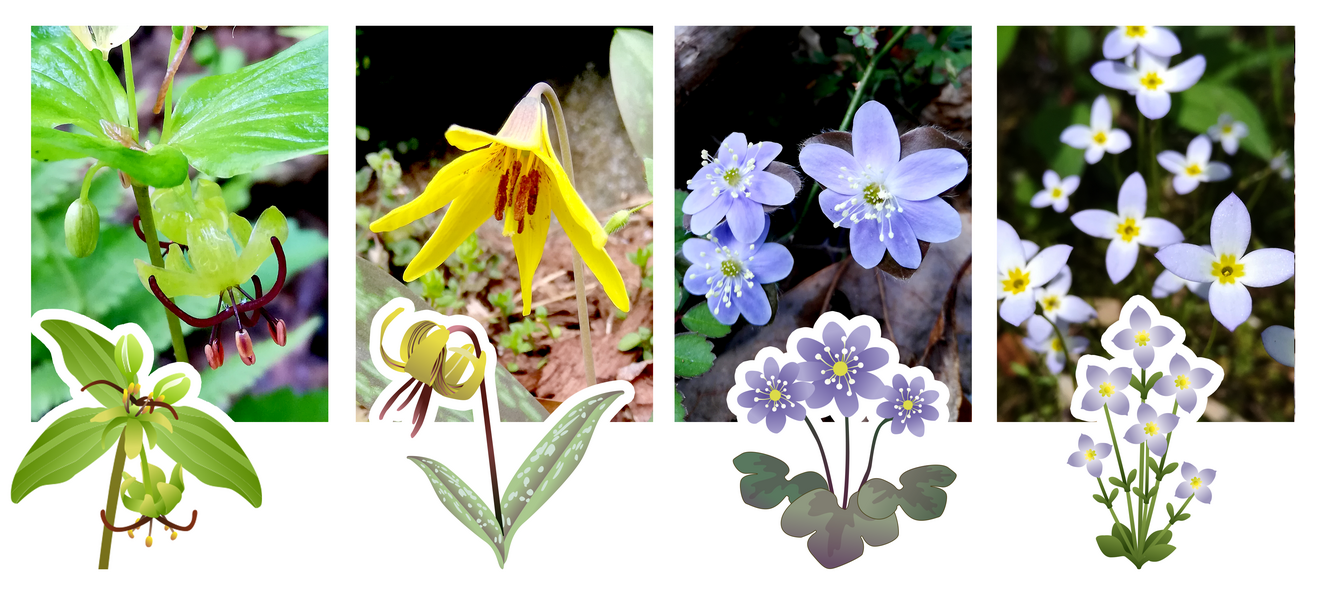 Various Wildflowers - Assets and Photos
This image shows a series of graphics created for various wildflowers. Behind the graphics are photographs I took while collecting data.
-
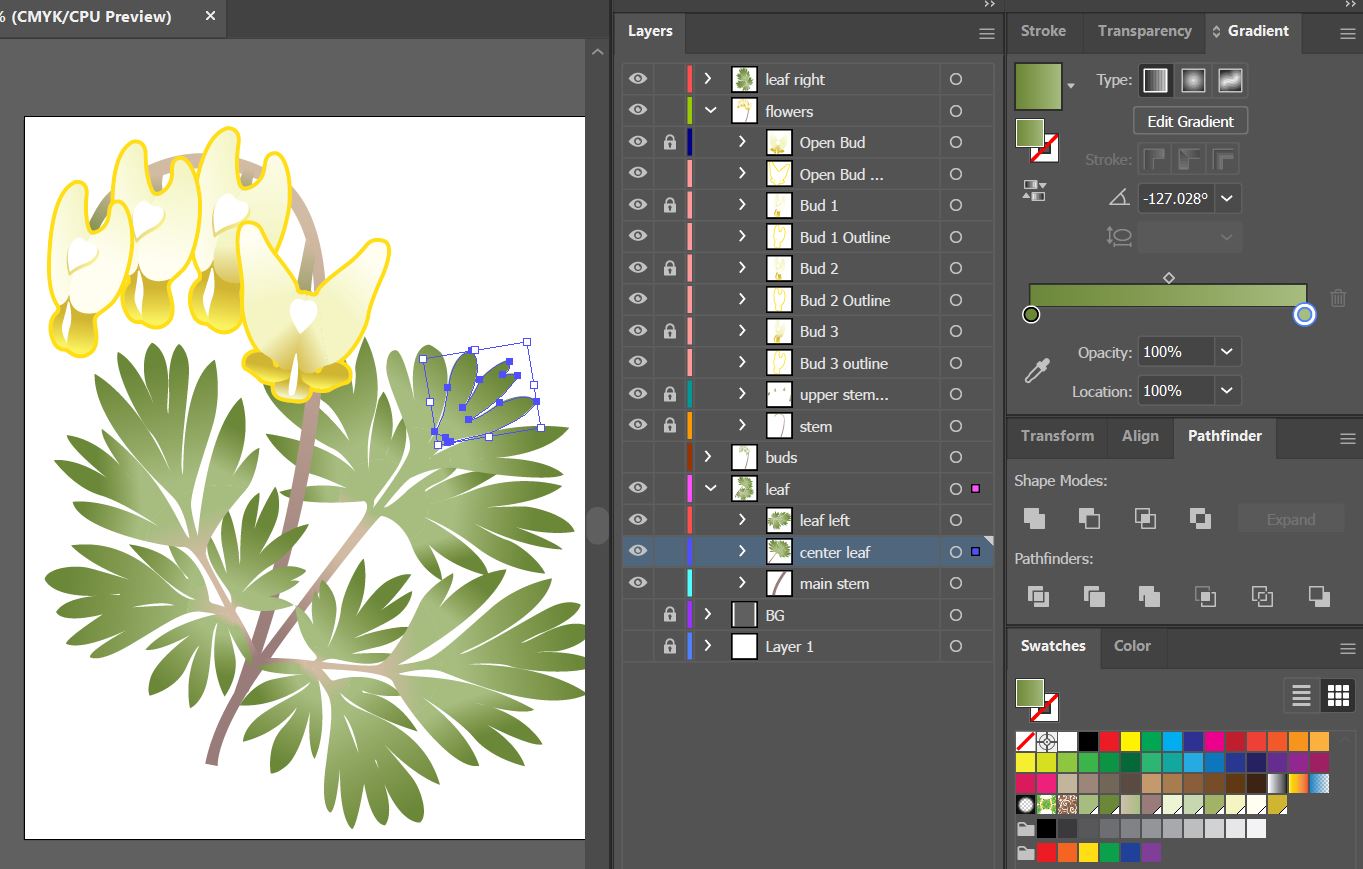
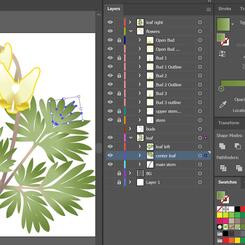
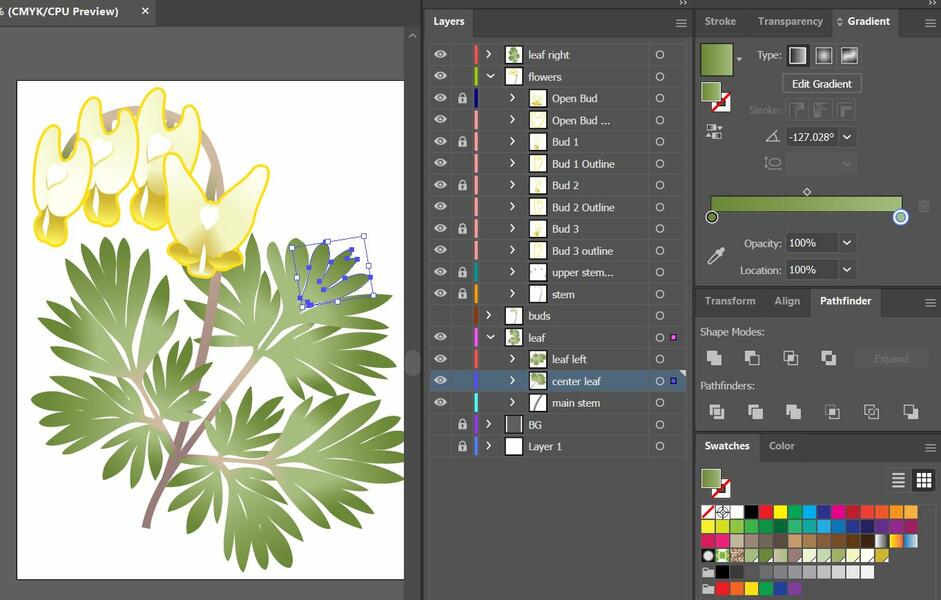 Process of Creating Dutchman's breeches graphic
 -
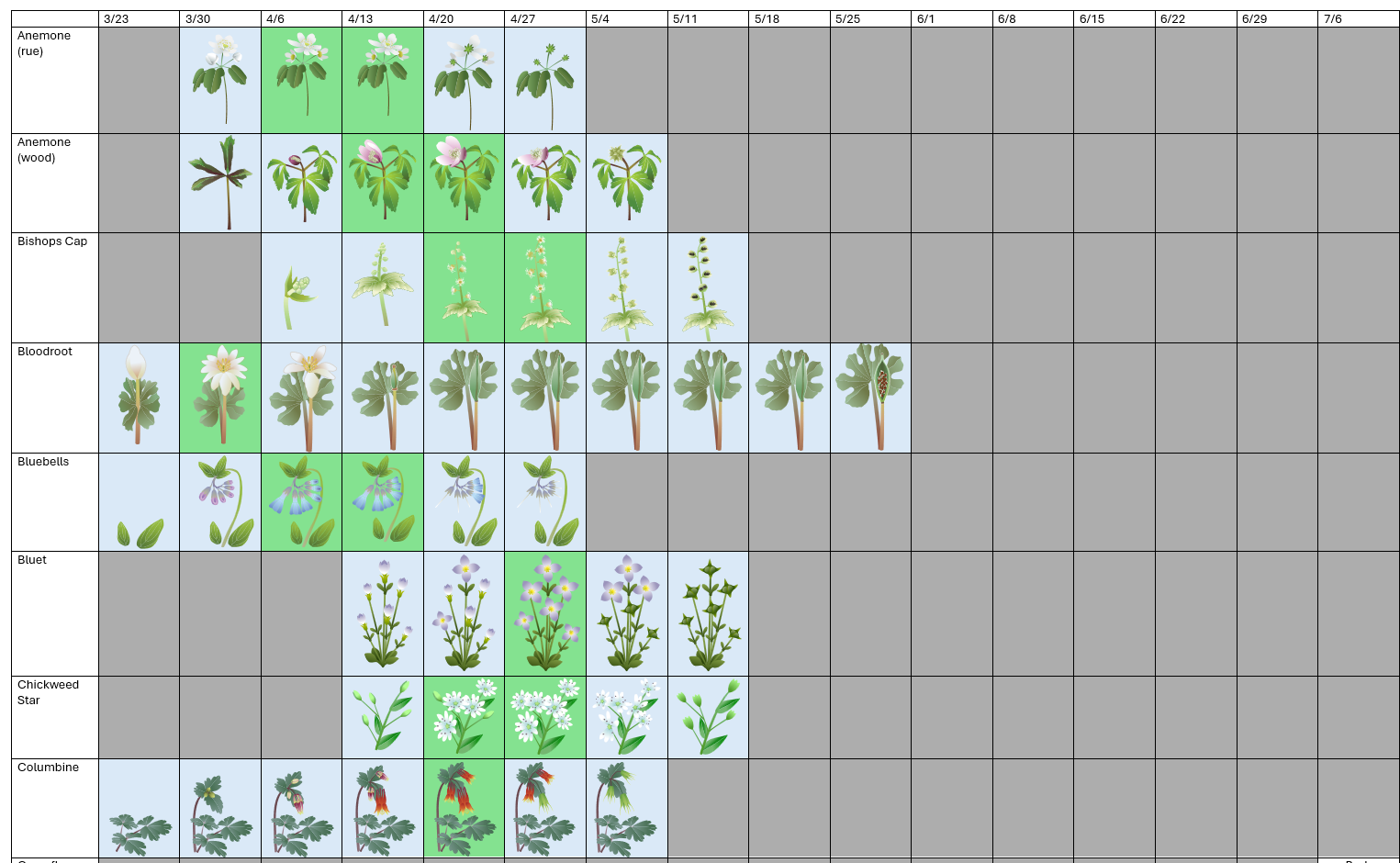
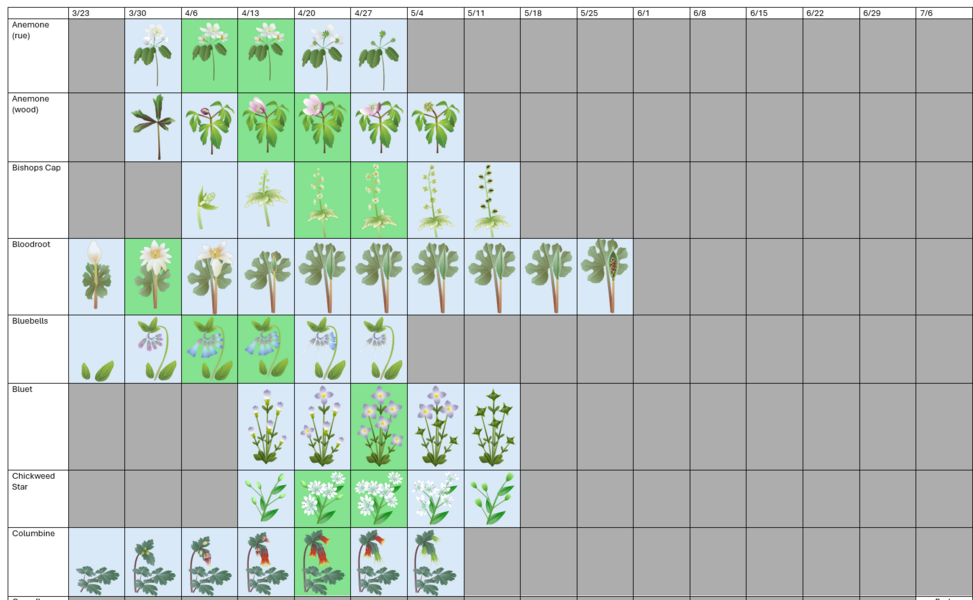 Data Collection Process
This image shows a chart that I used for wildflower data collection in Spring 2024. The top row indicates the week (IE week of 3/23) and the left column indicates the wildflower species. The graphics are placed within the chart to illustrate the bloom phase over time. The squares highlighted with green indicate an approximation of the wildflower's peak bloom time.
-
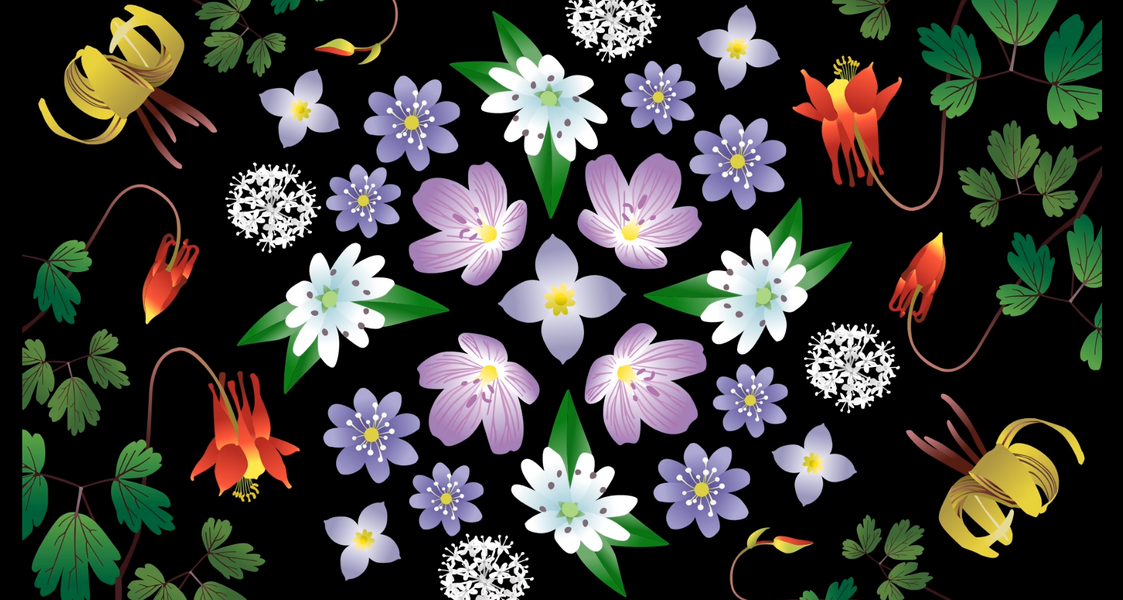 Still
Still