-
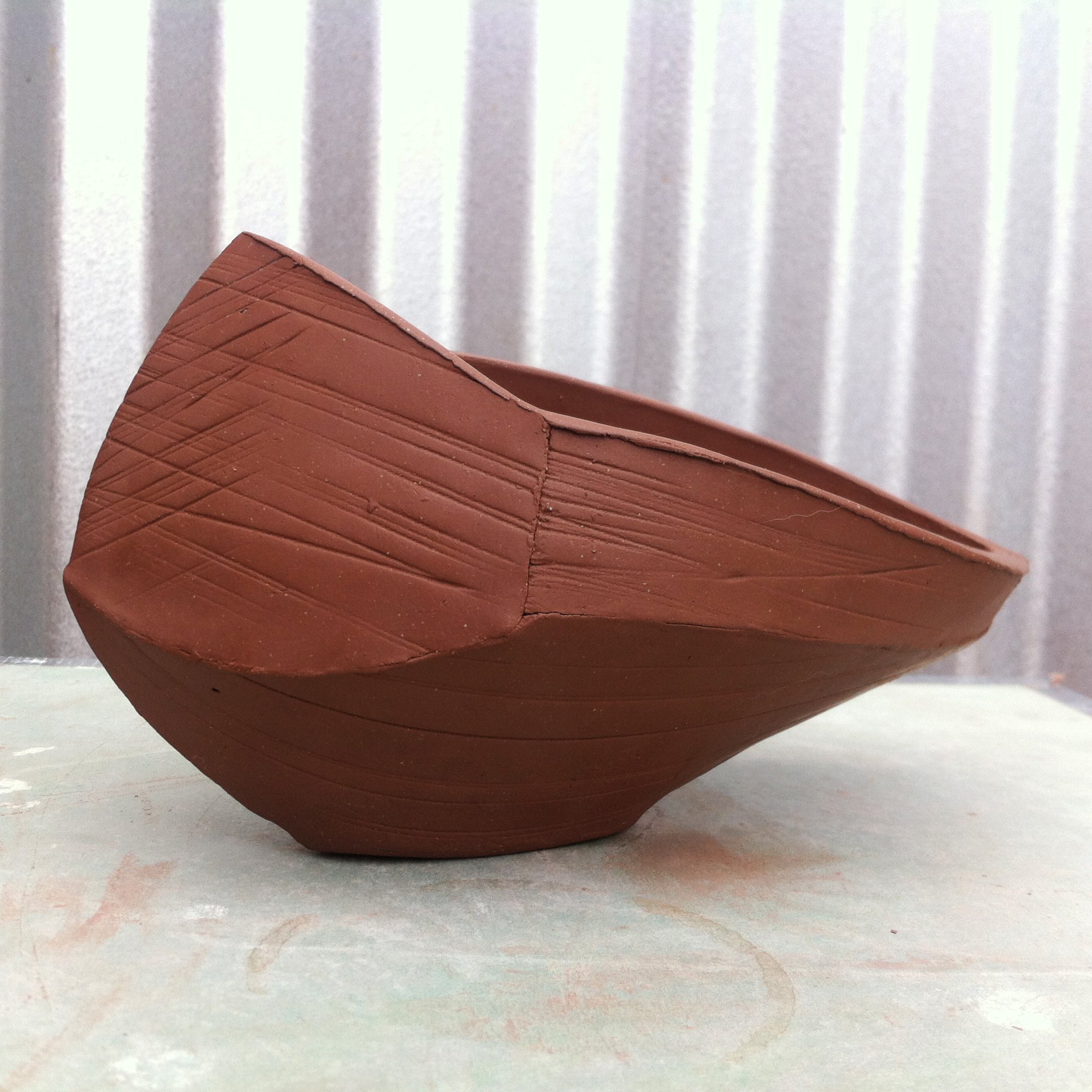
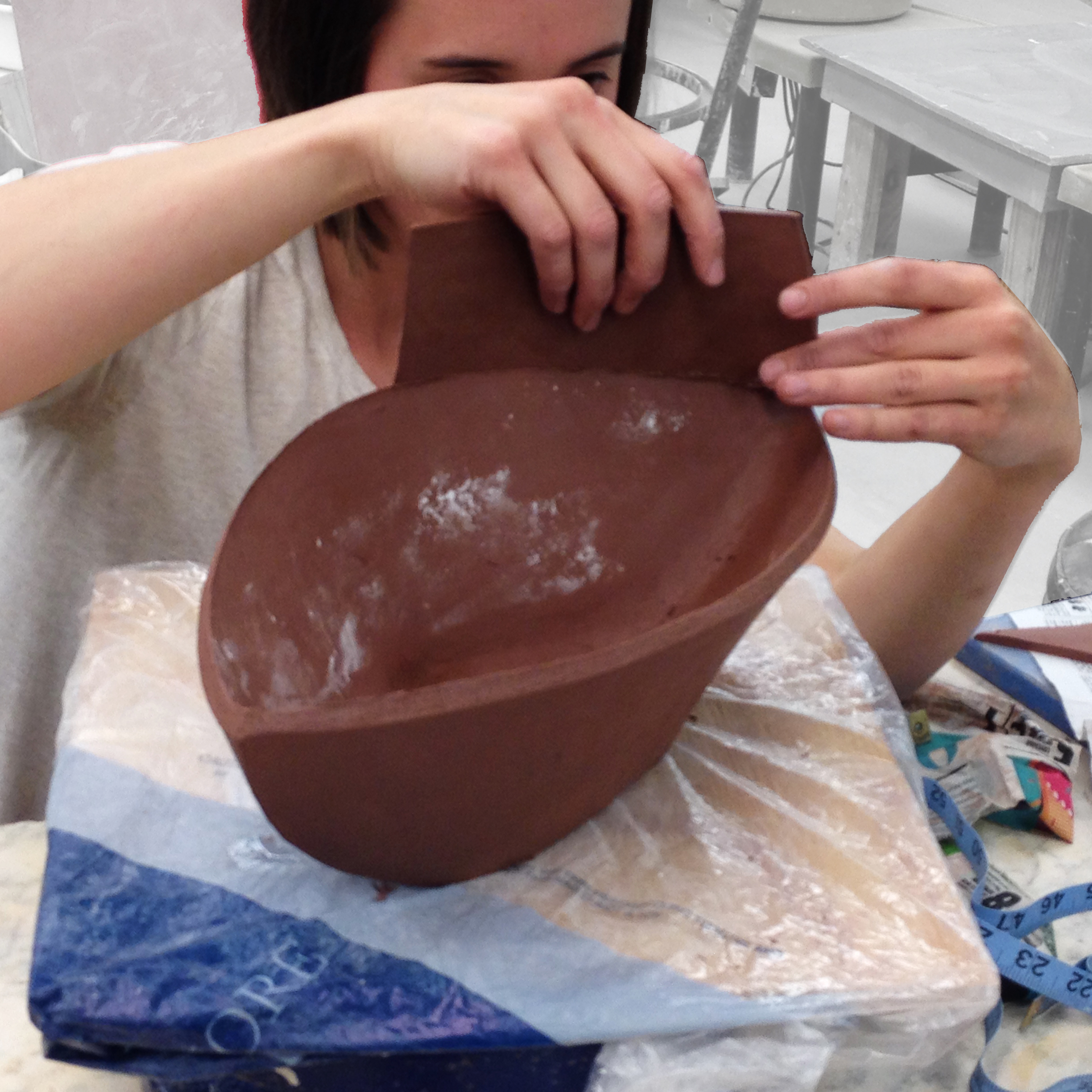
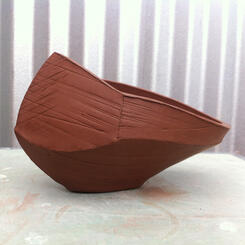
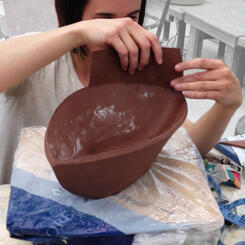
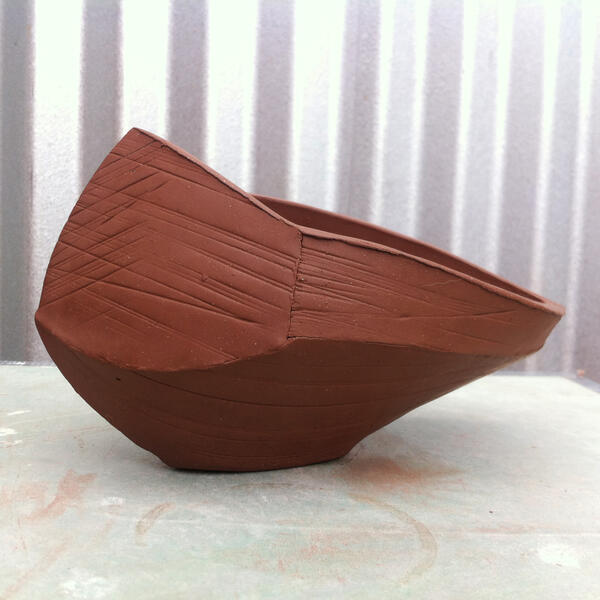 Slab Building Demo PieceThis adult class, which spanned 12 weeks, offered an intimate setting for me to share some of my own means and methods for constructing slab-built vessels.
 -
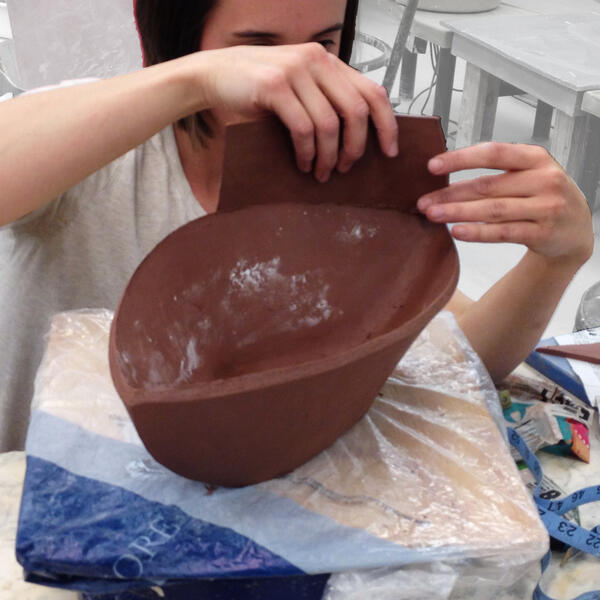 Slab Building DemonstrationThis adult class, which spanned 12 weeks, offered an intimate setting for me to share some of my own means and methods for constructing slab-built vessels.
 -
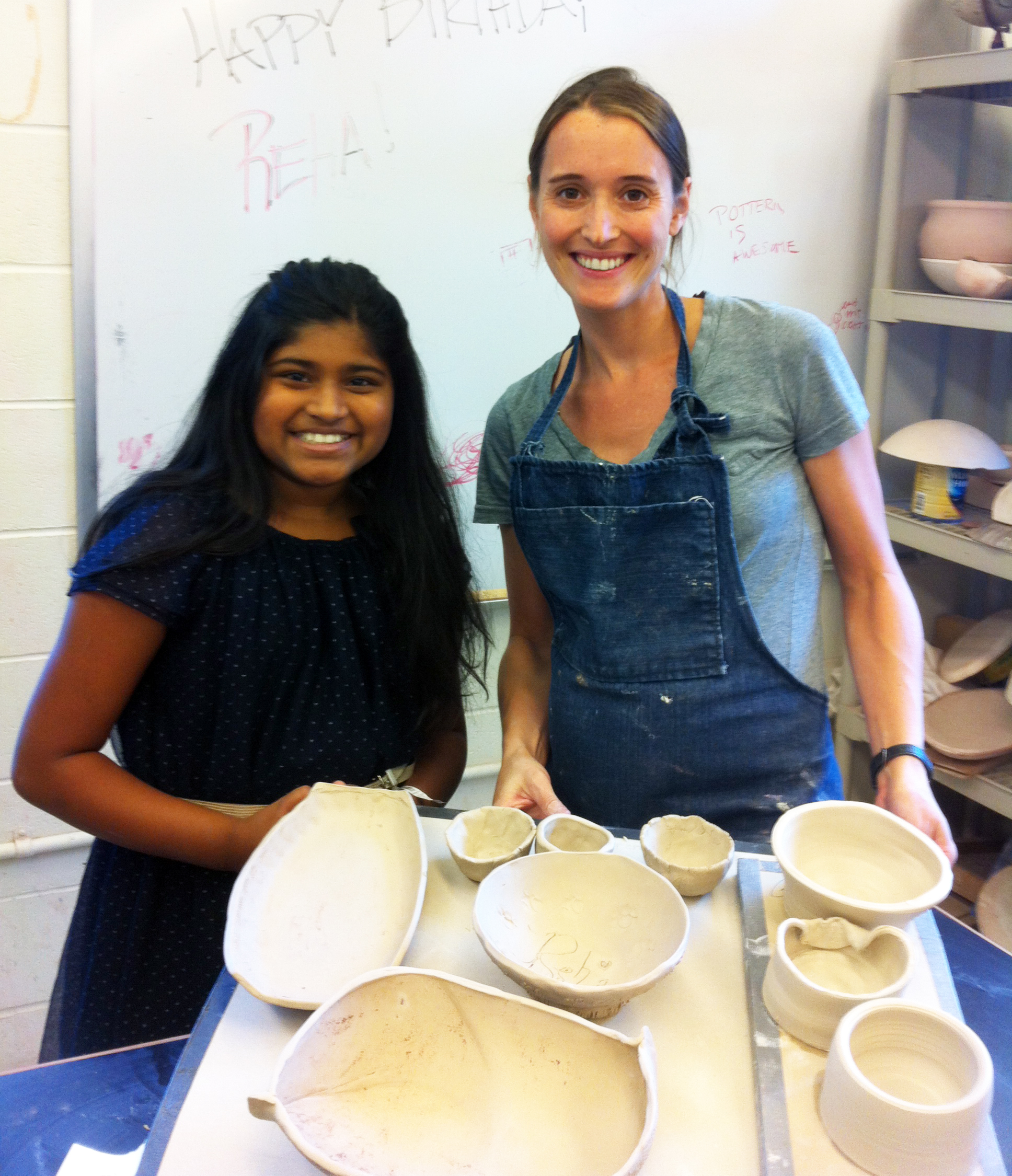
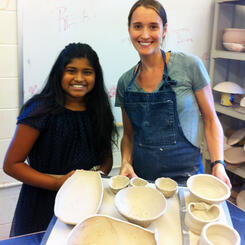
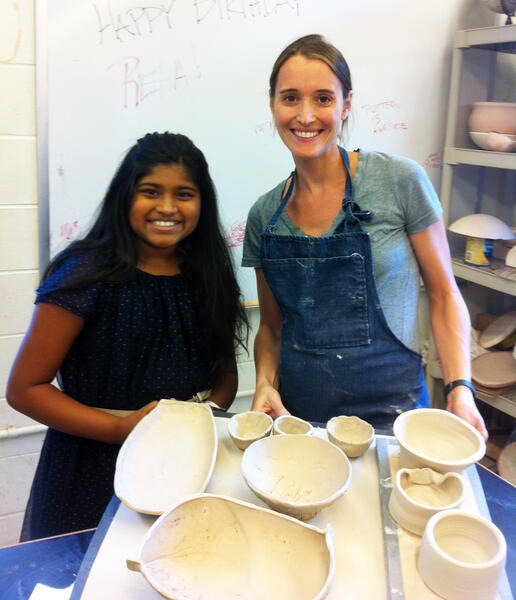 Private LessonIt's a thrill to dive into a one-day class with new or experienced students. Sometimes the limited time frame squeezes out extra creativity or productivity that would otherwise take weeks of coaxing to fruition.
 -
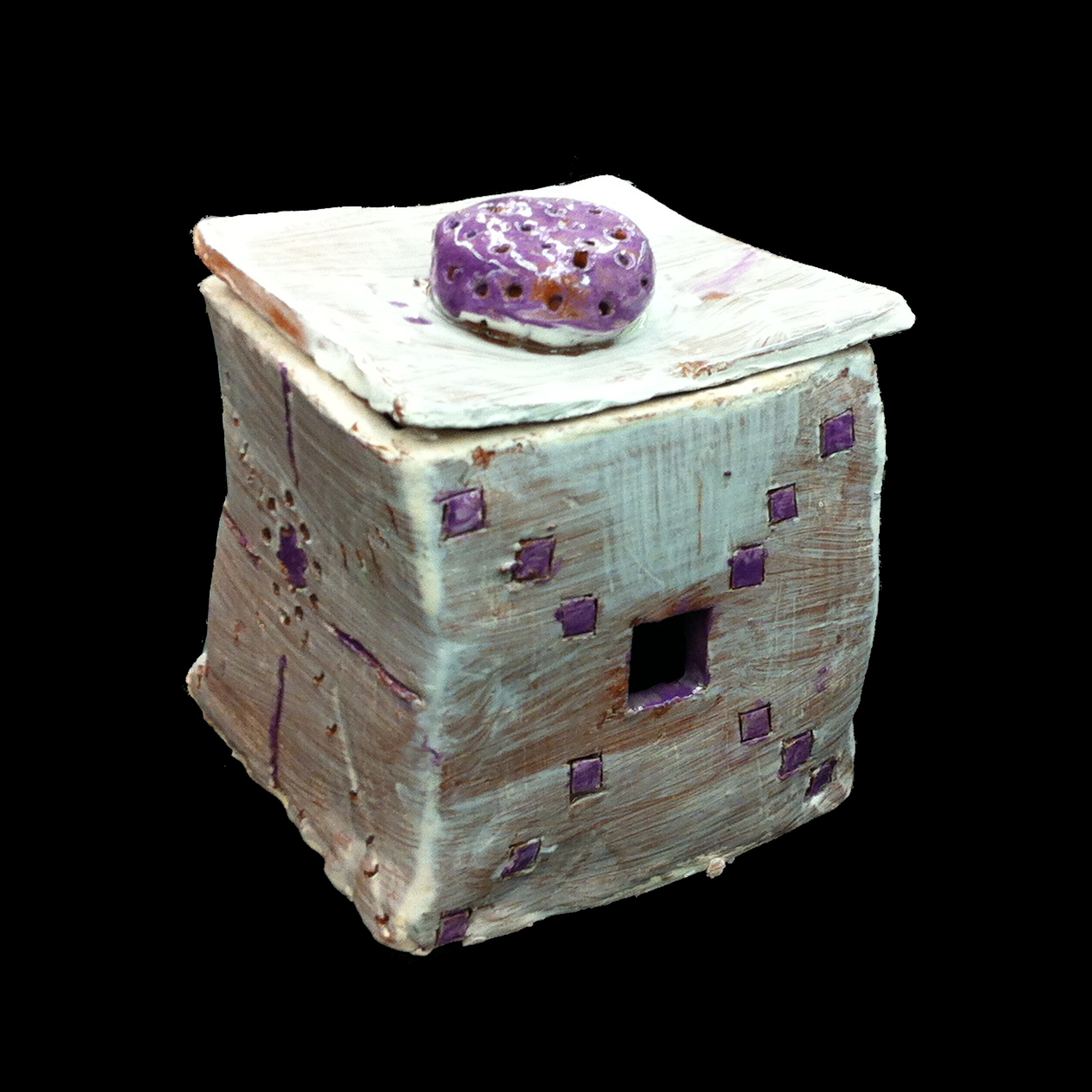
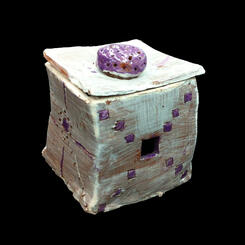
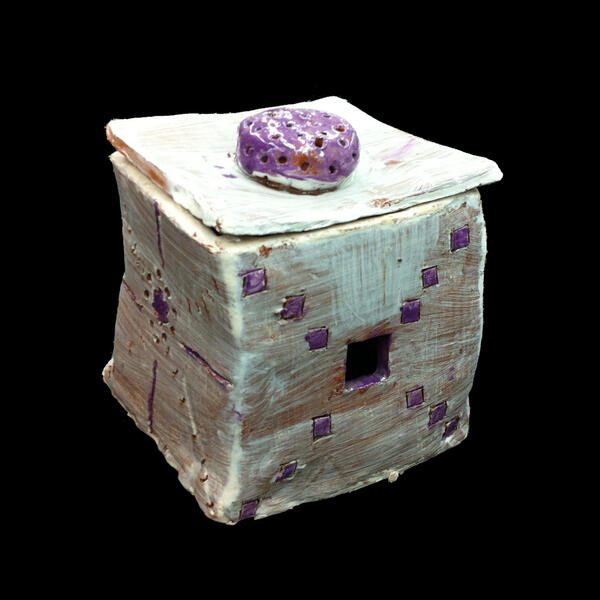 Culture Camp Solo Project - Tile BoxThis week-long camp explored social sciences, geography, and history through clay. Each day, I took students to a different continent and time period. One day, we considered Islamic art prior to working with pattern and creating tile boxes.
 -
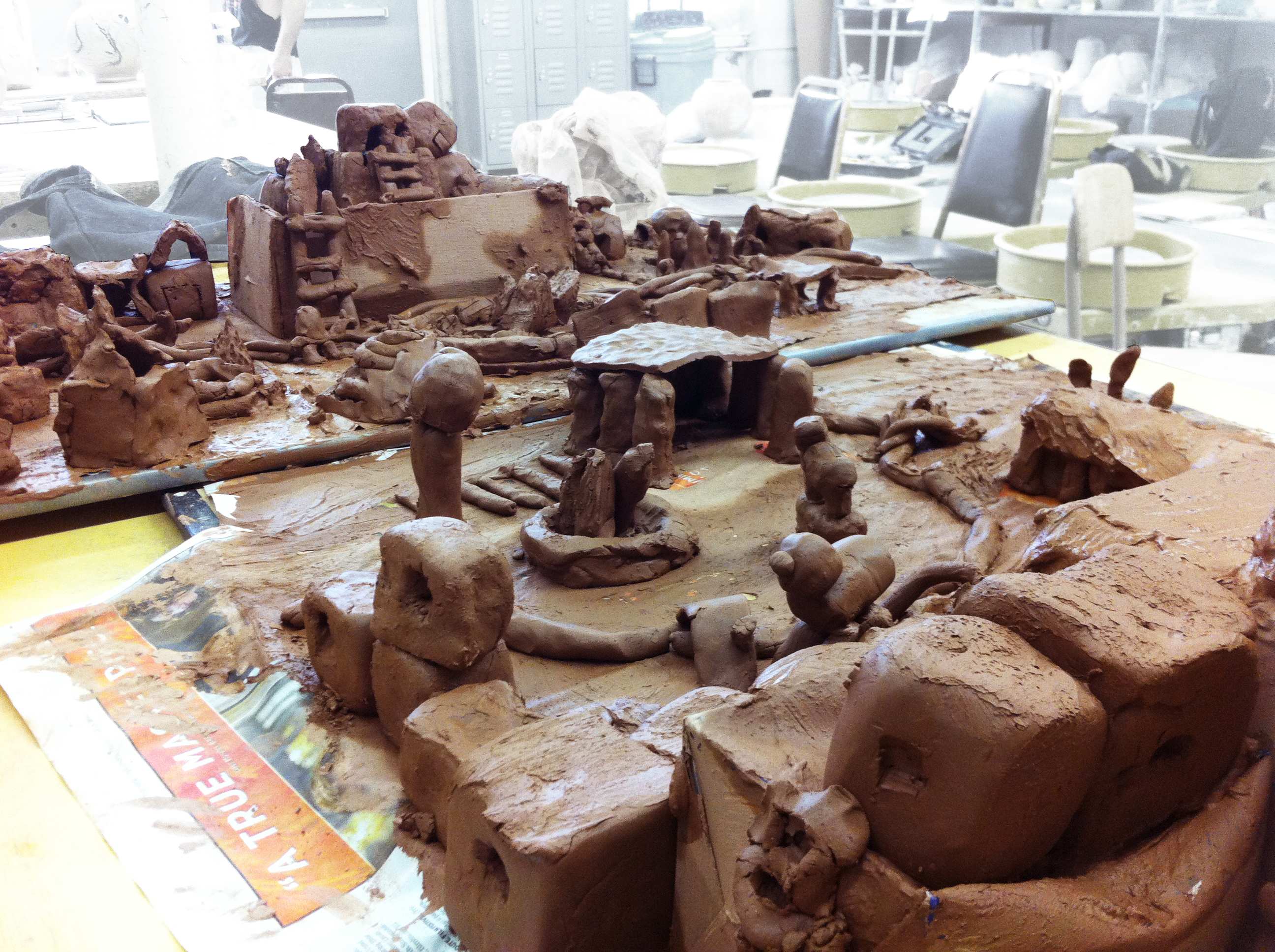
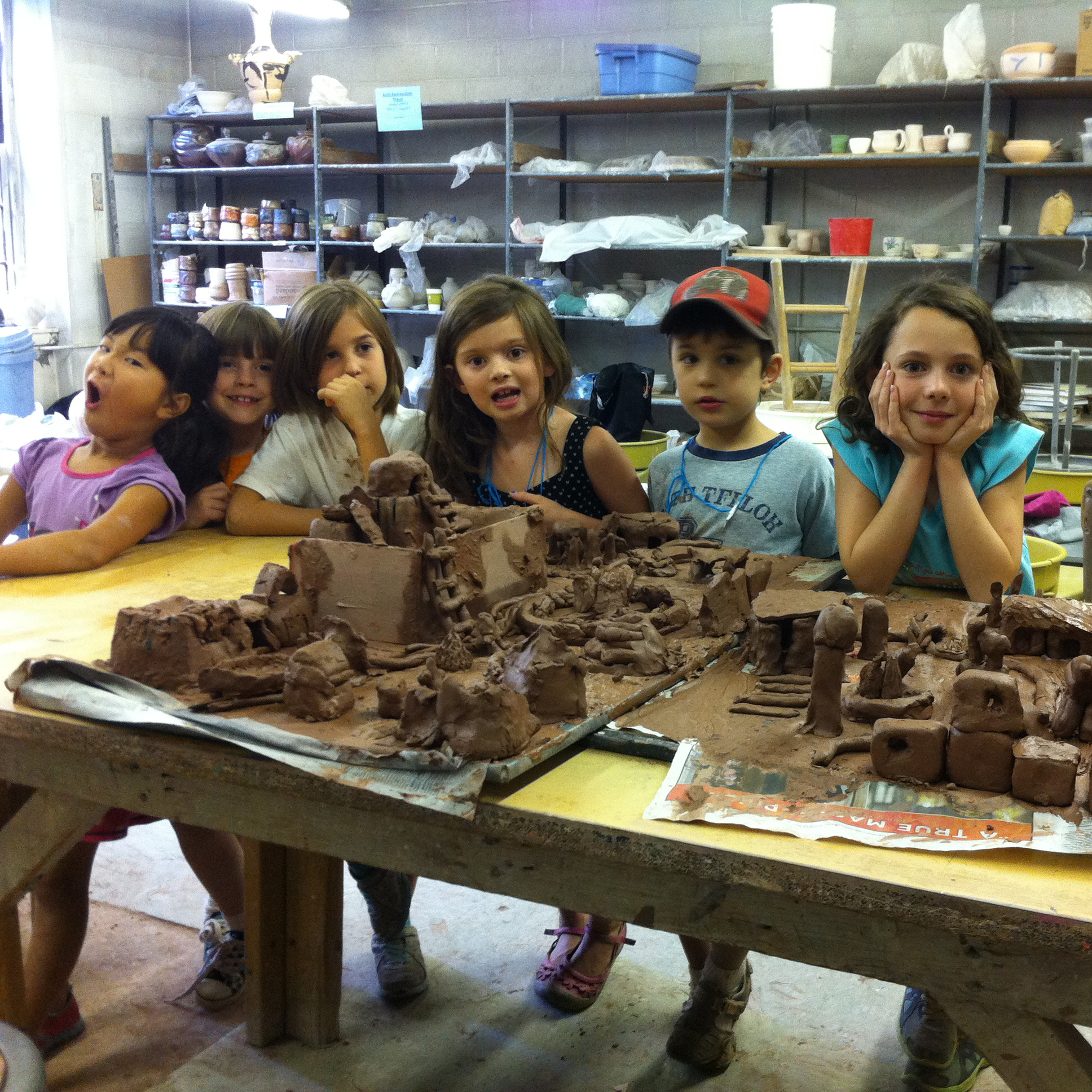
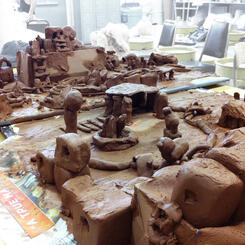
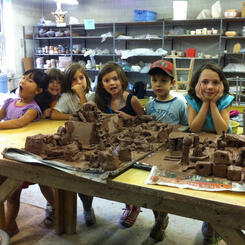
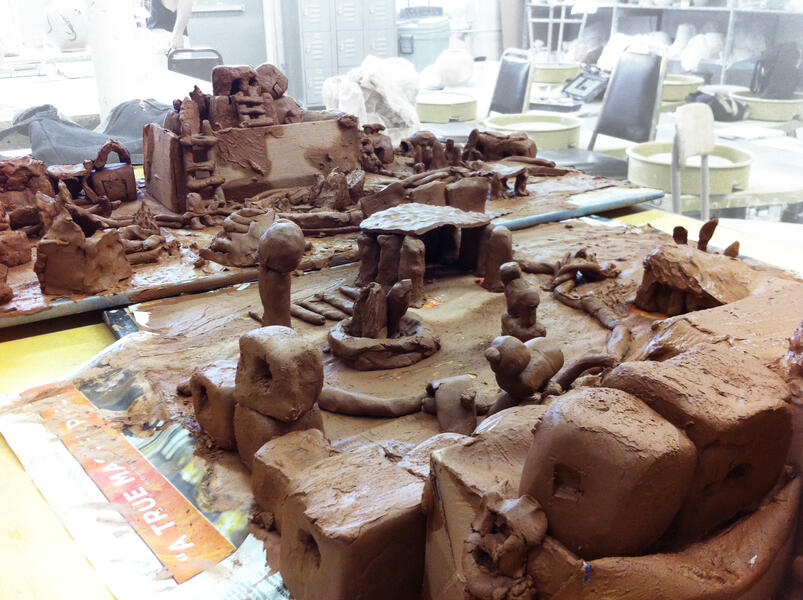 Group Project - Adobe VillageThis week-long camp explored social sciences, geography, and history through clay. Each day, I took students to a different continent and time period. The group project studied historic adobe villages of North America. Students were allowed to explore the pueblo lifestyle by re-creating the features in clay. They worked together to combine all of the elements of a village and created a truly fantastic project.
 -
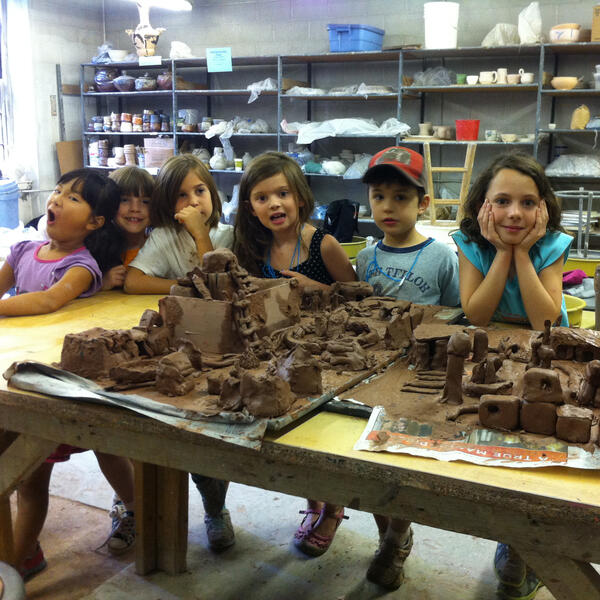 Group Project - Adobe VillageThis week-long camp explored social sciences, geography, and history through clay. Each day, I took students to a different continent and time period. The group project studied historic adobe villages of North America. Students were allowed to explore the pueblo lifestyle by re-creating the features in clay. They worked together to combine all of the elements of a village and created a truly fantastic project.
 -
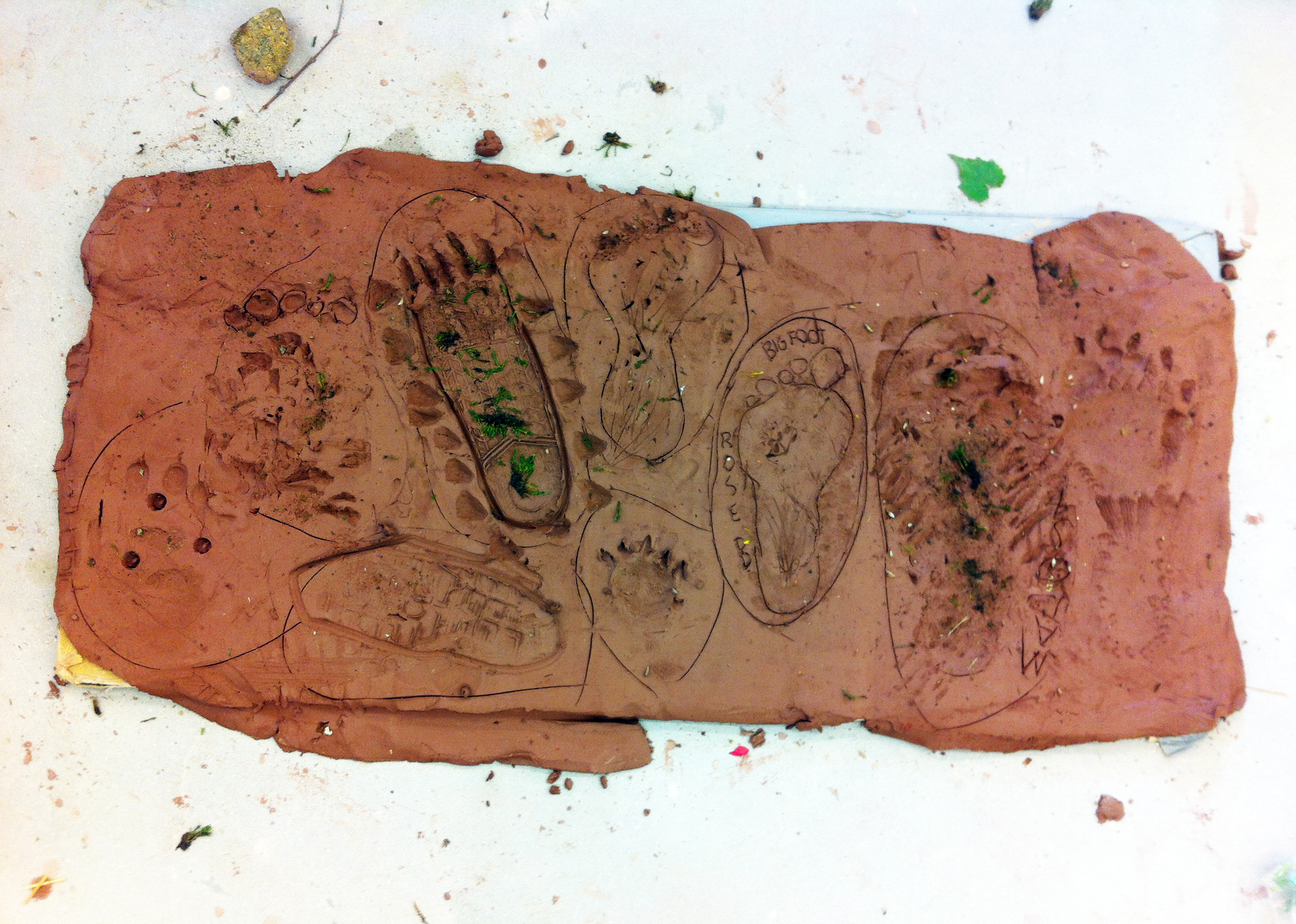
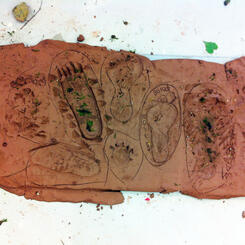
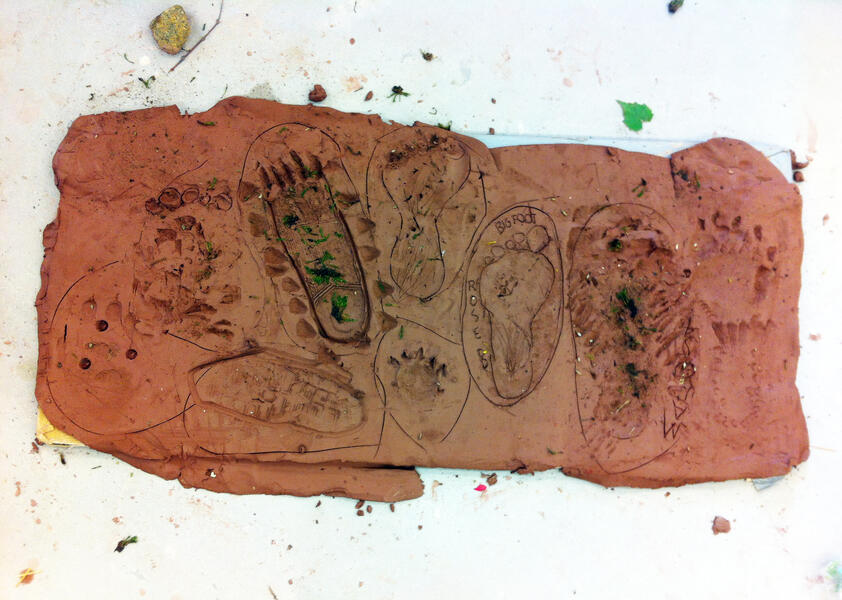 Group Project - Monster PrintsThe monster theme of this week-long summer camp opened up countless imaginative possibilities. At the end of the week, students spent time outdoors collecting found object stamps and mark-makers. They then constructed a giant slab from clay scrap and used these objects and their own footprints to make Monster Prints. This group project encouraged a lot of interaction and exploration after a long week of solo projects.
 -
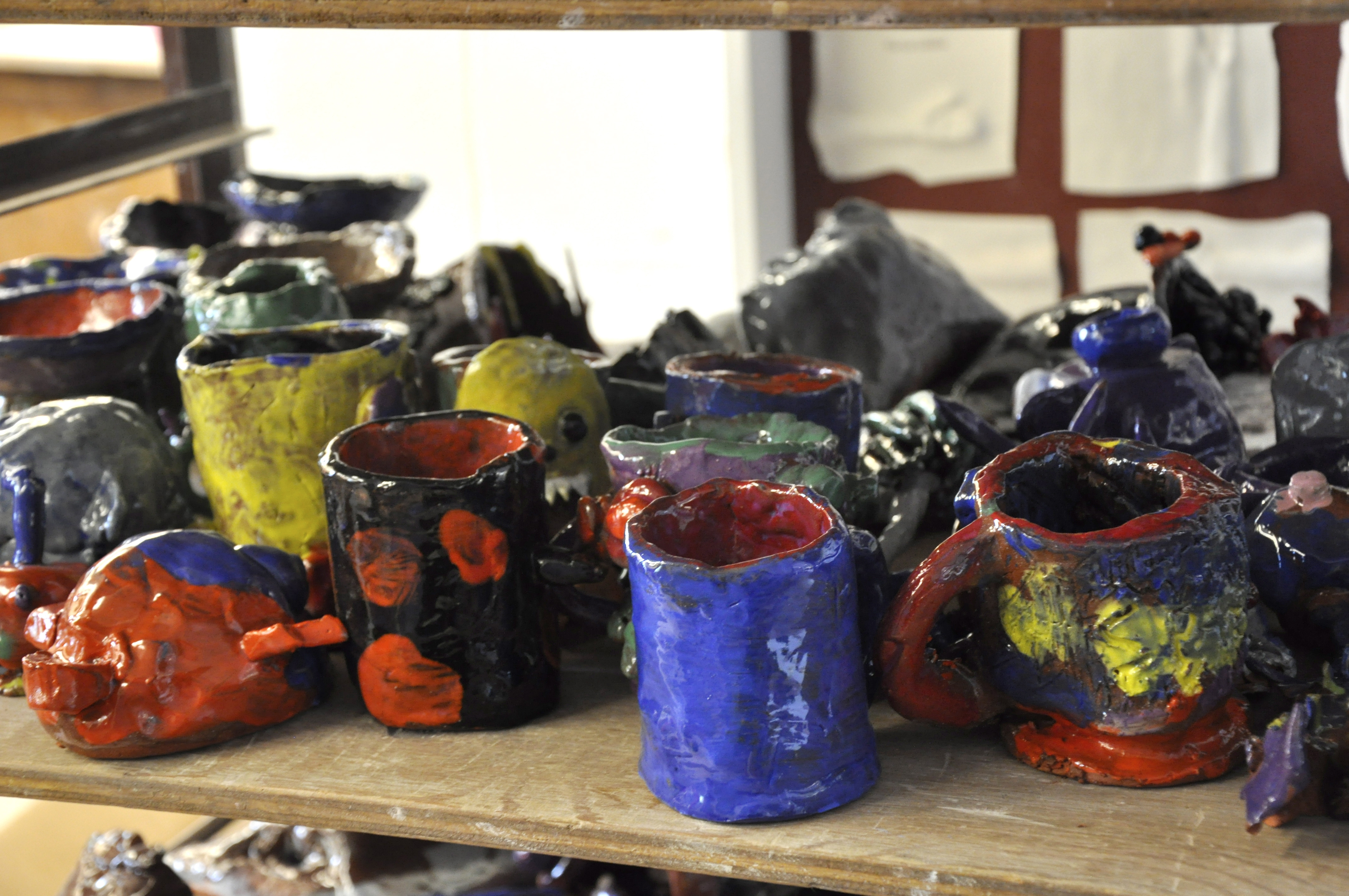
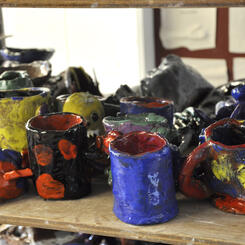
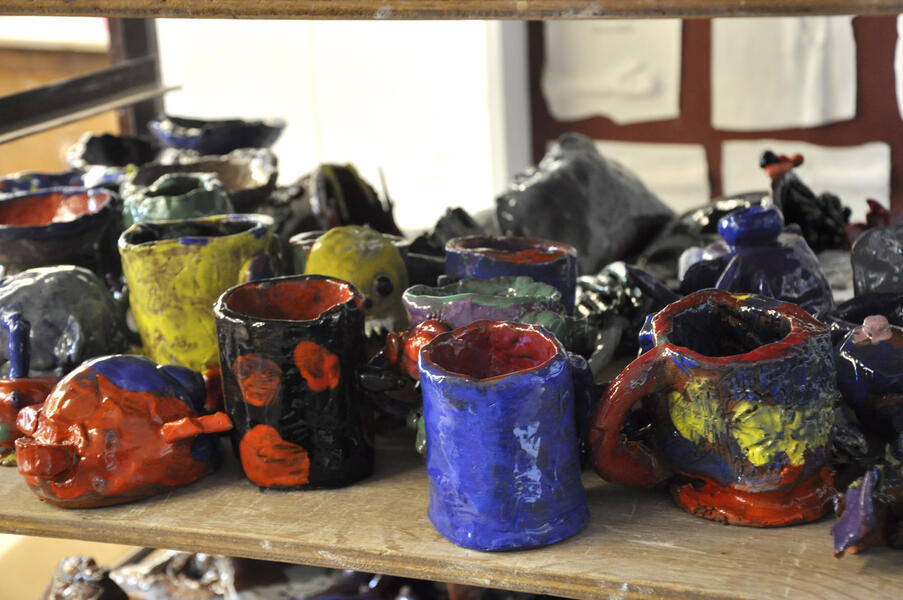 Creature Feature MugsThe monster theme of this week-long summer camp opened up countless imaginative possibilities. I also found ways to incorporate biology, history, and literature into the art projects, something that I consider very important to teaching art to youth. Art, in and of itself is a wonderful subject, but it also lends itself as a great teaching tool for other subjects and core material.
 -
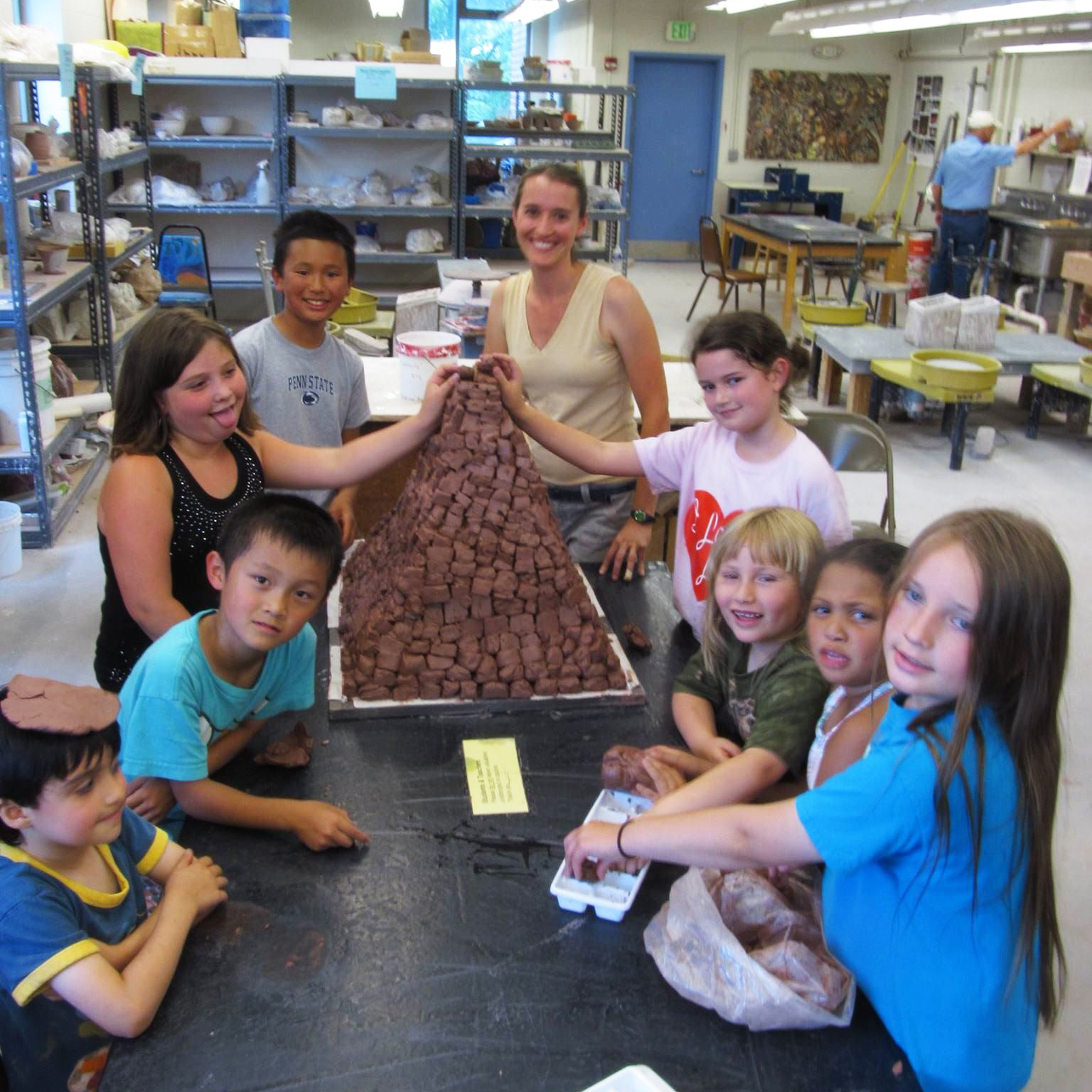
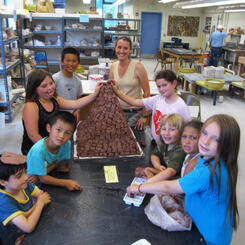
Pyramid Construction ProgressA week-long camp devoted to ancient Egypt presented an opportunity to integrate art with math and geometry, when considering the epic engineering feats accomplished by this ancient society. The featured group project was a replica of the Great Pyramid of Giza, an impressive 30" x 30" x 30" structure. Along the way, students solved problems, like how to support the structure from the inside or maintain the triangular profile. I also assigned roles, such as brick-maker, mason, and foreman, something that was effective for collaboration within the broad age range of 6-11 years old.
-
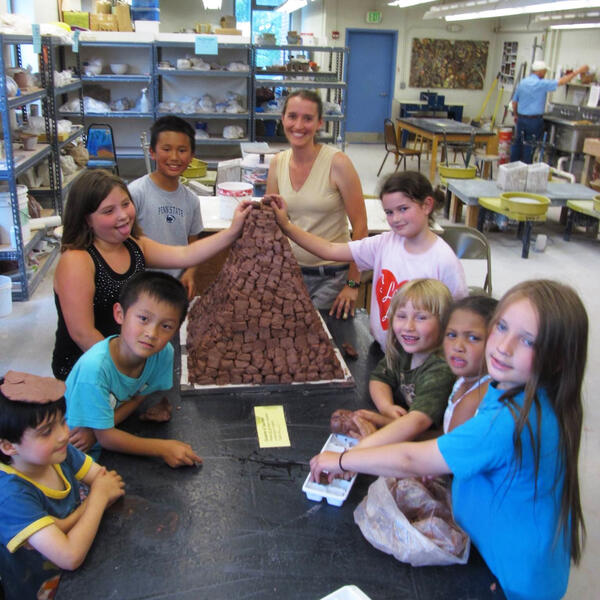 Group Project - Great Pyramid of Clay CampA week-long camp devoted to ancient Egypt presented an opportunity to integrate art with math and geometry, when considering the epic engineering feats accomplished by this ancient society. The featured group project was a replica of the Great Pyramid of Giza, an impressive 30" x 30" x 30" structure. Along the way, students solved problems, like how to support the structure from the inside or maintain the triangular profile. I also assigned roles, such as brick-maker, mason, and foreman, something that was effective for collaboration within the broad age range of 6-11 years old.