Work samples
-
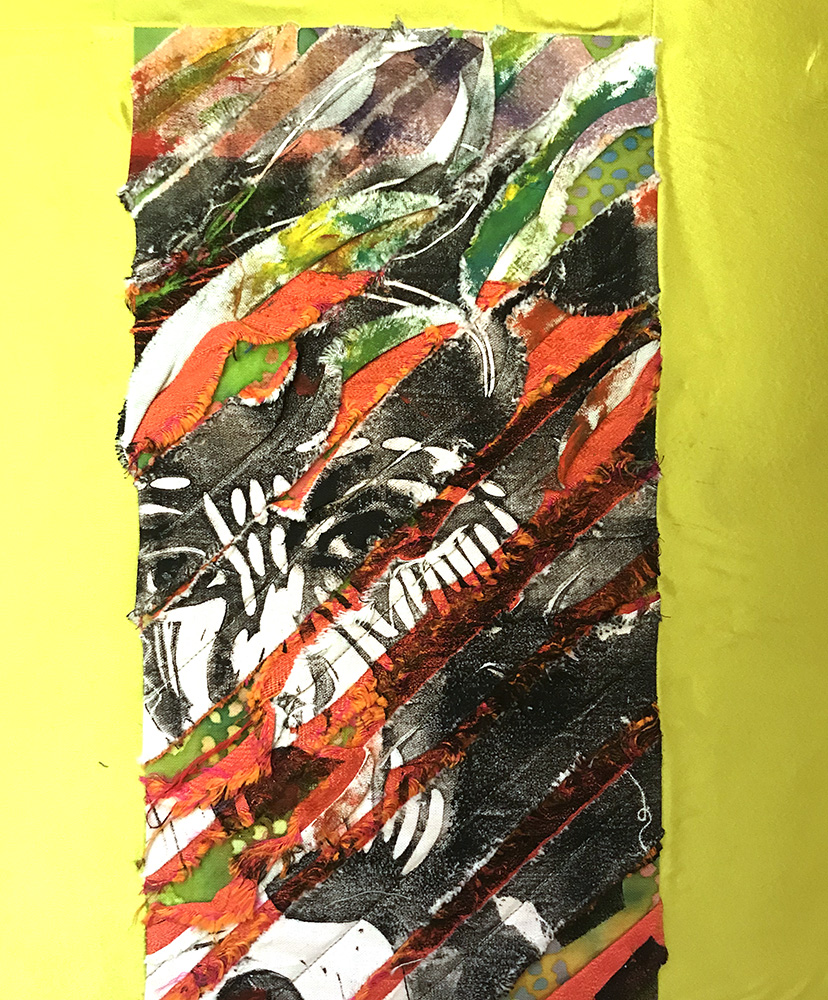
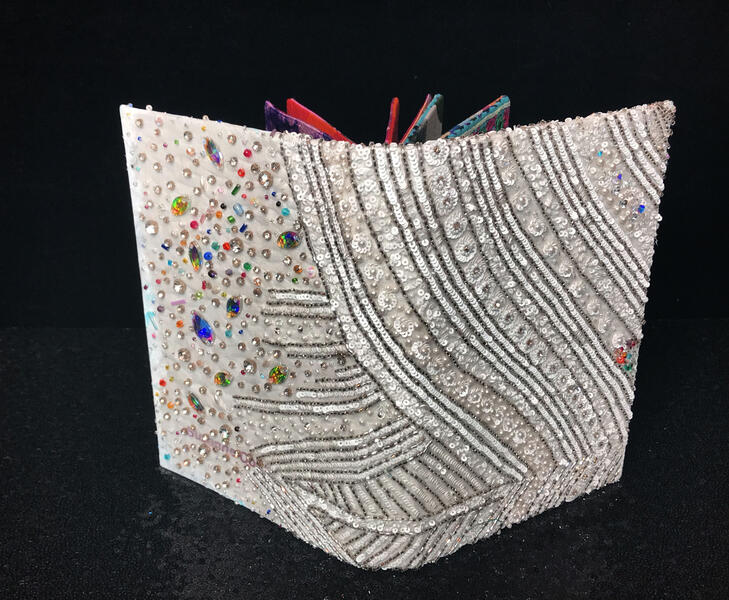 Gracious Light
Gracious Light (2020)
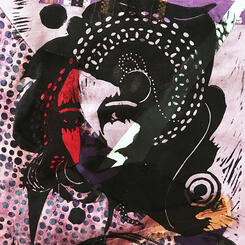
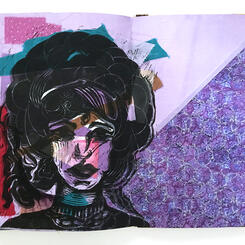
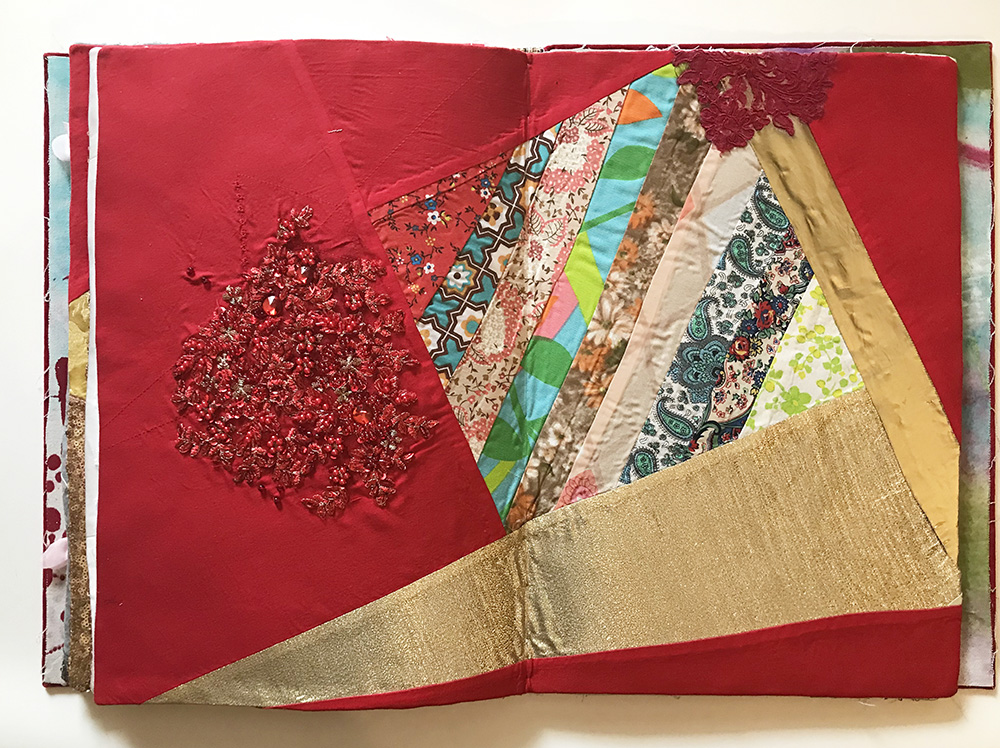
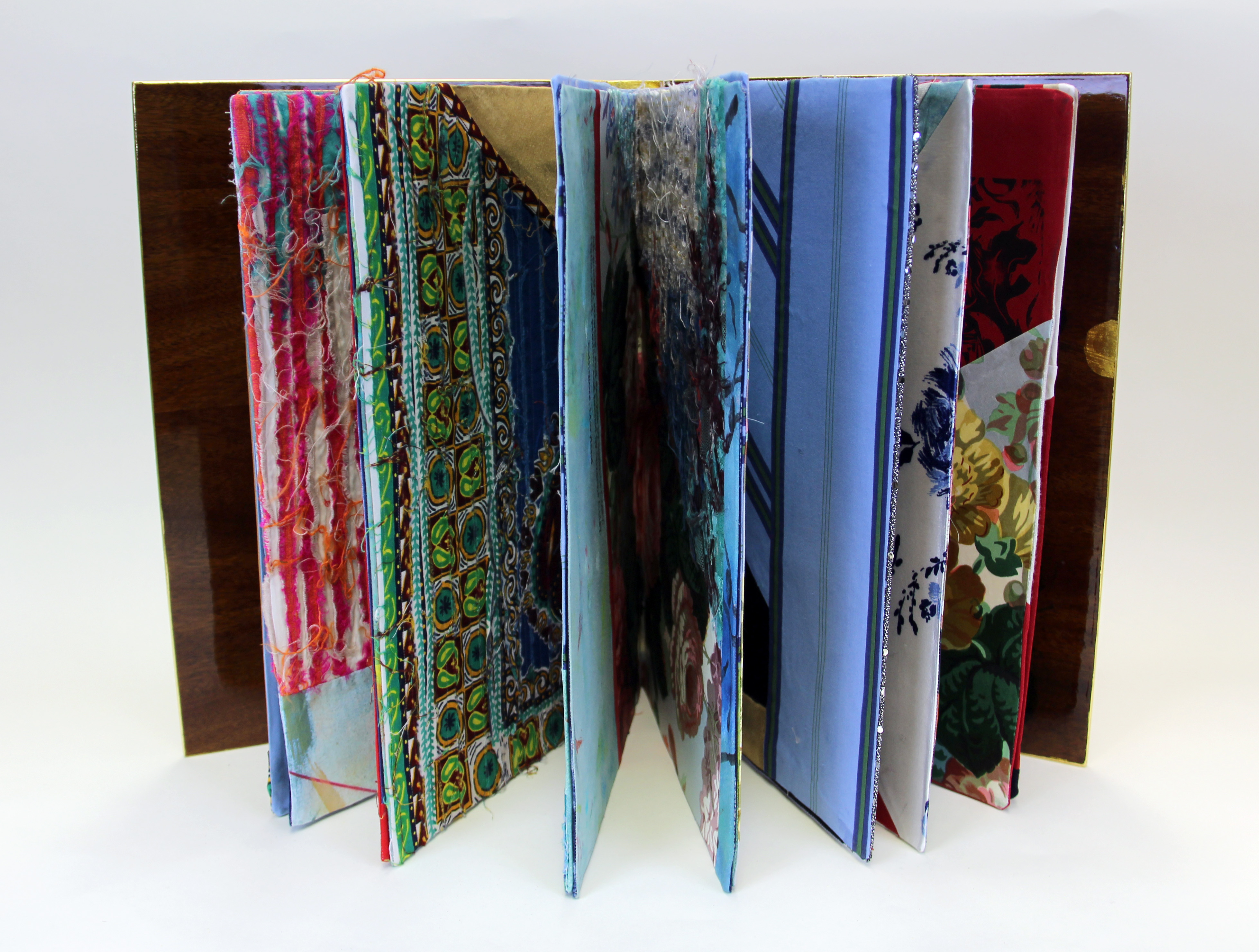
Gracious Light is one of more than 500 unique handmade books I have created over the past decade. It is part of my ongoing series Love Sonnets from Shakespeare to Baltimore, begun in 2018, in which I translate Shakespeare’s language into textile-based books through contemporary and historical needlework techniques.
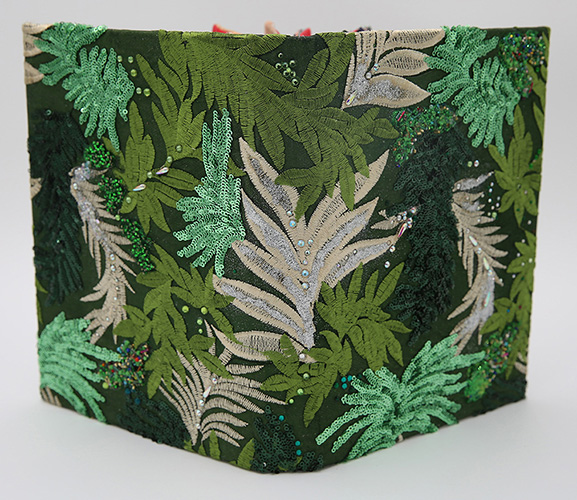
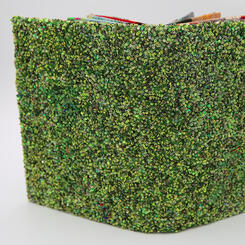
The book responds to Shakespeare’s Sonnet 7. Its cover features more than 6,500 hand-sewn beads and rhinestones applied to a hand-painted vintage wedding dress. Each page is composed of rare and vintage fabrics, using embroidery, quilting, collage, and fabric manipulation to move the sonnet from language into material form.
My practice brings couture sewing techniques into bookmaking, creating what I describe as couture textile books. In Gracious Light, recycled wedding dress fabric carries emotional, social, and cultural histories. Through cutting, dyeing, painting, stitching, and recomposition, these materials become part of the book’s meaning.
I am a 2023–25 Folger Institute Fellow, with research interests in Shakespeare and embroidered bindings. Gracious Lightwas featured in the Folger Shakespeare Library’s Out of the Vault exhibition from September 15, 2024, to February 9, 2025.
-
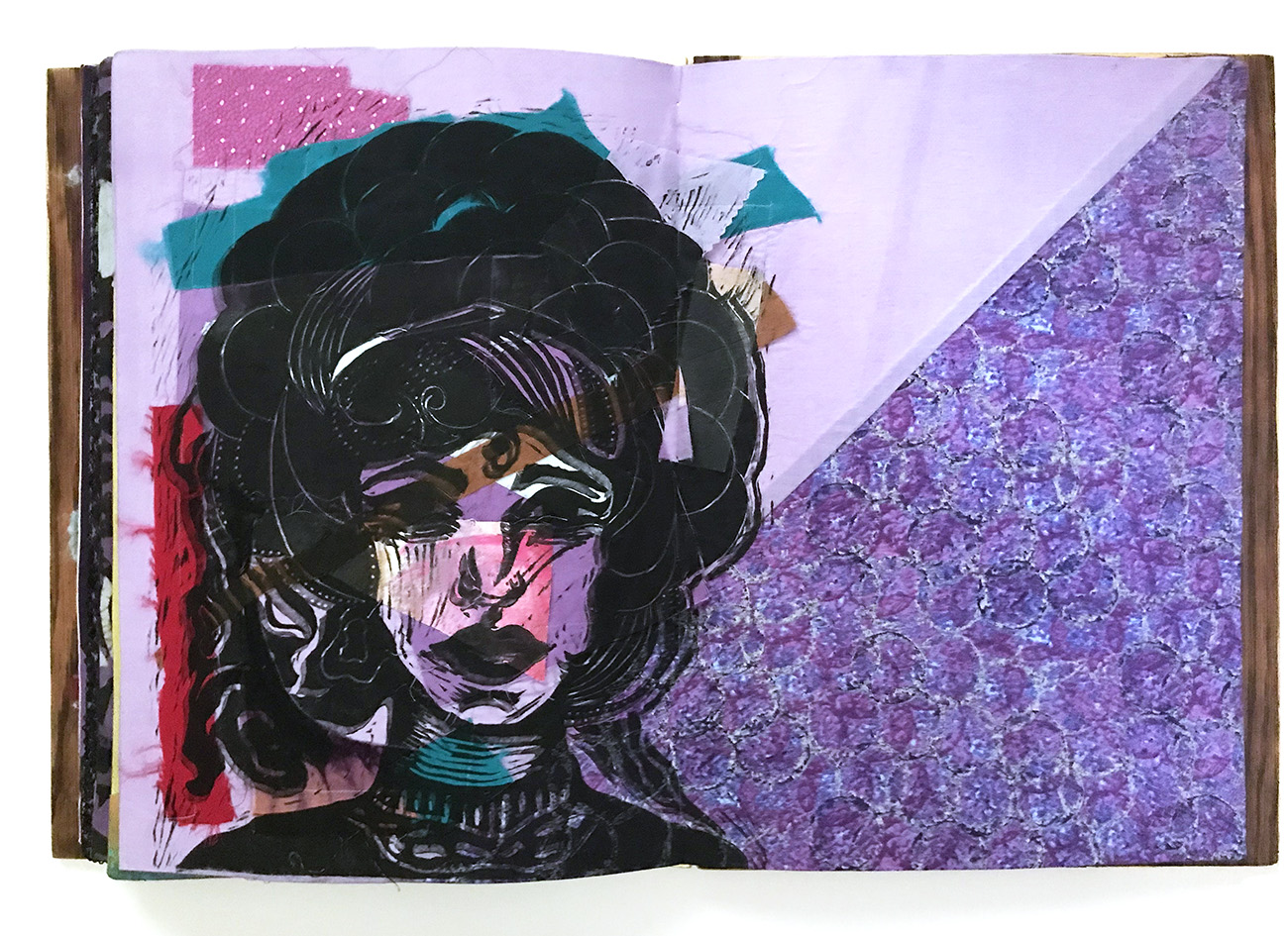
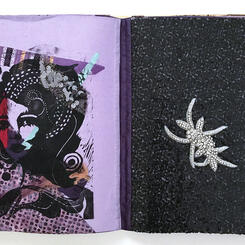
 The 20-Count Verse: In Sequent Toil
The 20-Count Verse: In Sequent Toil (2024)
This is a one-of-a-kind textile book created in response to Shakespeare’s Sonnet 60, a meditation on Time as a relentless and shaping force. Through stitched imagery, layered materials, and book structure, I explore the fragile balance between life’s fleeting moments and the enduring beauty that art attempts to preserve.
H: 9", W: 15" open, D:2", 18 pages
-
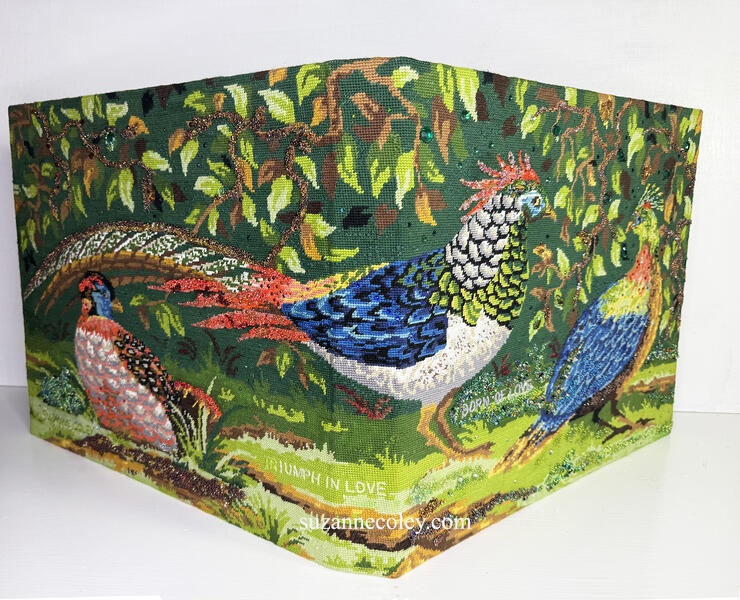 Born of Love, Sonnet 151
Born of Love (2024)
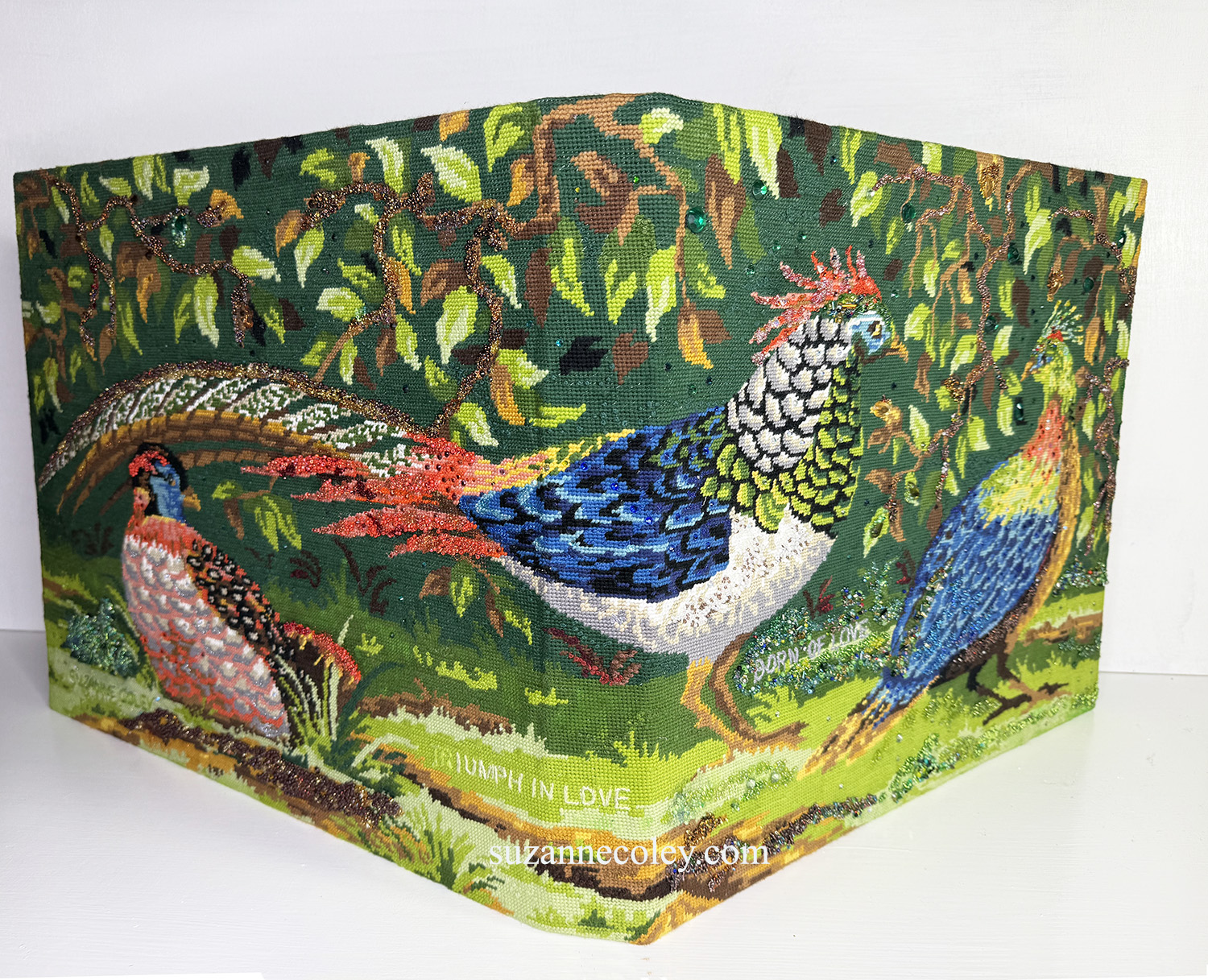
This unique book is inspired by Shakespeare's Sonnet 151. Spanning nearly four feet, the book translates the poem's emotional shifts into color, texture, and movement. Its cover features an embroidery design of Lady Amherst's pheasants.
Born of Love was featured in the Out of the Vault exhibition at the Folger Shakespeare Library from 15 September 2024 - 9 February 2025.
-
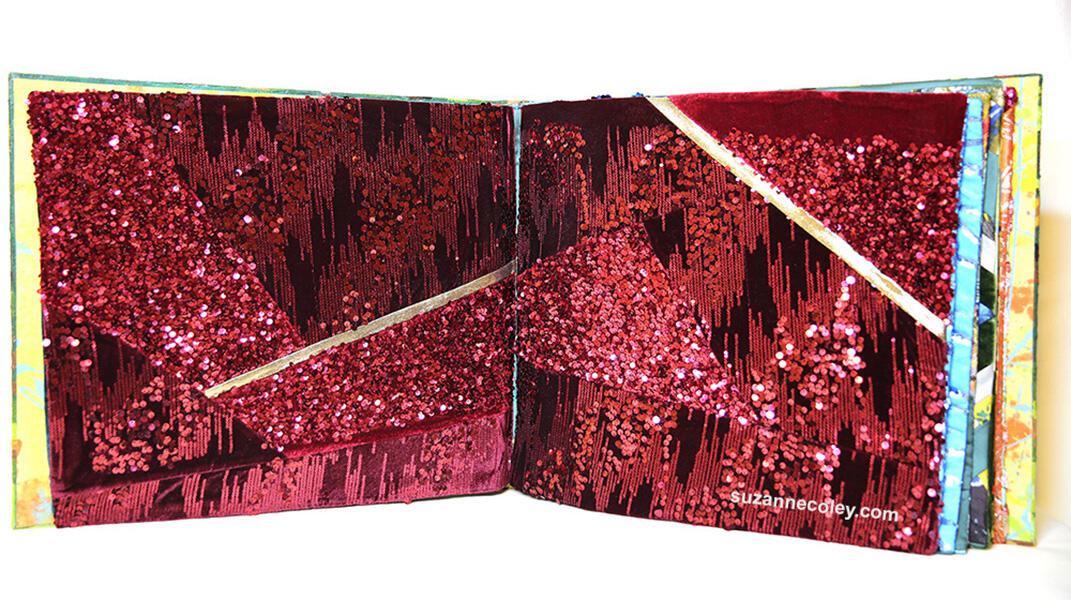 Born of Love, Velvet Pages
Born of Love (2024)
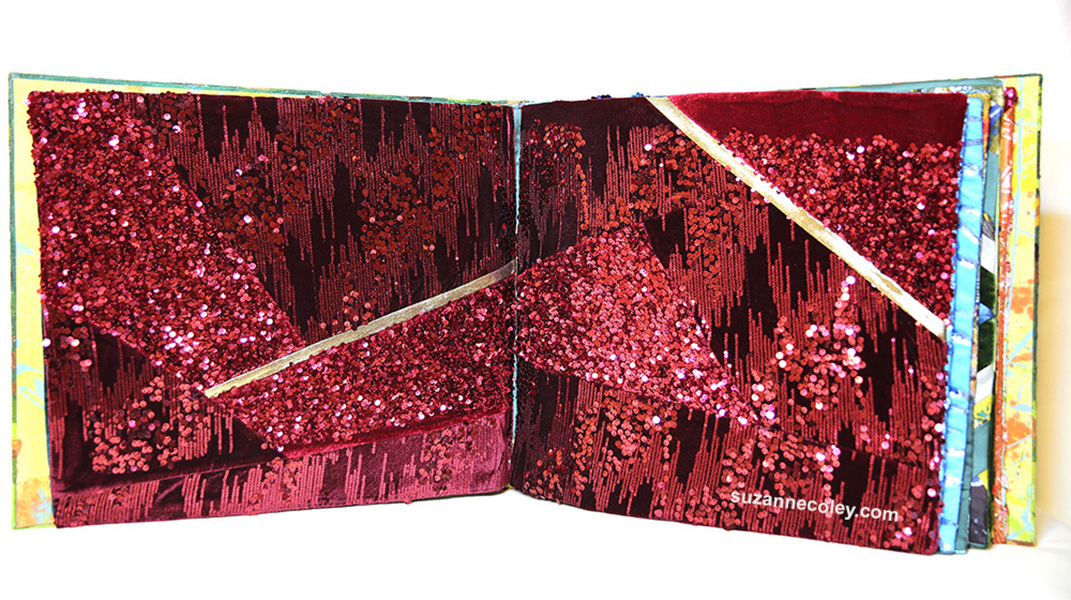
Born of Love is one of more than 500 unique handmade books I've created over the past decade. Blending literature, textile, and fashion, the book offers a multisensory response to Shakespeare’s Sonnet 151 and a contemporary meditation on conscience, desire, and the body.
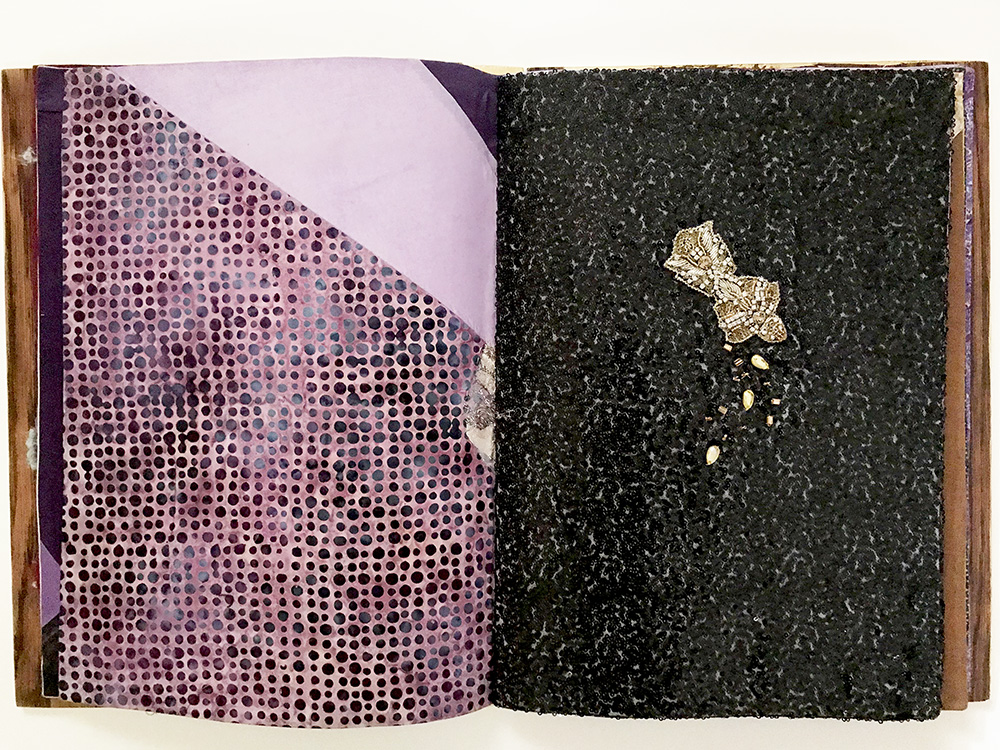
For this work, I sourced velvet fabrics, damask, and sequins from France and the United States to construct richly textured pages. These materials respond especially to Shakespeare’s line, “My nobler part to my gross body’s treason.” Fabrics associated with wealth, ornament, and nobility are transformed into page materials, allowing the book to move between beauty and moral conflict.
Through historic and contemporary textiles, embroidery, and couture-inspired techniques, Born of Love turns Shakespeare’s language into a layered material experience. The pages shift from a single poetic voice into many possible readings, inviting diverse audiences to encounter the sonnet through touch, structure, and cloth.
Born of Love was featured in the Out of Vault exhibit at the Folger Shakespeare Library, Washington, DC from 15 Sept 2024 - 9 Feb 2025.
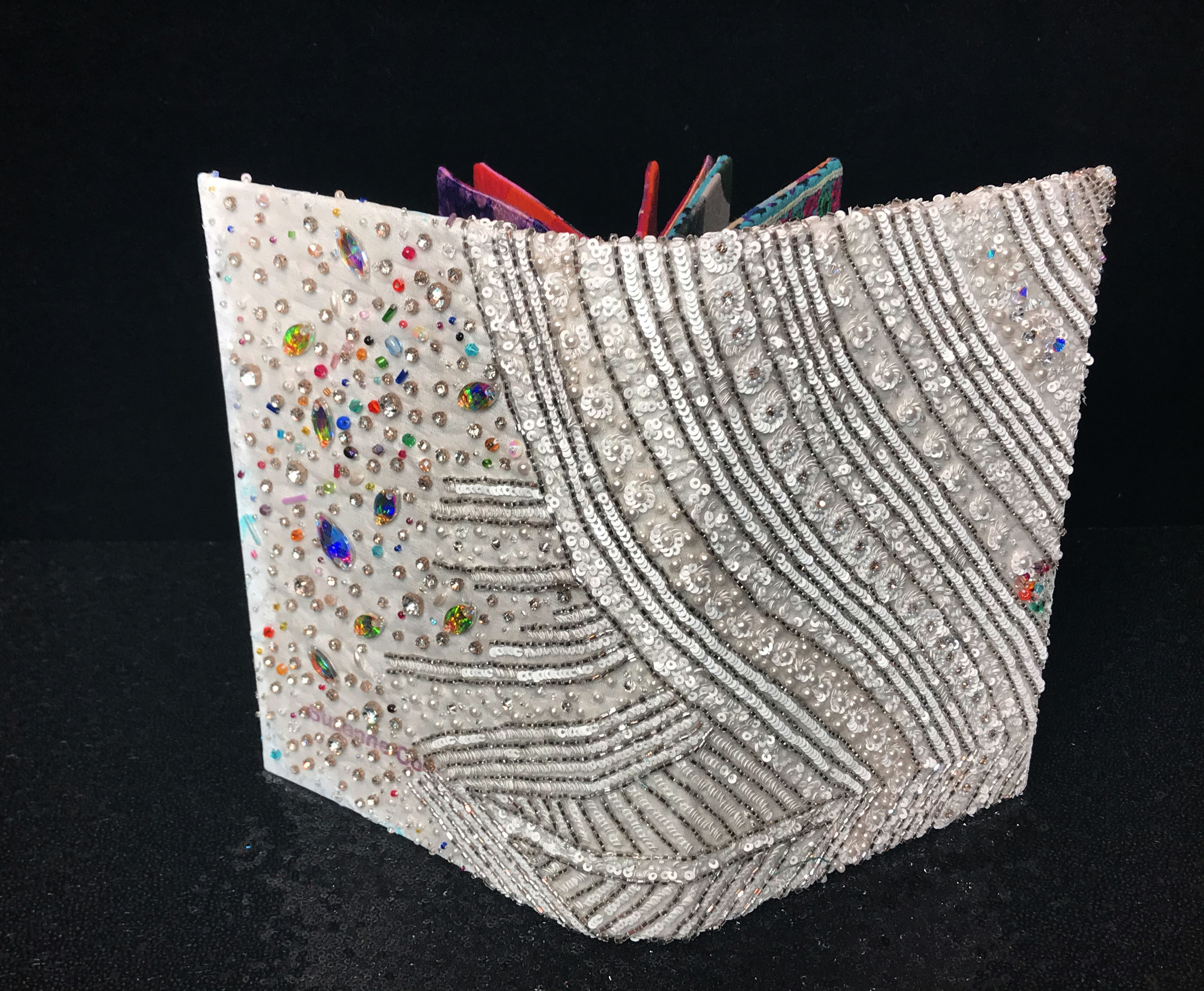

About Suzanne
Suzanne Coley is a book artist and writer whose work translates literature into material form through textiles, printmaking, and hand-bound structures. Her one-of-a-kind textile books treat stitch, fabric, page, and sequence as systems of interpretation. Grounded in slow reading and slow making, Coley’s practice engages literary structure through material process. She works with historic and vintage textiles, cutting, layering, and recomposing cloth so that material becomes… more
Love Sonnets from Shakespeare to Baltimore 2018 - 2025 (selected books from ongoing series)
-
 In Things of Great Receipt
If thy soul check thee that I come so near
Swear to thy blind soul that I was thy Will
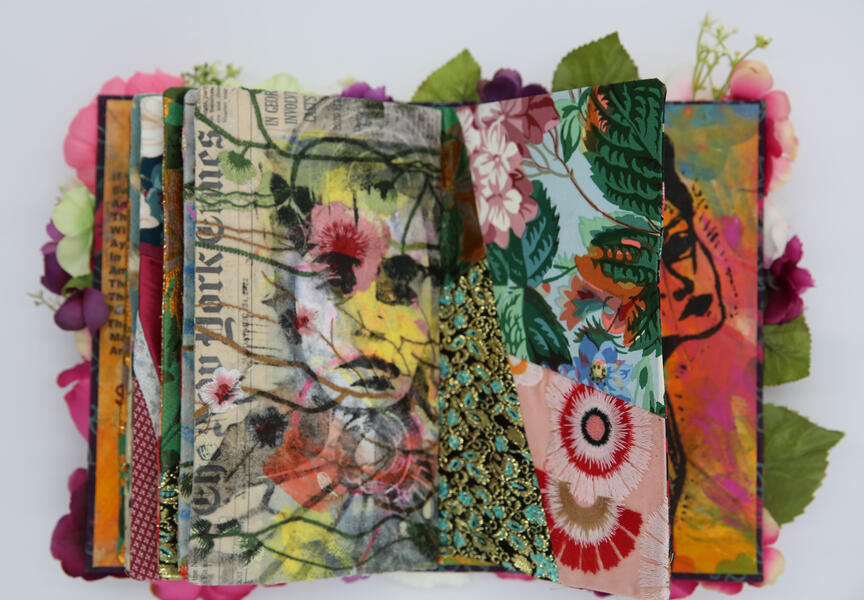
This book opens with bold, graphic pages that combine traditional quilting principles with contemporary fabric manipulation. Upcycled 1960s brocade and damask evening dresses are paired with modern embroidery and hand-worked couture techniques.By bringing bookmaking into conversation with couture dressmaking, the pages become precise, deliberate, and materially charged. The result is a textile book in which structure, surface, and ornament carry the psychological intensity of Shakespeare’s lines.
-
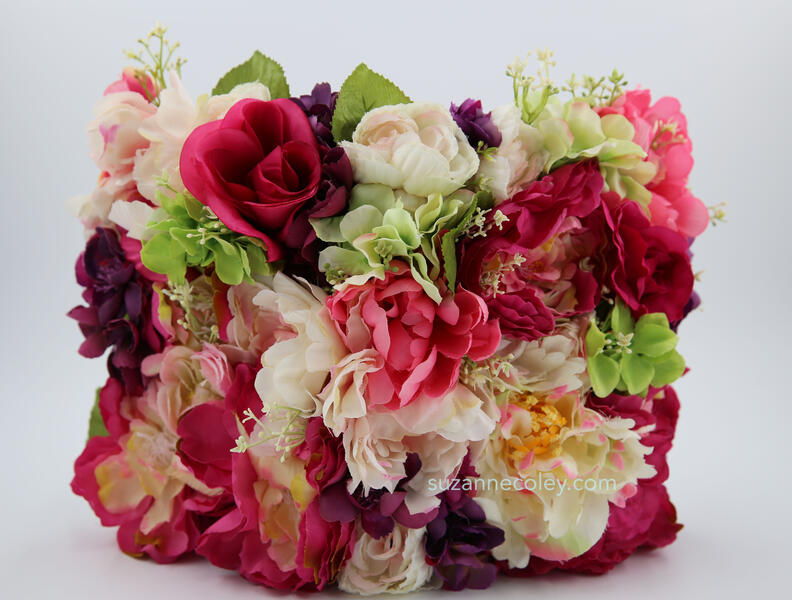 Soul Check 136 by Suzanne Coley
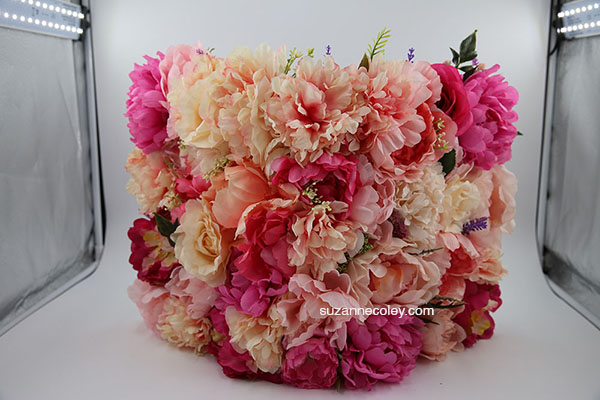
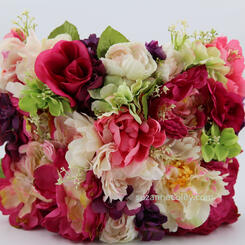
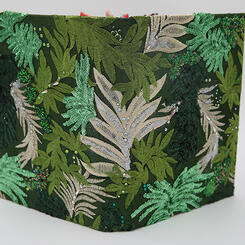
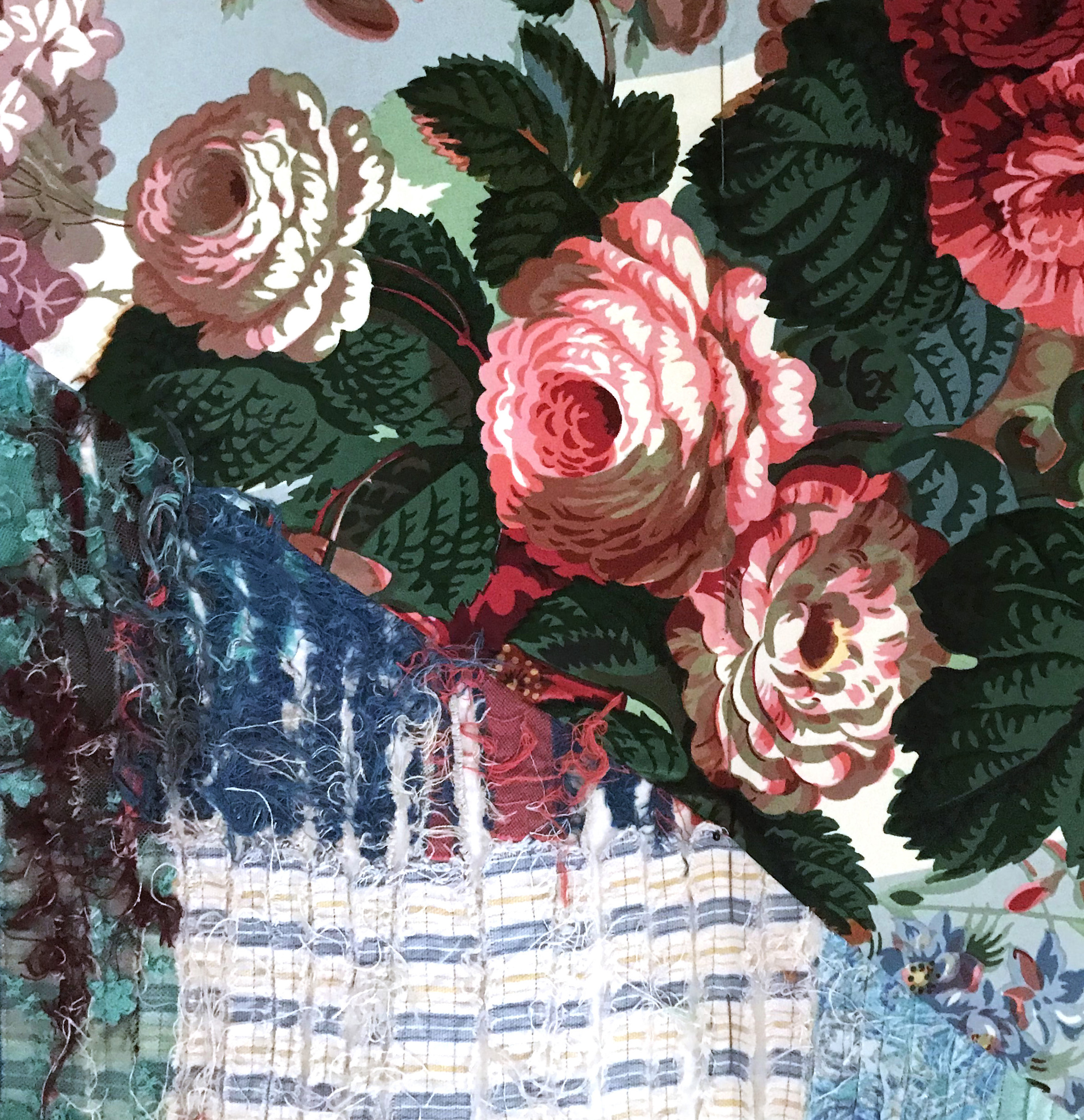
Inspired by Shakespeare's Sonnet 136, the bright floral cover of this book invites the reader to open it and read the contents. Cover was created with traditional heavy weight binders boards, painted cotton fabrics, and over 60 custom made polyester, plastic, and vinyl florals.
-
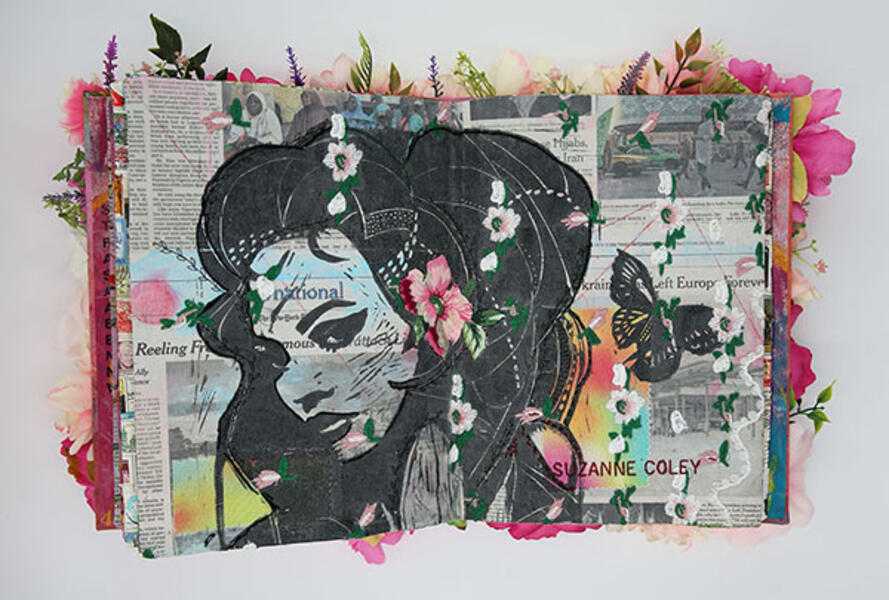 In Bloom, center page
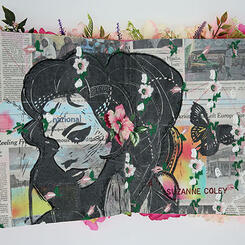
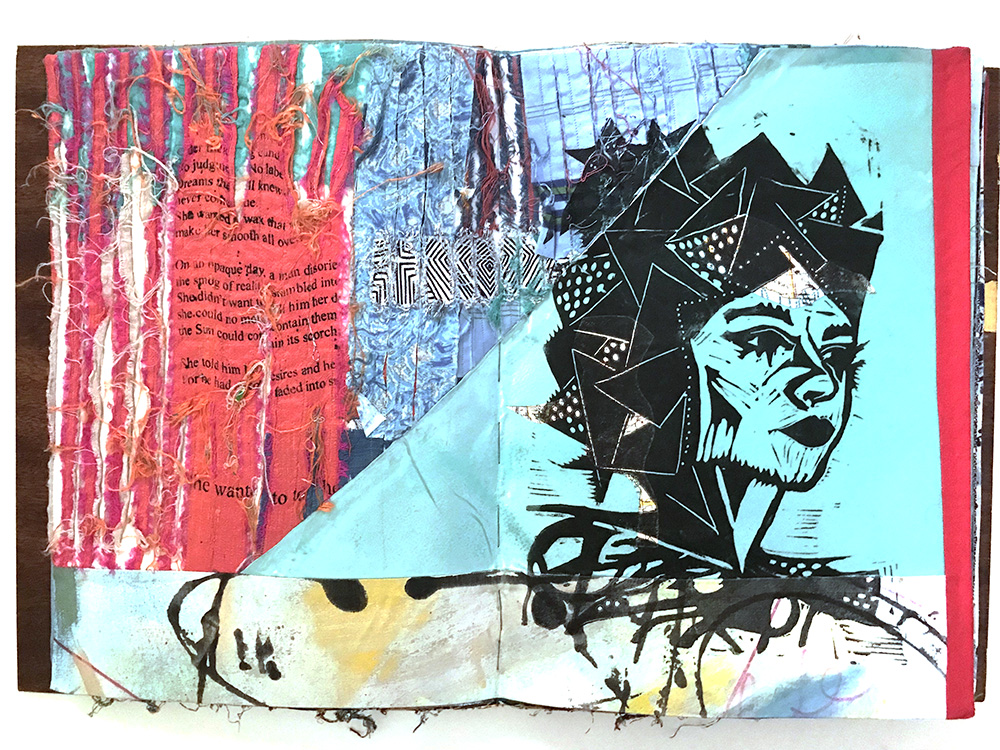
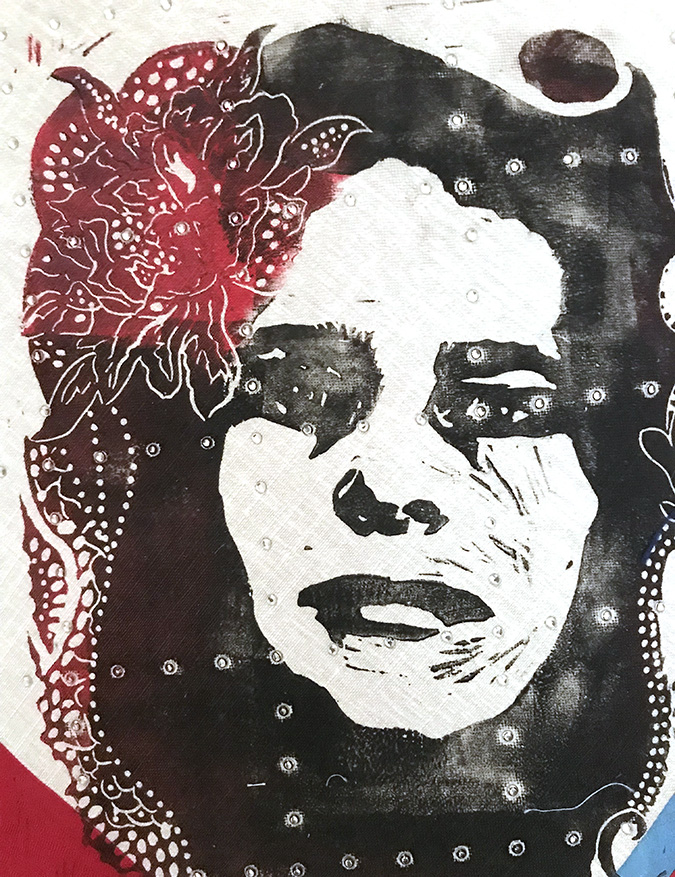
Hand carved linocut printed on newspaper and cotton with embroidery. This is a center page from the handmade textile book In Bloom. This page is in response to the following lines 2-4 in Shakespeare's Sonnet 18:
Thou art more lovely and more temperate.
Rough winds do shake the darling buds of May,
And summer’s lease hath all too short a date.
-
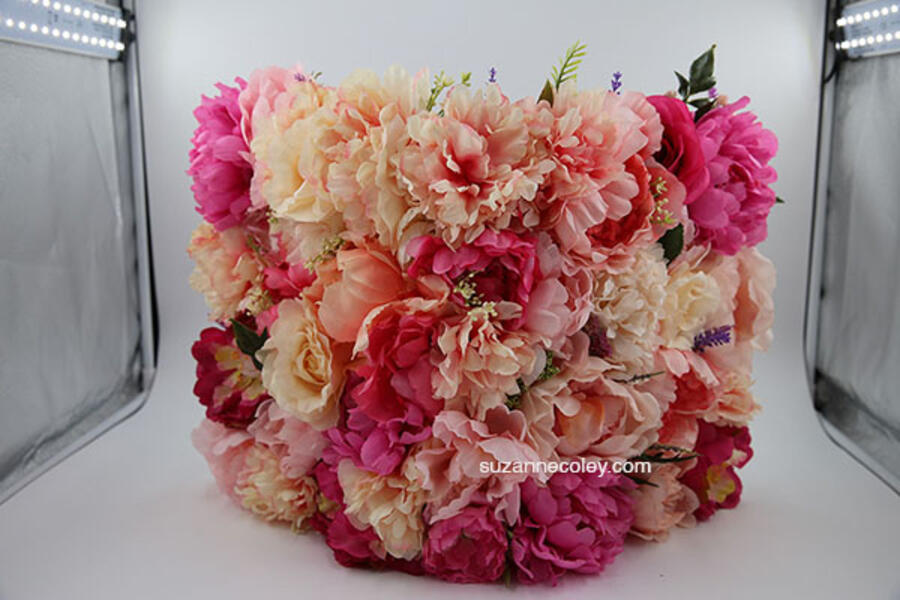 In Bloom
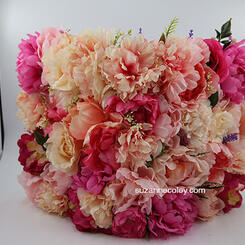
Handmade book inspired by Shakespeare's sonnet 18, Shall I compare thee to a summer's day. The pink floral cover, made entirely from textiles, reminds us of the beauty of Spring and rebirth. Creating flowers from fabric, although beautiful and meticulously crafted, reminds us of the brief life of real blooms and life. Like the seasons, nothing lasts forever.
-
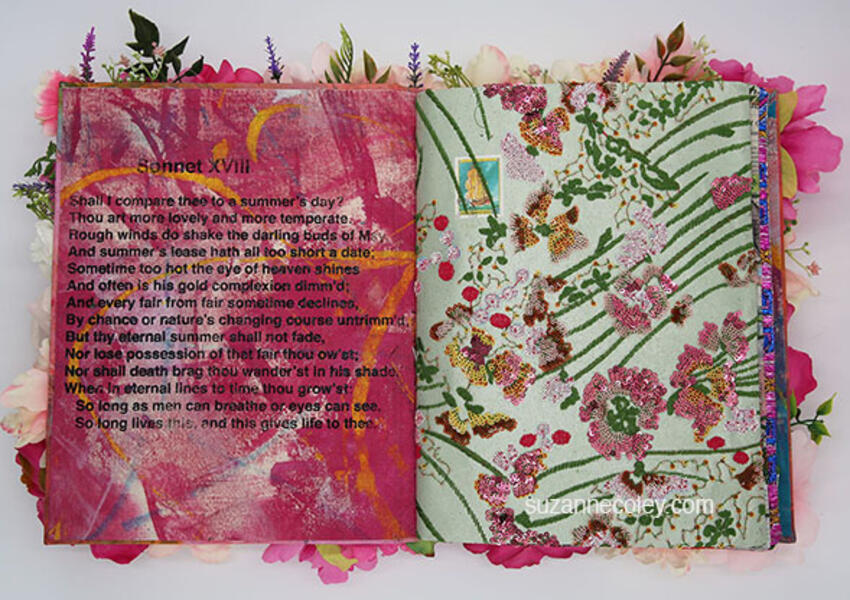 In Bloom, page from textile book
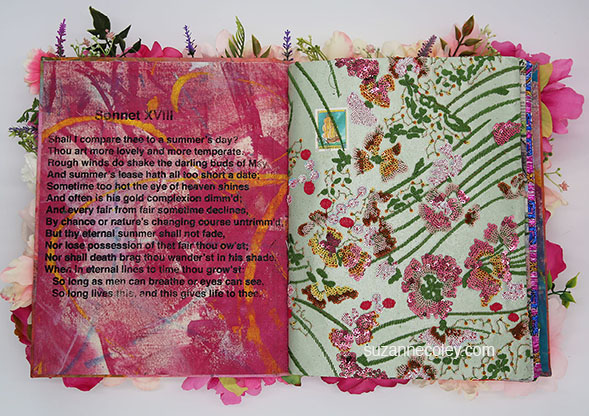
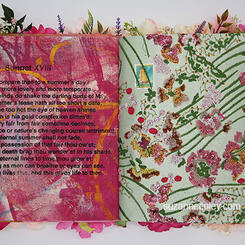
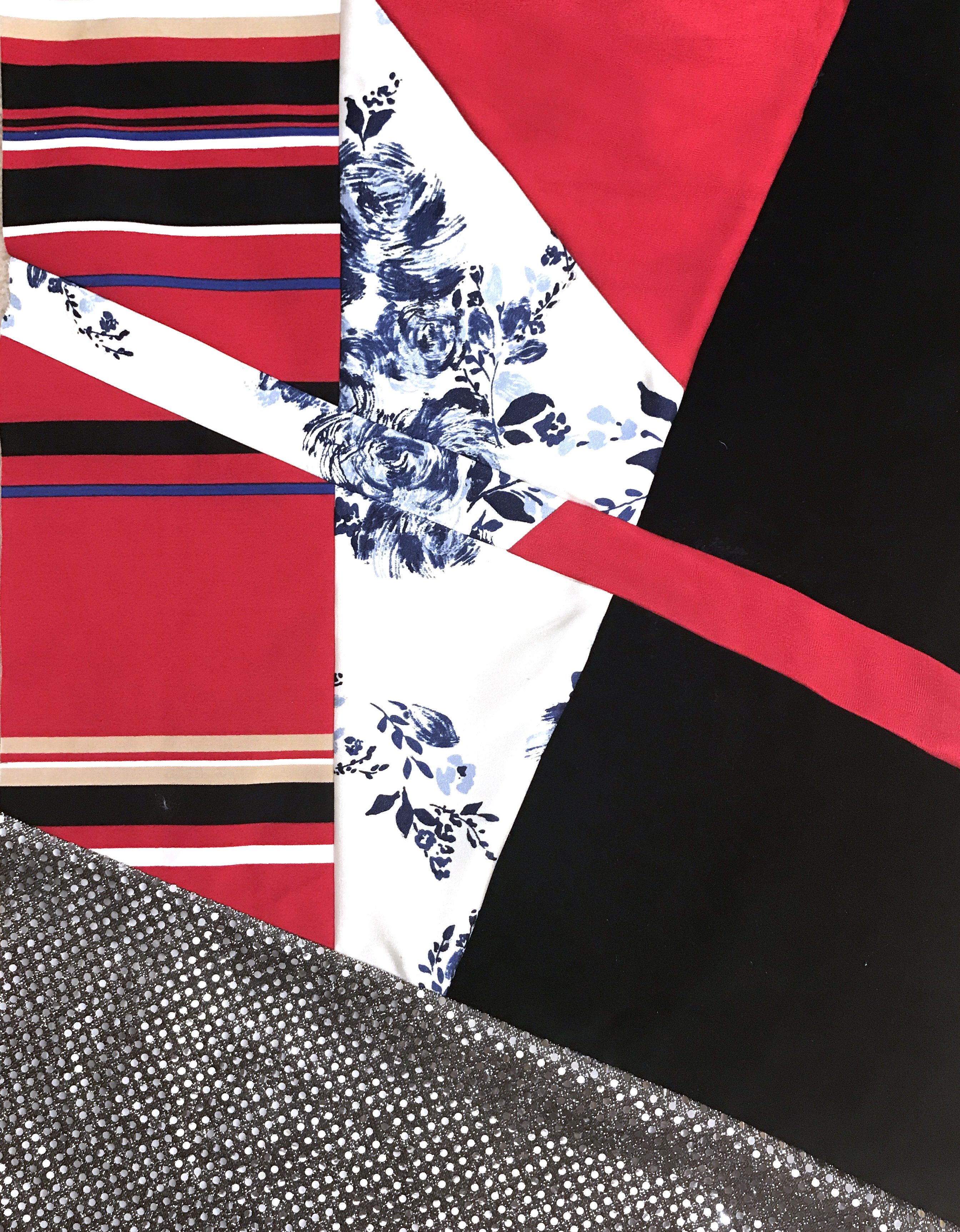
Hand painted wedding dress with silkscreen. Hand painted cotton page appliquéd with embroidery and postage stamps. This page is in response to Shakespeare's Sonnet 18, lines 8 and 9:
By chance, or nature’s changing course, untrimmed;
But thy eternal summer shall not fade, -
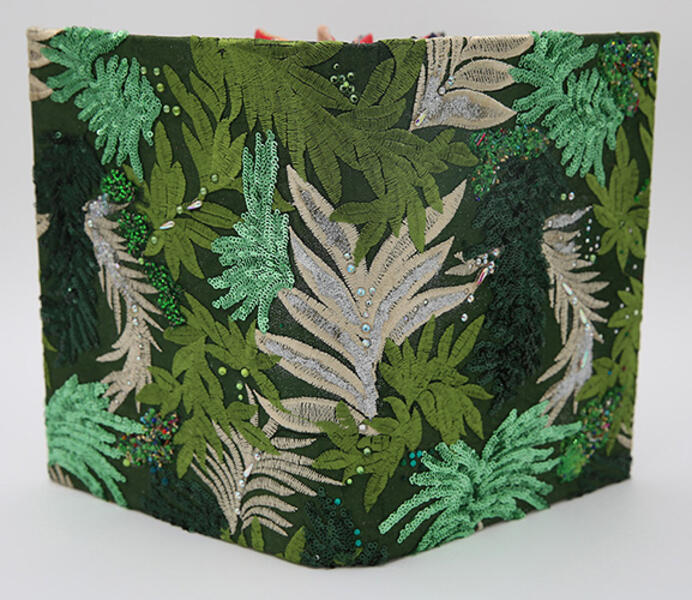 Love's Not Time's Fool, Tier 1 Cover
"In 2025 I created three embroidered books in response to Shakespeare's Sonnet 116, compelled by the poem's layered intricacies and understand complexities. This volume constitutes the first installment of the series. While Sonnet 116 is frequently read as a clear and declarative assertion, the process of translating its language into visual and material form revealed a text of far greater interpretive density.
"Through illustration, stitching, and constructing the books, I encountered multiple strata of meaning. These strata are the subtleties, hesitations, and semantic shifts that often recede in conventional readings. However, they have a profound significance of how visual meaning is constructed.
"Working across three discreet volumes enabled me to trace these nuances both materially and visually. This allowed me to illuminate dimensions of the sonnet that are easily obscured by more straightforward interpretations. For more details about this series of books and images please visit my website: suzannecoley.com."
Suzanne Coley
-
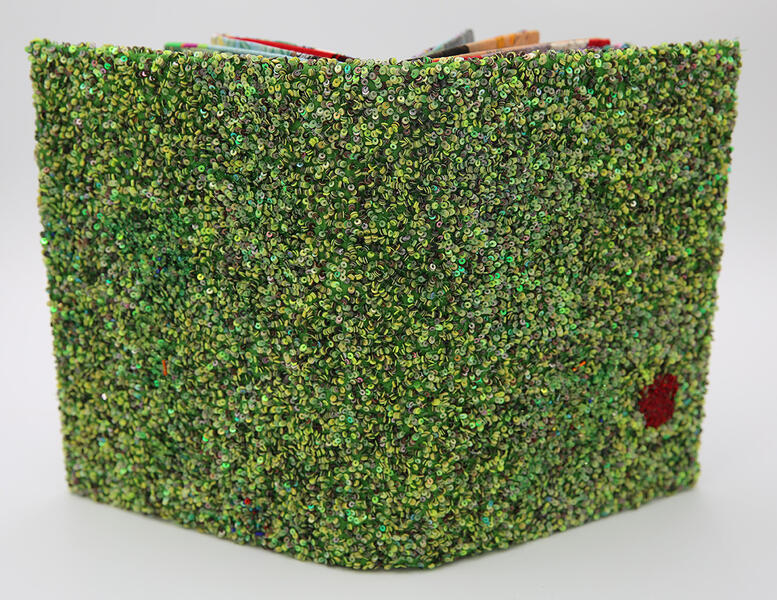 Love's Not Time's Fool, Tier 2 Cover
"In 2025 I created three embroidered books in response to Shakespeare's Sonnet 116, compelled by the poem's layered intricacies and understand complexities. This volume constitutes the second installment of the series. While Sonnet 116 is frequently read as a clear and declarative assertion, the process of translating its language into visual and material form revealed a text of far greater interpretive density.
"Through illustration, stitching, and constructing the books, I encountered multiple strata of meaning. These strata are the subtleties, hesitations, and semantic shifts that often recede in conventional readings. However, they have a profound significance of how visual meaning is constructed.
"Working across three discreet volumes enabled me to trace these nuances both materially and visually. This allowed me to illuminate dimensions of the sonnet that are easily obscured by more straightforward interpretations. For more details this series and images please visit my website: suzannecoley.com."
Suzanne Coley
-
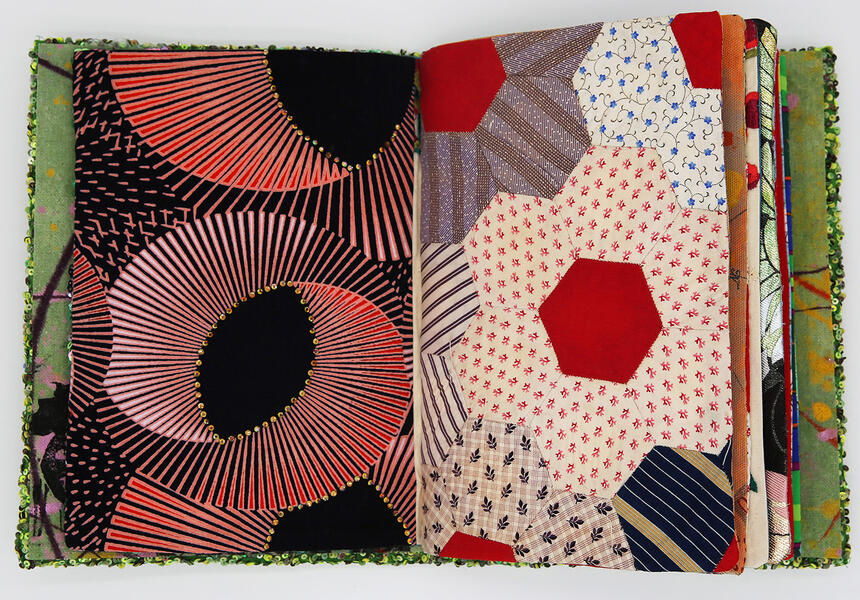 Love's Not Time's Fool, Page spread
Pages from Love's Not Time's Fool, 2025
-
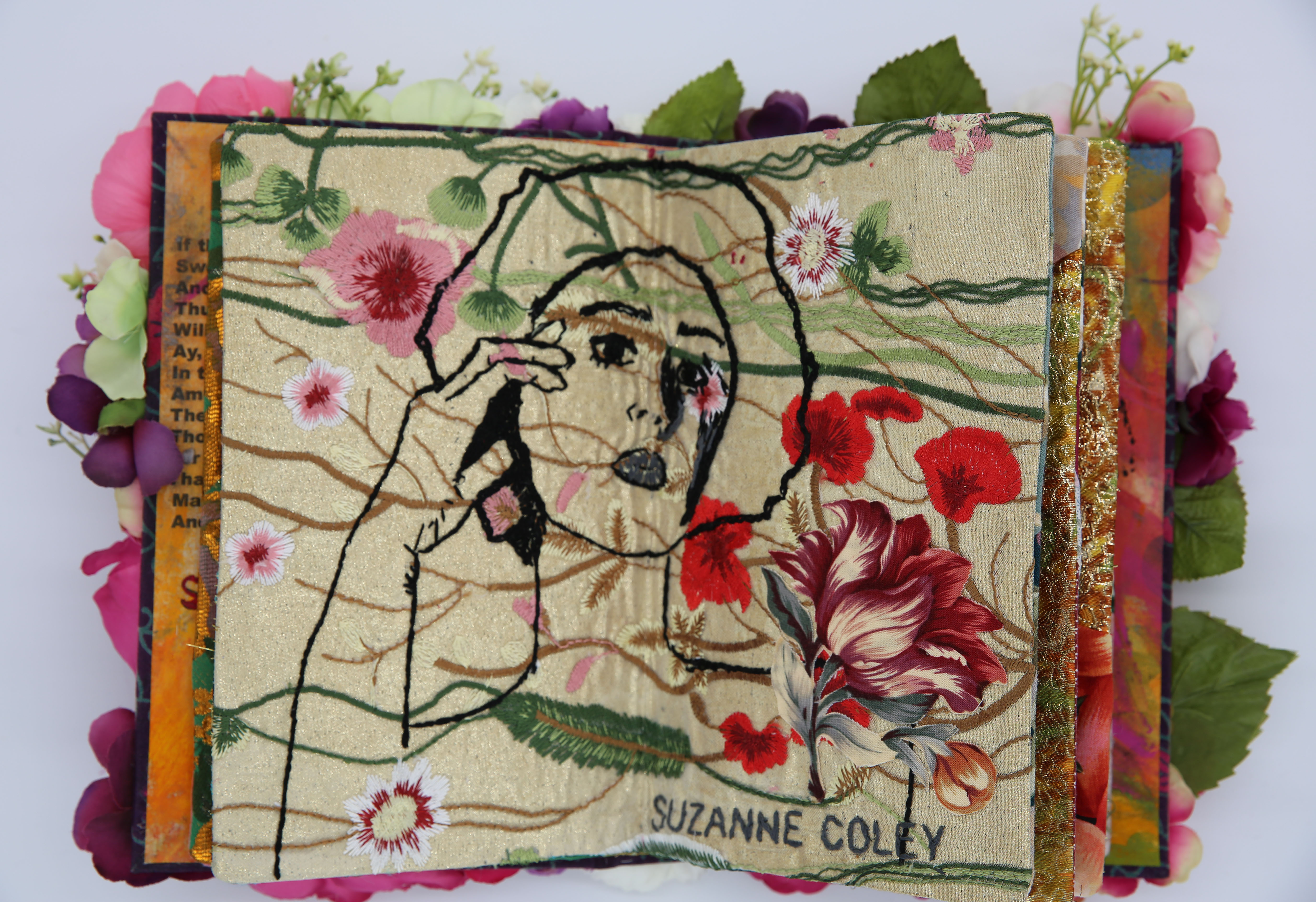
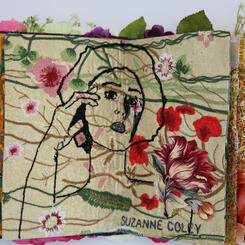
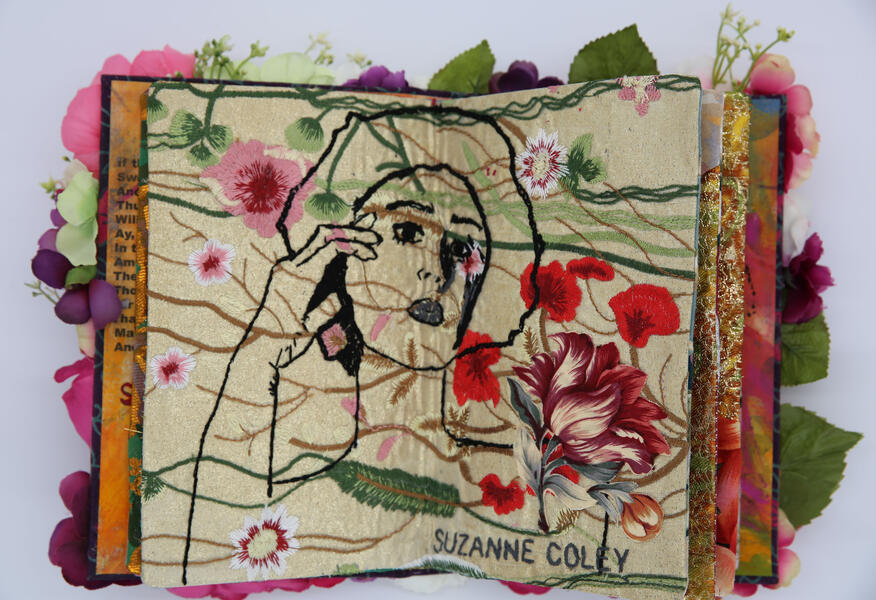 For Nothing Hold Me1960s gold lame fabric handed down to me from a nonagenarian African American seamstress, was hand embroidered. Other techniques used were broderie perse and appliqué.
 -
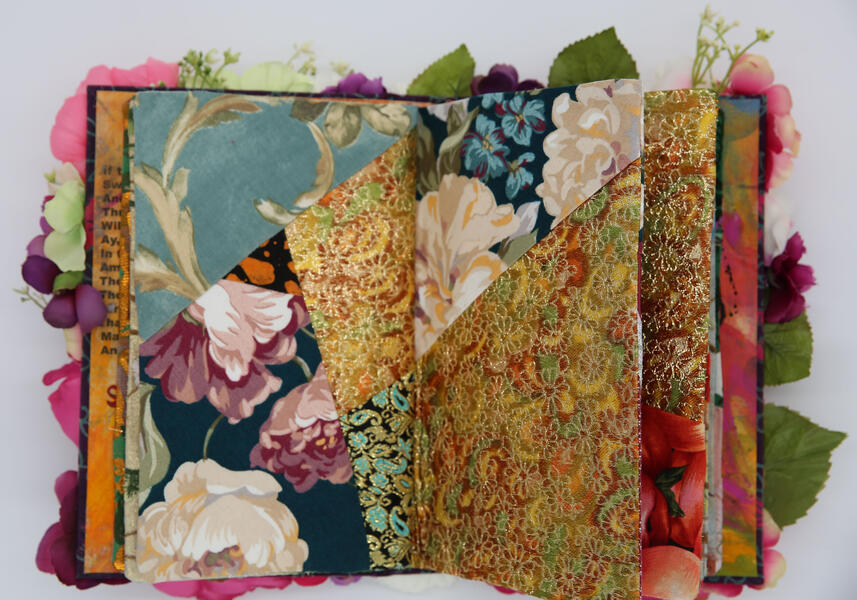 Among A Number One Is Reckoned None
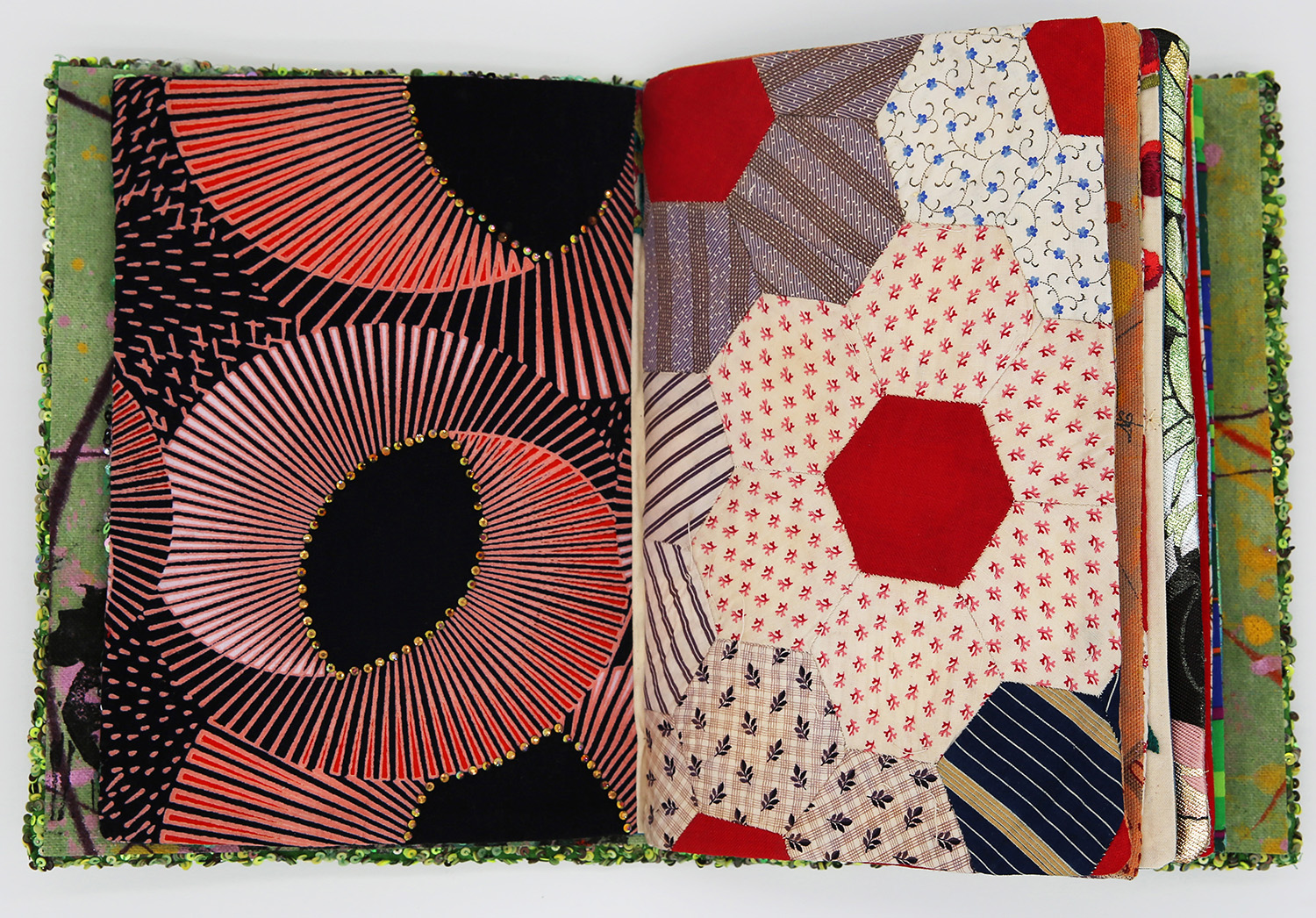
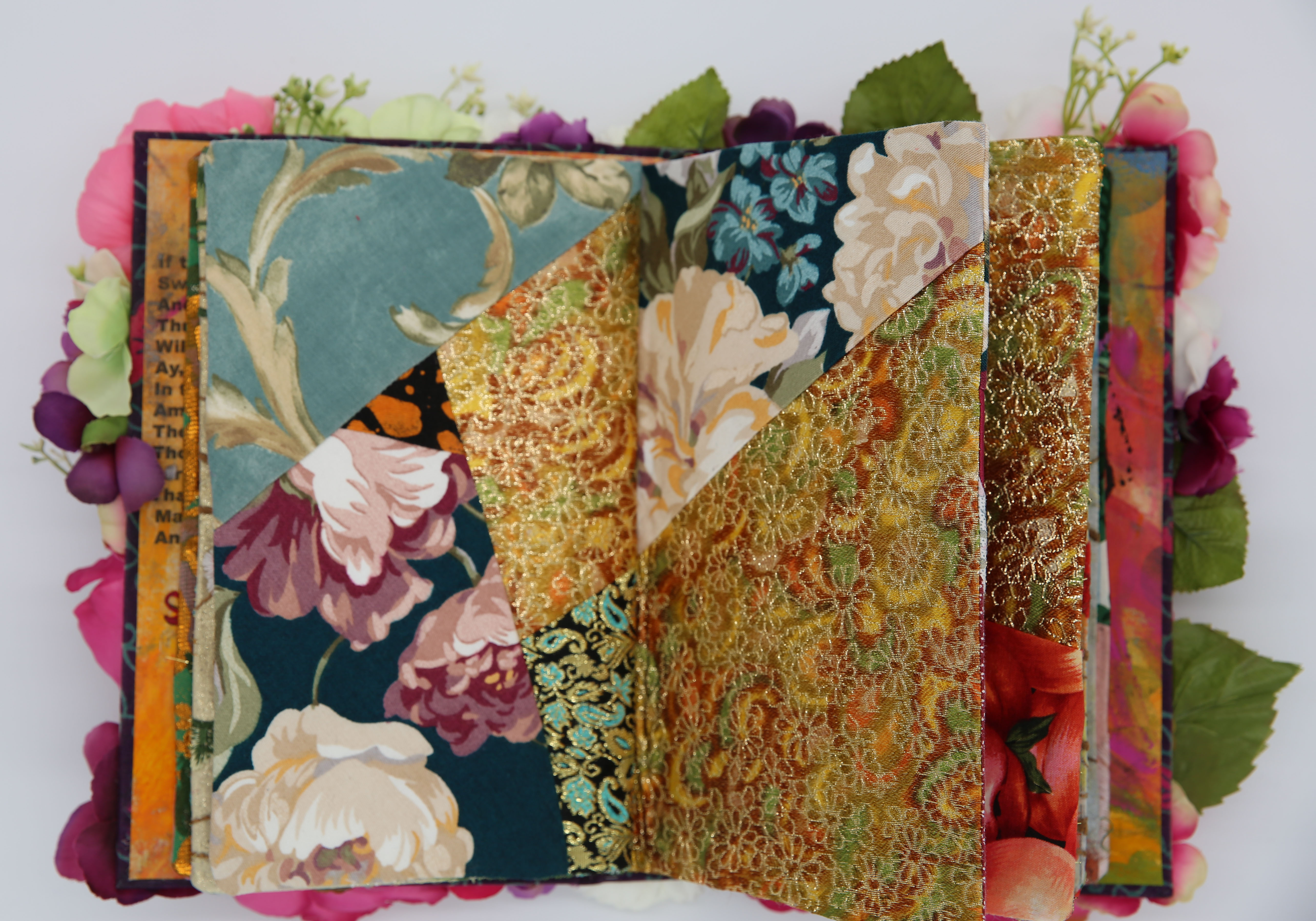
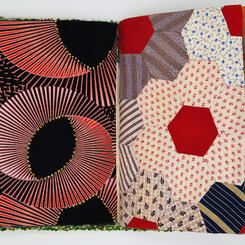
Vintage 1960s damask textiles are combined with muted floral textiles in a patchwork design inspired by "Sharecropper" quilting techniques by African American sewers from North Carolina. The larger damask textile, on the lower right hand page, was handed down to me by a nonagenarian African American seamstress in 2018.
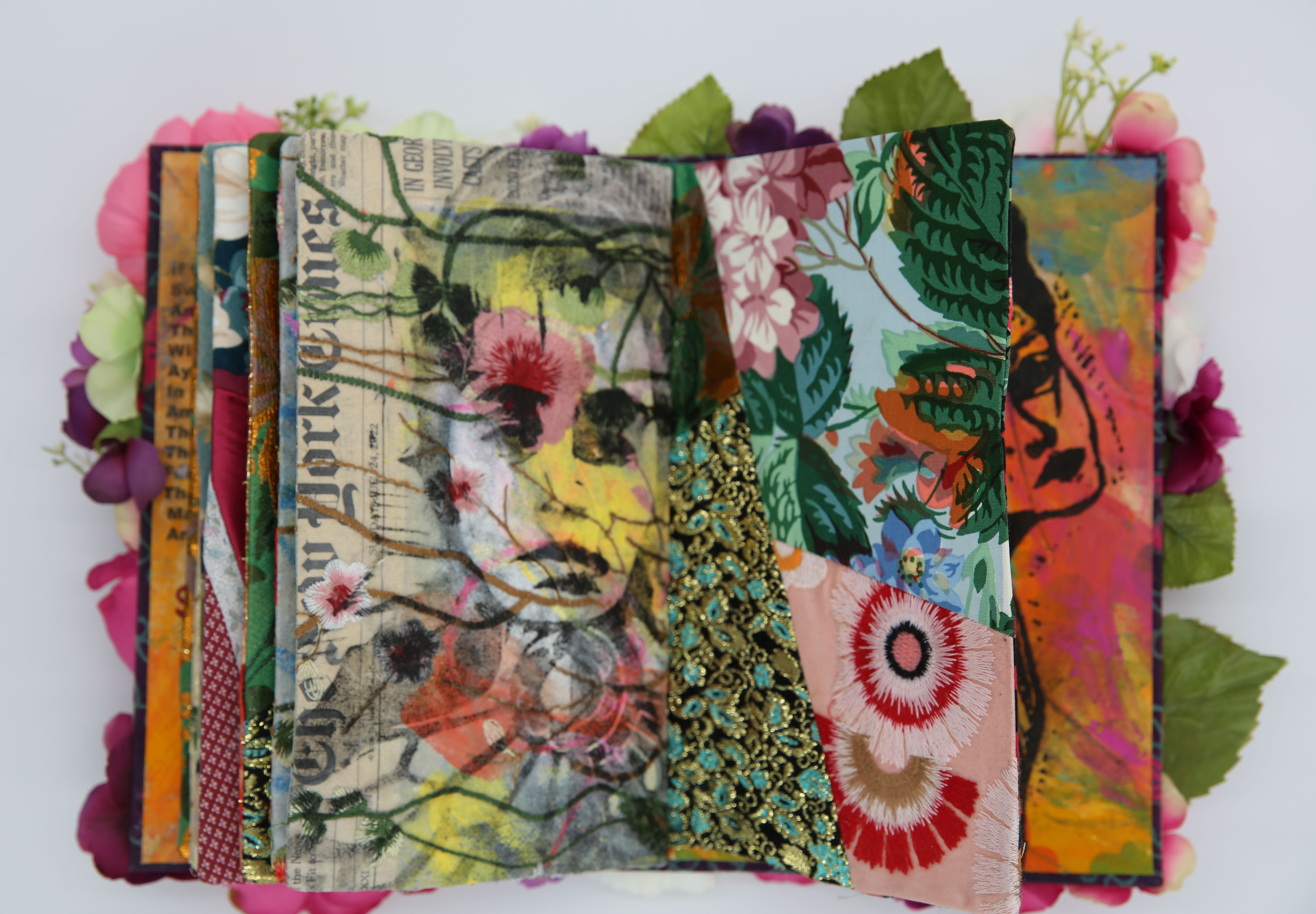
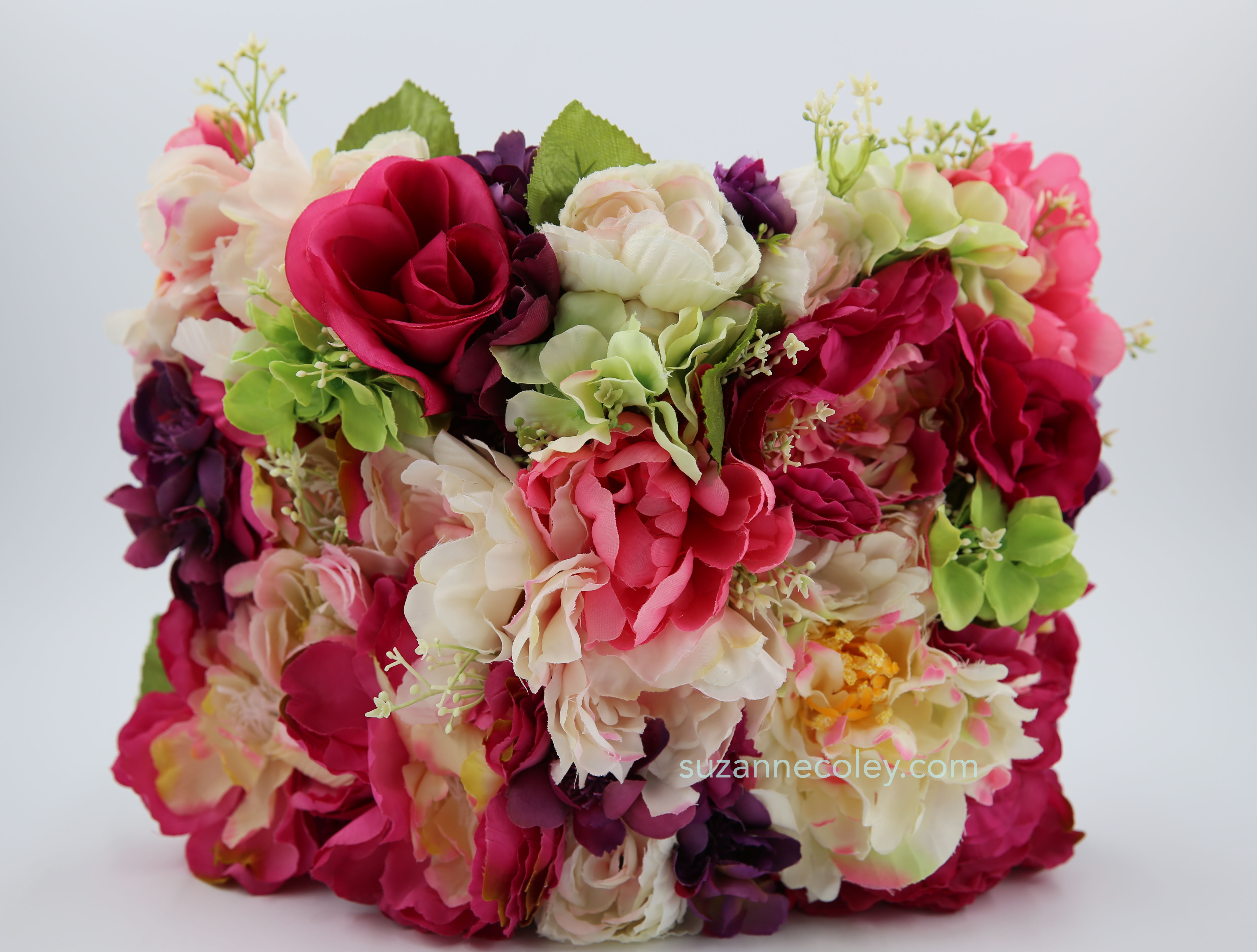
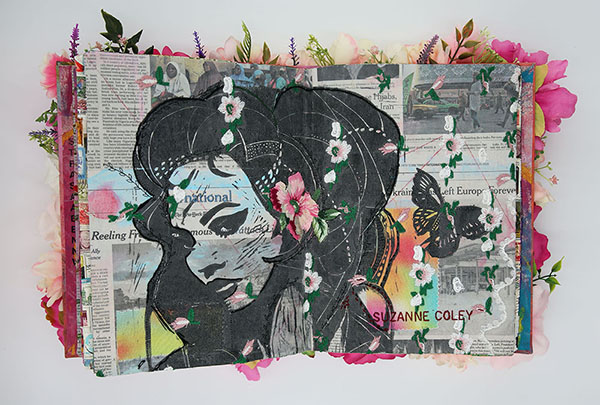
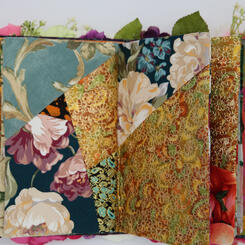
Love Sonnets from Shakespeare to Baltimore, 2018 - 2023
-
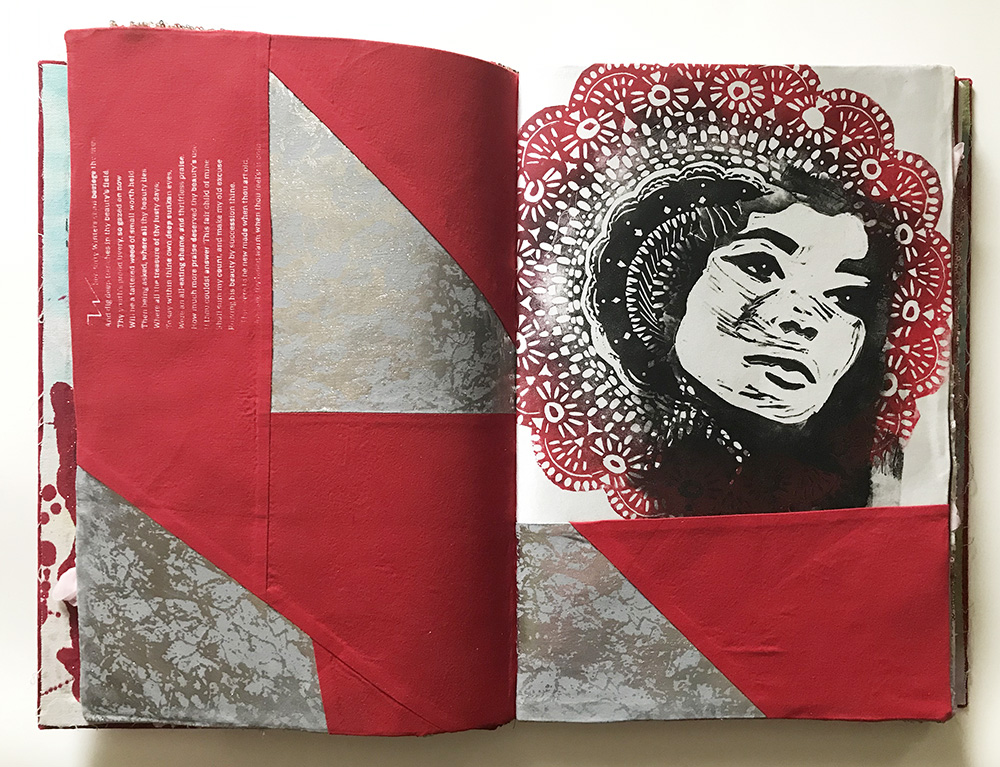
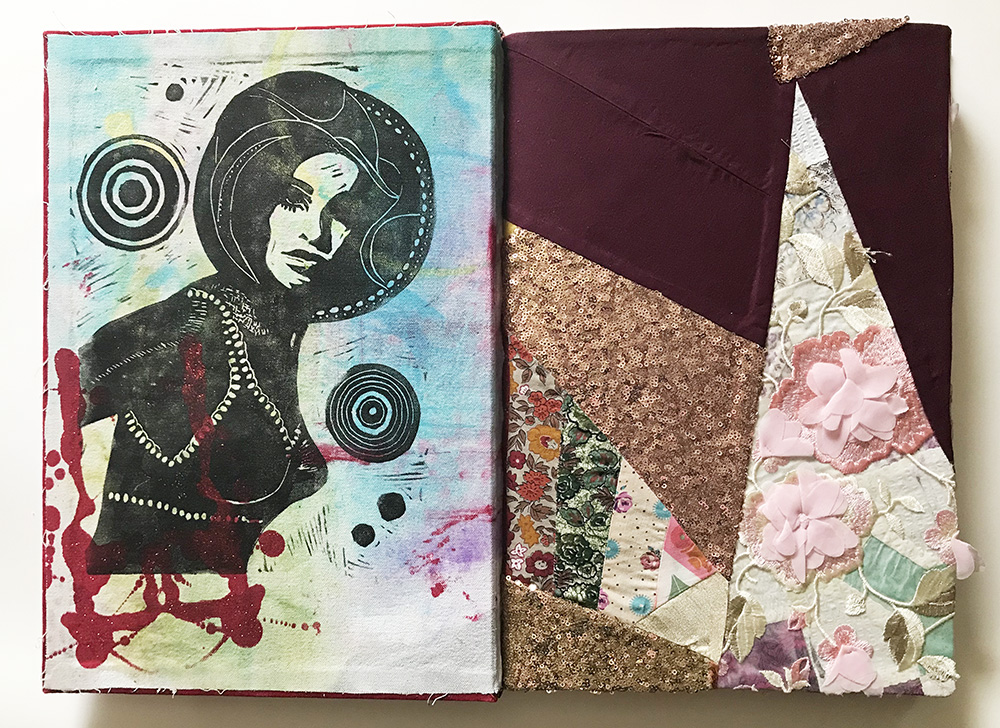
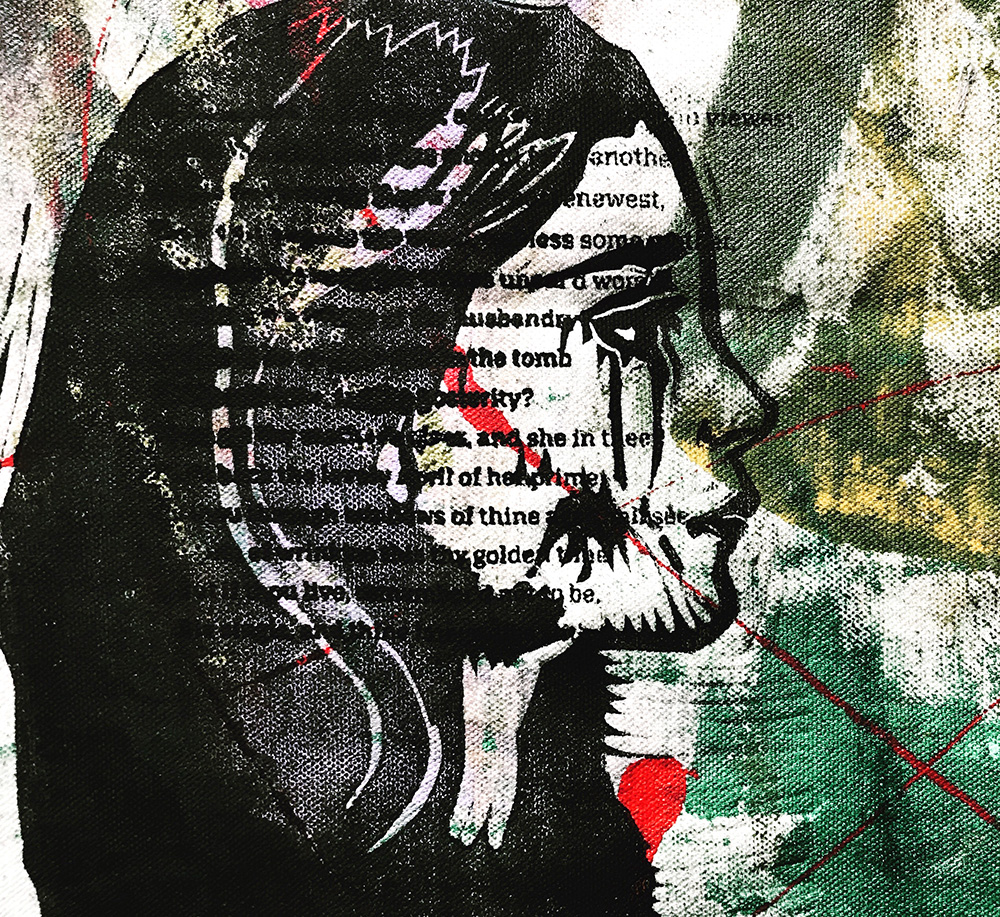
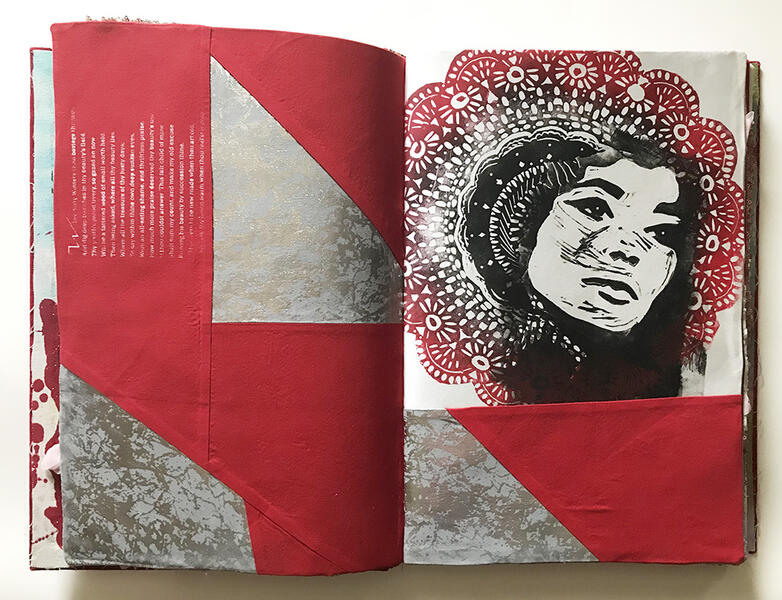 Sonnet II: Forty WintersWhen forty winters shall besiege thy brow. Textile pages made from repurposed wedding dresses. 16.5" x 24", 2019
 -
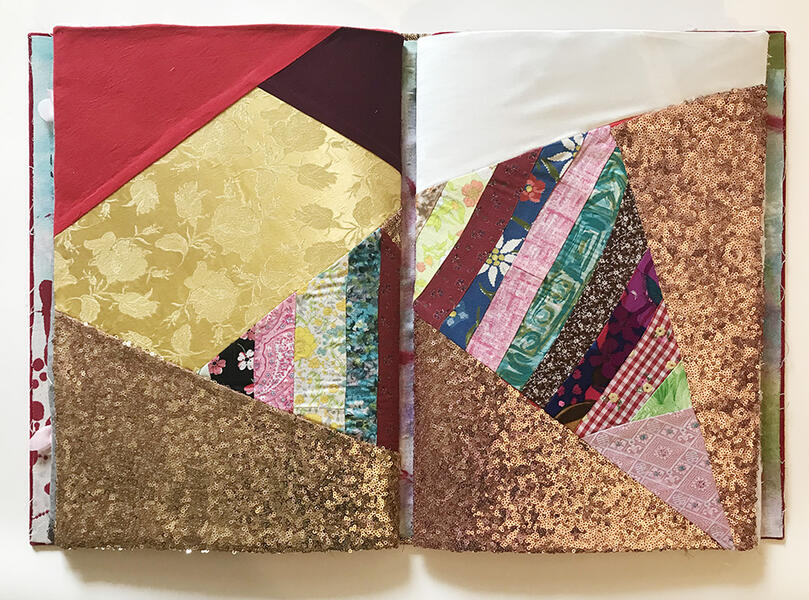 Dig deep trenches in thy beautyhandmade textile book using repurposed wedding dresses, 16..5" x 24", 2019
 -
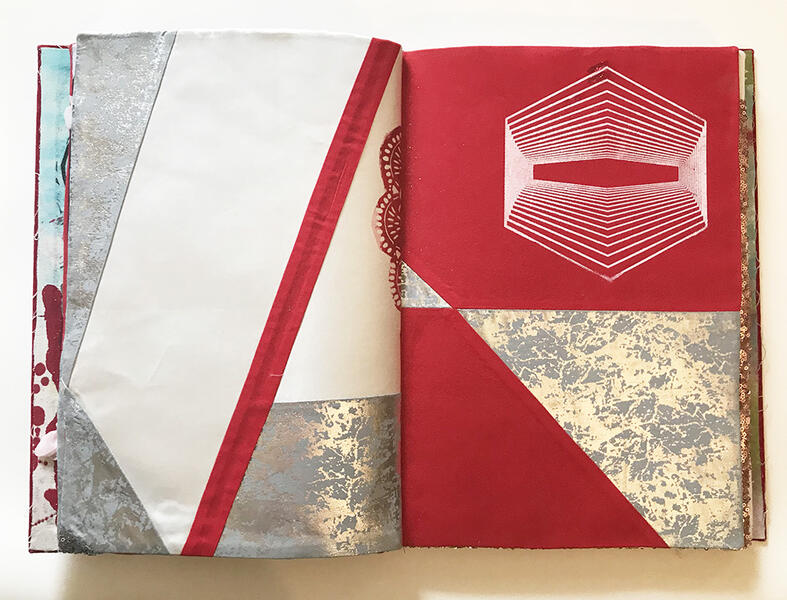 Thy youth's proud liveryTextile book using repurposed wedding dresses. Hand dyed, hand painted textiles, 16.5" x 24", 2019
 -
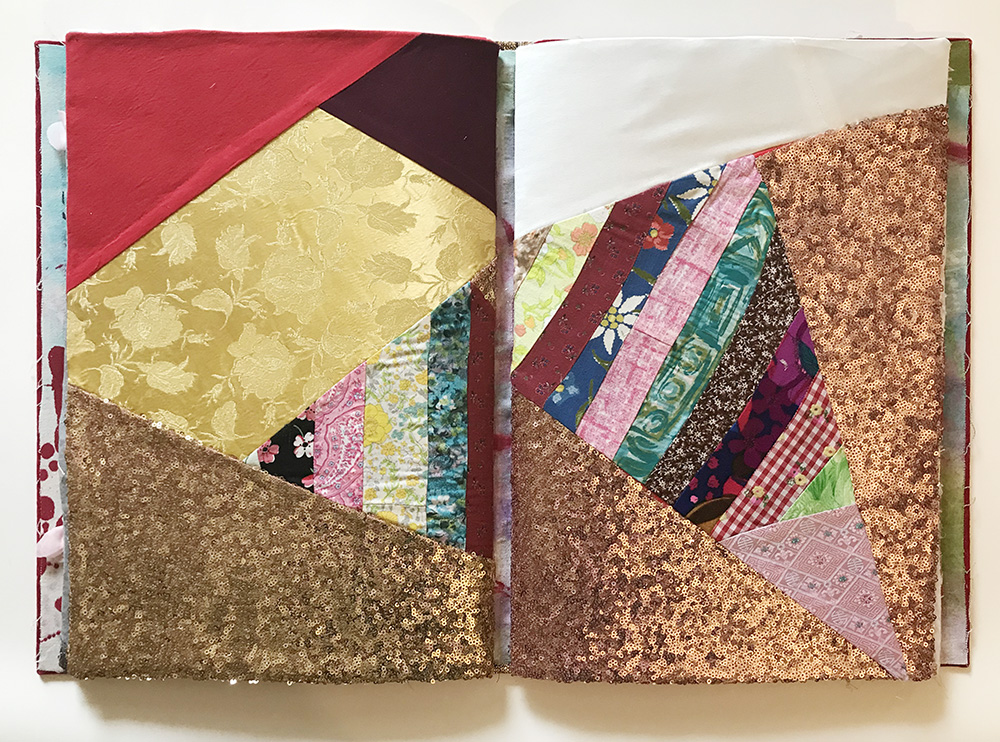
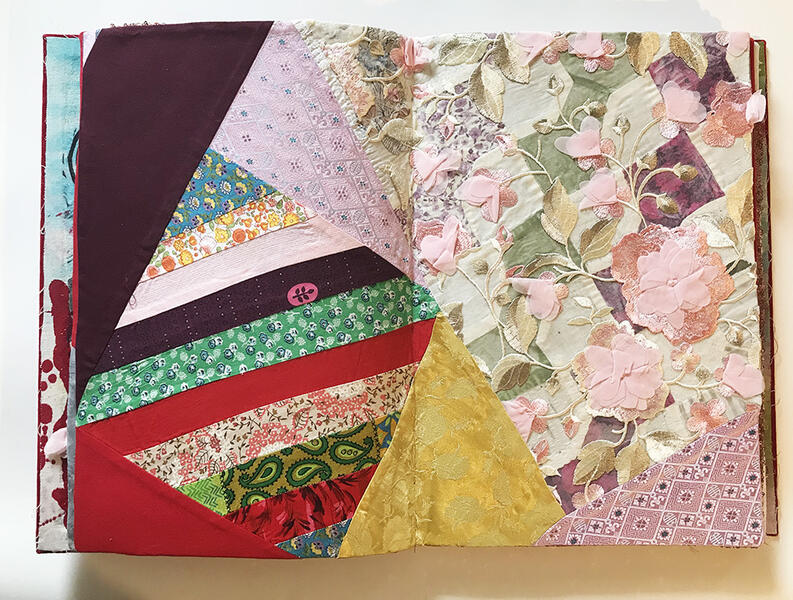 Sonnet II: So Gazed on Now . . .Deconstructed wedding gowns, handprinted, hand dyed, vintage quilt fragment. 16.5" x 24", 2019
 -
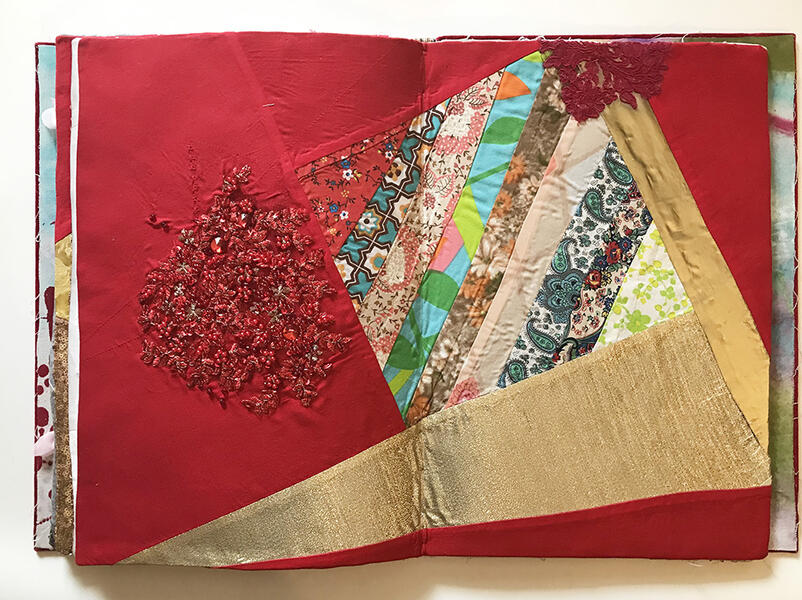 All thy Beauty LiesRepurposed wedding dress, hand dyed, hand painted, hand beading, embellishments, vintage quilt fragment. 16.5" x 24", 2019
 -
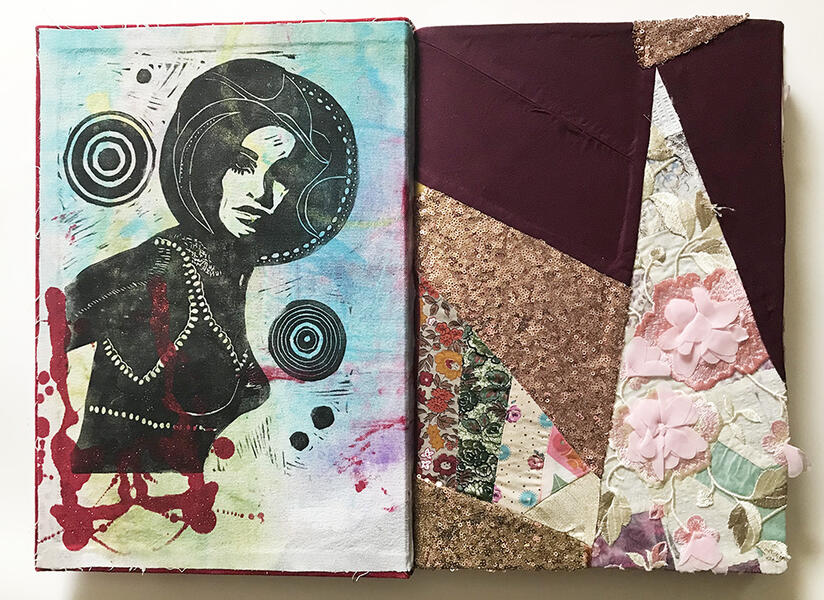 Treasure of thy daysRepurposed wedding gown, deconstructed vintage quilt fragment, printmaking, fabric painting, printmaking. 16.5" x 24", 2019
 -
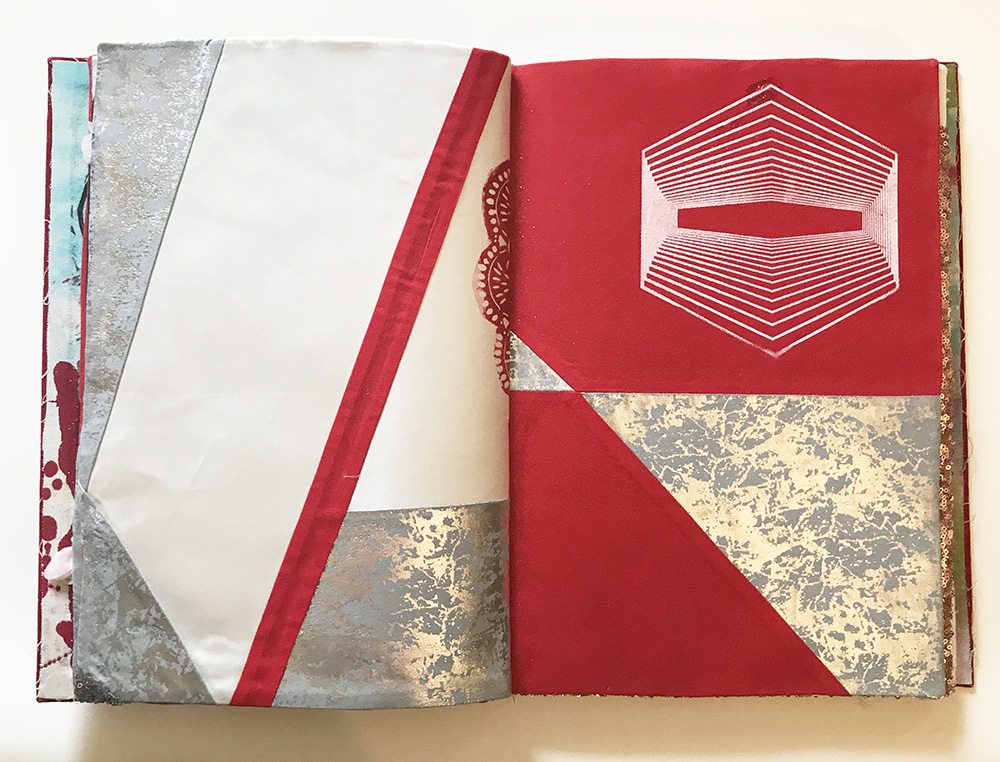
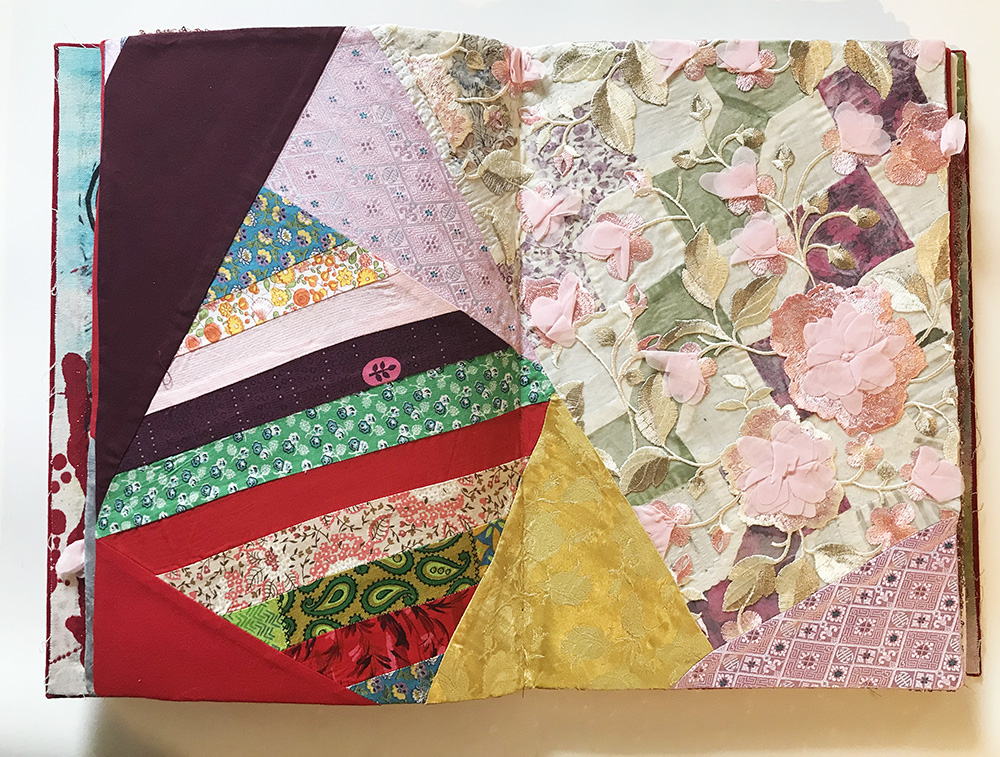
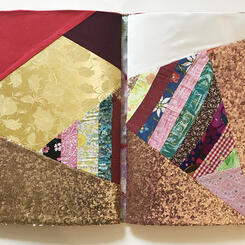
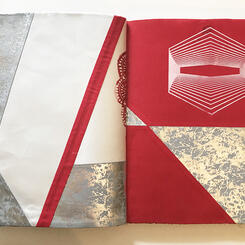
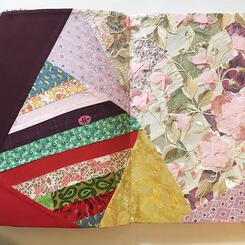
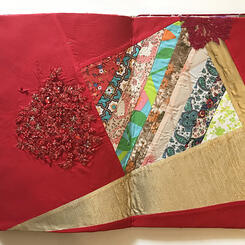
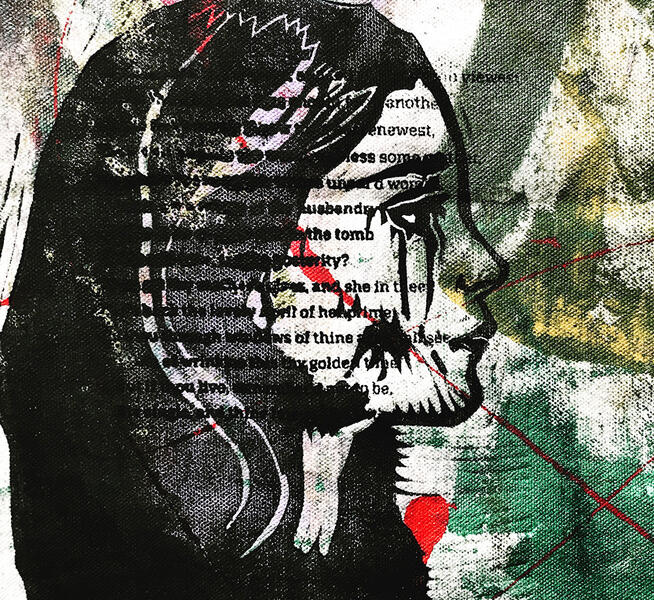 Sonnet III: Look In Thy GlassHand painted on repurposed wedding dress and Baltimore duck cotton fabric, 6.5" x 9", 2019
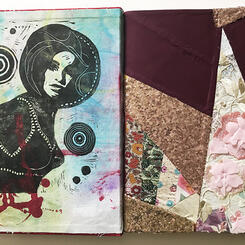
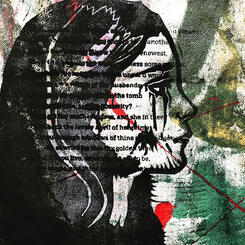
All I Have
-
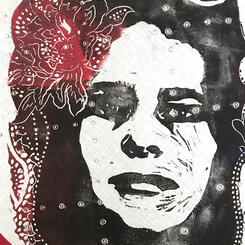
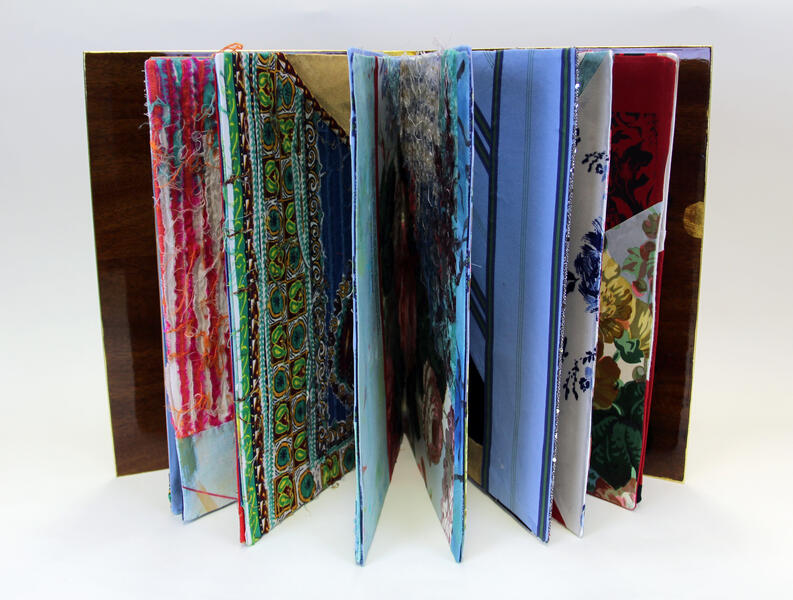 God has left usGod has left us. Gorillas are spooked.
 -
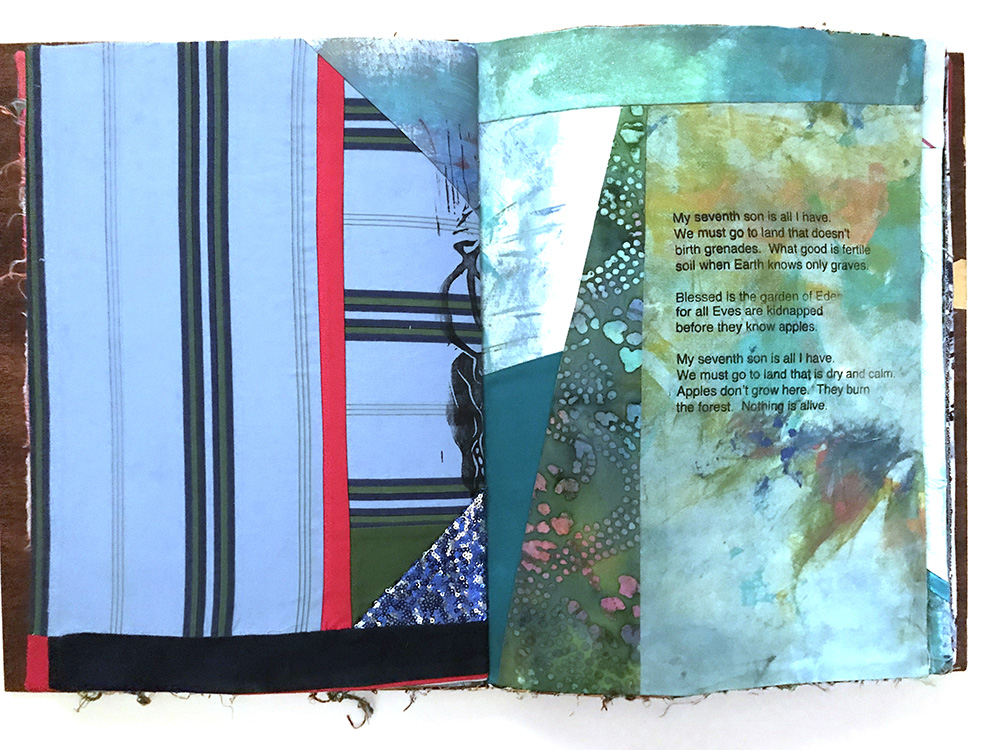
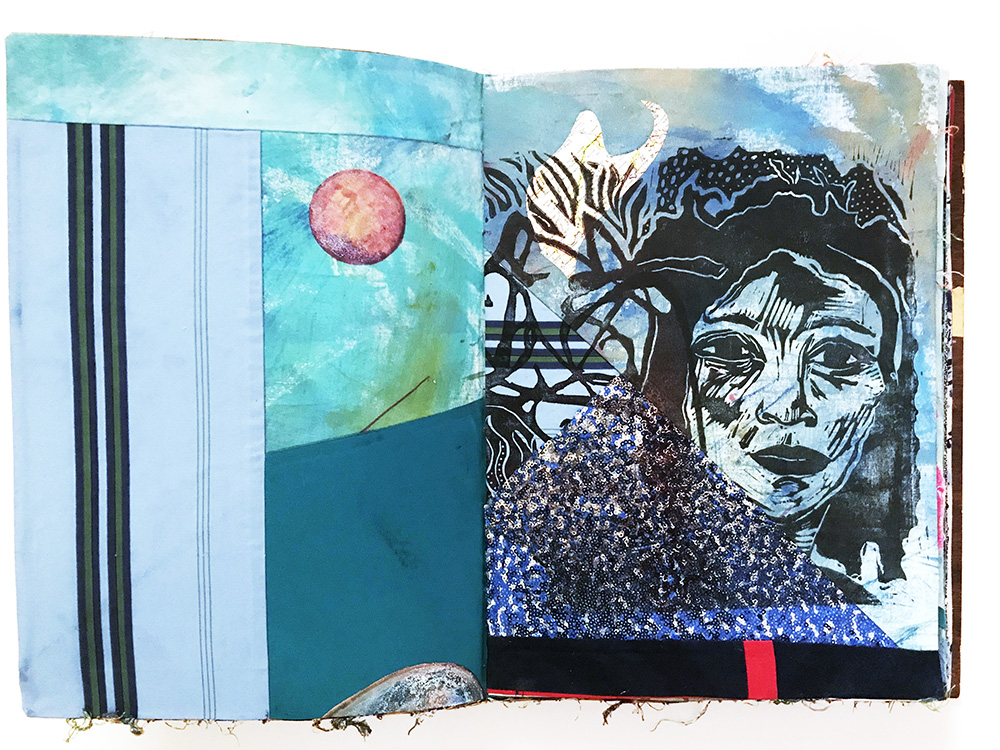
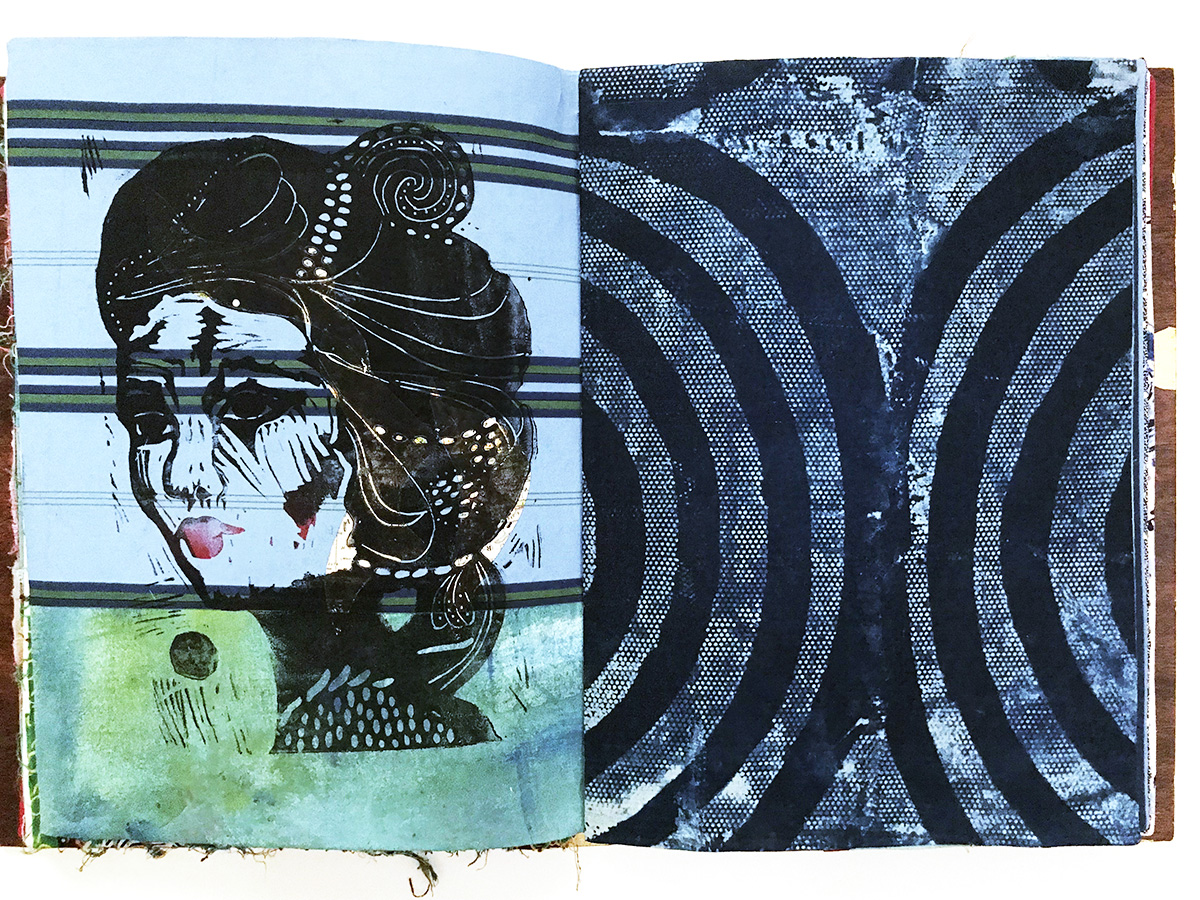
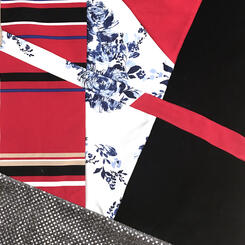
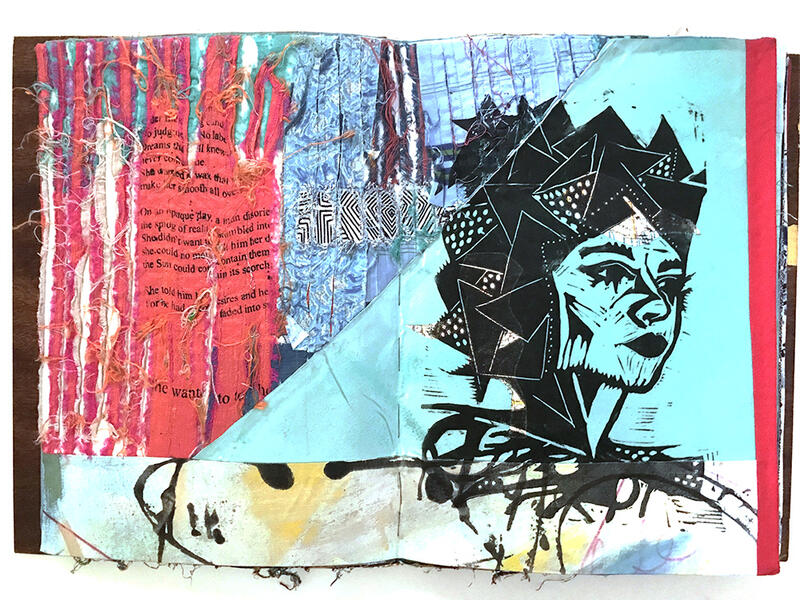 All I Havemixed media fiber arts, 16.5 x 25.5 x 2 inches, 2017
 -
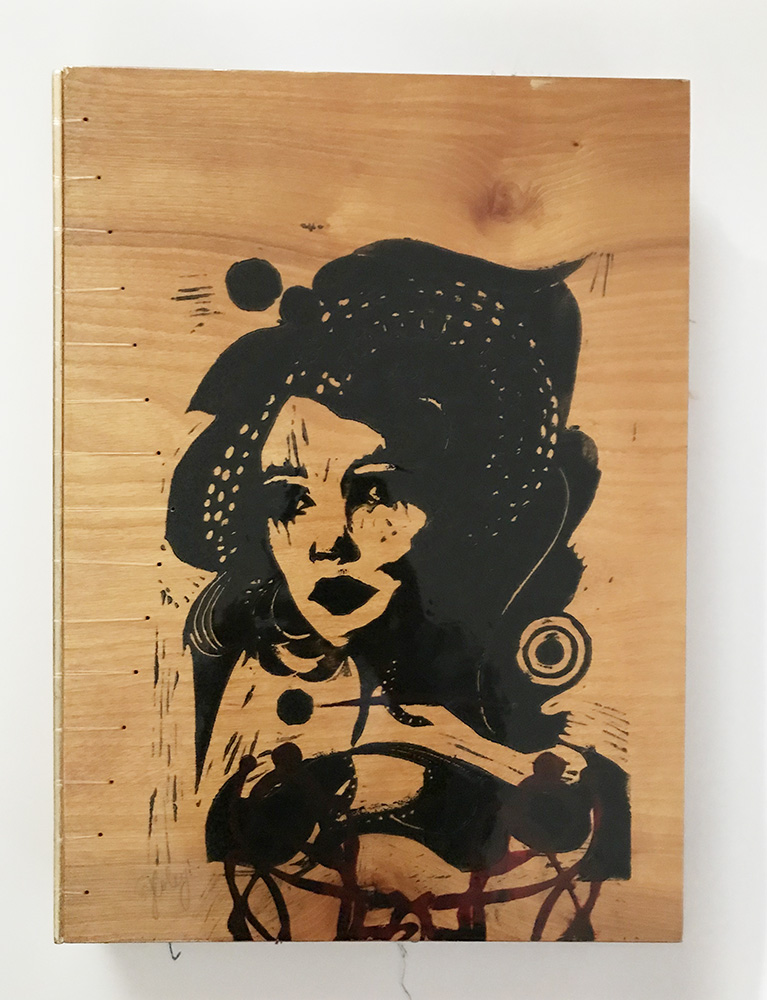
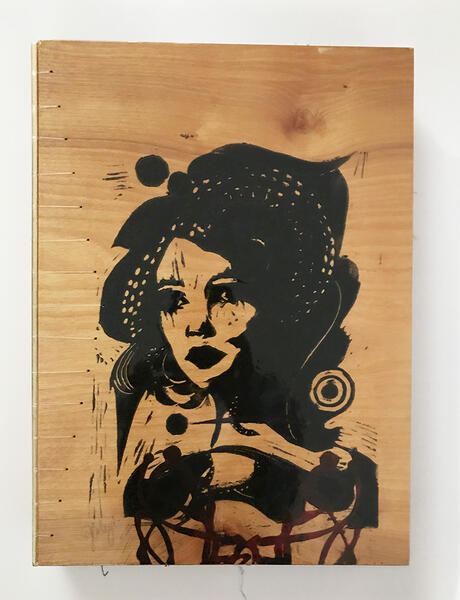 All I HaveWooden cover for handmade textile book: All I Have
 -
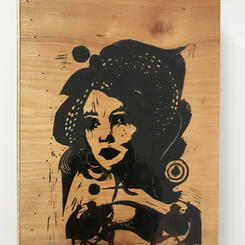
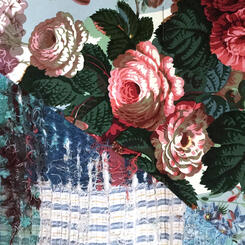
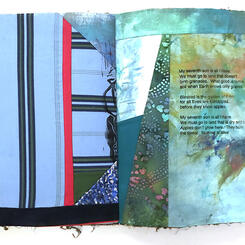
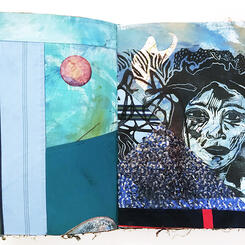
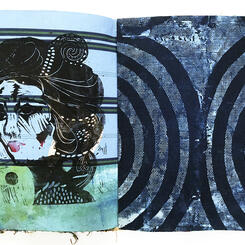
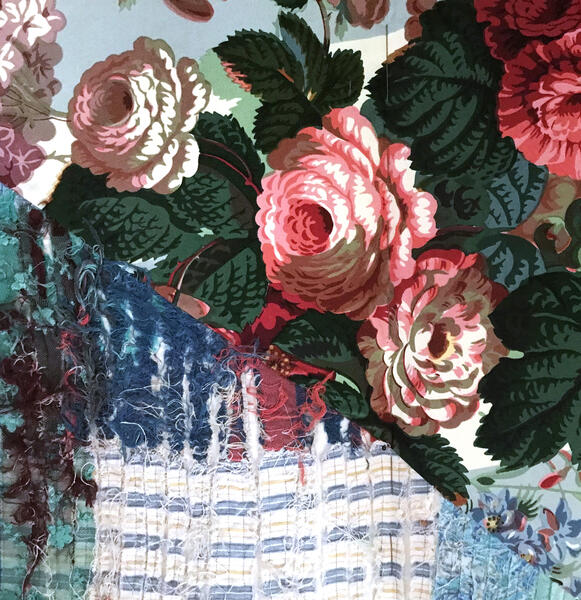 My Seventh SonMy seventh son is all I have, we must go to land that is dry and calm.
 -
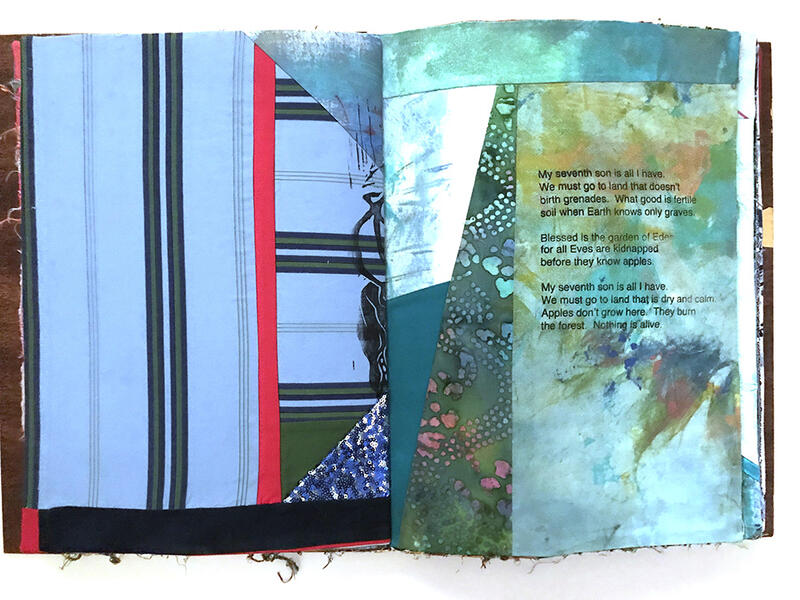 AliveNothing is alive.
 -
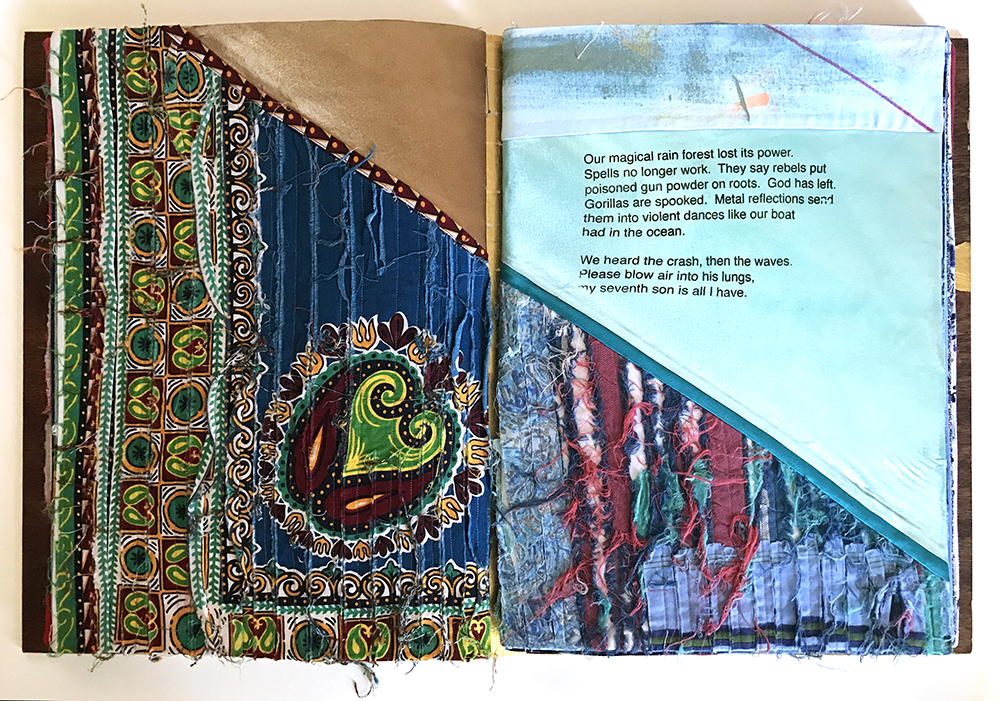
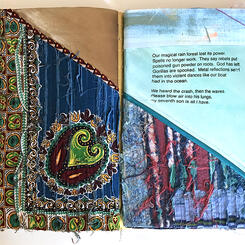
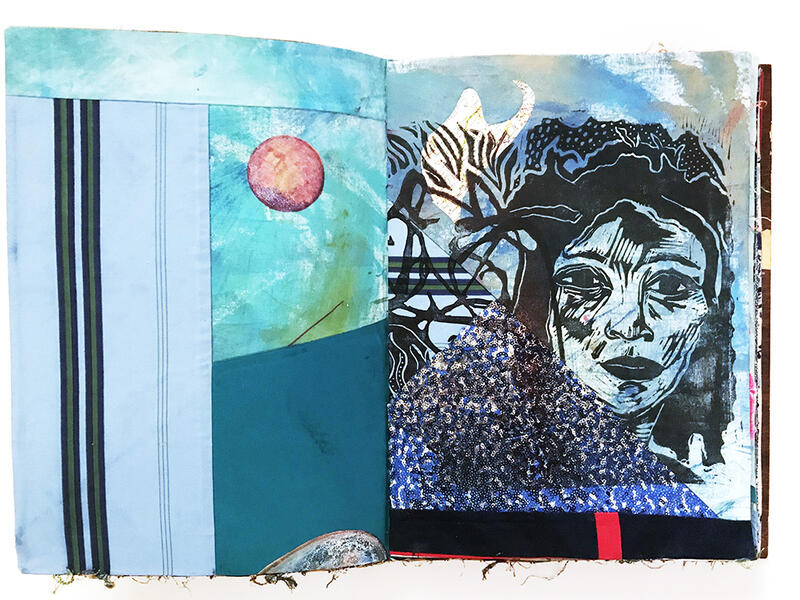 Magical RainforestOur magical rainforest lost its power.
 -
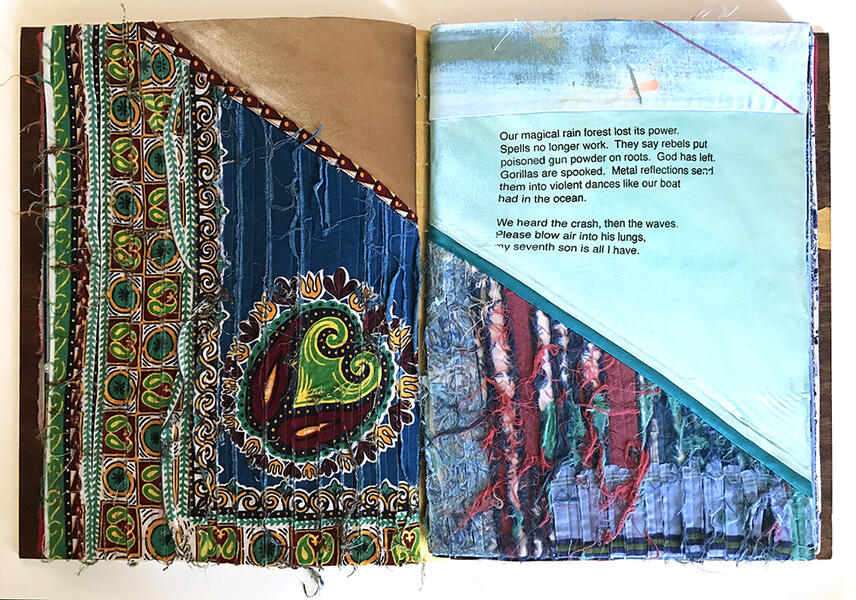 SpellsSpells no longer work.
 -
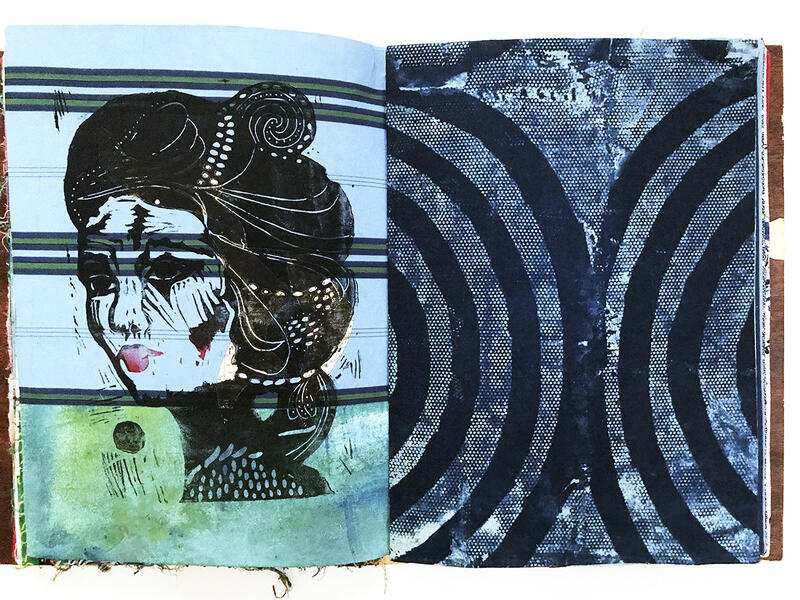 RebelsThey say rebels put poisoned gun powder on roots.
 -
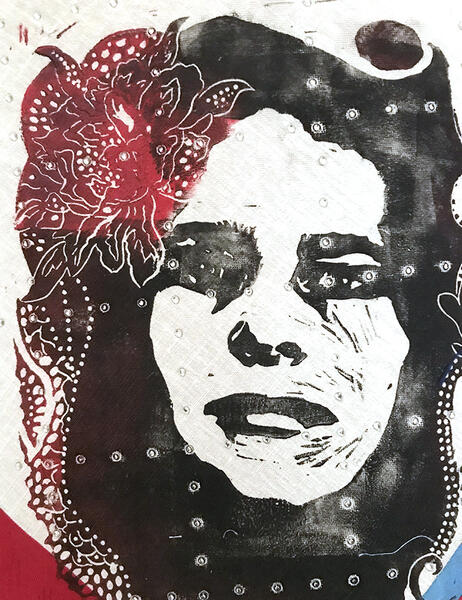 Metal ReflectionsMetal reflections send them into violent dances like our boat had in the ocean.
 -
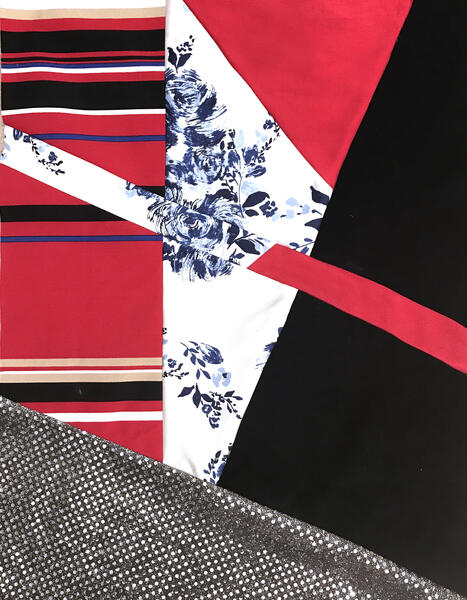 Blow AirWe heard the crash, then the waves. Please blow air into his lungs, my seventh son is all I have.
Primary Lessons
-
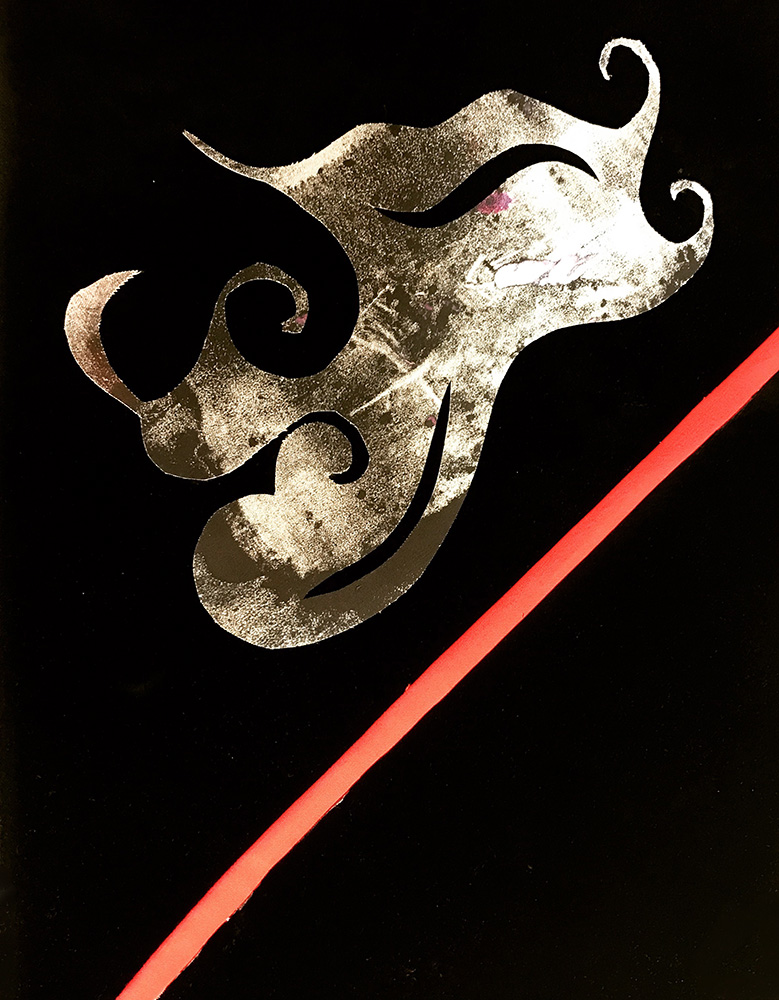
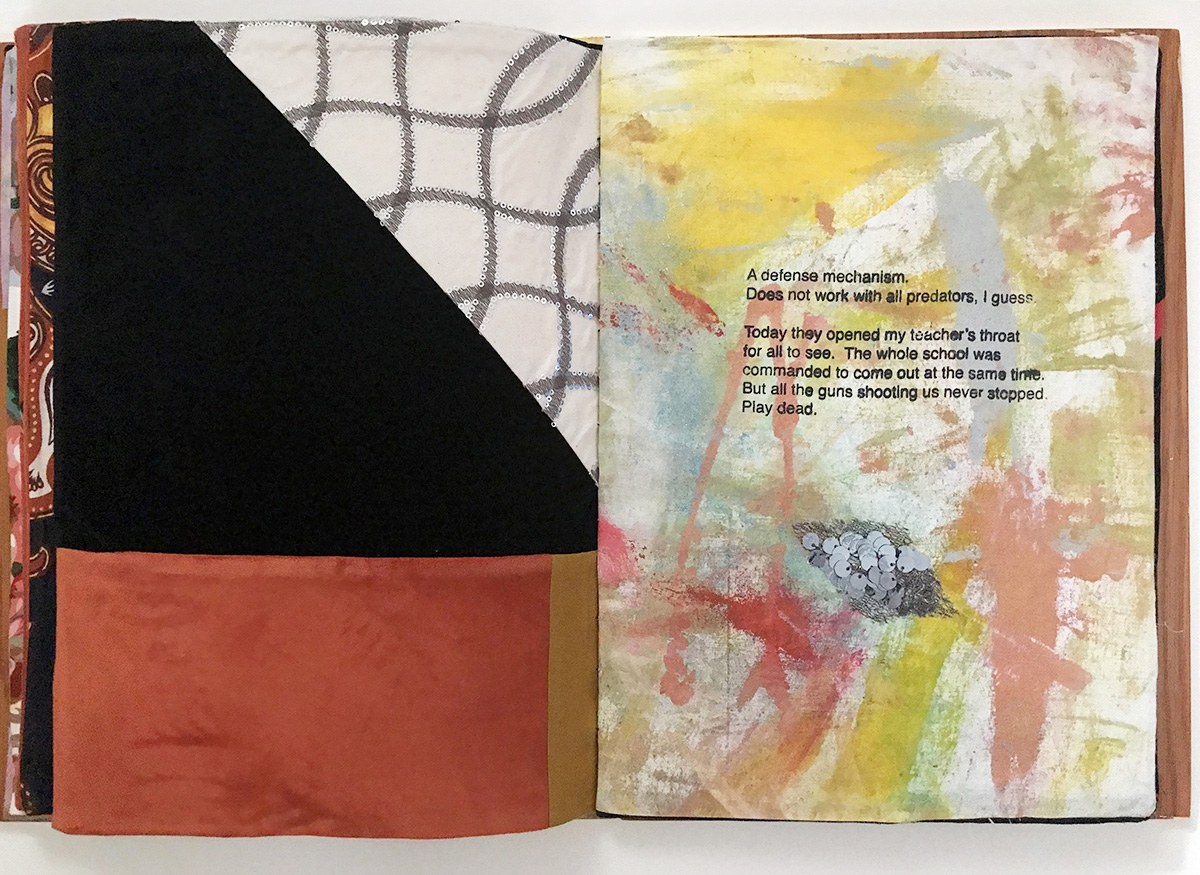
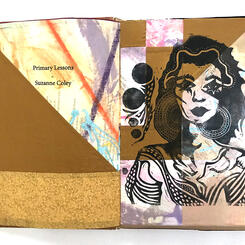
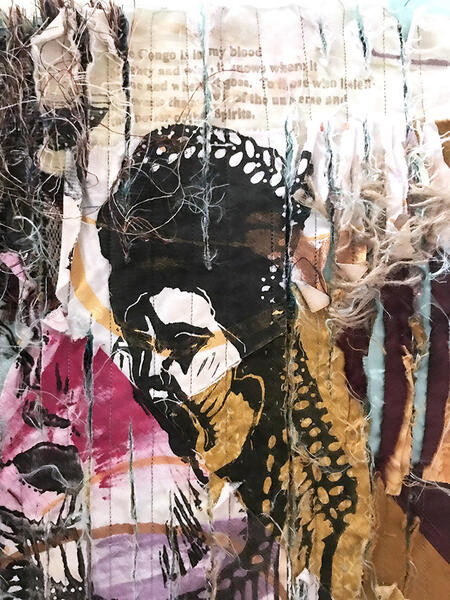 ScreamA defense mechanism.
 -
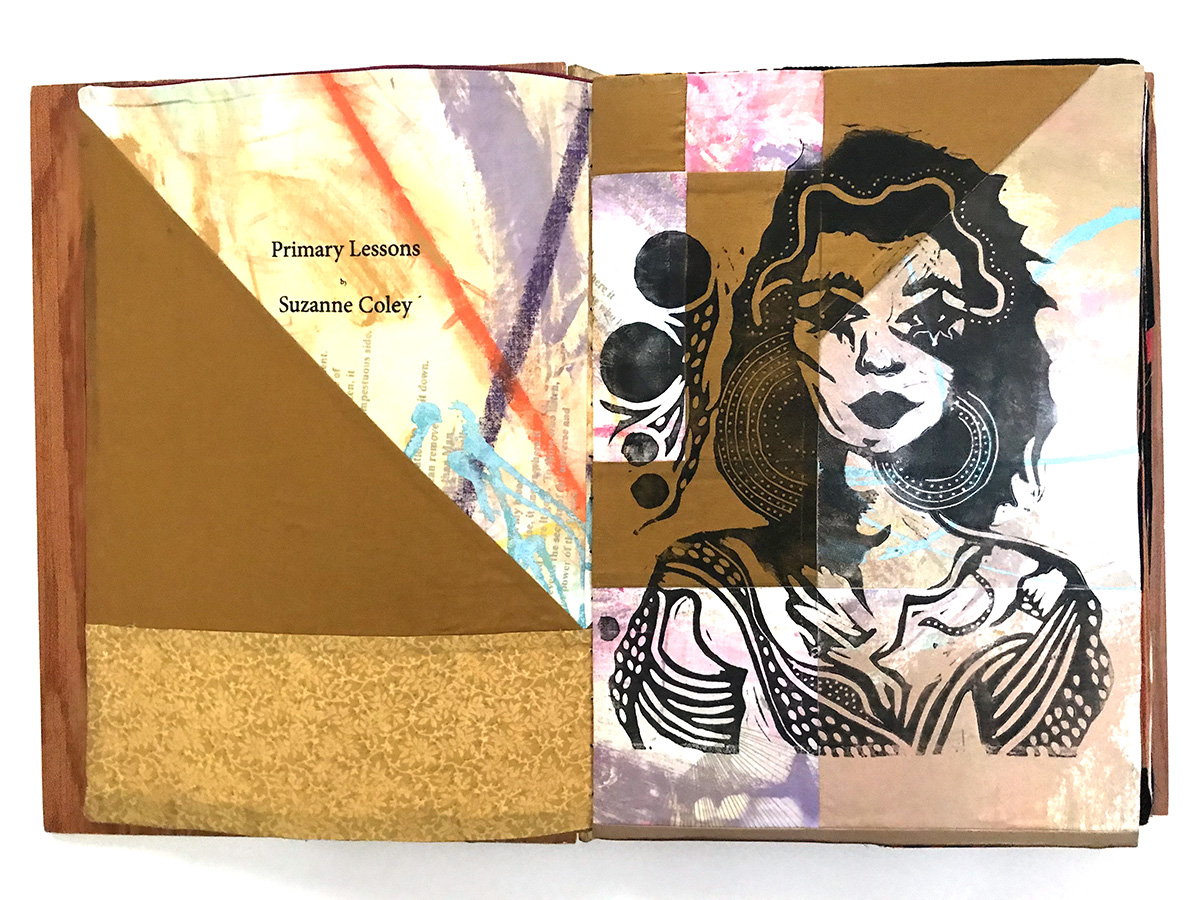
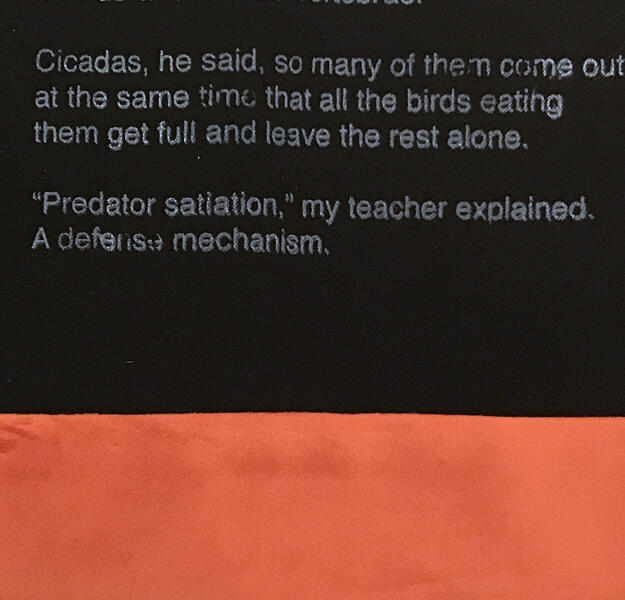 PrimaryLessonsmixed media fiber arts, 16.5 x 25.5 x 2 inches, 2017
 -
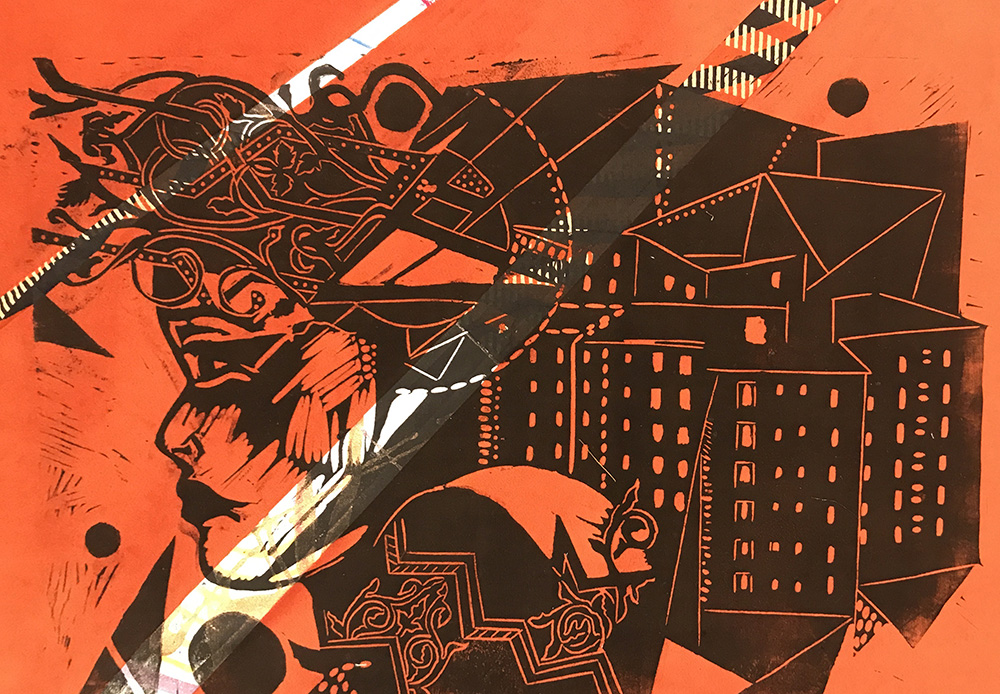
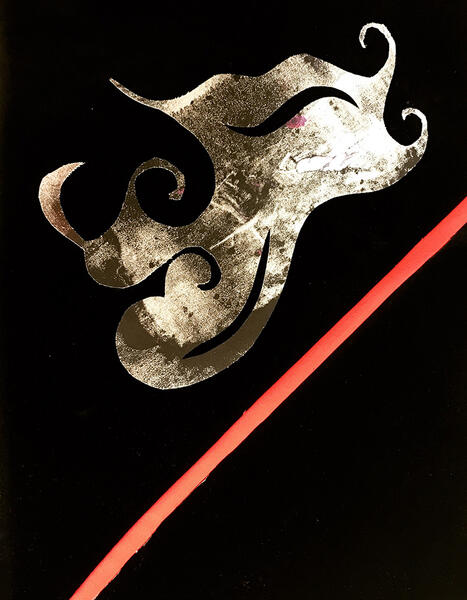 BonesToday they opened my teacher's throat . . .
 -
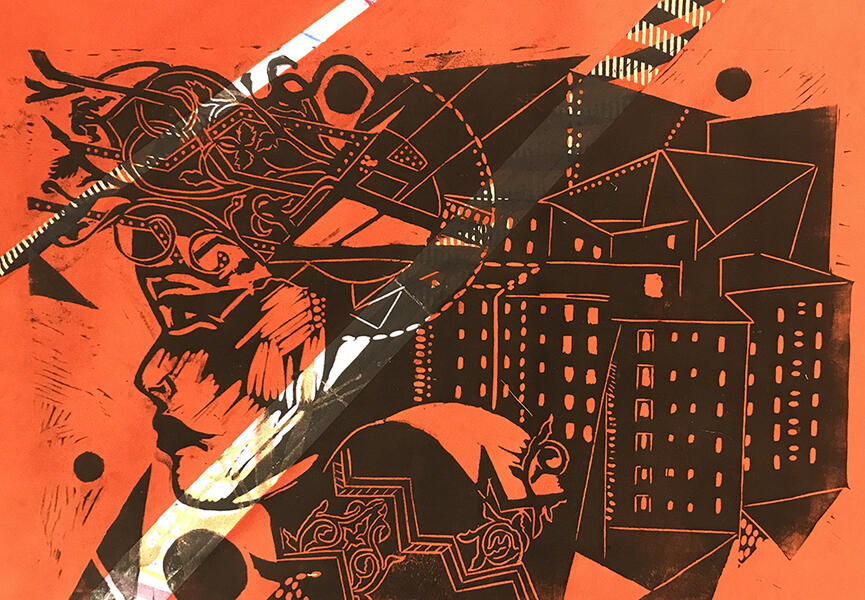 SchoolThe whole school was commanded to come out at the same time.
 -
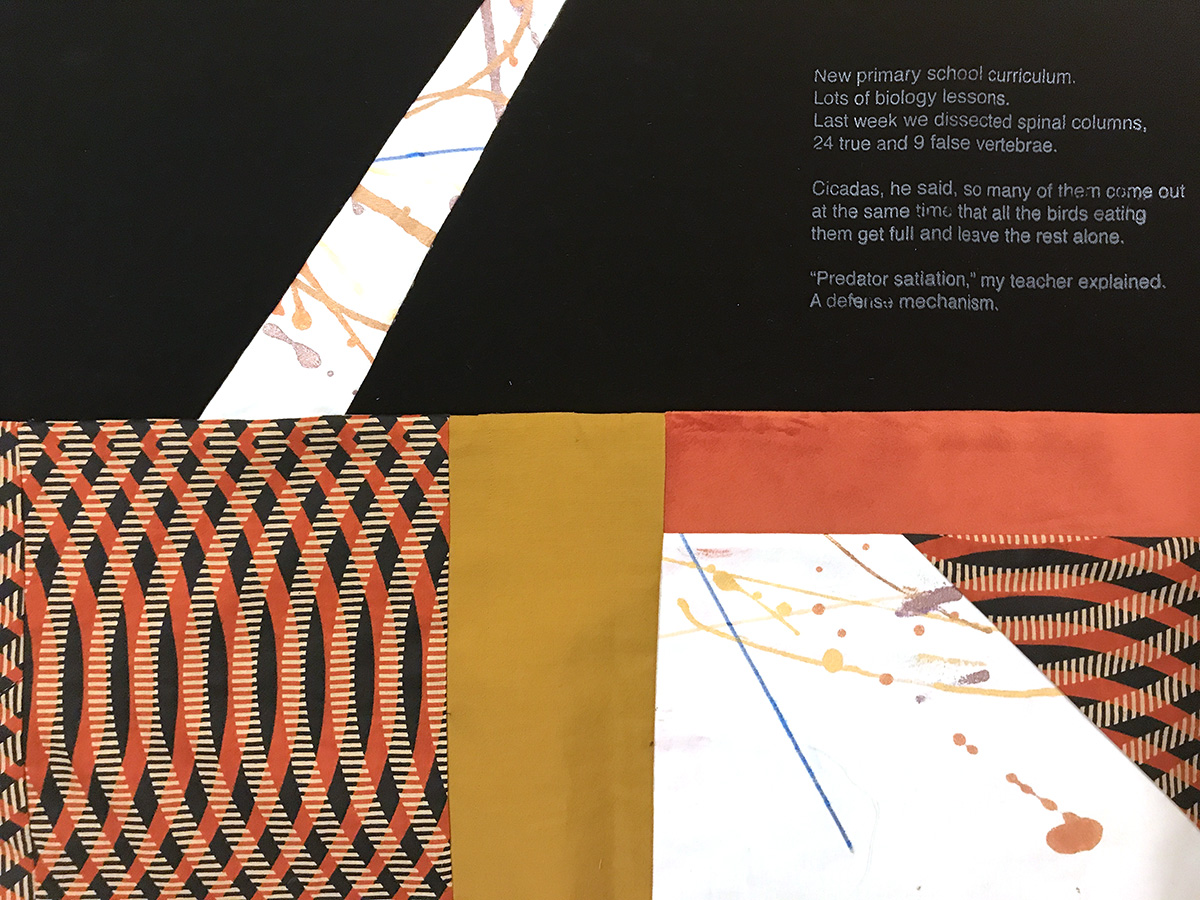
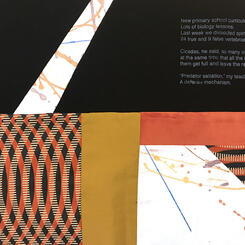
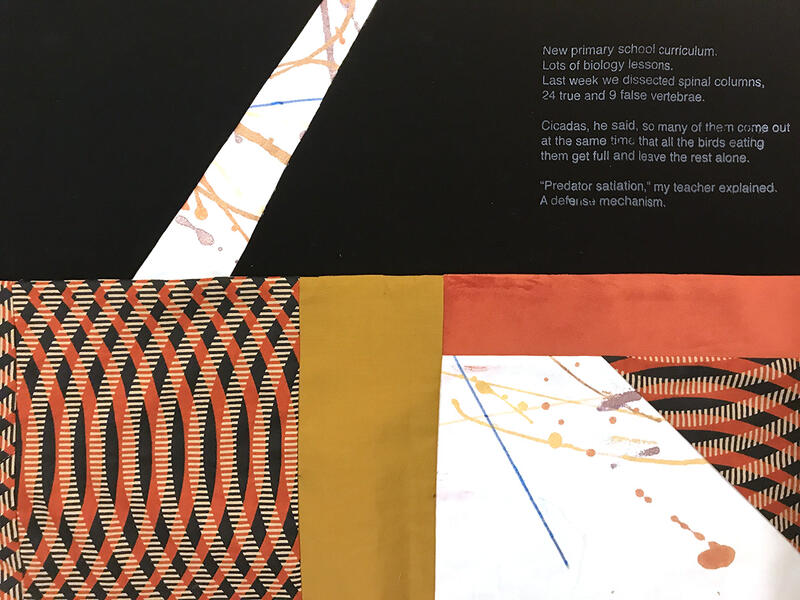 Primary LessonsNew primary school curriculum.
 -
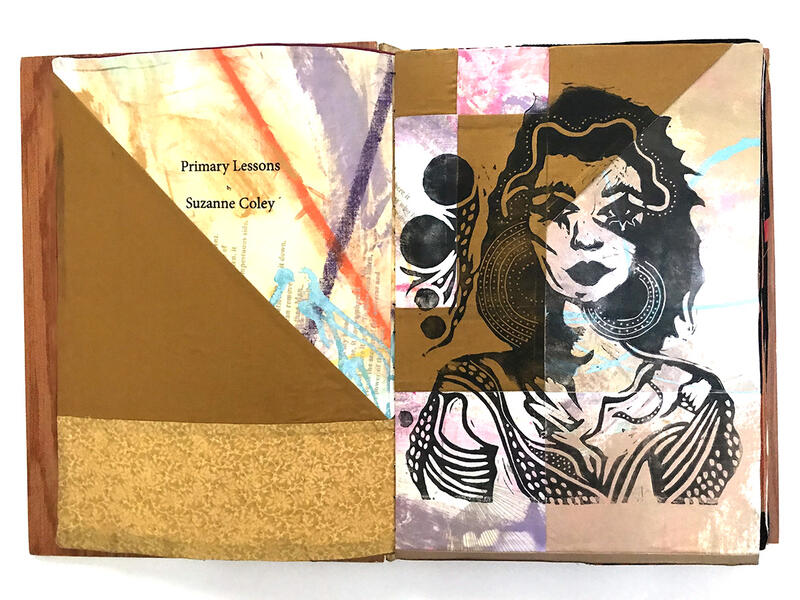 Primary Lessonsmixed media fiber art, 16.5 x 25.5 x 2 inches, 2017
 -
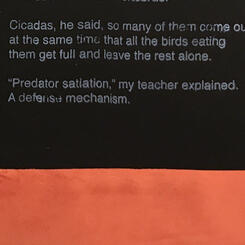
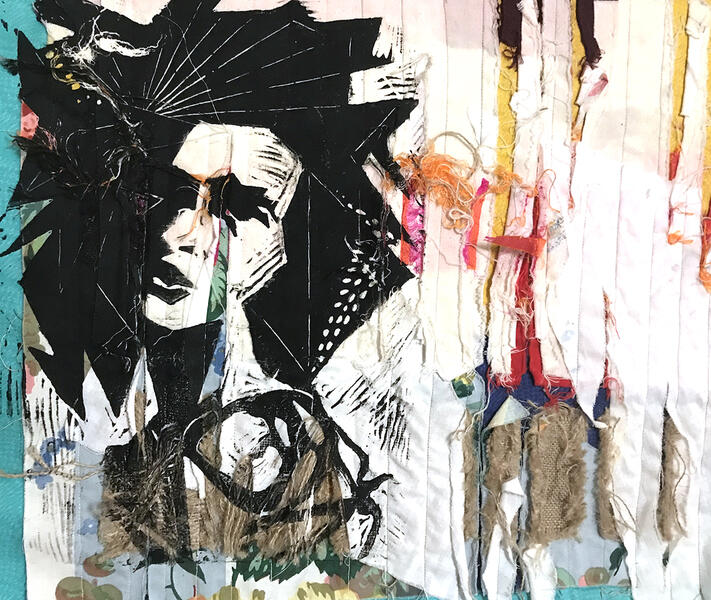 Torn but Not BrokenCicacadas, he said, so many of them come out at the same time that all the birds eating them get full and leave the rest alone.
 -
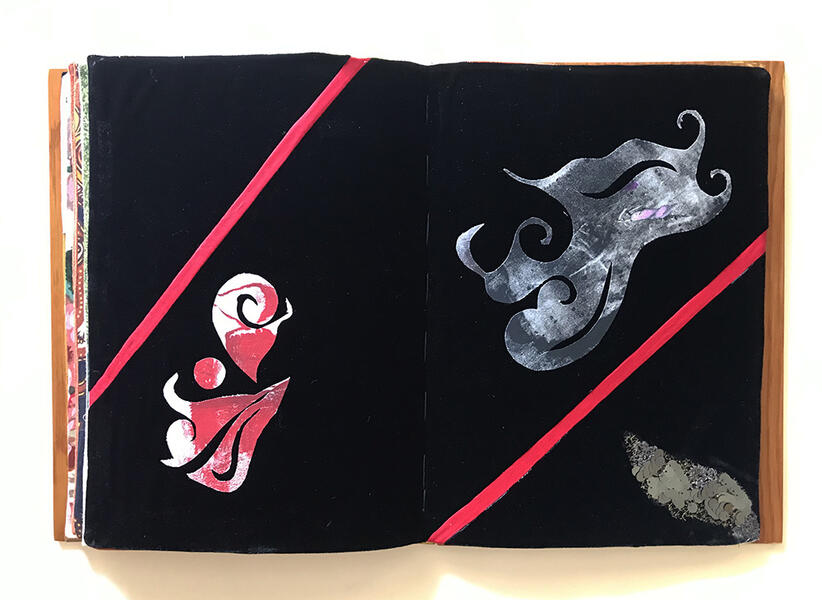 The ShootingThe shooting
 -
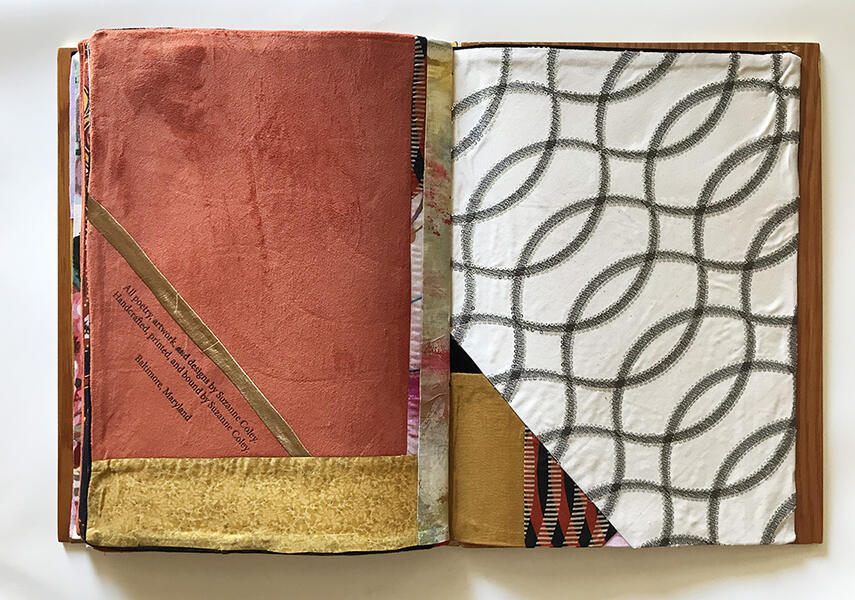 Play DeadBut all the guns shooting us never stopped. Play Dead.
 -
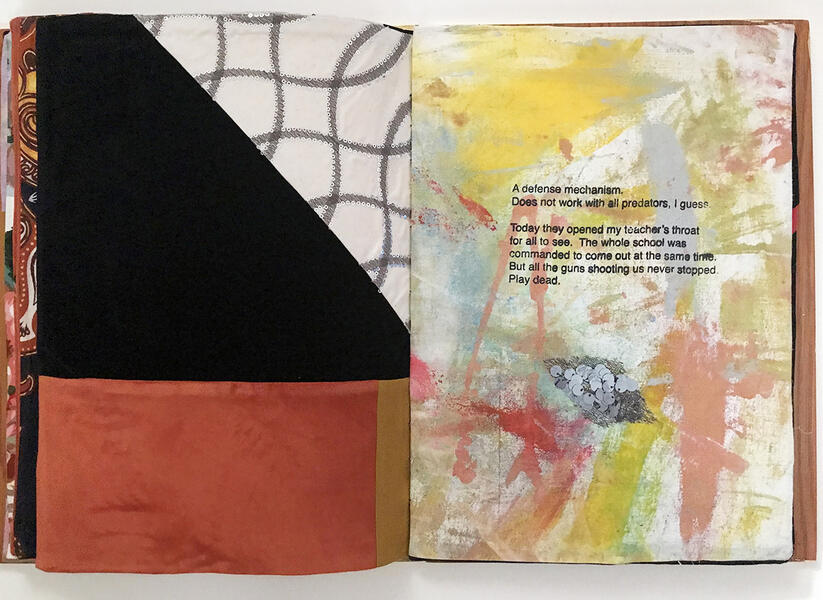 Defense MechanismA defense mechanism. Does not work with all predators, I guess.
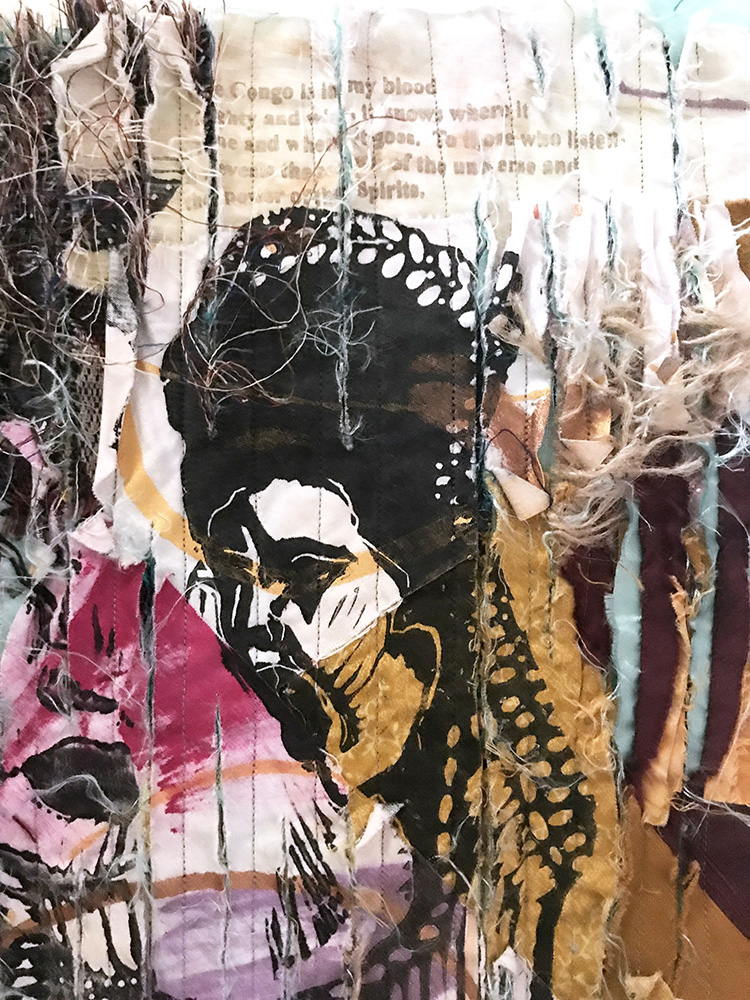
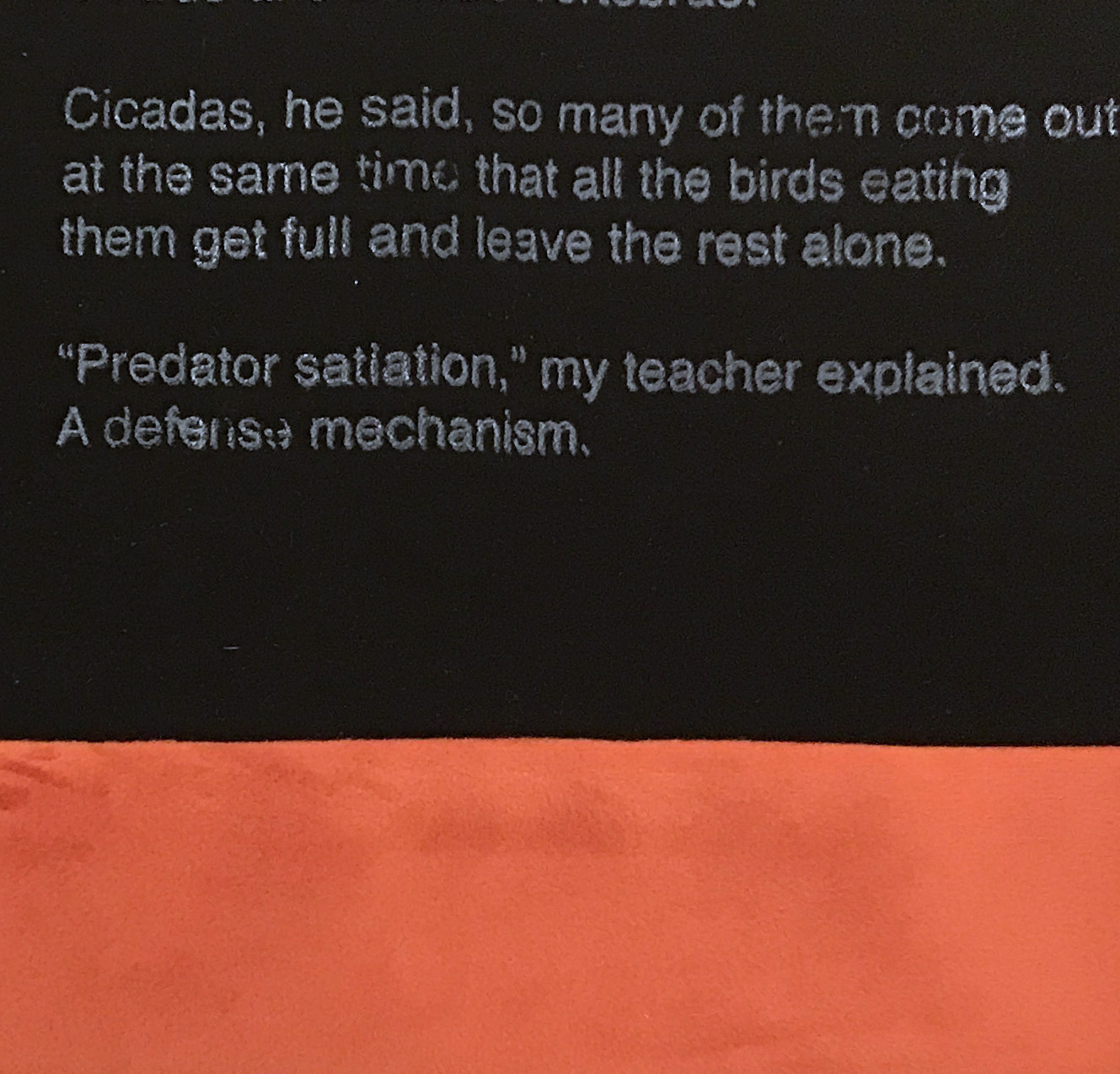
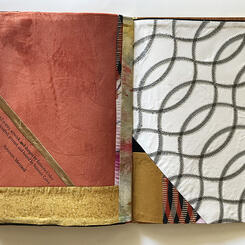
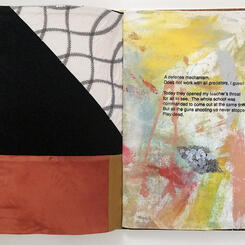
Burgundy Lives
-
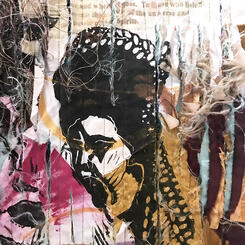
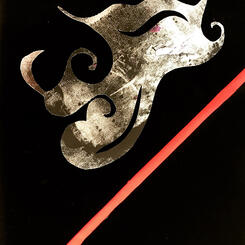
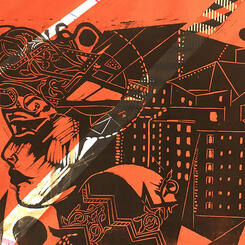
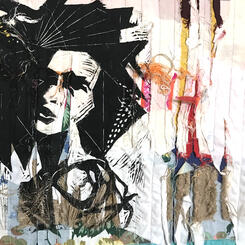
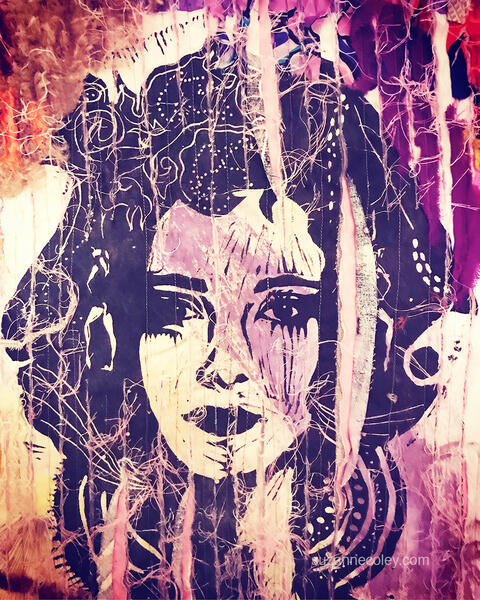 Torn But Not BrokenUnbound page, 22 x 24 inches, 2017
 -
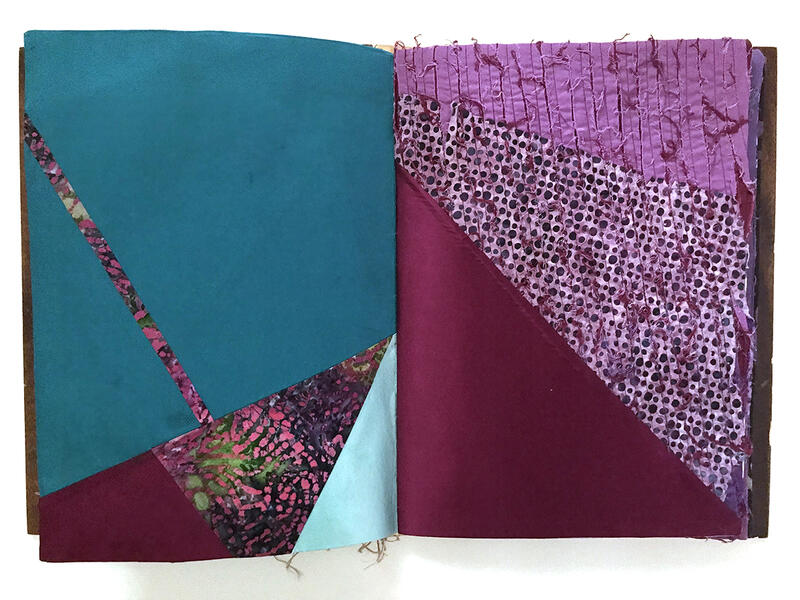 Silencemixed media fiber arts, 16.5 x 25.5 x 2 inches, 2017
 -
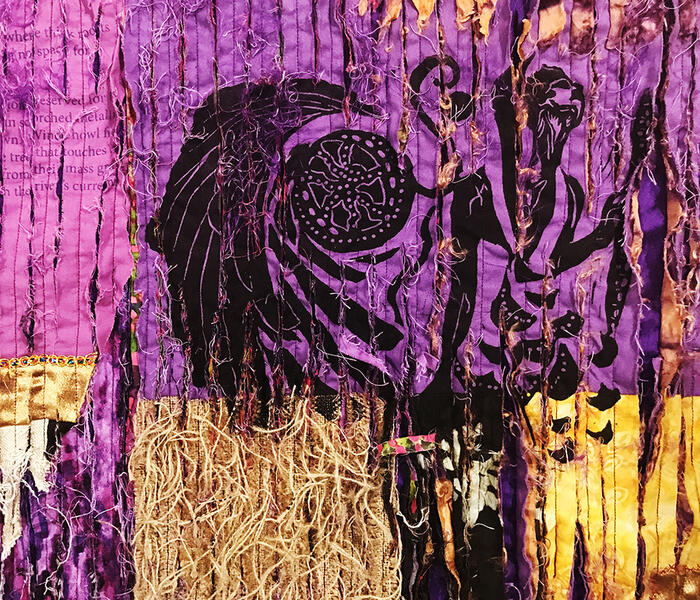 TreasuresStripping wombs of precious treasures
 -
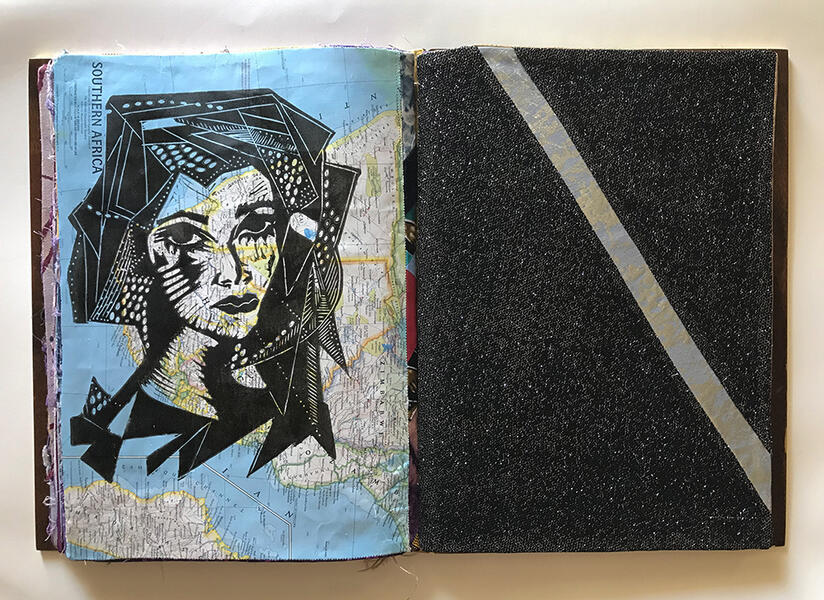 Treasure Mapshandmade textile book: mixed media fiber arts, 16.5 x 25.5 x 2 inches, 2017
 -
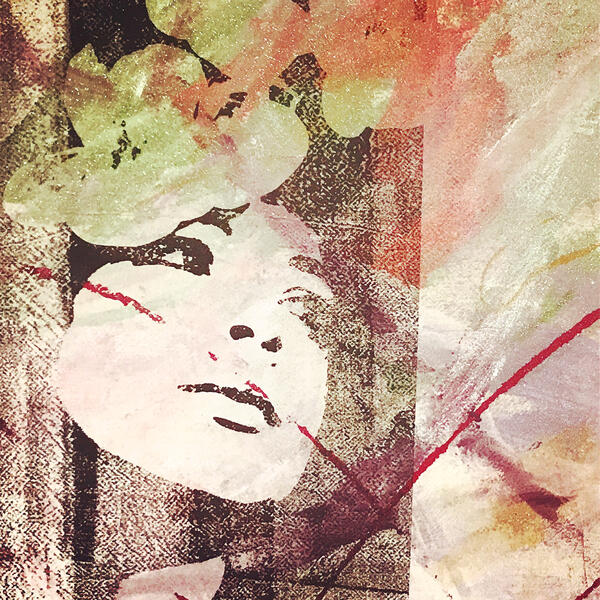 Green ParadiseGreen paradise hides truth
 -
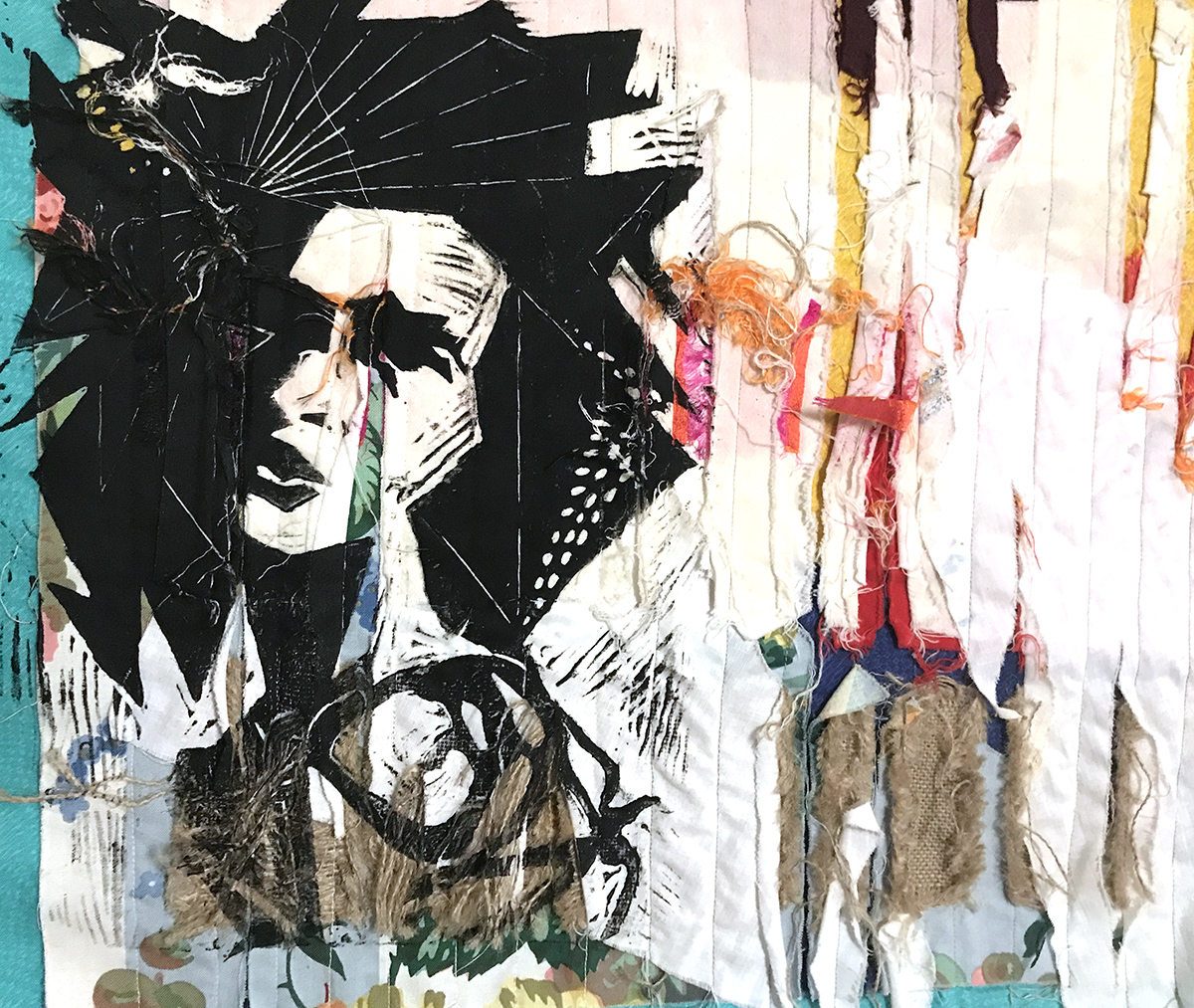
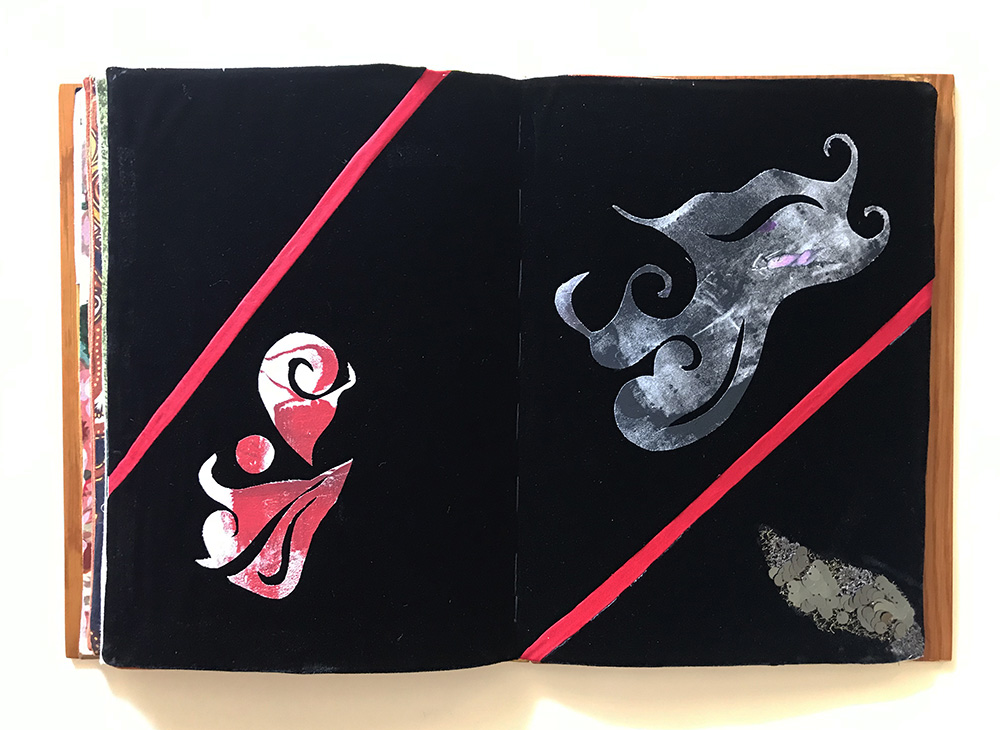
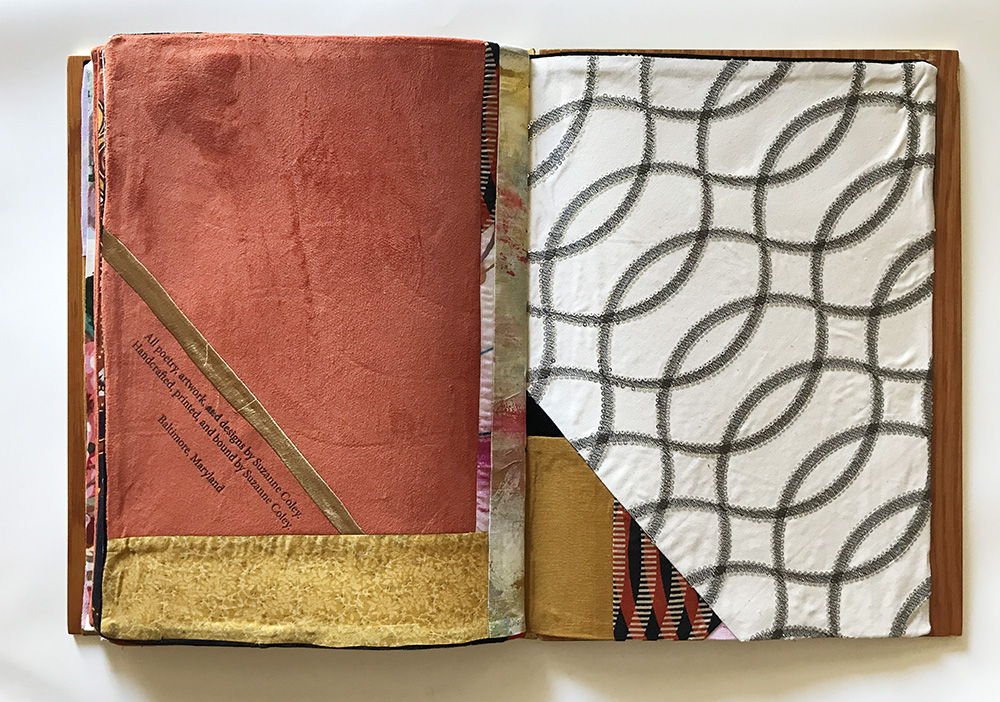
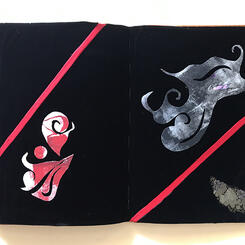
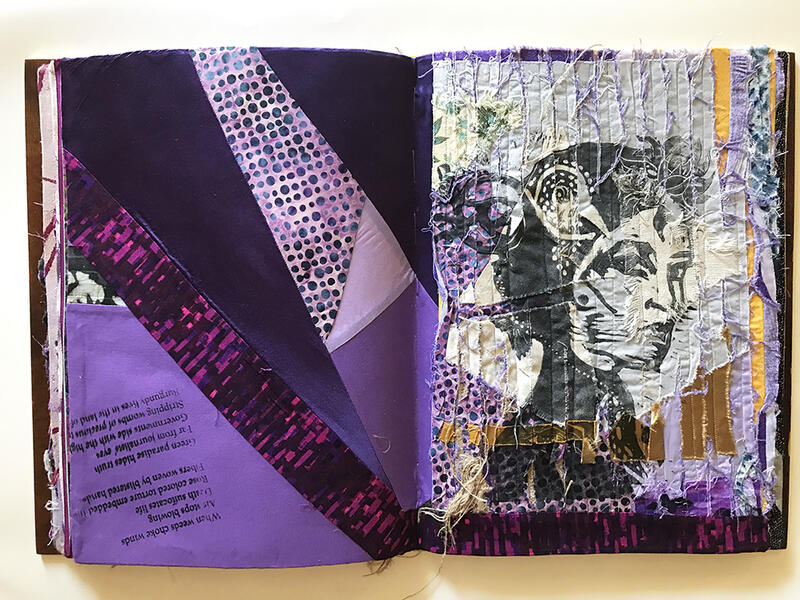 WatchingBurgundy lives in the land of green. Handmade textile book page.
 -
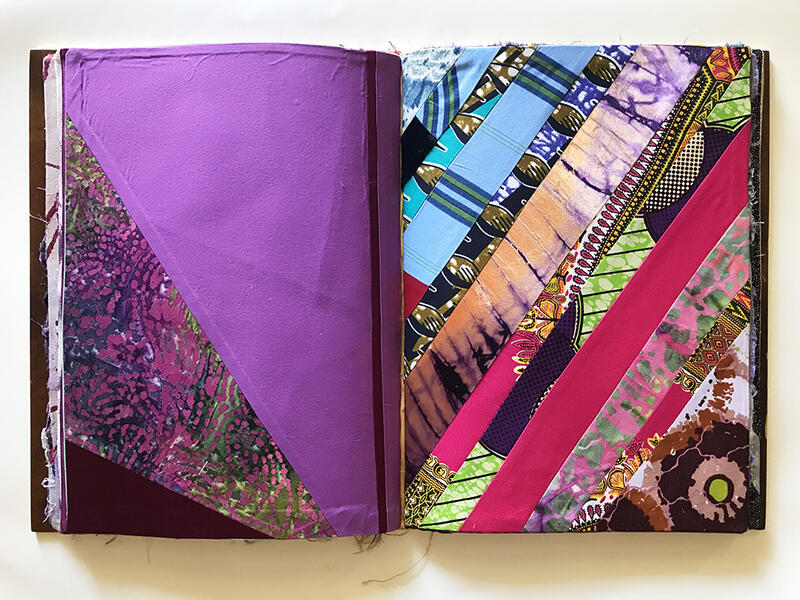 Mystical Beliefsmixed media fiber arts, 2017
 -
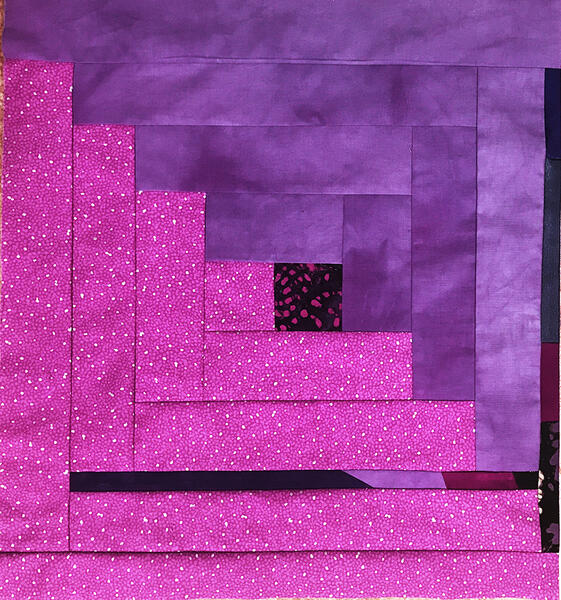 TornHandmade textile books
 -
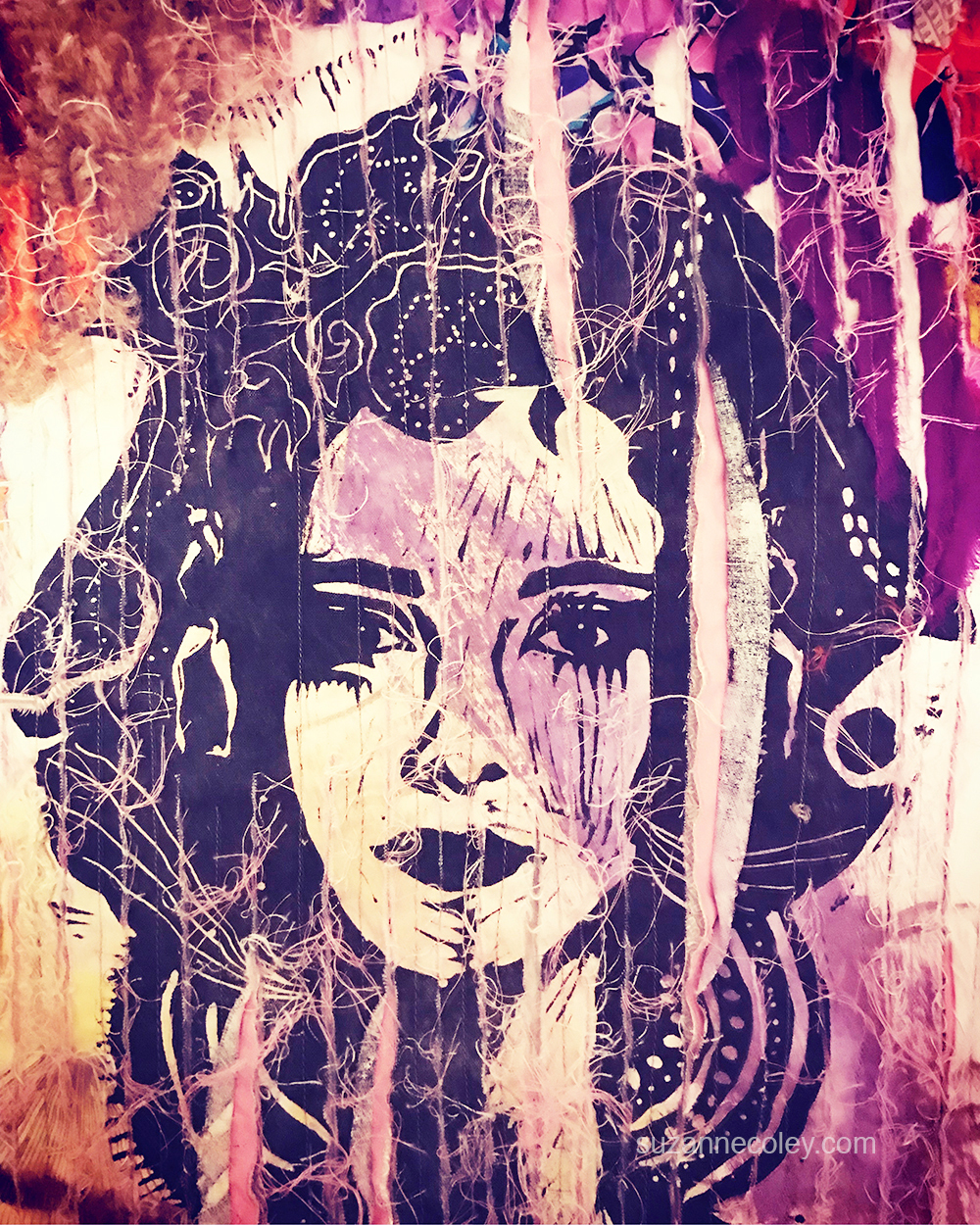
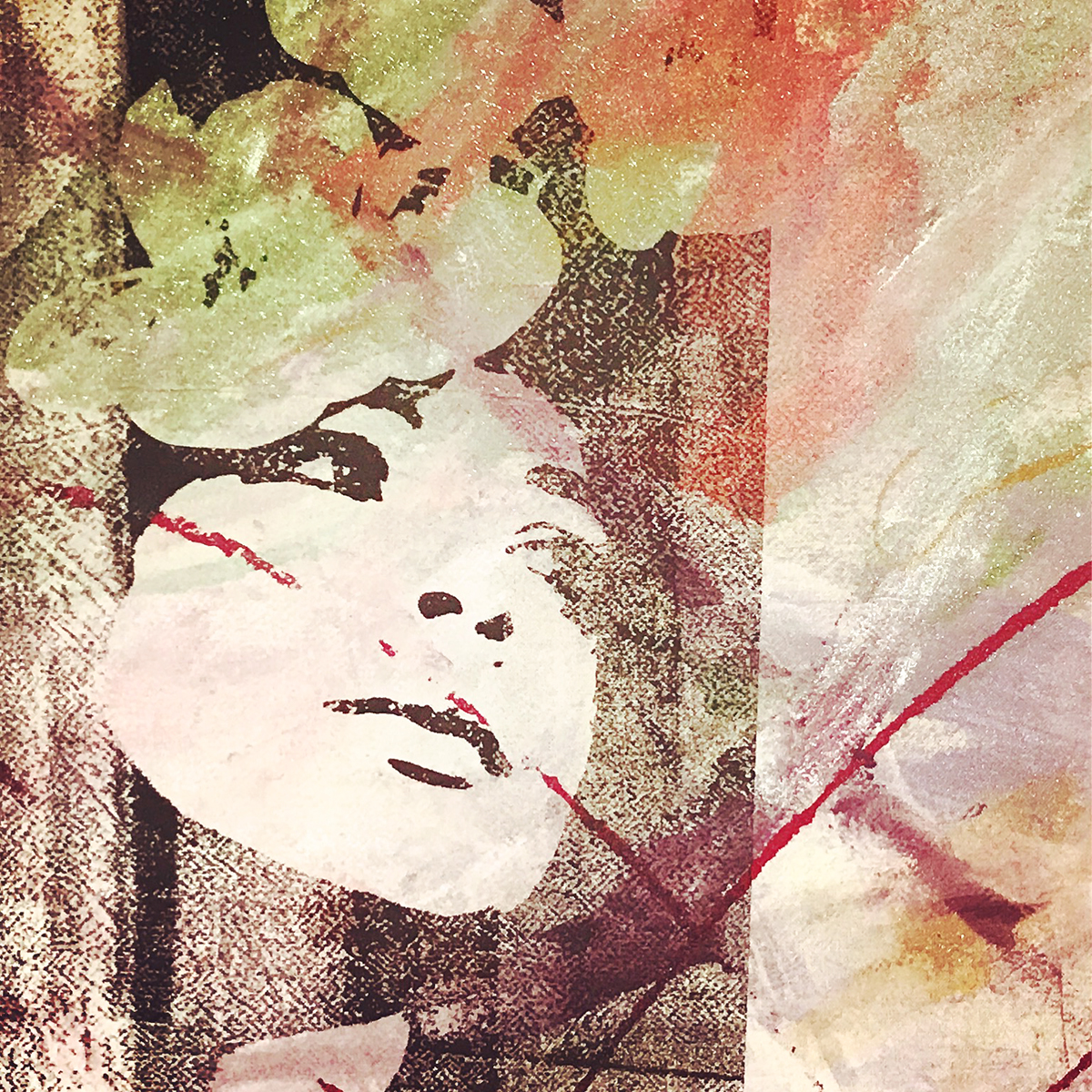
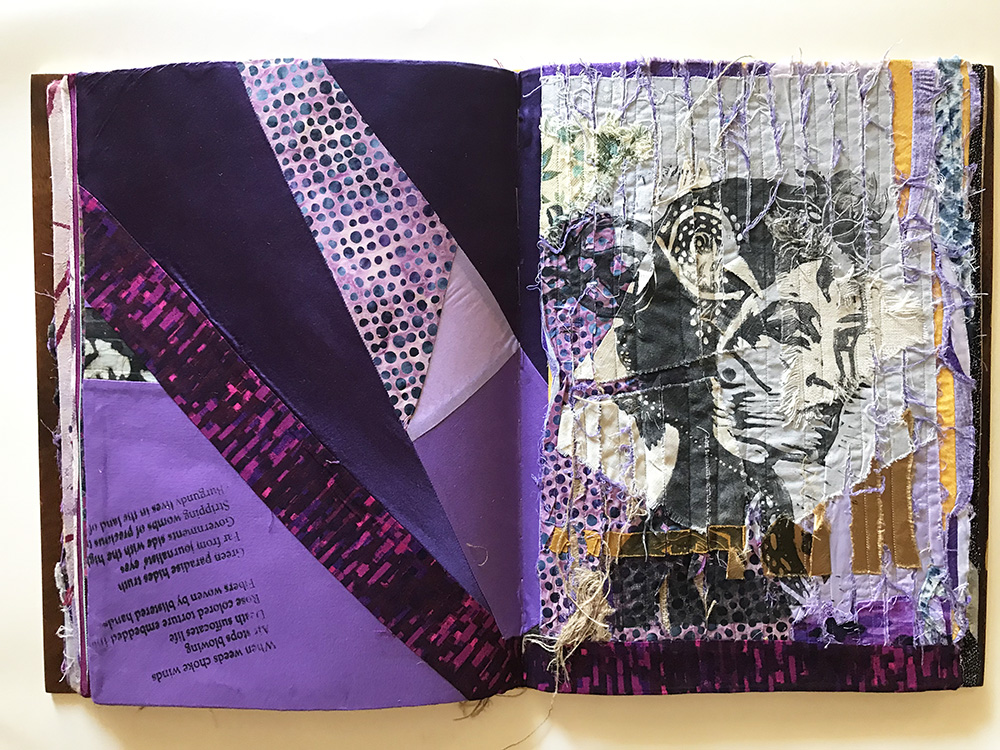
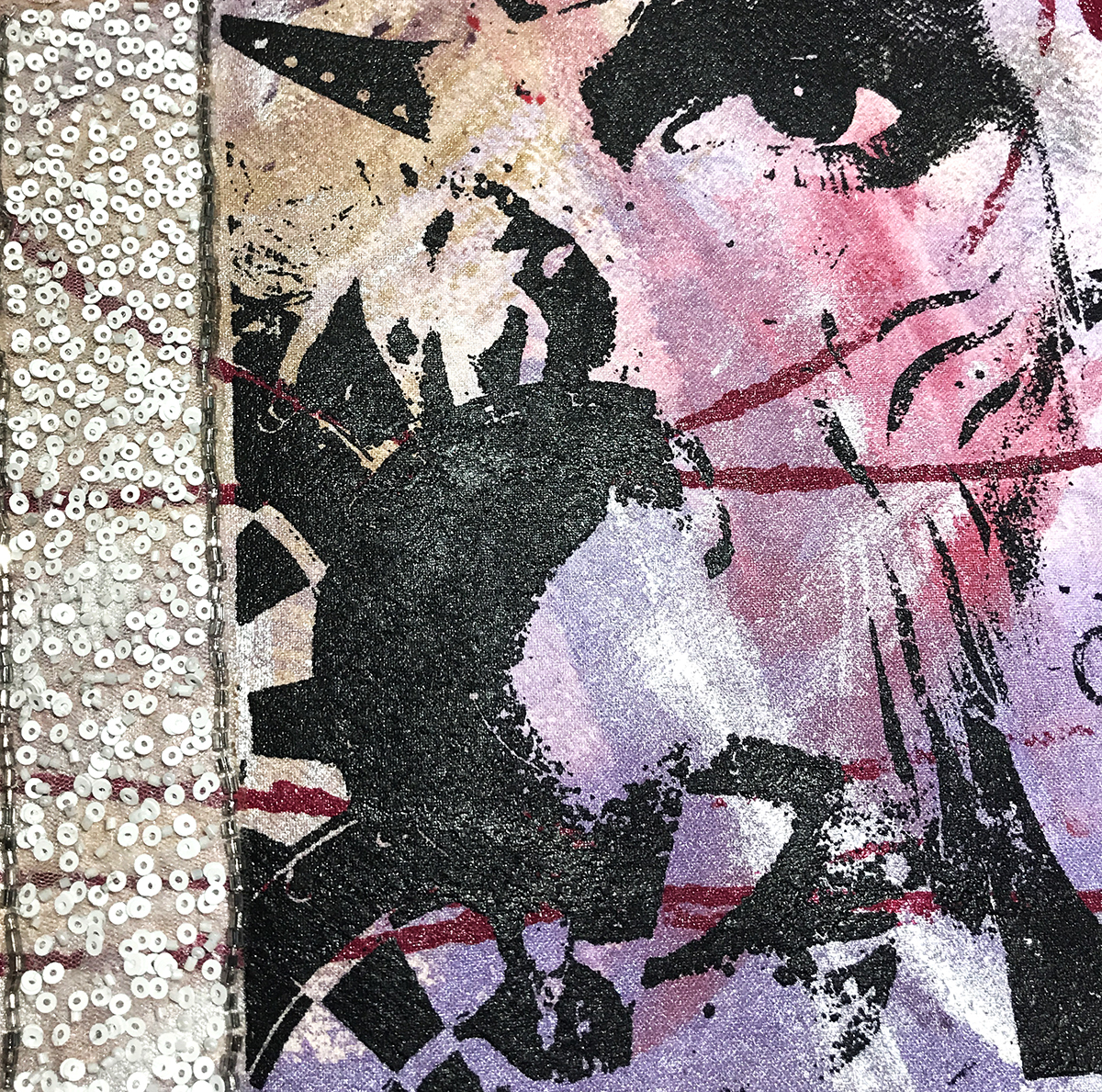
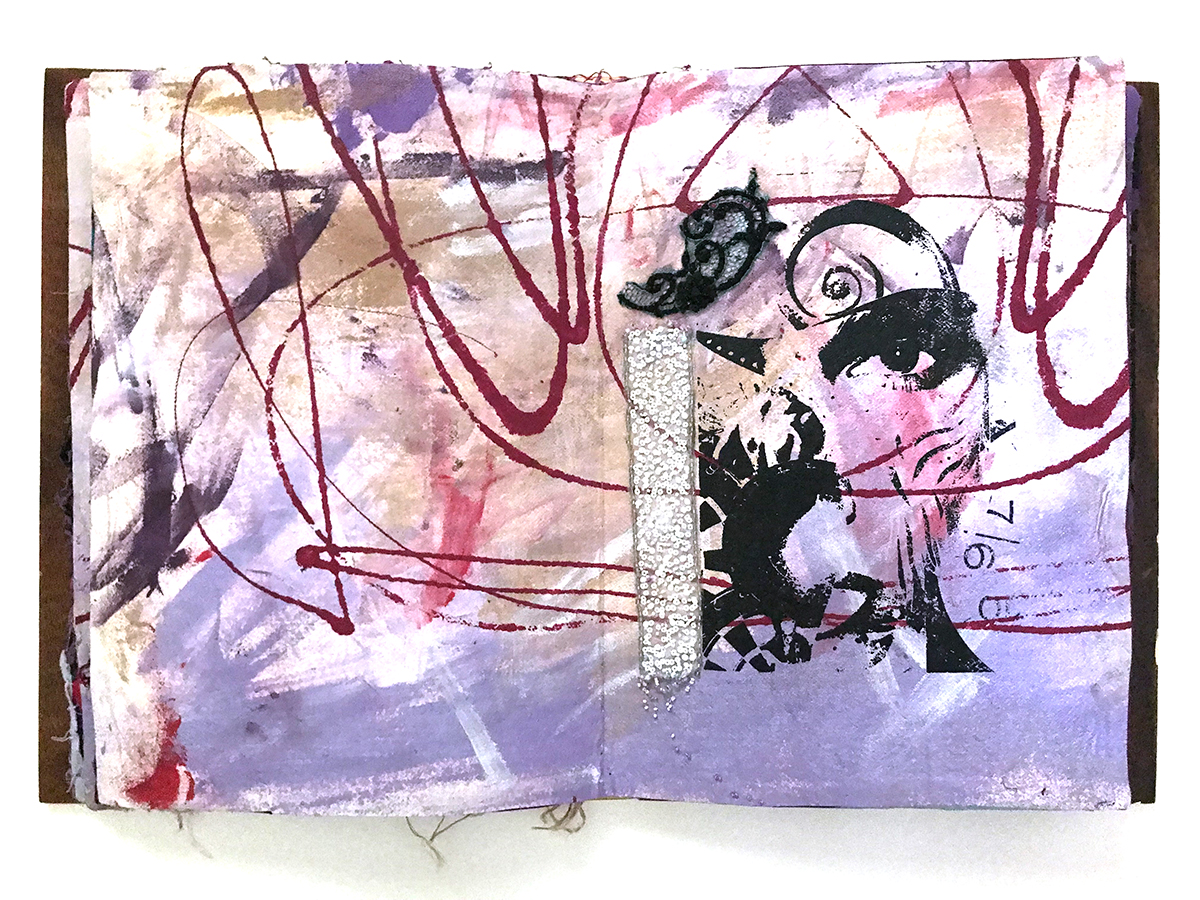
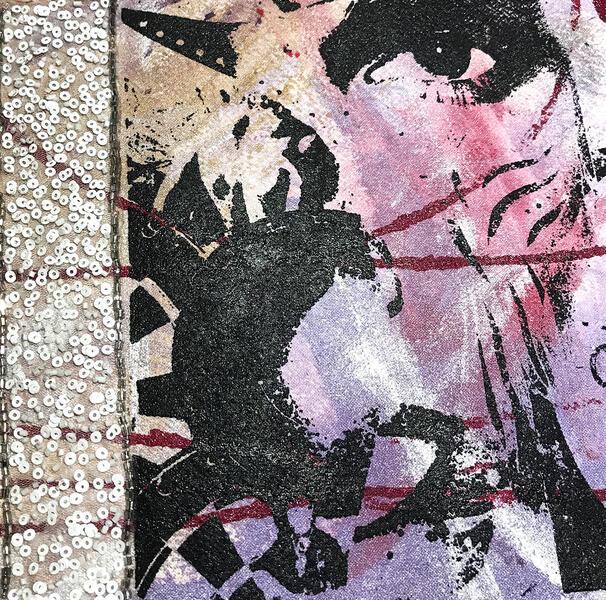 Far From, detailFar from journalists' eyes
 -
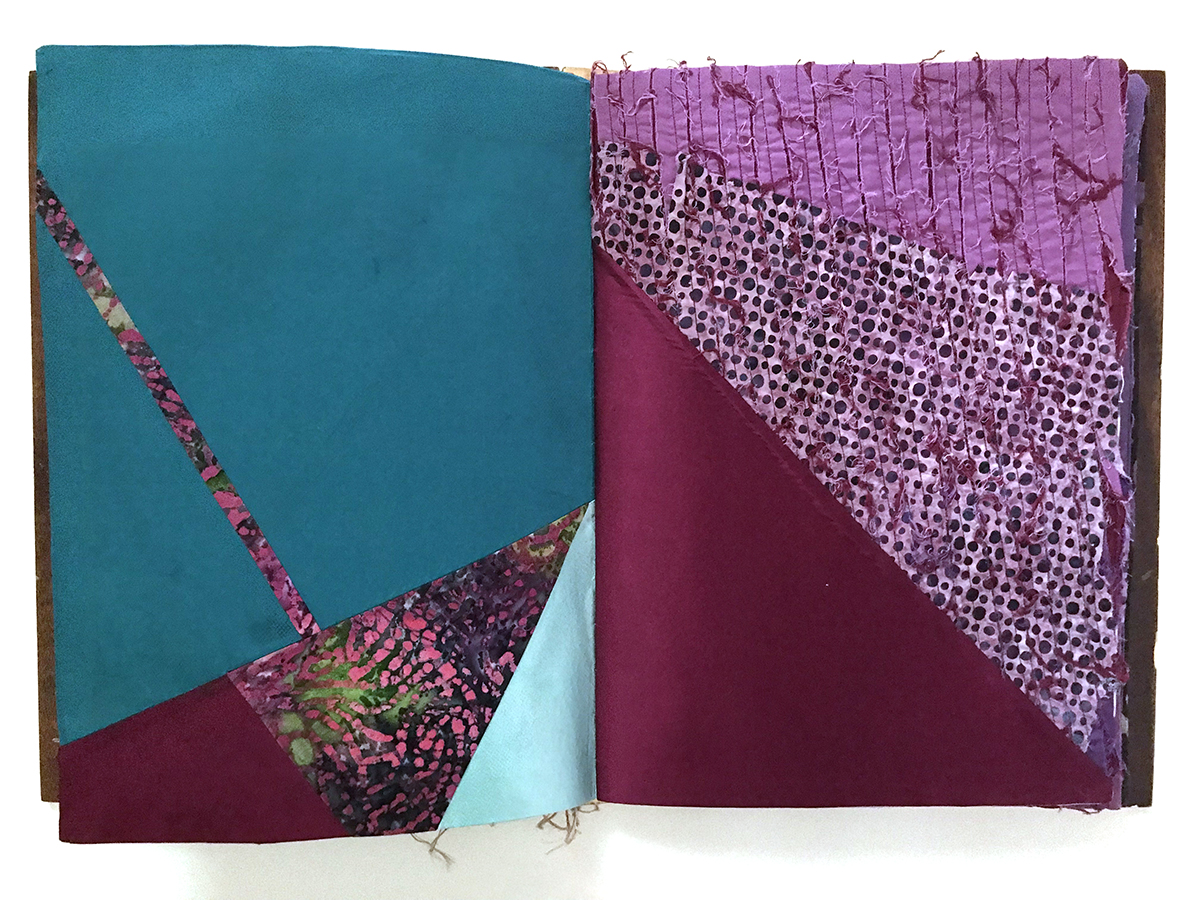
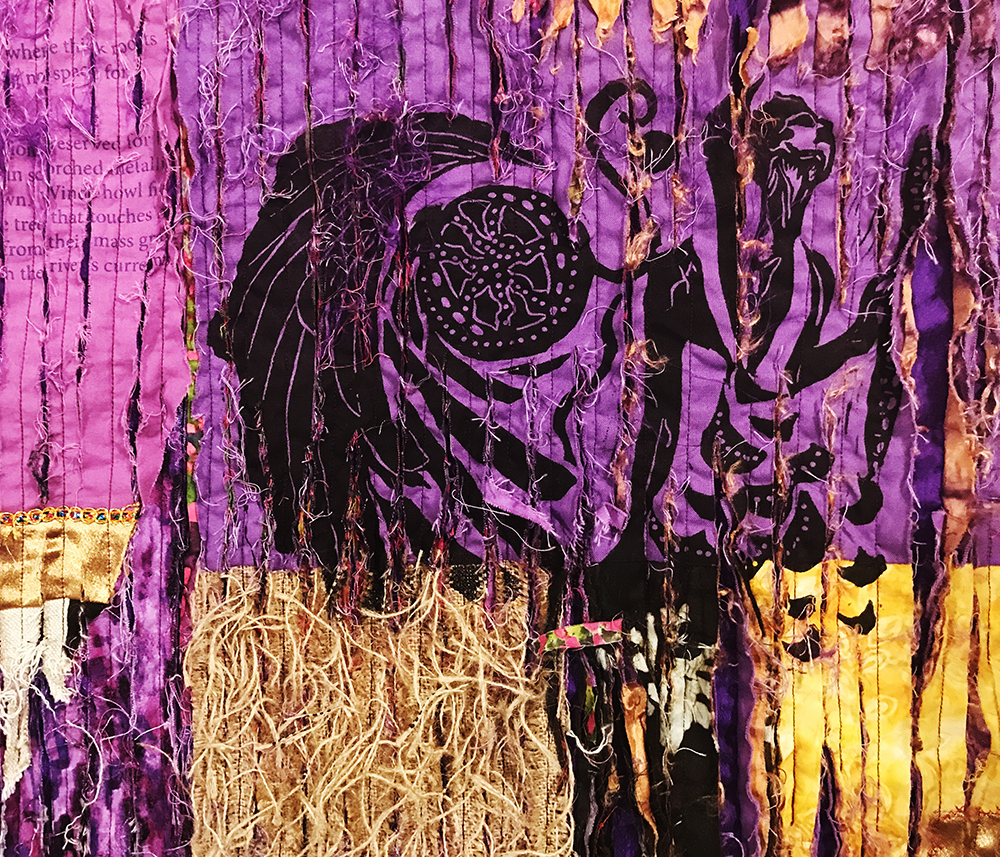
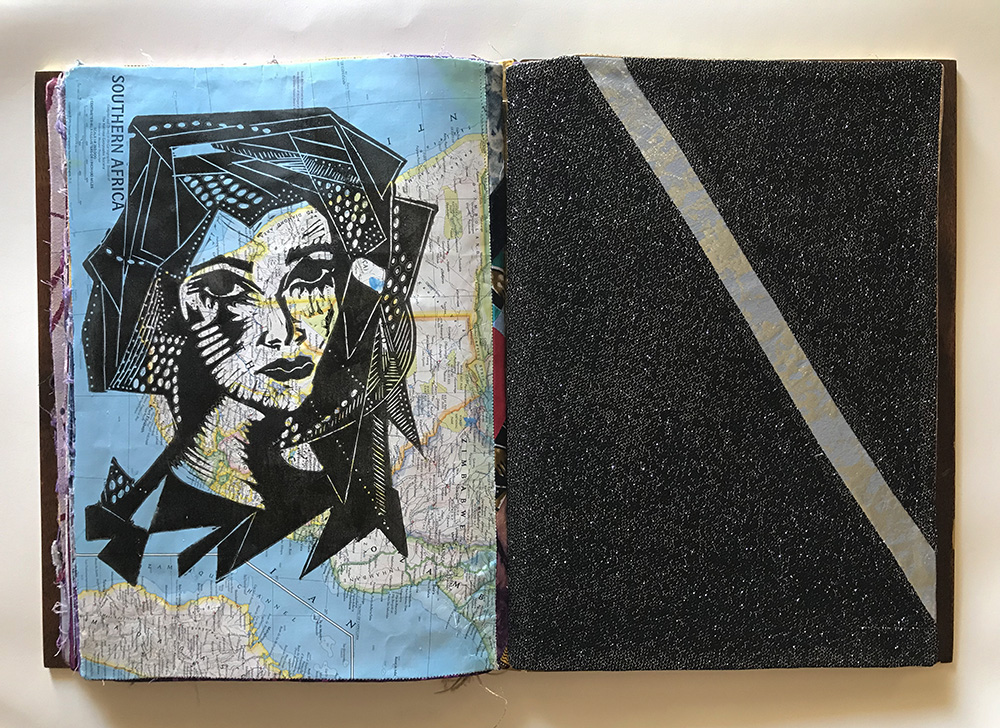
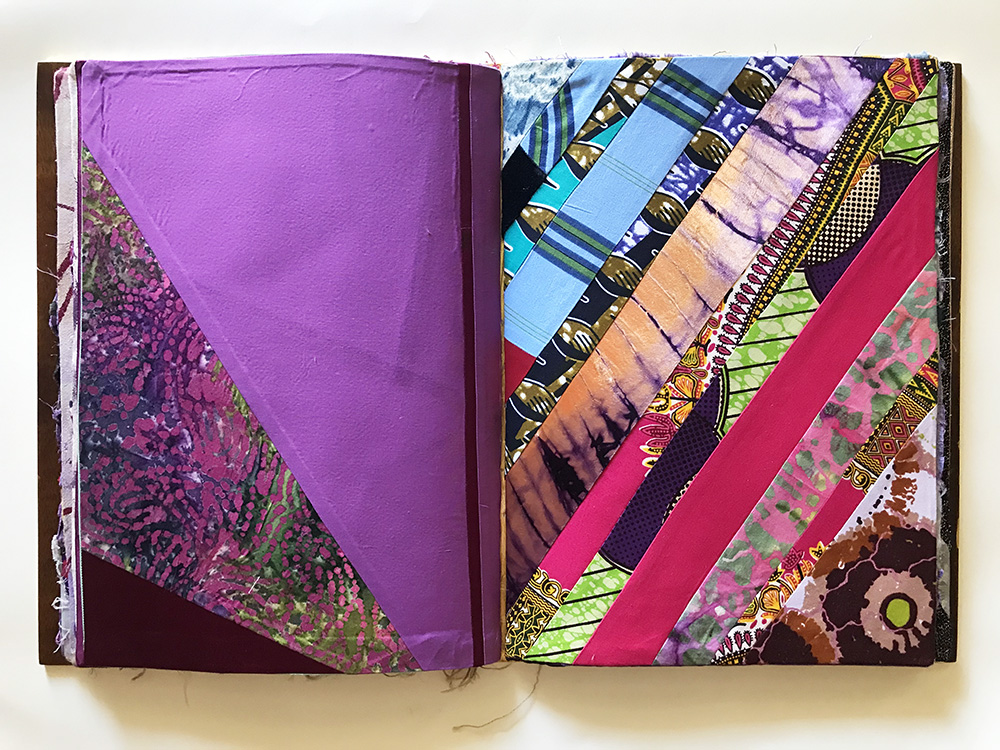
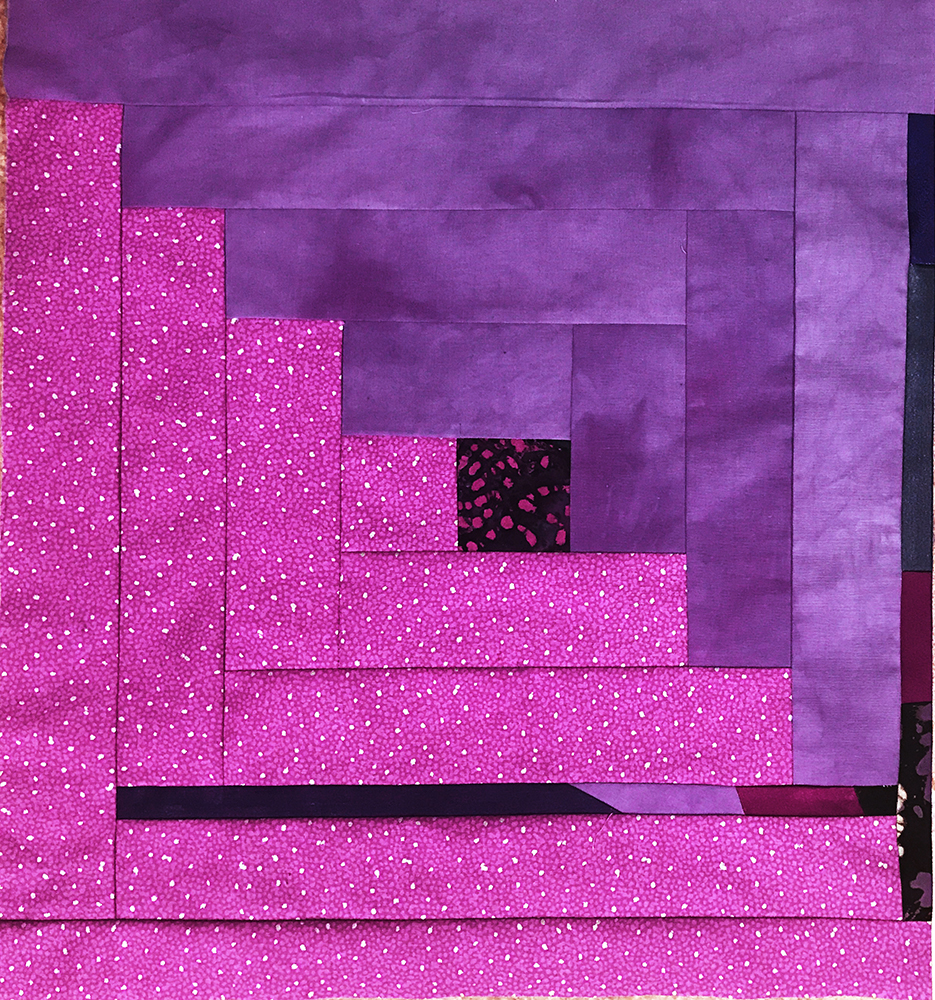
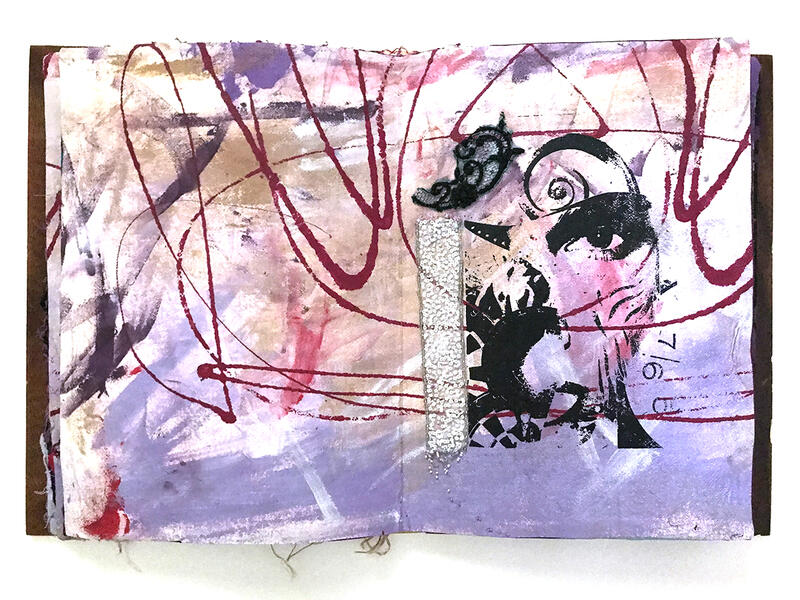 Far Frommixed media fiber arts with hand embroidery, 16.5 x 25.5 x 2 inches, 2017
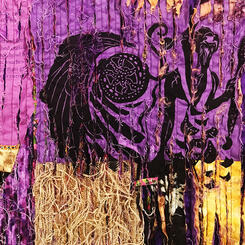
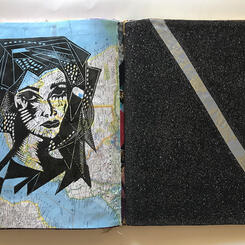
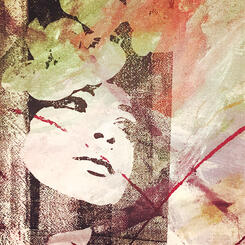
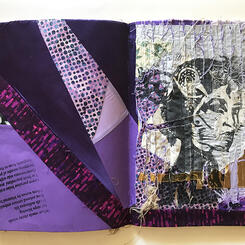
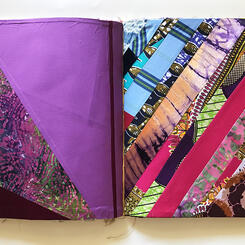
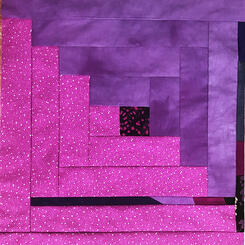
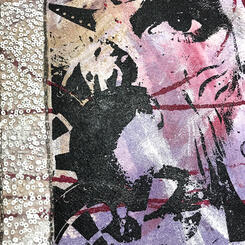
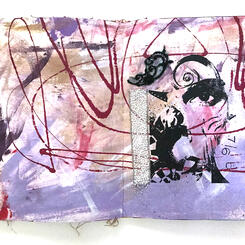
See Us
-
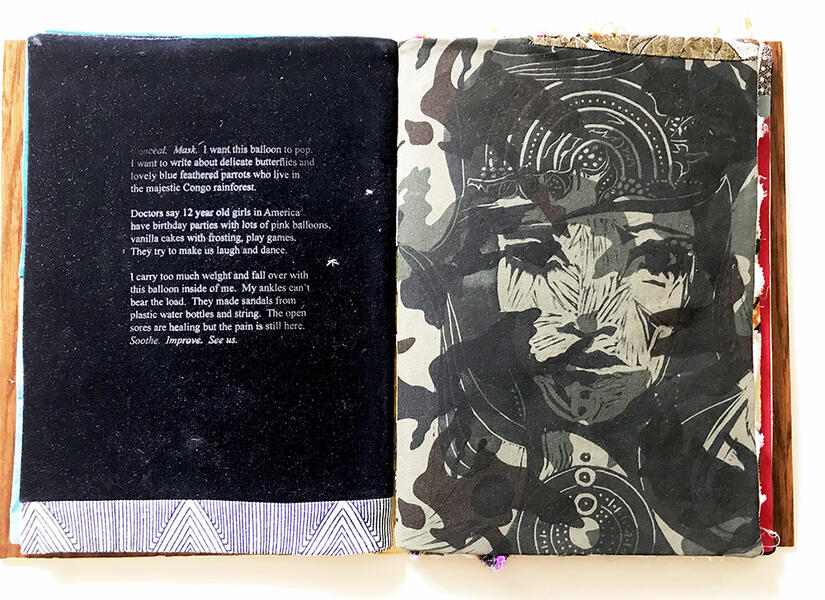
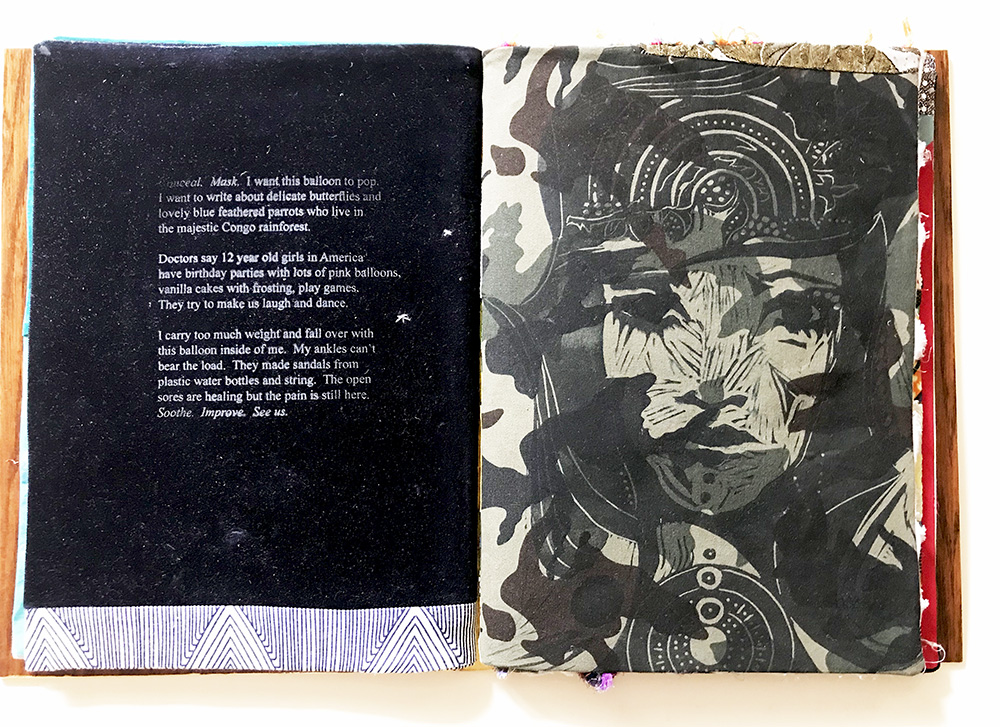
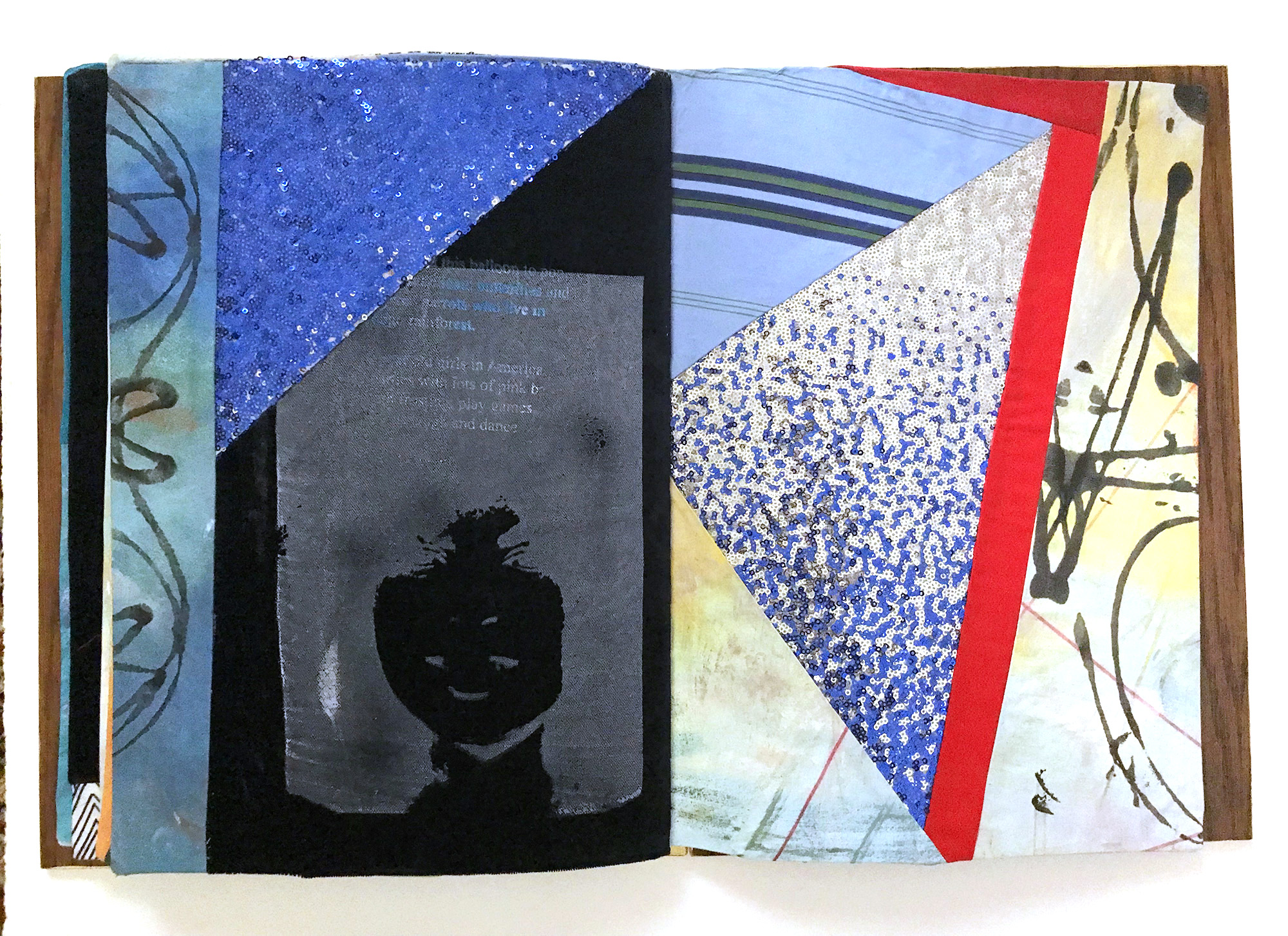
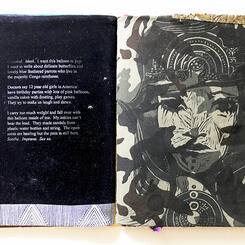
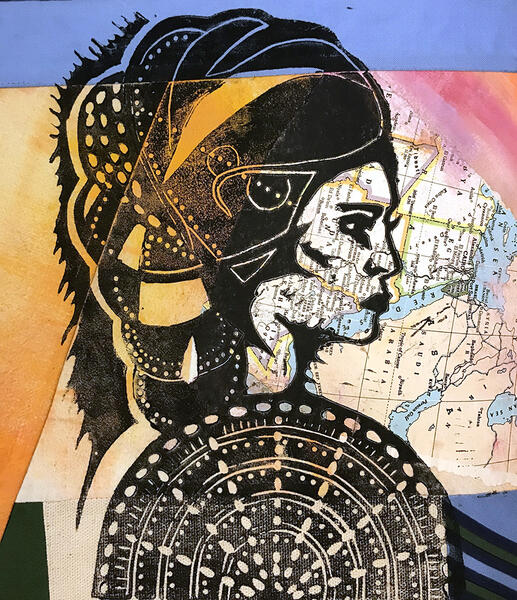 AssuageDoctors say 12 year old girls in America have birthday parties with lots of pink balloons . . .
 -
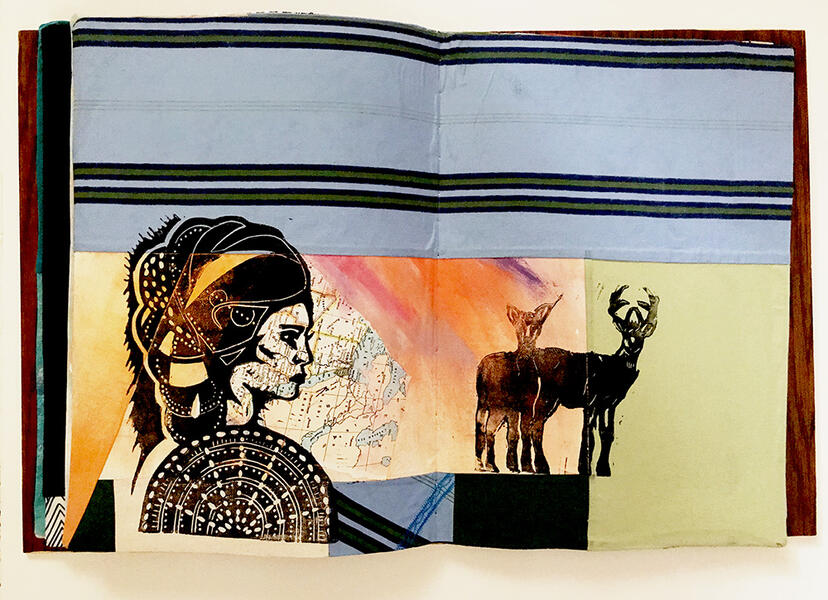 AssuageThey try to make us laugh and dance. mixed meida fiber arts, 16.5 x 25.5 x 2 inches, 2017
 -
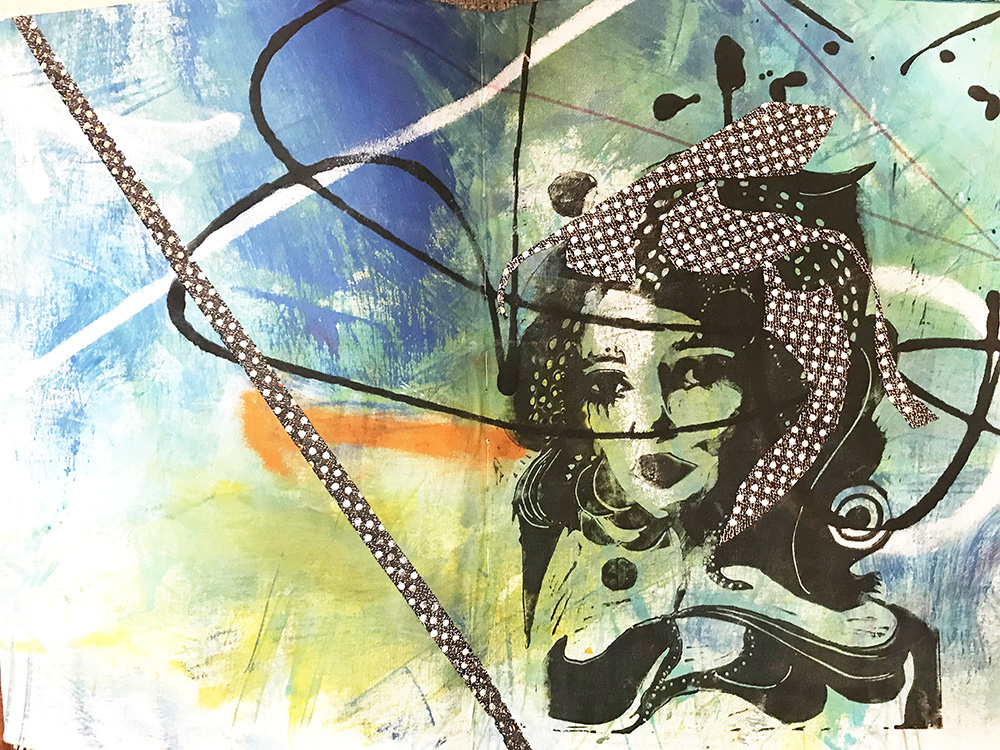
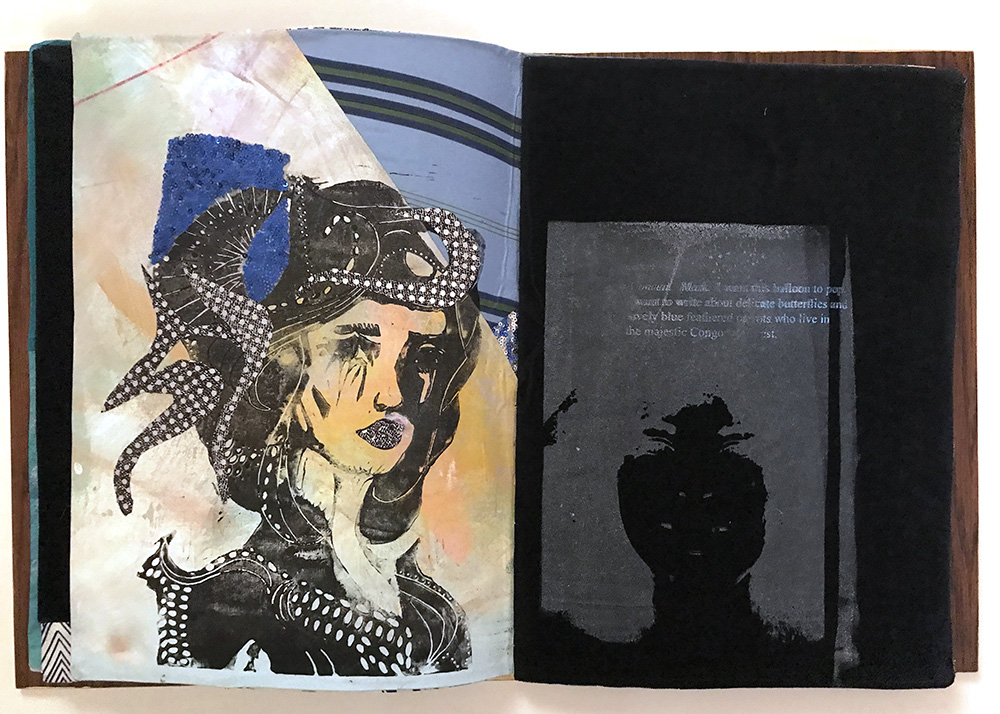
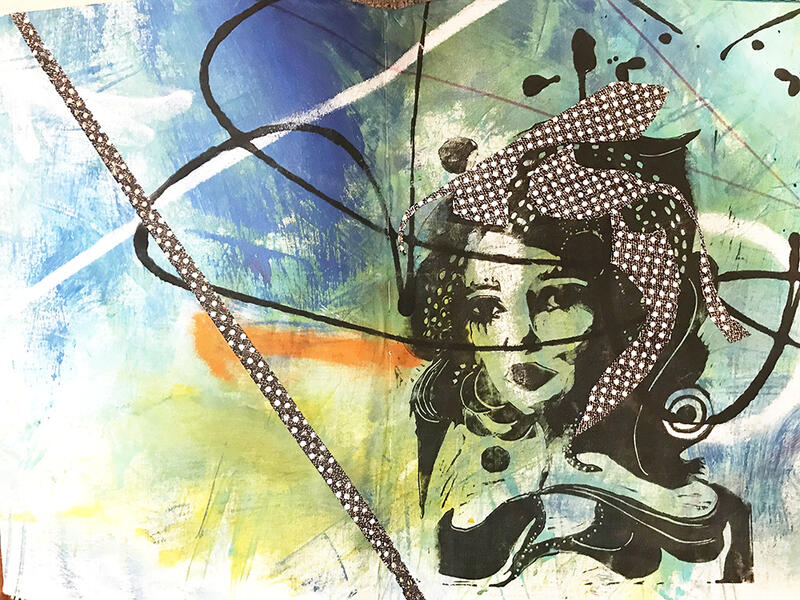 Crossing Barbed Wire BordersI want to write about delicate butterflies.
 -
 Crossing Barbed Wire BordersI want to write about lovely blue feathered parrots who live in the majestic Congo rainforest.
 -
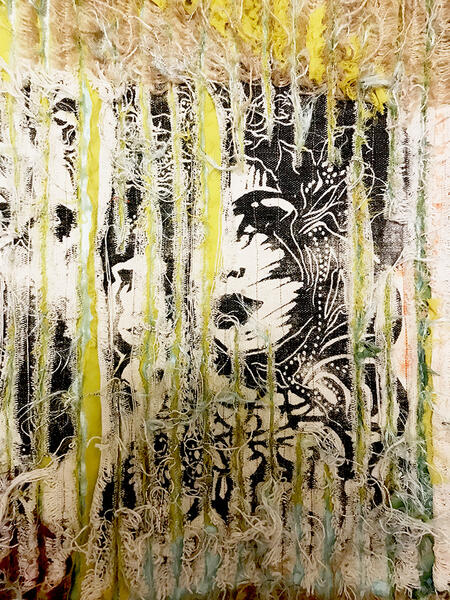 Promethean BoundThe open sores are healing but the pain is still here.
 -
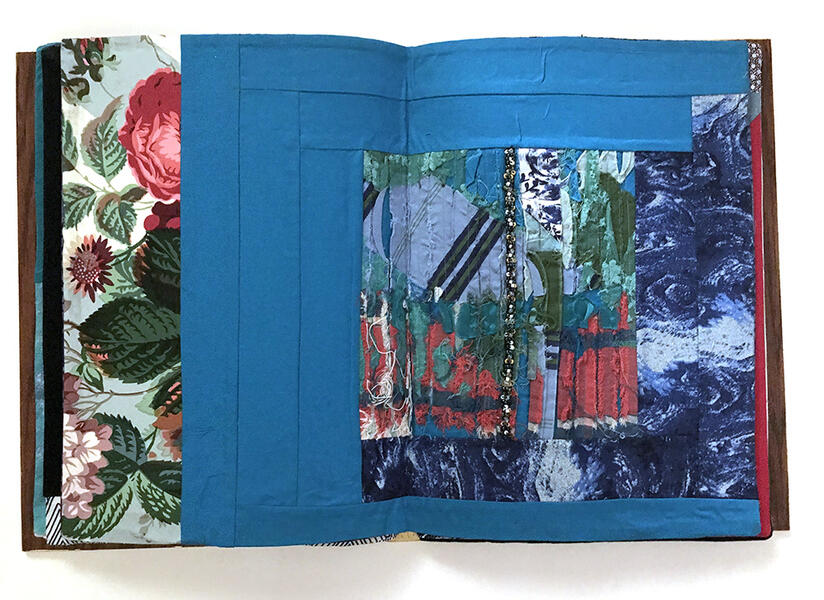 I CarryI carry too much weight and fall over with this balloon inside of me.
 -
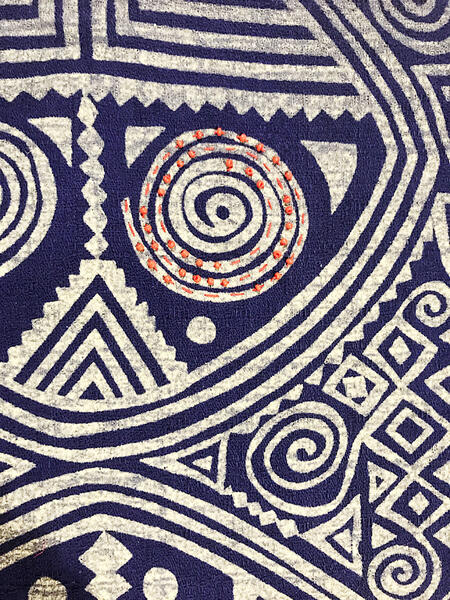 MaskMy ankles can't bear the load. They made sandals from plastic water bottles and string.
 -
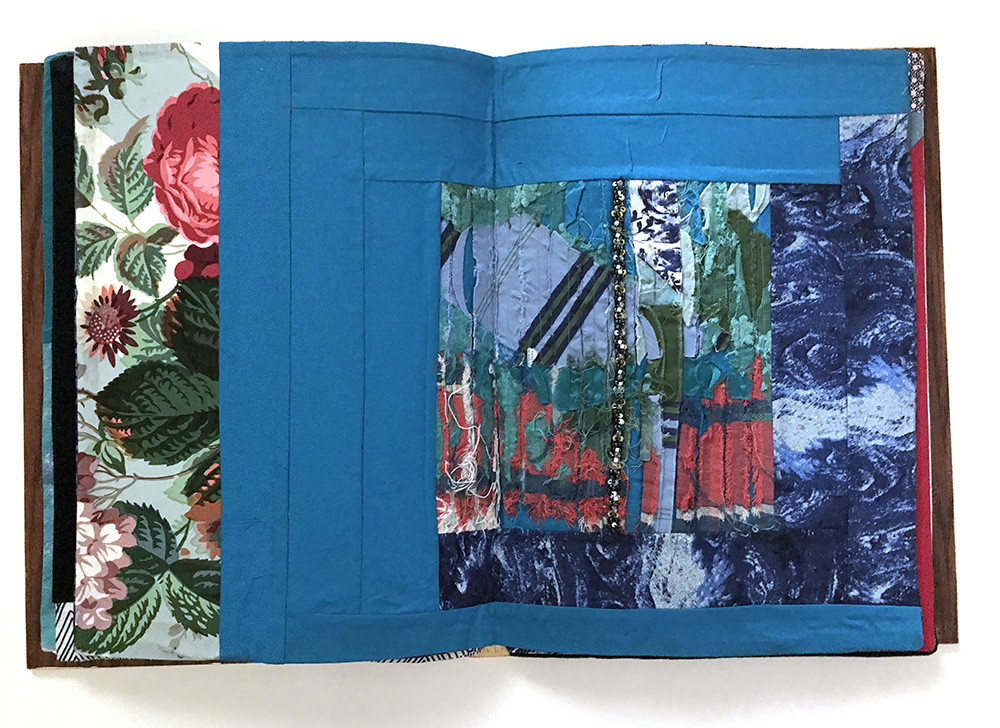
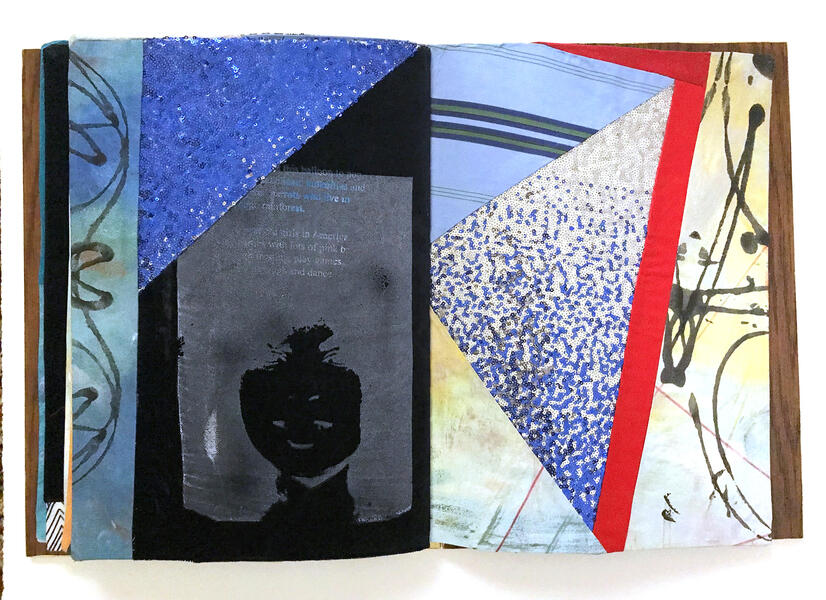 See Us, Soothemixed media fiber arts, 16.5 x 25.5 x 2 inches, 2017
 -
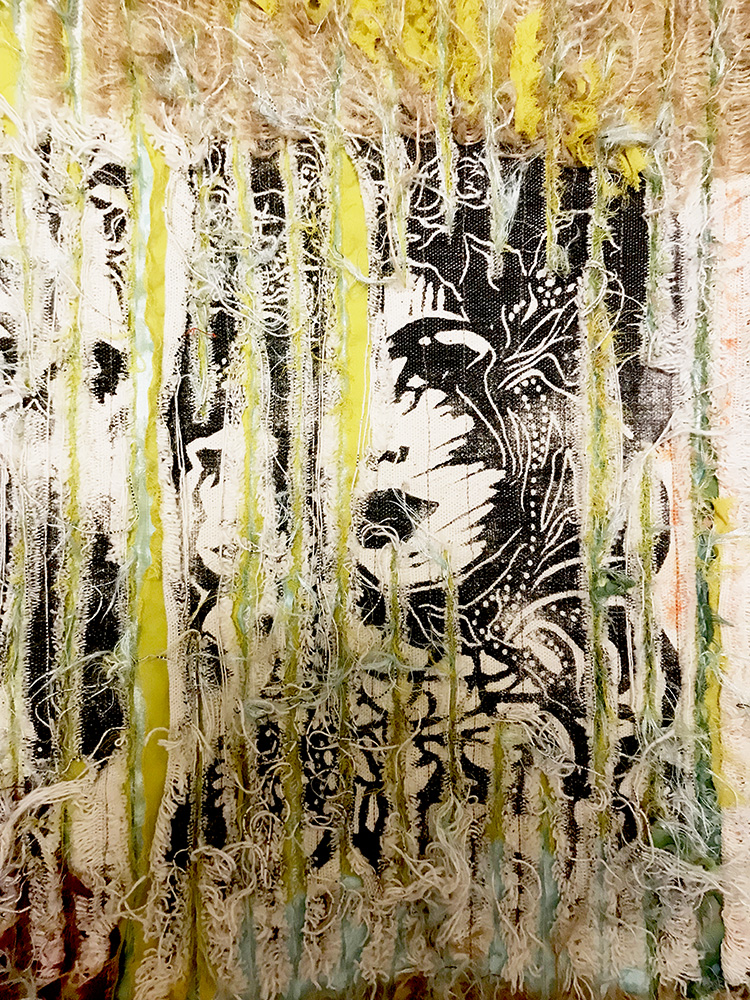
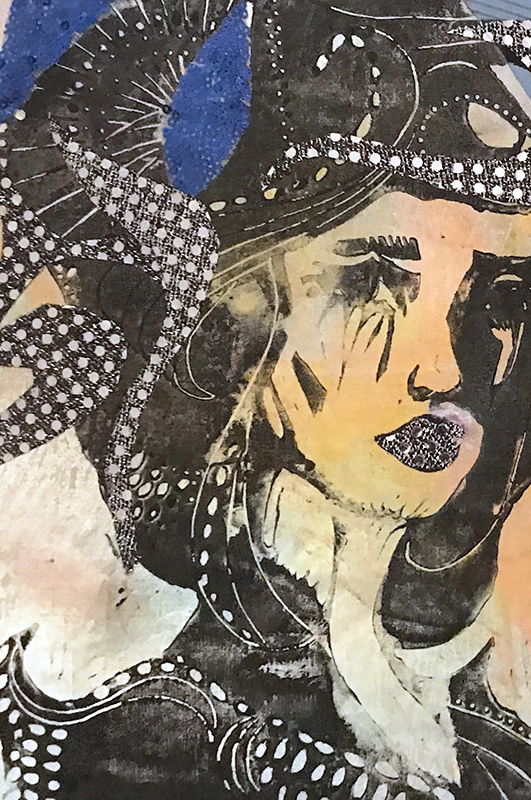
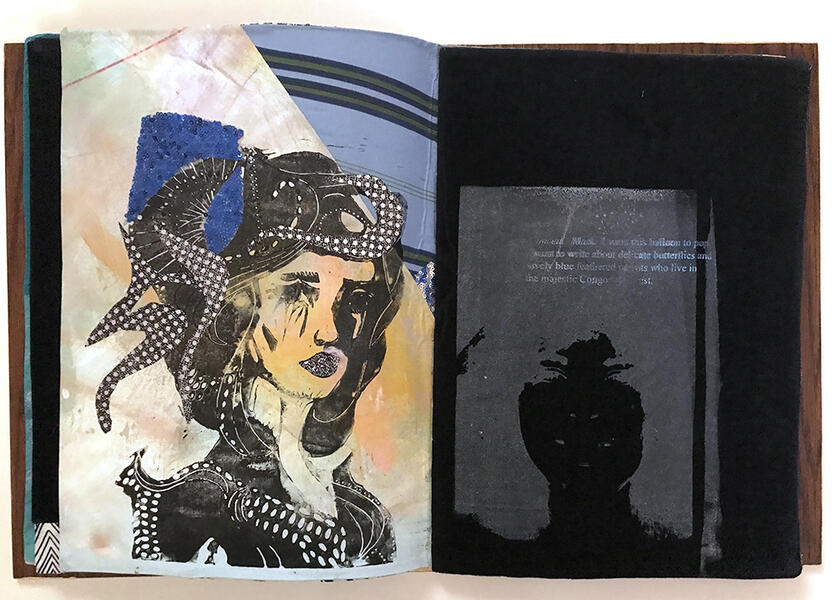 Blue Feathered ParrotsI want to write about delicate butterflies and lovely blue feathered parrots who live in the majestic Congo rainforest.
 -
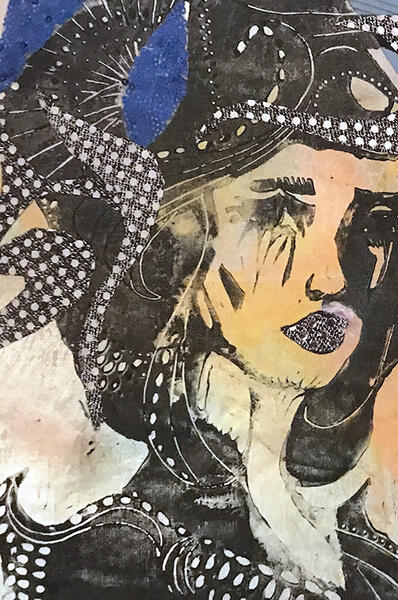 Blue Feathered Parrots, detailI want to write about delicate butterflies and lovely blue feathered parrots . . .

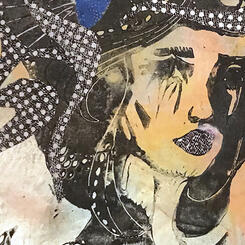
Asymmetrical Zeal
-
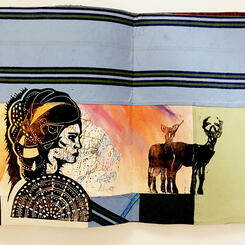
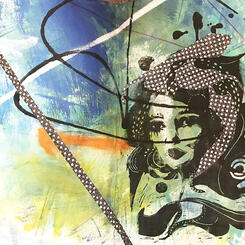
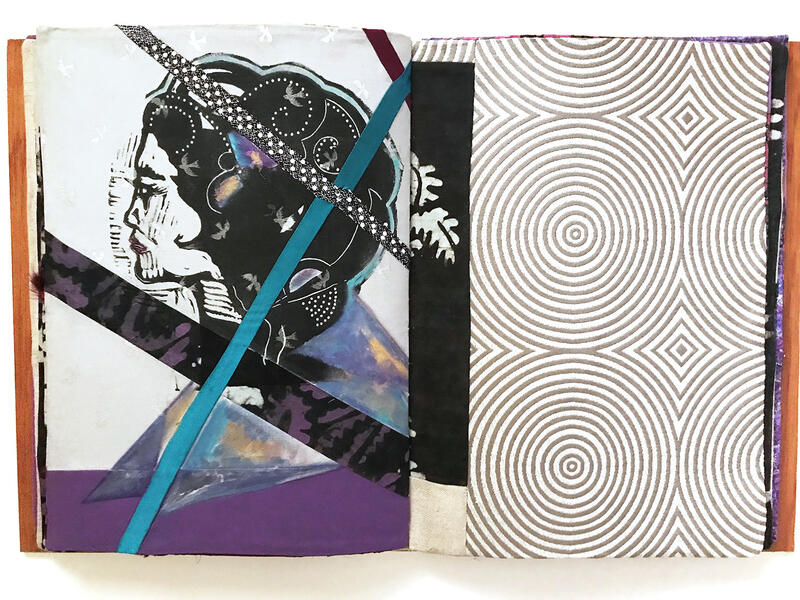 HammeringHammering metal sentiments into carved wooden statues.
 -
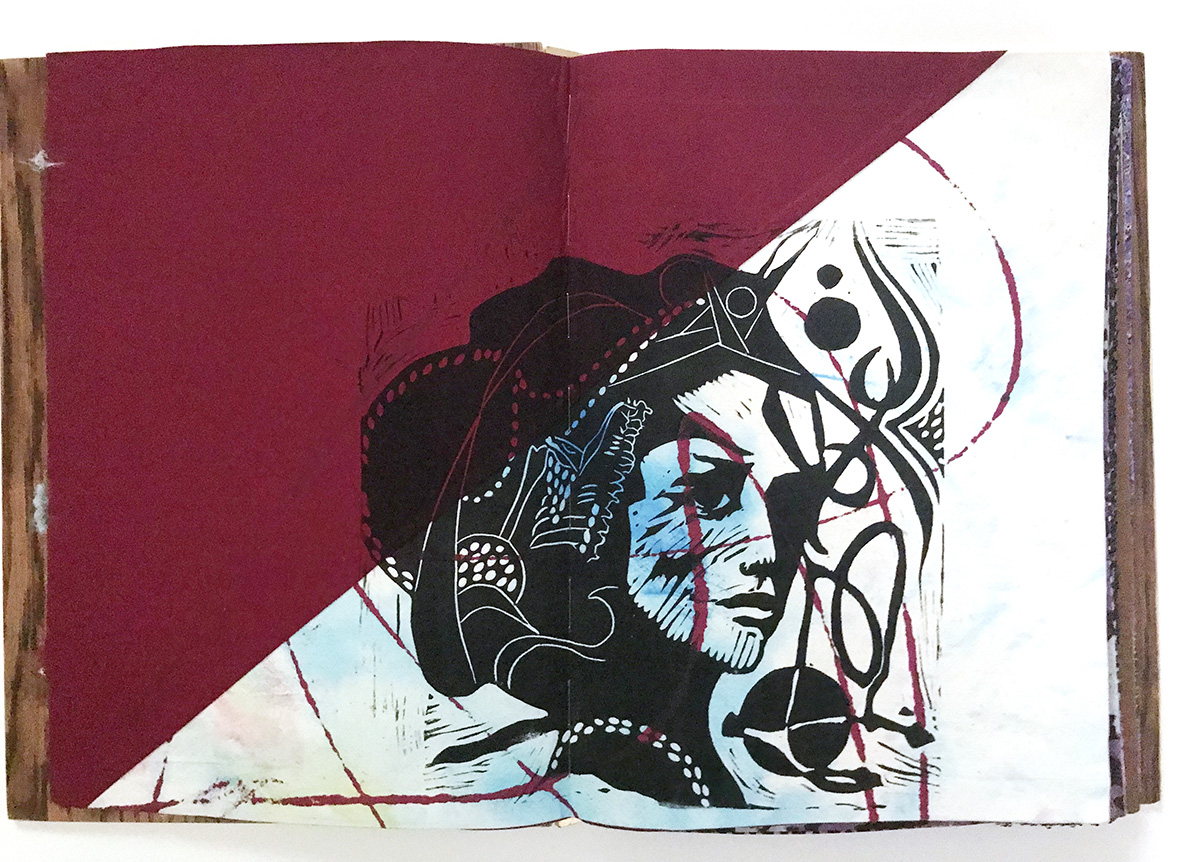
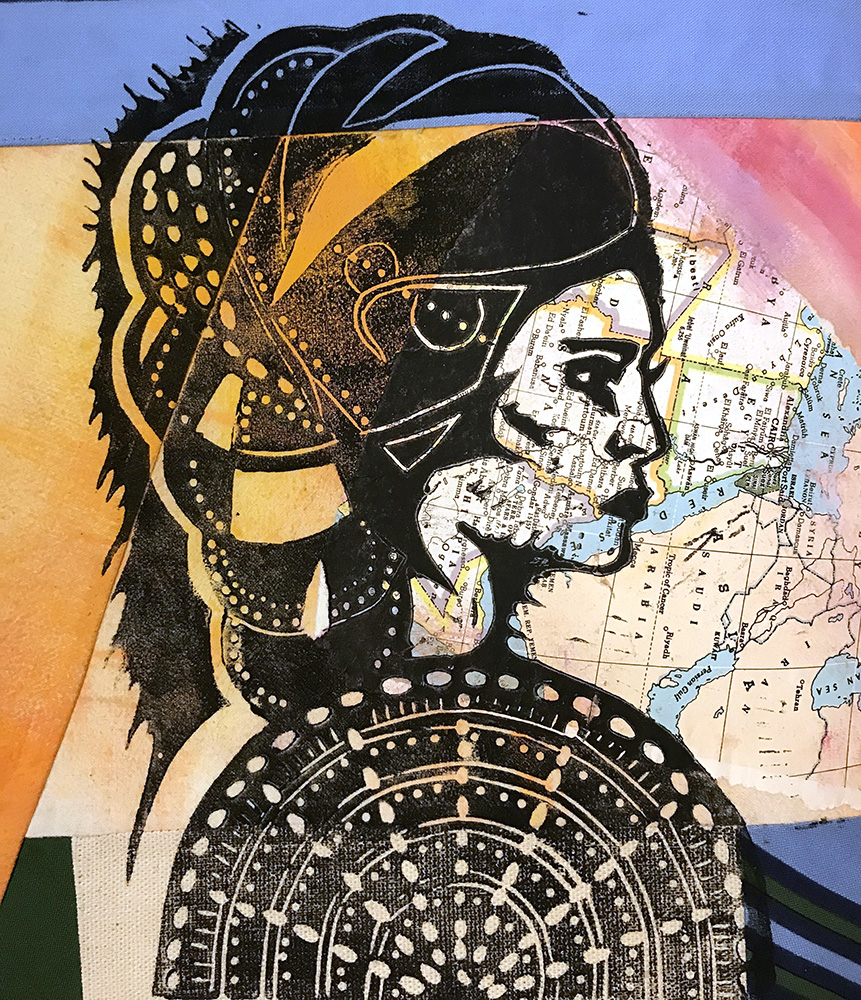
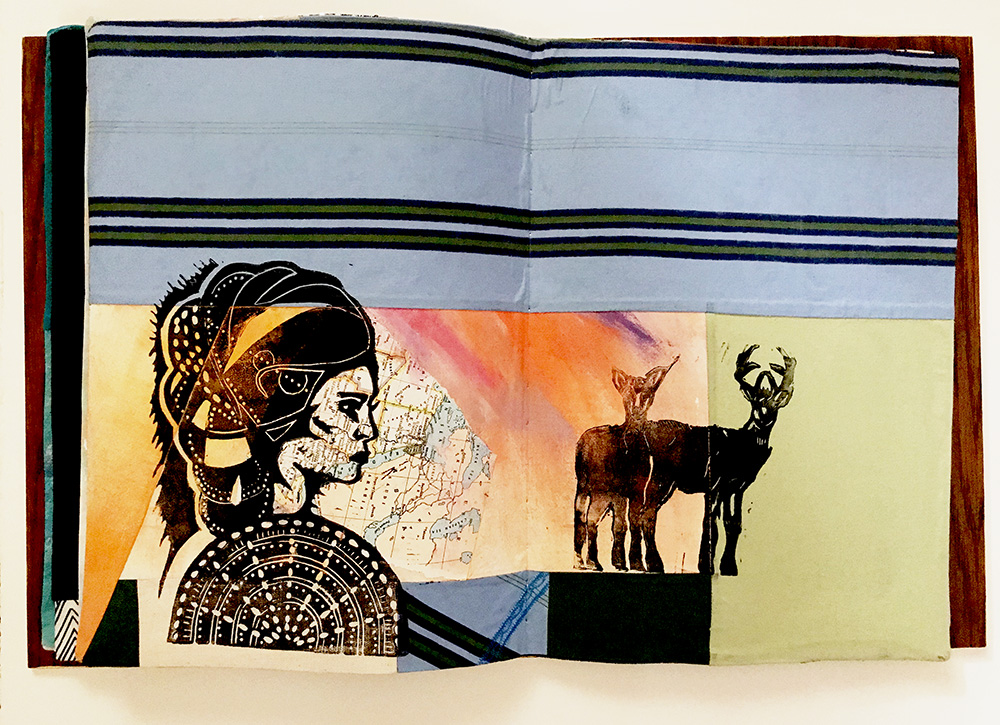
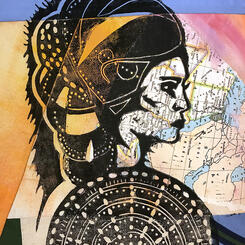
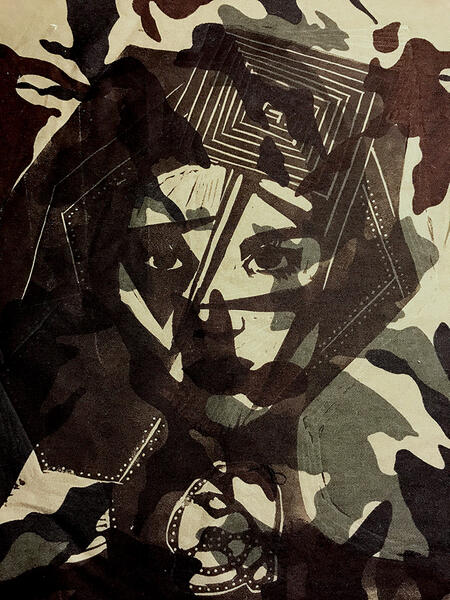 ArtemisArtemis: handprinted cotton textile page
 -
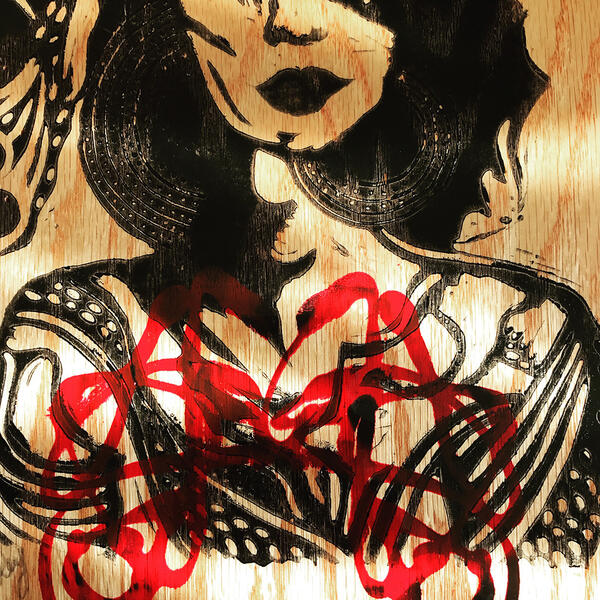 Asymmetrical Zeal, Coverwood, ink, polyurethane, 2017
 -
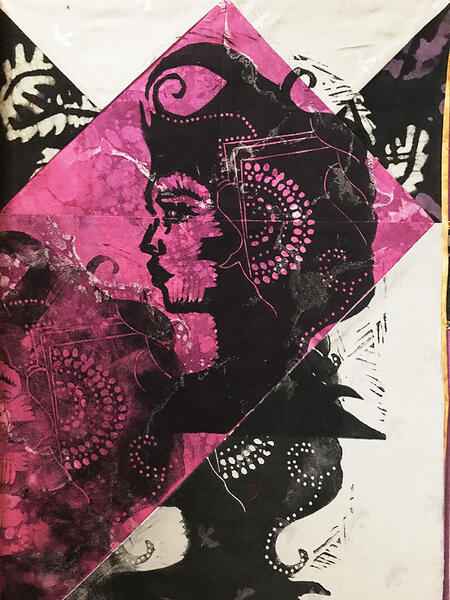 Forcing SpiritsForcing spirits past caged lines, across arid lands.
 -
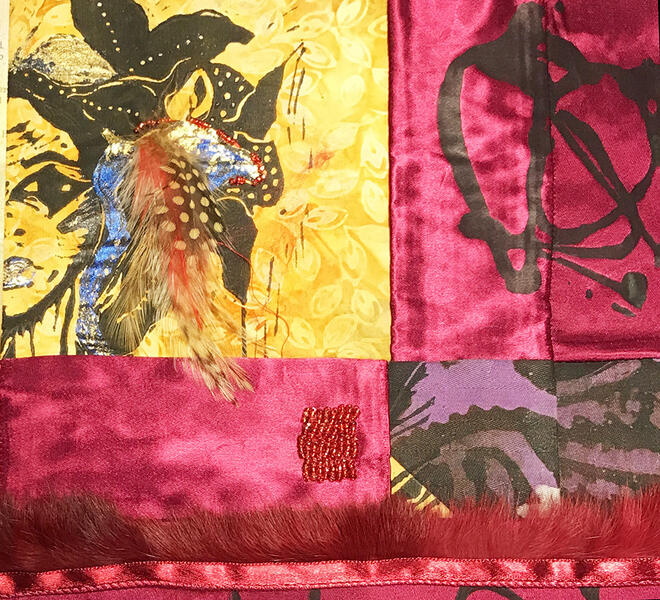 Motherhood, detailMotherhood gives birth to new vulnerabilities.
 -
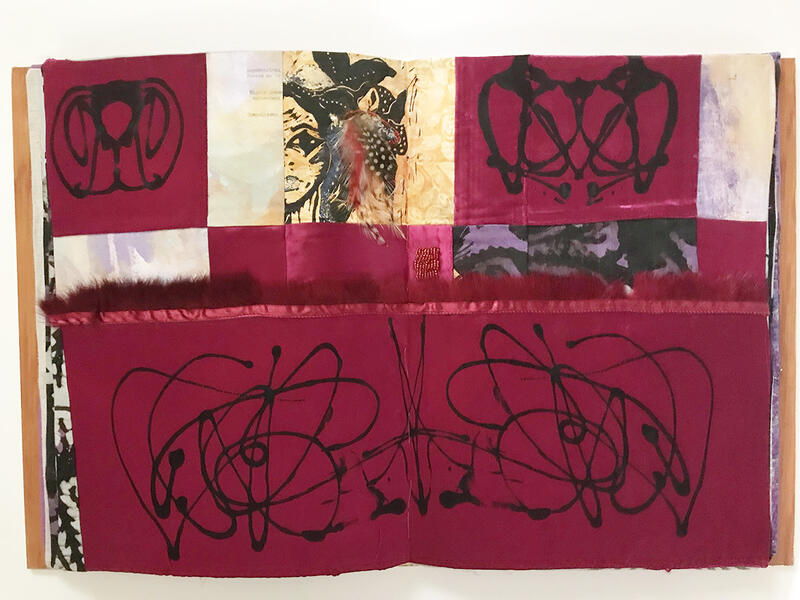 MotherhoodRapscallions stalk under thick sentimental canopies.
 -
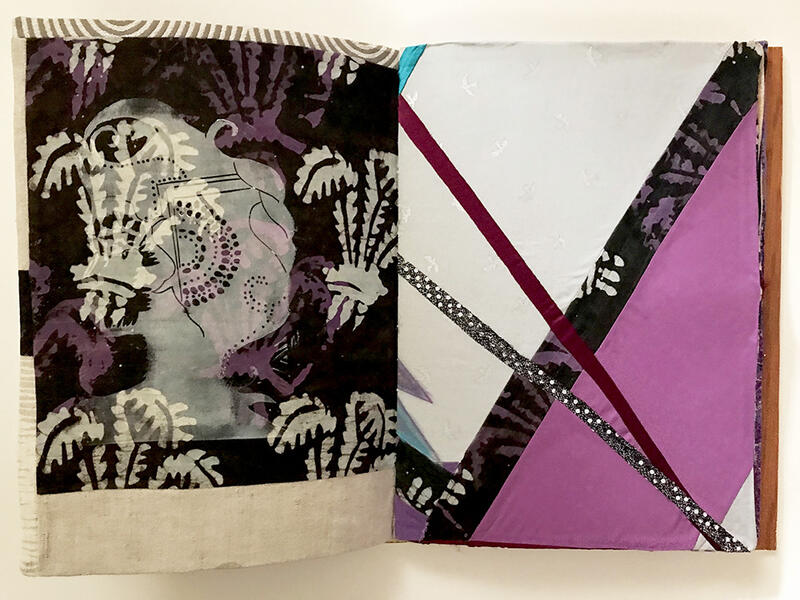 Criss CrossSun scorched metallic hopes melt before dawn.
 -
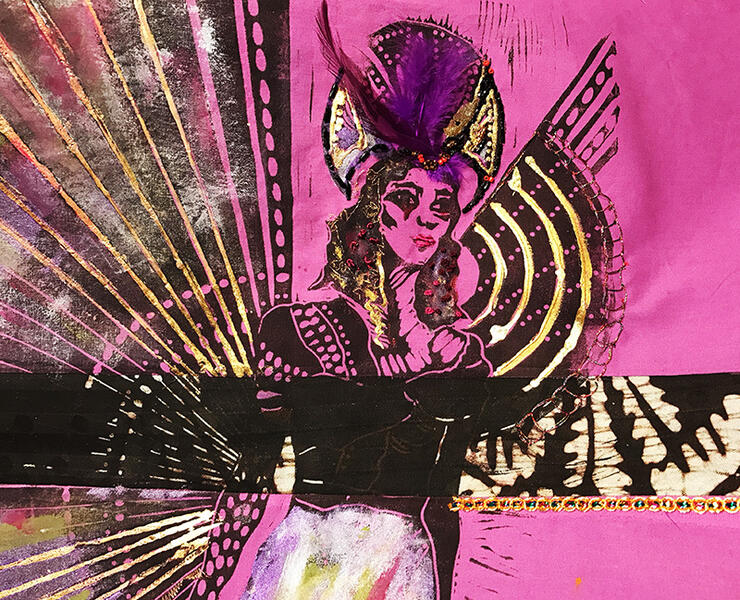 Metallic HopesWinds howl fiercely
 -
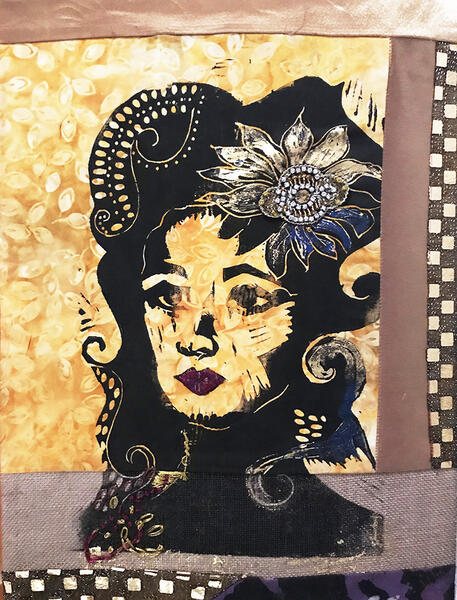 EmotionsRemoving emotions from mass graves
 -
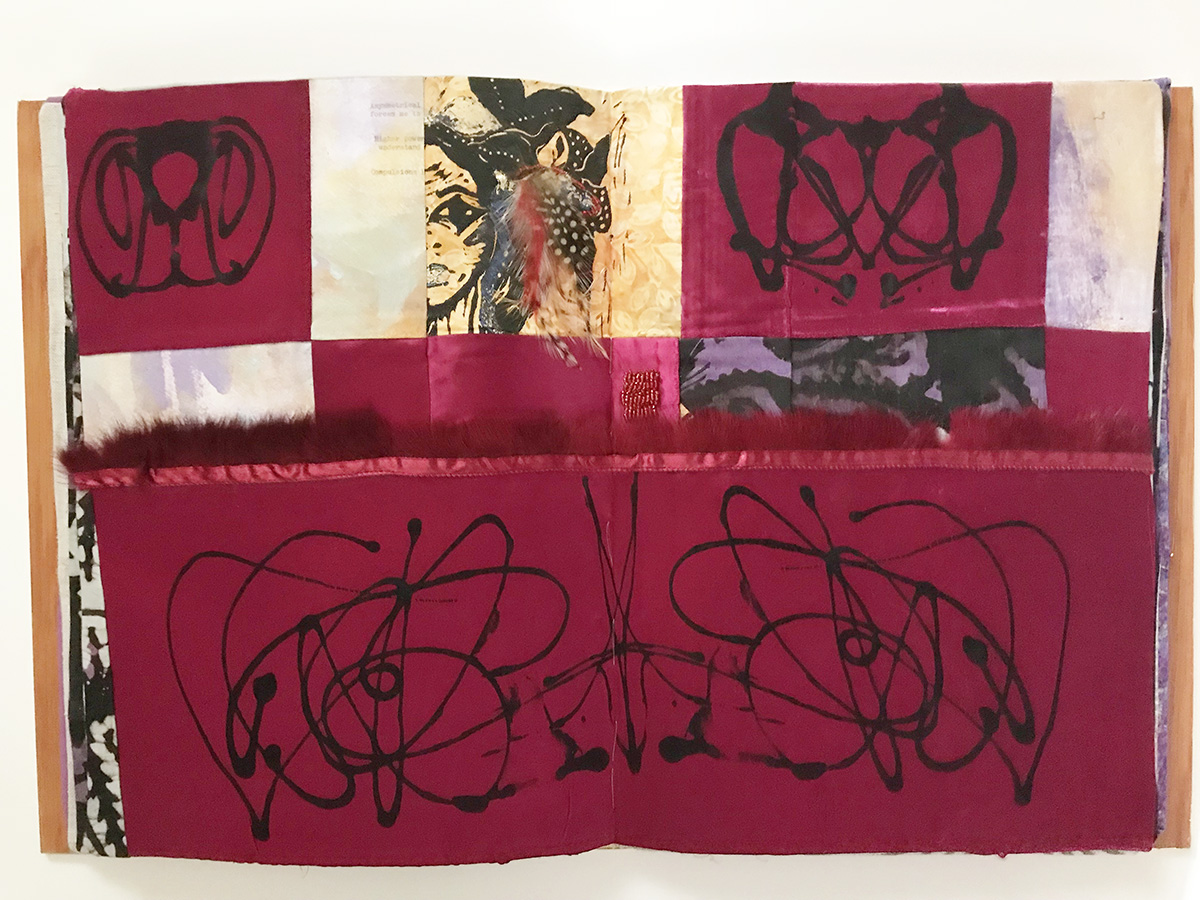
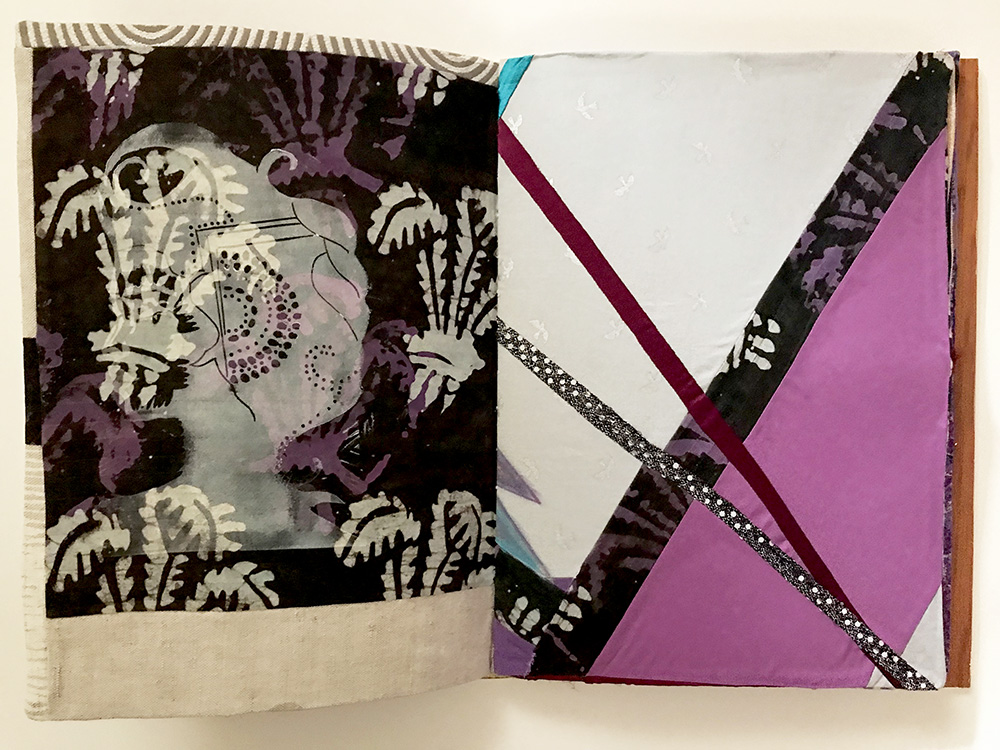
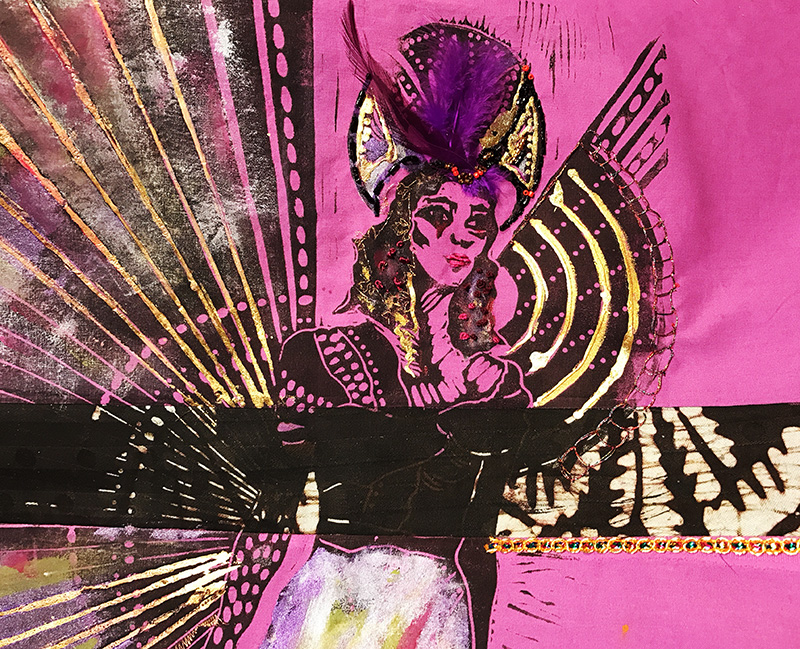
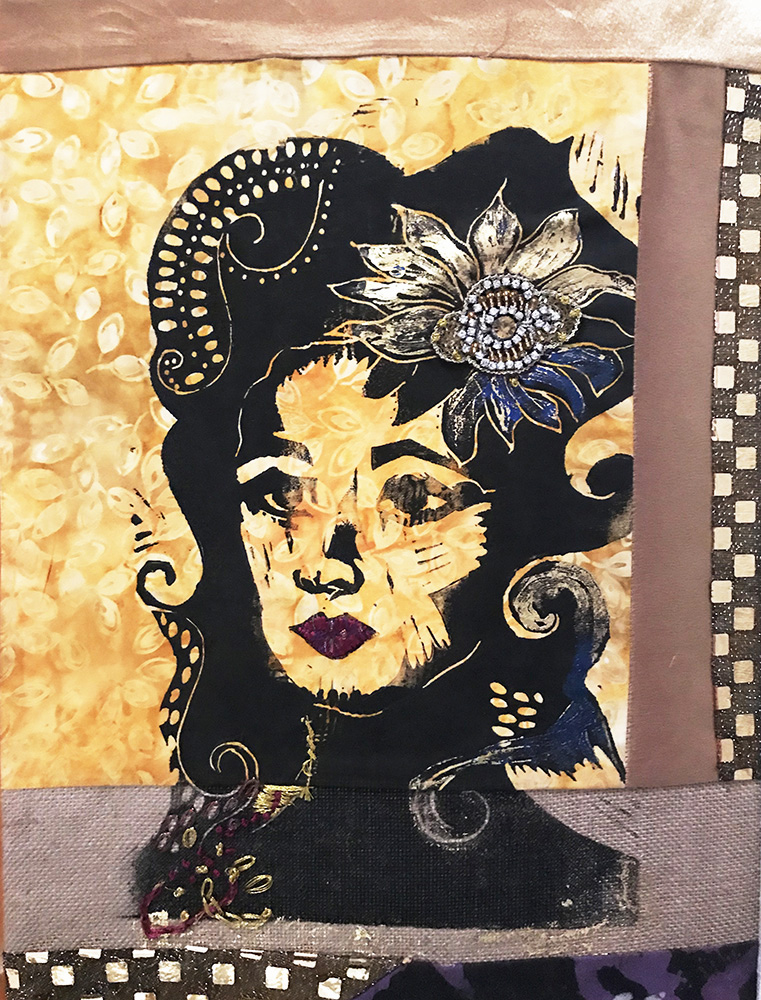
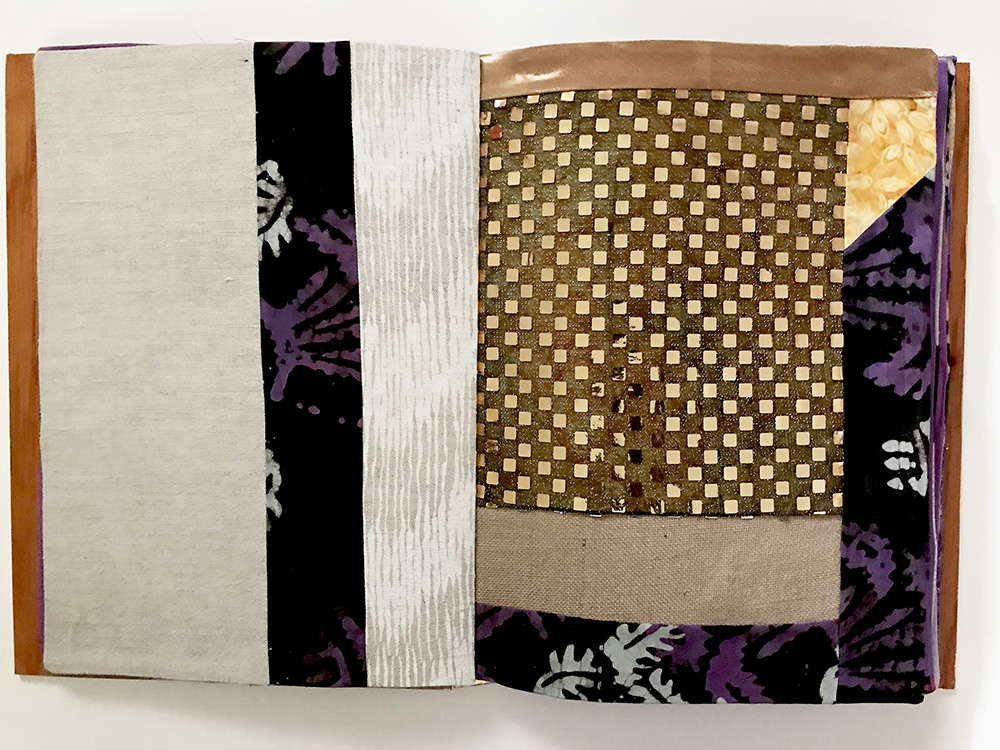
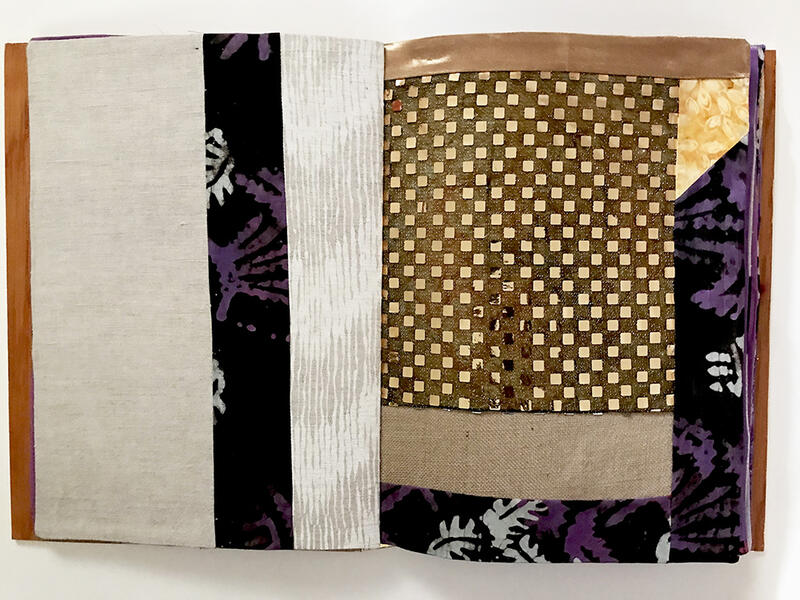 Gold Squaresletting them flow with the river's current.
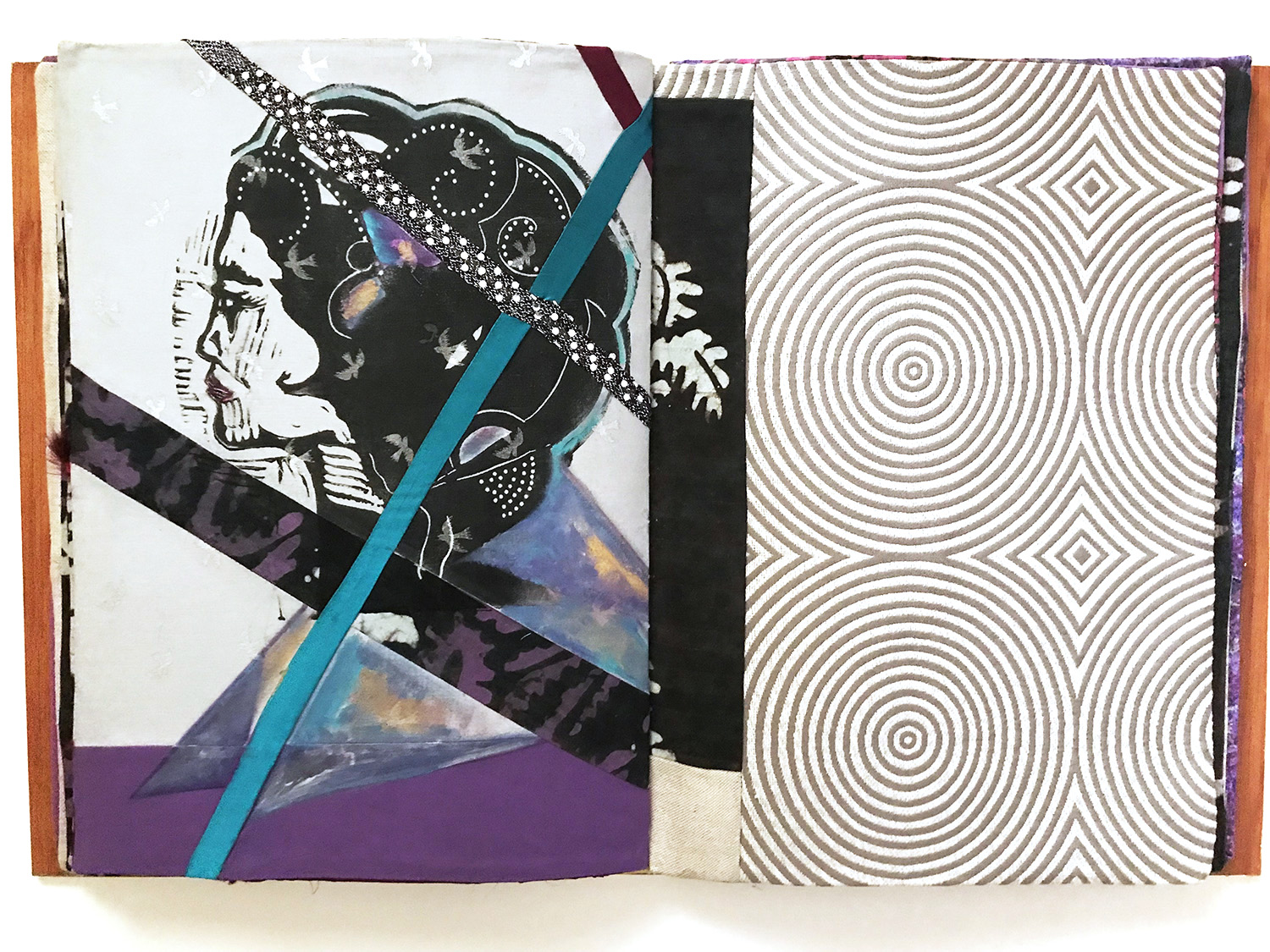
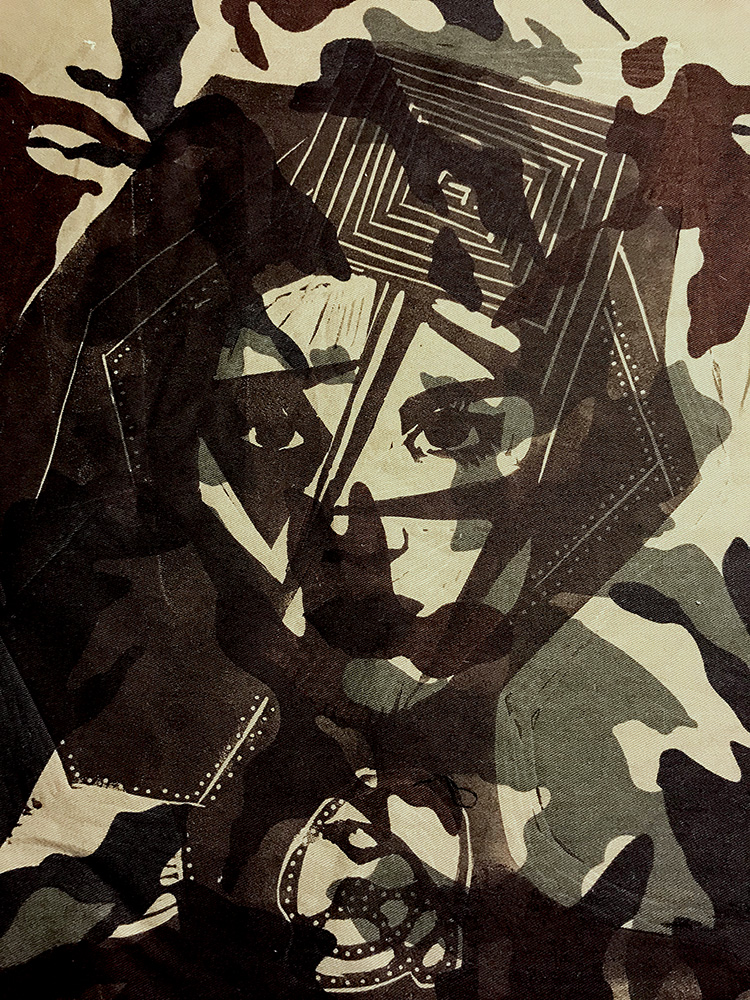
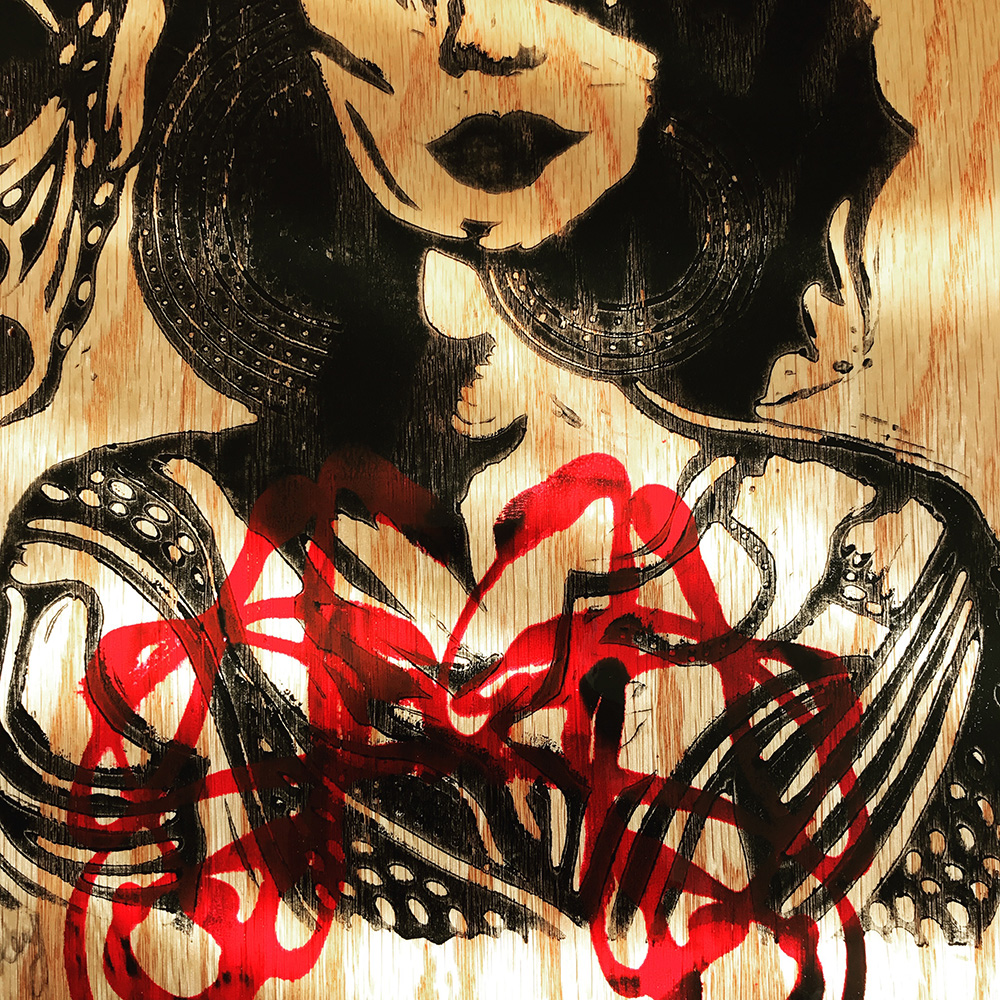
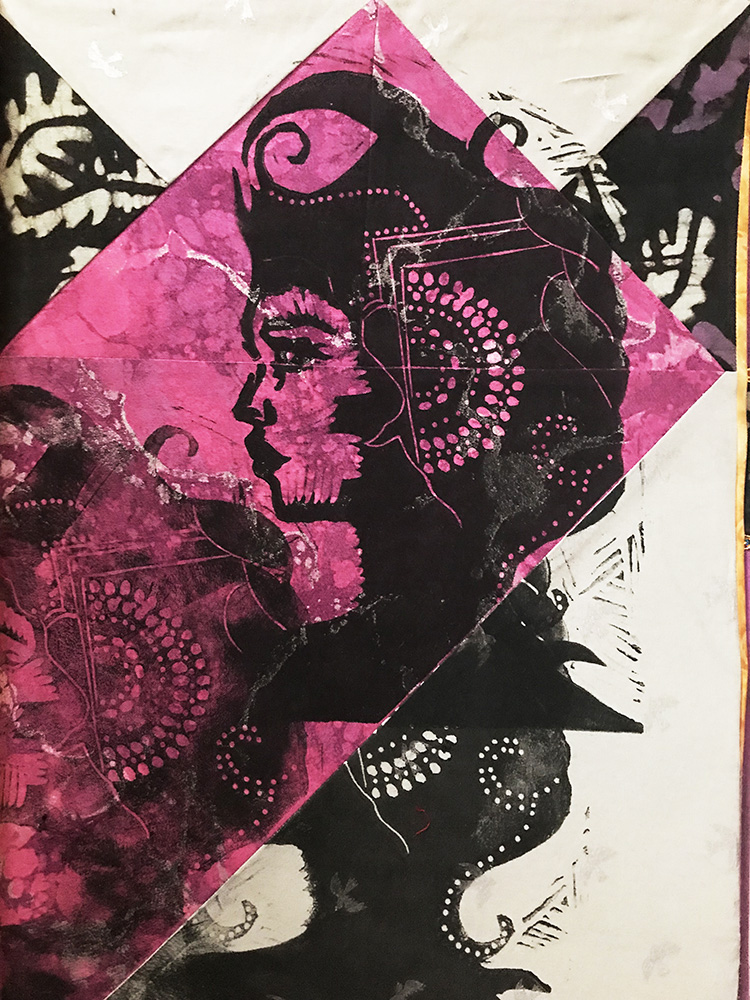
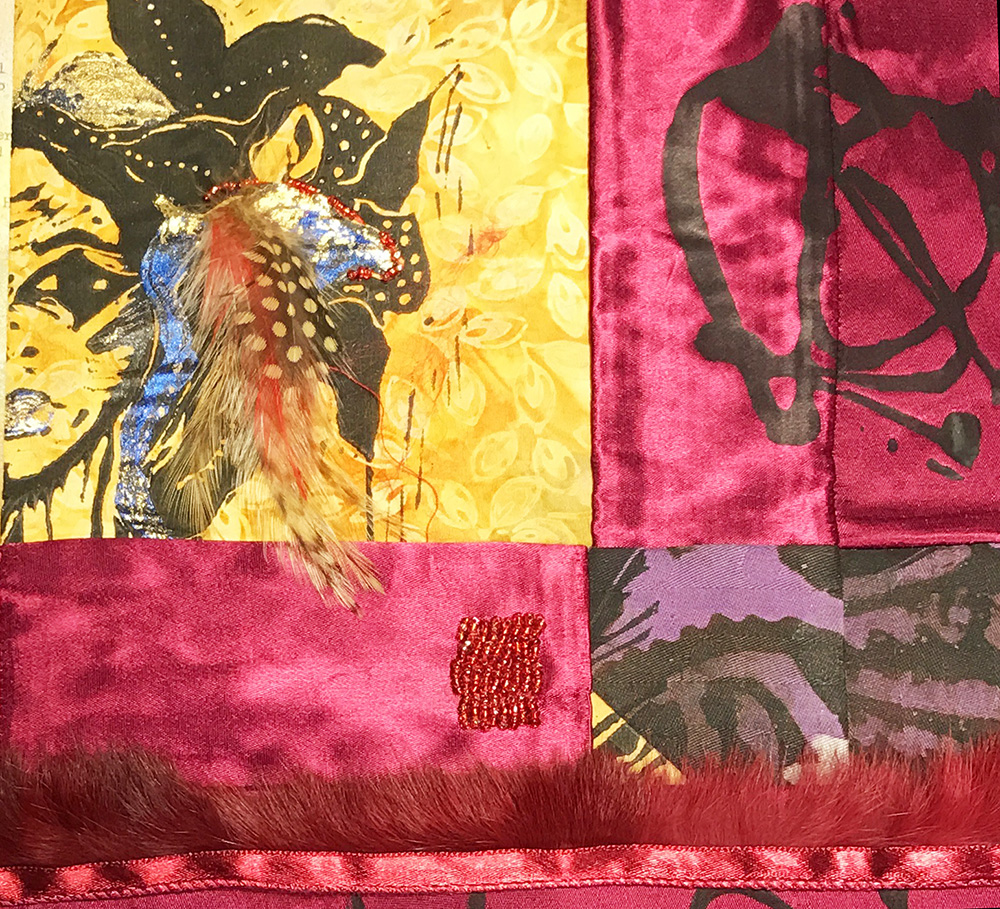
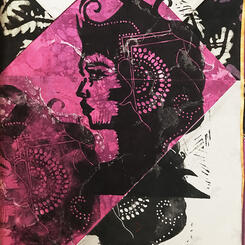
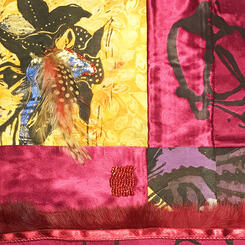
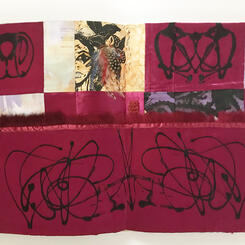
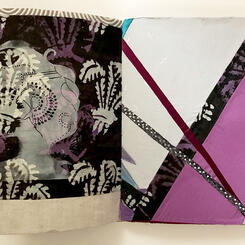
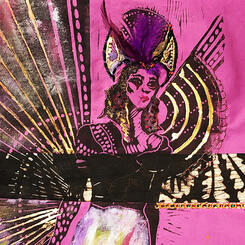
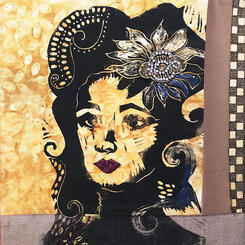
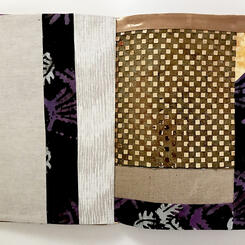
Goats
-
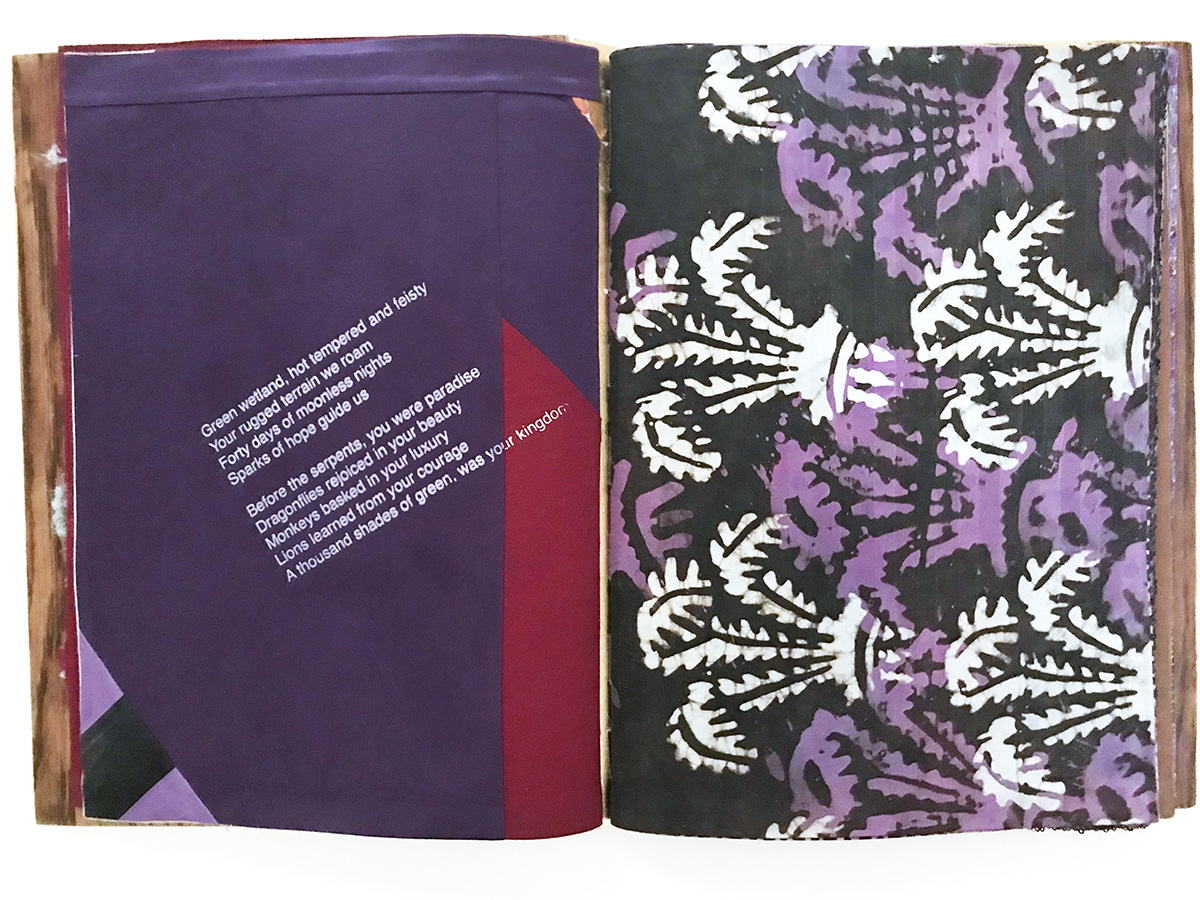
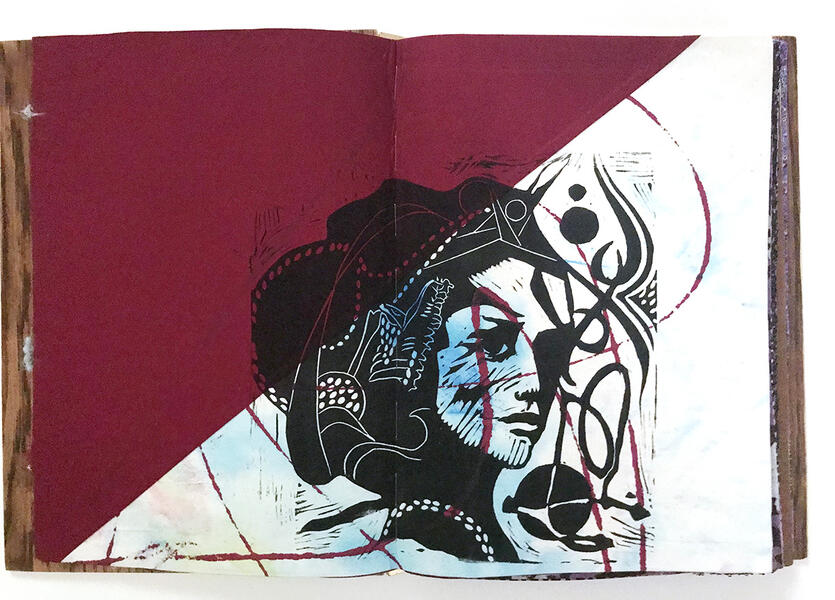 LionsLions learned from your courage. **Mixed media fiber arts, 16.5 x 25.5 x 2 inches, 2017
 -
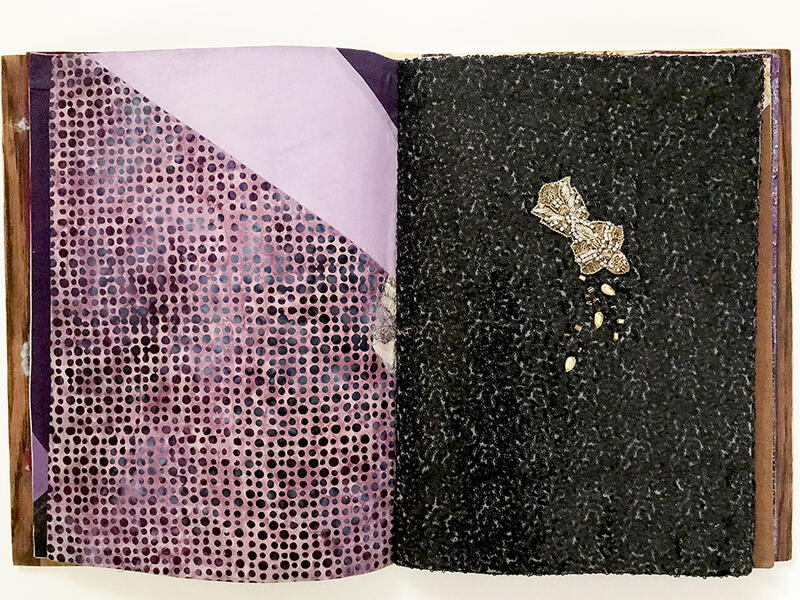 MonkeysMonkeys basked in your splendor.
 -
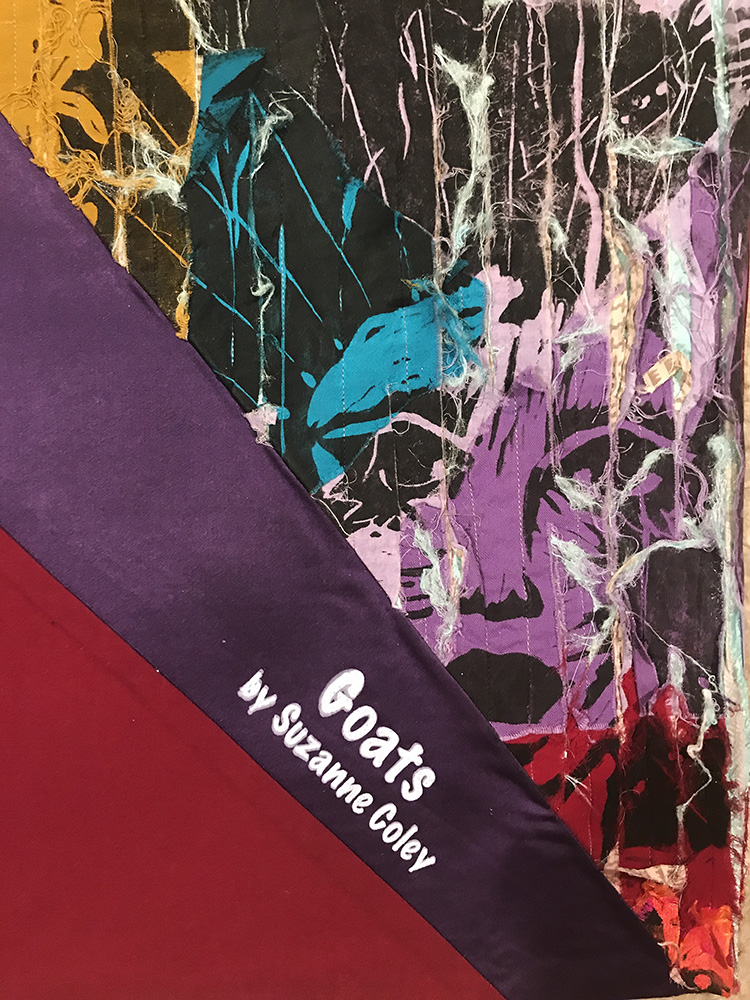
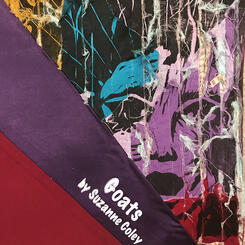
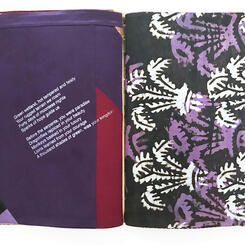
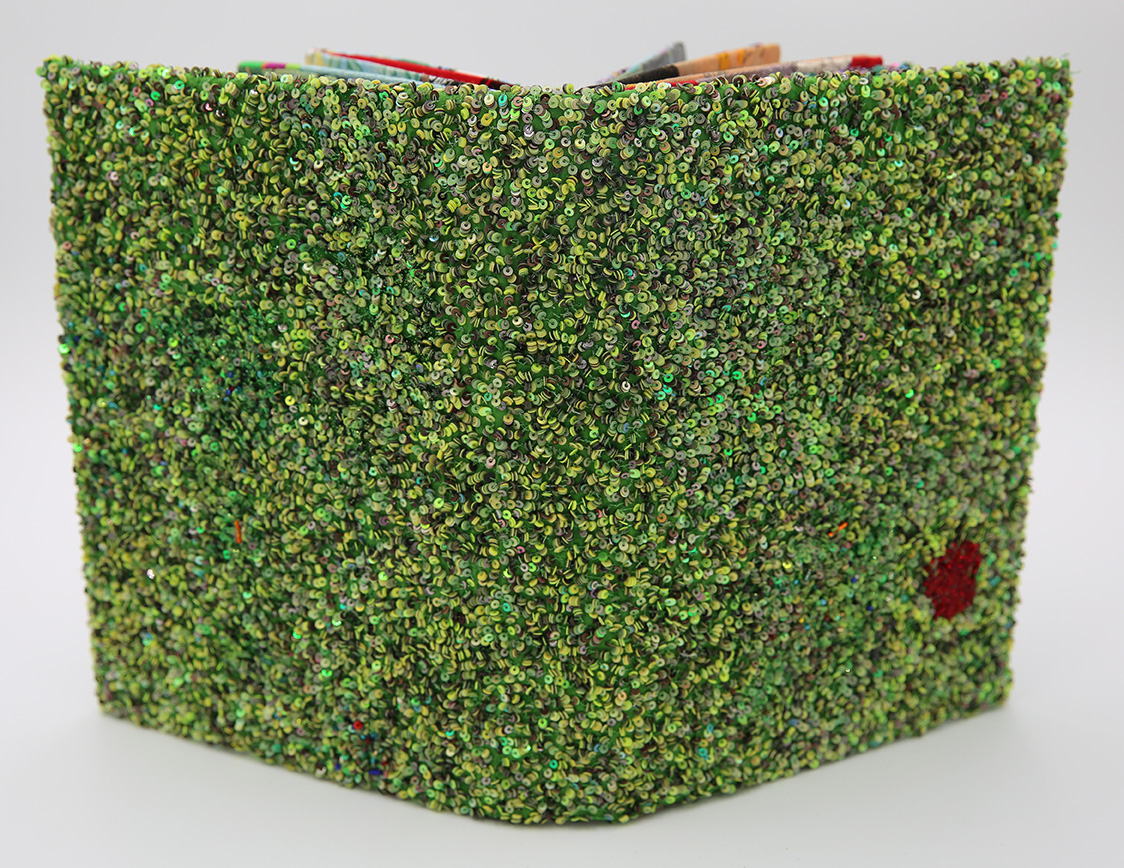
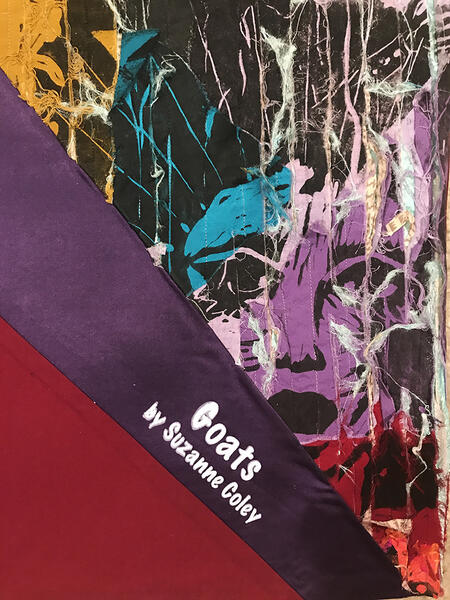 GoatsA thousand shades of green was your kingdom.
 -
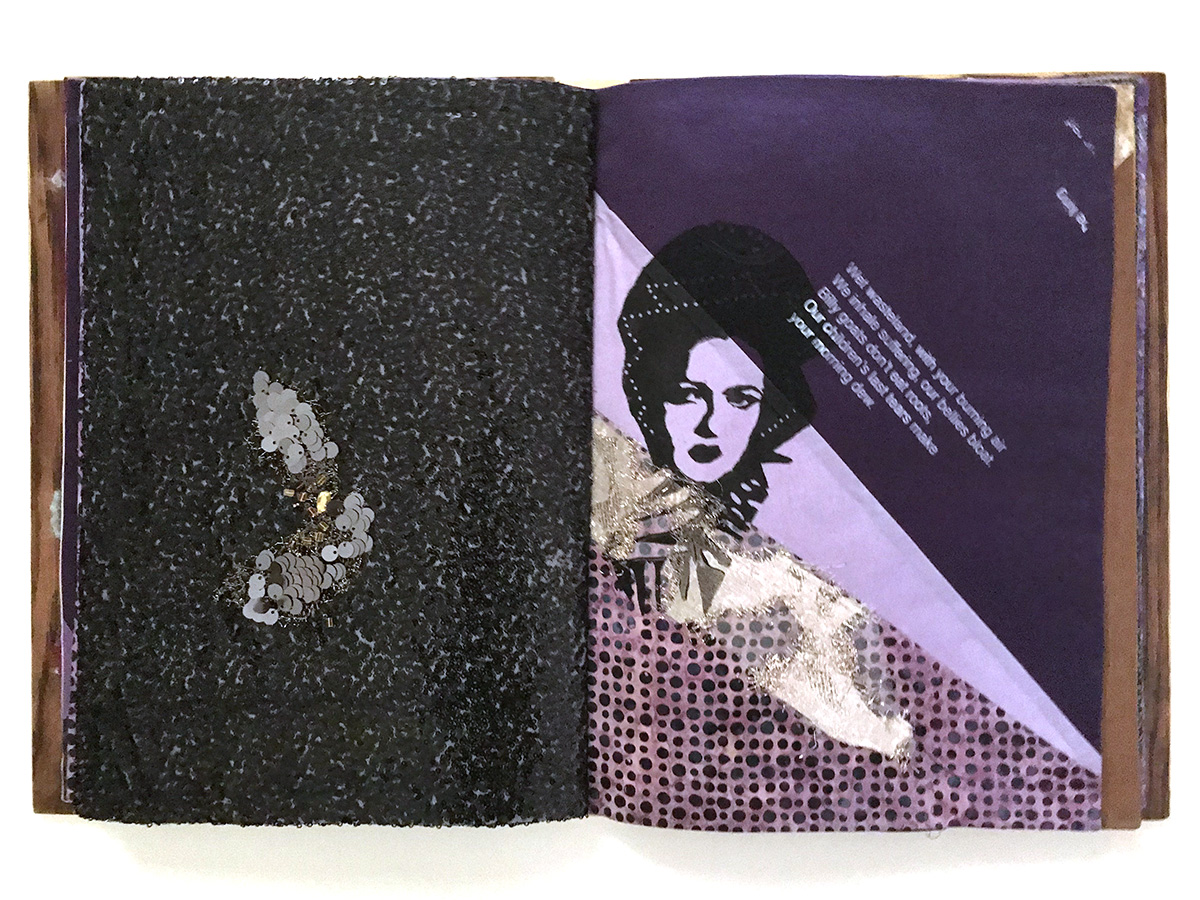
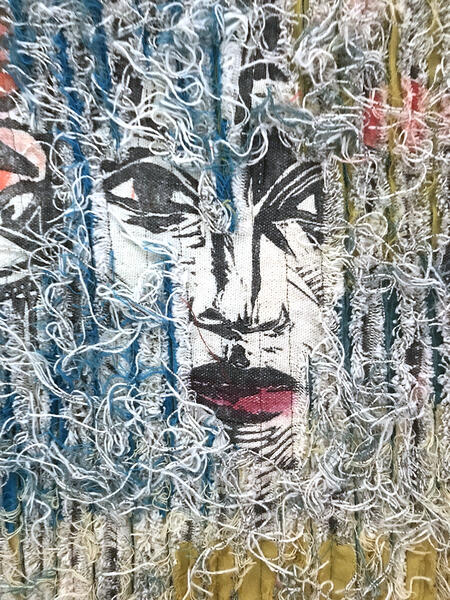 Burning AirWet wasteland, with your burning air, we inhale suffering
 -
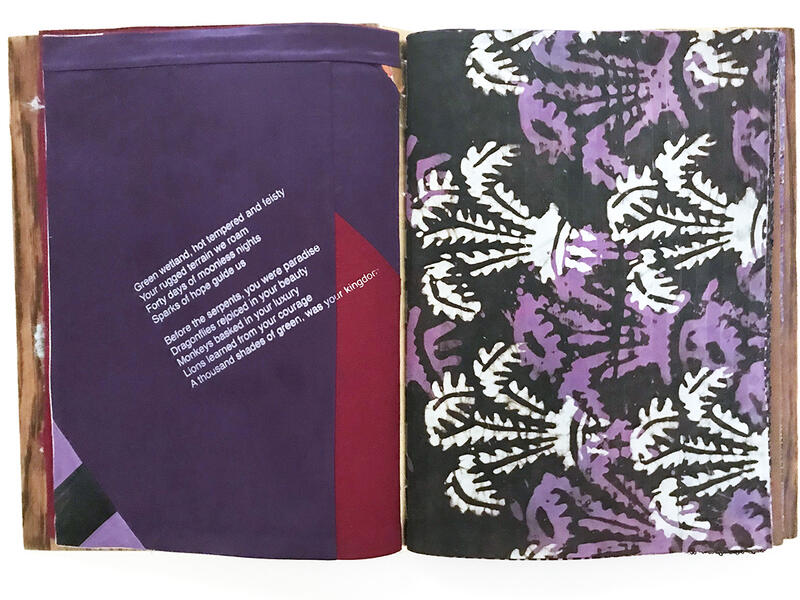 Bellies BloatWet wasteland, our bellies bloat.
 -
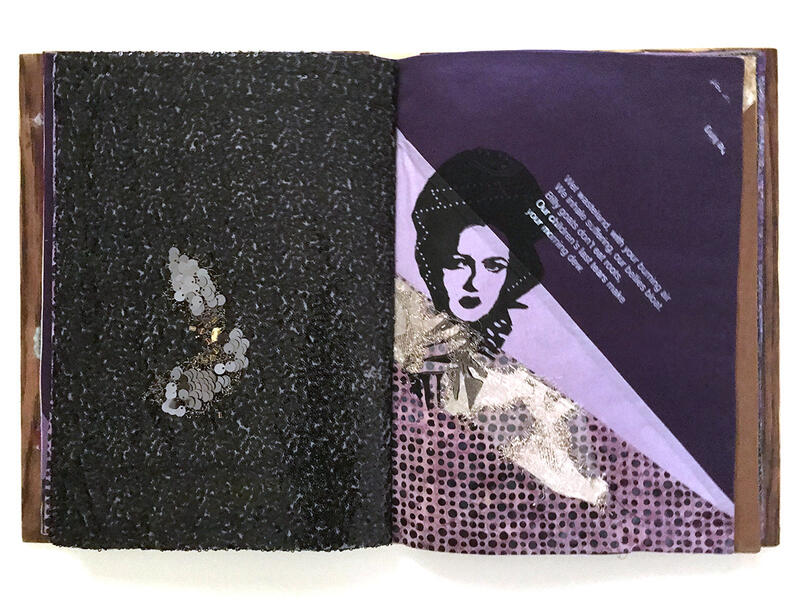 GoatsGreen wetland, hot tempered and feisty, your rugged terrain we roam.
 -
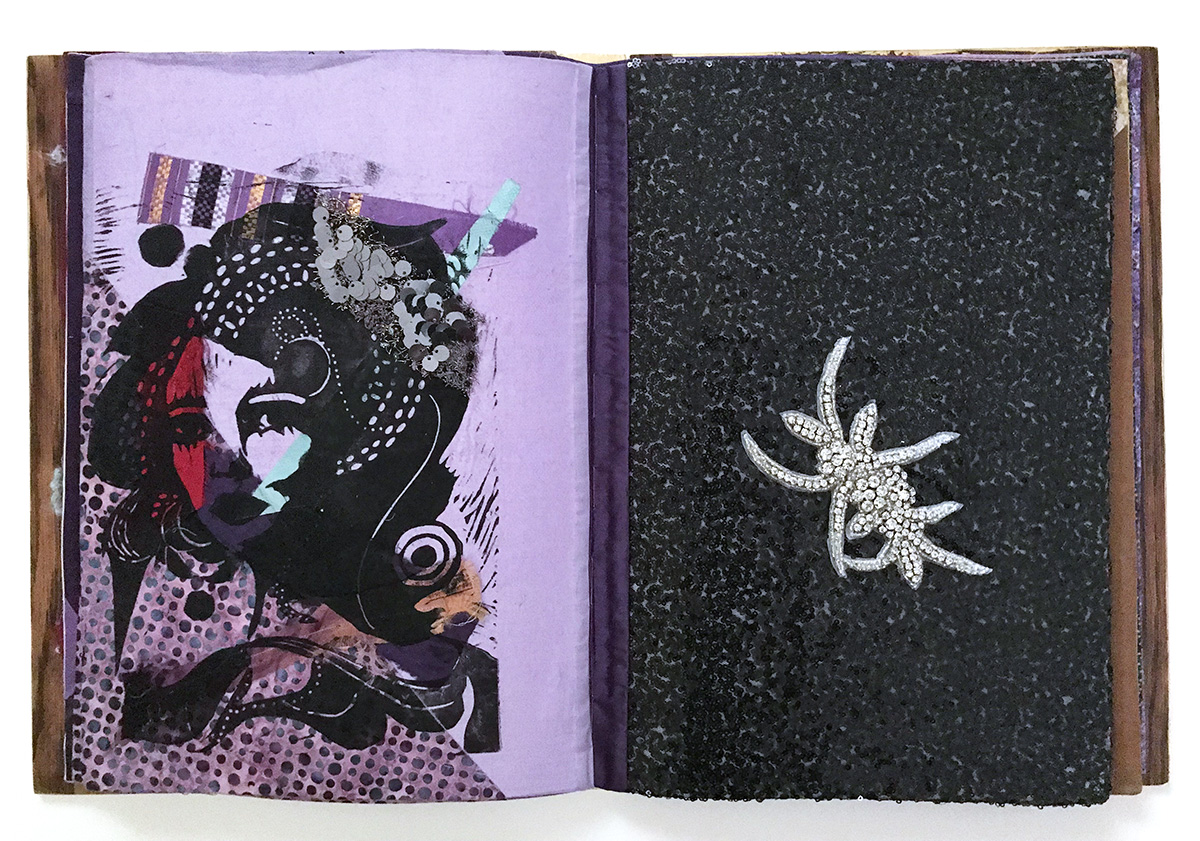
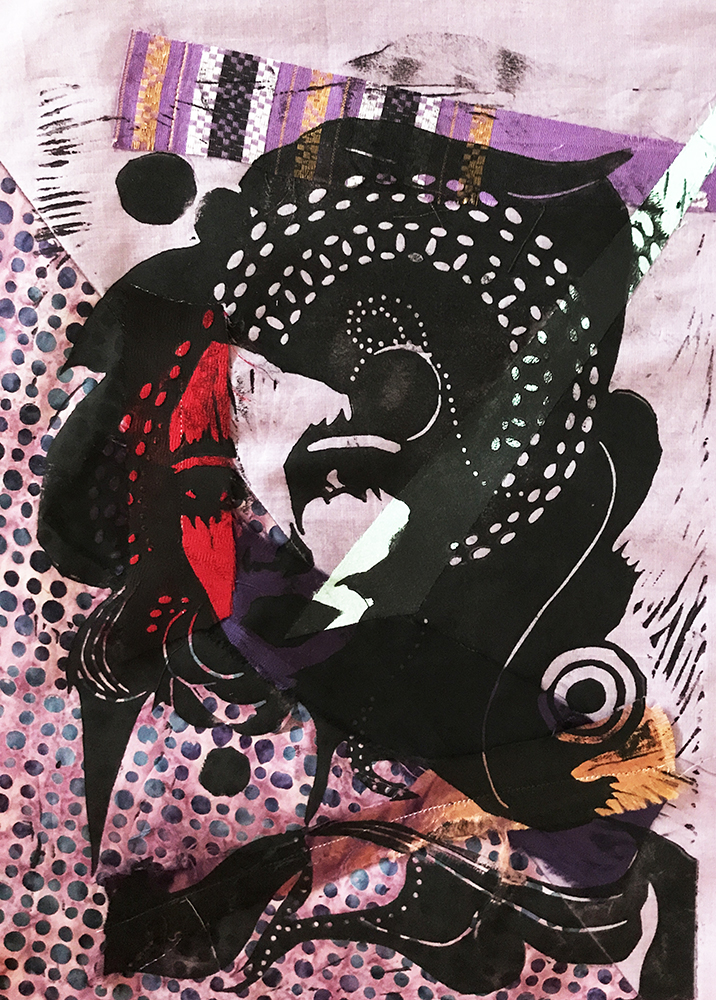
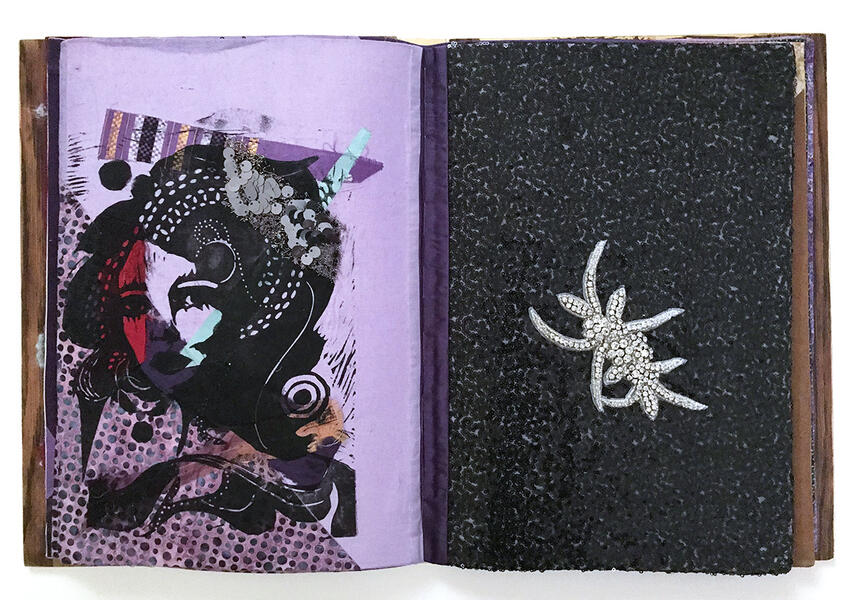 Goats: Rootsmixed media fiber art with hand beading, 16.5 x 25.5 x 2 inches, 2017
 -
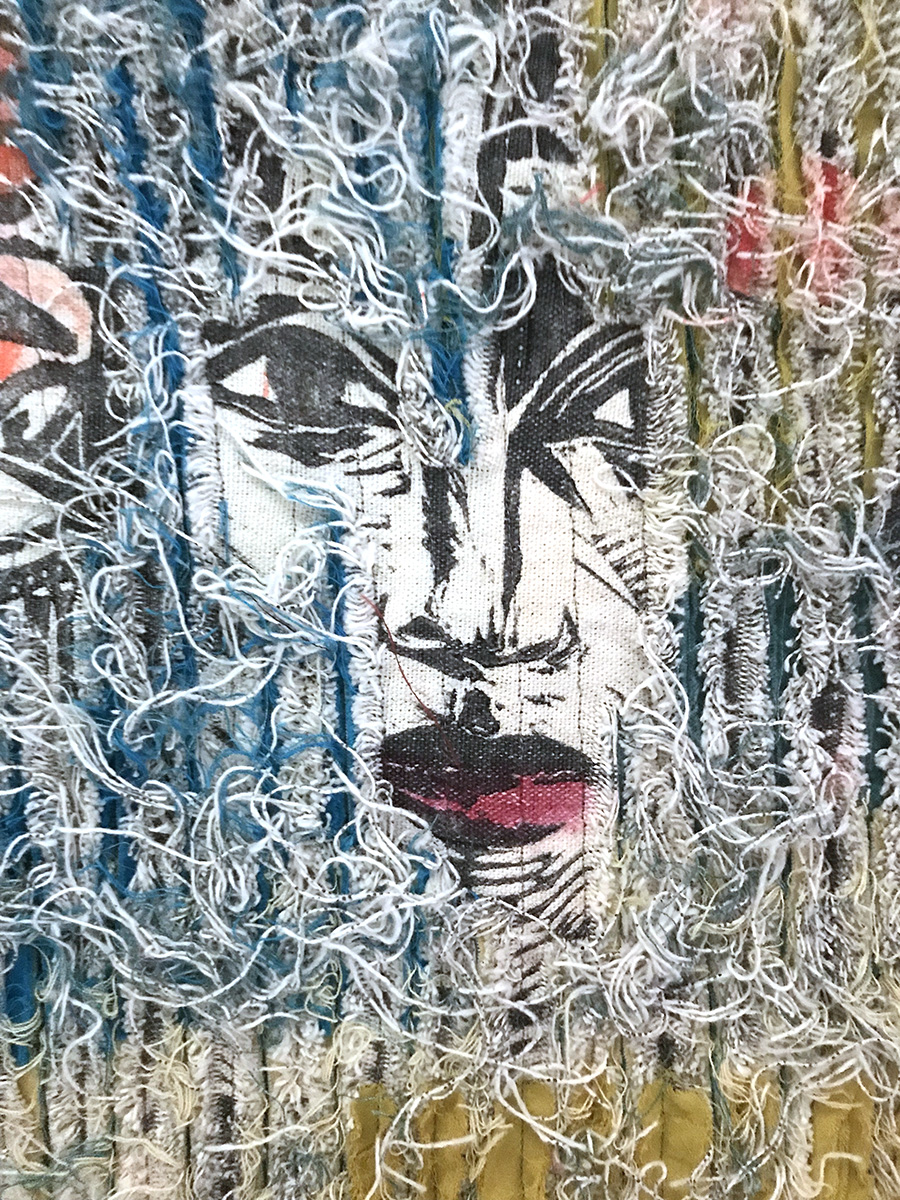
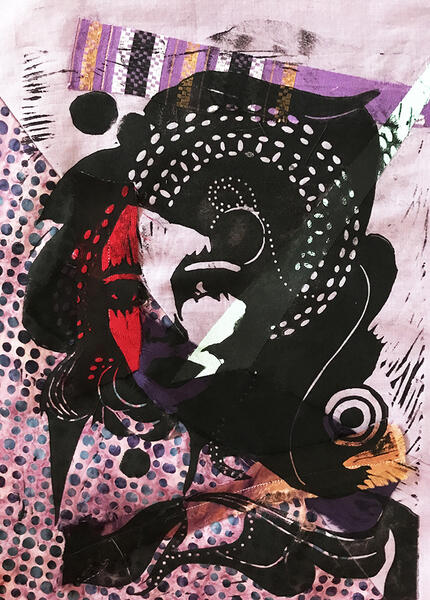 Goats:Rootsdetail
 -
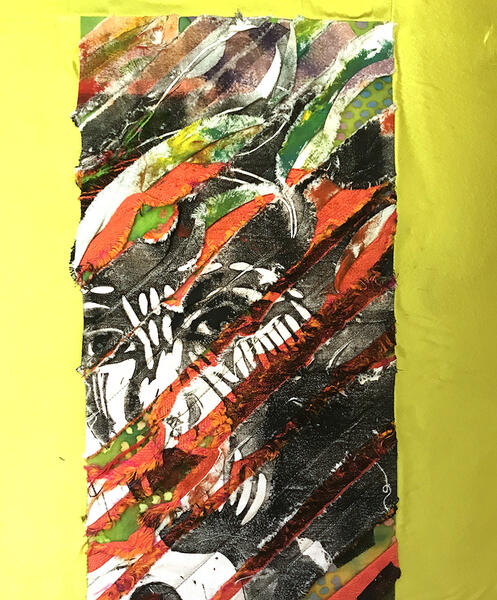 Billy GoatsBilly goats don't eat roots.
 -
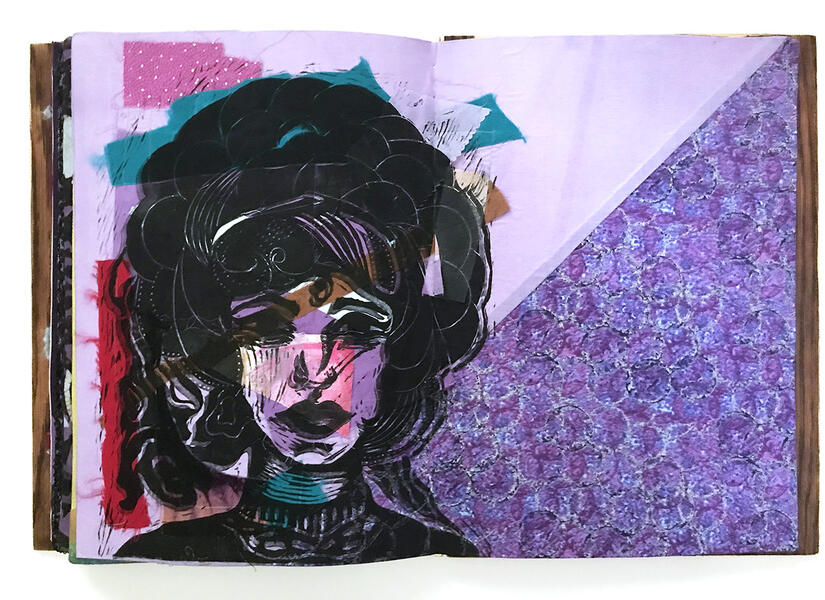 Morning DewOur children's last tears make your morning dew.